destination stories best
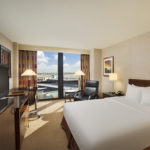
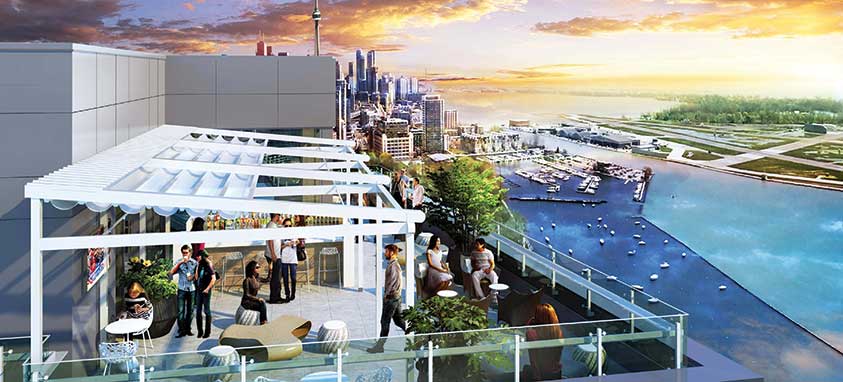
Hotel X Toronto

Looking for a memorable place for your group to stay, meet and enjoy in 2019? To save you from having to sift through the overwhelming amount of material out there, Smart Meetings spent the last year pinpointing places that are particularly suitable to attendees and their ever-changing needs. Here are 12 of our top destination stories from 2018.

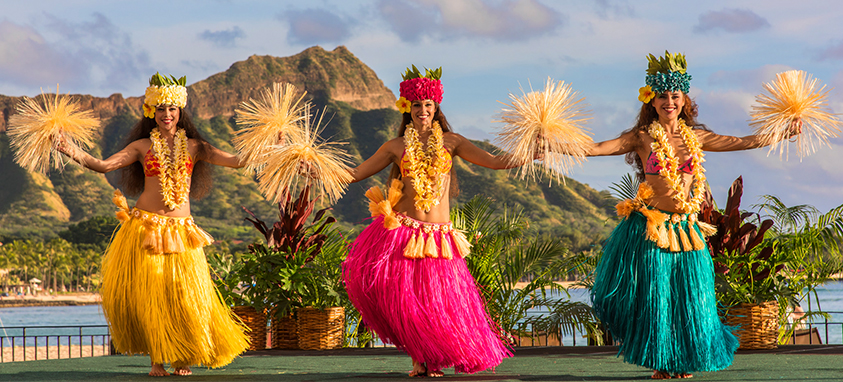
Island of Hawaii and Maui (January): Why make the journey all the way to Hawaii, since pristine beaches, abundant sunshine, fresh seafood and tropical backdrops can be found in so many other places? We think it’s because Hawaii offers such a rich, unique culture—one that is lived, venerated and passed down from generation to generation. In this story, we describe how groups can immerse themselves in this culture on Maui and the Island of Hawaii.

Dallas & Fort Worth (January): This 13-county region, dubbed The Metroplex by locals, mixes big-city vibe and Old West charm. It’s also a very hot meetings destination, with plenty of hotel construction and renovation dotting the landscape. We provide some tips for where to stay, meet, eat, drink and play during a three-day stay in the Dallas-Fort Worth area.

Las Vegas (March): This meetings mega-city in the desert is in the midst of an enormous expansion phase that will add 2.2 million sq. ft. of meeting space in the next three years, including an additional 600,000 sq. ft. at Las Vegas Convention Center. In addition to expanding the city’s current 11 million sq. ft. of meeting space, the new spaces will be decidedly modern, with an emphasis on connectivity, health and flexibility.

New England (March): Sure, this popular region of the United States features rich history almost everywhere you turn. But it’s also very forward-thinking, as seen in its repurposing of old factory buildings to accommodate artists, artisans, museums and meeting space. For example, State Theatre in Portland, Maine, a former movie house built in 1929, underwent a multimillion-dollar renovation and now can accommodate private catered events as well as an outdoor summer concert series.

New York State (April): New York City typically grabs the attention in the Empire State, but there are plenty of other outstanding areas for meetings and events. We provide a season-by-season rundown for groups to experience the state: winter in New York City, spring in Niagara Falls, summer on Long Island and fall in the Adirondacks.

Eastern Canada (May): Montreal, Quebec City and Toronto all feature an abundance of rich history, tantalizing culinary options, exciting attractions, world-class hotels and outstanding meeting spaces. A focus hyper-local experiences in each city makes picking an agenda from all those options a little easier. Attendees expect these only in Canada experiences, so we describe some of the best options in the three cities.

Santa Fe and Albuquerque (June): These two New Mexico cities, separated by only 64 miles, offer unique, varied experiences to groups and boast a vibrant cultural scene that mixes Native American, Hispanic, Latino, Anglo and other customs. One of the best ways for groups to experience and understand these cities is by attending one or more of their signature events. We describe some of the top annual events in both places throughout the year.

Mid-Atlantic (June): Virginia features some of the most famous, historically significant homes and other structures in the United States. Groups can not only tour many of these places, but also meet at some of them. We take readers to Fauquier County, Loudon County, Norfolk, Virginia Beach, Virginia’s Blue Ridge and Williamsburg to describe some of the top spots.

Idaho, Montana and Wyoming (July): Big Sky Country is a geographical wonderland, featuring large mountains, roaring rivers, rolling plains and quiet meadows. It also features hotels, resorts and conference centers that typically offer a more relaxed pace than those found in large urban areas. That doesn’t mean that the area doesn’t have its share of upscale, cutting-edge properties, though: Here’s a look at some of the best for groups in Idaho, Montana and Wyoming.

Northern California (August) It’s one of the leading meetings and tourism regions of the world, with plenty of exciting attractions and stellar hotels—and the options are always expanding and changing! We provide readers with a glimpse at San Francisco Bay Area cities and beyond, focusing on three topics for each place: one must-see thing, how to get around and what’s new.

St. Louis (September) Nicknamed “The Last Eastern City” and “Gateway to the West,” St. Louis is often thought of as the dividing point between East and West, though the general consensus is that it has more of an Eastern feel. It also has its share of attractions, including Gateway Arch, Busch Stadium, National Blues Museum and Anheuser Busch Brewery. We show planners how a three-day trip to the city can include these attractions and more.

New Orleans (November) Everyone knows that The Big Easy is world-famous for its wonderfully eclectic, unbelievably rich music city. Music flows throughout the city, so where is a planner to begin when arranging a group night out? The French Quarter is the most famous neighborhood, but several other places—particularly Frenchmen Street in the Faubourg Marigny/Bywater area—also offer a very exciting, nightly music scene. We move through the city neighborhood by neighborhood, offering hot tips for groups.

Update 12/28: Visit Philadelphia donated $32,000 to keep Independence Hall and Liberty Bell Center open for three days starting Friday with National Park Service rangers onsite to provide interpretation. Other local attractions that remain open through the holiday weekend and beyond include, Betsy Ross House, Independence Visitor Center and Museum of the American Revolution.

As President Donald Trump and Congress debate whether to include millions of dollars for a border wall in a spending bill to reopen government, event professionals are left wondering how a partial shutdown will affect their plans. Although this is the third shutdown this year, many predict it could extend into 2019 and no one is sure exactly what unintended consequences could affect daily life. Most meetings industry experts point to travel and parks as areas to watch as 800,000 federal workers are affected.

Open Skies

Most planes and trains are running as the more than 55,000 Transportation Security Administration employees are considered essential and required to work without pay until a spending bill is in place.

Customs and Border Patrol are also open and processing paperwork for incoming international travelers. The U.S. State Department issued a notice on Dec. 22 saying, “At this time scheduled passport and visa services in the United States and at our U.S. Embassies and Consulates overseas will continue during the lapse in appropriation as the situation permits.”

You might want to be extra nice to these workers.

Park Access

One agency that told workers to stay home was U.S. National Park Service. The agency released a statement saying that during the federal government shutdown, some national parks may remain accessible to visitors, but some are closed completely and there will be no National Park Service-provided visitor services, such as restrooms, trash collection, facilities or road maintenance.

You can find more information about contingency plans at www.doi.gov/shutdown.

Parks operated independently of the government are still open, according to Joanne Diane Tan, corporate director of sales for Basecamp Hospitality (formerly The California Park). The privately owned park and event management company operates numerous properties in California, including Angel Island State Park in San Francisco, Big Basin State Park in Santa Cruz, Camanche Recreation Company in Ione, Clair Tappaan Lodge in Norden and Lake Chabot in Castro Valley. Tan reported that Katherine Landing at lake Mohave marina in Bullhead City, Arizona, is without ranger service, but Basecamp staff manage the marina, so events should not be compromised. “We are set up to be self-sustainable concessioners,” she explained.

Cheers

One sign that the impasse has hit a nerve is that a Washington, D.C., bar is serving $5 Shutdown Cocktails with names such as Border Wall Banger for government employees.  Also, a #shutdown hashtag is trending with thousands of posts offering commentary, pleas for sanity and some pretty funny cat-fighting videos.

event tech trends

The personal touch attendees expect from meetings is now largely being delivered with the help of machines. Yes, the event business has officially entered the realm of high-tech. From smart apps to the Internet of Things (IoT), event professionals must either master programming along with spreadsheets and CRM database building—or hire someone who does. Smart Meetings covered all the must-have tech advances this year to help you stay at the top of your game.

Here are the 11 event tech trends you don’t want to miss.

Cybersecurity: Securing attendee data topped the list of concerns for many planners this year. In light of some serious security breaches and the enactment of GDPR, privacy policies became a priority for everyone.

automationMAP: Meeting automation platforms offer streamlined analytics, scheduling and digital integration by pulling data from calendars, spreadsheets and contact-management tools, such as Salesforce. “Meeting automation platforms will add value to an organization’s ability to increase B2B engagement where strategic meetings occur, allowing them to gain insights on the impact on advancing revenue pipeline, the return on investments in events, briefing centers, roadshows and ultimately, drive business forward,” explained Jifflenow Chief Marketing Officer Ravi Chalaka.

Real-Time Apps: Even more planners switched from paper to digital communication at events in 2018 by ditching the printed program and adopting apps that offer dynamic agendas, easy discovery and communication between attendees and social media hook-ups.

Internet of Things: Hotels have discovered that connecting objects via the internet can pay dividends in lower costs and enhanced guest experiences. IoT, also referred to as The Third Wave of Innovation, can be seen in the form of energy-management systems that automatically turn lights on when you enter the room and turn them off when you leave, allow you to unlock the door with your phone and—with an assist from AI—even remember your favorite television station.

Blockchain Ticketing: The distributed database transaction system developed around Bitcoin could be a boon for event professionals as counterfeit-proof ticketing would streamline operations for large events, making scalping and ticket fraud so 2017.

Park MGM Ideation Studio

Smart Conference Rooms: From video walls and wireless projection systems to preprogrammed climate-control systems, the spaces where we gather are anticipating our needs and putting the power in the planner’s hands by making logistics easier. Planners are also taking advantage of Low Energy Bluetooth (LBE) that can be linked to beacon-badge technology to monitor meeting spaces and gain insights about attendee behavior.

Self-Driving Everything: From driverless shuttles to autonomous hotel rooms, complete with toilet, shower and miniature kitchen, the hospitality industry is going along with innovation for the ride to stress-free transportation.

Travel Tech: Biorecognition could eliminate lengthy screening lines at airports. From facial recognition technology to Global Entry at the customs kiosk that prompts for a Trusted Known Traveler Number and fingerprint scan, technology is helping to speed the journey to the gate for planners.

Projection Mapping: Spatial augmented reality can bring your vision to 3-D life. The video-mapping technology that puts attendees in the driver’s seat for experiences, such as Fast & Furious Live, can also help with client presentations and planning. Hoteliers have already discovered the immersive power of virtual reality headsets for sales calls.

Recharging Chairs: One of the most popular stories of the season featured Connect Chairs, which include high-capacity USB ports powered by rechargeable batteries stored under a removable side tray so attendees can power up while they listen to a presentation.

Group FaceTime: The buzz in Appleland was about the capability built into the latest operating system (iOS 12) to allow as many as 32 callers to participate in a conversation without messy call-in numbers and passwords. It’s like a pre-con in your pocket.

Bonus Gee-whiz Trend to Watch

HyperloopTTHyperloop: 2018 was the year a number of players advanced their drive toward developing high-speed transportation using low-pressure, sealed-tube systems powered by compressed air or magnetic repulsion in a low-friction environment. We are talking about loading attendees into capsules and sending them to the destination at speeds of 700 mph.
Follow us as we will watch how all these trends play out in 2019 #MeetSmart.

mike dominguez 2019 predictions

“We have not been [here] before,” said MGM senior vice president of MGM Resorts International Mike Dominguez, in a recent Smart Meetings webinar, referring to the state of the hotel industry going into 2019. The hotel industry has seen consecutive record occupancy numbers over the last few years and it is projected to continue. As 2018 comes to a close, Dominguez shared some insights into what he sees for the future of the meetings industry.

Transient Room Stays Rising Fastest

Since 2009, hotel room occupancy has increased steadily and is now breaking records with average occupancy at 65.5 percent in the United States. “We have never occupied that many rooms ever,” Dominguez emphatically stated.

Demand from individual travelers has grown even faster than bookings from groups. From 2007 to 2018, transient room growth increased from 123 million to 173 million rooms, a 50 million room increase. Groups added 1 million, moving up from 84 million to 85 million.

Millennials Will Check In

The generation accused of a tendency to reject face-to-face meetings is showing up at events, after all. Despite the rise of Airbnb, Dominguez pointed out that millennials, particularly older millennials, still prefer to stay in hotels.

In a meetings study by conducted by IAEE and PCMA, millennials proved to be the ones who desire face-to-face more than any other of the peer groups. There were three reasons millennials chose to meet face-to-face: networking, mentorship and professional development.

Dominguez suggested that planners should focus on an individual’s psychographics rather than demographics. Generational groupings aren’t nearly as important as personality, attitude and interests. “Focus on the behavior, not the age,” he says. Using social media or preferring the physical over digital version of any given thing does not place you in an age group, but rather an interest group.

Fun Rules

Dominguez shared behavioral science studies showing that when you make an otherwise dull activity into something fun and engaging, the results are powerful. An experiment by Volkswagen proved this by painting a staircase in a train station to resemble piano keys, thereby increasing the number of stair-takers by 66 percent.

The Ideation Studio at the Park MGM in Las Vegas exemplifies an engaging meeting space. Along with writable walls, chairs are raised a foot higher to put participants on an equal level with the speaker, increasing engagement.

You can view all archived webinars at SmartMeetings.com.

island-wide

Many of us dream of seeing our name in lights, but what about seeing the name of our company in the sand? It’s possible during island-wides, where groups can opt for sandals (or bare feet), rather than the comfortable walking shoes needed to tackle the concrete jungle of a city-wide.

Marco Island on Florida’s Gulf Coast is excited to debut this concept in April. The tropical paradise features three large meeting hotels—Marco Beach Ocean Resort, JW Marriott Marco Island and newly reopened Hilton Marco Island Beach Resort & Spa. The trio works in tandem to provide planners with peak nights across the properties, all within a calming stroll from each another along the beach.

Related: San Juan Island Offers Exciting Adventures

island-wide

“The thing about that is groups love to merchandise the island as well, so when they come over the bridge, we just merchandise the lampposts with their logo and their message of the meeting,” explains Andrew Neubauer, director of sales and marketing for Hilton Marco Island. “They get to utilize all the charters, the boats for fishing, the jet skis on the beach. It’s a collective involvement with the three properties.”

In August 2019, Smart Meeting East National will be utilizing this island-wide package. The event will primarily be held at JW Marriott, but Hilton will host an evening function and Marco Beach Ocean Resort will get involved, as well. Register here.

Marco Island is not the only locale where planners can book an island-wide. In Southern California’s Catalina Island, meetings can sprawl across venues for a one-day or multiple-day conference. Rudy Alvarez, director of sales for Catalina Island Company, says groups stay at Pavilion Hotel, begin with a catered lunch at Catalina Country Club and end the night with a reception overlooking the Pacific Ocean at Island Spa Catalina’s relaxation deck.

island-wide

The following days are spent in meetings at Catherine’s Terrace, enjoying lunch at Descanso Beach Club and dinner at Avalon Grille. Meeting groups also take advantage of the island’s thrilling activities, such as Zip Line Eco Tour, Catalina Aerial Adventure and Hummer tours of the island’s interior.

Down in Nassau, Bahamas, planners can also find a treasure trove of island-wide opportunities by utilizing Atlantis Paradise Island and Grand Hyatt Baha Mar as headquarter hotels for meetings. George Brice, vice president of Nassau Paradise Island Promotion Board, says accommodations are available at other hotels in Nassau, Cable Beach and Paradise Island.

fam experiences exciting

From the excitement of Palm Springs International Film Festival to the fascinating cities of South Korea, the Smart Meetings editorial staff was busy traveling throughout the world in 2018 to bring back ideas and inspiration about destinations for you to consider for upcoming meetings and events. Here are some of the highlights of our exciting adventures.

fam trips exciting 2018Columbus, Ohio (January): Who would have guessed that this Midwestern city is one of the top hipster locales in the country? Actually, it was rated No. 1 in the category by Yelp and Realtor.com. That only begins to tell the story: We found that Greater Columbus Convention Center recently completed a $140 renovation and that the city boasts newly renovated hotels, a thriving arts and entertainment district, and one-of-a-kind attractions.

local foodSan Antonio (January): This vibrant city is filled with top attractions, including the River Walk, the Alamo and other historic missions, and the trendy Pearl District. It also features some of the best Mexican restaurants north of the border, and one of them that we visited—Mi Tierra Cafe y Panderia—truly stands out. Located in El Mercado (Market Square), Mi Tierra is actually much more than a restaurant: Open 24 hours every day, it is a lively, multifacted community gathering spot and is ideal for large groups.

Hawaii (February): Marriott Convention & Resort Network’s ambitious five-day, four-island, 10-property Hawaii FAM trip provided brief glimpses at many of Hawaii’s outstanding features. The itinerary was packed, but still allowed us time to appreciate the tranquility and incredible beauty of Kauai, Maui, Island of Hawaii and Oahu. A memorable highlight was a helicopter ride over the Island of Hawaii, revealing hidden waterfalls, steep ravines, lava lakes and black-sand beaches.

Palm Springs, California (March): This Southern California city reached new levels of visibility after the Obamas repeatedly visited it during the past couple of years. It’s always had plenty to offer, including great weather, a comfortable vibe, nice hotels a rich celebrity history—and an increasing chic style. We visited it during the Palm Springs International Film Festival, a major event that brings out the stars and glamour.

Orlando, Florida (March): It’s widely recognized as one of the leading meeting cities in the United States, due in no small part to the presence of nearby Walt Disney World Resorts. But Orlando boasts plenty of other outstanding properties and attractions, including Rosen Hotels & Resorts. The company features three full-service convention properties and though they are 12 to 27 years old, and we discovered that everything about them—from the fresh smell of the immaculate common areas to the recently redesigned guest rooms—suggests they are brand-new hotels.

memorial dayPortland, Maine (April): Long renowned for its historic Victorian architecture, cobblestone streets, rough-hewn shops and excellent dining, Portland now boasts the most microbreweries of any city in the United States, with an emphasis on hoppy, complex brews. Groups can experience them, as we did, on the Maine Brew Bus tour. We also enjoyed another enjoyable group experience—DeMillo’s on the Water, which provides a custom scenic and culinary tour.

Miami (May): We really didn’t expect our trip here to include the director of sales for Confidante Miami Beach nearly being yanked into the Atlantic by a 60-pound fish, but it certainly created some excitement as well as a team-building moment as FAM trip participants provided support. We toured the three-tower hotel and enjoyed the city’s mashup of vibrant Latin culture, edgy street art and Lifestyles of the Rich and Famous bling.

Chicago (June): During our FAM trip here, Spiaggia restaurant’s James Beard Award-winning chef Tony Mantuano and executive chef and Top Chef winner Joe Flamm explained the appropriate way to make risotto—as a delicate dish of creamy, fresh flavors rather than a sticky pile of rice. This was among the many F&B experiences we enjoyed on this trip, which included stops at restaurants in Sofitel Chicago Magnificent Mile, LondonHouse Chicago, Wyndham Chicago Riverfront, Hyatt Regency Chicago and The Drake, A Hilton Hotel.

Puerto Rico (July): We visited San Juan, and found that everything is shiny and new after the devastating damage caused by Hurricane Maria, organizations, businesses and residents have been diligently working together to get through difficult times. The hotel industry has been at the forefront, supporting first responders as they struggled to restore services to the island. Condado Vanderbilt Hotel stayed open to house employees and aid workers, and employees from Hilton Hotels and Resorts delivered tens of thousands of meals to those in need.

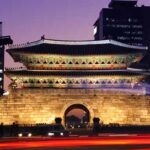
South Korea (August): Virtually everyone in the meetings industry is aware that Seoul is an incredibly hot destination, but South Korea features many other fascinating cities. During our FAM excursion, we visited Seoul and nearby Incheon, and then took a train across the country to become acquainted with Busan and Gyeongju. Throughout our adventures, it was apparent how South Koreans are pulling together to enhance the country’s status as a major meetings and tourist attraction. Though the least known of the four cities we visited, Gyeongju was particularly intriguing, with its stunning scenery and intriguing tradition.

San Francisco (September): The City by the Bay is a visitor’s dream, with distinct ethnic neighborhoods, stunning views, and world-class hotels and restaurants. We went on a FAM trip to one of the city’s signature areas, Fisherman’s Wharf, where we stayed at a new property, Hotel Zoe Fisherman’s Wharf, featuring a large courtyard area with couches, fire pits and a whimsical, 26-foot-tall steel sculpture of the hotel’s “muse,” Zoe. We also visited nearby Chinatown (the oldest Chinatown in North America and the largest Chinese enclave outside Asia) and took a sunset cruise from the Bay Bridge to Golden Gate Bridge, with close-up views of Alcatraz Island.

Louisville (November): A trip to Churchill Downs, site of the Kentucky Derby, has to be part of any FAM trip to Louisville, but we discovered that there are many other “must experience” attractions there. They include the Kentucky Bourbon Trail, the up-and-coming New Louisville neighborhood and the eclectic collection of art pieces at 21c Museum Hotel Louisville. Also, historic The Brown Hotel has an entire suite dedicated to favorite son Muhammad Ali as well as its signature Hot Brown, a cheesy, open-faced turkey sandwich with bacon and Mornay sauce.

listen webinars top

There are heaps of helpful advice out there for planners looking to create a better event experience for their attendees. This year, Smart Meetings provided webinars by an amazing group of speakers. Here are some of the top picks for 2018.

Risk Management 101

In Lisa Sommer Devlin’s webinar, “Risk Management 101,” she lists tips and strategies for dealing with risks the industry may present, and how to deal with them, from financial and legal risks to unpredictable accidents and disasters. Essentially, it all comes down to always having a plan.

Future-Proof Your Career

Artificial intelligence and automation are creating an easier world for event planners. Unfortunately, these same innovative technologies are also taking away some of the tasks that planners would normally perform. In “Update Your Skills and Future-Proof Your Career,” Jessie States provides her insight on how planners can up their game in a world that’s becoming increasingly run by machines.

What Planner Personality Means for Attendee Experience

There’s a reason the statement “know thyself,” attributed to Socrates, continues to resonate with people several millennia later. Knowing who you are is where true strength lies, and in “How Your Planner Personality Translates into Personal Attendee Experience,” Myllisa Patterson shares how learning about your planner personality can turn into memorable experiences for your attendees.

Missed Connections

Networking is one of the most powerful experiences at any event and is the many reason why many people attend. Sometimes, important connections are missed for one reason or another, though. Brooke Gracey uncovers how event technology can help attendees make valuable connections in “Missed Connections: You Just Missed Your Most Important Contact.”

4 Stages of Event Maturity

In an environment where basic expectations have been raised, it can be difficult for planners to know if they’re providing the best experience for their attendees. In Mike Dietrich’s webinar, “The 4 Stages of Event Program Maturity,” he provides tips on how planners and organizations can up their event game.

food trends hot f&b
The Lakehouse at W Bellevue

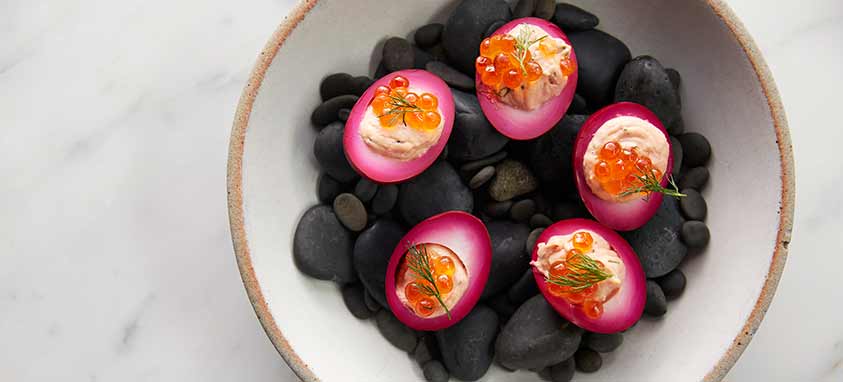
In 2018, hotel bar patrons swallowed everything from cocktails infused with veggie juices (or breakfast cereals) to ferments of every stripe (think shrubs to kimchee) and honey from rooftop hives. And, of course, we Instagrammed them all.

What can groups expect from F&B in the new year? We’ve culled the prognostications, and here are the top picks.

Local and Immersive

No big surprise, but hotels will double-down on bringing local culture to the ballrooms and conference centers, in everything from pop-up action stations and food trucks to curated experiences led by local chefs and producers. That’s the word from Lodging magazine.

Say Hi to Hal

It was a hot button in last year’s strikes against hotel companies in several major U.S. cities, but, ready or not, automation is already here in hospitality. In F&B, an increasing number of beta sites are being closely watched, says food and restaurant consultant Michael Whiteman. He cites Cafe X, a robotic sidewalk coffee monger in San Francisco’s financial district (it’s mechanical arm even waves goodbye) and Spyce, a Boston startup affiliated with celeb chefs Daniel Boulud, Gavin Kaysen and Thomas Keller, that’s mostly automated.

Pucker Up

Whiteman also predicts sour will have its moment. Chefs will be borrowing from Korean, Filipino and Persian flavor profiles to use vinegars in braised dishes, marinades and dipping sauces, as well as ingredients such as sour oranges, tamarind and dried sour plums.

Decor Clash Is In

It’s been happening in the clothing fashion world, and now it’s going to spread to your local hotel dining room, especially if it caters to millennials and other hipsters. We’re talking “clashing patterns on patterns on patterns,” Whiteman says. “Of course, this being fashion, the entire notion could disappear with the next issue of Harper’s Bazaar.”

And Then There’s…

The oat milk craze…fancy no-alcohol cocktails at martini prices…pour-you-own beer systems…and floral infusions in water dispensers.

Share your hot F&B at #MeetSmart!

inclusivity top trends inclusive meetings

In the coming year, you’ll be working even harder to make everyone feel welcome. And that’s a good thing: Studies have repeatedly shown that more voices in the conversation make for more profitable companies. But how, exactly, to accommodate all points of view can feel more like an art than a science. Smart Meetings talked to leaders in the diversity and inclusion movement in 2018 to find out what strategies can help planners create a really big tent.

Initiating Active Listening

The first step toward accommodating a need is asking attendees if they require any special arrangements. Jessica Pettitt, author of Good Enough Now, reports that many planners ask about dietary requirements or physical needs on registration forms, but then don’t do anything about them. She suggests formally communicating those requests to vendors and then following up with the requesters during the event to make adjustments before it is too late.

Recognizing the Unthinking Reactions

PCMA CEO Sherrif Karamat would like to see the meetings industry act as model for how inclusion can be integrated into the workplace, the expo floor and the conversation. When he launched Ascent CEO Promise campaign in May, he pointed to unconscious-bias training as a first step toward making diversity a priority.

Association for Women in Events (AWE) also called for a more inclusive industry. Cofounder Carrie Abernathy suggested taking a deep breath before side-stepping biases that may play a role in decision-making.

Moving on to #UsToo

The #MeToo movement against sexual harassment that washed over the country in 2018 is morphing into a call for making all forms of discrimination against anyone a thing of the past—especially at events. Jeffrey Frankel, vice president of marketing at Traliant, stressed the role of senior executives in setting a respectful tone and developing appropriate anti-harassment policies.

Enabling a More Accessible Events World

Making the world more welcoming for those with disabilities of any kind often starts with opening people’s eyes to the needs in their own community. Beth Knox, president and CEO of 2018 Special Olympics USA, shared her story about how she planned an event for 4,000 athletes with special needs that opened people’s eyes to their stories—and funded nonprofits that helped to create jobs for this vulnerable population. Her focus was on creating a legacy of inclusion that could live beyond the closing ceremonies of the event.

Not all changes have to be on a grand scale. Matt Sterling, a former hospitality consultant, shared the little things planners and hoteliers can do to ensure that those in wheelchairs are not blocked from participating fully in events—tips that will serve hospitality professionals well in the coming years.

career advice

Meeting planners had their hands full in 2018, with data breaches, commission cuts, new event technology and other drastic changes affecting the meetings industry. As the industry changes, meeting planners need to learn how to change with it to ensure that they can provide attendees with what they want. We compiled a list of some of our best career advice from this year to give planners the head start they need for the new year.

1. Brave New Meetings World: A Survival Guide

“The commission cut was a slap in the face, telling us that we need to go back to those relationships.”

–Tracey Smith, executive director of Senior Planners Industry Network

Meeting planners were thrown into a more competitive and uncertain world when hotels across the world decided to cut commission for planners. This curveball put planners in a state of panic,  with the question “What’s next?” constantly on their minds. Smart Meetings knew help was needed, so we surveyed industry experts on what planners should expect next and how to move forward.

Related: Preparing for a Leaner Commission World

2. 10 Cost-Saving Tips for Planners

Money is the name of the game, and saving it has become more important than ever to meeting planners. As budgets decrease and prices increase, meeting planners are finding creative ways to stretch and save their budget. Smart Meetings asked Doug McPhee, senior global account manager at Experient, what his best tips and tricks are for saving money when planning an event.

Related: Hack Your Event Budget

3. Say ‘No’ Sometimes—Even When Your Usual Response is ‘Yes’

Saying “no” to tasks or favors from your boss or a co-worker is seen as unprofessional and uncooperative, but it can mean the exact opposite. You need to overlook the negative connotation behind no and look at how occasionally saying no can boost morale and improve productivity. Your job takes commitment, but it should not constantly take all your energy.

Related: 8 Tips for Meeting Deadlines Without Stress

4. 6 Ways to Drive Success with ROI Technology

“Fewer than one in four (23 percent) of the 700 senior executives surveyed said they can accurately measure the return on investment. Their support for event marketing is ‘largely intuitive, based more on anecdotal evidence than on hard data,’ the executive summary said.”

–Brian Friedman, vice president of digital innovation, Aventri, speaking about the study, “The Event Marketing Evolution: An Era of Data, Technology, and Revenue Impact.”

Events are becoming a priority to the corporate world, but companies are struggling to provide proficient competition in the events world because they cannot accurately calculate the ROI. The average amount of money put towards events is almost a quarter of the company’s budget so an accurate ROI can make all the difference. Brian Friedman shared his tips on how to look at the hard data and put it to use.

Related: How to Build Better Attendee Evaluations to Determine Event ROI

5. Career Resource Guide

The best way to end our compilation of our best career advice is with our Career Resource Guide. It clarifies how important it is to look to the future; provides a one-on-one interview with Carol Frohlinger, an expert in negotiation and founder of Negotiating Women, Inc.; and includes several other types of resources we encountered in 2018.

Related: The Independent Planner’s Guide