News that two pharmaceutical companies are getting close to releasing vaccines that are overwhelmingly effective gave hospitality, travel and meeting professionals hope that the breakthrough would make gathering both physically and emotionally safer.

Last week, Pfizer and its partner BioNTech announced that their experimental vaccine for novel coronavirus demonstrated 90 percent effectiveness in preventing COVID-19 in a large phase III trial with no serious safety concerns. Today, Moderna Inc. announced that its vaccine, which uses a similar approach was 94.5 percent effective. Worldwide, 150 vaccines are in development with 11 in late-stage testing.

The U.S. government’s Project Warp Speed could allow for fast deployment of approved vaccines, which could start to roll out to some populations as soon as the end of December. Large-scale manufacturing started parallel to testing to eliminate any lag time.

Cheers All Around

Michael Dominguez, president and CEO of Associated Luxury Hotels International and co-chair of Events Industry Council Accepted Practices Exchange COVID-19 Business Recovery Task Force (EIC APEX Task Force) welcomed the announcement. “I am optimistic,” he said. “Knowing that there will be enough of the two to vaccinate 45 million people in 2020 is such a positive step and really important, specifically with the most vulnerable populations.”

He explained that the development puts the country on a road map for what looks like a much better control of the virus in at least Q2 of next year. He pointed out that the stock market’s response has been driven by travel stocks, which bodes really well for the meetings industry. “There is still a ways to go, but psychologically this was such an important step,” he said.

Hotel stocks immediately jumped on the news. Marriott International hit a 6-month high today, in line with sentiments Marriott CEO Arne Sorenson expressed on an earnings call the first week of November. “We’ll start to see meaningfully more bookings when those vaccines start to take effect.”

The feeling of euphoria touched all sectors of the industry. “TripAdvisor has long believed travel will recover with vigor as soon as a vaccine was widely available. Pfizer news is a welcomed step in the right direction,” Steve Kaufer, CEO of TripAdvisor, told CNBC. Shares of TripAdvisor jumped 21.67 percent on the news.

Also up were shares of cruise lines. Carnival Cruise Line, which has been depressed for the last seven months, jumped 40 percent. Christine Duffy, president of Carnival Cruise Line, who spoke with Mike Lyons for this month’s Lessons from Leaders, said that she is optimistic about the future as bookings for 2021 are close to 2019 with pent-up demand still strong. Like other cruise lines, the company has been developing new protocols for staff and guests that will be implemented with trips resume. The CDC lifted its no-sail order at the end of October and issued a framework for a Conditional Sailing Order, but most have remained docked until a vaccine is in place.

Live events, which have been working on plans for a return to meetings since the shut-down began, got a kick as well. Ticketmaster has announced a partnership with CLEAR Health Pass and CVS Minute Clinic to use a smart phone app to verify fans’ vaccination status or whether they’ve tested negative for the coronavirus within a 24- to 72-hour window. The system could also be used to enforce distancing, manage traffic flow and facilitate contact tracing.

Joe Levy, Chair of the Venue Safety and Security Committee for International Association of Venue Managers, was optimistic that a strong vaccine can help live theater get through this dark period. “We can’t financially operate at 30 percent capacity,” he said. “This is essential for us. The ability to point to a vaccine is the best tool to bring universal comfort and confidence for consumers to get back to buying tickets.” Levy saw the ripple effects of opening as a positive beyond the theater doors. “Broadway’s closing until June of 2021 decimated the tourism industry because it is a billion-dollar business and we are all interconnected.”

Calls for Caution

Not everyone saw the solution as a slam dunk, however. Dr. Larry Corey of the University of Washington and the Fred Hutchinson Cancer Research Center, cautioned that the full results have to be reviewed, a process that can take two weeks. The results released this week were preliminary and U.S. Food and Drug Administration will need more complete data, particularly since the treatment type (mRNA, a complement to DNA strands in genes that act as instructions, directing cells to make proteins to fight diseases) that hasn’t been used before in humans.

Many of the vaccines require multiple doses over a month-long period. Distribution will be managed by the Centers for Disease Control and Prevention, but will be administered by private partners who will have to keep the doses frozen in some cases. Since there won’t be enough doses initially for everyone, those at increased risk will be prioritized. Others may have concerns about the vaccine, which could delay widespread adoption.

Testing Still Needed

In addition to being contingent on the effectiveness and fast adoption of a vaccine, attendance could be buoyed by reliable, real-time screening for COVID-19 infection. The ability to affordably and quickly determine if people entering a ballroom are infected—even if they are asymptomatic—could help everyone, including corporate risk management departments, feel more comfortable about attending an event.
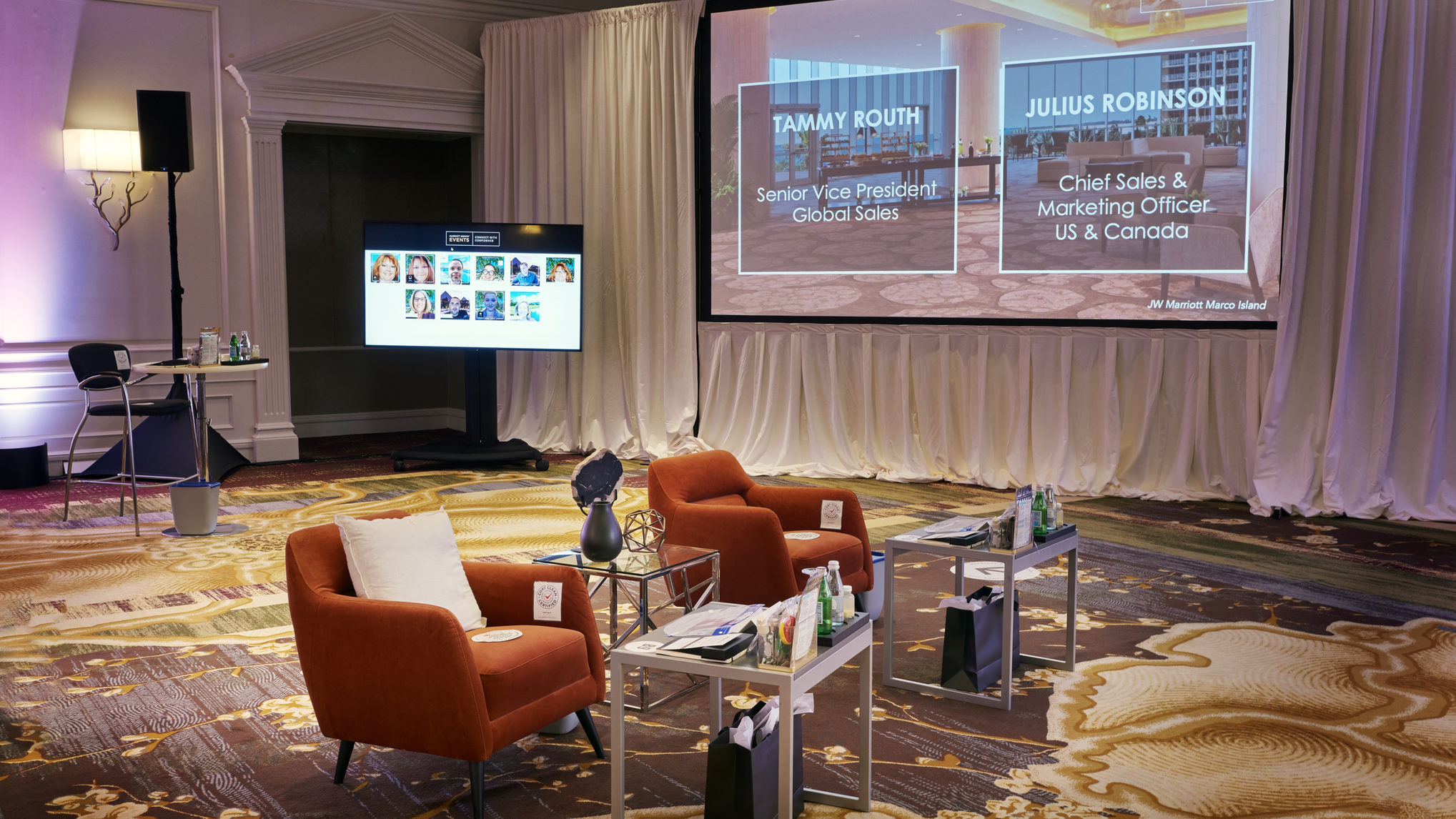
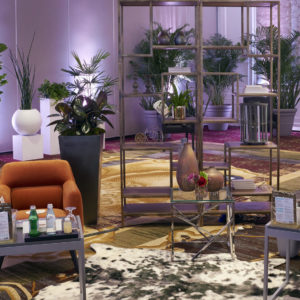
It is possible to host meetings in a responsible, sophisticated, cost-effective and enjoyable way. Marriott International proved it this month by hosting “Connect with Confidence,” a hybrid virtual and in-person event as the first part of a global series. Some 30 customers attended in person at The Ritz-Carlton, Tysons Corner in Virginia and 238 virtual attendees streamed in to see what a meeting looks like today.

“It feels great to be meeting in person,” said Tammy Routh, senior vice president of global sales with Marriott International. “The greatest challenge and opportunity we have is to adapt our world-class meeting and event offerings to the unique concerns of our current time.”

Routh sees three trends meeting professionals are demanding in 2020: a focus on safety and cleanliness, flexibility and technology. “Groups are placing an emphasis of importance on these three key areas and we are working together with our planners to offer more choices for meeting attendees—in person and hybrid meetings, self-park and valet parking options, grab and go F&B and served meals, selecting a specific meeting seat, choosing how many people to sit with at a meal—hotels are customizing every aspect of this new meeting experience.”

The brand’s Commitment to Clean meeting and event protocols built on the cleanliness and service standards that have always been a company hallmarks. “They are more important now than ever,” Routh said. Changes include enhanced sanitation guidelines, new operational training for associates, and increased use of technology to ensure that customers are able to come together and connect with confidence.

The Power of Autonomy

The event, which was moderated by Doreen Burse, vice president of Marriott Global Sales, U.S. and Canada, demonstrated COVID-era F&B, room set-ups, technology and operations. Speakers included Stephanie Linnartz, group president of consumer operations, technology and emerging businesses; David Marriott, president, U.S. full service, managed by Marriott; Julius Robinson, chief sales and marketing officer for the U.S. & Canada; and Dana Pellicano, vice president of food and beverage.

The star of the show, however, was the power of choice. During digital registration attendees could pre-select their “Sanctuary Seats” just as you would a seat on an airplane. Individually packaged amenities included a face shield, mask, hand sanitizer and color-coated bracelets to showcase each attendee’s level of comfort i.e. red for “please keep your distance;” yellow for “respect my space;” and green for “elbow bumps welcome.”

For those who chose to attend virtually, pre-recorded content enhanced the hybrid experience, including infographics outlining pre-event, event day and post-event protocols. Real-time interactive discussion and polling questions, multiple camera views for virtual attendees, virtual games with rewards and a Q&A sessions for both virtual and in-person attendees brought the two audiences together. Polling revealed that a quarter of attendees planned to host their own hybrid meeting in the next three months so the exercise was not just theoretical.

The opportunity for autonomy also reached the table. Creative lunch solutions, including coffee action stations, acai bowls and courses served in elegant three-tiered serving dishes elevated the experience. in-person attendees to dine solo, or with one, two or three others at their table put attendees in the driver’s seat. A food delivery credit for virtual attendees let everyone join in. Those there in person entered and exited in waves to minimize crowds.

“We continue to be committed to collaborating with our valued customers as we navigate this new frontier for meetings and events to ensure they have the necessary tools to confidently connect,” Routh said.

The meetings industry got creative in the wake of global novel coronavirus shutdowns in 2020 and that forced innovation could continue to be the norm going into next year as the industry transitions back to face-to-face gatherings, according to findings from American Express Meetings & Events 2021 Global Meetings and Events Forecast.

Innovation could ultimately benefit attendees in the form of more responsive and secure events, according to Gerardo Tejado, senior vice president and general manager for American Express Meetings & Events, a division of American Express Global Business Travel (GBT). He acknowledged the “significant hardship for many in the industry,” but pointed to the immediate acceleration of existing technologies to keep people meeting as proof of the value global organizations continue to place on gathering. “The message in our forecast is clear: meetings have to happen. There is an appetite to get back to meeting in-person as soon as it’s safe to do so, and hybrid meetings will be the catalyst.”

Following are 10 of the trends in GBT’s analysis of responses from more than 560 international meetings professionals and 16 industry experts interviewed in August and September about what comes after what the authors called “a year of uncertainty.”

1. Meetings are essential. “It should not be a question of ‘if’ a meeting is going to happen, it’s ‘how,’ ” the report found. Engaging with employees and customers remains a critical driver for businesses, and meetings and events are crucial for that to continue, even during periods of disruption. Those meetings could look a little different, however. “Small and simple meetings,” a new category in the report, was named as the most common type planned for 2021. One surprise was that while an almost 4 percent decrease in attendance is expected at large conferences, some respondents hoped that virtual and hybrid meeting formats will allow them to actually increase attendance.

2. Hybrid meetings are a bridge to returning to in-person events. Respondents cited concerns about disruptions and fatigue connected to streaming content due to a lack of experience, technical issues and lack of engagement as reasons they would like to return to face-to-face meetings when possible. In the meantime, RFPs are calling out the need for robust Wi-Fi and access to powerful audiovisual equipment. Beyond the pandemic, virtual and hybrid meetings will remain, the report concluded, “because our world has changed, and they have proven themselves to be useful tools in the meeting planner’s toolkit.”

MoreWhy Your Virtual Event is Failing

3. Safety is the job one when it comes to choosing a format and location for an event. A majority (68 percent) said confidence in attendee health and safety would be the top deciding factors influencing the decision about whether to hold an IRL (In Real Life) event. Flexible cancellation and attrition (59 percent) was the second-biggest consideration. That focus on safety also led an overwhelming majority to consider regional and larger properties with 77 percent saying capacity to accommodate social distancing was a deciding factor in meeting location choice. That was followed by a majority (52 percent) saying disinfection protocols were at the top of the list. The sudden proliferation of GBAC STAR certifications at properties around the country show that venues are listening.

4. Budgets are decreasing. Meeting professionals estimated that their budgets would decrease by almost 4 percent worldwide, with some exceptions in Asia Pacific and Central and South America where some are expecting an increase. The area of the budget targeted for cuts first was off-site activities (27 percent) with the number of nights and evening events following close behind. Conversely, if budgets were increased, a third (33 percent) said they would prefer to use the extra funds to improve the on-site experience, followed narrowly by an increase in the use of technology.

5. Meanwhile, costs for production are increasing. Virtual and hybrid events involve more than just setting up a conference call or livestreaming a face-to-face meeting. Planning a successful hybrid meeting, in particular, can be equivalent to the work of planning two separate meetings. Survey respondents indicated that 35 percent of virtual and hybrid events would require the services of a full-service agency, which, depending on what is required, could provide presenter training, prerecorded interviews, virtual studio space, and post-event, edited sessions made available to attendees.

MoreAll Meetingprofs Want for Christmas is a Production Studio

6. Feast and famine may be in future. Meeting space is expected to be readily available in 2021 (and possibly offered at a discount to lure groups back to the physical space), but more difficult to book in 2022 due to increased competition for space and the potential contraction of supply due to bankruptcies and closures. Combined with a need for more space for each person attending, the market could tighten in coming years. Frank Passanante, senior vice president of Hilton Worldwide Sales, put the situation in perspective. “We can look at the trends but ultimately the markets are going to dictate what will happen with rates.” Properties will need to recoup some of their lost revenue, particularly in areas that experienced more severe shutdowns.

7. Smaller may be better when it comes to cities. Second-tier cities and mid-tier properties were ranked highly by respondents. Less densely populated second-tier cities and suburban areas that are within easy reach of transportation hubs were seen as particularly attractive. International destinations will be more difficult to plan for, with conflicting travel policies and procedures and the uncertainty of whether attendees will be required to quarantine on arrival or once back at home. With more lenient change and cancellation policies, venues are doing what they can to ease nerves and attract bookings. Local destination marketing organizations and convention and visitor bureaus (CVBs) are ready and able to provide a wealth of advice and information, including ideas for available outdoor spaces and larger nontraditional venues, such as stadiums.

8. The journey matters. Ground transportation must now be considered as a key component of an attendee’s journey, rather than an afterthought. According to John Pino, chief strategy officer of miMeetings, an integrated transportation solution company, “Ground has always been the ugly stepchild of meeting planning that no one wants to deal with, but when it doesn’t go well it can really leave attendees with a bad impression.” Vehicles have to look and smell clean and will be able to carry half as many passengers.

9. Sustainability still a priority. Climate change remains an important, and growing, consideration in meeting planning. Globally, 79 percent of respondents report that their organization emphasizes sustainability in meetings and events. The top three ways they do that are: avoid disposable items (64 percent), recycle (58 percent), and choose organic, local food and beverage options (49 percent). With the explosion of hybrid and virtual meetings, corporations can more readily consider who absolutely has to travel and who can participate virtually, thereby lowering the meeting’s carbon footprint.

10. Time for reflection. As one professional explained: “This break has reminded not only our clients, but people throughout the world, the importance of interacting in person. We facilitate human engagement, we create environments for people to experience new destinations, meet new people, and share memories. We provide opportunities to celebrate, receive recognition, share ideas, develop relationships, etc. The pandemic hit the reset button on what is important to our industry: the people, the places, and the need for human engagement.”

It only makes sense that Events Industry Council’s EIC Advance virtual event running Wednesday through Friday of this week includes a focus on advocacy. After all, the new event is described as being laser-focused on advancing the industry, which will be a key catalyst to global economic recovery.

MoreNews of Effective Vaccine Sparks Hope for Return to Meeting

That is why a panel on speaking up for ourselves will kick-off the agenda that includes campfire facilitated sessions that cover EIC APEX Commission topics and keynote speakers Global Soap Project founder Derreck Kayongo, author and business owner Peter Sheahan and UPS manager of executive communications Janet Stovall.

EIC
Amy Calvert

“We are intentionally commencing the EIC Advance programme by hosting a session on global advocacy efforts,” said Amy Calvert, EIC CEO. “Committed to unity and the importance of one message with many voices across the globe, we must be our own best champion. We must capture the hearts and minds of policymakers to support our workforce and industry through our stories. My hope is that we are all inspired to take an active role in this regard, to participate in these calls to action, and to continue to share our industry’s role in the global economic recovery, driving business outcomes and building communities.”

Smart Meetings asked three of the panelists on the “A Unified Voice for Global Business Events Industry Advocacy” stage to share their message in advance of the discussion.

Relief Now

Both Brad Mayne, CVE, president and CEO of International Association of Venue Managers; Elliott Ferguson, president and CEO, Destination DC; and Sue Sung, senior vice president of corporate strategy with Freeman Company, stressed the urgency of getting relief quickly—and remaining vigilant after the crisis passes by  continuing to tell the impactful meeting story.

EIC
Brad Mayne

“Our industry is a major economic engine when we are hosting events,” said Mayne. The ecosystem of live meetings is massive. Every community is served by multiple organizations, both not-for-profit and for-profit entities. Live meetings generate billions of dollars of commerce throughout the industry and employ millions of individuals. Many small businesses in every community serve the live meetings industry, which strengthens the community’s economic footing, particularly since most of those dollars come from entities and individuals outside of the area.

Sung added some context. In 2019, the industry contributed $1.1 trillion to the U.S. economy, attracting over 300 million visitors who drove billions of dollars in spending on travel, hotels, restaurants and Main Street commerce. This spend added $52 billion in federal tax revenues and $79 billion to state and local coffers. Business events directly contribute as much to the U.S. economy as the auto manufacturing industry and drive economic development in every state and across every sector of the GDP.

But it needs help in the face of COVID-19 shut-downs, Mayne said. “We need government relief/stimulus and protection now. The industry is risk adverse and has created protocols to safely meet. Venues have been an integral part in combating the COVID-19 virus as they have been repurposed as hospitals, homeless shelters, logistics hubs, testing stations, safe polling places and more.”

Elliott Ferguson
Elliott Ferguson

Ferguson pointed out the wide-ranging impacts of ignoring the essential sector. This pandemic has shed further light on the economic impact that hospitality and tourism has on our economies. From museums to restaurants to our hotels, these businesses have been hit to a devastating extreme by the pandemic.  Our communities benefit from tourism and unfortunately, that has become adversely transparent during this time—not only in its traditional revenue sense but in jobs creation and resident tax relief as well. Digging even deeper, he praised the intellectual capital in destinations. “Our cities are incubators for ideas, innovation and thought leaders. 

Sung set her sights on convincing elected officials that meeting professionals can be part of the solution for moving forward. “Having been completely shut down since March, with any supplemental funding long since used, we need Congress to pass a bipartisan economic relief package now,” she said. “Although, we recognize that any relief package likely to pass will not go deep enough or far enough to help our industry if we cannot reopen soon. For that to happen, we know we need to win confidence among officials and participants that reopening business events is safe.”

To Do List

All meeting professionals can play an important role in getting the industry going again. Mayne laid out a few action items. Set the expectation at your events for everyone to personally follow CDC and local guidelines. Associations have created coalitions to advocate on the industry’s behalf. He suggested following their call to action and reaching out to members of congress with the language they offer.

Sung framed a show-and-tell approach. Make the most of every event, no matter how small, to demonstrate that we are able to safely reopen and demonstrate the impact such events have on rebuilding economies—what it means to the hosts, attendees, venues, restaurants and retail. “We need to keep reminding officials why it’s both critical and safe that events are prioritized in reopening plans.”

Ferguson offered the idea of a partnership. “Stay engaged with your CVB/DMO. We are the gateway to reliable information and city experts for post-COVID recovery preparation, providers of safety measures and how we will effectively move into face-to-face meetings and creative solutions on ways to deliver content that will drive attendance whether face-to-face or through hybrid/virtual meetings.”

He also had suggestions for working with the local CVB to incorporate aspects of the city into the online space. “Play local music during introductions, give what would have been your host city complimentary booth space, display the city logo in various locations and play a welcome video from the city during a general session. This will help the city gain exposure since you can’t be there in person.”

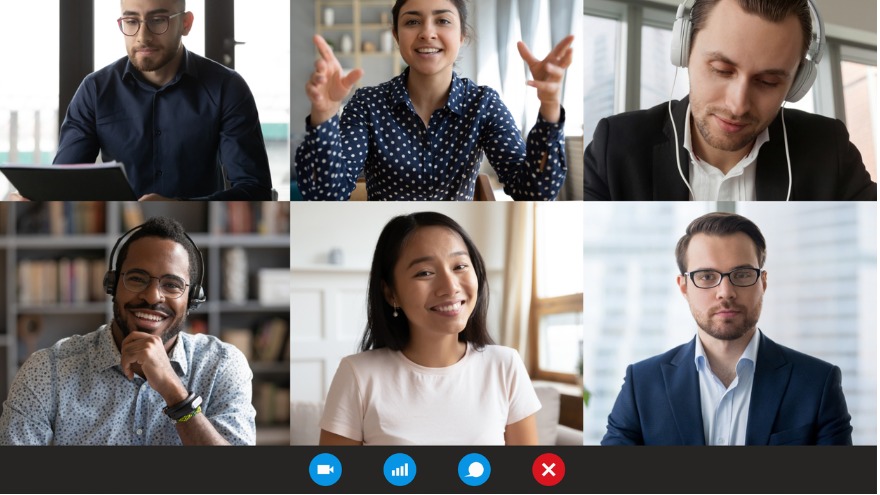
Eight months into the COVID-19 pandemic, nearly all of us are feeling fatigued by Zoom and similar virtual platforms. We are struggling to stay consistently engaged and motivated in the meetings and events hosted there. In the last Financial & Insurance Professionals (FICP) Chats, participants focused on innovative and creative techniques to keep themselves, their co-workers and their meeting attendees engaged and excited.

View all: FICP Chats Answers Your Q’s about the Future of Meetings

Networking Activities

Virtual escape rooms and holiday-themed networking were among the virtual activities recently used by participants to engage their attendees. These included virtual group pumpkin carving, Halloween parties, lip syncing competitions, holiday Bingo, wreath making and cookie-decorating sessions.

Each of these activities could be enhanced through the use of Zoom backgrounds provided to attendees, and by encouraging attendees to leave their cameras on. Companies could also host a competition for the most creative Zoom background instead of or in addition to providing the backgrounds to attendees.

Other ways to help keep a company’s “water cooler” conversations going is through 30-mintue coffee chat sessions with a less structured agenda, virtual book clubs or topic-based sessions that people can sign up for based on the topic that resonates the most strongly with them.

CSR

The Kindness Rocks Project

Gratitude packets are a new trend for CSR activities. One such packet cited by participants was the Kindness Rocks Project. These are rocks that are painted with inspirational messages and left around communities to help bring a smile to the people who find them. Companies can send the materials to make these rocks, and photos of the finished products can be fun for company social media sites.

Additional ideas included providing employees with gift cards and allowing them to select how to do something good with it, then sharing the story of how they used the card. Another option is having a variety of charities available for employees to select as recipients for donations and creating an interactive website to provide updates on donation totals.

To support both wellness and CSR objectives, FICP Chats participants suggested hosting a step challenge with donations based on performance in the challenge or funneled to a local organization or cause that resonates with employees.

Gifting

Family meals have become a popular gifting option, according to Chats participants. Meals can be shipped to heat and serve or as ingredients that can be used in a group virtual cooking activity. These also allow for a CSR component, if a family decides to donate its meal to a food bank.

MoreGifting in the Age of Virtual Events

Similarly, crafting kits sent as gifts could be used for a group jewelry-making activity with a possible CSR tie-in of the finished products being donated to a women’s shelter. The act of opening a gift together during the virtual event was found to be more impactful than allowing attendees to open gifts in advance.

MoreSmart Style: Your 2020 Holiday Gift Guide

Gifts that tie into the virtual experience were also found to be impactful. For example, a broadcast of a narrated high tea ceremony could provide entertainment that could be made more memorable by the gift of a beautiful teacup in advance of the event.

Entertainment

Members of FICP Chats discussed the importance of creating and maintaining a high energy level to reduce or eliminate virtual event fatigue. They recommended continuing to engage virtual event participants every 10 minutes in a chat or similar unexpected activity. Employing a dynamic moderator or DJ, keynote presenter or other entertainer can help achieve this objective.

Recognizing that people have their families with them all the time, FICP Chats participants suggested entertainment options that allow family members to participate, such as a family magic show. The magician creates engagement by asking for audience participation, and companies can earn good will by including families in these activities.

Because many event attendees may be longing to return to traveling again, taking a local attraction and turning it into a virtual tour experience could be successful in engaging event attendees as well. For example, the Sugar Shack in Quebec offered a virtual experience that was well received.

While a dedicated entertainment activity could help break up a day-long event, short brain breaks between speakers or sessions were also found to be effective in keeping event attendees engaged. These could include one-minute clips from wine experts, illusionists and others who could provide quick tips or performances.

Introducing an element of the unexpected can help engage virtual event attendees, such as cameos by celebrities, guest appearances from farm animals, or interludes with scuba divers or those on a Kenyan safari.

Recognition

Awards ceremonies have become a frequent form of virtual event at many organizations. Performers and celebrity cameos could also be incorporated into these events to help increase enthusiasm for award winners. FICP Chats participants have found that if you schedule communications purposefully in advance of awards ceremonies, they could be used to build additional excitement in advance of the event.

Whatever the means of capturing the attention of your attendees, it was noted that all employees must have the right equipment to properly engage with a virtual experience. Not being able to see or hear well, or be seen and heard, would hinder the experience for all participants.

Jennifer Squeglia, CMP, is a member of FICP Board of Directors.

Surety Hotel, Des Moines, Iowa

The only 4-star boutique hotel in Iowa’s capital city just opened with 137 guest rooms and 6,700 sq.ft. of event space, including a 2,200 sq. ft. courtyard. The new property is an adaptive reuse of the historic century-old Hippee building, with preserved features including a 12-story main staircase and vaulted, coffered ceilings. The former bank space honors its heritage with flushes of copper, zinc, tweeds and leather, bringing the style of its past 1920s inhabitants to remembrance. Its dining concept, Mulberry Street Tavern, will marry the comforts of British pub atmosphere with hearty Midwestern fare.

Daxton Hotel, Birmingham, Michigan

The latest from Aparium Hotel Group, this minimal-luxe hotel opens February 2021, just 30 minutes north of Detroit. With 151 sleek guest rooms, beds will be outnumbered by the 400 pieces of international art curated by world-renowned Saatchi Art. Partnerships with local fitness outposts culminate in a running club, an on-staff personal trainer and innovative programming for sweat-seekers, such as “Brunch and Burn.” On-site restaurant Madam will feature fresh, elevated American fare.

Canopy by Hilton Baltimore Harbor Point, Maryland

Canopy Hotel, Baltimore

Opened in October, the newest Canopy property boasts 151 rooms across the top four floors of the new mixed-use Wills Wharf Building—each offering floor-to-ceiling views of the city’s skyline and waterfront. 4,000 sq. ft. of meeting areas includes an outdoor terrace and private restaurant space. The hotel will offer signature Canopy amenities, from the creature comforts of exclusive Canopy Hilton bedding, a large work desk and APAVITA bath products to free bike rentals for wheeling through Myers Maritime Park.

Thompson Dallas, Texas

The new Thompson property calls the historic The National building its home, originally designed by George Dahl, the architect of Dallas’ Marcus Nieman Downtown. Space abounds with 219 rooms with an average area of 700 sq. ft., while the fourth-floor National Ballroom expands over 14,000 sq. ft. of uninterrupted space, with 20-foot-high ceilings. A rooftop bar, resort-style pool, full spa and fitness center round out the offerings, with the unique additions of an on-site floral design studio and a three-chair barbershop.

It’s time for festive decorations, warm cocoa, sparkly lights and good cheer. What’s missing from this year’s lineup of time-honored holiday traditions? Many people will forego in-person gatherings due to concerns about Covid-19. However, there’s no need to cancel your plans to bring the team together. These tips for a lively virtual holiday party, complete with food, spirits, music and swag will allow you to safely celebrate the season and connect with coworkers, clients and friends.

12 Tips for a Celebration that Rocks

1. Set goals. Do you want to recognize the team’s achievements? Give back to community? Engage employees with an end-of-year bash? As always, your goals will shape event content.

Check out the Aventri virtual holiday party checklist here.

For example if the goal is to…

  • Recognize the team: Raise a glass to guests’ accomplishments during a challenging year. Be inclusive with speeches noting each department’s contribution. Feature a 15-minute mixology session. A bartender can share insider tips for signature cocktails and “mocktails” honoring winners. Play a 2020 highlights video of proud moments before the final toast.
  • Engage employees with a year-end celebration: Invite everyone to pick a team-building holiday activity. Options include Caroling/Music Video Festival and Group Virtual Card Competition. Employees can use polling features to vote up their favorites.
  • Give back to community: Host one large group or invite guests to choose from concurrent sessions. Knit scarves for the homeless. Write cards for nursing home residents and overseas troops. Participate in charity run/walks and share photos at the party.

2. Create a design theme. Maybe you want a vibrant firework display to celebrate achievements or perhaps you prefer a classic holiday look. Showcase your design theme on invitations, registration page, PowerPoint slides and background image for your event.

3. Build your agenda. Make each segment 15-60 minutes long due to the shorter attention spans of online attendees. Sessions should be fast-paced and easy to consume. Trim your agenda to just a few items, such as:

  • Welcome from host
  • Message from CEO
  • Mixology workshop
  • Concurrent sessions: Gingerbread House Decorating Contest, Holiday Recipe Swap, Never Have I Ever Game–Holiday Edition
  • Closing toast and remarks

4. Choose a platform. Make sure the attendance cap exceeds your guest count estimate. Confirm the solution has enough bandwidth and works well with the hardware guests will use. Also find out if it offers all the features you want, like chat, instant polling, surveys and breakout rooms.

5. Create Invitations. Standard emailed URLs are forgettable; build excitement with festive invitations instead. Send themed digital invites that link to your registration page and communicate key details. Let invitees know if there’s a dress code, such as semi-formal attire.

6. Build a registration page. Include session selection and address for party packages. Tell guests if you’re sending holiday swag, food and drink or activity kits. For gift baskets with edibles, ask about food sensitivities and preferences for “mocktails” or spirits.

7. Engage early and often. Before your event, encourage invitees to share their holiday photos and quick videos to drum up excitement. Post seasonal conversation starters in group chat. Also share FAQs and videos with easy instructions on using the platform.

8. Create a holiday playlist. The whole team can chime in on Spotify. Get the party started with crowd-sourced hits, from “Jingle Bell Rock” (Bobby Helms) to “O Come, All Ye Faithful” (Faith Hill) and “All I Want for Christmas is You” (Mariah Carey).

9. Get creative with content. If you’re hosting a dinner party, deliver the meal on the day of the event. Guests can dine while watching a charismatic chef show how to create the feast. Feature recipes on your navigation bar widget, so employees can see them while watching the demo.

10. Connect. Virtual parties provide fewer opportunities for one-on-one conversations. Overcome this challenge by dividing guests into small breakout rooms more conducive to intimate discussions. Offer immersive activities, such as:

  • Holiday Trivia: Invite teams to compete in categories like Traditions around the World. They can answer via webcam, chat and polling, or use the raise hand function as a virtual buzzer.
  • Holiday Movie Charades: Act out titles or scenes from favorite films like “It’s a Wonderful Life,” “Elf” and “National Lampoon’s Christmas Vacation.”
  • Holiday Karaoke: Croon tunes in a virtual karaoke party. Guests can make requests via chat and share their talents on social channels.

11. Practice a lot. Conduct a full event run-through ahead of time to ensure everything runs smoothly.

12. Continue the conversation. After the party, post prize winners, share screenshots and continue chat discussions. Also conduct a survey to find out which part of the event guests enjoyed most and how to make future virtual celebrations even brighter.

See, no need to cancel your holiday party; give it a modern twist instead.

Cara Pelander is vice president of sales and account management at Aventri, a global technology provider of virtual, hybrid and in-person events.

Are your attendees nervous about getting on a plane? Does the idea of driving to an event and using gas station restrooms strike fear in their hearts? Never fear. Two new reports offer best practices for getting everyone to the meeting room safely.

APEX Resources

EIC recently released the Travel and Transportation Accepted Practices Guide, which introduces step-by-step processes for evaluating and diminishing risk related to planning travel and using specific modes of transportation. The 38-page guide provides resources for staying up to date with local regulations while traveling, including links to videos for COVID-19 protocols at specific international airports as well as details on new measures (like Covid-detecting dogs at Dubai International Airport). It concludes with a page on sustainable and social impact travel considerations (“Manage Your Personal Travel Footprint”) and an alphabetized glossary of links to airline and transportation resources all over the world.

Global Trends

World Travel Tourism Council (WTTC) published a report summarizing a wealth of data and industry insights on the impact of COVID-19 on the travel and tourism sector, offering recommendations for how the industry can hone its focus towards growth and create a new foundation for the future. From interviews with industry executives and a compilation of data regarding the effects of the global pandemic, the report, conducted in collaboration with Oliver Wyman, sorted its findings into four key trends that will shape consumer decisions over the next 24 months.

The report summarized that “trust, extensive communication and the flow of accurate information” would be the building blocks of recovery in the sector—not only between visitors and businesses, but also among suppliers, employees, and local governments and communities.

Demand Evolution

What travelers want now, and for an indeterminate time after the pandemic, has changed. Interest in domestic tourism is on the rise—for its greater ease and perceived greater sanitation of private transportation options. In the United States, 63 percent of travelers said they would be likely to take only domestic trips for the rest of 2020.

Given that the virus is more likely to spread in confined indoor spaces, outdoor activities and vacations are in higher demand. Forty percent of U.S. travelers report rethinking their choices in favor of more remote destinations, such as beach vacations and smaller towns. There will be increased interest in niche markets for outdoor adventures, such a cycling trips and chartered raft trips. Aileen Clemente, CEO of Rajah Travel Corporation, predicts there will be “an emergence of new destinations in isolated locations as consumers veer away from massification.”

Another important consideration is peace of mind when planning. Seven out of 10 U.S. travelers said they’d be persuaded to book during the pandemic if changes were flexible and penalty-free. This was the highest-rated factor in booking, even over concern about property sanitation procedures.

Health and Hygiene

eic hotel safetyOf course, an invigorated focus on sanitation is essential to reviving the industry. Positive feedback from less risk-averse demographics, such as millennial travelers, could be a kick-start to overall confidence, as 92 percent of consumers reported they trust word-of-mouth recommendations from family and friends.

The need for congruence in policy prompted the WTTC to release its Safe Travels Protocols earlier in the year, quickly followed by an internationally recognized Safe Travels Stamp. A united industry commitment to the implementation of health and safety standards is paramount in rebuilding consumer confidence, the organization noted.

Innovation and Digitization

The report noted that acceleration of the digital agenda is one of the positive outcomes of the crisis. Due to distancing measures and the need to minimize physical interaction, an April survey reported 70 percent of respondents had used contactless payment and video conferencing for the first time due to the pandemic. The trend will continue as businesses continue refining and streamlining processes that can be completed with touchless technology, such as hotel check-ins, viewing menus and making payments.
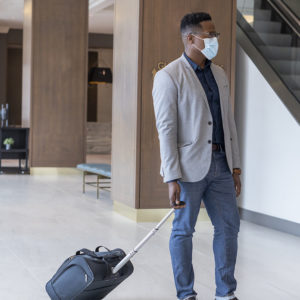
Those surveyed also reported spending more time online during the pandemic, from browsing social media to shopping online. This was reported not only from millennial consumers—45 percent of baby boomers said they shopped online more frequently due to COVID.

The industry must innovate ways to provide a seamless experience for the consumer, including “build[ing] on existing solutions, from biometric verifications and e-gates at airports to contactless payments to enhance the traveler journey,” the report concluded.

Sustainability

The report stated that consumers are thinking more about the environment since COVID-19. WTTC found that 73 percent of respondents were taking note of companies that were tackling big issues during the pandemic, from environmental sustainability to issues of social justice and equality.

Changes in energy usage and transportation spurred by the pandemic—namely, the halting of travel and reduced consumption—has led to an 8 percent forecast reduction in CO2 emissions in 2020, the largest fall since World War II. The return of natural phenomena, from blue waters to wildlife populations, has prompted renewed understanding of human impact on the planet, and consumers are paying more attention to companies that make sustainability a high priority.

A strengthened desire for connection, reduction of mass tourism and interest in outdoor and remote experiences brings the opportunity to further engage local communities in crafting authentic, sustainable experiences that not only delight travelers, but also support the locations they visit.

Global Community Impact

The report notes that good news has still abounded in this difficult time, highlighting the truth of the sector’s focus: hospitality.
Radisson, IHG, Hilton, Marriot, Disney, MGM and multiple other hotel brands have stepped forward to help, from lending rooms for medical use and homeless housing to donating thousands of meals to stranded migrant workers and making cloth face masks for the local community from hotel linens.

Peter De Wilde, President of European Travel Commission (ETC), highlighted the industry’s responsibility, saying, “Since hospitality and love for our homes is at the core of what we do, we must support and empower local communities.”

The 26-page report also detailed further implications and considerations, from “co-creating with the private sector” to “promoting destinations in need,” and is accessible here.

Even as we all attend events regularly that simply wouldn’t happen were it not for the virtual world, virtual events are not loved. Tolerated, yes, but loved? Definitely not. Over the last few months, it has become obvious that the love affair with virtual events, for the events industry as a whole, has never really blossomed. Virtual events may be the bridesmaid, but never the bride. failing

To a great extent, the situation has unfolded as expected. There are only a few event planners who have thrived in the world of virtual and conversely, many events have simply failed. Failure in the virtual world comes in many forms. Maybe some events attracted a lot of attendees, but little revenue. Or, perhaps a lot of people booked but not many actually showed up. Perhaps a lot of people logged on but clicked away soon after.

Virtual events are easy to set up, but very hard to do well.

Becoming Digital Natives

Few planners expected that it would be so painful. A virtual event is still an event after all. As someone who has been trying to persuade the events industry for several years, to be more open to virtual events, I knew the struggle would be a grand one.

Change is hard. Transformation is harder. Throw the uncertainties of digital into the mix and we are all at sea. This year’s need to go virtual has highlighted a harsh truth for the events industry: years of avoiding technology have meant that many planners are very far behind the technological and digital curve.

Planners and our organizations must become true digital natives. We have to invest in technology, not just in purely financial terms, but in the time and the space we give our planners to master those technologies.

Changed Expectations

There is also an issue with expectations. Many organizers are running their first virtual event and are frustrated that they haven’t mastered a very complicated, fast-moving, multi-discipline project in a matter of weeks. They are used to being on top of and in charge of a physical event, and the shift to remote control has been tough. This frustration is showing at their events.
We must appreciate that very few industries undergo digital transformation in a matter of months. In addition to our lack of engagement with technology and our misaligned expectations, the problems stem from one other area: the belief that you can replicate the physical event in a virtual environment. The events which take this approach are failing.

Here is the key. Planners have to replicate the value proposition for their stakeholders, not the actual event. Attendees want content and connections. Commercial partners demand attention and leads. All of those are easily deliverable virtually. But try to recreate the random bumping into someone, or the same booth experience, in a virtual environment, and the value proposition is likely to lessen for our stakeholders.

Replicating how we deliver content in the physical world is a sure-fire way to fail online. Take this approach and you find virtual conferences that still have hour-long panel sessions, one after another, after another. They have speakers presenting PowerPoint slides, spending their time on-screen exclusively taking to the audience. Treating your attendees as an audience and not as participants leads to failure, in any event, but especially online.

Concentrate on Connections

Planner are realizing that their “loyal” customers won’t be loyal when they see how easy it is to attend someone else’s well executed virtual event. It is the same for sponsors. Initially many “pivoted” events didn’t have too much trouble bringing their sponsors with them, but now, it is a different story. It has hit both meeting professionals and sponsors that commercial partners want more value than can be delivered from simply placing logos on a virtual event platform.

Of course, events aren’t all about content and coverage for sponsors. They are about connections, but many organizers can’t work out how to do it in a virtual environment.

To avoid making mistakes, we have to truly fall in love with virtual events. We have to realize that virtual events are different and as such we must design them differently. Our industry has to support and invest in digital and not expect success overnight.

Because in 2021, failure is not an option.

William Thomson has been running virtual events for over a decade. Over the last four years, he has built Europe’s largest online events and training business for executive assistants. William is a well-known event consultant and founder of the Virtual Event Campus.

Want to be a rock star meeting professional? Take it from actual celebrity drummer and author Mark Schulman, one of the requirements of performing at the highest level is really enjoying what you do. “The more fun you have, the better you perform; start a party in your head!” the man who provides the beat behind superstar acts such as Pink, Cher and Billy Idol proclaimed at Smart Meetings Experience in Nashville this week.

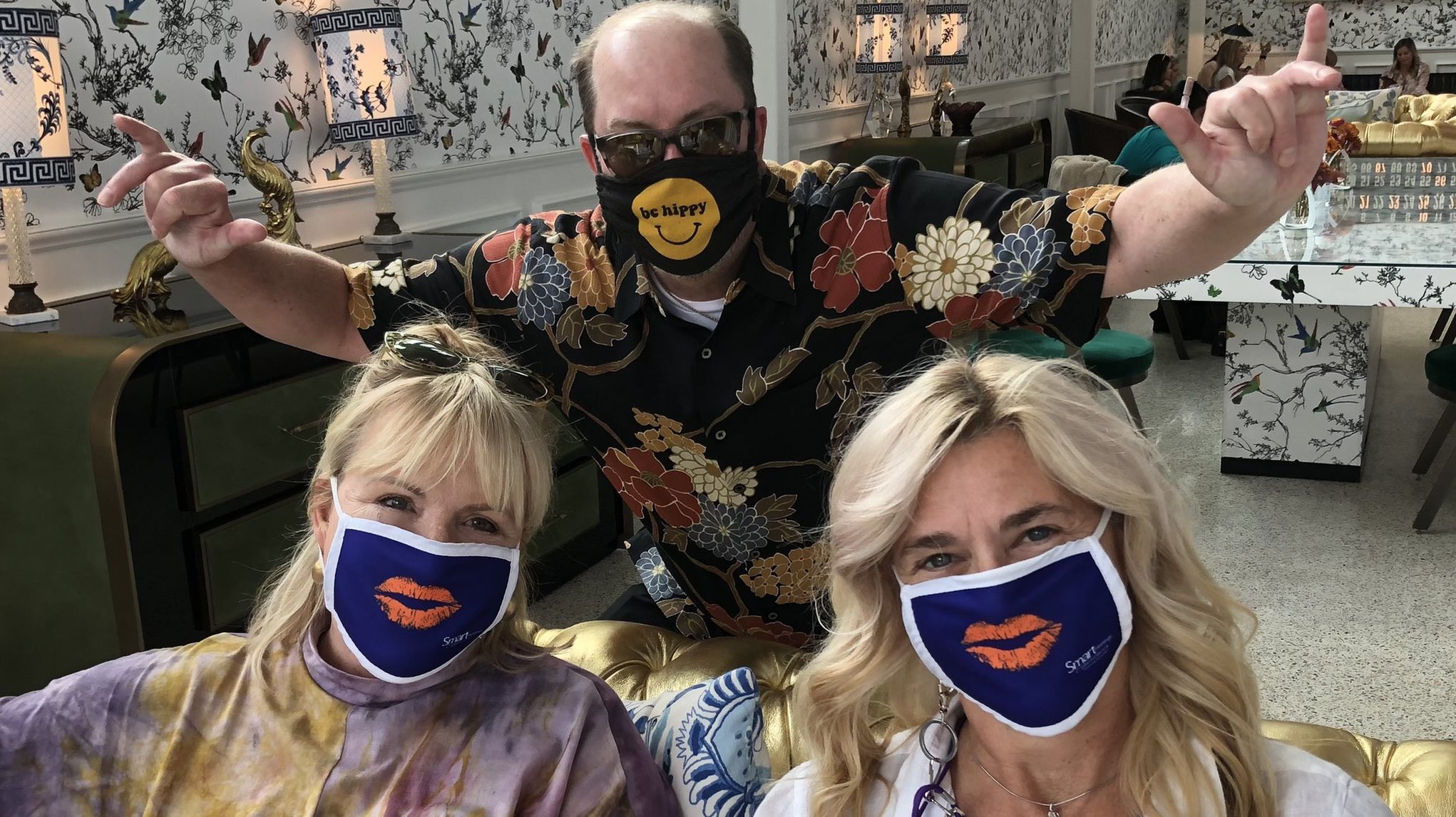
The three-day event drew 75 people to the brand-new Grand Hyatt Nashville to learn how to produce events that meet CDC protocols while still helping people feel engaged, as well as inspiring them to rock their own IRL meetings again.

https://twitter.com/SmartMtgsJT/status/1326344034374311939

Here are some of the high notes.

Check Your Attitude, Dude

Schulman, author of Conquering Life’s Stage Fright: Three Steps to Top Performance, said every activity is a performance—every call, email, tweet and reaction is an example of who you are. “When you embrace change, it opens up endless opportunities.” Shifting attitudes changes behavior and results in different—hopefully better if you shifted in a positive direction—consequences.

How we react to disruptions like the pandemic slowdown also changes how people react to us. “When we react like a rock star, we are treated like a star,” he said. The stories you tell yourself drive the behavior of those around you. “If you go into meetings thinking you will love them, they will most likely act as friends, rather than adversaries,” he said.

https://twitter.com/SmartMtgsJT/status/1325592074998206464

Go in thinking not, “I have to be here,” but “I get to be here.” That transforms mundane activities from a chore to a choice, with you as the change-maker rather than the person who has to deal with the after-affects.

As a two-time cancer survivor, Schulman encouraged everyone at the event to embrace every moment as if it were the last one. He plays the drums like it is the last time every time because it results in more intense sets. And he suggested that meeting professionals live their lives that way, too, because all we have is now. “Life is a series of nows. Every note has to have purpose,” he said.

Bonus: Intense engagement in an activity gives you a “drummer’s high” that released endorphins, makes your senses more acute and improves your immune system.

Pay Attention

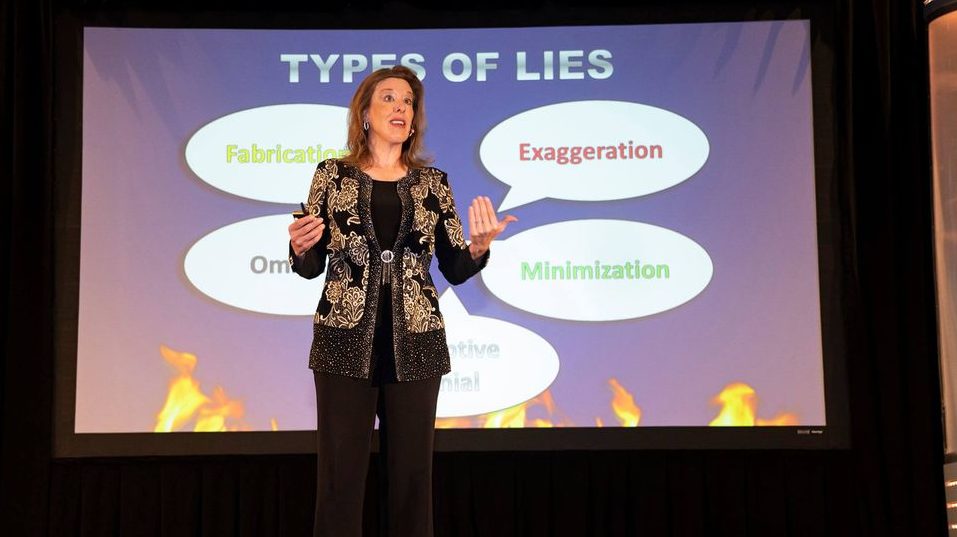
Traci Brown, author of How to Detect Lies, Fraud and Identity Theft, suggested focusing awareness on those around us to better understand their true attitudes and behaviors. “Most of us are paying so much attention to ourselves that we aren’t paying attention to anyone else,” she said before sharing tricks for knowing when people are lying to us, and what to do when they are holding back.

“One of the most powerful weapons is the pregnant pause,” she said. When someone’s body language says a lie of omission is being committed, give that person a chance to let it out by being quiet. “You can pay attention, or you pay with pain,” she said. “The body can’t lie; we just have to listen to it.”

Up Your Social Skills

Jonathan Bradshaw, founder of Meetology, leverages the power of behavioral science to teach people how to enhance their social skills—something that can change the trajectory of careers and relationships.

Like Schulman before him, Bradshaw sees relationships as a self-fulfilling prophesy. “If you expect people to like you, you create your own experience.”

When you are preparing for an important meeting of any type, he suggested intentional steps you can take to improve it—and they work both in person and online.

  • Smiling—can change your mood, create a positive first impression and encourage allies.
  • Posture—your “power pose” puts you in the state of mind to show up, speak up and appear more confidently.
  • Enclothed cognition—wearing clothes that make you feel better can change the role we play and how we are perceived.
  • Music—playing the right music before walking into a room can put you in the frame of mind that is appropriate for the situation.
  • Exercise—a walk around the block can improve your mindset and kickstart a more positive interaction.
  • Eat—a good breakfast before a big day can ensure you are not hungry and can focus.
  • Sleep—getting enough rest at night helps you be more aware the next day.

https://twitter.com/SmartMeetings/status/1326011050391646210

Meeting professionals regularly perform many of the tasks he credits with having the power of “spontaneous traits transference.” When you feed people, highlight similarities they have with each other by setting up shared experiences, and match where they are physically, verbally and emotionally by setting up the environment; they will associate those positive feelings with you and your organization.

Finally, Bradshaw suggested that when all else fails, “be vulnerable.” Admit mistakes, fess up to being human, and you will appear more relatable. “Be likeable; it doesn’t cost anything, and it makes you feel good, too.”

Details Matter

Grand Hyatt Nashville provided a fitting background to many attendees’ first return to meeting—the luxury property is both functional and a “feast for the eyes,” as Director of Sales and Marketing Richard Ross put it. With its railroad-inspired artwork, it is a nod to the past because the 591-room property sits on what was once the main rail route through the city. However, it is also a vision of the future, with five dining outlets offering modern cuisine, Hummingbird Coffee and 77,000 sq. ft. of convenient meeting space on three mirrored floors.

https://twitter.com/SmartMtgsJT/status/1326281815636783105

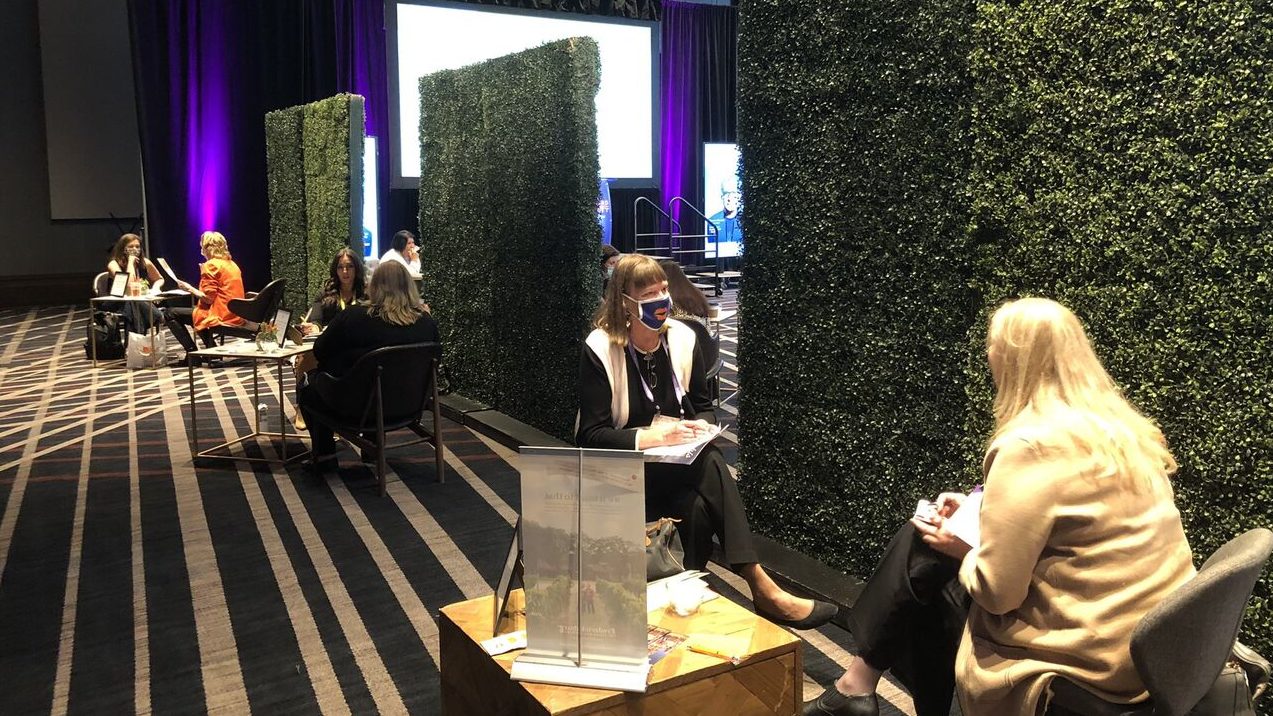
Veteran chef Sean Brock’s creations powered one-on-one meetings in comfortable living-room vignettes with six-foot distances between delegates of some of the top properties, destinations and meeting producers in the industry. While many came to learn the right way to set up their own future meetings to keep everyone safe, they left with the power of intense new relationships that could make them rock stars in their companies.