In a possibly unprecedented action, the CEOs of 17 of the biggest U.S. hospitality and travel companies have issued a plea to Washington for legislative relief.

Joining with U.S. Travel Association, the corporate leaders called on Congress and the White House “in the strongest possible terms” to approve a relief package before the election “that will give travel employers—and the millions of livelihoods they support—a fighting chance to survive.”

Hotel companies represented include marquee names like Marriott, Hilton, Hyatt, Loews, Best Western, Wyndham, as well as U.S. operations for IHG and Accor, which are headquartered in Britain and France, respectively. Other signatories were top executives from Delta Airlines, JetBlue and Disney.

The open letter stated:

“We represent an industry that accounts for nearly 40 percent of all the U.S. jobs that have been lost to the coronavirus pandemic—an absolutely staggering figure. With travel spending in the U.S. projected to drop more than half a trillion dollars this year, travel employers—83 percent of which are classified as small businesses, including large numbers of our own franchisees—are struggling to keep their doors open. It is unknown when the health crisis will allow the situation to improve on its own.

“Major portions of the travel industry have been unable to access any of the previous rounds of coronavirus-related aid passed by Washington—and for those that have had some relief, it has not been equal to the magnitude of the challenge.

“With each moment that passes without another relief package, more travel businesses are at greater risk of closing their doors forever, with those jobs unable to be restored.”

The statement demanded “at a bare minimum” enhancements to the Paycheck Protection Program—”especially a second draw on funds for eligible businesses.”

The business leaders concluded, “If there were ever a moment when American businesses and workers need leadership that transcends politics, it is now. We respectfully request that political leaders engage in a continuous dialogue for however long it takes to achieve action. Failure to do so will almost certainly delay a recovery for years.”

COVID-19 may have resulted in job loss, but the hotel industry’s new emphasis on safety and doing more activities outdoors has resulted in many jobs coming out of the pandemic as well, all in the name of ensuring guests that they are safe.

Hyatt Regency Monterey Hotel & Spa in California now has a Hygiene and Wellbeing Champion. This person goes through specific training that is in line with property’s pending GBAC STAR Facility Accreditation. The job supports ongoing COVID safety protocols, working with every department within the hotel.

At Carmel Valley Ranch, also in California, the director of housekeeping is the lead for the wellness and hygiene manager, who also oversees two additional hygiene employees. Extensive training includes forensic cleaning on a scientific level.

See alsoJob Hunting During COVID: What Meeting Professionals Need to Know

Conrad Fort Lauderdale Beach in Florida has social distancing ambassadors stationed at the pool, fitness center and lobby. These ambassadors ensure guests aren’t crowding too closely and that furniture remains six feet apart.

A key part of Marriott International’s “Commitment to Clean” initiative is a cleanliness champion at all its properties globally. At Monterey Marriott Hotel in California, for example, that role has been assumed by the director of event planning. In collaboration with the senior operations manager and housekeeping team, the cleanliness champion ensures Marriott’s Commitment to Clean guidelines are being met. Cleanliness champions are required to complete a monthly recertification to ensure they are up to speed with the latest Marriott guidelines.

Regent Seven Seas Cruises has implemented a “Healthy Sail Panel” to develop its health and safety standards. The panel consists of 11 experts from around the world with backgrounds in areas such as public health, medical research, infectious disease, biosecurity, and hospitality and maritime operations. The panel is co-chaired by Dr. Scott Gottlieb, former commissioner of the U.S. Food and Drug Administration, and Mike Leavitt, former governor of Utah and former secretary of the U.S. Department of Health and Human Services.

Mint House is a tech-heavy hotel company, and while it doesn’t feature space for meeting, the apartment-style accommodations are perfect for a work-from-home setting and, with contactless check-in and checkout, keyless entry, and customized groceries waiting upon arrival, guests hardly need touch common-area surfaces at all. The property’s mint clean standard officer ensures the Mint Clean Standard, developed in collaboration with Ron Klain, the Obama administration’s Ebola czar, is being upheld.

But not all new coronavirus-related jobs are focused specifically on hygiene. Some properties are making the most of the increasing number of business and leisure travelers who want to get outside. The Bristol Hotel in Virginia has a resident Appalachian adventurer who curates hiking routes, leads guests on guided hikes, creates fly-fishing itineraries and coordinates outdoor excursions for guests to experience Southern Appalachia and the renowned Appalachian Trail.

Inns of Aurora in New York has built a 3-mile trail and appointed an outdoorsman who creates custom outdoor adventures and leads private lessons in fresh-air activities such as archery, outdoor identification—identifying plants, trees and animal tracks—and fishing.

Trade shows, conferences and conventions of up to 1,000 attendees can now meet in Nevada. Gov. Steve Sisolak announced Tuesday afternoon that the loosening of group restrictions—previously capped at 50 people—will take effect immediately.

Under the new order, venues for these gatherings can reopen only after approval by state and local officials of a reopening plan. Sports arenas and other venues that seat more than 2,500 people can reopen at 10 percent capacity after similar approval.

“I assure you, today is only the first step in getting back to our new normal,” Sisolak said at the Grant Sawyer State Office Building in Las Vegas. “As you plan your next corporate meeting or convention, I know you may be considering locations in other states that have recently announced a complete lifting of all restrictions.

“Before you make a decision, understand that Nevada is not only open for business, we plan to be open for the long-term….We will open up in a safe, constructive manner where you will feel safe, your families will feel safe and all of your event participants will feel safe.”

MoreSuper-sized Safe Meeting Spaces in Nevada

Sisolak said attendees at those newly permitted events must continue to observe social distancing and mask-wearing guidelines. He also cautioned that he would “maintain the flexibility” to dial back any of the changes.

Enthusiastic reaction from the state’s hospitality industry was swift.

“This news is a great first step for our local meeting and convention industries,” said Steve Hill, CEO and president of the Las Vegas Convention and Visitors Authority. “We encourage everyone who visits, works or lives in Las Vegas to continue taking all the necessary safety and health precautions to allow us to quickly and fully reopen the destination.”

“We are very excited to enter into this next phase with increased group gathering guidelines,” said Stephanie Glanzer, chief sales officer for MGM Resorts International. “This comes as a result of many months of dedicated efforts on behalf of our Las Vegas hospitality and tourism community, working alongside health and medical professionals, to remain vigilant and cautious.”

Michael Massari, chief sales officer for Caesars Entertainment, said, “We applaud the governor for being so transparent with conference organizers that this is just the first step as we simultaneously allow for larger meetings and assure that Las Vegas is not only the best city to gather in but also the safest.  The industry-wide health and safety protocols in place by Nevada Safe, signed by over 40 properties in Nevada, and the protocols put forth by individual properties are the best in the world.”

“But what if instead of missing the sun, we appreciate the stars? Can we look to the future of events with curiosity, wonder and excitement instead of sadness for what’s ended?”

Can you imagine how the first astronauts must have felt leaving Earth to discover a new place for the first time? Watching their home, their friends and family and everything they knew get smaller and smaller out the window until they couldn’t see it anymore? I can imagine how that felt and I think you can empathize, too.

Because just like space explorers to a far-away world, we’re packed in together on space ship set for destinations unknown and we’re experiencing turbulence. Welcome to the ride—and I’m sorry we’re here, but 2020 ordered all aboard, insisted we go at COVID-point and we couldn’t say no.

Remember when we were in control of things? When our clients’ biggest stresses, last-minute changes, all-out panics would come in via email and we’d go into action mode. We’d start calling and texting, partnering with vendors, getting our team updated and on boarding, shifting at a moment’s notice to be the heroes and heroines we built our reputations on being for them. We’d save the day. Every day. Again and again. We’d take visions, goals, hopes, ideas and make them reality. We’d make fears, stresses, mistakes and surprises melt into happiness and memories.

It was a golden time.

Just like the golden hour photographers so love to shoot in, right before the sun sets, the golden time fades to darkness and that’s where you—and I—find ourselves right now.  We can still make out shadows and memories of what it was like in the golden light and yearn for it, knowing we won’t ever go back.

But what if instead of missing the sun, we appreciate the stars? Can we look to the future of events with curiosity, wonder and excitement instead of sadness for what’s ended?

That’s the choice we’re presented with now—every day—aboard this ship into the new world of events. When you look into the telescope of the future, what you see and envision for yourself is 100 percent up to you. My hope for you is that you let curiosity be a your lens for looking at the season ahead.

We don’t know what’s to come, but if your past performance has shown you anything, the highs and lows you can and will survive—hell, you’ll triumph! The stars in the sky have lasted for millions of years—surely we can last this stretch and shine brighter on the other side.

A Call to Emotional Arms

  • As a high performer and expert in your field, will you hear the call to be curious instead of critical with yourself and others? You must.
  • As a professional, will you be more curious with what can go right and be improved than what can go wrong? There are so many upsides.
  • As a leader and visionary, will you be curious to grow and see new opportunities and creative partnerships? I know you will attract them.
  • As a friend and community member, will you be curious to other’s emotions and needs, while holding space for your own? We need to stick together.
  • As a person, will you be curious with yourself about what you need and desire—even if it’s something different than what you have today? This is your life.

So, what is it that we do with our time? What role do we play on this ship into the new world of meetings and events? The choice is yours. But I promise you this: The future we’re going toward is better than the past we’ve left behind.

I hope to see you aboard. I’ll be the one making margaritas and the first round is on me.

Rachel Sheerin is an award-winning keynote speaker and sales trainer focused on burnout, happiness and success. Host of F THIS S, the podcast that keeps love in your work and life, Rachel serves as Director of Global Awards for the Association for Women in Events, is a partner of The James Beard Foundation and takes her margaritas on the rocks. Connect with her at RachelSheerin.com.

JW Marriott Anaheim Resort, California

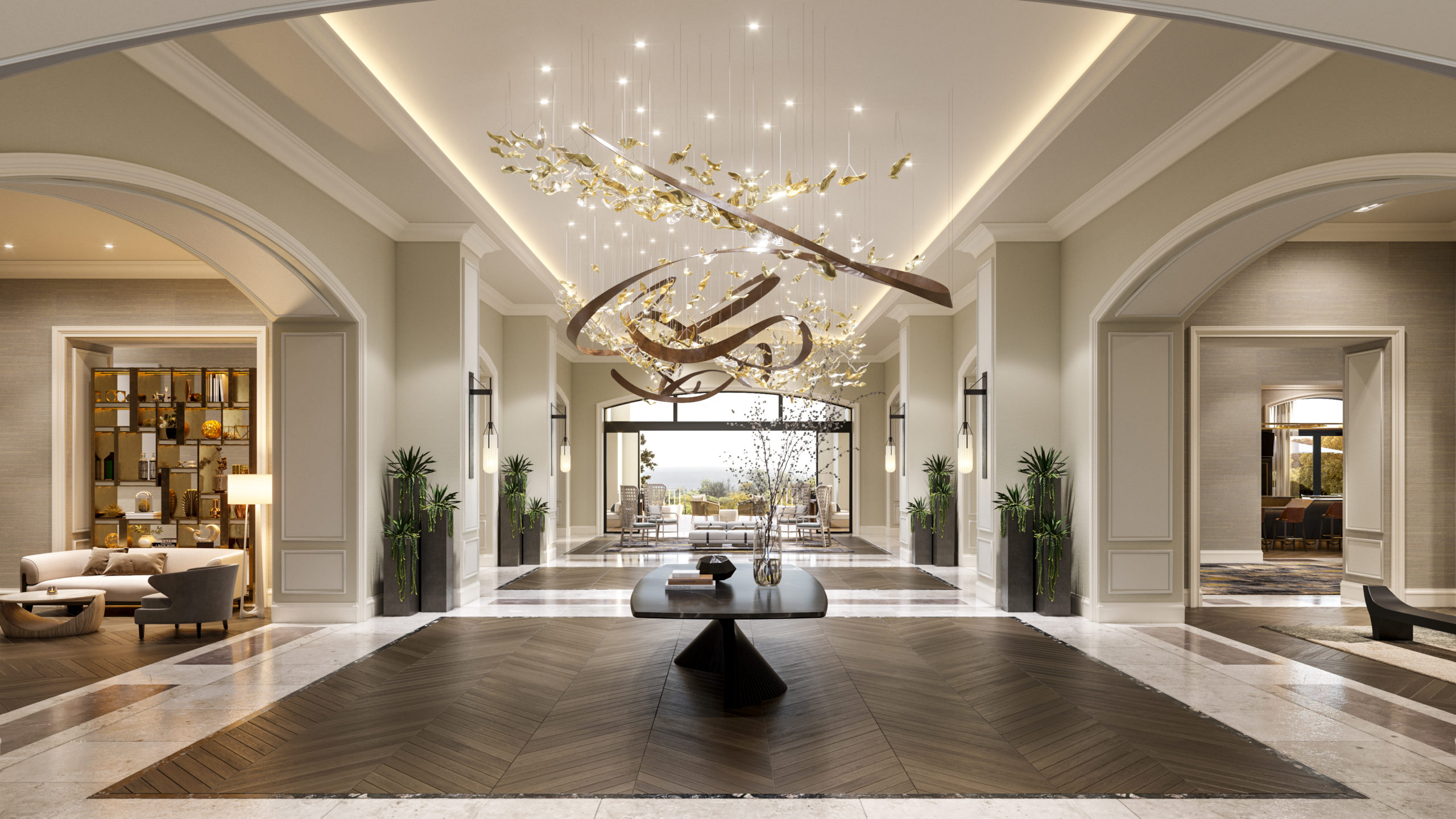
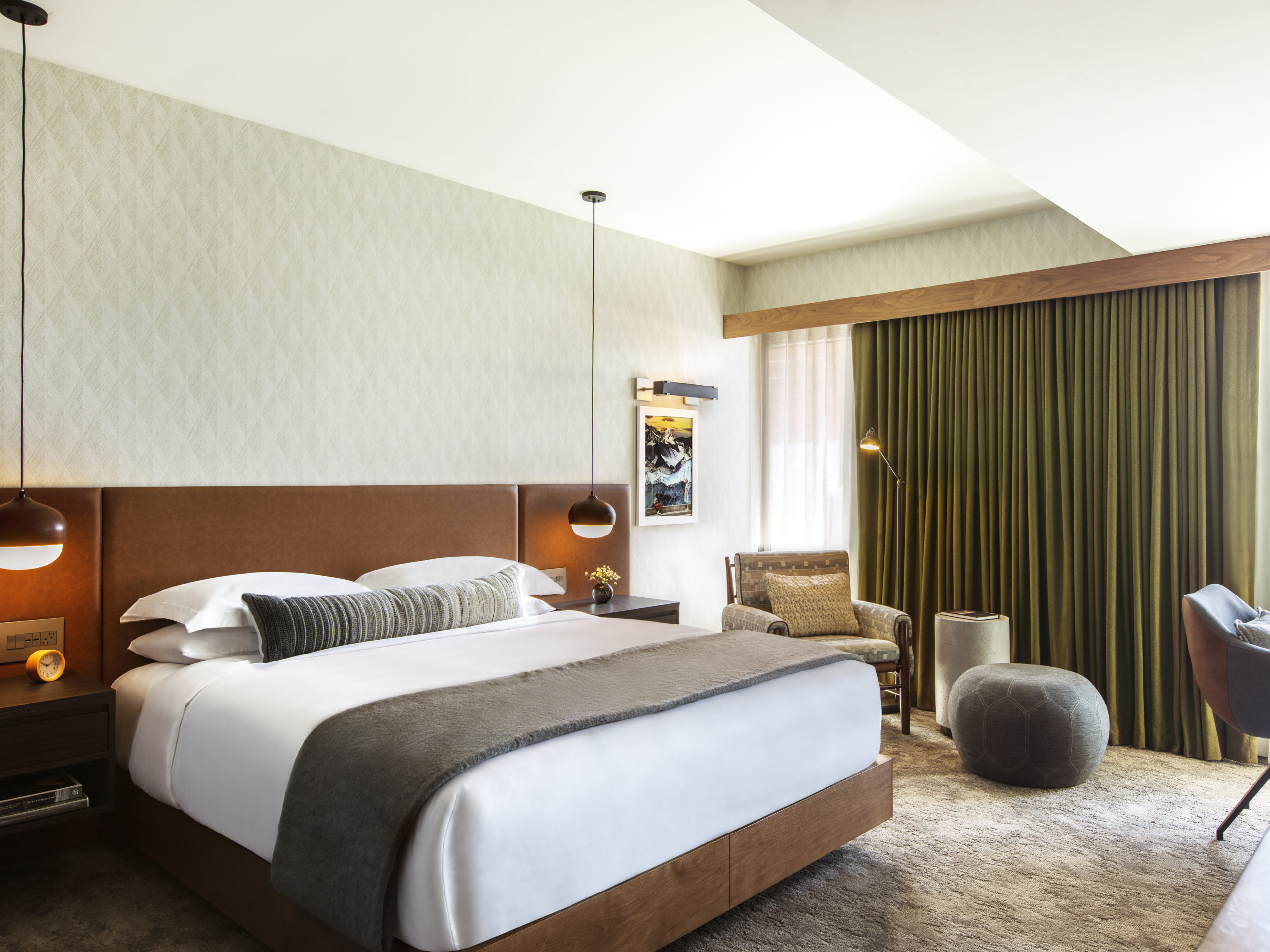
Just opened, this brand-new resort offers 466 guest rooms at Anaheim Garden Walk, adjacent to Disneyland and Anaheim Convention Center. The new concept incorporates Anaheim’s agricultural heritage with interior style in a warm palette of natural woods, glass and leather. A buzzy design calls to mind a beehive, with honeycomb patterning inspiring throughout. The resort has 43,000 sq. ft. of indoor/outdoor function space, including a 13,440-square-foot ballroom.

Kimpton Armory Hotel, Bozeman, Montana

The boutique brand makes its way to Big Sky country with 122 rooms in downtown Bozeman. The hotel is within the landmark 1941 National Guard Armory Building. A modern mountain aesthetic evokes natural grandiosity with the confident, handsome palette of a cool Montana horizon. The star feature is the chance to hear live music in two distinct spaces: Tune Up, a basement whiskey and beer bar, and Armory Music Hall, formerly the building’s gymnasium, which will host touring musicians and headlining concerts as well as provide an 8,000-square-foot venue for groups.

Snow King Resort, Jackson, Wyoming

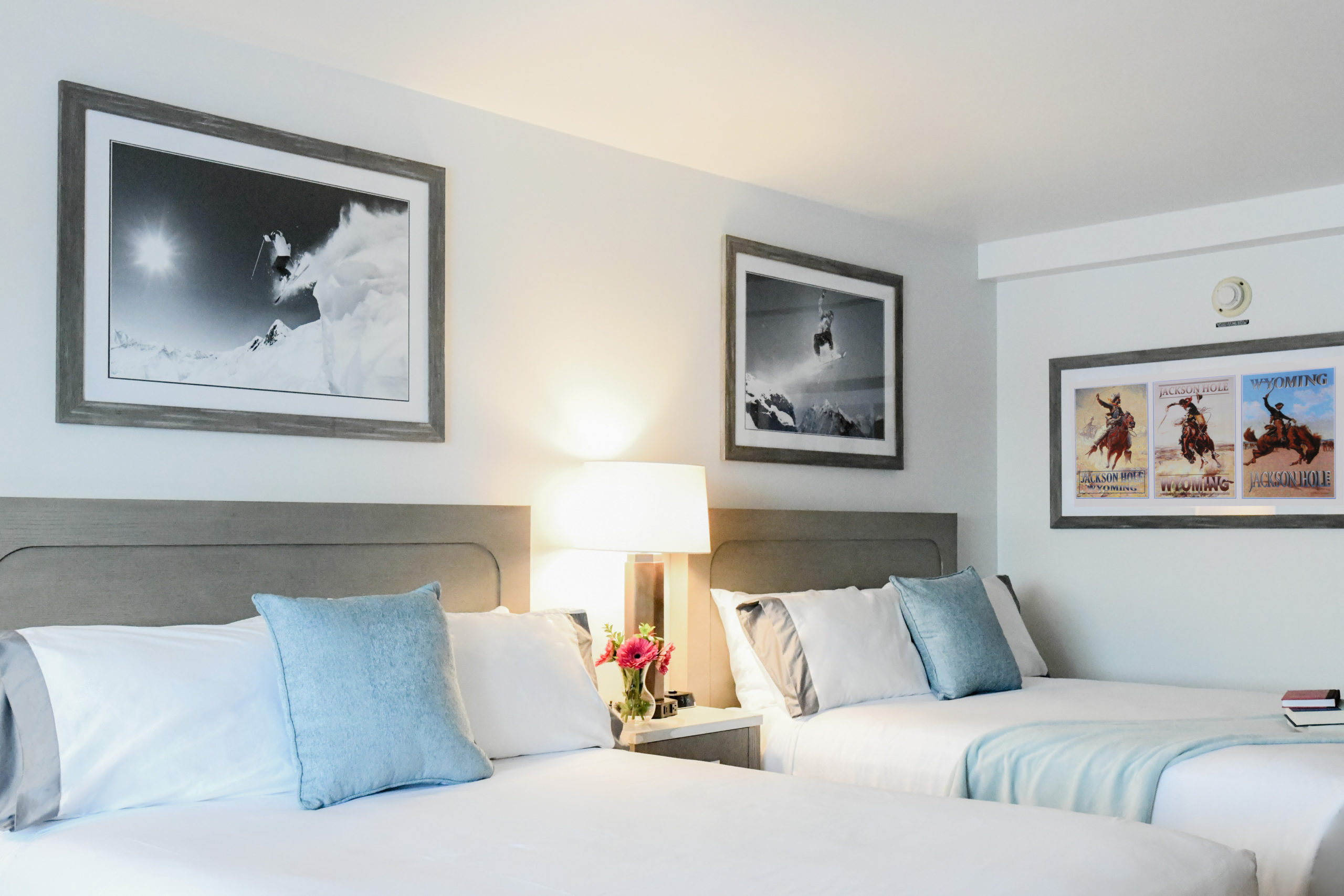
The resort recently finished a full renovation of design, representing Wyoming heritage inspired by the warm oats that feed western steeds and the cool iron throughout ranching materials. The refresh to its 203 guest rooms includes fully remodeled bathrooms as well as upgraded amenities, furniture and surface finishes. The resort is surrounded by Bridger-Teton National Forest and is the area’s only full-service, year-round resort. It features 20,000 sq. ft. of indoor/outdoor event space, as well as its own ski lift so guests can ski in and out of the property.

Park Hyatt Aviara Resort, Golf Club and Spa, Carlsbad, California

Reopening in October, the property has undergone a massive renovation that includes elevated guest rooms and suites, a refreshed lobby experience, and upgraded event spaces totaling 83,000 sq. ft. Even 50,000 sq. ft. of outdoor event spaces saw renewal, with a redesigned outdoor courtyard and event terraces, plus an event lawn with a double staircase. Lobby Bar, a reimagined resort lounge, will offer Pacific Rim cuisine with ocean views while guests await open-kitchen concept Ponto Lago later in the fall and the addition of a signature restaurant to Arnold-Palmer-designed Aviara Golf Club in early 2021.

The hotel industry is at a crossroads, and hotel operators don’t think there’s much time left. In a survey of more than 1,000 members—hotel owners, operators and employees—in mid-September, American Hotel & Lodging Association (AHLA) found that the hospitality industry remains on the brink of collapse.

And without aid from Congress, it’ll only get worse.

While the hospitality industry anxiously waits for Congress to pass another round of the CARES Act, more than 2/3 (67 percent) of hotel operators believe they will only be able to last six more months at current projected revenue and occupancy levels without further aid; 68 percent of hotel respondents have less than half their pre-crisis staff working full-time.

Seventy-four percent of hoteliers said they will be forced into more layoffs if additional governmental assistance is not given, and nearly half of hotel owners are in danger of foreclosure by commercial real estate lenders.

“It’s time for Congress to put politics aside and prioritize the many businesses and employees in the hardest-hit industries,” said Chip Rogers, president and CEO of AHLA. “These are real numbers, millions of jobs, and the livelihoods of people who have built their small business for decades, just withering away because Congress has done nothing,” Rogers said. “We can’t afford to let thousands of small businesses die, and all of the jobs associated with them, be lost for many years.”

Event planners themselves are fairing better than the hospitality industry as a whole. Only about half (57 percent) of event planners said their employment has been unaffected by the pandemic, according to a survey by PCMA.

Helping event planners weather the storm is the ability to move events into the virtual landscape: 70 percent of respondents have turned their live events virtual. Six percent of event planners said they’ve had to lay off team members, a small fraction when compared to hoteliers.

AHLA has urged members to “Save Hotel Jobs,” an initiative for hoteliers across the United States to get lawmakers to pass additional relief. This effort has resulted in more than 200,000 letters, calls and tweets to members of Congress.

How do you keep everyone focused on the boxes on their screen without breaking the bank? Smart Meetings sat down with Robin Farmanfarmaian, professional speaker, entrepreneur and author of Facilitating Virtual Events: Driving Participant Engagement, for a tip-filled webinar where she spilled the secrets for grabbing attention and being remembered.

She has made the journey from managing the San Francisco Ballet Gala, where she raised millions of dollars, to the stage and the page, teaching meeting professionals how to be their own boss. When the world switched to virtual, she watched what people were doing—and donning her planner hat, decided to write a book about what was missing.

In too many instances, it’s participation.

“The difference between a virtual event (streaming content a la Netflix) and a virtual experience is that in the latter, people feel like they are part of something, not just a spectator,” she said.

The good news is that elevating your virtual event into an experience doesn’t have to be expensive, just thoughtful. Let’s walk through how to integrate interactive elements from beginning to end.

Pre-event Personal Touches
Start by getting sponsors, speakers and attendees involved on social media weeks, if not months, in advance of the actual event. Highlight people who have given you permission to use their picture and name with shoutouts on Twitter and Facebook. This will turn them into evangelists and make them feel important. It will drive marketing, expand your audience and drive ticket sales.

In your email communication, build up the frequency as you move closer to the event, but don’t overwhelm. Keep the sends short and to the point, yet include the date, time and link to register in every single one—you would be surprised how many are missing this vital component.

Direct mail through the actual U.S. Postal Service still works. When people get a pretty postcard or package in their mailbox that they can actually hold and touch, they are definitely going to read it. Even if it is tossed on a desk, it will make an impression.

To heighten the suspense, put an envelope in the mail that says, “Do not open until instructed on the day of the event. You may be the winner of a [insert name of meaningful prize here].” It’s like a golden ticket that will keep people engaged because they don’t know when the prize will be given away, and they will want to be ready.

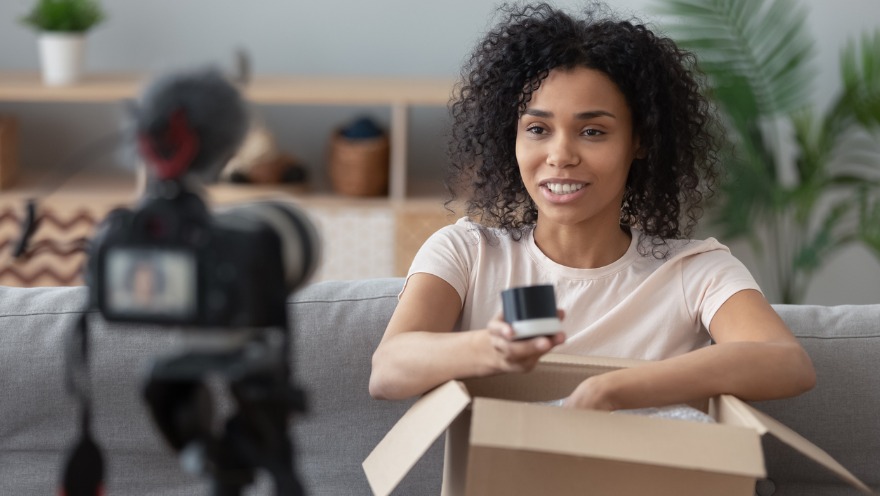
The same is true of swag bags delivered to attendee doors. Custom box companies can create beautiful packages with branding and speaker information that become a keepsake. The result will be unboxing videos on social media.

Inside is where you tuck your interactive tools—double-sided paddles participants can use to vote during the presentation, a visual way of helping people feel involved without turning on their microphones. Sponsored hats and mugs delivered to homes get used, instead of being left in the hotel room, on the show floor or in the airport.

You can also fill the box with interactive games and activities. It could be a challenge to build something out of a given set of materials or cut something out and make it into an accessory. You could ask attendees to film themselves in the creative act. As an added bonus, the advance experience will make the networking easier because everyone will have something in common to discuss.

All this engagement happens before the event has even started.

Agenda Optimization

Gone are 60-minute keynotes. Most presentations range between 10 and 30 minutes, with the same amount of time for questions.

Farmanfarmaian lives by a 60/40 Rule for virtual events—60 percent content, 40 percent interactivity. And the content should be actionable. “Inspirational content is great, but people can go to a TED Talk or somewhere else for that,” she said. “Hyperfocusing on educating people on something specific—that is what people will pay for.”

But learning can still be fun. For the interactive part of the equation, she suggests activities such as trivia, mixology and cooking. Who doesn’t want to get all the ingredients for a margarita delivered to their doorstep for a session on building the perfect cocktail?

Other cool shared activities:

  • Family Feud-type challenges where participants determine the answers in surveys sent in advance. You can do this with up to a thousand people, and they’re not spectators because they are in breakout rooms with 20 or 30 people each.
  • Scavenger hunts. It could be as simple as a list of things people can find in their own homes. They reply by sending a picture or a question they have to research and answer. The idea is that everyone gets engaged, moving around, using their intellect and participating, rather than just staring at a screen.
  • Costume or dress attire. Whether you send Santa hats or tiaras, when everyone is donning the same headgear, it makes the boxes more interesting. Farmanfarmaian suggests tucking a pattern for a paper crown in an envelope and asking everyone to decorate it and wear it for a video call. It’s like a virtual photo booth and a keepsake. It takes everyone back to second grade when they are cutting with scissors along the dotted line. A pride of workmanship and creative spirit is released.
  • A caricature or sketch artist can capture the meeting in bright colors and send the result as a reminder of the meeting’s goals.
  • Virtual gingerbread-house decorating or secret Santa can keep the holiday spirit alive.
  • Instead of awkward, free-form networking where people are put in a Zoom room to make small talk, give them questions to answer or a shared goal.

Speaker Training
future of

When all eyes are on the speaker’s face, getting points across in the new reality becomes paramount. Farmanfarmaian suggests using a wired headset. People will forgive lousy video, but they will click off immediately if they can’t hear.

She also advises ditching the digital background of the nature scene. It takes up too much bandwidth and the pixilation will distract people. Instead, set up a background that offers contrast.

And don’t forget lighting. A big no-no is sitting in front of a window that turns you into a shadow. Overhead fluorescent light will age you 10 years. Invest in diffused lights you can shine on yourself for the best image.

Then practice looking directly at the camera. It will be uncomfortable at first because you are talking to the little light at the top of the monitor. You will see yourself and the others out of the corner of your eye, but you will come across to them as if you are looking directly at each person on the Zoom. Ideally, that camera is at eye level, not down below, so they are peering up your nose.

Effective virtual panels require planning, planning, planning. Without practice, they can really fall flat. One trick is to make panelists send three questions in advance. That way the facilitator can highlight their expertise by asking them a question with the confidence they already know the answer. “I’m helping them achieve their goals—and the goals of the conference,” she said.

A technology run-through can also catch any software compatibility issues so everything goes more smoothly on the day of the presentation.

Post-Event Conversation Extenders

When the last person clicks off, the meeting professional’s work is not done. All those photos you took can be shared over the coming weeks and months in social media posts and videos. The responses to surveys can be shared in articles and communications.

Keep the conversation going by setting up follow-up breakouts. That’s how real relationships form. That is virtual engagement.
Sometimes hard work is noticed. Smart Meetings is proud to announce that the team was honored with six awards in the 2020 Folio: Eddie and Ozzie Awards, including the top award for magazine supplement and cover design.

“Our goal has always been to deliver the most relevant and educational content in the industry and present it so that it supports and inspires our community to take action,” said Smart Meetings founder and CEO Marin Bright. “We are truly honored to be recognized at this important time.”

For more than 25 years, Folio has presented the Eddie and Ozzie Awards to recognize leading media and publishing industry leaders. This year’s list of winning creators and designers was chosen from thousands of entries.

Smart Meetings took home prizes in the following categories:

Eddies: Editorial Excellence

Ozzies: Design Excellence

On Sept. 15, Germany deemed travel to international trade shows essential in a momentous, if also controversial, change for the global events industry. Germany is home to one of the largest trade show industries in the world, so there is no doubt that salvaging these events is vital to restoring its economy. According to the Association of the German Trade Fair Industry, the estimated economic impact of canceled or postponed trade shows in Germany was €18.5 billion ($21.9 Billion US) since the pandemic struck six months ago.

See alsoGermans in Spain: Testing Post-Virus Tourism

This announcement is exciting for event professionals and companies involved in Germany’s trade show and events industry. Meeting planners and show managers are now joining front-line, essential workers considered essential to the German economy.

This means that not just German trade show attendees can attend shows. Attendees from any country can travel to trade shows in Germany if they have valid visas where necessary. Upon entering the country, exhibitors must present their show ticket and proof that they are scheduled to attend at least one scheduled trade show meeting.

However, attendees from outside countries do not get a free pass to roam around Germany. After being cleared to enter the country, all international travelers are legally obligated to follow the quarantine regulations within the specific German state in which they are staying. Most states require individuals to self-isolate for 14 days.

A Balancing Act

Over the past few months of the pandemic, a complicated question has been debated tirelessly by government leaders, the press and many in the events industry: “Which issue is more essential to solving: economic impact or potential health risks?”

That is the wrong question when it comes to professionally produced meetings. “Trade shows and business events are not part of the COVID problem, they are part of the COVID solution,” explained Kai Hattendorf, managing director and CEO of UFI, The Global Association of the Exhibition Industry. “We need governments to understand that point, and Germany, one of the three biggest and most important markets for trade shows globally, is getting this.”

This decision signals international exhibitors and attendees worldwide that the events industry will recover, beginning with the trade show sector. Exhibitors, attendees, event professionals and business leaders worldwide will be excited to know there is now a way to attend trade shows.

This comes off the heels of the tireless advocation of the trade show industry by executives involved in these shows. These leaders insist that trade shows are not just generic mass gatherings, but instead organized business events where everyone’s health and safety in attendance can be managed with care. Unlike consumer events, pre-emptive and preventative health and safety protocols are continuously being administered and updated.

A Leadership Role

Although some will argue that the German government’s decision to deem business travel essential seems to be slightly premature, the success of the return of the events industry in Germany could open the door for similar opportunities in other countries worldwide.

Finally, there is some optimism in the events industry. But…will other countries follow?

A Powerful Force for GDP

According to the Events Industry Council, Germany ranks only behind the United States and China in the events industry. In 2019, Germany hosted more than 3 million conferences and congresses in 7,500 venues.

In fact, out of all of Germany’s key industries, the meetings industry ranks sixth.

Industry Average Annual Revenue
Automotive industry 428,92 billion EUR
Mechanical engineering 261,78 billion EUR
Chemical and pharmaceutical industry 202,95 billion EUR
Electrical engineering industry 184,34 billion EUR
Food industry 179,56 billion EUR
Meetings industry 129,09 billion EUR

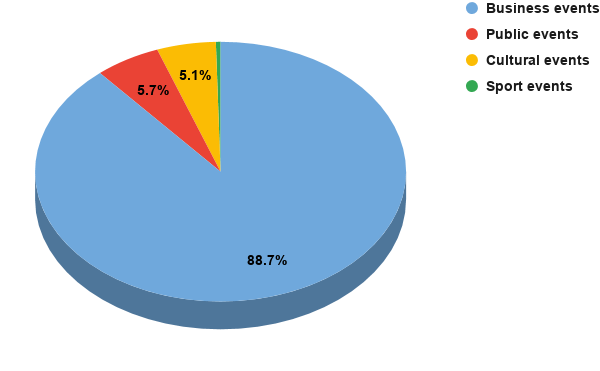
Furthermore, among all the events and meetings in Germany, business events rank the highest. Here is how the Germany meetings industry is divided monetarily, according to Kongres Magazine:

Average Annual Revenue by Event Category

De-de Mulligan is a regular blog contributor for Rentacomputer.com and president and chief content strategist for Mulligan Management Group. As a former meeting planner who has received Ohio MPI’s Planner of the Year award twice (2006 & 2012), she brings a unique perspective to this blog post. You can find her on Twitter @DedeMulligan or LinkedIn.

We’re bringing you the best industry updates from the week, every week, to keep your spirits up during the pandemic. This week, cities near and far prepare to welcome back attendees in the ballroom and on the trade show floor.

Seattle Welcomes Indoor Meetings for Phases 2 and 3

Washington State Convention Center

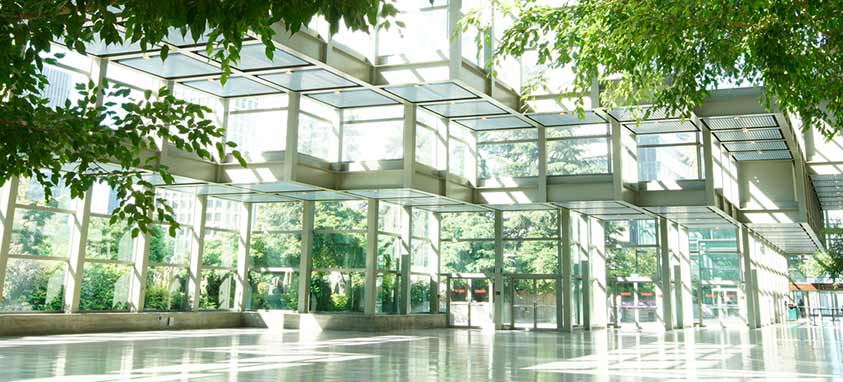
On Sept. 21, Washington state modified its reopening plans to permit meetings and business events to be held indoors at a reduced capacity of 30% or 200 guests (whichever is less). Venues must enforce social distancing, mask wearing and have achieved GBAC Star accreditation to participate. Washington State Convention Center (WSCC) has released a Safety First Overview outlining its new safety guidelines to welcome attendees back into the building, along with a virtual event studio which will allow meeting planners to broadcast virtual and hybrid meetings.

“We are grateful to Governor Inslee and state officials for recognizing the critical role of meetings and business events during this time,” said Tom Norwalk, Visit Seattle President and CEO.

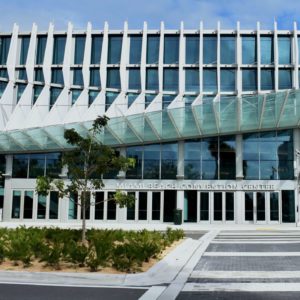
Miami Beach Convention Center is MBCC Ready

Miami Beach Convention Center (MBCC) announced new health and safety measures this week to support the return to live events as buildings across Miami-Dade County in Florida reopen at reduced capacities. MBCC Ready highlights the convention center’s recently renovated 1.4 million sq. ft. of flexible event space as means to achieve socially distanced events indoors and out.

“The health, safety, security and wellbeing of all who enter our venue has always been our top priority,” said MBCC General Manager, Freddie Peterson. “The health measures at the MBCC will not only reduce the risks of transmission during this current pandemic but will support a healthier building long into the future. It is a long-term investment for a short-term crisis, reassuring our staff, vendors, guests, clients and planners, and restoring confidence in our venue and all that we do.”

Germany Deems International Trade Shows Essential

Last week, Germany deemed travel to international trade shows essential in a momentous change for the global events industry. Read our full story on it here.

Happy States

WalletHub released its report on 2020’s Happiest States in America—and despite the mental health toll from the pandemic, many states are as happy as ever. The data comprised everything from employment rate to positive COVID-19 testing rate to income growth to come up with the 20 happiest states in the country. These are the top 10.

  1. Hawaii
  2. Utah
  3. Minnesota
  4. New Jersey
  5. Maryland
  6. California
  7. North Dakota
  8. Iowa
  9. Idaho
  10. Connecticut