Consider this your tool box for staying sane, productive and occupied during the sudden switch to remote work under the coronavirus (COVID-19) quarantine. From Smart U Masterclasses to virtual book club, home exercises and the best tools for online meetings, we’ve got you covered.

Back to Work Basics

Drowning in a sea of protocols and guidance documents? Looking for clarity about how to distill all those phased requirements into a realistic agenda? Events Industry Council (EIC)’s Accepted Practices Exchange (APEX) COVID-19 Business Recovery Taskforce is navigating the turbulence with these tips.
3 Ways to Kill Your Zoom Meetings

2020 is the year of the Zoom meeting. Making video conferencing work is not always a slam dunk, however. It takes much more effort to keep people engaged. Here are tips for making your next Zoom meeting the best one yet

5 Tips for Pivoting to Digital Meetings

The COVID-19 pandemic’s fallout has been felt around the world, but business demands require many organizations continue with as normal of operations as possible.

wfh6 Tips for Leveling Up in Lockdown

Behavioral science expert Jonathan Bradshaw shares his proven tips to staying productive while working from home. Spoiler alert: You will have to change out of your pajamas.

virtualHere’s How Virtual Meetings Can Capture the Business of 1:1

As meeting professionals pivot to virtual during the coronavirus slowdown, how does one keep afloat the important business function of connecting buyers and sellers in a series of one-on-one meetings? A new solution is on the way.

advanced meetings careerHow to Binge Your Way to an Advanced Meetings Career

Experts warn that agendas will not just pick back up where they left off following the coronavirus pandemic. After weeks spent on Zoom calls and virtual happy hours, attendees will expect more tech-driven options and companies will look for risk management that takes into account serious disruptions. Planners who sharpen their skills to meet those new expectations will be the ones to excel.
virtual meetings mistakes5 Mistakes to Avert in Virtual Meetings

The coronavirus pandemic has suddenly thrust online meetings into the spotlight as some companies and organizations venture into them for the first time while others rely on them much more than ever before. All of them are searching for ways to run the most productive meetings—and to avoid mistakes during a period when time is especially precious.

5 Resources for At Home Wellness Routineshome wellness

While many might not prefer to be working from home, remote work affords you the opportunity to integrate wellness into your day. You can play the music that helps you focus, or take movement breaks without looking strange for lunging down the office hallway. Here are some home exercises to stay grounded during trying times.

Virtual Support and Working From Home

In times of isolation and quarantine, it’s important to stay connected—both in terms of work and your loved ones. Here are some ways to connect with your colleagues and relatives.

cybersecurityTips for Staying Cybersecure in a Remote Workplace

Smart Meetings consulted Douglas Williams, president and CEO of Williams Data Management, for tips on the best practices to protect your company and attendees—including shielding virtual guests from emerging “Zoombombing” attacks.

book clubEventProfs Book Club Boosts Connection and Education, Virtually

Event professionals looking to advance their careers while sheltering in place due to coronavirus (COVID-19) concerns have a place to go to share ideas—and learn something along the way—thanks to the #EventProfs Book Club.

virtualBest Practices for Just in Time Virtual Meetings

As attendees started second-thinking travel and meeting plans due to fears about COVID-19, meeting professionals across the country scrambled to switch to a hybrid or virtual format for their gatherings. Smart Meetings polled leading event technology companies for tips on what to consider if you are virtual curious.

virtual tools6 Virtual Meeting Tools to Facilitate Working from Home

The coronavirus (COVID-19) is causing quite a disruption in the workplace as large businesses are temporarily closing their doors. While sending everyone home could be an inconvenience, it isn’t as much of a hurdle with these team-centric programs.

For more, head to our all-encompassing Coronavirus Resource Guide.

The coronavirus (COVID-19) pandemic has thrown meeting professionals in an unprecedented position with cancellations, postponements and venue closures affecting the course of the next few months, at least. From tips on how to move forward with scheduled events to filing your taxes under the new deadline, we’ve got the answers to your burning questions.

Survivor Diaries: Lessons for Planners on Conquering COVID Disruptions

The last six months have been a roller coaster for meeting professionals. In a lively webinar last week, Smart Meetings founder and CEO Marin Bright gathered four Smart Women in Meetings Award winners to find out how they conquered COVID disruptions and positioned themselves to thrive in the future.

return to meetingsHow to Safely and Effectively Return to Meetings and Events Post COVID-19

Providing peace of mind to help attendees feel confident and safe  is the ultimate business goal now. Although many of these tips may seem like extra work, they will save time and businesses in the long run.

independent planners7 COVID-19 Strategies for Independent Planners

Coronavirus cancel culture could be deadly for many third-party planners. Independent planners began asking for help, so they didn’t bear an outsized share of the burden.

pajamasTaking a FAM in My Pajamas

Senior editor Gary Diedrichs goes on a FAM in Rockford, Illinois. From his home office in California. In his pajamas. The idea of virtual FAMs has been out there, but it is now more alluring than ever.

How Will Events Change Post-COVID-19? Experts Chime In On #MeetingsChat

Mutual support and optimism was trending during a joint Twitter Chat moderated by Smart Meetings and Meetings Mean Business. Industry professionals showed the true definition of #HospitalityStrong in 280 characters or less. Here are the highlights.

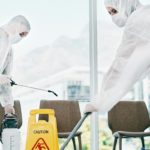
cleanWhen Venues Reopen, How to Know They’re Safe

As COVID-19 wanes and people begin meeting again, what should planners know about precautions venues must take to ensure clean, safe spaces? With many convention centers serving as temporary field hospitals, what disinfection standards should planners insist on?

force majuereHow to Write Force Majeure to Protect Your Meeting from the Next Pandemic

One of the serious side effects of the wave of coronavirus cases across the world was a sudden rush to learn a foreign language—or at least two words that had largely passed under many meeting professionals’ radar for years: force majeure. Find out what you need to know here.

riskRisk Management: Addressing Meeting Emergencies When the Industry Resumes

How will meeting professionals address risk post-COVID-19? In our latest Smart Meetings #HospitalityStrong webinar, Kevin Coffey, senior travel and meeting risk consultant at GoldSpring Consulting, addressed what both meeting planners and hoteliers should be asking when we all begin meeting again.

3 Tips for Managing Coronavirus Fear in the Meetings Industry

If you are afraid right now, that could be a good thing for your future as a meetings professional, according to Judi Holler, author of Fear is My Homeboy: How to Slay Doubt, Boss Up, and Succeed on Your Own Terms.

contingency4 Contingency Planning Scenarios You Need to Prepare For Today

Carol Davis, owner of CPER Productions & Incentives, specializes in contingency planning for experiential events and incentives and she has some suggestions that could make the next black swan a little bit less jarring.

Tips for Slaying the Quarantine

While the slowdown to prevent the spread of COVID-19 is challenging, it also presents an opportunity to find out what works best for you mentally and physically, personally and in your career. The first in a series of “Slaying the Quarantine” webinars featured insights from industry professionals from many different perspectives on making the most of our situation.

Keep Calm and Plan On: How to Prepare for a Post-pandemic World

Our April cover story covers the impact and predictions of COVID-19 on the meetings industry. From no handshake policies to virtual tools for online meetings, we are sharing the lessons we learned—and how they apply going forward.

How Do You Lead During a Pandemic?

As if being a leader of people isn’t hard enough, now you have to worry about leading people during a global pandemic. How do you keep your team motivated and productive? What do you need to do differently? What needs to stay the same? Here are five tips to get you through

digital meetingsVR Site Inspections Keep RFPs Moving During Coronavirus Down Time

What was a cost- and time-saving novelty two months ago has now become a vital solution during the “coronareality” of today. Virtual site inspections make it possible to experience a ballroom while still practicing social distancing to slow the spread of coronavirus. Smart Meetings asked the experts about how realistic VR tours are today—and what to ask when setting one up.

covid-19 planning tipsPlanning Tips for the Covid-19 Age

Event planners have been sidetracked by the coronavirus pandemic, wondering about the best route to take. Cancel? Postpone? Claim force majeure? It seems that many of them are doing a combination of all three. Smart Meetings spoke to meeting planners and destination representatives to find out how they’re managing responsibilities in the current climate.

taxes4 Tips for MeetingProfs Filing 2019 Taxes in the Year of Coronavirus

The United States Secretary of the Treasury postponed the deadline for filing 2019 federal tax returns to July 15, 2020 with no penalties or interest due to disruptions connected to coronavirus. We consulted the experts and put together some tips for getting your receipts in order during any down time.

covid-19COVID-19 Considerations for Meetings Contracts

Do meetings cancelled as a result of coronavirus concerns quality as force majeure? Lisa Sommer Devlin, J.D., attorney at Devlin Law Firm, explained in a recent Smart Meetings Accelerator webinar “COVID-19 Considerations for Meetings Contracts” that the answer is complicated.

fearsCoronavirus Fears Force Go/No-Go Decisions for Meetings

We spoke to Mark Herrera, director of education and life safety with International Association of Venue Managers (IAMV), about his decision to carry on with his annual Academy for Venue Safety and Security, despite cancellations and concerns amid the coronavirus outbreak.

covid-19Planner Guidance from WHO for Keeping Attendees Safe from COVID-19

The World Health Organization (WHO), which is taking the lead on fighting the spread of COVID-19, has not issued a call to cancel conferences. Instead, it released a list of steps to take in workplaces and “mass gatherings” that can also help to prevent other infections, such as colds, flu and stomach bugs.

Planners Proactively Address Coronavirus Outbreak

Planners throughout the world are cancelling and postponing events, as well as keeping a close eye on those that are still scheduled to take place. Hotels are bracing for the spread of the virus, ranging from taking precautions with  guests to, in China, temporarily closing more than 60 percent of hotels.

coronavirusHow to Protect Your Attendees from Coronavirus

Now that COVID-19, or the new coronavirus, has spread globally, shut down ground and air transportation and caused international event cancellations, protecting attendees from the disease has to move to the top of planner checklists. Smart Meetings talked to the experts for best practices.

How Coronavirus Is Affecting a Meeting Near You

Headline developments have focused on the outright cancellations of high-profile events, including Mobile World Congress, which was to have convened in Barcelona, Spain, with 100,000 attendees this month. Yet the impact of the virus is spreading far beyond these highly publicized gatherings.

Planners Scramble in Reaction to Coronavirus

With the attention of the world riveted on this spreading public health crisis, what has been the impact on group travel, conferences and planners—many of whom may have worked a year or more to stage meetings in China? Or who are depending on important keynoters from that nation?

For more, head to our all-encompassing Coronavirus Resource Guide.

From the newly approved federal stimulus bill to the latest lockdowns, furloughs and events gone virtual, stay up to date on the coronavirus (COVID-19) pandemic’s progression and its effects on the meetings, travel and hospitality industries.

Expert: Recovery Is Coming. For Some, It’s Nearly Here

We will be traveling and meeting again. That’s the uber message delivered by Jan Freitag, senior vice president at STR, which collects market data on the hotel industry, during a webinar hosted by Adara, a Palo Alto, California-based travel intelligence company. “The industry is resilient. We will rebound,” Freitag predicts.

covid-19Marriott Unveils New Global Cleanliness Council to Fight COVID-19

Worried about how safe it will be to check into a hotel in the age of COVID-19? Marriott International wants you to breathe easier. The world’s biggest hotel company is rolling out a “multi-pronged platform to elevate its cleanliness standards and hospitality norms and behaviors to meet the new health and safety challenges presented by the current pandemic environment.”

travelU.S. Travel: Coronavirus Impact on Travel 9x Worse Than 9/11

One-third of all jobs lost in the United States from the coronavirus pandemic have been in the travel industry—an impact that is nine times greater than after the 9/11 attacks. That stunning assessment comes from the latest data compiled for U.S. Travel Association.

aweAWE Pivots to a Community Model

Association for Women in Events is moving from a dues-paying association model to a community model in light of the state of the events industry in the wake of shut downs from COVID-19.

COVID screeningExperts: Prepare for Venge Tourism, COVID Screening and Hybrid Everything

Meeting professionals are eager to know not only when meetings will start happening again in the flesh, but what they will look like. More hybrid meetings? Tests for immunity? COVID screening? Branded facemask giveaways? We asked the experts to peer into their crystal balls.

in-person83% of US Remote Workers Miss In-Person Meetings

In not-so-shocking news, a new survey by APCO Insight found that 83 percent of Americans working remotely due to coronavirus say they miss in-person meetings and conventions. Most respondents said that they are eager to return to face-to-face meetings once restrictions are lifted

GMID 2020 Drew Virtual Record Attendance

With Global Meetings Industry Day (GMID) 2020 falling during the coronavirus lockdown, meeting professionals got creative. An attempt to break the Guinness World Records title for largest audience for a virtual conference by #GMIDGoesVirtual brought an unofficial 12,500 together  for a half-hour presentation.

stimulus billMixed Reaction by Travel, Event Industries to Federal Stimulus Bill

The $2 trillion federal stimulus bill that is expected to land soon on President Trump’s desk is drawing mixed reaction from various corners of the travel, hospitality and meetings industries.

reliefMore Events Sectors Call for Federal Coronavirus Relief

Every part of the events industry is being impacted by restrictions on meetings put in place to slow the spread of novel coronavirus (COVID-19). The American Rental Association (ARA) petitioned Capitol Hill last week for $20 billion in financial aid provisions for the equipment and event rental industry as part of the financial relief bill being negotiated in the U.S. Senate.

GMID 2020 Goes Virtual

On Wednesday, the Meetings Mean Business Coalition (MMBC) postponed the annual Global Meetings Industry Day (GMID) celebration planned for April 14 due to limitations on gatherings in the face of the coronavirus pandemic. The international day of advocacy, awareness and celebration of the meetings and events industry will instead be staged as an attempt to break the world record for largest virtual event ever held.

federal aidCries Mount for Federal Aid to Travel Industry

The U.S. economy, increasingly reeling from plunging financial markets and business closures due to the COVID-19 pandemic, will take a $809 billion hit due to decreased travel, according to a new analysis by U.S. Travel Association.

stripThe Strip Closes All Hotels and Casinos

Following the closing of all 13 MGM properties along The Strip as a way to slow the spread of coronavirus (COVID-19) in Las Vegas, Governor Steve Sisolak issued an order to shut down all “nonessential” Nevada businesses, including 440 licensed casinos all over the state.

Marriott, MGM, Hilton to Furlough Tens of Thousands of Employees

Marriott International is set to lay off tens of thousands of employees in response to the coronavirus (COVID-19) that has left many hoteliers without business since the disease spread in early February, according to The Wall Street Journal.

AV Pros Advocate for Event Aid

As the meetings industry scrambled to manage cancellations, hotel closures and shelter in place mandates, a group of audiovisual experts launched a petition to bring some relief. In less than a week, COVID-19 Federal Aid Package for the Events Industry Change.org petition posted by a handful of employees at Florida-based Digerati Productions collected more than 200,000 signatures.

destinations financial coronavirusCoronavirus Update: 6 Bay Area Counties on Lockdown Amid Coronavirus Spread

To combat the spread of the Coronavirus (COVID-19) that has proliferated rapidly to nations around the globe, six San Francisco-area counties will issue a “shelter-in-place” order beginning Tuesday, March 17. The counties are San Francisco, Marin, Contra Costa, Alameda, Santa Clara and San Mateo. The order is to stay in place until April 7, unless authorities decide to shorten or lengthen it.

Destinations Prepare for Financial Hit from Coronavirus; Look Forward to Rebound

U.S. Travel Association is predicting a 6 percent hit to international visitor numbers over the next three months due to COVID-19, the novel coronavirus—the largest decline since 2018. Destinations across the country are already warning that they could see at least a temporary dip due to the sudden loss of visitors from China.

For more, head to our all-encompassing Coronavirus Resource Guide.

Providing peace of mind to help attendees feel confident and safe during these times is the ultimate business goal for many right now. There are many tips to keep in mind to safely return to in-person meetings and events. Seasoned event industry professionals are constantly educating themselves on the matter and closely watching and adapting based on CDC recommendations. Each and every day seems to bring some new crisis. If businesses want to host in-person meetings and events, it’s more important than ever to put attendee and staff health and safety first. Although many of these tips may seem like extra work, they will save time and businesses in the long run.

Expert Tips for a Transition Back to In-Person Meetings and Events

1. Follow CDC and State Health Department recommendations. While it feels like “what to do” is a moving target, visibly publishing and following prescribed safety recommendations by the authorities will empower attendees (and your team) with information. A demonstration of compliance for the most current published recommendations can increase overall comfort and reduce concern. Simply posting a sign with guidelines can have a major impact and ultimately provide some ease. Please note that guidelines will vary from state to state and change over time.

2. Expect that individual comfort and tolerance for gatherings will be all over the map. Do what you can to appeal to people on all points of the spectrum, from those feeling completely at ease to those feeling downright anxious. Helpful measures include:

  • Easy access to PPE
  • Snack or meal options that can be grab and go, as well as traditional meal breaks
  • Looser agendas that allow for personal choice
  • Run main stage presentations on monitors in foyers and outdoor spaces so attendees can find space that allows them to feel comfortable
  • Be mindful of 6-foot social distancing. Use branding and marketing moments to ensure spacing guidelines are met while making the space useful beyond social distancing
  • Ubiquitous sanitization stations

3. Personal choice. Historically we have all used every trick in the book to “herd” our guests into following our agendas. From VOG (voice of god or goddess) announcements, bells and chimes, dimming lights, to costumed entertainers—we have done it all. There is no better time than now to loosen the reins on agenda enforcement. Yes, we work hard to have meaningful content delivered meticulously and on a rigid schedule, but now is the time to honor personal choice and make that valuable data available in a variety of ways. At the end of the day, attendees want to feel their health and safety is a genuine concern and that they are making decisions based on their own personal comfort levels.

4. Adapt, adjust and absorb. These are unprecedented times for all of us and are the new reality. If we are all fluid to a degree, we can share best practices, challenges, insights and adapt as we go. 2020 has been an extremely unconventional year, so as cliche as it may sound: expect the unexpected. Even better? Prepare for it.

5. Invest in a professional sanitization company. This simple step has the power to create additional peace of mind and ensures deep cleaning that is equally safe and efficient.

Stefanie Lerner is co-founder and CEO of SaniCrew, a modern-day “Ghostbusters” that brings sanitization products to groups of people. Her team combines costume design and production, a high-quality hand-sanitizing product, and entertainers, greeters and brand ambassadors to produce a uniformed sanitization squad that allows for social distancing and a smile.

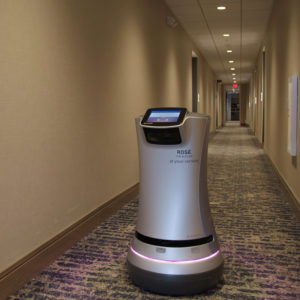
In the post-pandemic era, robots whizzing down hallways will be commonplace. Like it or not, coronavirus has sparked a renewed interest in automation in the hospitality industry. Of course, the “robotization” of modern life is much bigger than that. They have been making their way into all sectors of society, from Tesla’s robot-filled Gigafactory (indeed, robots on auto assembly lines have around for decades) to ordering fast food at your local McDonald’s.

There’s been an increased interest in contactless technology in the hospitality industry. Because robots are about as contactless as a hotel can get, their presence has become especially attractive.

In a survey by Hotel News Resource, contactless technology ranked highest in order of importance among hoteliers, followed by sanitation technology and customer relationships. In an industry where recovery is desperately needed, 86 percent of those surveyed believe technology would help.

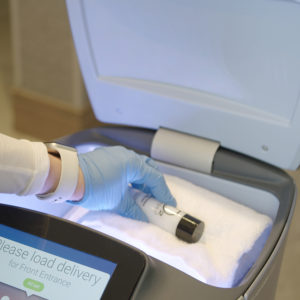
Hotel Trio in Healdsburg, California, is located near many wineries in the Dry Creek, Russian River and Alexander County regions of Sonoma County. The property has automated wine delivery with Rose (as in the blush wine) the Robot, which offers a touchless experience, finding rooms and elevators without human intervention; while out and about, it even displays a message that reads, “I’m on a guest delivery.” While the delivery of wine might be Rose’s primary mission, it also supplies snacks, groceries, towels and toiletries. When Rose arrives, guests are alerted that the robot is waiting outside their door.

Although Rose the Robot has been with the hotel since 2018, Hotel Trio said in a press release that “she transitioned, literally overnight, from novelty to necessity.”

Other hotels have introduced cleaning robots in response to coronavirus. Two Hilton properties in Southern California, Waldorf Astoria Beverly Hills and The Beverly Hilton, deployed Xenex LightStrike robots to assist with their Hilton CleanStay with Lysol protection program; after housekeepers have completed standard cleaning, the robots follow up using ultraviolet light to kill remaining germs. Xenex robots are used to clean guest rooms, restrooms, elevators, meeting rooms and to disinfect luggage. They have long been in use by hospitals, such as Mayo Clinic, Stanford and HonorHealth. Unlike Rose the Robot, these robots are not fully autonomous.

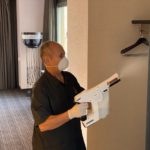
Cirq+Clean is an autonomous robot by cloud-based platform Cirq+. With the Cirq+ in-room mobile hub, CBot recognizes empty hotel rooms and roams around the space while spraying a electrostatic disinfectant on surfaces and areas missed by manual cleaning. Once sterilization is completed, housekeeping can enter the space to change linens, clean bathrooms, vacuum and complete all other cleaning tasks, after which CBot will return to the room for a final cleaning.

Cirq+Clean is a great not only for hotels, but also schools and other businesses that have a lot of foot traffic. The company’s Cirq+Air drone can clean larger areas, such as professional stadiums, which can be sanitized in 3-4 hours.

Airports are turning to cleaning robots, as well. Cincinnati/Northern Kentucky International Airport (CVG) introduced Avidbots Neo, an autonomous floor-scrubbing robot, to assist staff in sanitizing the terminal. Pittsburgh International Airport (PIT) had floor-scrubbing robots before the pandemic, but—much like the Hilton properties—it has added ultraviolet cleaning to their duties.


On Aug. 25-26, 35,000 attendees participated in Cvent Connect, making it the largest virtual gathering of meeting and event professionals in history. Cvent Connect consisted of six different tracks, including meeting program strategy, event execution, virtual and hybrid events, and hospitality and travel trends.

The Keynote

Reggie Aggarwal

The first session kicked off with Cvent CEO and founder Reggie Aggarwal, who shared an unflaggingly optimistic view of the future for the meetings industry. “As event professionals, we have a duty, I might even say a higher calling, to bring people together, to bring unity and to drive that human connection,” Aggarwal said.

Aggarwal drove home the importance of meeting face-to-face. “The in-person experience is special, it’s second to none, but given the current reality, it’s just not possible. We can never underestimate the need for humans to connect,” he said.

“Despite what we’re going through now, the future’s not only bright, but we’re on the cusp of entering the golden age of events,” Aggarwal predicted. With the expansion of hybrid and virtual events, Aggarwal believes the meetings industry will be more impactful than ever. “Businesses will begin to realize just how effective events are in driving customer and employee engagement.”

The Panel

Following was an industry expert panel, featuring Kimberly Gishler, CEO and president of Corporate Event Marketing Association; Paul Van Deventer, CEO and president of Meetings Professionals International (check out his Smart Meetings podcast); Jason Dunn, board chairman of National Coalition of Black Meeting Professionals; and Susan Robertson, president and CEO of American Society of Association Executives.

The discussion centered on the state of the industry but encompassed a wide array of topics, such as transferring skills from in-person to virtual, evolution of the relationship between planners and digital marketers, differences in designing for virtual versus live events, challenges of going hybrid, COVID-19’s disruption of the business model and positive results of the pandemic.

To virtually revisit the first session and more, sign up here.

Virtual events can be exciting, engaging and fun. Remember fun? Jaki Baskow, CEO and owner of Las Vegas Speakers Bureau, specializes in helping planners create memorable experiences with world-renowned speakers, entertainers and businesses. While her business has been impacted by the COVID-19 pandemic, she has taken this time to rethink virtual meeting, event, and tradeshow offerings and has some suggestions for putting the wow back in the agenda.

Hire a Virtual Speaker

Virtual speakers add pizazz to online meetings, conferences, events and trade shows and it is not necessary to hire them for an hour-long keynote. Countless speakers of all types, including celebrities, can provide customized virtual keynote speeches at reduced rates.

In many cases, attendees can interact directly with the speaker or entertainer. They can brainstorm together and inspire and engage your workforce, which is so important in these uncertain times when so many people feel disconnected.

Take an online trade show, for example. A virtual spokesperson can discuss and display products and explain their use. For example, Aardvark Video hired Baskow to provide them with models to show jewelry on Zoom. They highlighted the booth as well as the actual model modeling jewelry. “No, you can’t feel or touch it, but it’s close!” she enthused.

Revenue Tips

Sponsorships are a popular funding tool. To provide a high profile for the sponsoring organization at a virtual trade show, sign up exhibitors to sponsor a speaker or entertainer for a happy hour or lunch.

Other impactful experiences that can be sponsored include an interactive magician, Q&As about animals, dogs, cats and other pets. Look for something to get people’s attention. And Baskow insists that health and the pandemic are not off limits. How about, “How I lost weight during the pandemic?” she asks.

Surprise in a Box

Everyone loves to get something in the mail. How about sending your employees a sponsored gift box of fun things to nosh on while watching the Virtual Tradeshow? This “Fun Box” could include virtual custom cards with a trade show floorplan, but why not also include brownies, gourmet popcorn, perhaps with sponsor logos and other goodies

Throw in fun desk accessories such as scented gel pens, customized quiz mouse pads, cell phone stands and Post-it notes, or a funky USB light attachment. You can customize them with your logo or company colors. This gives your employees something to look forward to before and during the virtual meeting or trade show, an added bonus in these challenging times.

Give Em Lunch

A great way to keep attendees engaged during a virtual event is by keeping them well fed. Baskow recommends sending everyone a link to use for a service like Grubhub so they can order a delicious take out meal to enjoy during your event. 

Tradeshow Games with Prizes

How about a treasure hunt with a stamped passport? This will generate buzz and increase attendance at each exhibitors’ booth. Like trade show passports of the past, attendees will have to stop (virtually) at each booth to get their book stamped and they will have to gather clues from each booth. The person with the most clues receives a gift from one of the exhibitors. And the exhibitor wins too with a list of attendees who have visited their booth, what kind of interaction was experienced that provides them with the opportunity to send a little follow up promo item.

Messages from Celebrities or Recognizable People

Another way to generate excitement and enthusiasm for your virtual event is to have a virtual game show celebrity host accompany attendees around the virtual tradeshow promoting the booths, one sponsored client, or the entire show. These options are both reasonable and inexpensive.

Sending emails from famous people doesn’t cost a lot of money and they can act as a virtual host with: “Hey, love to see you at our virtual event. Are you ready to win some prizes?” This gets people excited, Baskow says. “This pandemic doesn’t mean we have to be all doom and gloom,” Baskow concluded. “There is no denying that we all miss our face-to-face experiences, but it’s time to create other experiences until we can meet again.”

Financial & Insurance Conference Professionals, Incentive Research Foundation and Society for Incentive Travel Excellence have launched the third annual Incentive Travel Industry Index (ITII).

In partnership with Oxford Economics, ITII pulls together previous research taken individually by each association into a single project. The goal of the study is to provide a snapshot of the meeting industry’s past and a prediction where it may be headed.

All areas of the 2020 study have been rewritten or edited to take COVID-19 into account, so three time references are measured: before, during and after the pandemic.

This 15-20 minute survey will remain active until Oct. 18. For a look at last year’s top trends and insights from the 2019 Incentive Travel Industry Index, click here.

When one door closes, a private jet door may open. While commercial airlines have suffered economic hardship at the hands of COVID-19, private aviation companies have reported an influx of new clients, according to Forbes. The surface reasons may be obvious—fewer passengers, no crowded airport terminals, more prestige—but the trend also highlights an untapped market that could benefit planners far into the future, especially as it becomes more accessible.

Here’s what you need to know about best practices, trends and planning a private jet excursion for groups.

Safety Above and Beyond

These days, safety and reassurance in travel comes at a premium. A study conducted by Austrian-based jet operator GlobeAir in March reported a 30-times lower risk of contagion when using business, or private, aviation. The study identified 700 touchpoints which could expose passengers on commercial flights and only 20 that would expose passengers on more private flights.

Smart Meetings consulted former White House Travel Director Gregg Brunson-Pitts, CEO and founder of Advanced Aviation Team, an on-demand private charter brokerage in Washington, DC, for more information regarding sanitation and crew procedures aboard private jets.

“Crews are wearing masks and adhering to social distancing rules. Surfaces are sanitized frequently, and we offer aircrafts with HEPA filters and air ionization,” he said. “If requested, crew and passengers can also get tested for COVID-19 prior to departure.”

The Abbott Lab’s $5, fifteen-minute rapid COVID-19 test “is a game changer,” Brunson-Pitts said. “It can open up new options for group travel and assist in getting closer to a vaccine. With affordable rapid tests like this, we can create safe travel bubbles for a wider audience.”

The same CDC guidelines apply to both commercial and private aviation, but, like the above testing upon request, many private charter companies are going above and beyond. According to Private Jet Card Comparisons, Wheels Up, which owns Delta Private Jets, treats its fleet with ClearCabin—an anti-bacterial solution used by hospitals—in addition to regular cleanings. Fractional private jet company Flexjet launched an app for pilots to report their temperatures three times daily; and ExpertJet offers upgrade options that range from advanced cleaning to renewed snacks and drinks ($500) to a 48-hour quarantine for the flight crew ($4,000).

Delta markets its corporate membership options as ideal for exclusive executive retreats during COVID-19. The company promotes the idea of “democratizing” private aviation, making it more accessible just when more companies are looking for commercial flight alternatives.

“Flying privately offers a bubble where you come in contact with significantly less people. The traveler picks the destination, times of departure, and other passengers for a fully customizable experience,” Brunson-Pitts said.

Accessible Airfare Options

Many may think private travel is for the rich and famous, but COVID-19 has changed that. According to Forbes, only 10 percent of people who can afford private use it as means of travel. Travel Weekly reported a surge in first-time users in the charter jet industry, indicating that the pandemic has been a catalyst for more widespread use, including among business and corporate flyers.

See alsoAirline Industry Could Lose $100 Billion, But the British are Fighting Back

Brunson-Pitts has seen similar trends. “We noticed a significant initial bump in family travel starting in March. Many are transporting high-risk family members,” he said. “Private travel isn’t back at pre-COVID levels, but it’s slowly increasing as travelers decide they’re comfortable.”

With the rising popularity of jet cards (which allows passengers to pay as they use the hours after an initial membership fee) and fractional ownership (which requires a longer commitment and is optimized for frequent fliers, but offers more flexibility and control in many situations) private aviation options are becoming more accessible and varied for groups.

VIP Chopper Tours

Another way to keep your attendees above the clouds is to book helicopter tour experiences. Papillon Grand Canyon Helicopters offers boutique dining at Mott 32 at The Venetian Resort Las Vegas and a night flights above The Las Vegas Strip packages, complete with limousine transfers.

Similarly, Lip Smacking Foodie Tours offers VIP Savory Bites and Neon Lights experiences that include stops at four top Vegas restaurants followed by a helicopter tour of The Strip. The experience lasts five hours, but the memories will live on.

Senthil Gopinath, CEO of International Congress and Convention Association (ICCA), understood quickly that his association members would be particularly affected by COVID-19 pandemic disruption. Their annual events are often the prime fundraisers and education delivery mechanisms. “I was on a flight from Amsterdam to China and realized that [the virus] was spreading quickly,” he says.

ICCA rapidly launched a series of educational trainings and workshops. Demand was intense. By working with International Association of Convention Centres (AIPC) and others, they were able to reach record numbers of people in the industry.

When it came time to shift the delivery mechanism for the 59th ICCA Congress, Gopinath knew his group had to model strategies for members while delivering education in ways unlike any congress staged before. “We needed to demonstrate that face-to-face and streaming events can be harmonized and build trust and business relationships,” explained ICCA Board of Directors President James Rees.

The event, themed Transforming Global Events Together, will be distributed in coordination with Maritz Global Events at seven hubs all over the world, with the event centered as planned in Kaohsiung, Taipei. That way, people who feel comfortable can attend in person, but the larger, newly engaged audience can access the content digitally when it is convenient for them.

A Case Study in Transformation

ICCA Director of Association Relations Ksenija Polla explained that the main program will cover four hours of live broadcast daily that will be streamed in the hubs and online. Speakers, such as Jean Pierre Lacombe, director of IFC Global Macro, and Genevieve Leclerc, managing director with Meet4Impact, will be available on demand for those who may have missed them. Outside of the main program, each hub will have localized programming for the members in the region.

The six-week event kicked off with a press conference on Friday and was designed as a case study in experimenting with new ways of delivering value. Its intent is to be interactive and client-centric. The end goal is to explore new ideas, formats and technologies to create a “Kaohsiung Protocol,” a framework that identifies major trends and key strategies to enable the international meetings industry to thrive, now and into the future.

Thriving also requires delivering value for sponsors. The conference built in engagements on “the road to Kaohsiung,” so partners and attendees can have deeper levels of communication based on what they might want to accomplish. “We have a lot of tools to play with and a lot more time—six weeks rather than three days,” said ICCA Board Member Gregg Talley, president and CEO of Talley Management.

The program will also tell the stories of what people are going through during this challenging time. Ben Goedegebuure, global general manager for Europe, the Middle East and Africa for Maritz Global Events, focused on the importance of meeting despite the uncertainty. “We want to be a light in this difficult time,” he said. “That is why we need to come together, now more than ever.”

Looking Forward

Gopinath sees reason for hope.

“Even though we all want face to face as soon as possible, it is amazing to see how quickly everyone shifted all over the world,” Gopinath says. “The industry never slowed down. Groups have been extraordinarily innovative finding different models to connect.”

Beyond the experiment of the coming month and a half, he is looking forward to ICCA 2021 in Edinburgh, Scotland, in February.