In May, LinkedIn introduced Virtual Events to ease the transition to digital events by fostering connection within the community. Since its inception, there have been more than 200,000 events hosted on LinkedIn, with almost 10 million attendees.

More4 Ways to Spice Up Your LinkedIn Profile

Seven months later, LinkedIn has introduced new events features intended to make it even easier for companies to build community before, during and after the event.

Greater Reach

Personalized event recommendations in the “My Network” tab and a new weekly events digest email have been added to your audience’s home pages. LinkedIn says so far this has resulted in a 40 percent increase in event attendees.

MoreEtiquette Tips for Job Hunting on Social Media

In a few weeks, posting an event to your page will alert a subsection of your followers, to build awareness of your event. Attendees are chosen based on who is most likely to attend your event, depending on their interests.

Collect Leads

You can now include a registration form and collect the names and emails of those who’ve signed up. You can also download the list from your event page, upload the list to your CRM and share it with your sales teams. When creating a registration form, your event is only viewable to, and joinable by, registered attendees.

Promote with Sponsored Content

LinkedIn data shows that if a company’s followers are exposed to its organic content, they are 61 percent more likely to click on that page’s paid ads.

To take advantage of this, companies can now run sponsored-content single-image ads along with their organic posts to promote their events. These single-image ads, LinkedIn says, can promote your event to individuals who are typically harder to reach, such as high-level executives.

Keep the Conversation Going

By creating a custom target audience in campaign manager, you can continue the conversation and retarget past event registrants.

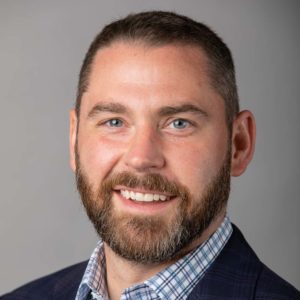
Ryan Kirby

The Westin Tempe in Arizona, opening June 2021, has named Kirby as director of sales and marketing. Previously, he was regional director of sales for Saguaro Hotels in Scottsdale, Arizona, and Palm Springs, California. No stranger to Marriott International, he’s worked in sales roles at Sheraton Maui Resort & Spa, W Los Angeles-West Beverly Hills and W Scottsdale.

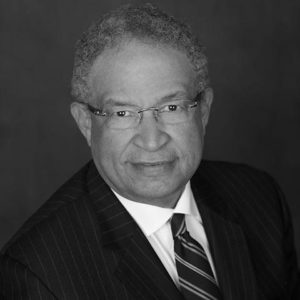
Reggie Dominique

Dominique is managing director for Loews Hollywood Hotel in California. Dominique comes from JW Marriott Los Angeles L.A. Live, where he was hotel manager. He’s spent most of his career with The Ritz-Carlton Hotel Company, where he began his career as sales manager for The Ritz-Carlton, Marina del Rey in California. He later worked as director of sales and marketing for The Ritz-Carlton, Palm Beach in Florida and The Ritz-Carlton, San Francisco.

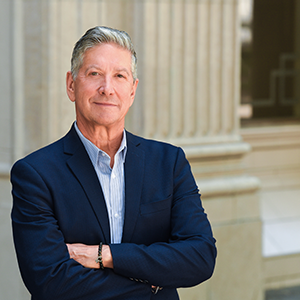
Robert W. Cross, Claudell Clark, Jay Lang

VisitNorfolk, in Virginia, appointed three new board members: Robert W. Cross, Claudell Clark and Jay Lang.

Cross founded the Virginia Arts Festival in 1997, and since then has served as its only executive director and art director.

Clark currently works as executive director of Hampton Roads Sports Commission. He is also vice president of sports for Hampton Roads Chamber of Commerce. He previously worked as director of development for Norfolk Festevents.

Lang is well known in the Hampton Roads area for his work in media as a radio announcer, author, songwriter, talent manager and voice actor. Recently, Lang founded and serves as president and CEO of a local nonprofit, The HJ Lang Foundation. He currently works as station manager at Hampton University’s radio station, WHOV, is president and CEO of Blue Pyramid Productions LLC and works part-time at Howard University’s WHUR.

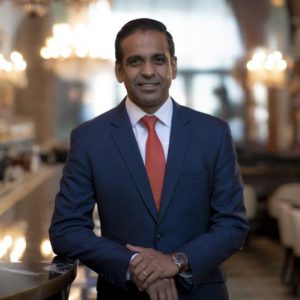
Pradeep Raman

Raman is general manager for Baccarat Hotel New York. In his 25 years in the hospitality industry, Raman has held positions in hotel operations and F&B with The Montage Hotels, Wynn Resorts, Viceroy Hotel Group, The Ritz-Carlton Hotel Company and Taj Group. Recently, Raman worked as hotel manager for Peninsula New York. He’s also worked on the opening teams for The Pendry San Diego and various Ritz-Carlton properties.

Benjamin Thiele

Thiele is general manager for Alila Marea Beach Resort Encinitas in California. Thiele has been with Kimpton Hotels for the last decade, most recently for Kimpton Canary Hotel in Santa Barbara, California. In 2017, Thiele received the Rookie of the Year Award for Kimpton Hotels and Restaurants and, in 2019, he received Total Asset Management recognition.

Patrick Barrett

Barrett is general manager for Loews New Orleans Hotel. Previously, Barrett was area managing director for Fillmore Hospitality, LLC. His career spans across Hilton Hotels & Resorts, Marriott International, Starwood Hotels & Resorts, as well as independent hotel companies.

Phillip J. Jones

Jones is part of the Royal Commission of Al Ula in Saudi Arabia, acting as chief destination management and marketing officer. This comes after he stepped down from his position as president and CEO for VisitDallas. The marketing team of which Jones is a part has come together to fulfill Saudi Arabia’s Vision 2030 tourism plan; the region is scheduled to reopen on Oct. 29.

U.S. Travel Association revealed that travel industry leaders Joe D’Alessandro, president and CEO of San Francisco Travel Association, and Ernest Wooden Jr., former president and CEO of Los Angeles Tourism & Convention Board, are being honored as 2020 inductees to the organization’s Hall of Leaders.

Joe D’Alessandro

Joe D’Alessandro

Before joining SF Travel, D’Alessandro was president and CEO of Portland Oregon Visitors Association from 1996 to 2006 and worked as executive director of Oregon Tourism Commission from 1991 to 2006.

D’Alessandro has led SF Travel as president and CEO since 2006. His involvement in destinations management has contributed to a 30 percent surge in travel to San Francisco since 2009. In 1995, he was named State Tourism Director of the Year by U.S. Travel’s National Council of State Tourism.

He has served on several industry boards, including the board of directors of U.S. Travel Association, Visit California and San Francisco’s Super Bowl 50 Host Committee.

Ernest Wooden Jr.

Ernest Wooden Jr.

Wooden retired in June after seven years with LA Tourism. Under his leadership, Los Angeles has experienced unprecedented levels of visitation, welcoming more than 50 million visitors in 2018. Before Los Angeles Tourism, Wooden worked as executive vice president of global brands for Hilton Hotels Corporation. He also held high-level roles with Sheraton Hotels and Resorts, Omni Hotels & Resorts, DoubleTree by Hilton and Promus Hotel Corporation.

Wooden was named to Ebony Magazine’s Power 100 list and has served on multiple boards, including U.S. Travel’s executive committee, Los Angeles Area Chamber of Commerce, Visit California and U.S. Travel and Tourism Advisory Board.

With these two inductees, 102 travel leaders have been named to U.S. Travel Hall of Leaders since its inception in 1969. The two new inductees will be honored during a virtual meeting on Nov. 18 and celebrated in person at a date yet to be announced.

I am willing to bet that before COVID-19, you never thought about how clean that chair was before you sat down to listen to a speaker at a live conference. Times have certainly changed. As the hospitality and meetings industries restart their engines, hosting live meetings and events will require major adjusting whether you are a meeting planner or work at a venue.

Janitorial services must be at the forefront of everyone’s mind. Putting in place a comprehensive cleaning program with the right protocols prior to your event and throughout it, will ensure your guests feel safe and secure. You want attendees to fully focus on speaker content being delivered at your meeting; you don’t want them worrying about germs.

Having a thorough cleaning plan not only lowers the safety risk for attendees coming to your event, but also ensures that your risk is minimized. Here are 12 essential cleaning tips to consider when planning your meeting in the COVID-19 era:

  1. Evaluate the entire floor plan of your event: It is important to know how many people are expected to attend your event, how large of a space is needed and what portions of your event need to be held indoors versus outdoors. “Less is more” will be a new mantra for ensuring safe and healthy environments.
  2. Reconsider all activities associated with your event: Before COVID-19, on-site registration, self-service buffets and F&B at networking events were all common practice. But now you need to be thinking of reducing high touch point areas and eliminate any activities that could cause hidden problems such as lack of trash receptacles or overflow of paper waste like tissues and towels. Consider mandatory on-line registration and pre-packed meals that attendees could pick up in multiple locations. Passed hors d’oeuvres and finger foods will no longer prevail.
  3. Cleaning items for swag bags: Hand sanitizer pumps, wipes and aerosols will be valuable amenities on tables or in gift bags. A strong first impression shows you care about cleaning and hygiene.
  4. Share cleaning and safety protocols with attendees early and often: Work with venues to publicize their cleaning protocols via websites, social media and on-site signage. Safety tips, such as frequency of handwashing, masks enforcement, proper airflow and touchless surfaces must be shared with attendees prior to attending the conference.
  5. Use electrostatic sprayers to quickly kill COVID-19 and other pathogens: Typically used in medical or cruise line environments, electrostatic sprayers can kill germs in large meetings spaces in minutes. A disinfectant sprayed with this tool is electrostatically charged to wrap around surfaces that could be missed with a manual clean.
  6. Not all disinfectants are created equally: In 2020, it is all about being on the N List. This is the EPA’s list of approved disinfectants to kill COVID-19. Janitorial staff must have proper training to make sure the products are being correctly applied per manufacturer’s specifications.
  7. Cleaning and disinfecting makes magic: Cleaning and disinfecting are two different processes. Both work together for the magic to happen. Cleaning removes dirt and dust; disinfecting reduces or eliminates pathogens that could cause illness. Clean first, disinfect second.
  8. Cleaning frequency: Day porters should clean and disinfect high touchpoint areas throughout the day (i.e. bathrooms, elevator buttons and door handles). Janitorial crews should perform a deeper clean every evening. Using an electrostatic sprayer to disinfect is recommended to ensure a fresh start each morning before general session.
  9. It’s all in the kill time: A quick spray and wipe is a waste. Disinfectants need time to do their job. They do not work instantly. To be effective, disinfectants need to sit wet on a surface (aka contact time) for a specified amount of time. For example, Clorox Disinfecting Wipes need four minutes of contact time. Each product is different; read your labels!
  10. Microfiber cloths rock: These cloths are amazing and I can not live without them. Microfiber can remove unseen microbes, like bacteria, viruses and germs from surfaces.
  11. Ventilation: Ensure adequate ventilation in meeting spaces when cleaners and disinfectants are used to prevent staff and attendees from inhaling toxic fumes.
  12. Review relevant local/state regulatory agency policies: Prior to your event, consult with the venue operator about their COVID-19 policies. Consult with local health officials about recommended COVID-19 testing policies for events and gatherings.

Following these tips will let your attendees know that you have gone above and beyond to create the proper strategy for cleaning and disinfecting your meeting space. This way your guests can focus on your event and not worry about their safety.

Meetings and events support more than ten million jobs worldwide. Let’s do our part to get event planners and live venue employees back to work and begin the road to recovery following the COVID-19 pandemic.

Shari Cedar is co-owner of AK Building Services, Florida’s premier commercial cleaning provider based in Fort Lauderdale.  The company specializes in servicing office buildings, medical facilities, schools & universities and condominiums across the entire state. She oversees the company’s sales, marketing and strategy departments.

When we talk about events, it sometimes seems meeting professionals are talking mostly about those their clients or companies host for customers or sales partners, rather than internal meetings for employees—which can be just as important, if not more so.

“This is a topic that I think warrants attention,” says Brian Ludwig, senior vice president of sales for Cvent and host the latest Smart Meetings Accelerator. “It gets very little, frankly.” The talk around going virtual, he goes on, has been mainly around external-facing events.

“But there are so many marquee, internal events that are important to your organization, to your business,” he says.

Can You Name the Top 5 Reasons for Planning Internal Events?
internal

Perhaps a brief refresher is in order. Here they are, according to Ludwig, in no particular order.

Skills development: “There are so many things for an employee to learn and master at your organization. You want to focus on core skills they need to do the job,” Ludwig says.

Goal setting: Setting goals, and spelling out the mission of the organization for the year—these key items are best conveyed in global or all-hands meetings.

Training and development: “Folks in your organization want to know that they can climb the ranks and learn new capabilities to help them further their career,” Ludwig says. “Training and development sessions really help in that regard.”

Recognition and celebration: These are core to sales organizations. “At Cvent, we hold big awards shows, celebrating those that have done well, on a quarterly basis and an annual basis, and then those who did perform best get to go on a business leaders retreat, an incentive program.”

Employee engagement: Business retreats and similar gatherings help keep employees motivated and loyal. Especially right now. Keeping employees engaged, motivated and loyal is more important than ever during the pandemic.

Ludwigs observes: “Sixty-four percent of respondents to a survey last year said internal events are vital for employee retention. And 55 percent of those surveyed say that managing internal events is actually more difficult than managing external events. With all the stakeholders on a large-scale internal meeting—generally that’s going to be C level executives, where everyone’s got an opinion—the stakes are very, very high,” he says.

The stakes remain just as high even as most of these meetings have gone virtual. “It will not be as good as the in-person version. Never for a second by embracing virtual are we saying that in-person is not better. I mean, we’re all in this industry for a reason. We believe in the power of human connection,” Ludwig says.

But he believes you can make your next virtual event better. Here are his hacks.

Tips for Enhancing Your Internal Virtual Event
1. Make your event registration process seamless.

“Your branding, your color scheme and the content should look great from a desktop environment or from a mobile site that’s not an app,” he says. “Sixty percent of emails are read on mobile devices. Make it super easy for people to consume that content, and then offer them a registration experience straight from there,” he says.

Capturing feedback throughout the process helps make these events better over time. Ludwig thinks this is too often overlooked for internal meetings. “We do this all the time for external, but internally, we cut corners, and we move fast, because we don’t think it’s worth it. But capturing this sort of insight from your employee base is critical in understanding their engagement or likelihood to be retained.”

2. Think about your technology as your new venue.

“You will no longer need to pay for a hotel, travel, food and coffee, and all those core things that balloon the price on an in-person event. Your event technology serves as that venue. It needs to be clean, easy and digestible,” he says.

“And you want to give a personalized experience when someone lands on the virtual attendee hub. So employees can directly share feedback, go in and manipulate their registrations. And schedule appointments with other colleagues.

“Maybe even create a virtual booth for employees to learn more about certain features and capabilities from the company. This enables a more engaging and collaborative experience beyond just sharing content. A lot of people think about internal events as a way to convey a message to a team. That is important but offering the team opportunities to connect and collaborate with each other is something that’s different than everyday Zoom or team meetings,” he says.

3. Develop interactive sessions.

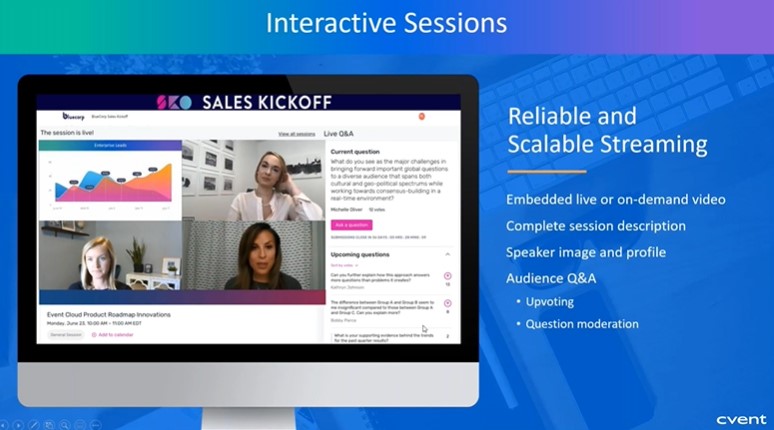
““You can’t have sessions be an hour or two hours long. Thirty minutes is becoming the new standard, and within that, you want to treat it like a broadcast. You want to think of it like a news report,” Ludwig says. “And seldom do you watch the news for 30 minutes and it’s just one person speaking with one image, right?”

“Instead, it’s changing, it’s moving. You’re cutting away. There are different angles. There’s new content on the screen, keeping it fresh, keeping it interesting to keep folks engaged when there are so many distractions from home—e-mails or dogs, lawnmowers, all these other things we’ve come accustomed to dealing with,” Ludwig says.
4. Invest in advanced production.

“If it’s a marquee event for a large internal audience, and it’s going to go over a couple of hours or longer, you want to think about how to shake things up,” he says.

“There are advanced production tools, and partners you can work with, to change layouts, have multiple video feeds, simulcast to social media, offer a virtual green room so you can get everyone schooled up behind the scenes before going live. You can even prerecord and load stuff up, so it’ll appear like it’s live,” Ludwig says.

5. Use engagement scoring as a measure of employee satisfaction.

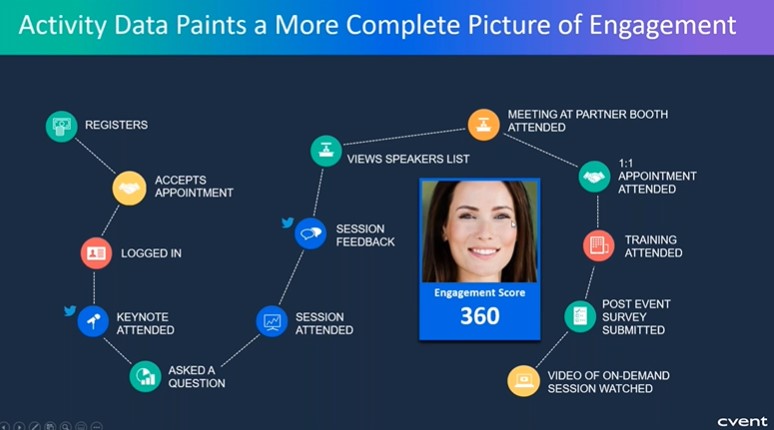
“In times of uncertainty, you want to control what you can control. Motivating your people and delivering your message are two things that you can very easily control,” Ludwig says. He recommends tracking the attendee journey using engagement scoring. As an example, he follows an attendee who starts out at registration with a request for a meeting with another attendee.

“Let’s give her a beginning engagement score of 30,” he says. She then logs into the virtual attendee hub and watches a keynote, and even tweets about it, increasing her score to 70.

She asks a question, attends a session, gives some feedback, goes to the speaker’s list to see who else is going to be presenting and sets up the rest of her schedule. She’s now up to a score of 150.

She has a one-on-one appointment. She attends a training. She fills out a post-event survey, then watches an on-demand video. “Now her engagement score is up to 360, and we have a very clear and perfect picture of that employee,” Ludwig says.

This, he notes, can help answer the age-old question, “How engaged is my sales team?”

Managers can track how that same data correlates against quota attainment. “An employee’s level of engagement may have direct correlation with their output for the month,” he says.

Further Considerations

In the Q&A session, Ludwig fielded two especially pertinent questions.

We usually bring in outside speakers for our larger team events. Do you suggest we keep that approach for virtual events?

Ludwig: “I do suggest that. Your team hears from you all the time, and external speakers for internal events can go a very long way. And because you don’t have to fly them in and pay for a hotel room, you might be able to attract a speaker you may not have if it was in person.”

Are there are differences in approach or strategy in viewing a customer event versus an internal event?

Ludwig: “There’s something interesting when it’s internal—everyone wants to get their hands dirty. When it’s a customer-facing event, most people across the organization entrust marketing teams to do their thing.

“Our Cvent CEO gets far more involved in internal events. It’s just the nature of the beast.

“His belief is kind of like, look, if I get on a phone call with a client for an hour, I may have an impact on that client, but it will be one client for that one hour. In that same one hour, if I can convey a motivational message to 4,000 employees, what is the impact that can have? Then all 4,000 of those people who interact with our customers are able to convey the right message and deliver the right level of service, and all the other things we want to imbue across our employee base.”

The world looks different after months of quarantining and social distancing, and it’s not just because we’re staring at the same couch cushions all day. All of us are interacting with brands differently than we did at the start of the year. COVID-19 forced companies to cancel their in-person events and host them virtually or employ a multimedia approach. Even political conventions were forced to change their approach this year.

While that might seem challenging from a company’s standpoint, the opportunities are exciting and endless, especially when staging a multimedia event. Just consider how this year’s conventions captured the conversation.

But a little advanced planning is required to ensure it does not appear like another session recorded from the comfort of someone’s living room. It should be a buttoned-up affair that lives up to the expectations people have for the brand.

Provide a Compelling Run of Show Upfront

There is nothing worse than attending a boring event that seems disorganized and unplanned. Even in regular times, it will quickly cause attendees to focus elsewhere, all but guaranteeing any objectives will not be met. That feeling is exacerbated amid the pandemic. There were a lot of discussions, in particular, around creating a captivating event during this year’s political conventions.
MoreWhat NOT to Do When Planning Your Next Virtual Event

Executing a successful event mostly comes down to planning, and generating interest begins long before the event starts, with a compelling agenda and a clear objective. Producing and sticking to a run of the show does more than keep presenters on schedule; it helps set expectations for attendees.

This is why it’s critical to understand what your audience wants and what they hope to get out of any event. Understanding expectations on the front end will allow speakers to tailor their messages to deliver a presentation the audience will find useful.

Address Potential Questions at the Start

Because some attendees may not be familiar with virtual events, or they may be attending their first session on the platform, they may have questions about how to interact with the platform. No matter how small the question, leave nothing to chance.

Rather than allowing questions to linger for an event’s duration, it’s vital to lay the ground rules early. Answer as many questions as possible before the presentations begin, so attendees have a firm understanding of the run of show and the lay of the virtual landscape.

Taking this approach allows attendees to focus more closely on the event itself. But recognize that attendees may have questions or concerns that arise mid-event. Much like the signage posted for in-person events, let attendees know upfront how to navigate the virtual landscape, such as where to go with questions or concerns and how to stay connected post-event.

Bring in a Dynamic Moderator

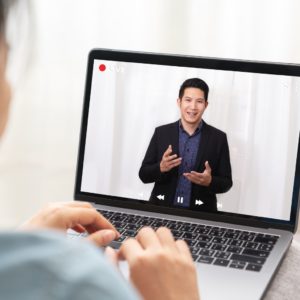
The top concern many organizations have for virtual events is losing the energy that attendees exhibit when attending in person. When remote, the temptation to multitask during a presentation is real. But the right moderator can help mitigate any loss of energy attendees may feel from not being there and make the difference between success and failure. The moderator should match the tone of the event itself.

More: How Speakers are Preparing for the Future of Meetings and Events

A great moderator can read the audience and reengage them and pivot as needed. Reengaging can be as simple as an interactive poll or a question-and-answer session to make attendees a part of the session or allow them to steer the conversation.

Keep Speaking Sessions Brief

Our attention is being tested amid this quarantine, and we have countless distractions as we work from home, so it’s more important than ever to keep speaking sessions brief and pointed.
This is an opportunity to take the lead from Hollywood and political conventions. Just like a Hollywood production is all about telling a good story and a political campaign is all about tapping into emotions, take time to define your narrative in advance, then give the presentations a bit of punch.

A presentation should be more than someone staring at the camera for 45 minutes; it must look professional, and as if it was put together with great care. It’s not just a matter of prerecording as many sessions as possible; it’s about presenting information interestingly and compellingly.

Time is a precious commodity. If you’re asking your audience to give you their undivided attention, reward them with something they want to watch that is both informative and entertaining.

Surprise Your Attendees Now and Then

In the era of COVID-19, many find themselves bouncing from one virtual call to another. The greatest danger of another online meeting—is that it will be just another online meeting.

A successful gathering will stand out from others on attendees’ calendars. It will keep them engaged throughout the event, and it will make them want to continue to interact with a brand. Right about now, we could also use a little bit of a surprise.

If an in-person session would typically have time for lunch, why not deliver a meal to attendees so they can join in from wherever they are? Send them a bottle of Champagne for a toast or a bag of tchotchkes so that they “go home” feeling like they received some added value.

Little touches go a long way to making the event memorable and differentiating it from a mundane one. In 2020, it’s what the audience demands; why not give it to them? They will reward you for it.

Mark Roberts serves as PGi’s CMO and is responsible for all marketing operations worldwide. A proven marketing leader, he has more than 25 years of experience in the technology industry building brands, driving demand and transforming high-tech companies.

The streaming feed of PlanetIMEX last week was both more and less than the massive industry gathering that traditionally descends on Las Vegas each fall. The immersive platform built on the 3D experience built in May to relieve the withdrawal symptoms of those missing IMEX Frankfurt. The October edition featured education, community and interactive undersea graphics.

MoreThe Story Behind the High-Speed Journey to PlanetIMEX

Many of the traditional features from the annual hosted buyer, education and expo extravaganza were incorporated. The event still kicked off with Site NITE North America networking to raise funds for Society for Incentive Travel Excellence Foundation. The highlight of the traditional opening night party was a cooking demonstration sponsored by the Slovenian Tourist Board and Slovenian Convention Bureau. And a fun run allowed attendees to run “together” wherever they were and raise money for the cause. #imexstillrunning on Twitter linked hundreds of attendees for fun runs.

More Than Green

help pandemicAnother tradition as ubiquitous as blistered feet at the in-person event is the release of products and studies during the week. IMEX Group took the opportunity to publish its Regenerative Revolution Report urging the global meetings, incentive travel and events industry to adopt a new economic model—the circular economy.  It argued that sustainability is no longer enough given the rate at which humans are depleting the earth’s resources and driving thousands of species to extinction. Meeting professionals must aim to improve people’s lives, particularly disadvantaged communities where they bring their events. That means addressing food waste, climate change and materials misuse.
Cambridge Economics estimated that applying circular economy principles across the European economy has the potential to create around 700,000 new jobs and unlock $4.5 trillion in growth.

Fueling the Restart

Many of the educational sessions focused on the tools needed to plan meetings in a world that will almost certainly include more hybrid meetings and a greater appreciation for what meeting professionals do. Digital futurist Brian Fanzo shared the creative technology techniques that will allow those meetings to be more engaging and impactful.

Meanwhile, David Peckinpaugh, president of Maritz Global Events, joined IMEX Group CEO Carina Bauer and Jane Cunningham for a download on maintaining community connections when we aren’t regularly jumping on planes to share a drink. That coping theme was echoed in the She Means Business Session with Julie Coker, CEO of San Diego Tourism Authority, who talked about managing change and leading during times of uncertainty. It turns out, that yes, you can show emotions.

IMEX America 2021 is planned for Mandalay Bay Resort and Casino and Allegiant Stadium in Las Vegas Nov. 9-11.

How to Thrive in the Global Meetings Restart

Smart Meetings founder and CEO Marin Bright was one of 30 speakers during Friday’s PlanetIMEX Community Day alongside Cvent, Destinations International and Events Industry Council. She shared what she has learned during the great meetings slowdown. Here are 10 Tips We Have Gleaned for Moving Forward Now.

  1. If it’s important, it needs to be on a checklist. This is true whether it is a pre-event plan, a new business venture or a grocery list. And if it is vital, there needs to be a name and a due date.
  2. It’s the people. We put so much work into decor and F&B, but at the end of the day, what makes an event work is having the right people in the room (or on the Zoom) and giving them what they need to be successful. Although a good cheesecake desert can’t hurt.
  3. A healthy body makes for a successful event. In this industry, our job is to take care of the people who attend our programs, but it is important to take care of ourselves as well, get enough sleep, eat right and move a bit every day.
  4. Something will always go wrong, but that doesn’t negate all the things that go right. Whether it is an in-the-flesh or a digital event, it never goes exactly the way you envision it, but if you are calm and handle it with grace, people might not notice or, in all likelihood, care.
  5. It’s the little things. The details matter. Whether it is luxury swag bags, personalized meals for those with health challenges or sending a hand-written thank you note to a partner, it will be remembered.
  6. Don’t start with the platform; start with purpose. Now that we are all “pirouetting” as we like to say to virtual meetings, a lot of people are looking for the silver bullet platform that will allow them to do exactly what they did in person online. First, that doesn’t exist and second, it is not really what attendees need right now. This time is a gift where we can take a step back and look at what value we are really delivering and the best way to do that across all channels.
  7. The meetings industry is a community—a very networked one at that. We all work together at some point and more gets done when we collaborate.
  8. Meetings matter. What we do changes the trajectory of business, science, medicine and individual lives.
  9. Tomorrow is another day. This is particularly difficult to see when the industry is grounded as it is right now, but we will meet again. There will be another conference. We will eventually get back to shaking hands.
  10. You’ve got this.

Editor’s Note: As part of Back Light, a series of articles sharing illuminating insider observations, we asked Rockwell Automation Vice President of Marketing Tina Dear to share what she has learned in her pirouette to virtual meetings.

Tina Dear

Together, we have already learned a lot about adapting trade shows and conferences to virtual or hybrid events. At Rockwell Automation, we are preparing to welcome more than 20,000 customers, partners and other industry experts to our largest annual event to learn, engage and demo the latest in automation.

PreviousBack Light: 4 Hospitality Trends Shaping the Meetings Industry

This year, of course, will be different. Instead of welcoming everyone to the Anaheim Convention Center (where we were scheduled to meet in person in November), the event will be primarily online, along with some in-person demo sessions. The event—Automation Fair at Home—is Nov. 16-20. This is our team’s second virtual event of this scale. In June, we quickly pivoted from an in-person event called ROKLive to a virtual event in a matter of weeks.

We are drawing on the lessons we’ve learned along the way to ensure that the more than 175 hours of educational opportunities and over 90 exhibits engage attendees, create memorable moments and provide compelling, impactful content.

Here are a few of the top lessons we are keeping mind:

Beyond Back-to-back Talking Heads

One of the first challenges we had to tackle was recreating the hands-on experience virtually. Automation Fair is known for its in-person training, networking and opportunities to see the latest product developments and innovations. While there are a limited number of in-person demo opportunities at our Milwaukee headquarters, we know that is not feasible for everyone. So, we have recreated our physical space through 3D photography and will have a virtual show floor staffed with subject matter experts. In addition, we will be using Microsoft’s altSpaceVR technology to provide interactive networking spaces. Attendees can create their own avatar and participate in conversations with other professionals in fun, casual environ​ments.

Another lesson we learned from the ROKLive event was to pace out the event and provide attendees with white space—time without any scheduled speakers, demos or events. “Zoom fatigue” is real, and just as attendees would take a break to catch up on email or visit the show floor, it is important they also have that time built into their day during a virtual event.

The other way we have reconsidered the event is the timeline. What used to be a two-day event will be hosted over five days, featuring both pre-recorded and live events. And we are extending the event even further by making the content available on-demand for 6 months, giving attendees unprecedented flexibility in how they engage with the content.

Do Your Homework

If there is one lesson we have learned this year, it is that we have to become our own virtual event experts. There is not a single platform, technology or vendor that will be a silver bullet. That means it’s up to us to get smart quickly: invest the time and resources to attend other virtual or hybrid events; talk to friends and colleagues; meet with vendors and sit through the demos.

More6 Questions to Ask Your Virtual Meeting Platform Provider

When it comes to the physical aspects of hybrid events, it is critically important to learn from others and stay on top of the latest public health and safety guidelines, as well as trends of COVID-19 spread locally and in communities where participants are traveling from.

Reconfigure Your KPIs

For many companies, lead generation relies almost exclusively on trade shows. Without that in-person experience, how can marketers and event organizers support the sales team? At Rockwell Automation, we have gone back to the drawing board to determine what KPIs and behaviors are informing lead generation. There is tremendous value in information that can be gleaned from this new virtual venue. For example:

  • How long did they spend in a session?
  • What kind of sessions did they watch?
  • Is there a correlation between the exhibits they visited and the sessions they took?

Just as important is creating opportunities for that two-way interaction. That may come in the form of a specific platform, social networking or gamification, such as earning badges.

Learn What Works—And What Doesn’t

Despite the swift mobilization of translating in-person meetings and conferences to online or hybrid events, much of this remains unknown territory for organizers and participants alike.

We will all experience missteps: missed opportunities, technical glitches, a less-than-dynamic speaker, or lower participant engagement than we’d like.

But therein lies the opportunity.

When the pandemic eventually does recede, very little will go back to “normal”—including conferences and meetings. Virtual, remote and hybrid elements will continue. And now is the time to document what is working and, more importantly, what isn’t.

The next evolution of conferences will be shaped by what we learn today. And the most successful events will be organized by those who invest the time now in reflecting on and documenting both the missteps and successes of their events.

Tina Dear is vice president of global marketing at Rockwell Automation. Registration for Automation Fair at Home is now open.

The journey back to the ballroom may be paved by a lot of smalls steps that help people feel comfortable gathering again, but it starts with someone taking that first big leap. This week, Smart Meetings founder and CEO Marin Bright partnered with The Broadmoor in Colorado Springs, Colorado, to host a group of meeting professionals in a safe, pioneering experience that paired strict CDC protocols with elevated decor, service and culinary offerings that allowed guests to relax and get business done.

“We all miss the power of meetings, and if we each do our part, we can safely come together to do the important work that all those Zoom calls just can’t accomplish,” Bright said as she laid out the responsibility of attendees to do their parts—by wearing masks when not outside, in their pod in the physically distanced ballroom, or eating.

She made that part of the bargain a little more whimsical by providing everyone with fun, logoed face coverings with a choice of kissing lips or a mustache. To drive the message home with a smile, the SaniCrew team was onsite to dispense liquid reminders.

The second rule was more difficult for many: no hugging or handshakes. In the spirit of protecting each other, attendees agreed to greet with elbow bumps and namastes.


Data-driven Decisions

“I believe in the protocols,” said Mike Dominguez, CEO of ALHI and chair of Events Industry Council APEX COVID-19 Business Recovery Task Force, in his keynote. That is why he has been traveling for the last four months, sharing best practices and visiting member properties.

“Not everyone is ready to travel, and that is OK,” he said. But the more people see safety measures in place on airplanes (including advanced air-filtration systems with HEPA filters that bring in fresh air from above and pull from below) and in hotels (including increased sanitation procedures and decreased occupancy in restaurants and meeting spaces), the more confident they will be in making the choice to step out themselves.

Dominguez walked through data from all over the country and the world to show that after the initial bump in cases every destination experiences at some point, the numbers come down and hospitalizations and fatalities are less common—because doctors learn how to treat patients and are more prepared.

COVID-19 will not disappear for a while, however, and even a vaccine is not a silver bullet. The industry will have to learn how to take the necessary steps to keep people safe while getting back to business.

“We at least are on a road now. There may be speed bumps. But we need to stay positive and focus on the journey ahead,” he concluded.

White Glove Protocols

At a Smart Meeting Experience, safe doesn’t feel sterile. Thanks to partners at The Broadmoor, CSI DMC and Access DMC, straight-back chairs in rigid grids were eschewed in favor of pods equipped with individual sanitizing wipes and comfortably spaced soft seating with side tables.

The bulk of the event was staged in the fresh Rocky Mountain air, with living-room vignettes and rustic wood screens as backdrops on the patio to allow for one-on-one conversations that let participants keep their distance while still learning about new opportunities for planning their own safe events when the time is right.

Team building put a net between attendees, as pros taught the finer points of pickle ball and putting.

Bento box lunches, individually wrapped snacks and chef-served buffet options delivered five-star experiences with a smile behind the mask.

To accommodate those who couldn’t attend in person, half a dozen computers were docked so planners could still learn about remote destinations, making it a hybrid event that didn’t skimp on the amenities.

“It is such a relief to be moving forward again,” Bright said. “We just have to continue being conscientious so we can keep doing this.”

The next Smart Meeting Experience is at the brand-new Grand Hyatt Nashville Nov. 8-10.


The best industry updates from the week to keep your spirits up during the pandemic. This week, planning an event in Wisconsin and Atlanta gets easier with GBAC accreditation and helpful new online resources—plus art inspires a new DC hotel opening and next year’s summer itinerary in Indianapolis.

Wisconsin Center District Earns GBAC Accreditation

Milwaukee’s Wisconsin Center District (WCD) is growing bigger and safer. The convention center received financing approval for its expansion as well as GBAC STAR Facility accreditation this week, signifying its commitment to sanitization and safety practices amid the pandemic. WCD is fully reopened and welcoming guests, thanks to heightened COVID-19 guidelines for visitors and staff, including health screenings and mask requirements. The property has also released a helpful video series for event planners that showcase its physically distanced room sets, touchless catering and hybrid-event-approved Wi-Fi capabilities.

https://www.youtube.com/playlist?list=PL_HhBf0gmhyzeVr4BW2DAMn_cHaS8KGk1

“All of our research shows that two-thirds of people considering travel in the near future are looking at a destination’s safety and cleanliness policies and procedures before making their decisions,” said Visit Milwaukee Vice President of Sales Leslie Johnson. “GBAC accreditation helps position the Greater Milwaukee area as a safe place to visit and conduct business.”

See alsoSGN 10/9: Wine Country, Black Meetings and Nashville

Discover Atlanta Launches New Planner-Friendly Website

If you’re eager to start planning meetings again but don’t know where to start, clap your hands. Atlanta Convention & Visitors Bureau (ACVB) launched DiscoverAtlanta.com on Oct. 14 in order to inspire and lend a hand to visitors and meeting professionals booking a trip down South. Planners will find a wealth of resources, including an online venue catalog, virtual site visits with 360ATL and a suite of event planning online products. The site also offers the latest COVID-19 regulation updates regarding masks, cleaning procedures, social distancing protocols and hours of operation for venues and attractions.

Hotel Zena Celebrates Female Empowerment in Washington, DC

Viceroy Hotels and Resorts’ new Hotel Zena opened last week in D.C. with 191 guest rooms, 3,726 sq. ft. of meeting space and more than 60 pieces of art celebrating female accomplishments throughout the nation’s history. The self-dubbed cultural hub and interactive venue is dedicated to women’s empowerment and inclusivity through provocative art and design, including a portrait of the late Justice Ruth Bader Ginsburg and an installation of 12,000 protest buttons from generations of female marches.

“As our second hotel to open in Washington. D.C. this year, we are looking beyond the power and politics of the city to better position our nation’s capital as a hub for culture, unity, and empowerment,” Bill Walshe, CEO, Viceroy Hotels & Resorts.

Get inspired and book for your group at the link.

Indy’s New Art Exhibit Uses Technology to Put You Inside a Painting in 2021

Rendering of The Lume Indianapolis

No quarantine needed. In June 2021, you can travel into a three-dimensional Van Gogh painting at a new, 30,000-square-foot art exhibit inside the downtown Indianapolis Museum of Art at Newfields. The Lume will feature floor-to-ceiling, high-definition projections of around 3,000 moving images of Van Gogh’s artwork that will transform the museum’s fourth floor into an unparalleled experience for visitors and groups.

“The cultural scene is vastly changing as visitors demand new experiences,” said Bruce Peterson, founder of Grande Experiences, which has partnered with the museum to run the exhibition. “We are engaging new audiences to appreciate the arts in a different way, and we know from our work internationally that it will encourage more people to visit places like Newfields with renewed appreciation,” he said.

Tickets are available next summer. Shake up your itinerary at the link.