smartphone charge

Today’s nonstop texting and tweeting takes its toll on cellphone batteries. On Road Warrior Voices, writer Jelisa Castrodale reports that Stanford University researchers have created a new aluminum-ion battery that will charge smartphones in just one minute. An added benefit is that they are less likely to catch on fire than the lithium-ion batteries typically used in today’s smartphones, laptops and other electronic devices.

The new super battery has a much longer lifespan than its lithium counterparts—it can withstand up to 7,500 discharge cycles, while the average lithium battery has a life of about 1,000. This makes it more environmentally friendly.

Continue reading “Take Charge of Your Battery Life”

With the continued negative impacts of COVID-19 extending longer than originally anticipated, meetings professionals are finding themselves shifting most of their 2020 meetings to a virtual platform and are seeking creative ideas for addressing the new challenges that accompany digital content delivery.

Sixty percent of the 450+ participants in the August Financial & Insurance Professionals (FICP) Chats said at least 50 percent of their meetings and events through the end of 2020 will or have converted to fully virtual. Those same participants cited attendee engagement and collaboration, and finding the ideal platform/provider as the biggest challenges when shifting from in-person to virtual events.

For more FICP Chat summaries, click here.

In the ninth of FICP’s virtual education series, revisiting virtual meetings for the first time since May, those participants shared ideas to help overcome some of those concerns.

Start with Purpose

It can be daunting to consider the many previously unchartered elements of a virtual event and it is understandable that meetings professionals may want to focus on those first. However, it’s important to remember that any successful plan should start with a discussion about the strategy behind the event itself. Understanding the objectives of the meeting (ex. recognition or corporate updates), revenue model and participant profiles will help inform the platforms and activities that should be leveraged.

Those discussions are also a good time to decide if the content should be presented live or on-demand, with an evaluation of the benefits of each. While live delivery provides exclusivity, recorded content is less vulnerable to technical difficulties or interruptions during the event. Both scenarios, however, can be repurposed for future use assuming relevant content and presenter approvals.

Virtual Platforms

Meetings professionals have just started to scratch the surface of the many available virtual event platforms beyond WebEx, On24 and Zoom. Other options discussed by participants included VirBela, which assists you with participant engagement through the need to interact with their avatars, Global Meet (which is integrating with Cvent) and Shingdig.

In the May FICP Chats on this topic, participants discussed the need to approach a virtual event with the same level of preparation and production support as an in-person one, and prepare a thorough run of show with a moderator, available technical support and contingency planning in place.

Participants added to that discussion in August with a recommendation to enhance presentation quality now that some shelter-in-place restrictions have been eased. This means that in-house or third-party production studios can be used to record executive presentations in a safe environment with higher-level quality than those executives could execute on their own in their homes. If you decide to pre-record sessions and host live Q&A, remember to have presenters wear the same clothes and re-appear in the same place as their presentation was recorded. And while transition times between sessions are typically short for in-person meetings, participants are finding that more transition time is needed in a virtual experience.

Virtual Entertainment

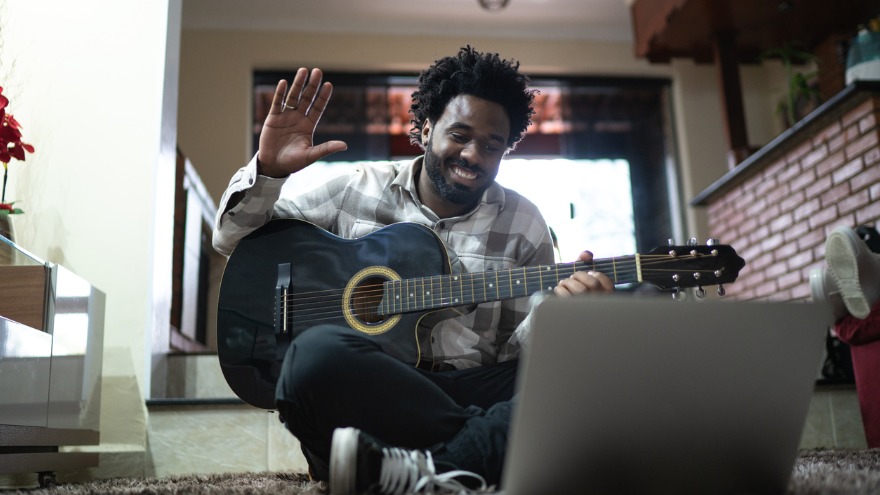
Incorporating entertainment elements into virtual meetings or other virtual group networking activities was a commonly cited way of enhancing the experience. Organizations such as Song Division can create custom songs and competitions, and a host of musicians have turned to online performances while touring is off the table.

MoreHow to “Unlame” Your Virtual Meeting by Adding Visual Artists

Participants noted that a number of services are available for existing royalty-free music that can be used in events or to help you discover new performers, such as Twitch. Other types of performers are also available for virtual events, including interactive magicians like Digital Deception, who were featured in FICP’s Education Week.

Engaging Virtual Attendees

The key to successfully engaging your attendees is starting before the event. Registration form questions or surveys can be used to collect data to customize the attendee experience. For example, if you know your attendees enjoy connecting with strangers, you can create an ad hoc session where attendees can meet each other or use break times for those opportunities.

Prior to events, gifting can be used to help get your group excited about the event, understand what you’re trying to accomplish and reinforce the importance of attending. Sending catered meals or kits for group activities such as chocolate-making workshops, wine or whiskey tastings and cooking classes were all cited as successful approaches for generating enthusiasm and increasing engagement. “Tasting boxes” from a city you wish to highlight and GrubHub/Uber Eats gift cards are other ways to incorporate meals that accompany a meeting.

During the event, virtual trivia games, in-meeting polls and similar activities can be used to create opportunities for interaction and break up presentations. Frequent breaks and changes to format are needed to help break up the fatigue of watching an event virtually. Company or executive questions can help make those games more personalized for your group. A number of affordable options are available for these activities.

CSR activities can be conducted prior to an event, with video highlights shown to attendees during the virtual experience, and some gifting programs allow donations to a charity in place of the gift.

Meetings Outlook

Participants agreed there was no question about the return to in-person meetings in some capacity at their companies or client companies. Not only are in-person meetings a driver of company culture for many, humans require in-person interaction and the limits of virtual events are becoming well recognized.

It may be that the event strategies will change over the long-term such that virtual meetings remain for smaller meetings or those with purposes that are well served by virtual delivery. Many noted that summer and fall 2021 was when they would be making a return to in-person meetings, and they anticipated that hybrid meetings will be a reality with those first in-person meetings.

Jennifer Squeglia, CMP, is a member of FICP Board of Directors. In the next FICP Chats, our community will focus on your career during COVID-19. Learn more about upcoming FICP Chats, part of FICP Anytime.

Is it possible to turn a layoff into an opportunity? The travel, hospitality and meetings industry has been one of the hardest hit during the COVID-19 slowdown. Tens of thousands of jobs have been lost and more notices may be on the horizon. Delta Airlines and American Airlines have announced that they will continue to furlough employees due to the ongoing slowdown in business; Marriott International anticipates further staff reductions. Independent planners are facing gaping holes in their calendars as meetings continue to drop off.

If your position was eliminated, you have options in and out of the hospitality industry. Here are some quick tips for job hunters debating their next career move.

Freshen Up Your Resume

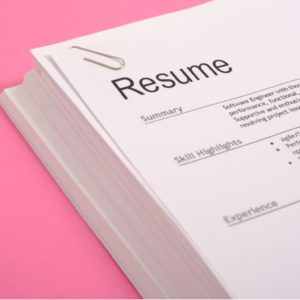
It may have been some time since you last looked at your resume, but now’s the time to take it out of retirement and give the format and focus a brand-new look. You might want to consider getting rid of some old job experience listings. Experts say anything more than 15 years in the past doesn’t need to stay on your CV.

If you are looking for general feedback, websites such as Monster.com give free resume evaluations. In as little as two business days, you’ll get suggestions about your resume’s appearance, content and a prediction of a what a recruiter’s first impression may be.

Keep Learning

With a computer and internet connection, you have access to a world of education. Many organizations, including Smart Meetings, have turned their events virtual. In your spare time, turn your attention to a virtual meetings education. Access one of our many webinars, which provide relevant information that can increase your meetings knowledge.

Not only can you step up your education virtually, but you can also familiarize yourself with the hybrid landscape—which is key if you plan on returning to meeting planning when things ramp back up. According to a survey by Etc.venues, 73 percent of professionals are planning a hybrid event before year’s end.

Thinking about dipping your toes in another industry? Then why not something that lets you show off the skills meeting professionals are revered for, such as organization, creativity, problem-solving, attention to detail and contract negotiation? These skills are perfectly transferable to other roles in areas like logistics planning and many managerial jobs.

If it’s formal courses you’re looking for, LinkedIn Learning offers a broad range along the professional spectrum, from sales and marketing to leadership and soft skills, such as communication and time management. Courses taken on LinkedIn Learning are added on your profile, as well, so employers can see what you’ve been up to. Coursera and edX, which feature courses from Harvard and MIT, are other great ways to expand your knowledge base.

Of course, a host of continuing education and certification courses are available for the meeting and events industry. Smart Meetings offers many of these, in partnership with Event Leadership Institute, at Smart U; check them out on our website. And our September magazine takes a deep dive into even more options.

Familiarize Yourself with the Virtual Interview

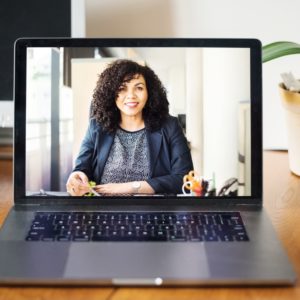
According to Handshake, a site that connects employers with new graduates, 89 percent of employers are now conducting interviews online. When you do get that call or email that you’ve been selected for an interview, chances are it will be done virtually. The virtual interview is much like the in-person interview with a few other considerations to keep in mind, such as proper lighting and limiting distractions.

In the virtual landscape, projecting and detecting body language and other subtle communication cues can be challenging. Paying greater attention to facial expressions can help create a positive first impression.

Just because you’re on your computer during the interview doesn’t mean you shouldn’t research the company beforehand. Clicking around the web for answers mid-interview is not a good look. It not only shows that you aren’t prepared, it also tells the interviewer you aren’t engaged.

Try Out Freelancing

Not having a job can be tough, so freelancing may be the way to pay the bills. In addition, freelancing can also keep your skills fresh, as well as help you gain more in-demand skills. There’s also plenty of flexibility in freelancing, a plus which seems to be gaining in popularity.

According to research by Upwork, 47 percent of hiring managers are more likely to hire independent professionals since COVID-19. While the coronavirus may have sped up the normalcy of freelancing, things were heading there anyway, as 73 percent of hiring managers are increasing their use of independent professionals and 59 percent say that organizations that aren’t adopting a flexible workforce are “falling behind.”

Network and Stay Connected

According to a 2016 report from U.S. Bureau of Labor Statistics and Yale University, 70 percent of jobs are found through networking. One simple platform to network on is LinkedIn.

It’s easy to neglect your LinkedIn account while you’re employed, but freshening that account up now, when you need it most, is a must. In addition to having a profile for employers and potential connections to view, you can also join event planning-related groups (or whatever group harbors your interests), ask for and provide endorsements from others, and request referrals from those you’ve worked with in the past. You can reach out to others directly for the sake of connecting with like-minded people, and post and comment so people know that you’re active.

And remember, just because you aren’t looking for a job today doesn’t mean you shouldn’t network now. That connection you make can be a conduit to your next great job.

The sentiment for more reward and recognition through incentive programs has increased dramatically, according to the latest findings by Incentive Research Foundation. Its “2020 Top Performer Study” found that a whopping 94 percent of executives surveyed were strong supporters of reward as a competitive advantage, up from 86 percent last year.

This study, which included 153 participants, focused on the technology sector of a total top performer sample of 400 companies—those that experienced more than five percent revenue growth within the past year, among other requirements.

The study’s purpose was to find how incentives and rewards from top-performing companies differentiate from others. While the study does not make the claim that strong incentive programs lead to better business performance, it does suggest there is a correlation between strong business performance and a company’s commitment to incentive programs.

Top Performers Offer More Flexibility

A key difference found between top performers and their competitor companies is the priority given to the flexibility of tangible rewards. Top performers were more than twice as likely (35 percent) to list this as their most important consideration when giving merchandise or gift cards, as compared to competitors (14 percent); they also prioritized “ease of administration” (17 percent).

In creating incentive travel programs, top performers placed a greater emphasis on participant flexibility (30 percent), versus 7 percent of competitors. The competitors tied “appealing across large audiences” and “building emotional connections” (21 percent) as their priorities. Top performers place a greater emphasis on personalization of incentive trips and noncash incentives, rather than appealing to the greatest number of people.

Top Performers Focus on Incentive Trips

Although top performers and their competitors were similar in their offering of award points, gift cards and individual incentive travel, with only slight differences in percentages, top performers had an evident advantage in their offering of group incentive trips–42 percent versus competitors’ 32 percent. Nonetheless, the competitors who offer these trips more than doubled (from 15 percent in 2019).

Program Reach is Expanding

The percentage of technology companies that design incentive programs with the goal of reaching all participants, while also recognizing exceptional achievers, more than doubled from last year, from 10 percent in 2019 to 22 percent in 2020. Competitors with this goal also increased, from 15 percent to 24 percent in 2020.

The study found that top performers were almost twice as likely to structure programs with the aim of giving each participant recognition or a reward during the program: 58 percent versus 31 percent of competitors. They were also more likely to structure programs to reward top achievers: 43 percent versus 17 percent.

While the data shows top-performing technology companies have higher levels of engagement and give more attention to noncash incentives, the study indicated that both top performers and their competitors are increasing their investment in incentive programs.

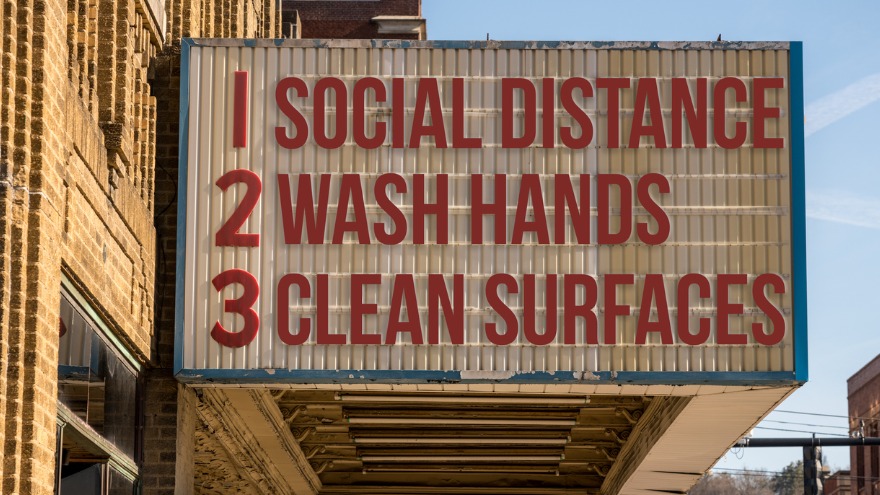
The next time you walk into a hotel, what can you expect? For properties following the guidance of the new Events Industry Council (EIC) Accepted Practices Guide for Hotel Health and Safety, your first glimpse of the lobby will probably include a lot more signage about distancing, new acrylic transmission barriers and masked employees.

The second release from EIC’s APEX COVID-19 Business Recovery Task Force brings together the findings from properties all over the world which have created their own guidance, including American Hotel & Lodging Association’s Stay Safe program, Global Biorisk Advisory Council STAR facility accreditation and IACC’s Critical Pathway to Re-Opening Meeting, Conference and Training Spaces.

A resource guide includes links to all major hotel brand protocols, from Accor’s ALLSAFE and Four Seasons Lead with Care to Walt Disney Resort Hotels Know Before You Go and Wynn’s Health Plan. It also includes a video library, including details about Hilton’s EventReady Program, which combines CleanStay standards with event-specific protocols.

“One of the primary missions of the APEX COVID-19 Business Recovery Task Force is to provide a centralized source of accepted practices, insights, and pathways that leverage the collective body of resources available to inspire confidence that responsible measures have been taken as the industry reopens for business,” said EIC CEO Amy Calvert.

Smart Meetings Hygiene Guide with Hotel Cleaning Protocols for 2020 can be found here.

Cultivating Trust

“The pandemic has prompted a renewed commitment in the travel industry to the health and wellness of guests, employees and other visitors,” said Hotels Work Group Chair Michael Dominguez, who is also CEO of Associated Luxury Hotels International. “The response from the lodging community has been rapid, fluid and, most importantly, a collaborative endeavor. This work is based on what we know today. We will update as we continue to learn more.”

Because rules can be different in different locations and different times as regulations change, many meeting professionals are looking to venues to help them implement the correct procedures for that time and place. “Hotels now have to be experts in local rules, so we can advise planners,” said Dan Surette, chief sales officer at Omni Hotels & Resorts.

Listen in on best practices from the APEX Task Force in this on-demand Accelerator webinar.

The report’s four key areas are transmission barriers, enhanced sanitation, health screening, and food and beverage guidelines. In addition to calling for commercial-grade cleaning products in all high-touch areas—including parking facilities, elevators and vending machines—look for fewer extras in rooms and more plastic wrap on remote controls and plastic cups. While self-service buffets and coffee breaks may be banned, look for more labeling of meals that meet specific dietary needs on to-go containers and QR codes instead of menus in restaurants.

One suggested question for event planners to ask a hotel is whether a virtual safety-related site inspection can be done to get details about its procedures. You might also want to ask what measures are being taken to reduce landfill waste due to increased use of single-use items.

Learn about Marriott’s new meeting guidelines here.

EIC Code of Conduct

In order to form a more perfect meeting, establish sanitation, ensure domestic sterility, provide for the common defense, promote general event welfare and secure the blessings of health organizations for ourselves and our attendees, EIC established a Meeting and Event Code of Conduct. This collection of rules and regulations includes what is—and what is not—accepted behavior to provide an environment that’s as safe as possible.

According to the code, “Responsibility is shared equally among event organizers, the event venues and event attendees—all have a role to play.”

Before Leaving Home

  • Follow relevant guidance provided by World Health Organization (WHO) or local health authority.
  • Adhere to government-issued travel restrictions and guidance issued by the region you will be traveling to and the region you are traveling from.
  • Evaluate your own health and that of people you are in close contact with; contact the meeting/event organizers if you have concerns.
  • Stay home if you feel sick.

On Site During the Event

  • Follow guidance from the local health authority for everyday preventive actions to help stop the spread of respiratory viruses, including:
    • Washing hands often with soap and water, or an alcohol-based sanitizer with at least 60 percent alcohol, for at least 20 seconds.
    • Avoiding touching eyes, nose and mouth with unwashed hands.
    • Covering your nose and mouth when coughing or sneezing; throw used tissues in the trash.
    • Cleaning and disinfecting frequently touched objects and surfaces using a regular household cleaning spray or wipe.
  • Agree to have your temperature taken before entering the meeting/event venue, if required by the event organizers.
  • Agree to wear a mask or facial covering, if required by the event organizers.
  • Adhere to social distance protocols put in place by the event organizers and respect others’ personal space.
  • Go to the event first-aid office (or equivalent) if you feel unwell or are experiencing flu-like symptoms.

Post Event

Based on current contact-tracing advice from many health authorities, if you test positive for COVID-19 during the first 14 days after returning home, contact the meeting/event organizers to advise them.

An operational health plan to safely produce a reduced in-person event was the starting point for planning the 2020 Republican National Convention (RNC) based in Charlotte, North Carolina, according to James Sample, director of operations for the 2020 RNC Committee on Arrangement. The Queen City won the bid in 2018 to be the host city for the convention, but as the Aug. 21 event neared, the city was still in Phase 2 of reopening with restaurants at 50 percent capacity and an official limit of no more than 10 people gathered indoors. North Carolina Department of Health and Human Services “expressed a willingness to flexibility” based on a 42-page safety plan submitted by the RNC that included mask wearing and 6-foot distancing for more than 300 delegates.

See alsoDNC Won the Internet with Virtual Destination Roll Call

“We then determined how to work with different stakeholders to share the live event in Charlotte across multiple digital channels and media outlets,” he explained. The North Carolina event focused on housing delegates from all over the country at Westin Charlotte with the roll call live at Charlotte Convention Center.

Unprecedented Plans

The team spent the summer assessing needs and creating plans for the four-day production that culminated on August 24 with the formal nomination of the Republican presidential candidate who gave the acceptance speech in a broadcast from Washington, D.C.

MoreHow to Create a Buzzworthy Virtual DNC Experience

“There was and—still is—no precedent or playbook for event planning in the midst of a pandemic. Purely from an event and operational standpoint, this meant we had to be agile and creative in creating the roadmap that would guide us,” Sample said.

In addition to logistical infectious disease accommodations, the RNC had also never implemented a rule change like the 37e modified roll call/vote, which was the basis of the event they were planning. “The team was creating a robust health plan while also tracking a brand-new voting process required by the national party,” Sample said.

Up Close and Personal

The digital elements were a collaborative effort between in-house communications, digital and operations teams to ensure the stream would work well when broadcast out to the world. Sample’s team condensed participation for what is traditionally the in-person business session on the first day of the convention to what was seen on the live stream via CSPAN and major TV networks Monday morning.

https://twitter.com/GOPconvention/status/1297274642063917056

While the bones of the plan remained the same, the numbers of participants was “greatly reduced” to ensure health and safety needs could be met in a smaller space than where a convention roll-call vote is traditionally done. “While were committed to providing viewers with an opportunity to be part of the excitement in their homes, which is why we provided a live stream feed for media outlets, a plethora of viewing options for those watching from their homes, and added additional camera positions for voting delegates,” Sample said. Individual cameras were positioned across the room to minimize movement and flow from a safety and health perspective, and yet still provide at-home viewers with a chance to see the representative from each delegation formally cast their ballot.

Significant Security

Every political convention is designated as National Special Security Event (NSSE)—meaning it is a major federal government public event considered to be nationally significant. This requires extra security precautions and resources in place. Sample’s team worked closely with Secret Service, Charlotte Mecklenburg Police Department (CMPD), the FBI and additional, state, local and federal partners. “Our local partners, CMPD, were tremendous as they helped secure the venues where attendees would be residing during their time in Charlotte,” he said.

https://twitter.com/GOPconvention/status/1296534031883001856

Further, the RNC team had a series of health and safety measures in place to keep participants healthy and safe. In addition to a daily health screening process, attendees also received several health-specific items in their welcome bags which were placed inside attendee hotel rooms. There were also several health stations located around the convention center where attendees could ask questions, take a mask, acquire hand sanitizer, etc.

A Sense of Charlotte

Branding and decor is a big component to making attendees feel wholly immersed in the experience. For the 2020 RNC, this started at Charlotte Douglas International Airport (CLT), where attendees were greeted by “volunteers” and a welcome area for delegates to see local NC-made products and snap a few photos in front of the RNC-branded wall. Themed welcome signage and activations at each main location, including the hotel delegates were staying and the convention center where delegates would be voting.

https://twitter.com/GOPconvention/status/1296867508851548160

Online volunteers were encouraged to share where they would be watching from through an online social media campaign. “This was a great way to build excitement, increase engagement, and encourage viewers to tune in leading up to the formal re-nomination,” Sample said.

The backdrop behind each delegate who was formally casting their votes on behalf of the delegation in Charlotte also had RNC-branding, complete with our #RNC2020 social media hashtag.

A Proud Moment

The Committee on Arrangements planned for months to safely orchestrate a formal re-nomination event for the president and vice president. “That we did this during a pandemic, broadcast live to the world, and did so all on a shortened timeline is nothing but a testament to the team of professionals we had working on this event. Everyone on the convention team should be proud. We put together a robust health plan (still in action!) to protect attendees and the local community with 5 goals in mind: prevent, protect, mitigate, respond and recover,” Sample said.

https://twitter.com/GOPconvention/status/1296098927691943936

“I am proud to have worked with this group of professionals and to have infused a little work into an otherwise frozen hospitality industry. I hope event organizers and hospitality professionals can look to this event with a renewed sense of hope that there is always a way to make things work, even in the midst of the unknown,” he concluded.

Beth Butler, director of destination services with Visit Charlotte also saw the event as a win. “It was a huge accomplish for the City of Charlotte and the Charlotte Regional Visitors Authority to be among one of ten cities to host both National Conventions regardless of the size.”

I know the meetings industry looks dark right now and the future is unclear. COVID-19 is real and it is devastating. I lived through contracting it and it sucked. A lot of talented people are losing their jobs because of the need to pause meetings to slow the spread of the virus. The loss of that intellectual capital is devastating. But perhaps there is another way to look at the situation. After all, this is the year 2020, the same numbers used to benchmark ideal eyesight. Bear with me on this metaphor.

Visual Aids

I have been wearing glasses since I was in first grade. I been able to navigate the world by wearing corrective lenses of some kind most of my life. In the meetings industry today, perhaps the filter needs to change to highlight the good things that are still out there—and in some cases have been enhanced—the same way glasses and contacts helped me see what was important.

A planner friend I was talking to recently shared that she is discovering whole new ways to do her job. Now that virtual meetings are removing the burden and cost of lengthy travel and hotel stays, meetings that  drew 1,000 people are now streaming to 4,000 or more. Her work touches many more people than ever before. That is a gift.

More meeting professionals are looking at technology as an enhancer rather than a threat. That streaming technology is getting better, more integrated and less expensive every day. It is not going to replace in-person meetings. Instead, it will extend the reach of powerful content—if it is done correctly. People are making choices within 3 minutes of viewing an online presentation about whether they will stick around. If the presenter is not exuding confidence, energy and the program isn’t executed professionally, you are going to lose your audience. The grace period is ending. Enough with the ceiling fans.

Forward Focused

Unlike the rearview mirror where objects may be closer than they appear, we need to be looking forward and not back right now. We can’t continue “admiring the problem” and lamenting what we have lost. We aren’t going back to the way it was—and as a college professor years ago once said in a business class I attended “without contraries there will be no progression.”  Let that sink in. We even have to be careful about using the word “normal.” That is a shifty term that changes depending who is using it and when. We need to focus on the way we are and the way it is going to be.

Even once vaccinations are in place, attendee and company mindsets are not going to go back to the way they were. This is an opportunity to leverage the newly acquired comfort with omni-channel experiences and look at the possibilities for creating experiences that are even more powerful than four days in a ballroom.

We might want to blow up the massive convention and create a series over weeks or months that drops a new piece of content every day so and people have an ongoing global experience with different things happening in different time zones.

The citywide may turn into regional watch parties with customized, participant-driven activities.

Or, we might just reduce the two-day retreat to a powerful 2-hour brainstorming and send the spreadsheet that was going to be delivered on a PowerPoint in a dark room in an email.

The possibilities are endless. The time to refocus is now.

New Opportunities

I was on a call recently where an educator suggested there will be more opportunities in the event space in 2022 than there were in 2019, but they will have different job titles. There will be a lot more creative producers and more opportunities for traditional logistical planning to evolve. Events will be Netflix-worthy productions that are fast-paced and engaging and they will be designed by people who understand how to deliver content that resonates.

The same elevated expectations apply to destinations and venues. Meeting professionals are going to look for properties that are equipped to deliver seamless hybrid experiences. They will also look for real inclusion and diversity in a location that shares the values of the group being brought to the city or state. We want to see action, not checklists.

I also think we are going to start seeing a more casual, accepting attitude throughout our society. We have all been leveled. The last six months have been a giant, humbling reset.

This pause is a time to test our vision of the future. It is a time for introspection—a time to look at who you are and who you are spending your time with and what you are doing with your energy. Are you focused on what you are passionate about and where the industry is going? Do you have the tools you need to thrive in that environment?

Optometrists refer to 20-20 as perfect vision and clarity. Now is the time to get fitted for your ideal career in the exciting new world of events.

Brad Weaber is principal, Brad Weaber Consulting Group, moderator for Smart Meetings Editorial Advisory Board and former executive vice president at SmithBucklin and Experient, a Maritz Global Events Company.

There’s no question that the world of events has been dramatically changed because of the COVID-19 pandemic and ongoing concerns about large groups of in-person gatherings. Event marketers have been challenged with how to pivot quickly and keep business going and pipeline numbers up with virtual events for now, and hybrid events in the future, as the pandemic will have a rolling impact on logistics, location, sponsorships and attendance.

MoreHow to Create a COVID-era Event Marketing Plan

Hybrid events will create some unique hurdles for event marketers who will suddenly be managing two events wrapped into one, with new health, safety and technology considerations, new metrics for success, and new job expertise required. But there is also a great opportunity for events to be more personalized and hyper connected with more immersive experiences and deeper engagement than ever before.

Here are the four things event marketers need to consider when planning hybrid events for 2021 and beyond.

See also2020’s Upcoming Virtual Annual Industry Conferences

1. Think Virtual First 

In the next year, we will see a shift from all-virtual events to hybrid events, where people can choose to participate in-person or online. Hybrid events will need to have much more robust online content and experiences than ever before. Event marketers will have to think ‘virtual first’ when planning, like software developers had to think ‘mobile first’ when everyone got an iPhone.

Having a virtual-first mentality means looking at how to use technology to create compelling, personalized experiences. The event for virtual attendees needs to feel like they are valued participants, and not just a back-row live stream where they rank second to in-person attendees. It also needs to feel like it’s one cohesive event, not two separate events.

Event marketers will need to recognize the reality of remote attendees—they won’t have the same attention span as the in-person attendee and so marketers will need to craft content that is tailored to the online attendee with that limited attention span in mind, such as short backstage interviews with speakers, available exclusively online.

Measuring engagement from hybrid events is another challenge for the industry—while marketers look at metrics like registration and check-in for in-person events, they need to understand what engagement will look like from online attendees. This will likely mean metrics on time spent, for instance, how long someone is engaged on a screen during a presentation. For reporting on ROI and metrics that matter for hybrid events, marketers will need to combine both in-person and virtual measurement data to determine the level of true engagement by attendees.

2. Hire Event Technology Managers

One big change that can’t be understated is the impact the hybrid future of events is having on technology roles within marketing teams. Event technologists will play a critical role in companies going forward for planning and implementing the technological strategy of their organization’s events programs.

More6 Questions to Ask Your Virtual Meeting Platform Provider

Marketers need to recognize that not one platform fits all types of virtual events. With the Cambrian explosion of virtual event and video conferencing platforms during quarantine, marketers now have many best-in-class options to replicate or enhance different types of in-person events: from multitrack conferences to networking roundtables to scheduled sales meetings. Selecting the best virtual and hybrid event platforms for the different goals and engagement strategies of the marketing team will require creating a new role: Event Technology Manager.

Event Tech Managers will have responsibility for ensuring a seamless customer journey across virtual and hybrid experiences  They will unify the customer experience in the virtual and in-person event worlds and deliver actionable engagement data to key teams like sales and systems like the company’s CRM and broader martech stack.

Event Technology Managers will become a must-have team member for marketing teams, enabling marketers to (finally) extract meaningful ROI data and insights from events.

3. Level Up Technical Production Skills 

Many marketing teams previously used external agencies to handle the AV or technical production side of in-person events, especially the staging for live stream and post-event video. According to a survey conducted by industry trade site EventMB, almost two-thirds of event planners acknowledged they had never been involved in planning a virtual event. Now, everyone essentially works on virtual events—everyone needs those greater depth in those skills.

Since the pandemic hit, job postings for in-house virtual event planners have risen 300 percent, according to data from employment site ZipRecruiter. Meanwhile CMOs are shifting resources from external agencies to in-house teams in response to COVID-19 budget cuts, according to Gartner’s 2020 CMO Survey.

In-house marketing teams need more technical production expertise to create compelling virtual and hybrid events. Marketers may still rely on agencies and AV specialists, but they will need to know the limits and possibilities of technical production at the earliest stages of planning hybrid events.

4. Venue Matters

For hybrid events, venue matters. It will not only be important to find a convenient location to easily travel to for the in-person part of the event, but also to take into account new health and safety concerns. This will mean physical distancing requirements, mandatory PPE, hygiene stations, and new one-way navigation inside venues to eliminate crowding. Besides the new physical requirements, venues must also be able to handle the high technical requirements of the virtual aspect of the event.  And that means more than making sure the venue has decent Internet connectivity.

For these hybrid events, event marketers will want to step up their game and provide virtual attendees with an innovative, immersive experience. This could mean screens set up around the venue so people at home feel they are actually there and could even interact with in-person attendees and speakers.

Two companies we’ve seen that have done a great job with hybrid events and pulling off the technology challenges are Apple and Snapchat. Pre COVID-19, when Apple unveiled its iPhone 11 at The Steve Jobs Theater, the Apple production team created a separate experience for virtual attendees with cameras strategically placed around the theater. Virtual attendees had an intimate, close-up view of Tim Cook demonstrating the new iPhone 11.

Another more recent example is SnapChat’s Partner Summit which showcased innovative use of virtual reality and augmented reality. Virtual attendees at the Summit got to experience speaker presentations in immersive 3D environments that match the presentation content, like traveling through deep space or a day at the beach. Snapchat also released a new feature enabling users to create augmented reality layers and through the Summit, attendees created their own worlds.

With the long-lasting impact of COVID-19 on the events industry, it is critical for marketers to learn how to pivot quickly and embrace the new, hybrid event model. Looking at how to combine and enhance the in-person and virtual experience for attendees will require marketers to step up their game with event technology  expertise, personalization and more immersive experiences at venues that can handle the latest health/safety and greater technical requirements of hybrid events.

Alex Patriquin is founder and CEO of Circa, formerly known as EventGeek.

Once the decision is made to go virtual, what is the first thing you do after the airline and hotel reservations have been cancelled? Eventually, you are going to have to pick the platform to stream all the great content you have been developing. With so many to choose from, how do you decide? Smart Meetings asked Ben Chodor, president of Intrado Digital Media, the company behind the virtual event platform INXPO, which was used for ASAE’s record-breaking 2020 Virtual Annual Meeting & Exposition.

1. How Can We Keep Audiences Engaged?

Virtual events need to be designed with an end user in mind,” said Chodor, who has a book coming out in September titled, Transitioning to Virtual and Hybrid Events. He invited meeting professionals to close their eyes and envision the attendee sitting in the home office with dogs and kids and doorbells ringing and all kinds of distractions around. Design something that will keep that person glued to the screen. Today’s platforms can enable immersive experiences with easy navigation and fun gamification. “Even serious people who tell you they don’t like gamification like it when you give them a challenge,” he confided.

Regardless of the platform, the content has to be high-quality. Speakers need to be trained to connect through that lens. “The virtual audience has little patience for content that isn’t amazing,” Chodor said.

He gave the example of United Fresh Produce Association, which created United Fresh LIVE! 365, a year-long marketplace for 7,600 people with virtual access that includes all the senses—taste, smell and touch. Organizers translated the colorful, artsy theme to the virtual interface, included chat options, sign-up lists for mailing food samples and other items normally handed out on expo floors. Vendor “booths” offered 1:1 sessions to engage with visitors and chef demonstrations to bring it to life.

2. Will They Come?

Chodor warned that a new meeting format can’t be marketed the same old way. “You have to promote through all the social channels for hybrid meetings,” he said. That way you can reach people who live farther away from the venue and dig deeper into the layers of the organization so workers can participate.

You also need to start promoting earlier, he advised. People’s calendars are filling up. “Don’t stop what you are doing, but amplify it in social, get interviewed in podcasts and think about how to reach those new audiences. “Go where the audience is,” he said.  

3. Will It Break?

With all that extra marketing and accessible brand reach, you may have an enviable problem. Many virtual events are exceeding audience expectations beyond their wildest dreams. ASAE Virtual Annual Meeting & Exposition drew more than 14,000 registrations, 70 percent of them first-time attendees.

That is why Chodor suggested that before you ask a vendor about all the bells and whistles, ask:

  • What happens if 10,000 people log on at same time?
  • Can registration handle that at once?
  • Can you do Q&A and open chat if it is an audience that is orders of magnitude larger than expected? Will it be the same user experience?
  • What is your redundancy simultaneously?

Once you know the capabilities and limitations, you can set your velvet rope policy. “That makes the event more desirable,” he said.

4. Should We Charge?

Chodor found that at the beginning of the pandemic, in March and April, most events were opening to all for free. They were just scrambling to stay connected. In May, June and July, about a quarter of event organizers started to charge for streaming access, often with an on-demand component available for a certain amount of time after the live date. Now about half of those who were charging for live events are charging for virtual content, Chodor said.

The longtime industry watcher predicted that many will adopt a tiered pricing structure—silver, gold and platinum, for instance—depending on level of access. “That is power of a virtual event. You can tailor the experience however you want,” he said.

Meeting professionals are also getting more comfortable monetizing by charging sponsors to be in front of all those eyeballs. That is why it is important to pick a platform that has robust reporting capabilities.

“It is important to show the ROI,” he said.

5. What Questions Aren’t Getting Asked, But Should?

When doing a demo, ask what features are available that you might not be taking advantage of.  Ask how you can increase engagement and gamify. Inquire about the ability to build a library to offer after the event for people to review, watch sessions they missed and access content, etc.

6. Are We Going to Be Doing This Forever?

“The industry used to be scared hybrid would cannibalize their front door ticket sales, but now they are seeing that they are increasing the audience and expanding the brand. It is an opportunity,” said Chodor. Establishing a hybrid streaming component for future in-person meetings will create more leads for exhibitors and sponsors—a win-win.

And it is only going to get better with the addition of automation and predictive artificial intelligence capabilities, allowing for event hosts to personalize the experience based on attendee preferences.

Virtual event management could also be streamlined as more expertise is built and products are integrated into end-to-end solutions.

Cathy Doyle

Doyle will serve as director of sales for Hotel Vin in Grapevine, Texas, when the property opens this summer. She has held various leadership roles in sales, catering, event management, and event and convention services. Before Doyle joined the Hotel Vin team, she was national account and conference services manager for The Adolphus in Dallas. She’s served in plenty of sales positions, including senior sales manager for The Westin Dallas Park Central, director of sales for Colcord Hotel in Oklahoma City and catering sales and convention services for Embassy Suites Norman Hotel and Conference Center in Oklahoma.

Leslie Kaminski

Kaminski is now vice president of sales for Virgin Hotels. Before serving Virgin Hotels, Kaminski was vice president of global sales and senior director of global luxury, both for Two Road Hospitality. In addition, she served in sales for Destination Hotels, Hilton and Gaylord Texan Resort in Grapevine, Texas.

Shane Nicolopoulos

Nicolopoulos was named general manager of Hyatt Regency Portland at Oregon Convention Center. He most recently worked at Andaz San Diego. Nicolopoulos’ 20-year career with Hyatt has seen him in various leadership roles with properties across the Hyatt Centric, Hyatt Regency and Andaz brands.

Tiffany Owen

Owen was promoted to an area general manager role in Denver in which she’ll oversee Denver Union Station, The Crawford Hotel, The Oxford Hotel and The Oxford Club, Spa & Salon. Prior to her new position, she served as general manager for Denver Union Station and The Crawford. Owen has held various other management positions at The Oxford Hotel, Hilton Garden Inn Denver Downtown and The Residence Inn Denver Downtown. She’s also an active member of Downtown Denver Partnership and Denver Metro Chamber of Commerce.

Kerstin Sommer-Raza

Sommer-Raza is now area director of sales and marketing for The Oxford Hotel and The Crawford Hotel after serving as director of sales and marketing at Renaissance Denver Downtown City Center. She’s served in leadership roles at Atlanta Marriott Peachtree Corners, DoubleTree by Hilton Atlanta Buckhead and DoubleTree by Hilton Atlanta Roswell.

Scott Lane

Lane was named general manager of Hyatt Centric Downtown Portland, set to open in Oregon in January. Prior to this, he served as regional vice president of sales for Hyatt. In addition, he’s held positions as area director of sales in Denver and San Antonio, director of sales and marketing at Grand Hyatt San Antonio, and director of sales and marketing at Hyatt Regency McCormick Place in Chicago.

Sher Downing

Downing is the new senior sales manager for L’Auberge Del Mar in San Diego. She recently served as associate director of sales and marketing for Hyatt Regency La Jolla at Aventine, also in San Diego. Before that, she was national sales manager for Estancia La Jolla. Downing also served on the sales team for Miramonte Resort in Montecito, California.