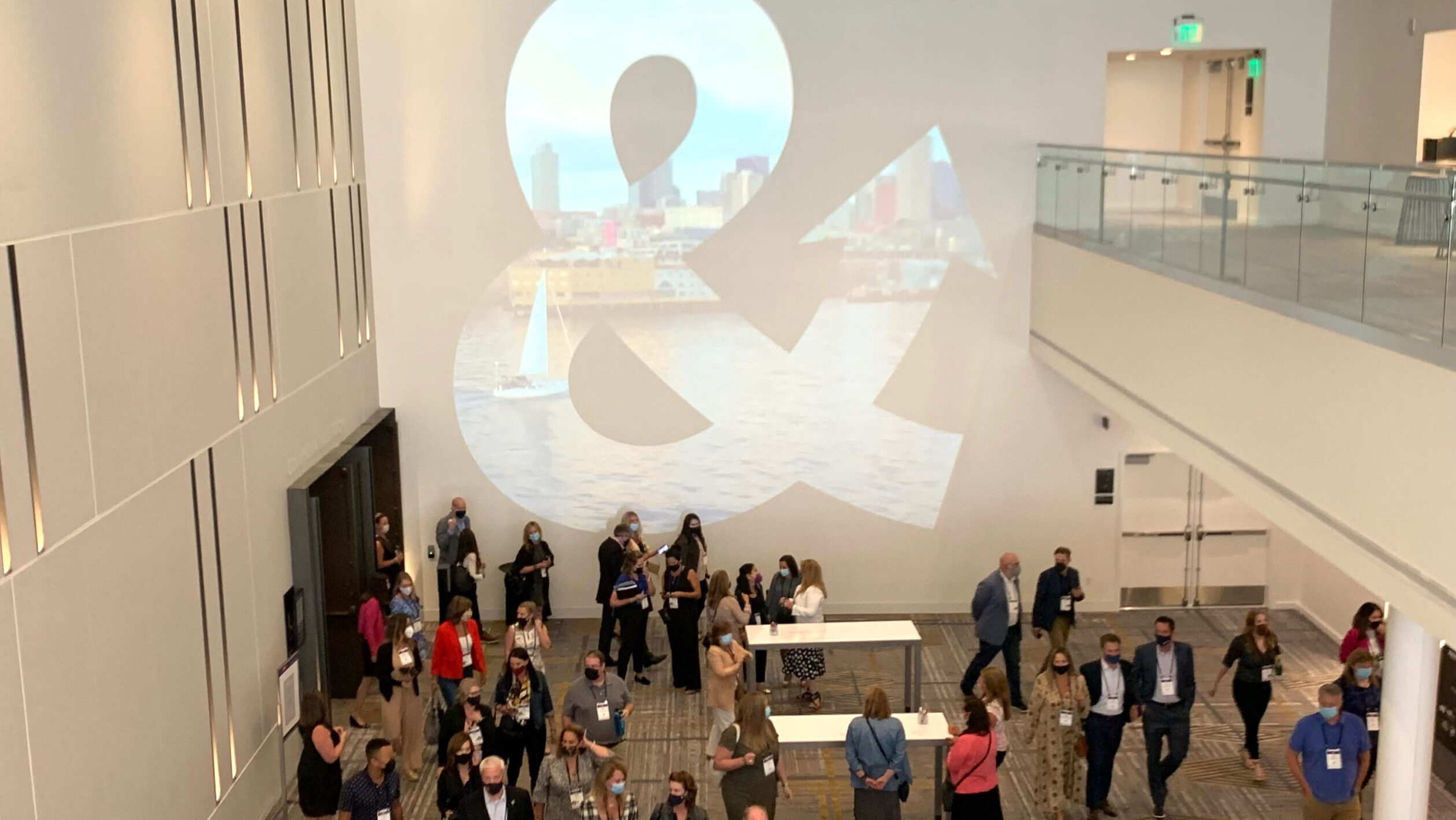
When Maritz Global Events decided it was finally time to get back to face-to-face, the experience-design company brought 500 people who represented the entire meetings ecosystem to Seattle—clients, employees, team members and partners—and focused on talking openly and solving shared challenges. Next& at Hyatt Regency Seattle this week was envisioned as the evolution of a February virtual event (that lasted a month with new content dropped daily) and a subsequent Next& community that kept the conversation going.

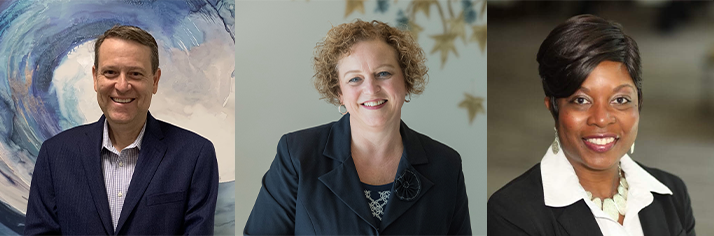
Smart Meetings talked to Maritz President David Peckinpaugh; Enterprise Vice President of Brand, Experience and Innovation Ecosystems Greg Bogue; and Visit Seattle Vice President of Convention Sales & Service Kelly Saling for lessons learned in the company’s first return to in-person gatherings since the onset of the pandemic.

See alsoEssential Seattle: A Post-COVID Site Inspection

People First
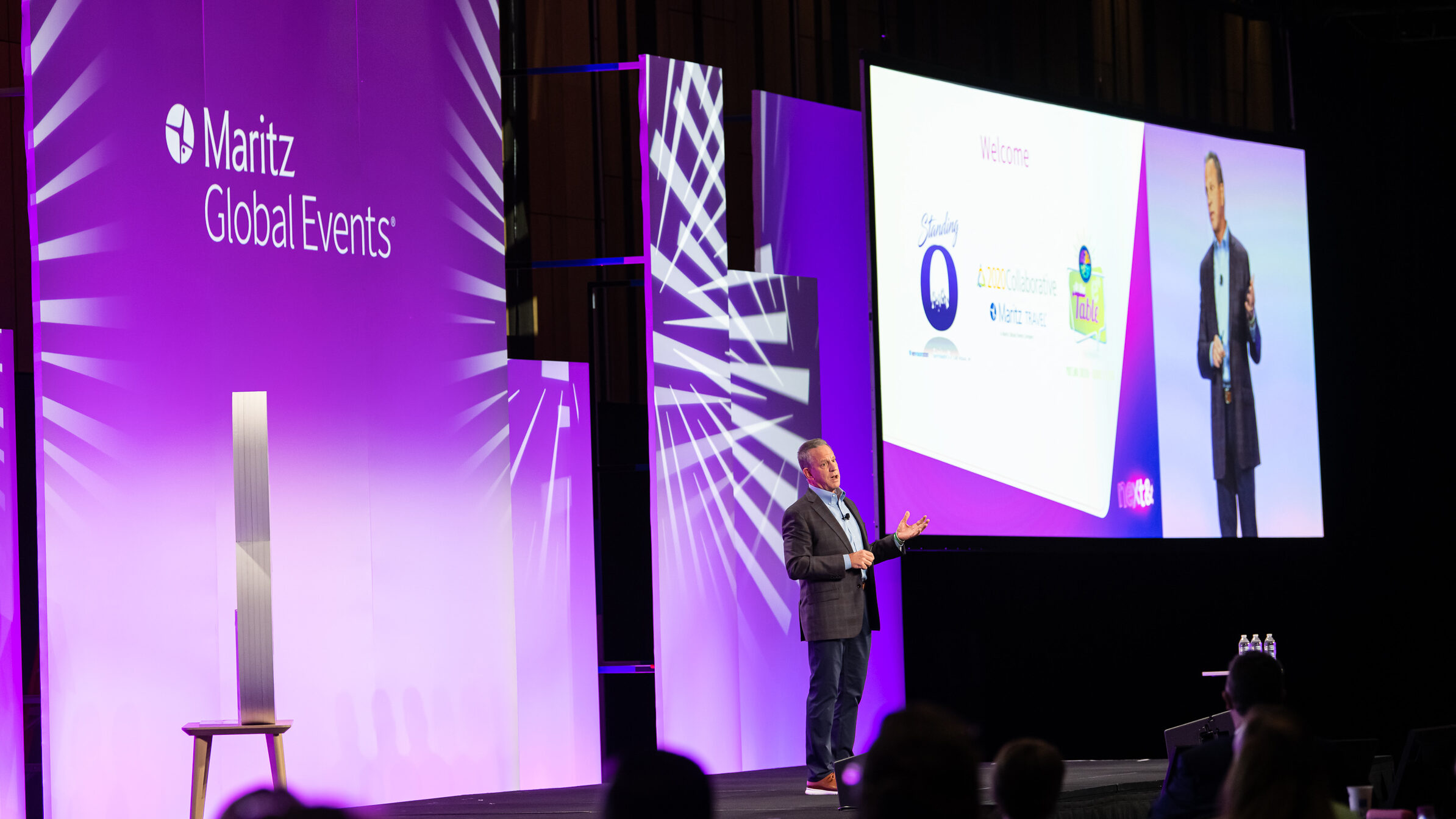
The improv spark this event was based on was a completely new approach for Maritz. Bogue said it required a new content roadmap. “We initially took a traditional approach and considered keynote speakers, but quickly decided we needed the community to focus on solving problems together.”

The result: themes of People First, Business of Events, and Creating Next& Experiences.

The agenda was mindful of people’s information and emotional needs. Sessions were no longer than 45 minutes, followed by 30-minute breaks. Days started later and lunch was a little longer. If people didn’t feel comfortable in a ballroom, they could watch on their devices in the lobby. Suggestions from locals for where to get out and enjoy the city—listen to cathedral bells or find fun coffee shops to check out—were built into the event app.

Seattle has an abundance of meetings infrastructure projects under construction to discover right now. Four separate billion-dollar-plus projects are in the works, including Washington State Convention Center Summit building, which recently topped out and is scheduled to open in mid-2022; that’s the same year as final touches will be completed on a waterfront reimagining. Climate Pledge Arena is set to open in October in alignment with a Seattle-Tacoma International Airport (SEA) expansion.

“If we are going to ask people to wear a mask, we are giving them breaks so they can take a walk outside if they need to,” Bogue said. “People need time and space to find what fits them.”

Visit Seattle’s Saling added, “Opportunities like this feed us with the energy we need after the last year and a half. Seattle is a resilient place.”

A Commitment to F2F
During planning, the team considered a hybrid event, but decided against it. “We believe in starting with goals and objectives and designing to that rather than starting with the format,” Peckinpaugh said. The solution may be F2F only, or virtual or some combination. In this case, it was to record sessions as “digital expressions” to be edited and shared with the community later.

“With everything we have been through, we felt our commitment was to face-to-face, so the majority of our effort needed to be on that because it was so lacking for 18 months. That was an intentional decision,” Peckinpaugh said.

He was mindful of the toll the pandemic has taken on the industry. “Think about how many have left and may never come back. We are dedicated to future of the industry and helping people building meaningful careers here,” he said, adding that he believes we are at a critical tipping point. “We need to attract innovators. The battle for talent is alive and well, and the focus of this in-person gathering is to find solutions to attract them together.”

Proactive Protocols
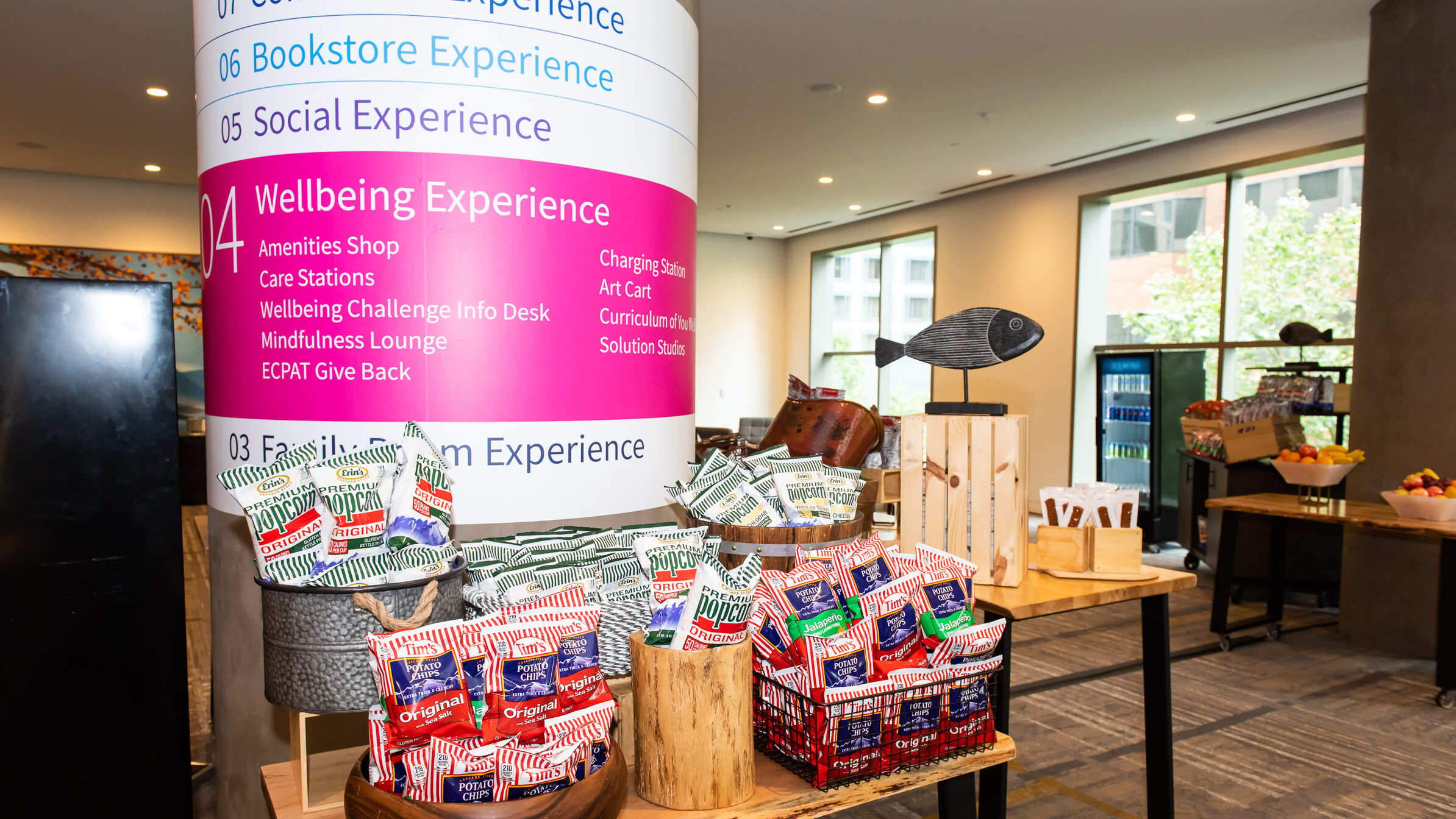
Although the decision was made to move forward with the combined event in January, the exact details were a moving target as Covid case counts and requirements in the state changed almost daily. “Objects were shifting in flight,” Saling said. “We were looking at each other, holding hands and walking forward,” she recalled, because long-term planning isn’t possible in the current environment.

By the time the group arrived Aug. 16, the county was 72 percent fully vaccinated, the governor had lifted all requirements on vaccinated groups of less than 10,000 and only an indoor mask recommendation was in place. Pax West, billed as a celebration of gaming and gaming culture, the first major conference (17,000 attendees, though normally it would be 25,000) was only a month away from loading in.

Over the last year and a half, Maritz had been actively developing best-practice safety guidelines and proactively put them in place above and beyond local requirements. Peckinpaugh joked that the group “drank their own Champagne” (a riff on eating their own dog food) by following their Plan Well, Meet Well guidelines.

“We also put a lot of the onus on personal responsibility, asking people to take their own temperature, mask indoors and not put others at risk,” Bogue said.

Destinations International (DI) and Temple University’s School of Sport, Tourism and Hospitality Management (STHM) have partnered to help DI members further their educations and careers.

DI members, consisting of approximately 600 organizations and nearly 6,000 meeting professionals, admitted into Temple’s Master of Science in Travel and Tourism program will be guaranteed a $4,000 scholarship toward their tuition. Other scholarships—such as the Pathway to STHM Scholarship, awarded to those pursuing a degree in sport, tourism or hospitality fields—are also available.

See alsoSmart U: Meeting Professional Online Classes

The master’s program is entirely online and consists of 10 three-credit courses, including sustainable tourism development; understanding tourism in the 21st century; and crisis, risk and disaster management. Students take one course at a time, each over a five-week period. Students have up to four years to complete the program, but it can be done in as little as 13 months when enrolled full-time.

“By partnering with Temple STHM, Destinations International is able to provide cutting-edge professional development opportunities for our members,” said Don Welsh, president and CEO of Destinations International, in a press release. “This partnership demonstrates our commitment to empowering destination organization professionals with the skills and knowledge that are critical for advancing their communities.”

DI and Temple’s partnership stretches back nearly a decade, when the school first collaborated with DI to expand its reach in the national and global tourism industry. “We’re thrilled to formalize this opportunity to help train the next generation of industry leaders,” said Welsh.

Temple’s deadline for spring application to the program is Dec. 1.

Fully vaccinated groups from the United States were allowed into Canada again last week, so how is that going?

More precisely, it is discretionary travel that is permissible again for the first time since the pandemic. Travelers need to upload proof of vaccination and travel details at least 72 hours prior to arrival using the Canadian government’s ArriveCAN app, whether coming by air or land.

“After a trying 18 months, the opening of the Canadian border to fully vaccinated American citizens and permanent residents (residing in the U.S.) for discretionary travel that took place on Aug. 9 is an exciting advancement for the Canadian business events industry who are eagerly awaiting the return of conferences, meetings and incentive travel in Canada,” is how Chantal Sturk-Nadeau, executive director for Business Events at Destination Canada responds.

Sturk-Nadeau notes her country is on track to welcome the return of fully vaccinated nonessential visitors from elsewhere in the world beginning in September. “This step toward our new normal paves the way for our Team Canada partners to welcome back our valued clients and their delegates with a return of international business events to Canada’s centers of excellence and legendary incentive destinations,” she says.

MoreStudy: What Hotels Offer, What Guests Want, Post-Covid

Hospitality operators and other Canadian travel destination businesses have invested heavily in safety and hygiene upgrades and instituted new hygiene protocols, the country’s tourism officials note, adding that Canada’s adult population now has one of the world’s highest rates of Covid-19 vaccination. According to official health data, more than 71 percent have received at least one dose, and nearly 62 percent are fully vaccinated.

“Our research shows that the focus of business event planners has shifted—rescheduling activity has shrunk considerably from more than 50 percent in 2020 to 21 percent in recent months. Focus on booking new events has more than doubled since January 2021, and sourcing new RFPs is gaining activity,” Sturk-Nadeau says. “This all tells us that planners are cautiously optimistic for their future meetings. We are pleased to see many events returning to Canada this fall, with 80 percent of our reported international business events hailing from the U.S.”

In addition to being fully vaccinated, all incoming visitors also need to provide negative Covid-19 test results. Providing false information can lead to hefty fines. Two travelers trying to enter Toronto in mid-July were each fined nearly $20,000 Canadian dollars for doing so, reported USA Today.

For the latest information on travel to Canada, including the updated federal requirements and restrictions, please visit the Government of Canada website here.

On Monday, Nevada Gov. Steve Sisolak announced large venues with a capacity of 4,000 or more can get rid of a mask mandate if everyone in attendance is fully vaccinated.

Those who are partially vaccinated will be allowed inside but will be required to wear a mask. Children under 12, who are not yet eligible for inoculation, will also be required to wear a mask, Sisolak said. A verification system will be put in place, and staff training must be implemented to distinguish the fully and partially vaccinated.

On the heels of this announcement, NFL’s Las Vegas Raiders said it will be the first pro team to require proof of vaccination to attend its home games, beginning Sept. 13 at brand-new Allegiant Stadium. For those who want to attend but have yet to be vaccinated, there will be a vaccination station right outside the stadium—though the newly inoculated will be required to wear a mask at the game. Proof of vaccination will be checked through an app.

Nevada has fully vaccinated roughly 49 percent of its residents, and 60 percent have had at least one dose. Sisolak said his state has vaccinated 20 percent more people than the national average in recent weeks.

“I hope that more businesses require their front-end staff and their back of house…to be vaccinated,” he said. “It’s the best way to keep everyone safe and to stomp out this virus. We’re running against the clock here…any idea that somebody has that could get their employees and their customers, if they choose, to get vaccinated, I think that’s great.”

MGM Resorts International CEO Bill Hornbuckle, for one, is requiring it. Hornbuckle told employees in a memo that all salaried employees who don’t work remotely will be required to be fully vaccinated by Oct. 15. New hires, salaried and hourly, will have to get vaccinated before they start, effective Aug. 30.

“For some of you this may be an unwelcome development,” Hornbuckle said. “However, as one of the largest and most trusted operators and employers in our industry, MGM Resorts is determined to do our part to curb the spread of the virus and help counter alarming trends in cases, hospitalizations and deaths.”

Elsewhere, New York City Mayor Bill de Blasio’s program, Key To NYC Pass, launched yesterday, requiring proof of vaccination to enter indoor facilities, such as restaurants, bars, entertainment venues, art fairs, museums and gyms, via the city’s vaccine app, Excelsior Pass; NYC Covid Safe app; or a vaccination card.

“It’s time for people to see vaccination as literally necessary to living a good, full and healthy life,” de Blasio said.

Editor’s Note: Meeting professionals are still pivoting on the regular and can learn a lot from the experiences of their peers. We asked Mandi Graziano, vice president of global accounts for HPN Global and published author, to share a behind-the-scenes look at a recent event she planned that make a quick change.

Three and a half months prior to my client’s largest annual trade show, we were notified that the San Diego Convention Center would be unable to host the program due to it being used as a temporary Emergency Intake Site. The center was not going to be available for groups from March to August 2021. It was the end of March. Our 2,000-person event was the end of June. We had all the hotel blocks booked and had already moved the event twice due to Covid-19. There was no way we were going to move it again. Changing the date or city was not an option.

In walked Andrea Dekker, former event director with ADS Inc, a woman with a plan. She said, “This isn’t ideal, but, I have a captive audience of customers and suppliers that want to meet. We owe it to our business and our teams to hold this event, if we can. Where else can we do this?”

Shortly after the notice from the Convention Center, Andrea flew to San Diego with an open mind willing to redesign the whole event to fit in the available venues. Fortunately, San Diego has a plethora of stand-alone interesting venues and hotels that would have been an option for this event as long as it was available over their dates. We did site inspections of the available venues such as; Petco Park, The Shell, Port Pavilion and various hotel ballrooms. As we walked through Petco Park, with the intention of using the seating bowl for the keynote speaker, Andrea realized it would be a memorable location for the entire show. We got lucky. The week of the conference happened to be an “off week” for the Padres. We had all the set-up and tear-down time needed.

See also: Site Inspection: San Diego’s Finest

Andrea pitched the idea to her leadership team and got the green light.

A First

Prior to this, Petco Park had never hosted a convention with this many exhibitors. I’ve personally booked the stadium for opening general sessions and elaborate food and beverage events, however, I had never seen it used in this way either.

The park is known for world renowned concerts and baseball stadium events but an event of this magnitude was a new endeavor for them as well. Luckily the venue had hosted a handful of non-baseball events in the past so they had a smaller footprint to build from, but nothing on the scale of the ADS event. “The show took over two levels of the ballpark, several ballpark restaurants, utilized the seating bowl and large videoboard, many suites on two levels and provided space for offices and smaller breakouts,” said Kristie Ewing, director of events for Petco Park.

With only three months to redesign the entire event, Andrea and the ADS team worked closely with the venue and show partner Levy Exposition Services. It was a huge undertaking with countless hours of work, changes and our not-so-favorite word—”pivots”.

Together, the whole team pulled off a major league miracle and hosted a spectacular event June 30 and July 1.

The Numbers:

Total attendance: 2,054

Customer Attendance: 1,191

Sales Rep Attendance: 174

Exhibitor and Booth Staff Attendance: 689

Suites: 45

Over 200 exhibitors 

Here’s how they did it:

  • 2-day set up and move in
  • 2-day show
  • Main ticket windows used for registration area
  • One way in and out, which provided max safety and visibility for sponsors
  • Exhibitors used table tops in Concourse 3, which spanned across half of the ballpark
  • 45 exhibitors used suites to create a boutique atmosphere and meet with customers one-on-one
  • Used restaurant for education sessions
  • Ballpark concessions were used to create a Taste of San Diego experience
  • A small stage was built on the dirt track down first base line for the CEO to speak
  • Guests sat in the existing stadium seats surrounding the field
  • Ballpark jumbotron for speaker and branding
  • Ballpark digital signage for conference logo and sponsor info
  • Stairs up to suites were branded with company logo
  • Company info booth in the middle of the concourse
  • Technology help desk behind the curtain in central location

My favorite elements:

  • Open air vibe felt safe and created conversations
  • No line at registration, booths, suites, tanks, anywhere
  • Tanks and tents at the entrance made for a WOW arrival experience
  • Suppliers took liberties with suites; some set up as residential homey feel while others created a clothing boutique feel
  • The group used every last stitch of digital signage and jumbotron for endless sponsor branding and visibility

More: California is Open for Business

Overall, this is a lesson in perseverance and creativity. This is a company who has world class customers, world class suppliers and world class staff. They put all their ambitions together and created an unforgettable event for everyone. Most importantly, business was getting done. I saw it, face to face, in real time, business was happening in a productive, safe and creative way.

Mandi Graziano has held leadership roles in sales and operations positions with major hotel chains, independent hotels and private event venues across the United States. Since 2007, she has run her own sales and business coaching company, which helps sales teams, business leaders, and entrepreneurs improve their strategies for cultivating prospects, building stronger business relationships and closing deals. Since 2010, she has been vice president of global accounts at HPN Global. She is also the author of “Sales Tales: The Hustle, Humor, and Lessons from a Life in Sales.”

Lisa Marks made her leap more than a year before the world shut down by starting her own event strategy and turnkey planning company Brand Alive. But she had to reinvent all over again when everything changed. Luckily, the experience she had built creating transformational moments for companies and people was a powerful springboard for moving ahead with optimism. Now, she is passionate about getting others to share their stories of moments that matter in this industry. Here is her story of reinventing joy.

In the Beginning

Lisa Marks

This reinvention story actually starts back in 2016. Marks was head of events at family-owned Shaw Communications in Calgary, Alberta. She had finally earned a seat at the executive table and was tasked with modernizing the company through events as it was celebrating its 50th anniversary. The focus at the company’s leadership summit was on the organization’s seven values and when it was time for the last point, she cued the beloved president of the consumer organization, who had been out for a year battling cancer to step into the spotlight and talk about the importance of “being human.” He was 50 pounds lighter than he had been the last time anyone at the company saw him. He had no hair. He was in remission and the room erupted in cheers at the surprise. “It was truly magical and poignant. To have him come back at that point in that way was an honor to be part of,” she recalled. That moment stuck with her as she considered her future.

Learn more about Global Events Collective’s Moments That Matter documentary project.

The following year was a whirlwind. The company acquired a wireless division and she managed the announcement, working closely with company executives. “Our 14,000 employees were so excited to hear that they would be venturing into this bold new area. The impromptu energy was powerful.”

In 2017, when the market changed and the company offered buyouts, she decided it was the ideal time to create those sorts of moments for more companies that were open to creative collaboration. “I decided if there was ever a time to go out on my own, this would be the time,” she recalls. The transition took a year and her first client was Shaw’s CEO. “That relationship still means a lot to me,” she said.

Right Side Up

Then the world turned completely upside down. Marks was in the United States in March of 2020 for Catersource and the Special Event when she heard news that the NBA was cancelling games. People started mass exiting the conference center. “It was an ominous feeling,” she recalls.

She packed as quickly as she could and got home before Canada shut the borders. That was also the day she received two calls in the same hour from her two biggest clients putting everything on hold. “That was when it hit that this was not going to be a two-week thing. It was real.”

Marks was not a stranger to producing hybrid and virtual events. But she had to accept that this was going to be the majority of what she would be doing for the next year or so. She focused on human psychology, how people react to technology and adjusted the strategy to keep audiences engaged at socially distanced awards shows. “I overinvested in clients, held their hands, consulted, prepared executive briefs,” she said, remembering the uncertain time.

First-Person Experience

Then there was the self-care requirement. “As a person who chose this career because it is part of my DNA to host, work with clients and dream big, being off-line for 18 months hits in the emotions, not just the bank account,” she says.

We are now thinking differently about how to create those moments for other people. But I also had to go out and find other ways to create purpose for me.

“I now look at reality faster. Bad news doesn’t get better with age; it is not like wine. I accept hard truths and then get excited about the opportunity to do something about it. I am learning to see opportunity without fear,” she explained.

She paused for a moment on the Zoom screen, then concluded. “I agree that hope is not a business strategy, but despair doesn’t help either. I think optimism is the new business strategy.”

Telling the Story

Marks is convinced the last 18 months will go down as the weirdest of all history for the meetings industry. Bringing people together for an event is already a high-risk proposition. “This is an industry with no governing body, no guaranteed outcomes, you are on the hook for a result that has one opportunity for an outcome. It is like a pilot flying an airplane.”

That is why she thinks it is important enough to tell our story about the impact we make beyond the industry that she donated to Global Events Collective’s Moment That Matter campaign. “We have to share, teach and explain to the general public why events of all shapes and sizes matter to being on this planet. I believe that what we do is create human culture. We need to share that as far and wide as possible,” she said.

Global Events Collective is amassing “extraordinary stories of change and transformation” with the goal of creating a documentary that will highlight and remind people that life-changing moments exist because of events.

“After this isolation, we need to heal the anxiety that is rampant. Connections matter and after actively avoiding those moments for so long, we need to help people get comfortable coming together, because these small moments leave a mark for rest of time,” Marks said.

One of the positives that came out of the last 18 months is the ability to reach a broader audience through livestreaming. Even as events are coming back and in-person audiences are gathering around the world, a virtual component will forever be a way to add value to your event and to your attendees.

However, the bar has been raised as audiences no longer settle for cheap solutions or second-rate platforms. Businesses are competing to create the most memorable experience for a virtual audience, treating them with the same level of thoughtfulness as they would an in-person audience.

Here are the seven biggest challenges planners face when producing a livestreamed event, and creative solutions.

1. Quality

One of the most obvious challenges (and easiest to tackle) when producing a livestream for your event is the actual quality of the stream. This includes the quality of the audio as well as the image and is absolutely crucial to a great event and audience experience. If you want to resolve this, the easiest and most effective way is to invest in high-level production. This ensures broadcast-quality content as well as smooth transitions—an investment worth your time and resources.

See also: How to Bring Live Event Production Value to Your Virtual Audience

2. Internet

Another big challenge to creating a successful livestream event is dubious internet quality. Without the proper internet infrastructure, your audience is left with a spotty stream, or worse, no content at all. The best way to solve this is to invest in backup internet. This means that if the first Wi-Fi system goes down, you can count on the alternate system to pick up the stream without a single drop in the programming.

3. Content

If you’re building an event from the ground up, content really IS king. One of the biggest challenges during a livestreamed event is making sure the content you’re producing stays relevant to your audience. If it isn’t relevant and intriguing, your audience will tune out, especially in the online environment. The easiest way to solve this is to (drum roll…) ask! Sometimes, the best way to gauge your attendees’ interests is to ask what they are hoping to see/hear. This can be accomplished in a pre-conference poll, or during data collection throughout the year.

More: Producing Compelling Content that Drives Engagement

4. Live vs. Pre-recorded

Another decision you will have to make is whether to go completely live or add in pre-recorded content. Often, event professionals choose a blended approach. With all live content, there is the benefit of immediate audience engagement, but the con of this route is the lack of editing and rehearsals. For pre-recorded content, a huge advantage is the opportunity to schedule this when it is easiest for your speaker. However, it does limit real-time updates. With so many pros and cons, why choose? The best events have a combination of live and pre-recorded content to create a seamless event experience. When pre-record is done correctly, your audience won’t even notice.

5. Branding

In order to build a great event (and see an actual ROI), you need to ensure your attendees know that it’s yours. One of the biggest challenges planners face when delivering a livestream experience is making sure it’s customized, unique and authentic. When you host a livestream event on Zoom or Google Teams, it feels tired and basic. The easiest solution? Create a fully-branded livestream. This means custom lower-thirds, custom background graphics and transition content that embodies your organization’s values and guidelines.

6. Connecting the Two Audiences

One of the biggest challenges when hosting a livestream event is finding meaningful ways to connect the in-person audience and the virtual audience. The best way to bridge these two sections is by using an event host. Think Oscar or Emmy style, and how crucial hosts can be in delivering messages between the two audiences at home and in the venue. The host helps the audience navigate the event, and helps attendees understand what to expect and how to engage. Especially in this new world of virtual events, a host for your livestream will help keep your attendees engaged and will help them get the most from the experience.

7. Engagement

We’ve all been there—another bland livestream—woof! Engaging your audiences in a meaningful way, is incredibly challenging when creating a livestreamed event. There are a few solutions to this, one being live audience Q&A sessions. This can be accomplished by ‘beaming in’ attendees from the virtual audience and having them chat live with the event’s host or keynote. This solution facilitates authentic engagement without the fluff.

Ashley Hawks is vice president of sales with EideCom and host of the podcast Meeting Minds.

In a world where experience costs and attendee expectations are rising, smart meeting planners will consider how to make the most of their content investment. Enter “Reflection Activities,” often described as “the connection between theory and action.”

Catalyze your Content

Prior to Covid, learning content was increasingly recognized as a driver of the perception of value for meeting attendees. During the ascent of virtual events, this perspective accelerated, because the content of events was where engagement was happening. Attendees craved the ability to be seen, heard and responded to in the chat, ask questions of the speaker, meet new people and network meaningfully. The goal was to discuss and learn together around shared challenges and ideate solutions collaboratively.

Content was recognized as a place where meaningful connection happens. With this increased awareness of content value, came a focus on content quality. The marketplace provided an initial proliferation of content that helped identify what made virtual content successful. Now, as face-to-face events return, we know that the days of old content delivery modes (think windowless conference rooms set theater style while audiences stare at a series of slides) are over. Meeting attendees want content experiences that are memorable, actionable and improve how they work and live.

Maximizing Return on Learning

Producing high-quality content experiences comes at a cost, and budget allocations are reflecting this. Event creators are investing more into interactive content features. This demonstrates the value of content—if content experience promise brings attendees to your event, the quality of that content experience delivery will drive retention and sharing.

See alsoHow to Produce Compelling Content that Drives Engagement

Consider then, the forgetting curve, the theory first hypothesized by Hermann Ebbinghaus in 1885—that without revision, our knowledge acquisition declines by 75 percent in the seven days following an event. Yikes! For event creators that can now place a dollar value on all that amazing designed content, this knowledge evaporation represents a 75 percent loss or reduction in their Return on Learning.

This is where Reflection Activities—perhaps once considered a fluffy, new-age, trick—are an important opportunity for event organizers to maximize their “return on learning”.

Think like an Educator

As both a content strategist and an educator of experience designers, I often leverage skills from the classroom to catalyze content for our clients. I will often ask—what do these students need? What kind of activities would respond to their learning style or lens on the world? What supporting materials are needed? What kind of questions will get them thinking?

Turn a teaching mindset towards conference attendees. Provide activities that support different preferences. Examples of past activities we’ve created include: fun visual layouts like storyboards to be filled in; audio excerpts with notable quotables; games that encourage sharing and discussion; providing questions that are unexpected, encouraging participants to make surprising connections and discoveries; or simply the act of reviewing notes with a study group.

The CEMA Example

A case study probably makes the point better than any technical description. To help the ideas ignited by CEMA Summit  stay fresh and increase the likelihood of their integration into practice, Storycraft Lab provided attendees with reflection cards. We suggested they consider the prompts throughout the conference, on the flight home, or each morning with their cup of coffee or tea.

Card one asked that attendees select one big idea from each session they attended. Sounds simple, but it’s not easy to select just one big idea from so many! That’s the point of this Reflection Activity—the process of selecting means that we recall more than just the one idea in order to assess and prioritize.

Card 2 prompted attendees to recall a moment of discovery, and who shared that moment with them. A-ha content moments are enjoyable and that’s memorable— they are great for igniting meaningful dialogue with other attendees. We encouraged attendees to check in with the folks they shared those moments with.

Card 3 encouraged attendees to reflect on feelings rather than content specifically, and how those feelings might inspire an action. Because connecting with people emotionally is what helps to elevate the intellectual to something unforgettable.

Cards 4 and 5 were titled ‘Insight Igniters’ and drew a direct line between content and activation/application. The first prompted attendees to map out the connection between an inspiration, idea, and implementation. The next card provided a space where attendees could detail steps for each of the next three quarters.

Content to Action

Reflection activities promote synthesis, an essential part of concretizing information. Synthesis is the precursor to action, prompting thoughts on how the knowledge might be applied. Reflection activities help make content useful—the piece of the puzzle that elevates the value of the experience in the attendee’s mind.

Whether reflection activities are designed for individuals or groups, they are powerful community generators. Communities formed around content affinities promote 365 engagement, and a sense that meeting content supports personal growth trajectories. This community conversation in turn extends event awareness, driving future attendance—so it’s well worth investing in a strategist who can catalyze your content to maximize your return on learning.

Naomi Clare Crellin is the CEO of Storycraft Lab, an experiential engagement agency that provides consulting and audience design services to event, exhibit and experience planning teams. In addition to her work with Storycraft Lab, she is adjunct faculty in the NYU Masters Event Management Program.  

Todd McAninch

McAninch is general manager for Hyatt Regency La Jolla at Aventine in California. He recently worked as general manager for Hyatt Centric Park City in Utah; before this, he worked as general manager for Hyatt Regency Long Beach in California. McAninch has also held leadership roles for Hyatt Regency Knoxville in Tennessee, plus Hyatt Regency Sacramento and Hyatt Regency Huntington Beach, both in California.

Melissa Woodley

Woodley is area director of events and event operations of Hyatt Regency Lake Tahoe Resort, Spa and Casino; and Resort at Squaw Creek in Incline Village, Nevada. Woodley previously worked as director of events for Hyatt Regency Lake Tahoe. She also worked as director of events for Andaz Maui at Wailea Resort in Hawaii and associate director of sales and events for Andaz San Diego.

Bill Liedholm

Liedholm is general manager for Sandestin Golf and Beach Resort in Miramar Beach, Florida. Most recently, Liedholm was general manager for Omni Bedford Springs Resort & Spa in Pennsylvania. He also worked with Quorum Hotels, Milestone Hotels, Hershey Entertainment and Resorts and The New Sanno in Tokyo.

Fidencio Mata; Erin Dennis, CPCE; and Cristal Moncur

Mata (left), Dennis (center) and Moncur (right)

Mata is general manager, Dennis is director of group sales and celebration, and Moncur is director of corporate sales for Hyatt Centric SouthPark Charlotte in North Carolina.

Before joining SouthPark Charlotte, Mata was interim general manager for Hyatt Regency Hill Country Resort in San Antonio. In Mata’s 25 years with Hyatt Hotels, he has worked in directorial roles at Hyatt Regency Coral Gables in Florida, Grand Hyatt Atlanta and Hyatt Regency Miami.

Dennis previously worked as director of sales and marketing for Hampton Inn & Suites SouthPark at Phillips Place; before this, she was adjunct instructor for Central Piedmont Community College’s Hotel and Restaurant Management program in Charlotte. Dennis is a charter member in National Association for Catering & Events’ (NACE) Charlotte Chapter. Her accolades include 2009 Spirit of NACE Mary Margaret Traxler Award and 2018 CRVA Partners in Tourism Hospitality Professional of the Year award.

Moncur most recently worked with Homewood Suites by Hilton in Davidson, North Carolina, as director of sales. Moncur has held leadership positions with Embassy Suites by Hilton, Residence Inn by Marriott,  and Sheraton Hotels and Resorts properties. Moncur’s recognitions include Visit Lake Norman’s Stellar Seller Award in 2013, Hilton Hotels’ Spirit Award in 2009 and MVP status with Homewood Suites in 2006.

Brian Hilterbrandt

Visit St. Pete/Clearwater named Hilterbrandt sales manager for its Florida market. Hilterbrandt previously worked with Marriott International, where he held positions of director of sales and marketing; and area sales manager, for which he managed six Marriott properties’ sales teams.

Denise Acuna

Acuna is director of sales and marketing for Marriott San Antonio Airport Hotel. Before this, Acuna worked in directorial positions for Texas-based companies; most recently, as director of sales for Icon Lodging in Colleyville. She has also worked as director of sales for Topgolf in El Paso and director of sales and marketing for Home2 Suites by Hilton El Paso.

Sonia Fong

Louisville Tourism named Fong senior vice president of convention development, effective Aug. 23. She was previously vice president of convention sales and services for Greater Miami Convention & Visitors Bureau. She also worked with The Biltmore Hotel in Coral Gables, Florida, and several Miami-based Marriott International properties.

We’ve changed. That’s not news. But how? That was the very question a new study undertaken by Oracle Hospitality in conjunction with Skift Research tried to answer: How have travelers’ attitudes about a hotel stay changed in the past 18 months?

More than 500 hospitality executives and just under 5,000 consumers were polled worldwide.

As hotels resume hosting events, meeting professionals might consider these study findings.

  • A nice hotel guest room is not enough. More than 2/3 (68 percent) of travelers are very or somewhat interested in purchasing products or experiences from their hotel beyond the room. Planners take note: Diving into local culture, resources and gastronomy is more important than ever.
  • Hotel executives are on it. Nearly three-quarters (72 percent) of respondents indicated they were busily exploring opportunities for non-room revenue to recoup last year’s losses.

The same study also uncovered key takeaways for meeting- and event-focused hotels:

  • Keep it clean: Even when Covid becomes a bad memory, consumers want pandemic practices to remain the norm: 67 percent want hotels to maintain more frequent cleaning and disinfecting procedures; 55 percent want to see guest areas/public spaces continue to be arranged for social distancing; 11 percent plan to dine solely via room service to minimize contact. The lesson for planners may be that they should continue to accommodate these preferences in their setups and activities, at for the near term.
  • Tech is here to stay: Pandemic-era upgrades aren’t going anywhere: 76 percentof hoteliers are providing contactless payment options, 36 percent offer self-service check-in, 59 percent have digital messaging services to limit staff and guest interactions, and 42 percent have instituted smartphone-based room keys. The same tech-enabled convenience and safety will be expected by meetings groups in event registration through transport back to the airport.
  • Safety first: 77 percent of travelers surveyed noted a Covid-19 vaccination is very or somewhat important in giving them the peace of mind to travel. Does that mean planners should ask for proof of vaccination or recent Covid test? More and more employers are doing so, as is the U.S. military. A pre-event survey of attendees can provide an answer that lifts total responsibility off your shoulders.