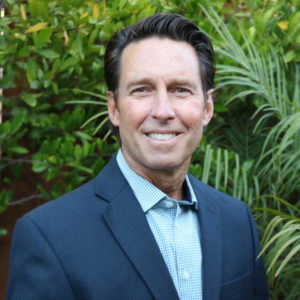
Carl Dees

Dees is general manager of Hilton Madison Monona Terrace. Dees joined Marcus & Resorts in 2018 as vice president of operations. Before that, Dees was vice president of operations for Crescent Hotels & Resorts. He’s also worked with HEI Hotels & Resorts, Interstate Hotels & Resorts and Richfield Hospitality.

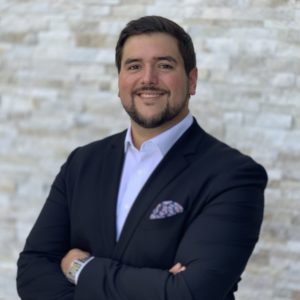
Bob Harter

Harter is director of sales and marketing of Alila Marea Beach Resort Encinitas in California. Harter’s experience in the San Diego area is extensive, having recently worked as director of sales and marketing for L’Auberge Del Mar. He’s also worked as associate director of sales for La Costa Resort and Spa in Carlsbad, California, and Rancho Bernardo Inn in San Diego.

James Schelnick

Kimpton Cottonwood Hotel in Omaha, Nebraska, selected Schelnick to direct sales and marketing. Schelnick has experience all over the United States, having worked at properties such as Omni Houston Hotel, Skirvin Hilton Hotel in Oklahoma City, Little Rock Marriott in Arkansas, and W Austin and The LINE Austin in Texas.

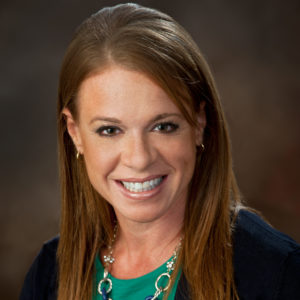
Cheryl Bagby

Bagby, Visit Ventura’s vice president of sales and marketing, has been chosen as president of Central Coast Tourism Council; she’ll hold the position for one year. Before joining Visit Ventura, Bagby worked as marketing manager for Downtown Santa Monica, Inc., a nonprofit organization that collaborates with Santa Monica to manage operations in the downtown area.

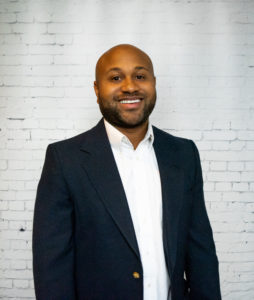
Xavier Etcheberrigaray

The Kimpton Brice Hotel in Savannah, Georgia, appointed Etcheberrigaray as general manager. Etcheberrigaray has recently worked with The Westin Fort Lauderdale Beach Resort as hotel manager; prior to that, he was director of hotel operations for Caesars Entertainment. His hospitality career began as a barman and F&B trainee with InterContinental Hotels in Miami and Atlanta.

Lauren Kautz

Kautz is director of national accounts for Kalahari Resorts & Conventions’ Pocono Mountains property in Pennsylvania. She previously worked as director of national accounts, Northeast, for Hershey Resorts in Pennsylvania. Lauren is a member of MPI’s New Jersey chapter; she is also active with MPI’s Philadelphia and New York chapters.

Jack Murray

Murray is general manager for The Kimpton Pittman Hotel in Dallas. Murray comes from The Joule in Dallas, where he worked as director of sales and marketing for five years. He’s worked at numerous properties in Dallas, including Hyatt Regency Dallas, Hotel ZaZa Dallas, The Adolphus Hotel and InterContinental Dallas.

Sheraton Denver Downtown has long been a global gathering place and pillar of the Denver community. Now, we are excited to share that Denver’s Gathering Place is amid a massive transformation. We have embarked on an 80M+ renovation journey to bring a new, welcoming arrival experience, a lobby with town-square energy, food that breaks barriers with the bold and comforting flavors of Colorado, open and collaborative workspaces, over 133,000 square feet in renovated meeting space and 1,237 newly redesigned rooms to Downtown Denver.

We are taking a space and making it a place. Our reinvented lobby is a place you’ll want to visit again and again. The new spaces have been designed to inspire and empower a collective spirit of creativity and collaboration spearheaded by a Community Manager.

Community tables invite connection and conversation with plenty of seating and power sources to keep you charged. Phone booths allow you to stay connected to your communities virtually while traveling, and our studios provide the perfect setting where guests and locals can collaborate.  Plaza Fireplace will cultivate a central gathering area that will bring the community together with soft seating for groups to network and socialize.  An elevated Coffee & Bar experience pouring coffee by day and cocktails by night and Veiled Bar delivering a unique and captivating setting for enjoying bespoke cocktails together. Offering one of the city’s only outdoor heated pools that is open year-round, we are elevating this popular space with a modern look, a big-screen TV, and plenty of comfortable seating to enjoy Denver’s 300 days of sunshine.

With the introduction of Access by Sheraton, our meetings, events, and operational services are designed to facilitate a productive and uplifting experience, so you can best achieve your objectives with ease. Our meeting spaces will be transformed, offering 133,000 square feet of flexible meeting and exhibit spaces with 3 distinct ballrooms designed to accommodate events of all sizes.

Our new culinary experiences are sophisticated yet familiar, inspired by the bold flavors of Colorado and with a sense of purpose bringing people together. Our creative, locally sourced cuisine has earned our Executive Chef Skomal local and national recognition. Our new Sheraton Club, provides a unique and exclusive offering designed for our elite Marriott Bonvoy™ members who play an amplified role in our community.

Our 1,237 reimagined guest rooms are more than a place to lay your head, you will find a sophisticated space to work and relax in. We are creating lighter, brighter environments that deliver timeless comfort with thoughtfully considered features to enhance your rest and productivity.  Some of the features include a platform-style bed with integrated reading lights and ample bedside charging, a custom closet, deluxe amenities, and an innovative adjustable table.

Catch up with a friend or work with a colleague- you’ll always feel welcome in our newly transformed space.  Everyone is invited.  Premiering summer of 2020.

Learn More

Following American Hotel & Lodging Association’s (ALHA) “Safe Stay Guest Checklist,” released last week, hotel giants have extended mask requirements to guests. Previously, masks were required for employees only. Beginning July 27, Marriott International, Hyatt Hotel Corporation and International Hotels Group will require guests to wear masks in all their properties’ public spaces; Hilton Hotels & Resorts will require masks as well, effective July 28.

Since reopenings in many states in the U.S., coronavirus cases have increased.

“The hospitality industry has prioritized the health and safety of our guests and associates, using best practices like social distancing, enhanced cleaning protocols, mobile room keys and contactless check-in. We are committed to ensuring that every guest experiences a clean and safe hotel no matter where they stay,” Arne Sorenson, CEO of Marriott, says in a video.  

ALHA’s Safe Stay Guest Checklist includes the following.

  • Required face coverings in indoor public spaces and practice social distancing in common areas.
  • Choose contactless options, where available, including online reservations, check-in and payments.
  • Daily room cleaning, if necessary. Ask hotel about your options.
  • Request contactless room service.
  • Refrain from traveling if you have, or recently had, any symptoms of COVID-19 or contact with anyone diagnosed with COVID-19.

Other hotel brands have also endorsed this plan, including Loews Hotels, Radisson Hotel Group and Wyndham Hotels and Resorts, all of which have properties that have reopened.

Editor’s Note: On July 9, Go Live Together Coalition announced that it had raised more than $500,000 to support legislative actions that will aid the industry and its workforce. The advocacy effort now counts more than 1,700 partners. 

Just how will live events bounce back? And how will all the millions of planners, union workers, general laborers, strategists, marketers, concession-stand workers, entertainers, riggers, project managers and more who are needed to make these events sizzle be able to pick up where they left off many months before?

Enter Go LIVE Together Coalition. Its mission: to support legislative actions that will aid the industry’s recovery from COVID-19—and the survival of all those who contribute to its vitality. This coalition of live-events industry leaders will advocate with local, state and federal legislators to institute measures for the industry’s support and recovery.

Latest to join the coalition as a founding partner is Financial & Insurance Conference Professionals (FICP). Formation of the coalition was spurred in late April by Freeman, the global live events company.

In all, 80 organizations—representing over 4,000 live-events organizations with operations in the U.S. and 112 other countries—have joined forces “bound together by the belief that nothing in the world will ever replace the power and need for trade shows and live events,” according to a FICP press release.

What Go LIVE Wants

  • A Business Tax Credit to encourage attendee and exhibitor participation: An incentive to offset qualified expenses related to show participation, travel, accommodations and more.
  • The Clean Start: Back to Work Tax Credit: This will help businesses offset the personnel, supplies and equipment costs associated with implementing essential safety guidelines that adhere to the best medically backed scientific practices for the safety and well-being of participants and overall public health.
  • The Pandemic Risk Insurance Act (PRIA) or Pandemic Risk Coverage in Event Cancellation Insurance: Planning for business events begins over a year in advance, including contractual agreements with venues, hotels, speakers, exhibitors, staff costs and much more. With a lack of visibility on reopening plans, the industry is calling upon Congress to provide communicable disease coverage in event cancellation insurance to offer the coverage necessary for organizers to maintain solvency.
  • The Travel America Act: By allowing businesses to offset related travel expenses, businesses and consumers across the country will more readily participate in conferences and events.
  • The RESTART Act: This bipartisan legislation would help businesses by providing six months of funding to cover payroll, benefits and fixed operating expenses.

When do they want it? As soon as possible.

Massive Incubator for Innovation and Growth

“As an organization of meetings professionals and the hospitality community that supports their work, you will find no more passionate advocates for the value and impact of in-person events,” said FICP Executive Director Steve Bova, CAE. “We know that many organizations and individuals in our industry have been significantly impacted by the COVID-19 pandemic, and [we] support actions that will help sustain them and accelerate their recovery.”

FICP, a community of financial services and insurance industry meetings and events professionals, pointed out in its announcement that events serve as a “massive incubator for innovation and economic growth” that contributes nearly $1 trillion to the U.S. economy annually and directly employed 3 million workers in 2019. Over 80 percent of the companies that serve the live-events industry are small, with many being women and minority-owned businesses.

Go Live Partners with EIC

In response to COVID-19’s impact on business events, Go LIVE launched a grassroots advocacy campaign in partnership with Events Industry Council’s APEX COVID-19 Recovery Task Force.

The campaign provides members of the business events community with tools to contact elected officials to get a temporary tax credit proposed by Go LIVE Together. The tax credit will work to lessen the costs of participation in business events, especially for the 1.4 million small businesses that are heavily reliant on it.

“A tax credit to incentivize attendee and exhibitor participation will be critical when the time is right for a return to live events,” said Bob Priest-Heck, CEO of Freeman and member of the Go LIVE Together Operating Committee. “We are asking our community to join us in amplifying this message to legislators because, by making our voices heard together, we can play a meaningful role in protecting and rebuilding the business events industry.”

More information is available at golivetogether.com and #GoLiveTogether.

Did you know the sports industry made $71 billion in 2018 and has been forecasted to keep growing year-over-year? A growing balance sheet is always a healthy sign, but the industry is also valued for many other reasons.

Much like corporate events, sports facilitate comradery and networking. The coronavirus put a crimp in that, of course, and while things are finally starting to look up—the NBA season is scheduled to resume July 30 with no live audience; MLB is set to begin July 23 at Nationals Park in Washington, D.C.; the NFL and NHL (which has moved the rest of its season to Canada) will be back but have yet to schedule—it has been slow moving.

But an unexpected sports organization in an unexpected city took a crack at bringing back live events before the pros do. Tournament of Champions—formerly National Basketball Events, a California-based high school basketball tournament that is typically staged in Illinois—took place July 6-8 and 10-12 at Indiana Convention Center (ICC) in Indianapolis. The city used the opportunity to showcase new protocols and hygiene standards.

The event brought more than revenue to Indy. It brought renewed hope.

Participating hotel properties, including The Westin Indianapolis, Hyatt Place Downtown and Courtyard by Marriott, averaged nearly 70 percent occupancy as nearly 9,000 new faces came to the city.

Ordinarily a 700-team competition, the tournament’s size was more than halved,  to 300. This kept people safely distanced and accommodated Indianapolis’ government mandates.

“By cutting more than half of the basketball teams competing in one city at a time, we were able to safely spread the number of athletes out among 11 exhibit halls and mandate that no more the 250 people could gather in one exhibit hall at a time,” says Chris Gahl, senior vice president of marketing and communications at Visit Indy.

Gahl stresses the effort that went into planning for the event. “An incredible amount of work, including $7 million in convention center safety enhancements, went into planning this event so that it could be conducted in the safest way possible,” he says. “Given the new protocols and advanced communication of safety expectations (wearing a mask, temperature checks, etc.), the attendance and willingness of families to travel to Indy was on par with the numbers the event organizers estimated.”

Many families made the trip via car. “Indy is within a day’s drive to more than half of the nation’s population, [allowing] families to easily and safely get to the city,” Gahl says.

Gahl reports there were no major problems. ICC had security in place to enforce mask-wearing and social distancing; signage also reminded attendees of mandated safety procedures.

Indianapolis’ event was such a hit that it led to two more basketball tournaments in the city last weekend, 2020 All-In Hoopfest and The Clash.

Editor’s Note: On July 22, EIC released the Accepted Practices Guide. It included a model Code of Conduct now included at the bottom of this story that can be customized for each event.

Drowning in a sea of protocols and guidance documents released daily by government agencies, venues and organizations? Looking for clarity about how to distill all those phased requirements into a realistic agenda that will protect everyone while still achieving essential business goals? apex.

The hospitality industry is coming to the rescue.

Events Industry Council (EIC)’s Accepted Practices Exchange (APEX) COVID-19 Business Recovery Taskforce has been navigating all the turbulence by collecting best practices. Under this umbrella, working groups are aggregating, curating methods to contextualize the waves of guidelines and explain the implementation process. The task force is not writing standards; it is just making viable solutions easier to find.

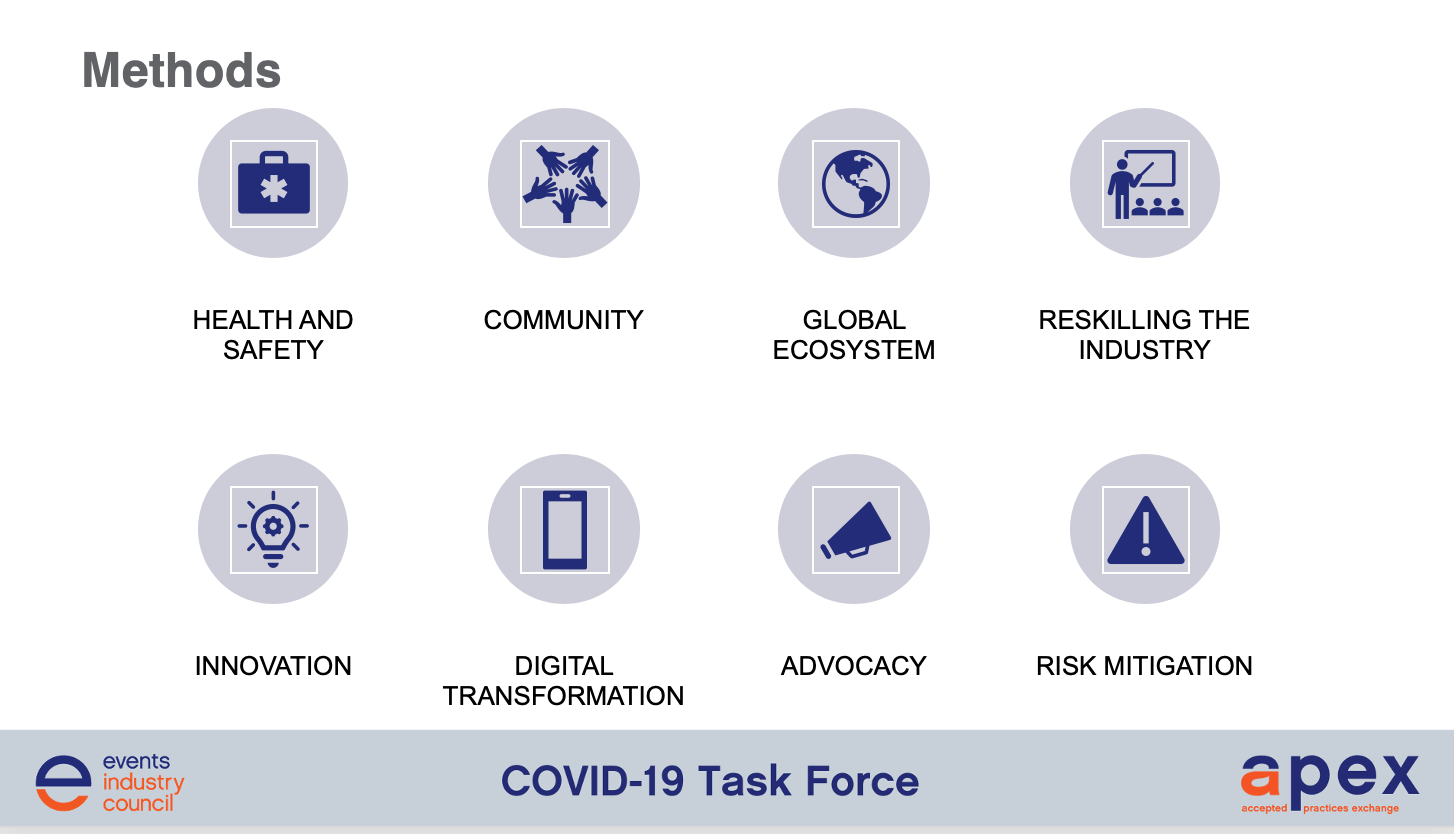
The group is addressing health and safety, community, global ecosystems, reskilling the industry, innovation, digital transformation, advocacy and risk mitigation. Expert groups are addressing each area, starting with a report on health and safety from the Meeting and Event Design group that is scheduled to be on the EIC website by early July. The living document will be updated as the situation changes and everyone learns more about how to support a vibrant live events industry.
Listen to the APEX COVID-19 Business Recovery Task Force conversation on-demand.

After almost two months of work, EIC CEO Amy Calvert and APEX co-chair (and ALHI CEO) Mike Dominguez joined APEX co-chair and Salesforce Strategic Event Senior Director Kristin Horstman for a download of lessons being learned as part of a special #HospitalityStrong webinar with the Smart Meetings community. The preview of best practices turned into a vigorous question-and-answer session covering everything from food and beverage to contracts, to roles and responsibilities.

Here are highlights.

Advocating for the Future

AC: One of the goals of the task force is advocacy, including acting as the unifying voice calling for relief for the industry that is essential for the economy. Underpinning of all that advocacy effort is data. Along with Meetings Mean Business, Exhibitions Mean Business and Go LIVE Together Coalition, EIC is using impact studies to tell the story of the power of the events industry to employ people, including minorities.

A coalition of advocacy partners is connecting with corporations to collaborate and learn from adjacent industries about recovery and the adaptations needed for the future. Destinations International’s “We’re Here to Help” recovery campaign was designed to unify the meetings, events and travel industry. Members and partners are presenting a unified voice to communicate loudly: “We are the events industry, and we will drive economic recovery—but we need help now.”

Two letters were created that can be customized and used for outreach to key policy makers: a global letter and a U.S. letter. Everyone in the industry is encouraged to share the message with their elected representatives.

KH: We have to develop the trust again to stand next to a person and go back on an airplane. And we need to address equity and elevate our voice. Our industry’s employees are one of the hardest hit in the unemployment figures.

We need to tell people outside the industry how important we are. We’re good at taking care of our attendees and our customers, but we have to take care of our own. We talk about business as a platform for change.

We are all itching to get back to face-to-face, but we’re going to have to figure out what that means. These working groups will address each of the obstacles to getting back to meeting, collect solutions and advocate for change at the local, federal, state and global level. This has forced a digital transformation; we have to embrace that.

Preparing for Return to Meeting

MD: We’re at a crossroads because everything is changing quickly, and the reality is different in different areas of the country and different types of hotels. Many are just bringing their teams back now to ramp up new operational practices.

Planning has to address the entire ecosystem of the travel experience. That includes the airplane and how you get from the airport to the hotel. At the property level, we are trying to figure out how things will have to look different. That includes transmission barriers, cleaning, room amenities and the coffee break.

Hotels have always done a good job of cleaning. We’re cleaning for something different today, so we are adjusting the solutions used to combat the COVID-19 pathogen, and we are using electrostatic sterilization and ionization. Everything from the remote control to the toiletries are sterilized and packaged, then the room is sealed until the guest opens with keyless entry. All the paper in the room is gone. Menus are now digital. Team members are being [temperature] tested daily and wearing masks. We are trying to create a bubble in the hotel, which means monitoring people coming in through the front door and the back door.

One of the biggest things is that the people who are traveling have a responsibility to do their part. A code-of-conduct approach to shared responsibility will create environments that are better and safer.

The good news is that a lot of these things are operational changes, so they won’t necessarily cost more, and some of the improvements, such as investments in plexiglass, come from the capital budget, rather than the operational budget, so the lobby refresh may be delayed, but room prices may not have to increase.

There are a lot of standards, and this group is collecting those and addressing the variations and nuances so everyone can get back to work.

Planner FAQ

What should planners be looking for to know that a hotel is not only going to be safe, but everyone will have the protocols they need to make good decisions?

MD: Most properties are ramping up new protocols as quickly as they can bring furloughed staff back and get the materials that are out of stock delivered. But I want to be clear: We aren’t making things safe, we are making them safer. We can remove risk, but it’s impossible in this environment to make anything 100 percent safe, and that goes back to the shared responsibility. You have to do your part.

When it comes to the standards, they’re pretty consistent across the board. They may be named a little differently depending on the hotel chain, but what is being delivered doesn’t vary a lot.

Global BioRisk Advisory Council (GBAC) Star from ISSA is picking up steam with venues, and the International WELL Building Institute offers third-party certification for improving health and human experience through design. Protocols map to Centers for Disease Control and Prevention and World Health Organization standards. American Hotel & Lodging Association’s  Safe Stay is a baseline most hotels have adopted.

Hotels have always done a good job cleaning, but they have done it behind the scenes, at night. The pivot today is that now it’s front and center.

The piece that is bigger than the cleaning is the social distancing.

Where are planners getting guidance on best practices for food and beverage?

KH: This is where our partnerships with hotels and caterers come in. We are going to have to scale up as we build trust. Salesforce is not going to bring 170,000 people back to San Francisco this year, but we will start small with 25 and then 50 and then 250. It could come back quicker than you think. But we have to do it thoughtfully. We are going to challenge the conference servicing and catering teams a lot, and they’re going to have to be really creative. Because we want to be COVID-safe and sustainable.

MD: For F&B, the key is to remove density, places where crowds congregate, such as around the coffee station, and where people are serving themselves from a shared source. We are looking for those best practices.

What are some trends you’re seeing in new contract clauses that protect both sides?

KH: We want to be fair. We want a good deal, but we understand this is a partnership and our partners have been flexible through this. We have been cancelling events month-by-month rather than everything in one sweep. It is hard to tell what the world will be like in 90 days, let alone a year, so we are looking for flexibility.

The Risk Management Committee will address contracts and insurance, including the drafting of Code of Conduct wording.

MD: Food and beverage minimums and space-to-room-ratio are all kind of out the window right now because we all understand that we don’t know what the size can be on a given date in a given place. There is a real collaborative spirit that I’ve seen. It’s the only way you’re going to be able to move forward in this type of scenario.

We are also seeing tremendous demand for 2021. A lot of the meetings that were canceled this year are trying to push out, and it could be a banner year, with space at a premium. I think that’s going to shock people.

Relationships are going to matter more than ever. It’s a new world, and contracts and programs won’t look the same. We have to work together to make all the pieces in the Rubik’s Cube fit.

KH: This is the time to think strategy versus tactics.

Where can meeting professionals get practical advice about how, or even whether, to do temperature checks and what to do if someone has an elevated reading or if someone gets sick on site?

AC: Hotels are thinking about that and know the local service providers if you want to incorporate thermal scans to help build trust and ensure that people feel good about the experience—even though we are not sure about the effectiveness at the end of the day.

KH: We are talking about the need for an advanced health and safety person on event teams who works with venues to make sure they are optimized for the reality on the ground. There is still more to learn about preventing transmission, and we need to stay on top of that.

MD: I will leave you with one message: Wear your mask, wash your hands and keep your distance—this works. We tend to over complicate it. We have the cleanest hotels in the world, but if people entering the property have not taken basic precautions, I can’t help you.

Conclusion

The group compared the recovery process to a cross-country marathon that runs across some pretty hilly ground. Everyone is trying to see around the next corner, and just when you thought it was flattening out, it starts to become an uphill slog again. But the industry is coming together to help each other get to the finish line.

“It’s really been inspiring to see not only how we’ve come together in these moments, but how we worked collaboratively,” Calvert reflected. “As an industry, across all sectors, across the globe, people are coming together to support the workforce, find solutions, and think not only about what’s needed here and now but long term, as we adapt and grow.”


Meeting and Event Code of Conduct
Personal actions supporting the collective wellbeing

A code of conduct is a collection of rules and regulations that include what is and is not acceptable or expected behavior. The Events Industry Council, through its member organisations, has offered guidelines outlining steps that can be implemented to provide as safe an environment as possible when meeting in-person. Responsibility is shared equally among event organizers, the event venues and the event attendees—all have a role to play.

Based on our common set of beliefs in the value of live event experiences we know to be true, as stakeholders we all have a role to play in the mitigation of risk. The code of conduct below is meant to serve as a reminder and inspiration to know that if we all collectively respect the significance of this contribution, we are by definition advocating for the well-being of our fellow global citizens and our industry.

Code of Conduct
Before Leaving Home
• Follow relevant guidance provided by the World Health Organization (WHO), or your local health authority.
• Adhere to government issued travel restrictions and guidance issued by the region you will be travelling to and the region you are travelling from.
• Evaluate your own health and that of people you are in close contact with; contact the meeting/event organizers if you have concerns.
• Stay home if you feel sick.

On-site During the Event
• Follow guidance from your local health authority, for everyday preventive actions to help prevent the spread of respiratory viruses including:

• Washing hands often with soap and water for at least 20 seconds, or an alcohol-based sanitizer with at least 60% alcohol.

•  Avoiding touching eyes, nose, and mouth with unwashed hands.
• Covering your nose and mouth when coughing or sneezing. Throw used tissues in the trash.
• Cleaning and disinfecting frequently touched objects and surfaces using a regular household cleaning spray or wipe.
• Agree to have your temperature taken before entering the meeting/event venue, if required by the event organizers.
• Agree to wear a mask or facial covering, if required by the event organizers.
• Adhere to social distance protocols put in place by the event organizers and respect others’ personal space.
• Go to the event First Aid office (or equivalent) at any time, if you feel unwell or are experiencing flu-like symptoms.

Post-event
Based on current contact tracing advice from many health authorities, if you test positive for COVID-19 up to 14 days after returning home, please contact the meeting/event organizers to advise them.

For more resources, bookmark Eventscouncil.org/coronavirus. Or email [email protected] to volunteer.
It appears the average meeting is messed up. It doesn’t have a purpose, which leads attendees to feeling unfocused and stressed. Meetings occur too infrequently or too often. They are too rigid or too loose. And since even Zoom and Skype meetings are where business is getting done right now, these virtual meetings must have the essential ingredients attendees are craving.

Here is the latest research on meetings, along with suggestions about ways to improve the process.

Short-term, Unproductive and Running Late

According to The Economist Intelligence Unit, a survey of of 187 enterprise executives found:

  • Top management spends 21 hours a month in team meetings, of which only 20 percent of the time is devoted to long-term strategy.
  • Each meeting is generally less than 4 hours in length.
  • Only 12 percent believed their meetings consistently produced critical strategic decisions.
  • 5 percent had a process for developing a valuable, attendee-focused agenda. This often led to meetings running late and vital strategic issues left unaddressed.

A recent British Psychological Society poll found that $37 billion could be lost annually due to unproductive meetings.

Last, Wacom surveyed 1,000 people about their thoughts regarding meetings. Here is what they found:

  • 57 percent felt their meetings were unproductive.
  • 43 percent admitted they tuned out in meetings, often working on other projects while in them.
  • 37 percent believed meetings would be more engaging if laptops were not allowed into them.
  • 21 percent confessed they had fallen asleep in a meeting.

So…What is the Solution?

Given all this feedback, it looks like the future of meetings is dim. But it doesn’t have to be. Follow these suggestions, and your sessions will become much more productive with a measurable outcome, every time.

1. Conduct longer strategy meetings.

Longer meetings need to be dedicated to the long-term vision of the company or association. Whether this is monthly, quarterly or annually, these meetings are valuable. While the ideal is an off-site for one to two days, similar focus can be delivered in a virtual meeting with breaks to give some much-needed time away from staring at the boxes on the screen.

2. Decide on your intended outcome.

Meetings should serve one of three purposes:

    1. Information and education
    2. Debate and discussion
    3. Decision

While you can cover all three in a meeting, attendees are more engaged when they know only one of these areas will be addressed and what is expected of them in advance of the meeting.

3. Create a prioritized plan.

Once you know the desired outcome, create an agenda that meets that outcome. Remember, individuals have a limited time to give to you before they “check out.” This is even more true in virtual meetings. If the discussion hits the essential items in descending order, no one will care if the last few things are left on the table.

One way to create a better agenda is to ask for input about the priorities of the attendees. A crowdsourcing app gathers pertinent information that attendees want to discuss, decide or hear about at your next meeting. They then vote on the ideas presented. The top vote-getters set the priority for the schedule, and your session now becomes theirs.

4. Hire a focused facilitator.

Let’s say your intended outcome is debate and discussion, with a vote on the topic of discussion tomorrow. It is easy for attendees to get off track or have a few individuals dominate the conversation. While it is vital to have a spirited debate, an excellent facilitator will bring the group back to the topic and encourage all attendees to participate.

5. Ask for feedback.

Ask questions like, “Are we on track? Or “Are we meeting your objectives? If no, what should we be doing?” Then switch it up to meet the attendees’ desires.

6. Keep the meeting engaging and fun.

While you will have serious agenda items, be sure to give attendees plenty of breaks to network with others, and have fun. Provide healthy activities, like walking, yoga, stretching, and meditation. Even in a video streaming meeting, including breathing exercises in the agenda is a great way to help people focus.

In summary, by following these six suggestions, you should be able to reduce stress, increase productivity and create an element of fun at your next meeting that will leave attendees more engaged and feeling things were accomplished at the the time everyone clicks “leave the meeting.”

De-de Mulligan is president and chief content strategist for Mulligan Management Group. As a former meeting planner who has received Ohio MPI’s Planner of the Year award twice (2006 & 2012), she brings a unique perspective to this blog post.  You can find her on Twitter @DedeMulligan or LinkedIn.

Meeting planners do their best work when surrounded by people with diverse ideas and backgrounds. But what’s the best way to encourage everyone to speak up—and how do you get the right people in the room in the first place? Recent Black Lives Matter protests highlighted the price of staying silent, leaving well-intentioned meeting professionals everywhere wondering where to start. diversity.

A Smart Meetings webinar, Inflection Point: Are We Motivated to Change in Our Industry?, produced this week in partnership with LEO Events, outlined steps required to start the conversation about how to create more equitable and inclusive spaces.

MoreHow to Do Diversity Differently

Start with Reflection

Cindy Brewer

“We always felt we had been attentive to diversity, inclusion and equity in our organization,” said Cindy Brewer, principal at Memphis, Tennessee-based LEO Events, which produces events for companies as diverse as Walmart, Auto Zone and Exxon Mobil. Then she looked at industry statistics and realized that every way she sliced it—even compared to U.S. Bureau of Labor Force Statistics for meeting, convention and event planners—she was not doing as well as she thought.

It was time to change that. “I knew in my heart that I needed to be a relentless advocate on this subject,” she said.

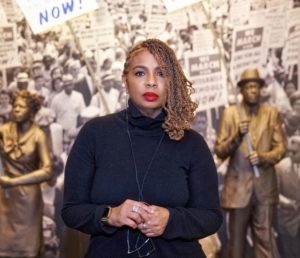
Brewer did what she always does when faced with a difficult decision. She called on the experts. Faith Morris, chief marketing and external affairs officer with National Civil Rights Museum, was happy to accept the call.

She encouraged Cindy to continue asking important questions and opening her mind to find qualified candidates with diverse backgrounds. “There are outstanding folks out there doing all kinds of things. You just have to be open to seeing them,” she said.

Leverage Resources You Already Have

Jon Brown

Next, Brewer turned to a resource already on her team: Jon Brown, an up-and-coming event operations manager at LEO Events. Although she feared sounding fake or insensitive, she was motivated by her conversation with Morris to reach out.

“I was relieved to get the call,” Brown said. “It made me feel that I had an ally, and it motivated me to bring something to the table.” He said when you’re the only minority in the space, “You don’t want to be the black guy talking about black things.” That call helped him realize he had a responsibility to take on those challenges and help the organization get to where it wanted to go.

A lot of listening and learning—from staff, freelancers, vendors, experts and others—followed.

Establish a Common Ground

Diane Ashley

Words matter—especially when the conversation is an uncomfortable one. Finding a path forward requires understanding what the other person is really saying. Diane T. Ashley, CEO of DTA Diversity Counts, is a consultant who spent most of her career in the corporate banking world. Now she helps companies address their monochromatic challenges after what she calls a “seismic awakening” to the issues that have plagued some populations for generations.

Among the terms she introduces to conversations is “DEI,” short for diversity, equity and inclusion.

Diversity is the presence of difference—race, gender, sexual orientation or religion. “It can be as different as people who think differently, are from different countries or have disabilities,” she said.

The term equity grew out of the original view of diversity equality, the goal of giving everyone the same opportunity. Equity focuses on fairness, doing what is required to give each person the chance to produce on a level playing field.

Inclusion is an intentional focus to ensure that diverse voices are recognized. “It is the difference between being invited to the party and being asked to dance,” is how Ashley put it.

Bias is a prejudicial view in favor or against a person or group. “It is a behavior that grew out of primitive fight-or-flight instincts. But in society and the workplace, those habits can hurt people and organizations in ways we are only starting to understand,” she said.

Those unconscious decisions lead to privilege, something that can rear its imperious head in hiring decisions, policing and interactions at events. It is a hindrance to business and society.

Sustainability is a term that originated in the sphere of environmental rights and climate issues but has been adopted to describe a holistic approach to ensuring that we are thinking globally about cognitive diversity—diversity of thought. It is recognizing that everybody brings something different, and valuable, to the table.

Manifest DEI in Hiring

But how to move forward, especially at a time when not a lot of hiring is going on? Brewer understood that the practice of hiring for “chemistry or cultural fit” was part of the problem, because it is code for hiring people who look and sound just like you.

“I realized this is not an issue isolated to the HR department,” she said. She wanted to make meaningful changes.

“What you want to look for is talent. Strip away the names on the resumes and do blind assessments,” Ashley advised. Scrub job descriptions to ensure they are without bias.

Value Differences

Velvet Graham

Velvet Graham, senior director of events, community relations and culture and inclusion at ServiceMaster, the parent company for brands as diverse as Terminix and Merry Maids, plans 350 events a year and has faced bias in many forms throughout her career. She suggested looking at underserved communities and organizations.

“You have to give someone their first opportunity in order for them to even begin to thrive,” she said. “I think that’s a big opportunity that’s being missed.”

She sees this moment as an opportunity. “One of the things we have to do is challenge ourselves to be more accepting of differences. There is great value in differences.”

Show Diversity

Optics are powerful. Brown shared how demoralizing it can feel to go to an industry conference and not see anyone who looked like him. “Seeing others on the path helps validate your position in the space,” he said. National Coalition of Black Meetings Professionals helped him realize that there could be a career path for him, too.

Companies in the industry can do a lot simply by including people of color in marketing materials for external and internal audiences. Each video, media kit and ad is an opportunity to include diverse faces.

Take Small Steps

Diversifying a company requires a lot of small steps. Brewer started by appointing Brown chair of a DEI committee and surveying employees about their thoughts on the topic. She also took a hard look at the media list she uses to promote news and found it lacking.

Ashley shared that when there is buy-in from the top, as in the case at LEO Events, change can happen much more quickly. But people throughout the organization need to support the new way as well. Middle managers fearful of losing their position can be a dangerous roadblock.

Faith Morris

Morris stressed that change is a marathon and not a sprint. It is important that companies think about these issues all the time, not just when there are protests or when activists make demands. It needs to become part of how they do business.

And when companies are successful at encouraging diverse points of view, they benefit in many ways. It can help the organization grow faster and perform better. Retention improves, and teams work together better when they can have difficult conversations. Put simply, it leads to better outcomes.

Give Grace

Having good intentions does not mean everything will go perfectly, those going through the process agree. Start the conversation. The more you do it, the more comfortable it will feel and the more you will grow as you set the foundation, they say. In a way, addressing the issue could be a relief.

The elephant in the room is sitting right next to you, waiting for you do something about it, Ashley said. “Embrace the pause and use this time as a gift.”

When you stumble, Morris counseled giving ourselves, and others, grace by assuming their intentions were good. At heart, humans are more similar than dissimilar.

An advisory group is being formed to continue the conversation. Get involved by emailing [email protected].

As planners get ready to meet again, it will require the partnership of destinations to get the ball rolling. Event professionals and suppliers are equally excited to get back to meeting and Smart Meetings wanted to provide a fun way for destinations to show just how ready they are.

In the spirit of meeting face-to-face, we ran a video contest asking convention and visitors bureaus (CVBs) and venues to create a 30-60-second video clip welcoming meetings planners back in the most creative way possible. We were inspired by the unique ways CVBs showed their distinctive personalities.

Picking one winner was almost as difficult as selecting a favorite Zoom shirt. That is why we decided to share all of them here with you in this article. We hope you enjoy them as well.

Winner: Little Rock Convention & Visitors Bureau

Little Rock CVB was chosen for its crafty combination of relatable humor and welcoming tone. Little Rock reminds us that while working from home comes with many comforts, such as the ability to keep on your comfy pants and drink those happy-hour “Quarantinis,” we’re also reminded why meeting in person is such a blessing and why we do any of this in the first place—the people.

Honorable Mentions

Our Honorable Mentions were also incredibly inventive in how they went about creating their videos. From depicting the emotional rollercoaster of rescheduling the annual Quidditch tournament to lazing out at the beach, and riding bikes through meeting rooms and lobbies, these CVBs did it all.

Visit Eau Claire

St. Augustine

Seattle Southside Regional Tourism Authority

Springfield, MO Travel & Tourism

Tourism Whistler

Visit Santa Rosa

Thank You All!

We at Smart Meetings appreciate the effort all our CVB friends made to welcome back our event planners. Following are some more notable mentions for your viewing pleasure!

Visit Knoxville

The “nature-loving-adventure-seeking-artsy-kinda-town” in Tennessee is the perfect place for attendees looking for some post-meeting adventure.

Visit Monterey

Well known for its marine life and wineries, Monterey County, California is a destination full of opportunities for relaxation and calm.

Visit Tampa Bay

Action-packed and ready for your groups, sunny Tampa Bay, Florida is a southeastern paradise.

Waldorf Los Cabos Pedregal

The beautiful Waldorf Astoria Los Cabos Pedregal in Mexico is back in business. So many friendly faces in one video gives you no choice but to pay a visit!

Dayton Convention & Visitors Bureau
Things may have changed over the last four months, but Dayton CVB’s commitment remains the same.

Heber Valley
If your group is nature-inclined, take them to the mountainous Heber Valley in Utah!

Sonoma County
This video from Sonoma County caught our attention as it shared an important message for all groups.

How can corporate social responsibility (CSR) continue to have the same impact and benefits in a socially distant world? That is the challenge meeting planners are facing in a virtual event reality. At Nifty Method Marketing & Events, we’ve had an opportunity to work closely with clients such as The Crayon Initiative to face that challenge head-on and explore solutions that still provide the benefits of engaged employees, customer loyalty and positive publicity.

csr
Alex Plaxen

It cannot be overstated that the mental health of our employees and attendees has taken a drastic hit during the pandemic. The sense of normalcy has been widely decimated and for those who have been furloughed or lost their jobs, so goes a loss of purpose. It’s important to understand that psychosocial risks and work-related stress are now major occupational health concerns. CSR that engages employees and attendees of your events is a strategic platform for health and safety management in enterprises, as well as an opportunity for psychosocial risk management.

As the pandemic rages on, budgets are being slashed. Every expense is being looked at with much more scrutiny. How loyal your attendees are to your event and your brand is imperative to that decision making process. In a Nielson survey, 56 percent of those surveyed named “a brand being known for its social value,” as a top purchase driver, in addition to “a brand with community commitment,” which was named by 53 percent. That tells us that in order to be an effective marketing tool, CSR initiative have to generate some type of positive publicity.

This is where social media comes into play. When we met face to face, the publicity aspect was standard. Hire a photographer or videographer, capture the CSR activity while it took place, interview some participants, write a blog post or article, and share it. Any type of virtual CSR initiative is going to require more steps and more work to have the same kind of publicity you may have achieved in the past. The greatest strategy you can possibly execute right now is user-generated content (UGC). User-generated content is exactly what it sounds like; any content that has been created or published by unpaid contributors. It is imperative that you execute a strategy that will deliver the most UGC as possible.

Social Media Hacks to Enhance CSR

Here are some simple steps you can take to nudge your attendees and stakeholders to create and publish user-generated content on social media.

1. Create a unique hashtag.

In addition to your standard event hashtag, make sure you create a hashtag that reflects the CSR initiative you’re attempting to execute. Sometimes, your CSR partner may already have a hashtag they use. In the case of our client, The Crayon Initiative, the hashtag #CrayonAdvocates was created to help promote their cause to recycle used and unwanted crayons and donate them to children’s hospitals throughout the United States. You can even combine your CSR partner’s hashtag with your event hashtag to create a completely unique one for your event. Creating a hashtag serves two purposes. It allows your attendees to feel like they are part of a community, which is an important goal for any virtual or remote CSR activity. It also makes the UGC easily searchable post-event for internal and external marketing usage.

2. Take a group picture.

I know what you’re thinking. How can we take a group picture when we’re virtual? Fortunately, there are services available like snapbar, CEG interactive, OutSnapped and many others who can create customizable virtual photo booths for your events with branded overlays and backgrounds. Many of these companies can also create landing pages where attendee’s submissions can be added to a virtual mosaic. Just because you can’t be together physically doesn’t mean you can’t come together in a photo. These photos are considered user-generated content and can be utilized in future marketing campaigns. Many of these virtual photo booth platforms also make it very easy to share to social media directly from the app or website.

3. Share a call-to-action.

The best way to get people to actually post social content is to ask them. It seems simple, but many organizations expect their attendees and stakeholders to be compelled to share without ever asking them to do so. This can be done in an email, but the best way to make the ask is actually by snail mail. Create a postcard with the social handles you’d like to be tagged and the hashtags you’d like to be used in the posts. If the CSR initiative you’re working with requires any type of package be sent to attendees, this is a great opportunity to include the postcard with any instructions.

4. Like and share.

If you’re going to ask your attendees to create content and share it, you need to be prepared to engage with the content. Follow the hashtag and like the posts. If the content is great, share it. If you aren’t going to like and share the content, then it will continue to live in a small bubble and not reach the full potential reach.

These simple actions can help to increase the amount of user-generated content created and solve the challenge of making virtual CSR initiatives more social. Ultimately, this will lead to greater return on investment including engaged stakeholders, customer loyalty and positive publicity.

Alex Plaxen is the former founder of Little Bird Told Media, and current vice president of experience strategy at Nifty Method Marketing & Events. He is actively involved in leadership roles in the meetings and events industry, currently as a Meetings Mean Business ambassador and Board Director of Meeting Professionals International Potomac Chapter. Find Alex on Twitter and Instagram @aplaxen.

If you’re interested in more solutions to your CSR challenges, Nifty Method is presenting a webinar with Bryan Ware, founder and president of The Crayon Initiative titled: “The Big Picture—Colorful Solutions to your CSR Challenges.”