Formula 1’s first year shook things up on the Las Vegas Strip

In a weekend filled with more drama than your mom’s favorite soap opera, Las Vegas’ inaugural Formula 1 race ended with practice race mishaps, record-level betting numbers and a more than $1 billion economic impact to the city.

Big Numbers

Las Vegas Grand Prix reported a 315,000-person attendance number over the course of the event. Steve Hill, president and CEO of Las Vegas Convention and Visitors Authority, said F1’s impact will make November 2023 Las Vegas’ “best November in history.”

“The benefits of this race are both profound and broad and will drive record economic and fiscal impact of more than $100 million in tax revenue to the Las Vegas community,” he said.

Before the race even began, Caesars Sportsbook reported a record amount of money wagered ever for any auto race. BetMGM, Station Casinos and Westgate Superbook reported record betting for an F1 race.

Read MoreCaesars Entertainment Elevates its Las Vegas Properties

“We knew going into it, just because of where the race is located and its proximity to betting windows, that it was going to be a record handle for Caesars for a Formula One race,” Adam Pullen, Caesars assistant director of trading, told Las Vegas Review-Journal. “Although we’ve already eclipsed the record handle, auto racing is a niche sport. It’s just not heavily bet.”

Attendee Experiences

To accommodate the high number of race enthusiasts, Las Vegas’ all-electric Monorail adjusted its hours to operate continuously from Tuesday, Nov. 14 at 7 a.m. to Nov. 20 at 3 a.m. and extended its customer service hours to run from 11 a.m. to 11 p.m. The Monorail also offered discounted tickets specifically for the race and Las Vegas locals.

Hotels and venues all along and across The Strip offered experiences and opportunities to watch the race, like Circa Resort & Casino, which decked out its Stadium Swim venue with racing décor and fan photo opps, and showed the race on its 143-foot screen. Caesars Entertainment offered dining events and star appearances at many of its restaurants. Gordon Ramsey made an appearance at Ramsay’s Kitchen and Hell’s Kitchen on Thursday and Friday, respectively, and Nobu Matsuhisa led sushi-making demos at his two Nobu restaurants at Caesars Palace and Paris Las Vegas.

Las Vegas is one of three U.S. stops in Formula 1’s 2023 calendar, including Austin and Miami, out of Formula 1’s 23 stops this year. The current contract between Formula 1 and Las Vegas is for three races over three years, although a possible extension has been rumored.

John Helderman and Stacie Michaels

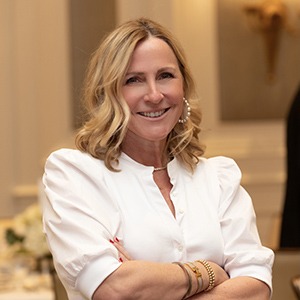
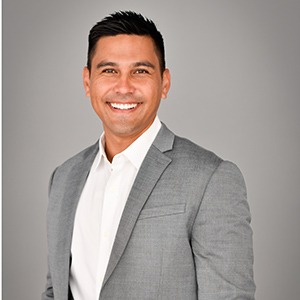
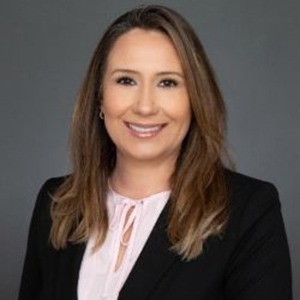
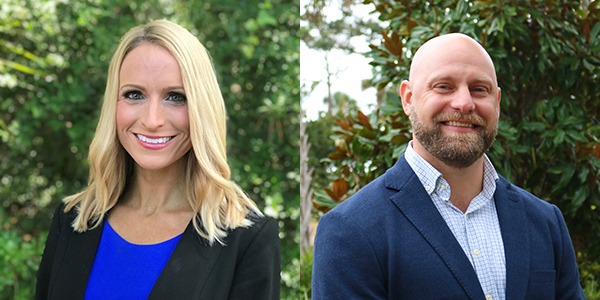
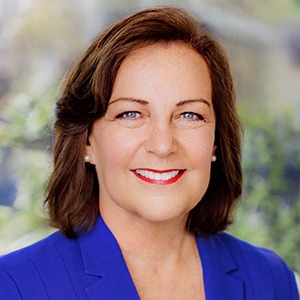
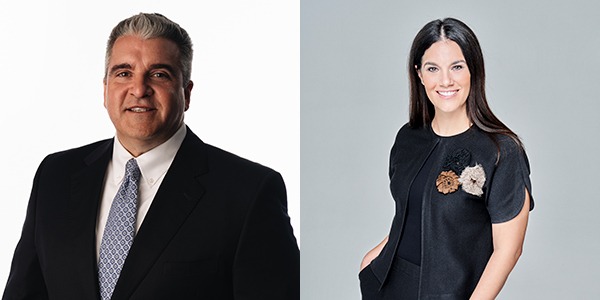
Headshots of John Helderman, left, chief financial operator, and Stacie Michaels, right, chief administrative officer at Fontainebleau Las Vegas
John Helderman (left) and Stacie Michaels (right), Fontainebleau Las Vegas

Fontainebleau Las Vegas names Helderman chief financial officer. With over 25 years of experience in gaming, finance and accounting, he most recently served as chief financial officer for Las Vegas-based financial services operator The Brennan Entities. He has also served as vice president of finance for numerous Strip resorts and as president and CEO for the Goodwill of Southern Nevada.

Joining Helderman on the executive team is Michaels, after her promotion from general counsel to chief administrative officer. In this new role, Michaels will expand her scope to oversee all legal, risk management, internal audits, compliance and workers compensation functions within the company. She joined Fontainebleau Las Vegas in 2022 after over a decade in multiple leadership roles in the Las Vegas gaming and hospitality industries.

Kevin Shields

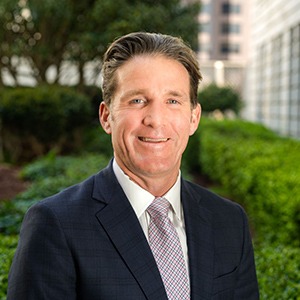
Headshot of Kevin Shields, general manager at Grand Hyatt Vail
Kevin Shields, Grand Hyatt Vail

Shields joins alpine resort Grand Hyatt Vail as general manager. Throughout his over 30 years of experience in the hospitality industry, he has developed a special skillset and passion for building a strong internal culture that enriches the overall guest experience. He will oversee all daily operations and maintain the property’s reputation for five-star hospitality and personalized service.

Julie Rising

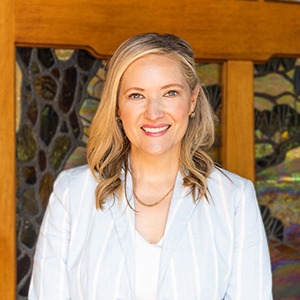
Smart Moves headshot of Julie Rising, executive director at Boise Centre
Julie Rising, Boise Centre

Boise Centre names Rising assistance executive director. Rising is an accomplished athletics event and facility operations professional, who will now oversee four of Idaho’s largest convention center’s central departments, including event management, food and beverage services, facility operations and technology services.

Ariane Coldiron

Headshot of Ariane Coldiron, senior vice president of corporate events at Production Resource Group (PRG)
Ariane Coldiron, PRG

Production Resource Group (PRG) welcomes Ariane Coldiron as senior vice president of corporate events. She will lead the division and report directly to CEO Stephen Paridaen. Throughout her decades of experience, Coldiron has held roles such as SVP, brand experience at Freeman, where she managed high profile accounts for a number of clients including Google, SalesForce, HP and more.

Daniel Texiera

Headshot of Daniel Texiera, general manager at AC Hotel by Marriott Honolulu
Daniel Texiera, AC Hotel by Marriott Honolulu

Texiera takes on the role of general manager at AC Hotel by Marriott Honolulu, scheduled to open in January 2024. He will oversee all operations and management of the newest AC Hotels by Marriott, continuing his professional journey with Highgate. He holds over 15 years of experience in the hospitality industry, most recently serving as director of operations at ‘Alohilani Resort Waikiki Beach.

Stephen Power

Smart Moves headshot of Stephen Power, general manager at The St. Regis Bal Harbour Resort
Stephen Power, The St. Regis Bal Harbour Resort

Power joins The St. Regis Bal Harbour Resort as general manager. He brings over two decades of hospitality experience, most recently serving as general manager at The Ritz-Carlton, San Francisco. There, he led the hotel in exceeding top line and GOP budget in 2022 and saw the hotel reach #1 rankings in the city across a number of publications. Powers looks ahead to leading The St. Regis Bal Harbor Resort to achieve 2024 sales and revenue goals as he oversees all daily operations.

Marcel Thoma

Headshot of Marcel Thoma, general manager at Mandarin Oriental New York and area general manager of operations at Mandarin Oriental Hotel Group
Marcel Thoma Mandarin Oriental Hotel Group

Thoma takes on the role of general manager of Mandarin Oriental, New York as well as area vice president, operations for a number of other properties including Mandarin Oriental, Boston; Mandarin Oriental, Santiago; Mandarin Oriental Residences, Beverly Hills; Mandarin Oriental Residences, Fifth Avenue; and The Residences at Mandarin Oriental, New York. He comes to this expansive new role after three years with Mandarin Oriental Hotel Group and over 25 years in hospitality.

Lauren O’Sullivan

Headshot of Lauren O'Sullivan, director of global sales, west region at ALHI
Lauren O’Sullivan, ALHI

ALHI welcomes O’Sullivan as director of global sales, west region. She will draw on her over 20 years of group sales experience, including many in both the Southern California and Southwest regions for luxury hotels, to lead one of the group’s largest markets. She has previously held roles in business development for Hilton Hotels and served as a National Sales Manager for Caesar’s Entertainment.

Emma York

Smart Moves Headshot of Emma York, director of marketing at Visit Laguna Beach
Emma York, Visit Laguna Beach

Visit Laguna Beach appoints York as director of marketing. She will lead the Southern California coastal destination’s core marketing functions, including creative, visitor marketing strategy, digital marketing initiatives, paid media strategy and more. Previously, she spent nearly five years as director of marketing and communications at Dana Point-based Burnham Ward Properties and Dana Point Harbor Partners.

Sarah Lawrence

Smart Moves Headshot of Sarah Lawrence, senior marketing manager at Sawgrass Marriott Golf Resort and Spa
Sarah Lawrence, Sawgrass Marriott Golf Resort & Spa

Lawrence joins Sawgrass Marriott Golf Resort & Spa as senior marketing manager. She brings over 20 years of marketing experience across various industries to this new role, where she will develop and execute marketing plans for the resort. She holds a solid track record of driving key revenue growth, fostering strong client relationships and guiding high-performing teams to deliver memorable experiences.

Read More: Smart Moves in Denver, Chicago and More

Make Your Air Travel Easier Than Ever

Calling all those who travel for work!

We probably consider ourselves more well-versed in air travel than most. Our sealable travel bag of 3.4-ounce containers filled with face wash and lotion live tucked in our bathroom cabinets until, soon enough, they are packed once again into a suitcase and placed on the gleaming countertop of a hotel bathroom.

We breeze through security lines with our trusty carry-on suitcase. We know the perfect window of time to take off our shoes at the security checkpoint.

But that doesn’t mean airport journeys aren’t stressful, especially when we find ourselves stuck at the end of a long security line, frantically skimming the departures screen for our gate, or digging through our bag after getting through security to make sure we didn’t forget our vitamins or the shoes we had planned on wearing to dinner.

Read More: 11 Interesting Facts About Air Travel

The stress is amplified around the holidays, notoriously the busiest time of the year for air travel.

As people flock to the airport, frequent business travelers know that there’s always more room for tips and tricks to make the process easier. If you’re looking for ways to keep a cool head even in the busiest of airports or the longest red-eye flights, read on.

Suitcase with Strategy

Probably one of the worst feelings you can have in the airport is waiting for your bag to come through the scanner and thinking, “Oh, gosh, did I bring socks?”

I just recently found myself frantically digging through my bag after I’d gotten through the security checkpoint just to sigh in relief when I saw that I did, in fact, remember my prescription medication. Not fun.

Pack Early. Pack Again.

In order to make sure we remember every essential, it can be helpful to pack in advance—by that, I mean, far in advance. At least a week before your trip, pull out your luggage and pack all your clothing, your passport—basically everything that you know you want on your trip and won’t use in the week beforehand. Bonus points if you have a standard checklist to guide you.

If you’re a serial over-packer like me, a helpful addition is to go through your bag one or two nights before your departure. Do you really need five shirts for a three-day trip? Taking some time to distance yourself from what you’ve packed allows more insight into what’s most important and allows you fresh eyes to make sure you don’t forget an essential.

Read More: 9 Tricks for Packing Smarter

Work Some Method into the Madness

Use these air travel tips to learn to pack your suitcaseSometimes though, that suitcase still just won’t close. To free up extra space, don’t fold your clothes—roll them. It saves a surprising amount of suitcase real estate. And memorize the clothing formula: for most trips, bring a pair of socks and underwear for each day, five shirts, two pairs of pants, two pairs of shoes, one jacket and one outfit for a more upscale occasion, like a dress or suit. Then, build in your accessories, like scarves or belts. It’s even better if you repeat those accessories in different looks.

Of course, this rule is subject to change based on the weather of your destination and the activities you have planned, but for the most part, it’s a great jumping-off point for packing. Neutral clothing is easier to mix and match, so you can create multiple looks out of the same items—and remember that many hotels offer laundry services. Be sure to take a look at the event agenda while you pack to make sure you aren’t forgetting about any themed activities you’ll want to dress up for.

Side note: I always pack a swimsuit. Yes, even in the winter. You never know.

Finally, make sure to pack your bulkiest clothing, like jackets and pants, in the bottom of your suitcase. This helps both in terms of weight distribution and leaves the items you’ll use more often, like shirts, more accessible.

Master the Time Zone

Business travelers are no strangers to regularly moving through time zones. Still, it’s always helpful to know how this really affects your body and how you can alleviate negative side effects.

Jet lag can cause you to struggle to fall asleep, yet feel drowsy during the day. It can be a source of headaches, stomach upset and mood changes, such as increased irritability. This certainly isn’t helpful when you have meetings to run or attend.

One golden rule of avoiding extreme jet lag symptoms is to start adjusting to your destination’s time zone as soon as possible—not only in terms of sleep but also in terms of mealtimes. For example, if your flight takes off at your breakfast time, but your destination’s lunch time is an hour into your flight, it’s helpful to have a very light breakfast and then a full lunch on the plane at your destination’s lunch time. When you arrive, do your best to wait until 10:00 p.m. at your destination to go to sleep—even if it’s 1:00 a.m. to your body. This works wonders to alter your body’s circadian rhythm quickly.

And of course, before your flight, avoid alcohol and caffeine. Both interfere with your body’s natural sleep cycles and make it more difficult to alter your sleep schedule. One of the most beneficial things you can do is drink water—lots of it. Staying hydrated means feeling more energized and being dehydrated can exacerbate those nasty jet lag side effects like headaches.

Read More: Secrets for Beating Jet Lag

Get Through Security Like a Pro

Beat long security lines with these air travel tipsThere’s not much we can do about long security lines, but there are ways to prepare so you get through them as quickly and easily as possible. Firstly, it’s helpful to have a photo of your paper boarding pass, in case you lose it, or to download your digital boarding pass, in case you lose cell service. Downloading your airline’s app and signing up for alerts means you are the first to know about any last-minute gate changes or delays.

According to Federal Aviation Administration (FAA) rules, passengers are allowed one carry-on suitcase and one personal item. Consider what you’ll have to remove when you put your bag through the scanner: electronics and liquids. Pack these items at the very top of your personal item rather than in your carry-on suitcase. This way, you won’t have to hold up the line unzipping your suitcase or searching through your bag. Once you’re through security, you can re-pack these items in the places you want to keep them for the rest of your travels.

Read More: Breeze Through Airport Security—Without the Perks

Finally, take a moment out of all that time you just saved to make eye contact with and thank the TSA officer at the security checkpoint. They are working hard in a fairly chaotic environment all day, and people don’t often acknowledge their presence as they rush to get through security. By recognizing their work, you might just make someone’s day.

Invest in a seriously decadent neck pillow (and that’s not all)

You’ve made it onto your plane—phew! Now that you’re nestled in your seat, it’s time to get set for a comfortable flight so you arrive at your destination with ease.

Care for Your Body

It’s helpful to bring a reusable water bottle that you fill up in the terminal before you board, so you aren’t relying on beverage service to stay hydrated. The Aerospace Medical Association (ASMA) suggests drinking around eight ounces of water for every hour we’re in the air to ensure we stay as hydrated on our flight as we would on a regular day. As stated earlier, when you’re dehydrated, you’re more likely to feel tired or irritable, experience headaches or suffer from jet lag.

To reduce muscle stiffness upon arrival, it does wonders to stretch occasionally. Every hour or so, do some small stretches that won’t get in the way of passengers next to you, such as mindfully rolling your head side-to-side to stretch your neck. Lean down so your chest meets the tops of your thighs to stretch your back. Flex your calves occasionally to restore blood flow that slows when you’re sitting for long periods of time.

Read More: 4 Ways to Make Air Travel More Comfortable

Prepare, Prepare and Prepare Some More

To maximize your comfort, be aware of the environment of an airplane cabin. The World Health Organization reports that cabin air humidity is usually less than 20%, when, according to the Environmental Protection Agency, normal indoor humidity should range between 30-50%. It’s always nice to have hand lotion and lip balm on hand. If you wear contacts, it’s often easier on your eyes to wear glasses during your flight instead.

a neck pillow and noise canceling headphones make for an easier air travel experienceTo be extra prepared, put together a plane kit for yourself. Any personal amenities you might need on a flight, like lotion, lip balm, a nail file, sound-canceling ear plugs or headphones (and even more specialized items like a neck pillow or compression socks) can make your flight infinitely more comfortable. It’s nice to have cough drops too, if dry cabin air makes you cough. It’s never fun to be the person with a coughing fit on the quiet plane.

You can assemble a kit for yourself and keep it in your carry-on bag even when you aren’t traveling so you always have it with you when it’s time to get set for another flight.

And though many airlines offer a long list of movies and music nowadays, if you want to be certain you’ll be able to watch the next episode of your favorite show, your future self will thank you if you have it downloaded to your device before your flight. (P.S., make sure to charge all your devices to full battery the night before).

Back to the Basics

Even with extensive preparation, we still don’t have much control over surprisingly long security lines or flight delays. Still, by being prepared for what we can, the whole process of air travel becomes much more bearable.

Some final tips: Always, always make sure to check in to your flight as soon as the airline allows you to make sure you get the best seat, whether you’re adamant about the extra leg room of the aisle or love the views from the window. Set an alarm on your phone to remind you when it’s time to check in so you don’t forget. If you fly with an airline frequently, make an account to make sure your loyalty number and TSA Pre-Check numbers, if you have them, are already inputted correctly so you can speed up the check-in process.

Also, did you know that you don’t actually have to place your carry-on suitcase in the luggage compartment directly above your seat? (I was well into my adulthood before I figured that one out). If the overhead compartments already look very full, place your luggage in any compartment ahead of your seat. This can massively help to speed up de-planing so you aren’t holding up the crowd behind you when you get up from your seat.

While we’re talking about de-planing, it sure seems to take much longer than boarding. One thing you can do to help shorten this process is to avoid standing up before the people in the row in front of you start moving out of their seats. Operating in a line and taking turns makes the process much smoother and quicker (and the folks behind you will be grateful).

When it’s time to move from the airport to the hotel, it saves a lot of stress to make sure you’ve researched ground transportation options beforehand, like shuttles, taxis or ride-shares—especially if you’re in a location where you don’t speak the common language, or you’re simply tired.

Read More: Annoying Air Travelers and How to Not Become One

Next time you gear up for air travel, especially during the busier times of year, keep these tips in the back of your mind for a more seamless air travel experience.
Concise communication and teamwork heralds a successful event

Editor’s Note: Putting an event together is a lot of work. Putting on a multi-day annual event is a higher level undertaking. Smart Meetings chatted with Renee Roberts, director of public relations and communications at Visit Oakland, who wrapped the first annual Oakland Style event in early October, to discuss how the community of Oakland rallied together to create this first-of-its-kind event.

Business Goal: This year, Visit Oakland took on the massive undertaking of creating an annual event that celebrated the vibrancy and creativity of the city known as “The Town.” The event aimed to focus on the positive characteristics of Oakland, such as its vibrant artistic culture and thriving culinary scene, instead of accepting a negative narrative involving crime in the area that the city is often stereotyped with.

Oakland Style, took a cue from New York Fashion Week, and looked towards The Town’s own creative community to help orchestrate the event. Visit Oakland sought out individuals from various creative networks in the arts, music, cuisine, fashion and culture scenes. Visit Oakland invited visitors to stay and enjoy everything The Town has to offer.

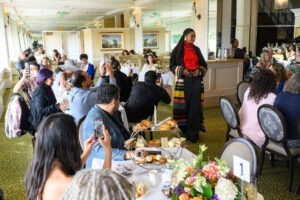
Oakland Style, High Tea and High Fashion Courtesy of Visit Oakland, model poses for guests at high tea event fashion show photo by KSJ Photography
Oakland Style, High Tea and High Fashion Courtesy of Visit Oakland, photo by KSJ Photography

Challenges: Because Oakland Style was created as a multiday event, one of the issues organizers faced was making sure there were no time conflicts or overlaps in the schedule.

Read MoreOakland: A City Rooted in Community

Solution: This required good communication internally and externally. Visit Oakland ensured they had the information about their events publicized early and kept their website updated.

Visit Oakland also created an advisory board from Oakland Art Murmur, local designers and artists, musicians and chefs, which allowed them to have fluid communication with the community as the organizing continued.

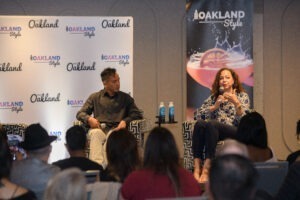
Oakland Style, Bespoke Cocktails and Conversations Melecio Estrella – Artistic Director, BandaloopDorian Webb – Jewelry Designer, Courtesy of Visit Oakland, photos by KSJ Photography
Oakland Style, Bespoke Cocktails and Conversations Melecio Estrella – Artistic Director, Bandaloop Dorian Webb – Jewelry Designer, Courtesy of Visit Oakland, photos by KSJ Photography

One piece of advice Roberts shared for planners regarding gathering an advisory board is simple: keep the meetings brief, targeted and infrequent. This allows for the advisory board to tackle any big issues within a structured time frame instead of asking to schedule time every week. The advisory board met a total of three times which factored heavily into the event’s success.

In Smart Meeting’s ongoing journey to inspire meeting professionals with the latest tips for elevating the event design process, we worked with the AI app InVideo to bring our content to visual life and allow all viewers to accessibly enjoy content in video form. We hope you enjoy. Please consider following our YouTube channel for more weekly tips and trends for meeting planners.

Measured Success: At the end of the day (or week) an event’s success boils down to a simple question: Did it make an impact? In the case of Oakland Style, the short answer is, yes. Following the event, the feedback organizers saw requests for a repeat of specific events for the next Oakland Style–from the upcycled fashion show to the dinner event, attendees expressed the desire to see Oakland Style bring back certain formats for next year.

Read MoreWhy Event-led Growth Is the Key to Long-term Success

Another important factor for measuring success was getting attendees from outside of Oakland. Oakland Style saw visitors from San Francisco, Sacramento, San Luis Obispo, Walnut Creek, Pleasant Hill and more.  Oakland Style welcomed over 1,500 guests for the week of festivities.

A Taste of Style, Oakland Style, Courtesy of Visit Oakland, photos by KSJ Photography

Looking Forward: For meeting planners seeking to organize annual events, consider how much a venue already provides you (i.e. AV, furniture etc.); that will ultimately dictate how much people-power and support you will require.

Also, consider scheduling the strongest aspects of the event during the weekend. Guests are more likely to stay overnight on a weekend than a weekday.

Parting Thoughts: There is no “I” in team. It takes a strong team, big or small, to make an event magical for everyone. Starting the planning process earlier isn’t a bad thing either.

Design-Forward Spaces to Create Immersive Experiences

Beyond offering luxurious hospitality, hotels attract business and leisure visitors by offering a distinct, memorable experience. One way to do this is to create a cohesive, thought-out space that captures a unique atmosphere.

Whether that means placing a desirable destination center-stage, or creating a certain mood through lighting, decoration and furniture arrangement, these new and renovated hotels have mastered ambience in the full sense of the word with their recent refreshes.

The Caribbean is Calling

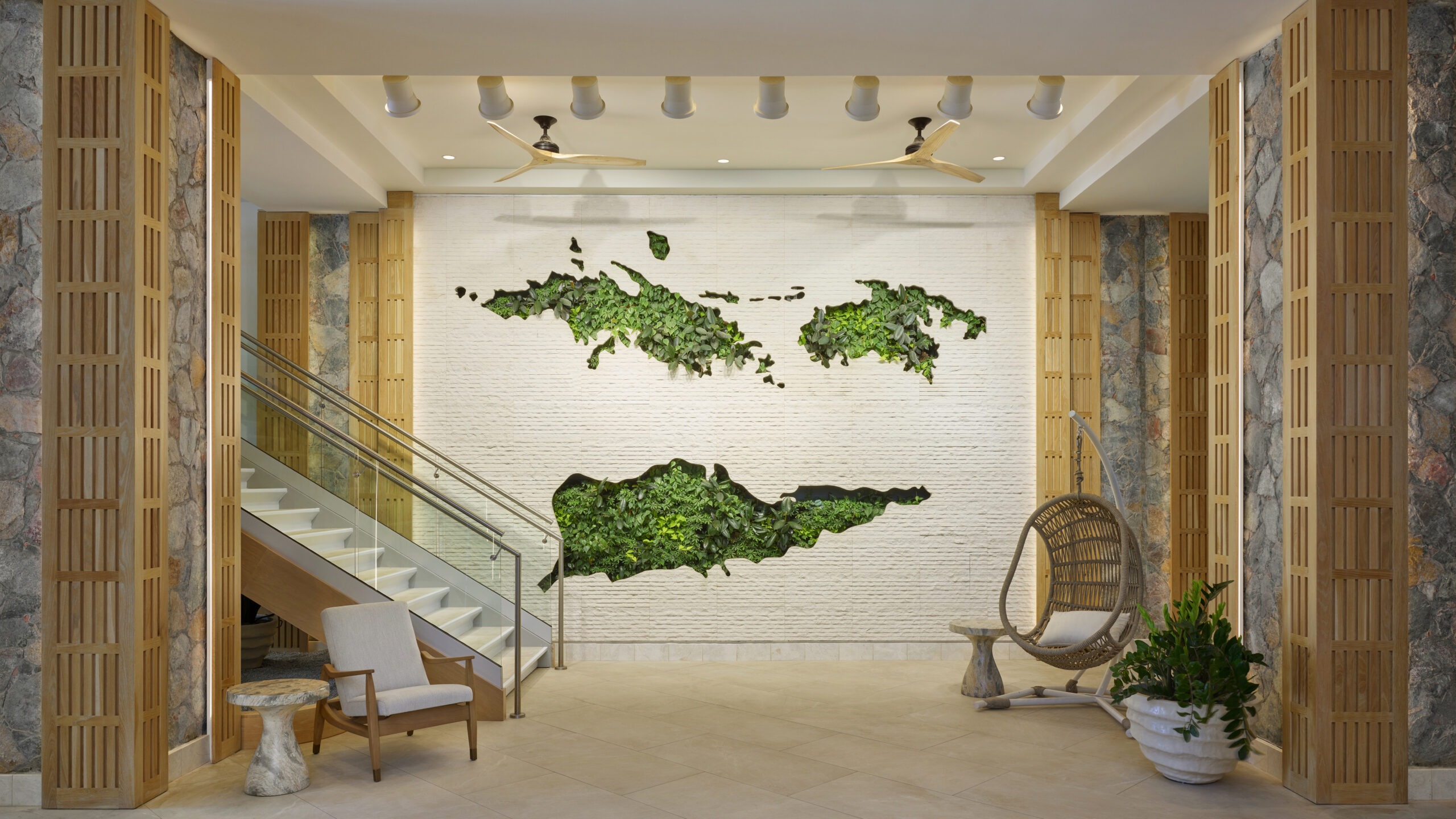
Living Wall at Westin Beach Resort and Spa
The Living Wall at Westin Beach Resort & Spa at Frenchman’s Reef

Following a $425 million rebuild project, The Westin Beach Resort & Spa at Frenchman’s Reef has now opened. Alongside it’s rebuild, it has debuted its sister resort, Morningstar Buoy Haus Beach Resort at Frenchman’s Reef, Autograph Collection. As part of Marriott Bonvoy’s global portfolio of 31 hotel brands, the Westin Experience centers itself around six pillars of wellbeing: Sleep Well, Eat Well, Move Well, Feel Well, Work Well and Play Well. The hotel stands on an elevated peninsula right by Morningstar Beach.

Almost all 392 guest rooms, including 28 suites, offer Caribbean views. All include a range of accommodations, including the brand’s Heavenly Bed. When it comes to Eat Well, guests have a choice of five diverse restaurants, bars and culinary venues, from an open-air Mediterranean dining experience to an artful Caribbean-Asian restaurant. Three ocean-view pools and an adventure beach with aquatic programming—and even a fleet of private vessels for day and night excursions—offer endless opportunities for play.

The resort offers 72,000 sq. ft. of meeting and event space and will soon host Smart Meetings’ own Incentive Experience Dec. 10-12, 2023. The sister resort, Buoy Haus, adds an additional 13,000 sq. ft. of meeting and event space.

Read More: Bahamas/Caribbean: Soak up Paradise

Spanish Stucco and Cactus Silk

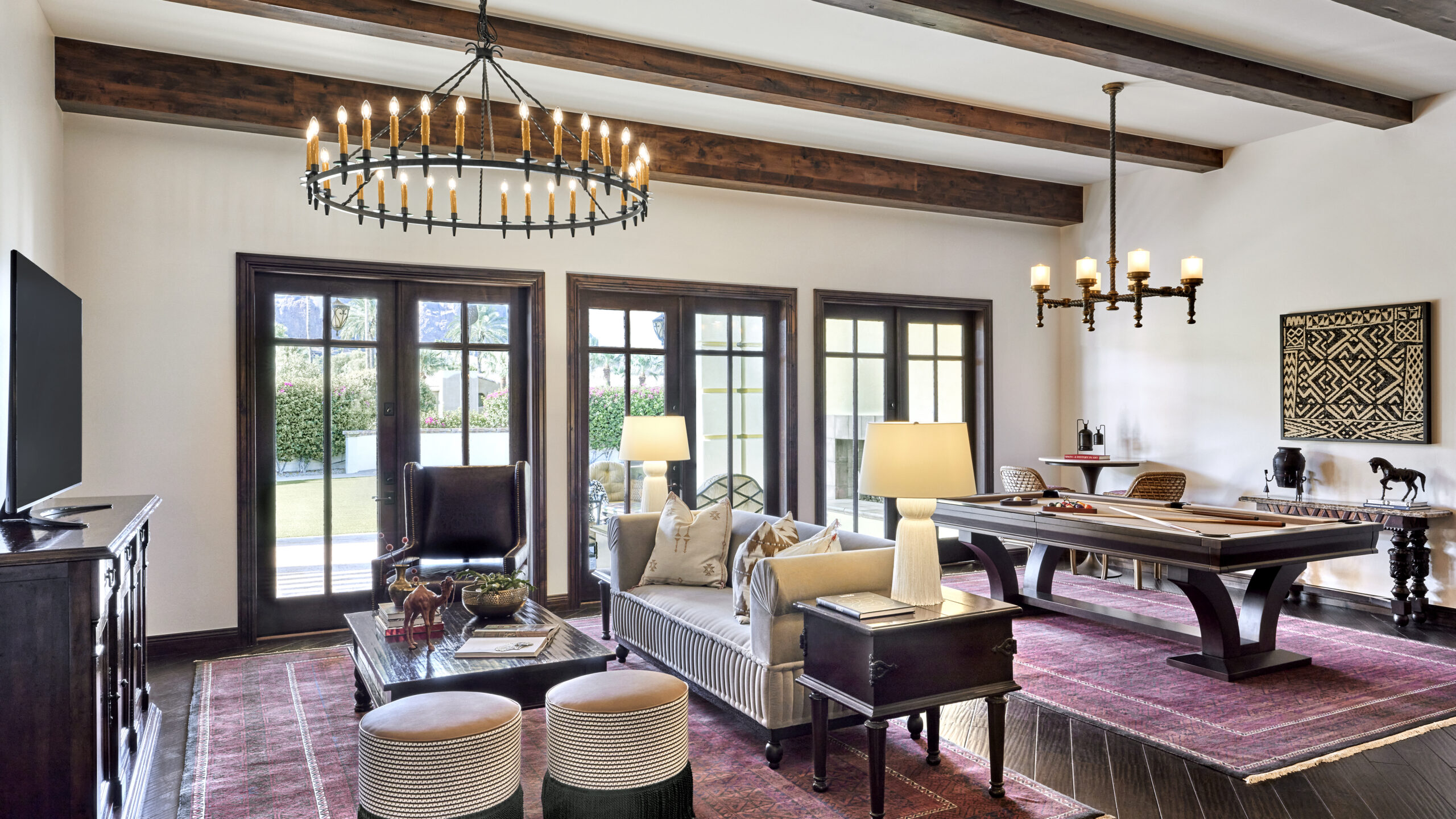
A guest suite living room at Omni Scottsdale Resort & Spa at Montelucia
Omni Scottsdale Resort & Spa at Montelucia

Omni Scottsdale Resort & Spa at Montelucia, in Paradise Valley, Arizona, has officially wrapped a multi-million-dollar renovation. The innovative refresh places a Spanish architectural and desert style design front and center. The resort offers 293 guest rooms and 38 luxury suites, as well as over 100,000 sq. ft. of indoor and outdoor meeting areas and pre-function space.

Guest rooms see cozy sofas with cactus silk pillows and Spanish-inspired deck chairs. Homemade ceramics and fresh artwork decorate each room, and new decorative bedding, LED mirrors and an RFID door lock system ensure a perfectly comfortable stay.

The hotel’s expansive meeting and event space includes salons, parlors, patios, ballrooms and more. One of their signature venues, the Castillo Lucena, is a replica of an Andalusian Chapel. The Spanish design inspiration carries through the meeting space with contrasting light walls and dark ceilings, new carpeting and wall coverings and brand-new artwork and furniture.

Dine with Style

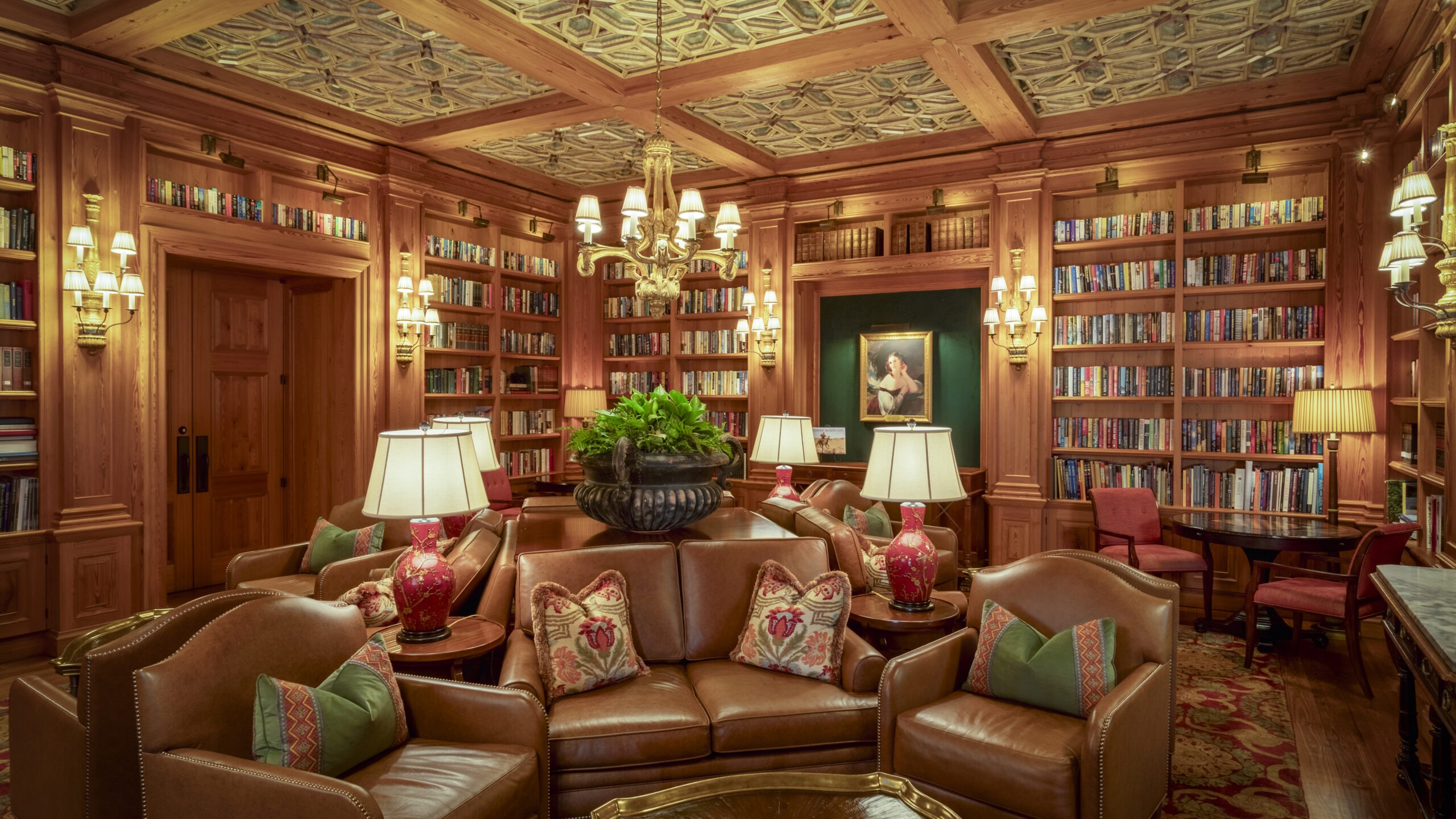
The Georgian Rooms Restaurant library at Sea Island Resort
Library at Georgian Rooms Restaurant at Sea Island

Off the southeast coast of Georgia, Sea Island Resort has unveiled newly renovated guest rooms in The Lodge and two newly renovated restaurants: Georgian Rooms at The Cloister and Colt & Alison at The Lodge. Refreshed guest rooms feature updated interiors that embody the feel of a classic English country manor. Bright walls frame dark wooden beams, and each room features leather seating, sleigh beds, fresh artwork and European-style finishes. Renovations also touched the fitness room, which now includes expanded weights and outdoor fitness programming.

The Georgian Rooms restaurant is housed in The Cloister at Sea Island. A series of visually different rooms each offer their own distinct menus and craft cocktails. Dine in a cozy library with plush seating. Enjoy masterfully crafted sushi and Japanese cuisine in an intimate lounge. Or, enjoy a classic American grill in a stunning dining room with a bar that leads into the glass-enclosed Orangery.

Colt & Alison, in The Lodge, is a classic southern steakhouse decorated with beautiful florals, golf artifacts and floor-to-ceiling windows offering views of the resort’s 18-hole championship golf course. The grand fireplace embodies the welcoming ambience.

Read More: Spectacular Spaces: Event Design with Ed Libby

Financial & Insurance Conference Professionals (FICP) brought 700 thought leaders together at JW Marriott Marco Island Beach Resort in Florida to prepare meeting professionals for whatever comes next with a call to reflect, discover and recharge.

Smart Meetings was in attendance and sent back this report from beyond the horizon, touching on topics like the disruption from artificial intelligence, ever-increasing costs and shrinking teams.

Read More: Marriott’s Scented Supper Made Memories

Face Your Fears

woman in light purple suit talking on stage
Michele Poler

The future can be scary, but so can things like spiders and heights. Event professionals know what it is like to take high-stakes risks in public while struggling with our own negative voices. Michelle Poler, author of “Hello Fears” and keynote speaker, suggested moving toward the things that scare us because in that direction lies growth. “The enemy of success is not failure, but comfort,” she said.

Poler started a buzz when she decided to embark on 100 days of doing things that scare her every day, ending with a wildly successful TEDx Talk. She learned that most of the time people are encouraging and the critic you have to manage is yourself. That is why she suggested replacing the question, “What is the worst that can happen?” with “What is the best that can happen?” That sets the stage for dreaming bigger.

AI is Closer Than It Appears

Artificial intelligence is actually not new. The ability to program computers to make decisions based on data has been around since the 1950s if you count the famous Turing Test of intelligence. What is new is the ability for non-programmers to use the cognitive tool for everything from writing marketing copy and agendas to answering attendee questions and managing registration.

Samantha Jordan, a futurist and consultant with Future Today Institute, led a discussion with industry leaders and explained that companies, including major retailers, are already using the tool to negotiate contracts. She reported that attorneys who work with these companies say they like the experience better than negotiating with a human. The challenge is ensuring sensitive information is not input into an open system that could make proprietary secrets available to all. “It is crucial for organizations to understand and embrace its potential, as well as work through the risks and ethical challenges it presents,” she said.

Read More: Why AI Might Mean Salvation for the Meetings Industry

Jordan was joined on stage by McNeel Keenan, vice president of product management at Cvent; Robert Marusi, chief commercial officer with Turtle Bay Resort on Oahu’s North Shore; and Junior Tauvaa, chief business officer with PCMA, which launched its Project Spark AI product at IMEX America.

Keenan saw the integration of AI as inevitable and something that could help meeting professionals do more with a lean staff. Marusi said he is already finding that an AI chat bot can answer questions from potential guests so front desk staff can focus on higher-value personal interactions. “AI technology is not going away,” said Tauvaa. Project SPARK gives business event stakeholders access to connect, learn and co-create how and where AI fits into the meeting space.

Read More: Event Design Truths

6 Event Design Truths

screen

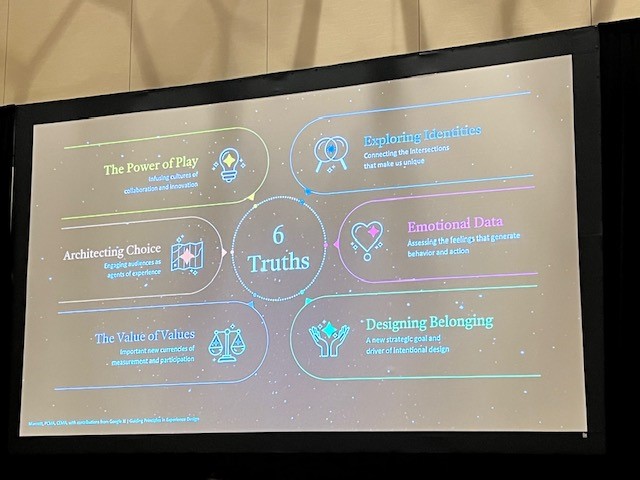
Even as the tools increasingly have a digital operating system, the basics of human behavior will continue to be the core of event design for successful programs. Michael Clarke, senior director of B2B events and programs portfolio, luxury and leisure for Marriott International’s Global Sales organization, shared recent research from “Guiding Principles in Experience Design,” a project with PCMA and CEMA that explored how to better engage attendees after the pandemic. Strategies for producing memorable events boiled down to the following.

Exploring Identities: We must help attendees find others like them and seek others outside their comfort zones. That is how more meaningful tribes are built.

Emotional Data: How do we measure feelings to get a truer ROI on events? Emotions drive loyalty so emotions mean business. Encourage use of emojis in the moment to measure more accurately than follow-up surveys and use the data to iterate and improve the program.

Designing Belonging: The human is the center of the design, not the content. When you put people at the center, you can continue to engage all year long.

The Value of Values: People value their time more than ever. You have to find out what is important to them and make it worth their while to attend.

Architecting Choice: Attendees now want to be co-creators of their journey. That means you can’t force them to listen to your content. Giving choice (but not overwhelming with choice) can result in more satisfied and happier attendees.

The Power of Play: Giving attendees permission to have fun and create together can result in collaboration and innovation not before imagined. There is a powerful connection between play and productivity.

Advanced Meeting Principles in Action: JW Marriott Marco Island was the stage for an “islandwide” conference that presented attendees with a different experience each evening, including a sunset ceremony on the beach, a Polynesian feast that featured the culinary artistry of all eight of the restaurants on site (including a 17-foot wooden boat filled with fish) and a three-course elegant plated dinner. The out-of-the-spa offerings of Spa by JW enhanced the experience with a Zen Den and yoga classes. The gaming room and miniature bowling alley at 10K Alley offered space for late night “kidulting.” How fun is that?

FICP 2024 Annual Conference will be Nov. 10-14 at Sheraton Denver Downtown Hotel.


Keep your well-being in check throughout your holiday planning

Glorious colorful foliage, crisp breezes, and pumpkin spice, everything has signaled that the change of seasons is well underway. For meeting professionals, it also means the holidays are coming like a turbocharged reindeer on espresso.

We all adore the festivities and merrymaking, but let’s face it—it’s that time of year when meeting and event profs are moving faster than Santa’s elves on roller blades and deadlines are flying like snowflakes in a blizzard. Be on the lookout, because you might witness a once-jolly planner turning into a high-speed stressed-out Grinch faster than you can say “ho, ho, ho.”

That’s precisely why we need to embrace self-care during this jingle bell-filled hullabaloo. Now, don’t get it twisted, self-care is not about flaking by canceling plans to snuggle up on the couch watching Netflix while stuffing a mountain of cookies (although, let’s be honest, that doesn’t sound too shabby-ha!). True self-care is about nurturing your well-being in ways that won’t have you waking up with cookie crumbs in your hair. It’s about maintaining your personal harmony—mind, body, and spirit in ways that won’t land you on the naughty list.

So, as you deck the halls and trim the tree, let’s unveil the master plan for self-care without missing out on the holiday magic. Here are some tips to help you sleigh the holiday season while keeping your sanity intact. Think of it as sipping hot cocoa while juggling flaming candy canes—a bit daring, but totally doable!

Read MoreMindful Meetings for the Full Mind

woman in jeans and sneakers strolling along street and drinking coffee

Take A Time Out: The holidays have a knack for turning our schedules into a chaotic mess. You’re busier than Santa on Christmas Eve, so it’s even more crucial to carve out some “me time.”

Go for a walk (even if you run into a neighbor that turns “small talk” into a marathon event), read a book (even if it’s just the back of the cereal box), meditate (or try to figure out how to), enjoy a hot bath (don’t forget the rubber duckie), or cook a healthy meal (or just microwave some leftovers). Whatever your self-care flavor, make it a top priority. And hey, it’s perfectly fine to say “NO” to things that stress you out more than attempting to wrap a gift without using half a roll of tape.

Embrace the holiday tunes: There’s nothing like getting into the festive mood than holiday music. So, crank up those carols, sing and dance like nobody’s watching, even if your moves resemble a mix of the chicken dance and the robot. Just a little “Jingle Bell Rock” can lift your spirits higher than any sleigh ride—plus, it’s an excellent workout for your body and muscles. Bonus points if you twirl like a holiday ballerina.

Apply The 5-4-3-2-1 Technique: In a world full of distractions (like that ugly sweater Aunt Mildred gave you), it’s hard to stay present. So, to become more aware of your surroundings—identify five things you can see (hopefully, none of them are holiday sweaters), four things you can touch (not counting your hairball hacking cat), three things you can hear (hopefully not Uncle Joe’s snoring again), two things you can smell (oh no, not the burnt turkey!), and one thing you can taste (chocolate, anyone?). It’s not just a mindfulness exercise; it’s a fantastic party game too. Just try not to end up wrapping yourself in tinsel—we’re aiming for zen vibes, not a festive game of Twister!

Read More: Wellness Hacks: Deep Relaxation Trends

people clinking wine glasses

Drink And Be Merry: There’s nothing wrong with enjoying a few treats, a mocktail or two during the holidays. And, who can’t resist hot chocolate with pie? But remember, too much of anything, even fruit (yes, you read that right), is a bad thing. Watch your portion sizes, and for goodness’ sake, savor your food. After all, you don’t want to end up looking like the Thanksgiving turkey by New Year’s!

Catch some All The ZZZs: Let’s face it, with all the holiday shenanigans, you might end up with fewer hours of sleep than a caffeinated squirrel. Don’t fall for that trap! Sleep is like the secret sauce of a healthy mind, body, and spirit. Adults need at least seven hours, just like you need that extra slice of pie. Even Santa takes a power nap between chimneys—and he’s got a whole team of elves to handle the sugar crashes! So, tuck yourself in like a present under the tree, and let visions of sugarplums dance in your head.

Laugh it off: Tinsel tantrum? Ornament overload? Sometimes, all you need is a good laugh attack to sleigh your holiday stress. Share a funny holiday meme or if you want to even make fun of yourself, create a “Holiday Bloopers Reel.” Record your mishaps while attempting festive activities like wrapping gifts, decorating the tree, or even attempting to sing carols. Watch your friends and family enjoy your clumsy moments into a hilarious celebration of holiday goofiness. Nothing like embracing your inner holiday bloopers star!

Hug Yourself!: The holidays are all about giving and kindness. This holds true for yourself too. Give an act of kindness—hug yourself. You will feel better about yourself on both an emotional and a physical level. So, give yourself a BIG hug all through this holiday season. Plus, who needs mistletoe when you’ve got self-love?

Amidst the holiday hustle and bustle, remember that self-care is the best gift you can give yourself. To not turn into a stress ball during the holidays, try these tips and let self-care be your guiding star to enjoy the festivities.

Cheers to a joyous season and a sprinkle of holiday magic to you!

woman wearing pink scarf, black beanie and glovesMeet Deborah G. (Gardner), the CMP dynamo, a six-time best-selling author, entrepreneur extraordinaire with three thriving businesses, podcast sensation, elite athlete, and global keynote speaker.

Known as the go-to competitive performance guru empowering companies and teams to get off the “block” to “rock”. Find her at DeborahGardner.com or just Google the powerhouse herself!

Elizabeth Kumbhari

Smart Moves headshot of Elizabeth Kumbhari
Elizabeth Kumbhari

Kumbhari joins CIBT Global as vice president for client relationship management, Americas immigration. She brings a wide range of experience in visa services, having earlier led one of the largest J-1 visa programs at Cultural Visas. In addition, she holds a doctorate in Organizational Leadership and Learning (EdD) from Vanderbilt University. In this new role, she will work with both the CIBT and Newland Chase brands to grow their client base.

Jennifer Barker and John Janiak

Side by side headshots of Jennifer Barker and John Janiak
Jennifer Barker (left) and John Janiak (right)

Kiawah Island Golf Resort welcomes Barker as director of sales for the mid-Atlantic region. She previously served as the resort’s manager for small groups & meetings, having begun with the resort in 2011 as a member of the sales & marketing team. She has held numerous roles in sales and operations for the hospitality industry throughout her career.

Also promoted within the team is Janiak as regional director of sales. He has served in numerous roles at the resort for the past 12 years, most recently as retail manager for The Sanctuary at Kiawah Island Golf Resort. In his new role, Janiak will focus on small groups and meetings of 10 to 20 rooms visiting the resort from across the U.S.

Casie Riopta

Smart Moves Headshot of Casie Riopta
Casie Riopta

Riopta is appointed as general manager at Aqua-Aston Hospitality’s Aston Islander on the Beach. She brings over 10 years of hospitality experience, five years of which she has spent with Aston Islander on the Beach. As general manager, Riopta will lead overall strategy and daily operations. She will work closely with guest relations associates, maintenance and facilities teams and back-of-house colleagues to craft an exceptional guest experience.

Jessica Ware

Headshot of Jessica Ware
Jessica Ware

MMGY Wagstaff appoints Ware as marketing account director of travel and tourism. Her extensive background includes luxury travel trade relations, event management and digital marketing. She looks forward to building nuanced and dynamic marketing and strategic partnerships across the luxury hospitality industry. Ware will play a key role in leading account strategy and travel trade relations for Tourism Western Australia and lead a successful team in the North American market.

Tiffani Timbrook and Glenn Wentzel

Side by side headshots of Tiffani Timbrook and Glenn Wentzel
Tiffani Timbrook (left) and Glenn Wentzel (right)

As the new general manager at Aloft Denver Downtown, Timbrook will oversee all operations and programming to deliver outstanding guest service. She just recently joined the team to support the hotel’s now completed renovation and acted as liaison between the hotel and the downtown Denver community. She brings over 17 years of experience in the hospitality industry and most recently served as general manager at the Residence Inn Denver Downtown.

Wentzel will serve as director of sales at Aloft Denver Downtown. He will draw on his over 30 years of hospitality experience to optimize revenue opportunities and develop the hotel’s iconic brand. He is passionate about ongoing education and enrichment as a means to create well-trained teams that build strong relationships with guests and clients alike to develop a leading hospitality atmosphere.

Michele Zurlo

Smart Moves Headshot of Michele Zurlo
Michele Zurlo

Zurlo joins Meet Chicago Northwest as partnership and service manager. She will work closely with the MCNW marketing and sales departments to coordinate convention bureau partnership events. Zurlo will manage signature events, such as Restaurant Week, and will also welcome large groups to their area hotels upon arrival with customized service and visitor resources.

Pepper Dombroski

Headshot of Pepper Dombroski
Pepper Dombroski

Rancho Bernardo Inn welcomes Dombroski as director of sales. She brings over 30 years of experience in the hospitality industry at resorts such as Grand Wailea in Maui and The Broadmoor in Colorado Springs. Dombroski is especially focused on creating memorable meetings and events that build on a location’s unique sense of place.

Devraj Gorsia

Headshot of Devraj Gorsia
Devraj Gorsia

As the new general manager at Hyatt Centric Buckhead Atlanta, Gorsia will oversee all of the hotel’s multifaceted operations and focus on enhancing guest satisfaction, creating opportunities for community engagement, providing opportunities for colleague development and spearheading strategic initiatives. He brings over 17 years of experience with the Hyatt Brand, moving through advancing roles in that time.

Chris Rynkar

Headshot of Chris Rynkar
Chris Rynkar

Rynkar is appointed at area general manager for Generator and Freehand Hotels. He will oversee Freehand New York and The Paramount Hotel to renew and revitalize guest experience. Throughout his 20 year career, Rynkar has worked across various managerial and operational positions for leading hospitality brands like Hyatt and Marriott, across the U.S.

Kathryn Guzinski

Headshot of Kathryn Guzinski
Kathryn Guzinski

Guzinski joins Halcyon, A Hotel in Cherry Creek, as director of sales and marketing, where she will lead all strategic sales and marketing initiatives and oversee the hotel’s sales team. She has held numerous regional director of sales roles at a number of resorts and hotels throughout her over 20 years in the industry. She is skilled in managing sales teams, revenue and budget as well as developing business and marketing strategies.

Read More: Smart Moves in Portland, Hawaii and More

Impact XM shares seven sustainable action areas for planning green meetings

Global event and experiential marketing agency Impact XM believes that sustainability is not an end goal, but a practice. As part of its efforts to educate its employees, clients and industry, the company created a list of seven sustainable action areas. As Impact XM works towards these goals internally, it hopes the list will help other companies in making their own practices greener.

Smart Meetings spoke with Heather Griffin, vice president of marketing at Impact XM, to learn more.

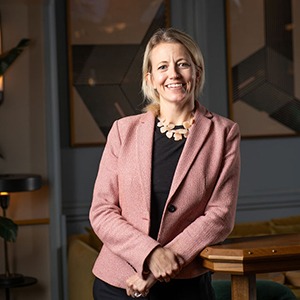
Headshot of Heather Griffin, VP of marketing at Impact XM
Heather Griffin, Impact XM

Sustainability has always been important to Griffin in her personal life, but over the past few years, she’s found it increasingly vital that the companies she has worked for are being conscientious too. Impact XM, she explains, has been committed to improving in this area for a long time, and with rising demand and awareness of sustainability, the company’s efforts have grown.

The rating company EcoVadis annually assesses Impact XM’s labor, human rights, DEI and environmental practices as a guideline for improving performance in all of these areas. Impact XM also recently began disclosing environmental data through CDP, a non-profit that runs the global environmental disclosure system. CDP allows a company, city or region to track its environmental impact by self-reporting everything from waste management to CO2 production.

Read More: Better Than Before

What is Sustainability to You?

Griffin suggests a carbon accounting tool should be applied companywide. Carbon produced by an event is only one small part of what should be tracked, and the tool may be too large of an investment for just one event. However, when you’re searching for partners for your upcoming event, it’s helpful to ask if they use one. If so, it likely can help you predict the carbon impact your event would have. Together, you can come up with solutions to decrease it.

To get started, determine what your company’s sustainability goals are. You don’t have to meet every single one. Think about waste management and DEI—remember that sustainability isn’t just environmental. Once you determine which areas within sustainability are most important to your company, then you can research the right tools to support you in tracking it and find ways to reduce or offset it.

In Smart Meeting’s ongoing journey to inspire meeting professionals with the latest tips for elevating the event design process, we worked with the AI app InVideo to bring our content to visual life and allow all viewers to accessibly enjoy content in video form. We hope you enjoy. Please consider following our YouTube channel for more weekly tips and trends for meeting planners.

One client came to Griffin with the goal of improving conservation efforts. From there, Griffin and the client broke it down even further: what type of conservation? Plastic? Energy? This is the time for the client in the example to look at the spending base—as in, how much water does an event use? How much of that water usage is unnecessary? The company can then develop a plan to cut back.

The Seven Sustainable Action Areas, Explained

Griffin explained that Impact XM’s seven action areas were driven by the United Nation’s 17 Sustainable Development Goals (SDGs). “When you see 17, you feel like you can’t take it all on. You don’t want to look at the full picture right off the bat because it can be overwhelming. The seven action areas can help you start to organize and think about the steps you could take. We can do parts—you’ll be surprised by what little things you can do that can make an impact.”

An interesting detail about both the UN SDGs and Impact XM’s action areas is that crossover is almost inescapable. “There are a lot of areas,” she says. “We are trying to organize it to help event planners think about just seven. It allows you to see that conservation is going to help with water, and at the same time it’s going to help with land…we’re trying to find ways to get everyone started.” As you read on, think about how many action areas just one sustainable step could fit into. You’ll be pleasantly surprised to find that most steps apply to many action areas at once.

1. Conservation: Power and Natural Resources

take sustainable action by choosing venues committed to conservation
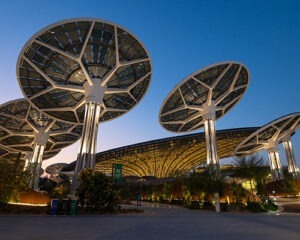
Terra Sustainability Pavilion at the EXPO 2020 in Dubai

Conservation is all about reducing how much you use of any resource.

This is one of the areas where a carbon accounting tool can be incredibly useful. A partner who uses one can show you what impacts your event would have. For example, Griffin says, “If you’re focused on CO2 reduction for attendees coming to your event, there are partners out there that would actually track through, for example, a registration site, identify where attendees are coming from and where they’re going, what form of transportation they are taking. By doing that, they can figure out ways to offset it directly with the attendees.”

Read More: Green Airports

2. Innovation: Industry Infrastructure, Materials and Logistics

Close in line with the former action area is the innovation in materials and processes that do the work of conservation.

Does your event venue use an energy-efficient cooling system? What about automated lighting? The Oregon Convention Center did just this in its recent renovation by installing LED lighting that automatically brightens or dims based on the amount of natural light in the room at any given time.

Consider if your production partner uses more environmentally conscious materials when building assets for your event. Have you thought about the size of the displays you need? Are they standard widths? Designing to be sustainable can mean making sure you do not need an oversized piece of material that can cause excess amounts of waste.

Read More: Water From Thin Air

3. Waste Reduction: Production to Consumption

When it comes to waste reduction, think of gifting: by the time materials have been gathered, the gift has been produced, packaged, shipped to your event and given to the attendee, it’s gone through multiple steps of the supply chain. Now multiply that by every attendee.

A sustainable action is supporting local businesses
Local businesses can provide anything from florals to gifting and more for your event

Wow, that’s a lot of plastic.

But it doesn’t need to be. Planners don’t have control over every area of the production line, but they do have the power to look into the companies that are part of it. Griffin says that many of Impact XM’s clients ask about supply chain in their RFPs. For example, does a company have a donation program for leftover materials?

Locally sourced gifts are even better—by making the production chain smaller and more local, you reduce the level of emissions you’re contributing to by reducing how far you need to ship materials or gifts.

4. Sustainable Cities and Communities: Transportation, Climate and Emissions

The location you choose to host your event makes a major difference in countless areas. An event venue’s sustainable practices aren’t the limit—look to the surrounding area too. Some cities, such as Miami Beach, even have building codes that require all new public projects to have LEED Silver certification.

When your attendees are concentrated in a certain region, you have the opportunity to reduce the emissions that would be produced through every attendee’s travel by choosing a location that is closer to them. As a bonus, an easier travel experience is likely to produce higher attendance.

Read More: Secrets of Green Miami

5. Health, Wellness and Equality: Accessibility and DEI

Just as you look into a facility’s waste management, cooling systems and other processes that reduce waste, you can look into their employment practices. Research the company. Review news stories that mention them. What employee benefits do they offer? What recent initiatives have they taken part in? Look for fair wages and a diverse staff.

When it comes to your attendees, accessibility is key. IBCCES (The International Board of Credentialing and Education Standards) offers a search registry where you can find out if the city, hotel or venue where you’re hosting your event is a Certified Autism Center (CAC) or a Board Certified Cognitive Center (BCCC). More cities and businesses are attaining this seal of approval, which assesses if its staff is fully equipped and trained to meet the needs of individuals with autism, ADHD, anxiety and many more cognitive or mental health differences that benefit from specialized accommodations.

6. Partners and Platform: Collaborative Efforts for Innovation

This action area is all about supporting local partners in the area where you host your meeting, particularly those that work to make their home more sustainable. Griffin shared one example of when Impact XM hosted an experience in Salt Lake City where they sourced a local compost farm to donate used compostable cups to after the event.

A sustainable action is to use locally sourced ingredients and farm to table menus
Prioritize menus that use locally sourced, seasonal ingredients

If you want to use locally sourced food in the meals at your meeting, not only are you helping to support the local economy and local farmers—you are also producing lower carbon emissions by reducing the amount of shipping it takes to transport ingredients, and reducing the possibility that some ingredients would go bad and be wasted as they are transported to the kitchen. Sounds like action area one…and three, doesn’t it?

Read More: The Overlooked RFP Asks That Could Save the Planet

7. Purpose and Commitment: Address Human, Social, Economic and Environmental Issues

If there’s any one piece of advice Griffin would say is the absolute number one, it’s to talk.

In recent years, as she’s worked with planners who want to be more sustainable, she says, she’s found that some express fears of “greenwashing”—that is, talking about sustainability, but not making many concrete efforts to be more sustainable. She says, “Don’t be afraid of greenwashing, because then you’re going to be on the green-hushing side. And this is a very welcoming period of time when we can have the conversation, ask the questions and share. Even if it’s small, you’re making steps. Be honest.”

It’s not about being perfect. We are human, and we simply don’t have control over everything. You probably won’t attain a net-zero event any time soon. That shouldn’t stop you from trying to cut waste where you can. You’re still making a difference and helping to move us towards where we want to be.

Sustainability is very much a communal journey. It requires the participation of everyone, from individuals to large companies, and every small step makes a difference. As we share our small steps, we’re inspiring others to do the same, and they are inspiring us to make sustainability efforts we wouldn’t have considered before.

Read More: Sustainable Meetings Through Renewable Concepts

The Big Lessons

“In our industry, there are some things that we can’t completely reduce, so we need to find ways to invest in the right type of offsetting,” says Griffin.

professionals discuss effects of solar panelsIn her experience, when a company she has worked for made efforts towards being more sustainable, she’s led with the question, “Could we move forward and find ways to become a better version of ourselves?”
Remember, Griffin says, “You’re not going to solve world hunger, but you can look at ways to support that sustainable development goal by looking at local food options, and you’re helping those local farmers and the hiring of individuals in the process. You could look at it in a lot of different ways. But you have to start with figuring out which direction you want to go. Eventually, it all balances out.” The seven sustainable action areas are a great place to start making your plan.

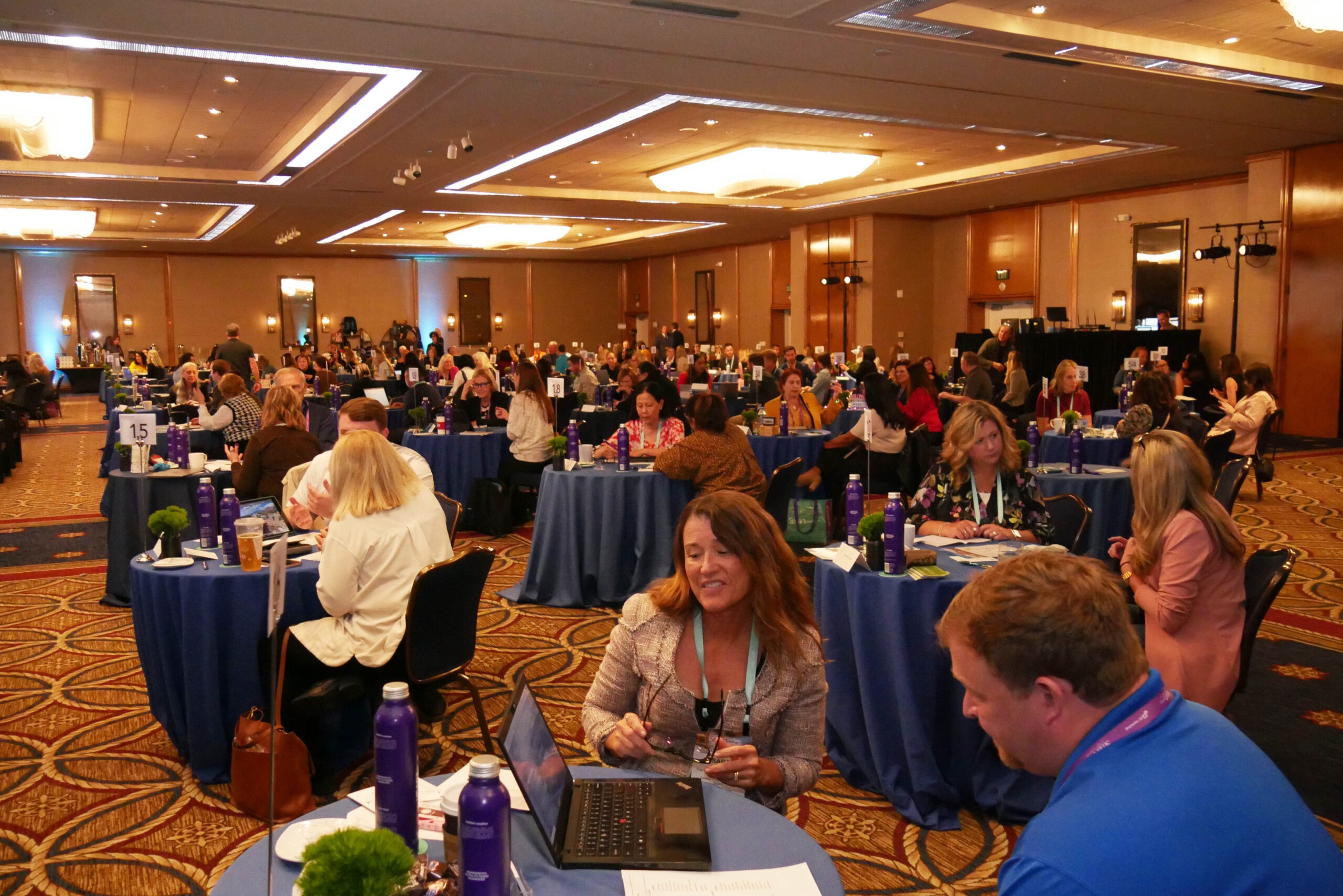
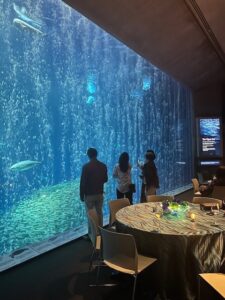
Where your group meets matters, but so does the framing for the discussions that will happen in and out of the ballroom. Smart Meetings CEO Marin Bright demonstrated the elements of an authentic event by hosting the 2023 Northern California Extraordinary Experience at Portola Hotel & Spa in Monterey Bay with top meeting professionals from all over the country. Elements covered each month in the magazine and online at smartmeetings.com came to life at a personalized gifting experience, an exclusive dinner at Monterey Bay Aquarium and on stage before kicking off the business of one-on-one custom-matched appointments.

Topics covered included the importance of dedicated mental wellness prioritization, communicating responsibly and treating people the way they respond best. If you weren’t able to make this event, fear not, we have takeaways below and make a note to put our 2024 events on your calendar.

Destination Innovation

three people standing in front of screeThe sound of seals barking, the smell of the ocean and the taste of fresh produce from the salad bowl of the world is a magical backdrop for fresh thinking. Don’t take our word for it. Monterey is where Steve Jobs brought his team as they prepared to launch The first Macintosh in 1984. In 1990, the first TED (technology, entertainment and design) Conference was held in Monterey. “Our superpower is inspiring action,” explained Rob O’Keefe, president and CEO of See Monterey. “It is the greatest meeting of land and sea.”
O’Keefe pointed to all of the renovations at hotels in the county underway and shared that the destination is constantly refreshing with the most recent announcement of See Monterey’s new brand. “We are at a pivot point as an industry and a destination and Smart Meetings is a beacon,” he said.

Cut the Stigma; Support Mental Health

man speaking on stage
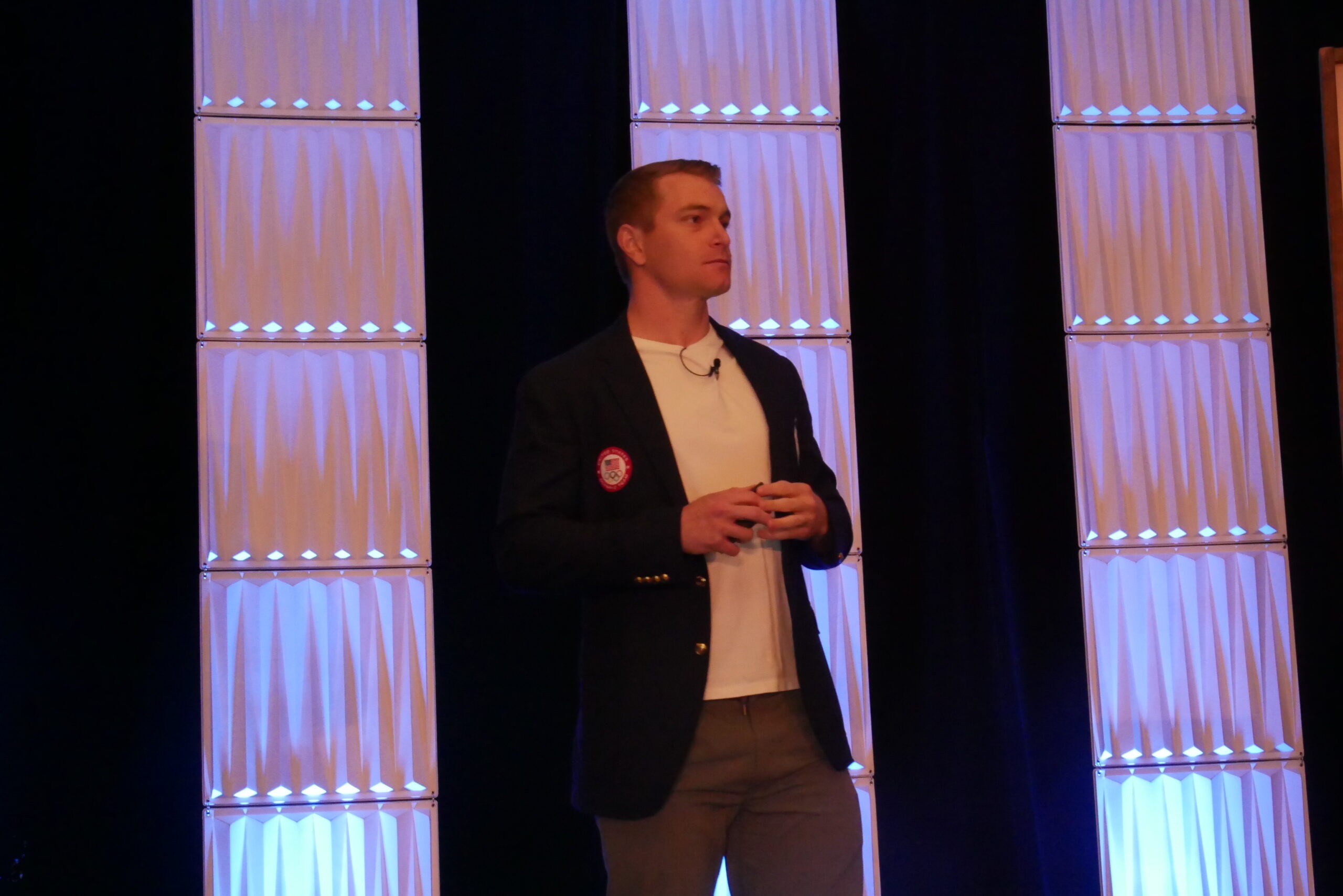
Connor Fields

As a BMX bike athlete who experienced his highest high (winning the gold in the 2016 Summer Olympics) and the lowest lows (choking in the finals of the 2012 Olympics and almost dying in the 2020 Olympics), Connor Fields knows a few things about managing extreme emotions. His biggest lesson after waking up with broken ribs, a collapsed lung, a massive brain injury and a memory gap was that the best way to manage mental and physical loss was to get help, something he first learned after that 2012 disappointment led to a deep depression and served him well during his 18-month recovery as he learned to speak, walk and live again. “I approached my mental health with the same dedication I applied to training for the Olympics,” he said.

And he is not alone. He shared that 45% of athletes struggle with mental health after transitioning from their sport. “There should be no stigma about something almost half of people go through,” he said.

In the end, he realized that the secret to getting up and going every day is perspective. “It would be easy to focus on what went wrong—not being able to choose my last race and gracefully retiring, but I can also choose to focus on the fact that I am here, standing on stage and talking to you. I am alive.”

In fact, he suggested using anxiety to reframe reality rather than trying to push the feelings down. “Be okay with being uncomfortable; embrace it and use it to get things done,” he concluded.

Practice Responsible Communication

conference room of people talking

Communication can be confusing. It’s complicated, nuanced, layered, complex and paradoxical.

And when it is in an email or a text, multiply the adjectives by ten (consider the boss who puts a period at the of a sentence in an email and we conclude is mad at us). And it is even more complex today because there is so much of it. We fall victim to the law of excess. The more of something there is, the more it loses in quality. We use it irresponsibly and breakdowns happen.

Cameron Barbarick is on a mission to help people avoid communication pitfalls to improve their relationships, careers—and possibly the world.

He outlined the seven deadly sins of communication:

  • Gossip: he-said, she-said can be fatal for understanding
  • Righteousness: having the last word is a killer move
  • Dishonesty: that includes playing with the truth
  • Not honoring one’s word: enough said
  • Violent communication: the louder you are, the less you are heard
  • Passive-aggressive communication: that can hurt, too
  • Distracted listening: multitasking is a myth
  • Pseudo-active listening: even if it looks like paying attention, it isn’t listening.

“Let’s turn irresponsible communication on its its head,” Barbarick suggested. “Engaging with good intention has the power to enrich relationships, move business forward and can make a difference in creating a world that works,” he said.

Really hearing what someone is saying requires starting with compassion and meeting people where they are. “Understanding people’s humanity is the first step,” he said.

Accelerating the Rapport

Understanding people is an art form in itself. Hospitality sales consultant Steven J. Steinhart has a hack for that. He shared a self-analysis quiz that allowed attendees to better understand their preferred communication style and outlined the tells to spot the preferred ways to approach others. “Understanding what drives people will allow you to better relate to people the way they want to be related to,” he shared.