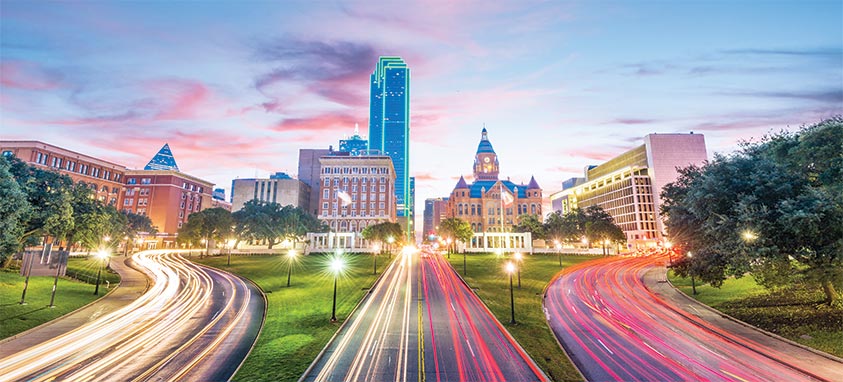
Amid controversy concerning tax-dollar allocation, VisitDallas has appointed an interim CEO to replace Phillip Jones, who stepped down on Wednesday.
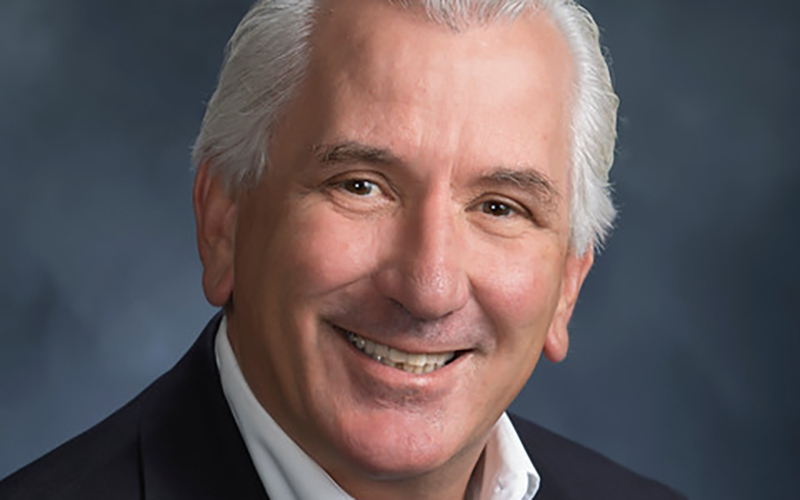
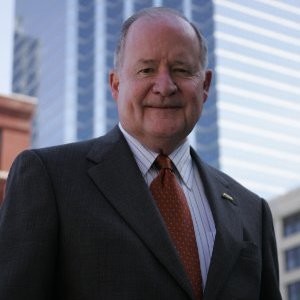
Sam Coats
The organization chose Sam Coats, former mayoral candidate and former board member of Visit Dallas (then known as Dallas Convention and Visitors Bureau), to take Jones’ position while the board continues to search for a permanent CEO.
Jones’ resignation comes months after a City Hall audit challenged the way in which the organization handled tens of millions of taxpayer dollars and the source of Jones’ compensation.
On the same day, Mayor Mike Rawlings disclosed in an interview that Matthew Jones has resigned from his position as chief financial officer. The two departures are not related.
“It has been a privilege to lead VisitDallas during an important period of growth for the organization, and now it’s time for my next challenge,” Jones said. “Together with my colleagues at VisitDallas, the City of Dallas and partners across the hospitality and tourism industry, we have positioned Dallas as the top visitor destination in Texas for meetings and events, and one of the top convention and visitor destinations in the nation.
“I’m proud of our accomplishments and know the organization is on track for continued success.”
Attendees sometimes get tired of meeting in the same old traditional spaces, so planners are increasingly opting for for highly unusual, stimulating places. Here are some of the most intriguing meeting spaces in the United States and beyond.
The Jefferson, Washington, D.C.
The Jefferson features Private Cellar, located in the hotel’s restaurant, Plume. Home to the largest Madeira collection in the United States, the space is walled in by wine display cabinets and lockers. Sommelier or not, this meeting space is a conversation starter.
La Tourelle Resort & Spa, Ithaca, New York
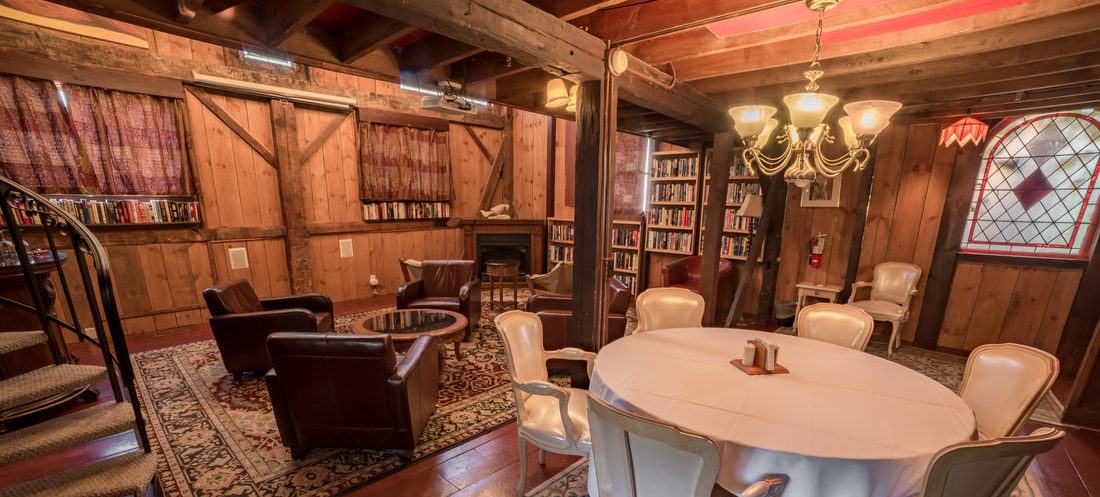
Located at La Tourelle Resort & Spa and housed in a historic barn some 50 steps away from the main property, Yellow Barn Suite is for groups who like to live on the fringe. There, you’ll find a three-story atrium with seating for 10 and a dining table for eight.
21c Museum Hotel, Lexington, Kentucky
Ever wondered what it would feel like to wine and dine in a gigantic safe? Yeah, us neither. But at Lockbox restaurant at 21c Museum Hotel, you can find out. The 88-room boutique hotel—which doubles as a contemporary museum—is the place to go if you’re seeking something out of the norm.
Atlantis, The Palm, Dubai, United Arab Emirates
Your group can meet underwater at Atlantis, The Palm. The space is set inside The Lost Chambers Aquarium, one of the world’s largest aquariums. Attendees can more than 65,000 marine animals; it’s Ideal for groups of up to 150.
Melody Maker Cancun, Mexico
Meet like a true antiprohibitionist in the Clandestino, offered at Melody Maker Cancun. Engulfed in history, you’ll find iconic magazine covers from way back when. This modern space features a DJ booth and stage, ideal for presentations.
Located along Key West’s only natural sand beach, this property offers a retreat-like meeting space. With uninterrupted views of the Atlantic, this unique setting is perfect for groups that want to escape a typical four-walled enclosure.
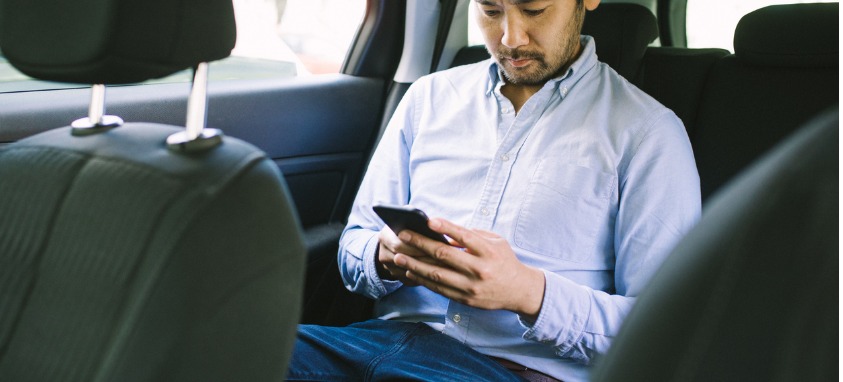
Uber and Lyft drivers in at least 10 major US cities will shut off their apps to fight for better wages, health insurance and driver safety policies from the ride-sharing companies on Wednesday, May 8. The strike comes ahead of Uber’s anticipated initial public offering this week and is expected to cause some traffic delays, with many demonstrations happening at airports.
If you or your group is traveling tomorrow, here’s what you should know:
You can still call Uber or Lyft, but you should expect longer wait times and higher surge pricing.
Many airports and cities have announced that they are working with taxi dispatchers to provide more alternate transportation at airports.
Some city strikes will continue for a full 24 hours, starting at midnight. Others will be striking intermittently throughout the day.
Starting Wednesday at midnight, ride-share drivers in Los Angeles will turn their apps off for a full 24 hours, with protests planned at Los Angeles International Airport (LAX).
Alternate transportation: From LAX, consider taxis, free hotel shuttles, shared and long-distance shuttles or public buses to Santa Monica and Culver City. Click here for more info.
San Diego—24 hours
Like Los Angeles, San Diego ride-share drives will shut down their apps for 24 hours starting at midnight, with protests planned at San Diego International Airport (SAN) throughout the day.
Alternate transportation: From SAN, consider taxis, shuttles and one of many public transportation options servicing the city, Orange County and Los Angeles area via bus and train. Also available is a scenic, pedestrian walkway to downtown, Little Italy, Liberty Station and Point Loma.
Boston—24 hours
Boston ride-share drivers will strike for 24 hours starting at midnight, with protests planned at Uber’s Greenlight Hub in the afternoon.
Alternate transportation: From Logan Airport (BOS), consider taxis, shuttles or local public transit. For an added welcome, direct groups to a water taxi at Logan dock, with direct routes to downtown Boston (and fantastic views) from the airport. Click here for more info.
San Francisco—noon to midnight
Uber drivers in San Francisco will shut off their apps for 12 hours, from noon to midnight, with protests planned in front of Uber’s downtown city headquarters at noon.
Alternate transportation: From SFO, consider taxis and shuttles, or take advantage of the Bay Area Rapid Transport (BART) system, servicing downtown San Francisco and Oakland from the airport. Click here for more info.
Atlanta—noon to midnight
Atlanta rideshare drivers will strike for 12 hours, from noon to midnight, with protests planned at Uber’s office at noon and Lyft’s at 5 p.m.
Alternate transportation: Consider taxis, shuttles, train or the Metropolitan Atlanta Rapid Transit Authority, which services downtown. If you’re headed to Georgia International Convention Center, take advantage of the free ATL SkyTrain.
New York City—7 a.m. to 9 a.m.
Uber, Lyft and all protesting ride-share drivers will be offline during the morning rush hour, from 7 a.m. to 9 a.m., with protests planned at the Uber and Lyft headquarters in Long Island in the early afternoon.
Alternate transportation: There will be taxis and shuttles available, but the quickest way to get downtown is by metro. Click here for more info.
Alternative transportation: From Bradley International Airport (BDL), consider taxi, shuttle, train and local bus lines to downtown Hartford. Click here for more info.
Alternate transportation: From Philadelphia International Airport (PHL), consider taxis, shuttles and the Southeastern Pennsylvania Transportation Authority train services, with trips to Center City every half-hour from 5 a.m. to 12:30 a.m. Click here for more info.
Chicago—1:30 p.m. to 3 p.m.
Participating rideshare drivers in Chicago will be striking from 1:30 p.m., with a downtown protest planned at 3 p.m.
Alternate transportation: In addition to taxis and shuttles, Chicago Transit Authority services both O’Hare International Airport (ORD, via Blue Line) and Midway International Airport (MDW, via Orange Line).
Alternate transportation: From Reagan National Airport (DCA), consider taxis, shuttles and the elevated Metrorail, which services Washington, D.C., Virginia and Maryland. From Washington Dulles International Airport (IAD), hop into the Washington Flyer Taxicab, which exclusively serves the airport 24/7.
A rendering of Sheraton Grand Phoenix
Changes are coming to one of the oldest and largest hotel brands in the Marriott International portfolio. Sheraton owners across the world have pledged to invest $500 million to create a more consistent, elevated, yet residential experience at Sheraton Hotels and Resorts.
Indy Adenaw, vice president of brand management of Sheraton Hotels and Resorts for Marriott International, says 30 percent of the 440 properties in 75 countries have already been renovated or are in the process and another 90 new builds will conform to the updated brand specifications. He pointed to the Marriott-owned, 1,000-room Sheraton Grand Phoenix, which will complete its transformation by the beginning of 2020 as an example of what groups can expect when they come to a Sheraton property in the future.
Deep Community Roots
Lounge area
“We started two years ago by asking, ‘What does the Sheraton brand represent?’” Adenaw said. Going back to 1933, when the founders purchased their first property in Massachusetts, the roots have always been around community. “In last 15 years, the brand began to change and was far adrift. The focus varied from place to place and didn’t really stand for anything,” he said.
Adenaw saw the redesign as an opportunity to take the vision of the public square into the hotel, based on the themes of meeting, working and traveling. The company is going back to the brand’s roots to execute community in a fresh, modern way. Marriott’s ambition is to be world’s gathering space, so the focus is on how to make the buildings more collaborative and interactive.
“Most Sheratons are large, meeting-oriented hotels that lend themselves to celebrating bringing people together,” Adenaw said. A total of 40 Sheraton Grands are in the portfolio—a designation that indicates an elevated experience. “As we are bringing up all of the properties, that means the Grands really have to step up,” he said.
Upgraded Elements
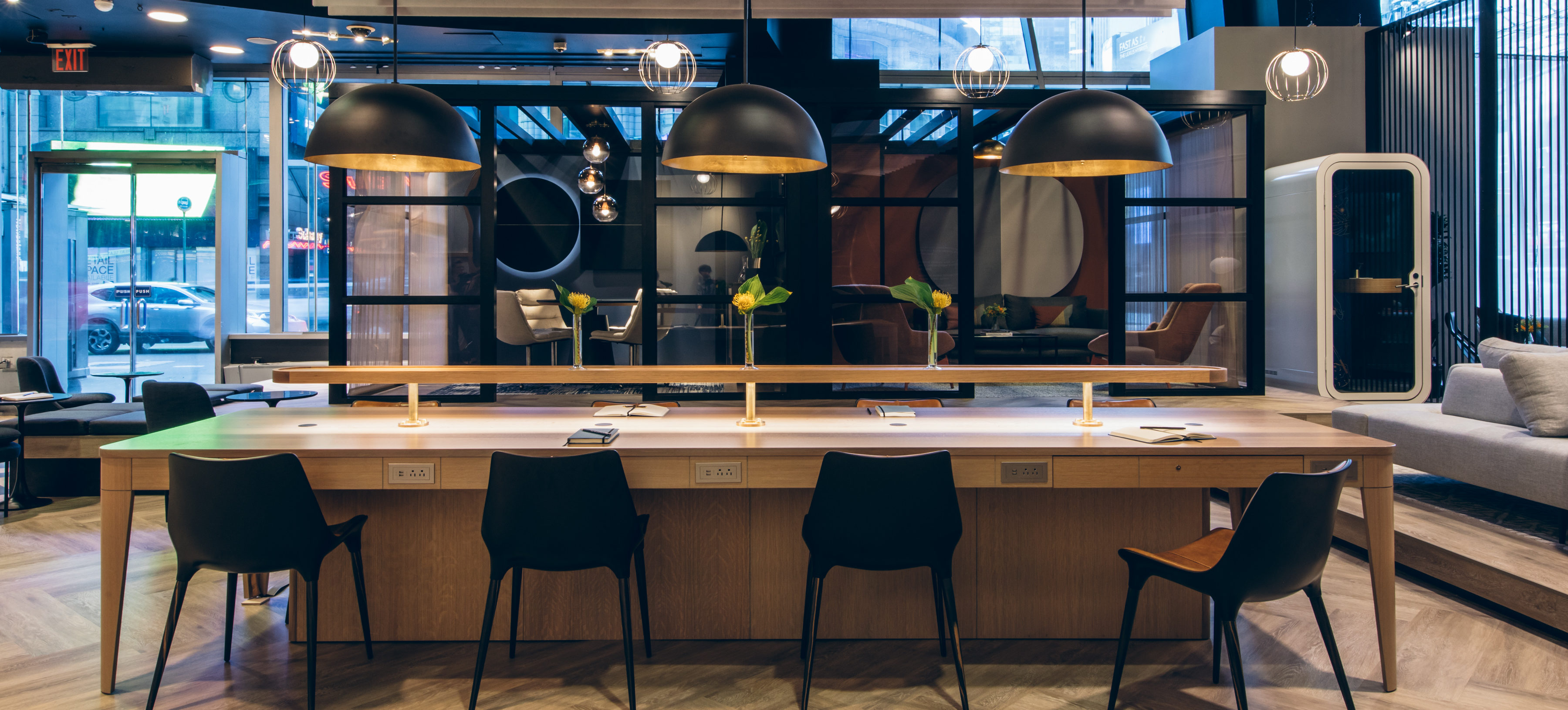
The productivity community table
Marriott is focusing on every aspect of the Sheraton business—how it is positioned and sold, along with the quality of the property.
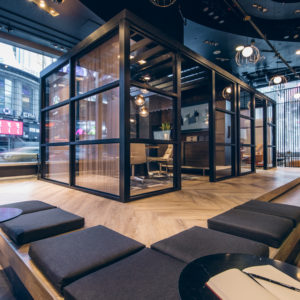
Physically, this will mean larger, more inviting lobbies with integrated functions. Think big, open public spaces with collaborative seating and glassed-in, jewel-box areas for private conversations. A “coffee-bar bar” is designed for sipping and working day and night. Reception will be off to the side. “The central space is about community, rather than transactional activity,” Adenaw said.
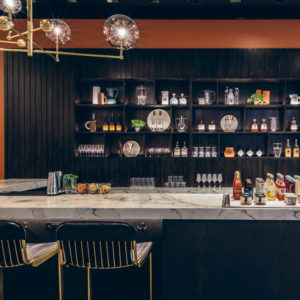
Marriott is advancing a more casual approach to food, as well. Guests can order bites and drinks through an app on their phone, to be delivered wherever they are on property. At night, an elegant lounge scene lights up. At the Phoenix property, a Spanish-themed restaurant spills outside, where creative cocktails and sharable plates are served. These late-night indulgences are backed up by a quick-serve restaurant during the day. A community manager will float the room, making sure everyone has what they need.
“The ground floor feels like a mercado, a central experience with pocket areas that offer different uses,” Adenaw said.
The same elevated, yet relaxed approach will be integrated in the meeting spaces as well. Planners will be able to order whatever they need—extra chairs, coffee, a quick breakout room, help—through that same phone app. Technology will be integrated so planners can be more flexible and control the environment in real time.
“We are taking out the formality and making the experience more efficient to encourage a sense of community,” Adenaw said.
A club lounge just off the meeting space at the Phoenix property is redesigned to feel like an enclave. It offers privacy for meetings, but is also relaxing. VIP guests can order food from their phones to be delivered there.
The guest room feels more residential and comfortable than a hotel room, Adenaw said. A warmer, residential feel does away with heavy case goods and offers a comforting vibe. In Phoenix, the rooms welcome in the sun, but also make it possible to dim the lights when needed.
On the operational side, the company is taking its cues from brands such as We Work co-working space and Eataly marketplaces—fluid experiences that mix business and pleasure, retail and personal activities.
“Our plans are very ambitious, but the goal is to create moments that feel alive and open to everyone,” Adenaw said. His vision is modern, global and digital.
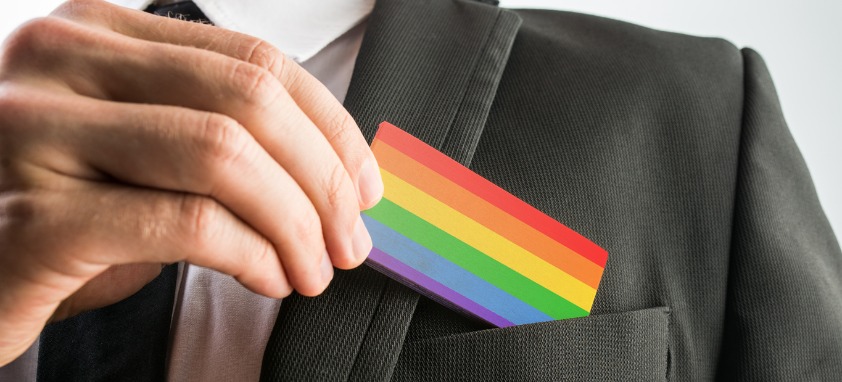
Networking and “improving the image of the LGBT community” were listed as the most important initiatives in a new study by LGBT Meeting Professional Association (LGBT MPA). A little more than two years after the group was founded, 1,200 people have joined, according to LGBT MPA founder and Executive Director Dave Jeffreys, who is president of Altus Agency in Philadelphia.
He started the group because he saw that there was no support network for lesbian, gay, bisexual and transgender people in the industry. As the group neared its two-year anniversary, he contracted with a professor at Iowa State University to find out who was joining and where the greatest need remained.
“It turns out our members plan a lot of events, are experienced and are very well-educated,” Jeffreys said. The total buying power of the organization’s members was estimated at $2 billion per year—a spend that could result in $7.2 billion in financial impact, using industry calculators.
More than 13 percent of members plan meetings with budgets of more than $1.5 million. This included conferences (20 percent); corporate incentive, board meetings and product launches (20 percent); professional networking and training events (18 percent); and trade shows (14.5 percent). One-third have ceiling budgets of $100,000–$500,000. And 70 percent say their businesses are growing in the next year.
A Cross Section
The results from 170 association members by faculty member Eric Olson in the department of apparel, events and hospitality management at Iowa State University, also found:
A supermajority (76 percent) identify as male; 23 percent as female and less than 1 percent as transgender.
A majority (68 percent) identify as gay; 12 percent as bisexual; 9 percent as lesbian.
Almost half (47 percent) are between 51 and 60 years old; 24 percent are under 40.
Another supermajority (78 percent) identify as white; 8 percent as Latino or Hispanic; 7 percent as black; 2 percent as Asian.
Almost half (43 percent) have undergraduate degrees; almost one-third (31 percent) have graduate degrees.
LBGT MPA Chair Jim Clapes, who is conference and events manager at Drug Policy Alliance, said reaching out to the female, lesbian community will be a priority in the coming year, “so we are practicing the diversity we preach.”
Surprising Findings
Jeffreys said he didn’t know what to expect from the report, but was surprised by the diversity of geographic locations and horizontal cross-section of the industry.
Respondents were concentrated in urban areas—Washington, D.C., San Francisco, Chicago, Los Angeles, New York City and Philadelphia—in descending order. LGBT MPA is also growing outside the United States. Visit Britain/Visit England just came on as a sponsor, joining more than 56 North American CVBs and travel-related businesses.
The population was pretty evenly divided between vendor/third-party agencies, destination marketing organization members, association meeting planners and corporate meeting planners. The rest fell in the category of independent meeting planner, hotel representative or venue manager.
While networking was high on the list, with more than 75 percent saying that was the most important service provided by the group, other priorities included education (16 percent), business listings (3.7 percent) and events (2.8 percent). The group has hosted three meetings during major industry association meetings, including one that drew 150 people at PCMA Convening Leaders 2019 in Pittsburgh. It is now planning regional events to bring people together with others in their area.
“This is a platform to connect over shared experiences and challenges,” Clapes said.
Respondents also said they hoped the group could improve the image, media visibility and understanding of the community, and provide resources and information that could help members be more successful.
The LGBT MPA board includes members from CVBs, major hotel chains and corporations, such as Nike. However, Clapes stressed that the group is not just for LGBT people. “We are a resource for anyone putting on an event who wants to be inclusive,” he said.
From tips for setting up nongender-specific restrooms to negotiating contracts that guard against being forced to hold an event in a city where legislation hostile to LGBT members is passed and incorporating more diverse voices in panels, he sees LGBT MPA as an industry resource.
Kristen Adamo
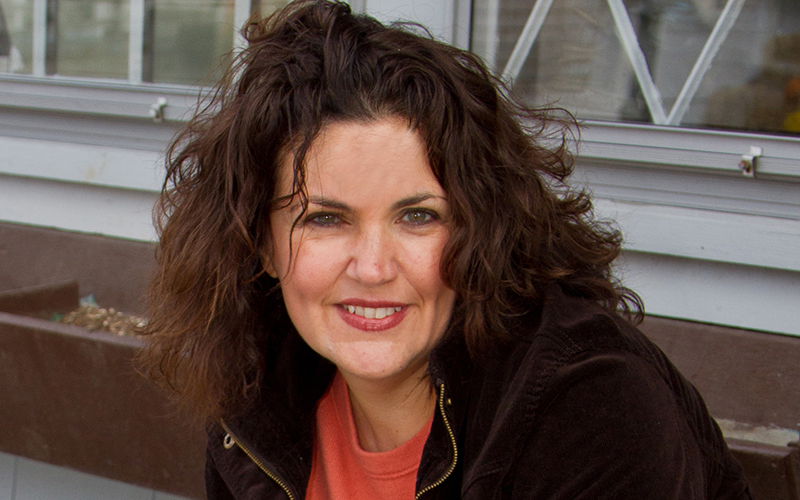
The Providence Warwick Conventions and Visitors Bureau (PWCVB) in Rhode Island appointed Adamo, who was vice president of marketing and communications, as its president and CEO. Adamo joined the PWCVB team in 2005 as director of communications. In 2007, she was promoted to vice president. Adamo serves on the boards of the New England Association of Schools and College, Roger Williams Park Zoo, Rhode Island Film Festival and StyleWeek Northeast. Providence Business News named Adamo to its 40 Under 40 list of Rhode Island’s most successful young businesspeople.
Cori Kallenberger
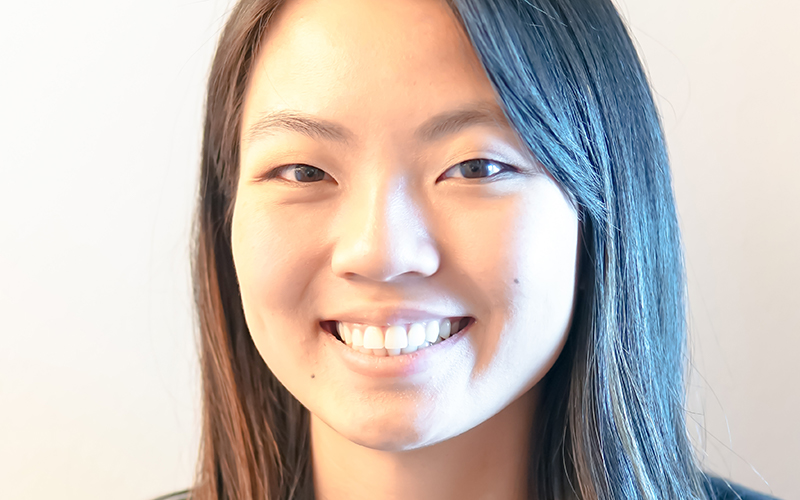
Arlington Convention & Visitors Bureau in Texas brought Kallenberger onto the team as its public relations and digital media specialist. Kallenberger double-majored in advertising/public relations and English, with a minor in technical writing at Stephen University in Nacogdoches, Texas. While at the university, she was a member of the advertising research committee, served as the newspaper photographer and videographer, and was assistant hall director.
Cori Kallenberg
Lindsay Wooten
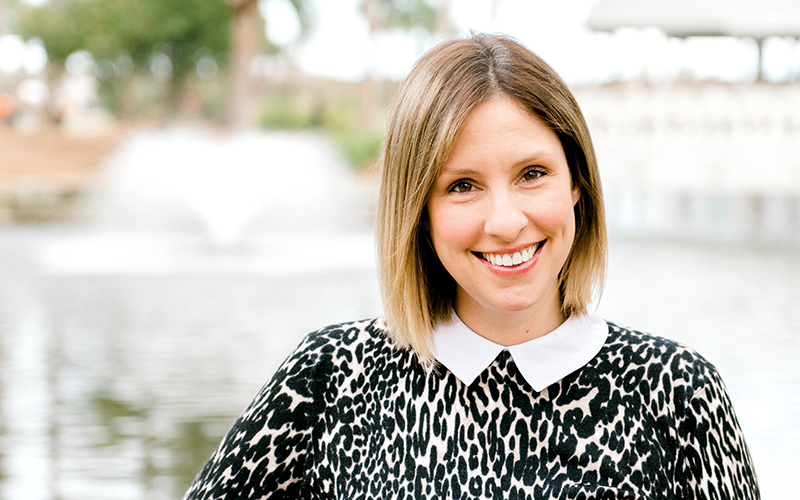
Wooten joined Sonesta Resort Hilton Head Island in South Carolina as the conference services manager. Prior to Sonesta Resort, Wooten was the catering sales manager at The Ridge Hotel in Lake Geneva, Wisconsin. Her extensive list of hospitality experience includes serving as director of catering at Miramonte Indian Wells Resort & Spa in California; catering and conference services manager at Vail Cascade Resort & Spa in Colorado; and event sales manager at Sawgrass Marriott Resort & Spa in Jacksonville, Florida.
Maureen Carter
Carter is now a part of CSI DMC in Washington, D.C., serving as vice president of national sales for the West Coast. In her recent role, she served as national sales director at The Broadmoor in Colorado Springs, Colorado. While at The Broadmoor, Carter held numerous roles, such as employee relations and communications manager, executive meeting manager and sales manager. In March 2019, Carter was recognized as the Independent Hotel Person of the Year at the Conference Direct Annual Partner Meeting in Atlanta.
David Lambert
Lambert joined Hyatt Grand at SFO in San Francisco as director of sales and marketing. He comes from Hyatt Regency Monterey and Hyatt Carmel Highlands, both in California, where he won numerous awards as director of sales, marketing and events. He’s held the role of director of sales and marketing at various hotels, including Hilton hotels in San Francisco and Oakland, California; Nikko Hotels International in San Francisco and Atlanta; and Four Seasons Hotels and Resorts in San Francisco, as well as Jakarta, Indonesia, and Newport Beach, California.
Courtney Dall’Olmo
Dall’Olmo is director of marketing for The Kartrite Resort & Indoor Waterpark in Monticello, New York. She previously served as director of marketing and communications for Topnotch Resort in Stowe, Vermont. Before moving up into the director position, she held the role of marketing supervisor for Trapp Family Lodge, also in Stowe.
Brooke Grant
Hyatt Regency Lost Pines Resort & Spa in Cedar Creek, Texas, welcomed Grant as marketing manager. Grant began her career in hospitality as a wedding coordinator at Chain of Events in Nassau, Bahamas. In 2012, she interned at Bahamas Ministry of Tourism on Grand Bahama Island, leading to a full-time position, and later, promotion to senior executive of communications. She subsequently served as site specialist at Grand Hyatt Baha Mar in Nassau, Bahamas.
Does all the fine print around frequent flier programs leave you confused about what to register for and what to book for your next meeting? Ask a frequent flier. That is exactly what InsideFlyer magazine does every year to determine the winners of The Freddie Awards. This year, 7.1 million ballots for 223 loyalty programs were submitted by frequent travelers from around the globe in 237 languages. All votes were cast using a “value voting” system that allows participants to rank their top three in each category. Some familiar names came out on top, but some surprises were hidden in the results as well.
Southwest Airlines’ Rapid Rewards won the Program of the Year Award for the fourth consecutive time. On the hotel front, Marriott held its position for the 12th time as its newly launched Bonvoy loyalty program wins Program of the Year in the Americas region.
Norwegian Reward won Program of the Year for the Europe/Africa region for the third consecutive year and Virgin Australia Velocity received the Program of the Year Freddie Award in the Middle East/Asia/Oceania region.
Among international hotel programs, Le Club AccorHotels was named Program of the Year for the Europe/Africa region and IHG Rewards Club won Program of the Year in the Middle East/Asia/Oceania region.
Chase grabbed the Best Loyalty Credit Card Award by issuing the Southwest Airlines Rapid Rewards Premier credit card in the Americas region. Norwegian Reward won in the Europe/Africa region with their credit card issued by Bank Norwegian and American Express Membership Rewards won in the Middle East/Asia/Oceania region
Aeroplan, Caesars Rewards, Miles&Go, NH Rewards, ANA Mileage Club and Club ITC received the 210 Awards, that are meant to recognize up and coming programs that may not yet be on the radar of frequent travelers.
Here is the full list of winners:
Americas
Airline
Program of the Year — Southwest Airlines > Rapid Rewards Best Elite Program — American Airlines > AAdvantage Best Promotion — Avianca > LifeMiles Best Customer Service — Southwest Airlines > Rapid Rewards Best Redemption Ability — Southwest Airlines > Rapid Rewards 210 AWARD — Air Canada > Aeroplan
Hotel
Program of the Year — Marriott Hotels > Marriott Bonvoy Best Elite Program — Hyatt > World of Hyatt Best Promotion — Marriott Hotels > Marriott Bonvoy Best Customer Service — Caesars Entertainment > Caesars Rewards Best Redemption Ability — Marriott Hotels > Marriott Bonvoy 210 AWARD — Caesars Entertainment > Caesars Rewards
Credit Card
Best Loyalty Credit Card — Southwest Airlines > Rapid Rewards Premier Credit Card from Chase
Europe & Africa
Airline
Program of the Year — Norwegian Air > Norwegian Reward Best Elite Program —Aeroflot > Aeroflot Bonus Best Promotion — AIR FRANCE/KLM > Flying Blue Best Customer Service — Aeroflot >Aeroflot Bonus Best Redemption Ability — AIR FRANCE/KLM > Flying Blue 210 AWARD — TAP Air Portugal > Miles&Go
Hotel
Program of the Year — Accor Hotels – Le Club Accorhotels Best Elite Program — Marriott Hotels – Marriott Bonvoy Best Promotion — IHG – IHG Rewards Club Best Customer Service — Accor Hotels – Le Club Accorhotels Best Redemption Ability — IHG – IHG Rewards Club 210 AWARD — NH Hotel Group – NH Rewards
Credit Card
Best Affinity Credit Card — Norwegian Air – Norwegian Reward > Norwegian Card from Bank Norwegian
Middle East & Asia/Oceania
Airline
Program of the Year — Virgin Australia > Velocity Best Elite Program — Virgin Australia > Velocity Best Promotion — Virgin Australia > Velocity Best Customer Service — Virgin Australia > Velocity Best Redemption Ability — Virgin Australia > Velocity 210 AWARD — ANA > ANA Mileage Club
Hotel
Program of the Year — IHG > IHG Rewards Club Best Elite Program — Hyatt > World of Hyatt Best Promotion — IHG > IHG Rewards Club Best Customer Service — Accor Hotels > Le Club Accorhotels Best Redemption Ability — IHG > IHG Rewards Club 210 AWARD — ITC Hotels > Club ITC
Credit Card
Best Affinity Credit Card — American Express > Membership Rewards from American Express
You know it for the wine. And, indeed, it is the world wine capital, surrounded by the most coveted wineries on earth and with more acres under wine cultivation—7,000 venues and wine properties—than anywhere else. But if you are looking toward Europe for a MICE occasion, Bordeaux, the historic city on the Garonne River in southwestern France, has emerged in recent years as so much more.
Even longtime residents are astonished at the transformation of their formerly grimy dowager with rat-infested port quays into a clean, vibrant city that boasts charming pedestrian streets faced by gleaming 18-century facades and more restaurants per capita than Paris (many of them Michelin starred or recommended).
Inhabited for 2,000 years, and with some structures dating to Roman times, the city’s bones have been good since at least the 1700s. “Take Versailles, add Antwerp, and you have Bordeaux,” famously quipped Victor Hugo. He was referring to the 5,000 structures built along its rues, boulevards and plazas from the riches of the wine trade. After a major sprucing up and infrastructure building spree over the past decade, its historic heart became the largest urban area to be designated a UNESCO World Heritage site; it has the greatest concentration of historical buildings of any city in France except Paris.
Not bad for a modestly sized city of 250,000 that you can cross by bicycle in about 15 minutes. The compact manageability of Bordeaux is one of its chief attractions for groups, but for English-speaking planners and attendees, so is widespread familiarity with their language—and a welcoming attitude that comes, in part, from centuries of wine trade in the British market and the fact that the region was ruled by England for 200 years.
Growing MICE Appeal
Another plus is Bordeaux’s ever-increasing ability to host MICE events.
A new convention and exhibition hall, Palais 2 l’Atlantique, opening in May seats 6,000, second-biggest outside Paris. Unique venues include the futuristic Cite du Vin (City of Wine) on the left bank of the Garonne, which explores the global history of wine and hosted 440 private events and tasting workshops last year; MECA, a brand-new exhibition space dedicated to the creativity and culture; and Musee Mer Marine (Museum of the Sea and the Navy), which has an entire floor for corporate events.
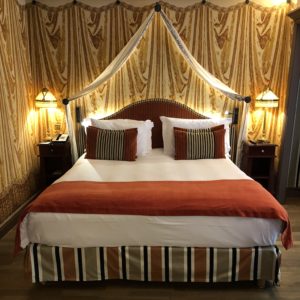
Guest room at InterContinental Bordeaux-Le Grand Hotel
History also serves group needs. Bordeaux Palais de la Bourse, part of the magnificent Place de la Burse, an Age of Enlightenment masterpiece dating to the mid-1700s and the most emblematic address in the city, offers 26,425 sq. ft. of meeting space. Another wing is Bordeaux Patrimoine Mondial, a discovery center for city history. The complex is fronted by the world’s largest water mirror.
Getting around is quick and easy, thanks largely to an efficient tram system that uses a French technology that eliminates overhead cables to preserve the aesthetics of the historic center.
There are 16,600 hotel guest rooms, and another 750 on the horizon by 2020. They range from the historicly posh, such as InterContinental Bordeaux-Le Grand Hotel (130 guest rooms, 12,680 sq. ft. of meeting space) across from the majestic Grand Theatre that was built under King Louis XVI, to quirky modern, such as Seeko’o Hotel (44 rooms, 753 sq. ft.) an immaculate white “iceberg” clad in Corian and designed by local architectural firm King Kong, and Philippe Starck-designed Mama Shelter Bordeaux (97 room, 1,615 sq. ft.) with its wildly popular rooftop bar.
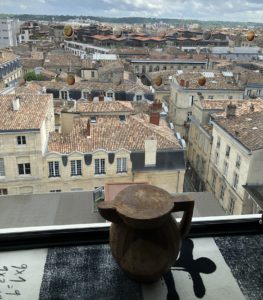
Bordeaux rooflines as seen from Mama Shelter Bordeaux meeting room.
Business-friendly hotels near major convention and meeting venues include Hilton Garden Inn Bordeaux Centre (166 guest rooms, 4,032 sq. ft. of meeting space) and Pullman Bordeaux Lac (166 rooms, 31,301 sq. ft.), an Accor property that works with others in the city to offer planners joint room blocks with a single contract.
Resources for speakers and panelists are abundant. Apart from 575-year-old University of Bordeaux with it 52,000 students and eminent faculty in science and technology, health sciences and oenology, the city is a nexus of aeronautics and robotics. Wine, of course, drives the local economy. It has been produced in the region since the 8th century, and Bordeaux is home to the world’s pre-eminent wine fair, Vinexpo. The next most important revenue generator may surprise you—oysters, from the nearby seaside town of Arcachon, are renowned throughout Europe.
What do you do in Bordeaux?
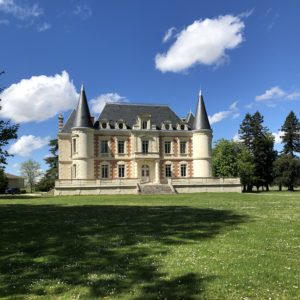
Chateau Lamothe Bergeron
Wine tourism to the Medoc, Saint Emilion, Pomerol, Graves and other area appellations—some less than a half hour from the city—is, as you would expect, big. Bordovino a la Francaise offers a Medoc vineyard tour as an incentive trip, with stops at Grand Cru wine chateaux and vineyards with MICE facilities and offers, such as Chateau Marquis de Terme and Chateau Lamothe Bergeron. The latter features an excellent multimedia demonstration of wine blending and tasting. Without even leaving Bordeaux, an Urban Wine Trail takes you to a collection of top wine bars, and Ecole du Vin de Bordeaux (Bordeaux Wine School) hosts tasting workshops for groups.
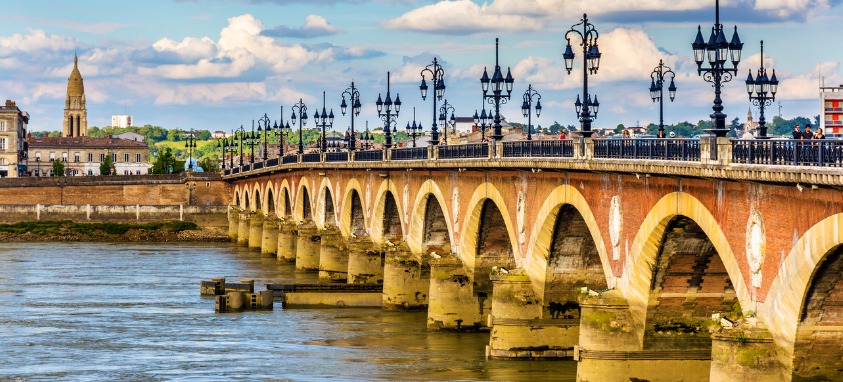
The Garonne River is another favorite group excursion. Yacht de Bordeaux hosts guided cruises during which the city’s colorful history as a port city is revealed as you glide by the bridge Napoleon built so his army could more easily march south to conquer Spain and spot the menacing hulk of concrete that housed a German U-Boat fleet during World War II (and is now a cultural center and museum).
One of the best ways to explore Bordeaux is by purchasing a CityPass (24-72 hours), which gives unlimited access to the tram and city buses, admission to City of Wine as well as 20 museums and monuments, city tours, plus much more.
As the Bordelais say these days, come for the wine…but stay for the city.
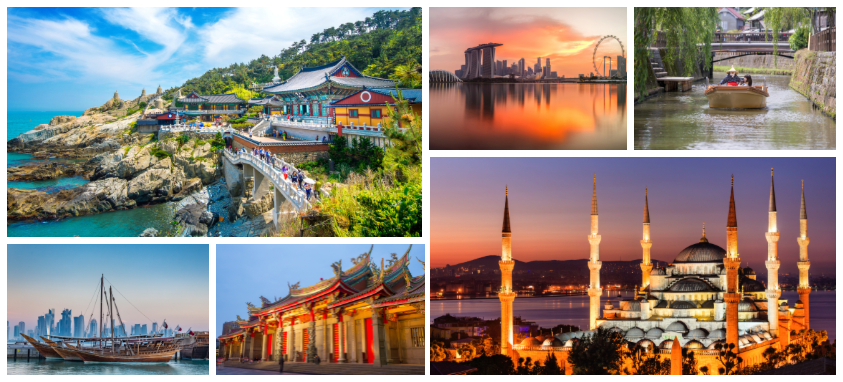
Say bye-bye to boredom during airport layovers! From cultural landmarks to city hot spots, several international airports are offering transit passengers complimentary tours to get a glimpse of the city they are passing through. Here’s a look at some of the most intriguing options.
Seoul
Incheon International Airport (ICN) offers eight different tours, depending on the duration of the layover. Starting with an hourlong visit to Yonggungsa Temple, a Buddhist temple built in 1376 that offers several tours that are two, three, four and five hours long. Incheon Temple, Incheon Grand Bridge, Heungryunsa Temple and Gwangmyeong Cave are some of the tour destinations.
The airport also offers Songdo City Tour and Seoul City Tour. Songdo Tour is four hours long and features destinations such as Songdo Central Park, Ocean Scope and the famous Singi Market. Seoul City Tour is five hours long and includes attractions such as Seoul Tower, Bukchon Hanok Village, Gwangjang Market and the historic Samcheong-dong neighborhood.
You can make tour reservations online or upon arrival at the transit tour desks at the airport. You can also do more than one tour, based on the length of your layover.
Singapore
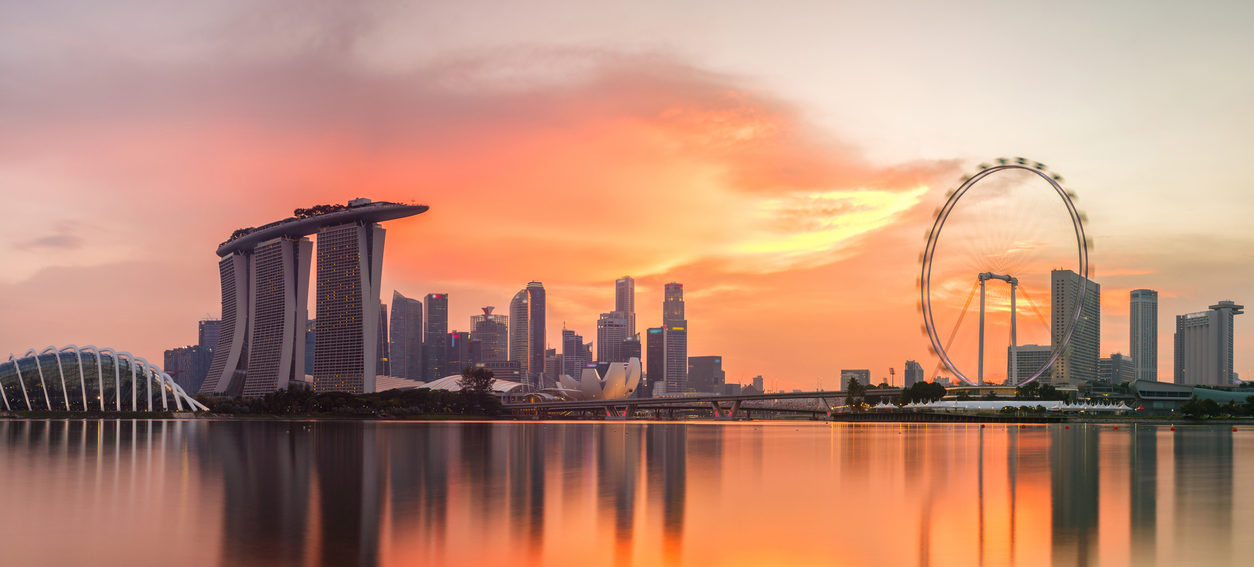
Changi Airport Singapore (SIN) offers two tours for passengers with at least five to six hours of layover. The Heritage Tour runs four times a day and includes visits to Singapore’s ethnic neighborhoods, including Little India and Kampong Glam. City Sights Tour is offered twice a day and visits Singapore Flyer, Merlion Park, Marina Bay Financial Center and Gardens by the Bay.
Taipei, Taiwan
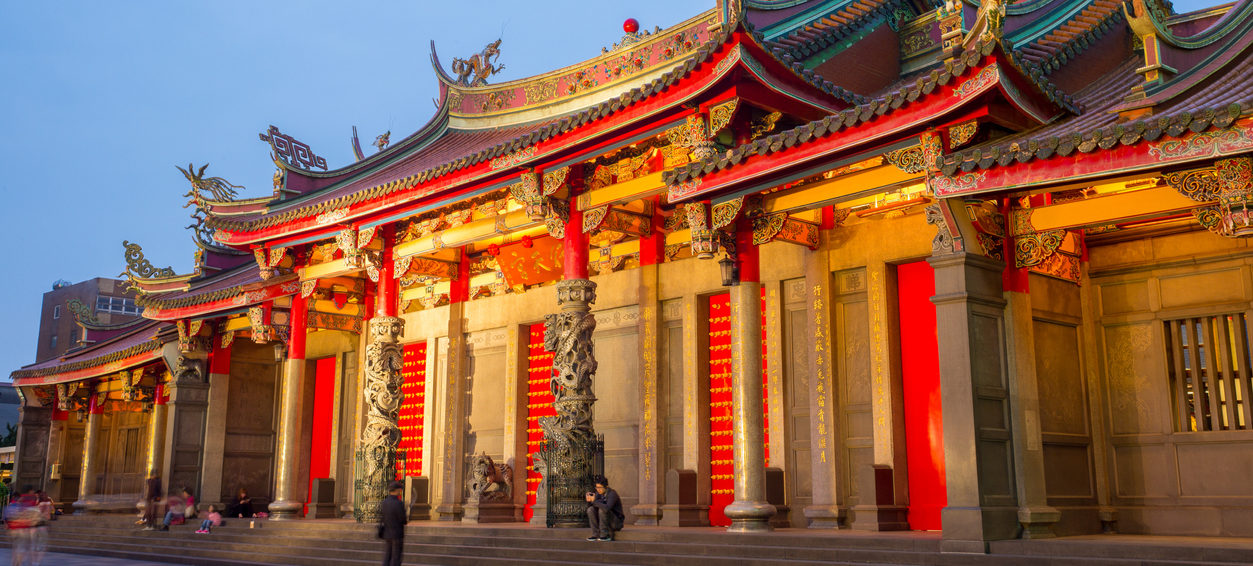
Taiwan Taoyuan International Airport (TPE) offers a morning and afternoon tour that highlights cultural and historical attractions for visitors. The morning tour visits attractions such as Sanxia Old Street, Daoist Sanxia Qingshui Zushi Temple and Yingge Ceramics Old Street. The afternoon tour begins with an introductory glimpse of Taipei, and stops include Longshan Temple and Chiang Kai-shek Memorial Hall and Park. You can book your trip upon arrival at the tourist service center in the arrival lobby.
Istanbul
If you are flying Turkish Airlines and have at least six hours layover at Istanbul Ataturk Airport (IST), you are eligible to take one of the five daily tours. They offer a 2 1/2-hour tour in the morning, while the others are six hours long.
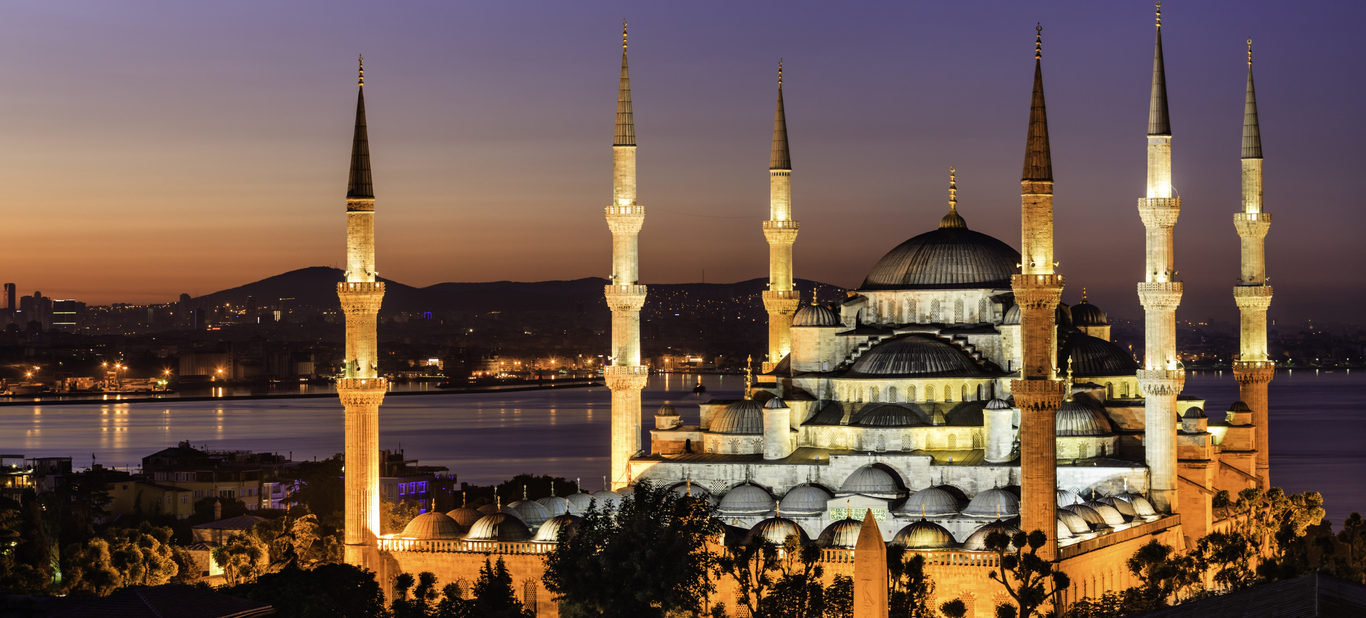
Visitors on these tours are served with a complimentary Turkish-inspired breakfast and a traditional Ottoman cuisine lunch. Blue Mosque, Walls of Constantine, Hippodrome Square, Grand Covered Bazaar, Eyup Sultan Mosque & Square, Basilica Cistern, Spice Market, Hagia Sophia, Dolmabahce Palace and Galata Tower are some of the tour destinations.
Tokyo
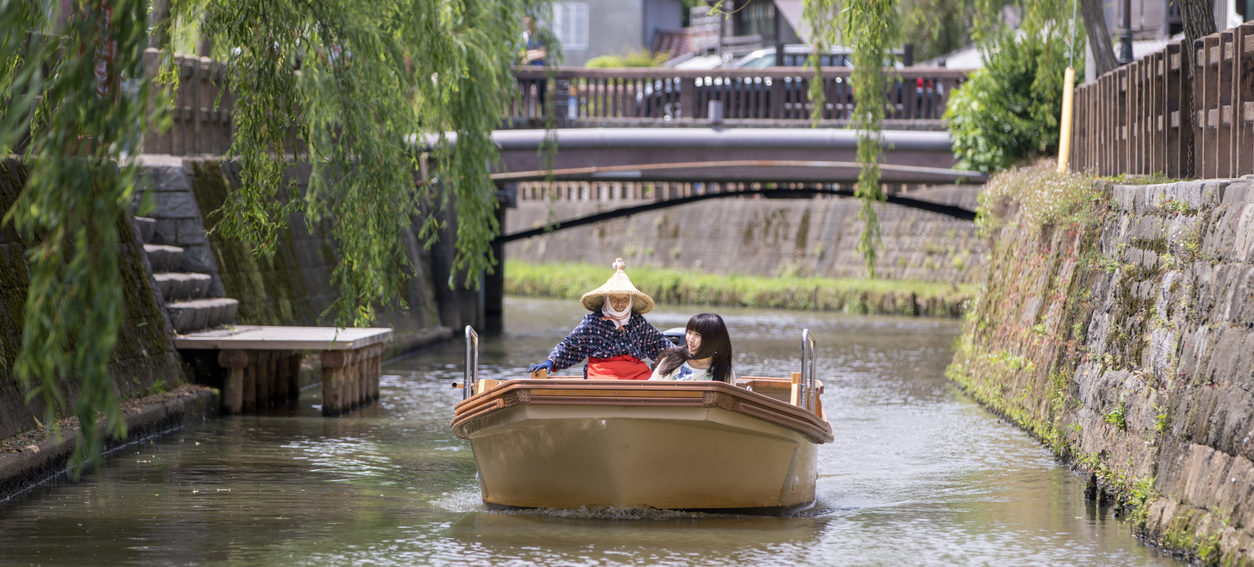
Narita International Airport (NRT) offers three different types of tour packages—bus tours, self-guided tours and volunteer-guided tours. Bus tours are offered Tuesday through Sunday and last six hours. Visitors need to pay approximately $32 for the bus and driver. The tour covers landmarks such as Boso no Mura Theme Park, Hakko-no-Sato Kozaki, Suigo Sawara Dashi Kaikan, the historic streets of Sawara, Tako Ajisai-kan and Shibayama Nioson Temple.
The airport offers five different self-guided tours, and each can be completed in three hours. Visitors are provided with a map and directions to each destination, and they can enjoy them at their own pace. These tours can also be customized according to the length of the layover and budget. Tours cost from $5 to $80.
During volunteer-guided tours, an English-speaking volunteer accompanies visitors on their journey around the city. These tours may also be customized, and cost from $5 to $20, based on the package. You can book a tour online or upon arrival at the transit tour desk.
Qatar
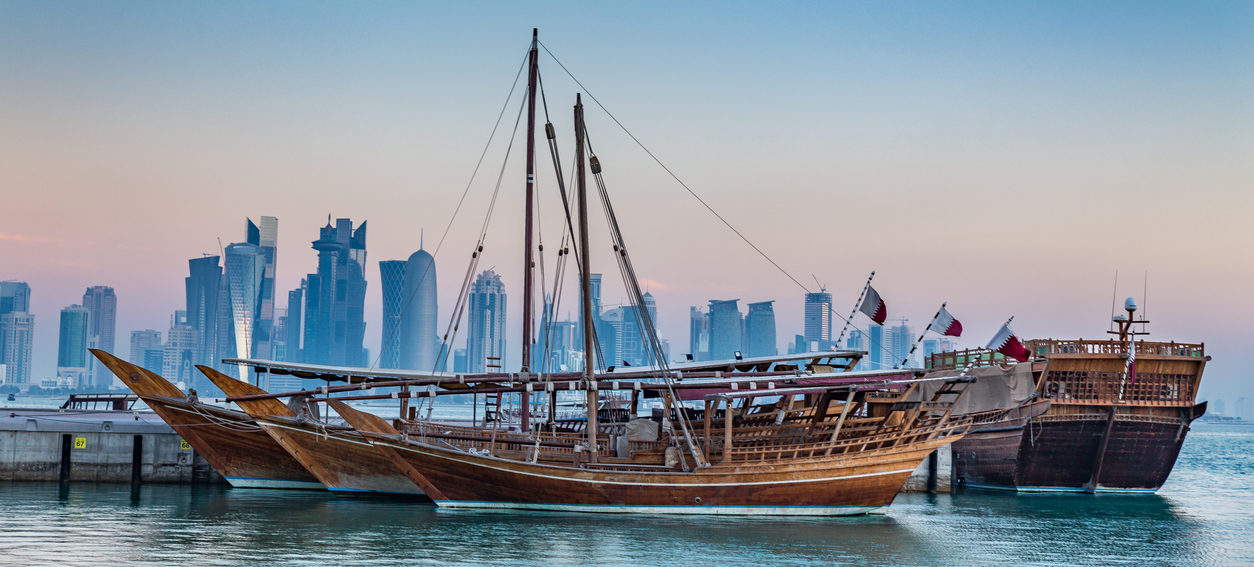
Hamad International Airport (DOH) offers paid tour packages for passengers who wish to escape the airport and experience the destination’s Arabian heritage. Qatar Airways, in collaboration with Qatar Tourism Authority, offers nine different daily tours, lasting two hours and 45 minutes to six hours, depending on the package. Doha City Tour is among the most popular, costs $20 and covers the traditional Souq Waqif, Museum of Islamic Arts, Dhow Harbour, The Pearl and Katara Cultural Village.
You can book your tour online until 48 hours before arrival, or you can book it upon arrival (subject to availability) at the Discover Qatar Transit Tours desk.
According to a report released by CareerCast, event planners made it to the top five on the list of “The Most Stressful Jobs of 2018,” right after firefighters, police officers, enlisted military personnel and airline pilots. The survey was based on 11 factors, including travel, physical demands, meeting the public and deadlines. Smart Meetings planner, Maria Cruz, has a few tips to help planners reduce stress before, during and after an event.
Before an Event
Your health and wellness are the most important. As a planner, your mind needs to be clear, so make sure you get enough rest and eat a healthy diet. The better you feel within, the better the show you will produce. A healthy body gives you the confidence to tackle any curveball during the event.
Every event planner must have a checklist. To avoid stress later, create and manage different lists including a post-event checklist. The more you get done before, the less stress you will feel during and after the event.
If you need to take a flight for your event, plan to arrive a day early. If you are checking in your luggage, ensure you carry two pairs of clothes in your carry-on, just in case your luggage is misplaced or arrives late.
Create a well-planned show flow/run of show (ROS) that describes the event from start to finish. From the agenda, program of speakers, cues for audio, video, lights and relevant contact information, this list is a complete guide to your event.
Organize an internal pre-con meeting with all key players to review final logistics.
Organize a team meeting and establish the line of command and each planner’s responsibilities at the event. Also, decide who is the onsite decision maker to avoid any confusion.
While most event venues provide a first aid kit, it is better to create your own kit with all the required supplies so that you are in control in case anything happens.
Check that all your electronic devices are fully charged the night before the event.
During an Event
It is crucial you get to the venue at least two to three hours before the kick-off. Ensure that you do prior research regarding the place and make yourself aware of all emergency exits.
Do not forget to switch on the personal hotspot on your phone so that you don’t miss out on anything in case the Wi-Fi does not work.
Don’t let hunger to add to your stress; eat nutrient and protein-rich food during the event. At the same time, be mindful of what you eat. Do not try something new to which your body may react. Stay hydrated by drinking lots of water and always carry an energy bar or some snack on you.
Meet with all your key players from the property right away.
Wear comfortable clothes and shoes that still look professional. Do not try new footwear for an event.
Be proactive, energetic and portray a high level of customer service. Make sure you and your team are calm at all times. If you or a team member needs a break, take a quick walk outside the event to relax.
If you have multiple day events, take some time to decompress after the first day. Today, most people have humidifiers in their room; you may also consider aromatherapy or a work out at the gym for 30 minutes.
After an Event
It’s time to get to the post-event checklist and ensure you complete everything on it, including invoices and bills.
It is essential to de-stress yourself. Get the right amount of sleep and rest for your mind and body. No matter how busy your next day may seem, find some time to decompress by doing something that makes you feel good. Get a massage or binge watch your favorite TV show.
 Starting Wednesday at midnight, ride-share drivers in Los Angeles will turn their apps off
 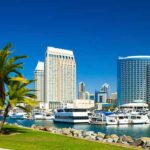 Like Los Angeles, San Diego ride-share drives will shut down their apps for 24 hours starting at midnight, with protests planned at San Diego International Airport (SAN)
 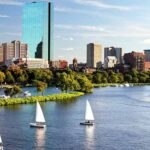 Boston ride-share drivers
  Uber drivers in San Francisco
 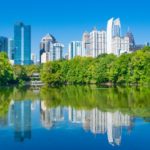 Atlanta rideshare drivers
 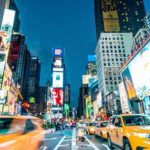 Uber, Lyft and all protesting ride-share drivers
  Uber drivers will be
  Participating rideshare drivers in Chicago will be striking from 1:30 p.m., with
  From 8:30 p.m. to 10 p.m., ride-share drivers in the nation’s capital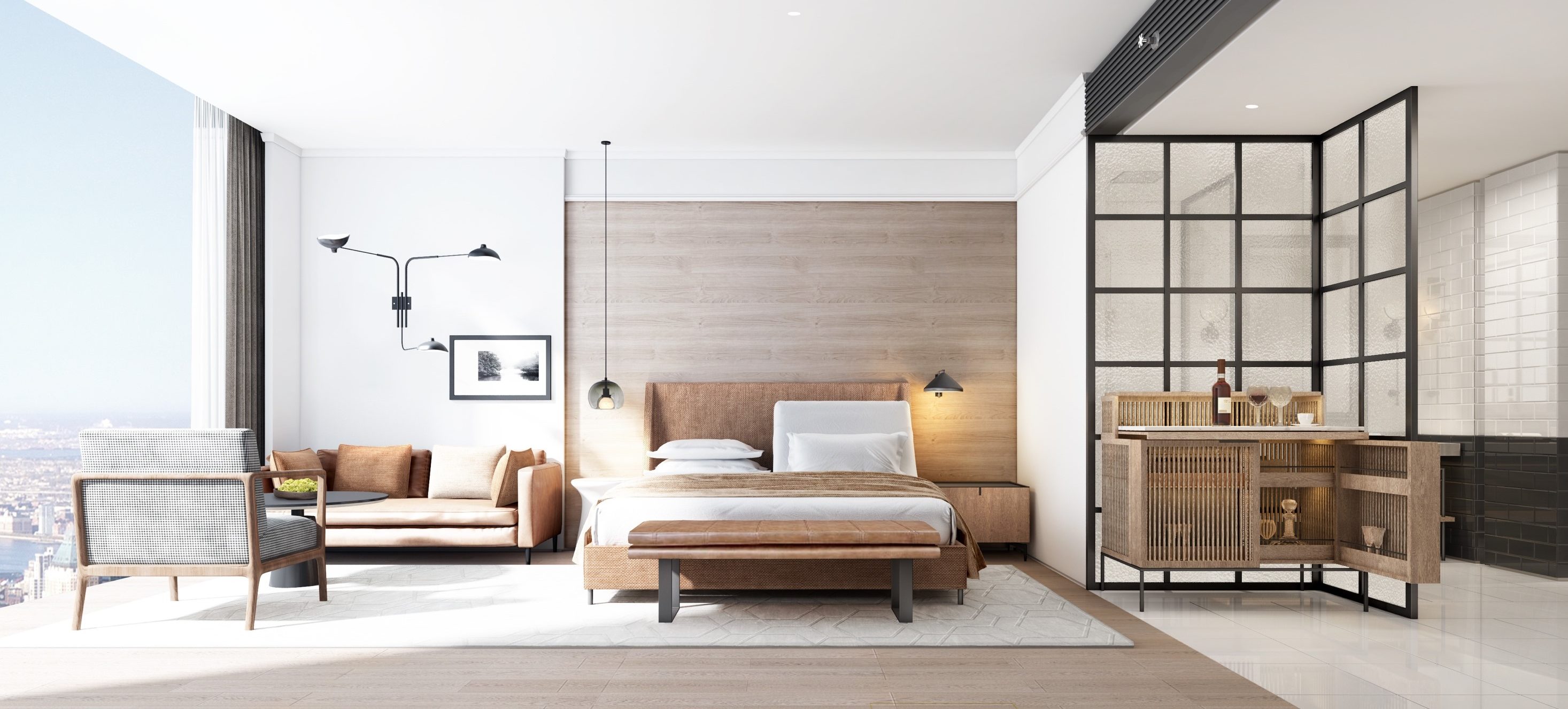
 Marriott is advancing a more casual approach to food, as well. Guests can order bites and drinks through an app on their phone, to be delivered wherever they are on property. At night, an elegant lounge scene lights up. At the Phoenix property, a Spanish-themed restaurant spills outside, where creative cocktails and sharable plates are served. These late-night indulgences are backed up by a quick-serve restaurant during the day. A community manager will float the room, making sure everyone has what they need.