Editor’s note: The following is not legal advice but is for general educational purposes. If you have a specific question, you should contact an attorney. event contract

The good news is that vaccines are here. The bad news is that pandemic concerns are still with us—and that means one of the side effects, intense focus on force majeure clauses, will hang around for the foreseeable future.

That is why Smart Webinars hosted John S. Foster, CHME, an attorney with Foster, Jensen & Gulley, for an exclusive Q&A on event contract essentials in the Covid era.

Listen to “Event Contract Essentials in the Covid Era” on demand.

Reasonable Care

Meeting professionals today are risk managers. When planning an in-person event in a partially vaccinated world, the biggest concern is that someone gets sick and files a negligence lawsuit saying the planner failed to exercise “reasonable care” and in the process caused “injury or illness and damage”.

To protect yourself, you need to educate yourself and demonstrate the measures taken to keep everyone safe. Start by communicating your health policy through emails on the registration website and at the event. Ask attendees to agree to the health protocols (wearing a mask, distancing, hand sanitation, thermal scans, etc.) and assume the risk for deciding to attend. Then share your refund policies available if they refuse to agree to the conditions.

Once you establish your rules, you need to enforce them consistently.

Key Clauses

Pandemic-era contracts now require contract clauses that include Hotel Protocols and Policies for Covid-19 prevention. This section will specify the hotel or convention center practices that are based on CDC guidelines, and that industry standard of care will implement to protect attendees, their certifications and group requirements.

The venue should agree to hold harmless, indemnify and agree to defend the group from asserted claims, judgments and liabilities from failure to comply with agreed-upon protocols and standards.

Insurance

Co-insurance should include coverage for third-party claims, so that if an attendee gets injured or sick, you are held harmless. It should also stipulate that claims of property damage should be limited to the amount of property insurance.

Attrition, Cancellation & Force Majeure

These clauses specify the terms for calculating damages when a group cancels, including whether resold rooms will offset planner responsibility.

Pro-tip: Pay close attention to whether guest-room attrition is based on room nights or revenue. The planner can get dinged if attendees are able to get lower rates at the same hotel, so focus on room nights.

Hotels have been a little more flexible about attrition during Covid when the alternative is canceling, but this is always open to negotiation.

Best-efforts clauses stipulate that the meeting producer will try to get attendees to stay at the hotel but doesn’t guarantee a minimum. The downside to that approach is that the hotel may oversell that block, since they don’t have as much confidence in the business.

This section of the contract will also determine damages the hotel would pay if they cancel the group. It should protect the group for any lost revenue (lower attendance or higher costs) if the group has to rebook at another property.

Force majeure is a complete defense for performing a contract in case something happens outside the control of the group—hurricanes, fires, diseases—to make the gathering impossible, impracticable or illegal.

Similarly, when the main reason for the event has been made substantially more burdensome, this falls under “frustration of purpose doctrine.” The key to triggering this defense is that the purpose has to be written into the contract and the unreasonable event has to be something that the parties could not have reasonably anticipated—like a global pandemic.

Bonus Q&A
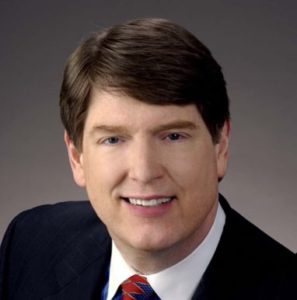
John Foster

John Foster had so much good information, we couldn’t get to all of it in the webinar, so he graciously agreed to address audience questions in this article.

Is there an obligation to provide reasonable accommodations for those who cannot wear masks for medical reasons?

Yes, under Americans with Disabilities Act, but there are no guidelines about what reasonable accommodations is. So, what do you do? Let them attend? That is not fair to those who are there and want to stay healthy. The guidelines are developing. In six months we will have a better idea.

How do you differentiate sniffles that are just allergy related when it comes to telling people not to enter if not feeling well?

You can’t differentiate. If there is a no-sniffle rule, you have to stick to it. Same with a no-elevated temperatures rule. You can require a note from doctor that they have allergies or show a negative Covid test, but you have to treat everyone the same way. That is why it is important to put the rules on your website, along with what the exceptions are.

What if a hotel cancels due to bankruptcy? How can a group get an unsecured deposit back?

Unless you set up an escrow account where title to the deposit isn’t passed to the hotel until the final day of the event or upon cancellation unrelated to force majeure, you have to stand in line as a creditor for pennies on the dollar.

By including the assumption of risk, isn’t that in essence acknowledging that the risk exists? Shouldn’t the risk and burden of proof be on the attendee at an in-person event during a pandemic? 

There is always risk. If people won’t assume risk, then you can’t let them come.

How do you know when and how much event insurance to include?

Always have insurance. Slip and falls, accidents are always risk. Most times it won’t be required, but $1-$3 million in commercial general liability with a provision for property damage is common. Best practice is to include a waiver of subrogation as part of the indemnification clause that limits to the amount of insurance.

If your speakers work for institutions that have banned travel for 2021 due to either Covid-19 or budget restrictions, will force majeure apply?

It could be frustration of purpose if you can’t get other speakers, but it is not impossibility or force majeure unless you put in the clause that speakers have to be able to attend. You have to be careful because you can’t create your own force majeure. If the company banned travel, that same company can’t use the travel ban to trigger force majeure.

Can you have an impossibility clause instead of a force majeure clause, or do you need both?

Don’t just limit to the impossible. There are more gray areas than that. Force majeure needs to include all three legal standards to protect the meeting planner.

Carlton Ervin and Noah Silverman

Ervin is global development officer, international, and Silverman is global development officer, U.S. and Canada, for Marriott International.

Ervin recently worked as chief development officer, Europe, Middle East and Africa. Ervin’s career with the company began as an attorney in Marriott’s law department; he later became vice president in development in 2002 and chief development officer in 2005. In 2008, he was made chief development officer, Europe, and in 2020, he added the Middle East and Africa to his list.

Silverman was recently chief development officer, U.S. and Canada full-service hotels. Silverman’s start with Marriott also began in law, beginning as a litigation attorney, and later, a franchise attorney in the law department. He also held roles in asset management and finances with the company, including senior vice president in global asset management, senior vice president in development asset management and senior vice president in project finance.

Justin Nels

Nels is area managing director for Isla Bella Beach Resort and Faro Blanco Resort & Yacht Club, both in Marathon, Florida; Nels has been managing director for Isla Bella since July 2019. Before joining the team, Nels held general manager and director of sales positions for Ft. Lauderdale Marriott Golf Resort, Renaissance World Golf Village in St. Augustine, Florida, and Le Meridien Philadelphia.

Antoine Alsayah

Alsayah is director of sales and marketing for Zemi Beach House in Shoal Bay, Anguilla. Alsayah was recently director of sales and marketing for Wymara Resort & Villas on Turks and Caicos Islands. Before that, Alsayah was senior director at luxury lifestyle concierge agency John Paul.

Gadi Kaufmann

Kaufmann joined Cabot, a developer and operator of master-planned golf resort communities, as senior advisor. During Kaufmann’s career, he has worked on projects with institutional investors, and public sector and government entities. Kaufmann is currently chairman for Robert Charles Lesser & Co, where he previously worked as managing director and CEO; he has also been a board and committee member for Urban Land Institute and UCLA Center for Real Estate.

Jeffrey Yedlin

Yedlin is hotel manager for Hilton Hawaiian Village Waikiki Beach Resort in Honolulu; he’ll also consult on F&B programs for Hilton-managed properties, including Hilton Waikoloa Village and DoubleTree Hotel Arena-Waikiki Beach. Before joining Hilton Hawaiian Village, Yedlin worked in Las Vegas as vice president of F&B for Circus Circus Hotel and Monte Carlo Hotel and Casino.

Claudia Perez and Fabian Calderon

Perez is director of sales and marketing, and Calderon is operations manager for Marquis Los Cabos in Mexico.

Perez was recently sales and marketing director for Azul Talavera Puebla and Rosewood Puebla, both in Mexico. She’s also worked with Marriott International in roles including global reservations sales and customer care director, director of regional sales and director of event booking center.

Calderon has worked in leadership roles at properties in Mexico and Canada, including Marquis Reforma Hotel & Spa in Mexico City, The St. Regis Mexico City, and Four Seasons Resort Punta Mita in Mexico and Four Seasons Resort Whistler in Canada.

Michael Melendez

Fenway Hotel in Dunedin, Florida, named Melendez general manager. Melendez comes from The Daytona, Autograph Collection, in Daytona Beach, Florida, where he worked as general manager; before that, he was task force general manager at Playa Largo Resort & Spa, Autograph Collection, in Key Largo, Florida.

Occasionally, major unexpected developments force entire industries to rapidly change their business model overnight or face the very real prospect of extinction. While widespread technology adoption is traditionally a slow process, the Covid-19 pandemic forced a rapid and necessary global shift to remote work, travel restrictions and digital communication, putting the live meetings and events industry on pause.

In response, the events industry and many private businesses have been developing virtual events that attempt to recreate live interactions. With the opportunity to introduce novel digital experiences and present a potentially unlimited number of attendees with information in engaging virtual environments, event producers and businesses are making plans and building platforms that could deliver the compelling virtual experiences that their audiences deserve.

Virtual Events Today

Damaris Toma

Over the past year, as video conferencing has become ubiquitous as the primary way for workers, companies and families to communicate, video conference staff meetings have become the default. More complex, interactive events, however, such as product demos, meet-and-greets and conferences, require more robust solutions.

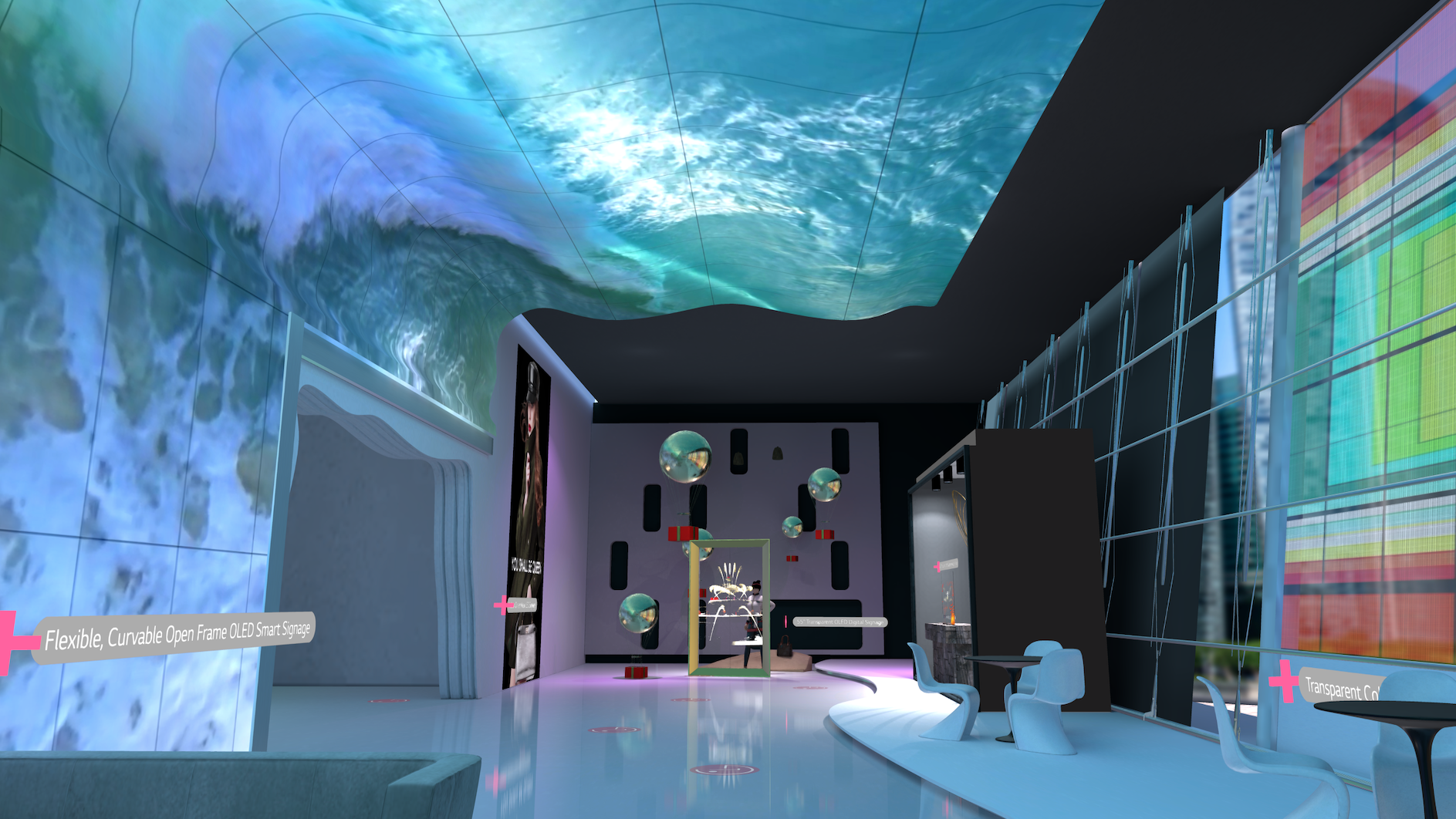
Fully navigable virtual tours of both indoor and outdoor spaces are becoming popular among real estate professionals, museums and even national parks. These tours allow organizations to create engaging experiences that model the physical experiences attendees expect while enabling the sharing of information through clickable virtual items.

This is not a temporary trend. When live events return, the most successful event organizers may be those who produce hybrid events that include both virtual and physical components. Meeting organizers need to understand that some attendees may not want to return to in-person conferences, and that even if 80 percent do return, organizers will lose 20 percent of their potential audience—unless they include a virtual component in their plan. What’s more, the digital aspect of a hybrid event is expected to continue to provide opportunities to reach a much larger audience than in person.

Hosting Successful Virtual Events

LG DigiTour

Once there is a choice, however, virtual attendees will demand experiences that go far beyond simple video sharing or person-to-person communication. Luckily tools have been developed that offer engaging possibilities such as a multi-windowed environment with pop-up bios that provide background on presenters, interactive polls, live social media feeds and a clean, easy-to-use interface available on any internet-connected device.

Success of a virtual event rests largely on one foundational aspect: every step of the experience must be simple to navigate, understand and access. If even one small part of the process is difficult, confusing or underdeveloped, it will distract and disengage attendees. This necessitates a robust virtual platform that is accessible on any type of mobile device or PC that’s been released in the last three to four years, because any person who encounters trouble accessing the virtual event is a lost contact. At the same time, all parties involved need to have patience as we work together to test new ideas and develop best practices, and hosts should communicate that to attendees.

See also8 Strategies for Writing A Compelling Virtual Event Description

For many events, the simplest and best option will be an intuitive interface and tools for one-to-one and group communication, data presentation and basic interactivity such as question and answer sessions. For larger events, or those that aim to replicate the interactions and experiences found at physical conferences, proprietary systems running on private servers may provide the customization required. Both the hardware and software for custom solutions needs to be carefully engineered and designed to handle the expected traffic and data flow and be vigorously tested before live implementation.

Getting to the Next Normal

Uncertainty surrounding the timelines of venue availability and the willingness of people to travel and congregate will continue throughout early 2021. Through the development and promotion of virtual events of every size, from private product demos to multi-day international conferences, innovators in events and communications technologies are carving a path forward for businesses in all industries to continue engaging their various publics, regardless of physical restrictions.

MoreMeeting Professionals Eye Variations in State Reopenings with Mixed Emotions

As the general public expresses unease and nervousness about resuming “normal” public events and social behavior, organizations that provide a way for people to be there, even when they can’t fly there, gain the opportunity to strengthen relationships and demonstrate leadership amid difficult times. Working together, technology manufacturers and event organizers can create 21st-century solutions that empower us to connect with our customers in powerful and exciting ways.

Damaris Toma is experiential marketing lead at LG Business Solutions, which produces LG DigiTour, a 3D showroom and immersive platform.

Four Southern new and renovated properties in West Virginia, Alabama, Georgia and Virginia.

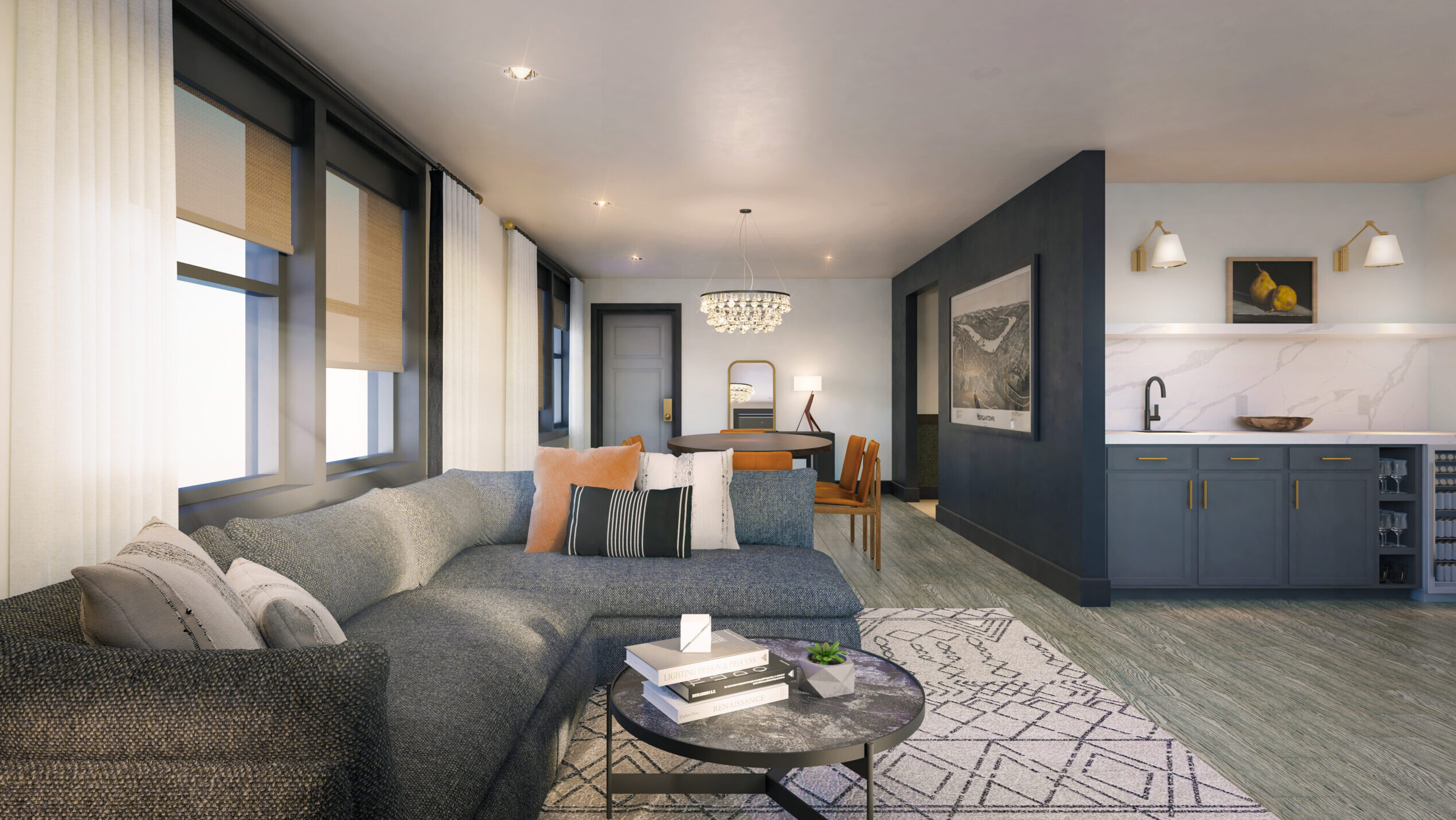
Hotel Morgan, Morgantown, West Virginia

A year-long renovation of this 95-year-old property birthed a completely reimagined Hotel Morgan, with 81 guest rooms and two suites near West Virginia University. With locally focused food and beverage, thoughtful amenities and community-centric programming, the new management seeks to cater to alumni, college-town travelers and would-be mountaineers alike. Two ballrooms and two boardrooms will serve your affair (one ballroom has two stories and a fireplace). A state-of-the-art fitness center, rooftop event space, and craft coffee and cocktails at Anvil + Ax are the cherries on top.

The Valley Hotel, Birmingham, Alabama

The new Curio Collection by Hilton property offers 129 rooms and nine suites in boutique style (but with oversize bathrooms) in Homewood, a bucolic suburb of Birmingham. Local artwork in guest rooms, crisp woods, fresh linens and a natural color palette all pay homage to the area’s character, from a thriving art scene to the natural beauty of nearby Red Mountain Park. Event space totaling 7,000 sq. ft. offers indoor and outdoor setups for your meeting. Ironwood Kitchen + Cocktails, fresh-air dining at Valley Terrace and craft pours at Valley Coffee Co. are all curated with an artisanal eye.

Kimpton Sylvan Hotel, Atlanta

This Kimpton property opened early February, with 217 guest rooms housed in an original mid-century adaptive-reuse building. Hotel design plays on congruity between its interior space and exterior greenery. Inspired by Atlanta’s nickname, “the city in the forest,” decor utilizes natural light, neutrals, glazed tile and stone. Over 4,000 sq. ft. of event space includes a ballroom that fits up to 275 guests reception-style, and team outings are a breeze with the hotel’s curated local experiences. For dining on site, The Betty restaurant brings fresh contemporary fare via old Hollywood elegance, while outdoor garden Willow Bar and rooftop St. Julep will open with their own distinctive experiences later this spring.

Delta Hotels by Marriott Virginia Beach Bayfront Suites, Virginia

The all-suite, 295 room property opens this March on Chesapeake Bay. One- and two-bedroom suites feature separate living areas, with most rooms featuring bay views and furnished balconies. Event space of 12,250 sq. ft. includes Carter Hall, suitable for up to 250 guests. Groups can also make use of the hotel’s private beach for events. Dig into local delicacies at Tin Cup Kitchen + Oyster Bar, which features craft cocktails with a menu celebrating the eight oyster regions of Virginia (and has a patio extension for fresh-air bites overlooking the water.)

After a tumultuous 2020, how do you hold a virtual kickoff event that gets employees fired up for the year ahead? This was the challenge the Aventri team faced when the annual company-wide kickoff went virtual for the first time in February. The event drew Aventrians from seven countries for three days of learning, inspiration, networking and fun.

For many organizers, planning a virtual event can be daunting. Fortunately, we had an advantage. Our Professional Services team had been helping customers run virtual events nonstop for the past year. This article shares their best practices for planning and hosting virtual kickoffs that set the company up for a successful 2021.

Make virtual kickoffs engaging

  1. Given today’s smaller budgets, it’s good to know hosting an engaging digital event doesn’t require elaborate solutions. Be strategic about event design instead.
  2. Don’t try to replicate an in-person meeting virtually. Each format provides a different experience.
  3. Remote attendees face many distractions; create short, snappy sessions to hold their attention.
  4. Keep variety top of mind. Mix keynotes and main-stage presentations with small, collaborative breakout sessions. Ratchet up engagement with awards presentations. Attendees can chime in to congratulate winners on your activity feed and group chat.
  5. Add bursts of attention-grabbing, recorded content, like celebrity cameos to surprise and delight. Aventri recognized top performers with personalized shout-outs, one from a world-renowned rapper/producer and another from actor Ernie Hudson of Ghostbuster.
  6. Make sessions transparent and uplifting. In his executive keynote, our CEO, Jim Sharpe, acknowledged the global challenges the pandemic has wrought. At the same time, he thanked team members for their dedication and expressed great optimism for opportunities ahead.
  7. Tailor sessions. Our kickoff featured collaborative, department-level breakouts in the afternoon, enabling us to customize content for different attendees. This boosted engagement and gave teams a chance to set the blueprint for a successful year.
  8. Leave time in your agenda for attendees to arrange impromptu “meetings-within-meetings.” Using group chat, they can interact throughout the day, just like they would at in-person events.
  9. Of course, grabbing your swag is a big part of any event. Make swag customizable and easily accessible on the navigation bar.

Let virtual event networking flow naturally

  1. For internal meetings, people like to connect and discover new things about each other. Break up sessions with insta-polls. The instant gratification of real-time polling is tough to ignore.
  2. But many organizers don’t realize polls are also powerful networking tools. Invite attendees to answer quick questions about themselves. For example: Apple or android? Favorite quarantine activities? Best films to see while staying inside.
  3. Use polls to start water-cooler-style discussions during sessions and continue the conversation afterwards in your activity feed and group chat.
  4. Virtual networking should never feel forced. Good polls generate fun banter. Invite people to join in and turn on their cameras for virtual networking that flows naturally.
  5. Leverage your activity feed to keep people connected throughout the event. If attendees miss something, they can stay in the loop via shared photos and comments.
  6. Stay connected post-event, too. Invite attendees to return to the platform and check out recorded content, photos and comments.
  7. Some people enjoy virtual happy hours, while others do not. Consider making education sessions required and networking optional. Using a customizable agenda, attendees can modify their registration and add networking events as they like.
  8. For more virtual event networking ideas, think about gamification, AI matchmaking, team trivia, baking competitions, pre-event photo contests, virtual scavenger hunts, face-to-face speed networking, mini group workouts, and birds-of-a-feather breakouts for like-minded attendees.
  9. Like every part of our industry, event entertainment companies have switched to virtual. Also consider online concerts, improv comedy teams and live deejays. They build camaraderie and add fun.

Should you cancel your company kickoff and wait till in-person meetings return?

Kristen Carvalho
Kristen Carvalho

Absolutely not. The pandemic has left an indelible mark. Post-pandemic, many people will still be unable to travel due to health or financial concerns. I believe hybrid is the future of meetings and events. Moving forward, organizations will choose easy hybrid formats to reduce risk and expand reach. So, it’s wise to master the art and science of virtual for your long-term career success.

What’s more, company kickoffs keep people connected. Team members rely on the camaraderie these events create to drive them forward throughout the year. During networking breaks at Aventri Kickoff 2021, attendees gathered in breakout rooms and turned on their cameras. Team members from India joined coworkers in Sweden, Belgium, the U.K. and across the U.S. An employee from India commented, “This is incredible. I catch people’s names on emails and sales calls. But with an event like this, I can see them and get to know who they are.”

It’s amazing to see the power of a virtual kickoff event to bring team members together and get everyone fired up to go above and beyond in the year ahead.

Kristen Carvalho is Director of Events & Content Marketing at Aventri, a leading global technology provider of virtual, hybrid and in-person events.

When the world began staging hybrid and virtual events at the start of the COVID-19 pandemic, it did so out of necessity. In making the shift, many organizations found new, powerful platforms for engaging with their current audience and reaching new ones. Now that the world has staged virtual events for the better part of a year, it’s time to make sure these events meet your organization’s ongoing needs.

In the era of pandemic-inspired austerity, many companies are weighing their spending priorities. However, reducing budgets for events and conferences may be short-sighted. The process to develop a budget for a virtual or hybrid meeting isn’t too dissimilar to traditional in-person meetings, but it requires looking through a different lens.

budget
Lauren Weatherly

Create Your Realistic Agenda Based on Goals

The first step of budgeting a hybrid meeting doesn’t require a calculator. This is the time for organizers to set realistic, measurable goals for their gathering. Think about the event from an attendee’s perspective. Ask questions such as: How will participants interact with content, and what would they want to take away from the event?

See also5 Tips to Write an Effective Script for a Virtual Event

From there, you can start the process of choosing a solution and begin to calculate your budget.

Tabulate Technology Costs

Understanding the metrics and a proposed agenda is the first step toward choosing the right platform to deliver your ideal hybrid event. But budgeting for technology to stage an event virtually is more than just the software solution.

It may also include the cost of buying or renting cameras and audio equipment to capture pristine sound. Additionally, consider the cost of creating content in advance of an event. While this may require some additional front-end budget, it could provide savings later.

A hybrid or virtual event should never be about using technology for the sake of technology. Just because a platform can meet one need doesn’t make it suitable for an organization’s entire event. It’s all about choosing a platform that meets the overarching objective.

The Support Staff Line Item

While virtual and hybrid events may require less on-site help, they call for a different staffing model. Virtual and hybrid events must serve as an extension of a brand, and therefore, they must be well-planned and professionally executed.

As a starting point, staffing models must include trained camera operators who know how to capture moments in a compelling way. Additionally, consider hiring content creators to develop social media and web content to bring the event to a broader audience.

Then, think about the event from an attendee’s perspective. How would they want to engage another human? What staffing is needed to make that level of a human touch possible?

Hidden Costs

Aside from the virtual elements of staging an event, post-pandemic events still have on-site costs. For example, a hybrid event may require a sizeable space, allowing for proper social distancing for attendees who choose to join in person.

MoreHow Will Hybrid Meetings Hit 2021 Budgets?

Additionally, a fully virtual event may require a filming location to ensure it meets an organization’s desired aesthetic.

Last but not least, consider those speaking at the event. Will the speakers be paid for their participation, and will they require a travel budget?

Success Measures

Virtual and hybrid events provide an excellent opportunity to measure metrics in ways in-person meetings do not. Attendee surveys, polls and chat forums allow organizations to capture valuable specific feedback. They allow organizations to tailor their content for an event in advance or even in real time.

Determining success requires clearly defined goals. Without these objectives, it is impossible to know whether efforts are successful. Developing goals must be hyper-targeted to an organization. It’s not enough to say, “we should increase attendance” or “we will grow sales.” That’s too vague.

Instead, think about how you can reach your audience and inspire them to take action. In the era of Covid, organizations must look at personal interactions differently, and they must be prepared to extend the time it takes to build and nurture a relationship.

Even at the pandemic’s peak, people wanted a connection, and they still do. Brands have the opportunity to give them one through reimagined gatherings.

Lauren Weatherly is SVP of marketing of global virtual meetings and events company PGi.

Editor’s Note: This is the first in a monthly series of articles on the planning process for producing IMEX America, which will be Nov. 9-11 at Mandalay Bay in Las Vegas.

“There was never a time we weren’t planning to produce IMEX America 2021,” says Carina Bauer, IMEX Group CEO. She explained that rather than a go-no-go decision, her leadership team has embarked on a series of reaffirmations that they would be gathering in-person in Las Vegas in November of 2021.


That goal has been in place since March 11, 2020, when she and her father, Ray Bloom, founder and chairman of the massive industry event, announced that they would have to cancel IMEX Frankfurt. #WeWillMeetAgain was her hashtag of choice, even after she had to make that difficult decision to cancel IMEX America 2020 and IMEX Frankfurt 2021 because Covid restrictions made it impossible to deliver value for sponsors. She was always intent on getting the industry back together in Las Vegas in Fall of 2021.

Resource Management

“We are actually very democratic here,” Bauer said. Her team has been talking with sponsors, holding focus groups and watching updates carefully and is confident that people will be ready to return in nine months. The vaccine is rolling out, politicians are giving optimistic signs, Las Vegas is opening up and World of Concrete, the first major convention has been approved for June. The group previously drew 60,000 people, but may host a smaller group this year. Those developments makes her confident that even if schedules slip a bit, her group will be safe with 10,000 people or more.

Based on that commitment, thousands of planners, venues and destinations are investing in developing plans and activations for the program. MGM Resorts has opened room blocks at Delano Las Vegas and Luxor Las Vegas, which are linked to Mandalay Bay Convention Center, along with nearby Park MGM Las Vegas and Vdara Hotel & Spa.

IMEX is all in on planning for the in-person experience. While it will have a digital component as in previous years, Bauer is not planning to invest in a conference replacement option such as PlanetIMEX, a 3D world that delivered waves of content in an interactive online experience last year. “We are focused on delivering value for IMEX America in Las Vegas and IMEX Frankfurt in April of next year and only have so much bandwidth,” Bauer said.

A New Home

In addition to deciding what pandemic-era adjustments will be included in the November program, Bauer’s team also has to come up with a plan for mapping out a new footprint at a new location since they announced in 2017 that the show would be moving from Sands Expo to Mandalay Bay Convention Center on the other side of The Strip.

In early February, NYU’s Jonathan M. Tisch Center of Hospitality launched a brand new Hospitality Innovation Hub. “The state-of-the-art facilities of the new HI Hub offer students, start-ups, established industry partners and investors opportunities to learn, discover, innovate and invest,” noted Associate Dean Nicholas Graf.

The HI Hub houses the Experiential Learning Lab, serving as both a classroom and event space where students will put theoretical knowledge to the test, employ best practices in real-time settings and experiment with technology, from POS systems to Revenue Management solutions.

MoreI Just Completed the First Meeting & Event Management Master’s Program in North America—Here’s What I Learned

The hub’s Prototyping Space is complete with virtual reality and coding equipment, while the Coworking Lounge provides a central brainstorming space for students, guests and entrepreneurial partners.

The hub will also serve as a launchpad for three Tisch Center programs with industry partners and investors that will be open to all NYU students. The programs will include mentorship opportunities, a venture capitalist’s club and, eventually, an accelerator program for series C hospitality industry startups.

The hub’s debut comes as a resilient industry emerges from the restrictions of the worldwide pandemic, with a greater need than ever for solution-oriented innovations and perspectives. Associate Dean Nicholas Graf shared the origins of the hub, planned long before the pandemic—but opening just in time.

“The vision really emerged about 10 years ago when we realized how the hospitality, travel and event industries were changing. This was driven by changing consumer behaviors and expectations as well as by the growing ubiquity of technology. These changes created many new opportunities to engage, acquire and retain customers. The need for our students to develop new skills around the use of technology to market and create more seamless and immersive experiences became obvious. The hospitality, travel and event industries were not viewed as very innovative, as well, and so we decided to position the Tisch Center as the leading institution in driving innovation and entrepreneurship. We updated all our curriculums to reflect this move. HI Hub then became the cornerstone of this broader initiative.”

Across the country, San Diego State University’s Hospitality and Tourism Management program is making changes, too. Carl Winston, director of the program, says shifting gears in the midst of the pandemic was a huge learning curve partly made possible by a partnership with a private production company.

Winston said the program’s partnership with Caspian Agency was a crucial assist in implementing necessary changes in academic coursework during the pandemic. Last summer, as the Covid outbreak raged, instructors took the time to get up to speed on virtual options. In the second semester, students studied dozens of virtual platforms and discussed how to make engaging things happen without physically present attendees.

MoreEvent Science: The Adventure Continues

Winston also spoke about the disparity in consumer perception of virtual events versus the reality. “A client thinks, ‘OK, run my Zoom meeting, and I’ll pay you less because you don’t have expenses.’ But we do. We need a team of production people.” Because of that, he believes a post-pandemic industry will demand a new skillset from students who aspire to hospitality careers, and visionary production skills will be highly sought after.

“I’ve interviewed 26 different organizations, from Disney down to a local third-party planner, and I’ve asked them—who are you going to be hiring post-Covid?  It all comes down to soft skills, attitude and critical thinking. No one is saying they need experts at staging or menu design. It’s project management and attitude. I think one of the biggest challenges for education is—how do I grade you on soft skills?”

See alsoEtiquette Tips for Job Hunting on Social Media

Lynn Minnaert, academic chair and clinical associate professor at NYU, echoed similar sentiments about industry solutions still in development. “While the last year has offered plenty of opportunities to experiment with virtual events, some attempts have clearly been more successful than others, and monetizing virtual events was a challenge for most. Navigating the question on which attendance options to offer, and what to charge, will be a big point of discussion as the sector reopens.”

A year after the Play Like a Girl 2020 STEM+ Summit was cancelled three days shy of when hundreds of middle schoolers were set to converge on Middle Tennessee State University for fireside chats, hands-on demos and a science competition, the group is planning a new hybrid Women’s Leadership Summit for March 19 to empower the women who inspire girls. Dr. Kimberly Clay, founder of the Nashville-based group focused on encouraging girls to explore science, technology, engineering and math (STEM) careers, explained the care that went into creating a program that will achieve the group’s goals during a pandemic.

Mission First

Girls
Dr. Kimberly Clay

Clay is laser-focused on her mission. “We want to empower girls to build a post-Covid life of their dreams,” she said. While she would like to bring everyone together for one-on-one time with petri dishes, microscopes and role models, she had to bow to the reality of Covid restrictions in the state. She switched the event to hybrid so she could reach a broader audience while giving the option for small intimate experiences for those who feel comfortable.

See more: NYC Female Leaders Share Their Pandemic Lessons

To find out what her target audience of advocates needs most right now, she surveyed them. They reported that tips for landing a job, networking and self-care during a pandemic were at the top of their list of challenges right now. “We are shining a light on difficult decisions women are making on everything from child care to wealth-building,” Clay said. “We take the long view and are looking for ways to help them leverage the moment as a set-up for a life and career.”

Then she focused on a powerful lineup of speakers. Amy Bream models self-confidence from her perch on a prosthesis she has worn all her life. Local businesswomen such as Kimberly Hessel Lebo, author and restauranteur Katie Goyette and Dr. Contessa Metcalfe from Haute doc Nutraceuticals will share their stories.

The day will end with men talking about their roles as allies in diversity.

“Mission drives everything,” Clay said.

Format Matters

The program will be streamed using a Zoom meeting platform rather than a Zoom webinar platform so virtual attendees can engage with live Q&A and have moderated chat. Multiple cameras will be in the room so she can broadcast with different camera angles and connect the virtual audience with the action happening on stage.

Even the breaks are carefully orchestrated. Clay opted to have charcuterie boards delivered to remote participants and a DJ will get people up and moving around between programmed elements.

Budget Friendly

Although the hybrid approach will require working to meet the needs of two audiences, Clay reported that the budget actually shrunk from last year’s plans because so many people stepped up to donate their time. “Volunteers need careful training to really engage audiences, but embrace the power,” Clay said.

Dove USA offered resources, including speaker Dre Brown as part of its Self-Esteem Project. Their “Uniquely Me” positive body confidence conversation guides will be used as resources to identify and address issues proactively.

To further the mission, the event will end with a one-hour executive auction that will raise money for the organization by bidding for mentoring time with celebrities (including some of the speakers).

“Planning three events in one brings a new level of complication, but it is a fun challenge,” said Clay.

Philip Wolf, founder of the travel, tourism and hospitality industry research and analysis company Phocuswright, has died of leukemia at the age of 64.

Wolf had many successes before founding Phocuswright, but 1989 marked a signal event in his career, when he began his first job in travel as vice president of travel agency operation for Travelmation, a travel booking engine; the following year he became the company’s CEO and continued to build the company until it was sold to Rosenbluth International, which is now part of American Express.

Before the inception of the early PhoCusWright—spelled to incorporate his initials, Philip C. Wolf—Wolf was a consultant for all things travel plus technology. As the internet became more widespread, Wolf further established himself as the travel industry’s technological development guru.

Many shared kind words on Twitter about what Wolf meant to the industry.

Following the sale of Phocuswright to Northstar Travel Group in 2011—and the dropping of the name’s capital letters shortly thereafter—Wolf became director for travel companies around the globe, including TrustYou, MakeMyTrip, Hopper and Odigeo.

“Philip really defined online travel as a sector in the very early days of internet, legitimized it into the giant online commerce sector it became, and showed to the world why a dedicated focus on it made sense. His big picture vision will be missed,” said Rafat Ali, founder of Skift, on Twitter.