The pandemic-postponed 2020 Tokyo Olympic games are just a few days away and perhaps you’re thinking, “How will these venues be used post-event?”

Olympic venues the world over have faced different fates since the games’ inception in the late 1800s, and a stadium’s use, or non-use, after the world stage is gone has been a topic of controversy over the years. Cases have been made for creating a permanent location, but, due to myriad factors, no such action has yet been taken.

Many stadiums have been left to sit and decay, such as the Olympic venues in Rio de Janeiro, which hosted in 2016; Beijing, in 2008; and Athens, in 2004; others, such as that in Lake Placid, in New York’s Adirondack Mountains, and Munich Stadium, are being used to host more sporting events and meetings.

Beijing is scheduled to host the summer and winter games in 2022, and according to the Beijing Organizing Committee for the Games, several existing venues, such as the city’s National Stadium and National Aquatics Centre, will be repurposed for the upcoming games.

This will be Tokyo’s second time as host city. It was the site of  the 1964 Olympics. For this reason, many of its venues predate this year’s Olympics, and had been in frequent use prior to this year.

This goes for Los Angeles, as well, the city selected to host the 2028 Olympics. The city is already home to stadiums such as Staples Center, which may soon undergo renovations, and Los Angeles Memorial Coliseum, where track and field events were staged at the 1984 Olympics and which completed renovations in 2019. SoFi Stadium, which was completed  in 2020 as the new home of NFL’s Los Angeles Rams and Los Angeles Chargers, is the newest stadium to be built in L.A. and is where the 2028 Olympics opening and closing ceremonies are scheduled to be held.

Of the 42 venues set to be used for Tokyo’s 2020 Olympics, eight are new and permanent, 24 have existed and 10 are temporary.

Olympic Stadium, one of the pre-existing venues, has been rebuilt and will host the opening and closing ceremonies, along with athletics events and football games. After the games are over, Tokyo’s Olympic Stadium will continue to be used for sporting and cultural events. As will Tokyo Metropolitan Gymnasium, which already hosts many international and domestic events, such as table tennis and figure skating. Yoyogi National Stadium, famous for its suspension-roof design, is another facility that  predates the 2020 Olympics and will continue to live on.

You’re at a multiday conference, and during one of the midday breaks you decide to spend a bit of time at an outlet to treat yourself. As you walk around, you notice a swarm of bees overhead. You wonder, is that normal in Atlantic City, New Jersey? Why would so many bees be in such an urbanized area? Turns out, this is a good thing not only for the bees, but for Atlantic City’s community.

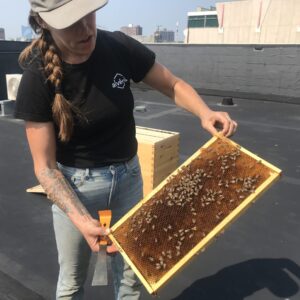
During the summer, Tanger Outlets Atlantic City hosts a beekeeping program as part of the outlet’s commitment to environmental responsibility, aiming to promote the importance of building biodiversity within communities and provide habitat for the country’s declining bee population.

In collaboration with Alveole, the outlet hosts workshops for retailers and shoppers, letting everyone play a role in the hive’s progression. Resident beekeeper Allison Gratton gives participants a hands-on, interactive experience. Tanger Outlets AC plans to harvest the honey to share with its neighbors.

This is one example of Atlantic City’s efforts to give back to its community and create a sustainable future for its residents. The hospitality industry in Atlantic City and all over the United States, including CVBs, hotel properties and meeting professionals, are doing their part in the world of sustainability and regeneration, while also making their destinations more appealing and welcoming to its visitors.

Atlantic City is a leader in sharing its efforts with visiting groups. Atlantic City Arts Foundation, for example, created the 48 Blocks Mural Tour in 2015 to breathe liveliness and vivacity back into the city and show off this project to guests in town. The program now has upwards of 60 murals, most which are creations by artists in the Tri-state Region.

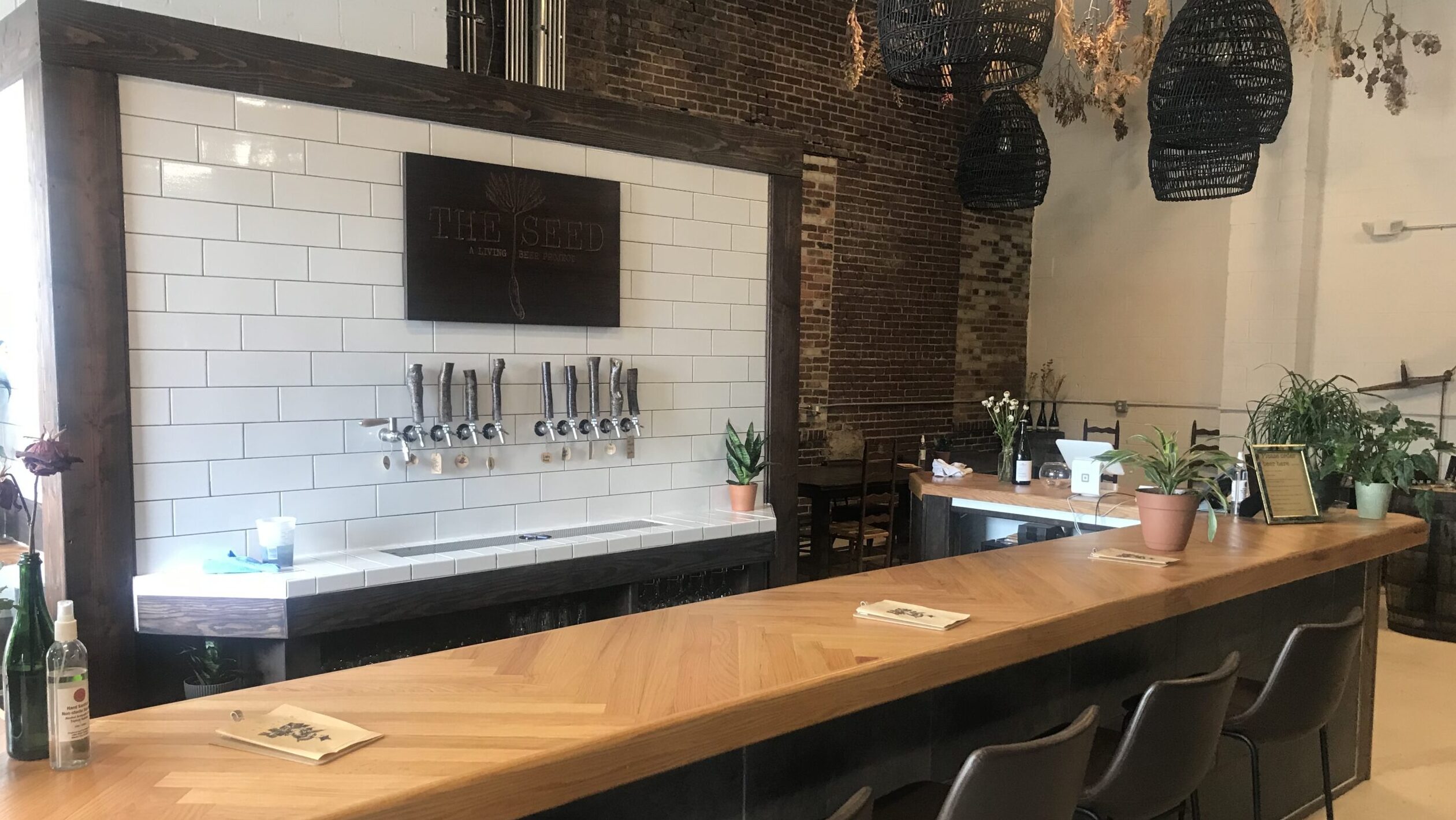
The Seed: A Living Beer Project is a local brewery that opened October 2020. It exemplifies the attitude toward the beer-making process shared by Sean Towers and Amanda Cardinali, the couple behind the project—that it’s always living, changing and evolving. The space has a welcoming, airy feel to it, accompanied by copious numbers of plants throughout. The brewery can be bought out for up to 83 guests.

The Jersey Atlantic Wind Farm is set at the city’s wastewater treatment plant. Powering about 2,600 homes, this towering sustainability effort can be seen from almost every corner of the city. One property that provides a perfect view of the windmills from its veranda is Harrah’s Resort Atlantic City; the veranda a great option for cocktail receptions. Just inside awaits the attached 100,000-square-foot Waterfront Conference Center. This property is being upgraded as part of a $400 million investment being put into Caesars’ Atlantic City locations; other properties include Caesars Atlantic City Hotel & Casino and Tropicana Atlantic City.

The 500,000-square-foot Atlantic City Convention Center just hosted its first large-scale events since Covid-19, U.S. Futsal National Championship and Atlantic City Hoop Group Boys Jam Fest. According to Sandi Harvey, vice president of sales, the convention center is back to 2019 levels, and the coming years are looking just as good. The convention center hosts two breastfeeding and pumping stations, which can be moved, if requested.

Elsewhere in the country, other outstanding examples of groups combining meetings with lessons in sustainability are proliferating.

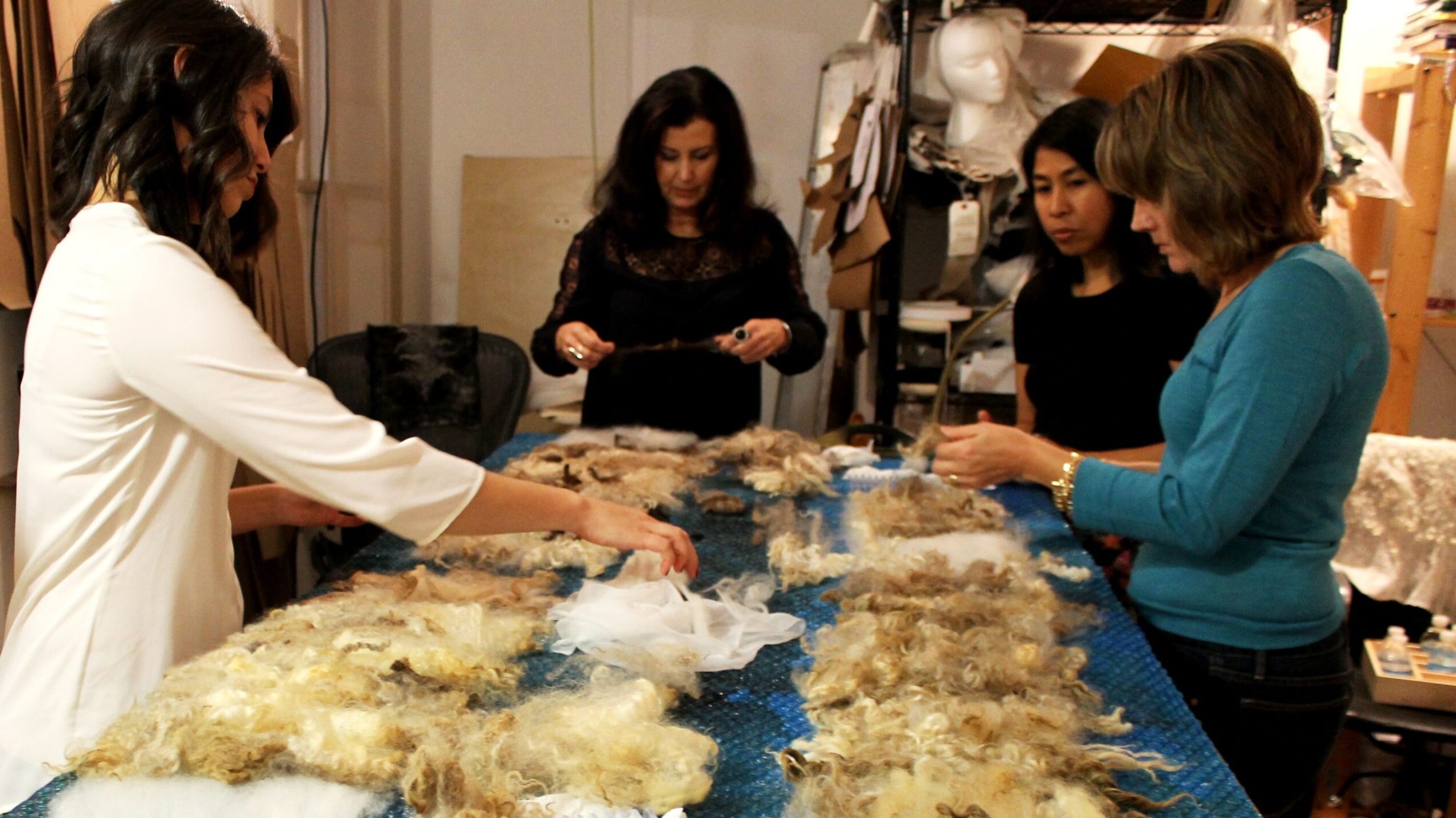
In Columbus, Ohio, Celeste Malvar-Stewart takes a zero-waste approach to creating clothing. Using locally sourced wool from Fairie Haven Farm from the likes of RayRay, Coco and Chanel, two alpacas and a Lincoln Longwood sheep, Malvar-Stewart creates scarves, wedding gowns and other fashionable items.

Malvar-Stewart hosts a farm-to-fashion activity for groups of up to 10 at Hangar 391, her German Village studio. Either half or full day, participants get the chance to create their own scarves, patterns and colors optional. The full-day option includes a visit to the farm to meet the animals and see how the wool is procured, followed by on-site lunch.

The California-based Quail Lodge & Golf Club’s efforts in sustainability can be found in the kitchen. Cooking oils at the Carmel Valley property are recycled into alternative biofuel for diesel vehicles, as well as modified gas-powered vehicles. Might kitchen-to-car be the next trend?

Editor’s Note: As part of our Back Light series of industry leaders sharing their perspective, we asked Nan Marchand Beauvois, senior vice president of membership and industry relations with U.S. Travel Association for insights on what business travel looks like today.

Nan Marchand Beauvois

Thinking back to this time last year drums up many memories for me—memories of challenging times, unlike any we’d experienced before. Our daily routines changed in an instant, and things that brought us comfort were paused or went away completely.

Fast-forward to today, as I draft this post from the airport. We’re not yet out of the woods when it comes to managing the pandemic and its public health impact; however, I say with a deep exhale, we are in a fundamentally different place than we were this time last year.

Twelve months ago, my team’s ability to perform “business as usual”—travel, host and attend professional meetings and events (PMEs) —required a whole new level of dedication and persistence. Despite the ups, downs and changes, we remained agile, diligent in meeting health and safety standards and committed to reclaiming our permission to operate as an industry.

Click for more inspiring messagesShed the Masks and Bring in the Sound and Lighting

This dedication brought our industry to where we are today. Just this week, I’m back to work at a much more familiar capacity—traveling cross-country to attend PMEs with U.S. Travel Association. And that’s just a sliver of what’s happening today.

We know that:

  • Successful in-person meetings and business events are possible and taking place.
  • Our industry led the charge as early adopters of the measures required to carry forward safe in-person meetings and business events albeit at a smaller scale. We were diligent in following guidelines set forth by the Centers for Disease Control and Prevention (CDC) and uncompromising in our commitment to ensuring the safety of every attendee.
  • Zoom fatigue set in, and many Americans who attended in-person meetings and business events prior to the pandemic are eager to return to them. More than 80 percent of Americans who are working from home due to the pandemic say they are as likely—if not more likely—to attend live business meetings and conferences in the future.

The road ahead

We’re making moves to celebrate these insights and milestones. In partnership with leaders from across the travel and hospitality industries, the Meetings Mean Business Coalition launched a Countdown to Coming Together—which started with GMID and measures step-by-step the road back to a strong cadence of major in-person PMEs (i.e., conferences, trade shows, expos and conventions).

As we know, prior to the pandemic, in-person meetings and business events supported 5.9 million American jobs and spurred hundreds of billions of dollars in annual revenue. Every dollar spent on in-person meetings and business events generated an additional $1.60 for the U.S. economy—driving the kind of revenue growth our cities are hungry for now.

Share your “Countdown to Coming Together” story

I invite you to join the Meetings Mean Business Coalition and our partners in documenting the journey ahead and celebrating key milestones in the industry’s recovery. Contribute to our Countdown to Coming Together by sharing examples of safe and successful meetings you are planning or attending. We are continuing to aggregate best practices and ideas on the coalition’s dedicated Meet Safe platform.

In doing so, you will help future meeting hosts and attendees learn best practices, and ultimately showcase how professional meetings are organized responsibly with health and safety top-of-mind.

Knowing how far we’ve come, there’s no more important time to act than now.

With business travel slowly making its way to pre-pandemic levels, Kayak is aiming to make the return to travel booking easier.

Now available in 60 locations and supporting 28 languages, Kayak for Business, a free service, has officially launched. Following a soft opening in February, when more than 3,000 companies signed up, the corporate travel solution is equipped with new features, including expense integration, price prediction and discounted corporate rates.

“When travel came to nearly a full stop in 2020, it gave us an unexpected runway to think about the future of business travel,” said Steve Hafner, CEO of the online travel agency (OTA). “Business travelers and their employers in a post-Covid world will demand even more flexibility, competitive prices and easy ways to blend business and leisure travel.”

See alsoKayak to Debut its First-ever Hotel

Kayak for Business “makes searching for (and expensing) business trips more convenient and personalized. Similar to the Kayak UX, Kayak for Business brings the leisure travel experience to the outdated interface of the corporate travel world,” states a press release. New features, such as automated expenses, the ability to book from anywhere while keeping loyalty points and the ability to share trip details with colleagues, have been added.

According to a survey by Kayak, 58 percent of Americans believe business travel is back or will be by the end of 2021. Searches for midweek fall travel in the United States are up 165 percent, says the OTA.

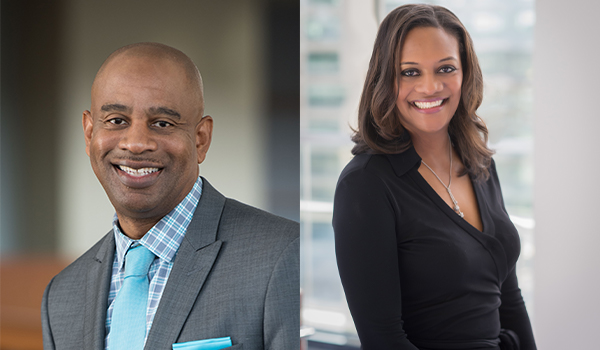
Heather Larson, CMP

Larson is president and CEO for Meet Chicago Northwest; she previously worked as the organization’s director of sales. Larson’s career began with Bismarck Hotel in Chicago as sales manager; since then, she’s worked with The Whitehall Hotel, The Drake Hotel and Fairmont Hotel Millennium Park, all in Chicago.

David Morneau and Tara Johns

Morneau is general manager and Johns is assistant general manager for Vespera Resort on Pismo Beach in California.

Most recently, Morneau worked with Ojai Valley Inn in Santa Barbara, California, as director of rooms. Before this, Morneau worked in the same role at Radisson Blu Aqua Hotel in Chicago. He has also worked with Fairmont Hotels & Resorts, most recently as director of housekeeping at Fairmont Pittsburgh.

Johns previously worked as revenue manager for Monarch Beach Resorts in Dana Point, California. Before this, she worked with Omni Rancho Las Palmas Resort & Spa in Rancho Mirage, California, where she held multiple leading positions, including spa manager and front office director.

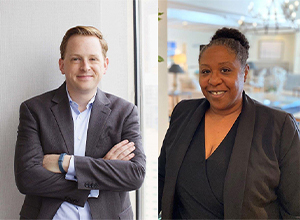
Denise Bosmans and Athena Qualls

Qualls (left) and Bosmans (right)

Bosmans and Qualls are senior directors of sales for Visit Spokane in Washington.

Before Visit Spokane, Bosmans worked as Northeast Regional Director of Convention Sales for Reno-Sparks Convention and Visitors Authority in Nevada. She has also worked as director of sales for Visit Annapolis and senior sales manager for Chesapeake Beach Resort & Spa, both in Maryland.

Qualls has worked with Hilton Hotels for the last 15 years, most recently as director of worldwide sales. She also has an event planning business in Romeoville, Illinois, where she is based.

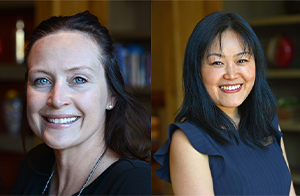
Wendy Mallas and Jing Butler

Mallas (left) and Butler (right)

Mallas and Butler have been promoted to director of sales and marketing and associate director of sales, respectively, for The Westin Riverfront Resort & Spa, Vail Valley, in Colorado.

Mallas recently worked as the property’s director of leisure sales. Previously, Mallas spent nearly two decades with Vail Resorts as international sales manager before moving on to rental manager for The Ritz-Carlton Residences, Vail, in Colorado.

Butler worked for The Westin Riverfront as senior sales manager. Before that, she worked in sales and events at The Arrabelle at Vail Square in Colorado and Aloft Charleston Airport & Convention Center in South Carolina.

Cynthia Kunz

Kunz is corporate sales director for Velas Resorts, based in Mexico. Kunz most recently worked as vice president of sales and partner of Incentive Travel Solutions, headquartered in Charlotte, North Carolina. She also worked for One&Only Resorts and Cabo Traveler Advisors as sales manager.

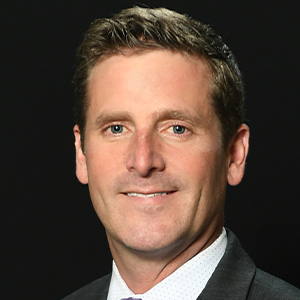
Dan McGowan

McGowan is general manager for Fairmont Empress in Victoria, British Columbia, Canada. Before joining Fairmont Empress, McGowan was general manager for Fairmont San Jose in California. In his 25 years with Fairmont Hotels & Resorts, McGowan held positions with Fairmont Chateau Whistler, Fairmont Vancouver Airport and Fairmont Palliser, all in Canada; and Fairmont Dallas.

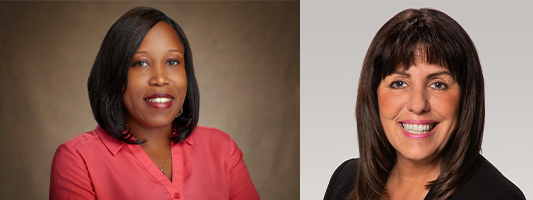
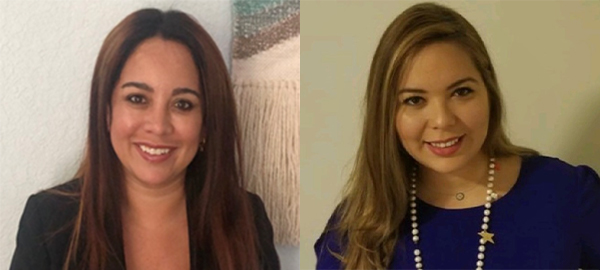
Adriana Vellojin and Maria Maloney

Maloney (left) and Vellojin (right)

Vellojin is general manager and Maloney is director of sales and marketing for AC Hotel Miami Dadeland.

Before joining AC Hotel Miami, Vellojin worked as assistant general manager for AC Hotel Miami Aventura. She’s also worked with Marriott International, at Marriott Gaithersburg in Orlando and later, at Springfield Suites and Fairfield Inn Orlando at SeaWorld as operations manager. Additionally, she worked on the renovation team for Courtyard Coral Gables in Florida and the opening team for Homewood Suites and Hilton Garden Inn Miami Airport.

Maloney has held multiple managerial roles throughout her career, including for Pestana Hotel Group as director of sales and marketing for Pestana South Beach Miami and regional sales manager for the Americas and Europe; director of sales and marketing for Hyatt Centric South Beach in Florida; and director of sales and marketing for Hyatt Place Flushing/LaGuardia Airport in New York.


Greater Miami Convention & Visitors Bureau (GMCVB) appointed David Whitaker president and CEO. Although Whitaker was most recently president and CEO for Choose Chicago, this marks his return to South Florida. He previously worked at GMCVB for 17 years, in roles such as executive vice president and chief marketing officer.

Before Choose Chicago, Whitaker was president and CEO for Destination Toronto (formerly Tourism Toronto), during which the DMO was voted North America’s best CVB and convention center in a poll of more than 650 meeting planners.

See the best DMOs of 2021Smart Stars 2021: Happy to See Your Face Again

“[Whitaker] brings back to us a rare and powerful combination—an immense wealth of experience and knowledge of our community, coupled with a significant world of experiences gained from promoting two of North America’s most diverse and global brands in Chicago and Toronto,” said Bruce Orosz, GMCVB chairman.

Under Whitaker’s leadership, Chicago was voted Best Big City by Conde Nast Traveler Readers’ Choice Awards from 2017-2020.

“I am honored, thrilled and blessed to have the opportunity to return home,” Whitaker said.

He is coming back to an expanding Miami. Miami International Airport (MIA) has recently welcomed Spirit Airlines, with its first flights scheduled for October, and has seen a recent expansion by its dominant carrier, American Airlines. During the pandemic, Southwest Airlines and JetBlue also began service to Miami.

The 1.4 million-square-foot Miami Beach Convention Center finished an expansion in late 2020. The expansion includes an additional 127,000 sq. ft. of meeting space and a 60,000-square-foot ballroom. The project transformed more than six acres of parking lot into a public park; 12 acres of greenspace and more than 1,300 new trees have been added. The completed project earned the convention center LEED Silver certification.

A significant uptick in Covid 19 vaccinations in Canada has prompted Prime Minister Justin Trudeau to suggest that his country’s long-sealed border with the United States might open again as early as next month.

According to the latest data, more Canadians than U.S. citizens are now fully vaccinated. This represents a major reversal, as Canada had suffered from months of vaccine shipping and production delays.

More than 49 percent of Canadians were fully vaccinated as of July 17, according to the Our World in Data project. Seventy percent have had at least one shot. In the U.S., 48 percent are fully vaccinated but only 55.5 percent have gotten at least one dose.

In a call with provincial leaders, Trudeau said fully vaccinated U.S. citizens and permanent residents might be able to enter the country for “nonessential travel,” which includes business groups, as of mid-August. If virus cases continued to wane in the country, fully vaccinated travelers from elsewhere in the world could begin arriving in Canada by early September, he said.

The latest data show 55.7 percent of European Union residents have gotten at least one dose of vaccine; its fully vaccinated rate lags at below 43 percent. Only about 1 percent of people in low-income countries are even partially vaccinated, according to Our World in Data.

Canada’s northern Yukon and Northwest Territories have the country’s highest share of fully vaccinated residents, at over 59 percent. Lowest are two Atlantic provinces, Newfoundland and Labrador, and Prince Edward Island, at about 30 percent each, reported Canada’s public health agency.

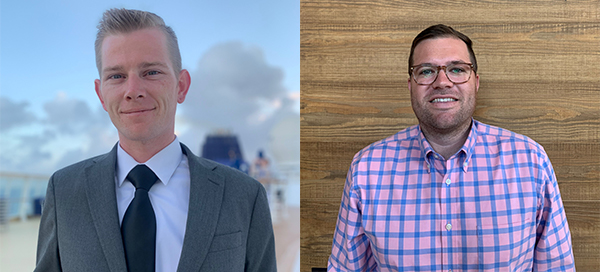
Joshua Schaeffer and Shane Fortner

Schaeffer is director of experience and Fortner is director of sales for Virgin Hotels Nashville in Tennessee.

Before joining Virgin Nashville, Schaeffer worked in directorial positions, such as director of guest services, guest relations manager and director of operations, at San Ysidro Ranch in Santa Barbara, California; Sorrel River Ranch Resort and Spa in Moab, Utah; The Hermitage Hotel in Nashville; Hyatt Greenville in South Carolina; and South Seas Island Resort in Captiva Island, Florida.

Fortner previously worked as area sales manager for Loews Hotels in Nashville. He has also worked as senior sales manager for Hilton Nashville Downtown and Country Music Hall of Fame and Museum, also in Nashville.

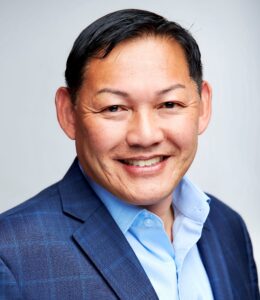
Gary Murakami, GTP, GLP, CMP, CMM, DES

Murakami is vice president of sales and industry relations for Teneo Hospitality Group. Murakami previously worked as director of global sales for MGM Resorts International. He has also worked with The Ritz-Carlton Hotel Company, Four Seasons Hotels & Resorts and Hyatt Hotels & Resorts. Murakami serves on PCMA Foundation Board of Trustees and is a former chapter president of PCMA Northern CA Chapter.

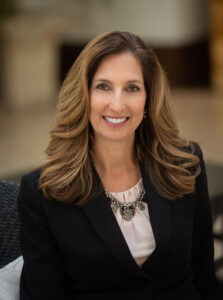
Jennifer Sharpe

Sharpe is senior catering sales manager and wedding planner for Walt Disney World Dolphin Resort in Lake Buena Vista, Florida. This marks a return to this property for Sharpe after having leading positions with Disney’s Fairy Tale Weddings, The Ritz-Carlton Hotel Company, JW Marriott, and Wonderful Weddings and Events. Sharpe has received numerous accolades, including Walt Disney World Dolphin Resort Manager of the Quarter and Starwood Top Sales Award.

Samuel Thomas and Chinyere Hubbard

Thomas has been promoted to chief operating officer and Hubbard has been promoted to senior vice president of communications and marketing for Events DC.

Thomas was senior vice president and general manager for Walter E. Washington Convention Center in Washington, D.C. He has also worked with Aramark as resident district manager of food service for Ernest N. Morial Convention Center in New Orleans and, later, general manager of food service for Pennsylvania Convention Center in Philadelphia and Greater Columbus Convention Center in Ohio.

Hubbard previously worked as vice president of communications and marketing for Events DC. She serves on the boards of National Cherry Blossom Festival, DC History Center, Cultural Tourism DC and DC Commission of Nightlife and Culture.

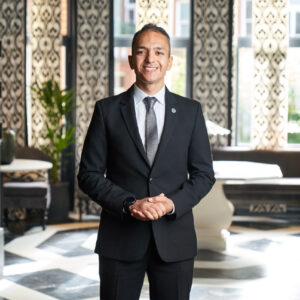
Mishaal Eid

Eid is hotel manager for The Franklin London-Starhotels Collezione. Eid comes from Flemings Mayfair in London, where he worked as rooms division manager. He was also on the opening team for JW Marriott Marquis Dubai. Eid is an active member of AICR International, an association for deputy managers and front office managers at luxury hotels.

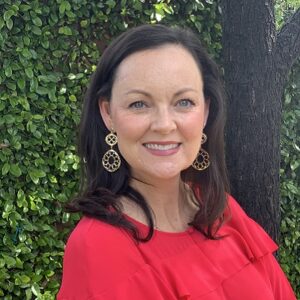
Heather Matusiak, DMCP

Matusiak is regional vice president of corporate event planner PRA, focusing on Southern California and Las Vegas. Previously, Matusiak was vice president of sales for Hosts Global. She has also worked with Destination Concepts as manager of business development and as a freelance event manager for Make-A-Wish Foundation.

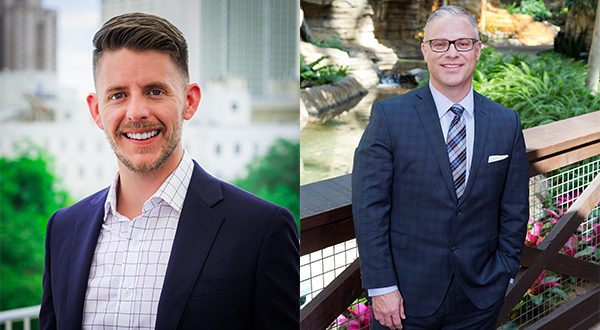
Lance Wheeler and Mario Bass

Wheeler becomes director of corporate business development for Visit San Antonio in August and Bass is the CVB’s chief sales officer.

Most recently, Wheeler worked with Choose Chicago, where he led corporate convention business development. In 2019, Wheeler was awarded the Sales Leadership Award by Choose Chicago.

This represents a promotion for Bass, who previously served as vice president of destination sales and experience. Before joining Visit San Antonio, Bass was director of sales and marketing for JW Marriott San Antonio Hill Country Resort & Spa and director of sales and marketing for Gaylord Texan Resort & Convention Center in Grapevine, Texas.

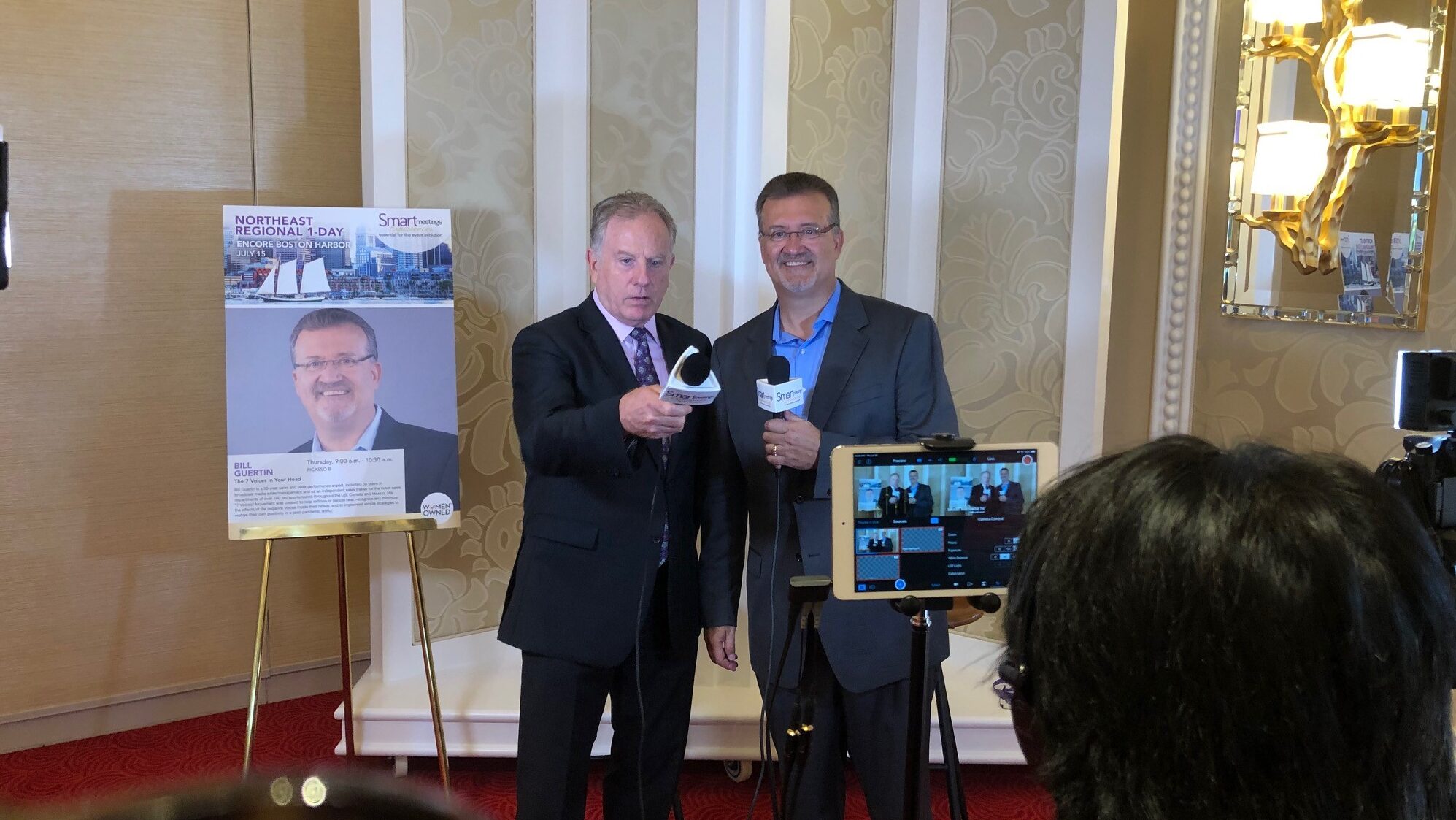
Smart Meetings brought in-person, boutique group hospitality meetings back to Encore Boston Harbor, a Wynn Resort, this week—with a focus on the power of a constructive mindset.

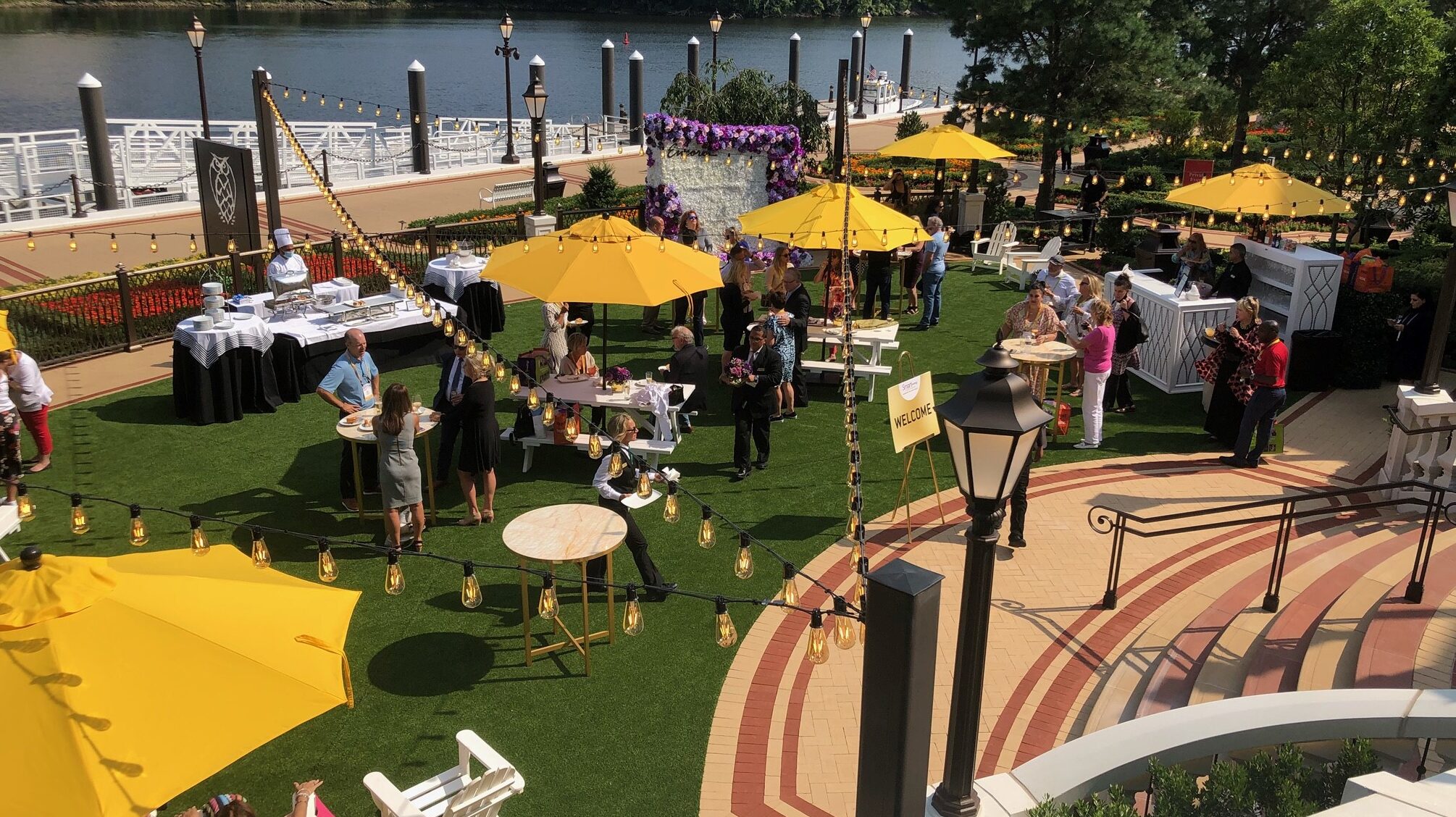
The two-year-old luxury property on the water in Everett, Massachusetts, looks remarkably like its sister casino resort in Las Vegas, with 671 art-filled, oversized guest rooms, many featuring harbor and city views. The 50,000 sq. ft. of meeting space and surrounding outdoor patio areas are still fresh after the pandemic downtime. And the staff—team members were paid even when the property closed—were eager to demonstrate the flexibility of the space for the assembled meeting professionals.

“Our goal is to help you get reacquainted, make new connections, get some business done, learn new culinary ideas, creative event designs and layouts and, more importantly, have a little fun while you’re at it,” explained Smart Meetings CEO Marin Bright as she welcomed everyone to Picasso Ballroom for the kickoff of Smart Meetings Northeast Experience.

Get Out of Your Head 

To put everyone in the right mindset for focusing on future business, the day started with author Bill Guertin describing “The 7 Voices in Your Head” and how to replace them with a more positive message. “The pandemic has created more prominent negative voices inside people’s heads than at any other time in human history,” he said, describing the mental health challenge currently in place. 

“These voices are sabotaging your success and negatively affecting your work performance, relationships, family life and even your health, resulting in untold millions of dollars in lost productivity, a significant loss of confidence and clarity and an immeasurable loss of quality of life,” he warned.

But that reality can be overcome. Here are the sports industry sales coach’s tips for becoming yourself at your best by calming that voice of inadequacy (also known as imposter syndrome):

  1. Choose mini-milestones: You don’t have to run a marathon the first day. Make progress a little bit at a time, always building and growing.
  2. Be a secret seeker: Little things can make a big impression, so always look for strategic advances.
  3. Get real: You don’t have to be the best in the world at everything, but you can be the best at something somewhere.
  4. Let the balloon go: We regret what we didn’t do more often than what we did do. To overcome regret, envision releasing the “what if,” so you can focus on what is.
  5. Fail forward: Failure is a gift and can be interpreted as First Attempts in Learning, a positive thing. There is lightening in every blunder.
  6. Use the power of “yet”: Don’t say you can’t do something; say you haven’t been able to do it yet. That opens up the possibility of growth.
  7. Delete, delete, delete: If a mindset isn’t serving you, use the power of free will to choose a new one. Our destiny is more about desire than DNA.

By all measures, this week’s Destinations International Annual Conference 2021 (AC21) in Baltimore, Maryland, was a huge success. A total of 853 representatives of destination marketing organizations, their supporters and clients gathered at Hilton Baltimore Inner Harbor and Baltimore Convention Center for what was being billed as the “Embrace Disruption” conference. Another 250 registered to participate from their computers.

In addition to AC21’s educational sessions, both audiences were treated to a powerful keynote from author and Robin Hood Foundation CEO Wes Moore about changing destinies and embracing power in new way. Simultaneously, no fewer than five in-depth, discipline-specific hybrid summits covered everything from marketing and communications to finance, operations and technology, to membership strategies.

It was the first major convention in the city since the pandemic hit. But it almost didn’t happen. The story behind AC21 is a lesson in how important robust partnerships are for meeting event production in this Covid-era.

An 8-month Gamble
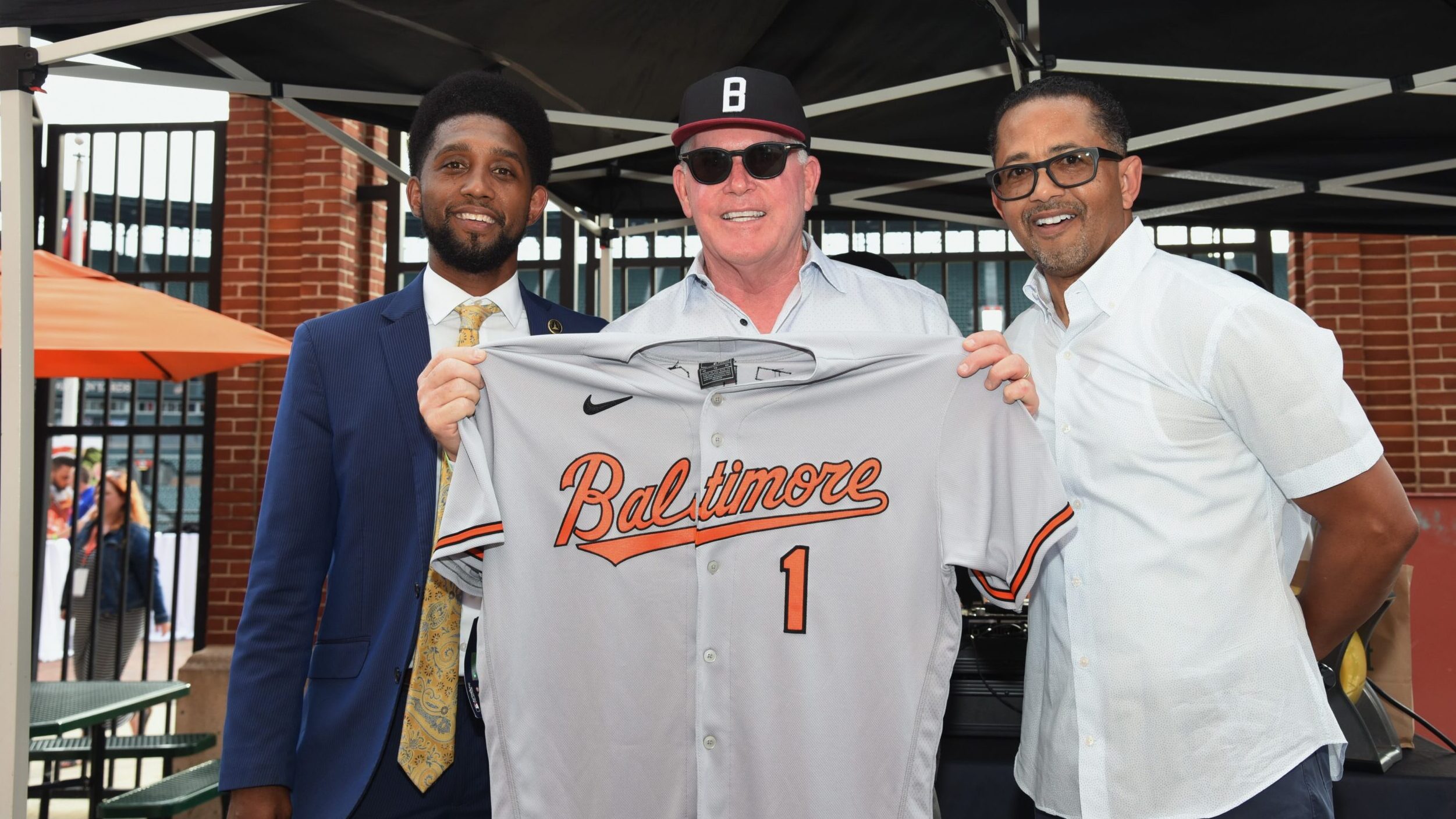
As Destinations International President and CEO Don Welsh described it, everything started a scant eight months ago with a question. After “pivoting to virtual in 2020,” he wanted to bring destination leaders together to share critical information about solutions for a postpandemic recovery and the enhanced roles they are now playing in their communities.

But he had no idea whether that might look like. Ten people in a broadcast studio, 400 in person and 500 virtual? Or a completely on-site event at the scale of the 2019 conference in St. Louis, Missouri? He did know that event took two years or more to plan—and he didn’t have that kind of time.

Welsh contacted his incoming chair-elect, Al Hutchinson, president and CEO of Visit Baltimore, the destination marketing organization in his childhood home.

“We rolled the dice,” recalled Hutchinson at a breakfast the morning before festivities began.

No one knew what the world would look like in July, what would be allowed and whether people would be comfortable traveling. “We felt it was important, and we had to find a way to make it work,” he said.

A partnership was born that started with biweekly meetings between the two organizations and ended with weekly, sometimes daily, calls in the final stretch—plus a media and planner Fam that began only days before the opening session.

The first step: Get the local health commissioner to the table. “She and her team had to be comfortable with protocols,” Hutchinson said. Fortunately, the city has an abundance of medical resources in its backyard, including Johns Hopkins University and University of Maryland Medical Center. In the end, because of the robust vaccine coverage in the country and the area, masks were deemed optional for those who had received the full vaccination and suggested for anyone who hadn’t. A daily health screening questionnaire and temperature check was required to attend.

Hutchinson leveraged Baltimore gems that make the region a shining light in so many arenas—transportation, medicine and the arts. That included asking West Baltimore native and Rhodes Scholar Wes Moore to share his inspirational vision for how to move forward better. Baltimore Mayor Brandon Scott joined for the opening reception at Oriole Park in Camden Yards. And culinary powerhouse The Atlas Group shut down an entire street of restaurants to welcome attendees to world-class dining experiences.

Hutchinson had an ulterior motive for stepping up—in addition to his dedication to the Destinations International mission. “We wanted to showcase the beauty of this city,” he said. “This is a place filled with influencers, makers, writers and poets that has contributed to the American story like nowhere else.”

His “city of firsts” in the D.C. metroplex saw the first railroad (B&O), first canned food, first research-based university in the country, first place where Edgar Allan Poe was paid for his writing…and the list goes on.

A Pledge to Include Better
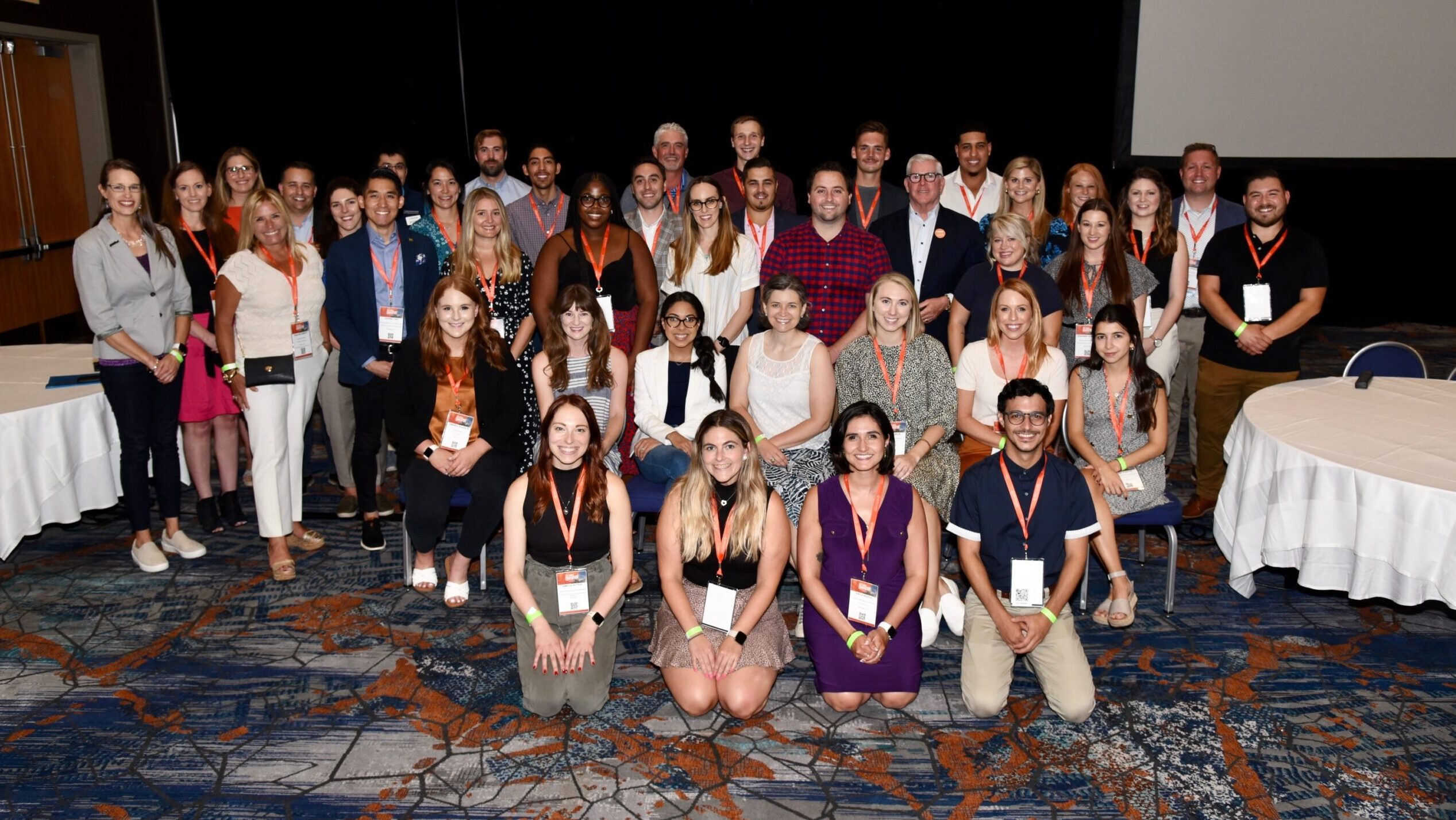
Another aspect of the event that aligned with Visit Baltimore’s mission was the diversity, equity and inclusion work that began years ago. So far, 375 destinations have committed to a pledge to work to become more inclusive.

Honoring Elliott Ferguson, president and CEO of Destination DC, with the 2021 Destination Organization Leadership Award for his long-term contribution was one example of that shared vision. Ferguson was national chair of the U.S. Travel Association Board and board chair of Tourism Diversity Matters, active in advancing conversations about race and racism in the hospitality industry and advancing policies to facilitate more international and domestic travel.

“This is a continuum. There is no finish line on this,” said Hutchinson. He himself is co-chair of the DEI committee of Destinations International and dedicated to seeing the travel industry improve training to battle systemic racism. In fact, he has challenged local businesses to sign a “Warm Welcome” pledge to show they are open to those of all colors, sexual orientations and abilities. And an apprenticeship program for diverse candidates was launched in coordination with Guinness Open Gate Brewery, a company that dates it presence in the city to 1933.

“We want to make sure the next generation of people of color have an easier time than I did. We have a long way to go, and we are not going to give up,” he promised.

Business as Necessary
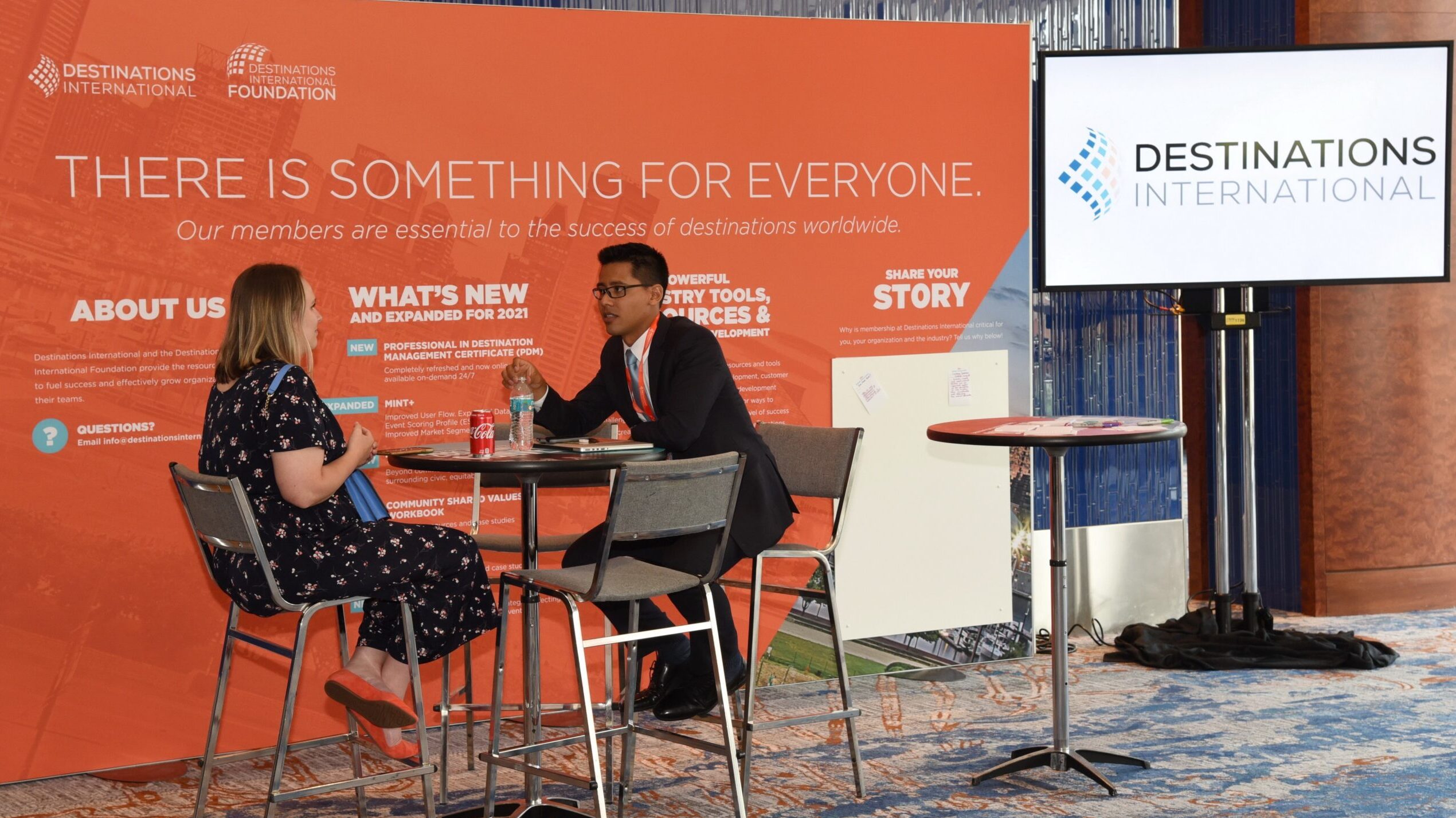
Thanks to the dedication of Baltimore and a lot more people, association business at AC21 was completed. Board members were sworn in. Like any other association, volunteers set the direction for the organization. “Destinations International and the Destinations International Foundation are driven by the experienced volunteers serving on our boards and committees,” as Welsh puts it.

Gretchen Hall, CDME, president and CEO of Little Rock Convention and Visitors Bureau, was sworn in as chair of Destinations International.

“We now know what a world without travel looks like, how tenuous our attachment to each other can be when our only connection is on a screen or through a mask. The power of travel—its necessity, its fundamental role in the nature of our humanity, has never been more evident,” said Hall in a statement. “And now, as vaccines are distributed and the globe begins to reopen, the world needs a different kind of healing. A kind of healing that only comes from shared experiences and expanded horizons that travel allows.”

She continued: “Seventeen months ago, this industry was at its worst, and now the world is calling for us to be at our best. Destinations International will play a key role in preparing and assisting destination organizations as we answer that call and define this industry for generations to come.”

John Percy, president and CEO of Buffalo Niagara USA, assumed the role of chair of Destinations International Foundation, which funds everything from equity, diversity and inclusion initiatives to the 30 under 30 program, U.S. Conference of Mayors Partnership, and the 2021 DestinationsNEXT Futures Study.