Photo credit: meltdownattack.com

You’ve probably seen the terms Meltdown and Spectre this week. Unfortunately, this has nothing to do with James Bond, though the news might get your heart racing. Information was recently leaked that nearly every computer, smartphone, tablet, laptop and cloud system in the world is subject to critical vulnerabilities in modern processors. Some pretty mind-blowing stuff.

Meeting and event planners may heavily rely on technology for their day-to-day functions. Yet, cybersecurity is generally outside their expertise. That’s why we’re providing the run-down.

Not Your Average Cyber-scare

Ultimately, a malicious program could make use of both hardware bugs to override program boundaries and obtain stored information—i.e. credit card information, emails, client information, photos and more.

A lot still isn’t known. Should hackers monopolize the situation, it might not be as straightforward as exploits in the past. Oren Falkowitz, co-founder and CEO of Area 1 Security, told Smart Meetings, “It’s really hard to predict who attackers will go after. Spectre and Meldown represent a new technique and capability but they do not help indicate who would be a victim.”

The individual victims might not be predictable, but businesses running their entire infrastructure on AWS or Google Cloud will need to be extra cautious. For instance, depending on the cloud provider’s infrastructure, hackers could potentially steal data from customers and clients.

Meltdown vs. Spectre

Even though they have a similar exploitive nature, Meltdown and Spectre are different beasts.

Meltdown takes advantage of a privilege escalation flaw, enabling a program to read the protected kernel memory access from user space. Meaning, all data in a computer is accessible to any user who can execute code on the system. This applies to Apple products and all Intel chips since the mid-90s.

Spectre fools applications into performing commands they shouldn’t be able to. With this, hackers can access information stored on your device’s memory. This flaw is now in nearly every chip made by Intel, AMD and ARM.

The Current Situation

Wondering why we’re just hearing about this? Apparently tech companies have known about the threats for months. While keeping things under wraps, they’ve been racing to find a solution. Meanwhile, billions of PCs, smartphones and tablets around the world have been affected.

Apple confirmed its products’ vulnerabilities. Google and Microsoft released statements that inform users of the affected products. Google has also claimed that its Android phones are A-OK if users had the latest security updates. Window users have been advised to update third-party anti-virus software before implementing any operating system patches.

Now take a deep breath. While the flaws are certainly out there, there’s been no sign that hackers can take advantage of them at this time.

Patch it up!  

According to meltdownattack.com, you are already definitely affected by the bug, although you probably cannot detect the exploit. That doesn’t mean all hope is lost. A “patch” looks like the best protective route. Currently, there are patches against Meltdown for Linux, Windows and OS X. Downloading a patch helps mitigate vulnerability.

Another proactive measure is to update all of your programs, including your operating system, CPU firmware (if available) and web browser. Do it ASAP. Another piece of advice Intel emphasizes is to make sure you’re running security software.

You can also check out this online list of updated anti-virus products, which is continuously being updated by cybersecurity expert Kevin Beaumont.

Omni Viking Lakes Hotel, Eagan, Minnesota

Opening in fall, this 14-floor property brings 320 guest rooms and 35,000 sq. ft. of event space in a sophisticated yet accessible style. Taking inspiration from Nordic culture and tradition, the hotel decor features a cool, neutral palette with touches of rough textures in leather and wood. A spa, three dining outlets and an expansive fitness center are among the amenities. The location gives easy access to both Minneapolis and St. Paul downtowns from the new Viking Lakes, a sports and recreation development.

The Glenmark, Glendale, California

The Marriott Tribute Portfolio hotel opened this summer with 85 rooms in downtown Glendale. The boutique property features a Mediterranean-inspired restaurant, an airy lobby bar and a state-of-the-art fitness center. Enjoy local flavor, from sipping on coffee from Intelligentsia roasters to artwork expressed in varied mediums that evokes the area’s entertainment heritage. The hotel offers 7,900 sq. ft. of event space—including a 4,500-square-foot rooftop bar with sweeping views of the L.A. skyline.

Canopy by Hilton West Palm Beach Downtown, Florida

Now open, this 13-story Hilton property highlights the Canopy brand ethos as a natural extension of its local surroundings. Design features a juxtaposition of natural elements and urban lifestyle, including a six-story living green wall set off by natural wood and exposed concrete. The hotel offers 150 guest rooms, many with expansive views, plus 7,000 sq. ft. of event space. Restaurant Ban.tr and rooftop speakeasy Treehouse will open once local regulations permit, but the 13th-floor pool and deck with sweeping vistas of Palm Beach already beckons to guests, with distancing guidelines in place.

Miraval Berkshires, Lenox, Massachusetts

The third property in the Hyatt-owned Miraval brand, this 100-room haven on 380 protected acres is a respite of mindful indulgence, featuring year-round programming fitted for the changing seasons. Experiences range from lessons in equine communication to a five course Chef’s Table experience with aliments from the property’s on-site farm. Guests also have access to on-property Wyndhurst Manor & Club, a design homage to the Gilded Age, with an 18-hole golf course and its own itinerary that spans raptor rehabilitation workshops to forest bathing.


While meetings professionals and the hospitality partners they work with have been understandably focused on the health and safety of event attendees since the appearance of the COVID-19 pandemic, both groups realize the continued importance of incorporating sustainability measures into those events, as well.

In the eighth of FICP’s new virtual education series, Financial & Insurance Professionals (FICP) Chats, more than 175 participants agreed that while COVID-19 has created many challenges for the industry, a silver lining to the pandemic may be the opportunity it has created to replace tried-and-true practices with ones that are both safer and more sustainable. Additionally, the group was reminded through this discussion that all parties need to be patient with each other as facilities and destinations re-open with new protocols and work through extensive changes to their processes.

Food & Beverage

Traditional buffets present challenges in today’s environment due to concerns about virus spread, in addition to contributing to increased food waste, consumption of larger food portions and higher costs. While boxed meals are currently considered safer, they create more packaging waste. Discussion topics included creative new solutions that help reduce single-use items, such as plastic water bottles. Boxed water and touchless water stations to refill bottles were suggested as more sustainable alternatives.

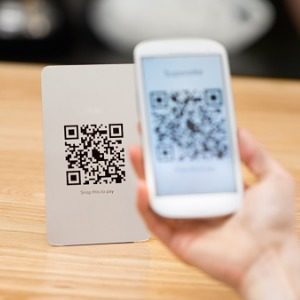
Through organizations such as Fill it Forward, refilling water bottles can also have a corporate social responsibility (CSR) component, where those in need of fresh water can receive a donation when event attendees refill special water bottles and scan the QR code. Donating leftover food is another way to add a CSR component to an event while also decreasing waste.

Another F&B-related sustainability initiative being implemented at events is sourcing food locally and adapting menus to allow for a more streamlined farm-to-table experience. This helps showcase the event destination while reducing the event’s carbon footprint, and allows chefs to incorporate healthier, fresher foods. Some hotel partners have introduced beehives and herb gardens on-property to provide consistent sources of local ingredients.

Gifting

help pandemicThe group agreed that no event attendee needs another pen or similar gift item. Instead, participants were encouraged to bring creativity to their gifting, investigating ways to engage with local partners to reduce waste and make a positive impact on the community. The need to provide alternatives to room drops creates an opportunity to deliver new “white glove” experiences for incentive or executive participants.
Suggested sustainable alternatives include planting a tree, adopting an endangered animal or threatened habitat such as a coral reef in honor of event attendees, or providing mobile gift cards in place of physical ones. Employing local artists and local businesses for attendee gifts adds a unique element to those gifts, while also reducing the environmental impact of shipping and packaging.

Attendee Materials and Guest Items

Coincidentally, many measures that help reduce the risk of disease transmission can also increase the sustainability of events. This is especially true with the materials provided to attendees. Reusable fabric masks instead of single-use ones, event apps in place of printed attendee handouts and digital signs in place of printed signs all reduce what get tossed into the dumpster after an event. For items without a digital alternative—centerpieces, for instance—consider donating these to local schools, nursing homes or hospitals instead of throwing them away.

Additionally, replacing printed menus with QR codes or other digital delivery formats, removing robes and similar items from hotel rooms, and reducing housekeeping visits are activities that all reduce energy use and the volume of printed paper and packaging. In these instances, it is important that the meetings professionals know what guests may be expecting in their rooms and communicate that to their hotel partners in advance.

Strength in Numbers

Sustainability is a discussion that should be happening at corporate offices before it can be effectively carried out at an event, and meetings professionals can play a role in executing sustainable activities at their offices, too, such as composting and recycling. Education of key stakeholders about how to continue sustainable best practices at events is suggested before partners are selected for future events, as these may be key differentiators or reasons for increased costs.

To that point, if all meetings professionals make the effort to include sustainability-focused requests in RFPs and stress the importance of those measures, partners will be more likely to respond with more options for reducing waste, energy use and impact to local communities, creating a win-win for all.

Jennifer Squeglia, CMP, is a member of FICP board of directors. In the next FICP Chats, on August 13, participants will revisit virtual and hybrid components in future meetings. Learn more about upcoming FICP Chats, part of FICP Anytime.

After a whirlwind few months for the events industry, we’re starting to look to the future. Not a new normal, but a different normal. A chance to recreate, reach more audiences than ever before and make incredible connections, safely, through the medium of hybrid events.

I’m confident you’ve heard this term a number of times over the last few weeks, but just in case it’s new to you, hybrid events combine the best elements of in-person events and virtual events, bringing both types of audiences together. It’s not a new type of event born out of the COVID-19 era, but one that has been around for some time now. You might have livestreamed aspects of your event before, and had audiences tuning in from a different location—this would tick the hybrid event box!

We might not know where the future’s headed, but what we do know is that hybrid events certainly have a place in the future of our industry. This is for a few reasons: social distancing measures across venues globally mean capacities will be smaller; not everyone is happy or allowed to travel yet; and we are getting used to the ease and financial benefits of virtual working.

Juliet Tripp

What I also know for sure is that we’re all pretty dizzy from pivoting so much these past few months. So, how do we pivot with purpose and make our next moves to successful hybrid events? And how do we combat one of the biggest challenges facing hybrid event organizers: attendee engagement? We get strategic.

I wholeheartedly encourage you to get strategic with your upcoming hybrid events, especially when it comes to attendee engagement. By really digging deep into the why behind every move you make, you can set yourself and all of your event stakeholders up for success. You’ll gain clarity into your event’s purpose and keep your audience’s needs at the core of your planning and execution.

My top tips for creating a hybrid event engagement strategy:

Look at your goals.

Examine your strategic goals for your event, and any wider strategic goals for your business. Review every single aspect of your hybrid event to find the touchpoints to engage your audience to support you in reaching these goals. Goals should be at the core of everything you do!

Have a strategic understanding of your audience and their needs.

Do you know your audience? Or do you really know your audience? You need to find out how they can and want to engage with your hybrid event.

For example, get clear on whether they need additional support in getting used to a virtual event platform, or how far they are willing to travel to be there in person? Understand how they like to learn, how they like to network, whether entertainment is an appropriate and relevant factor to consider here. Find this out by asking them; send surveys, hold focus groups with your key event advocates and send feedback forms following all of your events. Incentivizing these will give them even more of a reason to want to help you develop your events.

Remember that timing is everything.

Work your agendas around timings that will suit and serve your diverse audience and keep them engaged. Traditional presentation formats are now out the window; we’re looking for shorter, snappier content. Strategically think about the timeframes you can provide for your audience to engage with this content. Are you appealing to different time zones? Is there an option for both your physical and in-person audiences to catch up on-demand afterwards?

Don’t forget that the break for the virtual aspect of your event is just as important as the in-person. Your breaks may also need to be even longer than before, to allow your delegates time to interact between sessions. How can you make your virtual audience feel like they’re a part of the breaks, too? Consider sending a care package or coffee coupon in the mail.

Connection is key.

More than ever before, we’re yearning for real, genuine connections. It’s your job as event organizer to support your live and virtual attendees in connecting with each other in a way that feels valuable and important. Look to event apps to see what kind of features you can leverage to build in networking opportunities—this can act as a central hub for conversations across all delegates no matter their location.

The role of the moderator is absolutely essential.

A moderator who can keep the continuity and conversation going and answer attendee questions can really help keep your audience in both a virtual and live setting engaged and comfortable. Your moderator must involve both and avoid bias. You may want even more people supporting this in a hybrid setting, with one person focusing on your chat box and feeding questions through.

Hybrid events are an exciting challenge as we move forward as an industry and begin to see restrictions lift across the globe. To create a hybrid event engagement strategy with your audience at the core, remember to look at your goals, know your audience and assess each part of your event to see where engagement could be considered.

It’s time to get strategic!

Juliet Tripp is senior events manager at Chemical Watch, working on International and Virtual B2B conferences. She has an events blog at juliettrippevents.com. She’s also International Growth and Strategy Director for the Female Hospitality Network, a Conference News 30 under 30 award winner, a mentee in the Fast Forward 15 Class of 2020/21 and an advocate for all things personal development and empowerment.


Construction Chic was on display in advance of IMEX America in Las Vegas this week. At Park MGM Las Vegas, SITE Young Leaders met for networking and career development. At Sands Expo Convention Center, Smart Monday Powered by MPI enlightened meeting professionals on everything from event design to leadership. It even included focused content billed as She Means Business, covering gender equity and education.

However, down the street, the future of Vegas is growing one 90,000-pound beam at a time. A total of 3.5 million sq. ft. of meeting infrastructure is in the pipeline for the next five years. Smart Meetings got a sneak peek.

Forum Style

Caesars Entertainment took visitors on a hard-hat tour of what will be Caesars Forum, 550,000 sq. ft. of meeting space, including two 110,000-square-foot pillarless ballrooms—the largest in North America.

Related: Caesars Aims to Build Most Sustainable Pillar-less Ballroom in World

Lisa Messina, vice president of sales for Caesars Entertainment in Las Vegas, reported that although the space at the end of Linq Promenade in the halo of High Roller carousel doesn’t open until March, more than $300 million in event business has been booked. Some 79 percent of those contracts represent new business. Those planning events include Meeting Professionals International (MPI), Cvent, ConferenceDirect and HelmsBriscoe.

The meeting space flows out onto an outdoor plaza through roll-up glass doors and is big enough to roll a semi-truck into. It is also connected to 8,500 hotel rooms at Harrah’s Las Vegas, Linq Hotel & Experience and Flamingo Las Vegas, and is within walking distance to 20,000 Caesars Entertainment hotel rooms.

Convention Center Milestone

Down The Strip, Las Vegas Convention and Visitors Authority celebrated a beam-hoisting ceremony in August to celebrate progression on a 1.4 million-square-foot expansion as the “final” beam was hoisted above the 600,000-square-foot exhibit hall.

The expansion completion, slated for December 2020, will be followed by a complete renovation and modernization of Las Vegas Convention Center’s existing 3.2 million sq. ft.

“Supporting the Las Vegas destination through growing meetings and exhibitions is just one of many ways we fill the nearly 150,000 hotel rooms in our destination and can accommodate the nearly 15,000 of additional hotel rooms that are on the way,” said Brian Yost, LVCVA’s chief operating officer.

Restart Planned 

Steven Witkoff, the New York City-based developer of the shell across the street from Las Vegas Convention Center, was busy giving tours of a project that started life as Fontainebleau, but is being reimagined as Drew Las Vegas. The new planned opening date is 2022, but the vision is an open design with lots of natural materials and forms, with 3,719 rooms under three flags, including Edition and JW Marriott, and will include more than 550,000 sq. ft. of meeting space.

After being excluded from the first rounds of government relief funding, imperiled DMOs may finally get federal relief funding. A bill introduced today in the U.S. Senate, Sustaining Tourism Enterprises During the COVID-19 Pandemic (STEP Act), includes grants from the Economic Development Administration to fund work by destination marketing organizations to promote tourism and enhance safety measures.

The bipartisan legislation, introduced by Senators Catherine Cortez Masto (D-NV), Roy Blunt (R-MO), Kevin Cramer (R-ND) and Amy Klobuchar (D-MN), must still be passed by Congress and signed into law as part of a broader Health, Economic Assistance, Liability Protection, and Schools (HEALS) Act relief package announced yesterday, but organizations are already positioning themselves to push for approval and be first in line.

STEP Act Essentials

U.S. Travel Association Executive Vice President for Public Affairs and Policy Tori Emerson Barnes called the measures “crucial” and said they would help travel-related employers to hold on until they can rehire and help fuel an economic turnaround.

“The grants…will be invaluable for moving the country toward a safe reopening of travel. The bill also wisely makes aid available to the economically vital meetings, conventions and trade shows sector, which has a uniquely challenging path to recovery,” Barnes said.

The bill would authorize $10 billion in funding to provide grants for tourism and event entities impacted by COVID–19. Grants would be available to any entities (states, tribes, regional groups, nonprofits, quasi-governmental organizations and private businesses) that:

  • Perform tourism promotion operations
  • Host, organize, own, operate or staff event venues, conventions or trade shows
  • Or, provide services as a concessionaire to events and tourism locations.

Barnes outlined the stakes. “Travel has experienced more devastation as a result of the COVID-19 pandemic than any other American industry, with 8 million jobs already lost—more than half of all travel-supported jobs before the pandemic, and more than a third of the total jobs lost in the U.S.”

HEALS Act Updated

At the same time, Senate Small Business Committee Chairman Marco Rubio (R-FL) and Senator Susan Collins (R-ME) released an updated proposal that would expand eligibility under the Paycheck Protection Program (PPP) to nonprofit associations, chambers of commerce, destination marketing organizations and others with 300 or fewer employees. It also removes the $500,000 maximum loan amount in previous versions and adds funds to, and reauthorizes, PPP until December 31, 2020. It would also simplify the application process.

Expanded Employee Retention Tax Credit, Work Opportunity Tax Credit, and Safe and Healthy Workplace Tax Credit are also on the table.

The Senate proposal is a starting point for negotiations with the House, which passed its own version of the relief effort, Health and Economic Recovery Omnibus Emergency Solutions (HEROES Act), which also included nonprofit organizations of any size and simpler lobbying restrictions.

With federally subsidized unemployment benefits running out at the end of the month, Congress has a sense of urgency to come to an agreement.

Mary Kate Cunningham, CAE, vice president of public policy with ASAE, urged members to be prepared to file as soon as possible if the measure is sent to the White House for signing. “If PPP expansion to 501(c)(6) organizations indeed passes into law, such entities will need to move fast to secure PPP loans and the financial relief they need. We encourage you to consider your options now, so, if needed, you can expeditiously pursue PPP loan funds when the time comes.”

Disruptions create opportunities. Elusive decision makers are more available now since they aren’t traveling and so many people are at home. But only those who are prepared to see and capitalize on openings will emerge on the other side with the prize. That is why at a recent Smart Meetings Virtual Experience event, negotiation speaker Linda Swindling took the time to instruct meeting planners on the secrets of ASKing for what you want…so you can deliver what attendees need.

Diversity enlightenment expert Risha Grant will speak at Smart Meetings Virtual Mid-Atlantic Experience July 30. Register Now.

The “recovering attorney,” mother and author of Ask Outrageously and 20 other books boiled her tips down to an acronym: ASK. Those three letters stand for:

Aware—Be aware of what is happening and where the opportunities lie. That requires understanding what you really want and how it might be different from what other people want. Ask yourself, “What is the outrageous thing that I wouldn’t normally be brave enough to request, but might be available now that everything is different?”

Seek—Always be looking for more information. Do your homework to find out what DEAL style or type of communication approach you and the decision maker prefer. That will help you approach the person effectively. Don’t come with answers. Start with determining the What’s In It For Them, the WIIFT. Ask the decision maker what they are looking for. Before suggesting a solution, research what all the stakeholders really need.

Know—Plan your next step, your next ask. When you live in questions, you get a better deal.

“If you want something, you have to ASK,” Swindling counseled.

How well do you ask? Take the Assessment.

Still Scared? Try This

Think of people in your world who are master-asker models for asking outrageously. Then pretend you are that person.

Better yet, focus on your superpower. What two or three things do you do better than anyone in your office? What do you bring to the table that no one else does? Capitalize on those things. Meeting professionals are often awesome project managers and leaders. Note that in your mental ledger. That knowledge can give you confidence to ask.

Sharing your abilities is not bragging. When you are going virtual and working with vendors, that knowledge of your unique skill set is a gift to your organization and clients. It also gives you job durability and value. It helps you stand out.

Don’t Be Afraid of No

Often, we don’t ask because we are afraid we won’t use the right words, will look stupid or will bug someone. The big reason for many is fear of the word “no.” The truth is, if you are not hearing the word “no,” you haven’t asked for enough. And, if you don’t risk hearing “no,” you will never know the answer, and the person across the table won’t know you are interested. That’s true whether it’s a promotion, a new challenge or a chance to take the business in another direction.

The important thing is what comes after the “no.” The next question should be, “I heard you say no; can you tell me about that?” Then you can respond with a correction to any misconceptions or learn what question there might yield a “yes.”

If you’re told more information is needed, or it’s the wrong time, or there is no money, that is usually not true. The biggest reason is often that you might not be liked, trusted or respected enough…yet.

Ask for Yourself

Most people in the hospitality industry are comfortable asking for others, yet have trouble asking for themselves. But it’s vitally important that you ask for yourself. The team is watching you. So, ask for opportunities to learn, try, do.

Swindling ended with a challenge. Try asking for three things before next Monday. Ask if you can break the rules, do something a little differently, try something new, get that promotion. This is the time. Step up and ASK.

Hybrid is the path for the foreseeable future,” McNeel Keenan, vice president of product management for Cvent, says. The benefits of hybrid events for attendees—chiefly, less money spent on travel and accommodations for online participation—have long been known, but the past few months have intensified both the benefits and the necessity of offering online as well as in-person components to meetings.

In the latest Smart Meetings webinar, Hybrid Events: What You Need to Know Now, Keenan detailed the benefits and challenges of the two-in-one event.

The Hybrid Opportunity

Travel budgets are down to essentially zero this year and are not likely to come back to 2019 levels, even in 2021. That’s certainly going to put constraints on the size of your audience that could potentially attend face-to-face.

Second, we’re looking at venue capacity limitations. Venues that used to be able to hold 2,000 or 3,000 people now can only safely hold 500 or 800 people,” Keenan says.

Keenen notes that the audience mix has shifted after nearly all events went virtual when the pandemic struck. For one thing, it’s clear you can attract a much wider audience than before. “Now that you’ve got that larger reach, there’s going to be sponsors that want to tap into that. The monetization opportunities, if you’re doing it right, should increase along with the size of your audience, whether they’re in person or virtual,” he says.

Going hybrid significantly reduces attendee barriers to entry. The prospect of attending an event in person [can be] costly, in the thousands of dollars for housing, travel, time out of office and cost of event registration That can be a significant issue, especially for first-timers. Going hybrid gives them an opportunity to take an online taste of the experiences you can provide in person, he says.

One Event, Two Experiences

“In order to have a successful hybrid event, you have to produce two experiences,” Keenan emphasizes.

Failure to do so can manifests in several ways. Keenan calls one the “peanut butter spread,” which means treating all the different aspects of both the in-person and virtual versions as one big slice of bread slathered with the same thing. Almost inevitably, he says, this leaves the virtual audience feeling neglected and even isolated.

Successful virtual components to an event will add to the cost of production, because putting a camera in a low-lit ballroom for a breakout session is a formula for online tune out. In-person and virtual meetings are two very different experiences, so they require a separate focus for the virtual and live audiences. For the former, someone much like a news anchor can guide an online audience through the experience.

See also3 Ways to Engage During Your Next Online Meeting

New roles are needed to produce a compelling virtual experience. Someone, for example, to create video on-demand (VOD) content. Pre-packaged interviews or thought leadership content produced ahead of the event can keep virtual attendees engaged; on-the-ground reporting will help them feel the energy of the event. Presenters and those who introduce them, who typically think solely about the audience in the room, also need to acknowledge the virtual audience.

“It’ll require rethinking your virtual agenda, because the virtual attendees’ attention span is quite different than someone physically in the room,” Keenan says. “The 60-minute session may not resonate as well. Which sessions are going to bring the highest impact and the most value to the audience at home?”

Keenan also notes the importance of keeping sponsors happy. “Ultimately, sponsors are after two things—brand awareness and cold, hard lead generation,” he says. One way to expand reach for sponsors is through sponsored sessions. “We’ve seen organizers struggle to get enough traffic to the virtual booths, so one way to do that is by making your sponsors a part of your live schedule. Now your sponsors are positioned to be thought-leadership experts,” Keenan says.

Stream Security

Planners also need to be aware the virtual component of an event comes with potential security issues. “If you don’t secure your stream, it’s very easy for people to just look into the source code of the site, grab that URL and go put it up on any site that they want,” Keenan cautions. “If you’ve got sensitive content, you need to make sure you are not only putting it, potentially, behind a login wall, but also that you secure the stream itself.” Differing levels of security are available. “Everything from domain restrictions, so that content can only be streamed from a certain domain, to DRM-level security—which is the most secure,” he says.

More4 Tips for Staying Cybersecure in a Remote Workplace

Cvent Connect

Cvent Engagement Hub is a new interactive offering from Cvent. It includes features such as audience Q&A, collaborative sessions and appointments. It also has a virtual-boost component to help engage sponsors. A two-day virtual Cvent Connect August 25-26 will be the hub’s first event. The engagement hub will be available for planners after Sept. 1.

Let’s be honest, COVID has crushed our industry and stretched us to the limits of our creativity and “pivot-ability.” We are all universally going through something that at its root is just terribly difficult. I had hoped that like another tragedy—9/11—going through COVID together (separately) would universally bring us together as humans. I wanted there to be one good silver lining to all of this. However, all that down time also had another unintentional consequence. It allowed us to focus on the systemic racism that has affected our country for hundreds of years. The topic took on a central position in the media and our social feeds about two months back as we stayed at home and ceased travel, events and our daily routines.

We all watched in horror as George Floyd had his life ended by someone that was meant to protect us. It was very confusing, and we were being told by our Black colleagues that this was something that happened more than most of us had realized. I personally was shaken to the core to do something to bring about change in our events community.

MoreDestinations International Partners to Address Industry Diversity Gap

I reached out to Derrick Johnson, CMP, director of virtual events at Talley Management Group. He is a PCMA board member and was eager to talk about how best we could take immediate action. We both felt that a platform where we could have consistent conversation that was unscripted, raw and unfiltered was the right direction. The Events: From Black to White talk-cast was born.

This weekly online show is an interactive discussion on varying topics on inequality through the lens of the events industry. These 30-minute, bite-sized lunch sessions are bringing together colleagues of all races and normalizing the topic through frank, real-talk.

What I’ve learned over the past 8 weeks:

1. Being a good ally isn’t what you expect.

It isn’t about putting up a single black square one day on your social media feeds. It isn’t about joining a single discussion and then moving on with your life. It is about speaking up during uncomfortable situations, it is about truly wanting to learn about how your colleagues are affected daily. It is about standing by their side to push for real systemic change. It is about education and pushing yourself outside of your comfort zone at times.

2. This is a marathon, not a sprint.

Again, there is no single thing we can do to make racism go away. This is an ongoing conversation with our peers, ongoing learning, ongoing action by each of us.

3. Racism is complex and complicated.

Racism is layered and complex. Gay Black men experience completely different racism than black women. Trans-people of color go through entirely different scenarios. Intersectionality is crucial to the conversation.

4. We can all do something.

I’ve talked with a lot of white colleagues who have felt helpless. I have talked to a lot of Black colleagues who have felt hopeless. People are struggling to believe that their actions as one person can affect real change. I am here to tell you that they can. I didn’t necessarily believe I was the right person to put together the Association for Women in Events and yet my single action changed the lives of many women in the industry. You don’t have to start an organization to be a game changer. You can sign petitions, listen to podcasts, continue to educate yourself, your colleagues your families. One actionable item is taking a look at the panels that you see in the industry. If they aren’t showcasing diverse voices, reach out to the producer of the event and ask them to consider diverse voices immediately or in the near future. It may just be the small steps that will ultimately lead to change.

5. Education is a must.

Each week, at the end of the show, we provide at least one actionable item or website/link/article to visit so that you can put in additional work and learn even more. We find it most beneficial for attendees when they can walk away from the show and do something during the downtime before the next show. We want people to be actively learning and doing throughout the week!

I know I have a lot to learn and look forward to growing the conversation week-by-week. It is time to have difficult conversations and confronting hard topics.

Carrie Abernathy, CMP, CEM, CSEP, is co-founder of Association for Women in Events and developed the Events Industry Sexual Harassment Task Force. She works full time as a meeting planner for Altria Group Distribution Company. In her spare time, she runs the blog awomanwithdrive.com. For Black to White archives and registration for upcoming events, click here.

Want some positive news? While here in the U.S. you may be bemoaning the closing of a favorite restaurant or other business that has fallen victim to the coronavirus economy, favorable life signs are appearing in the region where COVID-19 first ravaged. Marriott International, for example, just celebrated a milestone in Asia Pacific, with the opening of its 800th property.

A brand-new JW Marriott Nara marks the entry of that luxury brand in Japan. The 158-room property is situated on the edge of a 1,300-year-old garden set on former royal palace grounds. The company also says two of its other flags, Edition and Aloft, will be planted in Japan for the first time this year.

With millennials expected to return to travel first, the first Moxy hotel, a Marriott brand targeted to that demographic, will soon debut in China —Moxy Shanghai Xujiahui. And AC Hotels by Marriott arrived for the first time in the region with three hotels in Malaysia earlier this year, as did AC Hotels Tokyo Ginza earlier this month.

“We remain confident in the resilience of travel, our owners and franchisees, guests and associates as well as the future prospects of lodging in Asia Pacific, our second-largest market,” said Craig S. Smith, group president for Asia Pacific at Marriott. “We are encouraged by recent trends, especially in China, where demand has been driven primarily by domestic tourism, and we will continue to focus on strengthening our footprint in this important, growing market.”

Other hotel companies, it should be noted, have been less bullish in Asia. In April, MGM Resorts International said it would delay its plans to develop an integrated resort in Osaka, Japan. The resort’s opening was to have been timed for the 2025 World Expo in that city.

Converting to Marriott

The launch velocity of Marriott-branded hotels in Asia Pacific has been impressive over the past three years, with nearly new 80 properties a year. In the first half of 2020 alone, the company recorded 73 new signings, including 43 in the Greater China region.

A significant portion of these new Marriott hotels came from switches from other hotel companies, or from formerly independent properties. In the last three years in Asia Pacific, Marriott reports, it has seen an annual 20 percent increase in the number of so-called conversions. In Singapore, for example, the company recently signed that island city-state’s first two Autograph Collection hotels, both of which are anticipated to fly the Autograph Collection brand flag by 2021.

“With 6 billion domestic trips made in 2019 alone in China, largely attributed to a rise in average disposable income, demand for brands positioned at a moderate price-point such as Fairfield and Moxy has gained momentum among both travelers and hotel owners,” a company statement said. To meet this growing demand, Marriott has introduced an “enhanced franchise” model whereby Marriott appoints a general manager for the first year of a hotel’s opening to help train and equip franchisees.

Elevated Cleanliness Standards

Earlier this year, Marriott International, like all major hoteliers, began implementing stringent new health and hygiene protocols, including a global cleanliness council to develop and implement a new generation of global hospitality cleanliness standards, norms and behaviors for its more than 7,400 properties.

In a related development, Singapore Tourism Board (STB) has announced a “risk management framework” for business events of up to 50 attendees. Acknowledging that hybrid formats with a mix of face-to-face and virtual interactions are likely to be the norm for business events for a while, STB is executing a trial with two pilot “hybrid” events before gradually scaling up to events with a wider array of organizers.