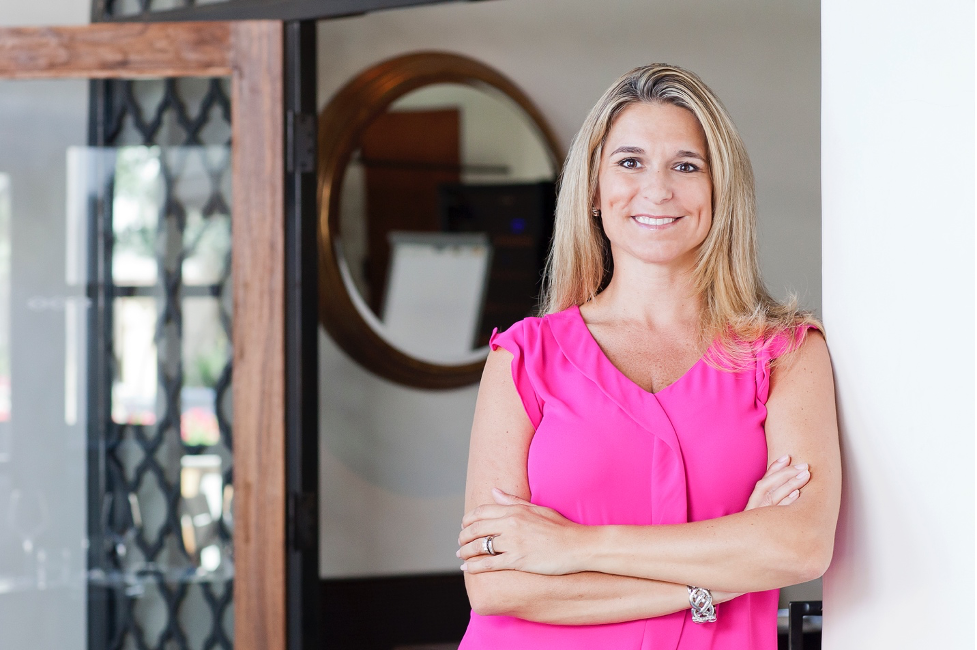
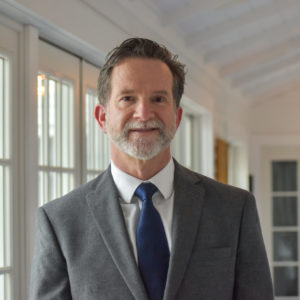
Event Service Professionals Association (ESPA) has welcomed Julie Brakenbury, CGSP, as its new president.

Brakenbury is director of destination services for Greater Raleigh Convention and Visitors Bureau in North Carolina. she has been with the organization since 2007. Before this, Brakenbury worked in hotel and group sales for the likes of Washington Duke Inn & Golf Club and Durham Convention & Visitors Bureau, both in Durham, North Carolina.

“Becoming president of ESPA is an exciting honor. ESPA members are incredibly hardworking and professional, always impressing me with their creativity and dedication,” Brakenbury said. “They’re the lifeblood of successful events. Because of Covid, challenges await us in 2021. However, our members are ready and up to the task. Together, we’ll lead the world of events through this economic recovery and build a stronger ESPA for the future.”

In addition, ESPA welcomed six new board members.

  • Victor Sanchez, CMP, convention services manager at Isleta Resort & Casino
  • Zack Davis, CMP, CTA, vice president of destination services at Louisville Tourism
  • Katy Willis, director of convention services at Visit Seattle
  • Kristen Turner, CMP, DES, director of convention services at VisitPittsburgh
  • Beth Butler, director of destination services at Visit Charlotte
  • Dominique Bonds, director of Guest Experience at Pennsylvania Convention Center

ESPA Gives Honors

ESPA recognized three leaders who, in the face of challenges presented by the Covid-19 pandemic, rose above. Recipients of Leadership in Services awards are those who have demonstrated leadership in their respective organizations through Covid and “have been proactive and positive in the face of adversity.”

Kristin Turner, CMP, DES, director of convention services at VisitPittsburgh; Una Garvey, director of convention and tourism at Tampa Convention Center; and Katherine O’Donnell, executive vice president for Richmond Region Tourism in Virginia, were honored with top national awards for leadership in event services.

Turner, recognized with the Leadership in Services Award, along with Garvey, led the development of Pittsburgh Commitment, a health and safety initiative bringing meeting professionals, venues and health-care experts together to build a safer city.

“Turner’s leadership made it possible to launch [Pittsburgh Commitment] as we attempt to build confidence among our event organizers, their attendees and the community that serves them,” said Jerad Bachar, CEO of VisitPittsburgh. “It is because of this program that we have been able to build confidence among our elected officials that Pittsburgh is ready to reimagine event planning and deliver gold-standard health and safety protocols.”

Matthew Robinette, director of visitor experience for Richmond Region Tourism praised O’Donnell, who was given the Executive Excellence Award. “When we think of someone that has demonstrated superior services support, we think of someone that has showed up throughout the year,” he said. “Even despite the many challenges the year 2020 has reigned upon us all, there was someone in Richmond that opened themselves up to adapt to the ever-changing landscape of now. Katherine O’Donnell broke down the walls between work and quality of life.”

ESPA’s 2022 annual conference will take place at The Westin Kansas City at Crown Center in Missouri Jan. 21-23.

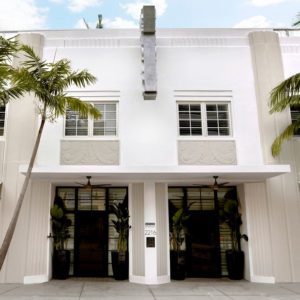
This April, Kayak, the company that once served only as a way for travelers to book flights, accommodations, and to research trip ideas, will be trying a more direct approach to the world of hospitality.

Photo credit: Kayak Miami Beach

In partnership with hotel designer Life House, Kayak Miami Beach will open as a 52-room boutique hotel in an Art Deco landmark. Guests will be able to message staff around the clock, request room upgrades, control their door and room features—all from the Kayak app. And later this year, notifications of on-property events and room-ready alerts will be added to the app; lobby kiosks will offer a speedy check-in option, as well as the ability to browse dining choices.

MoreMiami: Dawn of a Golden Age

The property sits alongside Collins Canal Park, near plenty of local nightlife and outdoor events during the day. The hotel itself will boast a rooftop pool and Layla, an on-site restaurant with Mediterranean cuisine. Meeting professionals will be able to host events within Layla.

Kayak Miami Beach also made health and safety a priority by monitoring CDC and WHO guidance, and the guidance of local authorities. From the start, Kayak will implement the following to keep guests safe.

  • Deep-cleaning all guest rooms, lobbies, public spaces and high-touch surfaces
  • Requiring face coverings in all public areas and by all staff members
  • Checking staff temperatures daily
  • Removing printed guestbook in favor of a digital one (There’s an app for that.)
  • Removing pens, glasses and notepads from guest rooms
  • Reducing in-room housekeeping by making it upon request
  • Continuing in-room dining services from Layla upon request

After a painfully slow year for booking events—can you believe it has been only/already 12 months of pandemic pause?—third party sourcing companies are reporting that interest in getting meetings marked on the calendar in ink has shot up in the last few weeks. An increase in vaccinations, a decrease in cases reported and announcements some state removing restrictions on group sizes is causing meeting professionals to pick up the phone again. We surveyed a few to find out the when, where and what of these rebound RFPs.

When

The first query during any Q&A session in the Covid era is, “When will meetings start happening again?” Our sources shared some of their indicators.

“We have a lot of hope right now,” said Desi Whitney, HPN, senior vice president of sourcing operations and industry relations with HPN. She participated in a company “fireside chat” complete with virtual fire and reported that almost a third (30 percent) of business booked in the year for the year in January 2021 was for the first half of the year. “That is a decent amount of short-term business, considering the current status,” she said.

The majority of groups are planning into 2021, a good amount into 2022, and then some trickling into 2023 and beyond.

The company is experiencing twice as much lead volume for the fourth quarter of 2020 and January 2021. “Our clients are optimistic and also understand now is the time to book business for the best rates and contract terms,” she said.

“With the country starting to open back up, conversations with our clients are starting to heat up even more. Clients that were previously able to utilize force majeure will start to see that opportunity diminish. Hotels will begin to really hold the line on cancellations and rebooks where they can,” she concluded.

Mike Ferreira, owner of Meetings Made Easy, reported a similar uptick in interest. “We have seen a 180 in RFPs in the past 30-60 days!” he said. His team has been telling clients to send out their RFPs quickly since the meeting space and dates could be limited for Fall of 2021 and beyond due to pressure from “lift and shift” meetings. “I believe that the entire industry now understands this and clients do, too.”

The favored properties are those that acted in good faith over the last year. “Companies want to book with hotel partners that are flexible. A lot of people have realized what partnership means throughout this pandemic,” he said.

The other significant trends he is noticing? A significant number of clients say there are not “going hybrid” with their events.

J.J. Wills, senior vice president of marketing programs and business development with ConferenceDirect, is noticing that in the short term, groups are booking for this summer and through 2021, with flexible contract terms to allow for any changes or challenges that may arise that impact attendance or their ability to meet.

Who

Not all groups are alike. Understanding the group demographics can determine whether they are ready to shake hands again.

HPN’s Whitney said just over half of groups booking now come from the corporate segment. “That is surprising compared to what we’ve been hearing from other industry sources. Corporations are booking small, short-term business,” she said.

The groups are booking for all sizes. Meetings Made Easy’s Ferreira said he has seen anywhere from 10-1,500 on peak being planned for 2021.

ConferenceDirect’s Wills is seeing smaller meetings (50-100 on peak) that want to meet later this year with strong confidence for October and beyond. She is seeing association meetings coming back faster than corporate and for 2021, and likely into 2022 if not longer, groups are planning hybrid events with a smaller in-person component and then a virtual platform for additional attendees to participate.

Where

The entire country is not experiencing the pandemic the same way. We asked where the most popular destinations are for new meeting bookings.

MoreMeeting Professionals Eye Variations in State Reopenings with Mixed Emotions

Meetings Made Easy’s Ferreira pointed to Florida, Georgia, Oklahoma and Texas as the destination for the majority of RFPs because their gathering sizes are larger. Proactive planners are getting their RFPs in now for Las Vegas, which might open up at the beginning of May. “Clients want to ensure they book somewhere where they know a gathering ban won’t decrease,” he said.

HPN’s Whitney shared that that just over half (55 percent) booked into first tier cities, and just over a third (36 percent) chose second and third tier destinations combined. Many of the RFPs she is seeing are specifying a desire for outdoor spaces and socially distance space set ups (no surprise there).

Gathering again will be both welcome and tricky in many respects, but none more so than the universal ritual of breaking bread. How do you serve F&B safely and memorably (in a good way) in the new normal?

To help meeting profs, IACC has published two guides which define new approaches to serving food and beverages at business events, conferences and meetings.

The IACC Guide to Re-Imagining Refreshment Breaks” and the “IACC Guide to Re-Imagining Conference Lunches” were developed from research and insights from IACC-certified venues and their food and beverage experts across the globe, many of whom have been operating successfully over the last eight months.

More2021 F&B Trends

The guides’ ambitious intention was to look beyond short-term measures and instead seek imaginative approaches that can positively change the way attendees experience dining. IACC’s broad canvas starts with the sales and planning process, and then expands to exploring service styles, attendee flows, waste and pricing strategies.

One example: advance ordering. In brief, it means piggybacking on tech advances being widely used by restaurants for take-out orders during the pandemic to allow attendees to order food on an app and pick it up in a contactless fashion.

Both of the guides can be viewed and downloaded from the IACC website.

“These two guides,” commented IACC CEO Mark Cooper, “offer such rich advice, because they are the perspectives of those experts who have already experienced serving groups again and can see the change in behaviors that can shape the way we serve our attendees for years to come”.

Cooper continued: “When I see solutions that will improve the experience for our clients even when compared to pre-pandemic, that is when I get very excited about these innovations.”

In the 2021 meetings and events industry, International Women’s Day, is really a celebration of resiliency and determination. Hospitality leaders who have made a career out of caring for guests, found themselves suddenly caring full-time for family members, their teams—and hopefully themselves. We asked some of these brave women to share their pandemic lessons from the last year. We hope you are as inspired by their stories as we were.

Read more: 100 Women Who Inspire Us

Amy Butterfield, Senior Vice President, Global Group Sales, Preferred Hotels & Resorts

The biggest lesson for me was learning how to slow down and enjoy each leg of the journey, rather than focusing only on the destination. Before the pandemic, it was always go, go, go and while I loved my frenzied day-to-day pace, I see now what was missing—time to cherish the small moments. I was forced to look at life through a different lens and have since realized the gift the pandemic has given me: more time to invest in myself and my family. I now fully appreciate time on the deck with a good book, a stroll around the neighborhood with my pup and any conversation that doesn’t revolve around politics or a deadly virus.

Brenda Collin, Senior Vice President of Europe, Preferred Hotels & Resorts

The biggest lesson was learning how to manage people and partners who were and still are under immense pressure. Never before have people been so pushed to their limits, which has caused them to react in different ways. We have to remember to be kind every day and understand what factors might have caused them to feel or think a certain way. Mental health manifests itself in so many forms. Being there for clients when they needed us was worth every minute of time invested.

Jacqueline Grace, Senior Vice President & General Manager, Tropicana Atlantic City

2020 presented many obstacles and challenges, which helped us hone our adaptability skills and pushed us to think outside the box at Tropicana Atlantic City. Restrictions on indoor dining forced us to pivot and get creative with ways that we could offer our guests first-class dining experiences outdoors. We took advantage of our oceanside locale and the unique real estate we have at Tropicana to create a fresh-air dining concept on the rooftop pool for our Chelsea 5 restaurant. This experience was so successful that we are continuing to look at ways to offer innovative, outdoor dining concepts in the future. However, one of the greatest lessons learned this year is the acute awareness of the pandemics within the pandemic, including the disproportionate impact COVID-19 has had on certain groups of people, including people of color and women in the workforce. Shedding light on this reality allowed us to lead with compassion through these unprecedented times and is aligned with our commitment to diversity, gender equity and inclusion for all team members.

Erin Henry, General Manager, Hyatt Regency Newport Beach

Over the past year, there has been time to reflect. As I dealt with many emotions, like most, the pandemic has dominated much of our energy, attention and emotions. My family contracted the virus last summer and while fighting every day to get better, life didn’t stop. I still had a family to care for, hotel to run and people that continued to count on me daily. I have learned that caring for people is more important today than it was pre-pandemic. Today I listen more, ask more questions and enjoy quality time with my loved ones. Pandemic lesson…breathe!”

Melissa Jamieson, General Manager, Delta Hotels by Marriott Waterloo

From this pandemic, the lesson I will take away is the value of connection. Connections are crucial to not just our emotional, but our physical wellbeing and as a result, it has been essential to find new and creative routines to enhance the way we interact. I am grateful we live in a time where technology allows us the ability to enjoy a meal together or celebrate a holiday via Zoom or FaceTime. However, like many, I too am eager to get back to a world of hugs.

Kori Johnson, General Manager, The Mayflower Hotel, Autograph Collection

Most importantly, I’ve learned to be present. Prior to the pandemic, I would often enjoy quality time with my family, while still juggling work calls and emails, in hopes of doing it all. The pandemic has taught me how truly precious family is and when I’m able to unplug and be with them, it’s important to be present. During this time, I have enjoyed spending more time with my daughter, who is attending virtual school. Watching her grow before my eyes and having the opportunity to spend quality time with her is more than I could have ever asked for.

Caroline Klein, Chief Communications Officer, Preferred Hotels & Resorts

The curtain is up—it’s time to be real. Realness resonates, especially during a pandemic when everyone is doing their best to tackle a new set of personal and professional realities. By being open, vulnerable and letting people see the real you—not just who you are when you’re power meeting-shiny (which is easy now that everyone has likely seen and heard everything that goes on in your home during the day), it is easier to foster genuine connections and create an open environment that fuels collaboration, understanding and empathy.

Jenny Piccione, General Manager, The Ritz-Carlton Golf Resort, Naples

Our philosophy of putting people first has always inspired and resonated with me, and this pandemic has only strengthened this belief. The people I have the pleasure of leading are our most precious resource and as leaders, we have the critical role of supporting their wellbeing. In these unprecedented times, taking care of your team has never been more important so my advice and greatest lesson, is to be authentic, transparent and fearless because your team depends on it.

Kristen Pryor, General Manager, The Westin Riverfront Resort & Spa Avon, Vail Valley

The pandemic has been a good reminder of resiliency, grace and patience. It has helped us to pause and re-focus on what is most important to the hospitality industry, which is that we are here to care for others. There are many ways to do that, from providing rooms to essential workers to offering travelers a place to reconnect. It was heartening to see the Vail Valley lodging community come together. We worked diligently to implement new safety standards to help the industry ultimately succeed.

Debbie Snavely, General Manager, Newport Beach Marriott Hotel & Spa

The most important lesson I’ve learned during the pandemic is to never take those around me for granted. While I’ve always appreciated my family, friends and co-workers, I realize that life can change in an instant. The ability to keep on going when things seem all but impossible, is only possible, with the help, support and love of those around me. I will strive to never miss an opportunity to say thank you and express sincere gratitude to everyone and anyone who lends a hand as well as to do my share to support others.

Kimberly Wilson, Senior Vice President, Global Corporate Sales, Preferred Hotels & Resorts

As I have searched for one word to describe my pandemic experience, a variety of options have flooded my mind: perseverance, hope, faith, create, adapt, adopt, problematic, together, isolation, sadness, joy, gratitude, guilt, family, loss, anger and love. The most prominent things I have learned are to process all emotions (good, bad or indifferent), to have compassion in all things (especially with others) and to pray more intently. I have given myself permission to emote and heal from the traumatic experiences over the past year in order to survive with a healthier and more optimistic outlook. After that reflection, I have realized I do have one word to describe my lesson: compassion.

Editor’s note: This story was updated on 3/6/2021 to reflect the passing of the plan by the Senate with scaled back unemployment benefits.

As one of the most impactful economic engines in the country, the events industry could be key to pulling companies out of the pandemic slump and adding jobs back to payrolls in the wake of a disappointing Labor Department report. But many in the industry need help to get back on track themselves. With a $1.9 trillion American Rescue Plan being fast tracked in Washington, D.C., Smart Meetings asked meetings industry advocacy groups if the proposed measure includes language that will deliver the needed help.

Nancy Shaffer, board president for Live Events Coalition, said for 92 percent of businesses in the events business, the answer is “sort of.” As CEO of BRAVO! Events, she feels the sudden drop in F2F events personally and shared, “There is still much to be done before our industry is in a position to survive.”

Roger Dow, president and CEO of U.S. Travel, applauded funding for vaccines and small businesses included in the plan. “Accelerating the distribution of vaccines is the key to getting travel back to normal, and we applaud Biden’s emphasis on a robust federal leadership role to get as many people vaccinated as quickly as possible,” said Dow. “Further, we are encouraged by the measures to provide additional grants and loans to small businesses in the hardest-hit industries, which include travel.”

In fact, a recent Department of Labor report showed that almost four out of every ten American jobs lost since last February (39 percent) were in the leisure & Hospitality industry. That is three time more than the next hardest-hit industry (mining and logging). In fact, analysis by the research firm Tourism Economics showed that the sector lost 61,000 jobs in January alone.

Following is a rundown of what is included in the budget resolution, what isn’t and what experts say that means for the future of the industry.

Stimulus Features for Meeting Planners

The American Rescue Plan included a number of things industry advocates had requested.

  • $1,400 per person to eligible recipients on top of the $600 per person approved in December
  • Enhanced unemployment aid from $300 a week to $400 a week in federal contribution through September
  • $15 billion to create a new grant program for small business owners above and beyond Paycheck Protection Program and $35 billion for low-interest loans for entrepreneurs
  • $25 billion in rental assistance with another $5 billion to help pay utility bills and $5 billion to help those at risk of experiencing homelessness
  • Eviction moratorium extended through Sept. 30
  • Raise Earned Income Tax Credit to $1,500 for individuals and expand the age range of eligibility to cover older workers
  • Subsidies for Affordable Care Act health insurance premiums
  • Reinstate paid sick and family leave benefits for employees at businesses with more than 500 employees and less than 50 through Sept. 30
  • $20 billion for a national vaccination program and research to identify and address emerging strains of Covid-19
  • Partner with restaurants to feed American families and create jobs for restaurant workers

Still on Wish List

Shaffer called the second round of PPP passed in December “a temporary Bandaid.” She also reservedly welcomed the $15 billion in Small Business Administration Office of Disaster Assistance grants from that package for small live event venues. “For the 8 percent of us that will be able to take advantage of the Shuttered Venue Operator Grants, it is a huge win,” she said. Now she is focused on helping the other 92 percent of the industry, which she defines as anyone who produces a meeting, convention, social, concert or sporting event.

Eventually, Shaffer would like to see Bureau of Labor Statistics create an industry classification or Nomenclature of Economic Activities (NACE) code for everyone connected to meetings and events in order to make the industry’s impact more readily visible to elected officials. “That would ensure we are in a better position for the next emergency,” she said.

Dwayne Thomas, director of government affairs with Live Events Coalition and founder of his own AV company Green Light Creative, pointed to a survey the group conducted last year that showed at least 12 percent of the industry has already given up. “We need something now that helps those with a lot of overhead, but not a lot of employees,” he said. “Unfortunately, $15 billion for businesses in general is just a drop in the bucket.”

He suggested something closer to $600 billion that would be awarded to the hardest-hit businesses based on a percentage of gross revenue from 2019 with a second round 3 months later if the situation hasn’t improved. “We need a bridge to where we can run again, states are open, people are comfortable returning and we have time to plan,” he said.

In addition to helping small business owners who took on debt over the last year to keep going, he also cited the need to bring skilled employees back who may have left to drive for Uber or Amazon.

After that, the ask shifts to liability protection legislation that would speed up the lifting of travel bans at corporations, and business interruption insurance.

Shaffer and Thomas are not letting up on the outreach to representatives on both sides of the aisle. “This isn’t the moment for activations like empty events and red light. They helped get us to the table, but now we have to spend our time talking to members one-on-one,” he said.

Travel’s Next Great Chapter

Dow is focused on what he calls the coming era for the American travel and tourism industry. In the annual State of the Travel Industry Address from the National Press Club, he acknowledged the hardships the pandemic has inflicted on travel—both as an industry and as a fundamental part of American life—before shifting to a vision of what is to come.

“Our goal is not simply to recover what we’ve lost, but to rebuild an industry that’s even better positioned than before the crisis—one that’s more globally competitive, more innovative, and more unified,” Dow said.

To do that, he is proposing:

  • Stimulating economic recovery by facilitating a recovery in the travel industry
  • Investing in infrastructure and the future of mobility
  • Increasing global competitiveness
  • Reimagining air travel
  • Streamlining travel and security facilitation.

After a year of roller-coaster lockdowns and limited openings, meeting professionals are now at the precipice of dramatic changes in restrictions—except they vary from place to place. Wildly. state reopenings

Wide Open
state reopenings

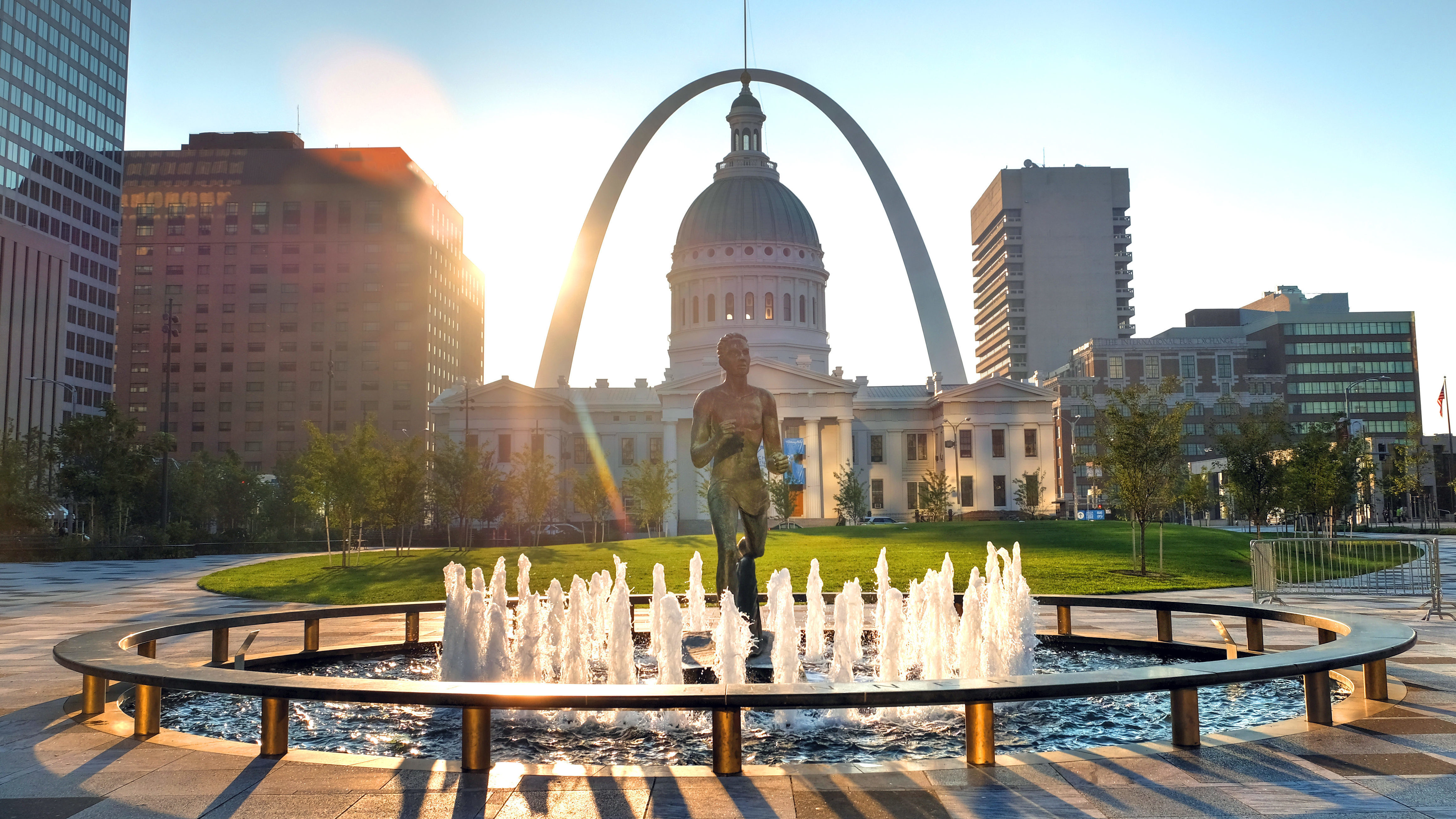
This week, both Texas and Missouri announced that they would be lifting all restrictions on group sizes and mask requirements. Texas Gov. Greg Abbott proclaimed: “It is now time to open Texas 100 percent.” Starting March 10, all types of businesses can open with no capacity restrictions, including sporting events, concerts and meetings.

The next day, Dr. John Hellerstedt, commissioner of the Texas Department of State Health Services, explained that recommendations to wear masks and take precautions hadn’t changed, but the government would no longer be enforcing the practice.

The Centers for Disease Control and Prevention (CDC) guidance, meanwhile, is still that “masks are most essential in times when physical distancing is difficult.”

That leaves meeting professionals with the daunting job of deciding what to require. And where to book with confidence.

Shelley Hodgkinson, senior director of event solutions and corporate affairs with Walmart, who has a meeting planned for Houston later in the year, said that although Texas is planning on lifting restrictions, they are giving local municipalities the ability to determine what is best for their respective city. Houston, is currently at 25 percent.

With the change, they are evaluating a potential increase to 50 percent capacity in the near future, and not the 100 percent that the state is approving.  At the moment, they will continue to require masks. Additionally, they will continue to monitor the current statistics and as applicable will look at appropriate further increases. “We will continue having conversations with Houston and the other cities we plan to go to in the future,” she said.

Meetings Mean Business Reopening Tracker includes updates on gathering limits by state.

A Gradual Increase in Group Sizes
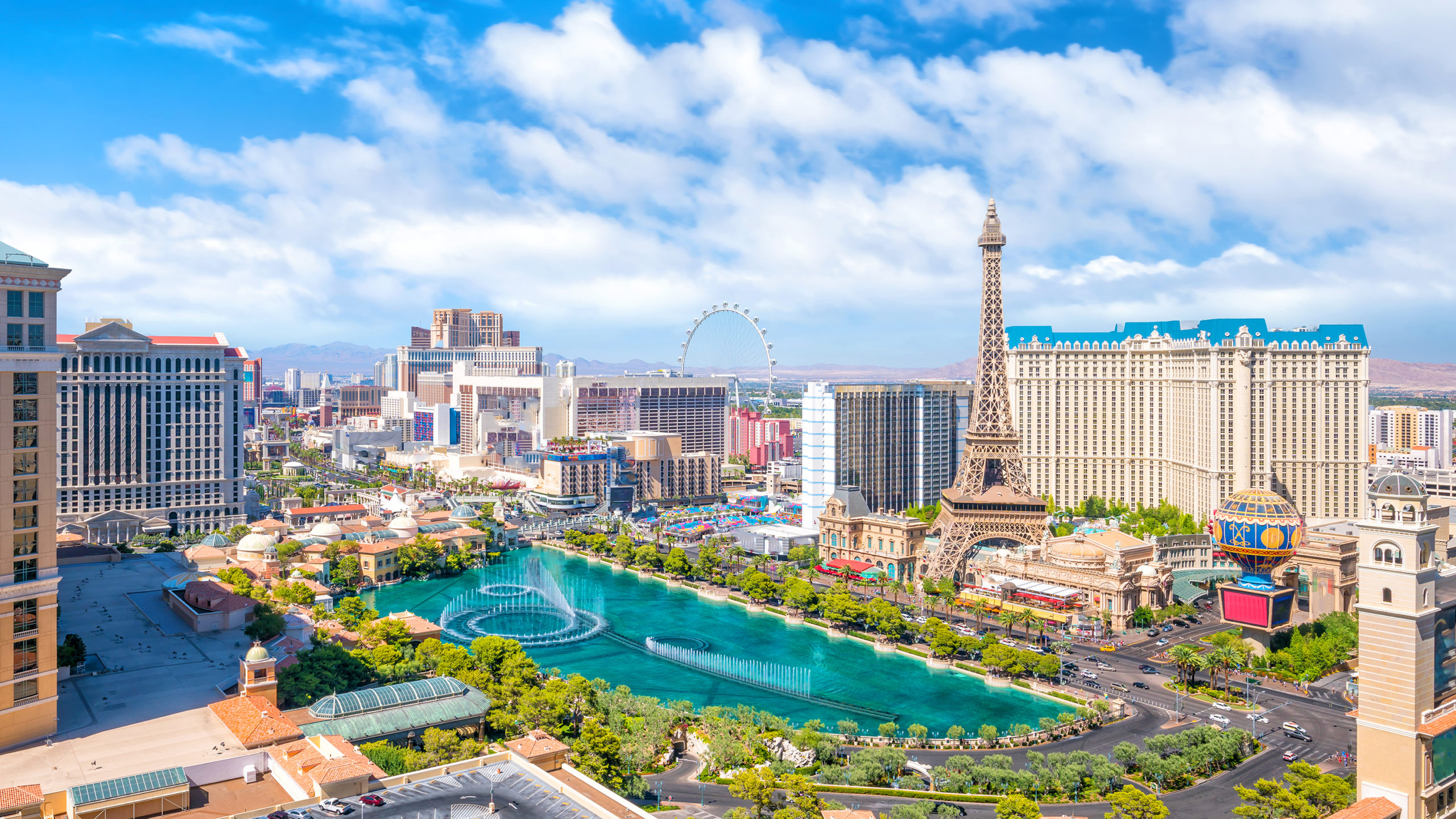
In mid-February, Nevada Gov. Steve Sisolak announced he was slowly ending a months-long “pause” put in place over the winter holidays. Starting March 15, groups of up to 250 people (or 50 percent of capacity, whichever is less) will be allowed to meet in his state.

And as of May 1, containment efforts could be managed regionally to react more appropriately with local conditions. Protocols such as mask-wearing and social-distancing requirements will remain in place. “After making it through the very difficult winter surges and the pause, Nevadans want and deserve predictability about what our path forward will look like,” he said.

The governor’s decision was greeted with mixed but hopeful reactions. “The Las Vegas destination took an important step forward with the governor’s loosening of restrictions that will enable us to welcome back our valued and sorely missed business customers in the near future,” said John S. Schreiber, vice president of business sales with Las Vegas Convention and Visitors Authority.

Calls for More Certainty

In California, hospitality groups are calling on Gov. Gavin Newsom to provide certainty on when meetings and events can start taking place again. An open letter issued Thursday and signed by 131 tourism officials and labor groups warned that California is losing business and jobs to other states—not just today, but in 2022 and beyond—because of uncertainty caused by a lack of guidelines since stay-at-home orders were issued March 19, 2020.

The letter’s signees called on Newsom to focus immediately on a sector of the economy that accounted for $66.1 billion in direct spending and 457,000 jobs in 2019. “For every month California delays opening for business meeting and events, the state is losing $4.1 billion in economic activity,” the letter writers said, referencing two October 2020 Oxford Economics studies.

They pointed out that the state’s “Blueprint for a Safer Economy” makes no mention of business meetings, events and conventions and no guidelines for safe future reopenings have been issued. “Potential clients looking to book events in California see this as a signal that California is closed indefinitely,” they declared.

“We’re not asking Governor Newsom to open California to business meetings and events tomorrow; we’re asking for a plan today, so we can safely hold events in the future,” said Barb Newton, president and CEO of CalTravel, who noted that big events have long planning timelines, and without any guidance in place, the state is not even being considered for some gatherings planned for one, two or more years from now.

“These events bring more than just direct revenue and jobs. They bring people who spend money on hotel rooms, restaurants, local shops and services. The ripple effect is huge and benefits both large and small communities, but we’re losing the benefits to other states,” Newton said.

The California travel industry finalized a plan in June 2020 that outlined how California could safely hold meetings. It adhered to standards established by CDC and California Department of Public Health and included best-practice recommendations for sanitation, staff training, physical distancing and communication. The letter’s signees would like to see something along those lines adopted by the state.

“Every day I’m on the phone with someone trying to convince them to not cancel and take their business to another state,” said Steve Goodling, president and CEO of Long Beach Area Convention and Visitors Bureau. “We need the governor to provide guidelines to signal to our customers that California will one day be open to hosting events. We want the jobs and revenue here in California, not other states.”

That sentiment was echoed by leaders at other destination marketing organizations in the state. “The lack of guidance on professional meetings in California is devastating our local economy and other states are benefiting,” said Scott White, president and CEO of Greater Palm Springs Convention & Visitors Bureau. “Over 40 meetings representing 13,481 jobs have canceled so far, and we are now losing groups for the fourth quarter of 2021.”

“It’s disheartening,” said Mike Testa, president and CEO of Visit Sacramento. “Sacramento has a brand-new convention center funded with $300 million in taxpayer dollars, and yet we can’t cement any bookings because California lacks a plan for reopening to events. Potential customers are worried that a lack of guidelines means the rug could get pulled out from under them and their event will be canceled.”

Others focused on the need for clarity. “We thought 2021 was going to be our rebound year, but unfortunately that’s turning out not to be the case,” said Jay Burress, president and CEO of Visit Anaheim. “Of course, part of this is due to the pandemic, but another is confusion about when California will be allowed to hold meetings and events. The sooner we can get clarity from the governor, the better.”

“It is imperative that the state move as quickly as it can to issue thoughtful and responsible guidelines,” said Julie Coker, president and CEO of San Diego Tourism Authority. “There’s too much at stake for California to be the outlier among states, with no guidance. The economy is revving up, our clients want to book business meetings and conventions, but we can’t accommodate them. We are losing out on revenue and jobs.”

As meeting producers start adding physical components back to their virtual agendas, Marriott International is making it easier to accommodate everyone comfortably by working with an array of hybrid meeting providers as part of its Connect with Confidence program, which initially will be available in the United States and Canada.

“We know that meeting and event professionals are currently looking for insights and resources that will help them plan creative and innovative experiences for their customers regardless of whether they are in-person at the hotel or logging in from their home,” said Tammy Routh, senior vice president of global sales for Marriott. “Meeting and event professionals can work with these leading technology providers to reach a larger audience and incorporate speakers from other locations as they continue to plan future meetings, conferences and events.”

We collected tips from Marriott and some of the integrated suppliers—Convene, Encore, Cvent, MeetingPlay and Hopin—to find out what meeting professionals need to consider now that they are working with two audiences and a lingering health challenge.

Ask the Right Questions: Insights gleaned from a test event hosted at Gaylord Rockies Resort & Convention Center in Aurora, Colorado, in January with 100 people attending in-person and 803 virtually resulted in a number of lessons outlined in this Hybrid Meeting Insights summary from Marriott Bonvoy Events.

The first suggestion is to define an event strategy that is centered on goals but informed by new realities. Planners of the “radically new experience” started with the question, “What did we want people to feel and do during their time with us?” The answers were informed by local and national health regulations during preplanning research and a wide range of stakeholders, including content producers, food and beverage services, technology providers and the hotel’s cleanliness champion. “In addition to being strategists, negotiators and experts in logistics and engagement, meeting and event professionals must now deeply understand the psychology behind people’s mindsets and behaviors—and do our part to help attendees adopt and adapt to new norms,” the report concluded.

Don’t Hybrid Alone: Tom Zampini, chief product officer with Convene, had some suggestions for making a smooth hybrid transition. Just as Convene’s more than 25 physical locations come equipped with snacks, cool alternative meeting spaces and full-service staffing, the on-site studio products that grew out of that customer-centric ethos is embodied in a white glove approach to using the technology. “This is not a self-service Zoom experience,” said Zampini. From pre-event planning registration, marketing, tech checks and greenroom taping, the team can help as much or as little as the meeting planner requires to deliver a consistent experience, whether the in-person portion originates in the Convene Control Room or at a Marriott through a Convene Stream. “Hybrid is an exciting opportunity to increase participation if it is done thoughtfully,” he concluded.

Hybrid Masterminds Join Forces at IHG Brands

IHG Hotels & Resorts, which includes InterContinental and Kimpton Hotels and Resorts, announced this week that they have created their own super power team as part of an expansion of its Meet with Confidence program.  Wellness 4 Humanity, Williams-Sonoma, Inc. and weframe will help deliver rapid onsite Covid-19 testing, customized food and beverage experiences and technology to enable digital collaboration for hybrid events. Planners can choose between two hybrid events solutions: Smart and Expert Hybrid. At both levels, the IHG Way of Clean program offers enhanced safety protocols, streamlined contracting and planning, plus peace of mind with no cancellation or attrition fees​. Technology support and bandwidth to host seamless hybrid meetings and events and flexible offers with rebates and IHG Business Rewards points are also part of the package.

“There is a strong desire to return to face-to-face meetings, and welcoming groups back to our hotels is going to take a team effort from those planning events,” said Derek DeCross, IHG senior vice president of global sales.

Separate, but Enhanced: “In order to have a successful hybrid event, you have to produce two experiences,” said McNeel Keenan, vice president of product management for Cvent. Effective virtual components to an event will add to the cost of production, because putting a camera in a low-lit ballroom for a breakout session is a formula for online tune out. In-person and virtual meetings are two very different experiences, so they require a separate focus for the virtual and live audiences.

Hear more from McNeel Keenan in this Smart Meetings Webinar.

Make It Fun: Streaming doesn’t have to be serious all the time. Joe Schwinger, CEO of MeetingPlay, suggests incorporating gamification to keep everyone engaged from beginning to end. That could take the form of teaming up in-person and virtual attendees for a little friendly competition, giving prizes for answering questions and connecting with sponsors to solve hypothetical challenges.

Read Joe Schwinger’s 10 requirements for an interactive hybrid event.

James Bermingham

Bermingham is CEO of Virgin Hotels, succeeding Raul Leal, who stepped down from the position in January. He recently worked as executive vice president of operations for Montage International. Bermingham has also worked in executive positions at Sheraton Hotels and Resorts, and as general manager for The St. Regis Houston and Montage Laguna Beach in California.

Emily Nelson

Nelson is general manager for Cape Arundel Inn & Resort in Kennebunkport, Maine. Previously, Nelson was guest services supervisor for White Barn Inn & Spa, also in Kennebunkport. Nelson has worked as Kennebunkport Resort Collection’s revenue and reservations manager and general manager for The Tides Beach Club in Kennebunkport.

Beverly Magee

Magee has been named regional vice president in addition to her general manager role at Four Seasons Hotel Baltimore; she’ll have regional responsibilities at Four Seasons Hotel New York Downtown and Four Seasons Hotel One Dalton Street, Boston. In her 30-year tenure with Four Seasons, Magee has been from coast to coast, starting out in a concierge position in Houston and later becoming director of sales at Four Seasons Olympic Hotel in Seattle (now Fairmont Olympic Hotel).

John Nickulas

Nickulas is assistant general manager for Kennebunkport Inn, Boathouse Waterfront Hotel + Restaurant, The Lodge on the Cove, Yachtsman Hotel & Marina Club and Grand Hotel, all in Kennebunkport, Maine. Nickulas recently worked as credit manager for Royal Sonesta Boston; before this, he worked in multiple finance and guest service roles for InterContinental Boston, Taj Boston and The Ritz-Carlton Boston.

Bruce Grosbety and Pam Clark

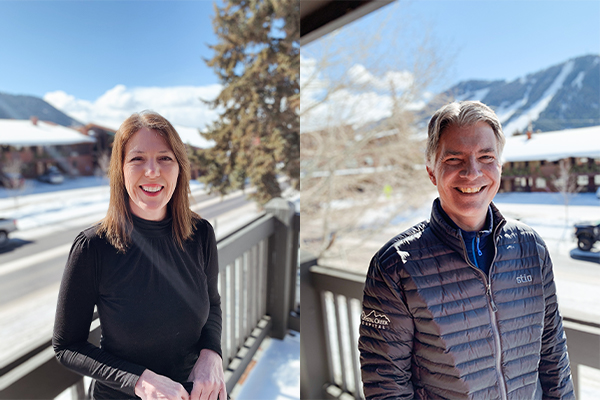
Grosbety is regional vice president and general manager and Clark is director of sales and marketing for The Cloudveil in Jackson, Wyoming.

Grosbety has held leadership roles at luxury properties across the United States, including Enchantment Group, MetWest Terra, Vail Resorts, Four Seasons Hotels and Resorts, and Fairmont Hotels & Resorts. Grosbety has served at president of Wyoming Lodging & Restaurant Association and Wyoming Tourism Board for six years.

Before joining The Cloudveil, Clark was director of leisure and corporate sales for Four Seasons Chicago. Clark has led several corporate sales and marketing teams at properties that include Sofitel Chicago Magnificent Mile, Langham Chicago, Fairmont Hotels and Loews L’Enfant Plaza in Washington, D.C.

Tiffany DiPasquale

DiPasquale is director of sales and marketing for Hotel Drover in Fort Worth, Texas. She was recently area director of sales and marketing for Sheraton Fort Worth Downtown Hotel. In her 21 years in the industry, DiPasquale has worked with Aimbridge Hospitality, Interstate Hotels & Resorts, TPG Hotels and Resorts, Starwood Hotels & Resorts Worldwide and Midland Hotel Corporation. DiPasquale has been awarded the Service Above Self Award, a recognition of those who have demonstrated exceptional humanitarian service, by The Rotary Club of Ballston Spa in New York.

Catherine New

New is managing director for River Walk Chapel and Water Works Hall, part of a 158-acre mixed-use project in Flower Mound, Texas. New previously worked with Anatole Hotel in Dallas, leading the catering and sales department. She served as president of Dallas Chapter International Live Events Association and was awarded Meeting of the Year by National Association of Catering and Events, DFW.

Meeting professionals around the world held their collective breath in recognition during the hybrid Golden Globes when Daniel Kaluuya was named the winner of Best Performance by an Actor in a Supporting Role. It was his moment in the sun—to accept for his performance in Judas and the Black Messiah—but no one could hear him.

Faith Morris

Faith Morris, chief marketing and external affairs officer with National Civil Rights Museum in Memphis, Tennessee, toasted the moment with her “You’re on Mute” coffee cup.

Overall, she called the production “cheeky, political, giving, racy and hybrid. It touched all the senses.”

The experimental affair streamed co-hosts Tina Fey and Amy Poehler on a split screen, broadcasting 2,800 miles apart from the Rainbow Room in Rockefeller Center in New York City and Beverly Hilton in Beverly Hills, California, respectively.

And in addition to the aforementioned cringe-worthy audio hiccup early in the program, there were other lessons for meeting professionals who produce all types of events.

We asked the experts for their golden lessons.

Plan to Succeed

The abundance of awkward moments put an explanation point on our event tech editor’s constant calls to thoroughly prepare speakers. Brandt Krueger, a technical producer, instructor with Event Leadership Institute (the engine behind Smart U) and host of #EventTechChat, offered some grace. “Granted that the number of celebs had to be like herding virtual cats, but it felt like they were a little under-informed.”

Brandt Krueger

Some winners sounded like they genuinely wanted to chat, but the engineer abruptly cut to commercial. Others seemed to think it was a smile and wave moment, yet the camera stayed with them for an uncomfortable moment too long.

“Were they told?” Kreuger asked.

“Managing acceptance speeches live is challenging enough,” Morris agreed. Virtually, she felt like they went on for days. She shared a “note to self”: “The shorter the virtual speech, the better. I’d hate for folks to use the acceptance speeches for bathroom breaks.”

Meeting professionals considering whether they have time to do a dry run and test equipment may look back on the show for proof that a little communication and practice in advance can save everyone dignity in the end.

Meet People Where They Are 

Many took the “come as you are” line to heart. Jodi Foster and her wife, Alexandra Hedison, accepted the award for supporting actress for her role in Mauritanian in their pajamas on the couch with their dog, Ziggy. Jason Sudeikis appeared in a Forward___Space hoodie to receive his award for Best Actor in a TV Series for Ted Lasso. Bill Murray appeared in a wild Hawaiian shirt with a martini and what looked like the Los Angeles skyline behind him. Anya Taylor-Joy, who won Best Actress in a Limited Series for The Queen’s Gambit from an “unnamed” Los Angeles hotel, wore a stunning emerald green couture gown.

“It’s funny that celebs would spend thousands on dresses and tuxes but then look like they’re on a Zoom call, drinking margaritas with friends in their jammies,” Krueger said.

https://twitter.com/anyafiles/status/1366449421827776514

Another perception problem for Krueger was the result when images of the nominees were transmitted on split screens. “I wasn’t a fan of the reaction shots where they’d put one of the other nominees in a side-by-side. It’s different in person for some reason, and they caught more than a few looking sad or disappointed more than they’d likely have shown in public!” he observed.

Emotional Elements

Morris praised the presenters for “doing something special during a nonconventional time.” Special recognition (and sketch comedy!) was staged for the benefit of first responders, who were the privileged ones, in person, at the event, while the actors and their families were virtual. “It was the heart tug,” she said.

She also gave a thumbs up to something she hadn’t seen before—the opportunity to donate to some nonprofits virtually by waving your phone at an on-screen QR code. “I’m going to remember that one,” she said.

A posthumous award to actor Chadwick Boseman for Best Actor in a Motion Picture for Ma Rainey’s Black Bottom and a heartfelt message from his widow was another emotional moment.

Virtual cheers were heard when Chloe Zhao was named the first woman of color to win Best Director for Nomadland.

Room for Improvement

Bad jokes and technical glitches aside, the program got serious pretty quick for Morris. The Golden Globes broadcast was forced to address a (lack of) diversity situation after a recent news article had pointed out there are no Black journalists in the Hollywood Foreign Press Association (HFPA), which judges the awards.

“I couldn’t help but wonder when they realized it, or was it only an issue because it caused a scandal going into the event?” Morris asked. “They took it head on…kinda.”

A pre-event announcement addressed the issue by promising to create “an environment where a diverse membership is the norm, not the exception” and that HFPA “looks forward to a more inclusive future.”

Observes Morris: “After 20 years of no Black members, it seems they would have figured it out by now. Rightfully so, there was a cloud over the GGs because of it. It pains me that there still has to be a push to do the right thing,” she said.

“Everything after that was a blur for me. Another note to self.”