New York City was the epicenter of the first major coronavirus wave in the United States. Just as hot water can prove the strength of the tea, a crisis that grounded the hospitality industry for longer than anyone imagined possible brought out the spirit of adaptability in female hotel leaders. We asked some of these resilient women to share their stories, starting at the beginning.
See more2021 Smart Women in Meetings Award Winners

Kelly Curtin, executive vice president of membership and destination services, NYC & Company
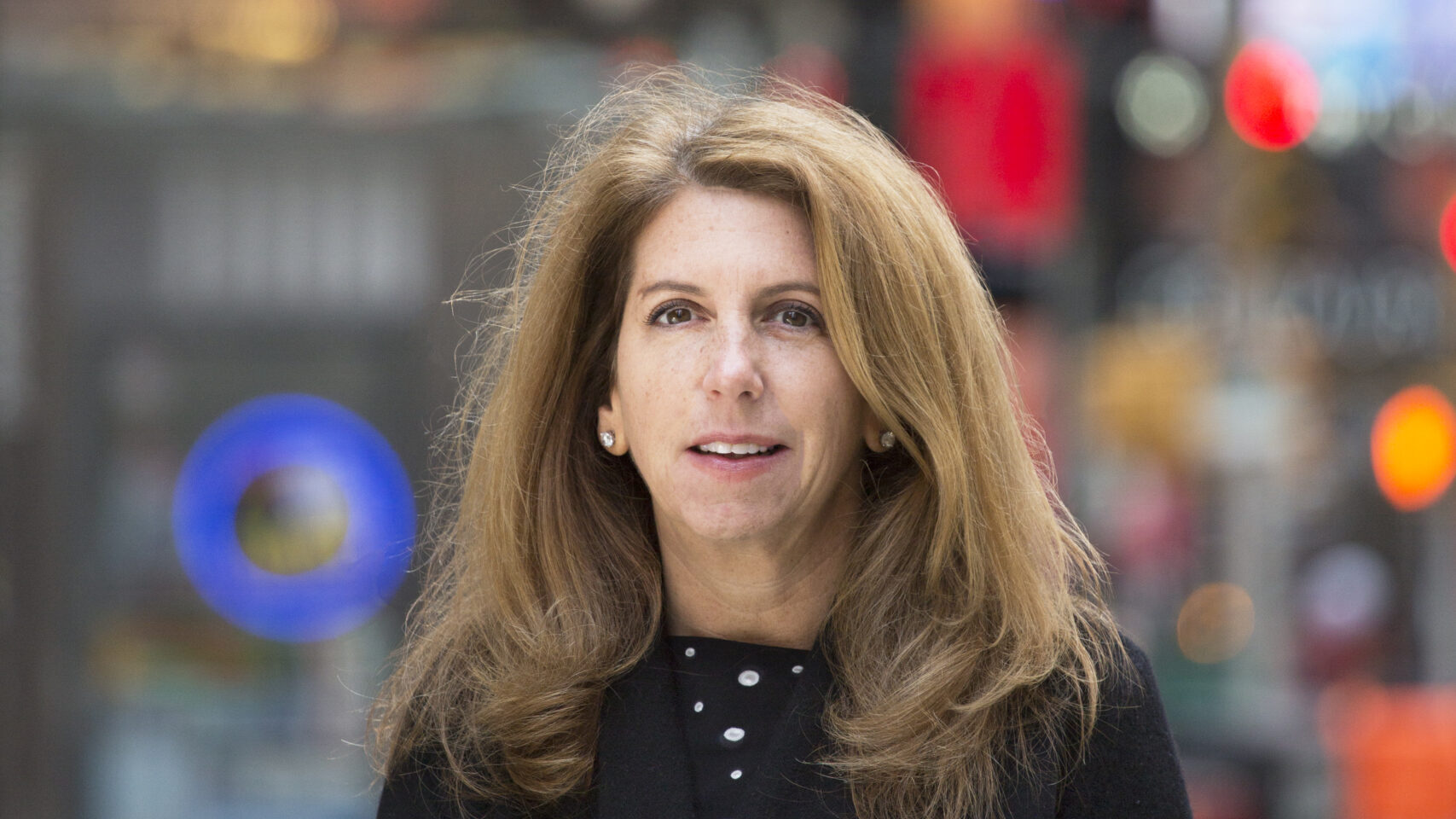
How did you get your start in hospitality?

A year after graduating from college, I was living in Washington, D.C. and an employment agency sent me to interview with an international medical association in the membership and meetings department. Dressed in my only interview suit, I nervously walked down a long entrance hall to a small-world surprise greeting by a college friend who worked there. I was hired on the spot as my friend attested to my character, smarts and drive. Women helping women and paying it forward! Later on, a female friend in the industry recommended me for an open position in the D.C. office of the New York Convention & Visitors Bureau, now known as NYC & Company, where I have served our City’s hospitality and tourism community for nearly 25 years. Looking back, I feel so lucky for this random entry into the events and hospitality industry that is truly where I was meant to be!

What was your transformative pandemic lesson?

Pandemic life has been a huge wake-up call in gratitude. I normally have a crazy schedule and am not home a lot. As a working mom, the time spent at home with my two teenagers was a real gift. I dusted off my wedding china as we enjoyed nightly dinners together for months on end. That has never happened! This might sound crazy, but it was an opportunity to reconnect with my role as a mother and homemaker.

I also learned that we need to be kinder to ourselves. The need was so great as meetings, events and tourism business suffered and working from home made it easy to work around the clock. While I am also so grateful for my job, I try hard to be kinder to myself and not beat myself up for not reaching the bottom of the to do list, since there is no bottom.

What is the biggest opportunity for women in the hospitality industry in New York City as we emerge from the pause?

At NYC & Company, we are committed to rebuilding New York City’s tourism and hospitality industry in a more inclusive way. I believe women are uniquely positioned to play a major role in achieving this goal. Women are wired to support and build up individuals and communities. Plus, we often have distinct challenges and obligations to manage as we build our own careers. Because we have had to work harder to achieve our successes, along with our innate nurturing abilities, women bring a distinct perspective and can play a vital role in inclusion initiatives. I am a huge believer in paying it forward. From mentoring other women already in the industry to bringing more people into the meetings, hospitality and tourism sector through education and networking, we can make a difference.

MoreFemale Hospitality Leaders Share Their Pandemic Lessons

Trudy Singh, regional vice president of sales for Mid-Atlantic region, NYC & Company
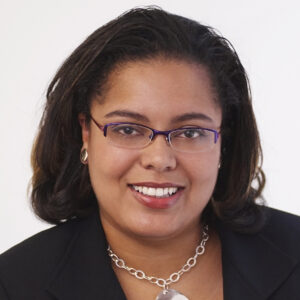
How did you get your start in hospitality?

Early on, I worked at Shea Stadium, former home of the New York Mets. It was there that I discovered my love for working with people, which ultimately inspired me to attend Drexel University for Hospitality Management and Business Administration and pursue a career in the industry. I worked in various roles at hotels in Washington, D.C. for several years, before eventually joining NYC & Company’s Convention Development team in 2000. While my current position isn’t a traditional hospitality role, being able to develop and sustain positive relationships is just as important and rewarding when it comes to working with partners and planners.

What was your transformative pandemic lesson?

The last year has really reinforced the need to stay connected, even when we had to physically be apart. Technology has, of course, played a huge role in this, from virtual presentations and happy hours with clients to developing a whole new roster of digital meetings resources, to help keep New York City top of mind for future meetings and events. Fairly early into the pandemic, NYC & Company launched the Virtual NYC Site Tours resource compiling online site inspection tools, followed by two new webinar series, to continue engaging planners from afar. It has never been more important to maintain these relationships.

What is the biggest opportunity for women in the hospitality industry in New York City as we emerge from the pause?

Now is the time to re-evaluate and build your personal brand—that image and set of thoughts that come to mind when customers and colleagues think about you. You want colleagues to immediately say, I have worked with so-and-so and they always deliver quality results and, in their own way, provided leadership to their community. Yes, you will work hard, but you want to be seen as someone who can be trusted to successfully lead. Hard work is a fundamental principle. Your brand is bigger than that.

Kathrin Apitz, general manager, The Whitby Hotel
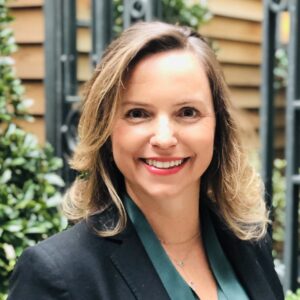
How did you get your start in hospitality?

From an early age, I enjoyed watching my grandmother preparing wonderful home cooked meals; time with grandma in the kitchen was simply the best thing. I learned a lot from her, and she inspired me to choose hospitality as my profession. This led me to attend catering college in Hanover, Germany and I became an apprentice chef. After further practical experience in the hotel industry in Europe, I attended Hotel Management School in Heidelberg, Germany. This was followed by a period of international experiences including a management trainee program at Auberge du Soleil in Napa Valley, California, and as assistant manager at The Waterloo House in Bermuda; both of them Relais & Chateaux properties. In 2005, I joined Firmdale Hotels in London to further my experience in front office and front of house. In 2009, I was chosen to be part of the senior management team to open the company’s first hotel in the US, Crosby Street Hotel in NYC and subsequently was appointed General Manager of Crosby Street Hotel in 2012. Four years later, I was appointed General Manager to open the company’s second property in NYC, The Whitby Hotel.

What was your transformative pandemic lesson?

There is only so much you can plan for and even with the best crisis plan, you have to remain flexible and be able to adapt to sudden changes. Communication with my team has been a priority as everyone was facing uncertainty. Fortunately, we were able to keep a small team to keep our hotel operation running; welcoming mostly guest traveling from the tri-state area. That was a whole new experience since we are used to welcoming guests from all over the U.S. and the world.

We created a nice selection of Whitby experiences hotel guests could book complimentary as part of their hotel stay; for example, a cocktail master class, wine and food paring sessions, a pizza making class with our chef (including the kids) —all held outdoors on terraces and tailored to the preferences of our guests. Staying true to our brand, offering the home away from home feel, extra care and going that extra mile has been appreciated by our regular and new guests especially during these times.

What is the biggest opportunity for women in the hospitality industry in New York City as we emerge from the pause?

This is our time to show what we do best; thrive on welcoming our guests (back) and host them in a warm and welcoming environment while being an inspirational leader to our teams.

Rebecca Hubbard, general manager, Lotte New York Palace
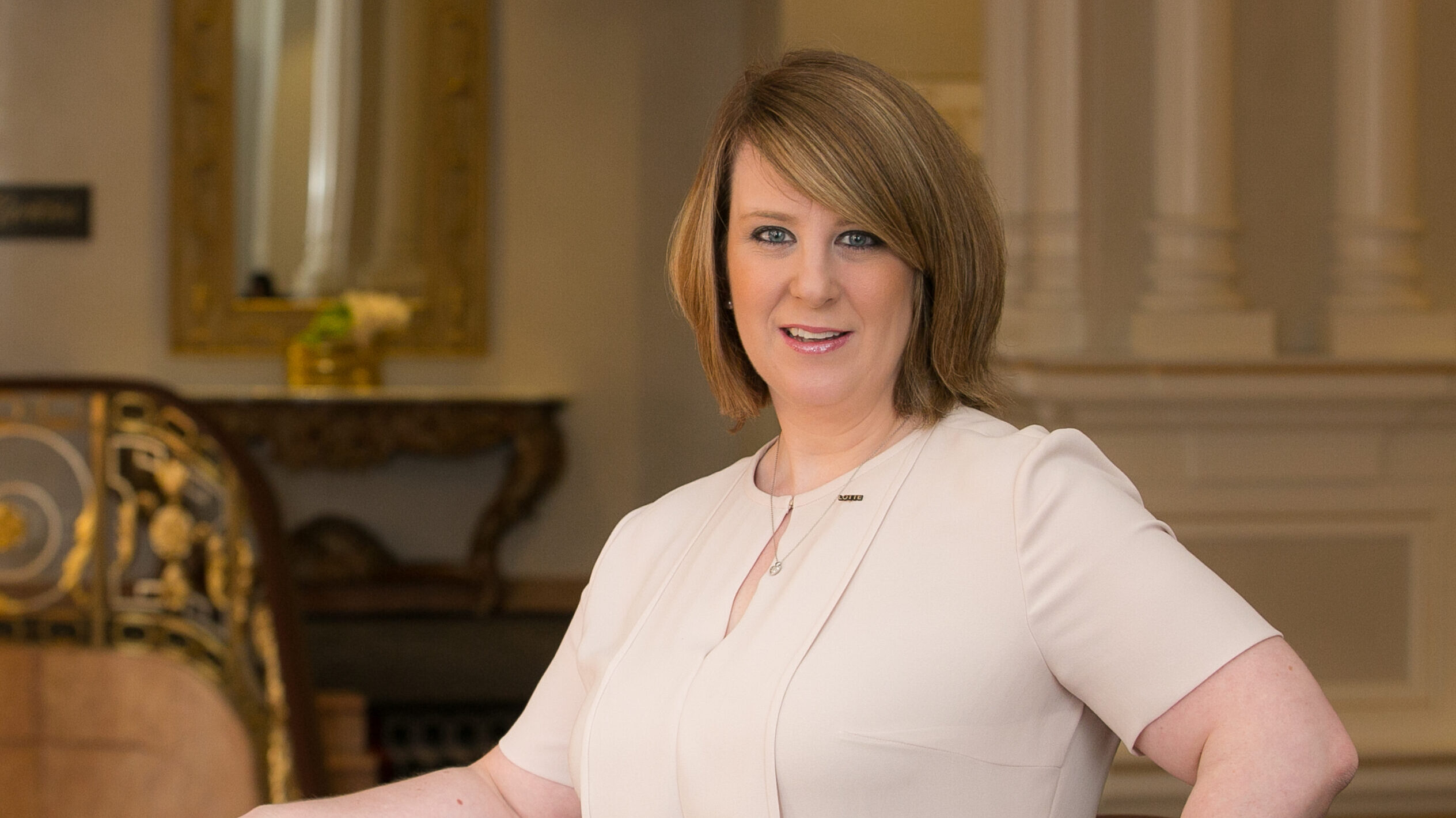
How did you get your start in hospitality?

I started in Seneca Falls, which is the birthplace of women’s rights. Since childhood, female leaders have played an important influence in my life. I began my career in hospitality as a Room Attendant and continued to work my up to the Front Desk and then onto hotel management.

What was your transformative pandemic lesson?

This past year we learned to look at our traditional roles through a new lens. We have all had to do things differently. We learned to look for answers in new places and trust each other in ways unlike before. We continue to find creative solutions and set new procedures in order to return to business quickly and safely.

Communication has also been key. In this time of uncertainty, I made it my priority to stay present and steadfast for my team. People need reassurance during time of crisis.  Even during the darkest months, I went into the hotel daily and remained both visible and accessible. I think we have all learned that this past year was a time for complete empathy and kindness. At Lotte New York Palace, we focused on ways to bring joy and offer reassurance to both our hotel guests and staff alike.

Biggest opportunity for women in the hospitality industry in New York City as we emerge from the pause?

This past year has been an opportunity for all leaders. As New York City emerges from this pandemic, we will need strong leaders who can be flexible and work collaboratively. Recovery will take all aspects of the tourism industry to work together.

Women need to continue to be inclusive and remain present. Some of my female colleagues are amongst the strongest partners, given their innate ability to work well with others. Together, we must use our experience and knowledge to contribute to the city’s recovery as a whole. We can’t be afraid to pivot and do things in completely new ways, as innovation is paramount. Asking questions doesn’t make you vulnerable, but rather makes you a stronger leader.

Julita Kropiwnicki, general manager, The Williamsburg Hotel
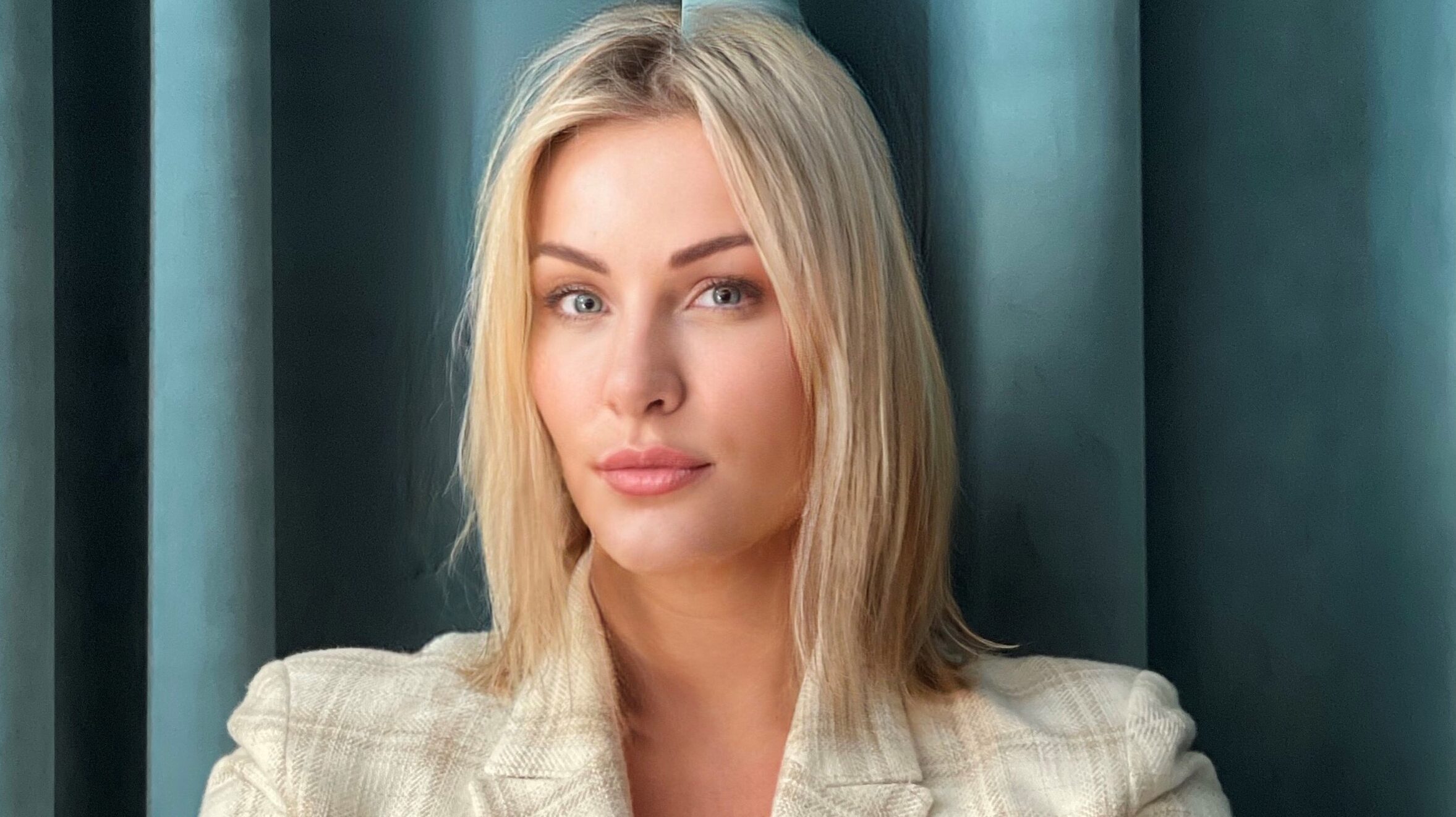
How did you get your start in hospitality?

Like many of us, I got in by accident. Growing up, I wanted to pursue a career in finance. My mother was a finance director at a major bank in Poland. I recall her taking my sister and I on many of her business trips and staying at many luxury hotels. I remember telling my mother how immaculate those hotels looked, how the brass was so shiny, the staff was so well groomed that they all looked alike and of course the suites were the epitome of the trip. We always ordered room service.

As I grew older, I attended many weddings and events and I came to the conclusion that I wanted to start a career in hospitality, it was always my calling and my passion. I absolutely love to be around people, dining out, traveling and exploring new places and cultures, which is the essence of hospitality.

What was your transformative pandemic lesson?

The pandemic had made me see firsthand what first responders went through in caring for Covid patients. It made me look at life on a different level. I very much appreciated the teamwork from my staff.

Biggest opportunity for women in the hospitality industry in New York City as we emerge from the pause?

More than ever before, the pandemic had shed light on why we need more women in hospitality. Women seem to possess more patience, interpersonal skills and understanding. They perceive each situation with a smile and can look at a guest with more of a nurturing way. Female leaders like myself value friendship, cooperation with colleagues and staff. Female General Managers tend to be more of problem solvers and more patient than our male counterparts.

Toby Moskovits, owner, The Williamsburg Hotel
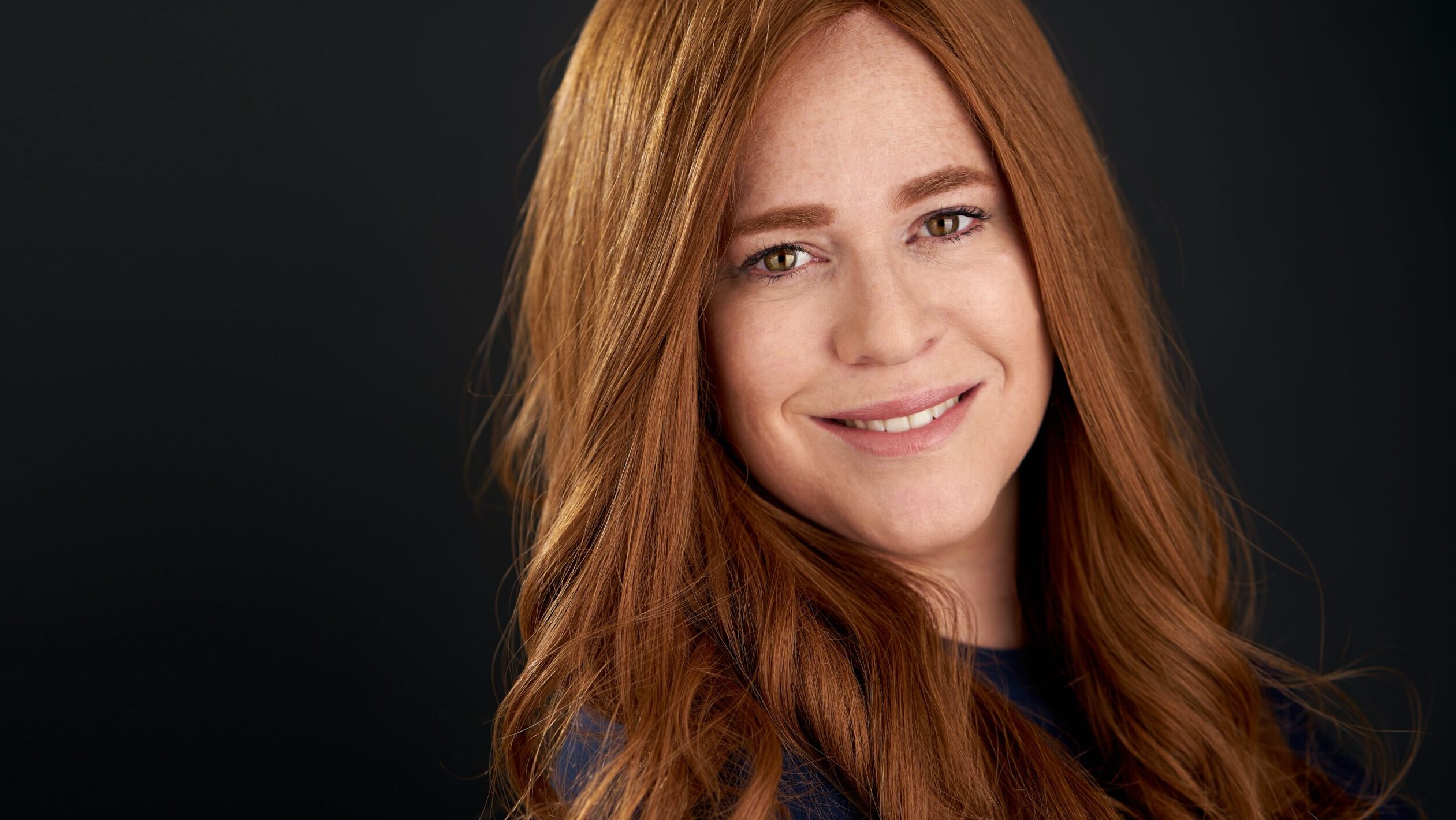
How did you get your start in hospitality?

As a third-generation member of the Williamsburg business community I grew up visiting my father at work at his rented warehouse across the street from the current site of the Williamsburg Hotel. At the time, it was a district filled with warehouses—long before its current transformation into a true mixed-use, dynamic neighborhood where people live, work, play and visit. When the opportunity opened up to buy the site where I built the Williamsburg Hotel, I knew that the neighborhood needed a hotel and this amazing waterfront site was the place to build it. This has been a labor of love, tapping into my family’s deep connection to the neighborhood and its rich Industrial history. The Williamsburg Hotel is a truly a place where our guests get to “Sleep with a Local.”

What was your transformative pandemic lesson?

Grit is more important than vision and having a great team committed to working together through thick or thin is key to surviving—and thriving—during challenging times.

Biggest opportunity for women in the hospitality industry in New York City as we emerge from the pause?

Women bring a unique sense of nurture to an industry that needs to go back to its roots and welcome guests into a space that draws them back with its comfort and warmth. This is a great industry with real economic mobility, and we look forward to celebrating successes of the next generation of women in this industry.

Kimberly Pintus, general manager, Hilton Garden Inn New York/Staten Island
How did you get your start in hospitality?

I majored in Hospitality Management at St. John’s University, and I started my career at the front desk as a guest service assistant at the property where I am now general manager. That’s the beauty of hospitality. With preparation, consistent effort and hard work, and a continued desire to learn and grow, the opportunity at the right company is unlimited. The Nicotra Group, owners of the Hilton Garden Inn Staten Island, has been supporting my leadership and growth since day one. The majority of the leadership team has always been female—not by design, but it speaks to the heart of the company. The GMs of both of their hotels, the GM of the Nicotras’ restaurants, their senior vice president of banquets, corporate sales manager, their back of house manager, comptroller and chief of staff are all women. There is a wealth of talented, strong role models at The Nicotra Group.   

What was your transformative pandemic lesson?

From the first day we faced this challenge, I saw Lois Nicotra and her husband Richard consistently put the health and safety of our team first. That focus on was the root of where all decisions for their business came from, and the core value of The Nicotra Group has always been to put the employees first. The hospitality field continues to suffer and will most likely be among the last industries to see a full recovery, but Mrs. Nicotra always says that, “our employees are our greatest asset,” and that mantra was lived out as we put their health and safety first even through the height of the pandemic. There is no company if we don’t have the team in place, each feeling ready and equipped to serve guests.

Biggest opportunity for women in the hospitality industry in New York City as we emerge from the pause?

Mrs. Nicotra is a very empathetic and decisive leader, and it’s important to realize that these aspects can effectively coexist. Lois Nicotra began her career as an early childhood educator and that has been a good lesson for me because as we reopen aspects of our company we will be rebuilding and teaching our team new lessons. I am following Mrs. Nicotra’s lead and approaching that rebuilding process from the perspective of being an educator. Our focus as we greet “what’s next” in hospitality will go beyond service and encompass an expanded focus on the safety and comfort of our guests in a uniquely Nicotra way.

Marlene Poynder, general manager, Conrad New York Downtown
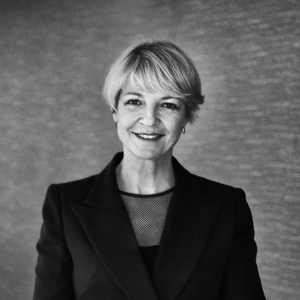
How did you get your start in hospitality?

During the first part of my career, I held leadership positions in the wholesale, franchise and retail divisions of a multi-national travel group. I had numerous titles, including national sales and marketing director of the group’s retail division. While I was in this role, a hotel company who owned a luxury hotel in Australia approached me about becoming their director of sales and marketing. I had been a client of many hotel groups over the years and enjoyed my interactions with their leaders when negotiating deals. During this time, travel companies were pivoting to work with online travel agencies not just traditional travel agencies, which changed the industry landscape. I felt it was the right time to make a career change into hospitality while remaining in the tourism and travel business, so I began my second career. I realized very quickly that the business model made sense to me. I learned various complementary skills in related industry segments that were very applicable to hotels and over time, I successfully implemented these initiatives within hotels.

What was your transformative pandemic lesson?

While Covid has seriously affected revenue generation opportunities throughout the industry, we took this as an opportunity to focus on the hotel’s performance in all other areas. I have drawn on my first-hand experiences of managing previous crises such as the SARS pandemic (which occurred when I was working in Hong Kong) and the September 11 tragedy; thus have been prudent with preserving the business capabilities and financial stability of the hotel. By doing this, I am ensuring that we are ready to take advantage of business growth once the pandemic subsides. Since many traditional channels of generating revenue have disappeared, we have sought to open incremental channels of business that we can lean on once the market loosens up. For example, we have been able to work with organizations looking to ‘bubble’ so that they can facilitate quarantine adherence. Conrad New York Downtown has been able to work within the aforementioned organizations, because of my team’s perfect execution of Hilton’s CleanStay program.

Biggest opportunity for women in the hospitality industry in New York City as we emerge from the pause?

Women continue to represent a high percentage of management and executive committee roles within hotels in New York and across the country. Hotel companies continue to recognize that women are excellent general managers in part due to our inbuilt nurturing qualities and attention to detail, but also because of our special attribute of feminine intuition. These skills are more important now than ever as our teams and clients gradually return to our hotels. We need to (figuratively) wrap our arms around our team and clients and recognize they may feel uncomfortable and nervous to return. Covid has also demonstrated that some roles within hotels can be conducted remotely either full time or part time. This will provide an opportunity for women with children or other family commitments to remain in the workforce and continue their careers.

Gul Turkmenoglu, general manager, InterContinental New York Times Square
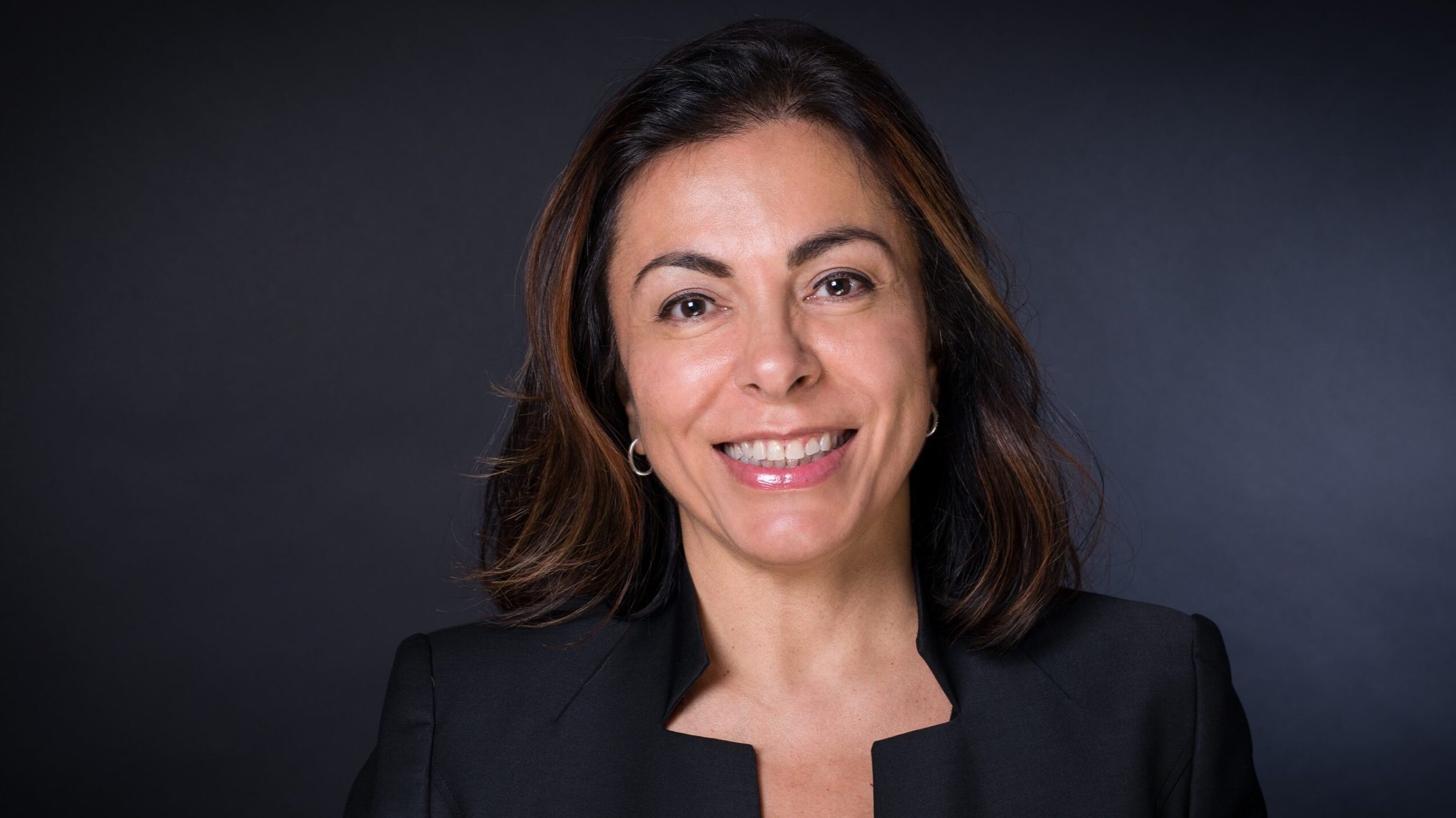
How did you get your start in hospitality?

Hospitality runs in my family. My father was one of the first boutique hotel GMs in Istanbul, Turkey. My aunt served at Hilton for 33 years after building the opening rooms division team of Hilton Istanbul, the first international luxury hotel, in 1955. So, I grew up visiting travel agencies with my father and listening to my aunt’s fantastic hotel stories, which led me to choose Hospitality and Tourism Management in college. My first opening was Conrad Istanbul as assistant director of housekeepers in 1991. This was three years after receiving my bachelor’s degree from Cukurova University. At the age of 24, I was unloading and counting Frette linen trucks off-site and working at the construction site with my protective hat and boots. It was cold, dusty and certainly not healthy as a workplace, but I loved it. It was a fantastic and exciting experience, and I still feel the same.

What was your transformative pandemic lesson?

To succeed in business, you need to find a way to protect your critical assets, your team, and be agile. We adapted to the new normal and changed our operational and sales strategies very fast according to the market conditions. We re-opened our doors last October, intending to stay open to capture the early demand, and now we see its results. We also run a very tight ship from a financial controls perspective; everyone understands that achieving and exceeding our forecasts consistently brings stability and earns owners confidence and support.

The biggest opportunity for women in the hospitality industry in New York City as we emerge from pause?

The biggest opportunity for women in New York City’s hospitality industry is to use their creative side to develop new and sustainable operational models for indigenous guest experiences and profitable operations to attract new investors. I believe women in the hospitality industry are calm, resilient and strategic, and therefore the top hotels in the city are managed by women GMs. No offense!
Vegas Means Business

Las Vegas Welcomes the New Era of Business

Attendees may find that Las Vegas event venues look a little different when they start returning to meetings. Yes, there will be more space between the chairs and more hand-sanitizer stations as wellness will be a priority going forward, but they will also find more innovative spaces and the addition of broadcast studios to share the experience with wider audiences. New studies show that attendees are eager to return and the city is ready to welcome them back smarter than ever. Let’s take a look at how one of the world’s top meeting destinations is supporting the shift to the new era of business.

Pent-up Demand

A new Las Vegas Convention and Visitors Authority (LVCVA) Business Traveler Quantitative Research Overview survey of 510 business travelers revealed that most found the virtual conference experience lacking. Over half (58%) of business travelers said they are “burned out” on virtual business meetings and events and (91%) said they miss the face-to-face interaction of in-person business meetings and events.

When looking forward, even though many business travelers expect that conferences, conventions and trade shows will be offered in a virtual or hybrid format in 2021, a majority (77%) would prefer attending in person in the future.

Since more than 6.6 million people met for conventions and trade shows in Las Vegas in 2019, that means that as soon as the time is right, the desire is there to return to Southern Nevada. And the pro-active Meet Smart, Vegas Smart initiative will ensure extensive health protocols are in place at most venues to help you plan a responsible gathering. 

More Opportunities to Meet

When conferences return to Las Vegas, they will find even more spaces to spread out, highly experienced staff and exciting experiences to offer guests.

The expanded Las Vegas Convention Center (LVCC) now boasts an additional 1.4 million square feet, including 600,000 square feet of new exhibition space and a rooftop terrace overlooking Las Vegas Boulevard. The LVCC was the first facility in Nevada to receive Global Biorisk Advisory Council (GBAC) STAR accreditation by ISSA: The Worldwide Cleaning Industry Association. The certification came after demonstrating compliance with 20 operational, risk assessment, and preparedness and response measures.

Underground work is complete on the Convention Center Loop tunnels by Elon Musk’s Boring Company to speed up getting from one side of the LVCC to the other. The system, which will consist of free transport in all-electric Tesla vehicles, is expected to expand in the future to include the Strip and downtown resort corridors and beyond.

In February, Wynn Las Vegas opened its new 430,000-square-foot meeting and convention expansion. It more than doubles the space previously at Wynn and Encore to 560,000 square feet and offers sweeping views of the reinvented 18-hole golf course. Outside, a 20,000-square-foot pavilion and adjacent 20,000-square-foot lawn beckons.

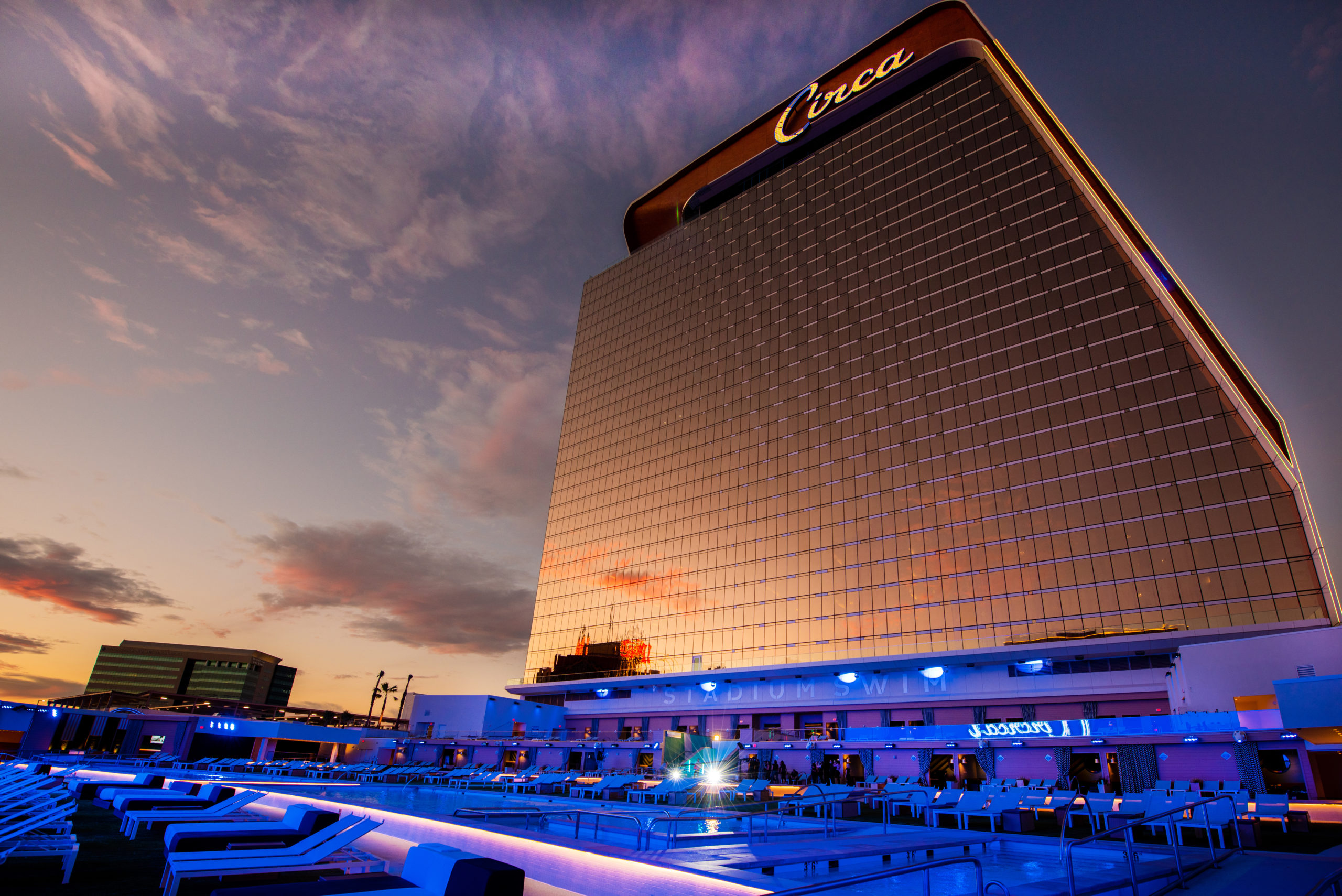
New to Downtown Las Vegas is Circa Resort & Casino, which includes the world’s largest sportsbook, an outdoor event pool amphitheater with massive video monitors and super cabanas for private meetings that are still in the middle of the action. Legacy Club rooftop bar on the 60th floor has some of the best views in town from the expansive outdoor terrace.

When it comes to health and wellness, the expanded MGM Grand Conference Center was way ahead of the game. The 850,000-square-foot facility includes Stay Well Meetings, with advanced air-purification systems and amenities designed with support from wellness guru Deepak Chopra and nutritional direction from Cleveland Clinic.

Case Study for a New Way of Meeting

In the short term, while a lot of meetings may be a combination of virtual and in-person, finding the right venue partner will be vital. Hybrid, omnichannel, and hub-and-spoke events require a base that can provide the vibrant stage, robust broadband and audio-visual space to broadcast the content from the in-person location to a growing global audience.

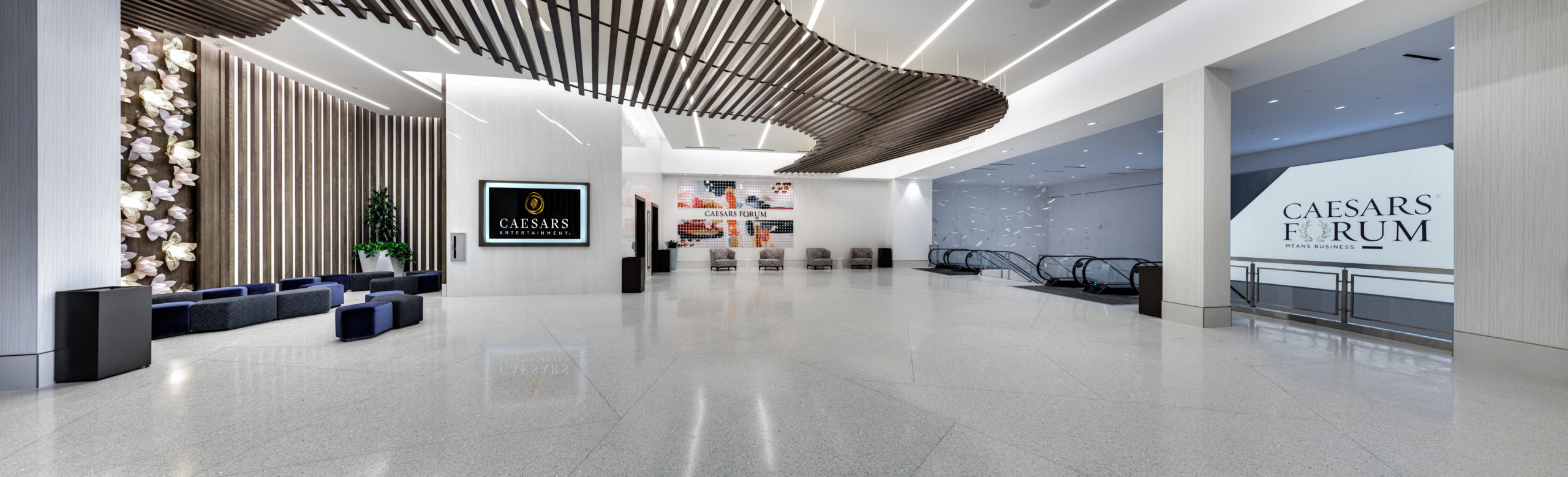
PCMA found that partner in Caesars Entertainment when it hosted a hub event for 50 guests in the new 550,000-square-foot CAESARS FORUM The event was carefully designed from room setup and flow to F&B to ensure distancing and protective gear protocols were in place every step of the way. Two 110,000-square-foot pillarless ballrooms allowed for plenty of space. And because it’s connected by a bridge to 8,500 hotel rooms and the recently remodeled Harrah’s Las Vegas, The LINQ Hotel + Experience, and Flamingo Las Vegas, attendees could be screened on the way in to ensure they met health protocols each morning.

Conclusion

Since the LVCVA study showed that the majority of business travelers (74%) believe that Las Vegas will be prepared to safely host in-person conferences, conventions and trade shows by the end of the year, meeting professionals can count on finding the right space to put everyone at ease.

For more information on how Las Vegas has prepared their facilities for your next event, please visit VegasMeansBusiness.com.

Might micro meetings be the new normal?

As a response to the shutdown of large gatherings, small meetings have been trending since late last year and could remain the main meeting go-to throughout 2021, especially when paired with a virtual component for a hybrid mix.

Hotels are all over it, offering deals and packages that cater to small groups. Here are opportunities across the land.

Kimpton Hotel Van Zandt, Austin, Texas; Kimpton Pittman Hotel, Dallas

Kimpton Pittman Hotel, Dallas

For 10 people or fewer, both Kimpton properties are offering board-style meeting rooms, such as The Republic and Red River at Hotel Van Zandt and Think Tank Boardroom and Elm + Good’s private dining room at Pittman Hotel; other spaces are available as well. This package also includes the following.

  • 10 percent discount on audiovisual equipment (hybrid meeting packages available)
  • Mini office kit: note pad, pens and bottled water
  • 10 percent discount at Geraldine and Cafe 605 (Hotel Van Zandt, Tuesday and Wednesday nights only) and Elm + Good (Kimpton Pittman)

Inns of Aurora, New York

Inns of Aurora offers small groups outdoor-centric meetings and breakouts with its Adventure Aurora package. The four-day package includes private rental at one of five luxe inns, plus activities like light yoga and meditation, fishing and archery lessons, arts and crafts workshops, and bonfires with gourmet s’mores.

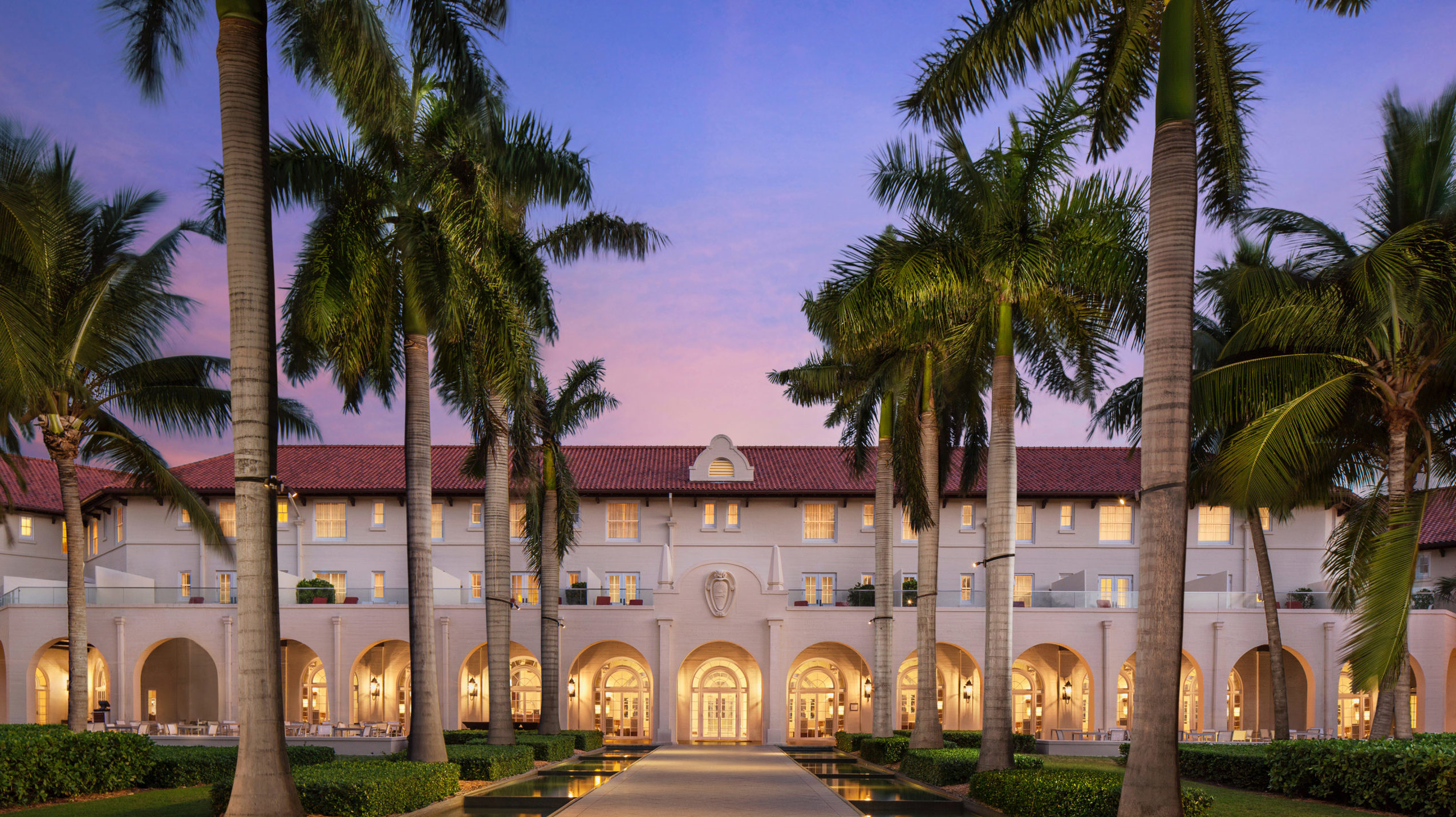
Casa Marina, A Waldorf Astoria Resort, Key West, Florida

Casa Marina offers a range of special features for your program, from boot camp for the fitness-oriented to branded sand sculptures welcoming your group to the property. For meeting professionals looking to go all out, the resort’s Iconic Package includes amenities such as cigar rolling and musical entertainment, bike rentals, watersports, and deals on Casa Marina’s F&B offerings.

Keeneland Racecourse, Lexington, Kentucky

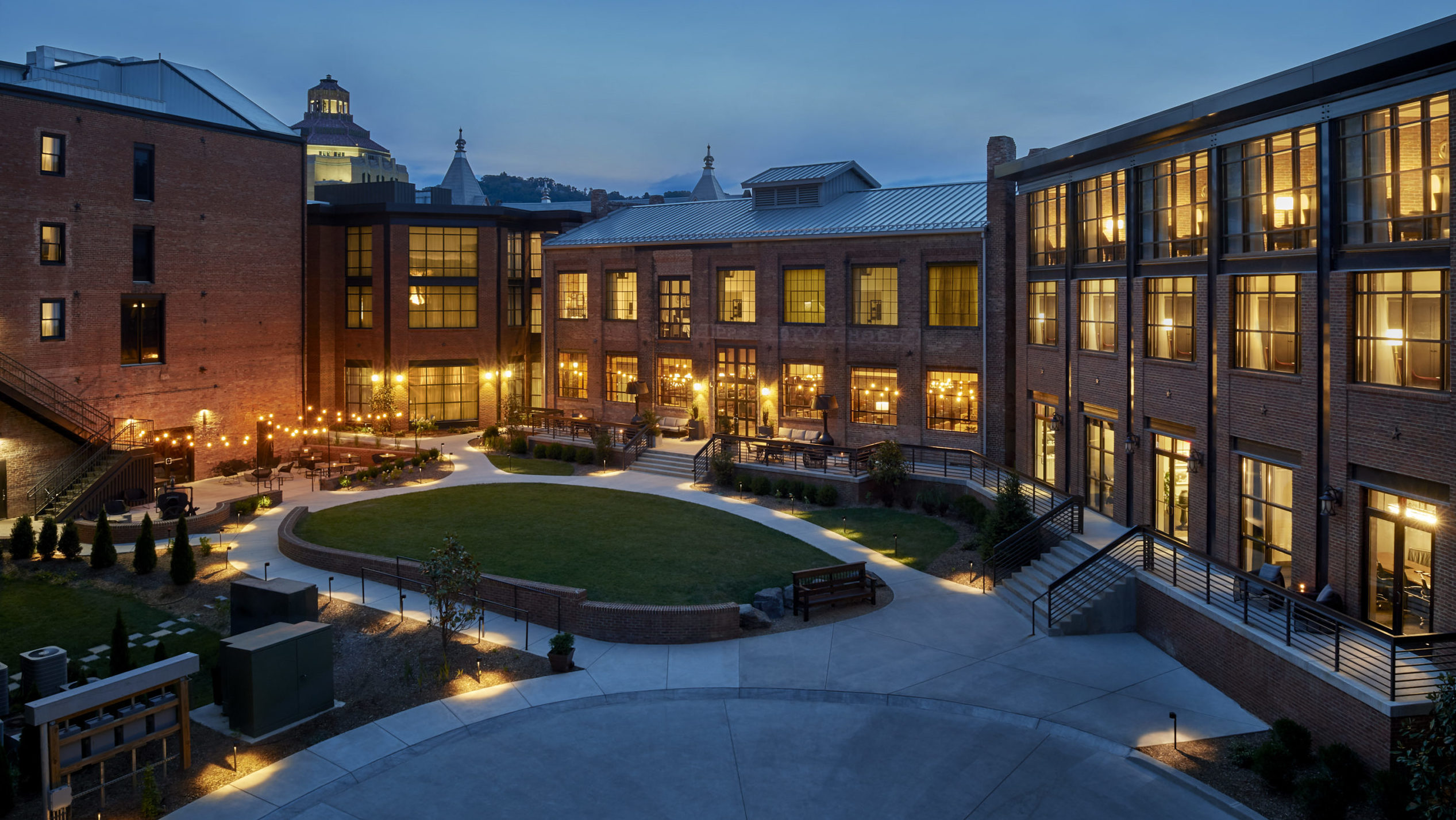
This historic racetrack also features meeting venues—and has created small meetings packages to accommodate hybrid and virtual meetings, in-person functions and team-building events. Keeneland’s Hybrid Hospitality packages offer fun activities for virtual and hybrid gatherings.
  • A Virtual Day at the Races

A customizable package of interactive games, snacks and drinks from Keeneland. With Zoom backgrounds, “betology” education and Keeneland’s virtual call to the post (trumpeting to signal the arrival of the horses onto the track), your group will get the full Keeneland betting experience via virtual platform.

  • Hybrid Bet-to-Win Game (hybrid meeting add-on)

Bringing the race day to your group’s door, this game includes components usually only enjoyed in person, such as a racing program, Keeneland Cash and mutuel tickets, which will be shipped to your attendees. The call to post will draw attendees to their screens, where they’ll cheer their horses to the finish line. Perfect for a break or cocktail hour, Bet-to-Win is rivalry-fueled team building.

The Foundry Hotel, Asheville, North Carolina

In partnership with Asheville Hot Air Balloons, for up to 16 people, The Foundry offers meeting opportunities that are sky high. The property also has three meeting spaces: Eagle Boardroom, 1,800-square-foot Savoy Ballroom and an event ballroom, as well as on-site catering.

Fairmont Copley Plaza, Boston

The iconic downtown property refashioned its fourth-floor Fairmont Gold Lounge into a private, conference-style meeting space for groups up to five. Featuring windows to let in natural light, the space resembles a Gilded Age residence. The Work Away From Home micro-meeting package includes the following.

  • Scheduled disinfection breaks
  • Socially distant seating
  • Complimentary PPE kit upon arrival
  • Easel board
  • Flexible cancellation terms prior to five days to arrival

And optional package upgrades are as follows.

  • Discounted guest rooms for meeting attendees
  • Livestream event technology to expand the meeting virtually

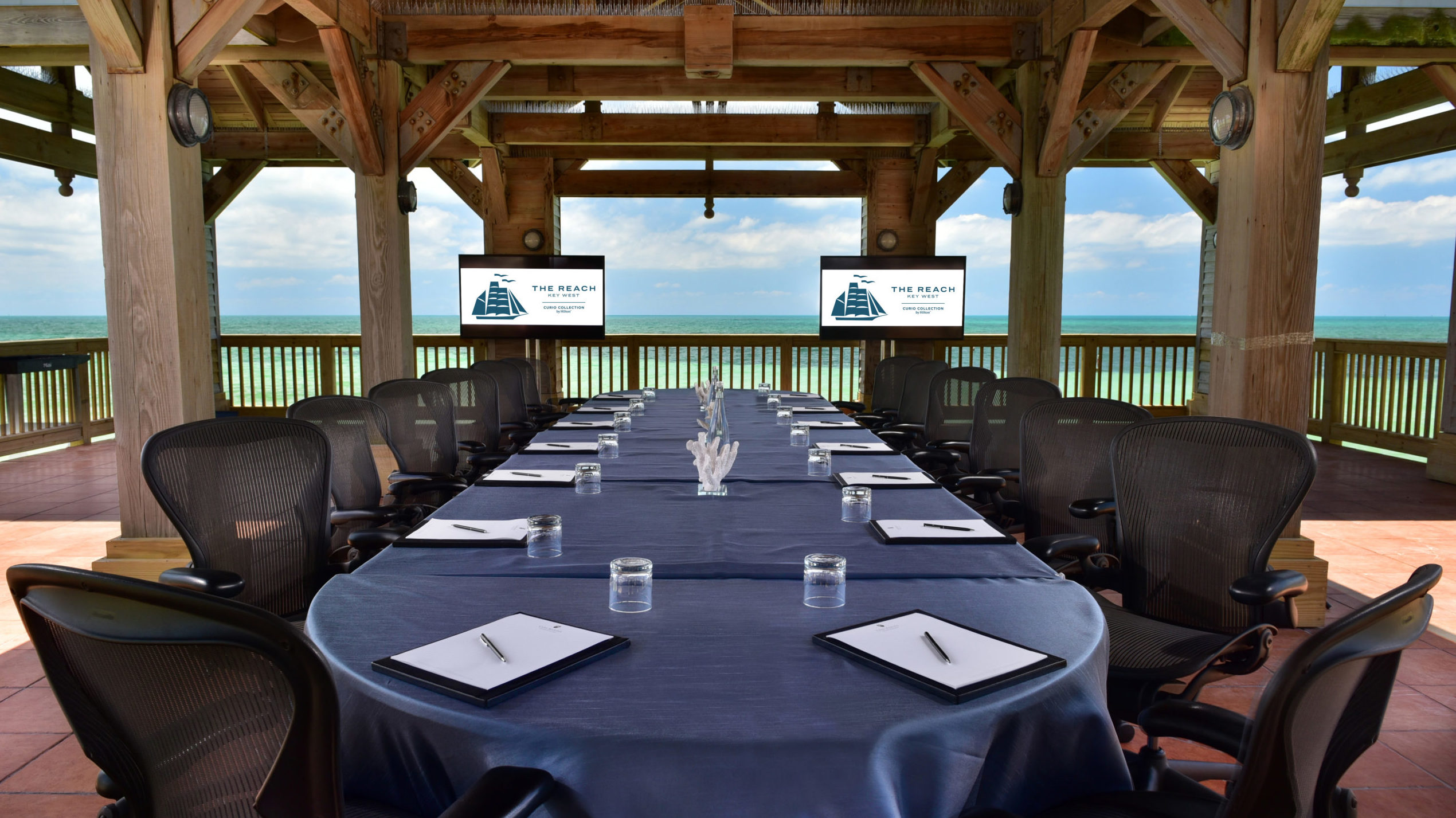
The Reach Key West, Curio Collection by Hilton

The Reach Key West is newly renovated and on Key West’s only private natural-sand beach. The resort has three non-combinable offerings for groups.

All-inclusive F&B packages (offering to groups of between 20 and 80)

  • A la carte breakfast, lunch and dinner options at Four Marlins, The Reach’s restaurant; and pool and beach

Drive and Save

  • Complimentary parking
  • Waived $45 resort fee
  • $50 gas voucher per room for three or more nights
  • Flexible attrition and cancellation
  • Double Hilton Honors points
  • All-inclusive meal plans

Waived set-up fee for Gazebo Boardroom, plus double Hilton Honors points

How to book: Allison Diange, [email protected], 305-293-6204

The Drake Oak Brook, Illinois

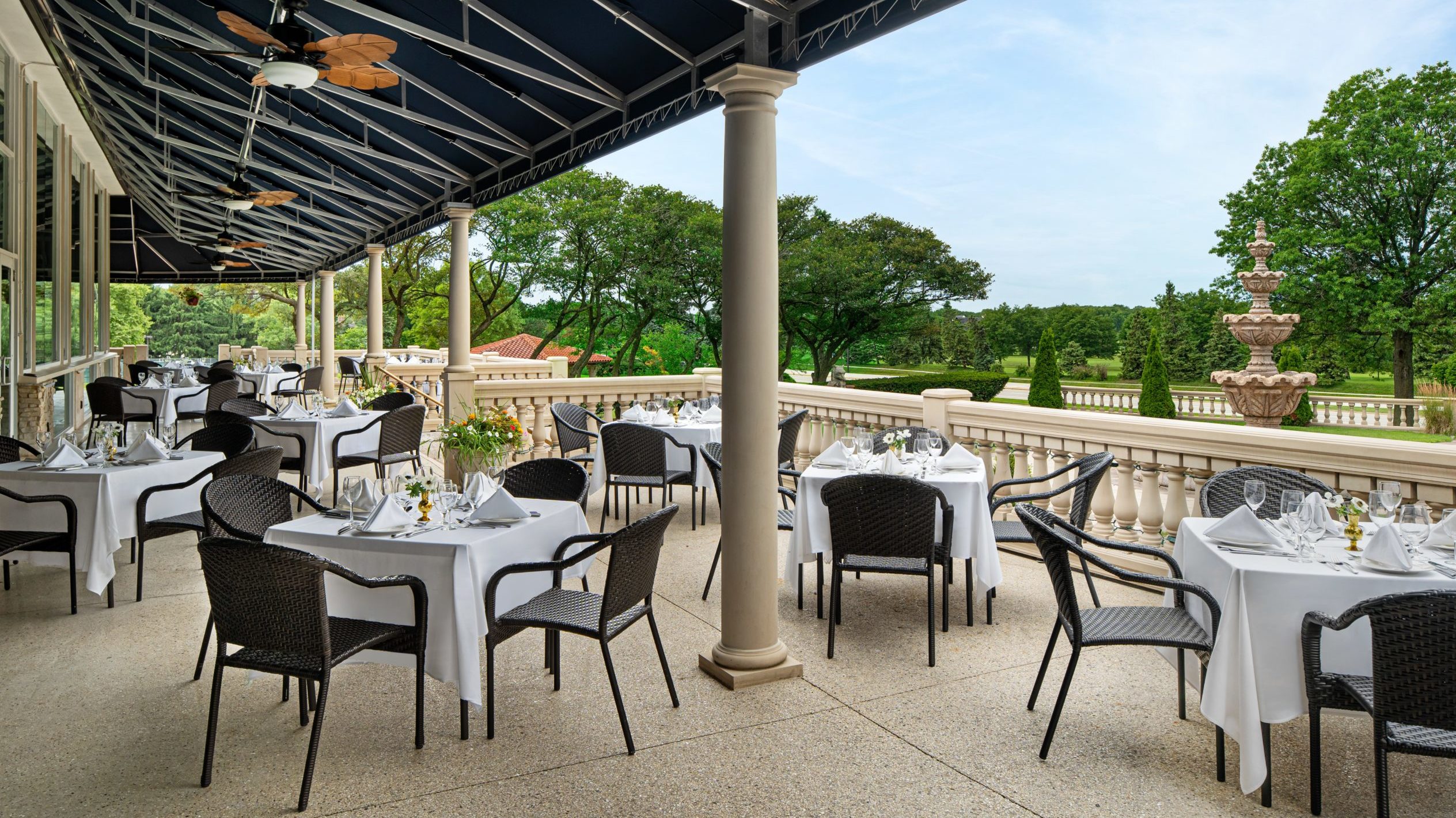
The Drake is home to more than 34,000 sq. ft. of outdoor space, made up of gardens, a veranda, a patio, two fountains and a gazebo. In cold weather, the property has four igloos that can accommodate up to six people each. And while your group is there, they could step up their cigar-rolling skills during the Cigar Rolling and Whiskey Tasting Experience. In addition to two hours of cigar rolling, your group gets a lot more.

  • 20 imported ready-to-smoke CF Dominicana SoHo Cigars
  • 40 imported unfinished CF Dominicana SoHo Cigars—rolled at event
  • Custom-designed cigar band
  • Guided tasting of five whiskies (1 oz. pours)
  • Includes a 10 percent discount on food ordered from its restaurant or catering menu

Hilton Chicago O’Hare Airport

The Small Meeting with Big Savings package comes equipped with Hilton’s EventReady Hybrid Solutions, designed for hybrid meetings of up to 10 people in person and virtual attendees. The package’s meeting room is on Hilton Chicago’s second floor and features the usual suspects, such as F&B specials, including continental breakfasts and bento lunches, and audiovisual equipment.

How to book: [email protected]

Waldorf Astoria Park City

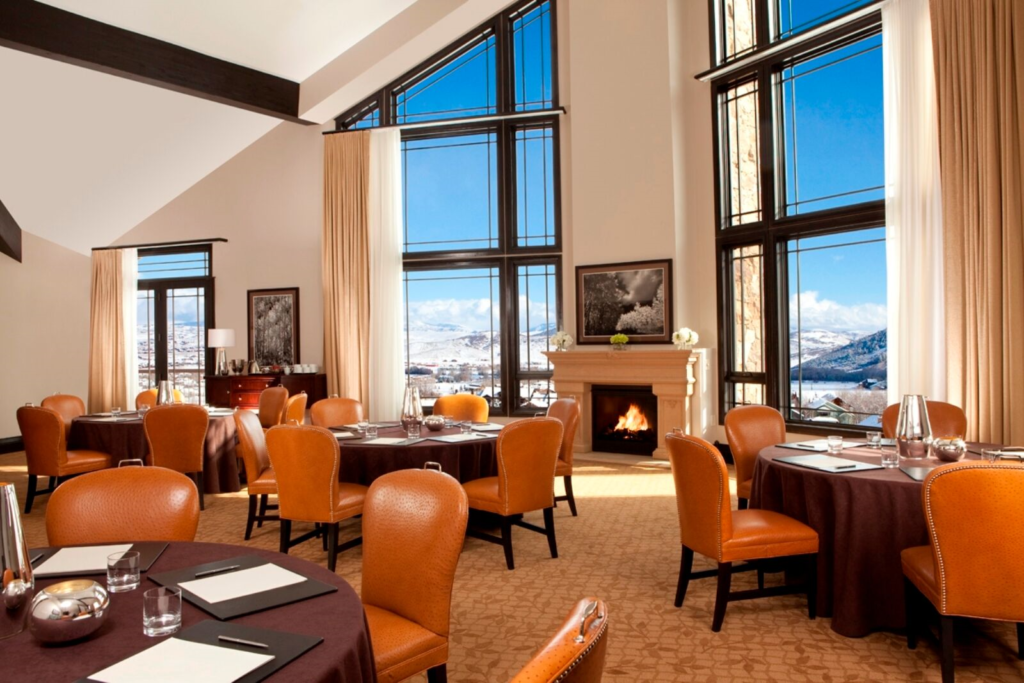
For 20 guests or fewer, Waldorf Astoria Park City will create meeting space specific to your group size, and you won’t have to share foyer space with other programs. In addition to this, the property is offering the Intimate Meetings Package, which features some attractive items.

  • Full kitchen, great for setting breaks away from the meeting room
  • Private guest restrooms, only accessible to attendees
  • Additional space attached to main meeting room

Waldorf Astoria Park City also has offering exclusive for Smart Meetings clients that secure their 2021 meetings.

  • Complimentary one-bedroom suite upgrades (varies based on size of program)
  • Reduced resort fee
  • Discounted meeting room rental
  • Guest room and meeting room Wi-Fi included within resort fee
  • Discounted F&B options 
  • Discounted audiovisual through Encore, the property’s partner; they also offer special hybrid meeting packages
  • Waived outdoor fees

How to book: Ashley Hardy, senior sales manager, [email protected]

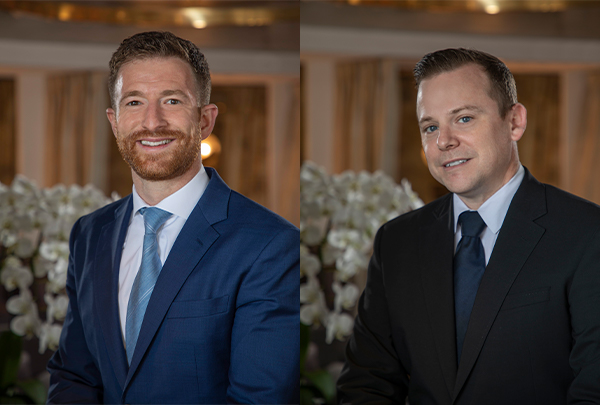
Scott Berger and Daniel Ben-Efraim

Berger is general manager and Ben-Efraim is executive director of sales and marketing for Vice L’Ermitage Beverly Hills in California.

Berger recently worked as hotel manager for The Peninsula Beverly Hills; during this period, he also spent time at The Peninsula Chicago, The Peninsula Hong Kong and Peninsula Tokyo.

Ben-Efraim previously served as area director of sales and marketing for 1 Hotels, during which he led 1 Hotel West Hollywood’s launch in California. Before this, he worked as vice president of sales and marketing for Shutters on the Beach and Hotel Casa del Mar, both in Santa Monica, California, and director of marketing for Loews Regency NYC, and director of sales and marketing for The London NYC.

Aaron Bajorek

Bajorek is general manager for The Art Hotel, Curio Collection by Hilton, in Denver, Colorado. Before joining The Art Hotel, Bajorek worked for Brown Palace Hotel and Spa in Denver and Sonnenalp Hotel in Vail, Colorado. He serves on the board of Golden Triangle Creative District and Civic Center Conservancy in Denver.

Catherine West

West is event director for Brush Creek Luxury Ranch Collection in Saratoga, Wyoming, where she will oversee operations at The Lodge & Spa at Brush Creek Ranch, Magee Homestead and The Farm at Brush Creek. West spent the last six years with JW Marriott Starr Pass in Tucson, Arizona, most recently as catering sales executive. She’s also worked as conference coordinator at Gaylord Opryland Resort in Nashville, Tennessee.

Kathy Rasmussen

Rasmussen is vice president of housing for ConferenceDirect in Folsom, California. Before joining ConferenceDirect, Rasmussen was director of housing services for global events company Experient, and later, Maritz Global Events.

Kristin Crawford

Crawford is director of sales and marketing for Royal Sonesta New Orleans. Crawford comes from The Adolphus, Autograph Collection, in Dallas. Crawford was opening director of catering for Hotel Granduca in Austin, Texas; she also worked as director of catering and convention services at W Austin and director of catering for Barton Creek Resort and Spa in Austin.

Anthony Duggan

Duggan is area vice president for Miraval Group, which includes Miraval Arizona, Miraval Austin and Miraval Berkshires. Before this, Duggan served as general manager for Miraval Austin. Duggan also held general manager positions for L’Auberge de Sedona in Arizona, Westin Washington DC City Center and Amangiri in Utah.

Devin Heath

Heath is executive director for Visit Natchez in Mississippi, leaving Embassy Suites Atlanta Galleria, where he worked as general manager. Heath has also worked as vice president of sales, general manager and chairman of the board of directors for Cobb Travel & Tourism in Atlanta. During his time in the industry, Heath has won numerous awards, including Director of Sales of the Year.

Workplaces, events spaces and other enterprise settings faced a world of change in 2020 as a result of the COVID-19 pandemic. Now, with a viable vaccine already in distribution, meeting professionals are looking ahead to a future where in-person gatherings will once again happen on a wider scale.

The lessons learned from the pandemic and the shifts and changes to organizational workflow and processes will have a major impact, and the meeting room of the future will require technology integration that best supports these new changes. Below I have outlined what I believe to be the most crucial technology advancements to meet the needs of the meeting room of the future.

Unified Communications and Collaboration Technology

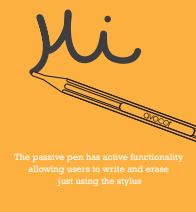
Collaboration and unified communications devices have come a long way from the days of a static, digital whiteboard. They are now immersive, collaborative tools that allow both in-person and remote meeting participants to engage and interact. It is still difficult to determine if or when meetings will happen fully in-person again, so it is imperative that meeting planners are implementing solutions that support seamlessly bringing together both remote and in-person team members, to encourage productivity and long-term success for their organizations.

Collaboration technology, such as interactive displays that provide touch screen capabilities, as well as integration with popular video conferencing software like Zoom, Microsoft Teams and Google Meet, provide the ability to easily connect and share ideas, from wherever people are working—in the home or in the office. They also provide the added ability to share and engage with cloud-based, real-time annotations with (and from) everyone in a meeting, and then saving and sending as notes to access afterwards and enhance engagement and teamwork among hybrid groups.
Organizations need to plan for a combination of in-person and remote work styles by investing in reliable collaboration technology that supports an uninterrupted transition between locations. Employees should be able to move from each style of work fluidly, from home office meetings, to in-person huddle spaces, and beyond. Collaboration and UC technology can support this transition by replicating the in-person experience through video display technology, and vice-versa, also actively engaging remote meeting participants.

Organizations should also be providing modular meeting spaces that are flexible to accommodate any size group at any given time. While these meeting spaces are being built for the short term, they should still be equipped with the same technology that is intended to be used on a more permanent scale, further out into the future. This is important to meet the needs of video conferencing and all-digital meetings that must occur spontaneously, like a display with a UC bar on a cart can accomplish.

See also11 Hotels for Micro Meetings

The proper combination of software and hardware technology developed specifically for bringing teams together both in-person and remotely, and the ability to work with any ecosystem of software and hardware partners, is critical to ensuring success and productivity. Whether a meeting is happening physically together in a board room, or from several different home offices, teams need to be able to easily access the meeting through reliable video conferencing software.

With UC and collaboration technology, meetings are easy to set up and can be started quickly, without troubleshooting and startup time. This seamless connectivity encourages confident decision-making, improving and expediting team relationships and even reducing meeting frequency, in turn bolstering productivity and bridging company-wide communication gaps.

Workspace Intelligence Solutions

Analytics and data have always been an important driver in decision-making for planning meetings and assigning meeting spaces, but in a post-Covid world, they will become even more essential to ensuring both operational meeting efficiency as well as ensuring employee comfort and confidence.

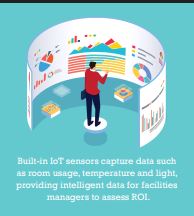
Room intelligence analytic solutions will support the movement back towards in-person meetings as they allow meeting planners to take immediate action to re-evaluate the meeting room or area, UC hardware and software ROI. This data also guides future planning, which is especially helpful for the return-to-work strategy planning happening all around the world right now. By implementing these programs, decision makers can gain access to room data, for example, presence detection, and gain insight into how many people are gathering in a single space to ensure that number complies with the CDC’s guidelines.
Technology that can provide data analytics and deeper insight into how employees are using meeting spaces will inform decision makers of necessary strategy changes and tweaks, particularly when more employees return to the office. Even with the vaccine in distribution, considerations for in-office employees will be important and long-term hybrid work strategies will require tremendous amounts of data to inform meeting planners on how teams are meeting, whether they are being productive, and how they could be better supported. Robust systems can track consequential metrics such as dropped videoconferences, room occupancy and device usage that allow these planners to better structure their systems. These analytics will help stakeholders craft better policies, support more workers and strengthen company culture for continued success.

In planning for the meeting room of the future, meeting planners should focus on leveraging technology that is flexible, scalable and future proof, and can support collaboration and meetings from anywhere.

Dana Corey is general manager and vice president of Sales for Avocor. He is an experienced technical sales, marketing and operations executive successful at building high-performance sales teams and leading sophisticated organizations with P&L responsibility in the B2B electronics market.

Who could have predicted a year ago that Zoom would be a major disruptive influence in the meetings industry? Years of speculation about the threat to in-person from videoconferencing was much ado about nothing until the pandemic. Now, conventional wisdom suggests that hybrid groups, which combine teleconferencing with person-to-person meetings, will be prevalent for the foreseeable future and a permanent part of the new normal.

New Paradigm, New Challenges

The same forces (perceived cost savings, enhanced convenience, health concerns) that have exalted the benefits of working from home also wreak havoc on in-person event attendance. Consider these additional challenges for the meetings industry:

  • The new criteria for business and event-related travel now includes health-related risks, complicating the decision to approve conference attendance.
  • The uncertainty of blocking function space without being able to confidently predict virtual attendance vs. live attendance will require a new approach from both hotels and meetings professionals.
  • The extra space now necessary to accommodate social distancing in both meeting and dining venues will require renting more space for the same number of attendees and could result in price increases from hotels looking to recover lost revenues.

On the other hand, thousands of new attendees are being introduced to the world of conference participation online that will both enthuse and prepare them to attend those same events in person in the future.

MoreHow Will Hybrid Meetings Hit 2021 Budgets?

It is possible that hybrid meetings may serve as a temporary transitional solution and will not create a negative financial impact after the crisis subsides. In the short term, however, meeting professionals will have to find ways to make revenues from fewer attendees and more expenses pencil out.

Hybrid Business Model Considerations

Ironically, the ability to secure the tech services required for an engaging hybrid event presents a new opportunity for meeting professionals to differentiate themselves by partnering with hotels who are prepared to step up.

See also11 Hotels for Micro Meetings

But what will it cost? The scope and complexity of hybrid meetings production is vast and pricing strategies will be determined on a case-by-case basis, but the following factors come into play:

  • Regardless of the size of a group, the technology must be reliable, simple to use and well-designed, which should be reflected in the price.
  • Support from technology professional(s) with a sense of urgency and a friendly service mentality is also crucial for problem solving and logistical delivery of the meeting content.
  • Cost-based pricing components are derived from technical complexity, labor, equipment and set-up. The price range is also determined by the length of the event, depth of event integration and audience size and location.
  • Tapping into the creativity and innovation of virtual meetings is also an important value-based pricing opportunity. Analytics, online polls and sophisticated chat functionality are good examples.
  • Contracting for the bare minimum level of technical support is a bad idea. Engagement from an online participant is already tenuous due to the temptation to multi-task as well as the notorious short attention spans inherent in a remote setting. If an online experience is buggy or complicated, it is doomed to swift, unforgiving failure.

The financial implications brought on by hybrid meetings will include trade-offs; you may save money from reduced in-person attendance but will spend more on tech support for online services and inevitably for meeting room rental as a result all of the new health and safety elements and social distance spacing.

The notion that the online experience of conferences, tradeshows and incentive programs will prime the pump for future in-person patronage is hopeful and promising. While it ultimately may be more expensive to both attend and host an event, the quality of the experience will eventually improve as a result of the new standards (cleaner, less crowded, improved efficiency.) The pure joy of exploring new destinations, meeting people face to face and experiencing firsthand the collaborative, creative adrenalin rush of a well-run conference or tradeshow cannot be duplicated online. There is no substitute for being there in person.

Craig Jacobs began his career at Hyatt Hotels, went on to leadership positions at the Arizona Biltmore, Hotel del Coronado and Preferred Hotel Group and co-founded an online software company five years ago called Close the Gap. His strengths include sales, marketing, operations and revenue optimization.

Editors note: This story was updated from its original Feb. 12 publish date to include updated information on guidance for meetings and conventions. 

Nevada is slowly turning on the open sign for groups after a decrease in cases and positivity rates. On Friday, Nevada Governor Steve Sisolak announced that venues will be able to host groups at 50 percent capacity starting Monday, March 15, a marked shift from the limit of 20 percent capacity for venues with more than 2,500 seats with conventions and trade shows capped at 1,000 people. While plans for groups larger than 250 people will still have to be submitted for approval, that process will be streamlined.

Large Gathering Covid-19 Preparedness & Safety Plan Certification Forms will have to certify through the state’s Department of Business and Industry that they will follow the state’s health and safety requirements and protocols and adhere to the prevention principles. Mitigation management could shift to local government control by May 1.

The move is part of what Sisolak called a gradual ending of a months-long “pause” put in place before the holidays. “Las Vegas has been the top convention and meetings destination for many years. We pride ourselves on providing the best facilities, the best service and now, the safest,” said Governor Sisolak. “We’ve been cautious, but very focused on reopening Las Vegas in the safest way possible for you, our treasured customers, our valued employees and our entire community. With great confidence in the efforts made by our resorts, convention centers and meeting hosts, I say… Welcome Back! The greatest place to do business in the world is even better.”

Safety Measures in Place

Protocols such as mask-wearing and social distancing requirements will remain. The governor also announced that vaccine eligibility will be expanded to hospitality and food service workers. Vegas Smart outlines health and wellbeing measures taking place in the destination with links to each resort’s plan and how they will implement social distancing and cleaning practices.

“We know there’s pent up demand for the return of in-person meetings and conventions and for the Las Vegas experience,” said Steve Hill, LVCVA president and CEO. The first citywide convention scheduled in Las Vegas is expected to be World of Concrete, June 8–10, inside the expanded Las Vegas Convention Center.

The announcement came the same week that Cirque du Soleil announced it was preparing to reopen the shows “O” and “Mystere” in July and Society for Human Resource Management announced it was moving its annual conference and expo to Las Vegas Sept. 9-12 (with an online component) from a planned event in Chicago in June. The same week, Carina Bauer, CEO of IMEX Group, re-confirmed that IMEX America will go on as planned Nov. 9-11 at its new home in Mandalay Bay Las Vegas.

Read why MGM CEO Bill Hornbuckle is optimistic about the prospects for Las Vegas.

“After making it through the very difficult winter surges and the pause, Nevadans want and deserve predictability about what our path forward will look like,” said Gov Sisolak during a February press conference. “This is what was front of mind as we developed this Roadmap to Recovery Safe Reopening Plan. As we continue navigating this pandemic and ramping up our vaccination efforts, this plan will focus on how we can continue mitigating the spread while getting Nevadans back to work, protecting and recovering our economy, and getting our students back to in-person learning.”

Industry Reaction 


https://twitter.com/golivetogether/status/1360129020021534724

Michael Massari, chief sales officer of Caesars Entertainment, said in February that he was encouraged the occupancy limits will be lifted as time progresses. “We think we have the protocols in place and can do even more, but we are ready when the governor says it is OK,” he said. 

Maureen “Mo” Robinson, director of sales with South Point Hotel Casino & Spa Las Vegas, said, “it will let us hang on to groups in Q3 & Q4…..so we are excited!” She explained that the property handles mostly associations and smaller groups so it not as affected as the large space hotels. “Our 200 to 400-room groups will fit nicely even with just the 50 percent.”

Note: Jack J. Phillips, Ph.D., chairman of ROI Institute, penned this primer on measuring meaningful outcomes along with Joe Fijol, DMCP, founder of ETHOS Event Collective.

Today, meeting and event planners are pressed to do more with less while being expected to raise the bar on experiences year-over-year. In addition, they’re asked to achieve a variety of goals for a range of stakeholders and prove the value of their meetings or events.

So, how do you demonstrate the deeper business impact and return on investment of your meetings or events? The answer—you must think about business value early and often through the planning process.

Planning a meeting or event always begins with determining goals, the number of participants, duration and budget. But there are additional variables that can be planned for and measured to deepen your understanding of returned value to your organization.

For example, there are easy ways to capture and measure participants’ reactions to a meeting or event as well as what they learn and how they are applying it. Then you can dig deeper to connect how your activity is impacting business goals that are often already being measured by your organization (e.g., productivity, sales). Finally, you can convert this business impact to show the monetary return on the investment.

But how do you get started?

Many of these things are easier to measure than you think. Here are a few tips you can try throughout the planning process and execution to help your team better understand and prove the value of their meetings and events.

1. Start with “why”

Go beyond meeting or event-specific objectives to look at your organization’s broader goals. Then determine what opportunities you must achieve and plan to measure your success. For example, if the meeting is incentive-based and includes significant others in the reward, this can exhibit a company cares about employees and could help improve retention. Measuring how that impacts the organization can be as simple as connecting with HR to track the retention of attendees compared to that of non-attendees.   

2. Define how the meeting will drive results

When planning something like a sales meeting, it’s obvious the key measure is to drive sales.  But if you’re running a conference on diversity and inclusion, the measurement might not be as clear. In those instances, begin by clarifying which specific aspects leadership is looking to impact. For example, a company may be concerned with how teamwork is affected by inclusion, meeting design or event experiences that simulate common issues and illustrate solutions. Before the conference, create a control group so you can monitor how learning is used post-meeting.

3. Design for application and impact

Plan for how people will use what they learn by taking an inventory of all tools provided throughout the meeting and how they’re illustrating and reinforcing their application post-meeting. For example, if your purpose is to introduce a new sales strategy, design a survey to administer to a group of participants at the closing session to gauge what they learned, then schedule virtual focus groups six months later with those same participants to measure how frequently what they learned is used and how it is or isn’t improving their performance.

4. Reinforce measurement goals with stakeholders throughout the planning process

Clearly communicate application and impact goals to all stakeholders and, more specifically, how the meeting is designed to achieve them. Planners, coordinators, developers, participants, managers of participants, sponsors and speakers all must be on board to leverage the best results. You don’t want anyone speaking or leading a session who cannot articulate how people should apply the material post-event. To simplify, create a one-page summary outlining meeting goals, a data collection plan and desired outcomes to distribute to all parties. This can help get their buy-in from the beginning as it will demonstrate the big picture. Take the time to create a compelling story that will inspire even the highest of executives to see the importance of obtaining results.

5. Start small

Pick one or two things to measure so your team can learn and get comfortable with how easy it can be to demonstrate return. For example, you can start by measuring reasons for attendance vs. nonattendance. This can clarify if the registration materials were unclear, the marketing materials weren’t compelling, if it was a budget constraint or a timing issue. Then you can adjust for next time. Be sure to pick a measurement that matters—making it relevant to the moment can make data collection and data measurement easier.

Measuring the return on your meeting or event isn’t hard, you just need to commit to processes and practices and educate your team and stakeholders along the way. The investment you make will pay dividends as it will protect your budgets, enhance the attendee experience and make your job easier long-term.

To learn more about how you can measure return on your meetings and events activity, check out the Purposeful Planning Podcast at purposeful-planning.com

Jack J. Phillips, Ph.D., chairman of ROI Institute, Inc., is a world-renowned expert on accountability, measurement and evaluation. He provides consulting services for Fortune 500 companies and major global organizations.

Joe Fijol, DMCP, principal, and founder of ETHOS Event Collective has been in meetings and events for 30 years. He sits on the HPAC Board of FICP and the IRF Advisory Committee and has been a speaker at IMEX America.

As event managers, we are inundated with ideas from our councils, boards, speakers, exhibitors, vendors, attendees and staff. Everyone has a suggestion to help us meet our yearly goal. A similarly overwhelming menu of choices faces us as we search for just that right virtual platform. The same, unfortunately is true of wellness.

The apps, videos, virtual and outdoor workout options are endless these days. Not to mention the diet, nutritional, meditation, how to cook, paint, write and publish books classes and web sites that are now at our fingertips. It seems like online opportunities are falling from the sky these days. But how do we choose which one works for us specifically? If we don’t like the first one we find, how do we move on?

A Tapas Approach to Building a Routine

Holly Whitaker, the author of Quit Like a Woman suggests trying multiple options more than once. That goes for therapists, group hangouts, yoga teachers and hiking trails. Not everything fits perfect the first time you try it on. They aren’t all going to be the best the first time, but finding what works takes patience and persistence.

Imagine going to the Cheesecake Factory and instead of a 35-page menu, you have one choice, a hamburger. You order a coke and it was flat, the burger was undercooked and the cheesecake hadn’t yet dethawed from the freezer. And you are a vegan anyway so none of it would have worked for you.

What we need are guided choices. Just as in our role as meeting professionals, we create multiple tracks clearly marketed so people have an idea what to expect when they step into the room (or the Zoom room in the case of virtual meetings), we need to be able to dip into multiple fitness experiences to find a combination that meets our individual goals.

Some semblance of online, in person, high intensity, low intensity, laughing yoga, silent Zumba, water aerobics, grunting with dumbbells, in a gym, at a park, running, slow walking, with a group, on a bike, with a lesson plan, without a trainer, with someone screaming at you could keep you motivated while fitting into your busy schedule of rebooking the rebookings. You do not have to do a full stop at the first one you see and stick with it for years to come. Mixing it up can make the routine fresh again.

Catering to Attendee Wellness

The same Cheesecake Factory approach to offering fitness for attendees might result in happier, healthier outcomes at your events. You don’t know if your attendees would like high intensity, light yoga or a sound bath versus a 5k run to benefit this year’s charity. Why not ask them?

Properly presented choices can be a refreshing gift rather than a daunting list that makes stretching feel like a burden. Proper communication and scheduling so they don’t have to wake up before the sun or skip an educational session to play golf will allow them to opt for a win-win schedule.

Give yourself the gift of trying whatever you are offering attendees first. Experience the different classes and styles so you can attest not just to the food and meeting flow, but also to the serotonin and endorphins from the wellness option, too.

This pandemic gave us the gift of choices and yes, that can be overwhelming, but better to overwhelm than undercook, right?

Hadley McClellan has nearly 20 years of experience in the conference industry planning everything from small luncheons to running events in South America to her current role as senior manager of the Offshore Technology Conference in Houston. She is the founder of EvConFITNESS.com, a website that connects event organizers with wellness classes, both in person and virtually. She also teaches yoga in a gym, virtually and on Stand Up Paddle Boards.

You’ve been doing virtual meetings, Zoom meetings and other video chats for months now, and you might think you, and most attendees, have them figured out by now. nonverbal

Susan Ibitz challenges that notion.

Susan Ibitz

Ibitz, who heads Human Behavior Lab in Chicago, calls herself a human behavior hacker. She says her superpower is being able to “read” anyone in 90 seconds. Body language and deception detection are her specialties.

So, if you’re trying to sell your proposal, your services or your company via Zoom or any other video platform these days, what can Ibitz teach you?

For starters, pay close attention to more than the words spoken.

“The angle of the camera and how much we show of our torso and our hands shows much about our communication,” Ibitz says. “If I don’t see your hands, I don’t know if you’re a foe or friend. Our hands can emphasize how we express ourselves to others. How you move your body, or stop moving your body, is a communication.”

She recommends easy, open-palmed gestures, which studies have shown are universally recognized as friendly and welcoming, even among animals.

“We have the false perception emotions happen on the mouth,” she continues. “The mouth is the biggest liar on the face. Emotion really happens on the forehead and the eyebrows.”

Ever wonder what someone on your screen is really feeling when they react with a frown? Ibitz says it’s easy to know by “mirroring”: look into a mirror and imitate the same frown “and your brain is going to give you the emotion that person is feeling. Kids born blind and sighted kids have same body language when they feel victory, sadness and loss. Our brain is coded with this information.”

At the same time, your mouth is also your secret weapon. “When you smile, it’s more contagious than the flu,” Ibitz says, adding that research has shown that up to 95 percent of people will return a smile, which in turn triggers the brain to release feel-good endorphins. Pro tip: Before starting a meeting, watch an old comedy show on YouTube for a few minutes.

“The biggest secret I can give someone on a Zoom is to ‘open the door’ with a smile and make attendees feel welcome,” she says.

Susan Ibitz will deliver the keynote at Smart Meetings National 1-Day Virtual Experience on March 25. Ibitz helps people decode nonverbal human behavior to better understand people’s hidden emotions, intentions, and future behavior. A certified Level III Hostage Negotiator, Susan’s been trained by the CIA, the FBI, the U.S. Military, and the Israeli Military. Her consulting work in interrogation has helped police departments resolve criminal cases, and she’s a guest lecturer in the Criminology Department at Loyola University-Chicago.