Soon, those who enter New York City’s indoor facilities, such as restaurants, entertainment venues, gyms and other businesses, will have to present proof of vaccination via New York City’s new vaccine pass app, Excelsior Pass, or a vaccination card, announced New York Mayor Bill de Blasio.
On Aug. 16, the mayor’s program, Key To NYC Pass, will launch; code enforcement will begin Sept. 13. “It’s time for people to see vaccination as necessary to living a good and full and healthy life,” de Blasio said. “This is crucial, because we know that this will encourage a lot more vaccination.”
Elsewhere, businesses like The Walt Disney Company are also requiring employees to be vaccinated. Disney employees who are yet to be vaccinated have 60 days to receive their shots, and employees working from home will need to provide proof of vaccination before returning to the workplace.
Google and Facebook are among other major companies that have mandated vaccines for their U.S. employees returning to offices. Facebook reinstated its mask requirement, as well, regardless of vaccination status, as a response to the rising number in Covid cases.
Even Tyson Foods, one of the nation’s largest meat processors, said on Tuesday that it would require vaccines for its U.S. workers—about half of whom remain unvaccinated, reported The New York Times. The mandate will extend to employees in its offices and in the field, many of which work in rural areas in states that have been resistant to vaccinations.
In New York City, outdoor activities and dining will remain open to unvaccinated people, who make up nearly 40 percent of residents.
“If you want to participate in society fully, you’ve got to get vaccinated,” de Blasio said. “If we’re going to stop the Delta variant, the time is now. This is going to make clear; you want to enjoy everything great in this summer of New York City? Go get vaccinated.”
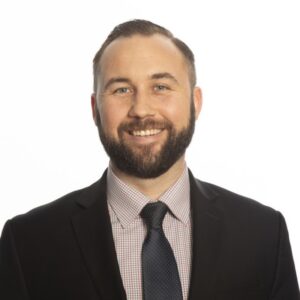
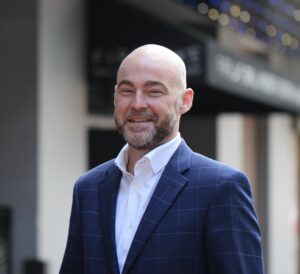
John Sklencar
Sklencar is sales development manager for etc.venues USA in New York City. Sklencar previously was national sales manager for Choose Chicago’s Northeast region. Before this, he worked as national sales manager, North America, for Visit Britain and executive meetings manager for Destination DC. Sklencar is director of sponsorship for MPI’s Greater New York chapter.
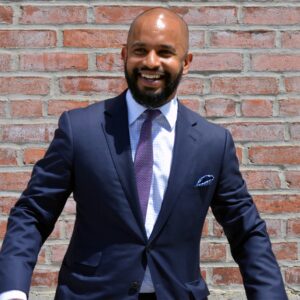
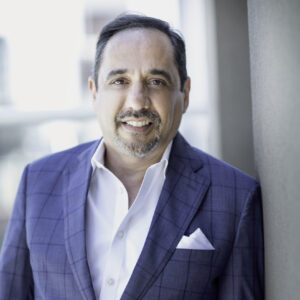
Kevin Ramsawack
The Glasshouse in New York City named Ramsawack director of sales. Most recently, Ramsawack was vice president of sales and events for corporate caterer Neuman’s Kitchen. Kevin serves on the board of Long Island City YMCA; he is also founding member of Vistage Worldwide Executive Key Group.
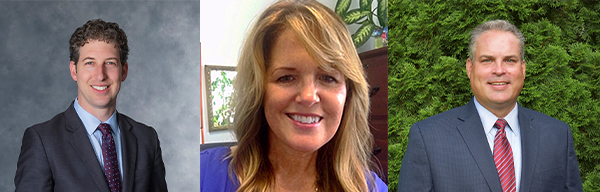
David Kooris; Heather Solomon, CPCA; and Jason Soucy
Kooris, Solomon and Soucy are board members for Connecticut Convention & Sports Bureau.
Kooris is president of business improvement organization Stamford Downtown. He is also chair of Connecticut Port Authority. Before Stamford Downtown, Kooris worked as deputy commissioner for Connecticut Department of Economic and Community Development.
Solomon is founder and president for Solomon & Associates Event Management in Glastonbury, Connecticut. Solomon is a member of MPI’s Connecticut River Valley chapter.
Soucy is director of business development for Travelers Championship and director of sales and Connecticut’s PGA Tour. Before Travelers Championship, he was vice president of North American event sales for IMG Golf Division; he also worked as tournament director for PGA of America.
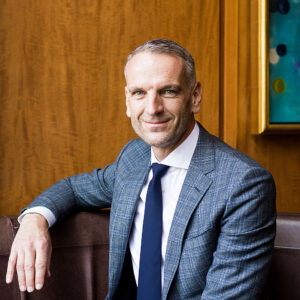
Konrad Gstrein
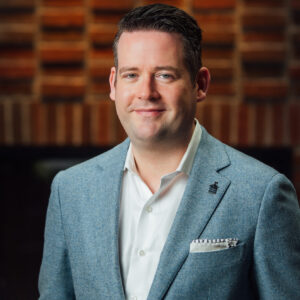
Gstrein is general manager of Four Seasons Hotel San Francisco. Gstrein most recently worked as general manager for Four Season Hotel Toronto; before this, he was hotel manager for Beverly Wilshire, A Four Seasons Hotel, in Beverly Hills, California. He’s also worked in Sydney, New York City, Philadelphia and Hawaii while working with Four Seasons Hotels and Resorts.
Chris Saputo
Saputo is general manager forHotel Drover, Autograph Collection, in Fort Worth, Texas. Most recently, Saputo worked as director of operations for Las Alcobas (now Alila Napa Valley) in St. Helena, California. Saputo has held leadership roles with Four Seasons Hotels and Resorts, Carneros Resort & Spa in Napa, California; Ojai Valley Inn in California; and The Resort at Pelican Hill in Newport Beach, California.
Robert Muehlich
Chatham Bars Inn in Massachusetts named Muehlich director of operations. Muehlich recently served as executive assistant manager for The Willard Intercontinental in Washington, D.C.; he also worked as director of F&B at The Watergate Hotel in Washington, D.C., and The Setai Hotel in Miami.
Michael Snyder
Snyder is director of sales, global partnerships, for experiential villa travel company Cuvee. Snyder was account director of worldwide sales for Four Seasons Hotels and Resorts. Before Four Seasons, he worked as front office manager for Renaissance Boca Raton Hotel in Florida.
PCMA has announced plans for growth by expanding its leadership in key global regions.
In an effort to facilitate the growth of business events and PCMA’s community, the organization has appointed a new leader in three regions: Asia-Pacific; Europe, the Middle East and Africa (EMEA); and Latin America (LATAM).
“There has never been a greater need for people and communities everywhere to come together to confront our economic and social challenges,” PCMA President and CEO Sherrif Karamat said in a press release. “Business events have the power to do just that, and we need localized presence by region with impactful leaders to make it happen.”
Florence Chua will head the Asia-Pacific region as managing director; Lucio Vaquero will become regional director for LATAM; and Jaime Bennett will be regional director of the EMEA region. These changes will go into effect August 2.
Chua, who will be based in Singapore, most recently worked as vice president of growth and brand management for nonprofit Entrepreneurs’ Organization.
“The COVID-19 pandemic has leapfrogged the business events industry in embracing technology to facilitate connections and engagement,” Chua said. Last year, PCMA launched Convening APAC and hosted its first Convening Leaders live in Singapore, in January.
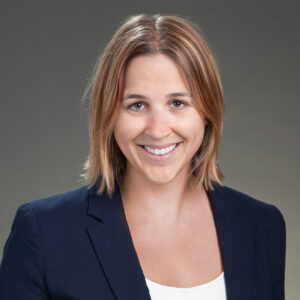
Jaime Bennett
Based in Northern Ireland, Bennett previously worked as PCMA’s business director. Before joining PCMA, Bennett was director of sales and marketing for Conference Partners International. She also served as a board member for Association of Irish Professional Conference Organizers.
Although PCMA currently has a chapter in Mexico City, Vaquero, to be based in Buenos Aires, will seek to engage the wider community throughout Latin America. He previously worked as LATAM business development director for MCI LATAM.
Lucio Vaquero
“Today’s business events industry environment presents great challenges and innumerable opportunities that require adaptation and continuous training as well as a solid network. Hence, I consider PCMA’s commitment to Latin America extremely encouraging,” Vaquero said. “I am honored, grateful and energy-filled for the opportunity to be part of this process.”
The number of meetings being scheduled now is quickly picking up steam as mask mandates are lifted and people start gathering again, but meeting formats have evolved. The “meeting” as defined by delivering content from a stage is getting shorter—or even nonexistent—as groups put emphasis on team bonding and book more activities than ever before.
Ty Brassie
“Since the turn of the year, we’ve been excited to see our group bookings pace pick up dramatically across the five properties,” said Ty Brassie, vice president of sales and marketing with Salamander Hotels & Resorts, a luxury resort management company founded by Sheila Johnson, a Smart Women in Meetings Hall of Fame winner. As part of this increase in business, he has seen a new trend: “Meetings aren’t always about the ‘meeting’ anymore.” Formats have evolved to include an emphasis on reconnection time.
“Meeting planners are telling us they are seeking authentic, immersive experiences that are designed to help groups strengthen interpersonal relationships, as well as support the culture of each organization,” he reported.
To answer the call, he said pointed to creative ways Salamander Hotels and Resorts properties are focused on developing new team building activities that offer an opportunity for guests to build meaningful connections, create interactive wellness experiences and engage in activities and projects that not only improve, but create value in the local communities.
While the portfolio’s range of creative food and beverage experiences have always supported healthy lifestyles, his team is seeing an increase in inquiries from planners for these types of meals and breaks.
Smart Meetings asked the experts at five Salamander properties what they are seeing and how they are delivering improved connection at meetings of all types.
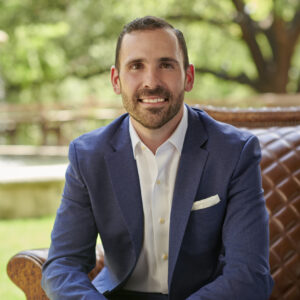
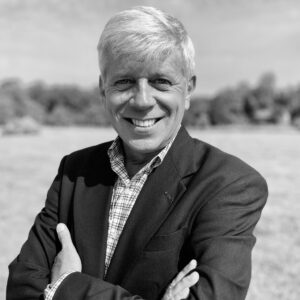
We’re seeing Fall 2021 continue to be the focus for the return of groups, ranging from small gatherings to potential buyout bookings. It’s a beautiful time of year in Middleburg with the weather still ideal for outdoor gatherings, which continues to be of importance to many of the planners. Our chef’s Culinary Garden is a highly sought-after al fresco venue and planners are also seeking out inspiring activities to heighten the senses, build community spirit and bring unique options for guests to explore: from treetop zip lining and championship golf, to equestrian activities at the resort stables.
A large percentage of groups that are booking into the fall have increased activities to the agenda. Whereas previously a group was traditionally doing only one event pre-pandemic, they’re now mixing a few hours of meetings with multiple events.
And while we are seeing a range of inquiries, our loyal, repeat groups are returning. We are also seeing a dramatic increase in 2022 bookings from a wide range of groups from small executive retreats to full buyout opportunities.
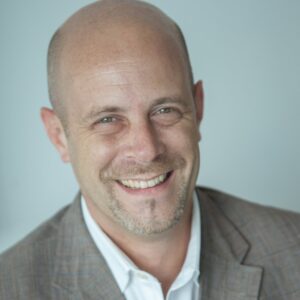
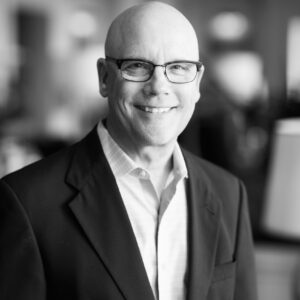
Zoom fatigue is at an all-time high and the importance of social interactions—whether as a group or individually—is critical to the meeting planners we’re working with. While we’ve always had demand for maximizing our location, which is along a stretch of Destin’s sugar-white sand and emerald water beach, we’re seeing groups connect more over activities as opposed to in their meeting rooms. Groups are focused on utilizing unique outdoor spaces, such as our Piazza, as well as creative action stations. Most recently, our lush Piazza was transformed into a luau for a group that wanted to give their reception a different look while still offering enough room to spread out.
We’re also seeing some groups that don’t want to meet at all. Instead, they are focused on letting their attendees explore the destination during their days onsite and just gather for lunches and dinners. Our groups that are still incorporating a meetings component have shortened sessions to only last for two hours or less in order to provide more time for the group to spend time elsewhere. Additionally, we are also seeing corporations adding on an extra day to their itineraries so that more time can be spent together and individual connections can be fostered organically.
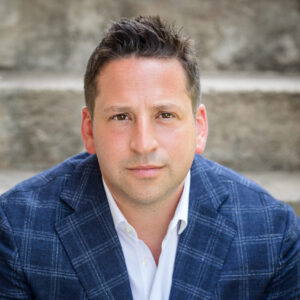
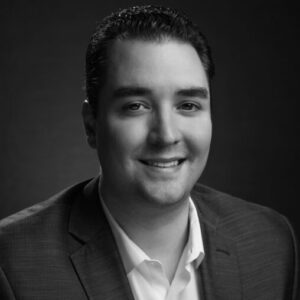
We’re very pleased to now consistently see meeting planners focusing on planning meetings and events again and returning to many pre-Covid practices. Inquiries have been steadily increasing and many programs are including an option to attend certain aspects virtually while companies continue to provide their employees with remote options. The resort is also seeing an increased emphasis on team-building elements outside meeting rooms, such as fun themes around golf or tennis or creative activities that our recreation staff run to build camaraderie and bonding among attendees. We’re also focusing on offering activities that translate well even if groups still have virtual attendance, such as chef cooking demonstrations or teaching classes where participants can follow our chef through a recipe and share their results via Zoom.
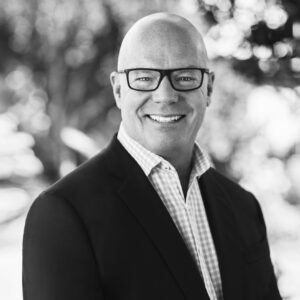
We’re still seeing many meeting planners focused on incorporating safety precautions, such as social distancing, optional masks, frequent hand cleaning and sanitizing, etc. That said, a lot of the rebound in meeting planner interest is also due to our vast size and number of outdoor options for meetings, catered events and social events utilizing our 900 acres, three conference centers and an endless assortment of options via lawn areas, outdoor terraces and patios. We’ve specifically had a lot of interest in outdoor settings surrounding our four golf courses, including our PGA TOUR venue—the Copperhead Course.
Merricka Dyer Cunningham, senior group sales manager, Half Moon, Montego Bay, Jamaica
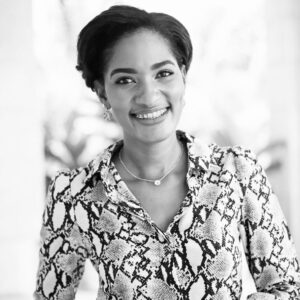
Meeting planners we’re working with today have a vision for unique outdoor meetings that embrace the destination by showcasing culturally rich experiences involving local art, Jamaican cuisine, mindful well-being through tailored wellness sessions and going beyond the beach to spend a day giving back to our community. They’ve also recognized that a lot of the art in our recently launched Eclipse at Half Moon experience was created by Jamaican artists; as a result, we’re being asked to invite the artists to their cocktail events.
We’re also seeing increased priority placement on unique team-building activities that stimulate bonding. One of the most popular has been a bamboo raft-building activity where teams need to work together to build a raft from scratch, ensure it’s seaworthy, and race to sail it across the property. Each team is required to create an original team cheer with a unique Jamaican team name and present it to the judges at the end of the race. The activity showcases many of the hallmarks of team building done right—building trust, creativity and resourcefulness, productive conflict resolution and bringing people together.
Finally, we’re also seeing more requests than ever before to include Jamaican keepsakes that attendees can use during their stay, but also take home to remind them of their experience.
Rachel Frost, Director of sales and marketing, Hotel Bennett, Charleston, South Carolina
We’ve seen a dramatic increase in group bookings over the past several months with a recurring goal of reconnecting attendees. Charleston is considered the most charming city in the country and our planners are seeking out opportunities to develop curated group experiences that are custom-designed to incorporate historical, culinary, art, music, shopping and outdoor exploration. Built by native Charlestonians, Hotel Bennett embodies the spirit of the destination and we strive to provide what these groups are looking for—an authentic and luxurious gateway to experience a world-class city.
We are seeing groups move away from a traditional meeting format and instead choose to connect with more focused idea-sharing sessions and out-of-the-box team-building offerings, such as clubhouse builds for children in the community on famed Marion Square.
Food always draws people together and we’ve seen a tremendous demand for customized culinary programs, such as the interactive ‘Dessert Chef’s Table” experience in our French-inspired La Patisserie with Chef Remy Funfrock. We are seeing similar interest in our other venues, including afternoon tea and champagne in Camellias, which is famed for its etched-mirrored ceiling and reclaimed pink marble.
Featured image of Salamander Resort & Spa courtesy of Drew Xeron.
Editor’s Note: Smart Meetings filed this report from Destinations International’s AC21 in Baltimore, Maryland, but while there, we asked Tammy Blount-Canavan, FCDME, executive vice president and principal of the Destination & Travel Practice with Fired-Up Culture! to share her perspective as an industry veteran seeing many of her colleagues for the first time after a year that took a toll on convention and visitor bureaus. Here is the experience in her words:
Tammy Blount-Canavan
Attending Destinations International’s Annual Convention in Baltimore in the middle of July was meaningful on so many levels. It goes without saying that the convention itself was terrific. It was a little shorter than previous years, but no less impactful…in fact, I would say it was the most important annual convention DI has held in my nearly 30 years of membership with the organization.
“Embrace Disruption.” That was the theme of the event, and a good reminder of the implosion of our world that began just over a year ago. While we remain in a swirl of uncertainty—variants and international travel and other assorted Covid-related upsets have not yet allowed us to be fully confident in our future—there is no doubt that destination organizations are rising from the chaos as incredibly resilient, adaptable and critical to the ecosystem of our communities.
Inspired Words
Keynote Wes Moore opened the convention by captivating us with his story, and an enormous message that resonated deeply: “Before you leave here—this place, this town, this planet—make sure it mattered that you were here at all.” Wow. His message that “we all have our hand on the pen that writes the story of Baltimore” brought a reality home: destination organizations help guide the narrative, but it belongs to everyone who touches our community—resident, stakeholder, visitor and meeting professional.
Keynote Kevin Brown closed by sharing a powerful family story. My biggest take-away: “When you look in the mirror, whose faces do you see when you think of who helped you become who you are today?” It’s a lovely way to ask what people will say about us after we’re gone, and a good reality check on our own contributions. Does anyone see you in their mirror?
Critical Conversations
Sandwiched between those two events were all kinds of important discussions, amped up to a volume we’ve not seen before. About diversity, equity and inclusion. About uncomfortable conversations. About workforce and organizational structure. About the kinds of partnerships we never thought we’d need, and still wish we didn’t—like those we now have with local health officials. We re-energized conversations about diversifying funding. And of course, we talked about the valuable role we play in our respective communities—this is more critical than ever.
All of that was important. The discussions on and off the stage, in the meeting rooms and hallways and restaurants and lounges about the business we’re in—all important. But two things stand out more than anything.
First, we are having energized discussions about the future of our industry. Some destination organizations have been having them all along. But there is a new appreciation for the role we play with our communities, and the possibilities that flow from the disruption we all experienced in the last 15 months.
The traditional role of brand management and marketing and bringing business events to our town—that doesn’t go away. But the chance to rethink how we serve our communities is at hand. Throughout the darkest days of shut-downs and confusion and too much death, it was destination organizations reaching out, forging partnerships, providing support and leading with incredible courage. And it will be destination organizations who have the opportunity to forge new paths to shared understanding, defining what a successful tourism economy really looks like, and supporting the re-tooling of the talent needed to reach that success.
An Emotional Reunion
But most of all, the biggest deal of the week was the Road Family Reunion. More than 850 of us were finally together again. I know I’m not the only one who hugged the stuffing out of much-missed colleagues (after asking permission of course). I’m certain I’m not the only one that got choked up—yes, at reuniting with beloved friends, but also at the celebrations: Hall of Fame inductions, CDME graduations, 30 Under 30 recognitions, the messages of Miles and Kevin…it all hit the heart with incredible magnitude. Why is that?
Over the last 15 months all of us did what we needed to do, and we kept our noses to the grindstone. Destination organizations adapted to the needs of their community. Suppliers rallied together to support destination organizations the best they could. Everyone had to make difficult decisions. We persevered and will continue to do so. But when we finally were able to gather, we proved our mantra.
There is no substitute for face-to-face. Thank goodness for video-conferencing capabilities and the connectedness we figured out when we were grounded. But the pure joy of being with others who understand our world and speak our language is nearly impossible to put properly into words. The reason Destinations International is so important has never been more clear.
This is our tribe. We gather to get ideas, knowledge and inspiration. This is where we can speak freely without being misunderstood. This is where we find support and validation. This is where we nurture our soul. And for all the great things that happened in Baltimore, I rank the soul-nurturing at the very top. For as we begin to design our future, we must do so with a full tank if we are to reach our full potential.
Julia Greenwald
Greenwald is director of sales and marketing for Yotel Boston. Before joining Yotel, Greenwald worked as director of sales for AC Hotel by Marriott Boston Cleveland Circle and AC Hotel by Marriott Boston North. Greenwald also was account director of new business development for Starwood Hotels & Resorts’ six Boston properties.
Joe White
White is general manager for Hu Hotel in Memphis, Tennessee. Before this, White was general manager for The Chattanoogan Hotel in Tennessee. White has received the Marriott Service Excellence Leadership Award, Hotelier of the Year by Alabama Hospitality Association, and Hilton’s Developer of the Year and Connie Award.
Alex Francis
Radisson Blu Mall of America in Minneapolis appointed Francis general manager. Francis recently worked as general manager for Radisson Blu Minneapolis Downtown, where, in 2020, he earned the General Manager of the Year award. Before that, Francis was vice president of operations for Graves Hospitality in Minneapolis. He also held the general manager role with Radisson Resort Celebration in Orlando, Sheraton Orlando North Hotel and Las Alcobas in Napa Valley, California.
Gary Maida
Maida is area director for Hyatt Place New York Chelsea. Previously, Maida was general manager of Hyatt Place New York Times Square; and area general manager for Hyatt Place Midtown South and Hyatt Herald Square, both in New York City.
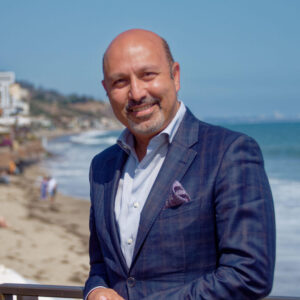
Amir Vahdani
Vahdani is hotel manager for Nobu Ryokan Malibu in California. Vahdani worked with Four Seasons Hotels and Resorts for the last 18 years, most recently as acting hotel manager for Four Seasons Hotel Los Angeles at Beverly Hills. Vahdani also worked as director of F&B with Four Seasons Hotel Los Angeles at Beverly Hills and Four Seasons Hotel Seattle, and an F&B executive at Four Seasons Hotel Vancouver in British Columbia, Canada.
Ashley Pencak, CMP, VEMM
Face2Face Meetings & Incentives in Las Vegas named Pencak director of meeting partnerships. Based in Washington, D.C., Pencak’s more than 15 years of experience includes roles with SmithBucklin as event director; SuccessFactors, an SAP Company, as global event manager; and Thompson Management Associated as conference manager.
Andre Brose
Brose is general manager of Lido House, an Autograph Collection, in Newport Beach, California. Brose previously worked as hotel manager for The West Hollywood Edition in Los Angeles. Before this, he worked as hotel manager of The St. Regis San Francisco; Sheraton Grand Hotel & Spa, Edinburgh, in the United Kingdom; and Le Meridien Hamburg in Germany.
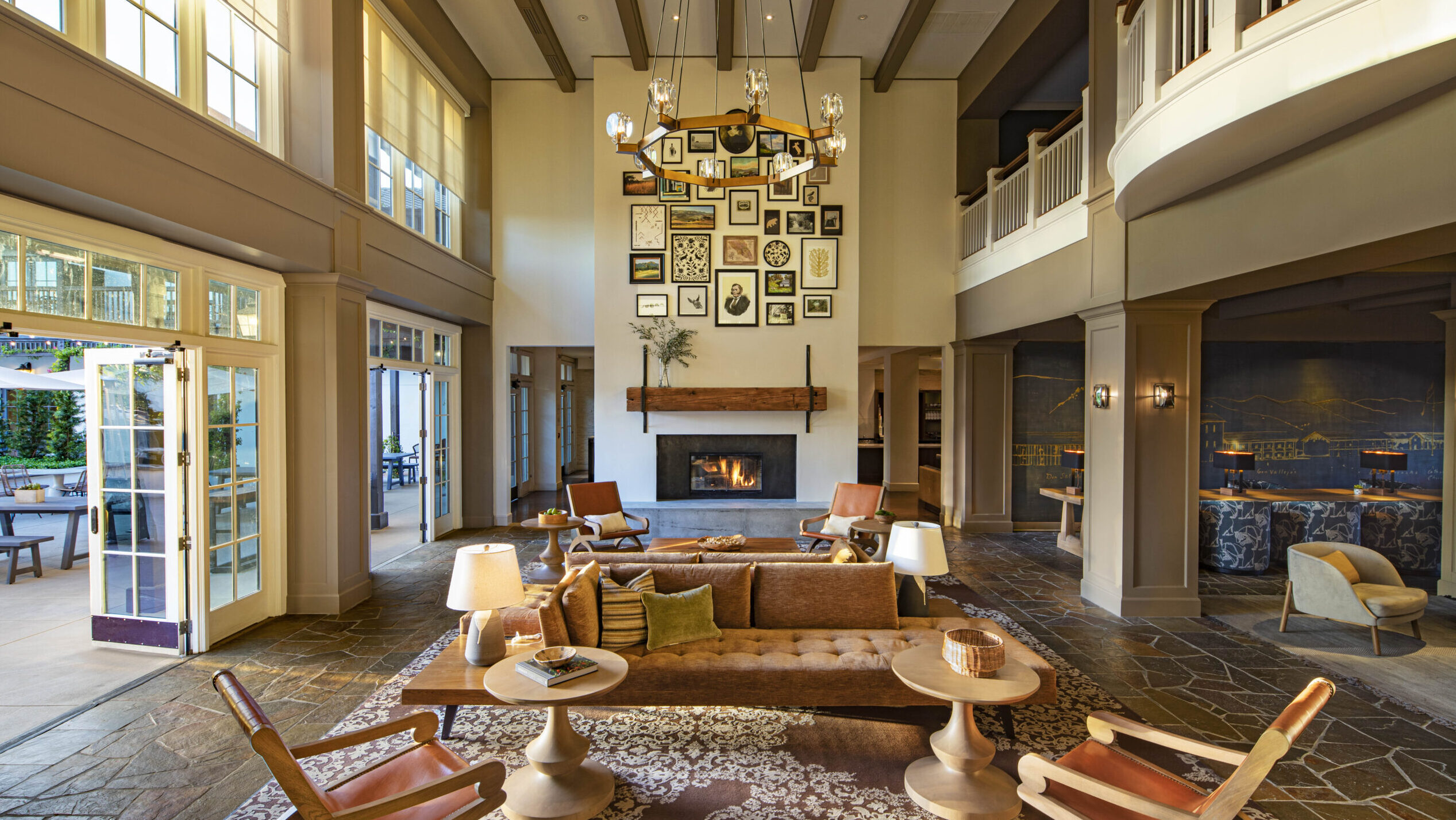
The Marriott hotel saw a property-wide renovation crafted in the centered, wild spirit of Sonoma. Updates to its 182 guest rooms include fresh artwork, site-wide decor inspired by the location’s indigenous heritage and outdoor soaking tubs and fireplaces in the property’s Cottage rooms. The resort’s eateries leave nothing to be desired: brand new Benicia’s Kitchen will serve up truly farm fresh fare, while Wit & Wisdom showcases regional cuisine with a hearth oven and outdoor bocce ball court. The resort has 32,000 sq. ft. of indoor/outdoor space for events, and groups can while away the time grape harvesting, cheesemaking, or group cycling.
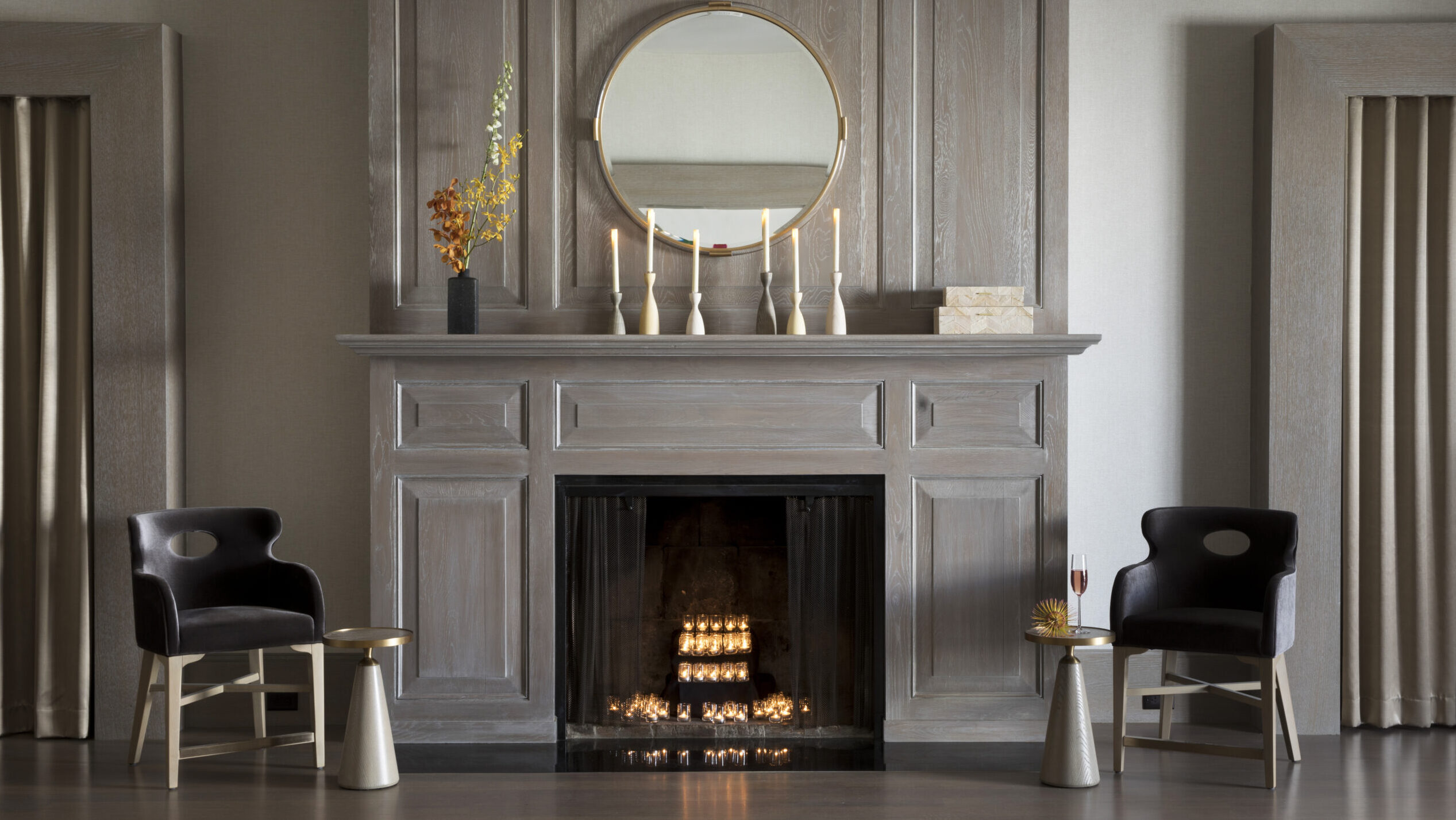
The original 1915 hotel opened in May after extensive renovations to its 372 guest rooms, public spaces, common areas and meeting space with more use of natural light, modern neutral color palettes and tech upgrades from guest rooms to event spaces. New eatery Frederick’s will open in early August, serving up local pastries from Le Marais and elevated comfort food. Its new chevron-shaped black and white tiled floor reverberates the hotel’s prohibition era beginnings, as do the restored paintings from students of Gustav Klimt found during the renovations that hang in the intimate Redwood Room lounge, where guests can indulge in inventive drinks like the North Beach Parasol with grapefruit gin and sparkling wine.
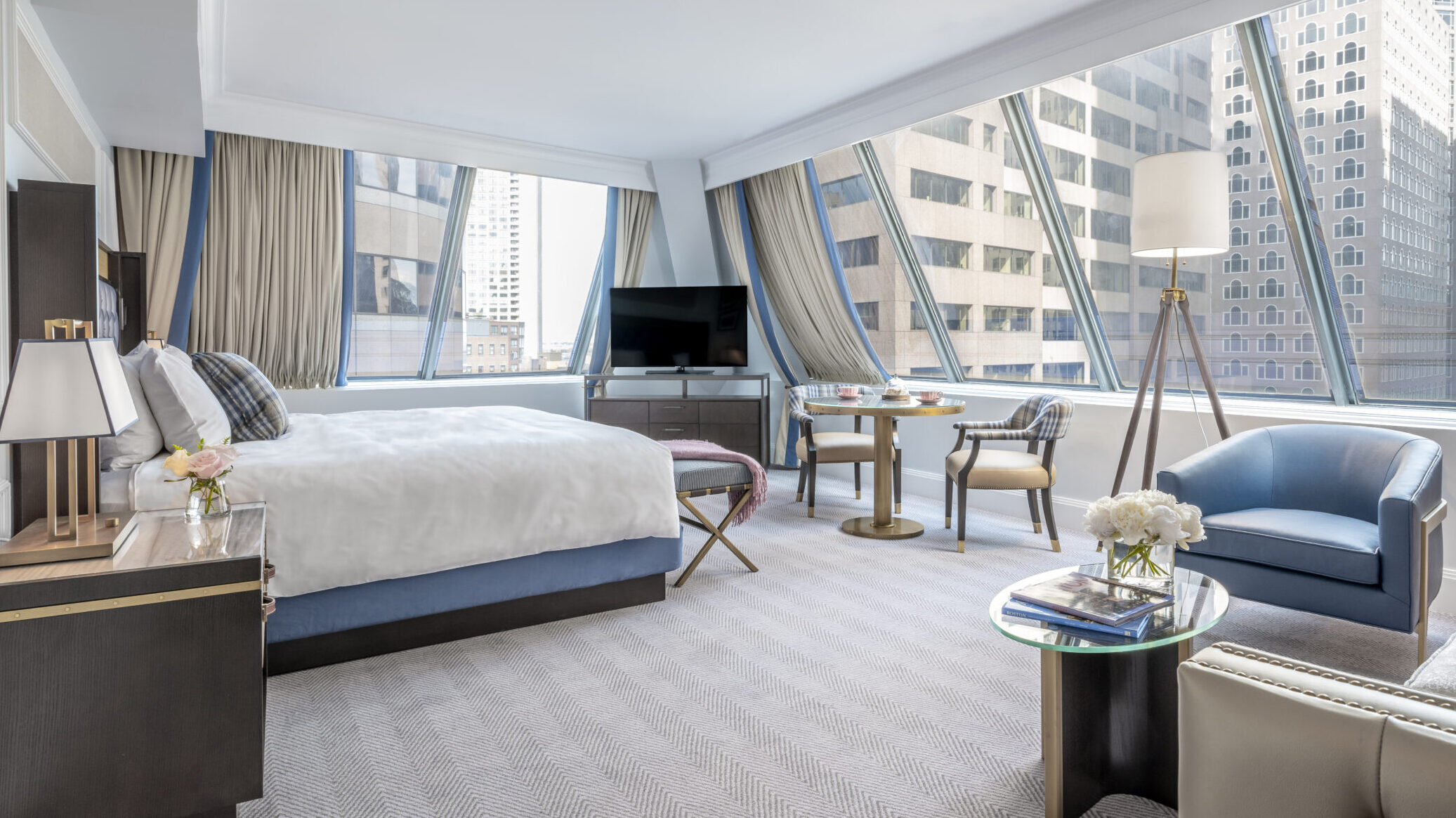
Housed in the former Federal Reserve Bank of Boston, this property just reopened after a two million dollar renovation with refurbished meeting spaces, reimagined interiors, fresh dining options and a newly curated art collection. Onsite restaurant and bar The Fed features a British pub-inspired menu, while Grana will dish out shareable Italian fare in the former grand hall. Meeting space includes the newly added Lincoln Ballroom for up to 175 guests, with pre-function space that overlooks city greenspace Norman B. Leventhal Park.
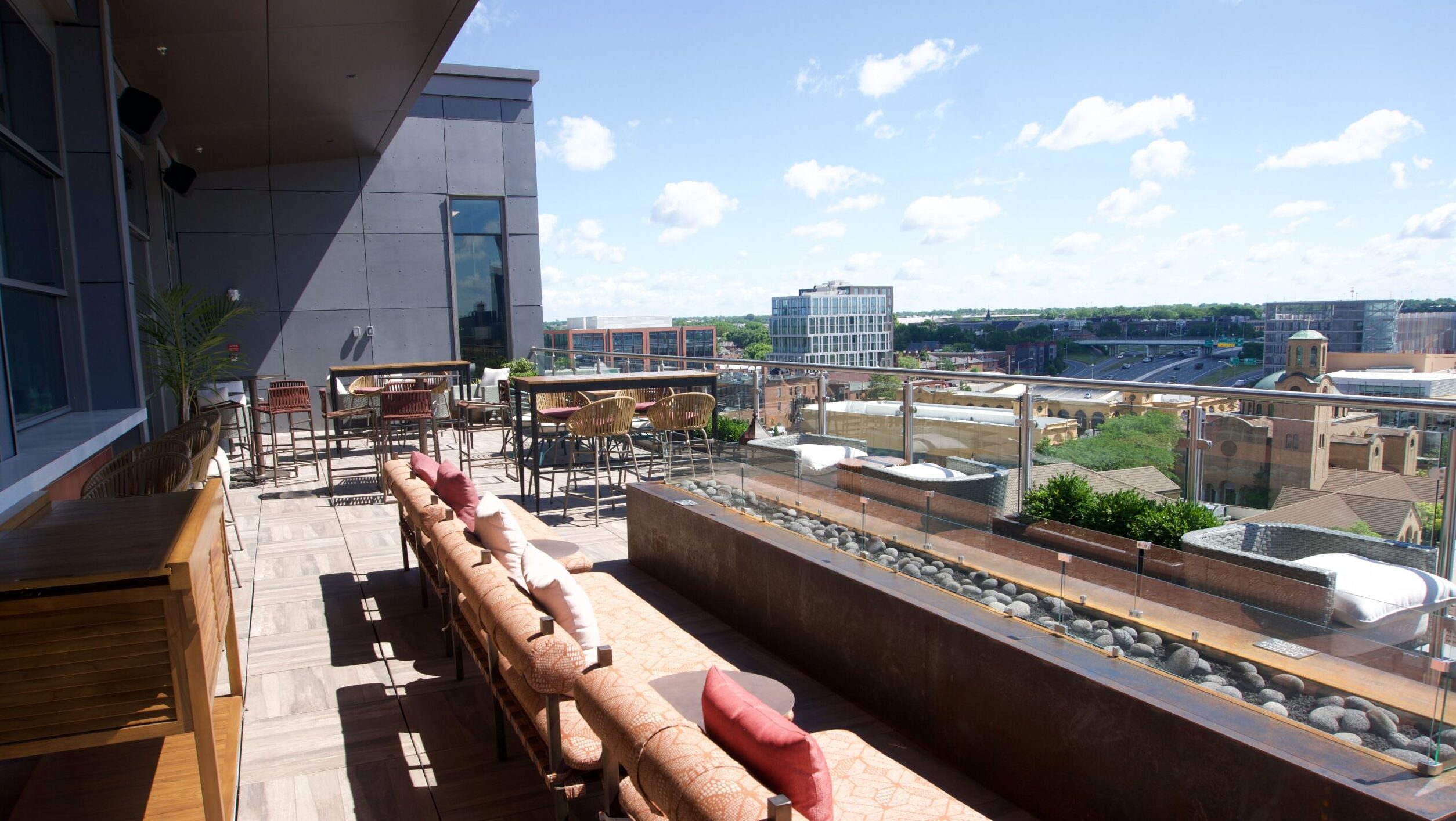
The property opened in June with 160 rooms and featuring signature AC amenities such as the communal lounge with its daily European breakfast spread and streamlined, luxurious, sustainable design. The property has an intimate 2,400 sq. ft. of event space with floor-to-ceiling skyline views; the new AC Lounge by Lumin Skybar will feature Spanish-style tapas and signature gin tonics with elevated sunset views of Part St. It’s just a ten minute drive from John Glenn International Airport, with easy access to the Greater Columbus Convention Center and other local attractions.
The phrase “self-care” floats around in a realm of terms like “wellness” and “mindfulness”—terms we most often see in the marketing of supplements and beauty products. However, most buzz words don’t get an international day of recognition from the World Health Organization, which is suggestive of the deep effects that true self-care can have on daily life. July 24th was established as International Self Care Day in 2011 to “recognize and acknowledge the need for innovative health strategies that go beyond traditional models for healthcare.”
Innovative health strategies, put more plainly, are practices that keep the human body in a state of health and vitality—effectively, preventive health care. Self-care, then is antonymous to a common western work pattern: go at full speed, ignore telltale signs of impending burnout, then treat the symptoms once they show up.
Throw What You Thought About Self-Care Out the Window
Rather than thinking of self-care as frivolous, a luxury, or even selfish—let’s take a moment to acknowledge the psychological and physical reality of being human: We only have so much energy. When it’s emptied out (mentally, emotionally or physically), we become less efficient and less focused.
This leads to stress and dissatisfaction, which also impacts our relationships, since we have less understanding, empathy and patience in this state of depletion. A self-care practice simply means establishing habits that replenish your energy so that you can direct it to the pursuits and people that matter in your life.
Self-Care for Meeting Professionals
The hospitality industry is all about taking care of people, and the concept of making an impact through small gestures, details and moments is no stranger to event planners. Turn this awareness inward to develop your own self-care strategy. Self-care includes anything that revives and replenishes you. It encompasses wellness basics such as staying hydrated, getting adequate nutrition and moving your body, but it also goes deeper than physiological necessities.
What activities or practices do you find fulfilling that are (seemingly) only for you? Would you like to start your day off getting a coffee (“for here”) from your favorite cafe? Do you ever take a full 30 minutes to sit and enjoy a mindful meal during your workday, or do you eat forkfuls of takeout as you browse your emails? Learning to take a little time for yourself—to be silent, reflect or simply enjoy what’s in front of you is a simple way to initiate self-care.
Subjects of Self-care
Countless articles will tell you to make time for a massage or a spa day, giving us the idea that self-care means indulgence. While a spa treatment could be an aspect of self-care, the practice is highly personal.
Think about self-care as any practice that feels revitalizing. Under the subject of time, this often means managing time so that we don’t feel overworked and taking breaks for clearing the mind. Physical self-care involves hydration, nutrition, fitness and recovery. Mental self-care could be allowing introspection, journaling, learning about something that interests you, doing crosswords—or anything that slows the barrage of could’ve-should’ve-would’ves.
Physical wellness practices are an especially important component because the body, when left uncared for, gives us warning signs. If ignored, they turn to illness. Our bodies are always with us, so becoming aware of how we feel in them is paramount to assessing our self-care needs. Do you feel energized, flexible and strong, or burnt out, tight and weak?
The body is an expression of the mental state—if something is off internally, it becomes external. Rather than berating your body for any lack, recognize that any discomfort is a call for attention. Perry Nickleston, a chiropractic physician specializing on performance enhancement with a healthy dose of mindfulness, reminds his patients that “pain is a request for change.”
Exercise (as you’ve heard 1,000 times) does everything from boosting immunity and keeping blood sugar stable to improving your mood, so it’s an important pillar of self-care. Don’t think you need to overcommit to five days a week in the gym, either. Incorporating exercise could mean a 20-minute midday walk, going to a fitness class twice a week, or starting with a 10-minute stretch for every couple of hours sitting at your computer. Incorporate recovery practices like foam rolling (or trying something new like a magnesium float tank) so that your exercise doesn’t turn into another stressor.
Keep It Simple
Self-care is about stress reduction, so don’t make it one more thing to get done. You can keep the practice simple by asking: What makes me feel good? What energizes me? What does my body need? How can I make things easier on myself? Take the practice seriously but lightly—and look forward to continuous, measurable improvements in both your work and personal life.
It’s late January in 2021. Covid-19 continues to disrupt meetings and travel. There is a New York blackout. A NASA scientist hunkered down in his dark garage—the only place he can get cell phone reception—gives his keynote presentation to over 2,000 attendees at the world’s largest space science conference being held virtually from Sydney, Australia.
Welcome to the wonderful world of managing meetings in a Covid-19 world!
Like everywhere, we in Australia have been hit hard by the pandemic, especially those of us who organize meetings for a living. ICMSA, one of the oldest and most established professional conference organizer in the country, has proven that over the past 16 months, we’re also one of the smartest.
Managing up to 15,000 international delegates each year meant that, in 2020, half of those meetings on our books were postponed. The other half, in sectors that move fast and where attendees need to collaborate and share research every year, went ahead virtually.
This was the case with the 43rd Committee on Space Research Scientific Assembly (COSPAR) which generally has as its attendees those who help put men and women into space. Space is big business—for both countries and more recently some of the world’s billionaires including Sir Richard Branson, Jeff Bezos and Elon Musk.
It was for this reason that COSPAR 2021 received support from the Australian government in securing the meeting for the country. When held in-person, it historically attracts more than 2,000 delegates. It had never been held virtually before, therefore, knowing how many would pay to attend was an unknown.
The Challenge of Time Zones
One of the biggest challenges in hosting a virtual international meeting Down Under is getting everybody in the one place at a suitable time.
If you’ve been fortunate enough to ever travel to Australia you know we’re a long way away from everywhere else, especially those major northern hemisphere countries which are home to so many millions of potential meeting attendees like in Europe and North America.
Particularly when it comes to watching international sports, we in Australia are used to dragging ourselves out of bed at an ungodly hour to watch a game or tournament being played somewhere else. For us, a 4 a.m. start to watch Australia take on Germany in a FIFA World Cup Football match is just something we have learnt to do, as is watching the Tour de France which usually starts at around 11pm at night and continues for the next six hours.
That may be okay in our leisure time, but would delegates from other countries be willing to do the same? To attend a virtual meeting from Sydney? When it’s 9 a.m. in Sydney, it’s midnight in London, 1 a.m. in Germany, and 7 p.m. in New York. For our northern hemisphere colleagues it’s generally the day prior as well, which makes things even more confusing.
As COSPAR 2021 Program Chair Iver Cairns explains, the desire to have a globally-accessible assembly led to the idea of presenting the scientific program in two blocks: Block 1 in the period 0715—1200 Australian Eastern Daylight Time (AEDT) and Block 2 at 1815—2300 AEDT.
“Block 1 was deemed best for the Americas, Sydney, much of Australia and Asia, and western parts of Europe and Africa. Block 2 was best for Europe / Africa, Australia and Asia (especially India and west Asia),” he said.
The traditional three-day meeting was extended to six days, but with shorter hours for each day to allow for the two blocks of presentations and for delegates to not have to sit at their computers for extended periods of time.
At its conclusion, a total of 615 sessions, each delivered twice, included more than 2,000 scientific presentations, three workshops led by Anchor Sponsor Lockheed Martin and numerous interdisciplinary sessions including a round-table with participation from representatives from all of the world’s leading space agencies. The New York-based NASA scientist keynote was a one-off but could be viewed later (as could all content).
The 615 sessions that were repeated each day were presented as prerecorded video which each had a live Q&A component at their conclusion. This meant that these presenters had to be present for both sessions to cater for northern and southern hemisphere attendees but COSPAR believed that it was a small price to pay to present their research to such a valuable international audience.
Working Harder and Smarter
We broke our staff into a.m. and p.m. teams to be on hand 24/7 for our client. Yes, it was more work but it was certainly worth it, with a total of 2,200 final delegate numbers, excellent content and a budget surplus for COSPAR.
Right now we’re planning for something similar with the 20th International Society for Soil Mechanics and Geotechnical Engineering Meeting in 2022. We are hopeful that a portion of it will be in-person but if not, we will be incorporating some of the aspects we used at COSPAR.
Another week of late nights and early mornings for our team. But, as Aussies who love their sport, we’re pretty used to it.
Emma Bowyer is the owner and managing director of ICMS Australia which has 35 full-time staff working in Sydney, Melbourne and Brisbane. In 2021 ICMSA celebrates 55 years of operation. Emma can be contacted on [email protected].
Meeting technology provider Cvent announced today that it is going public with a valuation of $5.3 billion and the ticker symbol CVT for Cvent Holding Corp. The merger with special purpose acquisition corporation Dragoneer Growth Opportunities Corp. is scheduled to close in the fourth quarter of this year will allow the 20-year-old company to raise $801 million to pay down debt and invest in product innovation.
A press release estimated the market for in-person, virtual and hybrid events at $30 billion and stated: “With more than 20 years of meeting, event, and hospitality technology leadership and an established customer base, Cvent has momentum to win substantial market share.” The company already counts 200,000 users globally.
Cvent CEO & Founder Reggie Aggarwal pointed to the accelerated digital transformation of meetings and events due to the global pandemic and the popularity of its cloud-based platform to serve as an all-in-one solution to drive live engagement across all event types. “Events became digitized through virtual and online experiences, and we invested heavily in expanding our virtual event capabilities. Now, we are engaging in a hybrid world, as in-person events resume, and virtual events remain prominent. With the increased digitization of our industry, events are ’always on’ and have fewer boundaries. My management team and our nearly 4,000 employees around the world are excited for the opportunity to continue to innovate and enable our customers to leverage Cvent across their Total Event Program.”
Investors in the trust include Fidelity Management & Research Company LLC, Hedosophia, Oaktree Capital Management L.P., and Zoom Video Communications, Inc. Zoom CFO, Kelly Steckelberg, said, “Cvent and Zoom share a common mission to bring people together through technology. We believe that Cvent’s event technology is complementary to what we offer as a video communications leader, and our organizations already have a long track record of working together as technology partners and as users of each other’s solutions. We are proud to be an investor in Cvent as it accelerates its mission of delivering engaging experiences for virtual, in-person, and hybrid events. We look forward to deepening our partnership with Cvent in the future.”
The announcement came a week before Cvent CONNECT 2021 is schedule for CAESARS FORUM. It is billed as “a living tech tour of Cvent solutions used to support a real hybrid event.”



 We’re seeing Fall 2021 continue to be the focus for the return of groups, ranging from small gatherings to potential buyout bookings. It’s a beautiful time of year in Middleburg with the weather still ideal for outdoor gatherings, which continues to be of importance to many of the planners. Our chef’s Culinary Garden is a highly sought-after al fresco venue and planners are also seeking out inspiring activities to heighten the senses, build community spirit and bring unique options for guests to explore: from treetop zip lining and championship golf, to equestrian activities at the resort stables.
 Zoom fatigue
 We’re very pleased to now consistently see meeting planners focusing on planning meetings and events again and returning to many pre-Covid practices. Inquiries have been steadily increasing and many programs are including an option to attend certain aspects virtually while companies continue to provide their employees with remote options. The resort is also seeing an increased emphasis on team-building elements outside meeting rooms, such as fun themes around golf or tennis or creative activities that our recreation staff run to build camaraderie and bonding among attendees. We’re also focusing on offering activities that translate well even if groups still have virtual attendance, such as chef cooking demonstrations or teaching classes where participants can follow our chef through a recipe and share their results via Zoom.
 Meeting planners we’re working with today have a vision for unique outdoor meetings that embrace the destination by showcasing culturally rich experiences involving local art, Jamaican cuisine, mindful well-being through tailored wellness sessions and going beyond the beach to spend a day giving back to our community. They’ve also recognized that a lot of the art in our recently launched Eclipse at Half Moon experience was created by Jamaican artists; as a result, we’re being asked to invite the artists to their cocktail events.
 We’ve seen a dramatic increase in group bookings over the past several months with a recurring goal of reconnecting attendees. Charleston is considered the most charming city in the country and our planners are seeking out opportunities to develop curated group experiences that are custom-designed to incorporate historical, culinary, art, music, shopping and outdoor exploration. Built by native Charlestonians, Hotel Bennett embodies the spirit of the destination and we strive to provide what these groups are looking for—an authentic and luxurious gateway to experience a world-class city.
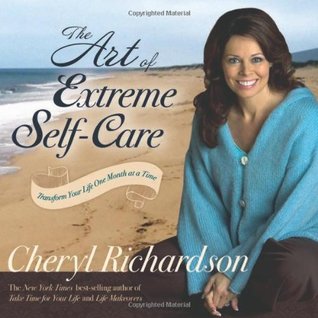 Cheryl Richardson, author of