With monumental views of the National Mall, unique meeting venues and the wonderful combination of rich history and thriving neighborhoods of innovation, it’s easy to see why meeting planners are choosing Arlington, Virginia, as the destination of choice in the capital region.

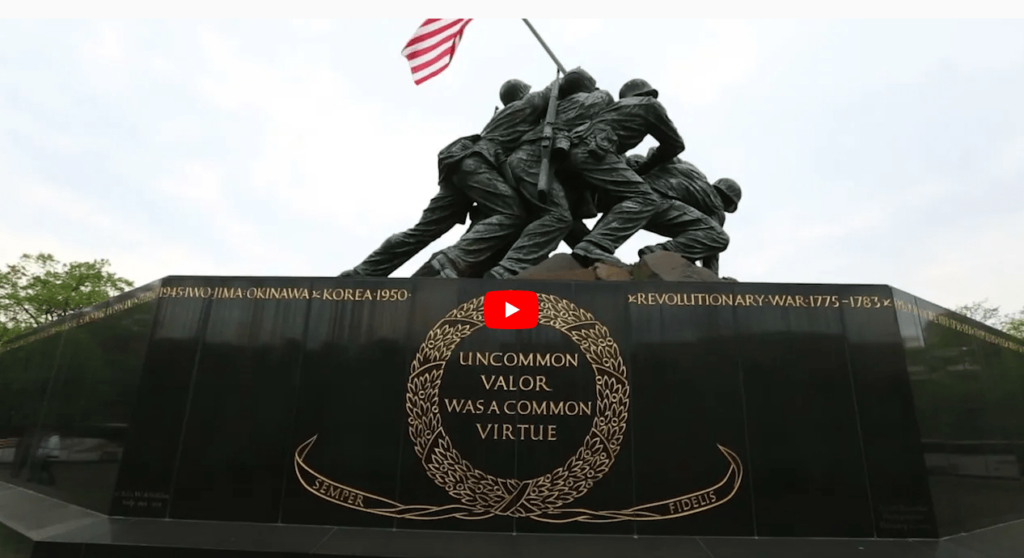
Arlington’s 38 hotels are all conveniently central to businesses and attractions throughout Washington, D.C., Maryland and Northern Virginia, and each one is only steps away from a unique combination of national history, local culture and unexpected fun. From treasured attractions like the Marine Corps War Memorial (Iwo Jima), Arlington National Cemetery, the Air Force Memorial and the National 9/11 Pentagon Memorial to our stunning skyline, global dining and activities for attendees during down time, Arlington truly has something for everyone.

“Arlington is known for its proximity and convenience to the nation’s capital, but our meeting planners soon realize there’s so much more to see and do,” said Portia Conerly, Director of Sales for Arlington Convention & Visitors Service. “From world-class shopping and diverse dining to a wonderful arts scene, visitors can get an entirely new capital experience right here in Arlington.”

Meeting planners need look no further than Arlington for an array of hotel options for groups of any size – many located just a short distance from Reagan National Airport and easily accessible to downtown D.C. via Metro. After all, since Arlington was originally part of the “10 miles square” designated for the nation’s capital city, it offers you the convenience of being minutes away from all major D.C. attractions but with hotel rates averaging 20 percent less than those downtown.  Check out the Hyatt Regency Crystal City, Arlington’s largest hotel, with 686 guest rooms and 53,000 sq. ft. of meeting space, or the newly renovated Crystal Gateway Marriott, which features 701 guest rooms and 38,000 sq. ft. of meeting space.   In the Rosslyn neighborhood, just across the bridge from Georgetown, meeting planners love the convenience of the Hyatt Centric, conveniently located just a block from the Rosslyn Metro station.

Newly reopened are both Arlington House on the grounds of Arlington National Cemetery, home of Robert E. Lee and his family prior to the Civil War, and the DEA Museum, which takes visitors behind the scenes to tell the history of the war on drugs. Meeting attendees can also find myriad creative activities for teambuilding or leisure time, as well as many options that are only found right here in Arlington.

And there’s plenty for attendees to see and do after the sun goes down in Arlington as well. Check out spectacular theatre at the Tony Award-winning Signature Theatre or book a reception for attendees at the Arlington Arts Center. For a unique dining destination, visit the new Assembly food hall in the Rosslyn neighborhood, with plenty of space for meeting attendees to network. And for a truly monumental experience, invite your attendees to a reception at any of Arlington’s venues with amazing views of the D.C. skyline. It’s an experience convention goers will talk about for years to come.

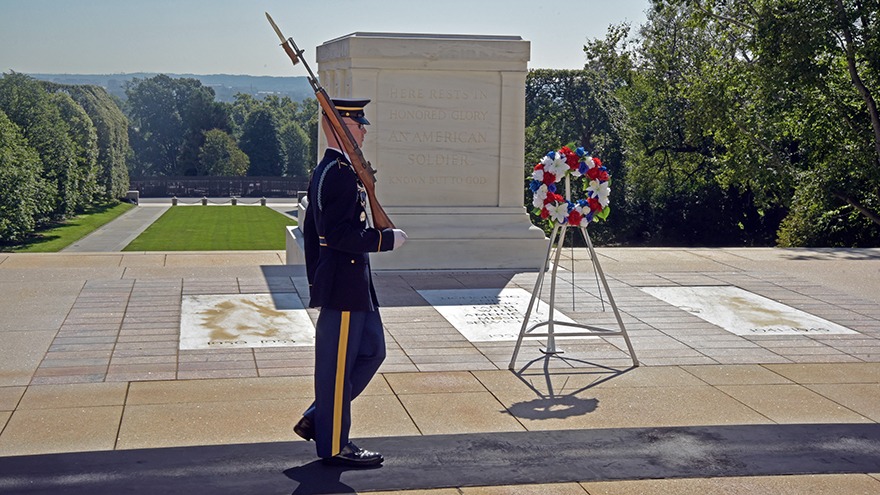
A marine holding a bayonet marches in front of a soldier's grave in Arlington

Editor’s Note: Visit Seattle has since announced its new CEO, Tammy Blount-Canavan.

Tom Norwalk has ended his 15-year tenure with Visit Seattle. He was the organization’s president and CEO.

“This has been a dream come true for me and my family. I have always been honored to promote and represent my hometown around the world. Seattle’s future is so bright—and industry recovery so close,” Norwalk said. “I will be watching from the sidelines—cheering like crazy for the Emerald City.”

Before heading off, Norwalk achieved the unanimous passage of an increase to the Seattle Tourism Improvement Area (STIA) assessment, signed by Seattle Mayor Bruce Harrell, allowing the city to greater promote leisure travel as the city continues to recover from the pandemic.

Norwalk joined Visit Seattle as senior vice president of sales and marketing, and was promoted to president and CEO in 2008. Before Visit Seattle, Norwalk held marketing and leading roles with Seattle Hospitality Group, Four Seasons Hotels & Resorts and The Golf Club at Newcastle. His career began with Washington Plaza Hotel, now Westin Seattle, in the catering and banquets division.

Read MoreSite Inspection: New Views for Seattle Meetings

Norwalk’s colleagues had stellar things to say about working with him and his achievements in Seattle.

“During his tenure, he has always supported the Seattle Hotel Association and its members,” said Bill Weise, general manager of Silver Cloud Hotel-Seattle Stadium and president of the Seattle Hotel Association. “He has made sure that Visit Seattle’s marketing efforts were always geared toward all hotel members large and small. He understood that the smaller hotels, the non-franchised hotels had different needs and wants than the larger, big box franchised hotels and he made it fair to everyone concerned.”

“It’s ceremonious that Tom ended his tenure with the passing of the STIA assessment, ensuring our destination’s future success” said Kevin Clark, chair of the Visit Seattle board of directors and CEO at Argosy Cruises. “But for those who have the privilege to work with Tom, it’s not a surprise. Tom has committed his career to bettering our city. His bright leadership, strategic vision and unmatched service has cemented Seattle’s place as a leading global destination. And Tom will be remembered as an all-time great Seattleite.”

Visit Seattle is on the search for Norwalk’s successor, which is scheduled to be announced in spring.

Smart Meetings spoke to Norwalk at the end of 2021 in his downtown office to talk about his legacy, three things all groups should experience when they visit and his predictions on NHL’s Seattle Kraken.

When does a webinar cross the line into an experience? How do you make virtual meetings immersive? Can a hybrid meeting deliver the same—or more—impact than a contained ballroom? Hubilo demonstrated the answer to these and other questions in its Mastering Immersive Experiences (MIX) 2022 hybrid event this week.

The day-long presentation mixed content from three in-person hubs—San Francisco Bay Area, New York City and London—along with thousands making up the remote audience from around the world. Live and recorded virtual panels shared a vision for a how to transform events into experiences.

A celebrity guest (teaser for The Office celebrity Mindy Kaling below), DJ and meditation exercise was a nod to the human element of gathering. Polls and chat in the app kept everyone engaged.

The Transformative Answers

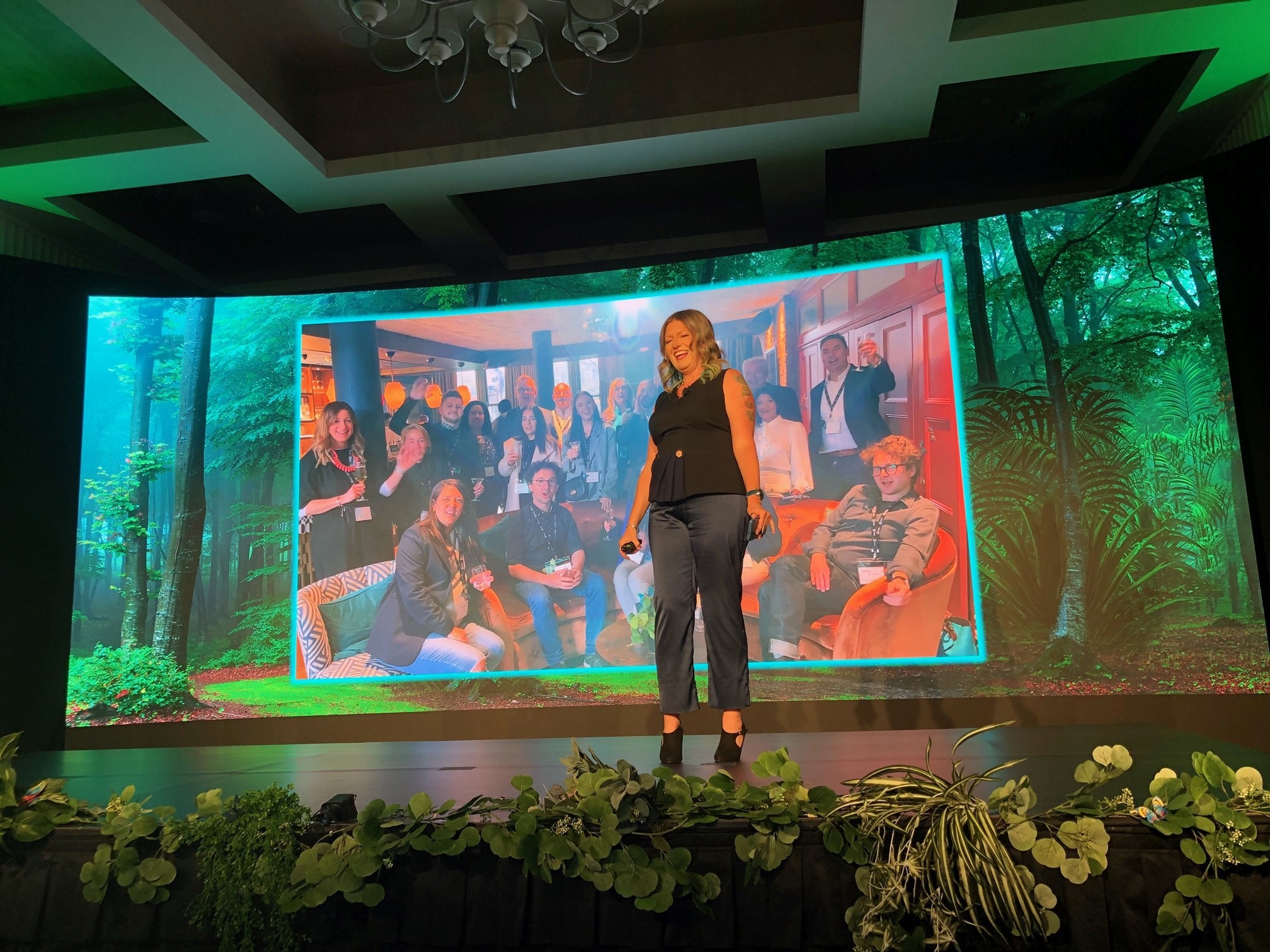
Rachel Moore stands, a blonde woman in black formal wear, on a stage decorated with faux plants in front of a projector
Rachel Moore, senior director of social and broadcast media, Hubilo

A wall-sized LED screen with rich tropical graphics was the window to bring virtual content to the live audience with help from moderators at each gathering.

Vaibhav Jain, founder and CEO of Hubilo, kicked off the existential questioning. “I understand how hard the last few years have been, but somehow we, like you, managed to pull off miracles. How does that happen?” he asked rhetorically, referencing the pivot his company made from event management to building a platform in a matter of a month.

Then he answered his own question. “Someone, usually an event planner, has to have incredible creative vision paired with strong work ethic. They can think across the worlds of art, design and technology. They can summon the brilliance to pull off miracles.”

He explained that today meeting professionals are the epicenter of marketing strategies, driving brand interest, meaningful community, loyalty, growth and demand. Meeting professionals have the power of data. They know what people are interested in, when, why and how.

Events are now global and diverse, widening their reach and bringing in new micro-communities that had not engaged before.

But it wasn’t easy and adopting new technology can still be a challenge, he acknowledged. “How many hits can you take, how much sleep can you lose? How many weekends can you give up?” he asked.

His vision is to offer a platform with dedicated client experience teams, a mobile broadcast studio, real-time analytics and easy links to existing marketing systems to simplify branding and enable personalized event journeys and hyper-targeted campaigns.

The goal is turning events into can’t miss experience without the planner having to worry about the technology. “When purposeful content combines with immersive experiences it is powerful; we call that #hubilove,” he concluded.

Read more about how going virtual helped West Hollywood, California, connect to its community.

Personalized Responses

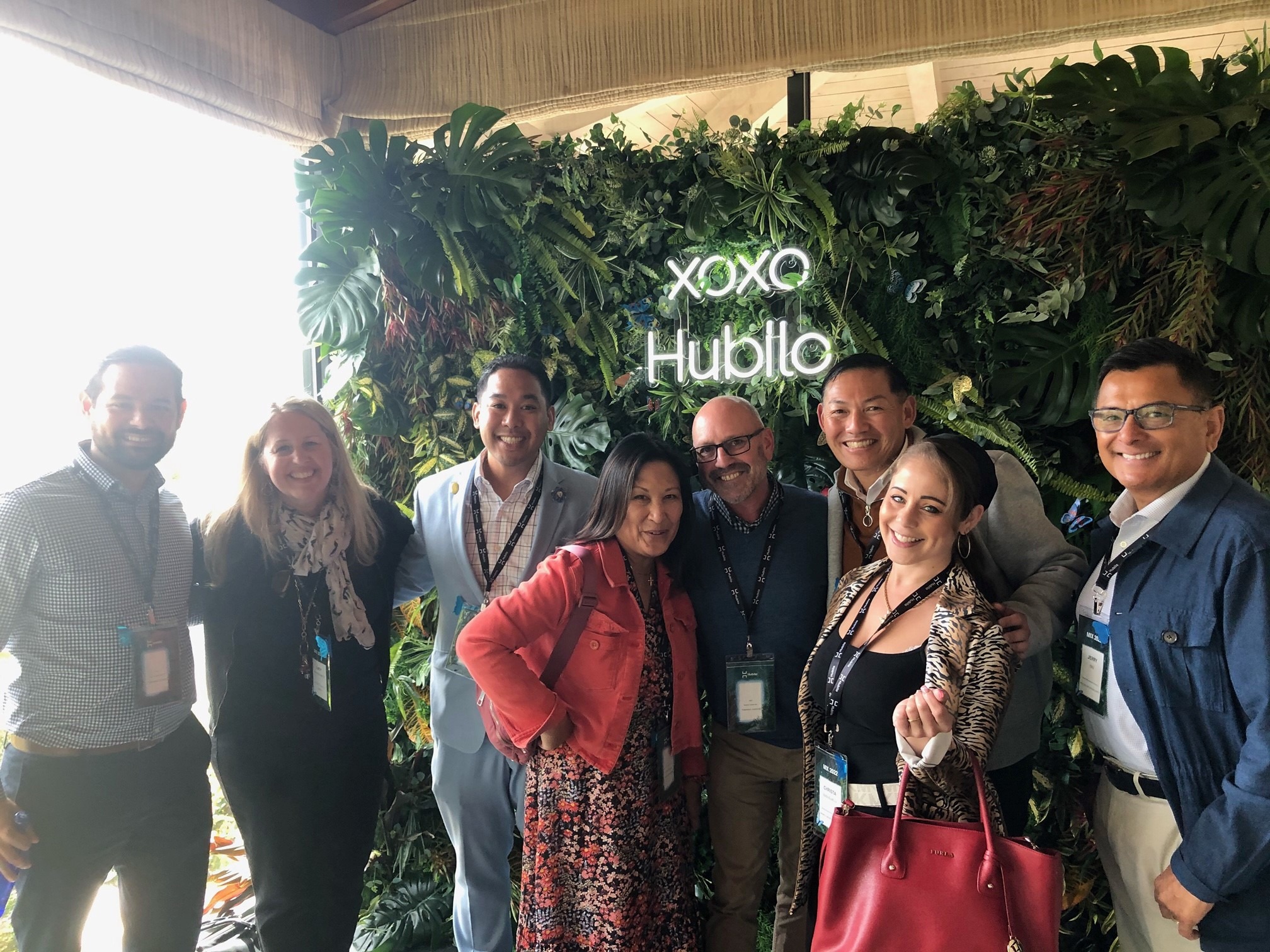
A group of attendees from Hubilo's MIX event standing in front of a Hubilo neon sign and faux plant wall.

Real-world planners shared how they are using the tools to personalize events and increase audience attendance and engagement. Duncan Reid, CEO and co-founder of Reset Connect, joined RD Whitney, CEO of 365 Media and founder of community with Leaders Institute, to explain how they are adopting the Netflix model to mine the rich data virtual meetings offer first and adjust the in-person agenda based on that insight to better anticipate participant needs. This asynchronous model can also be simpler to plan and execute.

Reid deploys a webinar on a topic first to monitor behavior (when people drop off and what questions they ask). Then he knows what to deliver in person.

“The success of an event is about the connections you make and business you can do and the longer people stay, the more connections are made,” Reid said.

“Personalization makes everything stickier,” he said.

Whitney marveled at the incredible convergence happening between online learning, in-person gathering and identification of interests to funnel down to micro-community.

“The amount of innovation in last 20 months in terms of minimal viable community has made technology simpler, more accessible and lower risk,” he said.

The pair left the audience to answer the question of how meetings can adopt the behavioral science tricks that have been mastered by game designers, cable television and movies to personalize and engage in a way that keeps them coming back.

Learn about the next wave in virtual meetings: language interpretation.

The Ambition Project

A woman in a red dress sits in a white armchair with another woman projected onto the screen behind her
Cathy Song Novelli virtually sitting down with Mindy Kaling

The featured speaker, writer, director and actor on shows such as The Office and The Mindy Project, Mindy Kaling, brought the feels with question formatted the way her “Never Have I Ever” show reveals character through details.

On the question of setting expectations, she answered with more questions.

Cathy Song Novelli, Hubilo senior vice president of marketing and communications, asked her: “Do you set realistic expectations so you aren’t disappointed or have huge ambitions and fail a lot?”

“I ask, ‘Why not me? Why can’t I do it?’” she said.

“Just because I haven’t seen someone who looks like me do it before is not a good reason,” she said. “We have stories to tell.”

What is the best way to advance to the highest levels in any field? Kaling had an answer for that as well. “Having someone that people respect believe in you is so important,” she said. “Championing others is a risk that can pay off big time.”

Her final piece of advice: “Sometimes you just have to put on lip gloss and act like you are psyched. Life is hard and rarely are all parts of life going well. Even if I’m not feeling it, I owe it to the people in my life to show up and pretend I am.” Then she paused. “If you do it convincingly enough, you might find you actually like it.”


For over 100 years, The Broadmoor, in Colorado, has been honoring their guests, tradition, and business so that you can highlight yours. With the addition of Bartolin Hall, The Broadmoor introduces the long-awaited “Convention Center at The Broadmoor.”

Broadmoor Hall, International Center, Colorado Hall and Bartolin Hall offer over 200,000 square feet of flexible convention and exhibit space. Combine this with the additional breakout, and boardroom venues throughout the property, and The Broadmoor now boasts a total of over 315,000 square feet of indoor and outdoor adaptable, flexible function areas. As the longest-running Forbes Five-Star, AAA Five-Diamond property, The Broadmoor continues to cultivate relationships in the meetings industry by incorporating cutting-edge industry necessities.

Choose between 784 guest rooms, suites, cottages, brownstones, and Estate House at The Broadmoor.  Each accommodation features elegant touches and thoughtful amenities that have enchanted guests for over 100 years. Each luxurious retreat features either one king or two double beds, plush furnishings, and an array of modern amenities.

The Seven Falls, a tall series of waterfalls, near The Broadmoor in Colorado

The Broadmoor and The Broadmoor’s Wilderness Experiences are the perfect destinations to enjoy a temperate climate consisting of 300 days of sunshine and low humidity. From horseback riding along scenic mountain trails to rock climbing instruction, tee off with the pros on two legendary golf courses, or perfect your swing with our award-winning pickleball and tennis program. Thanks to the beautiful year-round weather, visitors to The Broadmoor spend much of their time outdoors: hiking, golfing, ziplining, mountain biking, fly fishing or simply relaxing.

Nestled in the elbow of Cheyenne Mountain, nature’s playground is knocking at our back door. Whether you choose to hike the Chamberlain Trail on your way to The Broadmoor or climb the 224 steps to the top of Seven Falls, trail systems are plentiful and within walking distance from The Broadmoor’s main campus. At The Broadmoor, that means endless authentic adventures and activities to discover in any season.

With an abundance of restaurants, cafes and lounges, The Broadmoor has a wide variety of distinctive and award-winning dining. Fully customizable menus offer groups a myriad of carefully crafted options to suit discerning tastes and dietary requests.

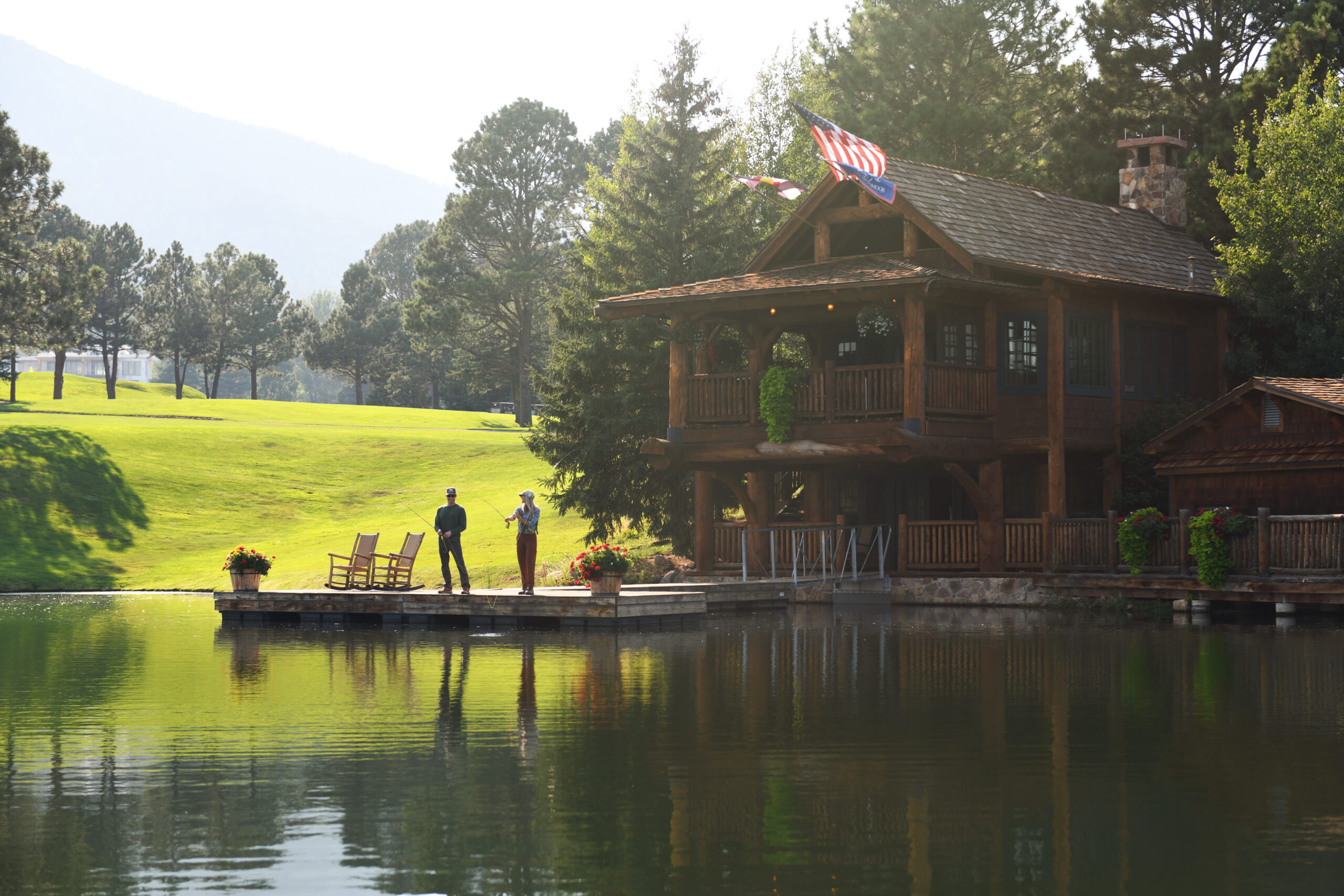
A wooden cabin with a fishing pier on a small lake next to a lawn

The journey to whole-body wellness transports us to unexpected places, both physically and mentally. The Spa at The Broadmoor is known internationally for innovative services and integrated approaches to health and relaxation.

Colorado Springs Airport (COS) is 15 minutes from the resort and offers over 4,900 seats a day for passengers via Southwest Airlines, American Airlines, Delta, Frontier and United. Denver International Airport (DIA), 70 minutes north of Colorado Springs, hosts more than 1,600 national and international flights daily.


“Scarcity will be a critical issue for car rentals in 2022. There simply aren’t enough cars to meet corporate demand,” said Sesilia Kalss, senior consulting manager of Global Business Consulting for American Express Global Business Travel (GBT) in the company’s latest white paper, Business Travel in 2022.

This is just one of the things anticipated to drive change in business travel in 2022 and beyond. Kalss and six other experts from areas of the travel realm weigh in on what transformations they see taking place in the year ahead.

The Travel Manager’s Role Is Changing

Prior research from GBT found that internal meetings are anticipated to show the greatest growth this year, compared with in-person meetings, in general. This growth will include more involvement from travel managers.

“Blurring lines between professional and personal lives means travel and mobility become more central to traditional HR issues: employee experience, well-being, company culture and retention,” said David Reimer, executive vice president of global clients and general manager of The Americas. “Increasingly, travel managers will need to work with leaders and colleagues across multiple functions to tackle new challenges.”

Reimer said that with the pivoting nature of the role, the case can be made to include the travel manager in discussions at the C-suite table. “The program owner should at least be included in the initial policymaking conversations, rather than handed decisions at later stages. They should be more active, less passive,” he added.

Travelers Need Confidence

“Travelers are only happy and productive if they have a positive experience,” said Raksa Ouk, vice president of digital strategy. “For that to happen, they need to feel looked after throughout the lifecycle of their journey.”

GBT cited a study by SAP Concur, in which 700 global travel managers expected corporate travel guidelines or policies to change in the next year. Real-time updates (54%) and pretrip vaccination requirements (51%) were among the top policies.

“Travel managers can give travelers assurance by using technology and tools to keep them informed at every stage—as they plan and book a trip, before they go and while they’re on the move—putting all the information they need at their fingertips,” Ouk continued. “Feeling that they’re supported when away from home can boost travelers’ confidence and improve well-being.”

Sustainability Efforts Will Continue

A person hold a papier-mache Earth and some green leaves

Hotel conglomerates like Marriott International have unveiled commitments to net-zero carbon emissions by 2050. Targets like this are only gaining more steam.

“In 2022, we can expect to see companies intensify efforts to demonstrate real progress on reducing carbon emissions, including Scope 3 (travel) emissions,” said Nora Lovell Marchant, vice president of global sustainability.

Despite this effort, travel will remain important to organizations, which will prove to be a problem. “The dichotomous demand for travel and carbon reduction presents a big challenge,” Marchant said. “But there are also significant opportunities as we explore how to drive the investment and innovation needed to achieve zero-emissions travel.”

She said travel managers will need to work closely with stakeholders and partners to identify the best ways to reduce travel-related emissions. “As we saw during the pandemic, our industry can be resilient, resourceful and collaborative—now we need to take these strengths to tackle [climate change], the biggest challenge facing our planet and our sector.”

Read MoreRe-incorporating Sustainability into the Future of Meetings

Travel Can Drive DEI Progress

“In 2022, supplier diversity will be a core theme for corporate travel,” said Tonya Hempstead, vice president of diversity and inclusion. “Expect to see the most activity on supplier diversification in the hotel, meetings and events and ground [transportation] categories.”

GBT defines a diverse supplier as “a business that is certified to be at least 51% owned, operated and controlled by a person of diverse background, including racial and ethnic minorities, women, veterans, LGBTQ+, people with disabilities and other underrepresented minority populations.”

“A supplier diversity—or inclusive procurement—policy is a tangible way to support companies in tune with your values,” Hempstead continued. “Every dollar spent with a minority-owned caterer, accommodation provider, conference venue or chauffeur service can help that business grow stronger.”

A Rocky Return to Aviation

An unbranded airplane flying above the ocean at sunset

“While bookings remained resilient in some countries, the initial effects of Omicron have been to dampen recovery, particularly in Europe,” said Jeremy Suan Yee Quek, principal global air practice line lead. “That said, airlines should still have grounds for guarded optimism about the year ahead.”

Quek noted that by the end of November 2021, the North Atlantic air corridor, the route that runs between the United States and United Kingdom, saw bookings double, thanks to eased United States entry requirements. “As a result, carriers could slowly ramp up capacity between American cities and European capitals,” he continued.

Read MoreWhat Meeting Profs Get Wrong About DEI—and How to Start Fixing It

Hotel Recovery Will Gain Momentum

Recovery momentum we saw in 2021 should continue in 2022, according to Nina Marcello, principal of global hotel practice. Although, this outlook depends on the actions of governments, she added. “A key lesson of recent months is that when governments ease restrictions, travel is swift to return.”

With increased hotel demand comes increased rates. “While many hotel groups have been willing to extend 2021 rates for 2022 programs, travel managers should not expect to find many opportunities for rate reduction without substantiated spend,” she said. Marcello added that returning business travelers will be competing with tourists for the same rooms.

Shifting Ground Transport Methods

“The biggest factor in the car shortage over the next year will come from the global semiconductor shortage and its impact on auto production,” said Kalss. According to Gartner Inc., the chip shortage is expected to continue until the second quarter of 2022.

This concern is driving the trend to electric and hybrid vehicles. “This shift is set to intensify in 2022 as global rental companies ramp up their commitment to EVs,” she continued.

One innovation she said to watch for is increased interest in mobility-as-a-service (MaaS), already the core model behind companies such as Uber, which uses an app to access its services. “However, the lack of globally consistent technology standards is preventing MaaS from fulfilling its potential,” Kalss said.

She pointed to Finland, the inventor of MaaS, as an example. The country is already miles ahead, having combined public transport, taxis, ridesharing and the use of private care in a single digital service.

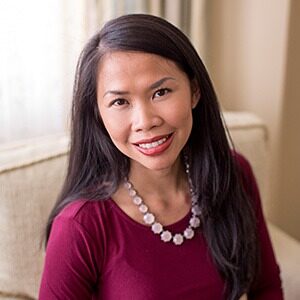
Sheila Buciuman

A portrait of Sheila Buciuman. She is an Asian woman with long black hair and a magenta blouse

The Ritz-Carlton, Half Moon Bay promoted Buciuman to hotel manager. She has been in hospitality for almost two decades, at mostly Ritz-Carlton properties. Buciuman was most recently director of operations at The St. Regis Atlanta and was a rooms operations executive for several years at The Ritz-Carlton, Atlanta.

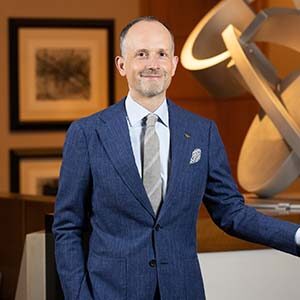
Markus Lindner

A portrait of Markus Lindner. He is a balding white man with a stubbled beard and blue suit

Mandarin Oriental, Boston promoted Lindner to general manager. Previously, Lindner was hotel manager at Mandarin Oriental, Geneva in Switzerland. For more than 20 years, Lindner has moved his way through the hotel industry, starting in food and beverage roles in Germany, his home country. Lindner has been food and beverage manager for Mandarin Oriental, Paris, director of food and beverage at Mandarin Oriental, London and more.

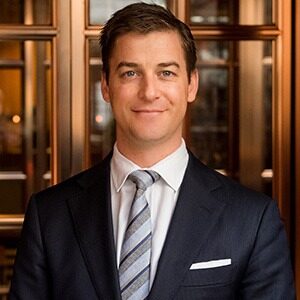
Timothy Lee

A portrait of Timothy Lee. He is a white man with combed brown hair and a black suit

Lee is now hotel manager at Rosewood Phuket in Thailand. Most recently, he was director of rooms and director of front house at Rosewood London, where he served for six years. Lee brings 15 years of hospitality leadership experience to the new role. He has held management roles at The Lanesborough in London, Hyatt Regency Qingdao in Shandong, China and more.

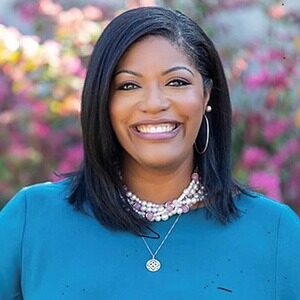
Tenille Perry

A portrait of Tenille Perry. She is a black woman with shoulder-length straight hair, white necklaces and a blue blouse

Kimpton Sylvan Hotel appointed Perry to director of sales and marketing. For the last 20 years, Perry has become a sales leader across the southeastern United States and southern Ontario at several major hotels and hospitality companies, such as Marriott International and Hilton. Over the last 20 years, Perry has become experienced in catering, meetings, events and hospitality sales and marketing. Perry was most recently director of sales and marketing at Ellis Hotel, Atlanta, a Tribute Portfolio Hotel by Marriott.

Michelle Bruno, MPC, CEM, CMP

A portrait of Michelle Bruno. She is a blonde white woman with a dark t shirt over a long sleeved white shirt

Bruno is strategic consultant at the virtual business events company, DAHLIA+Agency, in Melrose, California. Bruno is also president of Bruno Group Signature Solutions, a self-started business that provides content and content and technical marketing for tech companies. Bruno has been in events since 2008, remains a publisher at Event Tech Brief in Salt Lake City, Utah and has worked for GEP Utah as director of operations, where she managed event managers for the DMO.

Michael Berk and Brian Ciemnicki

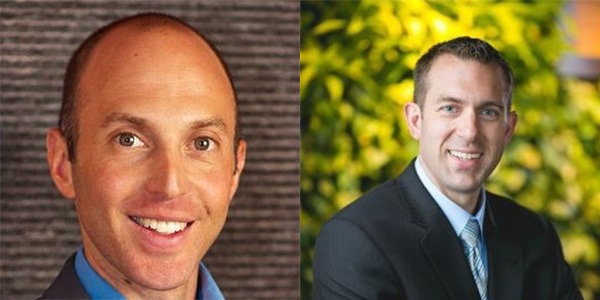
Two portraits of Michael Berk and Brian Ciemnicki. Berk is a balding white man, and Ciemnicki is a white man in a black suit

Hyatt Centric Downtown Minneapolis welcomed Berk as general manager and Ciemnicki as director of sales.

Berk brings over 20 years of hospitality and hotel leadership experience to the Hyatt property as its general manager, a position he officially began in 2020. He was previously assistant general manager and hotel manager at The Grand Hotel Minneapolis and Hyatt Centric Downtown Minneapolis.

Ciemnicki also brings more than 20 years of experience. Most recently, Ciemnicki was director of sales and marketing at The Westin Minneapolis. He started his career by working up to director of sales at Wyndham Gardens hotel and has since held several senior sales management positions and sales directorships at hotel properties in Cleveland, Chicago and more.

Valerie A. Garcia

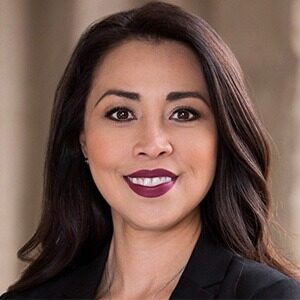
A portrait of Valerie A. Garcia. She is a brown woman with long dark hair and dark red lipstick

Visit El Paso appointed Garcia to director of sales. Garcia was previously director of development at Texas Tech University Health Sciences Center, also in El Paso, Texas. With more than 15 years of experience in hospitality, meetings and sales, Garcia has worked for Hotel Paso Del Norte, Autograph Collection, multiple Texas hospitality companies and Holiday Inn Express, where Garcia served as director of sales and marketing.

Michelle Flippo

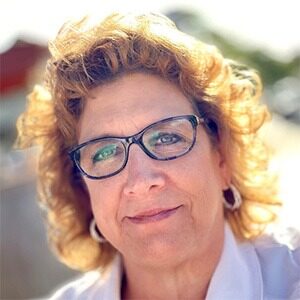
A portrait of Michelle Flippo. She is an older white woman with curly blonde hair, square glasses and a white suit jacket

Visit Oxnard promoted Flippo to operations and sales manager. Flippo was most recently office manager for the organization, a position in which she worked for nine years, and has over two decades of sales and marketing leadership experience. Flippo has been sales and reservations coordinator and supervisor for Briarstone Manor Banquet and Catering Center and held several additional roles.

Keith Siebenaler

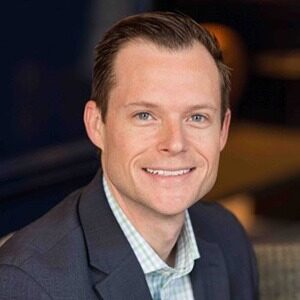
A portrait of Keith Siebenaler. He is a white man with combed brown hair and a dark grey suit

Kimpton Hotel Born Denver named Siebenaler to general manager. A Kimpton veteran, Siebenaler joins the Denver property from Kimpton Schofield Hotel in Cleveland, where he served as general manager. Siebenaler also recently held the role of assistant general manager at Kimpton Gray Hotel in Chicago. Earlier in his career, Siebenaler spent 13 years at Fairmont properties across Chicago, Washington D.C., Baltimore, Cleveland and Waimea, Hawaii.

Gemma Fortier

A portrait of Gemma Fortier. She is a white woman with short wavy black hair and a lacy black blouse

Fortier is now general manager of Hotel Windrow, Ellensburg, Washington’s historic, boutique property. Previously, Fortier was Hotel Windrow’s director of operations. She has been front-of-house manager at Swiftwater Cellars restaurant in Cle Elum, Washington, as well as assistant general manager at San Fermo, a Seattle restaurant. Fortier brings over 15 years of management, sales and hospitality experience to the new role.

Son Hoang Le

A portrait of Son Hoang Le. He is an Asian man with combed black hair in a white collared shirt

Le joined Alma Resort Cam Ranh in Vietnam as director of sales. Le was most recently director of sales at Caravelle Hotel Saigon, a property in Ho Chi Minh City, Vietnam. He enters the role with 16 years of hospitality sales, events and operations experience. Le has held the role of banquet sales executive at Caravelle Hotel Saigon, corporate sales executive at Nikko Saigon Hotel and more.

Karin Kopano

A portrait of Karin Kopano. She is a blonde white woman with a black sleeveless dress

Hard Rock Hotel New York, debuting this April, named Kopano managing director. Kopano was previously managing director at The Knickerbocker Hotel in New York City. She has 25 years of experience in hospitality operations and management across the U.S. Kopano has held the position of area general manager for Downtown LA Proper hotel, general manager at Baron’s Cove in Long Island, New York’s Sag Harbor and many more.

Audrey Brinkman

A portrait of Audrey Brinkman. She is a young white woman with long blonde hair and a black blouse

Visit Mesa in Arizona appointed Brinkman to executive assistant and office manager. Brinkman enters the new role from Enchantment Group, a hospitality collection based in Scottsdale, Arizona, where she worked as a sales specialist. Brinkman has almost 10 years of experience in events, hospitality, sales and management. She has served as catering manager at Peninsula Golf & Country Club in San Mateo, California, director of sales and marketing at Interstate Hotels & Resorts (now Aimbridge Hospitality) and more.

John R. Melleky

A portrait of John R. Melleky. He is a brown man with short grey hair and a grey suit

Office of the Naples, Marco Island, Everglades Convention & Visitors Bureau in Florida welcomed Melleky as its arts and culture manager for its tourism division. For nearly 25 years, Melleky has worked in hospitality operations and business development, and he has held roles at Fiesta San Antonio Commission, University of Richmond and more. Most recently, he was principal of FiG Solutions in Bonita Springs, Florida.

Marriott International is moving into wild new territory. In partnership with Baraka Lodges Ltd., the international hospitality brand will open JW Marriott Masai Mara Lodge in the National Reserve of Narok, Kenya, an African wildlife conservation and wilderness region. The retreat is slated to open in 2023.

“As a brand rooted in mindfulness, we cannot think of a more perfect retreat for the mind, body, and soul than the Masai Mara National Reserve in Kenya,” said Bruce Rohr, JW Marriott vice president and brand leader.

JW Marriott Masai Mara will feature 20 private tents, including one presidential pavilion and two interconnected canopied suites. The property will also feature a restaurant, lounge and bar, spa and an outdoor terrace with fire pits. According to the company’s press release, the landscape will provide guests with the opportunity to observe several of the reserve’s local animals, lions, leopards, buffalos, rhinoceroses and elephants.

Between June and September, the reserve provides a front row seat to the annual wildebeest migration, an 1,800-mile traverse or more than 10 million animals from the Serengeti.

Read MoreMarriott Takes a Giant Leap for the Planet, Commits to ‘Net Zero’ by 2050

“JW Marriott Masai Mara Lodge will offer guests a luxurious backdrop to make once-in-a-lifetime memories as they connect with nature and wildlife as never before,” Rohr added. “We are thrilled that the JW Marriott brand will be welcoming adventure travelers…to this breath-taking part of the world.”

This isn’t Masai Mara’s first foray with hotel properties. Virgin Hotels’ Mahali Mzuri Camp, part of its Limited Edition Luxury collection, is a 12-tent luxury safari camp in the private Olare Motogori Conservancy. Each two-person tent features a bathroom and private deck, all which surround a main tent.

Hippo sighting while on safari (Credit: Gretchen Kelly)

Breakfast and lunch are served at the property’s lounge, which comes in the form of a large outdoor deck with a fireplace, which lends itself to fantastic views of the region’s various animals such as zebra, giraffe, impala and gazelles—as does its outdoor heated infinity pool. Twice-daily game drives are available for group members who don’t think views from the property are intimate enough.

More Marriott-Based Experiences

Other Marriott properties, such as Lake Club at The Ritz-Carlton, Lake Tahoe, in California, offer incentive-worthy outdoor experiences closer to home. Lake Club accommodates private overnight gatherings for groups of up to 40.

Team members will find all the lakefront amenities conducive to a time well-spent among colleagues. The property offers an open-air whirlpool, access to MasterCraft boat rentals, private beach access and a pier for kayaking and paddleboarding. All this adventure includes access to the comforts of The Ritz-Carlton, Lake Tahoe restaurants and accommodations.

More than 2,000 meetings industry folks gathered at Gaylord National Resort and Convention Center for the launch of Business Events Industry Week, a concentration of events designed to illustrate the Power of Purpose exercised when people come together.

The 3 days of gathering started with Destinations International’s Convention Sales and Services Summit, covering everything from trends in what is important to attendees today to tips for planning more inclusive events. “The future of events will be values-based,” predicted Halle Weinberg, general manager of destination engagement with Maritz Global Events.

In a later panel, LaToya Williams, global account manager with Helms Briscoe, shared that clients are often sending out a Request for Information before a formal Request for Proposals to find out if the destination is addressing key issues such as inclusion before putting the city on a short list for serious consideration. This is an indication of how serious planners are getting about addressing social issues: “It isn’t a yes or no answer. Our client needs real examples,” she said.

Read about all the meeting options available at National Harbor.

Don Welsh, CEO of Destinations International, explained the emphasis on partnership this way: “We have had so many challenges due to the global pandemic, but through collaboration and commitment, we know we will shine bright through recovery.”

Listen to a conversation with Don Welsh about why he is passionate about the hospitality industry.

Events Industry Council produced its hybrid Equity Task Force workshop on-site; International Association of Exhibitions and Events staged its Women’s Leadership Forum on Thursday; and PCMA honored industry leaders at a gala Visionary Awards ceremony (see the winners below) Thursday night.

Destinations International and PCMA closed out the week with their co-produced Destination Showcase education and trade show event in an expo hall looking out over the Potomac featuring 90 destinations from across the country giving updates.

The Power of Purpose

The keynote was delivered by Roy Spence, co-founder and CEO of The Purpose Institute. He reflected on his time running one of the country’s top advertising agencies and now, at the head of a consulting business that helps some of the largest companies in the world discover, articulate and bring to life their deeper purpose. He started with a shout out to meeting professionals.

“Humanity is in your hands. When you bring people together, that is powerful,” he said. “You can’t shake hands over Facebook. Now we know meetings are meaningful. Hugs are powerful.” Stuff doesn’t get done unless people talk to each other, he said.

Download the White Paper to find out how Meeting Professionals are working with destinations to add value.

In 2019, Spence launched what he calls The Promiseland Project, a grassroots campaign to bridge cultural divides in America and overcome political divides by getting people to talk to each other.

He ended with a call to action. “There is a Thank You Gap in this country. We need to thank people more. Be extra kind to everyone you meet because everyone is dealing with something.”

Listen to a conversation with Sherrif Karamat about how he defines leadership.

Sherrif Karamat, president and CEO of PCMA, verbalized his motivation for bringing all these groups together, an idea that actually started four years ago. “We wanted to bring the world to the U.S. capitol to foster commerce and community and get smarter by coming together. We drive economic good and social change,” he concluded.

2022 Visionary Award Winners

In a gala ceremony at Gaylord National Resort and Conference Center the industry came together to honor the leaders who helped move everyone forward.

A portrait of Mary Pat Heftman. She is a white woman with shoulder-length greying hair and a black suit jacketLifetime Achievement Business Events Strategist Award went to Mary Pat Heftman, vice chair of exhibitions with Winsight Media.

A portrait of Kitty Ratcliffe. She is a blonde white woman with a pearl necklace and earringsLifetime Achievement Supplier Award went to Kitty Ratcliffe, president of Explore St. Louis.


A portrait of Dr. Eric Olson. He is a balding white man with a dark suit and a blue patterned tieLifetime Achievement Educator Award went to dr. Eric D. Olson, chair of the Rita & Navin Dimond Department at the School of Hospitality at Metropolitan State University of Denver.

A portrait of Ben Goedegebuure. He is a balding white man with white hair and a dark suit

Lifetime Achievement Business Evets Strategist Award went to Ben Goedegebuure, enterprise vice president of global and industry presence at Maritz Global Events.


A portrait of Kai Hattendorf. He is a white man with short brown hair and a dark suitBusiness Events Strategist of the Year went to Kai Hattendorf, CEO of UFI, The Global Association of the Exhibition Industry.


A portrait of Melissa Cherry. She is a black woman with a short afro and wide-neck black blouseGroundbreaker Award went to Melissa Cherry, chief diversity and inclusion officer and senior vice president with Miles Partnership.

A portrait of Carson Edwards. He is a black man with a moustache, dark suit and a striped poloSupplier of the Year went to Carson Edwards Jr., global account executive with Marriott International.

A portrait of Molly Witges. She is a white woman with shoulder-length red hair and a patterned black blouseCommunity Advocate of the Year went to Molly Witges, senior director of customer engagement with Questex.

A portrait of Darren Mendola. He is a man with short greying hair and a short beard with a grey suitEvent Designer of the Year went to Darren Mendola, vice president of global conference and events with Alzheimer’s Association.

A portrait of Mary Pat Cornett. She is an older white woman with straight grey hair and a white striped blouseDigital Experience Strategist of the Year went to Mary Pat Cornett, chief strategy and operations officer with American Society for Nutrition.

A portrait of Megan Martin. She is a white woman with long brown hair, a pearl necklace and a blue blouseOutstanding Service to a Chapter Award went to Megan Martin from the Rocky Mountain Chapter, account executive with Juno.

Editor’s note: The lawyer quoted in this article is not providing legal advice. If you are seeking legal advice, consult with a professional.

Now two years out from where we were at the pandemic’s genesis, one question continues to peck at the minds of meeting planners: “Can the fear of Covid be sufficient enough to trigger force majeure?”

Ty Sheaks, attorney at Texas law firm McCathern PLLC, author and faculty advisor for International Association of Venue Managers (IAVM), joined this week’s Smart Chat Live!, “Post-Covid Contract Solutions.”

Sheaks, who deals with law in the restaurant and hospitality division, breaks down the force majeure process and points out the risks and legalities event planners and producers should be aware of when booking an event in a world recovering from Covid—where last-minute changes have become a regular, anticipated occurrence.

Listen on demand for the full discussion on force majeure clauses.

We’ll delve into a condensed review to address what and what not to include in your venue contract, as well as negotiation tactics and what can potentially trigger a force majeure.

Who’s Got Jurisdiction?

If your meeting or event is with a client in another jurisdiction, where state or local laws differ from where you typically do business, determining whose laws are followed is one of the first steps in negotiating contracts. Local laws can impact your contract and your options for termination, recovery and liability, Sheaks explained.

Deciding the “choice of law provision,” or what state and who gets legal jurisdiction, may come down to common law negotiations, Sheaks said. This means you’ll probably want to enlist the support of a lawyer who can help you interpret precedent and determine which laws will come into play.

The Act of God: What To Include in Your Force Majeure Contract

Pre-Covid, most people had some form of force majeure contract. It was either a short form or a long form. Sheaks defines the short form as, effectively, vague; the language in those contracts is typically along the lines of, ‘If the world ends, you are OK to cancel your event.’ These were, in practice, never invoked, Sheaks said. And these short-form clauses are certainly not going to protect against fear majeure. The pre-Covid long form, on the other hand, was reserved for terrorist actions and natural disasters.

But by now, everyone’s had to go back and revise their contracts, or include a force majeure clause if they didn’t already have one, claimed Sheaks. What is by-and-large agreed upon is force majeures are based on the occurrence of an impossibility or impracticability. The key to clarifying the types of force majeure provisions you and your event need is in the language.

Read more contract tips from Ty Sheaks.

Foreseeability and Fear Majeure

It doesn’t stop at jurisdiction; laws that define what counts as force majeure and what can trigger it differs from state to state. Whether Covid-related emergencies are considered “beyond control” and truly unforeseeable really “depends on how [the language] is written,” Sheaks explained.

From concerts to business events, planners have had to cancel events booked during the pandemic at the last minute because someone on the production team caught and spread Covid or there’s been a variant surge in the venue area. So, protecting your event by defining your rights to terminate or suspend the event comes down to the words you choose.

It is crucial to establish what the impossibilities are, “Like, ‘the government is telling me I cannot open my doors, or ‘I cannot have people indoors.’ Because of code, [having that meeting] is impossible, or impracticable enough to trigger force majeure,” Sheaks said, drawing an example.

Tailoring the Termination Clause

A recommended way to “get around the foreseeability issue” is to draft a separate termination clause, or to “beef up” the one that’s already in the contract, according to Sheaks. “You can build that into your contract now and say, ‘hey, we can terminate this. You can set a date out…If the local jurisdiction says that it’s a code red 30 days before our event, then automatic termination, no penalties, no fees.”

With a termination clause, you’ll need termination provisions, or a notice of breach and potential cure provisional clause. You have to give them a notice that says you’re not going to be able to do it, then you try to work it out. “If [you] fix it within 30 days, you’re back on, or whatever the date may be,” Sheaks elaborated.

To cover for the nitty-gritty, write in the option to terminate or suspend any obligations for an event prevented, impeded or postponed by a compromising event. Avoid the use of the word “all” in place of “any” when referring to obligations or commitments you made with the venue. “If you say ‘all,’ then all of them have to be prevented or impracticable or impossible before you can terminate,” explained Sheaks.

Take the space to reference the virus strains and differentiate epidemic-related termination versus pandemic-related, as well as corresponding government regulations. Federal, state and local laws, as well as CDC recommendations, are the heavy hitters when it comes to preventing gatherings, Sheaks reminded the audience.

Read more about 7 critical tips about clauses you need to know.

Limitation of Liability Clauses and Covering Your (Ass)ets

When plans go awry, you want to have control over what’s going to come down on you and your business.

One way to do this is through an indemnification clause, which determines who’s liable for monetary damages if Covid affects your event. This especially applies to contracts with food and beverage vendors, security and third-party testing companies. But remember, your indemnification rights vary from state to state.

Another way is through a liquidated damages clause. These are the “caps on future damages and categories of damages,” said Sheaks. With the right respective language, this clause communicates what’s going to happen if you terminate or postpone and the specific categories of damages and how much you can recover.

Additionally, dispute resolution clauses help avoid later liability issues. Dispute resolution clauses specify how you‘re going to handle disagreements between parties when and if they arise.

Sheaks suggested including a mediation requirement in your contracts that determines whether the next step is a lawsuit in court or a trip to arbitration, where any parties involved in the disagreement are heard by a legal authority who reviews the case and determines the verdict. Sheaks also said it’s wise to include a line about how both parties will first attempt direct negotiation before any legal action takes place.

Lastly, you may want to include additional insurance protections in the baseline insurance requirements detailed in the contract. Consider the event size and expected income of your event, and look into cancellation and business interruption policies to help recover funds and protect your own interests in the face of big hotels. “All of your major insurers are going to have some type of business interruption [protection],” Sheaks asserted.

Final Tips and Tricks To Look Out For

Speaking of big hotels, “use the language the big boys come up with,” said Sheaks. In addendums—also known as contractual riders—one- to two-page independent additions to the contract, you can note the details those hotels believe is pertinent to mention and incorporate them into your own addendum, rather than fighting to amend a major hotel’s contract. It is, however, important to write the language in your own voice, so as not to meddle in copyright law.

A few final notes Sheaks gave us: Keep all the evidence to support your efforts in trying to ensure your event runs as planned; be prepared and adaptable; and have those open lines of communication.

“People are more willing than ever to try to work with folks,” he added, encouragingly.
“Take a step back, take a minute and realize that you didn’t just survive through the pandemic; you actually thrived, and awareness of your value and the value of what we all do is at an all-time high,” spoke Emily Scheiderer, director of education, sales and services at Destinations International, during last week’s Smart Chat Live! webinar, “The RFP of the Future.”

Los Angeles Tourism and Convention Board Senior Vice President of Sales and Services Darren Green joined Scheiderer to talk about the evolution of how meetings are planned after all the industry has been through.

For the full discussion on developing better RFPs, listen on-demand.

In addition to brainstorming what post-pandemic proposals should include and what elements of the event and its preparation should be emphasized, both leaders zeroed in on the power of partnerships amid conversations over RFPs.

An Appetite for True Partnership

Events touch every industry. Building stronger partnerships, then, is a planning strategy that can touch every aspect of your event. “The partnership is really a lot deeper…than it was in the past,” Scheiderer remarked. “And that unity is adding strength to the industry and it’s creating a new perception of value to stakeholders on both sides.”

As events return and instill hope in many hearts, RFPs take new shape. The value of working closely and collaboratively with CVBs, DMOs and other partners supporting your event—and doing so with not only consideration, but care for how your event may affect their city, business or organization—is clearer than ever.

“You can touch those in the community with a real-life experience. Nothing else equals that, and that’s why you want to leave that lasting impression,” Green said. You want to leave the right impression on both your attendees and the people who want to be your resources.

Developing a better RFP entails reevaluating your business events strategy, Scheiderer explained. What is producing the ‘RFP of the Future’ “is [the] stepping away from copy-and-paste RFPs and really looking at how you can partner to really make change,” Scheiderer continued. Forming strong, mutually beneficial partnerships and creating more thoughtful RFPs go hand-in-hand when you’re taking a more holistic approach to planning that focuses on intentional collaboration.

More than ever, planners are turning to CVBs and recognizing them as an invaluable resource. Moreover, RFP talks between planners and partners are leading to less of a simple “transactional exchange” and more “reciprocal value” in their relationship, as Scheiderer termed it.

Everyone’s needs look different; everyone is keenly aware of the intricacies of liability clauses, and uncertainty still lingers in some areas of global business and events as industries readjust. That is why an honest and meaningful dialogue is pivotal at this time.

Read MoreHow to Write an AV RFP that Covers COVID-19 Variables

Strengthening Trust Through RFPs

Both you and your partner want to ensure safety and accessibility at the event—it’s a liability issue. But community also means something different to us now than it did two years ago. Green initiatives, Covid safety protocols and accessibility for attendees spend more time on the table. The event production team and partners, alike, want to prioritize public, economic and environmental health, whether that’s for attendees or the destination’s residents and local businesses.

We’re seeing the CVB assume greater importance as a go-to resource for planners. “We were the trusted sources,” Green said. “We work very closely with our county boards and the state.” Travel bureaus are your best friends, giving the most accurate, current information on what regulations need to be in place—a major concern on the minds of many event attendees (and event production personnel).

“In terms of building a relationship with a CVB right now, it’s more important than ever,” Green began. He told us that his average seller has been partnered with the tourism and convention board for at least five years. “But that time has allowed us to build relationships with our customers,” Green added.

Investing time, business and genuine concern in your relationships with CVBs, sellers and other partners improves the experiences of your attendees, your resources in the destination and those relationships with partners, clients and attendees. It’s time to include the host city’s CVB in your RFP planning.

The pandemic has rewritten how we address topics like the environmental impact of our events on the host city, the economic impact of both parties and building trust with our collaborators through DEI, having the right protocols in place and having real conversations. A stronger, successful partnership takes a holistic RFP.