Everyone loves a special event, be it a parade, concert, street festival, marathon, sporting competition and so on. Planning and executing a successful large-scale special event can be an exhilarating experience, but one that comes with its fair share of challenges, especially when it comes to managing traffic and ensuring smooth transportation for attendees.

The last thing event organizers want is to deal with traffic congestion, parking chaos and frustrated guests. To keep your special event on track and create a seamless experience for all, traffic management is key. Whether you need barricades along a race course, temporary traffic control for crowds or to keep parking lots running smoothly, a specialist can provide a turnkey solution.

In this article, we will explore the benefits of traffic control planning that helps to ensure a positive experience for all attendees.

Steps to Success

As you begin your planning, below are some best practices for event directors and coordinators to keep in mind when organizing an event that will require traffic management.

1. Plan Far Ahead

To save time and money, plan traffic control measures long before your event takes place. Understanding the accessibility of the venue is crucial. Traffic management specialists assess nearby roadways, public transportation options and potential chokepoints to devise the most efficient traffic flow plan. Your local municipality may request changes or additions to these drawings, so planning early gives teams the necessary time to adjust without jeopardizing the event.

Read MoreEvent Safety PSA: Failing to Prepare Could Cost You

If this crucial step is put off, things can quickly go awry when details change. More time for traffic control planning means fewer last-minute concerns. No two events are the same, and traffic management specialists understand this well in creating tailored solutions that align with the event’s size, nature and audience.

2. Hire Trained Professionals

While some events use volunteers for traffic control, there are plenty of reasons to hire professionals for the job. Laws governing public and private roads are extremely complex, meaning traffic control specialists must receive ongoing training and education to remain compliant with these regulations.

Read More: Price-Conscious Wow: How Meeting Planners Find More Value With AV Partners

In addition to carrying American Traffic Safety Services Association (ATSSA) flagger certifications, these individuals must complete first-aid and HAZMAT training, ensuring they are prepared for any situation. Professionals who come fully equipped wearing proper safety gear—in clearly marked vehicles and using approved traffic control devices—add an indispensable layer of organization and security to large events.

3. Use Proper Equipment

Safe and compliant equipment is crucial to a successful event. A professional traffic control manager will supply message and arrow boards, barrels and cones, barricades, rumble strips and other tools and devices that help ensure no one is exposed to safety risks.

Relying on volunteers who are not trained to read plans, set up equipment and maintain it throughout the event is a decision that can put people in harm’s way, making it vital to ensure workers have the right experience to handle the job. If you do plan to rent the necessary equipment, be sure to order far in advance (at least 8-10 weeks) to avoid supply shortages or cost hurdles.

4. Find Parking Solutions
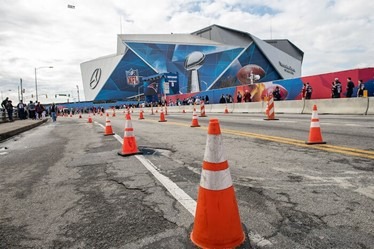
orange traffic cones on street
Where will traffic enter? What permits are required? How many flaggers are needed? A temporary traffic control plan customized to your venue protects people and reduces your liability

Finding adequate parking space for a large number of attendees can be daunting. Traffic control managers work closely with event organizers to design efficient parking layouts and ensure smooth ingress and egress, often incorporating shuttle services, valet parking or parking reservations to simplify the process and enhance the overall guest experience.

5. Leverage Your Partner

From initial planning through event day, communication is critical. You need a partner that will join you in the command center to help monitor the day’s activities and provide real-time solutions to last-minute problems, communicating with your team for the duration to make certain everything continues according to plan. Embracing technology can also significantly enhance traffic management. Professionals may employ advanced tools such as traffic simulation software, GPS tracking and real-time data analytics to monitor traffic patterns and adjust plans accordingly during the event. Crucially, you and your partner should also meet after the event to identify areas of improvement for the next big occasion.

As the number of attendees increases, so does the complexity of managing traffic and transportation. Special events often draw large crowds, and if traffic flow is not properly managed, it can result in traffic congestion, parking chaos, unhappy attendees and even potential safety hazards. These challenges can quickly overshadow the carefully planned aspects of your event and lead to negative feedback from participants. Embracing the expertise of traffic management specialists is a surefire way to guarantee the success of large-scale events and build a reputation for excellence in event planning.

Get more tips to help ensure a happier, safer event experience for your participants.

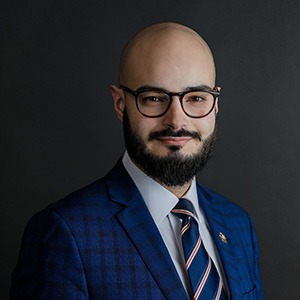
man in blue suit smilingSeth Walpole is vice president of integration and transformation for AWP Safety, North America’s leader in professional traffic management. In this role, Seth is responsible for strategic operational leadership and promoting a strong safety and compliance culture.

With 20 years of experience within distribution, utilities and traffic control industries, Seth brings a wealth of experience to his role from his time working as vice president of operations and finance for K&M Tires and a project manager for Asplundh Construction Corporation, supporting power-line construction operations.


 

Event safety is a touchstone of a successful event. How can your attendees properly network and collaborate if no one feels safe? Over the year, Smart Meetings has covered several ways meeting professionals can ensure attendees feel safe in every aspect of their event.

In the Cloud We Trust

a small image of clouds floating in someone's hands

Preventing date leaks doesn’t need to be complicated. For those wanting a successful event, maintaining security and protection of your attendees’ information is a must. To discuss the best cybersecurity trends meeting professionals should consider in 2023, Smart Meetings spoke with Ari Schwartz, former senior director of cybersecurity at the White House (he worked on technology policy during the Obama administration), and current managing director of cybersecurity services for Venable Cybersecurity Risk Management Group.

Event Safety PSA: Failing to Prepare Could Cost You

Business woman looks stressed from work in the office

Rather than having to clean up the chaos after an event safety breach, it’s best to take action before anything happens. With the constant on-the-go nature of event planning, implementing a proper safety plan is often overlooked. This is a huge liability risk. Alan Kleinfeld, director of Arrive Conference Solutions, provides tips for those who want to take action before tragedy strikes.

Healthy You: Eek! Bedbugs!line drawn bed

News about bedbugs have fallen by the wayside over the last few years but unfortunately for hotel guests, those bedbugs haven’t gone anywhere. Before safety at the event, attendees need safety in the hotel room. Along with information about the cities with the most bedbugs, there’s also tips about how best to check your room for the little critters.

Be Aware: Tips for Women Business Travelers On the Road

hotel door ajar

Travel is a huge part of the events and meetings experience. Whether traveling from or to the event, you want to be sure you’re doing it safely. Smart Meetings sat down with Laura S., a woman on the road, to discuss making smart and safe decisions. Here you’ll find strategies and tricks to stay safe when you’re on the road.

Is Your Event Tech Stack Optimized for Results?

Questions you need to ask to build a strategic meeting operation.

2024 is the year of doing more events that matter, more experience-driven events that drive more engagement and connections.

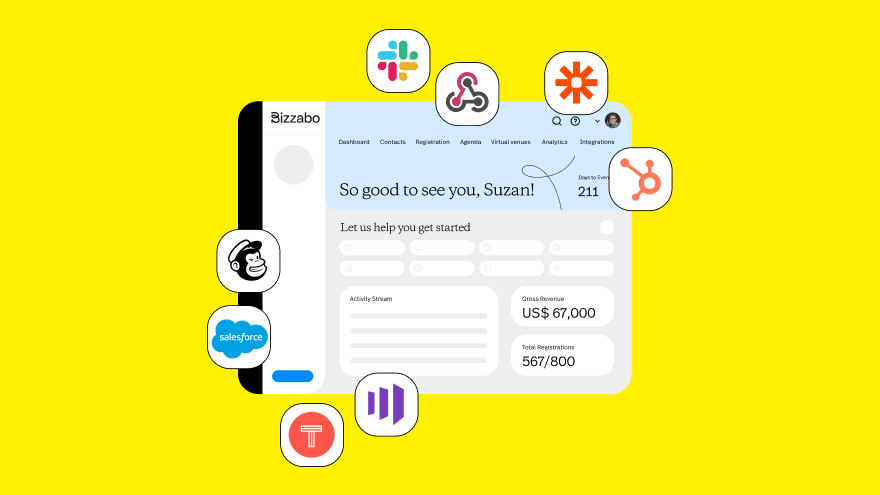
After meeting planners scrambled to add needed technology functionality over the last three years, and event tech companies developed, bought, or merged their way to enhanced platforms, many meeting professionals may find themselves with redundant, siloed, or outdated technology. We talked to Alon Alroy, chief marketing officer with the B2B conference software company Bizzabo to find out how to build a tech stack that delivers results.

Q: Why is it so important that meeting professionals assess their tech stack now?

A: Regular technology stack reviews and consolidations are a healthy part of running any business, and events are no exception. Especially after three years of rapid iteration and constantly changing requirements, now is the right time to pause, review, and identify how your event technology investments are enabling a more efficient and effective event execution, enhancing the overall attendee experience, and driving better ROI. It’s crucial to ensure that your tech stack is aligned with your evolving event strategies, eliminating redundancies and fostering a seamless flow of data.


Q: How can the right mix set events up for success going into 2024?

A: 2024 is the year of doing more events that matter, more experience-driven events that drive more engagement and connections. The result? More brand loyalty and more revenue.

This type of event-led growth is only possible with efficient, encompassing event management software that can deliver personalized and frictionless experiences that facilitate attendee engagement, seamlessly deliver data-driven insights, and provide real-time adaptability. The right tech mix empowers professionals to meet the demands of modern audiences, driving brand affinity, revenue growth, and overall success in 2024.


Q: Can the appropriate technology interface integrate meetings into the overall marketing pipeline?

A: Live events and conferences are essential components of comprehensive marketing strategies, and having the right technology ensures that these events are not happening in isolation but are deeply integrated into the broader marketing ecosystem. Event technology should enable the capture and seamless transfer of attendee data to and from CRMs, empowering personalization and tailored outreach pre-, during, and post-event. This integration is a priority for deriving maximum value from events, aligning them strategically with broader marketing goals.


Q: What is the best way to set up a dashboard that shows event ROI?

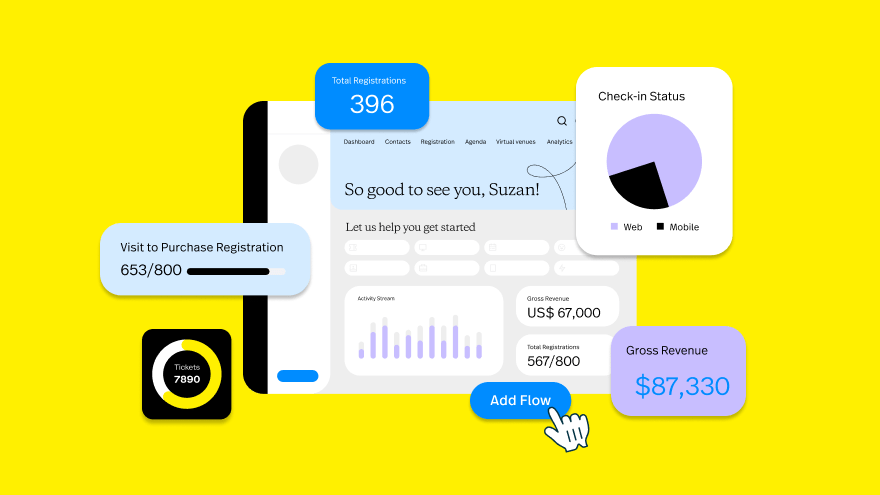
A: Every business will care more about some metrics than others, but broadly, an effective event dashboard should show a comprehensive view of key performance indicators (KPIs) and metrics that are relevant to your specific event and overall business goals. 

Q: What are the first steps?

A: The first steps in optimizing your event technology stack for 2024 involve a strategic approach. Here are some steps to consider:

  • Define your KPIs: Determine what success means for your event, whether it’s lead generation, pipeline generation, revenue influenced, brand engagement, or other objectives.
  • Choose the right tools: Invest in event technology that allows you to measure the selected KPIs effectively, in real-time, and bidirectionally pass data to your systems of record.
  • Customization: Tailor your dashboard to display the metrics that matter most to your organization, such as registration to attendance rate, ticket revenue generated, MQLs, etc.
  • Integration: Integrate your event technology with other marketing and sales tools to provide a holistic view of ROI across the entire marketing pipeline.
  • Develop a data strategy: Plan how you will capture, analyze, and utilize event data to measure ROI and make data-driven decisions.
  • Train your team: Ensure that your team is proficient in using the technology and is aware of the tools and processes in place.
  • Regular monitoring: Continuously monitor and analyze the data to make informed adjustments and improvements for future events.


Q: What are the questions meeting professionals should be asking themselves?

A: In the dynamic field of event technology, it’s crucial for professionals to consistently assess and carefully contemplate key aspects. This isn’t just a routine task; it stands as a strategic imperative. Professionals responsible for planning and executing events, armed with both meticulous planning skills and adaptability in real-time scenarios, play a pivotal role in navigating the ever-changing technological landscape.

Meeting and event professionals should be asking themselves a series of key questions to ensure their event tech is not just on par but also setting the pace. The proactive process of asking pertinent questions serves as their compass, guiding them toward establishing a forward-looking event technology ecosystem.

  • What are our event goals, and how can tech elevate our game?
  • Are our current tech tools aligned and able to help us deliver on our event objectives?
  • Can we streamline and declutter our tech stack for maximum efficiency?
  • How well is our event tech integrating with our broader marketing strategy?
  • Are we harnessing event data effectively for robust ROI measurement?
  • Is our team equipped with the skills to navigate and maximize event tech?
  • What tactical tweaks can we implement to elevate attendee experiences and ROI?
  • How can we ride the wave of emerging tech trends, like smart badges, setting the standard for our industry?

In essence, this continuous evaluation is not just about ticking boxes; it’s a strategic introspection that empowers professionals to navigate the complexities of the evolving event technology landscape with confidence. By addressing these questions, meeting and event professionals not only ensure they have the most efficient tech in place but also position themselves as pioneers, ready to shape the future of event experiences. This forward-thinking approach becomes the cornerstone of a tech-savvy and future-ready event strategy.


Interested to learn more about how Bizzabo can help you level up your event tech stack? Check out our on-demand demo or book a 1:1 consult with our team


Michael Paley

F&B Smart Moves Headshot of Michael Paley
Michael Paley, Prim 54, Fontainebleau Miami

Fontainebleau Miami Beach names Paley executive chef of onsite steakhouse Prim 54. Paley is a pioneer in Miami’s restaurant scene with his acclaimed restaurants, such as Miami Klaw, which in 2022 was named “Best New Restaurant” by Eater and Infatuation Miami. Paley will lead all operations at Prim 54, working to uphold its esteemed reputation that it has developed since its opening in March 2023.

Rajiv Jha

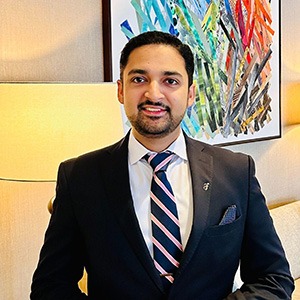
F&B Smart Moves headshot of Rajiv Jha, director of food and beverage at Fairmont Dallas
Rajiv Jha, Fairmont Dallas

Jha joins Fairmont Dallas as director of food & beverage. He will oversee all food and beverage operations at the iconic Dallas arts district hotel, drawing from 16 years of expertise in hotel food and beverage leadership. Most recently, he served as food & beverage general manager at Fairmont Grand Del Mar.

Lucas Curcio

F&B Smart Moves headshot of Lucas Curcio
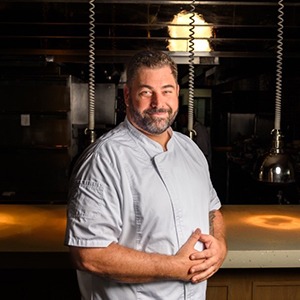
Lucas Curcio, Hyatt Regency Lake Tahoe Resort, Spa and Casino

Hyatt Regency Lake Tahoe Resort, Spa & Casino appoints Curcio as director of food & beverage. Most recently, he served as executive chef at Park Hyatt St. Kitts Christophe Harbour. He grew up watching his grandparents cook, and learned their philosophy of cooking: serving others is an act of love and care. He has worked in the hospitality industry through advancing roles for the past 20 years.

Jason Sundberg

Headshot of Jason Sundberg
Jason Sundberg, The Gwen

The Gwen, a Luxury Collection Hotel, promotes Sunberg to director of bars & restaurants from his previous role as restaurant manager. He began with The Gwen in 2021 as service manager at onsite restaurant Kostali. He has worked in hospitality for 16 years and viewed each of his restaurant roles as a way learn about cuisine and creating dining experiences.

Carlo de Leon

Headshot of Carlo de Leon
Carlo de Leon, Town & Country Resort

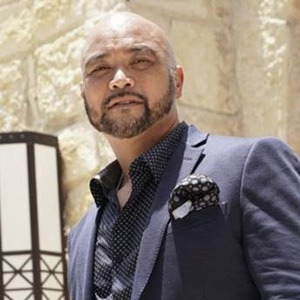
De Leon joins Town & Country Resort as director of food & beverage. With over two decades of experience in the hospitality industry, most recently as director of food & beverage at Red Rock Resort & Spa, de Leon will oversee Town & Country Resort’s five signature dining outlets, including their onsite restaurant ARLO and poolside eatery Lapper Kitchen + Tap.

Eric Nelson and Rory Allen

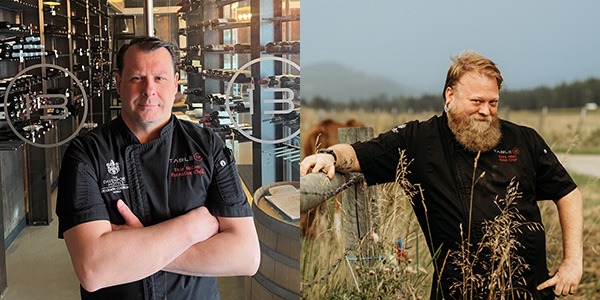
Eric Nelson (left) and Rory Allen (right)
Eric Nelson (left) and Rory Allen (right), Davenport Hotel Collection

The Davenport Hotel Collection in Spokane, Washington, has appointed two new chef de cuisines to serve under the leadership of Area Culinary Director and Executive Chef Patrick Dahms. Nelson will serve as chef de cuisine for the Davenport Historic Hotel restaurants. He first joined the team in 2017 as a sous chef, then was promoted to the role of executive chef prior to his most recent promotion.

Allen will serve as chef de cuisine for the Davenport Grand Hotel restaurants. He began with the Davenport Hotel Collection in 2022 as a sous chef under Nelson. He has spent over 15 years of his career in executive chef roles at some of Spokane’s and wider Washington’s most acclaimed restaurants and is locally recognized for his food truck and pop-up restaurant Duck Duck.

Donna Yuen

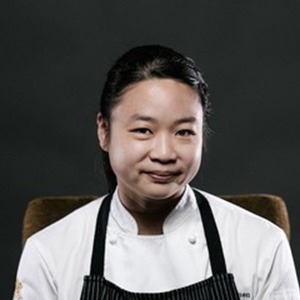
Headshot of Chef Donna Yuen
Donna Yuen, L’Auberge de Sedona

Yeun joins L’Auberge de Sedona as executive pastry chef for its onsite restaurant Cress on Oak Creek. She will lead the pastry department to oversee all dessert and bread production, and looks forward to collaborating with executive chef Ryan Swanson. Yeun developed a passion for pastry early on, and since the start of her career has worked in advancing roles in the craft, most recently serving as executive pastry chef at the JW Marriott Desert Ridge.

Johan Monterrat

Headshot of Johan Monterrat
Johan Monterrat, Four Seasons Hotel San Francisco

Four Seasons Hotel San Francisco welcomes Monterrat as director of food & beverage. With nearly a decade of experience with the Four Seasons brand in a wide variety of roles, Monterrat brings expansive leadership skills and industry knowledge to maintain and elevate the brand’s standard of excellence through this property’s food and beverage operations.

Farid Ahmed

Headshot of Farid Ahmed
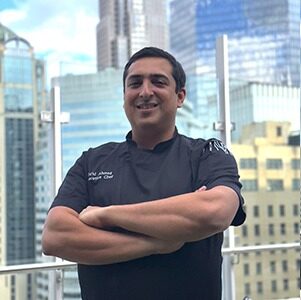
Farid Ahmed, Kimpton Tryon Park

Kimpton Tryon Park expands its culinary team with Ahmed as executive chef. He will oversee the hotel’s catering services as well as the operation of two onsite restaurants, Italian concept Angeline’s and rooftop bar and lounge Merchant & Trade. He grew up cooking alongside his mother in France, where he learned classical French cooking, as well as Pakistani cooking from his father’s side.

Christopher Robertson

Headshot of Christopher Robertson
Christopher Robertson, Carillon Miami Wellness Resort

Robertson joins Carillon Miami Wellness Resort with years of experience in five-star Five Diamond Resorts and Platinum Clubs in addition to executing wellness-focused culinary offerings. He will oversee a number of the resort’s culinary experiences, from onsite dining to banqueting for gatherings taking place onsite, with attention to seasonal and sustainable menus.

Read More: F&B Smart Moves in San Antonio, San Francisco and More

Technology within the events community has undoubtedly advanced. Tech like AI has become a game changer but has also sparked discussions in how it is being used. This year, we took the time to explore the pros and cons of AI, and the importance of making sure your technology is good and ready for your event.

Helpful Technology for the Organized Traveler

illustration of silhouetted businesspeople

How can you use technology to travel better? Smart Meetings’ event tech contributor Brandt Krueger offers planners some insightful suggestions on how technology can be used to plan more thoughtfully before heading to the airport.

From apps like FlightAware to Google Drive, Krueger illustrates how simple phone apps can take some of the stress and headache out of travel.

Smart Tech: When Good Technology Goes Bad

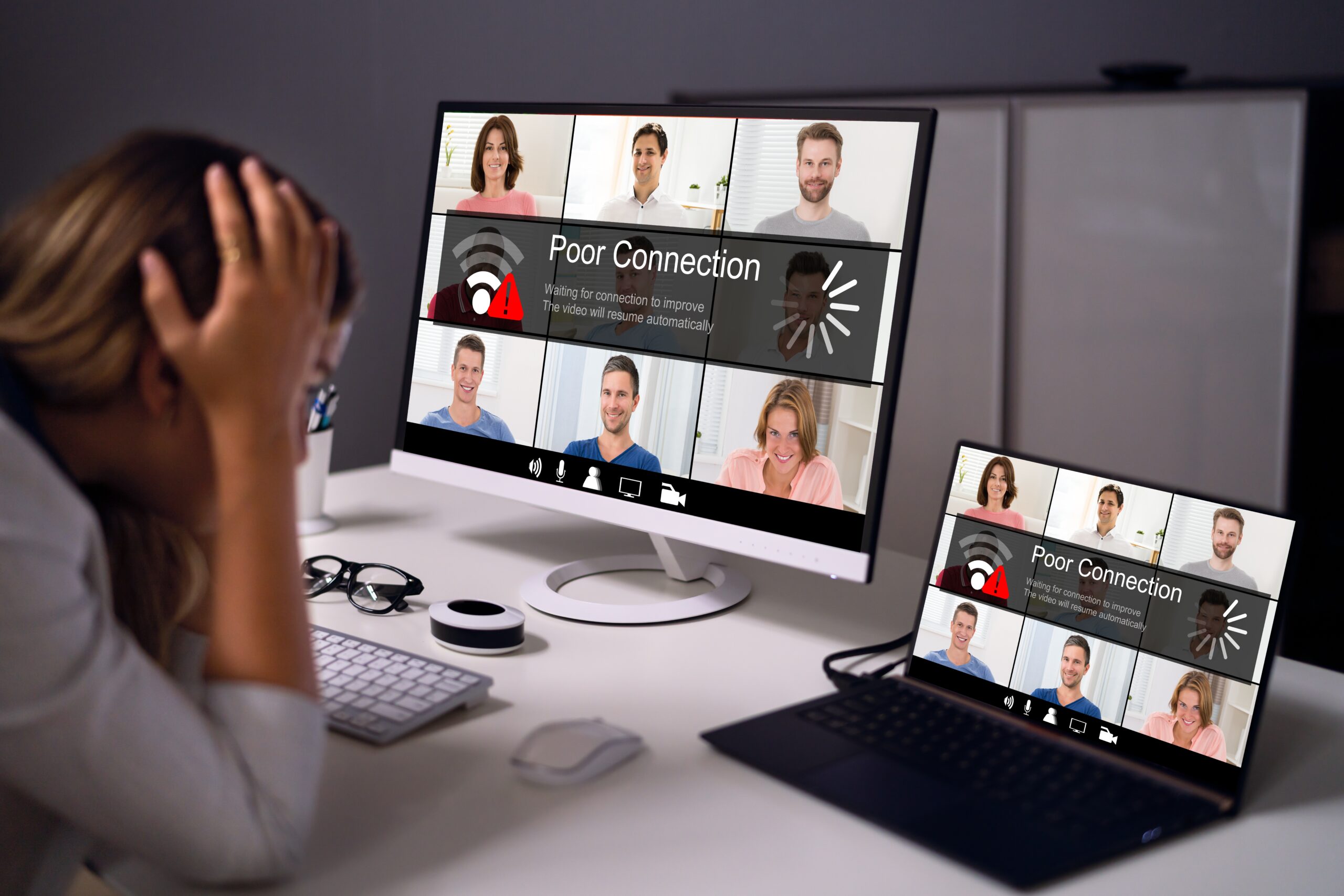
a frustrated woman sits in front of a computer with a bad connection

What to do when your tech fails at your event? Having a solid backup plan is always important, whether it is using video sites like Vimeo, having a portable 5G wireless device, back up iPhones or laptops. It is always good to be aware of what worst case scenario and have the necessary tools at hand.

In short: back up your back up.

Brace Yourself for an AI Explosion Beyond ChatGPT

gargoyle and laptop on turquoise background

AI apps like ChatGPT have elevated creative work to the next level. Those facing idea roadblocks and blank pages can easily utilize the helpfulness of AI to generate breakthroughs in imagination. Generative AI can help in summarizing pages of content into short, digestible 50-to-100-word paragraphs.

The use of AI can also allow planners to draw up designs and custom images in a moment’s notice when facing tough deadlines and timeframes. Though challenges are expected, it is important to remember to consider the new possibilities in store by embracing this new technology.

Adding AI to Your Next Meeting

animated image of businesspeople talking with chatbot

Smart Meetings chatted with Iain McCowan, director of AI at Dubber, to get a sense of how AI can be a helpful tool for planners. McCowan notes that planners should see AI as a silent partner, helping and supporting you when needed.

Language is also a helpful tool when it comes to AI. It allows companies to gauge the happiness of their clients. AI, like Dubber, can help companies note changes in tone, which could be a gamechanger for companies who rely on understanding how their clients feel.

Why AI Might Mean Salvation for the Meetings Industry

human hand and robot hand holding each other

Guest author Nick Borelli believes AI may be the salvation of the events industry. This includes designing richer experiences for events, giving attendees the ability to select the best sessions at the event and who they should be meeting.

Because of AI, Borelli believes content will be easier to create, allowing planners to focus on creating inspiring experiences. Planners that invest in AI-powered apps, like surveys, can ultimately gain deeper insight into the wants and needs of event attendees.

Captivating Designs Make Memorable Debuts

From the sunny coastline of SoCal to the fog-draped Golden Gate, new and renovated hotels across the charming state of California make for compelling options to host your next meetings, event or retreat.

A variety of different spaces, from size to design, are constant across all these properties. But that’s where the similarities end—each offers its own distinct character and captures the essential flavor of whichever destination it calls home.

An Artist’s Haven

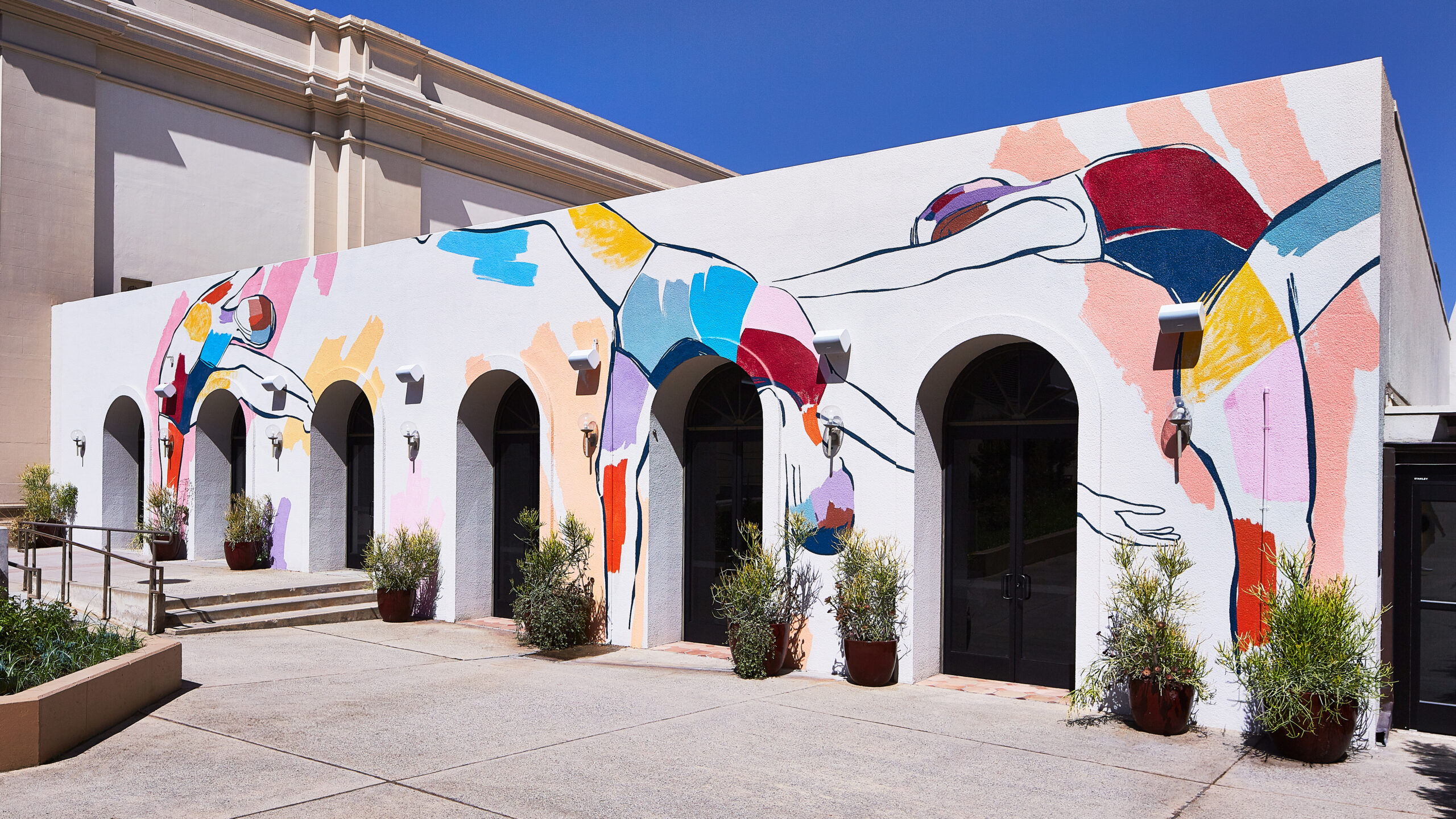
A mural by Leah Tumerman at Hotel Dena featuring colorful silhouettes dancing
A mural by Leah Tumerman at Hotel Dena

Hotel Dena, Pasadena Los Angeles, a Tribute Portfolio Hotel, celebrates its grand opening. The hotel, in the heart of Pasadena’s creative downtown, is conveniently located close-by the Pasadena Convention Center, the Pasadena Civic Auditorium and Old Town Pasadena—and is only a 20-minute drive from the Hollywood Burbank Airport.

As a member of Marriott Bonvoy’s Tribute Portfolio, it is dedicated to creating fresh, individualized experiences for visitors. Originality permeates the overall design, with modern and energizing guest rooms. The lobby features a mural created by LA-based street artists WRDSMITH, who focuses on colorful art and mindfully chosen, inspiring language. Each corridor features Pasadena-inspired wall coverings developed by artist Kate Neckel, and the artist Erin Harris designed wooden sound-wave art to Van Halen’s “Jump” to decorate the lobby. Large outdoor murals celebrating music and dance are spread across the property.

Over 29,000 sq. ft. of indoor and outdoor meeting and event space includes a ballroom, a boardroom, and a selection of outdoor areas. In addition to an onsite pool and top-notch fitness center, the hotel offers extensive programming and amenities. This includes a silent movie screening room equipped with vintage chairs, a writers’ studio to provide a quiet space for creative work and weekly performances at the Agents Bar, from open mics to stand-up comedy.

Read More: Q&A With John Bukaty on the Intersection of Art, Music and Gathering

Seaside Hideaway

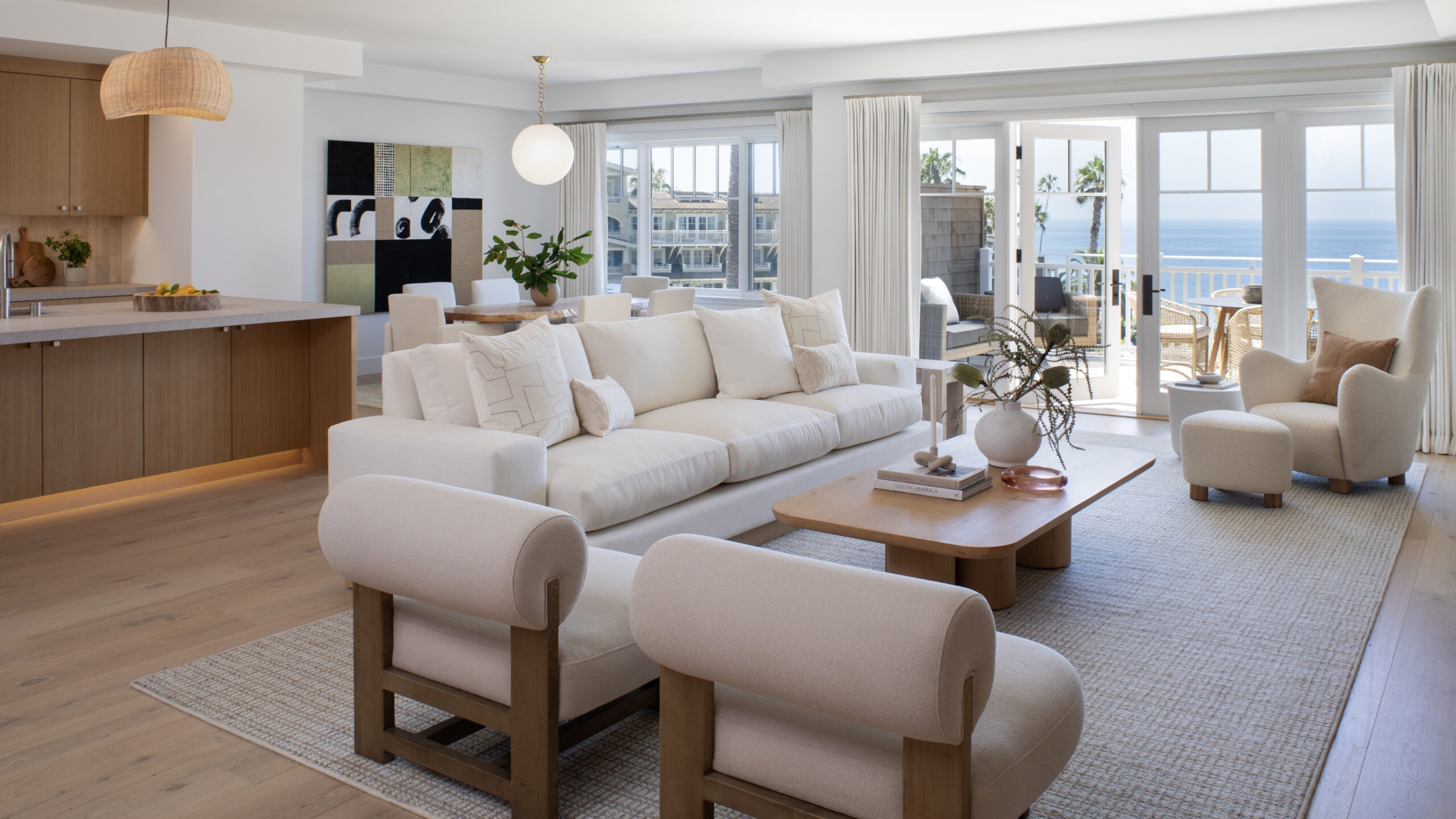
The living room with a view of the kitchen at new and renovated Villa Le Ciel at Montage Laguna Beach
Villa Le Ciel at Montage Laguna Beach

Montage Laguna Beach expands its collection of villas with the opening of Villa Le Ciel, now the largest villa in its collection. Just north of the property, the new villa welcomes up to 10 guests to a 3,000-square-foot, three-bedroom space.

Jeffrey Maynard of Maynard Design developed a modern, minimalist Japanese-style design for the space. Discover organic inspired wallcoverings, finished with Nelson pendants to resemble Japanese lanterns, cashmere blend drapery, textured natural stone and rift white oak cabinets. Custom Japanese artwork and a porcelain art installation created by local artists decorate the space.

Guests can enjoy the space’s full gourmet kitchen, two marble-finished bathrooms featuring deep soaking tubs and a third full guest bathroom. Visit the private patio for an all-around breathtaking panoramic views of the Pacific Ocean.

With over 34,000 sq. ft. combined of indoor and outdoor meeting and event space, Montage Laguna Beach is a prime destination for meetings of all sizes. The Villa Le Ciel provides an unmatched experience for a special incentive.

Read More: Behind the Scenes of Incentive Travel

The Foggy City

Lounge space at Convene 100 Stockton in San Francisco for New and Renovated
Convene 100 Stockton

Global hospitality company, Convene, which specializes in meeting, event and flexible workspaces, has officially opened the doors to its first-ever San Francisco location, Convene 100 Stockton. The space doubles as a venue and a mixed-use office and retail building.

Upon walking into the lobby, attendees can take exclusive elevators to the building’s event space on floors four and five. There, they’ll encounter nearly 53,000 sq. ft. of meeting and event space, made up of seven unique meeting spaces. Each space can be custom configured to accommodate various event types, whether you’re planning a corporate conference, a classroom style session, a social event, or anything else. Even better, all spaces are tech-enabled, with built-in video cameras, video screens, microphones and speakers.

Full-service production resources, in-house catering and a dedicated AV team for real time tech support accompany these thoughtfully designed event spaces.

The property as a whole embodies the spirit of San Francisco, paying homage to the city’s characteristic fog, playfully known as “Karl the Fog” by locals. Dramatic stonework and warm woods create a comfortable, sophisticated setting, and reflective pieces shine under ethereal lighting to create a classic San Francisco ambience.

Read More: Authors Rave About San Francisco

Fine dining, diverse cuisine and unique culinary experiences

When traveling internationally, one of the ways in which visitors can tangibly absorb the culture, personality and literal taste of the destination is through food. While all travelers may have their own criteria by which they assess the cities in the world with the best gastronomy, there are three main categories food and travel experts consider as they list the best culinary destinations – number of world-class restaurants, cultural diversity of the cuisine and overall experience of dining in the city.

Smart Meetings researched these topics and compiled a list of cities that are consistently scoring high in all three categories, making them desired destinations for meeting professionals who want to treat event attendees to a mouthwatering international experience.

Tokyo

Downtown Tokyo nightlife

Consistently ranked highly if not the highest in both the number of world-class restaurants and overall food experience, Tokyo is home to some of the most refined food and skilled chefs in the world. With over 280 Michelin stars to date, it is no wonder travelers and foodies flock to this culinary mecca and experience the internationally revered cuisine.

Holding down its place in the Michelin Guide Tokyo for 16 years, Ginza Toyoda offers the tranquility of Japanese culture with some unexpected modern twists. More than just a restaurant, Ginza Toyoda encourages guests to join the chefs in a welcoming environment and participate in the journey as the dish is being created by “enjoying the aroma and sound…until the dish is ready.” With a focus on the four seasons, Chef Seiji Funashima travels around Japan to find the best seasonal ingredients to create his menus.

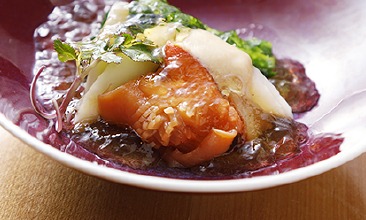
Ginza Toyoda entree in Tokyo, Japan
Dinner entree from Ginza Toyoda

But travelers to Tokyo can expect more than traditional Japanese food. Rich with diversity, highly celebrated French restaurants are increasingly setting up shop in Japan’s capital city. Pierre Gagnaire Tokyo serves the most luxurious ingredients with impeccable French cooking techniques.

The French chef is now to be featured in the French film “The Taste of Things,” or “La passion de Dodin Bouffant,” which will be available in Japanese. He is offering a special course menu featuring the dishes featured in the film that is set to be released in January, 2024.

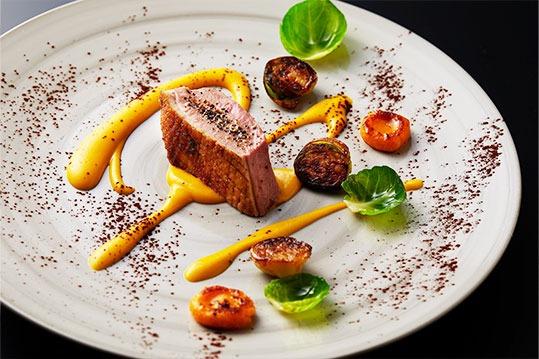
Pierre Gagnaire Tokyo in Tokyo, Japan
Dinner entree from Pierre Gagnaire Tokyo

London

Trafalgar Square, London

If seeking out a city with incredibly diverse culinary options, London is an international hub of different cultures and cuisines. With strong communities comprised of populations from all over the world, it is no surprise that London is considered to be an international marketplace of some of the best global restaurants.

Chef Adejoke (Joke) Bakane at Chishuru in London
Chef Adejoke (Joke) Bakare of Chishuru in London

Representing the large West African population in London, Chishuru serves elevated West African cuisine that people from any background would love. Chef Adejoké (Joké) Bakare is a Nigerian native who moved to the UK decades ago to pursue her dream of bringing West African cuisine cooked with modern techniques to the big city. Named one of Code’s 100 Most Influential Women in Hospitality and shortlisted as Innovator of the Year at the GQ Food & Drink Awards 2022, she is now shortlisted as Chef to Watch in the National Restaurant Awards 2023.


Refusing to be one note, Jikoni has named itself the “no borders kitchen.” Pulling inspiration from South Asia, the Far East, the Middle East, East Africa and its home in the UK, Jikoni dedicates its menu to both highlighting similarities between international cuisines as well as celebrating the stark differences. What brings diverse cuisines and flavor profiles together? Dishes that are made with love and comfort but with an elevated sophistication.

Jikoni restaurant, London
Small plates with culturally diverse ingredients at Jikoni, London

Read More: Meet in Europe

Singapore

Singapore, Singapore

If looking for an international city to not only taste amazing food but to immerse in the food culture and participate in the cuisine, Singapore is a desirable choice. The Lion City goes beyond its reputable fine dining cuisine in its globally celebrated restaurants by offering visitors opportunities to participate in the culturally rich culinary world, from the farms and rivers to markets to kitchens.

Lets Go Tour offers a full market-to-table culinary tour experience with an included cooking class for visitors to experience an authentic day in the life of the food scene in Singapore. Starting at local wet markets, named for the constant cleaning of produce and floors with water, visitors will learn how to grocery shop in Singapore like a local. Expert chefs will then hold a cooking class to demonstrate how to make regional staple dishes, such as Hokkien prawn noodles or Singapore chilli crab. Recipes are gifted to participants so visitors can recreate the Singapore experience in their home kitchens.

A colorful wet market in Singapore
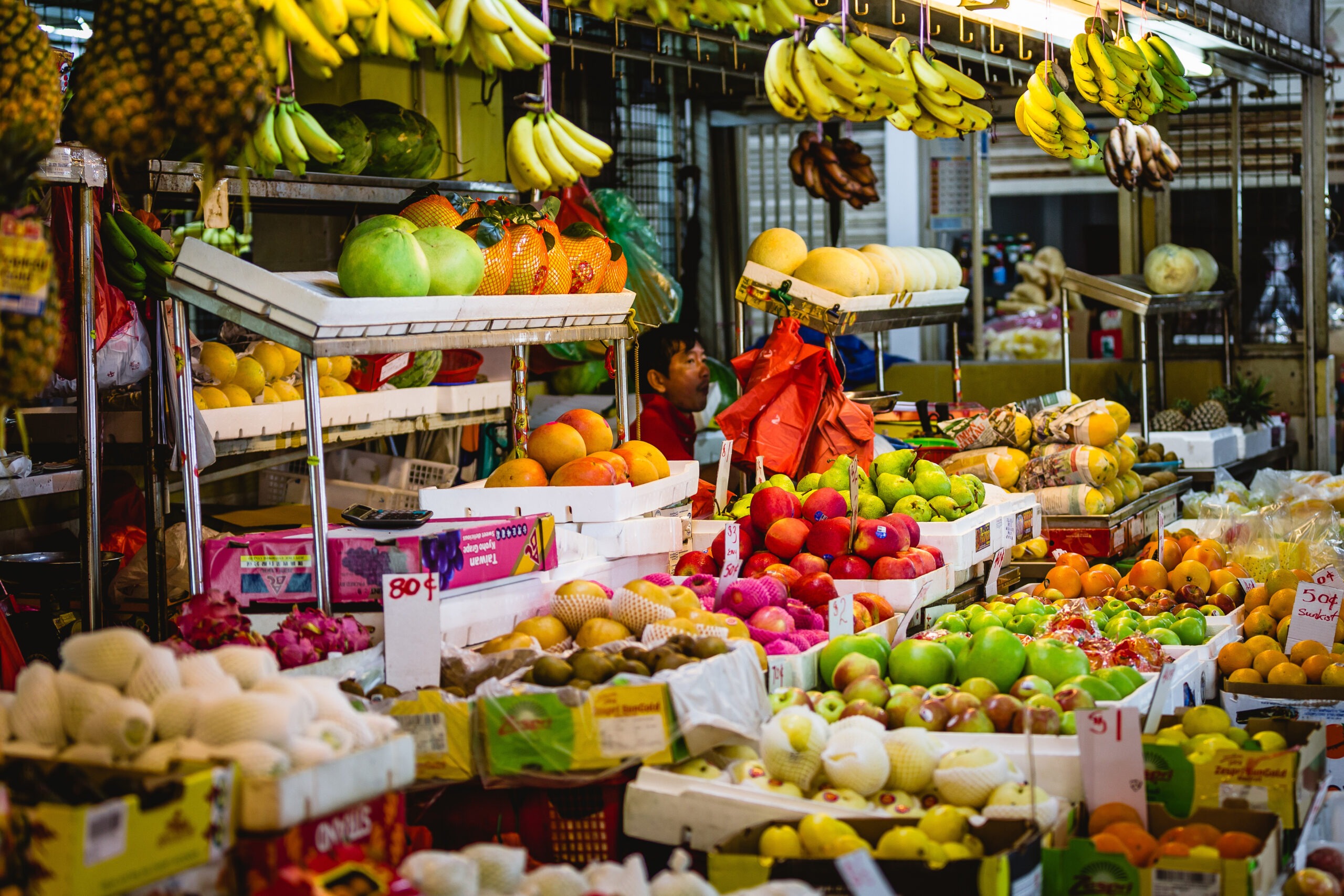
A wet market in Chinatown, Singapore

For the even more adventurous, dare to visit NOX Dine in the Dark for a somewhat risky culinary experience. Upon entering, all phones and other light-emitting devices will be stored in lockers as guests are briefed on the concept. After a beverage and an amuse-bouche, guests will head into the pitch-dark dining area and tended to by a wait staff – all who are visually impaired or blind. There diners will be served a menu of delicious delicacies without knowledge of the ingredients and encouraged to experience food in a new way once one of your main senses is gone. Guests will then retire to the lit lounge where they can discuss their experiences before the chef reveals the dishes and their ingredients.

Read More: The World is Open for Business

Over our 23 years in the professional event production industry, we’ve identified several key elements that often prevent our clients’ events from achieving outstanding success. Rather than being disheartened by these challenges, we’ve chosen to initiate a dialogue and educate our clients.

Our goal is to help you excel in your event planning endeavors. By addressing and overcoming these obstacles, we aim to simplify your planning process, enhance your events, and significantly improve your return on investment. We’re committed to ensuring the best possible outcomes for you and your events!

1. Procrastination in Planning

Procrastinating on event planning is a gamble that often results in hasty decisions, inflated costs, and subpar execution. Late planning isn’t just unprofessional; it significantly raises the risk of mistakes.

Establishing a detailed schedule well in advance is crucial for success. To ensure a consistent and evolving impact for your company and attendees, we recommend developing a three-year event strategy. Here are our suggested lead times for various types of events:

  • Large-scale events (like conferences and trade shows): 9-18 months in advance.
  • Medium-scale events (such as company retreats and client dinners): 4-6 months ahead.
  • Small-scale events (including team-building activities and smaller client dinners): 1-3 months prior.
  • Virtual events: Plan 2-4 months in advance.
  • Hybrid events: Allow 4-6 months for planning.

This proactive approach allows for a strategic and thoughtful development of your events, ensuring a high standard of quality and effectiveness.

2. RFP and Event Planner Selection

When seeking an event planner, providing a detailed and comprehensive Request for Proposal (RFP) is crucial. This document should clearly outline your specific needs and include a defined budget range. Relying on event planners to ascertain the scope of work without this essential information can result in miscommunication and subpar planning outcomes. It’s important not to expect your event producer to draft this document for you. Creating an RFP requires significant time and expertise. While we can assist in developing an RFP if you don’t have one, please note that we do charge for this service.

Read MoreThe Overlooked RFP Asks That Could Save The Planet

Effective event planning is built on the pillars of clear leadership, efficient communication, budget awareness, timely initiation of plans, and strict adherence to deadlines. Steering clear of these common pitfalls is key to ensuring that your event not only meets its goals but also provides a memorable and gratifying experience for everyone involved.

3. Event Goals

Many clients, when asked about the purpose of their event, struggle to provide specific reasons. Responses like “because we do it every year” or “I don’t know, I was just told to organize it” indicate a lack of clarity about the event’s objectives. Without a clear understanding of the “why” behind your event, you’re venturing into risky territory, likely leading to disappointment with the final outcome.

In our approach, we conduct a strategy session with every client to pinpoint the exact reasons for holding their event and to define specific Key Performance Indicators (KPIs) and Return on Investment (ROI) goals. Establishing these metrics allows us to measure success at the event’s conclusion and assess the effectiveness of the investment. This strategic planning enables us to tailor the event’s elements to not only engage attendees but also to keep the desired outcomes in focus.

4. Planning by Committee

The concept of organizing a committee for event planning might initially appear beneficial, until you find yourself in a meeting that extends for hours, bogged down by a myriad of opinions and ideas that hinder a focused, agenda-driven discussion.

A major drawback of not having a direct decision-maker in such committees is the ensuing lack of definitive direction. This often results in a prolonged decision-making process, where no one is empowered to make final decisions. Consequently, this can lead to an event that falls short of its objectives, fails to satisfy stakeholders, and incurs additional costs, thereby diminishing the Return on Investment (ROI) and Key Performance Indicators (KPIs) set for evaluation.

It’s essential to appoint a designated leader who can make executive decisions. This individual should ideally serve as the primary liaison with third-party event producers, ensuring streamlined communication and facilitating the best possible event experience.

5. The Budget

Maintaining strict oversight of the budget is crucial to prevent escalating costs. It’s essential to meticulously track expenses and ensure they are in line with the financial objectives of the event. Overspending in certain areas can necessitate budget cuts in others, potentially compromising the overall quality of the event. We manage our clients’ total budget and create change orders for any requests that exceed the original agreement. These are presented to the client for approval, ensuring clarity and avoiding confusion post-event.

Additionally, it’s common for clients to have grand visions that may not align with their actual budget. Clients often desire high-end, luxurious experiences but are restricted by more modest budgets. A skilled planner plays a key role in shaping the budget to meet the desired outcomes, ensuring the event experience is not only enjoyable but also meets expectations and achieves the intended success.

6. Communication

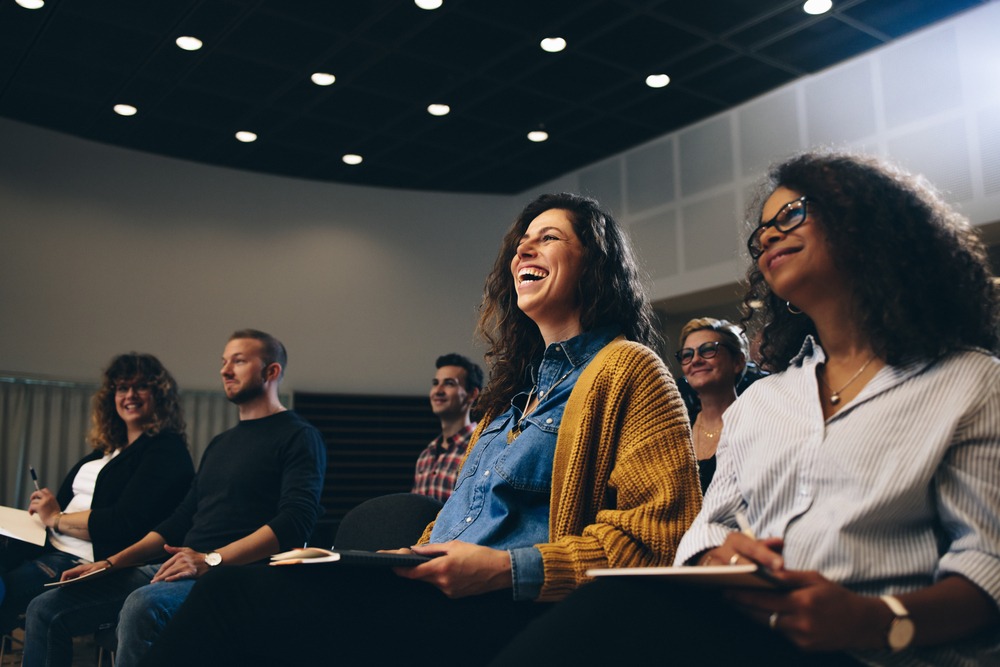
Businesswoman sitting in the audience and laughing during a corporate event

Effective management of communication tools like email and Slack is vital in event planning. Delays in responding to messages can hinder the planning process and create frustration. Moreover, a disorganized approach to email communication, coupled with unclear boundaries regarding the type of information shared, can result in overlooked details and a lack of accountability.

Read More: Work Smart: The Art of Communication

Establishing efficient and structured email communication practices is crucial for a seamless planning experience. It’s important to set clear guidelines for communication, including the expected response times and the content of messages. For example, consider discouraging emails that contain only acknowledgments like “Thanks,” and encourage everyone to thoroughly read entire email threads to avoid repeating questions or answers that have already been discussed. This approach will help maintain focus and efficiency in communication.

7. Last-minute Changes

Permitting last-minute slide changes by speakers can lead to unnecessary stress and disorganization. Establishing and enforcing a deadline for slide submission, ideally one week before the event, is crucial. This timeline ensures both the production team and speakers are adequately prepared, contributing to a smooth event flow. It also allows the audiovisual team to finalize technical preparations during the rehearsal, ensuring they work with the correct presentation version when the event begins.

Additionally, requests for specific or extra equipment, such as teleprompters, confidence monitors, microphones, computer dongles, and even certain decor items like stools, lecterns, or tables, should be communicated at least two weeks prior to the event. This advance notice is essential for making the necessary rental arrangements and ensuring all technical and aesthetic needs are seamlessly met.

Deadline for Speaker Slides and Tech

Permitting last-minute slide changes by speakers can lead to unnecessary stress and disorganization. Establishing and enforcing a deadline for slide submission, ideally one week before the event, is crucial. This timeline ensures both the production team and speakers are adequately prepared, contributing to a smooth event flow. It also allows the audiovisual team to finalize technical preparations during the rehearsal, ensuring they work with the correct presentation version when the event begins.

Additionally, requests for specific or extra equipment, such as teleprompters, confidence monitors, microphones, computer dongles, and even certain decor items like stools, lecterns, or tables, should be communicated at least two weeks prior to the event. This advance notice is essential for making the necessary rental arrangements and ensuring all technical and aesthetic needs are seamlessly met.

8. Plan B/Contingency Plans

I recently attended a high-profile event at a large resort hotel, initially planned for an outdoor setting. On the event morning, concerns about the cool evening temperatures for the over 1,000 attendees prompted a last-minute shift to an indoor ballroom.

Read MoreSalman Rushdie and Complacency in the Meetings Industry

Unfortunately, this move was poorly executed due to a lack of a backup plan. It was evident that the event planner hadn’t considered the possibility of inclement weather, nor had they prepared an alternative indoor layout. The result was a forced fit that significantly detracted from the guest experience, likely falling short of the corporate sponsor’s expectations.
While preparing for such contingencies might have incurred additional costs, in this scenario, investing in a well-thought-out backup plan would have been invaluable.

Successful corporate event planning is a complex, yet rewarding endeavor that requires meticulous attention to detail, strategic foresight, and effective communication. By avoiding common pitfalls such as last-minute planning, unclear goals, mismanaged budgets, and ineffective communication, you can significantly enhance the quality and impact of your events. Remember that the key to a successful event lies in thorough preparation, clear objectives, and the ability to adapt to unforeseen circumstances with grace and professionalism. Implementing these best practices will not only elevate the attendee experience but also ensure a robust return on investment and achievement of desired outcomes. As you embark on your next corporate event planning journey, keep these insights in mind to create memorable, impactful, and seamlessly executed events that resonate with your audience and strengthen your brand.

woman smilingNatasha Miller is the founder/CEO of Entire Productions Inc., and experiential event and entertainment production company with offices in San Francisco, Los Angeles and New York City.
She is a 3x Inc. 5000 entrepreneur (fastest growing companies in the USA), and award-winning, Wall Street Journal bestselling author of her memoir, Relentless. entireproductions.com

South America offers modern convention centers with cultural experiences

International travel is trending for incentives, executive retreats and corporate meetings. South America is making a name for itself with modern convention centers, high end luxury hotels and vibrant cultural experiences for attendees to expand their horizons and create memories. Of the rapidly progressing cities of South American countries, Smart Meetings has compiled a list of meeting venues and convention centers that offer the perfect combination of business and paradise.

“American readers would be surprised that we prioritize sustainability in our meetings practices. With every event, we prioritize consistency in measuring and reporting the carbon impact of each event.”

– Barbara Bulos, groups and events director at The Westin Lima Hotel & Convention Center

The Westin Lima Hotel and Convention Center, Peru

In the heart of San Isidro, the financial district of Lima City, the connected hotel and convention center is a central and accessible location for meetings and events. The largest convention center in Lima with a capacity of 2,000 people, 19 spaces of various sizes and modern AV technology, it is also one of the most sustainable venues in South America and is LEED-EBOM Gold certified.

The central location provides visitors access to the surrounding cultural and culinary gems of Lima. “San Isidro is an artistic district full of museums and art galleries that host exhibitions and pop events on the daily,” says Barbara Bulos, groups and events director at The Westin Lima Hotel & Convention Center. A few of Bulos’s recommendations include Catedral de San Isidro, Lima’s most iconic building and home to the best museum of religious art, and the region’s various restaurants and enjoying the local cuisine. Visit Alphonse Bar, a modern-day speakeasy named after the famous Alphonse (Al) Capone in The Westin Lima Hotel or explore culinary fusion at restaurants like Osaka that are inspired by the Asian influence on traditional Peruvian fare.

San Isidro district in Lima, Peru
San Isidro district, Lima, Peru

Santiago Hotel and Convention Center, Chile

Recognized as the biggest Marriott Convention Center in Santiago, the Sheraton is frequented by celebrities and society figures. With 19 event rooms and 3132 sq. m. of event space, the flexibility of the center allows for meeting professionals to customize any event. As the only urban resort in the city, the center allows for attendees to easily transition from meetings to the streets of downtown Santiago.

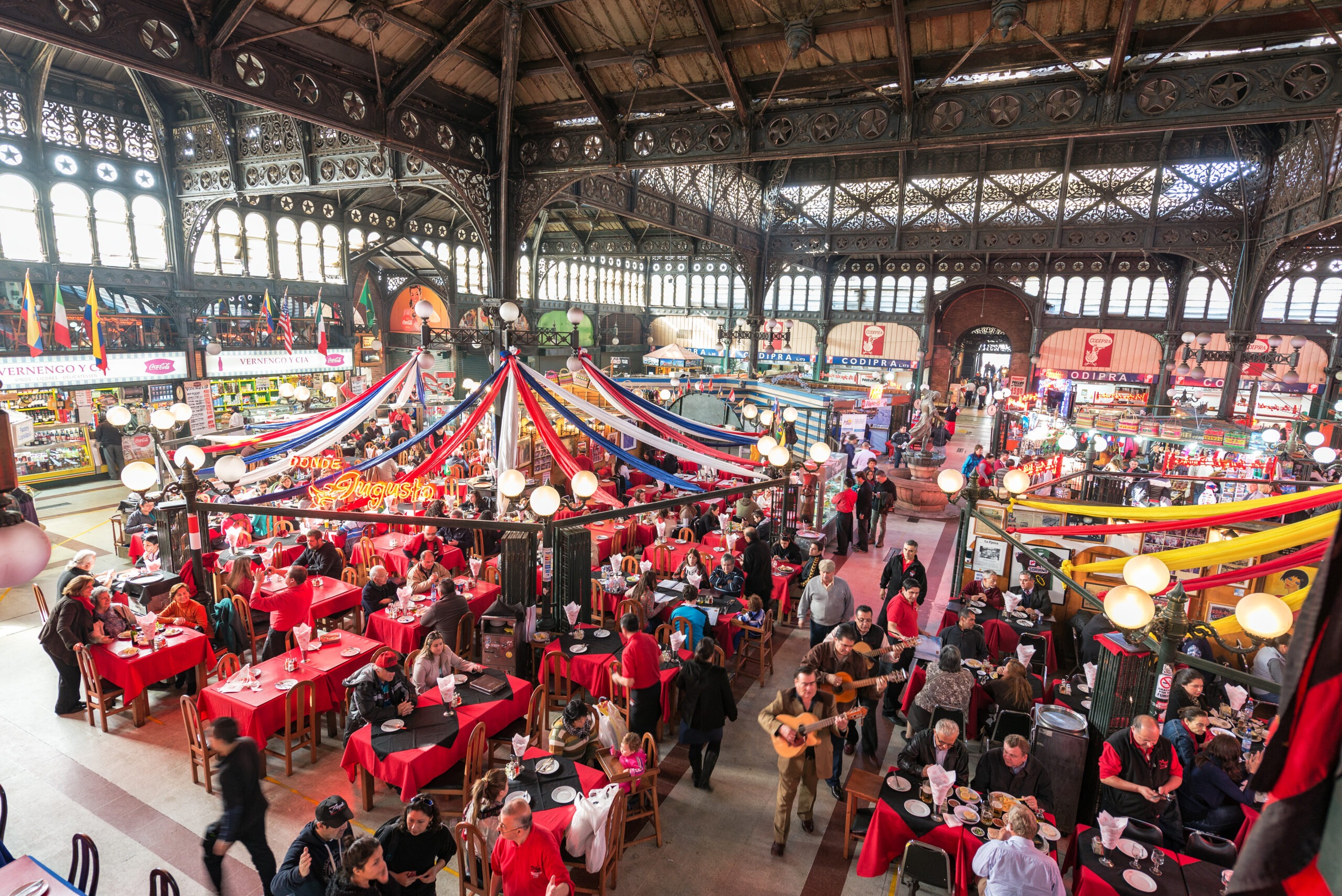
For foodies, visiting Mercado Central de Santiago (The Central Market of Santiago) is a must. Both a historical landmark and Chile’s premier gastronomic center, visitors can expect authentic Chilean fare with a focus on fresh seafood. In 2012, National Geographic chose this urban culinary treasure as the 5th best food market in the world.

central market of santiago in chile
The Central Market of Santiago, Chile

Read More: Off-the-Grid Incentives in Paradise

Centro de Convenciones Buenos Aires, Argentina

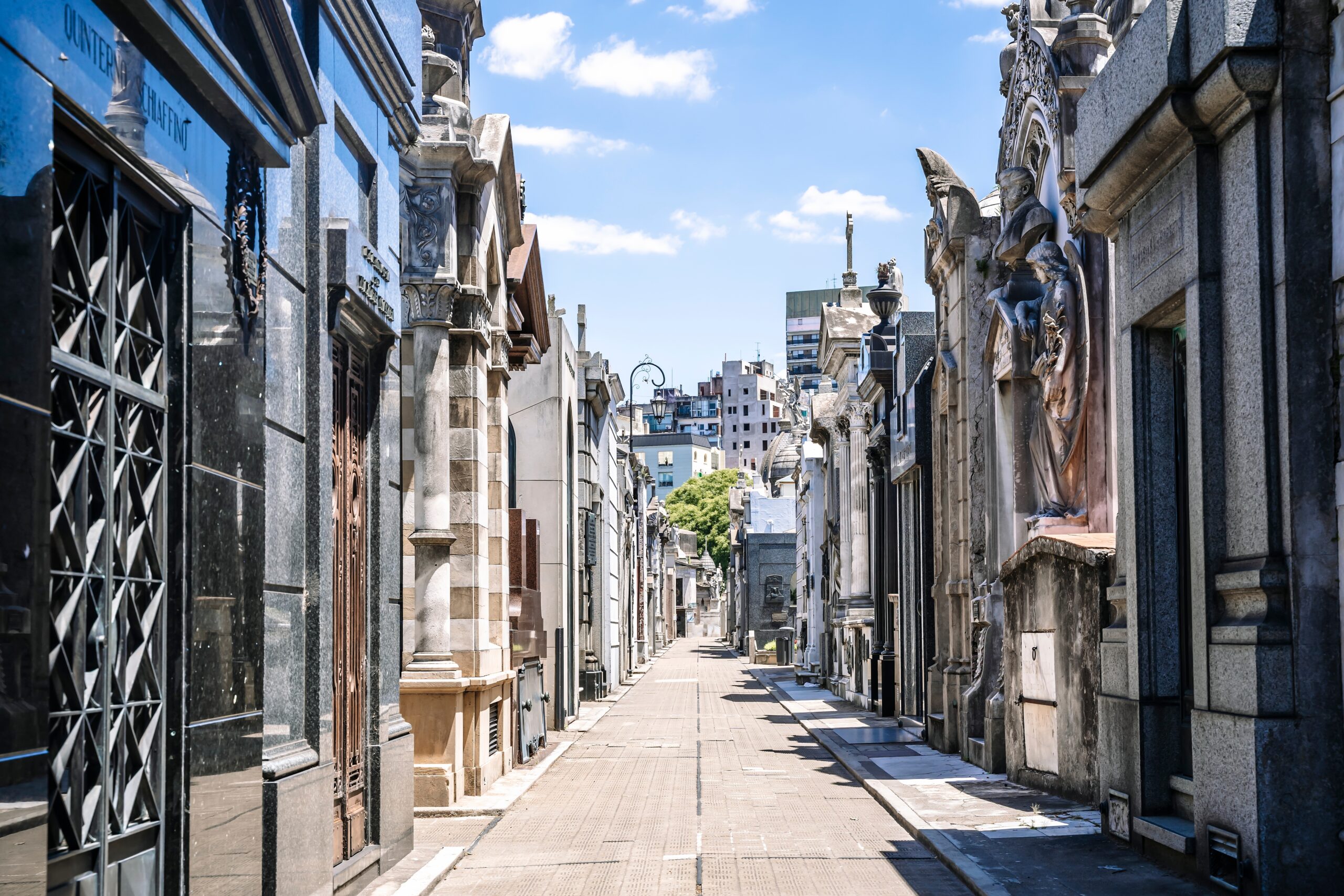
Rubbing elbows with French-style mansions in the Recoleta neighborhood that travel writers have nicknamed “Paris of the South,” the convention center sits among one of the most alluring regions of Buenos Aires. As one of the most modern and exciting structures in the city, the original architecture and its flexible versatility makes the 4,600-person capacity center a business center in the middle of an upscale old world boutique neighborhood.

For a classic aristocratic inspired stay, the Palacio Duhau – Park Hyatt Buenos Aires combines European opulence with Argentinian flare. The hotel brings the two cultures together with features like the cheese cave at La Vinoteca offering Argentinean cheeses prepared with European technique and an old-world style art gallery featuring contemporary Argentinian artworks.

Recoleta neighborhood in Buenos Aires, Argentina
The Recoleta neighborhood of Buenos Aires, Argentina

São Paulo Expo Exhibition & Convention Center, Brazil

Voted by the International Congress and Convention Association (ICCA) as ranking in the top eight best event destinations in the Americas and the 47th city that hosts the most events in the world, São Paulo is also recognized by the ICCA as the region most frequented by international events in the country of Brazil. With pride in their global recognition in the events industry, the massive convention center offers 34 conference spaces and meeting rooms in the heart of the city.

Brazilian culture is all around in São Paulo and it is celebrated throughout the streets of the city. Educational tours for groups are available to visit the numerous art museums and cultural spaces. Both authentic Brazilian cuisine and modern Latin fusion fare cater to all tastes with the variety of restaurants. Prefer to stay outside? São Paulo has artwork and cultural displays in its parks and open spaces.

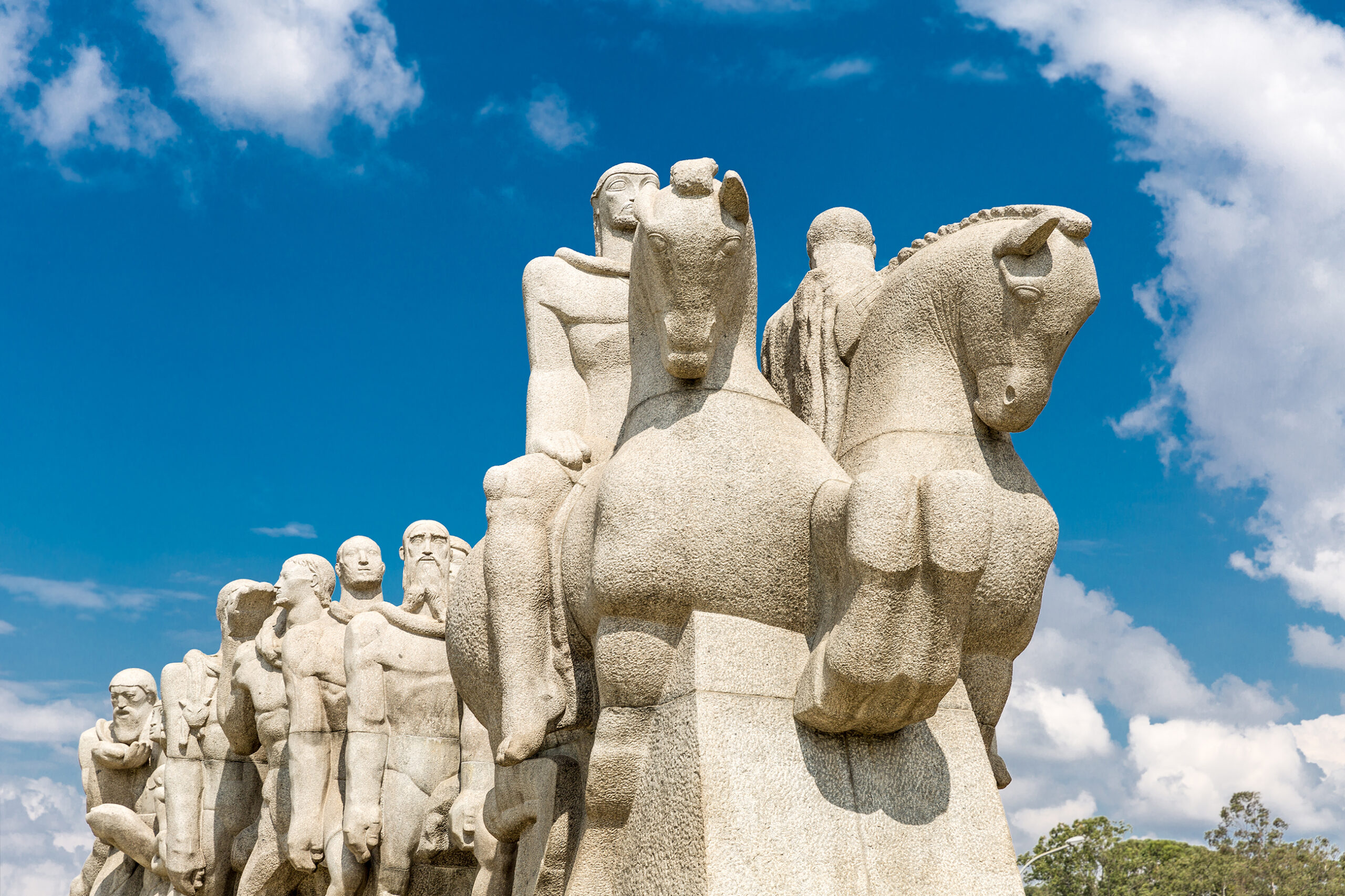
Bandeirantes Monument, sao paulo, brazil
Bandeirantes Monument, Sao Paulo, Brazil

Read More: Incentives Mean Experiences