the plaza hotel new york

The fictitious Great Gatsby frequently drank champagne there, President Donald Trump once got married there and soon, a Saudi prince might seek to recapture the grandeur of its glory days.

Saudi Prince Al-Waleed Bin Talal is collaborating with Ben Ashkenazy and Michael Alpert of Ashkenazy Acquisition to force a buyout of the property, The Plaza New York in New York City, reports The New York Post. The deal is contingent on cooperation from government officials in India.

An India-based business group, headed by Subrata Roy, purchased controlling interest in the hotel several years ago. In 2014, Roy was thrown in jail by Indian officials after being accused of bilking billions of dollars out of investors. Roy’s creditors now want to sell their interest in The Plaza to Prince Al-Waleed and his partners, according to The New York Post.

Built in 1907, the 20-story landmark hotel has seen many owners—including Trump. If the deal goes through, professional meeting planners could find the best of everything at The Plaza. In addition to its rich history, the location can’t be beat. (Its Fifth Avenue entrance faces the south end of Grand Army Plaza.)

Once owned by Conrad Hilton and now managed by Fairmont, the luxury hotel offers 282 guest rooms. Located on floors five to 19, each guest room has a separate bath and shower, with inlaid mosaics and 24-carat, gold-plated faucets.

Event Planners Get ‘Almost Famous’

The Plaza features 21,000 total sq. ft. of functional meeting and corporate event space. The grand ballroom, where Trump married Marla Maples in 1993, is designed in neo-classical decor and provides 4,800 sq. ft. of space.

Famous entertainers who’ve played in the grand ballroom include Josephine Baker, Liza Minnelli, Marlene Dietrich, Ethel Merman and Peggy Lee. Trumpet legend Miles Davis once recorded an album there, and dozens of movies—from The Way We Were to Almost Famous—have been filmed at or around The Plaza.

Meeting planners who wish to rent the grand ballroom can choose from various seating plans, including classroom style, which accommodates up to 275 participants. In addition, the 4,680-square-foot Terrace Room offers configurations that accommodate 160 to 400 guests.

The Plaza also offers 4,000 sq. ft. of convertible meeting space on the fourth floor. Seven meeting rooms are equipped with wireless communications equipment, including boardrooms featuring power names such as Xavier, Pulitzer, and Gatsby.

If the deal with Prince Al-Waleed and his partners goes through, the infamous Oak Room is expected to be refurbished. Originally opened as a men’s club, then closed during Prohibition and reopened in 1934, the fabled, lively Oak Room reportedly is still available for private functions. Under new ownership, the iconic hotel could lead to New York City’s resurgence as a great meetings haven.

As for Trump, who purchased The Plaza in 1988 for a reported $407.5 million, the hotel remains a “masterpiece.”

“I can never justify the price I paid,” Trump wrote nearly three decades ago in The New York Times.

“[It’s]the Mona Lisa,” Trump said at the time.

Under President Trump’s proposed budget, Brand USA, the federally funded tourism marketing organization that promotes the United States to international travelers, is in danger of being eliminated.

According to the proposal presented to Congress on Tuesday, the budget would shift Brand USA’s funds to Customs and Border Protection. Although the change may have the administration’s support, leaders in the travel industry have overwhelmingly come out against it. They point to the program’s important role in bringing both leisure travelers and international meeting attendees to the United States.

Paul Van Deventer, president and CEO of Meeting Professionals International, emphasized that Brand USA is not funded by the federal government and called on legislators to preserve it. “We must urge Congress to protect Brand USA, the international travel marketing arm of the U.S., which is not taxpayer funded, but fully funded by non-federal contributions along with matching funds collected by the government from international visitors who visit under the Visa Waiver Program,” said Van Deventer.

Florida, one of the states that benefits most from tourism, would be greatly affected. In a statement to USA Today, Democratic Senator Bill Nelson of Florida stressed the program’s importance for local economies. “It makes zero economic sense to scrap a bipartisan program that encourages international tourists to visit the U.S. It’s especially important for jobs in Florida and other tourism dependent states.”

Roger Dow, president and CEO of the U.S. Travel Association, released a scathing assessment of the Trump budget, calling the potential elimination of Brand USA “especially perplexing” because of the current political situation.

The administration’s attempts at passing a travel ban, as well as the implementation of the so-called “laptop ban,” have caused international travelers and meeting planners to reconsider the United States as a travel destination. Scientific meeting associations in particular have called for a boycott of U.S. meetings. A recent study from the Global Business Travel Association expects the country to lose $1.3 billion in travel revenue in 2017.

“The creation of Brand USA was a bipartisan effort led by Republicans that passed both chambers by overwhelming majorities. The agency was responsible for adding $8.9 billion to the U.S. economy last year, according to the firm Oxford Economics—a 28-to-1 return on investment,” says Dow. “Brand USA isn’t funded with a dime of taxpayer money, reduced the deficit by $50 million, and by the Office of Management and Budget’s own accounting, eliminating it would put the federal budget further in the red.

“With international visitation being the country’s No. 2 export supporting 15 million American jobs, we’re struggling to understand how cutting Brand USA squares with this administration’s stated priorities.”

wine bars day

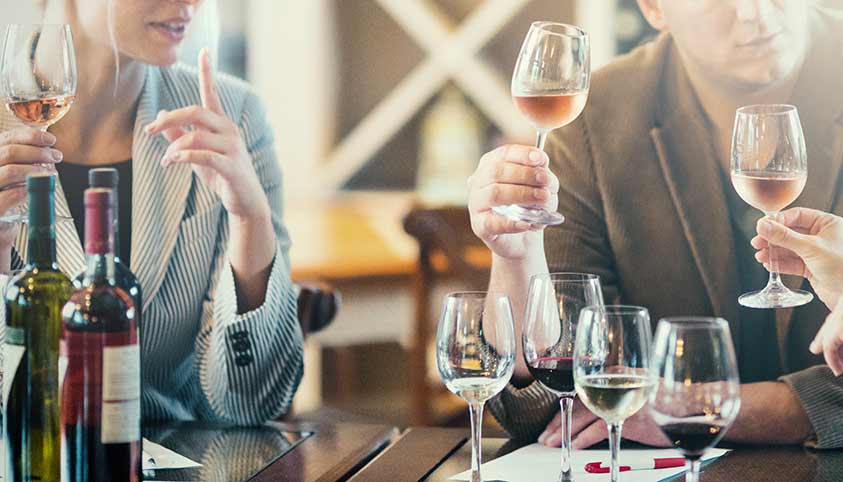
May 25 marks National Wine Day! It’s time to take those red, white and pinks out of storage, pour a sizable glass and clank to the ultimate vino holiday. There’s nothing like indulging in a much-needed glass of wine, especially if it is paired with scrumptious bites and a relaxing ambiance. You can treat attendees to the ultimate wine tasting experience at these hip wine bars with a lot of character.

1. Bacchanal Wine (New Orleans)

This “wine laboratory” features a wide selection of curated wines, craft cocktails and delightful accompaniments, including cornichon pickles, olives, candied nuts, chutneys and fresh ciabatta with stone milled wheat. Live performances of quintessential New Orleans jazz embrace the city culture. Genres also extend to Gypsy jazz and hard bop.

2. Bar Covell (Los Angeles)

Take the stress out of tasting. Instead of mulling over the decision, Bar Covell figures out what you really want. The bartenders discuss your flavor preferences before presenting wine samples. The cozy setting feels intimate, with table candles lighting up the room at night.

wine bars day

Barcelona Wine Bar image by Tom McGovern

3. Barcelona Wine Bar (Atlanta)

A distinctly European atmosphere served-up with a tapas-style menu. If endless Spanish reds and sangria don’t have you sold, the lively bar offers one of the largest wine selections in the country.

4. Bergamot Alley (Healdsburg, California)

The concept at Bergamont Alley is hand-picked wines with an Old World focus. This wine bar is serious about their grilled cheese menu and retro, eclectic décor. Wooden tables and music from a spinning vinyl record take you to a new type of Old World.

wine bars dayImage by Kazimierz World Wine Bar
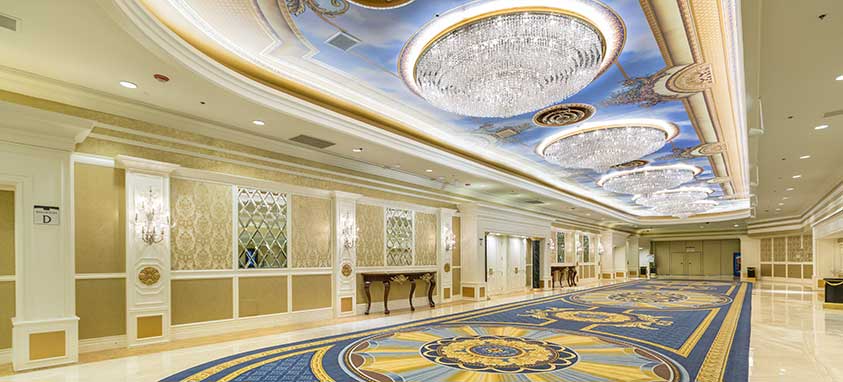
5. Kazimierz World Wine Bar (Scottsdale, Arizona)

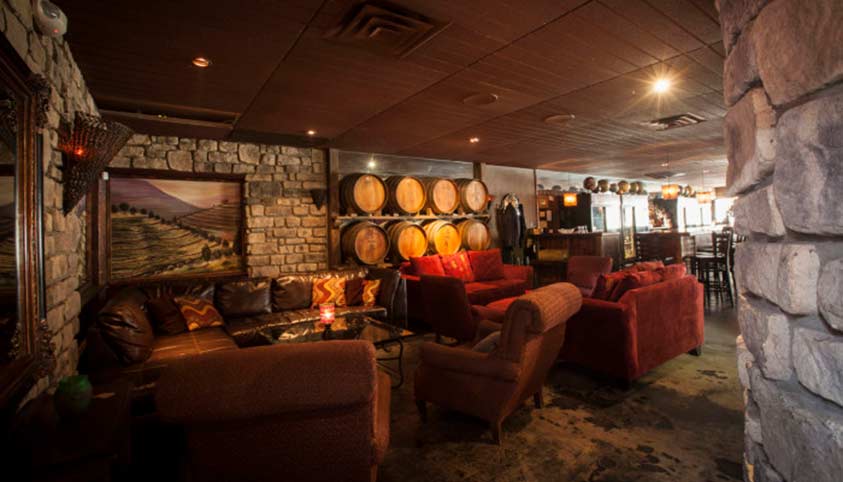
The owner, Peter Kazimierz, honors his family through photos, coin and stamp collections. Plush, plum colored sofas, and wooden barrels surround the European cave-looking venue. Live performances feature an eclectic mix of jazz, Latin and world beats. Wine selections change monthly and vary in price.

6. Lagniappe (Miami)

Lagniappe exhibits the ambiance of an Old New Orleans parlor from the jazz age. The bar has a patio, decked out with twinkling string lights surrounded by a garden. The grilled American food and more than 150 wine selections also add to the special low-key character.

7. Winebelly (Austin, Texas)

Spanish-Mediterranean style food and an internationally-curated wine list establish the laid back, bohemian atmosphere that the South Austin area is known for. If you’re a fan of felines, the quaint patio usually has few cats hanging out in the back.

brain food

When the afternoon hits and we reach for that third, nay fourth cup of coffee, it’s easy to overlook the full impact of the foods we choose. But being selective about what we consume is crucial because as the saying goes, you are what you eat.

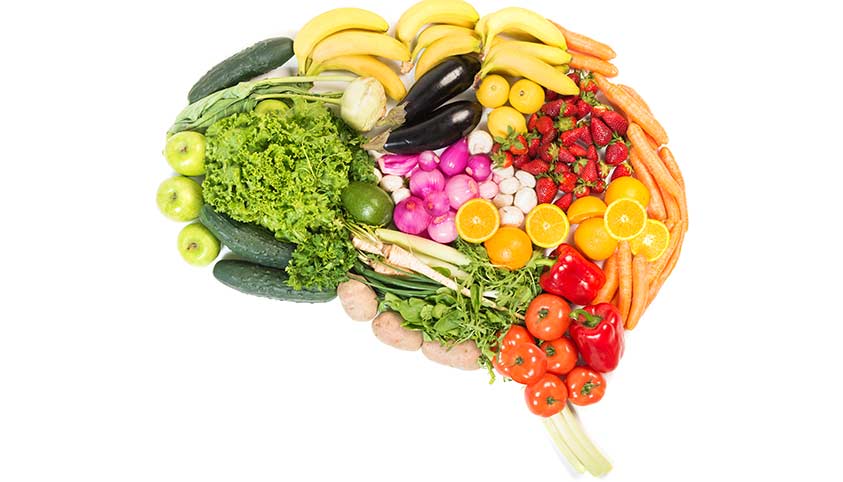
At a meeting or an event, sluggish attendees won’t be very productive, and neither will sluggish planners.  Here are the best foods for reinforcing focus, memory, energy and an upbeat mood. The next time you’re choosing an event menu, keep in mind these all-star ingredients. Plus, they can help with day-to-day energy slumps!

What to Eat

Avocados: As a monounsaturated fat, avocados promote healthy blood flow, which means good flow to the brain. This helps us think and improves general cognitive function. Avocados also contain vitamin K, folate and potassium—all known to help improve brainpower.

Berries, oranges, apples and bananas: Natural sugars found in fruit will curb cravings and recharge stamina. Blue berries in particular are chock-full of antioxidants and believed to establish healthy connections between brain cells. Oranges and apples are known to improve short-term memory and prevent memory loss. Bananas provide plenty of potassium, which helps nerve cells respond.

Fruits are great for snacks and desserts. It’s easy to sneak them into salads, as well. Just be careful of dried fruits, as they generally cancel out the benefits.

Dark chocolate: As with all good things, dark chocolate is very healthy when eaten in moderation. It has the right amount of sugar for a boost but not one as sharp as its sugary counterpart, milk chocolate. It can ease stress. And compounds in dark chocolate boost memory, attention span, reaction time and problem-solving skills by increasing blood flow to the brain. Dark chocolate is a perfect dessert component to wrap up an event.

Eggs: Not only are they rich in protein, but they also have high amounts of vitamin D, vitamin B12, riboflavin, selenium and lutein. Plus, they are a source of choline, which is thought to help with cognition. Eggs can be hard-boiled and thrown in a salad or used at a breakfast station.

Fermented foods: Fermented foods include miso, pickled vegetables, kefir, tempeh, kimchi and sauerkraut. These foods are regarded as fantastic probiotics (good bacteria for digestion). These microbes have many health benefits, particularly for our immune system, that are still being discovered. And we all know that stomach aches, pains and general discomfort can be extremely distracting.

Nuts: High in protein and healthy fats, and very versatile for cooking, nuts are great for an event menu. Macadamia nuts contribute to normal brain function, while almonds help restore memory. Walnuts also support memory retention and have anti-inflammatory properties.

Oily fish: Even though oily isn’t a term typically associated with healthy foods, fish is the one exception. Salmon, mackerel and kippers are all high in omega-3 fats, providing a major cognitive lift.

Quinoa: There’s a reason this grain has exploded in popularity over the last few years.  Quinoa holds more protein than any other grain and it’s rich in amino acids. It can almost always replace rice, but it will keep you full much longer.

What to avoid

Consumption of sugary foods and white flour is like climbing aboard a glucose roller coaster: It’s the antithesis of stability. Foods such as bagels and pasta will have you on a quick up-down. Instead, the goal is to consume foods that offer a stable glucose intake.

Fats are difficult for our bodies to digest, and therefore they make us listless. Not to mention, foods high in unhealthy fats are usually high in other chemicals that weigh us down, such as starch and sodium.

Turkey and red meats might be filling, but they produce tryptophan, which boosts serotonin in our brains. While serotonin is awesome, it is the “happy chemical”—it puts us a little too at ease, resulting in low energy.

Soda might be a tempting choice for its caffeine, but both diet and regular drinks leave you drained. Regular soda is full of added sugar and the artificial sweeteners in diet soda might be worse. Often, artificial sweeteners contain aspartame, a controversial chemical that potentially has a long list of health consequences.  The instant kick doesn’t last too long.

High-processed sodium is often found in processed snacks such as chips and pretzels.

Cheese is OK in very small doses. However, over-consumption of cheese exposes us to hormones and antibiotics that can increase toxins in the body. These toxins lead to a decrease in natural testosterone production.

Processed meat such as hot dogs, hamburgers, cold cuts and bacon generally have shocking amounts of sodium, hormones, preservatives and antibiotics—a recipe for lethargy, not to mention long-term damage.

us travel industry

Since the announcement of President Donald Trump’s first travel ban in February, travel leaders have warned against its potential impact on the industry. One week after the executive order was signed, Global Business Travel Association (GBTA) reported that the travel ban caused the United States to lose $185 million in bookings in one week. Although the travel ban and its successor were both halted in the courts, international travelers remain unsure if they will be welcomed in the United States—and it’s causing them to rethink their travel plans.

The Department of Homeland Security (DHS) followed that up in March with a ban on in-cabin personal electronic devices, commonly referred to as the “laptop ban.” The initial ban applies to flights coming to the United States from certain airlines and airports in the Middle East and North Africa. Industry experts decried the ban, stating that the policy damages the productivity of business travelers and discourages travel to the United States. DHS is currently considering expanding the ban to include flights from Europe—a move which could lead to losses totaling $1 billion.

Naturally, these policies are impacting the travel industry. A new GBTA study predicts a loss of more than $1.3 billion in travel-related expenditures in the United States in 2017. This includes expenses from lodging, dining, shopping and transportation such as rental cars. The study indicates that around $250 million of the losses will be due to fewer business travelers from Europe and Middle East. An estimated 4,200 jobs are in jeopardy.

Of greatest concern in the GBTA study is the long-term impact on meetings and events. In a previous survey, 45 percent of GBTA’s European members indicated that travel-related executive orders have made their company less willing to plan meetings and events in the United States. Policies such as the laptop ban greatly inconvenience business travelers—according to GBTA, nearly half of passengers flying for business prefer to stay connected and work while in the air. The United States has long been a leading destination for corporate meetings, but its future is now in question.

quirky summer festivals

Summer is almost here, meaning it’s time to brace yourself for barbecues, beaches and long-awaited festivals! Planning an event in a city holding a food, music or cultural festival is a fun way for planners to get attendees involved in local experiences. The tricky part is finding a festival that fits your group’s demographics—and your budget.

Luckily, across the country there seems to be a summer festival for every interest, no matter how uncommon. All-American lodging brand Motel 6 rounded up the festivals that escape the ordinary and achieve the eccentric. These six finalists offer off-beat activities ranging from seed spitting to dragon boat races.

“No matter where you live in the United States, there’s a fun and affordable festival around the corner for you to discover, support the community, and enjoy wacky activities and live entertainment,” says Motel 6 brand voice Tom Bodett.

Apparently choosing the top six wasn’t easy. Motel 6 reviewed many one-of-a-kind events until ultimately choosing finalists based on originality and the quality of their offerings. The top six festivals will be awarded an honorary plaque from Motel 6.

1. Mule Days Celebration

Where: Bishop, California

When: May 23-28

This year marks the 48th annual Mule Days celebration. The 5-day equestrian festival, held every Memorial Day weekend, draws a crowd of more than 30,000 fans from around the world. The city of Bishop’s Tri-County Fairgrounds host 14 shows that feature various equestrian skills such as western riding and English jumping. With more than 700 mules, chariot racing, barbecues and a variety of musical offerings, there are many reasons to attend the summer bash.

2. Watermelon Thump

Where: Luling, Texas

When: June 22-25

Since 1954, the refreshing summer fruit has been the center of the annual Watermelon Thump festival. Some special festivities include seed-spitting competitions, watermelon-eating contests and a watermelon auction to support local farmers.

3. WestFest

Where: Chicago, Illinois

When: July 7-9

This 3-day street fair embodies the local spirit of Chicago, offering a variety of distinctive goods from local businesses and talent. A myriad of entertainment options, including live music, pony rides and theater performances fill the streets of Chicago. The festival is also very dog-friendly; furry friends can engage with pet-related vendors, mobile grooming stations and more.

4. Colorado Dragon Boat Festival

Where: Wheat Ridge, Colorado

When: July 29-30

Colorado Dragon Boat Festival celebrates the region’s diverse Asian American Pacific Islander community. As the largest Dragon Boat Festival in the country, the lake race is comprised of 50 boat teams. Aside from watching the races, free activities include a spicy ramen eating contest, martial arts demonstrations, food courts and lion dance.

5. Twins Days Festival

Where: Twinsburg, Ohio

When: August 4-6

Hundreds of twins travel to Twinsburg every year to celebrate their original duality at the Twins Days Festival. Identical and fraternal siblings participate in costume contests, crafts, games and talent shows, while enjoying food vendors and fireworks at night.

6. Wisconsin State Cow Chip Throw & Festival

Where: Prairie Du Sac, Wisconsin

When: September 1-2

Early settlers to the area used “cow chips,” or dried cow dung, for household tools. Now more than 40,000 attendees swarm to Wisconsin State Cow Chip Throw & Festival to strive to beat the 248-foot state record for longest cow chip throw. Interested guests can also participate in the festival’s 5K and 10K runs.

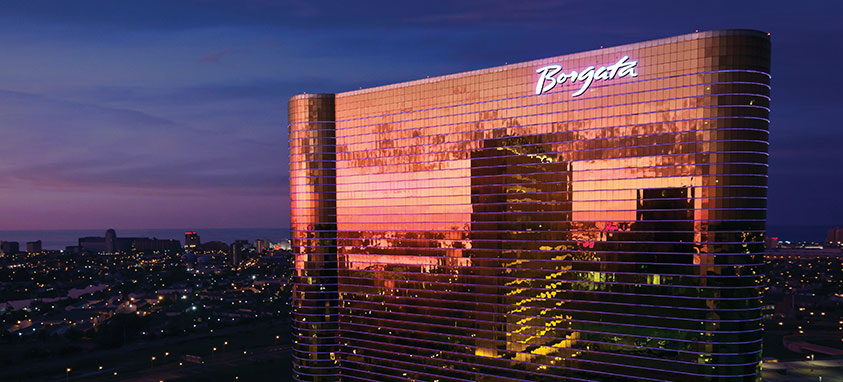
For planning meetings and events with confidence, the smart choice is Borgata Hotel Casino & Spa and The Water Club.  The property provides an ambience that promotes creativity flow, and where teams can escape, play, and interact.  Whether it’s an event for an intimate group or thousands, both resorts have the services to accommodate all group types in style with top-shelf amenities, dining, and meeting facilities, and all under one roof.

Borgata and The Water Club’s combined 106,000 square feet of flexible gathering space comes with first-class services and amenities for conducting any kind of meeting or event – sales seminars, executive board meetings, regional conferences, trade shows, and galas.  Both resorts offer in-house audiovisual equipment rentals and catering services from the top-notch names in the industry. Borgata takes pride in providing impeccable service and a seamless experience to event planners and meeting attendees alike.  It’s your meeting but Borgata will do the work to make it a success.

The Event Center, a column-free event space equipped with the latest in audiovisual technology and full banquet services, is ideal for large conferences or can be divided to suit smaller groups.  For events that require a stage or stadium-style seating, The Music Box can accommodate up to 1,000 guests.  The brand new Central Conference Center provides ballroom and meeting room spaces ranging from 650 square feet up to 6,000 square feet to meet the needs of any size group.  Other unique spaces include four 1,200-square-foot Studio rooms, two Executive Boardrooms, and eight Tower Studios, with the latter featuring plasma TVs and views of the Atlantic Ocean.

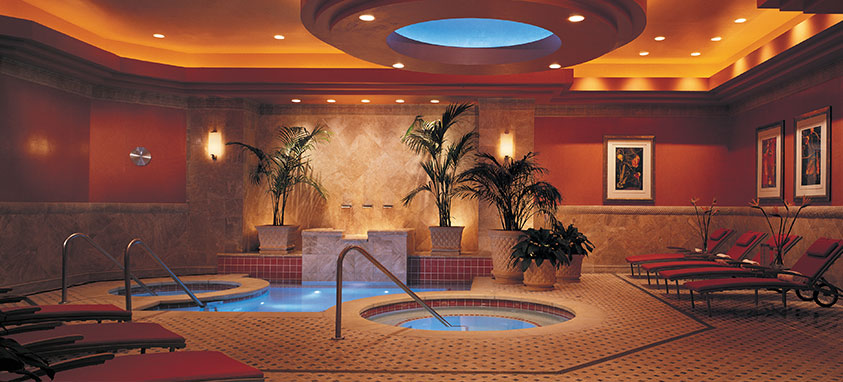
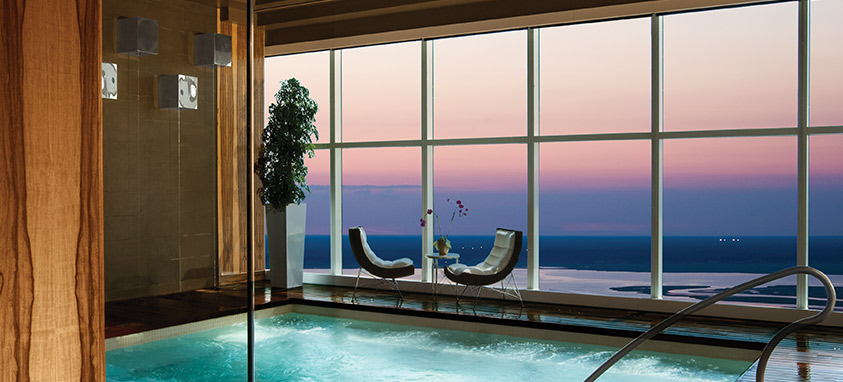
Whether you choose Borgata Hotel Casino & Spa or The Water Club, meeting goers will find a long list of ways to meet up and relax post-meeting.  They can visit one of two award winning destination spas, lounge at one of six indoor/outdoor pools, work out at one of two on site fitness centers, enjoy a cocktail at one of several nightlife offerings or browsing our five boutiques.  As for dining, five restaurants from world-class chefs – Bobby Flay, Wolfgang Puck, Michael Schulson, Michael Symon and The Water Club’s Culinary Lifestyle Consultant, Iron Chef Geoffrey Zakarian – offer an array of cuisine from old world Italian to modern Japanese.  Premier Nightclub is an 11,200 square foot, $14million state of the art, high intensity venue.  Two floors with three full service bars suit events ranging from 250 up to 1400 people.  Borgata’s 161,000-square-foot casino offers everyone a chance to try their luck.


For more information about Meetings at Borgata, please call 1.800.317.1000 or visit theborgata.com.

Meeting Space

Westgate Las Vegas Resort & Casino‘s 225,000 sq. ft. of meeting space can easily accommodate gatherings of 10, up to groups of 6,000. The meeting space is centrally located on the ground level and offers 35 meeting/break-out rooms. Function space includes our 35,000 square-foot Ballroom, 42,000 square-foot Pavilion, our 70,000 square-foot Paradise Event Center all offering over 100,000 sq. ft. of continuous meeting space.

Accommodations

2,800 guest rooms and suites boasting an impressive array of amenities. We offer functional rooms with luxury options, including stunning views of the world-famous Las Vegas strip or the legendary Las Vegas Country Club.

Dining and F&B

Exceptional restaurants aimed to please every palette. Experience the award-winning Edge Steakhouse, the world famous Benihana, and authentic pastas from Fresco Italiano.

Special Services/Amenities Planner Incentives

Our highly experienced and dedicated convention service staff is here to ensure that every detail of your convention or meeting is met. They strive to provide you with the highest level of service and pride themselves on becoming part of your team while on site.

New Renovations and Expansions

The recently completed $150 million renovation, including 225,000 sq. ft. of updated meeting and convention space, guest rooms, and amenities has made Westgate Las Vegas Casino & Resort a leader for conventions and meetings in Las Vegas.

Spa

Westgate Las Vegas announces the opening of the award-winning Serenity Spa. Serenity Spa by Westgate brings the natural atmosphere of the Rocky Mountains to the Nevada desert  for the ultimate experience in relaxation and rejuvenation.

Airport and Transportation

Conveniently located is just minutes from McCarran International Airport and offers a Las Vegas Monorail station  on property.

Standouts

– $150 Million in recent renovations
– 225,000 square feet of flexible meeting space
– 2,800 spacious guest rooms and suites
– 1,700 seat theater Located adjacent to the Las Vegas Convention Center
– Award-winning restaurants
– On-site monorail terminal
– More than 95,000 sq. ft. of gaming
– New spa and fitness center, including six  tennis courts
– World’s largest Race & Sports SuperBook®

airline customer satisfaction

Between the outrage caused by Spirit’s recent spate of cancellations and United’s overbooking debacle, most probably assume that customer satisfaction rates have plummeted for U.S. airlines. However, J.D. Power’s 2017 North America Airline Satisfaction Study actually indicates that things have improved.

“It’s impossible to think about airline customer satisfaction without replaying the recent images of a passenger being dragged from a seat, but our data shows that, as a whole, the airline industry has been making marked improvements in customer satisfaction across a variety of metrics, from ticket cost to flight crew,” says Michael Taylor, travel practice lead at J.D. Power.

As it turns out, improvements are being seen all around. Lower fares, better on-time performance, fewer lost bags and the lowest bump rate ever recorded have contributed to a steady improvement. In the report released on May 10, overall customer satisfaction with North American airlines has soared to its highest rate ever. In every measure of customer satisfaction, airlines scored higher than they did last year, a trend which has been seen each year since 2013.

Key measures of customer service

This year marks the 13th annual North America Airline Satisfaction Study. Responses were collected from 11,015 passengers who flew on a major North American airline between March 2016 and March 2017, including both business and leisure travelers. The study focuses on two market segments–low-cost and traditional airlines. Major carriers are evaluated on a 1,000-point scale by the following seven factors, which are ranked in order of importance.

  1. Cost and fees
  2. In-flight services
  3. Aircraft quality
  4. Boarding, deplaning and baggage processes
  5. Flight crew
  6. Check-in
  7. Reservation management

Overall observations

Major improvements in on-time performance, fewer lost bags and more accommodating flight crews along with historically low overbooking rates bolstered overall satisfaction scores. In addition, the average North American airfare fell by 8.5 percent in 2016, driving satisfaction rates for costs and fees to reach its highest level since 2006.

Overhead storage space has caused more complaints than it did last year, with 14 percent citing it as an issue after a flight. Apparently, this can have significant repercussions, as passengers who had trouble with overhead bin space reported satisfaction rates that were an average 82 points lower than those who did not.

Social media is now the favored outlet for feedback. That’s not surprising, considering the impact viral videos filmed on airlines have had recently. Among business travelers, 21 percent posted about an airline experience, although only eight percent of leisure travelers did. The most common platforms for sharing were Facebook (81 percent) and Twitter (41 percent). Notably, respondents’ satisfaction rates increased by an average of 121 points when an airline responded to a social media post–even when it was negative.

How did airlines rank?

For the 10th consecutive year, Alaska Airlines topped the list of traditional airline carriers with an index score of 765 points. Delta Air Lines came in at second with 758 points after making improvements in every measure.

Southwest Airlines ranked No. 1 for low-cost carriers, achieving high scores in all seven categories and an overall 807 points. JetBlue Airways followed Southwest in second place with a score of 803 points and growth in every measure.

Always room for improvement

Overall satisfaction with North American airlines increased by a whopping 30 points, reaching a score of 756 points this year. Yet there’s still a long way to go for the industry.

Taylor remarks, “as recent events remind us, however, airlines have significant room for improvement. Airlines still rank among the bottom tier of most service industries tracked by J.D. Power, far lower than North American rental car companies or hotels.”

With all of the negative publicity major carriers have received over the past few months, it’s possible  we will see even bigger leaps in 2018.

US laptop ban

Professional meeting planners are watching closely as a proposal to ban laptop computers on commercial airline flights from Europe takes shape. One industry association spokesperson estimated laptop restrictions could cost business travelers $655 million a year in lost productivity.

It’s been widely speculated that the U.S. Department of Homeland Security (DHS) intends to implement the ban on personal electronic devices (PEDs) on flights from Europe and the United Kingdom to the United States. Such a ban would severely curtail the ability of business travelers to review computer files and complete business-related tasks while flying.

Representatives from the DHS met today with European Union officials to discuss the ban on laptops and other large PEDs.

Air transport and business trade association executives are voicing concerns about the proposed ban, which comes on the heels of similar PED restrictions on certain flights to the United States and United Kingdom from cities in the Middle East and North Africa implemented nearly two months ago.

“Businesses will cancel trips rather than risk having laptops checked due to risk of confidential information,” wrote Alexandre de Juniac, director general of International Air Transport Association (IATA), in a letter to DHS Secretary John Kelly.

IATA members have expressed serious concerns that any expansion of the ban on PEDs in the aircraft cabin will result in a negative impact on airline passengers, commercial aviation and the global economy, de Juniac warned the DHS secretary.

Estimating an annual loss of more than one billion dollars in costs to passengers burdened by the ban, de Juniac implored DHS officials and the Trump administration to consider alternatives to restricting business travelers from using their laptops in cabins on flights from Europe to the United States.

Alternative measures suggested by the IATA include random explosive trace-detection checks of PEDs at airport carry-on luggage lines, as well as visual inspections by airport security personnel if a laptop or any other PED looks suspicious, such as showing evidence of tampering with the battery compartment.

The U.S. Travel Association, which vocally opposed the DHS ban on large PEDs from flights to the United States coming from the Middle East and North Africa, estimates European travelers spend an average of $3,500 per visit to the United States, according to The Hill. The D.C.-based publication pointed out that 60 to 90 percent of all travelers use PEDs on flights from Europe.

With business travelers comprising the lion’s share of profits for airlines flying into the United States, banning the use of laptops in cabins could have severe financial consequences to airlines, hotels and the tourism industry.