What’s in a name? According to Clark County Commissioners in Las Vegas, a lot. Last week, the government organization unanimously voted to change the name of McCarran International Airport (LAS) to Harry Reid International Airport, in honor of retired Nevada Sen. Harry M. Reid, in a rebranding move estimated to cost around $2 million, according to Las Vegas Review-Journal.
The change comes at an important time in the political and social climate. The airport’s current namesake, former Sen. Patrick McCarran, who served Nevada from 1933 until 1954, was given the honor because of his contributions to the aviation industry. However, he has also been criticized for anti-immigrant and anti-Semitic views.
“The name doesn’t represent the diversity of our community,” stated Clark County Commissioner Richard “Tick” Segerblom, in his proposal.
Reid, who served Nevada in the U.S. Senate for 30 years until he retired in 2017, has received praise for helping to pass an $800 billion economic stimulus package and for his work securing equal pay for female workers under the Obama administration. He was Majority Leader in the Senate from 2007 to 2015.
MGM Resorts President and CEO Bill Hornbuckle submitted a statement of support for the name change, saying McCarran’s name should not be the first to greet visitors arriving in Las Vegas, reports The Washington Post.
It is with humility that I express my appreciation for the recognition today. I would like to express my deep gratitude to Commissioner Segerblom, the entire Clark County Commission, and the many others who have played a part in this renaming.
In the wake of the BLM movement, many brands, bands and sports teams have changed names in order to remove themselves from prejudiced history or connotations, including Aunt Jemima syrup (now: Pearl Milling Co.), the Dixie Chicks (now: The Chicks) and NFL’s Washington Redskins (currently: The Washington Football Team).
In California, John Wayne Airport is also receiving a push for a name change because of racist history in the actor’s past, according to USA Today.
McCarran International Airport, one of the busiest airports in the country, will keep its name until the FAA processes the change, which could take several months.
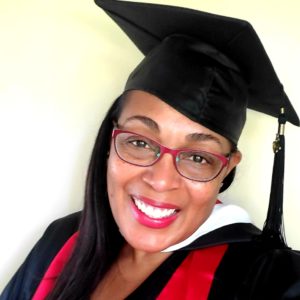
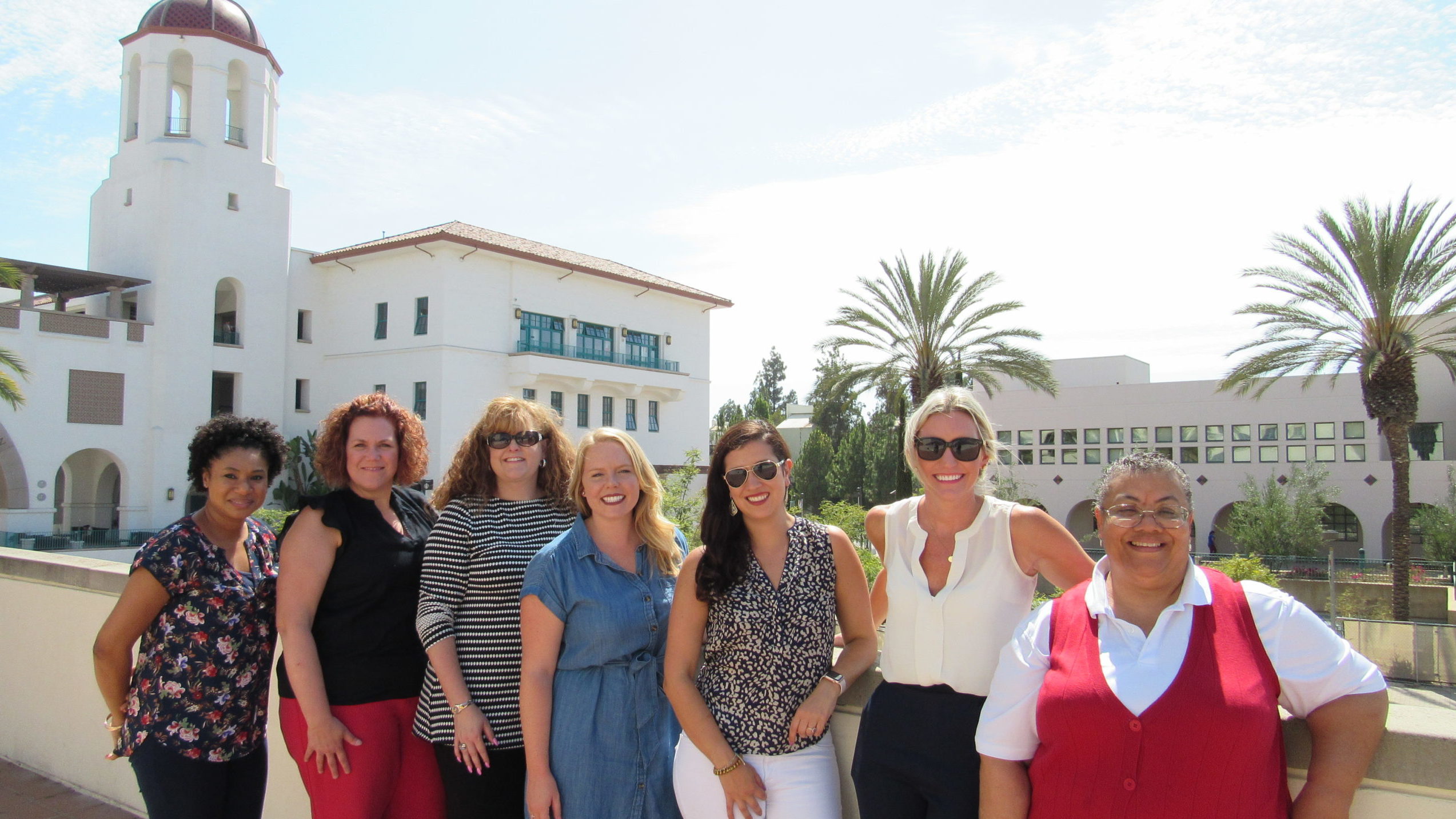
When I first heard about the Masters in Meeting and Event Management program from San Diego State University (SDSU) and Meeting Professionals International (MPI), the specificity of the program’s description—elevating meeting professionals to business event strategists—stood out to me immediately.
I had always considered pursuing a master’s degree, but never found the right fit. No program had a precise focus on empowering meetings and events professionals to advance our careers, whether as entrepreneurs or in a corporate setting. I took the leap, joined the inaugural cohort, and found the 18-month journey to be truly transformative. A few months removed from our virtual graduation, I’m sharing some of the takeaways for fellow colleagues to embrace and explore the program.
The Industry Was Missing a Program Like This
In the past, an event professional might pursue an MBA, building general, foundational business skills, but never quite in the context of the meetings and events industry. Those who recognized the gap might defer a graduate degree altogether. The Masters in Meeting and Event Management is the first in North America designed for Certified Meeting Managers (CMMs), Certified Meeting Professionals (CMPs) and professionals in other meetings- and events-related industries, such as corporate meeting planning, third-party planning, group sales, convention services, destination management and more. While the program is new, it feels familiar, thanks to the experienced instructors and relevant content.
COVID Didn’t End Meetings and Events, It Evolved Them
A few months into the program, the coronavirus pandemic brought the world—and especially our industry—to a halt. There couldn’t have been a more historic time to be part of a program equipping event professionals to think strategically, communicate effectively and lead change. As a group, we pivoted and navigated the coursework to adapt our careers and businesses in real time.
In place of a traditional thesis, the capstone project had us identify a challenge in our industry or organization. That challenge, of course, became painfully obvious. My event management company was hit hard, and I was hindered after having contracted COVID-19 myself (it’s no joke—take it from a long-hauler still feeling the effects a year later). I used the capstone project, combined with input from a mentor gained in the program, to successfully position my business for virtual events. Now, seeing live events slowly come back into the tentative planning phases, we anticipate the in-person and online formats may converge into hybrid events.
We are Leaders
Event professionals are commonly perceived as “party planners,” which overlooks the complexity of managing event planning, operations, stakeholders and achieving measurable results. It’s not an administrative role; it’s a leadership role, and one that the program fine-tunes in a personalized leadership development plan for each student. Many of the faculty members are executives and leaders in the meetings and events industry, sharing their experiences and insights to help students establish their own leadership styles, philosophies and core values.
Relationships are Everything
Our cohort went through a trying and traumatic year together, from the pandemic to politics to business to social unrest. We powered through and became stronger because of it. In addition to building new, rewarding relationships, the program also reinforced the importance of maintaining longstanding ones. Keeping in touch and consulting with my clients who had cancelled events at the onset of the pandemic didn’t translate to immediate business, but I was eventually the first one they called—and the one they trusted—to go forward with virtual events.
You Have the Power—and a Profound Turning Point—to Shape the Future of Meetings and Events
Live meetings and events will return—it’s already starting to happen. At the same time, virtual events are here to stay, too. The year 2020 was a difficult time to be in this business. 2021 brings not only optimism, but also an opportunity to be at the forefront of an industry in transition. Learn more about the Master’s in Meeting and Event Management at SDSU.
Deanna R. Roberts, MS, CMM, is founder and chief experience officer for D. R. Roberts Event Management.
Meeting professionals struggling with how—and when—to get back to physical meetings are not alone. CVBs and venues all over the country have spent the last nine months figuring out the best way to welcome guests back to their cities and ballrooms.
Recovery and Rebirth
Joe D’Alessandro
At its virtual 110th Annual Meeting in December, San Francisco Travel Association (SF Travel) gathered 400 partners—local and global—to join the “recovery and rebirth” effort. Joe D’Alessandro, San Francisco Travel president and CEO, said the destination will emerge from the COVID-19 crisis stronger than before. “For all of the genuine struggle and significant hardship we’ve endured as an organization and as an industry this year, I do find myself inspired,” he said. “Despite these setbacks, we were still able to rally our community together to work on shared solutions. We have been given the opportunity to shape the recovery and rebirth of San Francisco, to work with those in power who understand that tourism is the lifeblood of this city and that its return is imperative to our collective future.”
SFTravel launched an “Our Gate Is Open” campaign as soon as hotels reopened to leisure travel. The campaign generated more than 117,000 video views, drove more than 31,000 users to the company’s website, and led to more than 14,000 room night bookings, almost three times the original goal.
“While the road to recovery is indeed going to be a long one, I believe that at its end lies a new age of success for all of us,” he said. “The world of tourism will never be the same. We’re already adapting how we curate the visitor experience—with virtual tours, interactive content, and more. But that doesn’t mean it will be any less enjoyable, any less memorable, or any less enviable for leisure and business travelers all over the world.”
Pent Up Demand
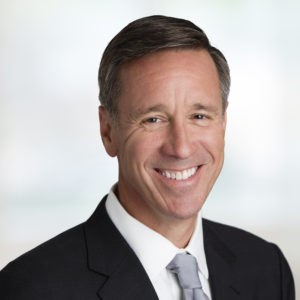
Arne Sorenson
Arne Sorenson, CEO Marriott and one of the virtual guests at the SF Travel event, predicted that 2021 will be “meaningfully” better than 2020. He expects pent up demand for travel starting again in the second half of 2021 after a vaccine has been broadly rolled out.
Sorenson reported that the COVID-19 crisis had a “profound” impact on Marriott’s businesses around the world and estimated that it will take several years to get back to pre-pandemic levels with a continued impact on workers and jobs. “In the coming months, the tourism industry will need stronger support from the federal government in order to recover,” he said.
Sorenson shared his belief that the current trend of remote work will switch back to some form of in-person office environment, “where innovation and creativity can happen.” He also predicted that people will gradually start to travel for business again. The shift could start with leisure travel by car and groups will follow after that.
Marriott has adapted its marketing strategy accordingly. Currently, the group’s most important message to customers is that they can travel safely, and to reassure them that they are welcome. “We have to earn the confidence of the most conservative early travelers,” said Sorenson. That is why the focus is on companywide cleaning and safety protocols.
While local attractions like wine country are likely to attract visitors in the near future, Sorenson is convinced that, the diversity, culture and vibrancy of cities will become strong assets again. “The experience that you can get in a city like San Francisco is unique, it’s something that you can’t get anywhere else,” he said.
Lead by Example
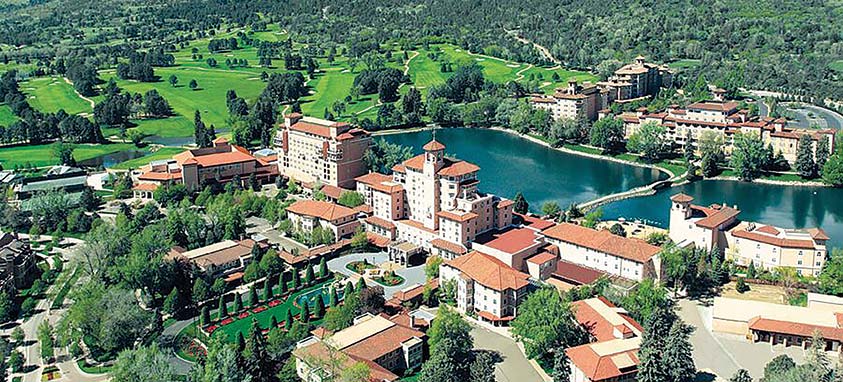
The Broadmoor, Colorado Springs
Many properties across the country are actively modeling what safe meetings could look like. Pepper Dombroski, director of sales with The Broadmoor in Colorado Springs, Colorado, said the resort has hosted done more than 200 meetings safely since the start of the pandemic. Meetings followed state guidelines and the conference team started by hosting employees so by the time first group arrived, they were confident in their ability to manage everything from F&B to traffic flow. “We are moving beyond how to handle a meeting to how to adapt and meet business goals,” she said.
As a large resort with abundant acreage in a dramatic mountain setting, she was already staging outdoor meetings, but the number quadrupled using covered patios and walkways as back-ups. “I see that trend staying for 2021,” she said. “Even as things improve, people have a greater appreciation for being outdoors.”
Dombroski also predicts that corporate meetings will come back sooner and faster than expected. “Clients have gone through dramatic changes and after change there is a need to bring people together and make sure they are aligned,” she said. One of the upsides of a large resort is plenty of room to spread out compared to the confines of a cramped office.
Dombroski’s philosophy is that hoteliers and meeting professionals have to model safe gathering techniques. “We need to not be shy and fall victim to travel shaming,” she said. “What we are doing is safe, vital to the success of companies and we need to be proudly out there meeting and showing the way.”
Hybrid Ready
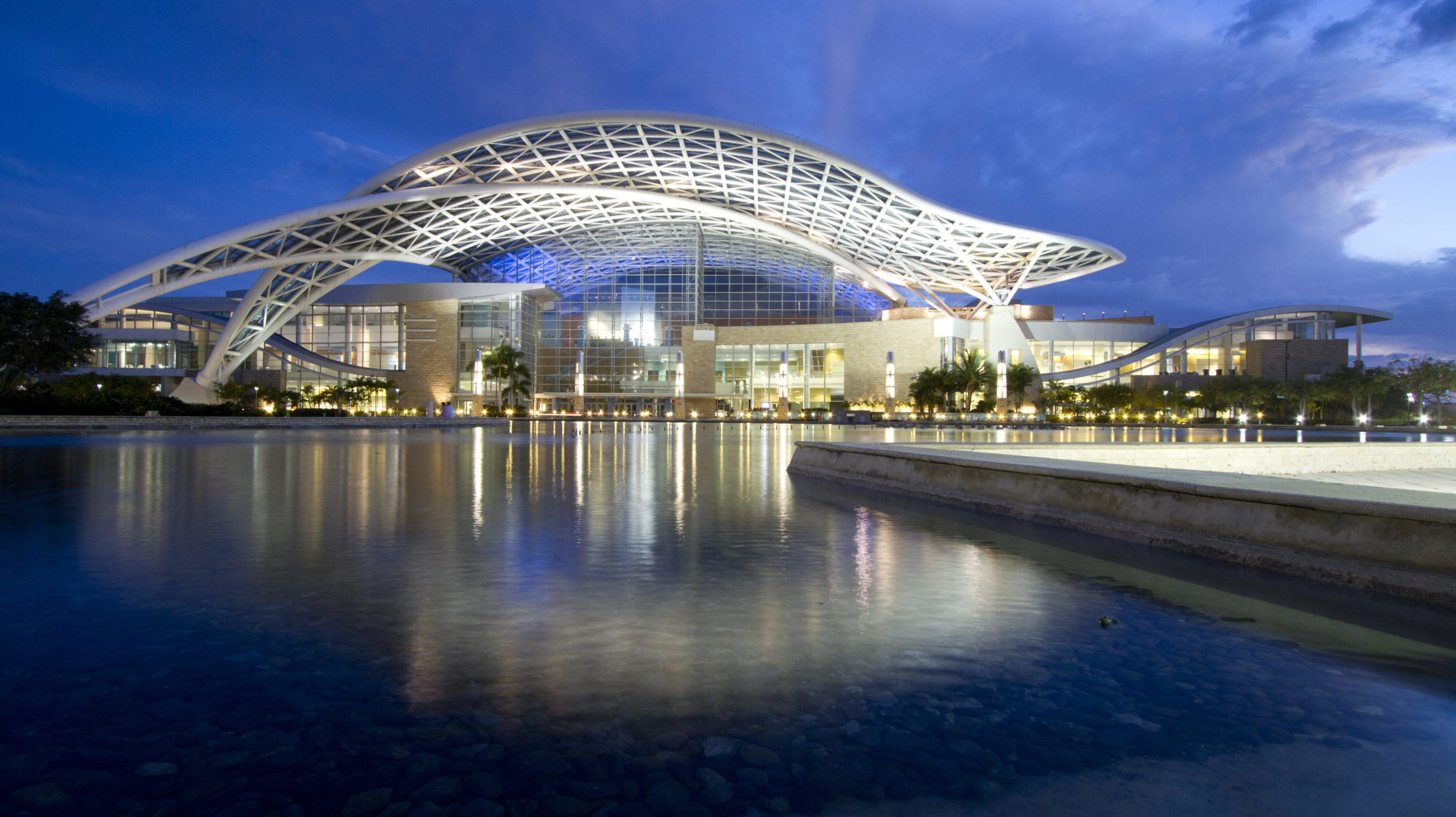
Puerto Rico Convention Center
A number of venues—including Orange County Convention Center in Orlando, Florida; America’s Center in St. Louis; David L. Lawrence Convention Center in Pittsburgh, Pennsylvania; Javits Center in New York City; and Four Seasons Hotel Silicon Valley in East Palo Alto, California—have built broadcast studios to create turnkey solutions for meeting professionals adopting the hybrid approach to events.
Brad Dean, CEO at Discover Puerto Rico where Puerto Rico Convention Center created The Broadcast Studio with dynamic backdrops, stage design and remote-presenter kits, says he is already seeing a significant uptick in inquiries and expects hybrid and outdoor offerings will continue to be attractive alternatives.
The destination has offered unique virtual experiences—“getaways” that offer mixology and salsa classes, meditation content with echoes of the rainforest, and a “Sounds like Puerto Rico” video series, which explores the Island’s jargon and its origins. “There has never been a more important time to get creative in this space—a time when we are as plugged in as ever.”
Looking forward, Dean and his team are working with meeting professionals to help them visualize what is possible. They are staging virtual FAM experiences as hybrid meetings to update potential groups on new opportunities on the ground, such as El Distrito T Mobile, an experiential complex opening in 2021. The destination marketing organization (DMO) partnered with Travefy to create custom agendas using multimedia content, geo mapping, flight trackers and more.
“As you know, Discover Puerto Rico is no stranger to adversity—from hurricanes and political unrest, to earthquakes and now a pandemic, we were forced to evolve quite a bit given these experiences and know firsthand how the role of DMOs need to change to tackle the needs of a destination’s hardships,” he said. “This includes changing not only what you do, but how you do it and the speed at which you tackle the needs at hand.”
Dean pointed to communication as the most important step in mobilizing resources in the face of adversity. “We now have an immense responsibility to put safety first, while seeking creative solutions to the various challenges we face—all while being as efficient and effective as ever, to keep our destinations relevant in unique ways and lay a solid foundation for recovery.”
Next Best Thing to Being There
Another destination that has made it easier to plan remotely for a future events is Visit Anaheim in sunny Southern California. A new immersive virtual experience allows meeting planners to tour the city, Anaheim Convention Center, Disneyland Resort, John Wayne Airport, Angel Stadium and Anaheim Packing House using the 3D tool Xplorit. Whether you want to scope out the light in prefunction space in ACC South’s Main Entrance or judge the distance from Disneyland Hotel to Downtown Disney District, you can zoom in for a closeup using your mouse or put everything in perspective by switching to VR mode.
“This new tool helps meeting professionals visualize and customize their Anaheim event, while taking the guesswork out of trying to plan an event remotely,” said Jay Burress, president and CEO of Visit Anaheim.
Unstoppable
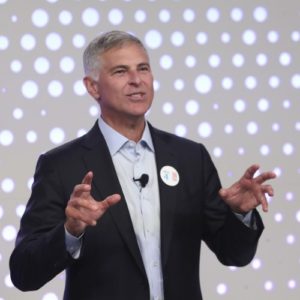
Chris Nassetta
Chris Nassetta, president and CEO with Hilton, took the long view about how his company could help the industry recover. “While 2020 has challenged us in ways we never expected, it has also proven that hospitality is an unstoppable force for good. Travel builds connections and breaks barriers across communities—something our world needs now more than ever.”
He pointed to the heartwarming show of strength across the globe, from front-line workers the hotel hosted to Hilton Honors members who donated points to charitable organizations, acts of kindness were the rule rather than the exception.
The company is offering more flexibility in its points program at its 6,300 hotels worldwide and more peace-of-mind with Hilton CleanStay and contactless technology through the Hilton Honors app.
Today, Marriott International shared news of the death of Arne Sorenson, the hospitality giant’s president and CEO since 2012. The announcement shocked the industry, and a Marriott press release called it “unexpected.” Only two weeks earlier, on Feb. 2, the company announced Sorenson had temporarily reduced his duties to receive additional treatment for pancreatic cancer, a diagnosis he received in May 2019.
No details or explanation was given for the timing of Sorenson’s death.
Sorenson was only Marriott’s third CEO, and the first without the Marriott surname. During Sorenson’s tenure, “[he] steered Marriott to make significant progress on diversity, equity and inclusion, environmental sustainability and human trafficking awareness,” said Marriott.
During Sorenson’s tenure, growth was explosive, with key expansion milestones including acquisition of Starwood Hotels & Resorts in 2016, which made Marriott the world’s biggest hotel chain.
“Arne was an exceptional executive—but more than that—he was an exceptional human being,” said J.W. Marriott, Jr., executive chairman and chairman of the board. “Arne loved every aspect of this business and relished time spent touring our hotels and meeting associates around the world.”
Twitter tributes were immediate and plentiful.
Typical was this reaction from Andrew Ross Sorkin, financial columnist for The New York Times: “He created the modern-day Marriott and acquired Starwood hotels. He also happened to be a very good guy.”
“A great man who believed that business is the greatest source for social change. I had the privilege of knowing this towering figure and watching what he did to help his team in good and hard times. I will miss him very much,” said Jim Cramer, host of Mad Money on CNBC.
“He ended his tenure as CEO of Marriott by forgoing his salary for 2020 to lessen the impact of Coronavirus on the company and staff. He will forever serve as an example for me personally,” tweeted gaming executive Mikael Pawlo.
When Sorenson stepped down from his full-time position, two Marriott executives, Stephanie Linnartz, group president, consumer operations, technology and emerging business; and Tony Capuano, group president, global development, design and operations services, took over shared responsibilities of his position. They will continue in these duties until the Marriott board appoints a new CEO, which is expected within two weeks.
One benefit of the Year of Zoom is that the need to take things virtual in business has awakened us to other opportunities to interact online. Pre-Covid, who would have thought about laughing to stand-up, touring a museum in another state, or listening to a full musical concert virtually? The explosion of virtual experiences gives us opportunities to engage outside our Zip Codes—especially during Black History Month. Some American cities have especially deep ties to African-American history, and now you don’t have to take a road trip to benefit from their special offerings.
Several prominent museums and associations are celebrating this month with concerns, readings, articles and videos available to the public. One consolidated source is Association for the Study of African American Life and History, which will be hosting virtual events all month long under this year’s theme for Black History Month: “The Black Family: Representation, Identity & Diversity.” Watch this YouTube video for an introduction to the programming.
Chicago History Museum has several online exhibits, such as “Civil Rights Through Law and Order,” in which a full-screen slide show presents photos with descriptions and notes, authentic letters and virtually presented artifacts.
Atlanta is an important city in Black history—for starters, it’s the birthplace of Dr. Martin Luther King Jr. You can watch videos and read articles on notable Black artists, academics, and leaders in civil rights, from Booker T. Washington to W.E.B. Du Bois at the Atlanta Journal Constitution.
Celebrating Black Culture
Move: Get tickets through Eventbrite and take an online class from Afro Dance New York with Dancehall Queen Brat. Ten dancers can sign up for spots in the Manhattan studio—but you can groove (in private) from your living room.
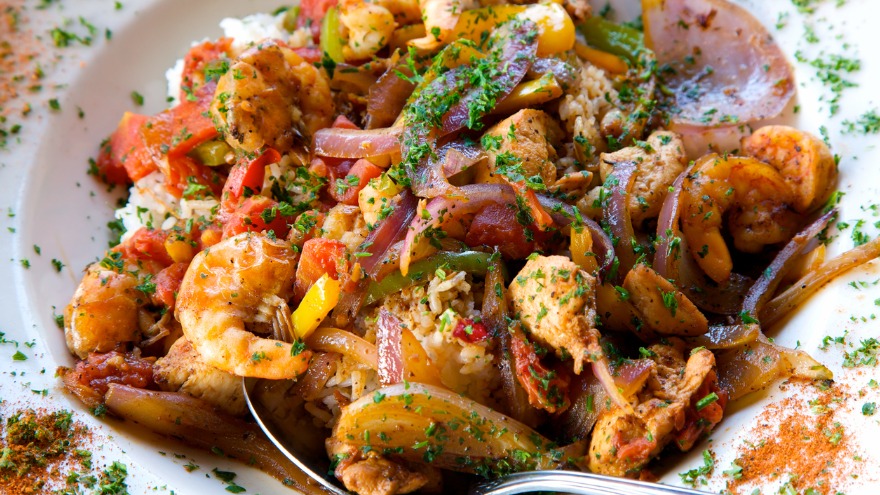
Eat: Food52’s 38 Recipes to Kick Off Black History Month shares cuisine from the diaspora of Black culture, going far beyond (and including) what we think of as “soul food” in the United States. The author shares her connection to several Black food writers and chefs. “The [virtual] potluck allows us to unite through food, not ignoring that being Black in itself means being multicultural.… Southern food is just a fraction of the pie when it comes to Black food and identity.”
Listen: NPR’s Tiny Desk Concert Series, an intimate video broadcast of famous musicians at NPR’s headquarters from—yes—behind a real desk is celebrating, too. In February, 13 concerts will be recorded featuring Black artists, both established and emerging, across all genres of music.
Take a Drive (Or a Flight)
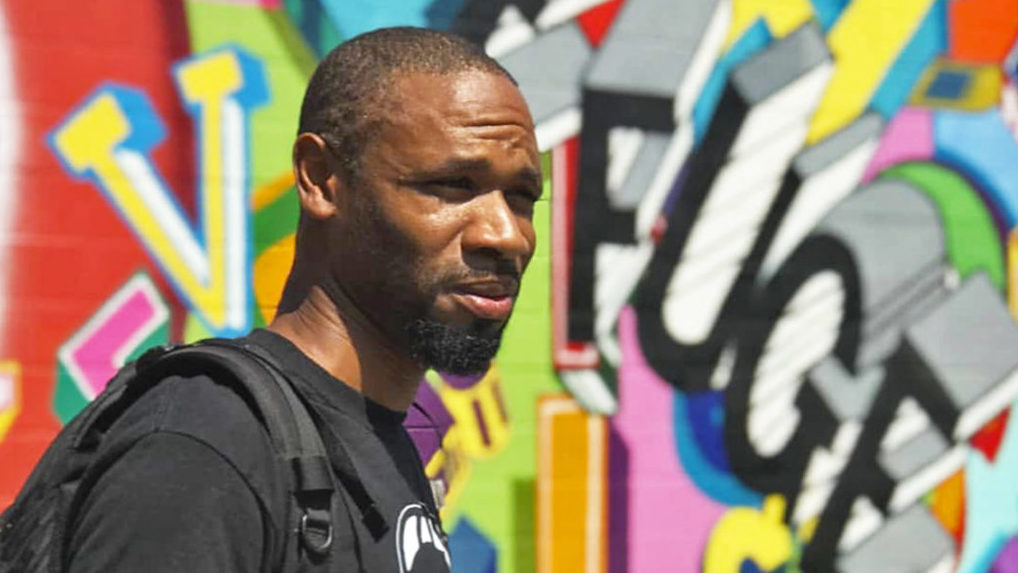
Hamilton Glass
If you’re two vaccines in—or craving a road trip with a suitcase of freshly laundered masks—Richmond, Virginia, is an epicenter of Black history, with multiple sights and sounds around town.
The American Civil War Museum is currently open to visitors, with safety precautions in place. You can also view its web series, with virtual symposiums taking place throughout the month. The Black History Museum and Cultural Center of Virginia is also open, with limited hours, featuring permanent galleries honoring African-American history and its contributions in the United States.
Physical visitors can take to the streets in celebration—literally. Modern Black artists pay homage to history and awareness with sculptures and installations, from Michael-Birch Pierce’s Kamala Harris mural to “Mending Walls,” a grassroots public art project devised by local artist Hamilton Glass. The project spans 16 murals across town, each painted by a pair of artists from different cultural backgrounds, with the aim of fostering healing through mutual creation.
Editor’s Note: This story was updated on 2/12/21 to include reaction from U.S. Travel.
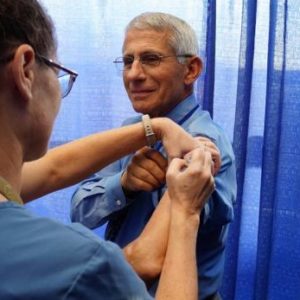
It’s “quite possible” getting vaccinated for Covid-19 could be as necessary to board an airplane this year as having your ID and boarding pass. “Anything is on the table. Anything is possible, of course,” Dr. Anthony Fauci, director of the National Institute of Allergy and Infectious Diseases (NIAID), told Newsweek .
Dr. Anthony Fauci; Photo credit: National Institute of Allergy and Infectious Diseases
Fauci said he didn’t expect such a mandate to come from the federal government but said it could be issued by state or local governments—or your boss, customer or business partner.
“Here at the NIH [National Institutes of Health], I would not be allowed to see patients if I didn’t get vaccinated every year with flu and get vaccinated once with Hepatitis [B]. I have to get certified every year,” Fauci noted.
This possibility has begun to get traction from airlines and industry groups. In December, Qantas CEO Alan Joyce suggested that once coronavirus vaccines are widely accessible international passengers on his planes will have to be vaccinated before being allowed to fly into Australia.
Joyce said the airline is currently developing ways to electronically verify that people have received the vaccine, according to an AP report. “We are looking at changing our terms and conditions to say for international travelers, that we will ask people to have the vaccination before they get on the aircraft,” Joyce said.
Korean Air, South Korea’s largest airline, said this week it would require vaccinations, as “governments are likely to require vaccinations as a condition for lifting quarantine requirements for new arrivals.”
Several international carriers are working with beta versions of Common Pass, an app endorsed by the World Economic Forum that will provide a standardized way for airlines to evaluate the coronavirus test results of passengers, according to news reports. International Air Transport Association (IATA) also says it’s developing a Covid-19 Travel Pass app so passengers can easily prove Covid testing and vaccination at airports.
IATA hasn’t yet called for mandatory vaccinations. Its official position is to recommend testing, including required testing. Another industry trade group, Airport Council International, has come out against vaccination requirements, fearing this could cripple industry recovery.
U.S. airlines have so far been mum on the subject, with the exception of American Airlines. Fodor’s reported American says it’s too early to consider vaccine mandates.
Testing, Testing
What started as a requirement by the CDC for proof of a negative Covid test for international flights and proposed for domestic flights drew push-back from the travel industry.
“The high cost and low availability of testing make a domestic testing mandate a challenging concept to put into practice. Based on January 2021 data, a testing requirement for domestic air travel would necessitate a 42 percent increase in daily testing capacity nationwide, a substantial use of testing resources when air travel has already been shown to be safer than many other routine activities,” said Roger Dow, president and CEO of U.S. Travel.
The year 2020 was among the most difficult in modern history for people and organizations around the world, but few sectors were impacted as swiftly and deeply as travel, hospitality and gaming. The Las Vegas Strip went dark for the first time ever, and operations were dramatically overhauled to incorporate sweeping, never-before implemented health and safety protocols. The public health and economic damage wrought by the virus hit gaming communities especially hard, and we have worked around the clock to provide support to employees, their families and others at risk.
Despite the devastation of the last year, I am optimistic about the prospects for our country, our industry and our future. I believe the first half of 2021 will mark the beginning of a much brighter day for Las Vegas and our company.
Here’s why:
Bill Hornbuckle
Innovation has delivered solutions.
In the United States, we now have two highly effective vaccines approved for widespread use, with three more in phase three trials. As of today, more than 24 million doses have been administered. While distribution challenges persist in many states, with improvement, it’s possible we could begin seeing significant benefits from the vaccine by summer and a potential resurgence of travel in the second half of this year.
A gradual end of the winter wave and a possible plateau or even reduction in rates into spring—along with incrementally increased immunity—will ultimately lead to safe and gradual easing of most stringent Covid safety restrictions and the beginning of the return to a sense of normalcy. This will include expanded capacity and the ability for more amenities and larger-venue attractions to come online.
MGM has proven resilient in the face of uncertainty.
Challenges of the scale like those we have faced test the soundness of corporate strategies, the strength of portfolios and the capability of leadership teams. While we did not foresee the crisis we ultimately experienced, the strategic plan we put in place in 2019 improved our efficiency and strengthened our balance sheet, allowing us to attract new partners, bolster new businesses like BetMGM, our fast-growing sports betting platform, retain and expand a seasoned leadership team and continue to plan for the future. We believe 2021 will witness the largest year of growth yet in expanded sports betting and online gaming markets.
Las Vegas remains an incomparable travel destination. The city has refused to yield to dark times and deep challenges of the past. Further, it has evolved in ways that were unthinkable ten or even five years ago. The addition of professional sports to our city’s already enviable suite of entertainment offerings had only begun to attract an entirely new generation of visitors when the pandemic hit. With the NFL, the NHL, the WNBA, NASCAR, professional soccer and one day soon—we hope—the NBA, Las Vegas has become a place where serious sports fans celebrate.
Lastly, as we look towards welcoming back meetings and conventions, which are a critical piece of our business in Las Vegas, we are encouraged by insights we are seeing within the industry. According to recent research from the Las Vegas Convention and Visitors Authority, 74 percent of business travelers believe that Vegas will be prepared to safely host in-person conferences, conventions and trade shows by the second half of the year and 77 percent of those surveyed would prefer to attend meetings in person, rather than virtually.
For all these reasons and with warming weather fast at hand, a trip to Las Vegas—along with other travel and tourism destinations—will start appearing on a growing number of itineraries.
While positive change is ahead, the coming months will no doubt be difficult, and scores of gaming and hospitality employees remain out of work. I am eager to restore individual livelihoods when full operations return. Until then, we remain steadfastly focused on the development and implementation of customer-centric services like contactless check-in and mobile enabled room service and on the health and safety of our guests, employees and the communities in which we operate.
As 2021 begins I am confident we will again fully and freely embrace our mission: to entertain the human race. Las Vegas is poised for a strong return.
Bill Hornbuckle is CEO of MGM Resorts International. A version of this article was originally published on LinkedIn on January 28, 2021.
The devastation suffered by the hospitality industry over the last year was nothing short of tragic, but it could also be a reset, a chance to build back stronger and better. Between the pandemic shutdown of events and hotels and increased focus on diversity in the wake of Black Lives Matter protests, many organizations stepped up their diversity, equity and inclusion (DEI) efforts. tourism diversity matters
A new initiative, Tourism Diversity Matters (TDM), is looking to leverage those advances to benefit the industry and those who work in it.
“We know business will come back, but it may come back with different people. What if we can restaff in a way that creates opportunities for more diverse individuals?” asks Greg DeShields, TDM executive director.
DeShields’s vision for a diverse future was born in his work at hotels, Temple University School of Tourism and Philadelphia OIC, an organization founded by Rev. Leon Sullivan, who walked alongside Martin Luther King Jr. during the Civil Rights era. By leveraging the pillars of apprenticeships, workforce development, DEI research and data, he believes meeting professionals and hotels alike can create a future better able to engage and retain a diverse workforce.
Instituting things like a code of conduct and supplier diversity will result in a more welcoming and sensitive meeting environment where the blind spots of ethnic disparities are addressed before guests arrive. “It will create a place where everyone feels valued and respected, and more people can participate,” he says.
DeShields calls this a collective impact model. It will not replace work being done at organizations such as PCMA and Destinations International. Instead, it is designed to leverage that work—by focusing solely on coordinating and advancing it. In fact, many of the leaders from those organizations are on TDM’s board.
“Think of it this way: If we both decide to hike a mountain, we can assist each other and climb higher than we would have alone,” he says. “We have come to a place as a country that if we are ever going to get it right, now is the time.”
That One Thing
Since TDM is structured as a collective that amplifies the work of everyone in the industry, we asked members of its executive committee “what one thing” could be done to make hospitality and tourism more inclusive and welcoming.
Responses were refreshingly specific, honest and hopeful.
“A reality that we need to face is that for an industry based on hospitality, not all people feel welcome everywhere. Our industry can start by getting more Black people and people of color to the table and in the C-suite, which requires purposeful action to seek out diverse talent and examine recruiting practices. We also need to continue having uncomfortable conversations. You may not understand a Black friend or colleague’s experiences, but you can walk beside them and commit to deepening your education on racism in America.”–Elliott L. Ferguson II, president and CEO for Destination DC
“The hospitality, tourism and business events industry is quickly rebuilding and transforming itself as we come out of the pandemic. As we prepare for the ramp-up and bring our teams back, we have a gift of an opportunity: to celebrate the amazing feats the incredible people of our industry make possible every day and, in doing so, highlight the unique backgrounds and range of career interests and skill-sets that fuel that work. My hope, and the intent is, that we help those from a diversity of backgrounds and broad range of skills to realize the breadth of opportunities for a career that welcomes their diversity—of training, interest and background. There’s a home and a need in our dynamic industry for great talent from a diversity of perspectives that ensures our teams best reflect the customers we serve.”–Carrie Freeman Parsons, chair at Freeman
“A collective impact, industrywide approach for DEI. Imagine if we can all begin to row in the same direction and learn from each other’s successes and failures in impacting the greater industry? Once we begin to collaborate, educate and cooperate, we will be on our way to being more inclusive and welcoming. Our goal as an industry must be to diversify leadership across all industry sectors. This starts with the board of directors, whether private sector, nonprofit or association. Without board diversity, it is unlikely that key diversity initiatives will remain a top priority or a consistent pillar in strategic plans. This, coupled with defined metrics and accountability for the CEO, will start to create more inclusive and welcoming work environments. Lastly, we must intentionally attract, recruit and retain young people with diverse backgrounds and perspectives and provide them with meaningful career planning and mentoring.”–Mike Gamble, CEO at SearchWide Global
“For future hospitality professionals, it’ll be important for the hospitality industry to create strategic workforce pipelines to provide additional access for diverse professionals to be a part of all levels of the business. This can be done through partnership and mentorship programs quite easily. The future of the industry depends on what we do today. The work that Tourism Diversity Matters is doing will be a catalyst for this type of future change to become a reality, and, hopefully, the norm. The opportunities are endless!”–Dr. Brandi Baldwin, CEO of Millennial Ventures Holdings
Who could have predicted a year ago that Zoom would be a major disruptive influence in the meetings industry? Years of speculation about the threat to in-person from videoconferencing was much ado about nothing until the pandemic. Now, conventional wisdom suggests that hybrid groups, which combine teleconferencing with person-to-person meetings, will be prevalent for the foreseeable future. But how will it affect 2021 budgets?
New Paradigm, New Challenges
The same forces (perceived cost savings, enhanced convenience, health concerns) that have exalted the benefits of working from home also wreak havoc on in-person event attendance. Consider these additional challenges for the meetings industry:
The new criteria for business and event-related travel now includes health-related risks, complicating the decision to approve conference attendance.
The uncertainty of blocking function space without being able to confidently predict virtual attendance vs. live attendance will require a new approach from both hotels and meetings professionals.
The extra space now necessary to accommodate social distancing in both meeting and dining venues will require renting more space for the same number of attendees and could result in price increases from hotels looking to recover lost revenues.
On the other hand, thousands of new attendees are being introduced to the world of conference participation online that will both enthuse and prepare them to attend those same events in person in the future.
It is possible that hybrid meetings may serve as a temporary transitional solution and will not create a negative financial impact after the crisis subsides. In the short term, however, meeting professionals will have to find ways to make revenues from fewer attendees and more expenses pencil out.
Hybrid Business Model Considerations
Ironically, the ability to secure the tech services required for an engaging hybrid event presents a new opportunity for meeting professionals to differentiate themselves by partnering with hotels who are prepared to step up.
But what will it cost? The scope and complexity of hybrid meetings production is vast and pricing strategies will be determined on a case-by-case basis, but the following factors come into play:
Regardless of the size of a group, the technology must be reliable, simple to use and well-designed, which should be reflected in the price.
Support from technology professional(s) with a sense of urgency and a friendly service mentality is also crucial for problem solving and logistical delivery of the meeting content.
Cost-based pricing components are derived from technical complexity, labor, equipment and set-up. The price range is also determined by the length of the event, depth of event integration and audience size and location.
Tapping into the creativity and innovation of virtual meetings is also an important value-based pricing opportunity. Analytics, online polls and sophisticated chat functionality are good examples.
Contracting for the bare minimum level of technical support is a bad idea. Engagement from an online participant is already tenuous due to the temptation to multi-task as well as the notorious short attention spans inherent in a remote setting. If an online experience is buggy or complicated, it is doomed to swift, unforgiving failure.
The financial implications brought on by hybrid meetings will include trade-offs; you may save money from reduced in-person attendance but will spend more on tech support for online services and inevitably for meeting room rental as a result all of the new health and safety elements and social distance spacing.
The notion that the online experience of conferences, tradeshows and incentive programs will prime the pump for future in-person patronage is hopeful and promising. While it ultimately may be more expensive to both attend and host an event, the quality of the experience will eventually improve as a result of the new standards (cleaner, less crowded, improved efficiency.) The pure joy of exploring new destinations, meeting people face to face and experiencing firsthand the collaborative, creative adrenalin rush of a well-run conference or tradeshow cannot be duplicated online. There is no substitute for being there in person.
Craig Jacobs began his career at Hyatt Hotels, went on to leadership positions at the Arizona Biltmore, Hotel del Coronado and Preferred Hotel Group and co-founded an online software company five years ago called Close the Gap. His strengths include sales, marketing, operations and revenue optimization.
Arash Azarbarzin
Azarbarzin is CEO of SH Hotels & Resorts. He previously served three years as president, during which time he led the openings of 1 Hotel West Hollywood in California, 1 Hotel Haitang Bay on China’s Hainan Island and SH’s newest brand, Treehouse Hotels. Azarbarzin has worked in leadership roles with other leading hospitality companies, including St. Regis Hotels, W Hotels and Four Seasons Hotels.
Mark Cooper
Cooper, IACC’s CEO, has been named chair of Events Industry Council. Cooper has been CEO of IACC since 2012 and has also held leading positions with Dolce Hotels & Resorts, Sundial Group, Conference Direct and Warwick Conferences.
Patrick Lacassagne
Lacassagne is general manager and innkeeper for Deer Path Inn in Lake Forest, Illinois. Lacassagne was acting general manager for The Knickerbocker Hotel in New York when the property was awarded Forbes Four Star rating. He’s also held other leading roles, including hotel manager for The Westin Washington, D.C. City Center and director of F&B for Waldorf Astoria Hotels & Resorts in Chicago.
Kevin Clark
Clark is board chair for Visit Seattle. He is president and owner of Argosy Cruises and Tillicum Excursions and was a member of Visit Seattle’s board of directors from 2012-2017, and served as its vice chair in 2020. He’s also sat on the boards of Seattle Metropolitan Chamber of Commerce, Washington Tourism Alliance and Puget Sound Economic Development Council, among others.
Tom Donovan
Donovan is vice president and general manager for Turtle Bay Resort on Oahu, Hawaii, scheduled to reopen this summer. Donovan previously worked as managing director for The Resort at Pelican Hill in Newport Coast, California, and in the same role for Grand Wailea Maui, a Waldorf Astoria Resort. Before this, he was vice president and general manager for The Ritz-Carlton Hotel, Kapalua, also on Maui.
Sabrina Guerrero
Guerrero is director of sales and marketing for The Plaza Hotel Pioneer Park in El Paso, Texas. Guerrero’s career began with Hyatt Regency Los Angeles, and he continued working in operational and managerial positions at Hyatt Hotels and Resorts in California and Arizona. Before joining the team in El Paso, Guerrero was director of sales, marketing and events for Royal Palms Resort and Spa in Phoenix.
Michael Hartman
Hartman is director of integrations and operations for TPG Marinas and general manager for Champlin’s Marina & Resort, Block Island, in Rhode Island. Hartman was recently director of development and managing director of Stock Island Marina Village and The Perry Hotel, and A&B Marina Complex in Key West, Florida.

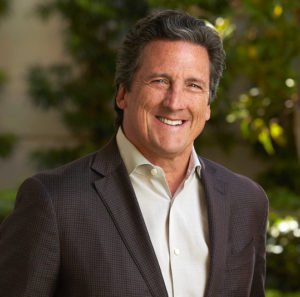
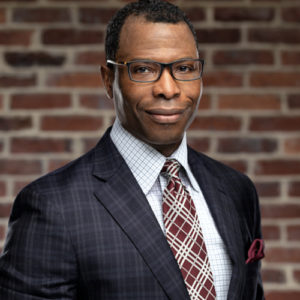 “A reality that we need to face is that for an industry based on hospitality, not all people feel welcome everywhere. Our industry can start by getting more Black people and people of color to the table and in the C-suite, which requires purposeful action to seek out diverse talent and examine recruiting practices. We also need to continue having
  “The hospitality, tourism and business events industry is quickly rebuilding and transforming itself as we come out of the pandemic. As we prepare for the ramp-up and bring our teams back, we have a gift of an opportunity: to celebrate the amazing feats the incredible people of our industry make possible every day and, in doing so, highlight the unique backgrounds and range of career interests and skill-sets that fuel that work. My hope, and the intent is, that we help those from a diversity of backgrounds and broad range of skills to realize the breadth of opportunities for a career that welcomes their diversity—of training, interest and background. There’s a home and a need in our dynamic industry for great talent from a
 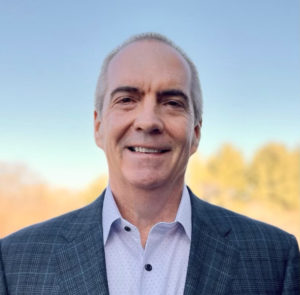 “A collective impact, industrywide approach for DEI. Imagine if we can all begin to row in the same direction and learn from each other’s successes and failures in impacting the greater industry? Once we begin to collaborate, educate and cooperate, we will be on our way to being more inclusive and welcoming. Our goal as an industry must be to diversify
 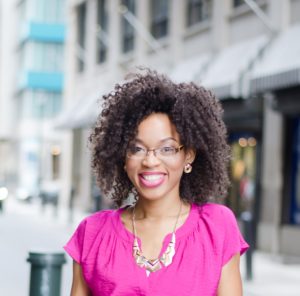 “For future hospitality professionals, it’ll be important for the hospitality industry to create strategic workforce pipelines to provide additional access for diverse professionals to be a part of all levels of the business. This can be done through partnership and mentorship programs quite easily. The future of the industry depends on what we do today. The work that Tourism Diversity Matters is doing will be a catalyst for this type of future change to become a reality, and, hopefully, the norm. The opportunities are endless!”–Dr. Brandi Baldwin, CEO of Millennial Ventures Holdings