The pandemic-spurred reduction in chip manufacturing has been in the news for months, but on-the-ground effects are becoming startlingly clear just as meeting professionals are planning how to get attendees from the airport to the hotel and back: there’s an unprecedented price increase for vehicles, whether purchasing a new or used car—or renting one. Rideshare prices are also on the rise for completely different reasons. Here’s what you need to know for planning purposes before you take off this summer—and likely for the rest of 2021.

What’s Going On?

With the pandemic shutdowns, people had to stay put, and that meant rental car companies had no customers. To keep things running, many companies sold cars and streamlined their inventory. As vaccines roll out, infection rates drop and the economy returns, the demand for rental cars is surging. This is partly because of an increased interest in domestic travel due to cautionary attitudes towards air travel and varied restrictions on travel abroad.

However, rental car companies can’t revive their inventory fast enough to meet demand due to those microchip shortages you’ve been hearing about. Chip manufacturers largely switched from making auto chips to making the kind that were in demand mid-pandemic, like those that power laptops, cell phones, home appliances and gaming systems. It’s not a quick switch to flip production back to auto chips, and these shortages may result in as many as 1.2 million fewer new cars being made this year, according to an article in SFGATE.

With fewer new cars available and retail prices for used cars up 25 percent, rental car agencies are now operating with smaller fleets, shuffling cars from low-demand to high-traffic cities. With domestic travel roaring, the demand for rental cars is soaring—and so are the prices.

Julie Hall, public relations manager for AAA, confirmed this in an email to Smart Meetings. “We [looked] at rental car prices leading up to the recent Memorial Day holiday weekend. Daily car rental rates had doubled compared to last Memorial Day, topping out at $134 for the holiday weekend.”

In some markets, that’s still a steal. An article in the Honolulu Civil Beat cited rental car prices as high as $700 a day in some areas, with additional tales of cars unavailable at any price and residents waiting 90 minutes for an Uber.

Why Rideshares Won’t Save the Day

In conjunction with the surge in vehicle prices, rideshare prices are rocketing, too. When it comes to Uber and Lyft, it’s not a lack of cars pushing prices up, but a lack of drivers. Another pandemic effect of stasis was that rideshare drivers didn’t have riders—so they quit the platform and started driving for food delivery or receiving unemployment. Now riders are returning, but drivers aren’t. In a recent article for NBC4 News, driver and blogger Chris Gerace cites Covid safety concerns and low wages for rideshare drivers as reasons for the reticence. If a new driving job or unemployment benefits are paying the same or more, why return to rideshares?

The Workaround

So, what’s a traveler to do? The first piece of advice no matter your favored mode of transport is to plan ahead. An industry insider for SFGATE recommended booking your rental car two weeks to a month before your proposed trip, and still, to expect to pay 25 to 30 percent more than usual for it.

Other options include alternative rental platforms like Avail, which lets individuals rent out their cars and takes care of the key exchange, car cleaning and insurance that would be deterrents to renting your neighbor’s car. There’s also Uber Rent, which works through traditional car rental companies to offer service through the Uber app with perks like 10 percent cash back to your Uber account. Yet another option is Get Around, a car share platform that lets you find, book and unlock your chosen car all from your phone.

Doing your research and comparing your options ahead of time is a necessity this summer if you want to avoid transportation sticker shock. Carpocalypse could also be a reason to change your travel plans to a city with stellar public transit—or, perhaps, to use the fleet of free buses, shuttles and monorails as a great excuse to pack up for Walt Disney World.

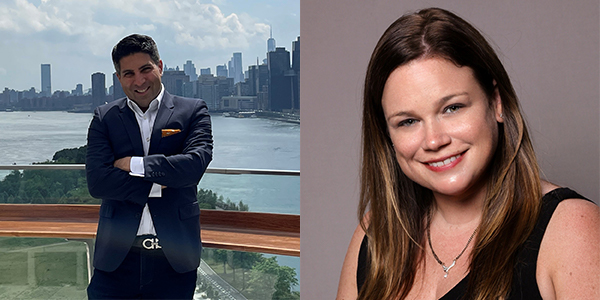
William Cutillo and Cristina Dalal

Cutillo is general manager and Dalal is director of sales for Graduate Roosevelt Island in New York City.

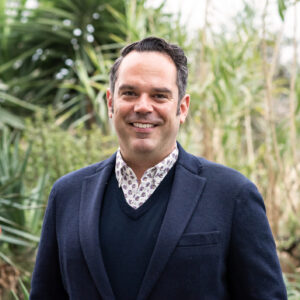
Before Graduate Roosevelt, Cutillo was general manager for Paramount Hotel in New York City. Throughout his career, Cutillo has been awarded several accolades, including Starwood Hotels and Resorts’ Hotel of the Year and Best-in-Class Manager while he worked on the opening team of W Hoboken Hotel in New Jersey.

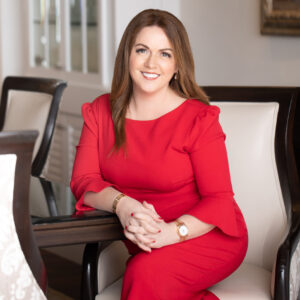
For Dalal, this position follows her role as director of sales and marketing for Sixty SoHo in New York City. She’s also worked as senior sales manager for TWA Hotel in New York City, director of sales and marketing for Sound View Greenport in New York and regional director of sales and marketing for Delamar Hotels.

Megan Pierce

Pierce has been promoted to director of sales and marketing for The Curtis, a DoubleTree by Hilton, in Denver; she previously worked as director of group sales. Before joining The Curtis, Pierce was associate director of sales for Embassy Suites in Denver. In 2017, Pierce earned the Rising Star award with the property.

BJ Mazmanian

Mazmanian is director of account services, live events for virtual event platform Bluewater Technologies in Wixom, Michigan. Deeply experienced in corporate events and experiential activations, Mazmanian comes from EEI Global, where he worked in numerous positions, including senior account executive, director of operations of project management and estimating, and vice president and general manager.

Hillary Sandbach

Grand Wailea, A Waldorf Astoria Resort in Maui, named Sandbach director of marketing. Before Grand Wailea, Sandbach was director of marketing for Hyatt Hotels’ Hawaiian Island properties. She also worked with Four Seasons Resort Maui at Wailea as digital marketing manager.

Damien Hirsch

Hirsch is general manager for W Los Angeles—West Beverly Hills. Before W Los Angeles, Hirsch was general manager for Le Merigot JW Marriott Santa Monica, in California. He also worked in managerial roles with Baton Rouge Marriott in Louisiana, Islandia Marriott Long Island and Melville Marriott Long Island, both in New York.

Greg Volm

Volm is senior vice president of sales and success for virtual and hybrid events platform Hubilo Technologies. Before Hubilo, Volm was senior vice president of customer service experience and operations for communications software company Prezil, senior director of sales for Zendesk and director of sales for information technology company Wipro.

John Koster

Koster is regional president for Caesars Entertainment’s eastern division, encompassing the company’s Atlantic City resorts, Harrah’s Philadelphia and Horseshoe Baltimore. Koster most recently worked as senior vice president and general manager for the company’s Lake Tahoe properties; before this, he worked in high-level roles for Caesars’ Reno and Laughlin properties, both in Nevada. Koster has also held leadership positions with Sheraton Grande Laguna Beach in California and Sheraton Hong Kong.

Did you know that redwood trees are flame retardant? Neither did this big city gal turned Northern California woods dweller, but sheltering in place for the past year has taught me a lot about my surroundings that I wouldn’t have noticed before. I learned this fun fact when I took the pandemic time to read my home insurance renewal paperwork and discovered our fire coverage is lower because our home has redwood siding. Speaking of fire, pinecones are dependent on fire to release their seeds and clean up underbrush. That got me wondering whether the hospitality industry could turn this year of disruption into fertile ground to improve the workforce. Stay with me here.

Pre-pandemic (also known as the era in which I wore hard pants every day), I partnered with Packard Group to develop the six components of culture to assist organizations in improving their recruitment and retention efforts. That may have been a message lost in the underbrush of existing workplaces. The last 15 months was a harsh reminder that we never had control of certain elements of our lives to begin with. Now that so much has been wiped away, perhaps the disruption clears space for you to do a quick assessment of your organization and team members and intentionally choose a path forward!

Let’s take each component one at a time:

Culture

Jess Pettitt

Whether you define it as “the water fish swim in” or the “air we breathe” culture is how people know what to do even when there isn’t anyone around telling them how to behave. It is our invisible guide. It is always reflective of an underlying value system. If you are a Blake Shelton fan, culture is who you are when no one is looking. The past year has been a year without a lot of people looking.

Collectively, the world jumped with little to no direction.  For many, the past year enabled reflection on what was “normal” and offered a chance to develop a “new normal.” It is an opportunity to intentionally build back toward a better framework. Taking your organization, business, homelife or relationships, follow me through the charred forest to new growth.

Beliefs

First and foremost, what are the central beliefs that hold the organization together? Family members, roommates, work spouses and teammates alike have navigated an unspoken belief system that may not be articulated. Now is your chance to create new rules for interacting.

See also: What Meeting Profs Get Wrong About DEI—and How to Start Fixing It

You may have or be a new hire during the disruption period and that newness could be a valuable tool in articulating the beliefs system of the organization. Ideally, everyone in the organization will share a common set of beliefs, or they will find themselves to be a bad “fit” for the organization. If they don’t find themselves to be a bad fit, but their co-workers do, this is a breeding ground for a toxic workplace. Once you identify the fundamental beliefs of an organization, and all players align and agree with these to the core (or at least in exchange for a paycheck), you can keep planting seeds for growth.

Norms

Distinct from beliefs, are organizational norms, or the expectations—formal or informal—about how to behave. Norms are often unwritten elements of culture that define the “fit.” I often reference Charlie Chaplin when I think about unspoken norms. Several years ago, I was getting my hair done and a guy came in to get Charlie Chaplin make up done for an upcoming Halloween costume. He shared that almost a year ago he had started working as the Chief Financial Officer of one of the biggest employers in my hometown. His first week on the job included Halloween, but no one told him that the office staff dress up and take Halloween very seriously. For a year, he has been plotting his Halloween costume out of humiliation that he showed up in street clothes instead of an elaborate costume. He didn’t know what he didn’t know, but more importantly, the co-workers didn’t either. They didn’t realize how much Halloween has become a norm in the office, and they didn’t think to explain this unspoken expectation to a new hire. The CFO’s attention for a year had been distracted to “make up” for the unknown norm for a year.

What are your unspoken elements or expectations? Why do they exist? Do they correlate with the shared beliefs you identified earlier?

See also: Work Smart: Easy Inclusion

Artifacts

Use this as an opportunity to review the workplace artifacts, or the physical elements your organization produces that represent your shared values. If you have been working from home in a corner behind the couch and laundry piles, what artifacts have you collected to make your workplace yours, productive and personal? What about the elements you have acquired or repurposed to feel professional? These items may correlate with the undocumented norms and beliefs that make you fit or not fit in with the others in the workforce.

As odd as it may seem, my hair has become an artifact of my personality, brand, business and even serves as an ice breaker when meeting new clients. Yes, there may be some overlap here with other components, but work with me here. I now have “nice” sweatpants and “good” sweatshirts. I have a friend that uses her company’s coffee mug to drink her WhiteClaws from during late afternoon Zoom meetings. This month, my hair is blue, it is always dealer’s choice when I have a hair appointment. My clients, new and returning, look forward to “What color is it going to be?” when I showed up in person, and now in virtual meetings. I use this to break the ice, and while on brand, it is also fundamental to who I am as a person and the work that I do, by inviting others to engage across difference and get comfortable.

What about you?  Look around your workspaces and keep what you need to keep, question everything, and utilize the artifacts that make a workspace yours while allowing others to do the same.  If there is push back, ask if there is an unspoken norm or belief at play and adjust accordingly.

Language

One of the first areas that will need adjustment is the actual language used within organizations or workforces. Language structures our thoughts, including the opportunities we perceive and the threats we feel.

I am seeing this pop up as folks are working in hybrid situations. Be mindful that members of your workforce may have asked for flexibility due to family care needs, personal preferences, disability accommodations, on-going education or similar issues prior to the pandemic, and were turned down. You may remember last spring there was a wave of articles that questioned productivity at home or the stratification of micromanagement while working from home. Subordinates were asked to report hourly accomplishments because management didn’t trust people were working on the company dime. Now, I hear people are gaining weight because they aren’t exercising as much as when they were home. This makes me ask how that company wellness program is doing when we realize that we may have been more productive at multiple full-time responsibilities when left up to our own devices. Others may have a completely different experience. This is an excellent time to take note of the language we are using to describe our own workflow and that of others.

Does the language used align with the beliefs, norms, artifacts? Spoiler alert—probably not! Can lessons from home shift the language used in the office?

Customs

If you are shifting language soon, you will (re)discover the sacred cows or customs of your organization. Every organization has traditions, standard operating procedures and best practices that become sedimented in written policies, rules and expectations. They can seem immutable.

Some customs you will want to keep, but take the time to ask yourself why. Just because XXX is part of training, or the promotion process, doesn’t mean it can’t change. If it is fundamental to the organization, then these customs may help you articulate some of the other elements of culture.

When I consult with clients, one of the first places I start is by examining Bylaws and Policy/Procedure Manuals (I know this is why no one invites me to parties). Inevitably, I am the first person to really read these documents since—the average is probably 1982. Other than converting scanned copies into editable PDFs, I also check for federal law compliance, grammar, spelling and shoulder pads. You read that right. Published dress code policies are often very gendered, stratified by organizational style (more on that in just a second) and rest on an outdated definition of “professionalism” that is rooted in assumptions of race, class, education, ability, size and culture. This is my quickest window into the culture of a client I am just getting to know. Perhaps you can use this disruption period to get to know your own organization as a clean slate. Keep what aligns with the other components—plant seeds for something new if it doesn’t.

Does the literal language used internally match what your marketing states? Words matter and should be aspirational at first glance. This is your best recruitment and retention tool regarding your workforce talent.

Organizational Style

Lastly, but oddly where most leadership’s think is the starting place is your Organizational Style—This not only communicates what your organization cares about, but determines what your people are allowed to do. How do you share your culture outside of your organization? Who is permitted to share? Is what is allowed to be shared tightly controlled for uniformity? If all were in alignment, what else within your organization would you be able to control?

Flash back to our Charlie Chaplin CFO. He described being humiliated at work when it seems that his co-workers were in the wrong (and he is in management)! Is your workforce empowered to solve problems or do they have to get approval first? How does the structure encourage creativity and problem solving?

I once received a letter of reprimand for having lunch with a Director (above my pay grade). I was punished for communicating “up the chain of command” without my supervisor’s approval or presence. It didn’t matter that she and I had worked together in a previous position, where we both utilized each other for support and developed a friendship. Years had passed, and we both got hired in the same month at our respective new jobs. Based on the supervision style, I hadn’t followed the stated policies (customs) which was formally documented (language), in a working environment that espoused cross-collaboration with different offices (beliefs) and regularly used the on-campus coffee shop (artifacts) for casual coffee talks (norms).

It’s been a year.  Use it wisely to plant seeds.

Jessica Pettitt has been stirring up DEI Conversations for almost two decades with her concept of Good Enough Now–how doing the best you can with what you have some of the time is better than nothing never.  For more information visit JessPettitt.com.

At 100 percent capacity and masks off, Las Vegas is back in the business of meetings—and it’s a beautiful sight. No time has been wasted between the announcement that all restrictions have been lifted and the hosting of meetings in the city.

MoreWere Thousands of Vegas Memorial Weekend Visitors a Dry Run for Conventions?

Now, you may be wondering, what does it look like when an annual convention returns after a one-year forced hiatus? Imagine having no contact with a friend for 15 months, but the moment you reconvene, the connection is so strong it’s as if that lapse never happened at all. Yeah, it’s kind of like that.

The Comeback of Jewelry Trade Shows

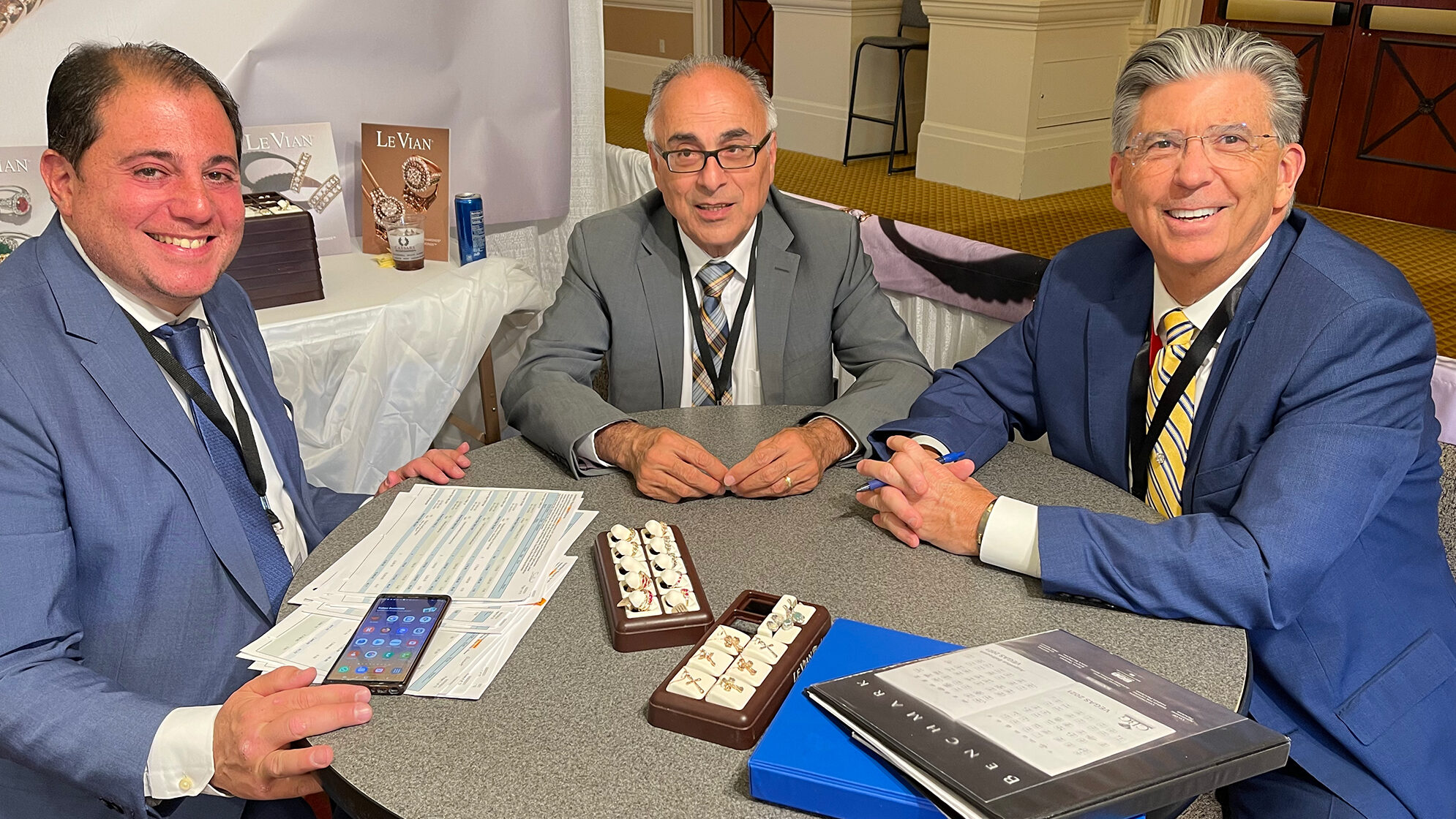
Chief Operating Officer Joe Murphy and President Andie Weinman of Continental Buying Group (CBG) just finished off their first live show since the pandemic began, at Caesars Palace. CBG serves as the middleman in the buying and selling of high-end jewelry. Committing to the purchase of something—especially jewelry—before actually seeing it is a risky prospect, something the two were not particularly keen on their members doing.

Chief Operating Officer Joe Murphy and President Andie Weinman of Continental Buying Group

Despite this, CBG’s virtual shows while in-person gatherings were on hold were seen as the most productive and user-friendly of all virtual shows in the jewelry industry. “Shopping for jewelry is unlike any other shopping experience,” says Murphy. “People like to touch and feel the jewelry and see the quality and beauty up close. This is why it was so important to get our suppliers and their jewelry lines live and in front of our retailers. It is the same for a consumer buying jewelry online. The beauty of jewelry items online cannot be as fully appreciated as it is in person.”

Trying to remain in synch with CDC guidelines—at the time of planning, social distancing protocols only allowed for 50 percent capacity in gathering spaces—CBG’s live show had 65 retailers, 65 suppliers and 400 attendees in total. The company usually has 100 retailers, 125 suppliers and more than 800 attendees.

Even though the number of attendees was less than the norm, Murphy says the energy was still amazing. “While we knew there would be pent-up demand for merchandising and connecting with the CBG family, our first live show after over a year far exceeded all expectations,” Murphy says.

LVCC West Hall Expansion Debut

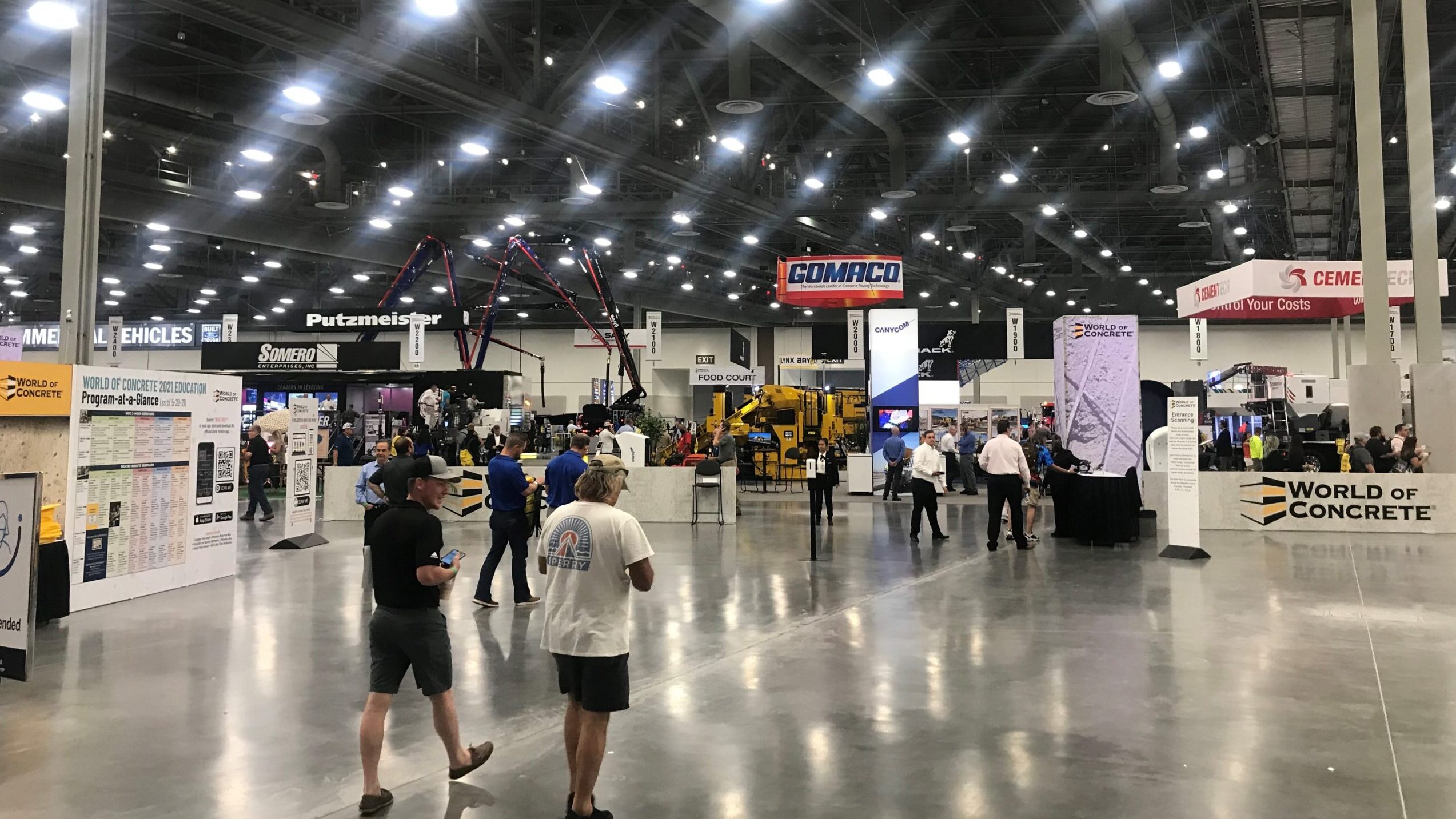
On Tuesday, Las Vegas Convention Center (LVCC) debuted its 1.4 million-square-foot West Hall expansion with Informa Markets’ annual World of Concrete (WOC) convention. The occasion was inaugurated with a ribbon-cutting and words by prominent figures in the hospitality industry and government, including Steve Hill, president and CEO of Las Vegas Convention and Visitors Authority (LVCVA); Nevada Governor Steve Sisolak; Charlie McCurdy, CEO of Informa Markets; and Marilyn Kirkpatrick, Clark County Commission chairwoman.

The addition of the West Hall brings the facility’s meeting space to 14 million sq. ft. and makes LVCC the second-largest convention facility in the United States. Before the ribbon was cut, Hill emphasized how forward-facing the industry is. “It takes months for these exhibits to be planned and constructed. You can’t make this decision four or six weeks before the show to make it happen. To make today happen, [WOC] had to make that decision around the first of the year. They committed to it, it has made a huge difference for us, the city and for the industry,” Hill said.

This was also The Boring Company’s long-awaited Hyperloop’s official debut at the convention center, allowing up to 4,400 attendees an hour to travel throughout the convention center in under two minutes.

“We’re bringing the first large-scale trade show in the country back to the show floor,” McCurdy says. “We’re really thrilled to be part of this moment, both for our friends and partners at the Las Vegas Convention Center, and for the return of in-person trade shows in the United States.”

LVCC’s West Hall began construction before the pandemic, but when things began to close down, the convention center went through a very tough time, much like the rest of the industry. To finally have it happen is a relief, says John Schreiber, vice president of business sales for LVCVA. “It’s almost surreal,” he says. “For the last couple of years, we’ve watched [the convention center get] built, then we entered the pandemic. We struggled, were constantly moving show dates and losing shows, but to actually have a show in the building, it’s just a great sense of relief. It’s wonderful.”

When WOC ends on June 10, LVCC will be taking no time off. Immediately following WOC is Barrett-Jackson Auction Company, moving in on the day WOC is completely moved out. Following that, USA Volleyball National Championships. The train—or more appropriately, the Hyperloop—doesn’t stop.

Despite buzz about a tilt toward small gatherings, about one-third of associations expect at least 1,000 attendees at their events in the coming year, according to a survey by South American MICE Alliance. The organization includes the South American cities of Bogota, Colombia; Buenos Aires, Argentina; Lima, Peru; Quito, Ecuador; and Sao Paulo, Brazil.

The survey had responses from 597 association and 345 corporate clients from 16 countries, including Colombia, Ecuador, Peru, Brazil, United States, Mexico and United Kingdom. The aim was to gauge their perception of what lies ahead for business meetings, conventions and incentive trips.

In 2022, a large portion—43 percent—of associations’ members plan to participate in international events. Considering that others surveyed plan to travel internationally in either the first or second half of 2021 (seven and 32 percent, respectively), this is promising news for the international hospitality industry. When asked how associations plan to organize their events in 2021 and beyond, 65 percent of respondents said they plan on going hybrid. This makes sense, in light of the fact that 78 percent of those surveyed believe increasing their virtual audience will positively contribute to the consolidation of their events.

Not so surprisingly, compliance with safety protocols was rated the most important factor when deciding on a destination to host an event. Pricing was rated second most important and support of CVBs came in third. Post-Covid, nearly half—48 percent—of associations believe participants will be interested in touristic activities before, during and after the event, and that this will be fundamental in their attendees’ travel decisions.

The corporate side of things doesn’t look much different as compared to associations. When asked if they are willing to organize incentive trips abroad and when, 42 percent of corporate respondents replied in 2022; 24 percent said it will be in the second half of 2021; seven percent are not yet willing to travel outside their home country.

One thing seems certain: There will be a comeback in the MICE industry. Pinpointing when may be tough, but the upswing is evident.

The pandemic may have shifted meeting to remote channels in 2020, however, organizing and inviting people virtual events still requires time and careful planning if it is going to be successful.

Based on data from Markletic, 56 percent of marketers say it takes 2-4 weeks to organize a virtual event properly. Likewise, 76 percent of businesses agree that email is the most effective virtual event invitation engagement tool. Let’s discuss how you can write the perfect invitation email for your virtual event to drive more registrations in 2021.

1. Open with an Engaging Subject Line

Your subject line matters considerably. It’s very easy to end up in your recipients’ spam folder without properly writing the subject line. In fact, Small Business Trends, estimates that almost half, 47 percent of recipients, judge whether to open the email based on the subject line alone. Use the subject line to write the name of your event, its date and the catchphrase or main topic you will tackle. A compelling opening subject line will ensure that more people open your email and read through the invitation copy you’ve written.

2. Adopt a Personalized Tone of Voice

Personalization is a major component of modern email marketing. Treat people you want to invite to your virtual event as your equals. As such, adopt personal pronouns by default and allow your personality to shine through the writing.

The following virtual event invitation email by Compete is a good example of how you can balance professionalism and personalization. This is especially valid if you are inviting B2B contacts with whom you’ve worked extensively before—there’s no need for overly formal writing.

3. Address the Most Pressing Points

There are some unspoken rules about invitation emails. If you want someone to attend your virtual event, the first thing they will probably ask is: “when is it taking place?” The invitation email below by Litmus offers a good example of how you can write all the necessary information for your virtual event to attract attendees.

The email successfully answered the questions of “when, why, who and where” in just a few sentences. If you have trouble editing down a long email into cohesive writing, copywriting services are available for your convenience. Aim to answer as many pressing questions as possible in as few sentences as you can to drive engagement.

4. Attach the Virtual Event’s Agenda

In the case of multi-day conferences and seminars, your recipients will likely want to know more about the agenda before signing up. Attaching your virtual event’s schedule in the form of a PDF or an external link allows recipients to follow for more information.

Use your event’s agenda to outline what the event will consist of, who the speakers are, and what topics will be covered. The program can be as simple as a spreadsheet or a custom-made table with original graphics—that’s up to you and your time and resources.

5. Make it Easy for Attendees to Check-In/Out

Even though your event is virtual, some people may miscalculate their free time and decide to opt out of attending the event entirely. Likewise, some people may want to join multiple days or scale back on how much they’ll visit.

The email below by Monday.com is a great example of how you can allow people to opt in and out of attending your virtual event. Allowing attendees to easily modify their sign-up develops good will. Bonus: you will have up-to-date information on how many attendees will actually attend.

6. Don’t Overstay Your Welcome

While you may want to include every bit of information about your virtual event, brand and speakers in the email, try not to do that. Overly long emails with entire paragraphs of text will often go over people’s heads, and you will see less engagement as a result. Because many people use smartphones and tablets to read emails, rather than traditional computer screens, less is more.

Keep your email’s length under control and separate every 1-2 sentences into a new paragraph for clarity. Likewise, be mindful of how many images and graphics you include as they might interfere with the flow of reading. Instead of adding all the available information on your virtual event in the email, offer an external link or PDF with more detailed info.

To Summarize

The email invitations you send out will make or break the event, so be careful of how you write them. If you plan on hosting multiple virtual events in the future, use virtual event metrics from previous email campaigns to fix future invitations. Before long, you will have found your method of writing invitation emails for virtual events with good attendance rates as a result.

Jessica Fender is a copywriter and blogger at GetGoodGrade with a background in marketing and sales. She enjoys sharing her experience with like-minded professionals who aim to provide customers with high-quality services.

st-regis-punta-mita-resort

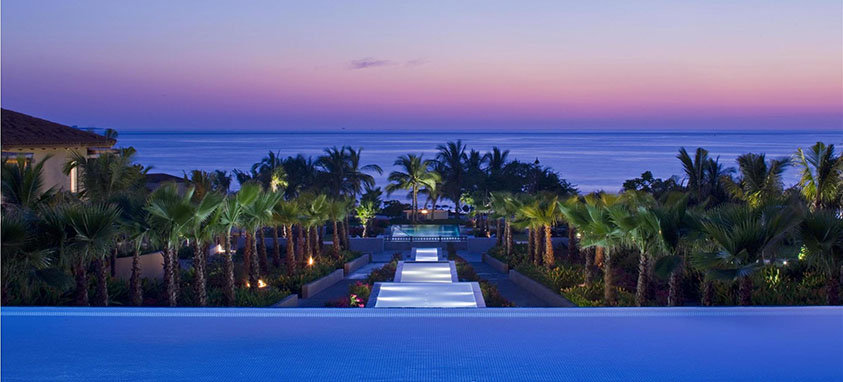
The St. Regis Punta Mita Resort is nestled in a captivating setting on one of the world’s most alluring beaches on the Pacific coast of Mexico. Surrounded by white sands, pristine waters and lush tropical flora, the resort’s ambiance is as extraordinary as it is comfortable.

Located at Riviera Nayarit, The St. Regis Punta Mita Resort provides an elegant setting for conferences, company meetings, corporate retreats, incentive stays, banquets and other special events. The 120-room resort offers event planners a destination like no other, blending distinctive accommodations, first-class services and amenities—as well as close proximity to Punta Mita’s captivating beaches—to provide an ideal setting for receptions, gala dinners and other events and celebrations.

Exquisite Meeting Space

With eight exquisitely appointed spaces designed for social and business gatherings, The St. Regis Punta Mita Resort welcomes special events and meetings. From weddings and grand celebrations in the 2,600-square-foot Astor Ballroom and terrace to discreet meetings in the 575-square-foot Azalea Room, Punta Mita’s finest resort hotel is available to provide full service in making each event as flawless as it is memorable.

Whether a casual cocktail or black-tie banquet, the resort staff looks forward to making each occasion most distinctive. Allow our catering services to execute exclusive receptions, lunches or dinners. The resort’s chefs are pleased to design menus to guests’ specifications and beyond.

Meeting and event planners will enjoy the services of a representative from the conference services department to plan and implement every detail. The resort also offers state-of-the-art audio visual services, complete with highly trained technicians dedicated to making each group’s presentations seamless and efficient, and each party perfectly staged.

Superb Dining & Activities

The St. Regis Punta Mita Resort offers superb dining experiences for every occasion and taste, from fine dining at Carolina to the authentically fresh Mexican food and setting of Las Marietas and the California-influenced Sea Breeze.

Bespoke service is a trademark of the beachside The St. Regis Punta Mita Resort. Personalized butler service, 24-hour private dining as well as a selection of tempting on-site restaurants enhance the entire experience. The 10,000-square-foot Remede Spa Punta Mita offers a full menu of sumptuous pampering and revitalizing treatments in nine treatment rooms, couples suites and nail lounges.

Three infinity pools on the beachfront offer the perfect destination for outdoor relaxation. Should guests wish to venture beyond the pool and beach for water-based adventures, they can call upon pool butlers to arrange snorkeling tours and reservations for scenic excursions around the area.

Next to the resort, guests can experience the two par-72 championship 18-hole Jack Nicklaus Signature Golf Courses and tennis courts nestled in a grove of palm trees.


Resources

The St. Regis Punta Mita Resort
Carretera Federal 200, km 19.5
Punta de Mita, Nayarit
Mexico 63734
52-329-291-5800
stregis.com/puntamita

-AAA Five Diamond Award
-AAA Five Diamond Award for Restaurant Carolina
-Rated No. 1 hotel in Mexico and No. 8 worldwide in 2014 TripAdvisor Travelers’ Choice awards
-1- and 2-bedroom suites, presidential suite
-2 par-72 championship 18-hole Jack Nicklaus Signature Golf Courses
-10,000-square-foot Remede Spa Punta Mita

Getting There

The St. Regis Punta Mita Resort is located 26 miles north of Puerto Vallarta International Airport (PVR), with service from multiple getaways.

As meeting professionals are getting ready to head back into ballrooms across the country, Smart Meetings thought it was important to reflect on what we learned over the last year, how we changed and what we are looking forward to when we meet again. Following are three interviews (edited for length) as part of a series on reinventing joy during a pandemic year.

See alsoReinventing Joy: DJ, Master of Many New Skills

Kristin Twombly

Senior Event Strategist, Capital Group Private Client Services

Kristin Twombly shakes her head when she thinks about where she was 16 months ago. “January 2020 feels like a million years ago,” she says. She was new in role at Capital Group, starting to put a strategy in place for doing in-person events. She was also preparing to take over as chapter president at MPI Southern California.

“I remember that at the MPI educational conference in February, there was tension in the air. Something was coming.” Travel restrictions and postponements were discussed. Then, in early March, on her birthday, she got the call that Capital Group was closing the office for two weeks and she should work from home.

“By early April, I felt as though the rug had been pulled out from under me. I kept asking, ‘What is my function if people aren’t meeting?’ ”

For a short time, she felt paralyzed. “Then the time for pausing was over and we had to focus on our goals. Human interaction may not have been possible in person, but the need for connection had skyrocketed. We had to figure something out,” she said, mirroring the determination she felt all those months ago on her face over Zoom in May. That meant designing a virtual event strategy, something no one on her team had ever done before.

“At first, there was no information and then there was too much information and it was difficult to hear through the noise,” she said. She turned to her peers at MPI Southern California and shared what was working and what wasn’t.

The industry was devastated. “I live alone and it felt like solitary confinement,” she recalled. “I had so many friends being furloughed and laid off. It was very humbling.”

But there were bright spots. “Looking back at the number of people I was able to help during this time makes me proud. We connected more people using virtual technology than we ever had before at a time when people were feeling isolated.”

And things to be grateful for. “As much as we hated our virtual event experiences, we learned so much. The reach is tremendous and I don’t want that to go away. A normal environment wouldn’t have given us the chance to experiment with that,” she enthused.

“We also learned to be flexible and nimble. When everything you think you know after 18 years in the industry is thrown out the window, it tests our abilities and makes us stronger,” she said.

Asked about advice for the January 2020 Kristin, she was empathetic: “I want to give my 2020 self a hug, tell her to stock up on toilet paper and wine. I remember a period of time where I didn’t know if our career was legitimate. If what we did was illegal, what did that mean for my job?”

Now this veteran meeting professional is looking forward. “We all realize that there is tremendous power in what we do. We need to remember it is not about name badges and F&B. It’s about human connection. The power of F2F has been demonstrated a million times over. It has shown that there is no replacement for shaking hands. What we do is important and has true meaning.”

The last year also put priorities in perspective. “Before it was all about bigger, better, more glamorous. Now just put me in a room full of my people. That is all we want right now.”

“We are coming out the other side. There are bright roads ahead. We are ready and optimistic for the trajectory of the industry,” she declared.

Corinne Youngholm

Student Experience Manager, L. Robert Payne School of Hospitality & Tourism Management
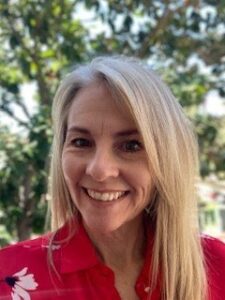
Corinne Youngholm had found her forever job. After discovering DMC life over a glass of Chardonnay at a party in 1998, this travel and leadership manager launched her career at PGI in San Diego before joining a scrappy startup and making her 20-year career with Arrangement Unlimited, helping people solve problems and making friends along the way.

Even when the pause happened in March of 2020 and the company had laid off almost all the staff, she continued part time, reaching out to clients and vendors regularly to make sure they were OK. At first, she admits, she was in denial. “I remember meeting on a Wednesday as the news started coming in and programs started to cancel and thinking, let’s give it a few days.” Two days later, Friday, the 13th, the schools started to shut down and she grabbed a few files to work on from home, hugged the company owners and said, “let’s touch base next week.”

“It’s so hard to think of it now,” Youngholm said.

“That was the hardest part,” she recalls now of finding herself last August with no job when she was finally let go. She had spent her life making sure everyone felt valued and shared milestone life experiences with her clients. Now they were friends rather than client-friends and she had to figure out what was next.

It took a month just to unwind her life from the company because her home and work were so tied together—a company car, email passwords, phone number—it was like starting over. “I Felt a little lost,” she confessed.

Youngholm did some soul searching and realized she had a lot of transferrable skills, including a reputation as someone who does what she says she will do and finds a way to get things done. “You can take away my job, but you can’t take away my experience and integrity,” she said.

Every day she set her alarm for 6:35 “because I knew I needed structure or I would get depressed,” she confided. She ran daily, spent time with her daughter (a silver lining) and watched LinkedIn as hotel people started taking jobs in senior living or adding green “open to work” swishes around their faces.

In September, Youngholm started reaching out to friends and offering to help. “It kept me sane and relevant,” she shared. She volunteered to help produce a virtual conference and then another. The education and connections were priceless.

A friend asked if she was interested in doing research, which led to working at San Diego State Hospitality School part time and work with a strategic marketing event production company. “The universe rewards action,” she concluded. “I have always believed in stirring the pot. You never know where it will lead.”

In fact, in addition to leading to a new career, getting over her fear and making a point of giving back led her to learning more about herself. I’m hoping Corinne 2.0 is more compassionate with herself and others,” she said.

Cindy Hartner

Director of Global Sales with DMC Network

January 2020 was the beginning of the unknown for Cindy Hartner and her 42 DMC clients all over the world. “It was a real scramble to find out what the repercussions would be of rescheduling or canceling or all those things,” she recalled.

The uncertainly went beyond business. “It was about my health and my family’s health,” she said.

The last week of February, she attended the MPI regional conference for Washington and Oregon called Cascadia. They brought in hand sanitizer and eliminated hand shaking and business cards, whatever they thought worked at that time. Attendance was diminished as many meeting planners had to stay in their offices to cancel meetings, but the “soft intelligence” gleaned was invaluable for her. “We had lively conversations about what was happening and shared a community of uncertainty, anxiety and stress. We were going through it together,” she recalled.

The state shut down days later.

She thought by the summer it would be under control. “We were engaging in short term crisis management,” she said, helping our clients with whatever they needed. She was trying to figure out how they would move forward virtually. “It was triple the work as we were cancelling, postponing and restarting in a new format,” she said.

Then the layoffs and furloughs started. “The planners job was complicated by the fact that the hotel people weren’t there to help figure it out. The unknown was so stressful,” she recalled.

The crisis went on so long that it started to feel like an identity crisis because fixing things was what she did. “At some point we ran out of gas. We could only have a sunny disposition for so long. After three or four months of that, there was nothing left in the tank,” she said.

The mourning of the industry affected everyone differently. “I went through a lot of phases. I read, journaled meditated, talked with friends, turned off the news, turned on the news, tried laughing as much as possible. I focused on what I was grateful for on a broader scope. We get so wrapped up in our career and I was employed, but I wasn’t planning. There was a feeling of helplessness if I wasn’t contributing in the way I was used to,” she admitted.

The rollout of the vaccinations helped. “Every day, I am focusing on what I can control and trying to make healthy choices,” she said.

As the industry comes back, she is still making difficult choices about what the company can do economically after a year of not having income. “We are trying to keep people employed and the lights on. We are not broke, but we are being careful,” she said.

Hartner is looking forward to engaging at IMEX in November and hopes to bring some of the hard-won lessons from the last year with her. “I plan to be more present and not take meetings for granted. I want to make every moment worthwhile.”

Lalia Rach

As the industry starts looking forward to meeting again, it will need enlightened leadership more than ever. “In the aftermath of an unexpected tragedy, there is a need for leaders at all levels, regardless of title, that are not just good, but great,” says Dr. Lalia Rach, founding dean of Jonathan M. Tisch Center of Hospitality at New York University and executive managing director of Associated Luxury Hotels International (ALHI)’s new Strategic Consulting Services.

Smart Meetings sat down with Rach, who is renowned for her “uncommon sense”, on a Zoom call from her home in Henderson, Nevada, to ask what specific skills will be required of meeting professionals to get to a more positive future.

Change is Personal

“We all need people we can trust right now,” Rach said. “Whenever you have change, it is personal. Great leaders understand the intangible aspects of managing people.”

She emphasized that leadership in the midst of change requires a short-term vision that is focused and repeated. “We don’t always hear well when we are afraid,” she said.

“I keep getting asked when we will go back to normal. That ship has sailed. We will be able to feel some of the things we felt and do some of the things we did before Covid, but there are some things from the before times we should never do again and there are also things we did in Covid we need to continue. Plus, there are some things we need to start doing,” she said.

One of those things is reaching out and having regular personal conversations with team members, clients and stakeholders. “I can’t believe we weren’t doing that before,” she said. “It may not be easy, but it is necessary.”

In Rach’s telling, it is not enough to deliver results during the program. That is a given. “To exceed expectations and lead the type of team you want to lead, you have to demonstrate being able to connect on a personal level.”

Great leaders explain the path forward and ask probing questions (“Tell me more about that”, “Is there something I need to know?”). “Leaders are willing to have difficult conversations.” Sometimes a leader’s job is not to find solutions, but to show empathy and listen. “Great leaders don’t make it about themselves,” Rach explained.

Mature leadership requires mature, emotional intelligence. “This is about living your consistent, authentic values to the team and the client,” she said.

“You have to be able to relate as a personal professional to be effective,” Rach said. “You can’t get your tactical list checked off until you know how the other person is really feeling.”

Shake the Rust Off

“In the meetings industry, we have a tendency to like what we are comfortable with,” she stated bluntly. “That is not going to work right now.”

Virtual will continue even as we go back to meeting in person,” she said unapologetically. “Who wouldn’t want to have multiple revenue streams and avenues to achieve our purpose?”

Robert Contreras

Contreras is director of rooms for Caribe Royale Orlando. Most recently, Contreras worked with Orlando World Center Marriott Resort and Convention Center as director of room operations. He has also worked as concierge, guest services manager and assistant front office manager for New York Marriott Marquis and director of restaurants for Bridgewater Marriott in New Jersey.

Nate Hardesty

Hardesty is managing director for Thompson Austin and Tommie Austin in Texas. Hardesty previously worked as general manager for Andaz West Hollywood in California. He’s also worked as regional vice president of sales for Hyatt Hotels, as well as Hyatt Regency Maui Resort and Spa, Grand Hyatt Denver, Hyatt Regency Orlando and Hyatt Regency Lake Tahoe in Incline Village, Nevada.

Mary Rogers

Rogers is general manager for Montage Laguna Beach in California. She most recently worked with Fontainebleau Miami Beach as general manager; before that, she worked in leadership roles with The Ritz-Carlton Resorts, including The Ritz-Carlton, Lake Las Vegas in Henderson, Nevada, as executive assistant manager, rooms division; and The Ritz-Carlton Golf & Spa Resort in Rose Hall, Jamaica, as director of meetings and special events.

Ryan Parker

The Shay in Los Angeles named Parker general manager. Parker’s hospitality experience includes stints with properties all along California’s coast, including serving on the board of directors of Visit Santa Barbara and Hospitality Santa Barbara in California, working with Huntington Hotel in San Francisco and Canary Hotel in Santa Barbara as general manager.

Ron Price

Price is CEO of Visit Phoenix. He was most recently CEO of Arlington Convention and Visitors Bureau in Texas and currently serves on the board of directors and executive committee for U.S. Travel Association. Price previously served on the board of directors for Destinations International and as an executive committee member of Texas Tourism Association.

Darin Riggio

Riggio is director of sales and marketing for Innisbrook, A Salamander Resort, in Tampa Bay, Florida. Before joining Innisbrook, Riggio was resort sales director for Disney Meetings & Events in Florida. He’s also worked for other Florida-based hotels, including Reunion Resort in Kissimmee, PGA National Resort & Spa in Palm Beach Gardens, Fontainebleau Miami Beach and Hyatt Regency Coral Gables.

Bill Hanley

Hanley is area director of sales and marketing for George Hotel and Hotel Monaco DC. Hanley recently worked as director of sales and marketing for Sofitel Los Angeles at Beverly Hills; before this, he served as Sofitel LA’s director of catering. He’s also spent time at Sofitel Lafayette Square in Washington, D.C., where he worked as associate director of sales and director of group sales; The Ritz-Carlton, Naples as national sales director; and La Playa Beach and Golf Resort in Naples, Florida.