We’ve changed. That’s not news. But how? That was the very question a new study undertaken by Oracle Hospitality in conjunction with Skift Research tried to answer: How have travelers’ attitudes about a hotel stay changed in the past 18 months?
More than 500 hospitality executives and just under 5,000 consumers were polled worldwide.
As hotels resume hosting events, meeting professionals might consider these study findings.
A nice hotel guest room is not enough. More than 2/3 (68 percent) of travelers are very or somewhat interested in purchasing products or experiences from their hotel beyond the room. Planners take note: Diving into local culture, resources and gastronomy is more important than ever.
Hotel executives are on it. Nearly three-quarters (72 percent) of respondents indicated they were busily exploring opportunities for non-room revenue to recoup last year’s losses.
The same study also uncovered key takeaways for meeting- and event-focused hotels:
Keep it clean: Even when Covid becomes a bad memory, consumers want pandemic practices to remain the norm: 67 percentwant hotels to maintain more frequent cleaning and disinfecting procedures;55 percentwant to see guest areas/public spaces continue to be arranged for social distancing;11 percentplan to dine solely via room service to minimize contact. The lesson for planners may be that they should continue to accommodate these preferences in their setups and activities, at for the near term.
Tech is here to stay: Pandemic-era upgrades aren’t going anywhere: 76 percentof hoteliersare providing contactless payment options,36 percent offerself-service check-in,59 percent have digital messaging services to limit staff and guest interactions, and42 percent have instituted smartphone-based room keys. The same tech-enabled convenience and safety will be expected by meetings groups in event registration through transport back to the airport.
Safety first: 77 percent of travelers surveyed noted a Covid-19 vaccination is very or somewhat important in giving them the peace of mind to travel. Does that mean planners should ask for proof of vaccination or recent Covid test? More and more employers are doing so, as is the U.S. military. A pre-event survey of attendees can provide an answer that lifts total responsibility off your shoulders.
Want to drive event attendance? Host a Disney meeting. After a year of Zoom and staying indoors, there is pent-up demand for travel, connection and meetings that goes beyond the boardroom—and there’s nowhere quite like Walt Disney World to hit all the marks with ease.
We speak from experience.
Smart Meetings joined the Disney Meetings and Events team in July on a three-day FAM trip at Walt Disney World Resort near Orlando, Florida, and witnessed firsthand the perks that bring incentive groups and corporate meetings to life, even (and especially) during a pandemic.
Here’s what we found for why a Disney meeting will drive attendance, now more than ever.
1. Bleisure travel is HOT right now
Attendees today have reason to be hesitant toward travel, with kids out of school and more responsibilities at home because of the pandemic. One way to guarantee an enthusiastic RSVP to your event is to invite the whole family. Robby Briley, senior event consultant at Walt Disney World Resort, says this is a huge draw for corporate meetings, pre- and post-pandemic, with packages that include park entrances and experiences for accompanying guests.
While attendees get down to business across Disney’s five convention hotels and 700,000 sq. ft. of event space, their families can experience the spell of Magic Kingdom, the tastes of Epcot or the thrill rides at Hollywood Studios while still conveniently nearby.
2. Small talk is dead: Attendees need deeper connection
Many professionals haven’t exchanged small talk at the coffee machine in over a year. They crave a genuine connection but are perhaps a bit out of touch. At Disney, networking is built in. There’s no need for an icebreaker game when you’re dining on Moof Juice and galactic oats for a private breakfast next to the Millennium Falcon at Hollywood Studios. And a stranger quickly turns into a friend when you’re both screaming on a high-speed chase from the Yeti on Animal Kingdom’s Expedition Everest.
Even in the ballroom, Disney Meetings and Events offers set design, themed decor and live entertainment options that unite a room.
3. Travel the world without a passport—or Covid test
Here’s one for the adults. If you’ve ever wanted to sip a margarita in Mexico, down a sake in Japan and enjoy an eclair in front of the Eiffel Tower—all in the same day and on foot, no less—Epcot will blow you away. The park features 11 countries (“themed pavilions,” if you will) situated around a lake with incredible attention to architecture, landscapes, shops and cuisine.
Attendees can immerse themselves in Italy, China, Germany, Morocco and more, sans the stress of travel restrictions and mandated quarantine. It’s an opportunity for a team-building scavenger hunt—or a companywide international bar crawl.
What’s more: From now until November 20, the Epcot International Food & Wine Festival adds tapa-sized bites and boozy pairings from around the globe to the mix, with new countries like Ireland, Kenya, Spain and India. A personal recommendation: The apple cider and beer cheese soup from Canada, and the griddled cheese with pistachio and honey from Greece.
4. Incentives to get your attendees on the road
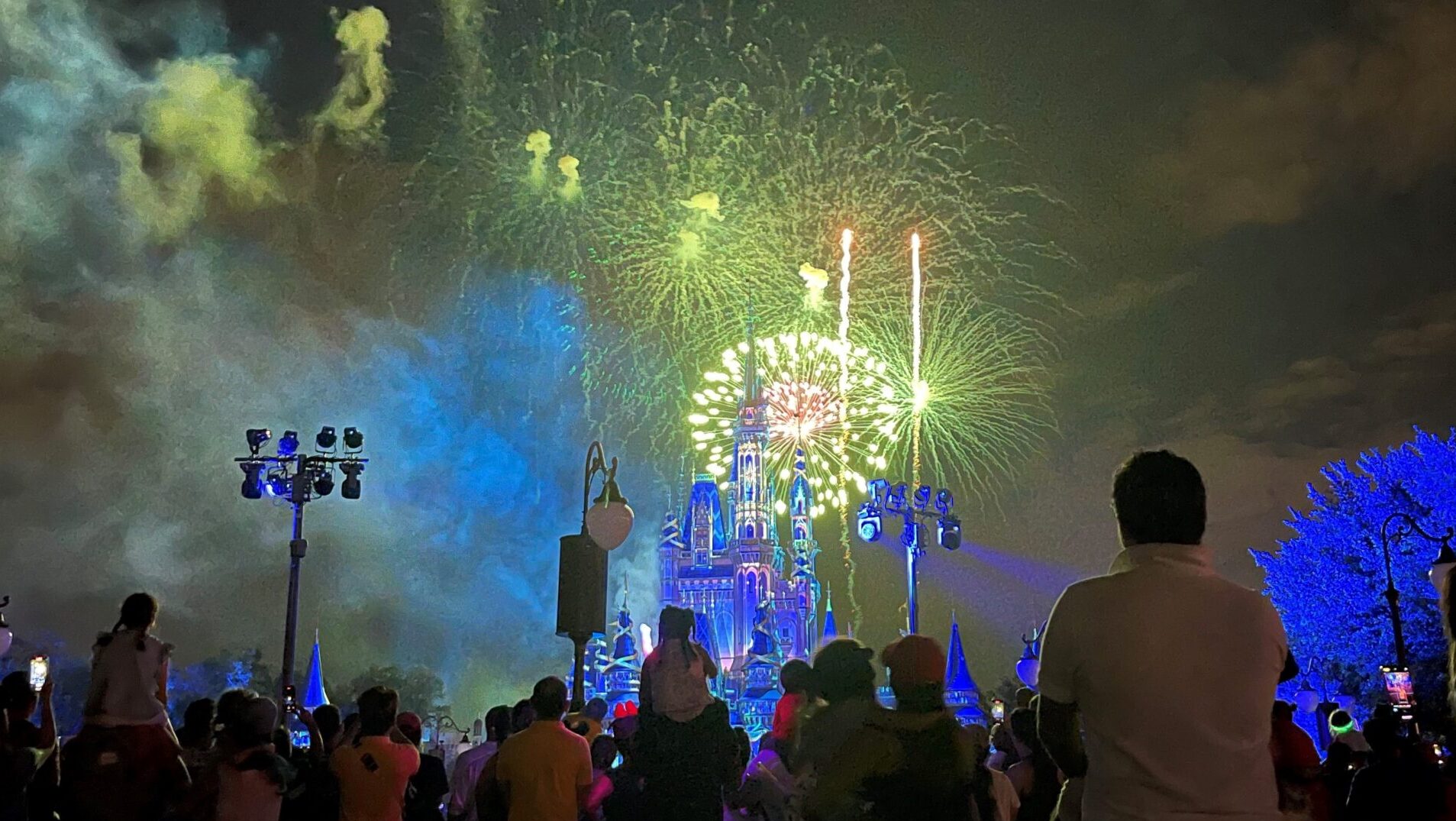
Through Disney Meetings and Events, corporate planners can add on truly memorable experiences, like access to the parks before opening hours, partial park buyouts, skip-the-line attractions, private performances and reserved garden viewings for Magic Kingdom’s nightly fireworks extravaganza. With Walt Disney World Resort’s 50th anniversary coming up in October, those fireworks are expected to be even splashier—but avoiding the crowds with private garden access may make an even greater impression.
You’ve been here before. Planning and planning for weeks on end, getting everything in order—vendors, speaker, planners, F&B, those little odds and ends. You think you’re ready for anything, and you look forward to a well-deserved rest when it’s over. Then boom! You’re hit with something that completely disrupts all you had planned, requiring you to make those dreaded eleventh-hour changes.
“I’m in the middle of planning an event for about 80 people. Originally this was for a medical company; we were setting up a meeting … [where] you had to be vaccinated to attend, so we weren’t really focused on protocols for the event. We anticipated being able to do it kind of back to the way that you would anticipate a meeting for 80 people [pre-Covid],” Bohrer began.
But CDC guidelines changed to require the same rules for the vaxxed and unvaxxed. Bohrer had to make changes with little time to spare. “We [had] an event that was going to be in a space that worked really well when we’re doing rounds of six, but to have to go to rounds of four was not going to be possible; so we worked really closely with the hotel, and now are moving that outside,” she said. “We actually changed all of our meal periods to be outside to try to allow the group to feel more comfortable with eating.
“I’m glad we’re still hosting [the event], and even though we’re doing that in a different protocol situation, at least we didn’t cancel it, and I think that was the right decision,” she continued.
Protocols Communication
Bohrer’s organization has a detailed of duty of care that is a part of the registration process, where attendees opt in and learn what Covid-related requirements there will be on site.
“We also have a duty of care for all vendors and staff working the event,” she said. “That duty of care reflects things like wearing masks when not distanced, making sure you’re monitoring your own symptoms, that you’re not attending the meeting if you’re sick. All the different things that we feel like should be second nature, but at least we’re spelling out.”
Ferguson said her company is doing the same in regard to attendee liability. “As far as updates, since we are about 60 days out, we have been making sure that it’s a part of our marketing and communication plan. As we’re encouraging people to register, we’re also letting them know the virtual component still has space available.”
The Future is Hybrid
Kara Ferguson
Bohrer was confident hybrid is the future. “Virtual is a tool for us, and it’s a contingency tool many of us have never used before. Normally our backup plan, if something catastrophic happens and we can’t host it, would be to cancel,” she said. With the option to go virtual, the backup plan now can keep the meeting a go.
Despite Bohrer’s sentiment, her latest program didn’t have a hybrid component. “If we didn’t choose to host this, most likely it would go away or postpone for at least 30 days, to figure out what the backup plan is,” she said. “If we had a hybrid component, we would probably have more people opting in to go virtual; that changes what we would have been able to do on site because of our commitments to the hotel and the contracts.”
Ferguson agrees that hybrid is the future, with some caveats. “It might depend on your audience, and the goals and objectives of the meeting,” she said. As a planner in the medical association, Ferguson said, the hybrid component has helped greatly.
“It definitely has helped those who were not able to travel because they were needed at their job, being on call or they maybe [didn’t feel] comfortable traveling because they didn’t want to leave their colleagues to fend for themselves,” Ferguson said. “That’s why I believe our [attendance] numbers skyrocketed in 2020. With people in this industry [having] such busy schedules … making a hybrid option made it so everyone in the practice could come.”
Sharing Responsibility
Ferguson and Bohrer talked about the shared responsibility expected from attendees. It’s really a matter of communication among attendees, said Ferguson, as everyone is at a different level of comfort.
“You want to look at somebody, and say, ‘You’re an adult, please behave, and do what you’re supposed to,’ but as meeting planners that’s not always the case. Honoring personal responsibility, that’s our job as organizers,” Bohrer said. “That’s why pre-event communication and opting into protocols is so important.”
That desire for comfort doesn’t end in the meeting room: Where attendees eat is of crucial importance and also varies by individual. “If [attendees] have to eat dinner in a networking reception situation, that’s not going to be great for everyone. You can do something where you offer Uber Eats credit or [credit from another] restaurant or in-room dining or to-go containers,” Bohrer said. “It’s hard to plan contingencies for both audiences, but I also think you should offer some optional experiences where people who are comfortable [with it] don’t have to have their mask on and can be outdoors.”
Bohrer is planning an event in September where she’s offering different styles of seating so people can choose what they’re comfortable with. “We’re doing it around a crescent round, we’re doing distanced theater-style and we’re also doing individual classrooms; we’re mixing it up so people can choose their comfort level,” she said.
Contracts
Contacts are always a tricky subject—and getting trickier by the day. Bohrer said she takes the waiting approach. “I’m definitely waiting as long as the vendor will let me. DMCs have been doing this style of approach for a long time—where if you do a site visit … and they provide hours of planning, they comp [the time] if you sign with them; so I started looking at estimating preproduction and planning hours and using that as the amount that’s owed to the vendor if we aren’t able to move forward,” she said.
In the end, if a cancellation does occur, Bohrer tries to find that happy medium between her and her vendors’ contractual demands. “I try to make sure that everything in cancelation says if we have to postpone, we’ll apply a percentage of this contract to a future meeting,” she said. “I find that vendors are most open to that.”
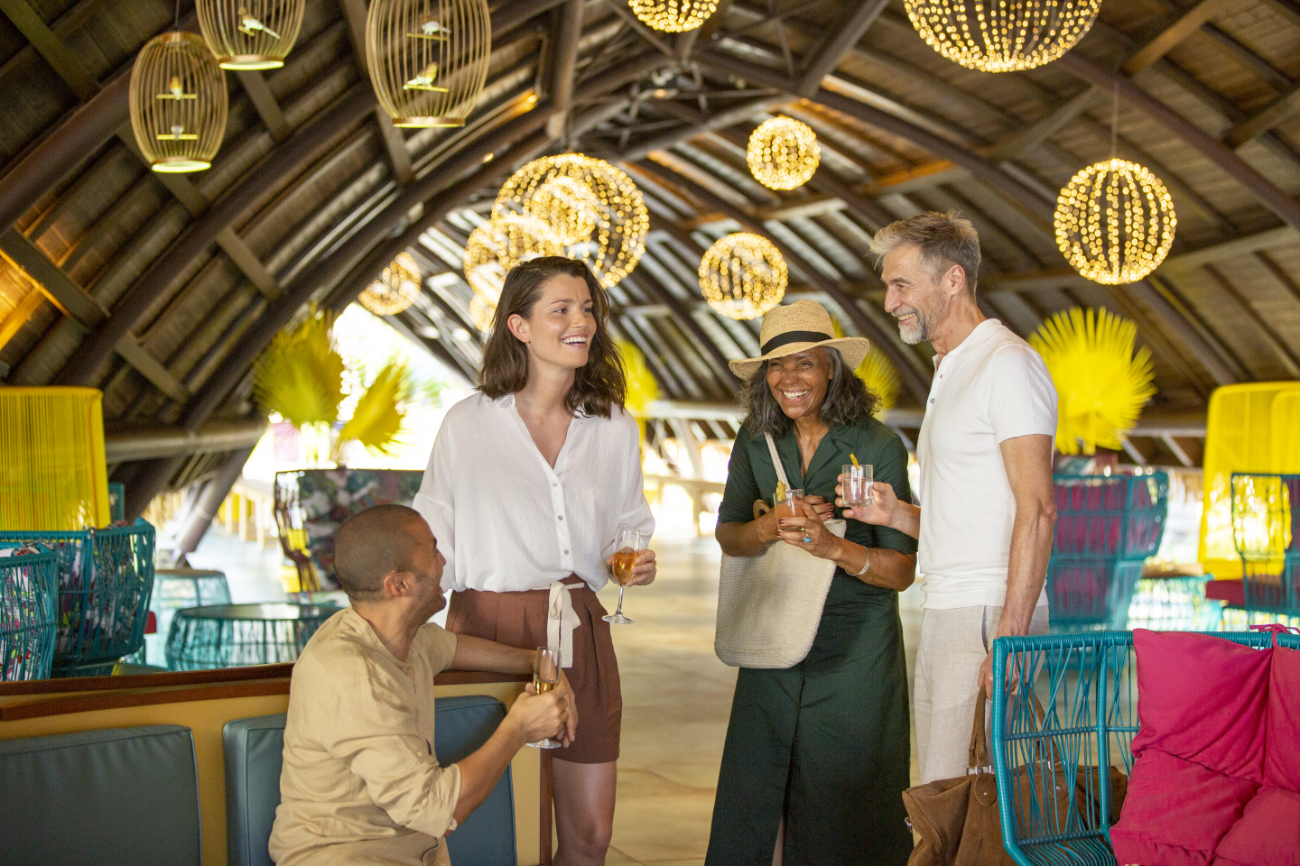
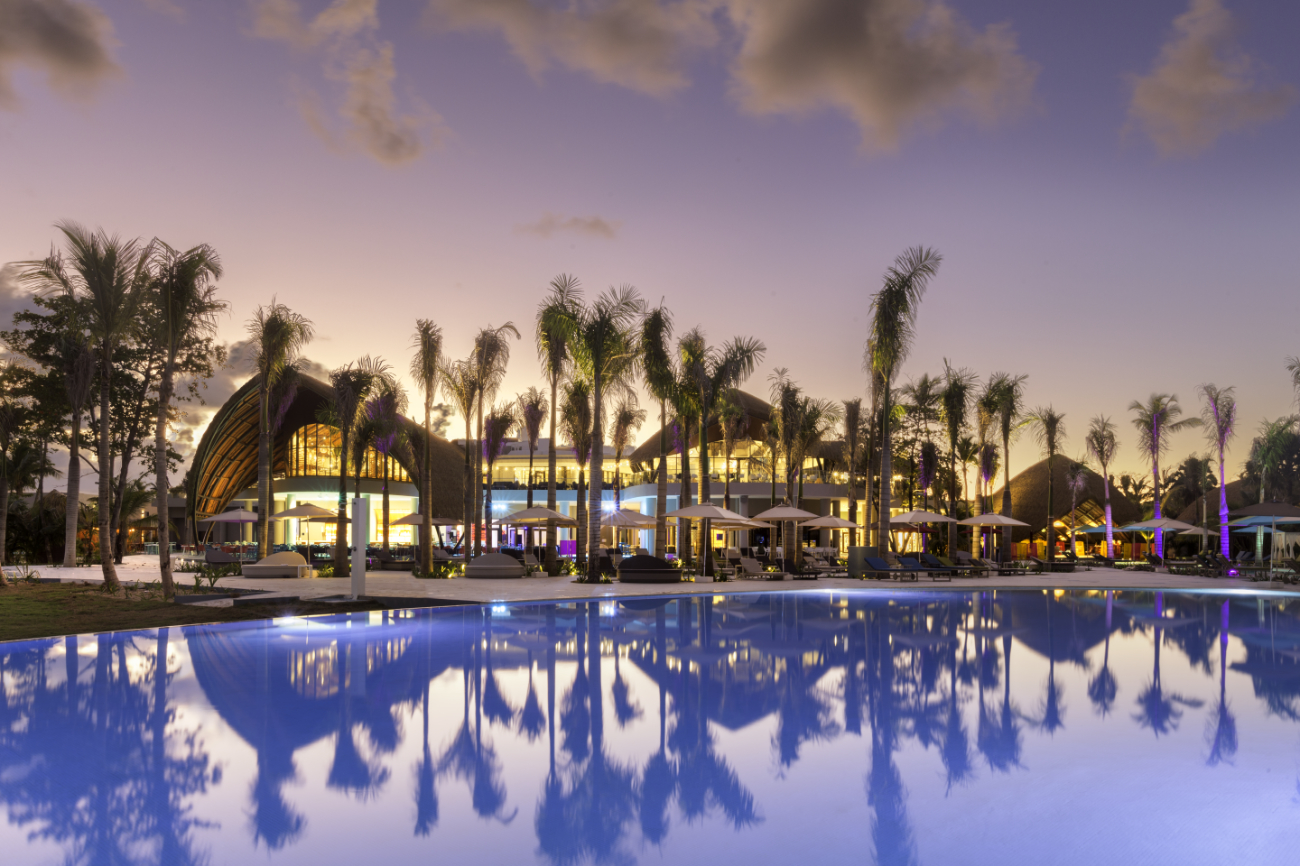
Looking to take your meeting or event to the next level? Discover Club Med’s Exclusive Collection, a portfolio of luxurious resorts & spaces located in the world’s most stunning locations. From the Caribbean and Sicilian Coast to Morocco and the Maldives, these premium destinations offer upscale amenities and enhanced wellness offerings for the ultimate group getaway, brought to you by the leaders in all-inclusive events.
Groups looking for their own private piece of paradise are invited to Club Med’s newest Caribbean resort, situated on the untouched northern coast of the Dominican Republic. This spacious resort is home to four unique boutique villages, each one featuring luxurious accommodation, more than 25 sports & activities, and wellness offerings designed for complete relaxation.
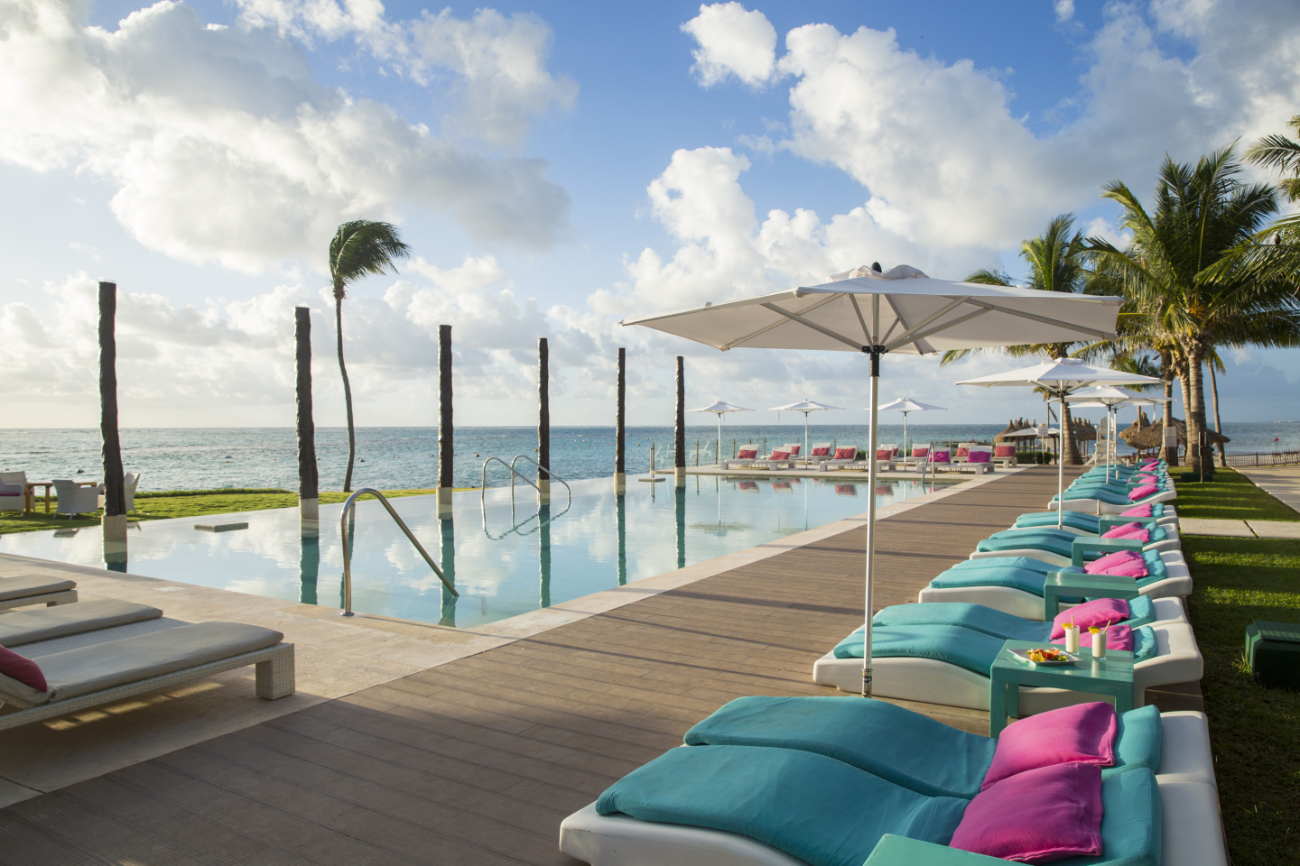
Located at the tip of the iconic Riviera Maya region, Club Med Cancún is home to its very own private oasis: Jade Exclusive Collection Space – featuring stunning oceanfront views, a private pool & bar (serving premium alcohol), and a dedicated concierge to make sure groups have everything they need on their retreat to Mexican paradise.
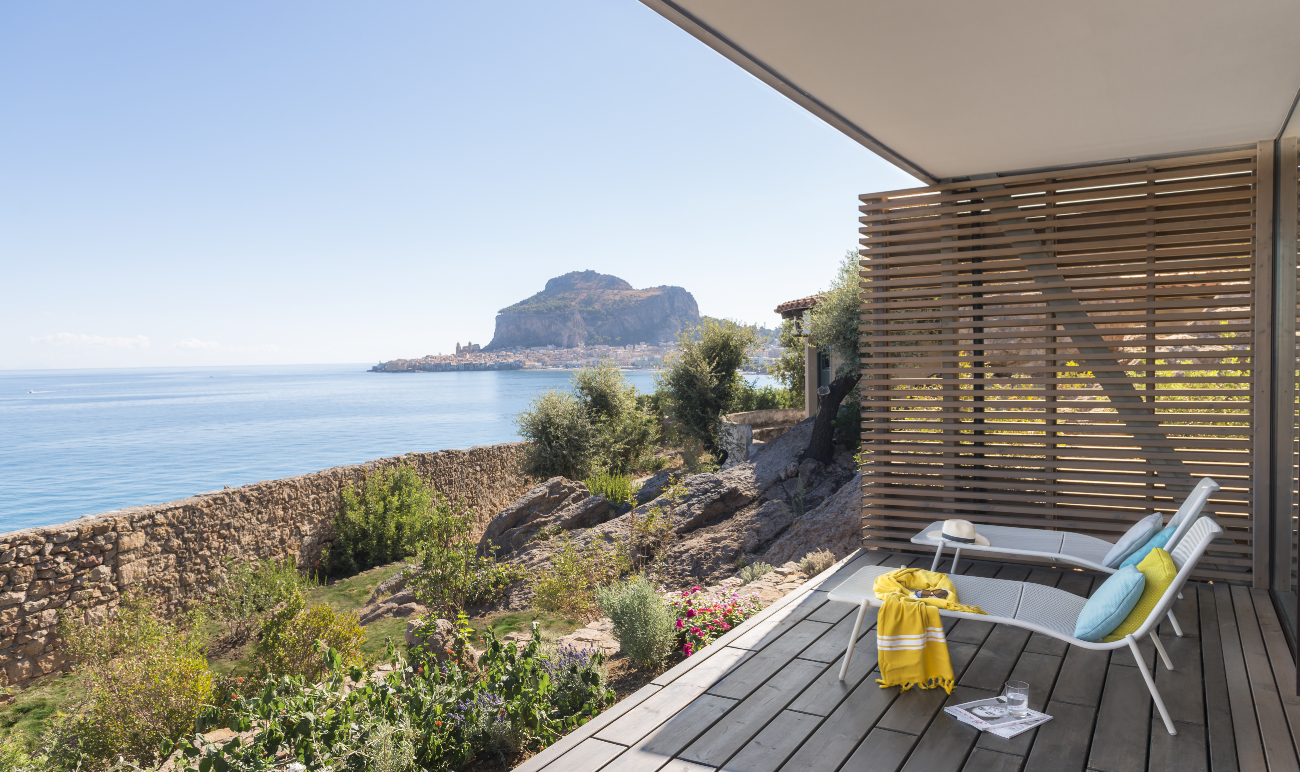
Atop the Sicilian cliffs overlooking the Mediterranean, Club Med Cefalù is the newest Exclusive Collection resort in Europe. Here, clients will find natural beauty at every corner, whether they’re at an on-site meeting or venturing out to explore the region’s rich culture. Groups can also enjoy gourmet Italian cuisine at the resort’s three restaurants, a state-of-the-art infinity pool, or hiking adventures at the Madonie National Park, a renowned UNESCO World Heritage Site.
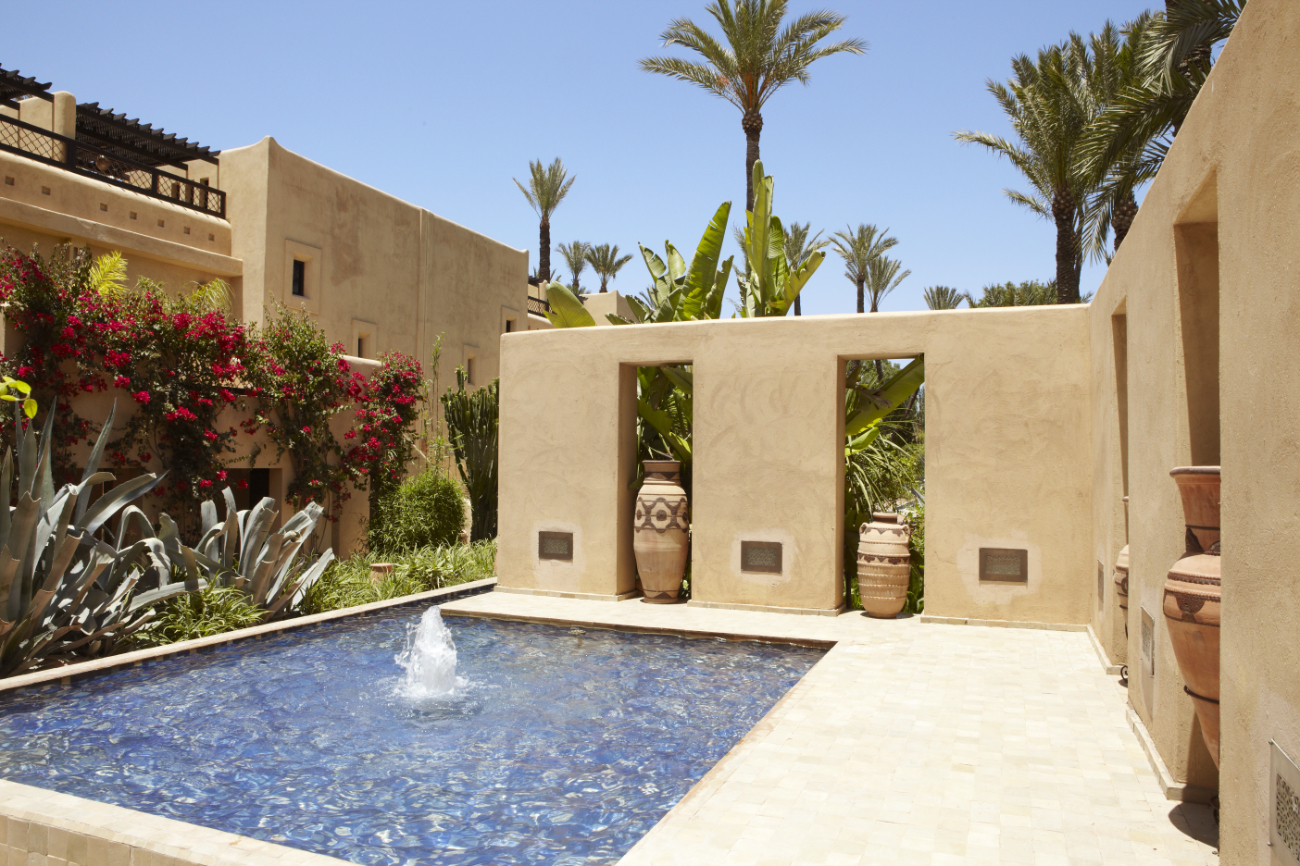
At Club Med Marrakech, groups can enjoy the all-inclusive experience they know & love while surrounded by Morocco’s iconic olive trees at the La Riad Exclusive Collection Space. The resort is also conveniently located by the Medina of Marrakech, a culture-rich destination filled with local markets, hamman bath houses, and more.
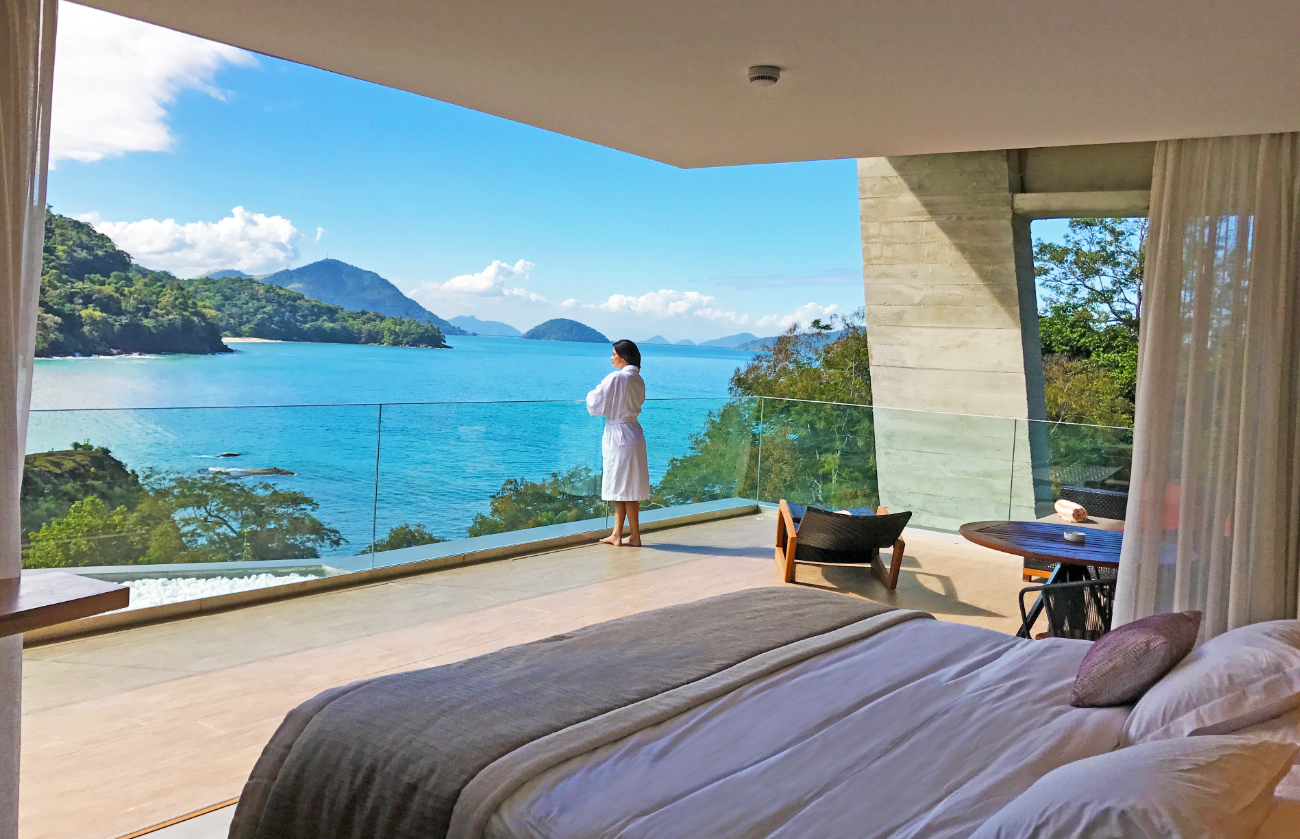
At Club Med Rios Das Pedras, your clients can meet, unwind & explore the natural beauty of the Mata Atlantica Nature Reserve without leaving the resort. Groups staying in this dedicated area will be treated to the best views available, overlooking where jungle meets ocean from their room. The resort is also close to Rio de Janeiro for groups looking to discover the region’s rich culture.
LEARN MORE
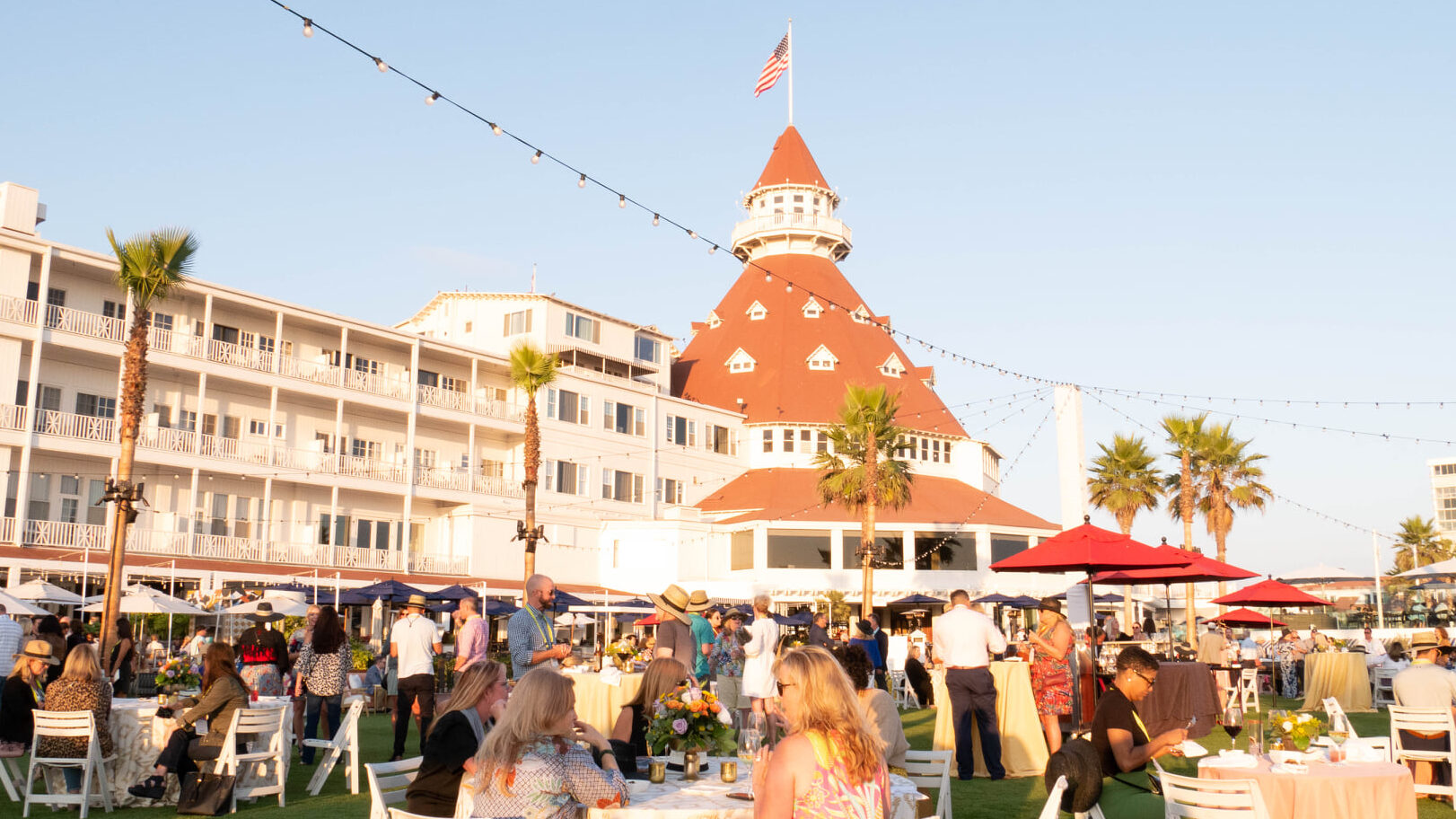
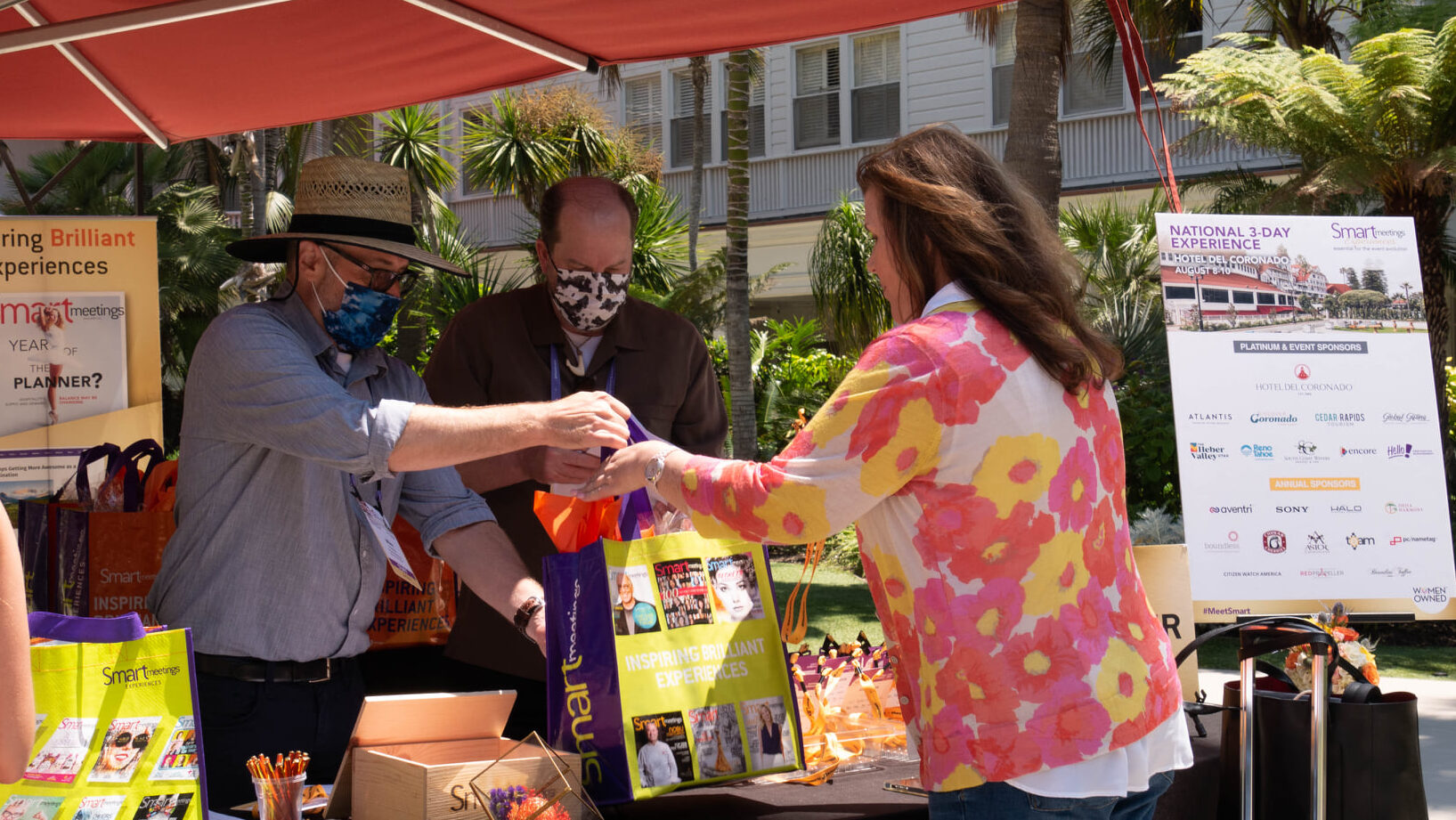
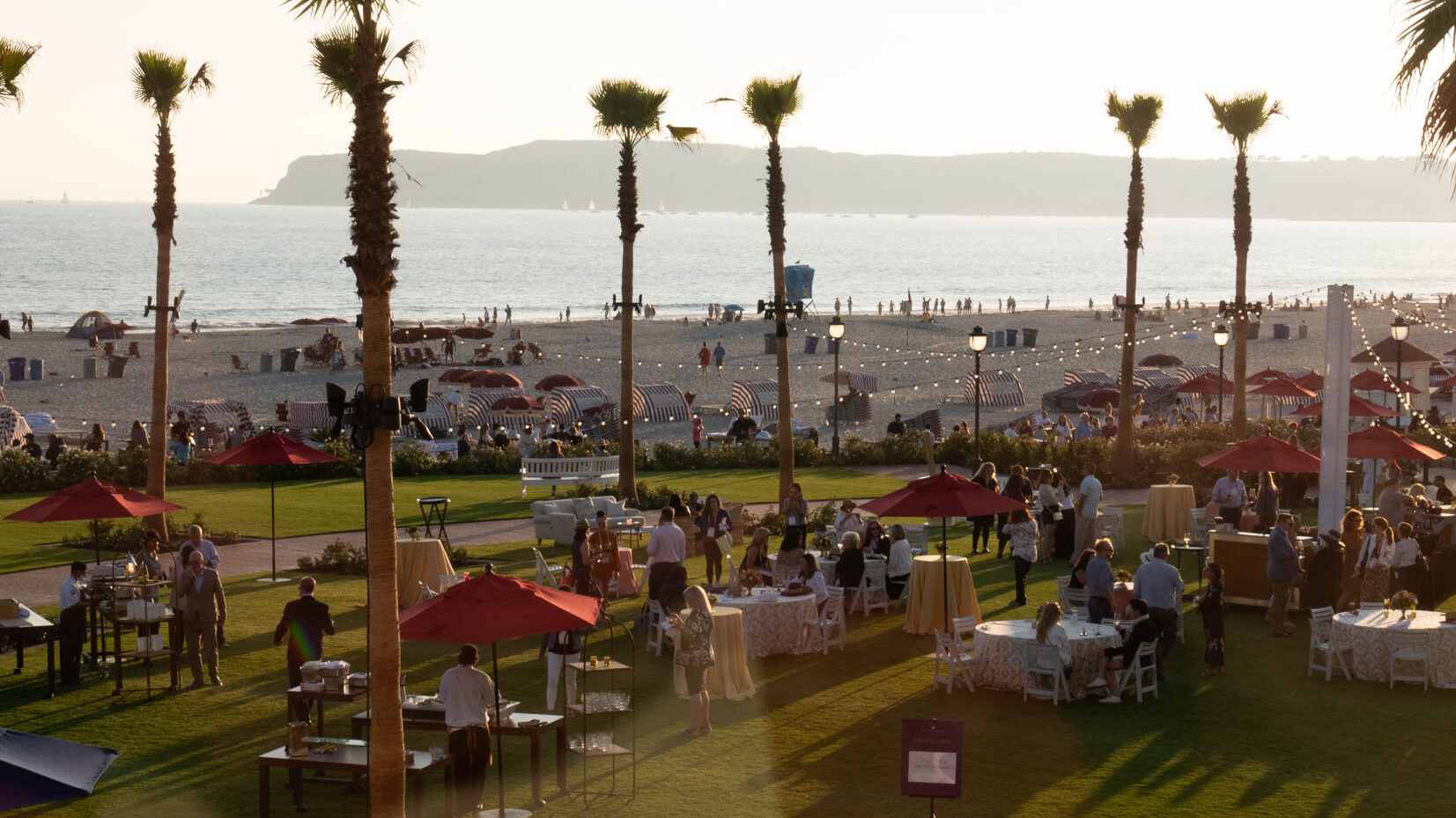
The most recent stop on the Great Meetings Restart tour was Smart Meetings National West, which hit the beach at Hotel del Coronado this week for three days of business, connecting and community. The gathering of meeting professionals was a testament to the resiliency of the industry. The meeting was originally scheduled for May of 2020 and the date moved five times before we were able to stick the landing after the State of California reopened for events.
Harold Rapoza, Jr., general manager at The Del, shared that Smart Meetings was the first corporate group back after reopening the 133-year-old landmark in June. He was eager to show off progress on a $450 million renovation that started two years ago with an enhanced boardwalk, water-focused restaurants and front entrance. Nearby, a reimagined conference center and 142 new guest rooms will bring the total number of keys to 900. What will stay the same in addition to the iconic white and red Victorian tower silhouette? The intense focus on guest hospitality that has marked the experience since Marilyn Monroe, Franklin D. Roosevelt and Edward, Prince of Wales spent time on the sandy beaches.
Outdoor meals incorporated a Windsor Lawn San Diego Hat and Flow Jos sandals gifting experience from Global Gifting, and a treasure hunt crew building followed by a clam bake beach party hosted by Hello California. Those interactive networking opportunities complemented indoor protocols to demonstrate that safe meetings can be engaging.
Lessons Learned
Three perspective-changing speakers help turn the gathering into a springboard for post-event success. Because only a limited number of people could be in the oceanfront ballroom, they agreed to let us share highlights with the larger Smart Meetings community.
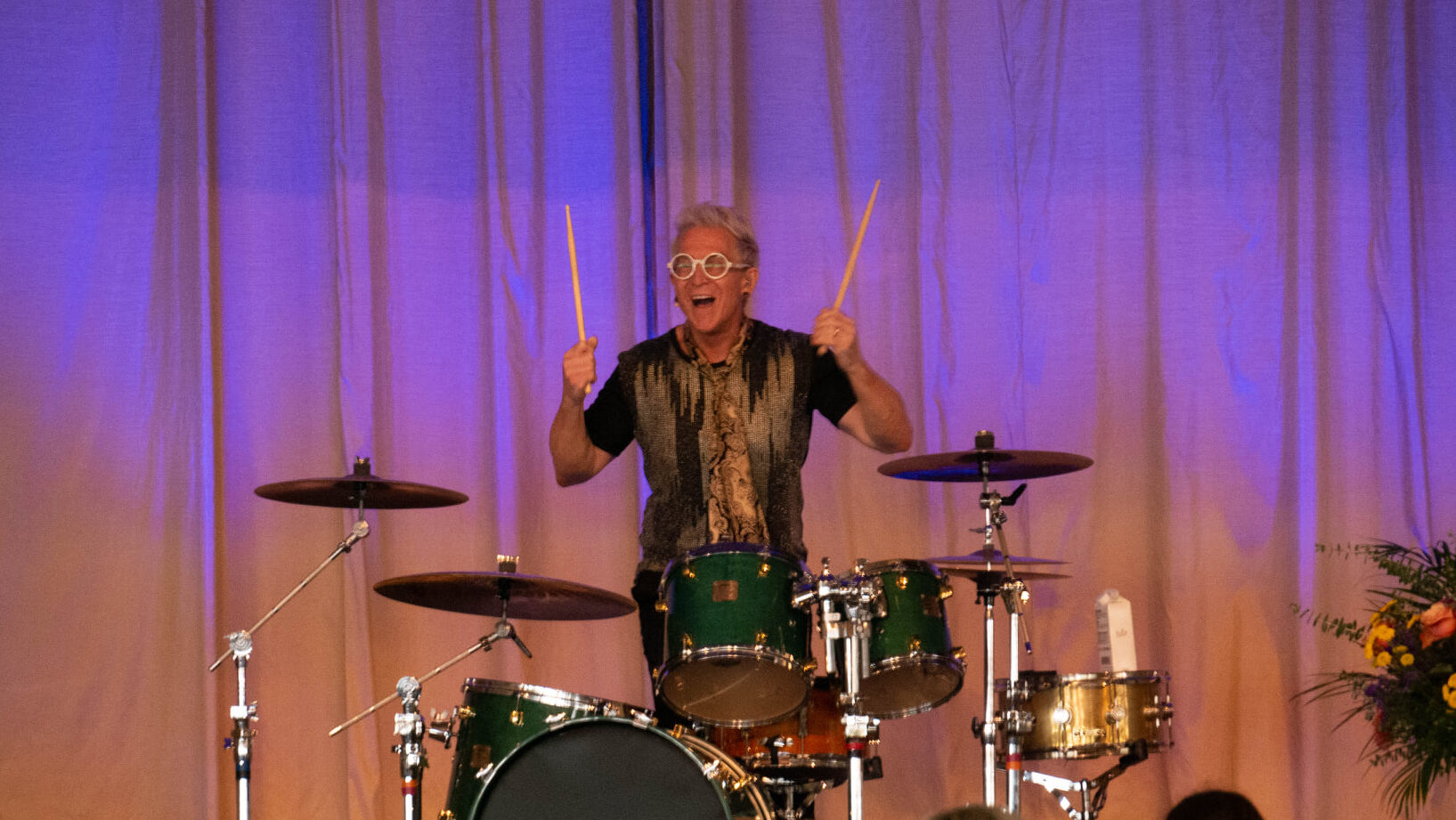
Mark Schulman, a drummer for the likes of Pink and Billie Idol, also happens to be one of the most powerful positive-attitude advocates from stage. He extolled the virtues of being present-focused because that leads to what he calls a “drummer’s high” that heightens awareness and the immune system, enabling you to be an active listener, poised to innovate, rather than a distracted reactor who relies on old responses and defenses. “It’s not what happens to us, but the grace with which we react that determines the future of our business and our industries,” he said.
Instead of resisting change, he advocated reframing challenges so we can get creative. “Your attitude drives your behaviors and that drives the consequences of your life,” is his A.B.C. mantra. Bonus, once you have mastered your attitudes, behaviors and consequences, you can start to impact the attitudes, behaviors and consequences of others. “Instead of dwelling on what is wrong, focus on what is right,” he counseled.
His advice was seconded by Carolyn Gross, an author, cancer-survivor and mind-body healing evangelist. “Realize your mindset is your greatest asset,” she said with a wink. “Greatness comes from chaos.” She prescribed daily restoration, relaxation and renewal activities to trigger the parasympathetic nervous system. Otherwise, a reactive sympathetic response to stressors ruin the moment, even if you are in paradise.
Since breaking out of a prison without walls built by resentment is easier said than done, she offered some advice for those on the “corona-coaster”: “Use your past to boost your confidence now.” Hang memories of events you have survived and grew out of to remind yourself that you can do difficult things.
ALHI President and CEO Mike Dominguez added to the conversation by helping attendees put context to all the news content they are seeing about a Delta variant disrupting plans around the world. “We are on the right trend line,” he said. U.S. hotels hit their highest occupancies since 2019 in July. That will continue he said, since the experts are seeing the spike in cases (but not hospitalizations and deaths) leveling and trending down quickly. “This is the last wave anticipated,” he assured the crowd.
The downside of all that recovery? Robust leisure travel demand paired with postponed meetings is creating compression for the next three quarters.
The surprising feature of this reopening? It is a “reverse recovery.” Instead of starting with top tier cities such as New York City and Chicago as in previous recessions, it is most prevalent in resort destinations (such as Coronado) and second-tier cities with large drive-markets. “Citywides aren’t back yet so you might want to look back at those metro areas,” he suggested.
His words of wisdom on planning hybrid meetings? “Don’t overthink it.” The largest companies in the world have been doing hybrid for a decade. It’s not new, but Covid normalized the experience and moved it to “late-majority adopters”. “Tech is no longer scary,” he said.
Plan with Confidence
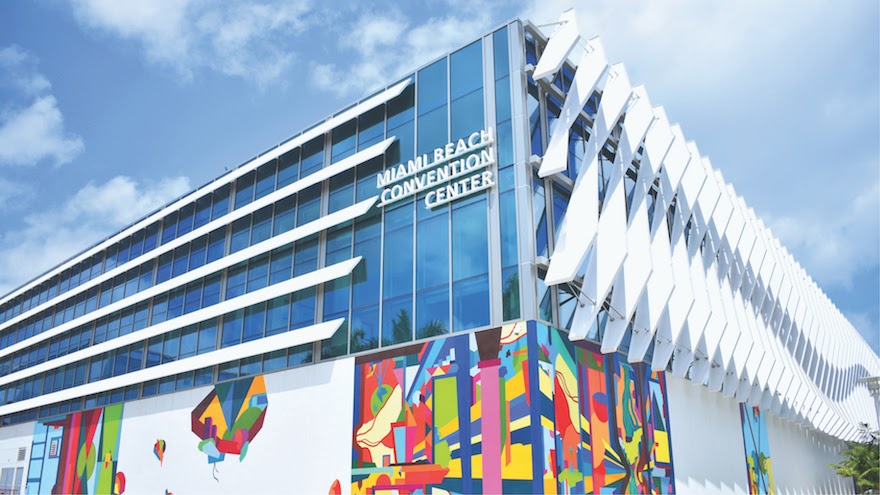
Flexible indoor & outdoor spaces, innovative technology options and exciting experiences solidify Greater Miami as a global destination that offers meeting planners every essential. Home to annual conventions and business meetings, our world-class accommodations include the GBAC STAR™ certified Miami Beach Convention Center. Our diverse settings enhance the appeal of your meetings with attendees steps from iconic beaches, multicultural neighborhoods, top hotels, restaurants, entertainment and shopping, all within a walkable distance of the convention center!
Miami’s array of meeting and event spaces offer customizable layouts, supporting social distancing for a wide range of guest counts. Each features technology options and support, allowing you to maximize event reach with live streams, webcasts, and recording capabilities for safe and comfortable face-to-face and hybrid meetings and events.
To ensure maximum peace of mind, businesses throughout Miami continue to commit themselves to our Destination Pledge, vowing to follow strict social distancing and the highest health and safety measures at every step of the journey. These assurances begin with your attendees’ arrival at Miami International Airport (MIA) – the first airport in Florida and only second in the U.S. to receive ACI Airport Health accreditation.
After your event, attendees can take advantage of extended stay hotel deals and add some of Miami’s unique cultural flavors to their experience while exploring heritage-rich neighborhoods like Miami Beach, Coconut Grove, Little Haiti, Little Havana and Historic Overtown.
“I would absolutely recommend an in-person meeting at the Miami Beach Convention Center. They’ve made it completely safe and yet all the magic of the convention center has been retained.” – Jaret L. Davis, Greenberg Traurig
Contact the GMCVB convention sales team at [email protected] – our destination experts will assist you at every step of your planning process.
The JuST (Juvenile Sex Trafficking) Conference will feature “presentations and workshops [that] focus on skill-building, survivor experiences, cross-discipline collaboration, task force development, case studies and lessons learned,” the hospitality company stated in a press release.
Peter Strebel, Omni’s CEO, underlined the responsibility of the industry to act. “Understanding that sex trafficking is very prevalent within the hospitality industry, we know we have to do our part in helping to educate our associates, who in turn, have the power to prevent these horrific acts,” he said.
Human Sex Trafficking Can Happen Anywhere
Law enforcement authorities say it isn’t just hotels and lodging that are at risk for facilitating these terrible crimes. Sporting events, theme parks, cruise ships, and any other hospitality or event venue may unwittingly be host to these illegal activities. That’s why it’s important for planners, event teams and vendors who frequently host at such sites to also be aware of the warning signs.
A concurrent issue is misunderstanding the process of sex trafficking—assuming that victims who are not physically detained must not be at risk. Why couldn’t they “just escape”? And isn’t a venue safe because it is public? Shared Hope International offers a sobering but illuminating introduction to sex trafficking on its website, along with resources ranging from laws by state (and a grading system of how those laws help prosecute traffickers) to resources for individuals and corporations.
The Department of Homeland Security offers a free hospitality toolkit that includes posters warning of red flags to look out for by specific departments. While authorities say all staff should be trained on what constitutes suspicious activity anywhere, front desk staff should be on alert if a guest pays for multiple nights in cash, while housekeeping may notice red flags like multiple computers and cell phones or signs of victims being detained.
It’s important that staff feel empowered to communicate suspicions, as one suspicious behavior may or may not be innocuous, yet several likely points to a situation to contact authorities about.
AHLA (American Hotels and Lodging Association) also offers a free 30-minute online human trafficking training program for hotels on its website, presented in 17 languages. The training was produced by Marriott International with ECPAT-USA, supported by AHLA Foundation.
Why the Hospitality Industry Should Take the Lead
In 2019, California passed a law requiring hotel and motel employers to train staff on human trafficking awareness (and to retrain every two years). The training must include guidance on what trafficking is, where it occurs, and how to spot and safely respond to potential trafficking occurrences. However, not all states have similar laws, and enforcement is dependent on frequent audits and is subject to governmental efficiency. Experts urge the hospitality industry to take action regardless of state or national mandates addressing the issue.
The need to enact these policies is even greater as a result of ever-growing automation of the hotel experience. The unintended consequence of no-contact tech meant to streamline processes, honor guest privacy and boost sanitation measures is that it can provide cover to traffickers and buyers, as well as put guests at risk. For example, bypassing the front desk means staff has less opportunity to notice situations that don’t seem right—such as a guest paying for multiple rooms at the same time, or loitering minors who avoid eye contact, appear disheveled or aren’t listed among the room’s occupants.
Balancing Privacy and Safety
Hotels will need to take measures to provide the privacy guests expect without simultaneously making it easy for individuals to hide illicit activities. An example of policies to review is the “do not disturb” sign. Disney and Hilton Hotels altered their policy around uses of the signs in some hotels in 2017 and 2018; in Disney’s case they were replaced with “room occupied” signs that still gives housekeepers the right to enter guest rooms after knocking and announcing themselves. At Hilton properties a card is slipped under the door when rooms refuse housekeeping that reminds guests of the hotel’s right to check the room every 24 hours for safety reasons. Wynn Resorts’ policy is to investigate after 12 hours; other hotels may not check on a room until up to 72 hours.
What You Can Do
As an event planner, get training on human trafficking awareness and prevention for your team. Ask hotels and event venues you partner with if their staff has received training, too. Shared Hope International and JuST Conference both list free webinars, in-person training and multiple corporate resources on their sites.
An additional practical step you can take right away: Use the TraffickCam app, created by the Exchange Initiative. This allows any individual to upload pictures of the hotel rooms they stay in, which may help authorities identify videos and photos where traffickers are operating.
The JuST Conference initiative calls the industry to action, declaring “…each person has a role to play in preventing and ending commercial sexual exploitation, and […] a collaborative community response is critical.”
Visitor economies—groups and leisure—cratered during the worst of the pandemic and are only now showing signs of recovering. Destinations International, the association for destination organizations (DMOs) and convention and visitors bureaus (CVBs), wants to help its members build back better.
Its 2021 DestinationNEXT Futures Study points the way for these destination organizations to rebuild their visitor economies while creating “more sustainable destinations and enriching their communities.”
“The data presented in this study will help guide destination organizations around the world with a roadmap that will ultimately lead to the recovery of our industry,” said Don Welsh, president and CEO of Destinations International.
The study included a comprehensive survey of 706 participants across 52 countries worldwide and identified three transformational opportunities for destination organizations.
Destination alignment: aligning the public, private and civic sectors to drive destination performance
Sustainable development: destination and product development to marry people, planet, profit and policy
Values-based marketing: community values, goals and energy as the new competitive advantage
“This has been an immensely challenging time for visitor economies worldwide,” said Paul Ouimet, president and CEO of MMGY NextFactor, which led the study in partnership with Destinations International. “While there’s no doubt that our industry will play a critical role in global recovery, it will be different from the one that we are accustomed to. There will be new challenges, new opportunities, and new ways of thinking…. It is fair to say the decisions made now will shape the industry for many years to come.”
The 78-page report that resulted from the study identifies 100 trends and 80 strategies from six key constituencies. Here, for instance, are takeaways from the “disruptors panel.”
We can no longer superimpose our will on the ecologies that sustain us.
The exponential increase in efforts to improve equity, diversity and inclusion across the visitor economy is not just about race, ethnicity, gender, sexual orientation, accessibility, age, etc. It leads to greater creativity, innovation and improving overall performance for the brand.
Effective data management is now critical for delivering business intelligence to partners.
With the pending loss of third-party cookies, first-party data is key to owning your audience. New website, event, social media and mobile tracking tools can optimize how local communities and global visitors work together toward shared goals, while providing more first-party data for participating organizations.
Travel companies and event organizations are increasingly developing subscription models to diversify and increase revenue streams.
Covid-19 accelerated the shift toward a cashless, on-demand society.
In addition, the study identified 25 top trends. Chief among these are the following.
Greater industry, community and government alignment is driving destination competitiveness and brand.
Customers are increasingly seeking a unique, authentic travel experience.
Content creation and dissemination by the public across all platforms drives the destination brand and experience.
Video becomes the new currency of destination marketing and storytelling.
Travelers are demanding more personalized information, control and interaction.
The entire study report is free and available here.
In a move that might spur major expansion of MGM Hotels & Resorts and makes a real estate investment trust (REIT) one of the high rollers of Las Vegas, Vici Properties will acquire MGM Growth Properties (MGP) for $17.2 billion.
When the agreement is complete, Vici, a REIT, will have a value of $45 billion and will have subsumed the 15 mostly Las Vegas-based resorts owned by MGP, including Park MGM Las Vegas; New York New York Las Vegas Hotel & Casino; and Borgata Hotel, Casino & Spa in Atlantic City. Vici will retain MGP’s existing 50.1 percent stake in its joint venture with Blackstone Real Estate Income Trust, Inc., which owns the real estate of MGM Grand Las Vegas and Mandalay Bay in Las Vegas.
This news is just the latest major roll of the dice for Vici. The venture has a pending $4 billion acquisition of the real estate of The Venetian Resorts and Sands Expo Center in Las Vegas in the wake of Las Vegas Sands Corporation’s decision to leave The Strip, announced earlier this year.
According to MGM President and CEO Bill Hornbuckle, this acquisition will allow the company to focus on expansion. “This transaction unlocks the significant real estate value of our assets, enhances our financial flexibility and strengthens our ability to execute key growth initiatives,” he said in a press release.
This comes shortly after Eldorado Resorts’ $17.3 billion acquisition of Caesars Entertainment in 2020 that increased its portfolio to 55 casino properties globally, including eight on The Strip.
Vici CEO Ed Pitoniak said on a conference call that the deal creates the largest private owner of meeting and convention space in the country and the largest hotel owner in the United States as measured by rooms. The Strip might be “the most economically productive single street in America,” he continued.
Vici’s portfolio consists of 28 casino properties and four golf courses, including many operated by Caesars Entertainment, Penn National Gaming and Hard Rock International. The transaction is expected to close the first half of 2022.
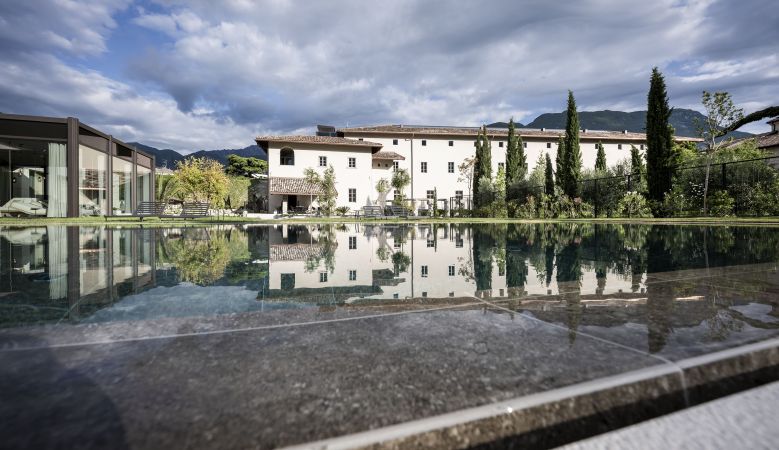
Opened in June, this 40-room luxury hotel was once home to a 17th-century order of devout nuns. The simplicity of its monastic aesthetics has been maintained, now infused with amenities for the modern nomad. A star feature is its spa, composed of seven cubes of glass that open into private courtyards. Treatments take inspiration from the surrounding foliage, using medicinal plants and herbs to soothe, while monastic practices influence the ionized body brush massages offered. In the morning, walk the private, walled gardens before enjoying a market-style buffet of pastries, fresh Italian breads with marmalade and eggs to order. Nearby Lake Garda is a treasure trove of vistas, water views and vineyards for your purposeful meandering.
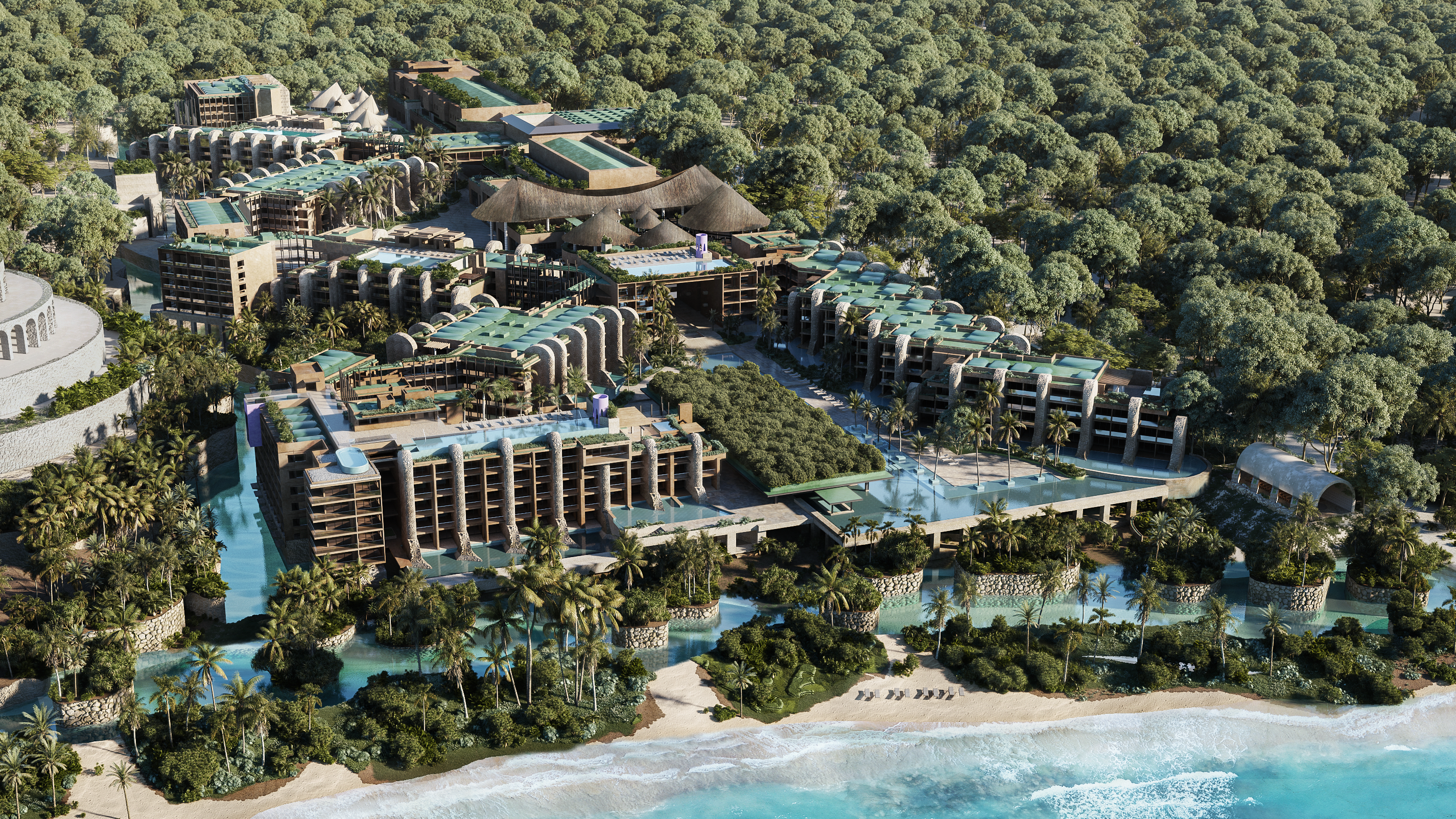
This new adults-only hotel opened in June with 900 suites in the Riviera Maya, between Cancun and Tulum. The hotel’s eco-integrated architecture and design is an expression of Mexican art in all its forms, and a concept of six different casas will bring these crafts to life for guests. The resort offers textile workshops, dance lessons, cooking classes, as well as pottery and painting studios. It’s a luxury all-inclusive stay, with reservations including entrance and transportation to and from all Xcaret parks, hotels and the airport. Nine unique dining experiences feature star chefs bringing the varied regional flavors of the country to plate. With two convention centers totaling over 35,000 sq. ft. plus an entertainment stage, the property can play host to over 2,000 guests for events.
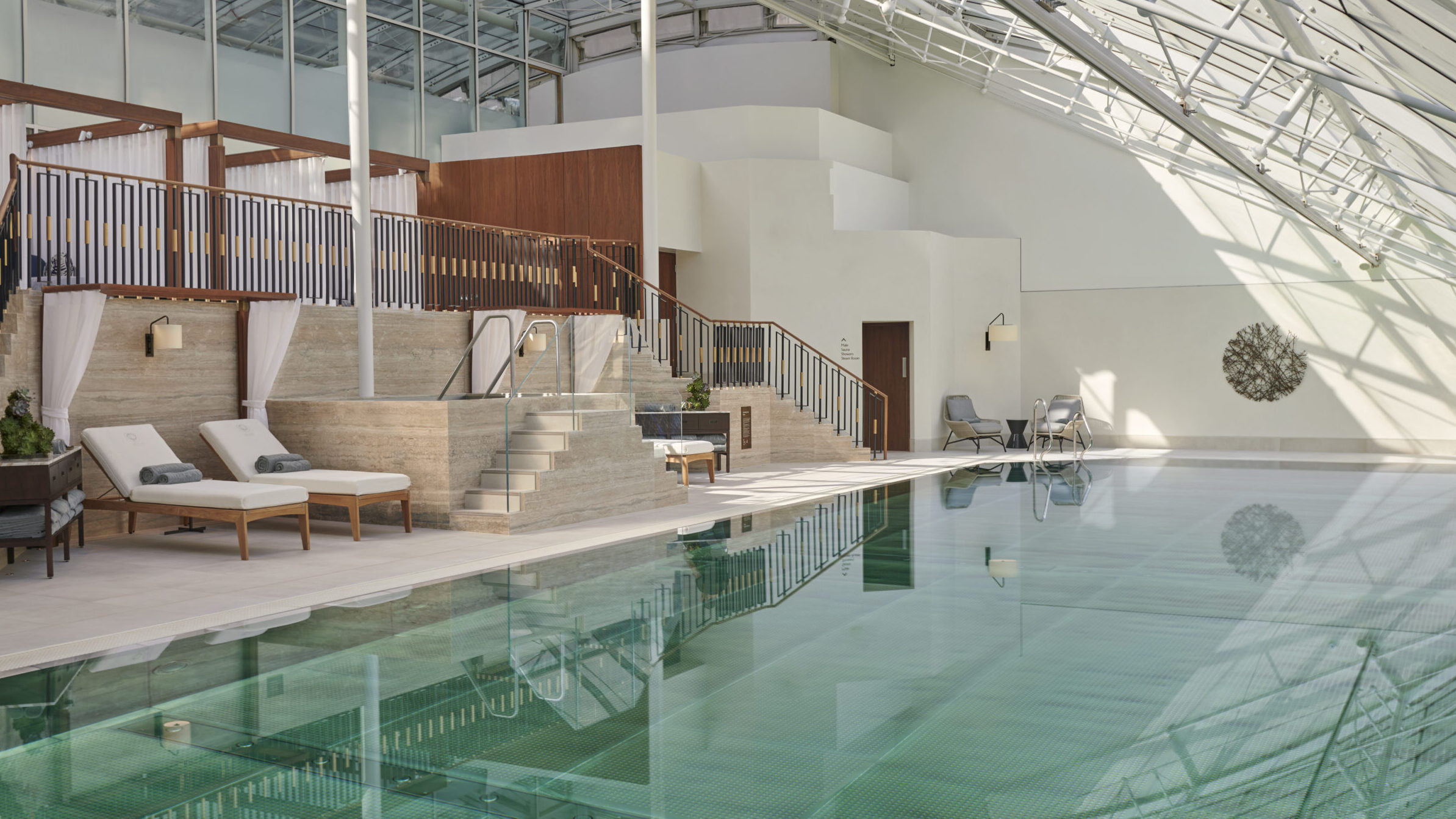
The luxury property relaunched under a new name to reflect its 18-month renovation, which updated the hotel with a fresh palette, 186 spacious new rooms, new restaurant offerings, a new spa and a revitalized lobby. Flagship eatery Al Mare features a head chef from Michelin-starred restaurants who crafts modern Italian fare in a bright dining room to match. Guests can also enjoy traditional afternoon tea and casual all-day dining at The Chinoiserie. A beautiful 20-meter pool with a domed glass ceiling flows natural light onto the water at the The Peak Fitness Club & Spa. For your rendezvous, cause a stir with a dramatic staircase entrance to a ballroom that seats up to 400 people—plus three meeting rooms that overlook Cadogen Gardens for getting down to business.
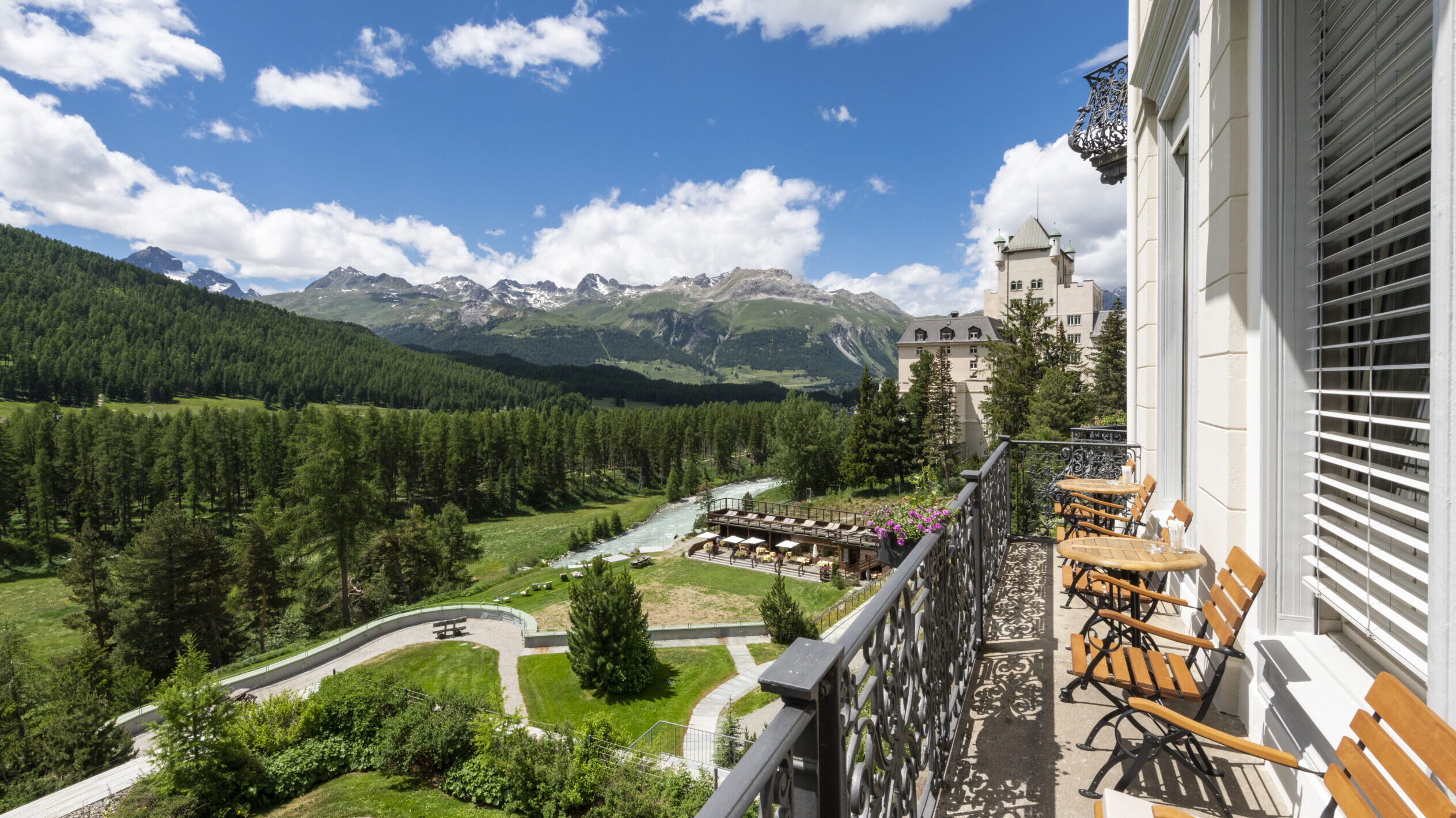
The main building of this property in the southeast of Switzerland is a historic landmark constructed at the end of the 19th century. Renovations have been underway to bring this 112-room, neo-Baroque hotel into the 21st century, while carefully maintaining its opulent historical elements. The revitalized reception area features modern furniture in the blues of the surrounding mountain ranges, while grand relics such as the lobby’s iconic chandelier were left in celebration of eras past. Custom-designed artworks and a new, rich color palette offset by gold trim now grace The Kronenhof Bar. A 2,000-square-meter spa has Jacuzzi tubs with scenic outlooks in addition to an indoor infinity pool, saunas, steam rooms and a relaxation room with a crackling fire. Activities include golf, yoga—and dining at the grand dame’s three distinct restaurants.
 Many professionals haven’t exchanged small talk at the coffee machine in over a year. They crave a genuine connection but are perhaps a bit out of touch. At Disney, networking is built in. There’s no need for an icebreaker game when you’re dining on Moof Juice and galactic oats for a private breakfast next to the Millennium Falcon at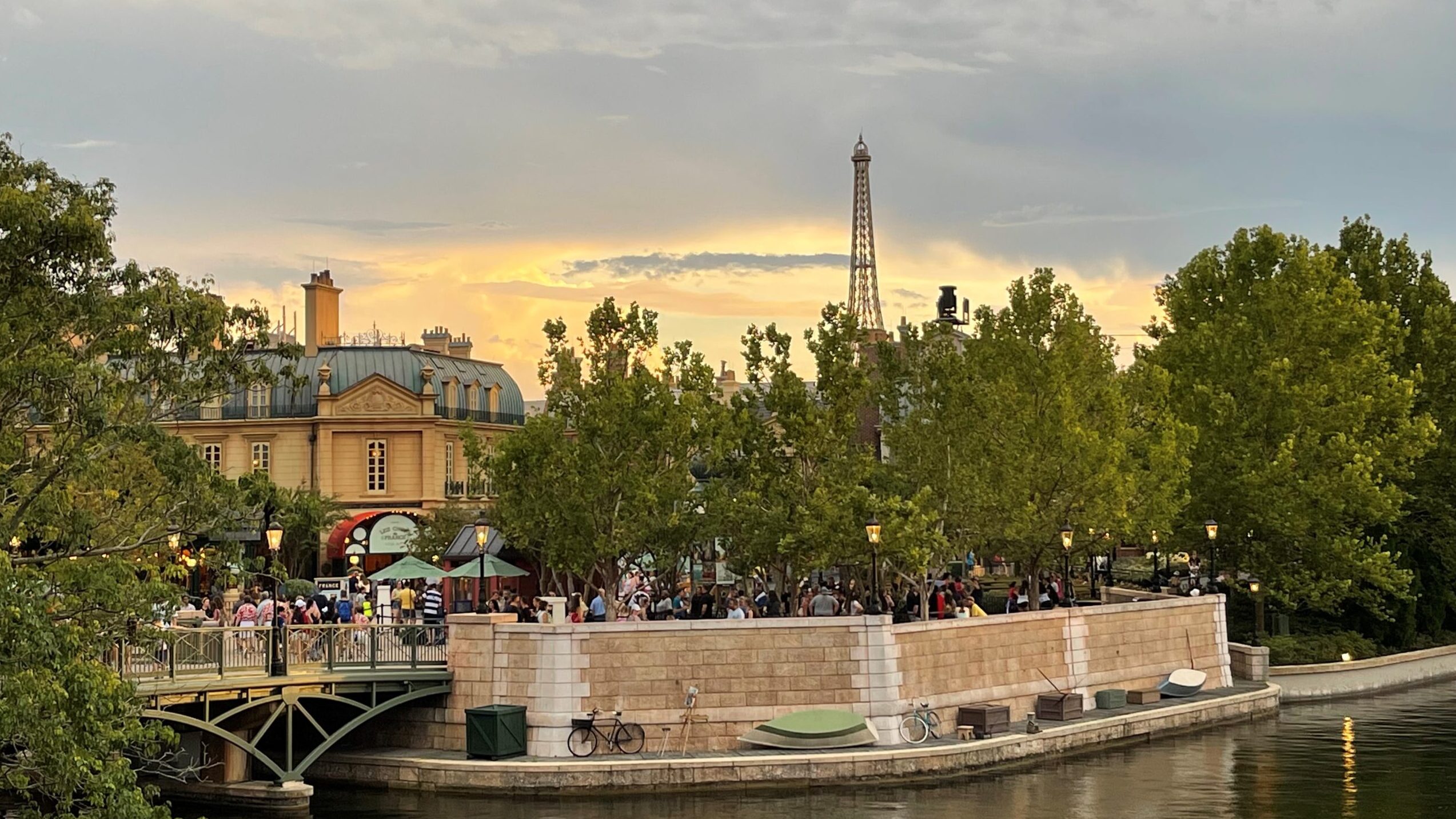


 Instead of resisting change, he advocated reframing challenges so we can get creative. “Your attitude drives your behaviors and that drives the consequences of your life,” is his A.B.C. mantra. Bonus, once you have mastered your attitudes, behaviors and consequences, you can start to impact the attitudes, behaviors and consequences of others. “Instead of dwelling on what is wrong, focus on what is right,” he counseled.
 The downside of all that recovery? Robust