Dinner pairings, featuring culinary sensations and wine that bring out the best in each other, have become a standard in fine dining. Bonus points if the chef and sommelier come out to explain the meal’s taste and the science behind why it works together.

The events team at JW Marriott Marco Island Beach Resort in Florida wanted to make that experience even more powerful. They created Scented Supper, in collaboration with Jo Malone London fragrances, an olfactory experience personalized for guests and paired with a five-course meal designed to bring out the notes in the perfumes.

The idea was so popular they took it on the road to customers in New York City, Nashville and Chicago to demonstrate what a unique experience can taste and smell like.

The Beginning

The idea for a multisensory event came about in 2021 at an Incentive Research Foundation conference when JW Marriott and Jo Malone London were both exhibiting and the fragrance gifting company really drew a crowd to test the base and finished products, said Amanda Cox, director of sales and marketing with JW Marriott Marco Island.

Like many hotel brands, JW Marriott employs a signature scent throughout the property to evoke a feeling of well-being, so it seemed a perfect fit. The plan for an educational, interactive experience that paired scents the way wines are often paired with meals was born.

Read MoreEssential F&B: 2022 Catering Trends

“From the moment people see it on the agenda it is attention-grabbing because it is so novel,” Cox said. The experience works well for VIP groups of 10 to 60.

A Progressive Sensation

a woman sits at a table with a scent card in her hand

The evening starts with cocktail hour, where attendees experience a scent-blending bar and a Jo Malone education director talks about layering based on personal preferences. “This is a great way for people to get to know each other,” Cox shared. She likes to ask people their favorite food memory because it says so much about them. A favorite scent memory may be even more revealing, since the sense of smell is so engrained in our personal histories.

Then the group moves on to the main course, a dinner prepared to highlight notes of lime, basil and cardamom the group had just enjoyed in the other room. Lime, basil and mandarin become a tuna tartare with a citrus gel. Grapefruit can translate to local wild red snapper with faro, avocado and mojo shallots in a citrus beurre blanc. The executive director of education will provide commentary on each scent, followed by the executive chef, who will explain the ingredients of each course and how the scent compliments it.

Read MoreHoliday Cheer: Creative Cocktails

“We often say that we eat with our eyes first,” Cox said, “but scientifically, memory is anchored in scent—the smell of a grandmother’s kitchen, a restaurant in Italy—focusing on those sensations really gets people talking.

As a cherry on top, everyone takes home a custom scent box as a reminder of the experience. “The diffuser becomes a memory on a stick,” Cox said.

Editor’s note: Morgan Saltz is a new editor at Smart Meetings who will be working with the Smart Woman VIP Club to build the community of empowered women who met at Smart Woman Summit in Nashville in August. Following are her observations of the power of bringing female leaders together.

The golden Nashville sunset reflected from the downtown skyrises, bounced playfully across Honkytonk Row and landed in a glittering shimmer across the water of the Grand Hyatt Nashville pool as the guests attending Smart Woman Summit gathered on Aug. 26, 2022. The welcome reception embraced women from across the country—rising stars, entrepreneurs, stellar performers, industry leaders, innovators andimage of morgan saltz visionaries—all established, accomplished and excited for the conference.

As a new employee in charge of greeting and registering guests, I was admittedly nervous and not sure what to expect. What I was privileged enough to experience at Smart Woman Summit 2022 was an environment of altruistic support, an eagerness to promote camaraderie and a unified commitment to empowerment.

The poolside mixer was alive with excitement and energy. Attendees arrived with positive energy, ready to network with fellow guests to share ideas.

Full disclosure—I am not a social butterfly.

Yet in the face of these incredibly honest, open and real conversations, I felt accepted. Although my role was to work the registration desk, these accomplished professionals made me feel included.

This was especially true with Princess Sarah Culberson, the keynote speaker for Smart Women in Meetings Awards Gala. I had previously researched her humanitarian work in education and gender issues and was starstruck. I finally gathered the courage to introduce myself.

Read more about how the Smart Woman Summit launched a community of support.

She greeted me with a down-to-earth and welcoming vibe and we discussed educational inequality, women’s issues in education, her work in Sierra Leone and both of our journeys that have somehow converged to talking on that patio in Nashville. Princess Sarah’s kindness and approachability on the first night of the Smart Woman Summit gave me insight and understanding into what this event was all about—we are all here for each other.

The common challenges facing Smart Woman Summit attendees were literally laid on the table at the next morning’s breakfast as I watched guests sit and passionately discuss the state of mentorship, innovation and entrepreneurship. Ideas from each table were written out on neon post-it notes and slapped on to the table’s poster board to light up the breakfast space.

As the women filed into the ballroom for the first speaker, I had the chance to browse over the various ideas written on colorful stationary. It was so impressive to see collaboration visualized. Even though most attendees had never met, it was evident that a common goal of support and empowerment was the thread throughout each poster board. They may be in different parts of the country, work in different parts of the industry and have different perspectives, yet the challenges outlined applied almost universally.

“What’s working? What has been a struggle? What have been some solutions that have worked? What can we do next? How can we make things better?”

The speakers were all passionate and had their own unique approaches with distinct voices. I saw the guests pour out of the ballroom, energized and thoughtful. One speaker was so powerful, her talk brought one of my co-workers to tears (but I won’t name names).

The day ended with a formal gala, a talk from Princess Sarah and award celebration. It was a beautiful evening and a perfect way to end after so much work to create a significant event.

Any anxiety from the previous days melted away as I stood in the middle of the sparkly ballroom surrounded by men in tuxedos and women dressed to reflect their status as winners. I forgot about my hurting feet, my long to-do list or any other personal thought. Everyone was smiling, hugging, laughing and enjoying each other’s company. I realized something in that moment.

I have a support system. I’m one of these women. They want to see me win just as I want to see them win. And for someone who has tended to be somewhat of a loner in the past, I could not be more excited to support this powerful Smart Woman VIP Club and build a strong sense of community of support for these dynamic leaders.


UBQ Materials, developer of the world’s first bio-based thermoplastic, is helping create the first global event built from landfill waste.

In collaboration with Palram, manufacturer of thermoplastic sheets (moldable plastic, essentially), PLANETech World 2022, to be held in Tel Aviv, Israel, Sept. 21, 2022, will be the first time a trade show reduces its own construction’s carbon footprint.

“One of the main concerns when talking about sustainability is to be sure we use the most sustainable option…and we use as little waste as possible,” says Sophie Tuviahu, vice president of business development for UBQ. “And that is where UBQ comes into play. We can supply the most climate-positive kind of plastic material…that are used in event production.”

What Is UBQ?

UBQ Materials converts everyday household waste, including used diapers, cardboard, paper, food scraps, garden trimmings and plastics, into real-world usable items for use in thousands of products across multiple industries, none of which needs to be sorted before being processed. With PLANETech in particular, parts of its infrastructure will be made of Palram’s Palboard multilayered PVC panels made with UBQ’s material.

These Palram panels prevents up to 12 tons of CO2 emissions for every ton of UBQ used, according to a press release.

Read MoreAdvito and BCD M&E Create Emissions Calculator

Companies such as PepsiCo and Arcos Dorados, Latin America’s largest McDonald’s franchisee, are already using UBQ. Mercedes-Benz began its collaboration with the company in 2019 and features UBQ’s materials in its all-electric VISION EQXX, which, while fully functional, is still just a prototype. The car has UBQ in the structure of its body and sections of its interior, such as the headrests.

UBQ at PLANETech

In addition to hosting more than 50 speakers, PLANETech will be a temporary home to more 100 start-up companies, allowing them to showcase their technology, and UBQ will play a part in their display. Tuviahu says UBQ is cooperating with conference organizers of PLANETech to donate their materials for the construction of the start-up booths.

“Each start-up will get one [booth panel] and they can customize as they need,” Tuviahu says. “We are bringing in a blank canvas that will serve each of the start-ups to do their own customization and display their own technology and product.”

The question of where to get rid of post-event materials, like wood, plastics and signage, which often results in vast amounts of waste, is being answered by the introduction of materials such as UBQ. “These materials that are made with UBQ can be recycled again and again, to reach a level of circularity that was unknown before events such as this…with UBQ, we are opening a new possibility,” she says.

Tuviahu expressed the difficulty of balancing the desire to be sustainable without decreasing the quality of the event. “This is not an easy task when talking about graphic design as a substrate,” she says. “[The] quality of the surface, the possibilities of the color need to be there because [it’s needed] to create that ‘wow factor’ in the event that we don’t want to give up just because we want to be more sustainable. There’s always a trade-off: We want to be chic and lovely, but we also want to be environmentally conscious. That doesn’t always come hand-in-hand.”

Read MoreBeyond Carbon-Neutral Hotels: Evolution of Eco-Friendly Hotels

Although it’s only conventional plastic that will be replaced at PLANETech, Tuviahu believes the opportunities for UBQ’s expansion in events are bright. “Eventually, UBQ [will be able to] replace a lot of basic materials in everyday products,” Tuviahu says. “In construction, for instance, we target concrete as the holy grail of UBQ implementation. Concrete and cement…are very unsustainable materials and we believe the implementation of UBQ, at least as an ingredient, will improve the sustainability proposition, making it less of a harmful substance.”

When the event is over, Palram will take them back to its plant in Israel for recycling, where it will await its next use. Palram, which has operations in six continents, will introduce Palboard to the wider market to those looking for a more sustainable option.

“It’s really important that people become aware of the choices of materials they [have],” Tuviahu says. “There are better choices to make. Choose your materials wisely; think of what it’s made of. There are many materials that are a better option than the ones that are currently in use. [Just] because something is natural [doesn’t] mean it’s sustainable.

“Events are an opportunity to really nurture that awareness if we want to be responsible and push sustainability to the limit. Events are not only an opportunity to meet face-to-face, but they are also an opportunity to educate and show that we can make better choices.”

UBQ, which currently only operates in Israel, will be expanding to a large-scale facility in the Netherlands, with production slated to begin during Q1 of 2023. This will mark a huge increase in UBQ’s production, as the facility in the Netherlands will have a production rate of 80,000 tons per year, as compared to the current facility’s production rate of 5,000 tons of UBQ per year.

“This will open up opportunities for more producers to implement UBQ into their products and for more sustainable products to be launched,” Tuviahu. “We are proving to the market that we are functional and we deliver on our sustainability propositions.”

The turquoise water and white sandy beaches that line the coast of the Caribbean draw more than 30 million people to the West Indies each year. While the Dominican Republic, Cuba and Puerto Rico account for most of the popularity, smaller islands, like Saint Kitts and Nevis, are gaining attention as they ramp up their hospitality and tourism sectors. As we near the end of hurricane season, consider bringing your next group to St. Kitts and Nevis, remarkable places to host your next meeting, incentive trip or conference. 

What, Where and Why

St. Kitts and Nevis are twin islands with an overall population of around 50,000 in the Eastern Caribbean with Basseterre on St. Kitts being the capital. With both islands having international airports and a climate that hardly drops below 80 degrees, these islands are both easily accessible and picturesque. Nevis even happens to be the birthplace of U.S. Founding Father Alexander Hamilton. To escape the hurricane and rainy season, visit the islands between December and April. 

Read More: Taking a Deep Dive on the Islands 

Ellison “Tommy” Thompson, CEO of Saint Kitts Tourism Authority, says they’ve had an encouraging first half of the year when it comes to tourism numbers and interest. St. Kitts is a popular stop for cruises throughout the Caribbean. Thompson explains how one of the greatest things about the islands is their proximity to one another as it makes it easy to combine activities and travel between them both. 

Both islands offer an abundance of engaging activities and festivals to make the most of your time on the islands. Nevis hosts a Mango Festival in July, full of mango-eating competitions, food tastings and more, and Saint Kitts hosts the “best small carnival in the world” in December which celebrates Caribbean culture, Christmas spirit and African Heritage. 

Thompson recommends guests take a ride on the scenic railway in St. Kitts, the only one of its kind in the Caribbean. The railway was once a sugar train and has since been converted into a three-hour tour and attraction. For most of its history, both island’s main industry had been sugar production but in the early 2000s turned its focus on tourism due to the difficulties and high prices that came with producing sugar. 

Places to Meet 

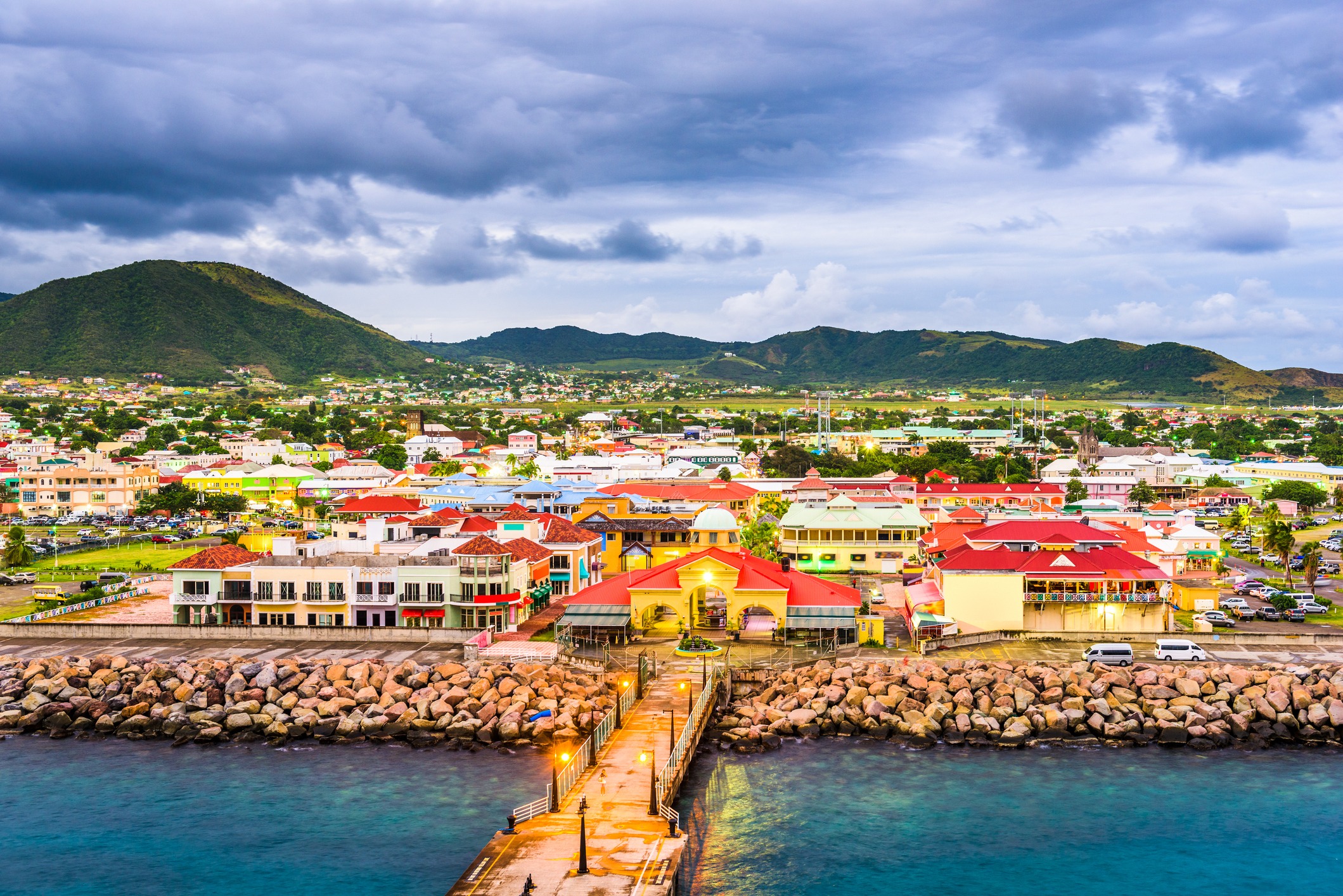
Basseterre, St. Kitts and Nevis town skyline at the port.

St. Kitts and Nevis offer multiple resorts and hotels with ample meeting space and luxurious accommodations. Below is a list of some of the best places to stay on the twin islands to ensure a safe and memorable trip. 

  • Four Seasons Resort Nevis, 9,043 sq. ft. of event space
  • St Kitts Marriott & Royal Beach Casino, 14,831 sq. ft. of event space 
  • Park Hyatt St. Kitts Christophe Harbor, 31,000 sq. ft. of meeting and event space
  • Koi Resort St Kitts, Curio Collection, 6,353 sq. ft. of meeting and event space

Read More: Season Ticket: Island Meetings

Traveling to St. Kitts and Nevis

There are several direct commercial flights to the Robert L. Bradshaw International Airport (SKB) located in Basseterre, St. Kitts, whereas the Vance W. Amory International Airport (NEV) in Nevis is reserved for private charter flights and small, regional aircraft. There are a select number of cities that offer direct flights to SKB including New York, Miami and Chicago. 

For those flying into SKB, public boats and ferries are available to take you to Charlestown, Nevis’ capital. 

Where to Eat 

While in St. Kitts and Nevis, visitors can sample a Rastafarian diet, which is popular on the island for the belief in eating food in its natural state, from the Earth. Or they can simply enjoy the excellent seafood, exotic recipes and beachside meals at one of the restaurants listed below. 

  • SALT Plage: located on St. Kitts, serves a mix of Caribbean and Seafood and has an outdoor deck overlooking the beach 
  • Yachtsman Broil: located on Nevis, known for thin-crust pizzas with a location in between many of the most popular hotels and resorts 
  • Carambola Beach Club: located on St. Kitts, serves a international menu paired with Caribbean influence with a location right on the beach 
  • Arthurs: located on St. Kitts, Arthurs serves authentic recipes with a prime location and beach-style eats 

Rainforest

Picture of someone standing on top of Mt. Liamuiga in St. Kitts 

St. Kitts and Nevis are commonly referred to as “untouched and unspoiled.” The islands maintain the natural beauty of their waterfalls, rain forests and more as the tourism sector is just beginning to blossom. 

The rainforest in St. Kitts is growing as old sugar plantations are now being reclaimed and there are a plethora of opportunities to take advantage of while visiting the islands. You can hike up Mt. Liamuiga, a dormant volcano, on a 4-plus-hour guided hike that leads to the highest point on the island. Or you can go ziplining through the rainforest and try to spot one of the many green vervet monkeys hiding in the forest. For those who want a less adventurous but equally exciting experience, you can take a guided tour through the rainforest and spot some of the island’s Indigenous animals. 

A vacation in St. Kitts and Nevis is a vacation you will never forget. Whether you host a meeting, an incentive trip or simply want to go for some rest and relaxation, the twin islands are one-of-a-kind places to visit and stay. 


September marked a serious push by the U.S. Department of Commerce’s Economic Development Administration (EDA) to boost tourism around the country. States scattered across the country, from Alaska to New Orleans, received funding provided by the American Rescue Plan to revitalize their tourism and travel sector, a critical economic driver.

However, the American Rescue Plan also provides states with funding to support small business growth, develop jobs, improve healthcare facilities and improve water systems, among other initiatives.

Alaska to Receive New Tourism Center

In Matanuska-Susitna Borough, Alaska, the EDA looks to help improve the area’s visitor infrastructure with a $6.7 million grant that will be used to construct a new visitor center. It will also provide additional retail space, allowing local merchants to connect with visitors in one central location. In addition, the grant money will be matched with $1.7 million of local funds to either create or retain 180 jobs.

“President Biden recognizes the vital contribution the travel and tourism industry makes to the American economy,” said U.S. Secretary of Commerce Gina Raimondo. “This project will create new opportunities for businesses in Matanuska-Susitna Borough to tap into Alaska’s important tourism economy, expanding the potential for economic growth and resilience.”

Read More: Why You Should Plan Your Next Event in Alaska

New Visitor Center for Marine and Ocean Science Slated for Mendocino, California

Grant money totaling $825,230 was awarded the EDA to support the design work and a feasibility study for the Noyo Center for Marine Science’s Ocean Science Center, slated for construction in Fort Bragg, California. The grant is intended to boost tourism in Mendocino County and will be matched with $207,891 in local funding.

“Mendocino County is home to miles of stunning coastline and other natural wonders that draw visitors from far and wide,” California Governor Gavin Newsom said. “This grant will help further boost travel and tourism, supporting a state-of-the-art Ocean Science Center to provide hands-on education for visitors, advance innovative research in marine science and spur new opportunities to support the region’s economy.”

Read More: Cannabis Tourism Industry Developing More Appeal

EDA Funds Training Tribal Communities in New Mexico and Establish Heritage Center

The EDA announced $4.4 million in grant dollars has been awarded to tribal communities in New Mexico to support the development of utility infrastructure, roadway development and building renovations needed to establish the Taos Pueblo Heritage Center. Taos Pueblo Central Management System (CMS) will receive a $2.4 million grant, with the intention of creating tribal workforce opportunities and boost tourism in the region.

The additional $2 million in grant funding will go to the Picuris Pueblo Indian Tribe in Penasco to build the Picuris Pueblo Vocational Training Complex to spur job growth and produce a skilled workforce.

“Building economic opportunity for New Mexico nations, tribes and pueblos benefits everyone,” New Mexico Governor Michelle Lujan Grisham said. “We have already pledged state support for the Taos Pueblo Heritage Center, which will create jobs and foster continued economic activity. I am grateful to see federal support for this important project and for job training at Picuris Pueblo.”

Southeast Ohio’s Great Outdoors Receives Financial Boost

Burr Oak State Park in Southeast Ohio will receive $2.4 million in upgrades to boost tourism in the state. The upgrades include new campsite amenities, trail segments and docks at the marina to elevate the visitor experience. In addition, the grant will be partially matched with $604,625 in local funds to create or retain roughly 125 jobs.

“Ohioans depend on access to parks for outdoor recreation, community events, and local jobs,” Ohio Senator Sherrod Brown said. “This funding from the American Rescue Plan will support the local economy, create jobs and promote local tourism at Burr Oak State Park.”

Recreational Path in New Hampshire Slated for Installation to Boost Tourism

The EDA has awarded Mount Washington Valley Trails Association, North Conway, New Hampshire, $2.2 million in grant funds to help support the construction a new recreational path. The new 2.2-mile multi-use recreational path is intended to attract additional visitors to the area and will extend the existing path from the Cranmore Mountain Resort north to the Intervale Scenic Vista.

“This latest grant from the Economic Development Administration reaffirms how critical the agency is to communities like North Conway, providing important federal investments to kick-start or enhance local projects,” New Hampshire Senator Jeanne Shaheen said. “This funding will do just that, by constructing a recreational path for Granite Staters and visitors from all over to explore and admire the beauty of New Hampshire’s White Mountains. This is a win for our tourism economy and the region. I’ll continue to fight for funding to support the EDA’s efforts, which so often benefit exciting Granite State projects like this.”

The grant will be matched $989,985 in local funding to create 30 jobs, retain 15 jobs and generate $70 million in private investment, according to estimates.

Alabama Cities Receive Economic Boost for Tourism Growth

Florence, Alabama, received an EDA grant of $1.7 million to upgrade the area’s sewer system and encourage growth in the local tourism industry. The upgraded sewer system infrastructure will support local events and job-training facilities at the Lauderdale County Agricultural Events Center, with the intention of elevating the local tourism economy.

Similarly, Colbert County Tourism and Convention Bureau of Tuscumbia, Alabama, has received a $1.7 million grant from the EDA to build a separate visitors center with the intention of boosting local tourism. The goal of the project is to drive more visitors to the birthplace of Hellen Keller and other local attractions. The grant money will be matched with $829,000 in local funds to support the project.

“Colbert County has so much to offer. From Helen Keller’s birthplace to the Muscle Shoals Sound that continues to influence American music, there is so much to see and do,” Alabama Congressman Robert Aderholt said. “I’m glad that this new center will help even more people explore this culturally rich area of Alabama.”

New Orleans Receives $900,000 for Improvements to Jazz Museum

The Louisiana Museum Foundation has received a $900,000 grant from the EDA to fund renovations to the campus of the New Orleans Jazz Museum, which will include the remodeling of the museum’s cafe, the construction of an outdoor stage and other upgrades to the museum grounds.

“New Orleans’ cultural economy is one of the regions’ important economic drivers. I am proud to help bring home these resources so that it can thrive as our tourism industry recovers from the pandemic,” Louisiana Congressman Troy A. Carter, Sr. said.

Moreover, the grant will be matched with $225,000 in local funding, which is expected to generate roughly $33 million in private investments while creating or maintaining 55 jobs.

Staffing shortages and ensuing issues have become commonplace in the hospitality and tourism industries and a stark reality meeting professionals must now grapple with at nearly every turn. The Great Resignation and a mindset among workers focused on a healthy balance between life and work have caused some reluctance for a full return of the workforce once in-person gatherings resumed while the industry began rebounding. Smart Meetings reported that roughly 44 million vacancies in the industry remain as of July 2022.

However, organizations with the goal of developing future industry professionals are gaining momentum to advance students pursuing careers in hospitality with specialized programs and generous funding. The American Hotel and Lodging Association Foundation (AHLA Foundation) recently awarded $1 million in scholarships to 336 hospitality students for the 2022-23 academic school year, which was funded through donations provided by individual donors and corporations.

Similarly, Tourism Diversity Matters (TDM), an organization committed to elevating diversity, education, advocacy and empowerment in the events industry, offers several programs designed to create an inclusive and diverse workforce and guest experience. TDM functions under four pillars defined as apprenticeship programs, workforce development, diversity, equity and inclusion (DEI) and research and data.

Diversity, Equity and Inclusion Are Driving Career Development

The AHLA Foundation’s recent scholarship announcement follows a five-year road map introduced in 2021 to elevate DEI with funding supported by a $5 million commitment to diversify the workforce at all levels of the industry.

“The AHLA Foundation Board of Trustees recognized that we can do more to build on our legacy of opening doors of opportunity to all individuals regardless of race, ethnicity or gender, and we believe that this bold, new five-year plan takes us one step closer to reaching that goal,” Rosanna Maietta, president and CEO of the AHLA Foundation, says. “This is a monumental example of an industry coming together to advance diversity, equity and inclusion, even at a time when Covid-19 has wiped out 10 years of job growth in the industry.”

The AHLA Foundation last year also introduced a new Leadership Program featuring resources, such as mentoring and executive coaching, to attract diverse talent and increase representation at an executive level. “Our vision is to build an industry as diverse as the guests we serve, and this new initiative will build on the industry’s long-standing commitment to promote diversity, equity and inclusion across all levels in our workforce,” said Greg Juceam, president and chief operations officer of G6 Hospitality and AHLA Foundation chair of the board, in a press release.

Building Employment Pipelines Through Education

First established in the summer of 2020 as a result of the killing of George Floyd, TDM is focused on DEI 365 days a year for “something that was well overdue for the industry,” says Greg Deshields, executive director of TDM.

“Our apprentice program is our talent pipeline,” Deshields says, adding that it was created in Philadelphia during the 90s. “It’s really meant to provide someone a second opportunity to move their career forward.” The apprenticeship program includes 600 hours of training and mentoring for participants that are associated with the tracks offered by TDM including sales, convention services and events and sports. The program also facilitates a collaboration with the host and partner to provide compensation for the 600 hours of the program with a requirement to hire following the conclusion of the apprenticeship.

TDM also functions under a “collective impact model,” Deshields explains, building affiliations with academic institutions to garner resources such as career development offices and alumni associations, including the Historically Black Colleges and Universities (HBCU) Consortium and National Society of Minorities in Hospitality (NSMH), as well as connecting with organizations that are seeking diverse candidates. “We’ll frequently make recommendations to organizations who are trying to find a way to either diversify their talent pipeline or add to their talent pipeline,” he says.

“Workforce development is where we spend a lot of our time engaging high school students, college students, workforce development, about the opportunities in our industry so we speak quite often about why you should go into this industry and we come up with creative programs for those constituents to pursue,” Deshields says.

A Slow Recovery

However, one of the major hurdles that organizations currently face is worker apprehension regarding how their employment could be affected during a pandemic—and this apprehension impacts businesses and educational institutions alike. As a result, the employment pipeline has been greatly reduced, Deshields says, adding that organizations must now do more with less to improve efficiency.

One approach of casting the tourism and hospitality industries in a more positive light is providing individuals with fresh perspectives on the employment opportunities that are available. “We need to make all of efforts clear to present the industry in a way that people get excited about, and people want to work in it,” Deshields says, adding that TDM encourages individuals to consider a career trajectory that leads to the corporate level or hotel development. “We really started to expand the long-term career options as opposed to the property-specific options to take people from one point of view of the industry to another.”

There is both an art and a science to designing and executing effective incentive travel programs that motivate employees. The stress of attracting and retaining the next generation of employees during The Great Resignation has heightened attention on making everyone feel valued for their contribution.

SITE Classic, Society of Incentive Travel Executives Foundation’s annual fundraiser at The Boca Raton in The Palm Beaches, Florida, unveiled the latest trends according to new research and demonstrated to the 230 attendees from around the world how effective a personalized approach to giving can be—all while raising almost $240,000 for the cause. Following are some lessons learned before, during and between the deep-sea fishing, Everglades tours, golf tournaments and art walks.

Gold Standards

Lesson No. 1: It is time to step up our service game. “Customer service is the new gold standard,” said opening session speaker Colin Cowie (top-right in featured image), who produced the celebrity Ben Affleck and Jennifer Lopez wedding in Georgia and was the creative force behind the massive renovation that restored The Boca Raton to its Coastal White grandeur.

Read MoreSouth Florida Meetings: Health, Wellness and Productivity

“We don’t need another piece of technology or product,” to deliver meaningful touches, he said. “We do need a new vernacular and incredible amounts of data in order to anticipate the needs of guests. The goal is emotional connection.”

Cowie explained that no detail is too small. That truism was evident in the monogrammed napkins at the celebrity wedding and the thoughtful amenities at the revitalized hotel. In his book, The Gold Standard,

He explains the five things to do to prepare, when an event is live and after it is wrapped up, with the follow-through being essential. “Send a note on engraved stationary,” he suggested. “It will make a big impact.”

True Winners

Lesson No. 2: “Winning does not equal success,” explained UCLA’s women’s gymnastics coach of the century, Valorie Kondos Field. Authoritative dictators may be what people look up to, but they are not effective. She adopted legendary coach John Wooden’s definition of success as “peace of mind in knowing you have done your best.”

“Whenever you try to be someone else, you will never be as good at being them and you will suppress the ability to be a first-rate you,” she said.

She focused on teaching resilience, teamwork and courage to build champions who make everyone around them better.

Kondos Field suggested that meeting professionals take this time after the tragedy of the pandemic

to choose to be grateful.

“Life is about choice. Your life is dictated by your thoughts and your thoughts have repercussions on your actions. When you choose which thought bubbles to feed and which ones to starve, you have control of your mind and therefore your actions. That ends the feeling that you are a victim.”

Model the behavior you want to see. Model humility, vulnerability, and strength. No one has all the answers and pretending you do is irritating, she joked.

The former dancer concluded, “Take control of your mental choreography.”

Focus on Why, Rather Than How

Lesson No. 3: Make it matter. A sneak peek at the Incentive Travel Industry Index being released at IMEX by SITE Foundation, FICP and The IRF showed that the recovery in incentive events is already underway. In North America, 67% of activity has already resumed. The rest of the world is following with about 50% back in place. Predictive data shows that the floodgates could open in Asia-Pacific in 2023.

The emphasis, at least in North America, is on domestic and close travel (Caribbean, U.S., Mexico, Western Europe).

In most of the world, Corporate Social Responsibility has reached an elevated status beyond just ticking the box. “The value being placed on people’s time accelerated in the last 2 years; the result is an emphasis on personalization,” said Selina Sinclair, head of business events for Destination Gold Coast.

Regardless of the industry the link between incentives and performance is real and even more important during The Great Resignation.

Leadership InSITE Study: How the C-Suite Sees Incentive Travel, a study conducted in partnership with Cox School of Business at SMU, investigated the incentive travel value chain to inform programs and report on results more accurately.

Their conclusions? First, the biggest opportunity is expanding incentives beyond sales functions to give employees a reason to stick around. That will require creating Key Performance Indicators for everything from measuring process improvement, to spending patterns. The result will be a company where everyone feels aligned toward common goals.

Another interesting insight: Incentive travel uniquely shapes and reflects company culture. Enjoying time together builds the background for what happens in the office. Incentive travel creates distinct pathways for developing relationships between employees and leaders based on trust. Trend: Employers are bringing remote workers together using incentives to make up for the water cooler talk they are missing in Zoom calls.

Finally, CSR programming has always magnified the transformational potential of incentive travel, but it is more important than ever to the incoming generation of employees. People are busy so they need to have a sense of purpose to embark on travel and leave the family, said Sinclar.

Read MoreSmall Group Cruise Excursions for Incentive Getaways

Incentive travel complements other benefits and meets employee needs and desires more flexibly than other rewards and helps with recruiting and retaining millennials and Gen Z (described as millennials on steroids). They are seeking purpose, engagement through experiences and personalization. That requires data and giving choices.

The Give Back

One of the least, best-kept secrets in the incentive world is that SITE Classic raises significant dollars for research and grants to support the industry. Since 1986, the nonprofit has given $10 million and this year’s SITE Classic raised almost $240,000 through a live auction for luxury trips to everywhere from New Orleans to Cartagena, an app-based silent auction, and Random Acts of Giving.

In addition to funding research to help everyone incentivize better, the investment in filling the pipeline with young event professionals will be increased by supporting the Young Leaders program and the David Riddell Memorial Scholarship for ongoing education and academic scholarships for college students.

Meanwhile, The Above and Beyond Foundation has been giving checks ranging from $500 Urgent Aid Grants to $10,000 Heart of Hospitality gifts to front-line workers demonstrating outstanding service. A bellman at The Boca Raton was awarded a $3,000 gift in recognition of the dedication he brings to his job every day.

Looking Ahead

SITE Global, the annual conference for the world of incentive travel, is preparing for its 50th anniversary in New York City next February. And SITE Classic heads to Conrad Punta de Mita in Riviera Nayarit, Mexico, next year.

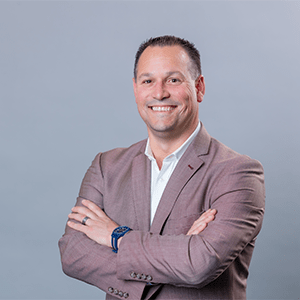
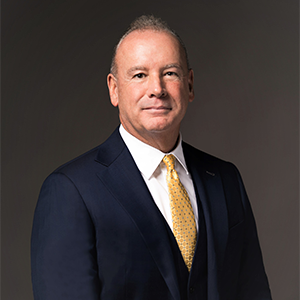
Drew Berry

image of Drew Berry

Berry is general manager for The Portofino Hotel & Marina in Redondo Beach, California. Berry comes from Mosaic Hotel and Maison 140, both in Beverly Hills, California, where he worked as general manager. Berry has also worked in leading hospitality roles at Le Meridien in Santa Monica, Jamaica Bay Inn in Marina Del Rey and Cambria Hotel & Suites LAX in El Segundo, all in California.

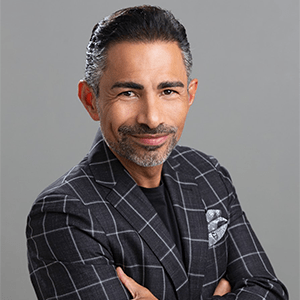
Juan Mercadante

image of Juan Mercadante

Mercadante is general manager for Hyatt Regency Phnom Penh in Cambodia. Mercadante’s tenure in hospitality has taken him all over the world; most recently, he worked as pre-opening general manager for Andaz Seoul Gangnam, the first Andaz property in South Korea.

Past experience includes managerial positions at Hyatt Regency Cancun Mexico, Hyatt Regency London -The Churchill, Hyatt Regency Dubai and Galleria Residence. He’s also worked at Hyatt Regency Mexico City as hotel manager and Grand Hyatt Playa Del Carmen Resort as pre-opening general manager.

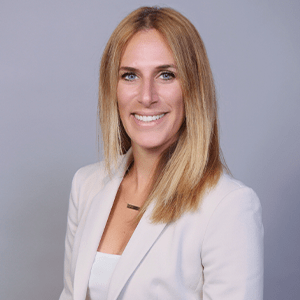
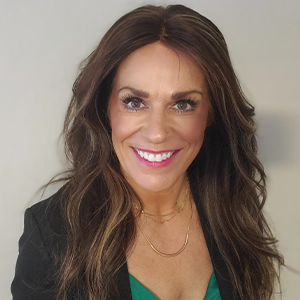
Lisa Clark

image of lisa clark

Walt Disney World Swan and Dolphin Resort in Lake Buena Vista, Florida, has named Clark senior sales executive; she will focus on the New England market. Most recently, Clark was senior sales executive for The Westin Boston Seaport District. Her New England-based hotel experience includes Metro Market Boston, where she worked as group sales manager, and InterContinental Boston, where she worked as sales manager.

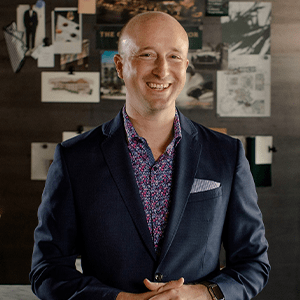
Joe Brunini

image of joe brunini

Brunini has been made chief gaming and customer development officer for Atlantis Paradise Island in the Bahamas. Brunini most recently worked at Parq Vancouver as president and CEO. Further experience of Brunini’s includes working as president of global marketing and customer development with Baha Mar in the Bahamas, president of marketing and customer development at MGM Resorts International in Las Vegas and numerous executive positions at Caesars Hotel & Casino in Atlantic City.

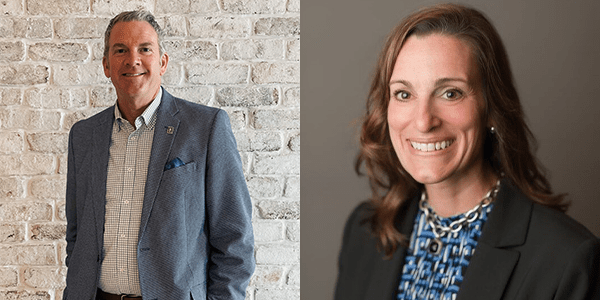
Kimberly Scarborough and Zoe Shircel

image of kimberly scarborough on left and zoey shircel on right
Kimberley Scarborough (left) and Zoey Shircel (right)

Scarborough is manager of visitor marketing and Shircel is associate manager of media relations for Visit Mesa in Arizona.

Scarborough previously worked as coordinator of visitor marketing for Visit Mesa. Before joining the organization, she worked as operations coordinator for Veterans United Home Loans, based in Columbia, Missouri. Scarborough has also worked with Hilton Hotels, as supervisor for one of its Columbia-based properties.

Shircel has been on Visit Mesa’s communications team for two years, most recently as its media relations specialist. This move marks a return to Visit Mesa for Shircel, having worked as its public relations and communication intern in 2019.

Clive McNish

image of clive mcnish

McNish is returning to Chewton Glen in Hampshire, England, as general manager; McNish worked as the property’s spa manager between 1995-2003. Before moving back to Chewton Glen, McNish worked as group operations director at GOCO Hospitality’s headquarters in Bangkok, Thailand.

Before this, he worked as wellness director and general manager for Kamalaya Wellness Resort on Koh Samui, an island off the coast of Thailand, as well as opening spa director for Four Seasons Resort Provence at Terre Blanche in France and Four Seasons Hotel, Hampshire, just outside of London.

Michael Nelson and Annebeth Kearney Black

image of Michael Nelson on left and Annebeth Kearney Black on right
Michael Nelson (left) and Annebeth Kearney Black (right)

Nelson is general manager and Kearny Black is director of sales and marketing for Embassy Suites by Hilton Nashville Downtown in Tennessee.

Before the move to Nashville, Nelson worked as general manager for UNC Charlotte Marriott Hotel & Conference Center. He has also worked as area general manager for Marriott International’s Autograph Collection properties The Alexandrian and Morrison House, as well as general manager for Union Station Hotel Nashville, Autograph Collection.

Kearney Black previously worked as associate director of sales and marketing for Grand Hyatt Nashville. Before this, she worked as director of sales and marketing for Embassy Suites by Hilton Nashville SE Murfreesboro and Convention Center and opening director of sales and marketing for Hyatt Place/Hyatt House Denver/Downtown. She has also worked as director of sales at Embassy Suites by Hilton Omaha Downtown Old Market, a position she held for nearly 10 years.

Michelle Shockley

image of michelle shockley

Shockley is national convention sales manager for Explore St. Louis. Shockley previously worked as travel clinic manager for Milan Laser, specializing in laser hair removal. She has also held leadership positions for Marriott International in San Antonio, New Orleans and St. Louis.

Geoff Gray

image of geoff gray

The Global Ambassador in Phoenix named Gray managing director and general manager, ahead of the property’s late-2023 opening. Before joining The Global Ambassador, Gray worked at Park Hyatt Aviara Resort, Golf Club & Spa in Carlsbad, California. He has worked as general manager for Royal Palms Resort and Spa in Phoenix and spent 12 years with Hyatt Hotels, during which he worked at Andaz Maui at Wailea, Andaz San Diego and Hyatt Centric Park City in Utah.

Dino Simoncelli

image of Dino Simoncelli

Simoncelli is general manager of The Forester Hotel in Lake Forest, Illinois. Simoncelli’s career began with Marriott Suites Downers Grove, where he worked as front desk manager. From that point, he has worked as front office manager for Marriott Schaumburg and Renaissance Oak Brook in Illinois, operations manager for Hilton Sea World Resort in Orlando and assistant general manager at Union League Club of Chicago. Most recently, he worked as general manager and chief operating officer for The Standard Club in Chicago.

IHG Hotels & Resorts has teamed up with Historically Black Colleges and Universities (HBCUs) Morehouse College (MC) and Clark Atlanta University (CAU) for a mutually beneficial collaboration through their early career recruitment program. IHG diversifies and enhances their staff with talented and ambitious employees and the educational institutions have a corporate relationship that can provide opportunities for students in many areas of study to be successful going forward in the world.

IHG Diversifies

IHG, which has hotels, resorts and event spaces spanning Canada, the United States, Mexico, Europe, Japan and China, is now looking to HBCUs to recruit educated and dedicated hospitality professionals to join their team.

IHG is excited to work with HBCUs and train future professionals. Nicole Lewis, head of talent and diversity, equity and inclusion for IHG Hotels & Resorts, stressed not only the moral importance to bolster career opportunities for underrepresented communities but also the financial benefit of a diverse staff.

Read MoreIHG Announces Partnership to Prevent Human Trafficking

“According to the McKinsey study ‘Why Diversity Matters,’ companies with gender-diverse executive suites were 15% more likely to generate above-average profitability compared to companies whose executive teams were predominantly white and male,” says Lewis. “Therefore, we know that diverse workforces aren’t just the right thing to do, but it’s better for business, no matter what industry you’re in.”

Students Receive Education, Resources and Connections

Douglas Cooper, director of career development and engagement at Morehouse College, explained that the goal of the partnership with IHG is not to place students in service jobs. Rather, its purpose is to provide a much broader source of opportunities than one might expect from the hospitality industry.

“Business students, they may go into banking. Those students that are in computer science may be going to Google or some of the tech companies. But this provides us a broader range of opportunities for our students, regardless of what their area of study is. And that is what is quite attractive to us,” says Cooper.

Lewis agrees with Cooper’s claim of diverse career opportunities within the hospitality industry and gives insight into the wide range of skill IHG looks for in a potential employee.

“Candidates should have the potential for solid leadership abilities, great communication skills and a strong customer focus,” says Lewis. “Other key areas of study include business, finance, digital and information technology.”

While Morehouse College is an all-male HBCU, Cooper wanted readers to know about the diversity of the college’s student body and the ways in which their talented young men have been educated through the college and their partnership with IHG to be excellent employees and future leaders.

Read MoreEducational Support Elevates DEI and Could Alleviate Staffing Issues

“Obviously, Morehouse college is an all-male, primarily African American institution. And that would suggest to some that it is a somewhat monolithic population. It’s actually a very diverse population of students from different socioeconomic classes from different geographic spaces.”

Yet there is one unifying factor among all Morehouse College students—the school mantra.

“The development of men with disciplined minds who will lead lives of leadership and service.”

Gender Diversity Is Equally Important

While Morehouse College is an all-male college, Clark Atlanta University is co-ed and has many female students who have enrolled in the IHG internship program. Lewis ensures the diversity pipeline from HBCUs to IHG careers is for students of any race or gender.

“As an example of IHG’s partnership with CAU and MC, this summer, several students from both schools joined IHG for its internship program, which included engagements with senior leaders and working on a variety of in-depth projects across the business, including Operations, Marketing and Revenue Management teams,” says Lewis.

The Mutual Benefit

Both Cooper and Lewis agree that the partnership between educational institutions and the hospitality industry are beneficial to everyone involved.

“These partnerships are part of IHG’s broader pledge to make meaningful progress on its diversity, equity and inclusion (DEI) commitments, which includes doubling the representation of ethnically diverse colleagues in Americas-based corporate leadership roles over the next three years,” says Lewis.

Cooper is excited for Morehouse students to be provided career opportunities students may not have considered or been able to pursue.

“I think what our students are getting to know and what we were aware of—there are just a multitude of opportunities in that industry,” says Cooper. “So again, you can be someone that’s doing finance, or you can be someone that’s got a technical background. The diversity of the opportunity that exists in the industry is certainly of interest.”

The partnership between IHG and HBCUs is beneficial in many ways. Not only does the business relationship promote equality and inclusiveness within IHG, but provides Morehouse College and CAU students with the resources and education to be successful in the hospitality industry.

When author Salman Rushdie was stabbed 10 times just before giving a lecture in western New York, a crucial question was raised, perhaps the only one that matters: Why was such a high-risk person so easily accessible?

Perhaps an even better question may be, “What will event organizers do to prevent something like this from happening again?”

We’ve been here before several times and the sequence is roughly the same: The accident happens, alarm is raised, authorities and event professionals take stronger precautions at events moving forward, that is, until all is forgotten and we return back to baseline with nothing really having changed.

Mass shootings, cyberattacks, contagious diseases, sickness and disease: All these occur frequently enough that they should be at the forefront of any event planner’s mind whenever an event, large or small, is held.

This isn’t to place blame at anyone’s feet; with the already chaotic nature of event planning—absent these four potentialities—it’s easy just to push these into the background, as there are simply more pressing matters at hand. And this goes beyond meeting planning. It’s a human issue.

In 1989, Supreme Leader of Iran Ayatollah Khomeini issued a fatwa, or a religious ruling, condemning  Rushdie to death as a response to one of his novels, The Satanic Verses. Rushdie went into hiding for nine years, protected by British security forces. Although he resurfaced in 1989, the fatwa remained in place. With this in mind, one would believe extra security would still be in place, just as the fatwa. The questions of the event’s dearth of security remains unanswered.

Do We Not Care?

“Humans in general are complacent,” says Alan Kleinfeld, former law enforcement officer and director of Arrive Conference Solutions, a company that specializes in event safety. “But it’s a big problem in the meetings industry.”

Kleinfeld pointed to 9/11 as one of the clearer examples. “The world flipped on its head and meetings were impacted negatively. It took a long time before people felt comfortable flying again. But once we as an industry got over the initial shock, we went back to business as usual. [There was] no more ‘see something, say something.’ Back then, had you noticed an unaccompanied backpack sitting in a lobby or airport, you’d alert the authorities. Now we don’t do that, but we should continue to.”

Read More: Beware the Public Wi-Fi Network: 6 Ways to Practice Cybersecurity While Traveling

Another example, Kleinfeld says, “After the Vegas shooting, many planners reconsidered holding outdoor events for fear of harm. That’s no longer the case. Outdoor events got a big boost by Covid, because it was safer—and probably less risky than [being a victim of] a random shooter.”

As new events present themselves and garner attention, the stories that made the headlines of every major news source slowly transform into the background noise of everyday life.

“Each type of incident is eventually overcome by another,” Kleinfeld says. Kleinfeld says the trauma and attention paid to Covid has left just about everyone not considering all the other threats. For example, while so much attention has been given to Covid, kids all over the United States have missed routine non-Covid vaccinations for diseases such as measles, rubella, mumps and polio, which, long after having been eradicated for decades, has found its way back in the U.S.

“So what will planners do?” Kleinfeld asks. “Will they require attendees to show proof, so new cases of polio don’t grow? I suspect they won’t, until it actually strikes their events.”

What’s the Solution?

“There is an answer, but it requires building new habits and some upstream thinking,” Kleinfeld says.

When new safety and sustainability measures are introduced as a response to something in the past, Kleinfeld says event profs need to keep including it. “Make it part of the planning process. [Planners] should include it in RFPs, too, so venues know the planner and their organizations take it seriously. The more this happens, the more the venues will be able to respond to it.”

Those planners who wrote duty of care/code of conduct policies for Covid [should] keep those policies in place for future meetings. This doesn’t mean it has to include masking or vaccines per se, but at least keep the general info about what the organization will do to protect the attendee and what the attendee agrees to do as a participant. This might include organizations doing something like providing hand sanitizer or asking attendees not to use offensive language [which can be found in some code of conduct policies].”

And meeting planners don’t need to do all this on their own; attempting to do so not only causes the planner to suffer by spreading themselves too thin, but attendees to suffer as well, from all aspects of the event by not having full attention placed on them. This all comes down to proper delegation.

Read MoreWhat Keeps Attendees Safe in a Pandemic and What Doesn’t

“[Delegation] is an important habit to grow. For cyber security, the planner doesn’t need to know how to write code or do programming, [they] simply need to work with someone in IT to make sure it gets done,” Kleinfeld says.

“Same with a crisis communication plan,” he adds. “The planner doesn’t have to write the plan, but they can work with the marketing/communications people to make sure one is on paper and updated before events take place. In some cases, this may mean outsourcing, already often done for AV, tradeshows and more. Adding a safety or sustainability consultant may very well pay for itself in the long run.”

Upstream thinking, which Kleinfeld says, “might be the biggest hurdle of all,” is the practice of solving problems before they happen or getting to the heart of the problem, effectively cutting off the problem’s source, as described by Dan Heath in Upstream: The Quest to Solve Problems Before They Happen.

The book’s creation was based on the following public health parable, attributed to American medical sociologist and activist Irving Zola:

You and a friend are having a picnic by the side of a river. Suddenly you hear a shout from the direction of the water—a child is drowning. Without thinking, you both dive in, grab the child and swim to shore. Before you can recover, you hear another child cry for help. Then another struggling child drifts into sight…and another…and another.…Suddenly, you see your friend wading out of the water, seeming to leave you alone. “Where are you going?” you demand. Your friend answers, “I’m going upstream to tackle the guy who’s throwing all these kids in the water.”

For meeting profs, getting to the root of the problem may not solve everything, but it will surely make things easier when—not if—something unexpected happens.