Sausalito, California—Smart Meetings, the premier media brand and leading choice for meeting professionals, is delighted to reveal the winners of the 2023 Smart Stars Awards. The prestigious awards platform, now in its eleventh year, recognizes meeting planners’ preferences for hotels, resorts, properties, cruise lines, and conference and convention centers worldwide.

Smart Meetings’ audience of meeting professionals hand-selected these properties and destinations in 31 distinguished categories, all critical to the success of their meetings and events. The Smart Stars Awards have gained notoriety as an essential tool for today’s meeting planner community and a valuable resource for venue and destination recommendations.

The winners, outstanding hospitality brands, reflect the highest standards of excellence in service, amenities, and customer satisfaction. Smart Meetings’ Founder and CEO, Marin Bright, expressed, “I’m truly honored to acknowledge and celebrate these spectacular brands that continue to serve our community with unwavering excellence and dedication to their services.”

The 2023 Smart Stars winners will be featured in the June issue of Smart Meetings’ print and digital magazines and showcased on the Smart Meetings website for one year.

Smart Meetings is the leading media company and the most trusted resource for meeting professionals. Offering best-in-class service, Smart Meetings publishes cutting-edge meetings content in print and digital magazines, hosts world-class hosted-buyer networking events, provides CEU-accredited webinars, and offers myriad digital resources

See the winners here.

For more information, contact [email protected] or 415-339-9355.

Note to editors: For additional information, please visit Smart Meetings’ website at www.smartmeetings.com.

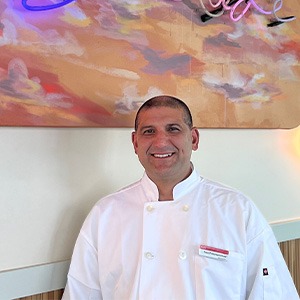
Hanif Mohammad

man wearing white chef shirt

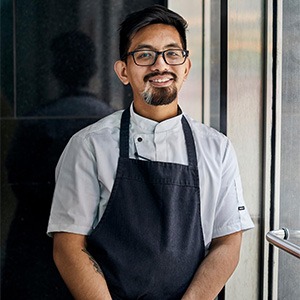
Mohammad is executive chef for TownePlace Suites Nashville Downtown/Capitol District in Tennessee. Mohammad comes from Nashville Airport Marriott, where he spent the last 14 years as executive chef for its four dining outlets.

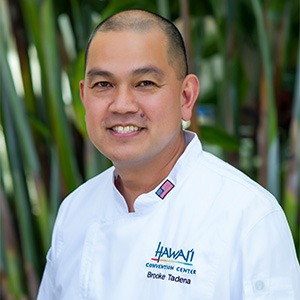
Brooke Tadena

man wearing white chef shirt

Tadena is Hawaii Convention Center’s executive chef. His more than a decade of culinary experience most recently saw him working as executive sous chef at Hilton Hawaiian Village in Waikiki, a position he held since 2014. He also previously worked as executive sous chef at Moana Surfrider, A Westin Resort & Spa in Honolulu.

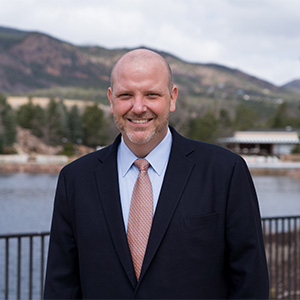
David Patterson

man standing in front of lake, wearing black sport coat and blue dress shirt

Patterson is vice president of food and beverage at  The Broadmoor in Colorado Springs, Colorado. Before this position, Patterson was executive chef of the property since 2017, after joining the team as executive sous chef in 2013. He has also worked as executive chef for Hotel Hana-Maui in Hawaii. His culinary expertise has taken him to destinations all over the globe, including South Korea, China and Thailand.

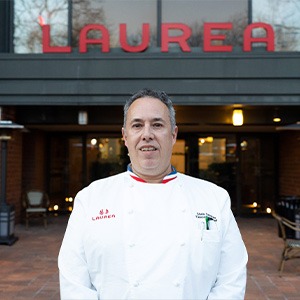
Christopher Tavares

man standing in front of hotel entrance, wearing chef shirt

Tavares is executive chef at Hyatt Regency Princeton in New Jersey, responsible for operations of its Italian restaurant, Laurea. Before joining this team, Tavares opened Ayurvedic restaurant Ancient Spirits & Grille, and before that, he worked as executive chef for Davio’s, both in Philadelphia.

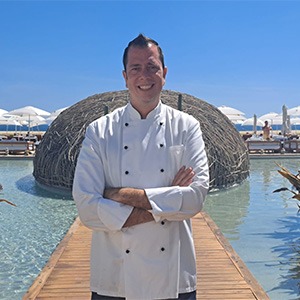
Bernard Prim

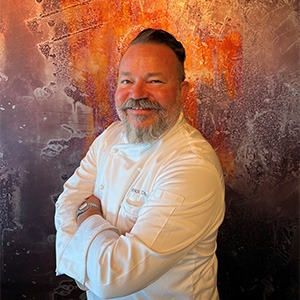
man crossing arms, wearing white chef shirt

Prim has been named executive chef for Viceroy Los Cabos in San Jose del Cabo, Mexico. Before heading to Mexico, Prim worked as executive chef at Belmond La Samanna on St. Martin island in the Caribbean. Prim has worked as executive chef in Europe and Southeast Asia, including at The Amandari in Bali, Indonesia; Le Sirene Treville Beach Club in Positano, Italy; and Alila Villas Koh Russey in Cambodia.

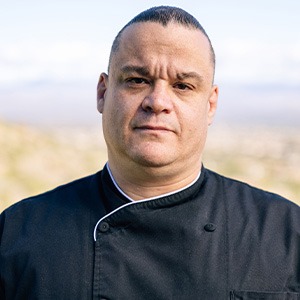
Chris Kight

man wearing black chef shirt

Arizona’s Adero Scottsdale Resort welcomes Kight as executive chef. Before this new position, Kight worked as executive chef for Enchantment Resort in Sedona, Arizona. In his 30 years of executive chef experience, he has worked with major players, including Ceasars Entertainment and Hard Rock Hotel & Casino in Las Vegas as assistant executive chef, as well as Restaurant Gordon Ramsey in London.

Patrick Dahms

man crossing arms, wearing chef shirt

Dahms is area culinary director and executive chef at The Davenport Hotel Collection’s 11 restaurants and bars. Born, raised and culinarily trained in Germany, Dahms has spent a great portion of his years in food and beverage in the United States, before his new position as executive chef at The Hythe, a Luxury Collection Resort in Vail, Colorado. He was also worked as executive chef at Cheyenne Mountain Colorado Springs, A Dolce Resort in Colorado and director of food and beverage and executive chef for Hilton San Diego Bayfront.

Jerry Perezman wearing blue sport coat and white dress shirt

Kimpton The Rowan Palm Springs in California named Perez director of food and beverage. Perez most recently worked with JdV by Hyatt, where he worked as opening director of food and beverage at one of its California properties. Perez also worked as director of food and beverage at Porsche Experience Center in Los Angeles, The Stanley Hotel in Estes Park, Colorado, and Terranea Resort in Rancho Palos Verdes, California, as senior food and beverage manager.

Verlord Laguatan

man wearing apron and white chef shirt

Laguatan is Viceroy Chicago’s executive chef. Prior to this position, Laguatan worked with various restaurants in the Greater Chicago area, including Sepia in the city’s West Loop, The Pump Room by Jean Georges in Public Hotel and Wyndham Glenview, where his culinary career began.

Mario Beabraut

man wearing white chef shirt

Beabraut is executive chef at Bourbon Steak, A Michael Mina Restaurant at JW Marriott Miami Turnberry Resort & Spa. Beabraut has years of experience working with the Bourbon Steak brand, having first teamed up with the company in 2017 as a member of the Mina Group task force for the restaurant’s Santa Clara, California, location. Before this, Beabraut worked at Farm Ship Marin in Larkspur, California, where he worked as executive sous chef.

Is the events industry more prepared for a future emergency?

As an industry, we spilled so much ink about Covid (originally novel coronavirus, then Covid-19 or “the vid”) over the last three years, it is a miracle the black liquid was not listed as one of the things in short supply along with toilet paper, eggs and patience. When the World Health Organization declared the pandemic to no longer be a global health emergency this month, hardly anyone blinked. We thought this would be a good time to reflect on what the shift means and how all of that forced education will prepare us better for whatever comes next.

We asked four industry leaders for their perspectives on where we have been and where we are going.

Martha J. Sheridan

President and CEO of Meet Boston and co-chair, Meetings Mean Business Coalition

What does the official end of Covid mean for the meetings industry?

The better way to think of this, perhaps, is that the Covid era proved how essential the meetings industry is, not just the immense economic impact, but how the flow of ideas, gathering of industry professionals, and need for face-to-face interaction is absolutely vital.  For anyone that did not understand this, the pandemic made it crystal clear.  The end of the global health emergency is, of course, welcomed by the industry, but the pandemic itself created a unique and enduring advocacy platform.

Did it end the way you predicted?

At Destinations International in Baltimore in 2021 I thought the pandemic had basically ended. We still had work to do but the vaccine was available and our industry was (almost) completely vaccinated. Then the delta variant hit and that was jarring because it proved that there would be no absolute “end” to the Covid-19 era. So even with the WHO declaring an end to the global health emergency, we’ve ushered in an era where we now live with the virus. We’ve adopted new guidelines, heightened vigilance, and better public health education for all, but it’s really a matter of adapting to a new normal.

Are we better or less prepared for whatever next disruption comes to the hospitality industry?

It’s difficult to tell. The three industry disruptions of this century—9/11, the Great Recession, and the Covid-19 pandemic—were all different, they were precipitated by different things and the effect of each was different. If the next disruption is another public health crisis, we are certainly better prepared for that. We can activate mitigating measures and we know how to do that. If a new disruption were to occur, perhaps triggered by climate issues or cyber security problems, we’d have to face that as an entirely new challenge. Even then, the Covid-19 experience has equipped us with the collaborative and cooperative framework to face unprecedented challenges, so hopefully that would help us.

Read MoreEvent Safety PSA: Failing to Prepare Could Cost You

Mark Cooper

CEO of IACC

What does the official end of Covid mean for the meetings industry?

The official ending of the pandemic could be felt at IMEX Germany this year, with large numbers of buyers attending from the U.S. It just takes away any last lingering doubts over whether it is easy or responsible to travel. On the other hand, it encourages people to take those overseas holidays again and IACC member Aramark Destinations cited recently a fall in meeting attendance numbers, perhaps due to the fact that Americans are travelling to Europe for that long-awaited vacation. It’s a double edge sword!

Did it end the way you predicted?

Yes and no. I expected the media to play it down as a non-event, but I did not expect the industry to do the same. After all, any easing of restrictions affecting meeting together live carries marketing value, but I have not seen so much of this. We are just getting back to business and levels continue to recover.

Are we better or less prepared for whatever next disruption comes to the hospitality industry?

I believe we are better prepared today and will be for the next 5-10 years. But as we know these things come around very rarely (we hope!) and the next generation of industry professionals who did not live through it on the front line, may not carry the same level of learning and knowledge around preparation and action, as our current generation. This is exactly why we must document our reactions and actions and build these into future education and business planning, to be ready for the next disruption.
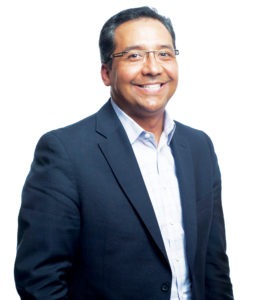
Michael Dominguez, CEO of ALHI in a blue suit.Michael Dominguez

CEO of ALHI

What does the official end of Covid mean for the meetings industry?

As we enter an “endemic” phase of the virus, the official end is important as this is a psychological shift versus a medical shift at this point. Pysche is so important in economy, business, momentum and how we proceed.  Confidence matters and this helps build confidence.

Did it end the way you predicted?

For parts of the country and world it did end as we were “reading the data”. On our conversation at PCMA 2 years ago, we expected that the Omicron wave would get us over the plateau as the rate of infection gave us the immunity needed to get to an end.

Are we better or less prepared for whatever next disruption comes to the hospitality industry?

We continue to be resilient, and I believe we are better prepared for the future. My concern (or reminder) is to not have short memories on what it meant to not be able to travel, work, live and how we knew we were in it together.  The ability to be thoughtful, kind and connected would the long-term wish!

Mark Herrera

Director of Safety and Security for International Association of Venue Managers (IAVM)

What does the official end of Covid mean for the meetings industry? The end of Covid-19, as an official declaration, would have significant implications for the meetings industry. With the end of Covid-19, there would likely be a resurgence of in-person meetings and events. Organizations and businesses would feel more confident about hosting conferences, trade shows, conventions and other gatherings that require physical presence.

We have seen increased attendee confidence and the official end of Covid-19 alleviated concerns about health risks associated with attending meetings. Attendees feel more comfortable and willing to participate in face-to-face events, leading to higher attendance rates. The meetings industry is closely tied to the hospitality sector, including hotels, restaurants and transportation services.

The end of Covid-19 could provide a much-needed boost to these industries, as more people travel for meetings and events. Virtual meetings and hybrid events became prevalent during the pandemic. However, with the return to normalcy, the demand for virtual meetings may decrease as organizations prioritize in-person interactions. Virtual meetings may still have a place, but they may not be as widespread. In-person meetings provide valuable networking opportunities that are difficult to replicate in virtual settings.

With the end of Covid-19, professionals will have more chances to connect and build relationships, leading to potential collaborations and business growth. While the end of Covid-19 would mean reduced health risks, safety measures may still be necessary, at least for a transitional period. Venues and organizers might continue implementing hygiene protocols, enhanced cleaning practices and health screening measures to ensure the safety and well-being of attendees.

Did it end the way you predicted?

During the Covid-19 pandemic, there were levels of uncertainty worldwide however, numerous experts and organizations, including public health authorities and epidemiologists, made predictions and projections based on available data and scientific models. It is important to note that the course of a pandemic can be highly dynamic and subject to various factors, which made accurate predictions challenging.

Some predictions made by experts during the pandemic did align with the eventual outcomes, while others may have required adjustments as new information emerged. Factors such as the emergence of new variants, changes in public health measures, vaccination efforts, and adherence to guidelines all played significant roles in shaping the trajectory of a pandemic.

Read MoreDon’t Blame Covid if Rooms Aren’t Ready When Guests Check In

I personally felt that as an association, we, and I mean The International Association (IAVM) was going to get in front of the pandemic by offering up-to-date feedback, member participation, training, and open forums with sources such as the World Health Organization (WHO), the U.S. Centers for Disease Control and Prevention (CDC), Infectious Disease Society of America (IFDSA) and other reputable health organizations.

From a security perspective, the venue industry did not lose sight on the importance of assuring all facilities did not become so anemic to the point that it would pose as a potential target for threat actors wanting to exploit the opportunity for crisis and media exposure.

Are we better or less prepared for whatever next disruption comes to the hospitality industry?

The Covid-19 pandemic has undoubtedly presented significant challenges to the event and hospitality industry and has served as a learning experience for the future. The pandemic has highlighted the vulnerabilities and risks faced by the hospitality industry during a health crisis. This experience may have increased awareness among industry professionals, leading to better preparedness for similar disruptions in the future.

Lessons learned during the pandemic can help shape future protocols and strategies. The Covid-19 pandemic has necessitated the implementation of rigorous health and safety protocols across the hospitality industry. These measures, such as increased sanitization practices, social distancing and improved ventilation, may remain in place or be readily deployable for future disruptions. The industry’s experience in implementing and managing these measures could enhance preparedness for similar situations.

Technological Advancements: The pandemic has accelerated the adoption of various technologies within the hospitality industry, such as contactless check-ins, digital payment systems, and improved ventilation systems. These technological advancements may contribute to increased preparedness for future disruptions by enabling more efficient operations, enhanced guest experiences and better adaptability to changing circumstances.

Collaborative Efforts and Information Sharing: The global nature of the Covid-19 pandemic has prompted increased collaboration and information sharing within the hospitality industry. This exchange of knowledge, best practices and lessons learned can contribute to improved preparedness for future disruptions. Industry associations, organizations, and government entities have played a crucial role in facilitating such collaboration.

All protocols established as a result of 9/11, we are better equipped to immediately pivot and find all resources and information to assure we focus on protecting the number one asset: People.
New ideas and technologies set to shake things up in 2024

Our industry declared the pandemic was a long-awaited opportunity to reimage events and brand experiences. But what really happened? Through the challenges of the reopening world and the joy of reunions, our industry mostly picked up its 2019 playbooks and went back to its comfort zone. While we aren’t yet seeing the realization of innovation in a big way, there are promising signs of a new era emerging.

Across The Opus Group agencies, we are seeing new engagement strategies and technologies starting to gain steam, indicating that a return to prioritizing innovation is on the horizon for 2024. Two forces driving innovation are (1) the demand for something new and interesting, and (2) the shift from tech designed for the event organizer to tech designed for the audience experience.

Read MoreSalman Rushdie and Complacency in the Meetings Industry

1. Demand for Something New

Humans are experiencing technological innovation at warp speed. The rising popularity of AI in its endless applications is challenging the status quo and bringing important questions to the forefront of our conversations. New technology is changing how we do business and exchange currency; it’s creating new realities that change how people engage with the world. And it’s changing the expectations that people have for the events and experiences they attend.

Attendees and event leaders are ready and hungry for something new, exciting, memorable, and shareable, and the demand for event innovation is rumbling beneath the surface. This new demand for innovation among event attendees and planners creates an environment where the industry must adapt to stay ahead of the curve. This healthy pressure is encouraging event leaders to experiment with new formats and concepts and welcomes their wildest ideas.

One area in particular where brands are searching for innovation is in their third-party events. While RSAC, C2 Montreal, Coachella, and SXSW have been leading tentpole events in third-party portfolios, there is a growing demand for new options. Clients are looking for visionary events beyond the most expected ones.

Our team has its eye on Collision, a high-growth technology conference from Web Summit that has become a can’t-miss industry event. With more than 40,000 attendees from 140 countries, Collision’s unique emphasis on shaping the future of the tech industry is particularly notable as it brings together 2,000-plus startups and blue-chip companies from countless sectors to participate in pitch sessions, startup competitions, and investor meetings that are framing the future of tech-trends. Collision’s focus is a fresh take within the tech-event space, and the world’s leading brands have taken notice.

The pandemic also highlighted gaps, and therefore opportunities, in the marketplace, particularly around the potential for new events, shows and types of programs that appeal to different audiences or drive different outcomes. One example from Opus Agency is its partnership with the Nashville Health Care Council to strategize the Nashville Healthcare Sessions, which is being touted as “the SXSW of healthcare.” Across The Opus Group, we are working with clients to develop new events that take unique, thoughtful approaches to engage with today’s attendees.

The re-energized demand for something new or unique isn’t the only factor in driving innovation; event leaders are also shifting their mindset from investing in technology designed with the event planner in mind back to prioritizing technology focused on the attendee experience.

2. Refocus on Attendee Experience

Over the last few years, innovation has focused more on building value and investment returns for event organizers than attendees. In 2019, we put attendee tools and experience front and center. It was the most crucial part of everything we did. In 2020, it was (and still is) all about platforms. We went from technology that created an engaging attendee experience to technology that made life easier for event organizers and hopefully captured relevant data.

Today, platforms are like the new Event Operating Systems. It’s all event organizers seem to talk about, and it’s where event tech spending has gone for the last few years. But the reality is that this organizer-centric technology perspective has left the attendee experience behind, and the ability to connect insightful, actionable data is still a gap.

So, now that the reunions are behind us, how can we get back to FOMO and surprise-and-delight moments? How do we immerse attendees in spaces and help them explore and find joy? It’s time to truly break out of our comfort zone. With constant new tech innovations popularizing our daily lives, event professionals must harness these new technologies to enable and enrich the attendee experience. Event marketers and planners are uniquely trusted among stakeholders to understand human behavior; to try new things, guide new opportunities and generate demand for innovation that delivers results. If we continue to do that, we will elevate our brands and attendees’ experiences.

Let’s dive into some of the newest, most inspiring innovations and applications that will elevate attendees’ experiences. The list below includes some of the favorite new technologies across The Opus Group network at Opus Agency, MAS, TENCUE and Verve.

  • Radius: A platform that allows attendees to receive digital content based on their physical location. The platform uses GPS technology to create scavenger hunts, wayfinding, rewards, and other exciting features, and it can easily integrate with existing apps. For example, Radius can enable attendees to pick up drink vouchers at tradeshow booths and then navigate them to the bar. Sponsors can also drop white papers at expos, and attendees can receive mobile badges when they enter a venue.
  • Lagoon Live: A platform that uses NFT technology to mint rewards based on interactions across multiple events and sponsors. Lagoon Live takes gamification to the next level and offers content drops, polling, games, AR, and a persistent leaderboard. It also features a dashboard to view engagement data and target individual attendees for one-off reward drops.
  • ARway: While not a new tool, it uses GPS instead of outdated Bluetooth beacon technology. The platform allows attendees to see accurate directions based on their location. Indoor spaces can be mapped and tagged with QR codes to help the app orient itself. You can upload floor maps, customize layouts, and brand your event from the admin panel.
  • InEvent: This industry-trusted platform has integrated with ChatGPT to automate outbound marketing. With your event data already inside the platform, the new system can draft content to help drive demand and communications for your event.
  • Midjourney: A platform that takes the notion of image generation from text prompts to new horizons. AI-generated images are fed examples of high-res imagery over a long period to learn different styles and techniques, making it a solid tool for designing creative environments.

Read MoreChatGPT Does It All

  • SolidLight: While holograms aren’t new to the industry, recent developments have turned up the heat. Live-action holographic on-site customer service is rising in popularity, and beaming in remote executives for on-stage interactions looks sharper than ever before. New technologies, like SolidLight from Light Field Lab, combine unprecedented resolution and density to project dimensional wavefronts that seemingly form solid objects that merge with reality.
  • Screens: ASUS rolled out a glasses-free OLED 3D laptop that uses eye-tracking technology to focus the 3D object for the viewer. LG announced a large-scale wireless LED display, and Muxwave developed transparent LED display tech that can be attached to windows, turning glass panels into display panels.

And the next next-gen of technology innovation? That might look like silicon metasurfaces for displays, lasers that can write in mid-air, shapeshifting drones, and biocomputers powered by human brains.

Brands and attendees both want new experiences, and as we roll into 2024, we expect to see some exciting new experiments, ideas, concepts, and leaders take the stage. The event industry is one of peer influence and fast followership, and taking risks and trying new things can be challenging. However, the rolling snowball of innovation is building, and it is time to embrace it.

As I look to the future of the event industry, I expect to see a world of possibilities open up before us. I am so excited to champion those that are not limited in their creativity; those that are eager to explore, experiment, adapt and grow. From small-scale events to massive festivals, the boundaries of what is possible will expand, and we will be the ones to reap the rewards. So, get ready to step into a new era of experience where the only limit is our imagination.

Kim Kopetz is a results-oriented leader with over 20 years of global brand and event marketing experience. As president and chief operating officer of The Opus Group, she actively builds and refines teams for maximum efficiency across an award-winning network of event and experience agencies that includes Opus Agency, MAS, Tencue and Verve.

Kopetz has worked in various roles at The Opus Group since 1998 and with global brands like Intel, Nike, and the NBA. Since 2017, she has overseen the acquisition and integration of eight agencies, positioning The Opus Group as a global leader in experiential marketing.


As travelers post “OOO” on their cell phones and head out to vacation time this long Memorial Day weekend, lower fares but full flights are indicative of some trends that may continue this summer.

Hoppers busiest airport data

Travel agency Hopper’s Memorial Day and Summer Travel research posts say that domestic airfare dropped 26% or $100 per ticket from 2022 and are a further 6% below 2019 levels. However, 2023 is predicted to be the most expensive for international travel in more than five years with fares to Europe up over 50% from 2022.

Hotel prices in the United States have dropped from 2022 down to $208 per night over Memorial Day Weekend, -6% from this time last year.

Read MoreElevating Holiday Cheer Through Culinary Creativity

Car rentals for the holiday weekend are averaging $44 per day, with prices down 17% from Memorial Day Weekend last year. Travelers are extending the weekend even more this summer with most looking for rentals lasting five days, up from four days last year.

Airports will be packed this Memorial Day Weekend, with nearly 17 million passengers expected to depart from U.S. airports from Thursday to Monday of the holiday weekend. Seat capacity is currently scheduled to be 17% higher than Memorial Day weekend 2022, growing by more than two million seats in the last year.

Hopper travel data by regionHartsfield-Jackson Atlanta International Airport (ATL), Dallas Fort Worth International Airport (DFW), Denver International Airport (DEN) and Los Angeles International Airport (LAX) will be the busiest departing airports for Memorial Day weekenders, most airports will be busiest in the morning or early evening.
In its research on projected summer stats, Hopper says current domestic airfare is averaging $306 per ticket, down 19% from last year and up only 6% compared to summer 2019.  However, airfare to Europe and Asia this summer is already the highest it’s been in more than five years, with trips to Europe averaging over $1,100 per ticket and trips to Asia averaging over $1,800 per ticket. Both have increased more than $300 per ticket compared to last summer.

Exploring Caesars of The South

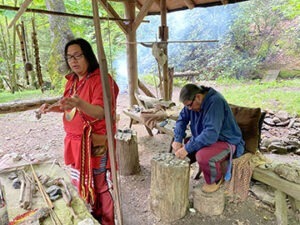
A small piece of obsidian stone, brilliant and infinitely black, is gently chipped and shaped by a solemn man holding a larger blunt-sided stone beneath the canopy of thick deciduous growth lightly tamped down from the brief showers passing overhead. The man patiently applying the tiny stone-on-stone blows sits atop a low bench using a small, weathered tree stump as a work surface. The weapon-making station at Oconaluftee Indian Village sits down a narrow path past displays of live finger-weaving, pottery making, wood carving and other traditional crafts of the Cherokee peoples in a setting that harkens back to the 18th Century.

Weapon making demonstration at the Oconaluftee Indian Village.
Weapon-making demonstration at the Oconaluftee Indian Village

The cultural and historical backdrop of western North Carolina is a subtle and unexpected surprise to visitors who are given the opportunity to learn about the expansive culture of the Cherokee Nation and the history that unfolded amid the gorgeous scenery beneath the Great Smokey Mountains. This region of the Tarheel State also offers meeting planners a plethora of activities perfect for any season from wading out into a cool stream for fly fishing to shooting dice in a state-of-the-art casino.

Read More: How to Harness the Power of Native American Cultural Centers

Gaming for Tribal Prosperity

Not far from the Indian Village, a gem of modern creature comforts stands humbly off U.S. Route 19 along the edge of the rushing Soco Creek. The over 1,100-room Harrah’s Cherokee Casino Resort is owned by the Cherokee Nation with all services operated under the Caesars Entertainment brand in a partnership that helps the surrounding community thrive.

The partnership, formed over 25 years ago during the passage of the National Indian Gaming Act, pays bi-yearly per-capita dividends to all enrolled members of the Eastern Band of the Cherokee Nation. “It’s basically a payout from the revenues,” said Property Sales Manager Stacy Pegg, who reported that recent dividends were valued at $7,000-$8,000. “If they’re 1/16th Cherokee and they’re enrolled, they get it from the day they’re born so we have some kids graduating high school with six figures in the bank,” she said.

And while profits from the resort are shared with enrolled members of the tribal community, the partnership extends beyond revenue shares to professional development. To start, the resort gives preference to members of the Eastern Band of tribal members throughout the resort’s hiring process with approximately 20% of Harrah’s Cherokee workforce comprised of members of the Cherokee Nation. “The tribe actually maintains their own training system,” Pegg said. “It’s called the Cherokee Development Program that’s used to identify and help young people who want to develop their careers,” Pegg said adding that the program is open to children of any age and is an avenue to fast-track them to certain positions.

Meet at the Gateway to the Great Smokey Mountains

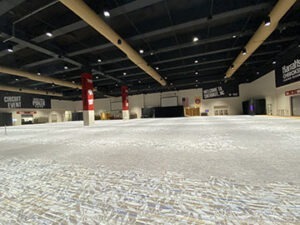
Image of Harrah's Cherokee Exhibit Hall.
Harrah’s Cherokee Exhibit Hall

Renovations to various meeting spaces at Harrah’s Cherokee were completed in October of 2021—illuminating the more than 130,000 sq ft. of flexible meeting space—with other upgrades having been applied nonstop for over a decade, according to property Sr. VP and GM of Harrah’s Cherokee Brooks Robinson.

“I’ve been here 12 years now and all 12 years we’ve been under construction,” Robinson said. “It seems like we’ve added so many new things with one of the latest features being our new Gordon Ramsay Restaurant, Gordon Ramsay Food Market.”

“I think one of the pieces that we really tried to do with our latest expansion was to think about diversifying from a really more or less from a casino-centric business more to conviction group sales,” Robinson said. The diversification of the property over the years and the diversity of the surrounding area are in great abundance. “I think what we’ve been able to capture well is a property that has a lot of options,” he said.

The clean and modern lines guide the beautiful décor of the meeting and pre-function spaces that gleam extravagance as if plucked from the Vegas Strip. However, a quick glance out of the floor-to-ceiling windows exposes the grandeur of the natural surroundings.

The wide concourse silently wraps around the façade of the resort’s Cherokee Tower before the 32,092-square-foot Convention Center quartered on the third floor and the 32,745-square-foot Exhibit Hall on the ground floor. The Ballroom features 22 total flexible meeting spaces with 11,100 sq. ft. of pre-function space. The Exhibit Hall features 6,000 sq. ft. of pre-function space.

The resort’s Council Fire Ballroom features 13,801 sq. ft. of meeting space that can be configured into as many as four ballrooms ranging in size from 3,100 to 3,529 sq. ft. each. Planners can easily treat even larger groups to an exciting night out all together at the resort’s Ultrastar Multi-tainment Center featuring bowling lanes, a restaurant, bars and a dance floor on two separate levels spanning a total of 55,000 sq. ft. The 16,814-square-foot Event Center is perfect for large presentations, special performances or keynote addresses. The second-, third- and fourth-floor levels of the center all include ample pre-function space and can accommodate 600 to 800 guests for a reception and 50 to 240 for banquets.

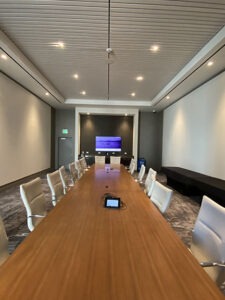
When smaller groups need to hammer out matters of business, the Birch Boardroom can accommodate up to 12 in the finely furnished executive-style meeting room.

Image of the Birch Boardroom.
The Birch Boardroom

Read More: Brand Update: Caesars Entertainment

Never a Dull Moment

The property alone offers gaming, entertainment, shopping, several restaurants and bars and a variety of outdoor activities.

“The thing that really makes it unique is just situated right here and really, you know, western North Carolina on the boundary, the entrance to the Great Smoky Mountain Parkway,” Robinson said, noting that planners can easily schedule an assortment of activities for groups. “That could include rafting, ziplining, biking or taking a trip to our museum at the Indian village,” Robinson said. “Golfing is another option—the tribe owns the Sequoia National Golf Course.” And the bulk of these activities are within a 30-minute drive from the resort.

The 18,000-square-foot Mandara Spa at Harrah’s Cherokee offers guests the opportunity to unwind and relax following a full itinerary of meetings and activities with a wide selection of treatments and services all in a serene setting. The spa also offers comprehensive salon services with pedicure thrones and a nail bar.

And of course, what resort experience would be complete without golf? The Sequoyah National Golf Club—owned by the Eastern Band of Cherokee Indian tribe—is perfect for group outings with services specifically tailored to the needs of the group. The course offers 6,600 yards of green and also includes a practice area, clubhouse, restaurant and stunning views. What’s more, guests of Harrah’s Cherokee are eligible for preferred rates.

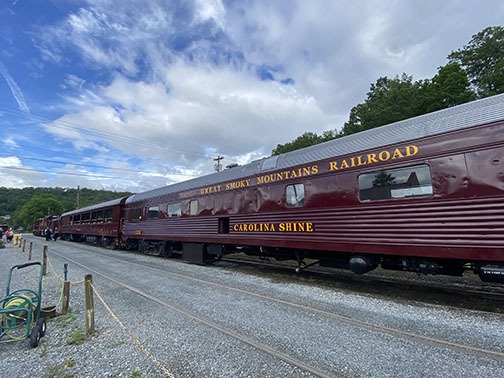
For groups wishing to explore their surroundings, the region outside of the resort is rich with history engrained into the heavily wooded slopes of the Great Smokey Mountains. The Great Smokey Mountain Railroad departs from Bryson City—less than 10 minutes from the resort—passing along the banks of the Fontana Lake and over the historic trestle providing views of the Great Smoky Mountains National Park, the Nantahala National Forest, the Nantahala and Tuckasegee Rivers and historical structures.

Image of train car from the Great Smokey Mountain railway.
The Great Smokey Mountain railway

Robinson also reports that Harrah’s Cherokee will soon be home to the Comedy Zone—featuring food and beverage options, 180 seats and live comedy five nights a week. The new entertainment venue is expected to open at the resort in June or July and will be made possible through a partnership with Caesars Entertainment and the Comedy Zone.

Read More: Luxury, Culture and White Lotus in Thailand

The Spread of Success

The crucial element for this successful partnership between Harrah’s and the Eastern Band of the Cherokee Indian tribe is the expansion to other resort properties in the region. That “relationship has really been able to flourish, allowing us to open a second casino property in Murphy (Harrah’s Cherokee Valley River),” Robinson said, adding that Caesars Entertainment and EBCI holdings opened Caesars Virginia in mid-May.

“Our goal is that our customers will come and see these are Caesars branded properties where we’re able to offer the same type of amenities, the same type of service, and utilize their loyalty cards to their advantage,” Robinson said. “Just leveraging the partnership to help our customers whether they’re gaming customers or group sales customers, we want to leverage these opportunities and allow them to visit other Caesars properties.”

The 300-room Harrah’s Cherokee Valley River opened in September 2015. Caesars Virginia’s recent soft opening comes ahead of the resort’s full debut slated for 2024 in Danville, Virginia. “It’s a temporary openness,” Robinson said, adding that the current site is home to a casino beneath a massive A-framed tent.

The facility, once opened, will feature 500 guest rooms, a full-service spa, numerous bars and restaurants, a 2,500-seat state-of-the-art live entertainment theater and 40,000 sq. ft. of meeting and convention space.

Read More: Gaming Properties: Coming Out Winners


Non-traditional meeting breaks offer big opportunity for meeting profs

Your attendees finished one meeting session and have about a half hour to reset for the next. Their time is their own, whether they want to head back to their hotel room, grab a quick bite off site or explore the area on their own.

This presents meeting planners with a unique opportunity to create activities and spaces for their attendees that keep them engaged and entertained, even outside of the central event. For nontraditional meeting break ideas that go beyond the predictable coffee station, we rounded up a list of inspirational activities from across the country.

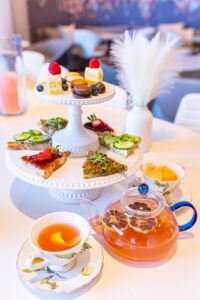
High Tea in D.C.

tea and various small snacksEvent planners hosting in Washington, D.C., may want to check out Figleaf Bar at Zena Hotel. High Tea, launched on 4/20 and with the help of Chef James Gee, offers cocktails with a CBD infusion. Some of the fun drink titles include Blends with Benefits and Freshly Baked, a fun play on words with the high tea concept.
Read More: Team Building and Well-being

“So far, we’ve received positive feedback from guests sharing how much they’ve enjoyed our version of High Tea and how innovative of an offering it is,” said Director of Sales Iman Butler.

If you’re not familiar with the difference between THC and CBD and are worried about going back to your meeting after a CBD cocktail, fear not, the staff is more than willing to walk you through it.

Butler continued, “To ensure our guests make the best decision for themselves, we provide them with some educational talking points on CBD—the health benefits of CBD, the difference between CBD and THC, and more. We’ll of course talk them through any questions they have about the offering as well.”

Figleaf Bar and Lounge encompasses of 1,356 sq. ft. of bright, artsy space, while the entirety of the Zena Hotel offers 5,758 sq. ft. of meeting area.

Meetings That Float

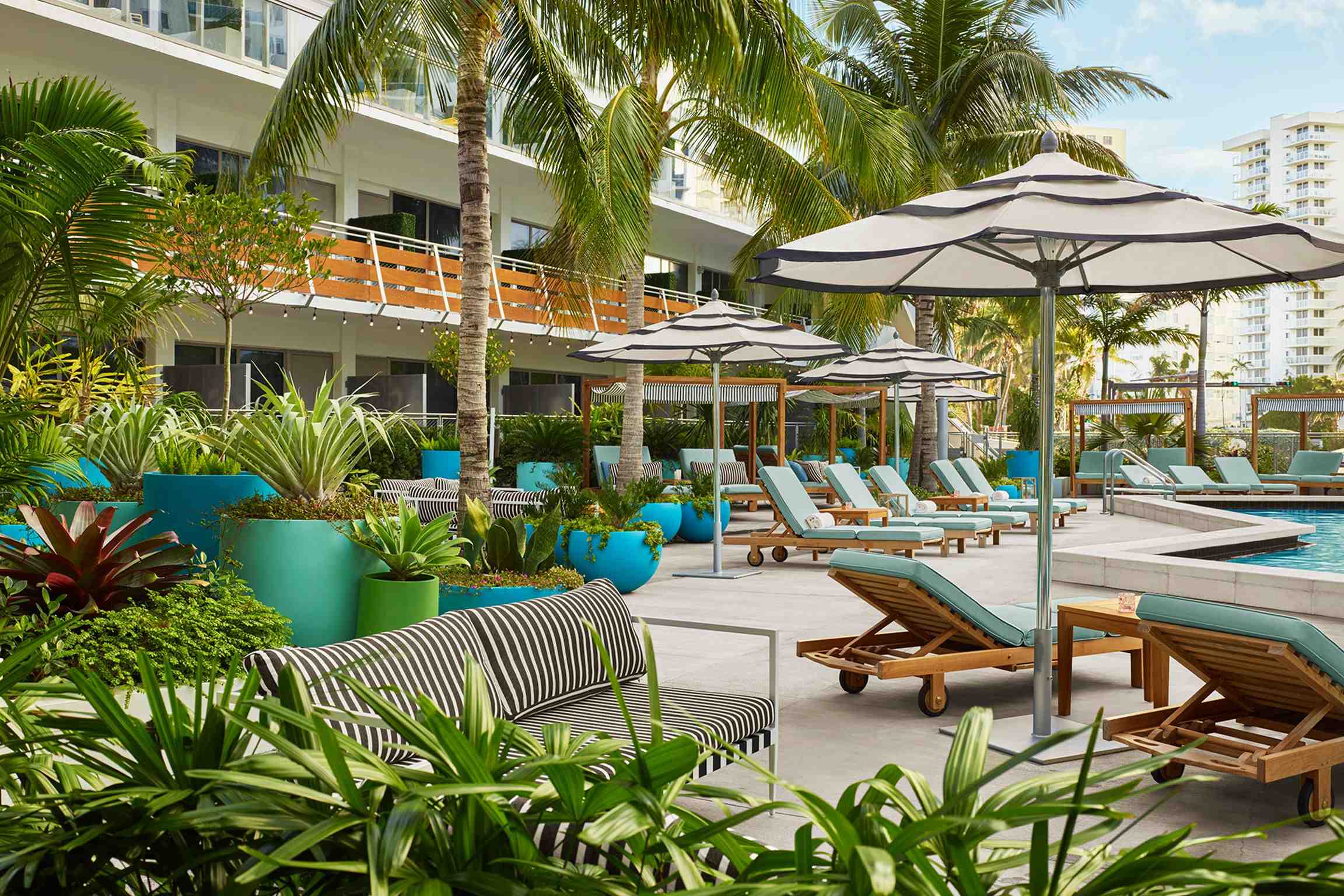
outdoor space at The Gates Hotel South Beach

The unique aspect of hosting a meeting in a pool is that the meeting breaks are automatically built in.

Read More: 6 Surprising Things You May Not Know About Corporate Team Building

The Gates Hotel South Beach in Miami, Florida, offers poolside meetings between 9 a.m. and 5 p.m. Attendees are treated to infused water and fruit. If the meeting is hosted on a Friday, the team can enjoy live music from a DJ during the break. Guests can lounge in the cabana or hop on floats to chat in the pool.

The Gates Hotel South Beach contains 1,453 sq. ft. of meeting space, three meeting rooms and 235 guest rooms.

Glow-In-The-Dark Golf

aerial shot of golf course at Innisbrook Resort

If your guests find themselves in Palm Harbor, Florida after a long day of meetings, some attendees may want to hit the links!

Innisbrook Resort, where pro golfers play during the PGA Tour’s annual Valspar Championship, offers evening glow-in-the-dark golf. Planners can choose between an indoor and outdoor experience for their guests. Neon putting tournaments can be scaled up or down and accompanied by a refreshment station so everyone can enjoy the fun.

Read More: New Golf Venues Emerge

Innisbrook Resort contains over 100,000 sq. ft. of indoor and outdoor space with an additional 900 rolling acres.

Positive Empowerment

people Swimming with Horses

While some meeting breaks can be relaxing, some can be focused on self-betterment.

Half Moon Jamaica in Montego Bay, part of the Salamander Collection, offers positive empowerment sessions with horses to build confidence. By working with horses, attendees will learn to take control of scenarios using body language. The program was developed by Trina Delisser of Half Moon Equestrian Centre based on Monty Robert’s non-violent approach of breaking-in  equine-assisted therapy. The skills learned from the one-day session can easily be transferred towards everyday experiences, whether professional or personal.

Half Moon is 15 minutes from Montego Bay Sangster International Airport (MBJ) and contains 15,000 sq. ft. of meeting space and 210 guest rooms.

Increased activity in the Americas sign of shift in hospitality industry trends

What if we told you that across Latin America, the number of guest rooms in the hotel construction pipeline topped 90,000, a 2% increase over last year, led by the growing hospitality footprint in Mexico City? How about the news that 283 projects totaling more than 37,000 guest rooms are in some stage of planning or building in Canada, a 10% increase in projects and a 5% increase in the rooms pipeline since last year? That sounds like hope that the compression in meeting space in the Americas may soon get better, right? The answer is “yes” and “no.”

Bruce Ford, senior vice president and director of global business development with Portsmouth, New Hampshire-based Lodging Econometrics, which released a series of reports this month with insights on construction, renovation and conversions across the world, helped put the data into context.

“When we say the pipeline is increasing, it simply means that the number of rooms in the active pipeline—including under construction, scheduled to start in the next 12 months and early planning—is growing,” he said. One reason for the fat hose is that many of the hotels that were proposed and broke ground over the last few years were delayed due to financing, supply and inflation challenges, bulking up the statistics without delivering results in the expected timeline. “They stick there and new project announcements go on top of that,” he said. “I wouldn’t call it organic growth.”

What is happening at record speed is that hotel brands are signing new franchise agreements at a rapid pace in a quest for revenue. That is leading to record conversions.

Brand Explosion

The other underlying condition in the check-up on the health of hospitality construction is a boom in hotel brand introductions. “Since 2017, in the United States, 135 brands have premiered,” Ford reported.

All those new Caption by Hyatts and Spark by Hiltons and a host of extended-stay brands “are going to gobble those markets up because they have free cash to do so,” said Ford. Franchisees are locking up sites and brands are being lenient about the amount of time they have to get to ribbon cutting in prime markets.

Read MoreLoyalty Points and the Death of Independent Hotels

Home2 Suites by Hilton is in 557 locations in the United States, has 91 properties under construction, 99 scheduled to begin in the next 12 months and 356 projects in early planning, which would mean they’re more than a year from construction start. “That is an example where the pipeline is actually bigger than the number of hotels that they have open.”

Not all of the rolled-up drawings are select-service properties, either. “There are more select-service brands and therefore more locations and you build them smaller, but more frequently,” Ford conceded, before adding: “A pretty good percentage are upper-upscale or luxury.”

A total of 53 luxury properties with 13,158 rooms are under construction in the United States, 112 upper-upscale hotels with 26,009 guest rooms. That’s almost 40,000 rooms under construction out of 116,800. “That’s actually a pretty robust percentage,” Ford said.

Part of the reason for the high-end bulking-up is also because of the stretched-out timelines and some new brands in that area. Virgin Hotels, expansion of the Kimpton portfolio and Hyatt luxury brands are all notable, not to mention some new Marriott Renaissance and Westin debuts. Some are resorts and some are urban, but they are on the way.

“We were very much in the midst of quite a development rush at the beginning of the pandemic, and where some those have opened, some of those have kind of remained at a slower pace during the pandemic and just took a little longer,” he concluded.

Global Variations

Ford described Mexico as one of the hottest markets in the world right now. “People are buying hotels, building hotels and renovating hotels because Mexico was pretty open to most travelers during the pandemic,” he said. “Mexican resorts did very, very well during the pandemic. So now they’re reinvesting in those assets and renovating them now.”

Read MoreEastern Mexico: Mexican Caribbean-Style Rewards

Panama, the Dominican Republic and Puerto Rico saw redevelopment as a result of rebuilding from hurricanes.

Canada opened the borders a little faster than other countries but still trails the United States significantly. The country also had more construction moratoriums than the average country during the pandemic so long-delayed projects are now coming to fruition.

The next area of the world that may see the swell come back is probably the Middle East, then Europe, and then Asia Pacific, Ford predicted.

Raising the Bar

Another trend worth raising a planner’s eyebrow is an intentional push to improve quality assurance scores. “As guests, we know several hotels need a few dollars to be put into the quality of the asset,” Ford said, understating the obvious. The hotel brands are reading the review telling franchisees they have to put in the work. There will be no more waivers and if it isn’t completed on time, they will pull the flag.

“The investment in existing portfolios is really quite unprecedented,” said Ford. Annually, each of the next three years, he predicted nearly 400,000 rooms will be renovated or converted in the United States.

Also increasing is prices. Ford estimated that hospitality has seen a rate increase of 25% over 2019 levels, but a lot of that has been sucked up in the cost of doing business because it is so difficult to find people to work in hotels and restaurants.

Marriott invites planners for experiences like no other

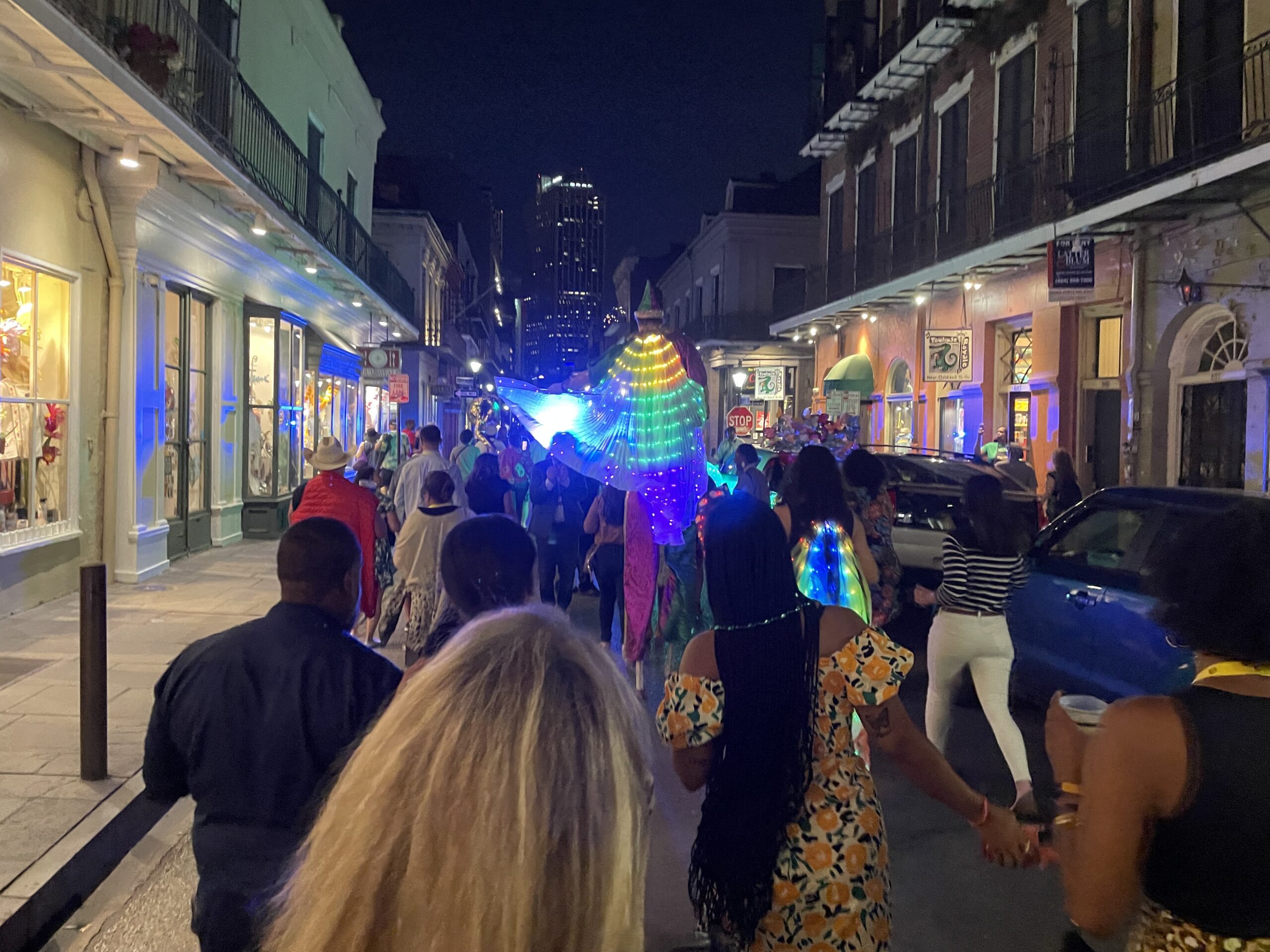
Dinner has just come to an end. As you chat with fellow meeting professionals you hear the faint sound of a trumpet. As the clock ticks, the sound of the trumpet gets louder and louder, so much so that you question if you’re just imagining things. It isn’t long until a trumpet player enters the doorway of the room, beckoning your group to follow him.

Outside are even more trumpet players, along with tuba players and drummers, and extravagantly clad dancers and stilt walkers. The walk to the next destination through New Orleans’ Bourbon Street will be anything but normal. What follows is a 0.5-mile-long musical trek through the well-known street to post-dinner drinks and snacks. This is the Marriott “Meet with Momentum” experience in New Orleans. And it’s only the first night.

various people on bourbon street led by trumpet players

This four-day experience by Marriott International is one of many currently offered by the company’s Meet with Momentum program, now in its third year. This time around, the company invited 29 event and meeting professionals and 15 representatives from Marriott’s convention and resorts network (CRN) properties, including JW Marriott Miami Turnberry Resort & Spa, Sheraton Denver Downtown Hotel, Atlanta Marriott Marquis, as well as New Orleans’ local hotels.

Read MoreMarriott Plans to Win War for Talent by Emphasizing Culture

Since Marriott CRN began its portfolio has grown to 120 hotels throughout the United States, Mexico, the Caribbean and Canada, designed to offer the best hotel options for meeting profs.

Behind the Growth

The program, which has seen tremendous growth since it premiered in 2021, brought the 39 attendees to New Orleans for Jazz Fest, along with opportunities to get familiar with the city and network with Marriott properties. According to Jim Fein, director of sales at New Orleans Marriott and Sheraton New Orleans, these two properties have been inviting event profs they do business with for this occasion for some time now, but this is the first time they’ve done it in collaboration with Marriott CRN on this scale.

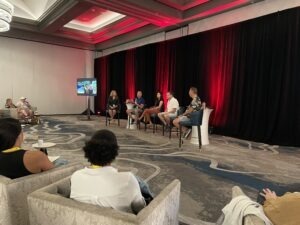
On the morning of the third day, Marriott hosted a panel at New Orleans Marriott Warehouse Arts District, which consisted of four Marriott representatives, including Pfeffer; Jeremy Shears, area director of finance operations; Richelle Castillo, senior account executive for associations;  from different sectors of the company, moderated by Amanda Cox, area director of sales for Marriott’s south region; Scott Jernstrom, complex director of sales and marketing for New Orleans Marriott and Sheraton New Orleans.

five people on panel at the front of a room
Marriott panel

The panelists touched on several topics, including the economy and its impact on the industry, challenges hoteliers are having and F&B concerns. This part of the program, which allows planners to get up close and personal with those on the other side of the industry, remains the same across all events, except with different Marriott reps based on the location of the event, and of course, different questions.

“A lot of the events you go to in the industry, there are 2,000 people there and you might spend five minutes talking to somebody one-on-one,” says Bob Pfeffer, senior director of CRN. “[In] these events you’re spending two or three days getting to know people personally and getting to know them on a different level than just business.” Pfeffer says the feedback they’ve gotten from planners and hoteliers has been positive.

“They love it,” he adds. And it’s safe to say the jubilation among meeting planners in New Orleans served as corroboration.

When the event first began in Nashville in 2021, that was the only location that year. In 2022, the program hosted five events. In 2023, Marriott CRN will host 14 events throughout the year, what Pfeffer calls “mini-bucket list experiences.”

“We also try to hit cities that have been slower to recover from the pandemic,” he says.

Read MoreNew Orleans Celebrated GMID by Illustrating Why Meetings Matter 

Just before New Orleans, CRN hosted an event in Hawaii; before that, the program took event profs to a Yankees pre-season game in Tampa in March. In July, the program is heading to Windy City Smokeout in Chicago. Next year, Pfeffer says they plan on attending the 150-year anniversary of the Kentucky Derby. He says he doesn’t see them slowing down any time soon.

New Orleans Marriott Wants to Fuel Festivals

While Jazz Fest was going on, New Orleans Marriott held an activation in its lobby, “bloodys & bennys,” as part of a new concept, dubbed Festival Fuel. The hotel plans to use Festival Fuel to add to the guest experience during the city’s more than 130 festivals and make festival recovery more accessible.

Currently, guests have access to two separate carts in the lobby, one that sells Bloody Marys and another that sells beignets for a few hours a day. The hotel welcomes  everyone to stop by and enjoy the festive offerings.

The concept is still in its development stage and more will be revealed soon.

How culture and history elevate events

Celebrating cultural heritage, whether one’s own or that of others, is an engaging method to provoke thought and inspiration in attendees at events hosted at venues focused on celebrating various backgrounds.

What transpired nearly 600 years ago with the Age of Discovery led to the inception of a multitude of cultures spawned from the Spanish diaspora—each with a unique flare succinctly intertwined with the DNA of the Western world. And that depth of history is an element that can capture the imagination of attendees while sparking interest in the material presented during events.

A Cultural Home of Diverse Identities

Albuquerque’s National Hispanic Cultural Center (NHCC) is an architectural gem located in the historic Barelas neighborhood situated alongside the Rio Grande and the Paseo Del Bosque—one of the largest Bosques (a gallery forest habitat that grows along riverbanks, streams and floodplains in the Southwest U.S.) in the world. With eight ample meeting spaces, the NHCC is ideal for any group size and event. Planners can take advantage of this beautiful and unique scenery by booking the Pete Padilla & Manuel Mora Memorial Park space, Pete V. Domenici Education Center or the Bosque Gallery—all of which are fronted by the lush scenery of the park along the river.

Read MoreHow to Harness the Power of Native American Cultural Centers

The NHCC’s Roy E. Disney Center for Performing Arts was funded by the Disney brother in 2004 following a multi-million-dollar donation to the cultural center. “There’s three theaters in this building,” said Alberto Cuessy, deputy director of the NHCC. The center for performing arts includes the Albuquerque Journal Theater with a max capacity of 691, the Bank of America Theater which can seat up to 291 and the Wells Fargo Auditorium with a max capacity of 91.

Where the Arts and Culture Meet

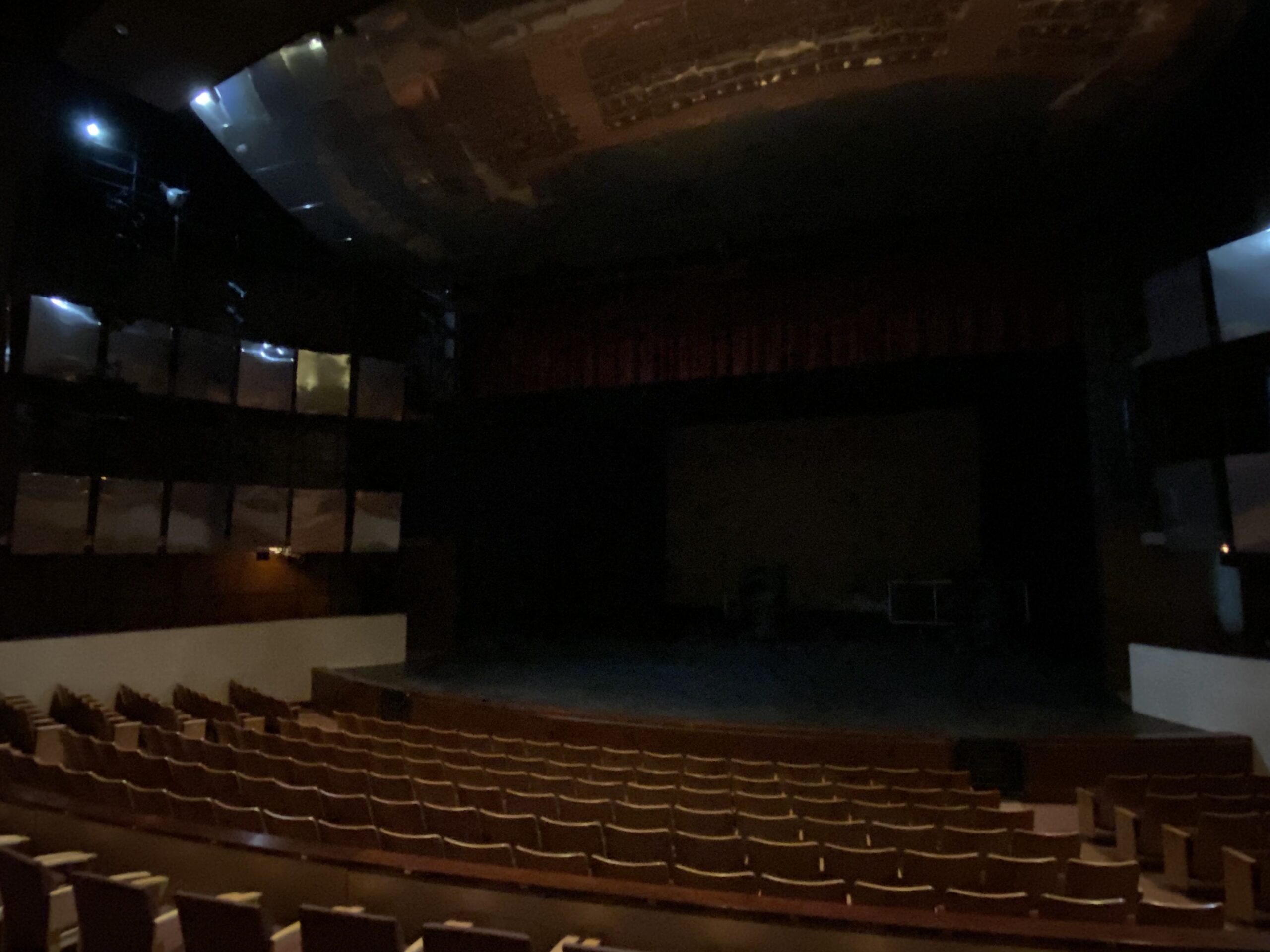
from from top of Bank of America Theate
Bank of America Theater, NHCC Albuquerque

The NHCC serves as a community hub for art and culture, hosting events showcasing visual arts, as well as performing arts such as the New Mexico Poetry Symposium that took place in late April. The event included three guest poets and was followed by a poetry and nature walk, according to Dr. Carson E. Morris, History and Literary Arts (HLA) program manager at NHCC. “All of the guest poets were put together by the New Mexico Poetry Society,” Carson said, noting that the NHCC was the top pick for host venues for the symposium.

The center’s History & Literary Arts Building provides visitors with the opportunity to access resources hosted at the Library and Genealogy Center to trace their lineage and family history. “New Mexico, as you may know, has families with descendants that can trace their families back to the 1600s,” Morris said. “We have amazing collections of census records, church records—including burial records—from all across the state of New Mexico, Colorado, Texas, Arizona, some of the northern states of Mexico and information that goes back to the territorial period,” she said, adding that the records kept at the NHCC really encompass much of the history of the Southwest.

The History & Literary Arts Building was built in three phases over the span of 25 years and includes the Salon Ortega, which was originally a school that was built in 1930 and has a max capacity of 100. The building also has outdoor meeting space at the Anthony Trujillo Courtyard and an eatery for attendees to recharge at the La Fonda del Bosque Restaurant.

A Unifying Force in Seattle

In the Pacific Northwest, Seattle is home to El Centro de la Raza—a community organization focused on unifying people from all racial and economic backgrounds through organizing and empowering marginalized people in the community.

A unique feature at the center is its historic 110-year-old El Centro De La Raza building—formerly the Beacon Hill School which is home to five distinct meeting spaces perfect for groups of up to 80 guests.

The center is also home to the contemporary space, Centilia Cultural Center with a total of 3,110 sq. ft. of flexible meeting space available for lectures, banquets and everything in between and is adorned with beautiful local artwork. What’s more, the cultural center can lighten the workload of planners hosting an event with amenities that include tables and chairs, a moveable stage, a portable bar, a kitchen and gallery space—with the rooms of the El Centro De La Raza building available for use as breakout rooms. The center also features AV support including Wi-Fi, 41 ceiling speakers, two projectors and screens and microphones, making hosting at the center a streamlined experience.

However, the convenient services offered at the center extend to include food services, offering planners several menu options to provide attendees with a superb dining experience. The center’s Business Opportunity Center’s Food Business Incubator offers planners menu options from several vendors serving authentic Oaxacan food from Antojitos Lita Rosita, fresh ceviche from Shark Bite and pizza from Outsider Pizza.

Capitol Cultural Resources

The Mexican Cultural Institute of Washington, D.C., was established in 1990 with the commitment of enriching the relationship between the United States and Mexico by providing guests with exposure to Mexico’s vibrant history, arts and culture. The institute is home to a robust calendar of events including a wide array of musical performances, visual arts exhibits and other presentations.

And while visitors are treated to various displays of culture and art within the institute, the mansion in which it is housed is a historical site in and of itself. Built in the early 20th Century, 16th Street mansion puts the tradition of D.C.’s storied aesthetics on display with an example of the Beaux Arts architectural tradition with historic interior artwork, as well as the mansion’s association with Meridian Hill, serving as home to foreign embassies and was an integral part of the City Beautiful Movement that aimed to expand fine architecture in D.C. beyond its monumental displays. In 1989, the mansion became the home to the Mexican embassy, paving the way for the establishment of the institute at the site.

Now, guests can enjoy the elegant spaces quartered at the mansion including the Music Room, Drawing Room and Dining Room perfect for formal and professional events. The mansion’s event space can accommodate 120 guests for a seated dinner and 300 for cocktail receptions.

A Cultural Anchor in L.A. County

Located in the heart of downtown Los Angeles, LA Plaza de Cultura y Artes provides surrounding communities with a cultural hub geared toward celebrating the various aspects of Latinx culture including art, music, dance and the culinary arts.

Read More: Los Angeles: Capital of Creativity

The museum—a nonprofit and affiliate of the Smithsonian—features visual exhibitions of collected works from numerous artists as well as providing a glimpse into Hispanic cultures throughout U.S. history. The stunning visuals delivered through the mediums of paint, photography and alternatives to traditional representations are accompanied by 30,000 sq. ft. of flexible indoor and outdoor meeting spaces. The museum is housed in two renovated historical building atop 2.2 acres of land, providing options for smaller- to large-scale events.

In addition, the museum’s LA Plaza Cocina is the first museum in the country dedicated to the culture and history of Mexican food and hosts culinary classes, allowing event professionals to provide an elevated hands-on experience for their attendees and is an excellent option for more intimate events.

The White House of the Arts in Miami

Hispanic culture brings a unique vibrancy to the streets of Miami and is showcased within the walls of the historic Warner House at the Miami Hispanic Cultural Arts Center (MHCAC). The neo-classical Warner House, which bears a striking resemblance to the White House in Washington D.C., was built in 1911 for J.W. Warner who launched South Florida’s first floral company. The MHCAC has since restored the building to its former glory after the site was entered into the National Register of Historic Places in 1983.

The MHCAC now serves as the home to several organizations focused on the arts including the Cuban Classical Ballet of Miami, Creation Art Center, Cuban Classical Ballet of Miami, the International Ballet Festival of Miami and others.

The center is home to two galleries, the “Pena Gallery” and the “Warner Gallery,” featuring art exhibits that rotate every four to six weeks and can accommodate up to 70 people total. The facility has one 500-square-foot meeting room that can accommodate up to 100 guests for a reception, 60 for a theater format and 30 for a classroom setup.

Coming Soon to the National Stage

exhibition at American Latino Museum
Credit: Washington.org

In 2020, Congress enacted legislation to establish an American Latino Museum in Washington, D.C., as part of the Smithsonian in the nation’s capital.

“The National Mall–home to monuments, memorials, museums and marches—affectionately called America’s ‘front yard’ is a microcosm of the nation’s history. It’s a place that celebrates all those who have contributed to our history, said Elliott L Ferguson, II president and CEO of Destination DC. “The future Museum of the American Latino will highlight the contributions of American Latinos to the history and culture in the United States through artwork, truthful stories and experiences.

Until the museum opens, visitors can experience its first exhibit. “Presente! A Latino History of the United States,” at the National Museum of American History. While the National Museum of the American Latino is currently quartered within another museum, plans are in motion to build a dedicated Latino museum with a site selection process currently underway.

A similar process is also underway to build the Smithsonian American Women’s History Museum. The collaborative nature of the process allows the Museum of the American Latino to gauge what gallery content will be most engaging and most accessible.

“What we’re focused on right now is working in the gallery, experimenting with exhibitions and programs, and we’re trying to learn as much as we can, since we now have the space to offer material and content to visitors, we’re building out our online presence as much as possible,” said David Coronado, senior communications officer at the Smithsonian’s National Museum of the American Latino. “So, we want to reach all corners of the U.S., if not the world,” he added.

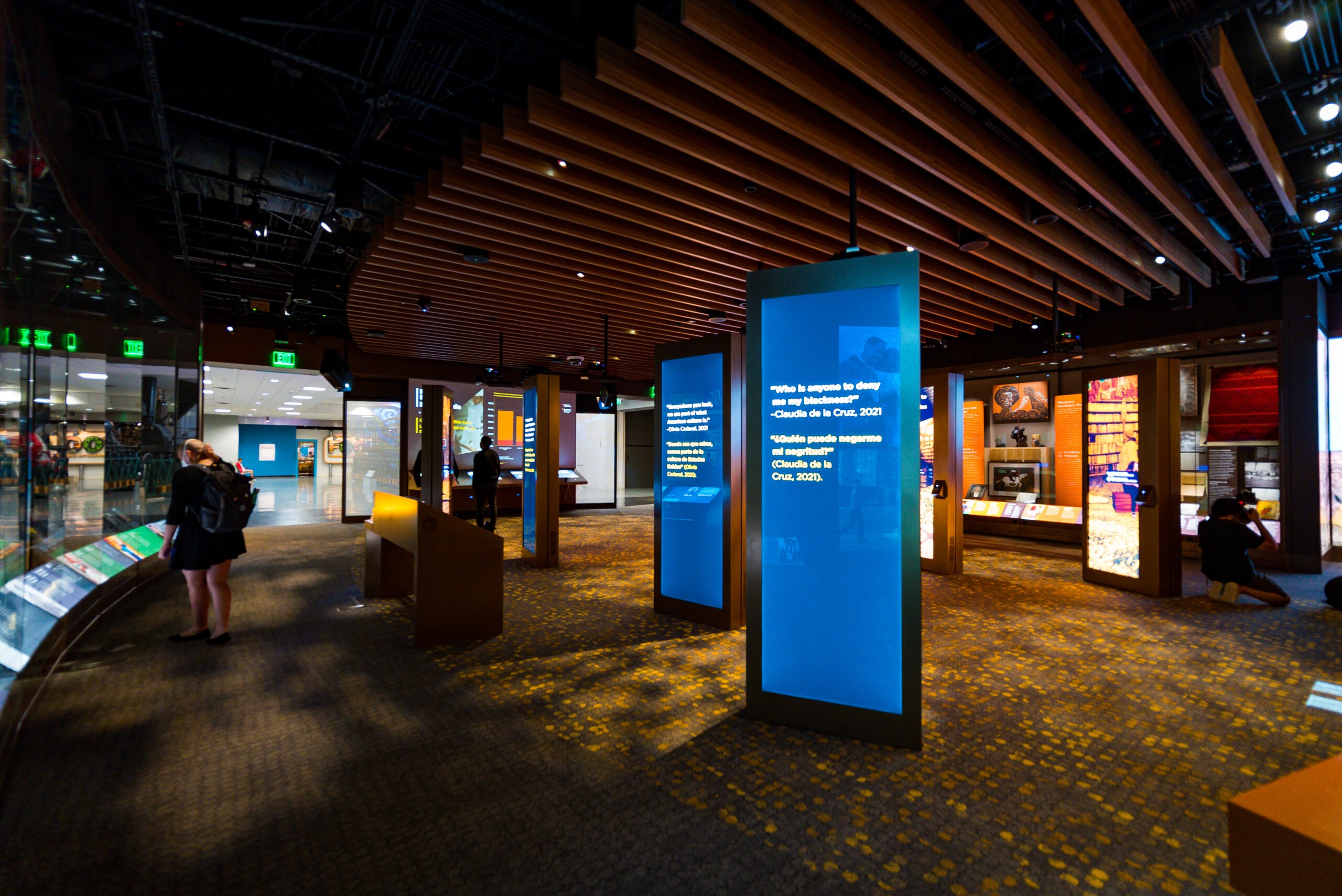
The museum is also home to the Molina Family Latino Gallery, which presents aspects of U.S. history from a Latino perspective. The exhibit aims to connect visitors to Latino culture while illustrating the impact Latinos have made on the shaping of U.S. history. The gallery was made possible through a $10 million donation from the Molina family with the gallery set to hit its one-year anniversary on June 18. “We incorporated deep dive stories into what we call digital consoles. We created eight digital storytellers, eight-foot tall, interactive digital panels that folks can interact with and ask virtually as they select questions, predetermined questions, that then the storyteller then answers,” Coronado said.

“Currently, the Molina family Latino gallery is about 4,500 sq. ft. and we really leveraged digital media and technologies to make the best use of that space,” Coronado said. A unique aspect of the museum is that the primary driver has been to provide an accessible experience for all. “We considered the needs of the neurodiverse. We didn’t want to overwhelm everyone by including too many loud noises. And although the music is very present, there are a lot of places for people to just kind of sit down and reflect and take a break,” he said.

The gallery is also home to the 500-square-foot General Motors Learning Lounge perfect for private screenings, podcasts or other presentations. Meeting professionals can plan tours of the gallery for attendees while taking advantage of numerous other event spaces available at the Smithsonian. Coronado noted that the project is expected to reach completion within 10 to 12 years.