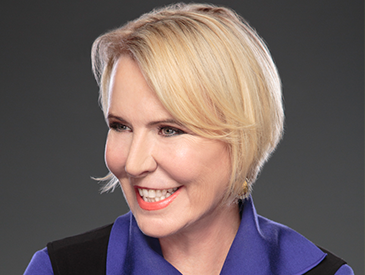
We will be traveling and meeting again. That’s the uber message delivered by Jan Freitag, senior vice president at STR, which collects market data on the hotel industry, during a webinar hosted by Adara, a Palo Alto, California-based travel intelligence company.

“The industry is resilient. We will rebound,” Freitag predicts. “It’s going to be painful tomorrow, but then things will get to the ‘next normal.’” To those who say Zoom meetings might become the permanent replacement for F2F, he replies: “You’re all suffering from ‘recency bias.’ You think what’s happening now will happen forever. After 9/11, a lot of people said no one would fly again. There’s a high likelihood that we will meet in large groups again.”

In his long-term optimism Freitag is not alone. Equally interesting are his insights into the present travel landscape.

“If you have a beach or a mountain, you’re doing all right now,” he says. “Idaho and Montana have done really well this summer, and so has Florida and Colorado—because there is the perception that they offer wide-open distances.”

It’s the downtown urban centers that are hurting most. “There’s no group demand,” Freitag says. “It’s economy over full-service hotels, drive-to over fly-to, rural over urban. Upper-upscale hotels are registering only 30 percent occupancy. Extended-stay properties are seeing occupancy in the 70 percent range.”

Freitag says he’s been impressed with the proactive way hotel companies have created and promoted new hygiene standards and protocols—and by the way they have even begun to create new market niches. “Like making the pitch that people work from a hotel room down the road. That’s was never on anybody’s plan before,” he says. “We may also see extended vacation or weekend travel, because remote workers and their Zoom-schooled kids can be anywhere.”

Over the past three months, STR’s hotel data “has gotten consecutively better,” Freitag says. “April was the worst ever recorded. July was down only 53 percent, and August was 42 percent down, year over year.” He thinks this trend will continue.

At the same time, he’s seeing a decline in new hotel rooms being built, and expects that trend to extend, as well. “Hotel projects in final planning will stay in final planning and will not break ground, with some exceptions,” he says.

The resumption of business travel, including for meetings, will likely be segmented, Freitag predicts. “If you’re a small company, it’s more likely. The boss might say, ‘Let’s give it a try.’ But if you’re the CEO of Microsoft, you’re also the chief risk officer”—and therefore less likely to green light a return to the road when lawsuits and a dip in shareholder value could be on the horizon.

What has Freitag learned about himself over the past six months? “I’m not missing travel as much as I thought,” he responds. “I think I will go to the other side of this pretty soon, where I need to go out. But not to fly across the country for an hour’s meeting. I think we’ll be more discerning when we put ourselves onto a plane or into a ballroom.”

9/9/20: Updated to include additional Marriott layoffs announced for October.

3/23/20: Updated to include new estimates by  American Hotel and Lodging Association (ALHA) and Oxford Economic Study.

Marriott released new information regarding how they will deal with corporate employees.

Marriott International is set to lay off tens of thousands of employees in response to the coronavirus (COVID-19) that has left many hoteliers without business since the disease spread in early February, according to The Wall Street Journal.

The travel industry—in America and abroad—is facing a serious decrease in demand as residents are encouraged to stay home to prevent the virus’ potential spread.

MoreYour Guide to Staying On Top of the Coronavirus Outbreak

“As travel restrictions and social distancing efforts around the world become more widespread, we are experiencing significant drops in demand at properties globally with an uncertain duration,” Marriott said in a statement. “We are adjusting global operations accordingly, which has meant either reduction in hours or a temporary leave for many of our associates at our properties.”

At the end of 2019, Marriott had around 174,000 employees globally. The company said the furloughs will affect a wide range of their employees, from house cleaners to general managers. The company will also cut its corporate staff about two-thirds. Furloughed staff will not be paid during this period, but will continue receiving health care benefits; furloughed corporate employees will receive 20 percent of their salary, those corporate employees still on staff will be subject to 20 percent pay cuts.

In September, the company announced that it would lay off an additional 673 workers from the company’s headquarters in Bethesda, Maryland, effective Oct. 23. That announcement came on the heels of second quarter results that showed an 84.4 percent decline in RevPAR globally.

In late February, the company revealed they would be closing 90 of its 375 hotels in China, resulting in an estimated $25 million loss per month in revenue.

Bill Hornbuckle, president and chief operating officer of MGM Resorts International, stated in a letter to employees on Monday that corporate employees who are able to work from home should begin doing so starting this week. Hornbuckle also said all day clubs and night clubs will cease operations, as well as 150 food and beverage outlets, with more closing in coming days. The brand closed all 13 of its properties on the Strip; as well as its properties in Ohio, Michigan, Massachusetts and Maryland.

“We will continue to pay our Flexible Time Off (FTO) eligible employees on furlough for two weeks and our hourly employees can use all available Paid Time Off (PTO) in their bank. We’ve also made the decision to maintain existing employees’ benefits, for individuals who are on our health plans and impacted by the layoffs or furloughs through June 30th,” he stated in his letter.

A few days ago, one of Hilton’s properties, Hilton Knoxville, reported the same fate that Marriott has, operating with roughly 20 percent of their staff. This layoff came as a result of the property’s occupancy dropping from 100 percent to 8 percent over four days.

According to Chip Rogers, president and CEO of AHLA, this disruption in the industry is more severe than 9/11 and the 2008 recession combined. As of mid-March, 44 percent of the hotel industry have lost or is projected to lose their job in the coming weeks, which comes to roughly four million jobs. In major cities across the United States, including Seattle, San Francisco and Boston, hotel occupancy rates are below 20 percent and many properties have cease operations altogether.

This is a developing story.

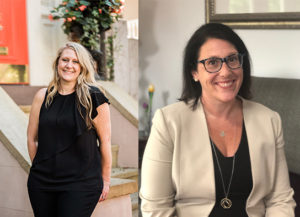
Cara Banasch

Job title: Senior vice president of business development and strategy

Company or organization: New Orleans Convention & Visitors Bureau

What I love about my job: New Orleans is a truly unique place that people connect with emotionally, through our culture and with a true spirit of hospitality. Everyone genuinely wants you to love their personal favorite part of the city and is incredibly generous in sharing that through our roles. I feel very grateful to learn every day from our extraordinary industry community.

First job: My first paying job was in sales at Sundance Ski Shoppe. I started in the industry, though, as a corporate sales manager at Fantasyland Hotel at West Edmonton Mall in Alberta, Canada.

Keys to my success: Learning from inside and outside the industry often allows me to blend concepts into different ideas. It’s been important to acknowledge realistically what are not my strengths and finding great people to help me fill the gaps and tell me when I am wrong. Most importantly, it has helped to have a few crazy friends, and remember to laugh.

Best work trick I’ve learned: To look for possibility in change.


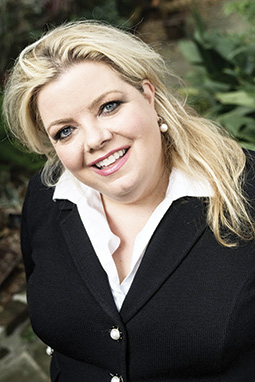
Vicki Comegys
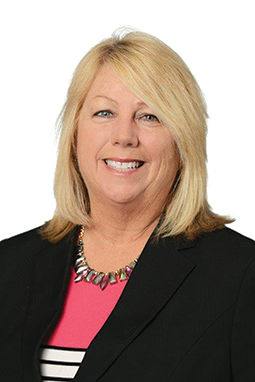
Job title: Vice president of conventions, sports and services

Company or organization: Greater Des Moines Convention & Visitors Bureau, Iowa

What I love about my job: I work on an amazing team that secures and executes meetings, conventions and sporting events for Greater Des Moines. I love being able to work with all different people and make a difference in my community. The work done at the CVB results in more exposure for the community, more visitors spending money locally, and showing more people that Greater Des Moines is awesome. I enjoy the opportunity to work with my peers across the country to make sure Des Moines is always working to be progressive in the industry. Thirty-one years ago, the CVB needed assistance with a big project. I jumped right in and have been addicted ever since!

First job: Adventureland Amusement Park in Des Moines, where I was the first female to work in the arcade.

Keys to my success: An incredible team of co-workers, my passion and [my commitment] to never stop learning from all of the people around me.

Best work trick I’ve learned: Get all the facts, have fun and practice patience.


Deborah Gardner
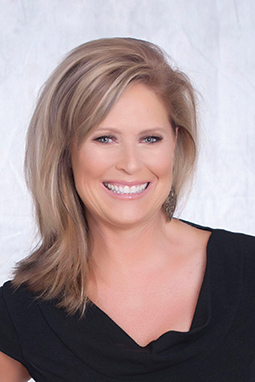
Job title: Owner and CEO

Company or organization: DG International LLC in Phoenix

What I love about my job: Helping companies and top performing teams become better with new ways of thinking about their challenges and opportunities. The times I’ve presented to the meetings industry are extra special because, as a hospitality veteran who understands what planners and suppliers do, I’m in a position to say it like it is…which is why my clients call me the Pitbull in a Skirt.

First job: A small independent resort property as an outside sales manager, going door to door and working out of my office, the trunk of my car that was full of brochures. Six months later, I was fired. Apparently, I was not a very good salesperson.

Keys to my success: For me, it’s realizing there are two things in life…results or excuses. To see the results, whether I’m negotiating, conducting programs or leading a training session, it’s important to always do my best. I’m my biggest competitor.

Best work trick I’ve learned: Big talk! I’m not good at small talk. So, I purposely prepare for more compelling, engaging and in-depth questions.


Join us for a weekend of women’s empowerment and luxury at The Smart Woman Summit – Learn more today!

Iris Himert

Job title: Executive vice president

Company or organization: Long Beach Area Convention & Visitors Bureau, California

What I love about my job: Everything! I have been very fortunate to lead a very spirited, seasoned sales team and an amazing services team that consistently delivers white-glove service. I am very lucky to report and work closely with a CEO who is such a visionary and who has taught me so much. Every day is different and offers opportunities for additional learning and growth.

First job: I had a position in the catering department at Drake Hotel in Chicago. There, I learned the true essence of hospitality and I was trained to deliver the high level of customer service that was expected and for which the hotel was known.

Keys to my success: Success is no accident. It’s hard work, perseverance, passion and love for what you’re doing. It’s living by the saying “failure is not an option.”

Best work trick I’ve learned: Always learn from past mistakes, practice self-reflection and keep your ego firmly under lock and key.


Genifer Oliver
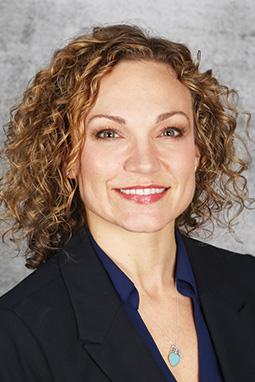
Job title: Director of sales and special events

Company or organization: Rangers Enterprises, for MLB’s Texas Rangers in Arlington,Texas

What I love about my job: First off, I have the most amazing team, which makes my job my happy place. Second of all, we have an incredible backdrop for any type of event. And lastly, who wouldn’t love calling Globe Life Park, home of the Texas Rangers baseball team, their office?

First job: Pizza Hut! Funny thing…I had just turned 16 and I went home to tell my mom that I had gotten a job, only to find out that her first job was also at Pizza Hut.

Keys to my success: First and foremost, I am a problem-solver by nature. I am constantly looking and evaluating everything around me to see what kind of improvements can be made, and then I jump into action! Secondly, I am truly passionate about what I do. I pour all that I have into it, and because of that, it has pushed my career and my success.

Best work trick I’ve learned: Flexibility! It is a necessity to success in the events industry. You have to be able to adjust your thoughts and change course quickly in order to better accommodate different interests.


Kate Patay

Job title: Chief brand officer

Company or organization: Creative Coverings in Sparks, Nevada

What I love about my job: I love that I get to work with not only the best team here at Creative Coverings, but also amazing meeting and event professionals from all segments of our industry on a daily basis. I’m fortunate to be connecting with the best in our industry to put on fantastic live events for clients from all walks [of life].

First job: When I was 15 I worked on a dairy farm in Western New York. It was the goal of my mother that I would learn the value of a dollar and what hard work really means. It worked.

Keys to my success: I’ve learned to surround myself with strong, positive people. I also believe in taking the high road and always doing the right thing, even when the right thing isn’t the easiest thing. Learning to be open to new ideas, direct in my approach, honest and ask for what I want have been key in this journey.

Best work trick I’ve learned: I save so much time every day by answering my emails and texts from my earbuds. I’m a fast typist, but I’m much quicker when I talk.


Pamela Payne
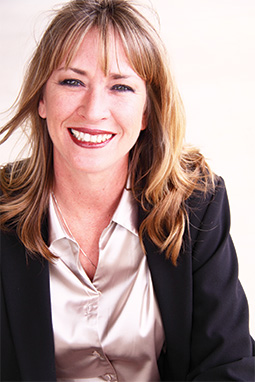
Job title: Senior regional director of group sales

Company or organization: NAMResorts in Katy, Texas

What I love bout my job: After 26 years in the industry, I never considered that this dream I am living had any relation whatsoever to the word “job.” I feel blessed that what I experienced through travel is so beyond the imagination of 90 percent of the population.

First job: Whataburger! My special talent was chocolate shakes. In the industry, I started as a leisure travel agent after college designing group tours to sell to consumers through advertising in the Houston Chronicle.

Keys to my success: My dad taught me to work hard and never give up. I was fired from several jobs when I was starting out in my early 20s, but somehow the next job I got was always better. The greatest pearl of wisdom to impart to the next generation of travel planners is work hard and keep the passion alive.

Best work trick I’ve learned: “Pack & roll.” Smooth and roll your clothes for each day and evening of your trip as tight as you possibly can without wrinkling, unpack and hang as soon as you arrive to the hotel and then reroll and repack after each use.


Jeanne Robb
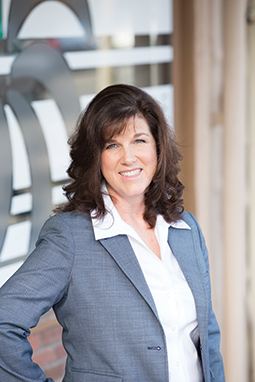
Job title: Director of global corporate events

Company or organization: Cisco Systems in San Jose, California

What I love about my job: My team, the people at Cisco and the challenges we face every day. We are fortunate to partner across many departments, and work closely with our executive leadership team, as well. I’m passionate about incorporating storytelling, data and the use of technology to enable the customer journey. I encourage my team to take risks and push themselves to be uncomfortable, and to always have the customer or attendee’s point of view as their lens.

First job: I received my K-8 credential and was a substitute teacher before taking my first real job at a small dental, medical laser company.

Keys to my success: Values-based management. People come first; my team is the most important aspect of my job, no matter what else is on my plate. I’m also good at cutting through the clutter and focusing on the outcome of the event.

Best work trick I’ve learned: Active listening…also known as literally sitting on my hands (as I tend to use them quite a bit in my conversations). I use my camera for remote meetings. I try to ignore my IM when on calls and strive to be attentive while not interrupting.


Lynne K. Tiras
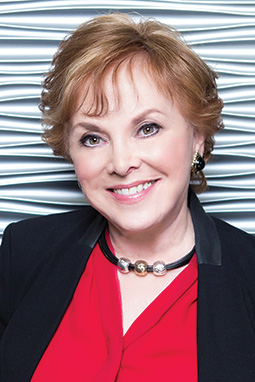
Job title: President and owner

Company or organization: International Meeting Managers (IMM) in Houston

What I love about my job: I love new challenges and am most gratified at the end of a meeting or event when our clients are pleased and our staff feels good about a job well done. I am so proud of my IMM Team.

First job: At age 9, I ran my own baby-sitting business, charging neighborhood mothers $1 a day in the summer. At 15, I worked Thursday evenings and Saturdays managing a section of a ladies’ department store in downtown Dallas.

Keys to my success: Our industry is all about relationships. I have been fortunate to build and maintain strong relationships with clients, vendors, hoteliers and colleagues over the years. Honesty and respect go a long way. We have the ability to manage everything from the smallest event to a presidential event attended by thousands, offering the same attention to detail.

Best work trick I’ve learned: Thinking “outside the box” and making quick judgment calls is a skill that a good professional meeting manager learns quickly to move forward in the meetings industry.


MaryAnne Zoldak
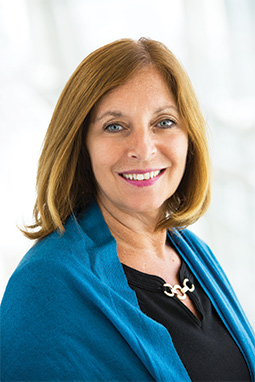
Job title: Senior vice president of people and development

Company or organization: Maritz Global Events in Philadelphia

What I love about my job: I love that I am an architect on a team that has embarked on a cultural journey to influence and create a transformational experience for all of the humans that we touch. I love working in an industry that thrives on creating an impact on business results through the power of people, rather than an analytical report.

First job: Boston Harbor Parks ranger.

Keys to my success: I feel that being willing and able to not only adapt but also embrace, where appropriate, the changes that are constantly occurring has been instrumental in my career. In addition, the willingness and courage to experiment and try new things even when they haven’t yet been tested is very important. Another thing has been the willingness to stop, change course or admit failure if something isn’t working.

Best work trick I’ve learned: For me, learning to listen to the ideas of people who think differently than I do has been a great lesson.


Further Reading:

Entrepreneurs

Innovators

Doers

Rising Stars
Smart meeting producers are learning that even freed from the prospect of venue snafus and food and beverage costs, virtual meetings bring their own logistical challenges. But what level of support will meeting professionals really need to stream as an alternative to and an additional value for f2f events? The answer may depend on your goals, your comfort level with the technology and the intuitiveness of your platform.

Shane Edmonds

In light of the announcement today of the release of Aventri Virtual Event Platform, a flexible, end-to-end solution fully hybrid system that integrates with the Aventri Event Management Solution long used for in-person events, we asked Shane Edmonds, chief technology officer with Aventri, to demystify the investment required for a successful virtual meeting.

DIY: Edmonds described the platform as so easy to use that event and marketing professionals can plan or “pivot” to virtual themselves after some initial training. “We can help with execution as an ancillary business, but we built it with all the tools so you can run with it,” he said. The upside is that since Aventri is not actually running the meetings in most cases, they won’t get so backlogged that they don’t have enough manpower to service your event on your timeline. “We will hold your hand the first time,” he said, but most planners can manage the pipeline from beginning to end on their own after that.

Managing a single technology tool for all aspects of the meeting not only makes it easier set up, it eliminates any glitches in moving between systems for the website, registration and interactive sessions. The result should be a seamless, branded experience.

Flexibility: Regardless of the platform chosen, Edmonds suggested looking for a solution that is agile. If the event has to be scaled up or one of the pieces changes, a platform that provides an initial registration link to a central “lobby” will allow the event organizer to make adjustment right up until the day of the event without having to send out new links. Whether you are planning a small internal live meeting or a complex, multi-track, multi-day event with some pre-recorded sessions and more than 5,000 attendees around the world, one platform should be able to handle it.

If you are on a system that manages the in-person and virtual audiences together with a single app, then if a pandemic-similar event happens again when you have an in-person event planned, you already have the solution in place and can quickly adjust. “Everyone will want back-up solutions after this,” he said.

Marketing: Many event professionals quickly grasped the power of virtual events as a marketing tool that can reach many more people if executed correctly. Live events have long been a crucial tool for brand awareness, but virtual meeting planners are realizing that they can reach a larger and more geographically diverse audience with their messaging. “It makes the funnel bigger,” Edmonds explained.

Data: A truly comprehensive platform has to deliver meaningful analytics, including conversion rate in the funnel, attendance, engagement in-session and net promoter score (NPS) at the end of the session. “You have to get people to sign up and show up by making the process easy to log into. Then you need to be able to measure if people are paying attention, asking questions, answering polls and sticking around to the end to answer the NPS feedback, Edmonds explained. This allows planners to demonstrate the ROI of their virtual events to stakeholders more easily by combining virtual metrics with additional registration, marketing and website insights gathered from the Aventri core product.

Revenue: The good news is that after an initial period of giving virtual access away for free, Edmonds is seeing more people charging for virtual events. “Some are starting to charge as much as they do for in-person events if the content is valuable enough,” he said, noting that a lot of planners are really stepping up and offering creative, fun ways to keep people glued to their screens.

Since everything is digital, some organizations are repackaging the content and selling it as a product on-demand after the event has ended. Many are also finding ways to add value for sponsors through ads or speaking opportunities. He looks forward to when digital lead retrieval (a feature for a future release of the platform) could make those sponsorships even more coveted.

Security: A browser-based solution eliminates the need to download additional software to join sessions. Aventri uses in-region data centers further enhance data privacy, but understanding the flow of information is crucial to spotting vulnerabilities.

Optimism: Edmonds said that one of the customers in beta for the platform told him, “It makes my job important again.” He was optimistic that adding virtual meeting management to an integrated toolbox will raise everyone’s game. “It is a new element that adds value so we can break out of our ruts.”

Self-Sufficient

“We had a front-row seat to the pandemic as it unfolded in our market, and I’m proud of how the Aventri team pivoted to develop an industry-leading virtual solution,” said Jim Sharpe, CEO at Aventri. “Our seamless solution is designed with ease of use-in-mind, as we’ve seen how enterprises struggle to launch their first virtual events. Our professional services team is working closely with clients to ensure they have the knowledge and tools to navigate this new world and become self-sufficient. Our goal is to educate the market and maximize success with virtual, and later hybrid, events.”

“We built this solution hand-in-hand with customers,” said Shane Edmonds, CTO at Aventri. “Since our beta launch in June, we’ve added powerful capabilities based on their feedback. In focus groups, surveys and one-on-one conversations, customers have said the most important thing is the ability to pivot from virtual to hybrid to in-person events. Aventri delivers this flexibility in spades along with the option to support all event types, from complex agendas to small meetings and large plenary sessions.”

Complicated processes do not work in a challenging economy, when planning teams are working with reduced resources. Aventri’s new offering and professional services team streamline delivery of virtual and hybrid events, with the goal of making organizers self-sufficient.

The Aventri Virtual Event Solution has been in beta since early June. During this time, Aventri has worked with select clients to deliver digital internal and external events of all types, sizes and levels of complexity.

Beta customers have reported strong results. For example, one financial services firm doubled the number of registrants at its annual July meeting compared to the firm’s previous in-person conference. This year’s multi-day, multi-track virtual event achieved an 80 percent registrant-to-attendee conversion rate. It also drew attendees from 76 countries for a 20 percent gain in geographic reach.

Customers gave high marks to Aventri training as well. “Everything could not have gone smoother on our first virtual event, thanks to the training on your wonderful program,” said Emily Leung, event operations and marketing executive at Exhibitions & Events Association of Australia. “Feedback from attendees and our Board of Directors has been outstanding. The Aventri team made things easy and helped us create a great user experience.”

The Aventri Virtual Event Solution is in general availability now. To learn more or see the Aventri Virtual Event Solution in action, contact the sales team at [email protected].

About Aventri

Aventri is the global leader in data-driven, end-to-end event and meeting management solutions. Their award-winning SaaS platform and best-in-class service offerings have enabled more than 40,000 event professionals to plan, promote, deliver, measure and optimize over 90,000 events annually. Aventri’s fully integrated platform’s capabilities include venue sourcing, registration, marketing, logistics, onsite services, attendee engagement and data analytics. Headquartered in the United States, the company has offices in the United Kingdom, Europe, and Asia Pacific and has delivered customer events in over 120 countries. Aventri is a portfolio company of private equity firm HGGC. Learn more at aventri.com.

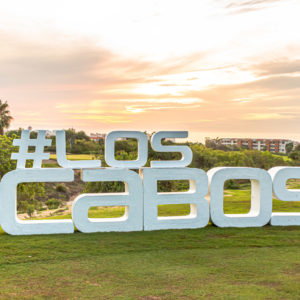
Yes, live events are still happening all over the world. Just last week, World Meetings Forum (WMF) brought 227 people to Los Cabos, Mexico, for a three-day focus on how meeting professionals are partnering to move ahead in uncertain times.

Eduardo Chaillo, global meetings and tourism specialist and Smart Meetings Editorial Advisory Board member, was one of the few who flew in from outside the country, and he sent back a firsthand account from the ballroom at Paradisus Los Cabos.

The luxury property on the Sea of Cortez boasts 350 guest rooms and more than 24,000 sq. ft of meeting space, plus bountiful outdoor areas. It is part of the Stay Safe with Melia program certified by Bureau Veritas to guarantee best practices for the health of everyone.
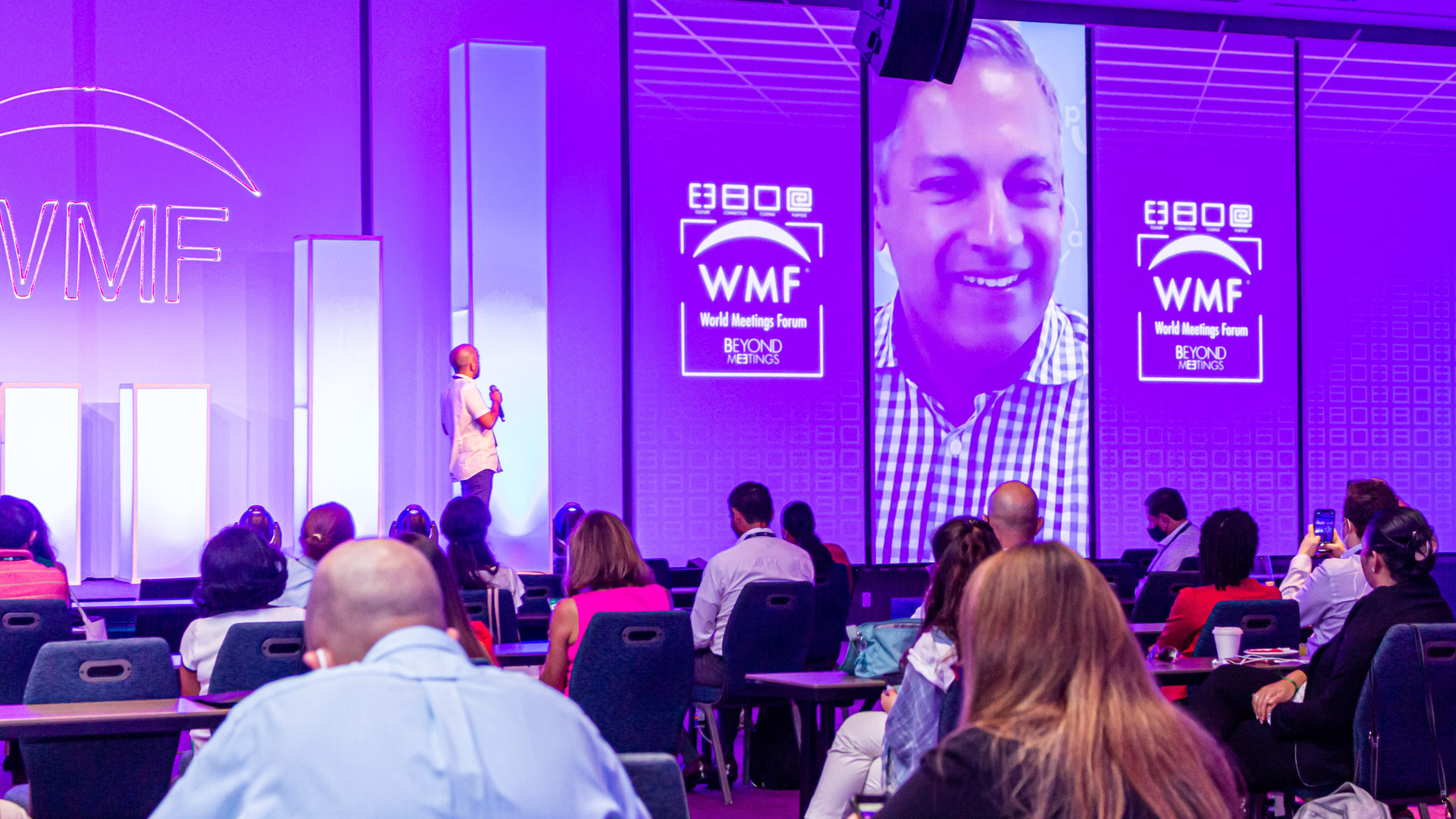
Los Cabos has grown to become popular for meetings and business tourism in Mexico because of the number of world-class facilities housed amid stunning views with an abundance of group activities. A recent increase in its meetings infrastructure has added several new resorts with unique event rooms, restaurants and meeting venues.

The WFA event, which was themed 360 Degrees and Beyond, showed off a number of these venues, including Grand Fiesta Americana Los Cabos, where a Join and Meet Cocktail was staged.

A Collaborative Effort

The event’s success was predicated on the willingness of all parties, organizers, venue and attendees to follow guidelines and best practices. “To achieve the objectives proposed in this plan, your collaboration is essential,” was one of the first rules in the welcome packet. “We thank you for following the recommendations of the WMF team and its strategic allies with responsibility, thinking about everyone’s health. Remember: We take care of you; you take care of us.”

International destination representatives based in Mexico who attended included individuals from Colombia, Peru, France, Dominican Republic and the Czech Republic.
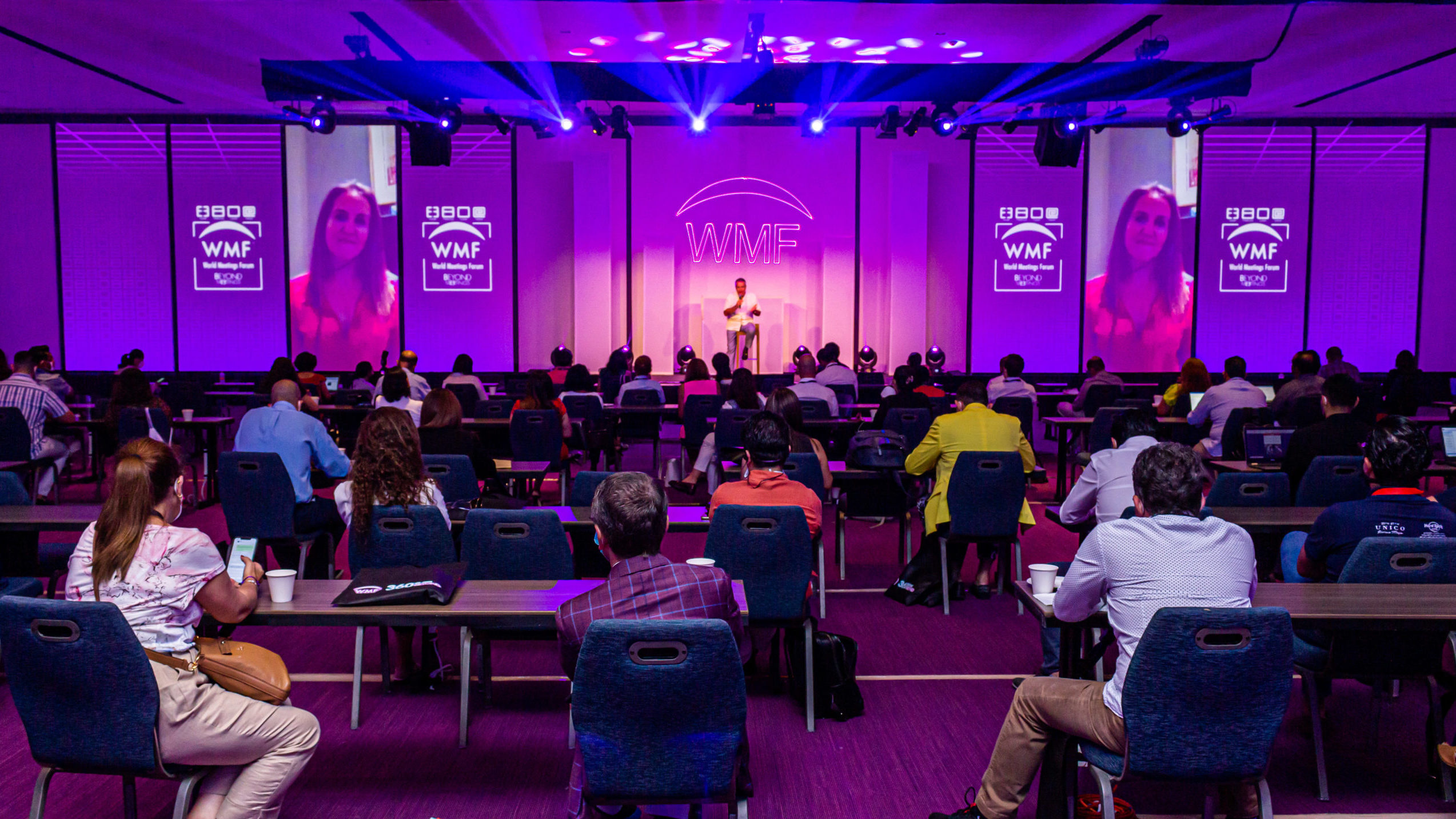
Chaillo described the use of rapid testing, sanitary measures and the presence of health professionals as key to building trust. He also noted the sense of psychological urgency on the part of participants to reconnect, reactivate the industry and take care of each other.

That supportive educational theme was present in the agenda, as well, including a forum on How to Destroy and Build and Survive after the Pandemic as well as a case study of how IMEX Frankfurt went virtual with IMEX Group CEO Carina Bauer and Mexican Council of the Meetings Industry President Jaime Salazar. That session was titled Making Tough Decisions.

“What was consistent during the event was that sense of collaboration between different members of the value chain,” Chaillo said.

Streaming Additions

Of the seven sessions, five included hybrid components by bringing participants in on virtual streams. Out of a total of 16 speakers, seven were connected virtually from different latitudes within Mexico and outside of it, including Bauer and Sherrif Karamat, CEO of PCMA.

Organizers, with the help of Paradisus Los Cabos and Encore/PSAV, designed a program that met all social distancing standards while still being engaging. The format allowed for many types of sessions—one-on-one business meetings, academic sessions, opening and closing ceremonies. Flexibility during the assembling phase was the secret to success.

Three apps—World Meetings Forum App powered by Eventtia, Melia App and Web Switcher App—helped everyone stay connected.

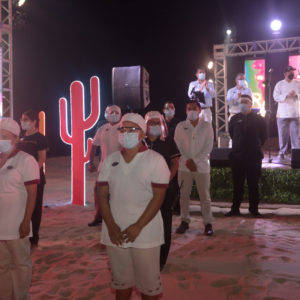
A master of ceremonies underscored the message about the importance of wearing a mask and/or distancing, Chaillo reported. Small details, such as keeping the volume of music low so attendees did not have to get closer or shout to speak, also advanced the cause of safety.

There is no crystal ball to see into the future. If there was, we all would have been prepared for COVID-19. Instead, in a matter of weeks, the global landscape has forever changed. So, how are speakers preparing for the future of meetings and events?

We have been through this before, with SARS, MERS, HIV, and H1N1. However, this is a different animal. A beast that made the meetings and events industry obsolete overnight. Unfortunately, the speaking industry followed suit. So, what now?

Here’s the thing, you are allowed to be sad, frustrated, and confused. What you are not allowed to do is let this difficult situation consume you!

An About-Face Approach

Deborah Gardner

This is a time for the speaking community to take an “about-face” approach to the future of our profession. Reexamine how we connect and serve our clients. Being caught in quarantine is a great opportunity to share what you are doing to invigorate yourself. You may be able to help others spark a new idea or plan.

For example, I have minimized the number of hours of television I watch. I am spending more time outdoors exercising and walking my dog. I’ve grabbed a paintbrush to help with my husband’s house flip project. I have participated in several webinar learning programs. I finally got around to a new habit of writing once a week. And I even created a Stay Safe T-Shirt project in support of the many hospitality professionals that are making masks for health providers in need.

I’ve had plenty of time to work on a major update (which by the way is now live) to my site with Michael Roth at Chulado. Michael expertly guided me through a rebranding effort and took the lead in helping me position myself as a presenter for the hospitality industry.

Repositioning myself has allowed me to discover that feeling vulnerable can actually be motivating and leads to creativity. Then, I wondered, what my speaker friends were doing in quarantine. So, I asked them.

Exploring New Opportunities

Thom Singer, CSP, says, “Each day I make it a point to talk to a smart business person from a variety of industries to brainstorm new ideas. This allows me to help my clients in a new way while offering my “Cool Things Entrepreneurs Do” podcast and a “Virtual Talk Show” with interviews for associations and companies. Also, I reach out to three people every day to make sure they are doing okay. We cannot prejudge who needs to hear from friends, family, coworkers, suppliers, etc.”

Ava Diamond with Ava Diamond International says, “I’m busier now than when I’m actually working.  I am working on a new website, a new video, and a new book.  To accomplish this, I’ve signed up for programs with Jennifer Darling, Heather Lutze of FindablityJane Atkinson, and Chris West of Video NarrativeMarc EnsignChris Widener, and Judy Carter.  I’m an artist, so I’m spending a lot of time in my art studio creating acrylic paintings. Each afternoon, I take my dog Willow around the corner to play fetch.”

Dave Anderson is working on being an encourager. “I’m reaching out to people I’ve lost touch with over the years and to law enforcement agencies around the country who are in the hot spot areas to thank whoever I can talk with. Also, I’m writing a blog series with my 23-year-old son.”

Hospitality trainer and speaker Lynne Wellish wished she had time to take more walks during the beautiful weather outside, clean the house, or read her stack of books, however, she says, “I’m really busy teaching my community college classes while re-strategizing my speaking and training business.”

“I’m most grateful for all the extra quality time that I get to spend with my wife and 10-month old daughter,” says Derrich Phillips with Mentor Select. “Business-wise, I’m finishing up my third book, creating a video series, and finalizing an online course. I think that quarantine is a gift for creators. Staying connected with family and friends via Zoom video calls, especially to play fun games. COVID-19 can’t stop our fun!”

Linda Byars Swindling says, “I created a webpage, Negotiating Tough Times with video interviews, webinars, articles and resources to help my clients and others right now get through this craziness. Although our house is no cleaner, I still sing in our church’s praise band (though virtually), walk outside more, and reaching out to family and friends.”

Wayne Lee of Wayne Lee Enterprises, Inc. is a true entertainer that solely performs on live stages worldwide. “Since it’s obvious the speaking business is different. I’ve decided to include virtual meditation programs in my portfolio. It’s a bit tough for a hypnosis expert that has to show expression and interaction with my audiences but certainly enjoying the challenge. Mostly, I’m taking advantage of spending time with my family. Soon, I’ll be back on the traveling road, so this is a special quality time being at home.”

What it All Means

Sure, COVID-19 kicked our collective butts and we may be stuck in quarantine or shelter in place, for now. But the meetings and events profession will be back. It will be different and it will be better. People will want to go to meetings and events because they are social creatures that crave personal connections. Going forward, companies and organizations will be providing more value than traditional practices. Those companies know that speakers are their most precious resource to help make a meeting or an event a success. Content is king, but collaboration will be emperor in a post-COVID-19 world.

Deborah Gardner, CMP, is a speaker, hospitality and people expert. She is a two-time National Gold Medal Swimming Champion, one of the first female broadcasters on CBS Sports, a veteran of the hospitality industry and Mrs. Arizona 2020. This column was excerpted from her a piece on her web site DeborahGardner.com.

The last six months have been a roller coaster for meeting professionals. In a lively webinar last week, Smart Meetings founder and CEO Marin Bright gathered four Smart Women in Meetings Award winners—Cindy Brewer, principal with LEO Events; Desi Whitney, senior vice president of sourcing operations and industry relations with HPN Global; Stefanie Maragna, vice president of corporate marketing and events with Sage Intacct; and Cheryl Rogers, corporate events manager with Solara Medical Suppliers—who have been buckled in for the ride.

Bright asked how they conquered COVID disruptions and positioned themselves to thrive in the future. Here’s a look back at how we’ve been feeling over the last 180 days.

Relive the Survivor Diaries Conversation Here On-Demand.

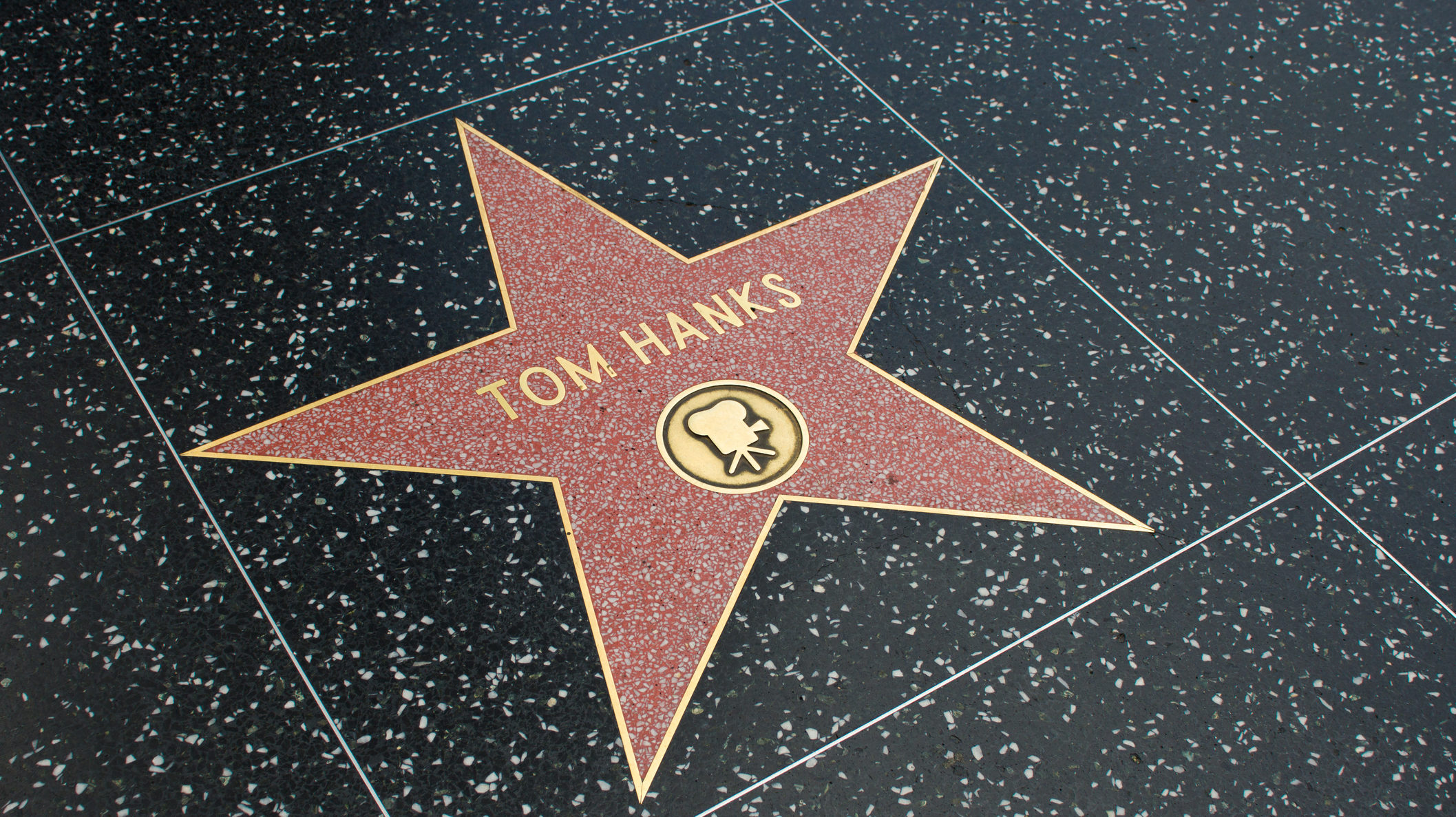
March 12: Tom Hanks was diagnosed with COVID-19. Meeting professionals suddenly realized they may not be leaving the house for a while and would have to cancel events they had been working on for a year, in some cases, all to flatten the coronavirus curve.

For Smart Meetings, the shift to working from home happened in a day. California Governor Gavin Newsom made the decision that within 24 hours everyone in the state would be required to shelter in place. The team quickly learned new processes and communication skills.

Cindy Brewer

“At that point, a fight-or-flight mechanism kicks in. Some probably thought they would have time to catch up on a few books or television shows. Nope,” Marin Bright said. “Instead, we launched a series of products, including Smart U career education and The Smart Connection networking platform. Then we dove into producing virtual events right away.”

Emotional whiplash was a common symptom during those early days. “We were on track for having the best year ever, and we were loading in for a Walmart show the first of March when the cease-and-desist order came in. It was a shock,” said Cindy Brewer of her team at Leo Events.

“We quickly realized that there were many stages of grief, and that out of our 60 employees, everyone was in different stages of processing. As an employer, we had to help pull those people through while dealing with the fact that all our business had just disappeared,” she recalled.

Then the uncertainty kicked in. “We thought it would be three weeks at most,” Marin ventured. “Just a few temporary snow days. We basically left the coffee pot going for when we would get back.”

April 12: After a month with no sign of an end to the quarantine by Easter, it started to dawn on people that the world wasn’t going back to “normal” soon. That was when some realized they needed to get serious.

Cheryl Rogers decided this was the time to take the advice of friends and family who had long suggested she share her adventures while doing site visits and learning about destinations. That is when All About the Experiences: Living Without Limits, her podcast, was born. “It’s been a blessing to be able to spotlight and highlight positivity,” she said.

Cheryl Rogers

Desi Whitney defined her COVID months as a time of “scrambling.” In addition to her role with HPN, she focused on helping meeting professionals by creating a medical contingency plan she made available through her company, Emergency Concierge International. “We had such a lack of resources back in March and April, and we wanted to support planners on site and tell them exactly what to do and how to manage and be a resource,” she said. “We hope it helped save a meeting or two.”

Stefanie Maragna had just come out of a 1,000-person event for Sage Intacct when the stay-at-home order came and quickly had to make a decision about an in-person meeting happening in five days. She transformed it into a virtual event that drew 10 times more registration than projected for a physical meeting. “I think we will keep a virtual component even when we are back to meeting in person, because they enhance our programs,” she predicted.

She spent the following months refining that virtual experience, working with partners and trying to stay positive. “It has been challenging but also innovative, and we have been able to find ways to figure it out.”

Stefanie’s secret weapon? “We didn’t do this alone. It’s amazing how this community is supporting each other with tips and words of wisdom.”

Continue the conversation at The Smart Woman Summit November 10-11. Learn more here.

May: By the third month in, a lot of meeting professionals didn’t even know the day of the week anymore. Mental health became a priority along with physical and economic well-being.

Marin had to learn to let go—not something that comes easily to an entrepreneur. “There was just so much I couldn’t control, which is very challenging for somebody who’s used to being in charge,” she admitted. “I’ve always struggled with the word ‘surrender,’ but at some point, I realized I need to take care of myself with yoga, going for walks, meditating and listening to audio books.”

Desi Whitney

From her Zoom box, Desi described the “Corona Coaster” she felt she was on. “One day you’ve got the sourdough breadmaking going and everything is cooking and the next you’re drinking wine at 10 a.m. and falling apart.”

She explained a feeling that many identified with. “Some days my brain just wouldn’t show up. I would get in front of my computer, but I couldn’t think.”

On top of the disoriented feeling, she realized she was experiencing survivor’s guilt: “How did I get so lucky to be in this position?” She has learned to pick up the phone more now and check on friends. “I have also learned to ask myself, ‘What would I say if a friend were going through this?’ because we tend to be hard on ourselves and berate ourselves in ways we would never do to another person.”

Stefanie was nodding right along from her box on the screen. She has spent the last few months balancing the pivot to virtual and caring for a toddler who is home all day. “There was one point where I thought I was going to have to resign from my job because I couldn’t keep this going. Then I got a call from my boss that said do what you need to do.”

“I realized that some days just had to be more about the kids, because they needed us a lot more, right? And some days were more about work. And that’s OK.”

For Stefanie that often meant spending time with her three-year-old in the morning and sending emails at 10 p.m. or 2 a.m. or whenever she could find the time.

asae diversity

June 4: Now, in addition to a deadly pandemic, the country is in the middle of a civil rights movement. How to deal with grief when we can’t physically come together?

Cheryl lost three close family members during the pandemic and was challenged by the fact that her family couldn’t console each other and be supportive in the way they had in the past. “We felt a need to honor those lives and to give them a proper goodbye,” she said.

It was the same when the kids graduated and celebrations were banned. “We figured out something else with drive-bys and virtual graduations, but it’s still not the same as having that connectivity and that touch,” she shared. “It’s been very difficult dealing with that disconnect.”

Since she can’t hug it out anymore, Cheryl has taken to writing cards and letters and putting them in the mail, the old-fashioned way. “You have to find new ways to connect to people and let them know what they mean to you. Give people their flowers while they’re still here—even if it’s by way of a phone call,” she urged.

Cindy also found that she and her team were in the middle of a lot of grief at once. “For our company, first we had to deal with laying off some people when the work went away, and then in the middle of it the murder of George Floyd happened.” She had to try to help her employees through the hurt while dealing with the fact that she and her husband lost two parents during that time. She focused on what action she could take, partnered with National Civil Rights Museum and created an internal Diversity, Equity and Inclusion committee.

Marin also shared personal challenges that made this time difficult. Her mother was diagnosed with Alzheimer’s and is in an assisted living facility in another town. “I haven’t been able to see her in six months, but I have made friends with the nurse because I call so much.”

July 4: OK, we are officially Zoomed out—even though we are grateful we have the tool to stay connected—and freedom this year means no more zip-up pants. Meeting professionals have learned a lot since that fateful moment in March, including new technologies, new recipes and the importance of staying in touch with friends.

Stefanie Maragna

Desi is learning to declutter her to-do list. “The things taking up space that are not going to happen, I needed to let go,” she said with a flourish of her hands. “Almost everything about my life has changed. I am working remotely after almost 20 years of going into an office, our business looks completely different, my child is going to school at home. I don’t know when any of that will change, and it is all outside of my control. I have to be unattached to the outcome and just focus on breathing and taking everything a little slower.”

Stefanie has been making a conscious effort to send gifts to her staff to let them know she is thinking about them, doing virtual happy hours and supporting them in any way she can. “It’s the little things that really help,” she suggested.

August 12: ASAE’s Virtual Conference drew a staggering 14,000 people. We missed seeing everyone in Las Vegas, but a path forward is materializing.

Cindy was all about doing more with less. “We quickly figured out that our employees have to be generalists and be skilled in several different areas. We have to be nimble.”

She has been hosting regular Canvas Conversations in advance of an October virtual event and helping people get to know and learn from each other in a noncompetitive environment. “It is energizing to see that we’ve got friends all around the United States who are all doing some of the same things that we are, are experiencing the same things that we are.”

Marin Bright

Desi decided to focus on optimism. “Quite frankly, we need to collaborate together and move things forward by creating competent, well-executed meetings.” She encouraged everyone to post about travels and showcase even what competitors are doing so people will be comfortable with gathering again.

Cheryl was completely on board with this approach. “We have got to get back out there, do actual site visits and see what it will look like and show that it is safe. We have to build confidence,” she stressed.

Marin professed her position as a die-hard live events proponent. “We need to sing from the mountain tops that meeting professionals designing a physically distanced event with all safety precautions in place is different than someone throwing a backyard barbecue.” She shared that she is purchasing Plexiglass by the pallet and planning a boutique, outdoor event using technology to warn people when they get too close. “We need to show people how to get back to business safely because the economy depends on it—and my mental health depends on it.”

Last night, some 75 people showed up to George R. Brown Convention Center in Houston. Guests, including Houston Mayor Sylvester Turner, were clad in red, the same color displayed on the outside of the building. On the facade of the convention center, a logo read “Red Alert.”

Along with George R. Brown Convention Center, other buildings in Houston, such as Wortham Theater, Jones Hall for the Performing Arts and Miller Outdoor Theatre, as well as venues and businesses in 58 other cities, more than 1,500 in all, displayed the same Red Alert logo.

Organized by We Make Events, a national coalition of entertainment industry professionals, this effort was a call to Congress to pass the RESTART Act, which was introduced in the U.S. Senate in May and has yet to be passed. This act would offer much-needed economic relief to those working in the live events industry, many of whom—roughly 12 million people—have been idled since March, when COVID-19 shutdowns began. We Make Events says 95 percent of live events have been canceled due to the virus.

This is just one of the event industry’s efforts to help itself and support its members.

Seeded by a $250,000 donation from IMEX Group, Meetings Professionals International (MPI) kicked off “One Million to Meet,” a campaign to raise $1 million by the end of 2020 to accelerate the recovery of the meeting and events industry globally. According to Kevin Kirby, MPI’s executive director, fundraising is already halfway there. MPI itself has donated more than $250,000 through August, benefitting more than 1,200 of its members.

IMEX’s donation will also provide relief to the 11 European MPI chapter for initiatives to sustain education and country-specific programs aimed at re-engaging industry awareness and beginning recovery.

“We see this not only as a donation to MPI, but to the recovery of our global economy, because the guidance and facilitation of their passionate members will pave our way forward,” says Carina Bauer, CEO of IMEX.

Kevin Briggs

Briggs is general manager for The Glenmark, Glendale, A Tribute Portfolio Hotel. Recently, Briggs was general manager for Grafton on Sunset in West Hollywood, California, for eight years. He also held leadership positions at Hotel Palomar in Westwood, California, and Le Montrose Suite Hotel in West Hollywood, California.

Jennifer Wesselhoff, CDME

Wesselhoff will be president and CEO of Park City Chamber of Commerce and Conventions & Visitors Bureau in Utah, following Bill Malone’s retirement in mid-October. She currently works as president and CEO of Sedona Chamber of Commerce & Tourism Bureau in Arizona. Wesselhoff sits on the Arizona Tourism Advisory Council and is a member of the Agricultural Resource Advisory Committee.

James Jessie

Jessie is chief sales officer for Travel Portland in Oregon. In his previous position, he worked as senior vice president of convention sales. Before joining the team in Portland, Jessie was senior vice president of sales and services at Visit Phoenix; he was also national sales manager for Portland Oregon Visitors Association, Travel Portland’s predecessor.

Victorio Gonzalez

Pendry San Diego named Gonzalez general manager. Recently, Gonzales was resort manager of Montage Los Cabos in Mexico. Gonzalez had been with Montage Hotels & Resorts since 2003; before Montage Los Cabos, he was acting general manager for Montage Beverly Hills. Other locations he served include Montage Deer Valley in Park City, Utah, where he was resort manager, and Montage Laguna Beach, where he was director of F&B.

Andrew Heidt and Brandon Fudge

Heidt (left) and Fudge (right)

Heidt and Fudge are director of sales and sports sales manager, respectively, for Boise Convention & Visitors Bureau (CVB).

Heidt joined Boise CVB in 2018 as convention sales manager. Before joining Boise CVB, Heidt work as director of group sales and marketing for Boulder Convention and Visitors Bureau in Colorado.

Fudge joined Boise CVB in June. A recent graduate of Boise State University, he was previously community outreach coordinator for the university.

Meredith Bottenfield and Lisa Hemphill

Hemphill (left) and Bottonfield (right)

Bottenfield and Hemphill are general manager and director of sales and marketing, respectively, for Delta Hotels Virginia Beach Bayfront Suites in Virginia.

Before joining Delta Hotels, Bottenfield was general manager for Hyatt House Virginia Beach/Oceanfront. She’s also worked as general manager for Commonwealth Lodging Management, LLC, and Crestline Hotels & Resorts.

Hemphill has held managerial positions for Hyatt Hotels, Remington Hotels, Crestline Hotels & Resorts, Coastal Hospitality Associates and Kimpton Hotels & Restaurants. Most recently, she worked at The Kimpton Brice Hotel in Savannah, Georgia, as director of sales and marketing.

Christian Lueke

Lueke is director of sales and marketing for Melia Koh Samui and Melia Chiang Mai in Thailand. Lueke recently worked as regional director of sales for Southeast Asia with Minor Hotels & Resorts. Before this, he was a Bangkok-based director of sales and marketing for Hyatt Hotels, during which he oversaw Park Hyatt Siem Reap in Cambodia, Hyatt Regency Phuket in Thailand and Park Hyatt Maldives Hadahaa.

Meeting professionals are focusing on minimizing the spread of COVID-19 either by rebooking meetings or putting physical distancing measures in place at the events they are attending—both of which can be distracting. That makes this a good a time to revisit the overall topic of concentration.

So, what is it, exactly? Concentration is the ability to focus attention voluntarily, to ignore irrelevant stimuli, and to fix power and effort to a single goal. Concentration is a time management tool that you can increase through practice. It will increase your productivity at work and at home, as well.

More10 Daily Habits to Increase Productivity

Take Control Starting Now

When working in the era of uncertainty meeting professionals face today, if you’re looking for reasons not to get a task done or not to concentrate on a task, plenty exist. Distractions abound. In fact, anything can become a distraction to your concentration if you allow it to interfere. Distractions dissipate your energy level and reduce your productivity with a resulting increase in your level of stress. To increase your power of concentration, eliminate outside distractions!

MoreFree Meditation Apps for Event Planners on the Go

You’re in charge, not those who otherwise fritter away your time. Taking control of your environment increases your confidence and enhances your productivity.

One meeting manager was so bothered with constant phone calls that she recorded a voice mail message telling callers that she’d handle return calls between 3 and 5 P.M. This was the time of day that she felt least able to concentrate on planning and oversight duties, and most comfortable talking to people.

Her powers of concentration and productivity rose dramatically over three weeks. Many callers readjusted their schedules to accommodate hers. As long as you have some time each day set aside for answering telephone calls, you’ll be working at optimal efficiency.

A key advantage to answering telephone calls later is that you have time to arrange the information you might need for the call. Have the appropriate folder on your desk or the right file on screen when you return a call.

Plan Ahead

Surely, stretches occur throughout the day and week where it’s not mandatory for you to be on the phone. If most of your messages originate from a central source, such as an executive assistant, instruct that person as to when it’s okay for you to be contacted and when it’s best to send messages later. You can use a leveling system for messages such as:

Level 1 Contact me now
Level 2 Contact within X hours
Level 3 Contact me sometime today
Level 4 No need to contact me at all

To make this system work, decide in advance precisely what constitutes Level 1 so that Level 1 summoning of you is, indeed, rare. These would be dire emergencies where your input is absolutely essential.

Then enjoy the gift of concentrated focus that controlled environment gives you to actually get important project checked off your list.

Jeff Davidson is “The Work-Life Balance Expert®” and a thought leader on work-life balance issues. He is the author of 65 books, including Breathing Space, Dial it Down, Live it Up, Simpler Living, 60 Second Innovator and 60 Second Organizer.