If you are of a certain age, the words that spring to mind at mention of Inglenook are…jug wine. (For those too young to relate, think of that as wine in a growler.) Just out of college, it was my go-to for something cheap and red to drink with spaghetti and red sauce (notice I do not say “pasta,” which entered our everyday lexicon only later; in some parts of the country, “noodles” was the operative term).
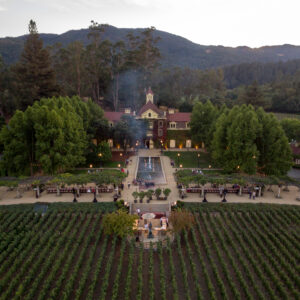
Inglenook, the largest wine estate in Napa Valley’s Rutherford, still makes red. And white. Things have changed, though. The winemaker since 2011 has been Philippe Bascaules. He’s also the winemaker at Chateau Margaux, near Bordeaux, one of the most hallowed names in French wines.

And to confound my youthful memory even further, Bascaules was seduced into coming to Inglenook after wiping the detritus of decades from cellared Inglenook bottles of the 1950s, decanting and tasting what the estate had once produced. Not jug wine—fine, fine wine. Wine that could compare to the best of France’s.

Enter Francis Ford Coppola, stage right.

The illustrious film maker (the Godfather trilogy, Apocalypse Now) purchased a historic home on the estate, plus surrounding vineyards and  ceased production of the cheap jug wines that a series of corporate owners had begun in 1964.

And being the storyteller he is, he knew a good story when he heard one.

See alsoIntoxicating New Spaces in Napa and Sonoma

Inglenook had been founded in 1879 by a Finnish sea captain, Gustave Niebaum, who saw Napa’s potential and had a fortune in Alaskan fur hides and seal skins to finance his dream—to make wines as good as any European chateau. In 1887 he cut the ribbon on a magnificent, state-of-the-art chateau winery. And by all accounts he succeeded. In 1889 he won a silver medal at the Paris Exposition Universelle and a First Award of Merit at the Australian Exposition. In 1915, Inglenook wines won 19 gold medals at San Francisco’s Panama-Pacific International Exposition.
His great-nephew, John Daniel Jr., continued that tradition. In 1954, Wine Spectator put Inglenook on its cover, with the headline, “California’s Greatest Cabernet.” Thus the dusty bottles in the cellar that won the heart of Bascaules.

Coppola and his wife, Eleanor, declares Inglenook’s website, vowed: “No matter how long it takes… to restore Inglenook’s esteemed reputation.”

This encompasses not only the wines, but also the grandeur of the historic winery. There’s nothing in California wine country quite like it.

The Coppolas lovingly renovated the chateau after nearly 40 years of inactivity, adding lavish touches worthy of a film epic like stained-glass windows and a handcrafted staircase that took artisans years to complete, using salvaged tropical wood from a resort property they own in Guatemala. In 2002 the first vintage was made in the newly refurbished winemaking facilities.
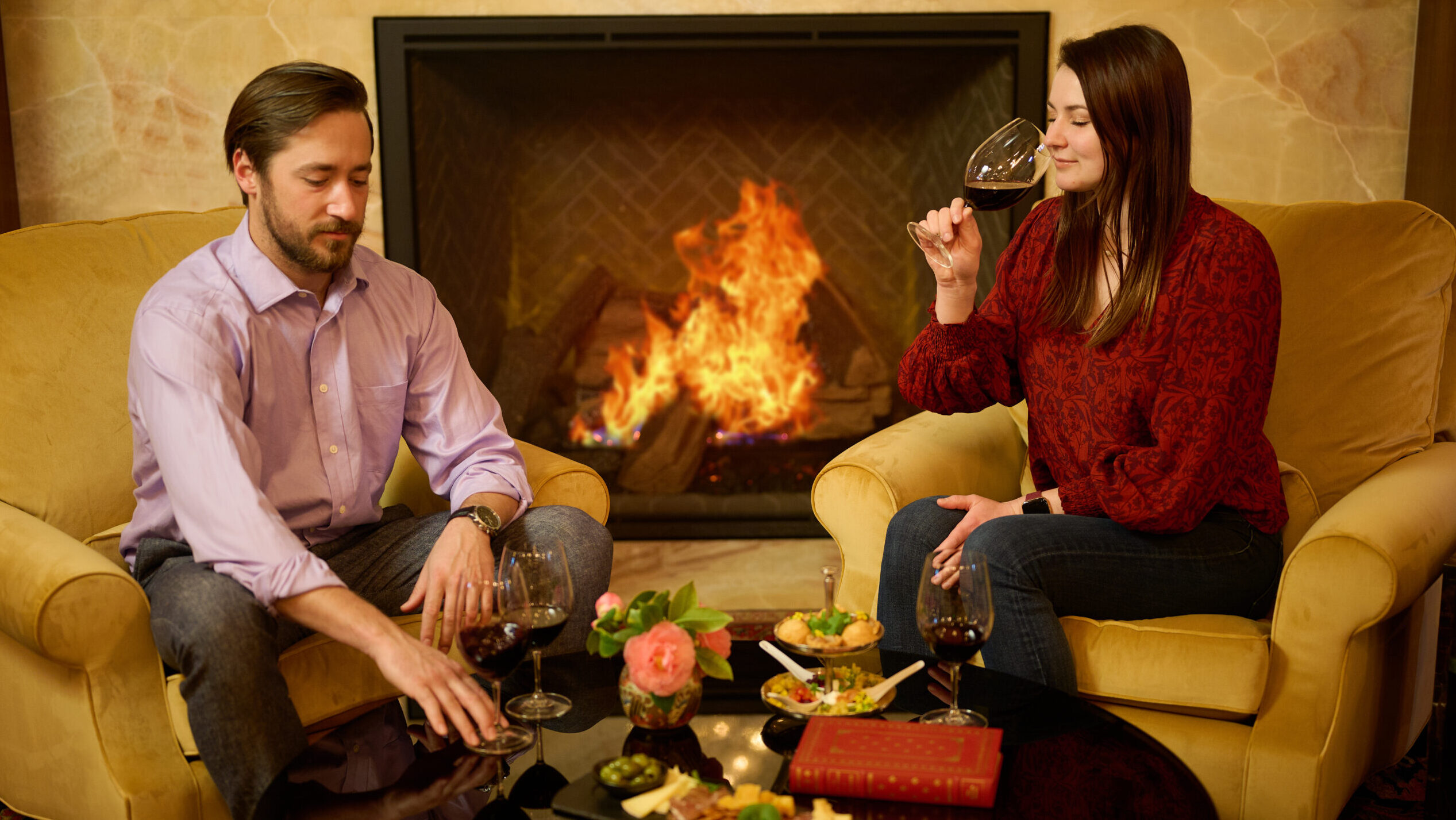
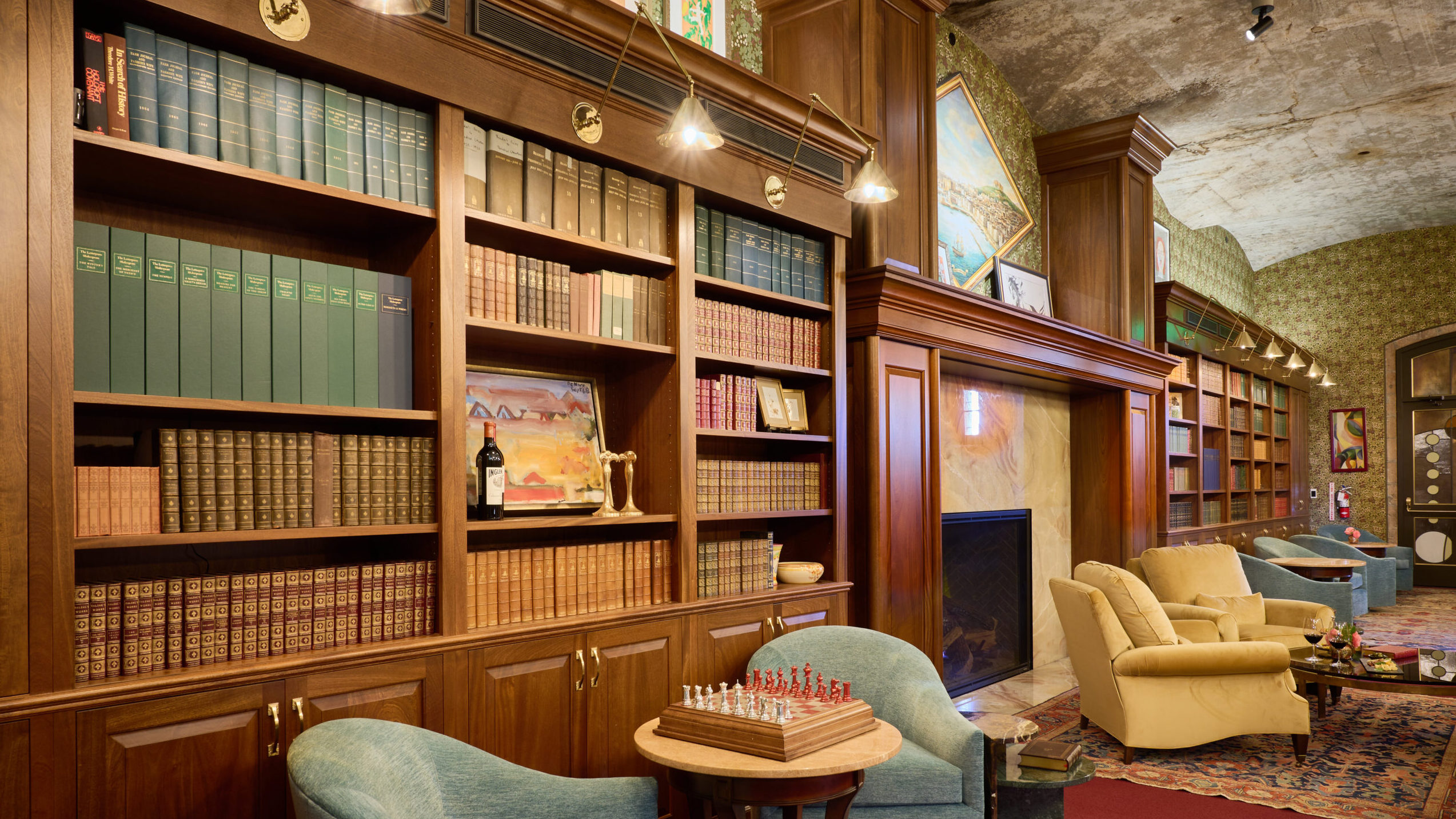
The restoration continues. This year, The Pennino Salon, reminiscent of a private club in the 1920s and named after Coppola’s maternal grandfather, will be open for indoor wine tastings as conditions allow—and for group events. Work was supervised by Dean Tavoularis, the production designer on many of Coppola’s films. The room clad in warm wood paneling has works of art by film director Akira Kurosawa, Robert De Niro Sr. and Coppola himself. There’s a grand fireplace, plush seating, plus a craps table once owned by Countess di Frasso, a legendary hostess of Hollywood’s Golden Age.

Elsewhere in the chateau, other Coppola touches include exhibits about viniculture and moviemaking, including one of the few remaining Tucker automobiles from the Coppola movie of the same name. (Much more of his own movie memorabilia can be seen at Francis Ford Coppola Winery in Sonoma’s Geyserville.)

Other group venues: South Barrel Room, which can host up to 250 amid turn-of-the-century 1,000-gallon casks; Great Hall, with its barrel-vaulted ceiling, for 100-150 attendees; and Infinity Caves, where today’s Inglenook vintages are aged, which can handle from 10 to 400 guests. Outdoor spaces include a dramatic grand courtyard with a reflecting pool and fountain (for receptions of up to 1,500) and the Chateau Terrace (200 reception-style).

Experiences include tours of the chateau, the Infinity caves, the vineyards, barrel tastings and culinary offerings by Winery Chef Alex Lovick, who pairs the estate’s wines with the seasonal, organic bounty of the expansive estate farm and orchards.
Leave it to the one and only Julia Child to tell it like it should be. “Wine,” she said, “is meant to be enjoyed with food—that’s the point of it.” Napa Valley

In California’s Napa Valley, sampling wines at vineyards has long been accompanied by a prepared foods cold case amid the logowear, corkscrews, and other wine-related merchandise for purchase in the tasting room. But it’s mostly been picnic fare—perfect for enjoying with a newly purchased bottle on the grounds of the wine estate.

Yet more Napa wineries are heeding Julia’s mandate by offering small-plate creations that make perfect pairings with the local grape. In-house and consulting chefs also work with planners for private tastings, wine dining experiences, receptions and corporate retreats.

Here are outstanding examples.

B Cellars in Napa declares that central to its purpose is “maintaining equilibrium between guest engagement through curated, highly personalized wine and food pairing.” Its Vineyard Trek begins with a tour of the estate’s gardens and grounds led by a “wine guide,” a barrel tasting, followed by a seated wine pairing with seasonal “B Bites.” Terroir Tasting offers cheese and charcuterie. Five event spaces can accommodate gatherings of 10-100 persons.

Brasswood on Silverado Trail in St. Helena even has its own restaurant, with high-quality produce grown alongside its grapes. There’s a bar and bakery, as well. A lunch pairing offers the winery’s boutique, ultra-premium wines with seasonal dishes. The restaurant menu can be catered for group gatherings, from picnics to private luncheons and dinners.

Davies Vineyards in St. Helena does not have its own chef, but it pairs specially selected cheeses with its award-winning Schramsberg sparkling wines and red wines. It also does a bubbles and caviar brunch.

Domaine Carneros, another much-lauded sparkling and pinot noir producer, has long offered caviar, smoked salmon, cheese and charcuterie pairings at its majestic hilltop chateau. (In the Carneros region and not in the valley, it has a Napa address.) It offers an array of private event spaces, inside the chateau and on the manicured grounds.

Inglenook Winery in Rutherford, owned by film maker Francis Ford Coppola, has an estate chef who oversees all culinary events on the property, directs wine and food education and tends two chef’s gardens. The 19th-century winery chateau has several impressive group spaces.

Joseph Phelps Vineyards in St. Helena has a variety of wine and food experiences from its winery chef. Bountiful Table lasts three hours, a “wine and food journey” on its Redwood Terrace. A seated private tasting in one of the indoor rooms or outdoor tables can be led by one of the “wine educators.”

Long Meadow Ranch in St. Helena offers small bites using ingredients from its own organic farm. A wine and food pairing with five different wines features creations prepared at Long Meadow’s nearby restaurant, Farmstead. From team building to board meetings, Farmstead has multiple spaces, indoors and out.

Piazza Del Dotto Winery & Caves in Napa offers a Delicacies experience in which a French Laundry-trained chef pairs five pours of wine with satisfying plates like a Maine lobster roll on a handmade toasted brioche bun and a Snake River Farms Wagyu slider with black truffle.

Pine Ridge Vineyards in Napa offers a Savor Pine Ridge experience that pairs its cabernet sauvignons with savory small plates like smoked duck biscuit with fig jam and a salty pork rillette on walnut toast topped with sweet-and-sour prunes. Private event settings include a terrace, the estate garden, vineyards, cabernet caves and Cellar 47, an underground aging cave.

The Prisoner Wine Company in St. Helena offers “a trio of culinary pairings.” The Makery Food & Wine Experience (temporarily unavailable) is “a celebration of craft and community, bringing together diverse groups of artisans, designers and creators with a collaborative spirit for creating. The result? A private, immersive wine tasting experience unlike any other, celebrating wine and food pairings through discovery of the local maker community.”

Robert Sinskey Vineyards on Silverado Trail in Napa has a long history of special food and wine pairings. The five-course Chef’s Table experience follows a winery and garden tour. Chef Maria Helm Sinskey (wife of proprietor Robert Sinskey) focuses on produce from the winery garden and the estate’s pasture-raised lamb. A wine experience with organic bites from the garden is also available.

Round Pond Estate in Rutherford has an artisan tasting of estate wines accompanied by an artisanal gourmet board from the estate chef. Il Pranzo begins with a garden and olive grove tour followed by a curated four-course food and wine pairing featuring seasonal ingredients from the garden. Twilight Dinner starts with a wine reception and passed hors d’oeuvres, followed by a dinner paired with estate wines. Expansive views of the vineyard and Mayacamas mountains at no extra charge.

Sequoia Grove in Napa has a charcuterie and cheese plate to pair with its wines. A new pop-up experience, Tasting on the Terrace, begins with a walk through the demonstration vineyard, followed by a multicourse food and wine pairing on a private terrace prepared by the award-winning winery chef.

Robert Mondavi Winery in Oakville pairs its fume blanc wine with imported Siberian caviar. A Vineyard to Table lunch by the winery’s executive chef pairs fresh seasonal cuisine with three award-winning wines—on tables overlooking the winery and culinary gardens.

The Banneker, Washington, D.C.

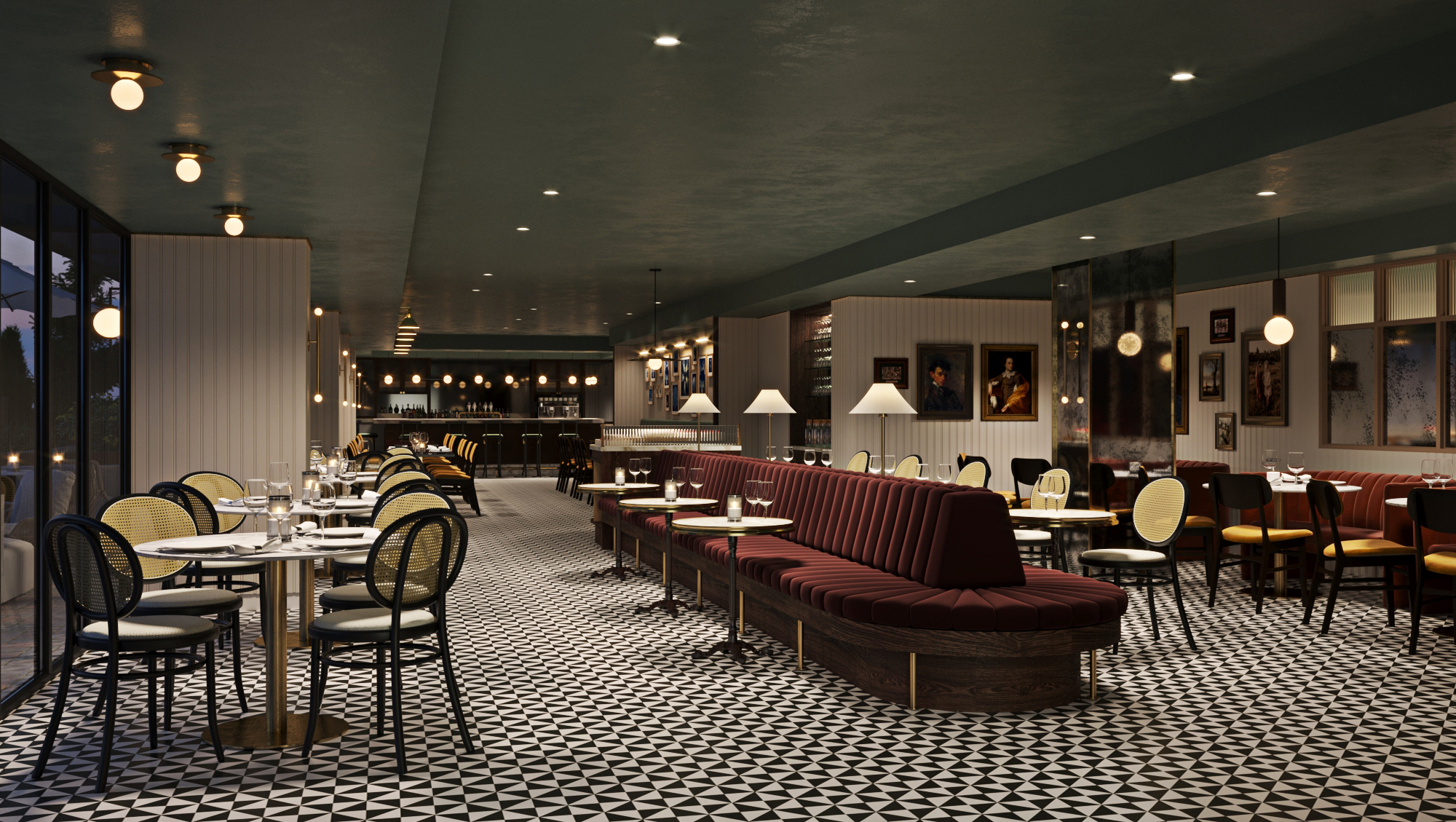
Opening in May, the brand-new Kimpton property offers 144 guest rooms with five distinct meeting areas, totaling 3,800 sq. ft. of indoor and open-air event space. Wedged between Dupont and Logan Circles, the hotel’s rooftop bar, Lady Bird, shows off capitol landmarks (including the White House) for a historical backdrop. Casually swanky on-site restaurant Le Sel dishes up contemporary French cuisine with plush velvet booths and decor influenced by Parisian bistros.

The Eddy Taproom and Hotel, Golden, Colorado

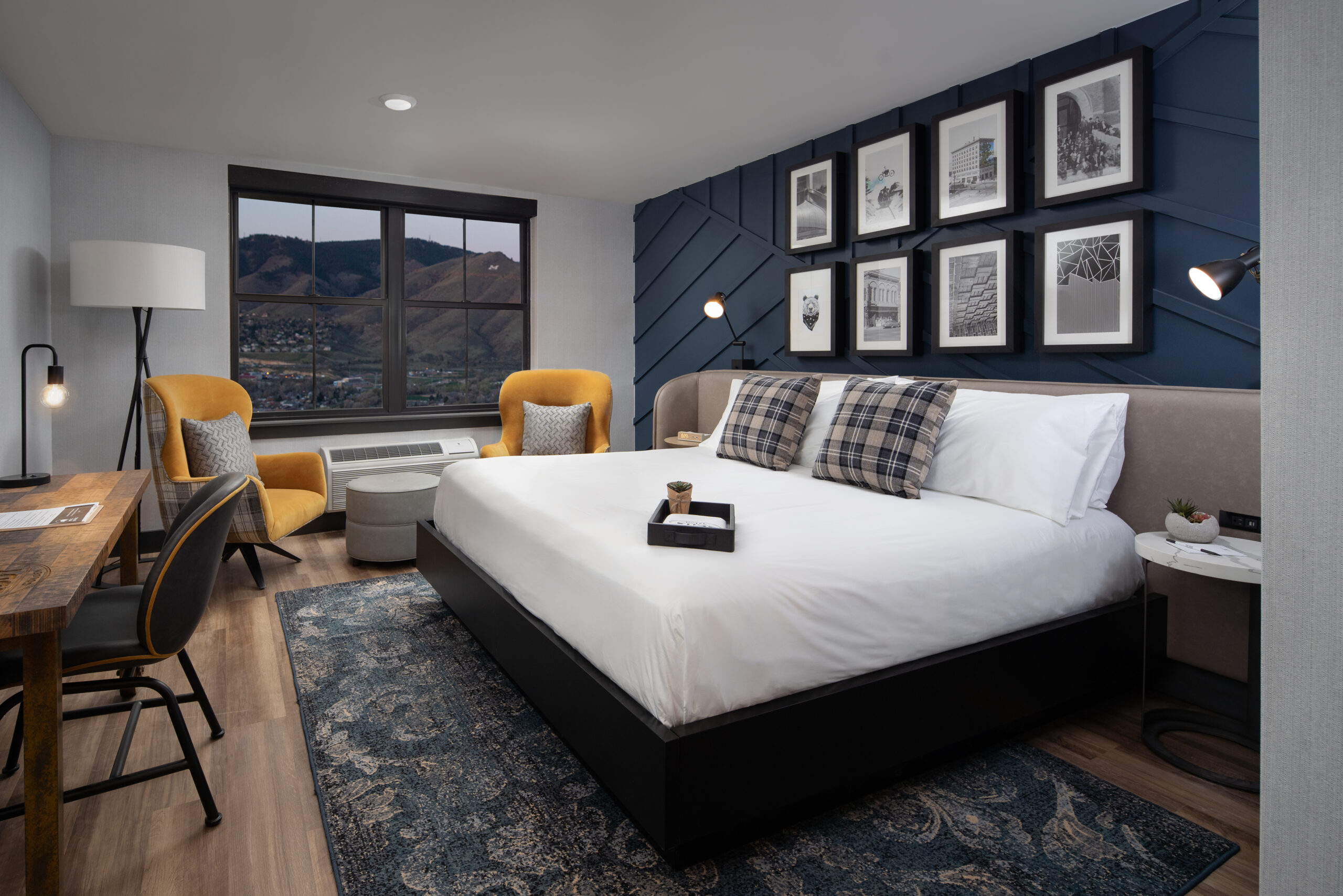
Named after “eddies”—rest stops along the river for kayakers and rafters—the 49-room boutique hotel will emulate its namesake as a restful stop with an adventuresome spirit. Located at the 19th-century site of Golden Fire Brick Company, interiors will echo history with a mix of vintage and modern elements. A range of bespoke, curated outdoor experiences runs from mountain biking or paragliding to a private helicopter tour. The four-story property is set for intimate affairs with small but flexible event spaces.

Hilton Santa Monica Hotel and Suites, California

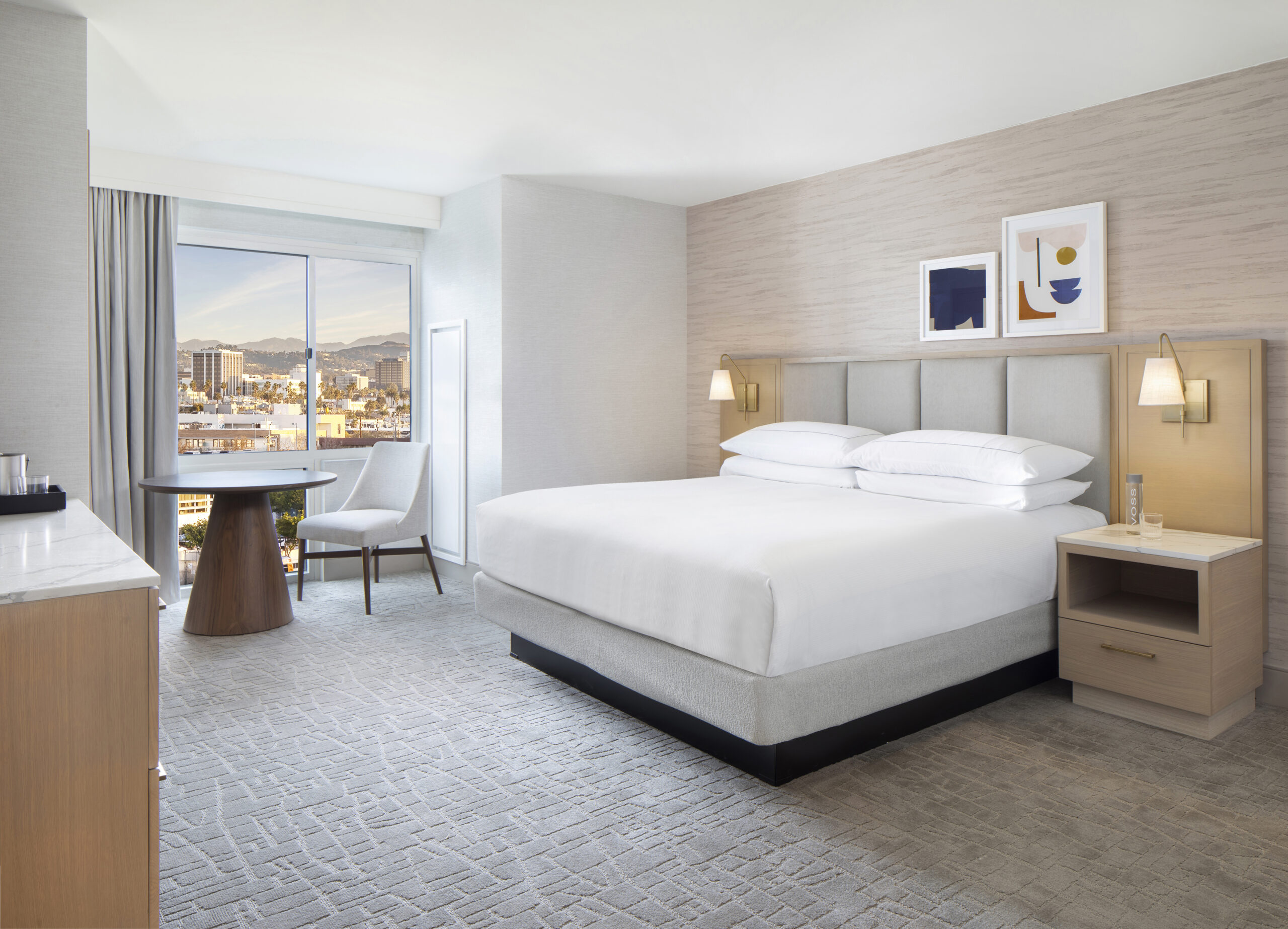
The recently opened Hilton hotel is walking distance from the city’s famous pier, Third Street Promenade and the metro that runs to downtown L.A. Of its 286 guest rooms 211 are suites, offering a choice of seven unique layouts that all feature a cool oceanic palette and modular furniture for fully flexible setups. Ceiling skylights and a biophilic wall energize the grand lobby, which serves as the hotel’s hub of activity and includes a coworking tech lounge. The property has 10,000 sq. ft. of meeting space, a 24-hour fitness center and chef-driven on-site dining.

The Opus, Westchester, New York

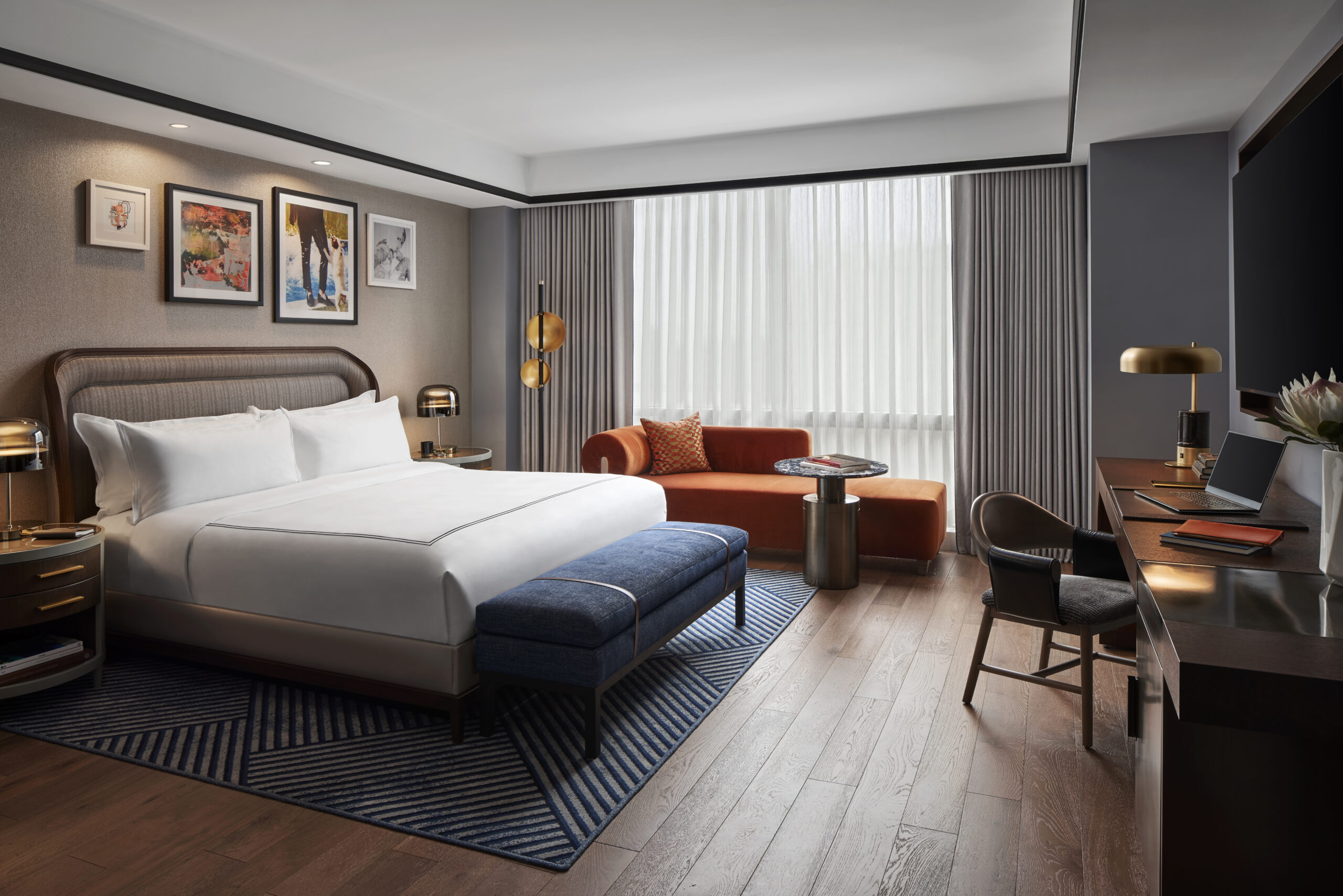
This Autograph Collection hotel is located just 35 minutes from Manhattan, with 146 residential-style guest rooms and 38 luxury suites. Styled as an “Art Lover’s Retreat,” decor pulls from different styles and eras to emulate an art collection built over time. Event space totaling 10,000 sq. ft. includes a grand ballroom and a main prefunction area with floor-to-ceiling skyline views. Fine dining at 42nd-floor rooftop restaurant Kanopi delivers a farm-to-table experience with Portuguese influence expressed through the flavors of the Hudson Valley.

Marc Anderson

Visit San Antonio named Anderson president and CEO, effective June 1. Anderson comes from Choose Chicago and McCormick Place, where he was chief operating officer. Before Choose Chicago, Anderson was regional director of marketing for The Peninsula Hotels. Anderson serves on the board of directors for United States Travel Association (USTA), is an executive committee member of Meetings Mean Business Coalition, co-chair of USTA CEO Roundtable and is a member on Destination International’s Equity, Diversity and Inclusion Committee.

Karen Totaro, CVE

Totaro is general manager for TCF Center in Detroit. Totaro was previously chief operating officer for San Diego Convention Center Corporation. Before this, Totaro worked as general manager at Atlantic City Convention Center, assistant general manager for Duke Energy Convention Center in Cincinnati and assistant executive director at Oregon Convention Center in Portland.

Darryl Diamond, CMP

Talley Management Group (TMG), Inc., has named Diamond senior meeting manager. Before joining TMG, Diamond worked as medical meetings project manager for MedStar Health in Washington, D.C. He’s also owner of and worked as CEO for Big White Dog Events in Washington, D.C. Diamond holds a certificate in virtual event and meeting management and is a member of MPI, PCMA, Association of Molecular Pathology (AMP) and Senior Planner Industry Network (SPIN).

Doug Bennett, CASE

Bennett has been promoted to executive vice president for Louisville Tourism in Kentucky, effective July 1; Bennett was formerly senior vice president of convention development. Before joining Louisville Tourism, Bennett was director of sales for Global Experience Specialists. He also worked as vice president of sales and services for Indianapolis Convention & Visitors Association.

Elizabeth Burks

The Westin Riverfront Resort & Spa Avon, Vail Valley, in Colorado named Burks catering sales and events manager. Burks recently worked as events manager for Four Seasons Resort & Residences Vail in Colorado. Burks has also held conference service positions at Four Seasons Hotel Atlanta, The St. Regis Atlanta, The Westin Peachtree Plaza Atlanta, W Atlanta—Downtown and Crowne Plaza Atlanta Airport.

Ellen LaMaire

The Eliza Jane in New Orleans appointed LeMaire general manager. Most recently, LaMaire worked as opening general manager for Nopsi Hotel in New Orleans. Before this, LaMaire was general manager for The Lodge and Spa at Cordillera in Edwards, Colorado. She has also held management positions for Interstate Hotels & Resorts, Kessler Collection, Loews Hotels and Four Seasons Hotels and Resorts.

Jessica Sanchez

The St. Regis Bal Harbour in Miami Beach named Sanchez director of spa of its Remede Spa. This follows her position as assistant spa director for The Ritz-Carlton Coconut Grove in Miami. During her tenure at Coconut Grove, Sanchez was awarded 2018 Leader of the Year, 2017 Greater Miami and the Beaches Hotel Association Inn Key—Spa Hospitality Leadership Award and 2016 Five Star Employee of the Year.

On May 26, Hong Kong Special Administrative Region and Singapore will begin designated flights under their bilateral air travel bubble (ATB). The bubble was planned for last November but was postponed due to a surge in Covid-19 infections.

“With gradual stabilization of the fourth wave of the epidemic in Hong Kong, we have been engaging in active discussions with Singapore on the relaunch of the ATB,” says Edward Yau, secretary of commerce and economic development of Hong Kong. “The two governments have reached consensus on the latest arrangement and will put in place more stringent public health protocols in response to the latest epidemic development. Our goal remains striking a right balance between public health and travel convenience so that the public will rest assured while maintaining certainty.”

The two governments will impose more stringent laws following the original arrangement.

  • ATB travelers should have no history traveling to places other than Singapore or Hong Kong 14 days prior to departure.
  • The ATB will be suspended for two weeks if the seven-day average (7DA) of unrelated Covid cases exceed five.
  • Travelers departing from Singapore to Hong Kong are required to use Hong Kong’s LeaveHomeSafe application, and relevant records must be retained for 31 days after departing Hong Kong.

As encouragement to Hong Kong citizens to get vaccinated, those traveling under the ATB can only take designated flights to Singapore at least 14 days after having two doses of the Covid-19 vaccine. ATB travelers must have tested negative for Covid both before departure and upon arrival. With compliance with these requirements, travelers will be free from any further travel restrictions and quarantining.

“Relaunching the air travel bubble with Singapore is the first step in Hong Kong’s resumption of international travel and a milestone for preparing the city for gradually welcoming more visitors back. We expect that travelers at the early stage of the launch of the ATB are those who travel for family visits or other essential reasons, and leisure travelers will return successively,” says YK Pant, chairman of Hong Kong Tourism Board.

So, how are you feeling about virtual event networking about now? Not so good, according to Virtual Attendee Experience Report from event software company Bizzabo.

A survey of 700 attendees and data from 967 events over a 12-month period found that the fun factor of online events is definitely waning: There was a 26 percent increase in respondents saying the last virtual event they attended wasn’t fun.

Online networking can be convenient, but it does lack the potential for serendipity that in-person events foster. The survey showed a sharp spike (20 percent increase) in attendees failing to network as expected; and spontaneous conversations in virtual events have proved to be a struggle, with 13 percent of respondents saying they initiated fewer natural conversations.

This decrease translates to fewer networking connections, the survey finds. Online attendees did not meet the types of people they were hoping to meet 17 percent more often than in-person attendees.

When online, what attendees are looking for changes—they’re seeking more education and less networking. Researchers found that 51 percent weren’t interested in networking during online events, compared to 23 percent of in-person attendees. Almost half of online attendees say learning is their goal, compared to 32.3 percent of in-person attendees.

Despite this, online attendees reported actually learning less than expected versus their in-person counterparts, 32.3 and 52.9 percent, respectively.

Although more people attend online events than in-person—almost half of respondents attended 1-2 in-person events but more than 10 online events between September 2019 and 2020—there’s also a lack of commitment when it comes to attending virtual events. Why? Because they require so little effort and tend to be cheaper, if not free; check-in rates are even lower (21 percent) when the event is free.

Universal Attendee Personas

Through data analysis and surveys, researchers at Bizzabo discovered patterns in behavior from attendees, resulting in six different personas, so planners can further deepen their understanding of their attendees.

Solo Learners

They make up the largest proportion (32 percent) of online attendees. They are focused on learning when attending online events and do their best to avoid social disruptions. They register for multiple free or inexpensive events every week, sometimes two events a day. Virtual events are a positive for the solo learner.

Mandated Learners

This persona accounts for 25 percent of virtual attendees. The mandated learners’ employers require them to attend events for professional development. They find the social aspect of events enjoyable but have a harder time making connections online; they also are motivated to attend events to gain knowledge but find it harder to learn online.

Radical Networkers

Making up 18 percent of virtual attendees, they network as if that’s their job. To this type of networker, the social aspect of the event is most important and is the primary motivation for attending. Online events aren’t their strong suit, and they find spontaneity harder to spark online.

Strategic Networkers

The strategic networker makes up 10 percent of online attendees. Learning at virtual events is a nonfactor, as their focus is creating productive business connections and finding leads. Similar to radical networkers, they also have concerns about making enough connections at virtual events.

Internal Socializers

Eight percent of virtual attendees are motivated by socializing and having fun with friends and colleagues. They typically don’t engage in sessions and spend much of their time engaging with people. They have discovered that online events have helped them become better learners.

Experience Seekers

This type makes up the smallest percentage (7 percent). They attend for the good times, gifts and giveaways. They enjoy in-person events mostly for the travel, dinners and having fun with colleagues. Though distraction is more of an issue online, they find networking easier, especially if there are built-in activities.

As we move into pandemic recovery, virtual and hybrid events will remain top of mind for many marketing teams, with 92 percent of companies planning to host a digital event, conference or meet-up at some point in the year. Yet, despite the high potential for virtual events due to cost savings and ease of access, there is a considerable challenge ahead for event organizers to deliver a truly valuable experience by replicating the networking opportunities for attendees that exist during live events.

A few possibilities for virtual event planners to provide networking opportunities for attendees include:

  • Live chat tools alongside a session (part of the platform), where attendees can ask questions to the presenter and engage with each other
  • Dedicated messaging channels on third-party sites/services (Slack, etc.), which can include channels for each conference track
  • Open video conference rooms before or after the event for attendees to hang out
  • Hashtags across social media platforms for cohesion and to aggregate conversations

How to Spread the Word

It doesn’t matter which networking options you choose to offer at your virtual event if your attendees don’t use them. It’s important to frequently communicate and promote these areas for engagement both in advance of and during the conference.

If you abide by the rule of 7, which asserts that a person has to see or hear a message seven times before it sticks, your team should promote networking opportunities whenever possible and through a number of channels to increase the likelihood of attendees finding them.

Seven key tactics event marketers can use to promote virtual networking opportunities include:

  1. Conference website: Even when prospective attendees are first exploring your conference agenda and speaker list, you want to make the networking opportunities clear on your event site. We recommend creating a dedicated page to explain how attendees can network, the associated channel(s) they can access and which hashtag(s) they should follow.
  2. Pre-event emails: Include a section in all of your pre-event communications that details how attendees can network with one another. Link to any relevant group pages or sites available to facilitate conversations, and also share which event hashtag attendees should use across platforms.
  3. Event sessions: At the end of your conference sessions, have the speakers explain how attendees can connect with them and promote any related conference networking opportunities. Provide this as a sample message template to all speakers.
  4. Event transitions: At the end of sessions and during breaks, display a transition slide that explains what session is next, where attendees need to go, what time, and how they can connect with their peers. This is just as valuable during a virtual event as it is during those held in-person as it helps attendees optimize their time.
  5. Event branding/visuals: Digital event platforms have several areas to customize to match your branding. If possible, include the event hashtag in a visible spot on your event platform, and promote any sites or pages that attendees should visit for more information.
  6. Social media: Promote the event across your social media channels, including reminders of which sessions are upcoming, where attendees can access critical resources, and highlights from the sessions. You should pre-schedule general promotion tweets and have one or two team members (depending on your event and team size) available during the conference to keep posting content and monitoring for questions. Additionally, provide conference speakers with a few pre-approved posts that they can easily share to promote the event’s various networking opportunities.
  7. Press and media attendee lists: Certain types of industry events attract trade reporters as it provides them a good opportunity to cover announcements, news and meet with company executives and other attendees. By providing a press attendee list to registered attendees, you enable better networking and meet-and-greet opportunities both during the virtual event or for follow ups afterwards.

With the right communication strategies, event planners and marketers can bridge the gap between physical and virtual events to provide meaningful networking opportunities for event attendees. Providing and promoting viable ways for attendees to engage with one another will delight your attendees, drive new business leads for your team, build your online communities and position your brand as a leader in digital event experiences for years to come.

Adam Riggs is CEO of Frameable and Social Hour. He was the first president and CFO of Shutterstock from 2005 to 2010. Prior to Frameable, Adam was a Presidential Innovation Fellow at the Treasury Dept. and a subject matter expert at the State Dept. on a variety of open data and knowledge management challenges.

Crowd control is going to be on meeting planners’ minds in the first few months of the post-pandemic era, and there’s no better model for how to herd the hordes than the Walt Disney Company. Disney’s global theme parks welcomed just shy of 156 million guests in 2019, according to the TEA/AECOM Theme Index and Museum Index—nearly twice the number of international travelers who came to the United States during the same year.

While Covid may have put a pause on the magic in early 2020, Disney’s Florida parks and resorts have been open since last July, operating at reduced capacity and with a variety of adaptations to reduce crowds. Reservations are now required to attend the parks. Socially distanced lines snake throughout the park, with “cast members” managing traffic and jumping in quickly to correct guests not wearing their masks properly. QR codes, RFID-based “MagicBands,” mobile ordering apps, and other digital technologies help reduce social contact. Disney has even ditched traditions like the opening “rope drop” (when crowds cluster at the front gate), and the parks’ popular parades have been replaced with “cavalcades,” in which costumed characters make brief, surprise appearances around the parks to reduce crowds from clustering.
Meanwhile, Disney’s meetings business has been up and running since the parks opened, albeit on a reduced scale. The company’s meeting team has been running hybrid meetings (with remote and in-person attendees); they can send “Disney at Home” packages to remote guests and run online trivia games during meetings to keep everyone tapped in to the magic. Meetings and events can be brought to life with presenters from Disney-owned properties like National Geographic or Disney Institute, which provides training in the management practices that have made “The Mouse” so successful.

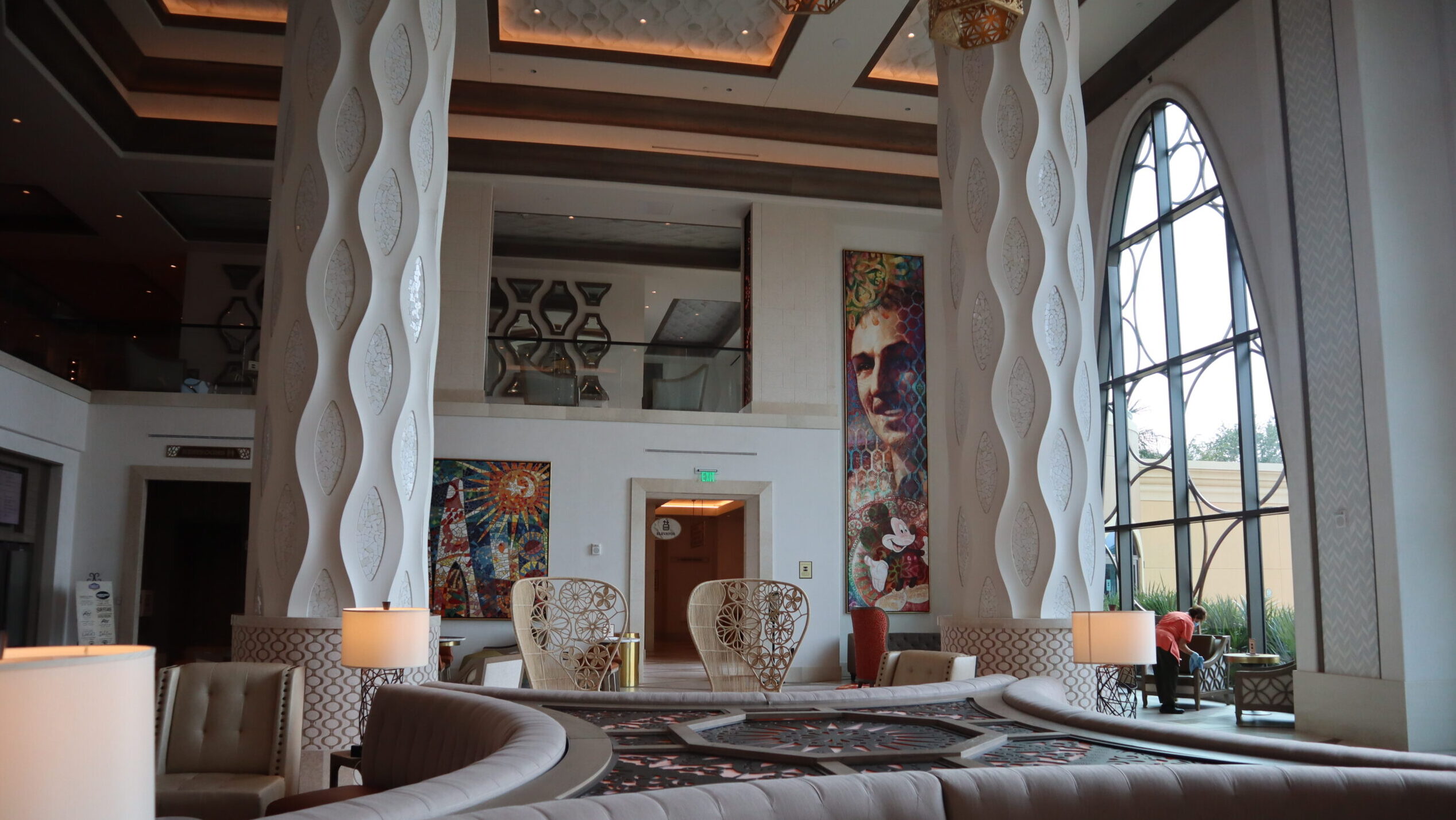
Gran Destino
Gran Destino/Photo credit: Dahlia Kapelke

At Walt Disney World, attendees can stay at properties like Gran Destino Tower, a new Spanish-themed hotel tower within the Coronado Springs Resort that opened just a few months before Covid hit. Located directly adjacent to Disney World’s largest convention center, the 545-room property is themed after a film produced by Walt Disney and surrealist artist Salvador Dalí; groups can sip sangria and snack on tapas while gathering in attractive indoor and outdoor meeting spaces, or during an event in the stunning top-floor lounge and restaurant.

California’s Disneyland, meanwhile, is only now opening to guests, but the park has new attractions (including the mind-blowingly elaborate Star Wars: Rise of the Resistance), and new amenities in its properties, including a new spa in Grand Californian Hotel. Disney California Adventure is developing a new Avengers-themed campus, and the company recently announced a proposed major expansion, DisneylandForward, that could add new retail, restaurants and other amenities in future years.

For further insight into what meetings are likely to look like in the coming months, we reached out to Amy Pfeiffer, Director of Convention Sales & Services for Disney Destinations. (Note that responses have been edited for length and content.)

What should planners expect in terms of how their meetings will be different from how they were before COVID?

The planning time for a meeting has nearly tripled, since each aspect requires pre-planning from a health and safety perspective. For example, the way attendees flow in and out of a general session, while also maintaining physical distancing, should be worked out in advance.

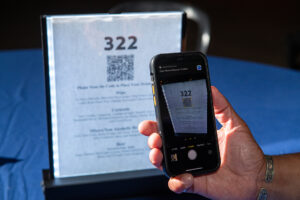
One visible change is set-ups that promote physical distancing while also allowing for networking. Disney resorts around the world are tailor-made to accommodate, with expansive convention centers and large outdoor spaces for coffee breaks, meals, receptions and recreation. QR codes help reduce lines that might form at bar service. An attendee scans the code, selects a beverage from the menu, indicates their table number, then sits down and waits for the beverage to be delivered.

Innovative technology already in place throughout the Disneyland and Walt Disney World Resorts has also helped enhance the Disney Meetings & Events experience. Examples include online check-in with digital key access, mobile ordering at quick-service restaurants so attendees can grab a tasty meal between sessions, and other contactless solutions.

What are some practices that Disney World has adopted that meeting planners (and the industry broadly) might learn from, in terms of how you manage the logistics of distancing, mask regulations, etc.?

As a best practice, we ask clients to assign someone on their leadership team to be an onsite partner to help ensure meeting attendees follow safety protocols. This reinforces a joint focus on coming together in a safe manner. We also created a “Know Before You Go” tool so meeting planners can notify attendees in advance of the safety protocols in place.

Promoting the health and safety of our guests, clients, cast members and the larger community is a responsibility we take seriously. We encourage others in the industry to also follow the guidance of government and health officials as they bring meetings back.

What tips or advice would you have for meeting planners for how they can run more effective meetings during this time?

Reliable technology is key to hosting a successful meeting, whether it’s virtual, hybrid or in-person. At Walt Disney World Resort in Florida, a new full-production studio with green-screen technology at Disney’s Contemporary Resort helps meeting professionals tap the production and entertainment expertise of the world’s premier entertainment company to deliver their messages and content digitally and creatively. It’s a great way to create pre-produced content or deliver content live to the virtual audience.

In addition, all Walt Disney World Convention Resort indoor spaces are equipped with Wi-Fi and hard-wired services supplied by redundant, high-capacity Internet bandwidth for groups of varying sizes—all for no or low cost, depending on options selected. Complimentary Wi-Fi is available in guest rooms as well as public spaces.

What would you say to planners who might be having a hard time imagining what meetings or conventions will look like when Covid regulations are still in place?

Customization and creativity are the drivers that will move the industry forward. It’s never been more important to partner closely with your hotel sales-and-services team in developing your event. Done right, meetings in the current environment can be as productive as ever. This also presents an opportunity to reimagine all aspects of an event. We had one group that found a physically distanced set-up actually helped them meet their meeting objectives. Learning from that, they plan to recreate the setting we created in their future meetings.

Things may look different today, but with creativity, planning and the right hotel partners meeting professionals can still create events that engage attendees and deliver on an association or business’ needs.

Sheraton Phoenix Downtown, Arizona

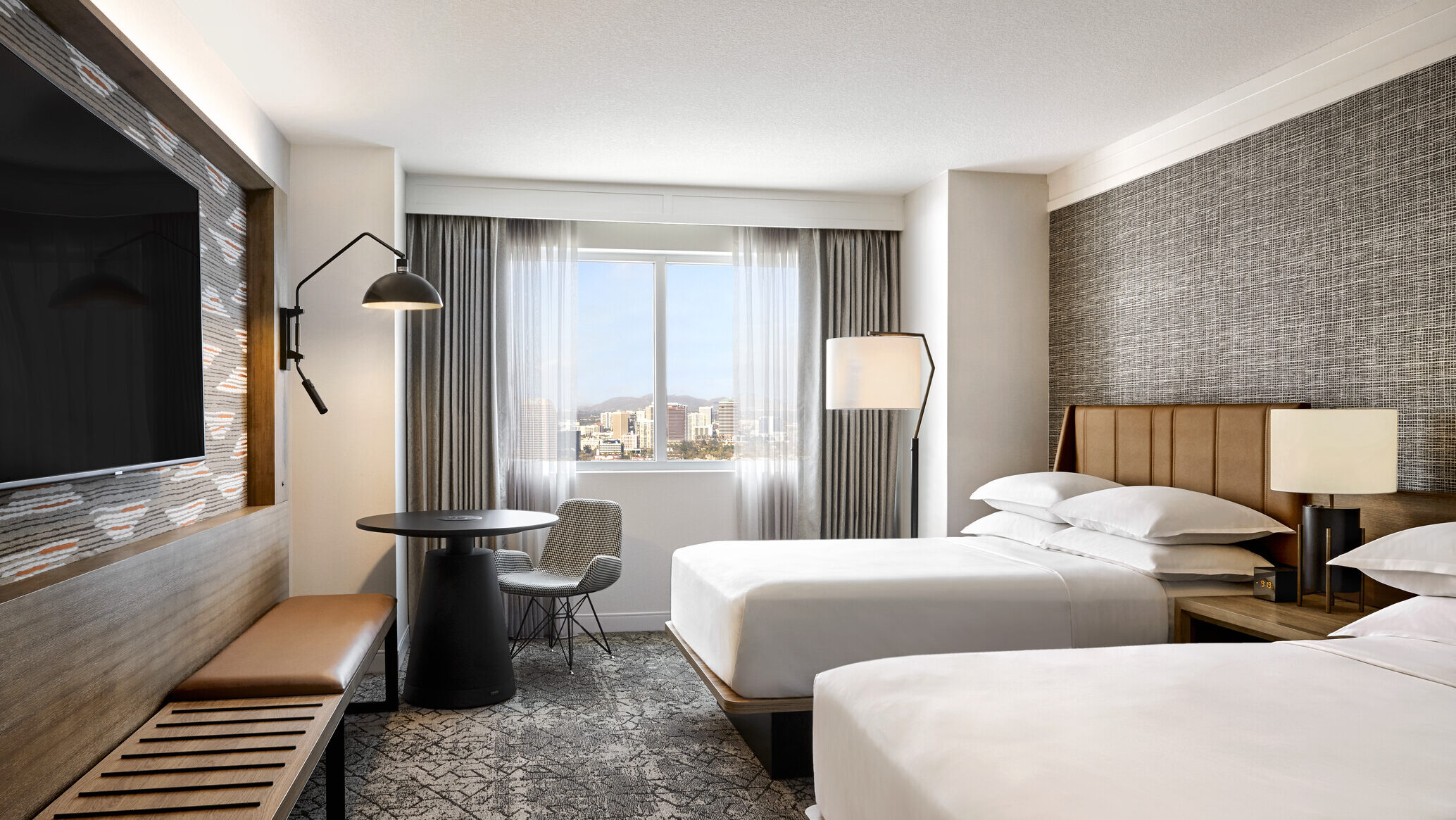
The newly reopened downtown property stars a 19,000-square-foot lobby featuring a cafe, bar and restaurant that invites guest to work, sip with friends or relax solo amid communal energy. The lobby features soundproof booths for calls and six glass-enclosed meeting spaces, providing focus and privacy but still energized by comings and goings. Renovation included a floor-to-ceiling redo of its 1,004 guest rooms—enough to accommodate attendees even if you take up all 110,000 sq. ft. of indoor and outdoor meeting space.

Kimpton Hotel Fontenot, New Orleans

Named after a famous Creole fiddle player, the new Kimpton hotel brings 202 crisp, lively guest rooms to the Crescent City. The hotel aims to embody the city’s musical heritage and irreverent style with sophistication. A daily social hour, live musical performances and a cocktail on check-in will set guests abuzz with Nola energy—which they can work off in the 24-hour fitness studio before reviving at Gospel Cafe and Boozy Treats, the lobby-level coffee shop (which also serves frozen cocktails.)

Daxton Hotel, Birmingham, Michigan

The brand-new hotel offers 151 rooms, each with original mixed-media artwork as part of the hotel’s impressive 400-piece portfolio of custom art. Creative elements continue with bold furnishings, a chartreuse lobby and lavender parlors (available for meetings, with a full salon that seats up to 300.) Flagship restaurant Madam features sophisticated American cuisine focusing on singular, local flavors and ingredients, best indulged in post-workout with the hotel’s onsite personal trainer or after coming back from a jaunt with the run club.

Nikki Beach Montenegro

www.zoan.photography

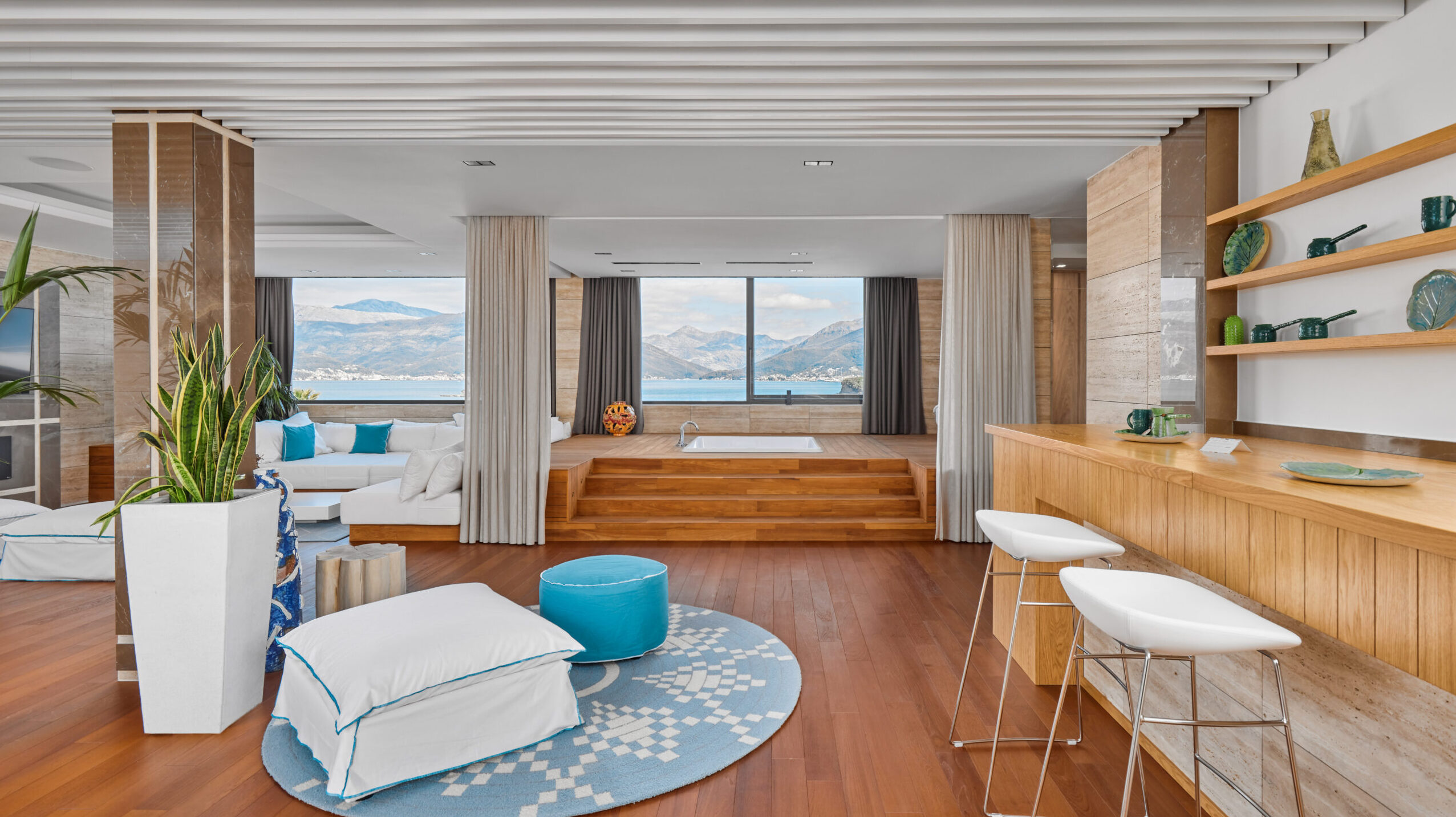
The 45-room boutique resort in the Balkans looks over Bay of Tivat and Lady Mercy Island with stunning cliffside sea views, just a 10-minute boat ride from the yachting destination of Porto Montenegro. The property includes a beach club and 250-person capacity restaurant with a seafood-rich menu spanning from local to global favorites. A full-service spa, hammam and gym offer guests the chance to unwind, in addition to three pools, with two reserved for those staying on property.

“When you work in consulting, nobody likes you,” Alison Fragale begins the latest Smart Meetings webinar, “How to Harness the Power of Negotiation to Master Your Post-Covid Events Career.”

Fragale, associate professor of organizational behavior at University of North Carolina, recalls her consulting days as the “saddest, loneliest job in the entire world.” But it wasn’t all bad; that recognition caused a shift in her mindset about where true importance lies.

The hardest part of the job, Fragale came to understand, isn’t always the job but the people you’re working with.

“What it made me really appreciate was how you move people, how you have to understand them. I was trying to do a lot to understand my clients. Think about what they cared about, think about what was in it for them [in collaborating]. How was I going to influence and motivate people when I didn’t have any real authority?”

As she struggled in her consulting job, Fragale decided the best kind of job is a job you love, and the second best is the kind you hate. When you hate it, you get motivated to understand yourself better and actually grow, she says.

That growth prompted gems of self-discovery Fragale shared during her webinar, from learning how to be your own cheerleader to the science of prenegotiating. “Negotiation is a science and an art,” Fragale says.

Oh boy, is she right.

Advocate for You

Alison Fragale

When failing to negotiate the terms and conditions of your worklife, it’s a failure in belief in yourself—what Fragale refers to as advocacy. “We’re more afraid of advocating for ourselves, negotiating for ourselves,” she says.

While negotiating, there are often two goals at play, which can come into conflict with one another. “We want to get what we want, and we want to have a good relationship with the person [we’re negotiating with],” Fragale says. Sometimes these two things are mutually exclusive, a fact Fragale says many people, particularly women, have difficulty dealing with.

“A unique challenge for women is fear of backlash. Backlash is a negative reaction anytime you violate an expectation that somebody has. That comes into play [often] with women, the negotiating and advocacy, because we have two conflicting stereotypes that are in our head,” Fragale says. “When people think of negotiators, they often think of very masculine things. They’re aggressive, they’re demanding. When we have a thought of how women are supposed to be, it’s other-oriented, serving and nurturing.”

The challenge is, Fragale says, that negotiation and advocacy create a conflict for women that doesn’t exist as much for men.

“There are parts of your job you love, there are parts of your job you don’t, but you recognize they’re all still parts of your job. You don’t just stop doing the ones you don’t like because it’s not going to work out very well for you,” Fragale says. “Negotiation is part of your job; it might fall in the category of things you love, it might fall in the category of things you don’t love.”

Advocating for someone else is a different story—and much easier, according to Fragale. “If I’m advocating on behalf of my client, there’s no real tension there, no real fear. Because if I’m advocating for somebody else, then I’m being other-oriented,” she says.

The trick is learning how to advocate for yourself as if you were advocating for someone else. Understanding that negotiation simply comes with the territory is step No. 1.

Operating Under a False Premise

According to Fragale, the reluctance to negotiate is often fueled by a false premise: If we don’t negotiate, people will like us better. But this is not the case, she says. “I can’t tell you how many times someone in a position of authority has said to me, ‘This person didn’t even try to advocate for themselves, and if they can’t advocate for themselves, I’m highly concerned about their ability to advocate within this organization.’”

Her lesson: In opting out of negotiating and advocating for yourself, you think you’re building your reputation, but in actuality you’re damaging it.

The Science of Prenegotiating

“Negotiation is a series of stages that start before a conversation,” Fragale says. This is synonymous with simply proper planning.

Fragale continues: “Here’s what we know: We don’t plan enough. We’re busy. We don’t really know what we’re doing. We just go in and we have the conversation. Most negotiation failures are planning failures.”

Fragale says that’s good news and bad news. “The bad news is you have to plan. The good news is you don’t have to be good on your feet. That’s not what distinguishes really good negotiators. What distinguishes them is they’ve put in the work to get the data, to plan, to be able to build credible arguments, et cetera.”

Having this knowledge and being prepared cancels out gender differences and expectations when negotiating, she says. “When women are given good information in a negotiation about what the top outcome is, what one should be looking for, what would be a minimally acceptable outcome, what the alternatives are if the conversation doesn’t work out, all of the gender differences essentially go away.”

Yeah, but Why?

“We always need reasons why. Every time we have a reason for what we’re doing or what we want, it’s more likely to be accepted,” Fragale says.

She presented an example of how having a “why” works even when it’s not a strong one. In a study, people were presented with a rushing person trying to cut in line to copy photos. The first time, no reason was given. Most people don’t step aside.

“But if you say, ‘Hey, I need to make some copies because I’m in a rush, a lot more people comply. A lot more people would step aside and let me cut in line because I added the fact that I was rushing,” Fragale says.

The third reason is not a reason at all but still worked: “I’d like to use the copy machine because I need to make copies.” Despite this, compliance was just as good, almost 100 percent. This explains why Fragale always tells people, “Bad reasons are better than no reasons at all.”

Want to hear more about the power of negotiating? Catch Fragale at Smart MeetingsSmart Women Summit at Resorts World Las Vegas Sept. 14-15.