Kurt Alexander and Peter Strebel
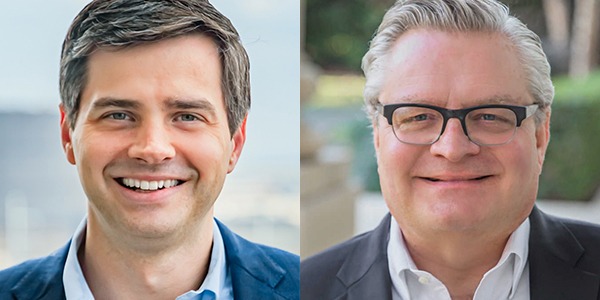
Two portraits of Kurt Alexander and Peter Strebel. They are both white men in suits. Alexander is younger with brown hair, and Strebel is older with white hair and square glasses.

Omni Hotels & Resorts promoted Alexander to president of the company and Strebel to chairman.

Most recently, Alexander was chief financial officer of Omni Hotels, a position he held for seven years. Alexander has been vice president of TRT Holdings, Omni Hotels & Resorts’ parent company, and vice president of VRA Partners LLC, an investment banking firm in Atlanta, garnering 15 years of experience in business development, strategy and finance.

Strebel brings over 20 years of sales, marketing and business development experience in the hospitality industry to his new position. Strebel was most recently president of Omni Hotels and has held additional senior and executive roles at the brand, including that of CMO. He has also been CMO and president for Wyndham Hotels & Resorts.

Carolina Viazcan

A portrait of Carolina Viazcan. She is a brown woman with shoulder-length black hair and a black blouse.

Visit Greater Palm Springs appointed Viazcan vice president of sales. A 20-year tourism sales veteran in the greater Palm Springs area, Viazcan was previously director of group sales at Renaissance Esmeralda Resort & Spa, Indian Wells, where she worked for eight years. Viazcan also held sales leadership roles at PGA National Resort Palm Beach Gardens, JW Marriott Desert Springs Resort & Spa and more.

Read More: Greater Palm Springs: A Stunning Desert Oasis Waiting to be Explored

Sam Selvi and Charles Williams, II
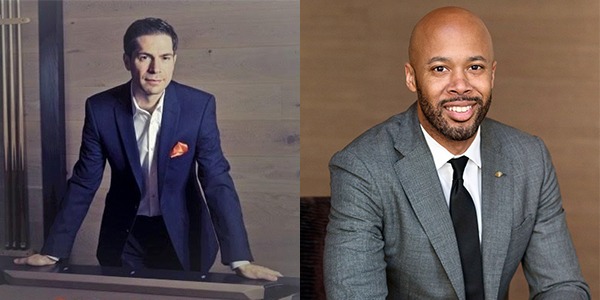
Two portraits of Sam Selvi and Charles Williams, II. Selvi is a white man in a blue suit, and Williams is a bald black man in a grey suit.

Selvi is general manager and Williams is director of sales and marketing at Hyatt Centric Old Town Alexandria.

Selvi brings 20 years of experience in travel and hospitality management, previously having served as general manager of ARC HOTEL Washington DC, Georgetown. He has held management positions at Lufthansa, Marriott International and Cambria Hotels, among other brands.

Prior to joining Hyatt Centric Old Town Alexandria, Williams was director of global sales for the eastern region of the U.S. at Rocco Forte Hotels, a European hotel brand headquartered in London. For the past 20 years, Williams has established a career in meetings management and hospitality sales. He has been director of group sales for Mandarin Oriental Hotel Group, meetings manager for D.C.’s The Education Trust and more.

Sally Shaffer

A portrait of Sally Shaffer. She is a white woman with shoulder-length blonde hair and a white blouse.

Arizona’s Hilton North Scottsdale at Cavasson, opening this October, named Shaffer general manager. Shaffer brings 40 years of hospitality management experience to her new role and has served as general manager for several hotels and resorts across the greater Scottsdale area in that time. Most recently, Shaffer was general manager at Boulders Resort & Spa Scottsdale, Curio Collection by Hilton.

Isabel Gracia and Constanza Montalva

Two portraits of Isabel Gracia and Constanza Montalva. They are both Hispanic women. Gracia has highlighted brown hair and a white blouse, and Montalva has long black hair and a black dress.

W South Beach in Miami Beach, Florida, welcomed Gracia as director of sales and marketing and Montalva as director of programming.

Gracia has over two decades of hospitality marketing experience and was most recently director of sales and marketing for Dorado Beach, a Ritz-Carlton Reserve in Puerto Rico. Gracia has been director of sales and marketing for The Raleigh Hotel in Miami Beach; Zadún, a Ritz-Carlton Reserve and several more properties throughout Florida and the Bahamas.

Montalva most recently worked for Cultured Magazine as its senior account executive. With 10 years of marketing experience, Montalva has held several additional positions at publications and in real estate in the greater Miami area.

Ryan Kirby

A portrait of Ryan Kirby. He is a white man with a dark suit jacket and jeans.

The Westin Tempe in Arizona promoted Kirby to general manager. Previously, Kirby was director of sales and marketing for the property. With 14 years of hospitality experience in sales and marketing directorships and senior management, Kirby has been a leader at Westin, Sheraton, W Hotels, Fairmont, Aloft and Saguaro Hotels. Notably, Kirby has worked for Moana Surfrider, A Westin Resort & Spa, Waikiki Beach; Sheraton Maui Resort & Spa; W Los Angeles – West Beverly Hills and W Scottsdale.

Amy Arbuckle

A portrait of Amy Arbuckle. She is a white woman with loosely curled blonde hair and a black blouse.

Arbuckle joined W San Francisco as its general manager. Arbuckle was most recently general manager and CFO for The Clancy, Autograph Collection while simultaneously serving as director of sales and marketing for San Francisco Marriott Fisherman’s Wharf. Arbuckle sits as chair of the Board of Directors for the Hotel Council of San Francisco and was previously a member of the board of directors for the San Francisco Travel Association.

Subhash Shanbhag
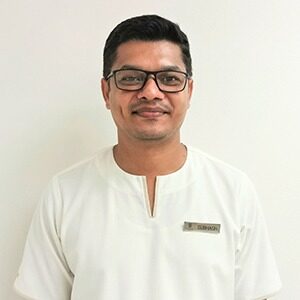
A portrait of Subhash Shanbhag. He is a Thai man with a white work shirt and square glasses.

Banyan Tree Krabi in Thailand appointed Shanbhag well-being practitioner and consultant to assist the resort’s spa and Well-being Sanctuary program as its on-site wellness specialist. Shanbhag has been practicing as a Ayurvedic physician for 15 years, 10 of which were spent in Thailand. Most recently, Shanbhag was Ayurveda doctor and acting spa manager for Mangosteen Ayurveda & Wellness Resort in Phuket, Thailand.

Tammy LeBlanc
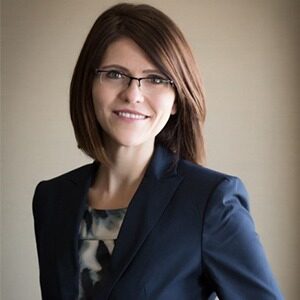
A portrait of Tammy LeBlanc. She is a younger white woman with shoulder-length brown hair and thin glasses.

Hilton Cleveland Downtown welcomed LeBlanc as general manager. A 25-year veteran of hospitality management and business development, LeBlanc was previously general manager of Hilton Barbados Resort. LeBlanc has held the position of general manager at multiple Hilton properties, including Hilton Toronto Airport Hotel & Suites and Hilton Quebec. She was also director of business development at Hilton Montreal Airport, as well as a board member of the Quebec Region Hotel Association.

Read More: Cleveland’s Convention Center Campus Keeps Getting Better

Ryan Cornelius
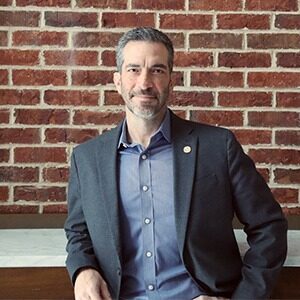
A portrait of Ryan Cornelius. He is an older white man with a black suit jacket and blue collared shirt.

Cornelius is senior sales manager for The Alida, Savannah, a Tribute Portfolio Hotel. Cornelius brings 15 years of hospitality sales, marketing and operations experience, most recently holding the role of assistant general manager of Delta Hotels by Marriott Chesapeake Norfolk in Virginia. Cornelius has also worked for The Heritage Golf Collection on Hilton Head Island; Hilton Garden Inn Savannah Historic District and DoubleTree by Hilton Hotel Savannah Historic District.

Louise Parsons-Davey
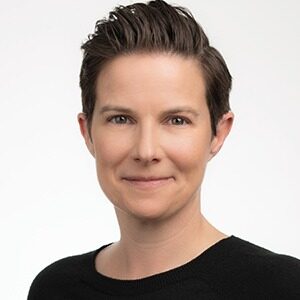
A portrait of Louise Parsons-Davey. She is a white woman with short combed dark hair.

Sentral, an urban residential and extended-stay hospitality brand, promoted Parsons-Davey to senior vice president of revenue and sales. Parsons-Davey was most recently vice president of revenue, distribution and sales. With more than a decade of experience in hospitality revenue management, Parsons-Davey has also held multiple executive roles in revenue and distribution at Highgate.

Deborah Tappan, CRME

A portrait of Deborah Tappan. She is a white woman with red curly hair and a black blouse.

GoTab, a platform for restaurateurs, appointed Tappan director of hospitality management. A nearly 20-year veteran, Tappan is also currently the president-elect of the Boston chapter of Hospitality Sales and Marketing Association International (HSMAI). Most recently, Tappan was director of revenue management and distribution at The Colonnade Hotel in Boston and has held similar roles at several more hotel properties across the city.
Does this sound familiar? “It’s really your relationships, your team that helped make these wins,” reflected Traci Hong, assistant vice president of corporate events at LPL Financial, and a guest in this week’s Smart Chat Live! conversation, “The Great Contemplation: Lessons in Leadership for Empowering Your Events Team.”

Hong was joined by speakers Cindy Brewer, principal of LEO Events; Natasha Ashworth, manager of sales programs and events for FedEx Services, and Shelley Hodgkinson, senior director of event solutions at Walmart. All are members of Canvas, an invitation-only, industry-changing collective of corporate brand and event visionaries in a noncompetitive idea exchange and peer network.

Join Maritz CEO David Peckinpaugh Tuesday 4/26 for a Smart Chat Live! about nurturing the next generation.

The two-year hiatus from events stretched us—we learned how to use virtual tools and that working from anywhere is possible. “During the pandemic every single one of my team, without fail, learn something new,” Hodgkinson remarked. Now, work teams and their leaders are working to find new work-life balance solutions.

These senior-level meeting professionals shared invaluable insights that speak to events team dynamics that work, the challenges of creating events and leading in a new social and business landscape, as well as the skills and practices that strengthen your team and make you a better leader.

Winning as a Team

“Walk before you can run,” was Hodgkinson advice when it came to getting back to a new normal. All parts of a team need to come together piece-by-piece to create a magnificent whole. Hodgkinson continued, “it’s the people around me—watching them grow every day and enjoy their role. I think that is the biggest win.”

As we’re returning to full-fledged events, Ashworth noted that what must remain at the core is “a servant’s heart.” Keeping a smile on your face can be tough, but pivotal. “It’s so important to have a good team,” said Ashworth. But, what does that look like? Ashworth spoke to the diversity of her own team, specifically in how much experience they bring to their role and where they have room to grow.

Confronting the Challenges

We’re also learning that full-fledged events require maintaining hybrid access, and this new standard requires event production teams to stretch their skills ever further. Events personnel are now running both live and virtual event spaces simultaneously, for nearly every event, noted Hong.

Not to mention, there’s a sentiment of rustiness that can follow us back into big events. “Just packing my suitcase…took me twice as long,” explained Hodgkinson. “But it’s not just [event teams] that’ve forgotten how to do it, it’s the attendees, as well.”

To hear the full discussion, watch the webinar on demand.

Hodgkinson praised the engagement that followed attendees back into events. Reflecting on a recent corporate event, Hodgkinson talked about how people who, in the past, were questioning whether they really needed to go to some meeting, were instead excited. “Everybody was re-engaged.”

“People need to refigure out how to engage and socialize.”

Another challenge Brewer raised was developing initiatives that motivate employees to bring their A game back, whether from the home office or the corporate office. Hong responded that her company has implemented a campaign that sets parameters for what it means to show up, attend meetings, dress properly and “not have a cat in the background,” while still extending an understanding that the world has changed and burnout is still paramount to prevent.

People need to refigure out how to engage and socialize. Hong also mentioned the potential of having a mandatory background for virtual meetings, “to help provide that extra touch of professionality.”

“We have the Great Resignation also happening at the same time. Our goal is to try to give reasons for people to return to the office, but to also stay engaged when they’re not in the office,” said Hong.

Motivating Teams, and Nurturing a Culture of Communication

“Whether you’re a third party, an events agency or a supplier, you’ve always been a part of our team,” said Hodgkinson. “We’re embracing our extended families, as well as [our] own team, to learn from them, to learn from us, and make sure we get that balance.”

“Keeping relationships has been my biggest cheat of getting through challenges,” divulged Hong. Reach out to people you’ve worked with in the past to ask how they may have handled certain similar challenges, she suggested.

Best Career Accelerating Webinars from 2021.

Hong also reminded the audience that “not everybody’s career is a long-term career in events.” A true mentor listens, recognizes and supports a team member considering moving to a different company that might be a better fit.

“Enterprise-wide, [we] take a break and recharge and really focus on little activities you can do during the day to take a break and recharge your mind,” suggested Hong.

Defining what it means to work from home with more specificity of expectations also helps to prevent burnout, said Brewer. Ashworth added that she tries to manage her team like she’d like to be managed. “You don’t want to apply unnecessary pressure,” Ashton urged. “Be respectful of your team’s time and their family time.”

When working at home, responsiveness is vital, Hong said. Establishing a culture of healthy communication is key to keeping your team on the same page. Healthy communication means not sending after-hours emails and texts to your team, as well as ensuring your teammates understand that you want them to communicate their needs. “No one can advocate for you better than yourself,” asserted Hong.

“Trust is everything. We’re in this together; we trust each other together and we’ll go places together, as long as we’re all on the same mission.”


Atlantis Rises

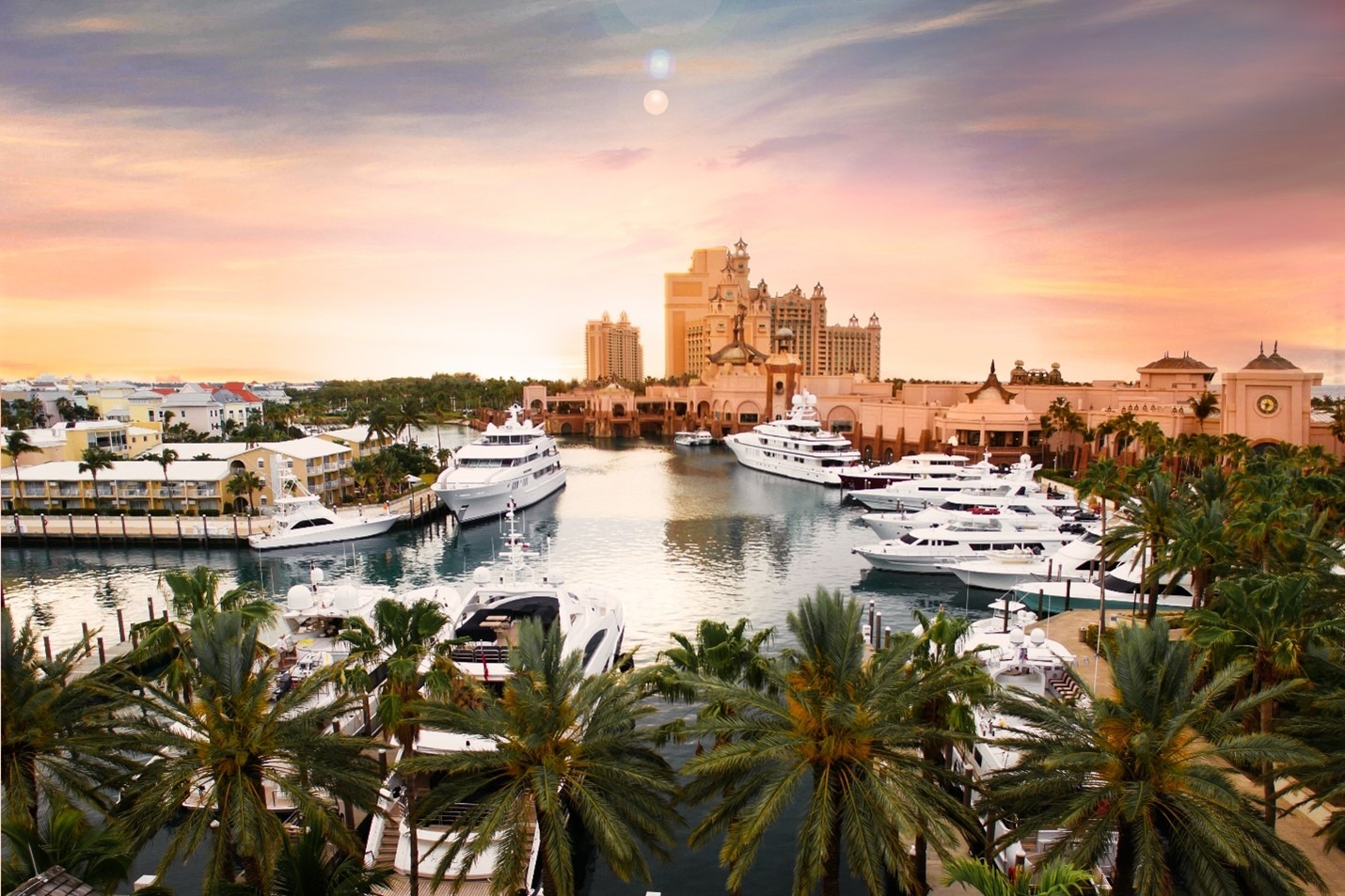
Atlantis Paradise Island in the Bahamas will be renovated for the next few years. The pink resort sits behind a marina and palm trees.
Atlantis Paradise Island

You can’t get more fresh, breezy and ocean-surrounded than Atlantis Paradise Island but the nearly 25-year-old property has announced the completion dates of ongoing renovations as well as some new and covet-able accommodations that will have meeting planners dreaming of the legendary Bahamas pink property while spring ebbs and summer arrives.

Renovations of all the guestrooms and suites in The Royal East Tower will be finished by summer 2022 followed by newly renovated rooms and suites in The Royal West Tower. Expect to be soothed and lulled to sleep with design elements drawn from seascapes, beaches and coral reefs.

The Royal’s Bridge Suite will be totally renovated next year. Design motifs are sourced from the legend of Atlantis and treasures of a lost city.

Beyond 2022, the resort will partner with David Grutman of Groot Hospitality to open an “oasis within an oasis” which is being called “Somewhere Else.” The oceanfront escape, opening in 2024 and replacing the current Beach Tower, will have 400 guest rooms and suites along with dining venues, pools, recreation areas and live performances.

The Casino, too, is getting a refresh including sea-inspired shimmers, celestial fixtures and “flowing lines echoing the refractions of the sea.” The Casino’s two onsite lounges will be expanded along with the high limit slots lounge and the gaming salon.

Ready to be enjoyed is the new Lapis Club Lounge in the resort’s The Cove, luxury all-suites hotel. Ocean views will vie for attention with the new full-service bar, daily breakfast and savory hors d’oeuvres.

West World

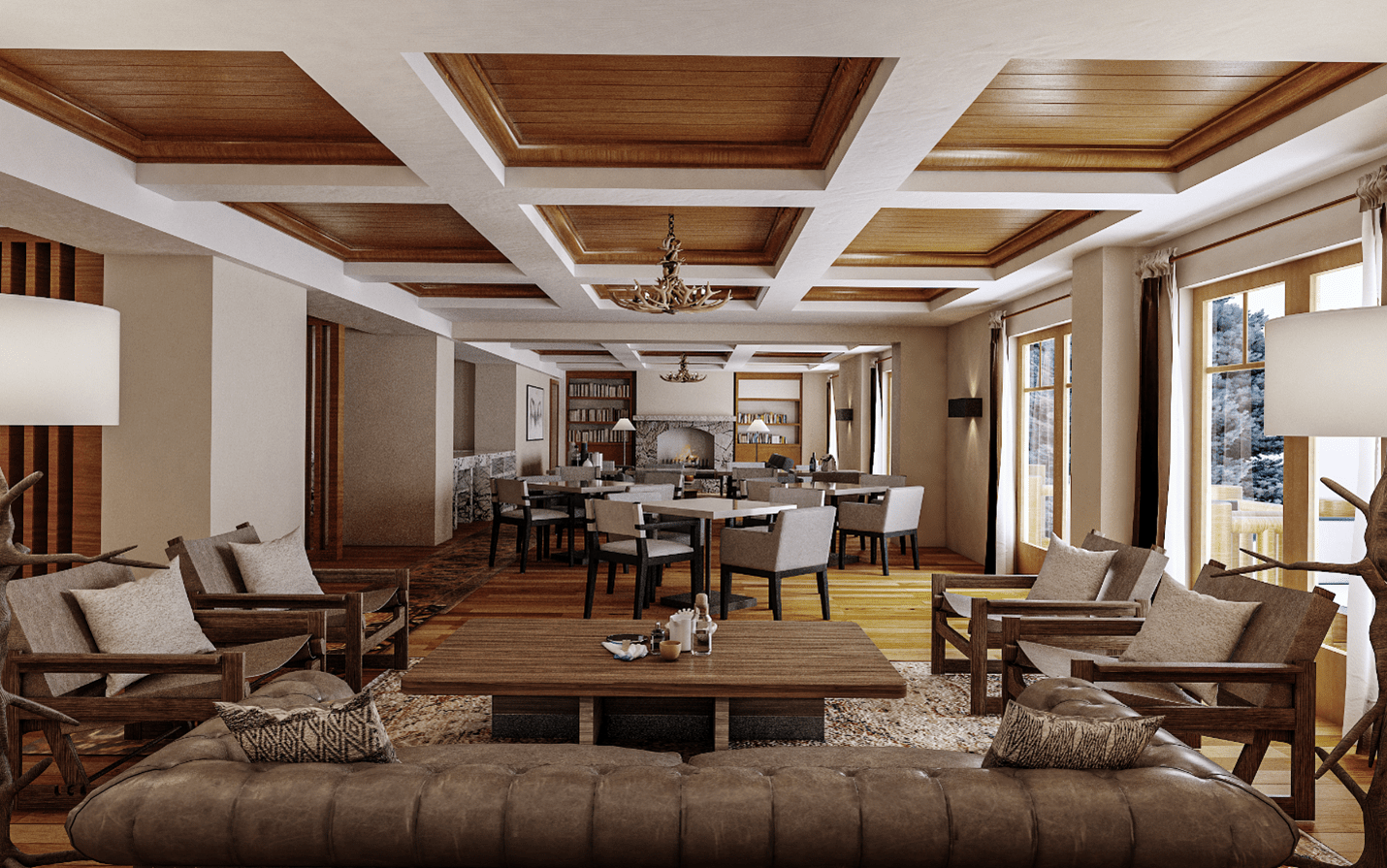
The Ritz-Carlton, Bachelor Gulch Club Lounge. Wood floors and ceiling inserts, a brown couch and wooden chairs make the area feel light and homey.
The Ritz-Carlton, Bachelor Gulch Club Lounge warms with wood and leather

The Ritz-Carlton, Bachelor Gulch, in the heart of the Rocky Mountains, has announced the final stage of a full guest room and Club Lounge restoration which will be ready to debut July 2022.

The property, in Avon, Colorado, began its transformation in 2020 with new dining experiences including the premier sushi restaurant Sakaba, new outdoor terraces at Fireside Bar and the WYLD and Buffalos Terrace Bars.

The resort’s rooms and suites are in the final phase of refurbishments that will evoke the resort’s unique location with organic textures and earth-centered tones. Natural wood and stone are used throughout the design, bringing the organic elements of the mountains indoors.  Newly designed guest rooms and suites have upgraded appliances, marble bathrooms, and Instagram-able views of Beaver Creek Mountain or Vail Valley.

Read MoreNew and Renovated: Gold Standard Rooms at Nobu Caesars Palace, Spring Debuts

Tampa Bay Breeze

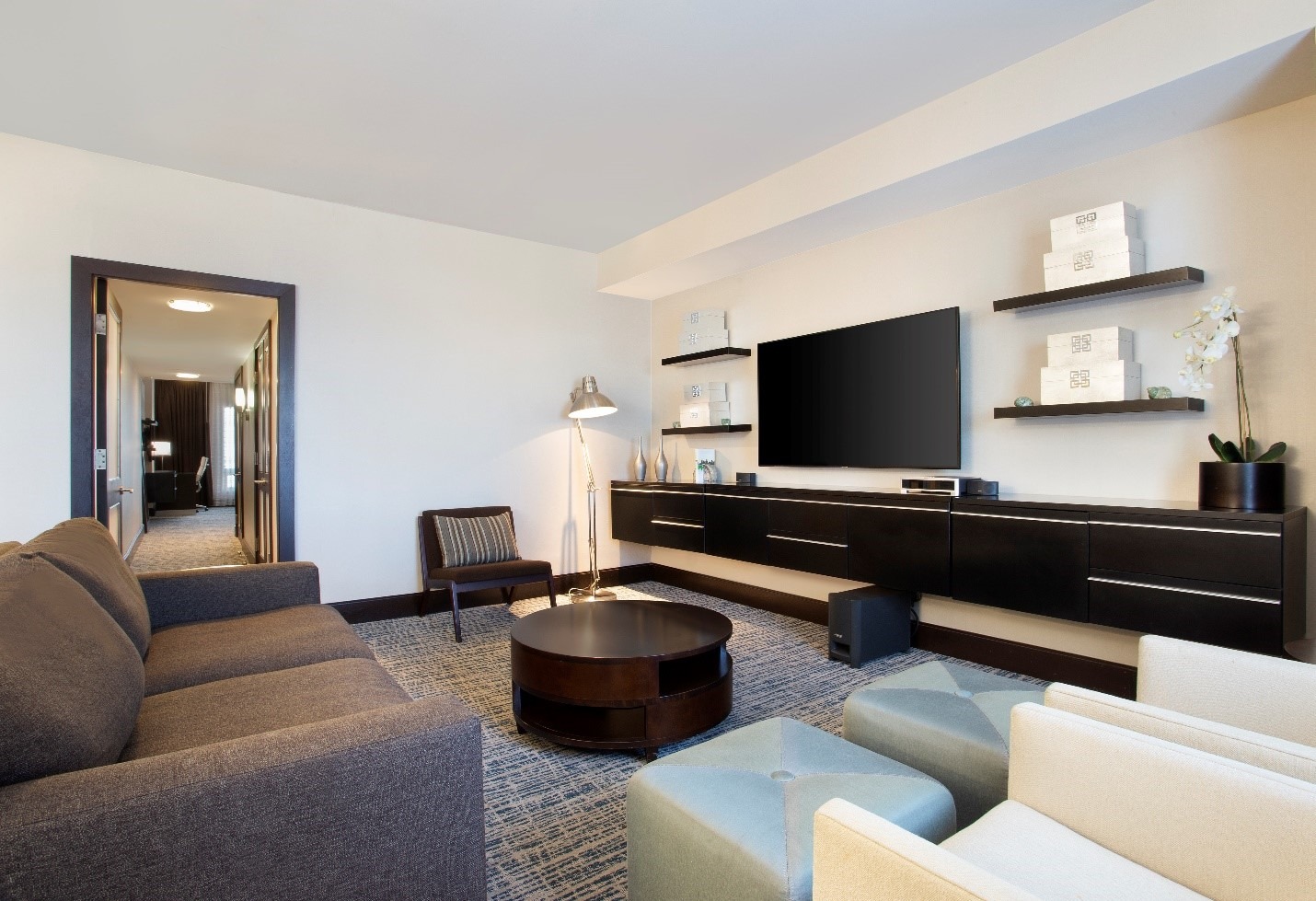
The Chairman Suite in Hilton Tampa Downtown. Couches, chairs and furniture are in graytones.
The Chairman Suite, Hilton Tampa Downtown has pebble-smooth textures and soothing creme and neutral colors

Hilton Tampa Downtown has completed a multi-year, multimillion-dollar property renovation of its 530 guest rooms, public spaces, lobby and restaurant.

Rooms and suites have been re-imagined in neutral colors, tones and textures including marble and granite bathrooms and the coveted Hilton Serenity bed.

Public spaces have been modernized and upgraded in the hotel which offers 38,000 sq. ft. of freshly renovated, flexible event space including a 14,000-square-foot ballroom, meeting rooms and outdoor function space for groups up to 1,000 guests.

The hotel has pride of place views of the downtown skyline, a rooftop pool and elevated 211 Restaurant and Lounge. The hotel is quartered in downtown Tampa, just a few blocks away from the Tampa Riverwalk, Amalie Arena and the Tampa Convention Center.

We hear it repeatedly: business is back, events are happening, Zoom fatigue is real…but the reality is, events are not only happening, they’re happening safely.

The recent celebration of Global Meetings Industry Day (GMID) provided our industry with an opportunity to step back from the chaos of the last two years and assess not only where we have been, but where we are going. Events are back with new perspectives and tools, and they are shaping up to be better than ever.

No doubt that we are all aware of the return of major events like SXSW, Mardi Gras and the double win for Los Angeles, who not only received the economic impact of the Super Bowl but also walked away with a new ring for their local team. Though these events are major and in the public eye on a national scale, they are not the only successes taking place.

Baltimore, for example, successfully welcomed the CIAA Tournament in February of this year and saw numbers that exceeded their 2019 championship day numbers by nearly 4,000 people. Just over two months prior, around 60,000 attendees raced into Indianapolis for the Performance Racing Industry tradeshow and met with success.

As cities have welcomed back both group and leisure visitors, health and safety have remained a priority. As we continue to venture into the ever-evolving “New Normal,” it is clear in hindsight that both destinations and event strategists used both tangible and intangible tools developed out of necessity, and as we continue to move forward, it is important that we not only heed the lessons learned, but that we don’t disregard the tools that we developed.

Creativity and Collaboration

We have also learned how quickly things can change. Being forced to take on characteristics of flexibility and creativity are not optional. Long gone are the days of the “copy and paste RFP.” As we continue to morph and shift, these tools are more applicable than ever. Social distancing has required us to reimagine how something as simple as a room set looks. Through the process of reimagination, we continue to learn a lot. And that learning is transferrable.

When we look at every aspect of an event through the lens of safety, perceived safety and well-being, we start designing spaces that produce comfort. And in turn, that comfort produces engagement.

Event strategists and destination organizations have been going out of their way to make sure safety elements are over-communicated and that safety components, like sanitization stations, are accessible at every turn. Though some of the guidelines will remain and others will go away, when attendee psychology is taken into account and communication is enhanced and prioritized, events will continue to exceed expectations.

Read MoreThe RFP of the Future: Stronger Partnerships, Successful Events

Not All Audiences Are the Same

A large crowd of people under a dark gradient.

The necessity of hybrid meetings brought many things to light. As destinations grappled with the increased infrastructural technology needs, organizations were being forced to complete the production of not one but two events during a time when the only known was that everything was unknown. Two events meant two budgets; but even more importantly, it meant two audiences.

Finding a way to engage two groups of people and provide some form of consistency in not only content but experience was a new challenge. Though the interest in maintaining some form of a hybrid event structure varies, the process of evaluating attendee needs is a tool that was sharpened and will impact live events moving forward.

Event strategists are now well versed in how to look deeper at what success looks like to all stakeholders and design their events around those needs proactively instead of answering requests reactively.  We’ve learned not only how to operate with content engagement and digital articulacy, but also with emotional intelligence to create a space where all feel they belong.

Read More8 Engagement Tips for Your Next Hybrid Event

Time Is the Most Valuable Commodity

The challenges brought on by the global pandemic have impacted every element of our world. Logistical areas like supply chain continue to struggle and sentiments have shifted impacting everything from time management to the workforce itself. Work-life balance is no longer the goal, but the interface of the two is expected to create a work-life harmony.

Perception of value looks different, and the highest value commodity is time. With a shift in perception of value, we have to continue to shift the event value proposition to match. Event strategists have worked closely with destinations to communicate the health and safety regulations in the host community for years now and as those relationships with all stakeholders continue to develop, we can provide engagement opportunities that will allow visitors to make the most of their time not only inside the walls of your event but also outside the box and in the destination itself.

We can no longer look at the value of time as being a day pattern that will let your attendee arrive home for a weekend. We now have to look deeper and consider a holistic approach that will provide your attendee with an experience that will enrich their life professionally and personally.

If we continue to listen to understand and work to cultivate and use the tools we have created, the evolution of the norms will shift to match events rather than the other way around.

Emily Scheiderer is director of education, sales and services with Destinations International, the global trade association for convention and visitors bureaus (CVBs) and destination organizations.


Tourism, for all its economic and personal growth potential, has a massive environmental footprint. Sustainability efforts are key to keep the travel and tourism train going. In a report by World Travel & Tourism Council and JLL, “Destination 2030: Global Cities’ Readiness For Sustainable Tourism Growth,” the two organizations take a look at the cities making tourism sustainable.

The report assessed 63 cities, using 75 indicators across eight categories: scale, concentration, leisure, business, environmental readiness, urban readiness, safety and security, and policy prioritization. While the report does rank the cities that have performed best, it aimed to highlight how cities, even if they didn’t make the top 10, are making efforts in the world of sustainability.

Scale

Scale is all about the potential to drive demand, which, the report says, requires “a focus on the development, enhancement and investment in tourism infrastructure.”  While growth factors such as sports arenas, festivals and large conference spaces can “enhance the positioning of a destination,” of equal importance is the city’s ability to increase ease of access and accommodation availability, both of which are significant factors in shaping a city’s visitation numbers.

The top cities in the “Scale” category are: 1. London; 2. Seville; 3. Bogota; 4. Paris; 5. Barcelona; 6. Venice; 7. Rome; 8. Amsterdam; 9. Macau and 10. Chengdu.

London

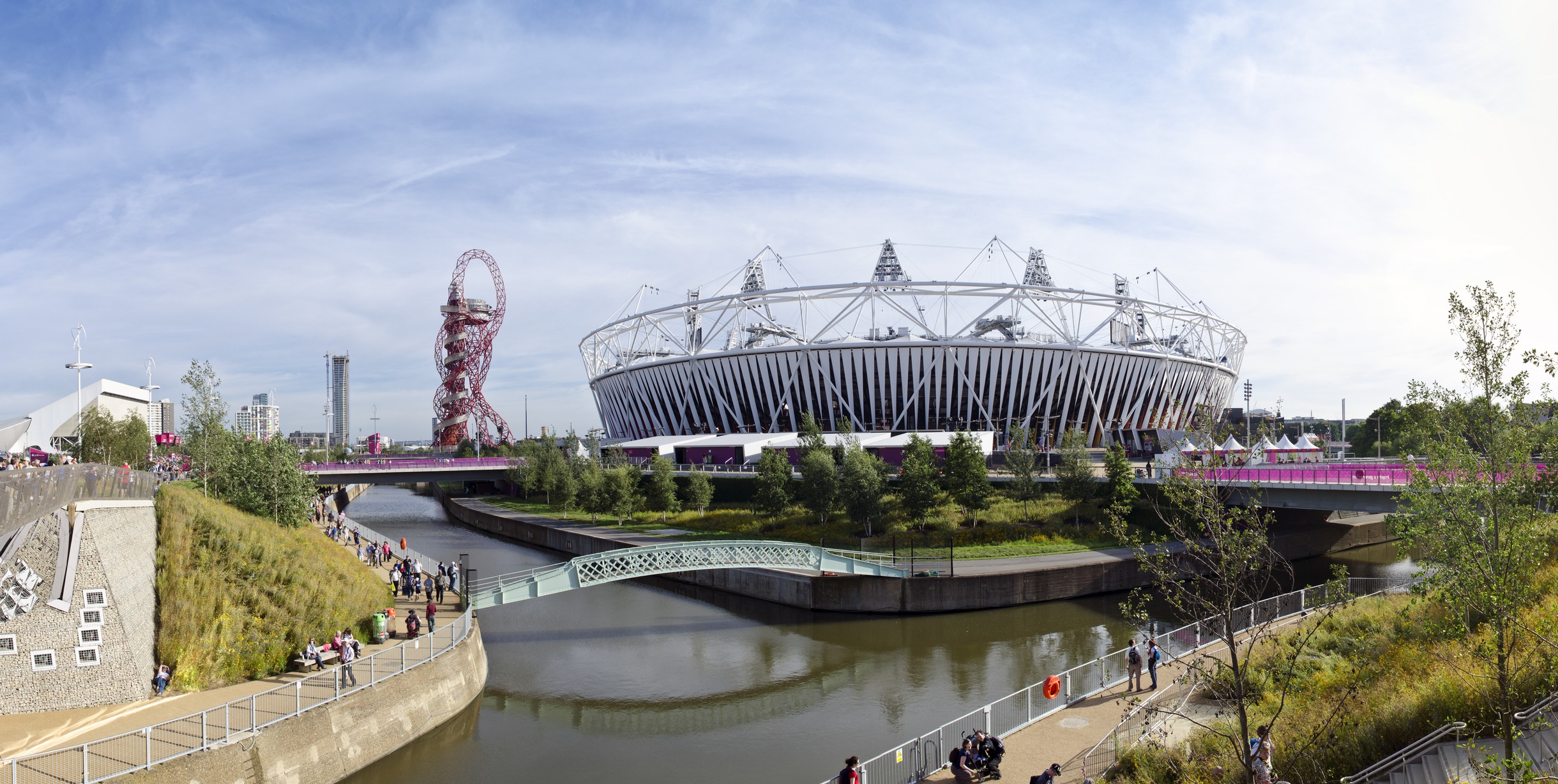
The Queen Elizabeth Olympic Park and The Slide at the ArcelorMittal Orbit, London. A stadium sits next to a river with two bridges leading to it.
Queen Elizabeth Olympic Park and The Slide at the ArcelorMittal Orbit, London

London took the No. 1 spot, thanks to the 2012 Olympics, which highlighted the city’s need to rebuild. The city used its bid for the Olympics as a chance to redevelop London’s East End. A 500-acre site was regenerated into its Queen Elizabeth Olympic Park and 11,000 homes were built after the games.

In addition to the Olympic venues, London cleaned up and rebuilt its canals, extended and built new transportation, and invested in its hospitality infrastructure. Between 2005 and 2017, London saw an increase of 10.8 million visitors. While there has been much controversy around how cities leave their venues to decay post-Olympics, London has managed to reuse its Olympic venues for the betterment of the community.

Live music, sporting events, and arts and theater shows are often held at the park, and there are plenty of places to eat and drink from coffee and cocktails to barbecue and vegan food. In 2016, the venue even opened a ride, The Slide, at the ArcelorMittal Orbit, which doubles as the United Kingdom’s tallest public art piece.

Read MoreRoundup of Post-Event Life for Olympic Venues

Concentration

A city’s concentration refers to the density of visitors in relation to its population, airline ticket purchase seasonality, growth in visitor arrivals, popularity of tourist attractions and its focus on business versus leisure. The top ten cities in the “Concentration” category are: 1. Bangkok; 2. Amsterdam; 3. New York; 4. Sydney; 5. Prague; 6. Honolulu; 7. Las Vegas; 8. Rome; 9. Paris and 10. London.

Bangkok

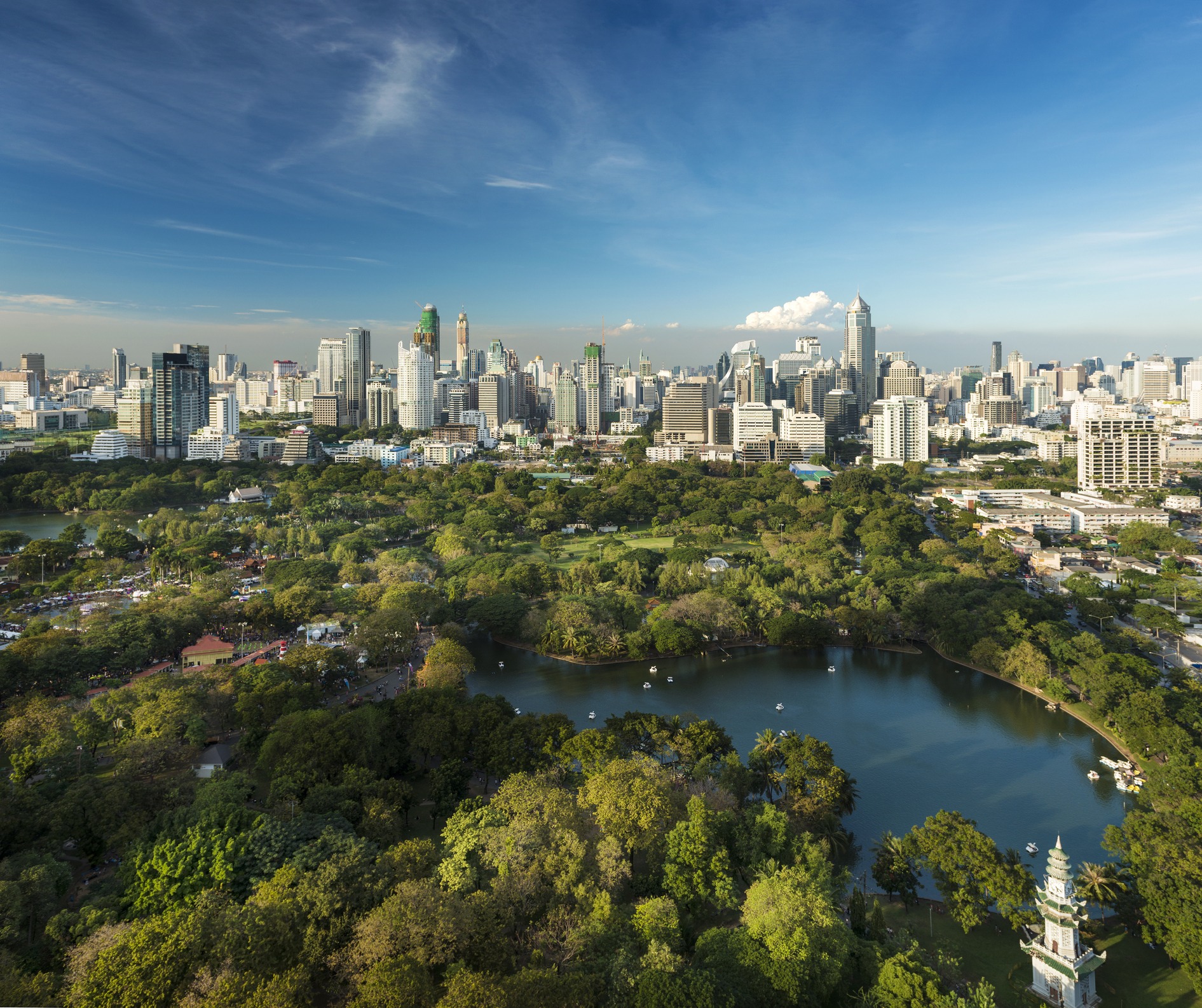
An aerial shot of the Bangkok skyline. The city sits behind a forest and lake.
Bangkok Skyline

Bangkok came in at No. 1 one in the “concentration” category.  In 2018, international visitors accounted for 81% of Bangkok’s tourism spend. When Covid-19 caused the nation to close its borders, its reliance of international visitors was cut off abruptly.

In response, the Thai government shifted its focus domestically, which included targeting more than two million expatriates. Two moves Bangkok made to encourage visitation to its region included launching the “Treasure Trip” phone app, which promotes a multitude of cultural, recreational and shopping areas in the city, as well as the Kung Bang Kachao (Lung of Bangkok) project, to encourage those expats to explore the unvisited regions on Bangkok’s outskirts.

Leisure

“Given the critical nature of leisure travel for tourism development, increasing the attractiveness of a city’s leisure offering should be a priority for many destinations,” the report read. In 2020, leisure travel accounted for 80.4% of travel spending, an increase from its 2019 level, 79.4%.

In addition to travel spend, the leisure section also considers the number of 3-star and above ratings, as well as price competitiveness and value. “These destinations have prioritized the creation of a strong leisure offering and environment for travelers,” it said.

The cities that made the top ten in the “leisure” category were: 1. Macau, China; 2. Dubrovnik, Croatia; 3. Seville, Spain; 4. Honolulu; 5. Rio de Janeiro; 6. Lisbon; 7. Hong Kong; 8. Barcelona; 9. Delhi; and 10. Madrid.

Business

The business section includes business travel spend, the number of business travelers the destination sees, corporate presence and convention center space. “Destinations in this pillar [tend] to be large and attractive business hubs which have invested in the development of their business travel segment,” the report read.

Cities in the top ten in the “Business” category were: 1. Sydney; 2. Seville; 3. Bogota; 4. Paris; 5. Barcelona; 6. Venice; 7. Rome; 8. Amsterdam; 9. Macau; and 10. Chengdu.

Environmental Readiness

Air quality, water availability and quality, the use of renewables, and risk of natural disasters and protected areas were all factors in assessing destinations of their environmental readiness.

“Local communities and travelers alike are paying closer attention to the human impact on the environment, in turn seeking more sustainable options in how they live and travel,” the report read. “In this context, the sustainability and livability of a destination are, and will increasingly become, key decision-making factors in where people choose to live, and the cities travelers decide to visit,” said the report.

The top 10 cities in the “Environmental Readiness” category were: 1. Sydney; 2. Seville; 3. Bogota; 4. Paris; 5. Barcelona; 6. Venice; 7. Rome; 8. Amsterdam; 9. Macau; and 10. Chengdu.

Urban Readiness

“Given the link between higher levels of urban readiness and visitation levels to cities, the importance of future-proofing a destination—which includes not only a focus on physical infrastructure and digital connectivity, but also healthcare availability and workforce preparedness—cannot be underestimated,” the report read.

Once a visitor reaches their destination, they should be able to navigate easily within it. Urban readiness is about a city’s effort to reshape urban mobility and improve the experience of residents and visitors, which will involve a focus on digital connectivity and the latest technology, inclusion of which the report said is “inevitable.”

The top 10 cities in this category are: 1. Singapore; 2. New York; 3. Los Angeles; 4. Tokyo; 5. San Francisco; 6. Chicago; 7. Honolulu; 8. London; 9. Seoul; and 10. Washington.

Singapore

Singapore is leading the charge in urban readiness. Workforce Singapore (WSG) and SkillsFuture Singapore (SSG) are actively enhancing their country’s workforce through training and reskilling programs, including digital literacy.

The Singapore Tourism Board teamed up with WSG, SSG and industry associations to develop “SkillsFuture Skills Framework for Tourism,” which serves as a hub for Singaporeans in the tourism industry to get information on tourism trends, jobs, emerging skills and training. The tourism board also offers scholarships, internships and a one-year technology associate program for graduates who want to enter Singapore’s tourism industry.

Safety and Security

This section includes factors such as Covid-19 vaccination data, crime and safety, stability, and the safety of women and the LGBTQ+ community. “The perception of a lack of safety or security for the traveler will hinder the competitiveness of a destination,” the report read.

“Changing the perception of a destination in terms of safety, security and stability can be challenging, not only requiring time and effective policies, but also creativity and authenticity to engage citizens and travelers in accepting the change,” it said.

The top cities in this category were: 1. Vancouver; 2. Toronto; 3. Stockholm; 4. Singapore; 5. Auckland; 6 Amsterdam; 7. Sydney; 8. Osaka; 9. Brussels; and 10. Dublin.

Brussels

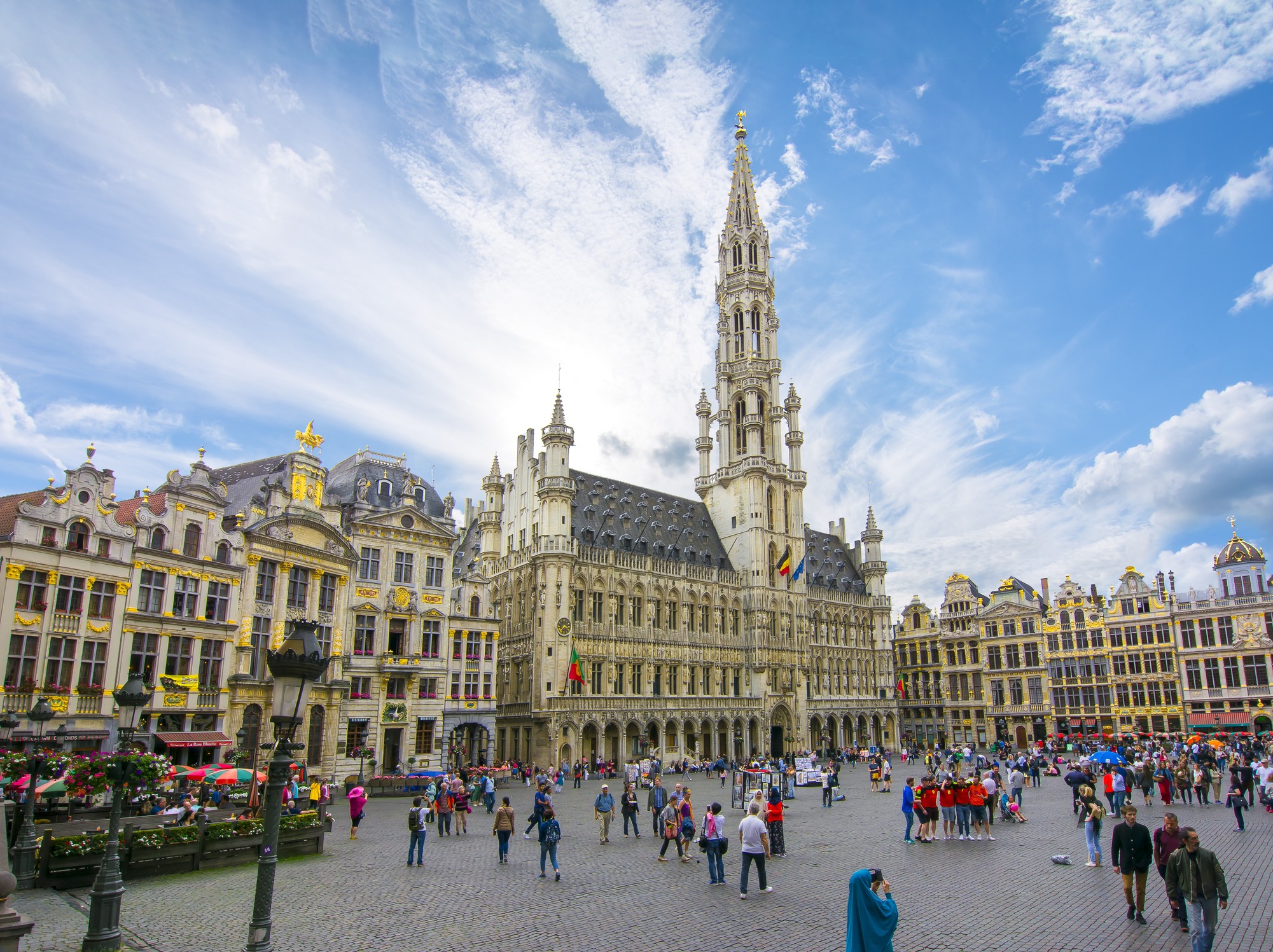
Grand Place central square, Brussels. Tourists walk around in front of an intricate Neo-Classical building.
Grand Place central square, Brussels

Crime has decreased 20% in Brussels, which made the No. 9 spot, as deliberate steps were taken to beef up security and safety following the 2015 terrorist attacks.

One of the initiatives the city took was launching the “#CallBrussels” campaign, in which tourists were able to call locals and ask them questions; between Jan. 7-11, 2016, 12,688 people called from 154 different countries, with more than 9 million people seeing the hashtag, according to the report.

Brussels has also taken measures to increase women’s safety, pedestrian safety and decrease pickpocketing. A greater police presence and better street lighting has also been introduced.

Policy Prioritization

“The growth of cities, and their rising importance to the global economy, has enabled these new powerhouses to have increasing influence in the definition and implementation of their policy agenda across areas such as Travel & Tourism [sic],” the report read.

A city that positions itself as a destination tourists will want to visit needs to determine its goals and make sure everyone, including communities and stakeholders, are all in. The top ten cities in this category are: 1. Auckland; 2. Las Vegas; 3. Vancouver; 4. Honolulu; 5. London; 6. Hong Kong; 7. Cape Town; 8. Paris; 9. Barcelona; and 10. Austin.

Austin

Austin, which came in at No. 10, is focused on reinvestment. To promote tourism, the city reinvests tourism revenue fees via its hotel occupancy tax. In 2017, the report read, the 9% tax brought in USD$310 million. Austin businesses looking for funding to promote engagement can have a part in the proceeds through the Heritage Preservation Grant Program.

Visit Austin and Austin Convention Center have benefited greatly from the tourism fee revenue, which is where most of the money goes; in 2019, the tax was raised to 11%, which funded the expansion of the convention center.

Read MoreGreater Houston: Secrets of Southern Texas

Cities That Deserve a Shout Out

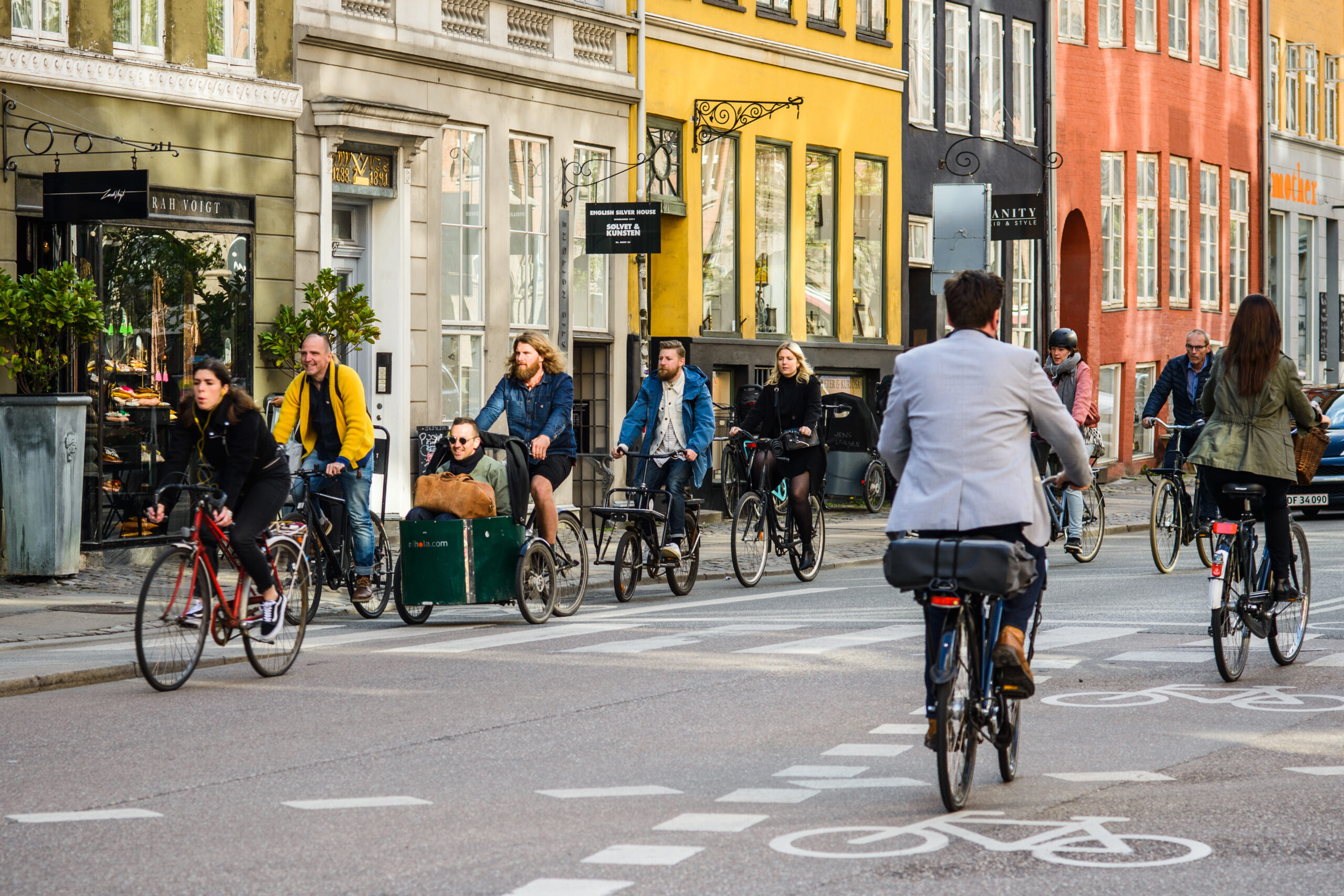
A street in Copenhagen. People ride bicycles on the street in front of colorful rowhouses.
Copenhagen

While some cities did not make the category lists, they were called out for being good case examples in specific categories. Berlin, for instance, was cited as an example of a city that excelled in the “Concentration” category.

The city updated its “Going Local Berlin” mobile phone app, which highlights Berlin’s 12 districts and launched a magazine with the same name. In 2019, Visit Berlin began a project with Motionlogic which monitors visitor flows via mobile phone data, enabling Berlin to see the distribution of visitors in time and place.

Venice was cited in the “Leisure” category for its steps to prioritize overnight visitors over day-trippers and promote slow and sustainable tourism Before the pandemic, Italy had been experiencing what came to be known as overtourism; according to the report, tourists outnumber locals in Venice. With this, the city putting limited access into practice, one of the first cities to do it.

Venice did this by prioritizing locals and overnight visitors over those taking day trips, enforced by the introduction of turnstiles at key points in the city, “forcing daytrippers to use back streets to reach the main attractions, while the main walkways were reserved for residents and visitors with a Venezia Unica card.”

In the last decade, Copenhagen transformed itself from a car-centric to a bicycle-centric city after a USD$300 million USD investment, naming itself the “City of Cyclists.” In 2018, 49% of all commutes to work and school were done by bike, reducing the cost for residents and visitors, while also making the city much more eco-friendly. Copenhagen has also created a free bike system, half of which are used by tourists.


Between the Great Resignation, the tight labor market and the increase in remote work, team building has never been more important.

Professionally facilitated team-building activities help boost employee engagement, loyalty and retention. And they add some welcome fun to the workplace.

If you have any sort of involvement with corporate team building programs, you already know those things. But here are six surprising points about those exercises you may not be aware of.

1. Team-building Programs Enable Your Organization to do Well by Doing Good

Corporate social responsibility (CSR) programs combine the common elements of virtually all team building activities—collaboration, communication, leadership and problem solving—with charitable elements that benefit the local community.

For example, programs may involve assembling bicycles or musical instruments to donate to an organization serving underprivileged kids; building wheelchairs for a disabled veterans group; or packing canned and boxed goods for local food banks and soup kitchens.

And these activities are very popular. “CSR activities are a large part of our business, and they’ve gotten even more popular as we head out of the pandemic,” says Scott Flynn, CEO of Best Corporate Events, a nationwide team-building company based in Palm Harbor, Florida.

“Beyond the benefits of all team-building exercises, like improved collaboration and productivity, CSR programs create memorable, emotionally powerful experiences that strengthen employee loyalty. It builds an amazing bond when employees are able to be part of their organization’s efforts to give back to the community.”

2. Team-building Activities Are Best Done Indoors…Except When They’re Not

One element of the team-building experience that employees value is simply getting away from the office for a day. There can be a strong temptation to arrange for activities to be done outdoors—particularly during the springtime in northern states or autumn in the south.

In general, however, it’s best to avoid that temptation and book an indoor venue—at the very least, as a backup. Outdoor activities can too easily be derailed by distractions, ranging from noise, to wind, or a passing rain shower, to other nearby activities.

With an indoor venue, the facilitator has control over the seating arrangement, room temperature, sound system and other environmental factors. This makes it easier to eliminate unwanted distractions and maximize both the impact and enjoyment of the event for participants.

There is one obvious and important exception to this rule, however: scavenger hunts. “High-tech scavenger hunts are a fun and engaging way to explore a new city as well as develop collaboration skills as in other types of team-building activities,” notes Bryan Burns, co-founder and chief operating officer at SmartHunts, which runs corporate scavenger hunts across the U.S.

“They’re a great way to get outdoors and get teams collaborating to compete against each other,” he adds. “And they are also cost effective. With today’s technology, we can deliver an outstanding experience with the facilitator either on-site or coordinating the scavenger hunt remotely.”

3. Team Building Isn’t a One-off Activity

The impetus for arranging a team-building activity is often some type of organizational change: an influx of new employees, a restructuring, or a merger or acquisition. Team building can certainly help employees respond positively to change and begin to build relationships with new co-workers.

But the best, industry-leading, highest performing organizations view team building as a regular, periodic activity. Just as any winning sports team continues to practice throughout their season, high-performing organizations focus on taking leadership skills, collaboration and productivity to ever higher levels.

“A regular cadence of team-building activities builds trust. It’s not just about dealing with problems, but with developing a culture of high performance,” according to Wendy Bryan, founder and principal of Forward Focused Business Advisors, a national business coaching company.

“These organizations view team-building programs as vital in taking every part of their operational performance from bad to good, from good to great, from great to amazing, and from amazing to extraordinary.”

4. Team Building isn’t One-size-fits-all; it’s Customizable to Meet Specific Needs

Every team-building provider offers their own set of “packaged” programs. And often, those games, or escape rooms, or CSR programs, or other activities work just fine for meeting an organization’s needs. They build collaboration and problem-solving skills while giving employees some fun time away from the workplace.

At other times, existing activities may work great with just minor customizations. For example, a business may book a trivia game, but add in some custom questions about company history, policies, new products or other company-related topics.

But then there are times when an organization is looking to build teamwork and collaboration in a specific, challenging situation. It may be a merger or other type of restructuring. Perhaps a popular leader has left the company. Or the enterprise has installed a new software system that will significantly change the way people do their jobs.

“Needs assessment is a crucial part of what we do,” says Roy Charette, managing partner at TeamBuilding Alliance.

“We ask clients questions, like how they would like the teams to be formed; do they want to keep departments together or mix it up? What have they liked about team-building programs they’ve done in the past, and what hasn’t worked so well? Every program involves a mix of collaboration and competition; do they want more of an emphasis on one of those? By really understanding the client’s needs and goals, we can customize programs to match their objectives.”

5. Team Building is a Vital Component of New Employee Onboarding

Most of the process of onboarding new employees is focused on the administrative (e.g., completing a background check, selecting benefits) and technical (providing them with a laptop, company email address and network access) details.

But what about actually making them feel welcomed, like part of the team, excited to be in this new role? That’s where team building comes in. It costs, on average, $11,000 to hire a new employee; yet 35% of companies spend zero dollars on onboarding, which is one reason why 22% of new hires leave within the first six months.

“Many organizations view team building as a foundational step in new employee orientation,” notes Steve Ockerbloom, a corporate team development professional. “The problem is, when there’s a hurry to ‘get things done,’ it’s easy for a hiring manager to look at team building as ‘the fun stuff’ and skip over it.”

“That’s a mistake. Team-building activities are incredibly valuable in building new relationships, developing trust within groups, making new employees feel welcome, fostering engagement, and just getting to know their new coworkers. It’s often the one part of the onboarding experience that employees will really remember and look back on positively, years later.”

Similar onboarding activities are delivered at colleges and universities across the country through orientation programs from providers like Best Collegiate Events.

6. Leadership Development is Helpful for Everyone

Leadership training is too often viewed as something that’s just for new managers and those in mid-management being groomed for senior roles. But it can actually benefit virtually everyone in the organization. By extending leadership training beyond the management ranks, companies can:

  • Build bench strength: It’s not always clear where tomorrow’s leaders will come from. When more employees have a grounding in basic management concepts, organizations have greater flexibility. This training can also help identify “diamonds in the rough.”
  • Improve retention: When an enterprise invests in its people, those employees feel valued. It sends the message that the company cares about the future possibilities for employees, not just their work output in the here and now. The investment of time and expense by the organization in improving employee skills enhances loyalty.
  • Strengthen collaboration: Much of the work done in a modern business is accomplished by employees on teams, working with peers. Leadership training teaches employees how to constructively and effectively influence the actions of others, even without formal authority.
  • Help workers effectively “manage up”: Some employees clearly have no ambition beyond being a skilled individual contributor. Still, leadership training has value because when those workers are better able to influence their managers—and understand why their managers may take certain actions or make certain decisions—they can be more productive and engaged in their roles.

Conclusion

Team-building programs help employees improve their communication, collaboration and problem solving skills. That’s always been true.

But these activities have never been more important than they are today. CSR programs combine team building with giving back to the community, which increases employee loyalty at a time when record numbers are quitting.

These events help employees build relationships, collaborate effectively, and stay engaged with their organizations, in a time when more people than ever are working remotely and don’t have daily in-person interactions with coworkers.

And team building exercises are a crucial element in new employee onboarding. They help to build strong connections to coworkers and to the organization, reducing turnover in a tight labor market.

Indoors or out, team building programs can be customized to meet specific business and operational needs. In category-leading organizations, team building is a regular activity, designed to build a culture of high performance and continual improvement.

Tom Pick is a digital marketing consultant who works with large-group team building provider Best Corporate Events to share the company’s insights and knowledge with corporate HR and event planning professionals.

In today’s events climate, safety is a top-of-the-list issue for planners, especially those who regularly organize international gatherings. Berkshire Hathaway Travel Protection, the North America-based travel insurance company, released its annual “Safest Places to Travel 2022” list just before the start of this year, detailed in a report by market researcher Kit Kiefer. Based on information collected from 2021, the list is a smart, timely resource for planners preparing incentive travel and corporate events abroad.

Factors and Methodology

It’s important to note that this list can fluctuate quite a bit from year to year, said Kiefer. “These ratings aren’t predictive…the pandemic can really mess things up—and quickly, too.” The good news is that though we aren’t out of the cloud of uncertainty, we are certainly closer to a healthier world, and the global business and events industries are well on their way to recovery. This spring, we’re seeing many top travel destinations opening their borders back up to foreign nationals.

From the pandemic to weather and climate change to equipment and staffing, multiple factors can sway a country’s safety score. To determine scores, researchers at Berkshire Hathaway took data from traveler surveys, the Global Peace Index 2021 report, Our World in Data, GeoSure Global and the U.S. Department of State’s travel advisories and safety ratings into account, providing travelers a more comprehensive picture and balanced figures.

The Leaders in Safety, Health and Peace

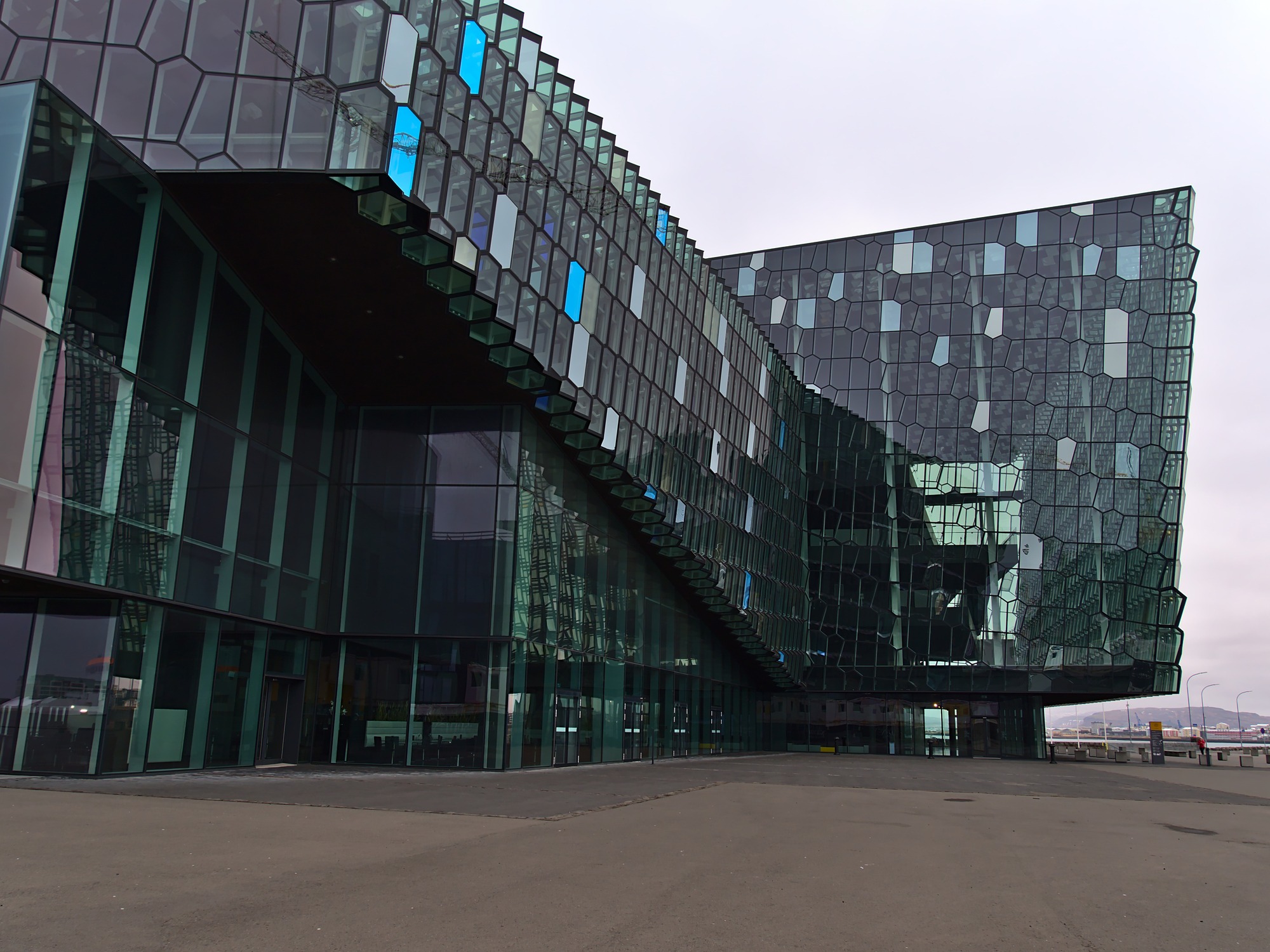
The Harpa Reykjavik Concert Hall and Conference Center in Iceland. It is a modern glass building with irregularly shaped windows.
Harpa Reykjavik Concert Hall and Conference Center in Iceland

1. Iceland

Iceland ranks first, four paces ahead of where it fell on the list for 2021. The country is currently regarded as “the most peaceful country in the world,” according to Global Peace Index 2021. Tourism waned in 2021, but with travel restrictions lifted as of Feb. 25, making all foreign visitors welcome regardless of vaccination status, travel to Iceland is likely to pick up.

Deemed “one of the hippest cities on the planet” by Kiefer, the city of Reykjavik is alive with festivals, charming nightlife and many brightly lit and colorful hotels. Harpa Reykjavik Concert Hall and Conference Center is a world-renowned meeting place for art, music, cultural and corporate events. Its 21,600-plus sq. ft. of meeting space, state-of-the-art technology and titanic silhouette set against Faxafloi Bay draws enormous groups for good reason.

Read MoreEssential List: Unique Destinations for Spring Meetings

2. New Zealand

New Zealand takes second place. The country was highly rated by GeoSure, a data science and “risk-modeling” company that measures “hyper-local safety for travel,” as well as by Global Peace Index 2021. However, the country is not yet open to foreign nationals and doesn’t expect to fully reopen to foreign travelers until May.

Queenstown, east of Lake Wakatipu, is a bright city with world-famous bungee jumping, wine tasting in the Gibbston wine region and walking trails high above settled fog. Queenstown Event Centre boasts more than 22,800 sq. ft. of private meeting space and is nearby Hilton Queenstown Resort & Spa, a 220-room property with 6,400-plus sq. ft. of meeting space of its own.

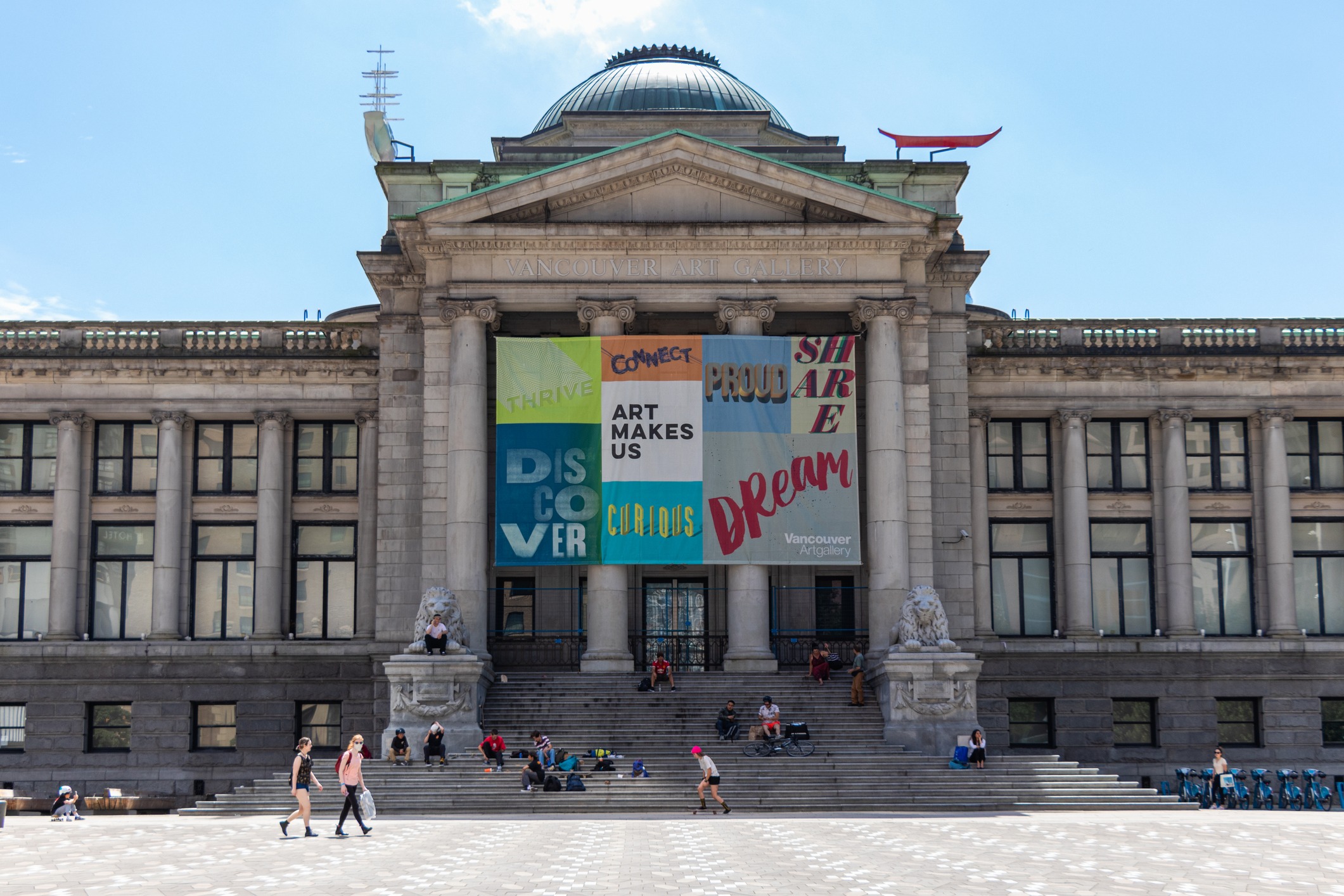
The Vancouver Art Gallery, a Neo-Classical building with people on the front steps.
Vancouver Art Gallery

3. Canada

Canada was ranked first on the list for 2021 and, in traveler feedback, remained the “top safety pick” for 2022. All fully vaccinated foreign nationals can now enter the country and, since April 1, pre-entry tests are no longer mandatory.

One of Canada’s most popular destinations is Vancouver, on the West Coast of British Columbia. Not far from the city center, Rosewood Hotel Georgia is a 156-room luxury property two minutes from the Vancouver Art Gallery. Fairmont Pacific Rim, another luxury Vancouver property, sits downtown with 337 guest rooms and 15,000 sq. ft. of meeting space.

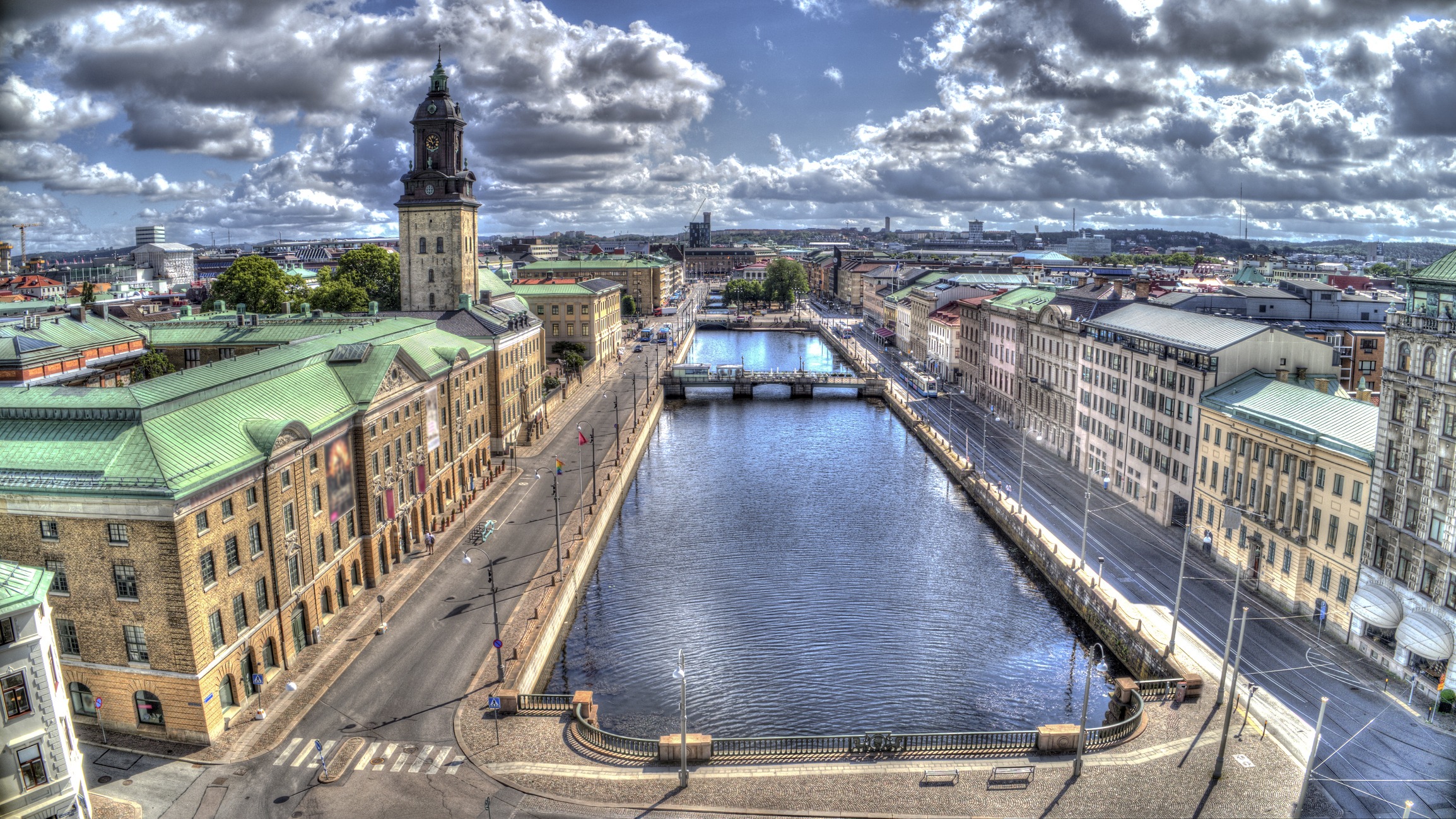
An aerial shot of a pond in between streets in Gothenburg, Sweden.
Gothenburg, Sweden

4. Sweden

Sweden may not have the highest marks for its methods of Covid mitigation, said Kiefer, but it scored well on GeoSure. Not to mention, travelers love Sweden. As of the first of this month, foreign nationals are welcome to visit. 

Located where the country’s southern coast meets the Northern Sea, Gothenburg is a cultural hub, No. 1 most sustainable city on the Global Destination Sustainability Index since 2016 and has a plethora of options for large to small events. Sankt Jorgen Park hotel is tucked into the woodlands, a great stop for business travelers with its 82 guest rooms and nearly 6,000 sq. ft. of meeting space. Closer to the water, Hotel Riverton is 210-room property with 10,700-plus sq. ft. of meeting space, located downtown.

5. Japan

Japan made it into the top five after being listed tenth just last year. Travelers speak well of Japan, and the country’s organized and successful pandemic response raised it in public favor and safety status. Foreign national business travelers can enter Japan for short-term stay as of last month, though it is not yet open to tourists. 

Its capital city, Tokyo, is a rich amalgamation of bustling business and rolling hills of dense, magical forestry across its islands. The 220-room Nippon Seinenkan Hotel’s 3,767 sq. ft. of meeting space makes it a great stay on business travel, and it is located near multiple downtown stadiums and outside event space.

Read MoreMeeting Safety Trends in 2022

Runner-ups

The remainder of the top 10 safest places to travel are, respectively, Australia, for its excellent Covid response and high GeoSure ratings; Switzerland, for its points in the Global Peace Index; Ireland, beloved by travelers worldwide and well-regarded by GeoSure; Germany, for its high traveler and GeoSure ratings and effective Covid response, and the United Kingdom, for its popularity among American travelers and “reasonable job managing Covid,” said Kiefer.

Stepping back to look at the big moves other countries made this year, China was ranked No. 16 overall, moving up seven spots from 2021’s final numbers. Kiefer attributes this rise in rank to change in the rhetoric condemning the country as the cause for the pandemic. The Bahamas became No. 19 on the list, falling five places due to some instability in public safety in the country’s capital, Kiefer noted. And finally, the United States entered the top 20 this year at No. 18, considered to be a result of a recent increase in domestic travel.

The world is reemerging safer and more self-aware, and events are coming with it.

Say hologram to an event professional, and many think Tupac at Coachella or Whitney Houston in Las Vegas.

“But from the early years when the technology first appeared, it has dramatically changed,” said Larry O’Reilly, CEO of ARHT Media, a pioneer in the field of holographic telepresence.

Using hologram technology is no longer limited to big-budget events or sci-fi movies. “Today, we have capabilities to deliver live holograms of speakers with little to no latency for real-time interactions with an audience of any size and costs have been reduced dramatically,” shared O’Reilly in a recent chat.

“If you’re looking to make a greater impact and create a ‘WOW!’ moment at an in-person event, a hologram presenter is the way to go,” said O’Reilly. “Clients have shared their audience research that shows speakers presenting holographically score higher than those presenting in person—it’s not a substitute for being there, it’s more impactful than being there in person.”

With screen fatigue a real challenge, O’Reilly believes event organizers should consider moving away from the boxed layout of a typical streaming call. “Significantly improving engagement and the event experience with multiple holograms will look and feel more like a TV production than an online meeting—and at a fraction of the cost.”

What are interesting ways event planners can incorporate holograms at their events? “A few of my favorites have been beaming in a bridesmaid from London to attend a wedding during a Covid lockdown or presenters from New York onto a yacht in Antarctica, and Live Nation’s personal concert experience at Rogers 5G,” shared O’Reilly. He also thinks event audiences will love “a pre-recorded hologram having a conversation with their future self live on stage.”

How Event Organizers Should Think Ahead About Holograms

Bloomberg has predicted hologram technology will be worth $4.48 billion by 2024, and is up 15% CAGR year on year—so it’s definitely something to have on the radar according to O’Reilly.

“Planning the experience in advance is critically important so you can compliment the speaker with additional hologram content or even have the display integrated into your stage more seamlessly,” said O’Reilly. Andrew Williams, CEO of DHL Canada, appeared via ARHT’s HoloPresence hologram at a senior management meeting proving, O’Reilly says, “that all one has to do is come by a HoloPresence-enabled location across the globe and you can appear remotely as a hologram virtually anywhere else or on our Virtual Global Stage”.

O’Reilly will provide additional tips and best practices during his upcoming session at the one-day virtual Innovation and Growth Summit, organized by the Event Leadership Institute.

The Summit, which is designed to showcase evolving event tech, the science of audience engagement, and the latest innovative thinking from over a dozen thought-leaders, will take place on April 20 from 11 a.m. to 5 p.m. EDT.

In addition to O’Reilly’s session, event participants will earn tips for maximizing meaningful connections at hybrid, virtual, and in-person events, and gain insights on how to reinvent and reimagine events with an innovation mindset.

Learn more and register here.

See a whole roster of classes available through Event Leadership Institute’s partnership with Smart U here.


Julian Tucker and Terrance Frederick

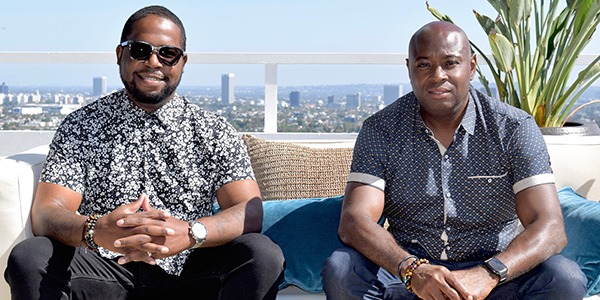
A portrait of Julian Tucker and Terrance Frederick. They are both black men sitting on a rooftop deck. Tucker has sunglasses and a floral collared shirt, and Frederick is wearing a blue collared shirt.

Andaz West Hollywood, LA’s premier hotel on the Sunset Strip, named Tucker general manager and Frederick director of sales, events and marketing.

Tucker has spent 25 years becoming an experienced leader at Hyatt properties. Prior to Andaz West Hollywood, Tucker was director of rooms and operations at Hyatt Regency Coconut Point Resort and Spa in Bonita Springs, Florida. Tucker has also been director of rooms at Hyatt Regency Aruba Resort Spa and Casino and Hyatt Regency Trinidad, and has held multiple management roles at Hyatt properties in Long Beach and Huntington Beach in California and in the greater Denver area.

Frederick brings 15 years of hotel operations experience to the new role. Most recently, Frederick was director of group sales at Manchester Grand Hyatt San Diego. He has also held sales directorships at Hyatt Regency Atlanta, Grand Hyatt Atlanta in Buckhead, Meliá Hotels International, Capella Hotel Group and Coakley & Williams Hotel Management Company.

Susy Suescun

A portrait of Susy Suescun. She is a younger white woman with blonde wavy hair.

Springboard Hospitality in Los Angeles welcomed Suescun as regional director of sales and marketing. Suescun was previously director of global accounts at Omni Hotels & Resorts, where she worked for four years. Suescun has almost 30 years of experience in hospitality sales and sales management. She has held leadership roles at Four Seasons properties, Hilton Woodland Hills and Warner Center Marriott Woodland Hills.

Read More: Los Angeles to Become First Health Certified US City

Bertrand Mangeot

A portrait of Bertrand Mangeot. He is a white man with a dark suit.

Kimpton Sylvan Hotel in Atlanta welcomed Mangeot as general manager. Bringing with him many years of hotel management experience, Mangeot held senior positions at InterContinental Cleveland over the course of seven years and has worked for Karibea hotels in Martinique and InterContinental New York Barclay, an IHG Hotel. Most recently, Mangeot was a leader at InterContinental Toronto Centre, an IHG Hotel.

Marijana Simmons

A portrait of Marijana Simmons. She is a white woman with curly blonde hair and a teal dress.

Simmons joined THesis Hotel Miami as its director of sales and marketing. She brings more than 15 years of hospitality sales experience to her new role. Previously, Simmons was director of sales and marketing at New York City’s EVEN Hotel. She has also been general manager at Shipwreck Tavern, a Jekyll and Hyde restaurant in New York City, and director of sales and marketing at Hotel Indigo Brooklyn in New York.

Michael Codianne and Laura Radford

Two black and white portraits of Michael Codianne and Laura Radford. Codianne is a bald white man with a plaid collared shirt, and Radford is a white woman with light wavy hair.

Max Beach Resort in Daytona Beach, Florida, appointed Codianne director of operations and Radford director of sales and marketing.

Codianne has 30 years of experience in hospitality and food and beverage management. Most recently, Codianne was director of operations at Daytona Beach Resort & Conference Center. He has been food and beverage manager at Hammock Beach Golf Resort & Spa and Hilton Sandestin Beach Golf Resort & Spa, among other restaurant operations roles in the greater surrounding region.

Radford has been in tourism sales for several years, most recently working for Holiday Inn St Augustine – World Golf as its director of sales and marketing. Prior to moving into the hospitality scene, Radford spent 20 years in account management in the advertising industry. Since her transition, she has held leadership sales roles at Hard Rock Hotel and Casino, Daytona Beach Resort and Linchris Hotel Corporation.

Jon Sakshaug

A portrait of Jon Sakshaug. He is a white man with curly red hair and a grey suit.

Hotel Emma, a luxury boutique property in San Antonio, Texas, promoted Sakshaug to general manager. Bringing two decades of hotel and finance management to the role, Sakshaug was most recently hotel manager at the property, and he was also its vice president of finance. Sakshaug has held finance directorships and leadership roles at La Cantera Resort & Spa and The Westin Riverwalk, San Antonio, as well as 11 additional properties across the United States.

Nattinee McMillan

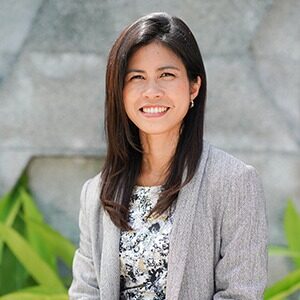
A portrait of Nattinee McMillan. She is a Thai woman with long dark hair and a grey cardigan.

Meliá Phuket Mai Khao in Phuket, Thailand, appointed McMillan director of sales and marketing. For 15 years, McMillan has held roles in events and hospitality sales. Most recently, McMillan was director of sales at Dream Hotel in Phuket, Thailand. She has also held the roles of sales manager at COMO Hotels & Resorts and event manager, among others, at JW Marriott Phuket Resort & Spa.

Tony Ovalle

A portrait of Tony Ovalle. He is an Asian man with square glasses and a black suit.

Hyatt’s Ambassador Chicago welcomed Ovalle as its sales manager. Ovalle has seven years of hospitality management, hotel operations and sales management experience. Previously, he worked for Claridge House, a boutique hotel in downtown Chicago, and helped open Hyatt’s new Chicago Athletic Association Hotel.

Louis Miller

A portrait of Louis Miller. She is a white woman with wavy blonde hair.

American Express Global Business Travel appointed Miller vice president of U.S. multinational clients and sales. Miller was most recently managing partner of the Americas at Areka Consulting and has an impressive 30 years of experience in travel sales management. Miller has been global business development leader, executive vice president of sales and marketing and president of the east sales division at BCD Travel, travel manager at Federated Hermes and account manager at another local budget group in Pittsburgh, Pennsylvania.

Skip Harless

A portrait of Skip Harless. He is a white man with combed brown hair and a suit jacket.

Marcus Hotels & Resorts promoted Harless to managing director, now overseer of Grand Geneva Resort & Spa and Timber Ridge Lodge & Waterpark in Lake Geneva, Wisconsin. Harless was previously general manager at The Skirvin Hilton Oklahoma City and, before that, general manager of Hilton Madison Monona Terrace. Prior to his roles at his current hospitality brand, Harless was senior executive assistant manager at multiple Hyatt Hotels properties across Texas, Colorado and New Mexico.

Read More: Essential List: Smart Meets for Smarter Teams

Noel Fulton

A portrait of Noel Fulton. She is an older white woman with short blonde hair and a black turtleneck.

The Hermosa Inn in Paradise Valley, Arizona, welcomed Fulton as its managing director. Fulton joins the team after holding the role of managing director at its historic sister property, Tubac Golf Resort & Spa. Fulton brings more than three decades of hotel management experience to this new role. She has been general manager for several properties, including Auberge Resorts Collection’s Element 52 in Telluride, Colorado; Rancho Valencia Resort & Spa in Santa Fe, California, and more across the U.S.

Amanda Hawkins-Vogel

A portrait of Amanda Hawkins-Vogel. She is an older woman with shoulder-length black hair and a red cardigan.

Hawkins-Vogel is vice president of operations for Twenty Four Seven Hotels, a hospitality management company based in Southern California. A 30-year hotel management and operations veteran, Hawkins-Vogel most recently worked for Crescent Hotels & Resorts as its senior vice president of operations. Hawkins-Vogel has held the roles of vice president of operations at Sage Hospitality, general manager at Pyramid Hotel Group and Sage Hospitality, as well as area director of resort operations for Hilton, overseeing both Waldorf Astoria Naples and Edgewater Beach Hotel in Naples, Florida.

Michelle McKinney Frymire

A portrait of Michelle McKinney Frymire. She is a white woman with shoulder-length brown hair and a blue blouse.

U.S. Secretary of Commerce Gina Raimondo appointed Frymire to the U.S. Travel and Tourism Advisory Board. Most recently, Frymire was CEO of CWT, the Dallas travel management company, after holding the roles of president of strategy and transformation, as well as chief financial officer. She has also been chief financial officer for several additional companies, including Starwood Hotels and Resorts.