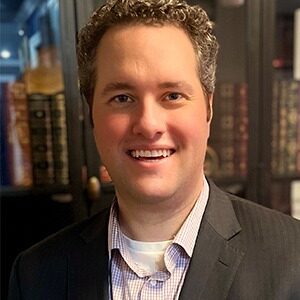
“We understand the importance of connection; we understand the importance of culture,” said David Peckinpaugh, Maritz president and CEO, reflecting on meetings’ return to F2F (face-to-face) amid dawning young talent during our Smart Chat Live! last week, “How to Nurture the Next Generation of Meeting Professionals.”

Peckinpaugh opened with a contextualizing anecdote from his youth, illustrating the impact his grandfather’s professional lessons had on Peckinpaugh’s understanding of perseverance and what he called “incredible patience.” It is this calculating patience and intentional connection by meeting professionals that is leading the industry back to resiliency post-pandemic.

To hear the full conversation, listen on demand.

Now, industry leaders are opening doors to encourage, engage with and invest in new faces in meetings and hospitality. In Tuesday’s webinar, Peckinpaugh addressed how to be a competitive and clued-in recruiter and leader, how to prepare the next generation for meetings and how to prepare the industry for the next generation of talent.

Look Before You Leap

At a time like this, when uncertainty lingers and the world works to regain its pace, gauging risk of change is challenging. Whether you’re thinking about leaving your company or you shifted career paths, the pandemic forced us to take risks, Peckinpaugh explained. Yet, making a big move now is a big risk.

First, Peckinpaugh suggested you do the math. If your move is financially driven, have a clear idea of what kind of “impact on [your] take-home compensation” you want your next salary to have. Consider the values of other companies and their cultures. As Peckinpaugh pointed out, there is currently widespread reassessment of company values and business models within the industry, and you don’t want to end up in an even less healthy corporate culture.

“Make sure it’s an educated move, not an emotional move,” Peckinpaugh said. “Are you running toward an opportunity? Are you running away from something?” When you run prematurely, you miss things, and you might end up missing the way things were, he pointed out.

Read MoreDavid Peckinpaugh: Peck at the Plate

A Pivotal, Pivoting Precedent

Redefining and then establishing a true work-life balance came hand-in-hand with new expectations, values and standards. “The one thing that we all learned is what’s important in life,” Peckinpaugh remarked. The pandemic set a new precedent for us, and that’s part of what has made it so pivotal. It revealed what’s not working at our jobs, businesses and throughout industries (think major sustainability initiatives) and now, both values and standards are changing as healthier work cultures germinate through flexible work environments.

“The number one thing I hear from prospective employees, new employees and even our existing workforce is, ‘What are we doing that’s having an impact and making a difference in the world?’” Peckinpaugh noted. “But…that reassessment process is ongoing—it’s not a short-term thing.”

Peckinpaugh also observed that there’s been a flip in “the balance of leverage…. The employee has much more leverage; and I think, as employers, we have a lot more pressure on us to provide answers and a path forward that fulfills the goals and objectives of our workforce,” noting that he sees this as a positive challenge.

Impassioning Young Talent

“I think that’s the opportunity for our industry,” started Peckinpaugh. “It’s to paint the picture of career development, of career pathing and true advancement in our industry.” The meetings industry not only offers opportunities for those ‘reskilling’ but for those interested in expanding skills through cross-training.

Peckinpaugh urged prospective and experienced professionals alike to “take advantage of this crisis”—the experiences we create (including at the office) should both reflect the lessons we’ve learned and exemplify what we find wonderful about events to prospective new talent. “You see the passion in newcomers into the industry,” Peckinpaugh said. “It’s our responsibility to continue to create opportunities to continue to fill those goals and objectives that they have.”

Advice for Prospective Meeting Profs—and the Seasoned Planner

A row of breakout session attendees with folders on their laps.

“The exciting thing for me about this industry is you can really pursue just about every passion you might have, in one way or another,” reflected Peckinpaugh. And, given how critical career advancement is, Peckinpaugh asserted, the events industry stands out for its eclectic approach as a “resource of experiences.” But it takes a “Servant-Leadership mindset” to make those experiences successful.

“Understand what the various segments are; if you can get into a good training program that moves you around to difference areas…those are great opportunities to learn different disciplines within meetings and events,” suggested Peckinpaugh.

Peckinpaugh noted that it’s OK to pick your foot up off the steppingstone when you’re ready, and it’s important to know when that is.

This industry also likes to mentor. Major meetings organizations such as Professional Convention Management Association (PCMA) and Meeting Professionals International (MPI) have a number of programs for prospective industry professionals, said Peckinpaugh. However, “there’s a sort of personal responsibility for individuals to reach out and find a mentor” when they need one, he said.

Conversely, as planners, ask yourselves how you might mentor incoming talent or share your network with them as they develop skills and careers. This great ‘reskilling’ centers around digital skills, Peckinpaugh explained. But foundational skills like interpersonal and communication skills, empathy, as well as good written and verbal communication will prove to be as crucial as ever in the business.

As far as retention and leading these young professionals, Peckinpaugh recommends “[re-engaging] in an active mentoring program within your company… or informal gatherings for social opportunities.” They don’t have to be company-wide—try by department, he recommended.

Industry Reach, Vision and the Battle for Talent

“Everything that happens in the world affects meetings, [and] …everything in meetings affects the rest of the world,” said Peckinpaugh. He discussed how meetings, their makers and those in attendance have a global reach that goes beyond our own industry and touches others.

‘Meetings mean business’ has a whole new ring to it now that we intimately understand the power of meeting. Not only that but, post-pandemic, companies and their recruitment processes have grown more global while employees are increasingly nomadic. “We need to talk to those who aren’t familiar with our industry, whether that’s local, regional, state or federal government officials,” asserted Peckinpaugh.

Now, according to Peckinpaugh, politicians and business industry leaders alike are committing to F2F. “We’ve got to do a better job of messaging,” Peckinpaugh said. “I think it starts on the high-school level.”

Peckinpaugh believes the “battle for talent” is here to stay. Where meetings bring personal and professional balance, mentorship and hands-on opportunities, there we will find the leaders in the next generation of meetings.


Plan with Confidence
Find the perfect venue with outdoor space and a flexible back up plan as we adapt to the new normal
Many things have changed over the past year—and that includes how meeting planners select event spaces. Suddenly, having a great outdoor option has skyrocketed up the list from nice to have to absolutely necessary. And while having a purely outdoor location may not always feel as non-negotiable as it is right now, it can’t hurt to plan accordingly. Fortunately, Baltimore is loaded with event spaces that offer beautiful waterfront patios, charming courtyards and more—in addition to stellar indoor rooms if the circumstances (or weather forecasts) shift.
American Visionary Art Museum
As a museum devoted to showcasing the works of exclusively self-taught artists, AVAM is a special setting for any event. The building itself is a work of art, covered in mirrored mosaics and surrounded by neon art and a Cosmic Galaxy egg. The museum boasts a few options for outdoor events, including the Wildflower Garden, where lush blooms, aromatics and vines join artwork in a creative setting.
Gunther & Co.
In Baltimore’s Brewers Hill, this restaurant offers one of the larger outdoor patios in the area—and it’s a lovely one, too. The showpiece: a duo of “living walls,” or vertical gardens where pollinators and culinary herbs grow.
Ouzo Beach
An across-the-street extension of Atlas Group’s Ouzo Bay, this 125-seat space overlooks the Inner Harbor and is meant as a nod to a Mediterranean villa courtyard, complete with a wooden trellis and lush greenery.
The Elm
Set in the original mill village near Hampden, this venue is the area’s only surviving carriage house from the pre-Civil War era. In later years, the property was an airplane factory and inventor’s studio. Now, it’s been carefully renovated as an event space, and in addition to indoor spaces, offers a two-tiered garden setting under a canopy of old oaks and maples for as many as 145 guests.
Museum of Industry
Located in a five-acre former oyster cannery that faces the Inner Harbor, this museum features an outdoor pavilion that can accommodate a large group for seated or cocktail reception, and can expand onto the adjoining waterfront point. Worried about weather? The pavilion has clear sides that can be lowered if needed.
Sagamore Spirit Distillery
This waterfront whiskey distillery—owned by Under Armour CEO Kevin Plank—offers two indoor tasting rooms and a sprawling outdoor tasting patio that overlooks the water. With plenty of outdoor space and several options for private indoor events, this distillery is a modern event setting that’s perfect for whiskey lovers—and everyone else, too.
Sagamore Pendry
The Pendry is a true stunner of a hotel—and the outdoor spaces are just as special as the indoor. Take the Pool Deck: With sweeping views from its setting above the harbor, the deck offers five private cabanas and a chic setting. Looking for something more versatile? The semi-enclosed 4000-square-foot courtyard is done in a modern industrial style, with a showpiece Botero horse sculpture, fireplaces, lounge seating, and dramatic lighting. Also visit Fells Point for taverns, live music, and Chesapeake Bay seafood.
Canopy Hotel
Brand new to the Baltimore hotel scene, this 156-room Canopy by Hilton is centrally located between Harbor East and Fell’s Point, and offers up a ninth-floor terrace and plenty of outdoor dining space at Cindy Lou’s Fish House, its hot waterfront restaurant from local powerhouse duo Foreman Wolf.

This summer, Hyatt Hotels Corporation will unveil its new lifestyle brand, Caption by Hyatt. The 136-room Caption by Hyatt Beale Street Memphis, the first of many by the new brand, will open as an upscale, select-service property.

When the property opens on June 22, guests will have access to the hotel’s restaurant, beer garden and lobby space, dubbed Talk Shop, the brand’s “reimagined arrival experience, where guests will enjoy a lively welcome area, all-day lounge and workspace, coffee shop, eatery, grab-and-go artisanal market and cocktail bar,” according to a press release.

The Beale Street hotel, said to have an “contemporary-meets-urban industrial aesthetic,” will be in the main building of William C Ellis & Sons Ironworks and Machine Shop, one of the longest-running businesses in the city. According to the property’s website, there will be meeting space, but details on how much has not been released.

In keeping with many hotel brands’ commitment to sustainability, Caption by Hyatt is towing the line. “A commitment to sustainability will also be incorporated at every level of the brand, including prohibiting zero single-use plastics, placing hydration stations on every floor and utilizing materials with recycled content as well as materials that improve with age and use,” said the brand in a release.

Read MoreBeyond Carbon-Neutral Hotels: Evolution of Eco-Friendly Hotels

Caption by Hyatt is expected to grow key leisure markets in metropolitan and downtown areas through 2024, including Shanghai, which will be home to Caption by Hyatt Shanghai Zhongshan Park early 2023; and Tokyo, which will have Caption by Hyatt Kabutocho Tokyo in 2025. The brand is also slated to open Caption by Hyatt Namba Osaka Japan in 2024 and Caption by Hyatt Ba Son Saigon in Vietnam in 2025.


“To truly impact our earth, carbon-neutral developments are no longer enough,” said Grant McCargo, co-founder, CEO, chief environmental officer and partner of Urban Villages.

Urban Villages, the company behind the construction of the upcoming Populus hotel in Denver, will be creating the first “carbon-positive” hotel in the United States, scheduled to open late 2023.

The term “carbon-neutral” is by no means new; in fact, in the United States, it was New Oxford American Dictionary’s “Word of the Year” in 2006. But over the last few years, with concerns about climate change rising year-over-year, efforts by hotel properties around the world have been ramping up, with many first-ever eco-friendly properties cropping up around the world.

The 265-room Denver hotel being developed by Urban Villages will have 4,400 sq. ft. of energy-efficient meeting space and will also feature ecological efforts off-property, including a commitment to plant trees enough to cover over 5,000 acres of forest.

A Net-zero Option

Over in New Haven, Connecticut, Hilton Hotels is working on—and accepting reservations starting May 19—the first “net-zero” hotel in the U.S.

According to a press release, the 165-key Hotel Marcel New Haven will use renewable solar power sources on property to generate electricity for its communal areas, restaurant, laundry rooms, meeting rooms, and its guest rooms and suites, and will operate independently of fossil fuels. Hotel Marcel will have 9,922 sq. ft. of meeting space across eight rooms, which includes private rental of its entire ninth floor.

“Features in the transformation of the building include a power-over-ethernet lighting system that reduces lighting energy use by more than 30%; repurposed building materials throughout, such as light fixtures and carefully restored wood-paneled walls in suites that were once the Armstrong executive offices and conference rooms; and extensive upgrades to enhance interior temperature control and air quality, resulting in the building using significantly less energy-per-square-foot than most hotels.”

Carbon-negative Upgrades

Bucuti & Tara Beach Resort in Aruba has been carbon-neutral since 2018, the only one in the Caribbean and the first in North America; but, fittingly, on Earth Day the 104-room property announced plans to go carbon-negative later in 2022.

According to a press release by the property, its carbon-negative initiative, Invest in Our Planet, will include the following.

  • To continue the reduction of fossil fuel-dependency, Bucuti & Tara provides employees with loans for electric bicycles, electric automobiles and solar panels for home use.
  • Guests and staff have complimentary use of the resort’s electric charging stations for vehicles and bicycles.
  • Administrative offices are being removed from the resort’s overall grid and placed on a self-sufficient microgrid, which will reduce electricity use up to 15%.
  • Beef items are being reduced on guest menus and will be 100% reduced in employee meal offerings, which are praised for their healthy items.
  • A new rooftop system is being installed to increase efficiency and further reduce energy consumption by 10%.
  • Replacement rooftop solar panels will continue heating water to meet most of the resort’s hot water demand.
  • Kitchen stoves will be 100% induction burners (currently 75%), which deliver 80-90% of its electromagnetic energy to the food pan versus a mere 38% with gas stovetops and 70% with electric ranges. Bonus: Since the kitchen is not as hot, less air-conditioning is consumed.
  • Interiors and exteriors are almost completely repainted with state-of-the-art insulating paint that draw up to 25% less of current energy consumption, a major feat in tropical climates.

If you are a bit confused by the terminology, you’re not alone. “Carbon-positive” and “carbon-negative” mean the same thing in terms of what they’re designed to accomplish, which is to move beyond just cutting emissions and to offset carbon production by various means, which in Populus’ case, is planting trees.

Why the Focus on Carbon Neutrality?

It’s not a coincidence so many hotels are deciding to go carbon-neutral. It’s all part of a plan laid out by the European Commission in December 2019. As a response to the European Parliament’s declaration of a climate emergency, the European Commission presented the European Green Deal.

This plan aims to make Europe climate-neutral by 2050 and reduce emissions by 55% by 2030; this target has also been laid out in the Paris Climate Agreement, created in 2015 signed by 195 countries, including the European Union and the United States—which ceased participation under former President Donald Trump in November 2020 and rejoined under President Joe Biden on his first day in office in 2021.

Major hoteliers have announced commitments to this 2050 goal, as well, including Marriott International and Paris-based Accor. Marriott announced its sustainability plans in 2021, as part of its 2025 sustainability goals, which includes the reductions of single-use plastics, reducing food waste by 50% and working towards the goal of having each hotel in its portfolio obtain sustainability certification.

There’s good reason floral motifs have withstood the test of time. In every era, flowers remain a timeless feature of event decor that refuses to fall out of style. It’s hard to deny the draw of freshly cut flowers.

Lawn Love, a platform for independent lawn and yard maintenance professionals, published the results of its study, “2022’s Best Cities for Local Flowers,” which compared 200 U.S. cities in flower access, delivery access, vendor quality and local demand. Researchers at Lawn Love also consulted market findings from the international Association of Specialty Cut Flower Growers in developing the list.

And across multiple categories, California, the Golden State, is coming up roses.

Blossoming Cities

The winning cities with some of the best supplies of local flowers are as follows:

  1. Santa Rosa, CA
  2. Los Angeles, CA
  3. Orange, CA
  4. Santa Ana, CA
  5. San Diego, CA
  6. Honolulu, HI
  7. San Francisco, CA
  8. Chicago, IL
  9. New York, NY
  10. Philadelphia, PA

Read MoreEssential List: Unique Destinations for Spring Meetings

Santa Rosa, in a practically fated turn, was named “Local Flower Capital” for its plethora of flower farms, which supply a rich community of local florists. Philadelphia and Lakewood, Colorado, tied with Santa Rosa in just this metric. But through all the country’s mountains, valleys and plains, California unsurprisingly remains the U.S. “Cut Flower Capital” as the producer of 76% of all the cut flowers countrywide.

In terms of floriculture crop sales, California ranks behind none other than the Sunshine State. Florida was named the “leading wholesaler of floriculture crops” by Lawn Love researchers. Where meetings happen, Orlando and Miami were found to place first and third, respectively, in total number of flower shops per square mile.

Yet, only three of 13 Florida cities on the final list made it into the top half of the vendor quality category, while California maintained nine of 10 in the 100 leading cities.

Read MoreUrban Venues Seeing Return of Group Business

Finding the Freshest Flowers

As much as “80% of cut flowers sold in the U.S. are imported” from foreign countries such as the Netherlands, Colombia, Ecuador and Kenya, reported Shital Poudyal, an assistant professor in the Department of Plants, Soils & Climate at Utah State University; but this can stunt the potential of floral design, given the delicate and fleeting nature of flowers. Assistant Professor of Horticultural Studies at North Carolina State University Melinda Knuth explained that “a well-handled flower will last the consumer 10-14 days at home.”

Many local florists have the resources here, and it benefits your selection, your carbon footprint and local economies to invest in locally cut flowers, said Knuth. She explained that dahlias, zinnias, and ranunculuses (or buttercups) are almost exclusively found locally. It’s tough for flowers to make long journeys in boxes.

“Sometimes the freshest flowers are purchased on the side of the road,” remarked Knuth.

As the spring season continues to make its way out of the ground and as events return with it, keep in mind the perennial charms of one of nature’s most inviting delights.

Laura Maldonado

A portrait of Laura Maldonado. She is a light-skinned woman with straight black hair and a red patterned blouse.

Kimpton RiverPlace Hotel in Portland, Oregon, welcomed Maldonado as general manager. Maldonado has spent the last 15 years in hospitality leadership and management, most recently serving as general manager for The Gates Hotel South Beach – A DoubleTree by Hilton. Maldonado has held hotel management roles at Southernmost Beach Resort, Hilton Garden Inn Times Square and Wyndham Worldwide Corporation.

Alan Klein

A portrait of Alan Klein. He is an older white man with thin glasses and a plaid suit jacket.

Driftwood Hospitality appointed Klein to the oversight team for The Scottsdale Resort at McCormick Ranch’s million-dollar renovation as area general manager. Previously, Klein was general manager of Canopy by Hilton Temple Downtown in Arizona. With 25 years of hospitality and hotel management experience, Klein has held the role of general manager at several properties, including Embassy Suites by Hilton Scottsdale Resort, The Sanctuary Beach Resort in Monterey, California, and more.

Read More: Phoenix & Scottsdale: Diamonds in the Desert

Lisa Yeh

A portrait of Lisa Yeh. She is an Asian woman with shoulder-length dark hair.

Sentral, an urban residential and extended-stay hospitality brand, promoted Yeh to chief operating officer, the first in the company’s history. Most recently, the 20-year hospitality business development, operations and finance veteran served as Sentral’s senior vice president of operations, asset management and finance. Yeh has held similar directorships and executive roles at Essex Property Trust, AvalonBay Communities and more.

Brock Taylor

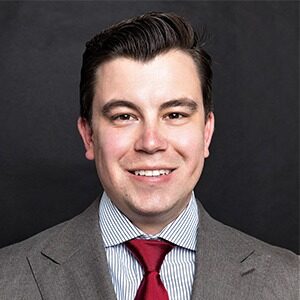
A portrait of Brock Taylor. He is a white man with combed black hair and a grey suit.

Mr. C Beverly Hills promoted Taylor to general manager. Taylor brings a decade of experience in hotel operations and management, most recently working for Mr. C Beverly Hills as its hotel manager. He has also held roles such as front office manager at Ojai Valley Inn, director of front office operations at Mr. C Beverly Hills and more.

Matthew De Guzman

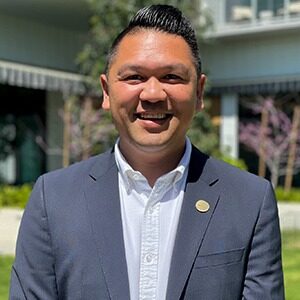
A portrait of Matthew De Guzman. He is a South Asian man with combed black hair and a grey suit.

Mission Pacific Hotel in Oceanside, California, welcomed De Guzman as hotel manager. De Guzman was most recently assistant general manager at Hilton Grand Vacations Club MarBrisa Carlsbad in California. A 15-year hospitality management and hotel operations veteran, De Guzman has held roles such as resort manager, director of housekeeping, manager on duty and more for Hilton Hotels and MGM Resorts properties across California and Nevada.

Ed Braunlich

A portrait of Ed Braunlich. He is an older balding man with a blue collared shirt.

Courtyard King Kamehameha’s Kona Beach Hotel in Kailua Kona, Hawaii, appointed Braunlich to general manager. Braunlich brings over 35 years of international hospitality experience to his new role. Previously, he was a leader in Hawaii hospitality, opening 11 hotels during that time. Braunlich has also been general manager for hotel and resort properties in Florida, Texas and China and was corporate operations manager for Hyatt Residence Club San Antonio, Wild Oak Ranch.

Read More: True Bliss, Aloha Style: Rejuvenation Awaits in Hawaii

Chase Heu

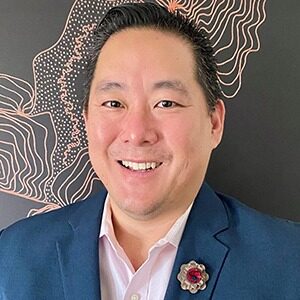
A portrait of Chase Heu. He is an Asian man with a blue suit.

Heu is now area director of food and beverage for Highgate Hotels Hawaii. Heu brings almost 30 years of hospitality experience in restaurant management. Most recently, he was director of operations for Morimoto Asia and Momosan Waikiki, restaurants by Iron Chef Masaharu Morimoto located in ‘Alohilani Resort Waikiki Beach. Heu has worked for several additional properties across Honolulu and the greater Las Vegas area.

Renato De Oliveira

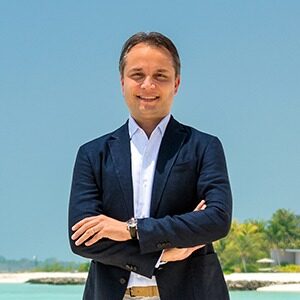
A portrait of Renato De Oliveira. He is a brown man with a dark blue suit standing at a beach.

The Ritz-Carlton Maldives, Fari Islands welcomed De Oliveira as its general manager. A 17-year hospitality veteran, De Oliveira was previously general manager of St. Regis Kuala Lumpur in Malaysia. De Oliveira has also held hotel management roles at seven other Ritz-Carlton properties, including Hotel Arts Barcelona, The Ritz-Carlton Shanghai, Pudong in China and The Ritz-Carlton, Santiago in Chile.

Kristen Snavely and Molly Smith

A portrait of Kristen Snavely and Molly Smith. They are both white women with long brown hair wearing cowboy outfits.
Smith (left) and Snavely (right)

Triple Creek Ranch in Darby, Montana, appointed Snavely and Smith co-general managers of the property.

Snavely has been with the ranch for the past 24 years. Most recently, Snavely was assistant general manager. She has also held roles in management of ranch grounds and operations, as well as of Triple Creek Ranch’s horseback riding program.

Smith began her hospitality career 12 years ago as the ranch’s assistant pastry chef. After working her way into dining room management, Smith first served as general manager of the property in 2018. Smith has also been assistant general manager and director of food and beverage at The Inn at Hastings Park in Lexington, Massachusetts, and director of service at The Hammond Kitchen and Craft Bar in Camas, Washington, her most recent position.

Matt Sommers

A portrait of Matt Sommers. He is a younger man with curly brown hair and a grey suit.

With a decade of experience in luxury hotel management and operations, Sommers joins YOTEL Washington DC as its general manager. Most recently, Sommers was director of operations at The Westin Washington, DC City Center and, before that, general manager at Capitol Hill Hotel. He has been a leader at multiple MGM Resorts, Fairmont Hotels & Resorts and The Ritz-Carlton properties.

AnaLaura Becerra, CMP, CTA

A portrait of AnaLaura Becerra. She is a white woman with shoulder-length brown hair and a black sweater.

Travel Santa Ana in California welcomed Becerra as director of sales. Becerra brings more than 35 years of hospitality sales experience to the organization, most recently serving as director of corporate sales for Destination Irvine. Becerra has been national sales manager at PRA Business Events, corporate group sales manager for Hilton Worldwide, group sales manager for Interstate Hotels & Resorts and more.

Gary Koester

A portrait of Gary Koester. He is an older white man with a black suit jacket and a plaid collared shirt.

Sandcastle Resorts and Hotels appointed Koester executive vice president of the brand. A 34-year hospitality veteran, Koester has been involved in oversight for the prestigious Hilton Sandestin Beach Golf Resort & Spa, a Hilton hotel independently owned by Sandcastle Resorts, and its expansions since 2014. Koester also remains principal of Hospitality Investment Services in Memphis, Tennessee, a position he’s held since 2004.

Richard Saunders

A portrait of Richard Saunders. He is a white man with combed black hair, a short beard and a black suit jacket.

CWT promoted Saunders to vice president of its Global Partners Network. Saunders was previously global head of partner commercial relations at the company. With over 20 years in hospitality sales and account management, he has also been regional sales and alliance manager of the Middle East and Africa for United Airlines.

Derek Hunt

A portrait of Derek Hunt. He is a white man with a black suit and blue tie.

Kennebunkport Resort Collection in Kennebunkport, Maine, welcomed Hunt as general manager of in-town properties. Hunt now oversees over half of the brand’s properties. Most recently, he was general manager of Union Bluff Hotel in York, Maine, and has more than a decade of experience in roles such as director of hospitality, director of food and beverage and general manager, several times over.

Five weeks out from the return of IMEX in Frankfurt, Germany, IMEX Group CEO Carina Bauer is excited that after cancelling two years in a row, the program is returning strong with an emphasis on connection and sustainability. She is expecting 2,500 meeting planners and more than 2,500 exhibitors from 150 countries as the program rolls out May 31-June 2, a similar size crowd to the one at IMEX America last November.

A Robust Agenda

Inspired by lessons learned from the successful American show at Mandalay Bay Resort and Casino in Las Vegas, look for a nature-inspired decor with education areas embedded in the trade show floor, a More than Experience theatre by DRPG and Maritz and a new look for the Hosted Buyer Lounge, Media Zone and food court.

Read more about IMEX America 2021.

The event is preceded by Association Focus, a full day of networking and education at Sheraton Frankfurt Airport Hotel and Frankfurt Marriott Hotel where International Congress and Convention Association (ICCA) will be returning to in-person gathering.

She Means Business will share conversations with industry leaders on everything from breaking the glass ceiling to leveraging diversity to create the workplace of the future.

Policy Forum presented in partnership with Destinations International, AIPC, ECM, Events Industry Council, ICCA, JMIC, UNWTO and The Iceberg bring together government ministers and industry leaders to talk about the future of events. “Post-pandemic, it is the perfect time to show policy makers how the industry can help regenerate their economy,” Bauer said.

Future Leaders Forum will bring together young people in the final year of study to inspire them to dedicate their careers to the industry. Bauer pitched it this way in the promotional materials: “Over the two-day programme, you’ll make valuable industry contacts, benefit from high-quality education and visit the heard of the meetings industry, IMEX.”

The agenda includes 72 educational events in the Inspiration Hub over three days, a total of 150 sessions and attendees can pick and choose what programming they want to drop in on. “It is still robust, but less than it was in 2019 in recognition that people don’t want to schedule back-to-back sessions,” Bauer said.

The Be Well Lounge will feature yoga and meditation and spaces on the show floor and outdoors in courtyard will be open for attendees to catch their breath.

Additionally, Bauer is replicating the practice from IMEX America 2021 of opening the hall earlier to give more networking time and disburse crowds.

“There will be lots of new and familiar with a bit of a different twist,” she added. “You can learn and have fun as well.”

A Focus on Nature

A 3D render of an astronaut laying in a field of grass surrounded by blue butterflies.

Nature is still the headline theme. That green vibe will be seen in the education and the design around the show, Bauer said. People, Planet, Village area from IMEX America will make its visible debut in Frankfurt with cultural and CSR activities.

Behind the scenes, the emphasis is on measuring. MeetGreen sustainability consultants are calculating the environmental impact in Frankfurt for first time. Previously, IMEX relied on the venue to measure, but now Bauer wants to accurately benchmark the shows against each other. “We are trying to get a grip on where our impact comes from and then we can look at how we can decrease,” she said. “We have to measure first to set the bar.”

A pilot program will also stage education and a coffee lounge in media and association booths to build on the idea of delivering a different kind of experience, rather than a basic booth. “It enhances the attendee experience and allows associations to have a more meaningful presence,” she said.

On Feeling Normal

Bauer was overjoyed that after being forced to pull the plug at the last minute twice, the host destination is fully open. “We were in the build-up for 2020 when coronavirus emerged and had to cancel the show 10 weeks prior,” she recalled.

Today, visitors must be vaccinated, tested or recovered to get in the country and masks are required on public transport, but otherwise Germany is open. “It is a relief to have normal conditions, so exhibitors can entertain in the normal way,” she said.

Bauer is expecting a robust contingent from Southeast Asia where the countries are largely open, along with exhibitors from Latin and North America. The number of buyers from North America who had registered more than a month out is similar to 2019. “It is feeling quite normal, actually,” she said. “That is special.”

“People are ready to come out and say, ‘this is what we have done, we are open and ready.’ Now is the time,” she said.

Editor’s note: This Week in Travel (TWT) is your essential guide to smoothing the road from here to there for your attendees and yourself.

Mask Lifts, Flight Refunds and Airline Sickouts

Amid the celebration of the (perhaps temporary) mask mandate on flights in the United States being lifted, was the caveat that the Biden administration would appeal the decision.

As we reported, however, experts agree that a repeal would be like putting a genie back in a bottle.

Meanwhile, Associated Press said that United, Delta and American will be willing to extend refunds to some travelers who don’t want to travel without a mask mandate.

AP said all three airlines would look at refunds on a case-by-case basis, but that basic economy tickets without refunds built into the fare may not be refundable. The Los Angeles Times quoted Alaska Airlines, saying they would also look at these refunds on a case-by-case basis.

While flight attendants in the U.S. report a sense of relief at not having to police passengers on the mask policy, CBS News reports that airlines in Europe, dealing with spikes in Covid-19 variants are having staffing issues, which are resulting in canceled flights.

They quoted epidemiologist and health economist Dr. Eric Feigl-Ding’s tweet:

“So damn predictable—UK govt drops restrictions, airlines like @easyJet drops masks…and less than 2 weeks later…huge spike in pilots and flight attendants out sick with #Covid-19 unable to work, and 120 flights cancelled! Airline CEOs asked for this.”


Bottom Line for Meeting Planners: This is what hybrid meetings are for. If you have participants who don’t feel good flying without a mask, don’t hold your breath waiting for a repeal of the mandate as pundits aren’t bullish on a change at this point. Reports of sick pilots and flight attendants won’t help confidence levels for those flying with concerns.

All In: Inclusives Rule

Four people at a swimming pool bar drinking beer. The mask mandate is less enforced at many resorts.

Wyndham Hotels & Resorts has published results of a new consumer study commissioned by the company and conducted by OnePoll that shows 75% of travelers believe the best way to travel is to book an all-inclusive trip. And 77% think it’s a less stressful way to travel.

The brand’s survey coincides with its alliance with Playa Hotels & Resorts and the creation of the new “Alltra” brand. Wyndham’s Alltra means “All Inclusive Travel for All” and will be spearheaded by the family-friendly 458-room Wyndham Alltra Cancun and the adults-only 287-room Wyndham Alltra Playa del Carmen, which both opened in Mexico in December 2021. The brand said they plan to develop additional upper-midscale, all-inclusive Wyndham Alltra resorts in the Caribbean and other major resort destinations.

GBTA Sustainability Survey

Global Business Travel Association (GBTA) has published its 2022 Sustainability Survey which unveils “barriers” that exist to getting to a more sustainable business travel model. Those barriers include higher costs, limited dates and lack of access to transparent information.

Key takeaways include:

  • Almost 9 in 10 industry respondents (89%) collectively say that sustainability is already a priority for their company.
  • Regardless of region, travel buyer and supplier respondents say better protecting the planet is a priority: Asia Pacific (99%), Europe (97%), Latin America (91%), North America (84%).
  • Only 14% say that the industry is currently well advanced on sustainability–but improvements are being made as 76% of travel buyers have already incorporated or are planning to incorporate sustainability objectives in their travel policies.
  • 80% of the global business travel industry report having a sustainability team and/or a sustainability program in place and are already measuring (55%) and reporting (56%) on environmental impact of their business travel activities.
  • 88% of the global business travel sector views addressing climate change as the number one priority area for action.
  • 88% of the industry sector ranks reducing business travel emissions as the top priority for the next two to three years.
  • For industry professionals, among the biggest barriers to more sustainable business travel management practices are higher costs (82%) and lack of transparent information and data (63%). The key enablers include fostering change in industry culture (63%) and improved access to sustainability data (63%).
  • Industry respondents say the most impactful actions for sustainable business travel programs are prioritizing energy efficient accommodations (81%), suppliers with sustainability certification (78%), and flights with sustainable aviation fuel (SAF) (73%).
  • When it comes to sustainable travel policies, the main divergence between travel buyers and suppliers (as well as among regions) relates to multimodality and the frequency of travel. Seven in ten buyers (73%) support encouraging or mandating taking fewer trips, while 60% of suppliers do not encourage this blanket reduction in travel. Regionally, Europeans are much more likely to support that less travel be encouraged or even mandated and six times more likely than North Americans to support mandating multimodal travel options.
  • External stakeholders view higher costs (58%) as the top barrier to the sector’s sustainability and almost two-thirds (62%) rank lack of interest from some industry stakeholders. Interestingly, longer travel times are more likely seen as a barrier by those outside the industry (41%) than by industry respondents (32%).

Kevin Iwamoto, chief strategy officer with Bizly, told us that “The GBTA study validates that many companies, travel buyers and meeting planners are supporting sustainability initiatives. It would be interesting to see data on how many planners had to scale back on sustainability goals due to reduced budgets and higher costs for sustainable practices.”

Editor’s note: This Week in Travel (TWT) is your essential guide to smoothing the road from here to there for your attendees and yourself.

In Flight Mask Mandate Unravels

After the Biden administration sought to extend a longstanding U.S. mask mandate on public transportation, U.S. District Court Judge Kathryn Kimball Mizelle, a federal judge in Florida, ruled the directive unlawful, opening up a loophole for airlines (many of whom have publicly voiced support for the end of the federal mandate) to allow customers to make their own decision to mask or not.

American, United and Delta all made statements to the press and to the public that masks will now be optional.

Delta’s media center page stated: “The Transportation Security Administration is no longer enforcing the federal mandate as of April 18.

“The choice is yours: Delta people and customers may still choose to wear a mask. Experts agree that wearing a well-fitting mask–such as a KN95–protects the wearer, even if others around them are not wearing masks. As Delta people and customers adapt to this change, please extend some extra patience to your crew and in-flight neighbors.

“As Covid-19 continues transitioning to a manageable respiratory virus with improved treatments, widespread vaccine availability and other medical advancements to prevent the worst outcomes, Delta has made some adjustments to Covid-era protocols while following the science and maintaining the Delta CareStandard. We remain committed to layers of protection like hospital-grade HEPA filters, regular cleaning and sanitization of high-touch surfaces on the planes and in the airport, a dedicated cleanliness team dedicated to ensuring high standards are maintained.”

The airline’s page also shared a “pro tip”: “Customers are encouraged to carry a mask throughout the journey as face coverings may continue to be a requirement in other aspects of travel, like Lyft rides or when traveling internationally.”

Airlines for America (A4A), the industry advocacy group which had long pleaded for an end to in-flight masking, said, “”The high level of immunity and widespread vaccine accessibility in the U.S. coupled with the hospital-grade cabin air on aircraft provide a strong, science-based foundation for passengers to travel with confidence as restrictions are lifted on our nation’s airlines.”

“We look forward to welcoming millions of travelers back to the skies this summer to reunite with loved ones, attend conferences or to take a vacation.”

Read MoreNew CDC Guidelines: Still No Large Gatherings, But No Masks Outdoor If Vaxed

Unmasking Blow Back

While it was widely reported that the Biden administration would put a pause on fighting or working to repeal the unmasking ruling while the CDC weighs in, it seems unlikely that Covid-fatigued passengers will be persuaded to put the genie back in the bottle and mask up in a climate of increased tolerance to the grey area of widespread vaccinations and the perception that the vaccine has rendered Covid’s myriad permutations less deadly and more endemic.

On the frontlines of masking, the Association of Flight Attendants-CWA (afacwa.org) issued a statement:

“We will soon have more legal analysis on what this means and what next steps may be taken in court by the government. We urge focus on clear communication so that Flight Attendants and other frontline workers are not subject to more violence created by uncertainty and confusion.

“Immediately, we urge calm and consistency in the airports and on planes. The last thing we need for workers on the frontlines or passengers traveling today is confusion and chaos. Traveling can be stressful enough and safety comes first with respect for everyone utilizing collective modes of transportation.

“In aviation operations, it is impossible to simply flip a switch from one minute to the next. It takes a minimum of 24-48 hours to implement new procedures and communicate this throughout the entire network. Policies and procedures must be updated and thoroughly communicated to hundreds of thousands of employees, along with millions of travelers. Announcements and signage, electronic and physical must be updated.

“We encourage travelers to check the latest updates from airlines for specific travel requirements while airlines implement any new policies. Flight Attendants and other aviation workers should check for the latest instructions from your airline and proceed accordingly.

“While we all look forward to the day masks are no longer required, we also know the federal mask mandate for transportation was critical in its early days for confidence in travel and safety for workers and travelers while mitigation factors such as vaccines, adequate supplies of PPE, and testing became more accessible. We urge all leaders to consider a thoughtful transition and implementation to any new policy, which also includes on-going personal choice of protection for crew and passengers.

“We urge everyone to practice patience, remain calm, and to continue to follow crewmember instructions. And we remind passengers that it is legally required to follow crewmember instructions, and that disruptive behavior has serious consequences as it puts everyone at risk. Our workspace is your travel space. Let’s get where we’re going, together.”

Henry Harteveldt, San Francisco-based travel industry analyst and principal at Atmosphere Research, told Smart Meetings: “The mask mandate horse has left the barn. Unless we see Covid cases surge to what would be considered crisis levels, where lockdowns might be necessary, or if the Biden Administration sees it as helpful for the midterm elections (which I do not believe it is at this point), I doubt we will see the requirement to wear masks on planes reinstated.

“While many travelers and airline employees alike are cheering this decision, there are also some who are unhappy, generally due to health concerns. People whose immune systems are compromised, for example, have said they feel very anxious about being around so many other people in the confined space of an aircraft cabin,” he said.

David Slotnick, senior aviation business reporter at The Points Guy, was realistic. “For all intents and purposes, the mask mandate is over. The Biden Administration can absolutely appeal the ruling and says it’s weighing options, but unless there’s a massive surge in cases and hospitalizations or a similarly dire situation, it seems that reinstituting the mandate would be politically unpopular for the administration. It’s kind of a Pandora’s box—with the mandate lifted, reinstituting it would be incredibly difficult.

“For now, the requirement for travelers flying in from overseas to test within a day of travel is still in effect, but it’s likely that the White House will come under pressure from travelers, airlines, and the rest of the travel industry to lift that,” he predicted.

Travel blogger and pundit, John Di Scala (JohnnyJet.com), says that the health experts he follows believes the unmasking is “a little bit premature as they’re waiting to see if the latest uptick of cases result in a surge of hospitalizations. So far it hasn’t, so I think the mandate was going to end on May 3 anyway.”

The frequent traveler says that he will wear a mask on crowded flights or if it seems as if his seatmate is “under the weather.”

“But planes are safer than most indoor spaces thanks to their air flow and HEPA filters,” says DiScala. “The good news about the mask mandate ending is, I think, the amount of unruly passengers will go down as most of them were [fighting] over wearing masks.”

One of the first big conventions to return anywhere in the world after the Covid pause was Informa Market’s World of Concrete show in June 2021 at the expanded Las Vegas Convention Center. Six months later, almost 37,000 construction and masonry professionals returned to their normal slot in January of 2022. The show took over 632,000 sq. ft. in the still shiny space to learn about new equipment, techniques and trends from more than 1,100 vendors.

Planning two mega-shows back-to-back during a pandemic was a learning experience. We asked pioneering meeting planner Jackie James, World of Concrete group director, for tips from her boots-on-the-ground experience.

“Our audience needed the show; the industry wanted to meet,” she said. A number of factors, including the arrival of the Omicron variant, made the event smaller than it normally would have been.

First, they had just met in June at the postponed 2021 event, but summer is the busy season for attendees who need to get the job done while the sun shines, so they were eager to get back on track. “I still can’t believe we turned around and did it all again in six months,” James said.

Read MoreLive Shows in Las Vegas Are Back and Beckoning

All-Day Education

Two men laying bricks by hand in a bricklaying competition. A crowd and car advertisement are in the background.
Bricklayer competition

The expanded venue was a hit with attendees. They leveraged the convenience of the new food court, sweeping lobby, LED signage wall and, of course, Las Vegas Convention Center Loop tunnel, an engineering marvel everyone at the event appreciated for the sophisticated machinery and techniques required. “It is a very cool way to get around,” she said.

Despite the lower overall numbers, 11,000 classes were sold out as people were looking to increase their skills. Vendors said they were just happy they could be there. In a nod to the viability of the trade show in the future, 150 were first-time exhibitors.

“We are thrilled with the positive feedback we’ve received from our community, buyers and suppliers alike, and look forward to seeing a wealth of new business partnerships and industry innovation,” James said. “A lot of business gets done at these events,” she added.

A lot of good work gets done, too. The Concrete Industry Management (CIM) program returned to holding its Silent & Live Auctions, generating an all-time record of more than $1.74 million raised from the live auction and online contributions, to provide students with a four-year Bachelor of Science degree in Concrete Industry Management.

And a fun bricklayer competition crowned new winners after a pair of masons succeeded in laying 730 bricks in one hour.

Read MoreTales from Las Vegas: Jewelry Trade Shows and LVCC’s Comeback

A Sustainable Focus

A major emphasis in partnership with HILTI was on sustainability with product and equipment updates to reduce a project’s carbon footprint and increase contractor productivity. Content focused on inspiring sustainable development, environmental responsibility, and social responsibility to help shape the concrete industry for a sustainable future. James estimated that the renewable electricity used to power the show saved an estimated 204 tons of carbon dioxide equivalent.

A demonstration of a large 3D printer making a house. Text on the arm of the printer reads "Cobod" and "We print homes.com"
3D printing

Classes and demonstrations, many of which were staged with actual machinery outside, included 3D printing in concrete construction, women in construction, waterproofing solutions, new battery, material and data management systems.

Smart Tip

We asked James for the biggest lesson from the early return to conventions. Know your audience and communicate frequently with them using email and social media, however your group interacts, she said.

That requires working closely with the venue and the destination to understand what is required. When things such as restrictions are changing quickly, they need to know what to expect. Mask requirements were removed in Nevada just before the event, but to be safe, the show retained three-foot distances and staged as many demos and activations outside as possible and asked, but didn’t require, mask-wearing indoors.

The convention center helped with protocol-friendly, individually packed and served food preparation.

James shared that both events were emotional. “It’s all about the people you work with and allowing them to do what they do well,” she said. “It is a human endeavor. Vendors and attendees all expect you to deliver so that inspires us to find ways even in difficult circumstances. We value the ability to do this even more after not being able to meet for so long.”