Meet in these states to connect with the past

As meeting professionals choose destinations for meetings and events, there is always the pressure to do something new, innovative, never seen before, etc. But what if we went in the opposite direction? What are some of the ways in which professionals could create a memorable experience for attendees by celebrating the past?

Groups can meet in spaces where they could learn about ancient civilizations, pivotal events in American history and even be in the presence of fossilized prehistoric creatures. Smart Meetings has compiled a list of venues across America that will guarantee a memorable meeting that provide connections to ancient civilizations, anthropology and archaeology while still offering modern meeting accommodations.

New Mexico

Visit a community that predates the very forming of the United States all together by heading to Old Albuquerque. The village was made official in 1706, but generations of agricultural workers had made the area between the Sandia mountains and Three Sisters volcanoes their home for generations beforehand. Having its history tied to several wars and influences of Spain, Mexico and the United States, Old Albuquerque offers options for groups to experience the rich—and sometimes dark—history of beautiful New Mexico with bicycle rides to great eateries and views or nighttime group tours of ghost towns.

Go further back in time in New Mexico and walk in the footsteps of the Mogollon culture and tour the Gila Cliff Dwellings. Take your group to visit the deserted shelter carved out of the surface of the New Mexico Cliffs of Dweller Creek by different nomadic groups over thousands of years that was eventually settled by the Mogollon in the late 1200s. Now groups can take hiking tours of the homes of the people of ancient societies.

Gila Cliff Dwellings

West Virginia

From the Algonquian and Iroquoian indigenous groups to colonial times and most notably the Civil War, Harpers Ferry National Historical Park has seen thousands of years of American history come through the Shenandoah Valley. Although its claim to fame is the John Brown’s Raid of 1859, immortalized by Frederick Douglass’s 1881 address, the land on the Baltimore and Ohio Railroad and adjacent to Washington, D.C., has been a site for indigenous people, America’s forefathers and a pivotal location for the Underground Railroad and the Freedman’s Bureau. Storer College was the first school to offer higher education to people of color and was established in Harpers Ferry.

The historic Lower Town offers tours through several important sites of American history and the museums founded in commemoration. The John Brown Museum, Industry Museum and Civil War Museum all educate visitors on the complicated and significant history of the region. Groups can also take advantage of the beauty of the Appalachian Mountains with the park’s 20 miles of hiking trails to historic overlooks such as Maryland Heights or Murphy-Chambers Farm.

Read More: CVB Boosts West Virginia Parks to Lure Groups

North Dakota

The North Dakota Heritage Center and State Museum is the home to the Innovation Gallery: Early Peoples exhibit featuring the relics of the indigenous tribes of North Dakota with some artifacts dating back to over 13,000 years ago. Artifacts from the everyday lives of these civilizations are on display for groups tours and facility rentals. The Northern Lights Atrium is the most desired facility rental of the museum with a unique design that mirrors the dynamic history of North Dakota. The 16,000 sq. ft. of steel and glass square structure seats 90 guests and represents both an earthlodge and a grain bin as a tribute to North Dakota’s culture. A backlit screen enhances the clear night sky and presents lighting similar to the Northern lights for events.

North Dakota Heritage Center and State Museum

Massachusetts

As the site of the catalyst towards the American Revolution, Boston Tea Party Ships & Museums is as steeped in American history as one can get (pun intended.) Frozen in its 18th century colonial era, the museum offers a historical education, a sweeping city scape of Boston along Fort Point Channel in the Boston Harbor and several choices for meeting professionals. Smaller more intimate business meetings can take place in Abigail’s Tea Room and Terrace with a capacity of 100 seated guests or planners can choose to rent out Griffin’s Wharf as well to bring the capacity to 250 standing guests. If attendees are ready to dive head into this colonial time machine, Revelry on Griffin’s Wharf is a fully immersive experience for up to 200 attendees with performers recreating a bustling Boston wharf in the 18th century including the iconic tossing of the East India tea into the harbor.

Read More: Massachusetts: Colonial Spirit Meets Modern Zeitgeist

Kansas

You want to meet the inhabitants of America before there were even humans? Head to Museum of World Treasures in Wichita, Kansas, to see exhibits of the fossilized ancient sea creatures of the plains and the area’s ancient dinosaurs including one of the most complete Tyrannosaurus-rex skeletons in America. Other parts of the museum feature artifacts from ancient civilizations around the world, such as Mesopotamia and ancient Egypt.

All-Day museum rental will allow planners to rent out the banquet space, the board room and provide free access to the museum for up to 200 attendees. Other partial buyouts are also available, as well as additional services such as museum access prior to an event rental for guests and statues from the museum’s ancient art collection as center pieces for tables.

Switching careers to discover your passion

There is a near endless list of jobs in the world but some people were just born for events and hospitality.

While others discover this as children or adolescents and take it all the way through college and, land into the world of events and hospitality, others work in other industries for a while to later find out that it was about hospitality all along.

Maybe It’s in the Blood

Although she was born to parents who worked in hotels, Natasha Pereira chose a different route on her way to the hospitality world. Formerly a postgraduate in public relations and advertising, working with technology clients as a PR executive, a vacation to the Cayman Islands was all it took to change Pereira’s career trajectory forever.

“I decided to take a little bit of a break and visit my brother down here in Cayman Islands vacation for three months,” she says. “I used to be on and off the property of The Westin Grand Cayman [Seven Mile Beach Resort & Spa], and I just decided to see if there was an opening for a pool and beach concierge. I was like, ‘Man, what a better place than to be watching the Seven Mile Beach’…I think it was a great entry level position that I could get into. The idea was to just spend probably the summer here, and then get a broader perspective and just head back to Mumbai and look for another PR job. But life had different plans.”

Pereira joined The Westin Grand Cayman in 2017 as pool and beach concierge. Today, she is the property’s director of event management.

For Shauna Goodman, director of destination experience for Visit San Antonio, the planning gene has always been in her, expressed in her professional, as well as personal, life. “I am a planner by nature,” she says. “I am always the one who volunteers to host all my kids’ class parties, host all the holiday functions and first in line to be on a council, board or committee. It is just how I roll.”

The Draw

Before joining Visit San Antonio, Goodman worked with greater:SATX (formerly the San Antonio Economic Development Foundation), working with many business sectors in the city, such as aerospace, bioscience, cybersecurity, financial services, manufacturing and, lastly, hospitality, a sector that displayed a camaraderie she found appealing.

“Each sector had their own unique traits but what I loved about San Antonio’s hospitality industry is that our hospitality community works as a close-knit partnership,” Goodman says. “It is not one hotel property trying to work autonomously, or one venue or restaurant working in a silo, it’s the entire industry coming together to make San Antonio a premium destination for both conventions and tourists.

“Sure, each property, venue or restaurant has its own goals and objectives, but this industry pulls together like none I have experienced to make sure our convention attendees and leisure visitors feel the authentic hospitality that San Antonio provides.”

Transferring Skillsets

Although the events industry is distinct from other sectors of the working world, many of them have plenty of overlap in usable skills, which Goodman not only had plenty of coming into the industry but was able to apply to her new position with Visit San Antonio. Like Pereira, Goodman also worked in marketing and advertising. Before greater:SATX, she spent 20 years in marketing and advertising Dallas and San Antonio, representing national and local notable clients including Midas Automotive Repair, Procter and Gamble, Jose Cuervo, H-E-B, among others.

Goodman says this experience in marketing made for a comfortable transition working with clients to bring San Antonio into their event experience. “Similar to marketing, Visit San Antonio’s Experience team provides a comprehensive experience for our meeting planners that focuses on the five senses of sight, sound, smell, taste and touch,” she says. “When you have a city such as San Antonio that can offer authentic and memorable experiences through the five senses it is not difficult to get the meeting planner excited about hosting their group here.”

Moving from one working world to another, Pereira emphasizes the importance of communication. “Since my university days I was involved in events,” she says. “Moving into public relations and organizing, having this kind of communication and understanding of how operations run or understanding how you put two and two together to deliver the whole package really helped me understand the hospitality experience,” she says.

Another aspect Pereira says that helped her is proper preparation and organizational skills, as a large part of the job is gathering information for different departments that have a hand in the event; only when you gather that information sufficiently, you can then hand it out for other departments to execute. “It made me understand that you are, after all, the point of contact between your client and hotel, and that’s where you just bundle it up together, and you deliver. This was what I was also doing in my previous job. So, it comes down to communication and organizational skills.”

She adds that, while there is a thin line between PR and guest services, the major difference is the clientele you’re servicing. In the PR industry, there is a lot more backend work and less direct and constant involvement with clients, but now for Pereira, she acknowledges in hospitality that there is a lot more constant contact with your guest and leading the entire process from A to Z.

To Hospitality and Beyond…

For those wanting to get into the hospitality industry, it can be an awkward transition filled with unknowns. But there is one thing you Goodman and Pereira say one needs to have if they want to take that fateful step: passion.

“In San Antonio, 1 in 8 residents works in the hospitality industry. For me, hospitality is caring about the entire industry and not just one sector,” Goodman says. “This industry has so many opportunities for personal growth and advancement along with a true feeling of community. If you are passionate about sharing your community with others, interested in planning and customizing experiences for guests and providing over the top service, then a career in hospitality could be a great fit for you.”

Read MoreGen Z Meeting Planners Navigate Post-Covid Job Market

Beyond passion, Pereira says you not only need to have it to create events, but understand that anything can go wrong at any time. “It’s all about how you delegate your details, adapt and deliver efficiently,” she says. “[Event planning] is so fast-paced and everything’s changing. There’s so many demands, there’s so many last-minute requests coming in. You just need to know how to you keep your calm and keep on delivering.”

And from this passion comes other touches like personalization, which Pereira says it’s best to add often. “At the end of the day, guests leave remembering only the very important things you’ve done for them,” she says. “The small things, like you remember their name or you remember their birthday or you do something above and beyond. That all really stems from passion.”

Goodman goes on: “Although destination experience pros put in a lot of hours servicing clients and bringing the world to their destination, it is much more than parties and events and in San Antonio we love what we do and know it is directly impacting our community in a positive way.”

Pereira says when asked why she decided to change her career so late, she says she just realized this is what she likes most. “Each and every job has a lot of stress. But [this is] the good kind of stress, where you want to wake up every day and still face it, because you know it’s good. And at the end of the day when you see your guests smile and your people leave happy you know you’ve made the magic come true.

How to Get Started

Goodman notes event associations are a great way to test the waters in the events and meetings industry. Here are several: Area Hospitality Association (AHA), National Association for Catering and Events (NACE), International Live Events Association (ILEA) or Event Services Professional Association (ESPA). “All of these associations will give you wonderful exposure to the meetings and hospitality industry,” she says.

Pereira’s studies began on the job through Cornell’s online hospitality certification courses, also offered for Marriott employees. Cornell currently has 27 hospitality certification programs available, including hospitality management, hospitality marketing, and hotel planning and design.

How to stretch event budgets

Meeting planners consider a lot of factors when crafting the perfect experience for their attendees. At the top of the list is location, location, location!

When looking for that perfect spot to host an event, meeting planners may want to expand their search off the beaten path and explore beyond the usual suspects. The latest Smart Meetings webinar explored Virginia Beach, and was led by Sally Noona, director of convention sales and marketing for Virginia Beach CVB, and Carey Goryl, CEO of the Association and Advancing Physician and Provider Recruitment (AAPPR), who shared tips from their experience planning an event in a second- or third-tier city.

Watch the entire virtual FAM here.

Beyond First-tiered Cities

Noona and Goryl have known each other for years, but recently reconnected when the pandemic altered AAPPR’s plans. “We’re finding fewer hotels in top-tier cities that really could accommodate us,” Goryl said. The size constraints were limiting how many exhibits and attendees she could accommodate. That was why she started looking at convention centers and alternative destinations. Her search landed her in Virginia Beach, where her longtime friend Noona had some creative ideas for an ocean-adjacent gathering.

Read MoreSize Does(n’t) Matter: Mid-tier Meetings Offer More

“Our members are excited!” she says, “They love this idea of being at the beach, it’s not the typical beach city. It brings both what they’re looking for, plus some curiosity.”

Noona boasted, “Your second-tier cities try harder to get to know the group, figure out the demographics, what makes them tic.”

It’s About the Experience

As a CEO, attendee experience is paramount to Goryl. When doing a site visit, she travels incognito  to learn how an average traveler experience unfolds. “I know during a site visit I’m going to be treated well. But I want to know what the average hotel room looks like, what the experience at the airports looks like because that is what my members are likely going to experience.”

Noona suggested looking for signature experiences that bring only-in-the destination smells (in this case ocean breezes), tastes (ever try she-crab soup) and sights (the pier and King Neptune statue at Virginia Beach Boardwalk) so attendees to immerse themselves in the environment. “When you’re in a space where you feel alive, you also learn,” Noona says.

Get the Most Out of Your Investment

Budgets are the bottom line in for many meeting planners. Keeping in mind how to save or re-invest your money into your event is a cornerstone in the event space industry.

“Always ask to talk to the chef and tell them what your budget is,” Noon suggests. If the chef can double up on whatever they are already preparing for another group in-house, it could save some money without sacrificing quality.

“It isn’t always about the rate,” Noona said. Sometimes partnering can result in making money by creating sponsorship opportunities.

Read More2023 Meeting Budgets Headed Up!

Goryl agreed that the choice of a second- and third-tier city ultimately benefits her company and allows for re-investment in other areas of the event experience, “When the costs are a lot more competitive, we get to reinvest that into the event. Making this an awesome event is what makes people come the next year and the year after that.”

Ultimately, by diversifying connections beyond the big cities, meeting professionals can forge profitable bonds in exciting new places. “Collaboration is the new currency,” Goryl said. “Virginia Beach is truly a partner I care about. and I know they care about mine. We’re both going to be successful as a result.”


Have the rules for business networking changed post-Covid?

jacqueline whitmore sitting at desk, wearing purple shirt
Jacqueline Whitmore

As the frequency of business events continues to expand, many meeting professionals may find themselves in an uncertain social limbo navigating what is now acceptable to do at a cocktail party. To handshake, or not to handshake? How soon is too soon to reach out after an event ends?

To help navigate this tricky terrain, Smart Meetings chatted with Jacqueline Whitmore, an international etiquette expert and author on etiquette within the meetings industry. Spoiler alert: business cards and hand shakes are not going away.

What are the current expectations of a dress code for business meetings?

Jacqueline Whitmore: Business meetings now tend to be a bit more casual—smart casual instead of suits and ties, but people are still dressing professionally.

How are people greeting each other? 

JW: Hand shaking is coming back. And for those who don’t want to shake hands, they can simply extend an elbow, or a fist and the other person should just follow suit. But I have definitely seen handshakes coming back.

What is the appropriate way to exchange information?

JW: The old-fashioned way still works with business cards. I still see a lot of people giving out business cards and I don’t think that will ever go away.

But I also see people sharing their LinkedIn QR code. That’s a great way to connect with somebody and get all their details and connect with them on LinkedIn. Some people offer electronic cards, but I think most popular is still the old-fashioned business card.

If you’re at an event and you see someone you haven’t seen in a while, and maybe don’t remember their name, what is the best course for re-introducing yourself?

JW: Name tags are a blessing, right? But let’s say that you don’t necessarily remember talking to them. And so, one way would be to say, ‘Remind me where we met or when we last spoke?’ and just be honest. Don’t ever say “You don’t remember me, do you?” Instead, say something like, “We were we were on the XYZ team together. Gently remind people because we’ve kind of been out of commission for a while.”

Now that we’re meeting in person, how should we be giving life updates?

JW: It depends on who the person is, how long you’ve known them and how well you know them. And if I haven’t seen a friend or a colleague in several years, I might give them a quick catch up. I might say let’s grab a coffee and I might share more about my life with that person versus someone whom I just met. The answer would be it depends on your relationship with the person.

How would one go about excusing themselves from one conversation to speak to another person across the room?

JW: You would just say to the person: “Will you please excuse me? I see someone, but I would love to continue this conversation. Why don’t we sit together at dinner? Or can we schedule a time that it’s more convenient?” You just have to say something instead of walking away and leaving them in the dark.

How long should you typically wait to reach out to someone if you exchanged information?

JW: Better sooner than later. Let’s say that the meeting is three days, and you go home and sit down with all these business cards. I would at the very least connect with them on LinkedIn. And after that, send them a DM or a nice e-mail saying how great it was to meet them and here’s the information you requested so it could be a few days after the meeting. If you can do it within a week, that would be ideal.

If someone doesn’t get back to you, is it okay to call them?

JW: If somebody requests information  and they don’t get back to you, then that’s your cue to take it a step further and n maybe pick up the phone. Absolutely. You definitely don’t want to be a pest. But that’s why social media is so crucial because if you can connect with them, then you can send them an internal email, and that’s less invasive than a phone call.

Is it acceptable to reach out via snail mail such as with a postcard?

JW: A nice note is always, always acceptable. If you take the time to write a nice note on your personal stationery, put a stamp on it, go to the post office and mail it, it shows that you’ve taken the time and made some effort. That is the most ideal way to leave a lasting impression.

How long should a normal Zoom meeting be?

JW:  A half hour is a typical Zoom meeting. Any more than that, then it becomes a more extensive meeting and any less could probably be done over the phone.

Read MoreHow to Zoom Your Events Like a Pro

Is it important to leave your camera on for a Zoom meeting?

JW: It definitely matters. I think you should treat the Zoom meeting as you would an in-person meeting.

Is professional attire important for virtual meetings?

JW: I wouldn’t say you have to put on a suit and tie. I would definitely suggest at least the combing of hair and looking presentable. If I’m going to have a potential client, I’m not going to show up in a gym clothes with my hair in a ponytail. I am going to shower, put on make-up and comb my hair because I want to make a good first impression.

Should people attending online meetings utilize the green screen feature?

JW: Some people are very limited by their background and that’s why greenscreens and background blurs were invented. It works as long as it’s not distracting. I’m not a big fan of green screens because I think that when you move your hands, it doesn’t transmit very well. Ideally, you want to have a nice background or at least something that is uncluttered and clean.

If you’re in a meeting and things aren’t going great should you verbally apologize?

JW: Women in general say, “I’m sorry,” way too much. I’ll just get that out of the way. If you truly are sorry for doing something wrong, then you apologize, but I don’t think there’s any reason for you to go on and say, “I’m sorry, I’m sorry, I’m sorry,” because, we’re human beings. We all have our strengths.

We all have things that we’re working on. And I don’t think you should apologize as long as you’re trying to be professional, and you’re trying to do a good job and people are very understanding of that. You just have to be yourself.

Any final etiquette tips for meeting professionals?

JW: Put people first and technology second. Oftentimes, when we’re in meetings, we’re more prone to look at our technology, we’re more prone to check our email, we’re more prone to check our social media. And when we’re trying to have a conversation with someone it’s really important to put that technology aside, turn the phone off or put it on Do Not Disturb. Give the person you’re meeting with your undivided attention.

Kaila Nasci and Morgan Cox

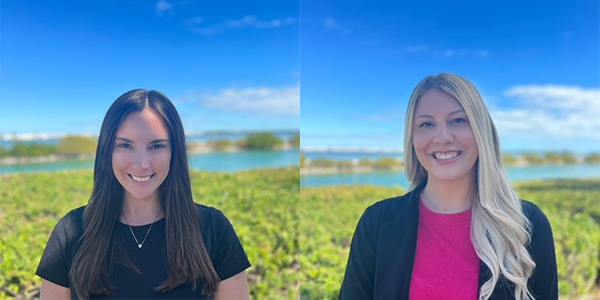
kayla nasci on left wearing black top and morgan cox on right wearing pink top and black sweater
Kayla Nasci (left) and Morgan Cox (right)

Cox is catering sales manager and Nasci has been promoted to director of catering for Hawks Cay Resort in Duck Key, Florida.

Cox comes to Hawks Cay with a background in customer service and day-to-day operations.

Most recently, Nasci was catering sales manager for two years and has nearly 10 years of experience in sales. Before she joined Hawks Cay, she worked as group sales manager for Ocean Properties’ Florida Keys Collection.

Mark Scheller

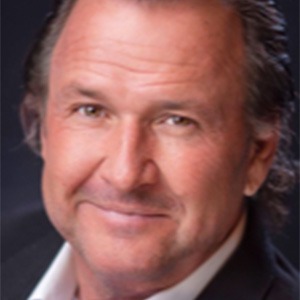
close up of mark scheller wearing black blazer and white dress shirt

Colorado’s Viceroy Snowmass has named Scheller director of sales and marketing. Scheller comes from Snowmass Tourism, where he worked as group sales director. His hospitality experience includes leading sales teams at golf resorts, casinos and resort hotels.

Chelso Barrett

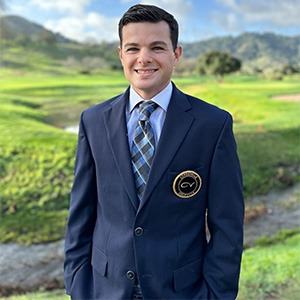
chelso barrett wearing blue suit

Barrett is lead golf instructor for CordeValle in San Martin, California. This promotion follows his previous position as 1st assistant golf professional at the property. Before CordeValle, Barrett worked as Master Club fitter for sports equipment company Parsons Xtreme Golf. Formerly a former professional golfer, Barrett also taught golf at Mississippi State University with members of the men’s and women’s teams after his professional career.

Marc Selinger

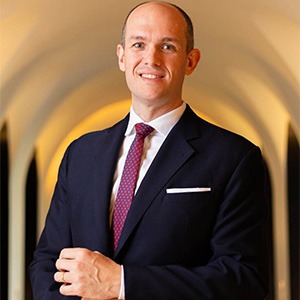
marc selinger wearing black blazer, white dress shirt and red tie

Selinger is general manager for Melia Chiang Mai in Thailand. Selinger has been with Melia Hotels International for the past seven years, most recently working as acting general manager and hotel manager for Melia Hanoi in Vietnam, as well as director of operations for Melia Yangon in Myanmar. Selinger also worked as cruise manager with Paradise Cruises in Vietnam’s Halong Bay, and later, operations manager for Blue Ocean Resort in Mui Ne, Vietnam.

Joshua Jolicoeur and Kyra Oliver

joshua jolicoeur on left wearing blue suit and kyra oliver wearing black top and black blazer
Joshua Jolicoeur (left) and Kyra Oliver (right)

Jolicoeur is director of guest services and Oliver is director of marketing for InterContinental Buckhead Atlanta.

A Miami native, Jolicoeur most recently worked with Fontainebleau Miami Beach as director of guest services. Before this, he worked with Sheraton Hotels, where his hospitality career began.

Although she hails from Tennessee, Oliver comes from San Diego, where she worked as director of marketing for Cal-a-Vie Health Spa. She has also worked as marketing director for The Country Club if Rancho Bernardo in San Diego and general manager for Lionheart Resorts in Cumberland, Virginia.

Taylor Fry and Diego Vervloet

taylor fry on left wearing blue blazer and light purple plaid dress shirt and diego vervloet wearing blue dress shirt and black turtleneck
Taylor Fry (left) and Deigo Vervloet (right)

Greater Miami Convention & Visitors Bureau (GMCVB) named Fry director of national accounts and Vervloet as meeting and convention services manager.

Based in Los Angeles, Fry is GMCVB’s first West Coast-based sales representative. Fry previously worked as national sales manager for Pasadena Convention & Visitors Bureau. He has served on Destination International’s convention sales and services committee, as well as on its advisory board for the West Coast Destination Management Organization Alliance.

Vervloet previously worked as director of events, partnerships and programming for multifamily home sharing company Orion Haus. He also worked as events director for Raul Avila Inc. and Airbnb.

Daniel Treuman and Tanya Hamel

daniel treuman on left wearing light grey blazer and red dress shirt and tanya hamel on right wearing black and white dotted jacket and black top
Daniel Treuman (left) and Tanya Hamel (right)

Treuman is destination services executive and Hamel is national sales manager for Atlanta Convention & Visitors Bureau (ACVB).

Treuman previously worked as senior event manager for Atlanta Marriott Marquis. He also worked as senior event manager for Renaissance Hotels in Atlanta .

Before ACVB, Hamel worked as senior sales enthusiast for Canopy by Hilton Atlanta Midtown, as well as director of group sales for Valdosta-Lowndes Country Conference Center & Tourism Authority in Georgia.

Sam Kim

sam kim wearing dark grey suit and light grey tie

The Beverly Hilton in California named Kim hotel manager. Kim comes from Hilton Toronto, where he worked as director of rooms. Kim has also worked in leading position with Sheraton Centre Toronto and Westin Harbour Castle in Toronto. He has served on the Hilton Toronto Executive Committee.

Roxanne Khairzada

roxanne wearing black and red top

Khairzada is spa director for Well & Being Spa at Westin Dallas Stonebriar Gold Resort & Spa. Khairzada has more than 15 years in the spa and hospitality industry, working in managerial roles at Grand Spa Dallas, Bliss Spa at W Dallas, and Mokara Salon and Spa at Omni Las Colinas Hotel in Irving, Texas.

Jordi Valles Blistin

Jordi Vallѐs Blistin wearing blue blazer and light brown jacket and blue dress shirt under

Blistin is general manager for Commodore Perry Estate, Auberge Resorts Collection. Before this, Blistin worked as general manager for The Vanderbilt, Auberge Resorts Collection in Newport, Rhode Island. He has also worked as resort manager for Chileno Bay Resort, Auberge Resorts Collection in Los Cabos, Mexico. Before joining Auberge Resorts Collection, Blistin worked with Como Parrot Cay in Turks and Caicos, The Ritz-Carlton Hotel Company and St. Regis Hotels.

Where to celebrate March 17 on the Las Vegas Strip

Green Beers and Guinness, corned beef and cabbage (not actually an Irish dish, but we love it anyways) and the festive spirits of partyers drenched in green set to extreme are just a few of the details that make St. Patty’s Day a joyous occasion. So, lift up a pint of the black stuff and yell “slainte” (which means cheers in Gaelic pronounced slawn-cha)!

But first, a history lesson. Who was Saint Patrick and why do we party down every March 17th in his name? Well, the special day stems from the anniversary of the saint’s death in the fifth century with the good folks of Ireland observing the Roman Catholic feast day of St. Patrick on March 17th first starting around the ninth or tenth century. However, the party didn’t officially kick off until 1601 with the first-ever St. Patrick’s Day parade in 1601 in a Spanish colony that is now St. Augustine, Florida. The event was organized by the colony’s Irish vicar, Ricardo Artur. Then, in 1772, Irish soldiers serving in the English military marched in the streets of what is now New York City to honor the patron saint and the enthusiasm for the event blossomed there and in other early American cities, such as Boston.

On a side note, Patrick wasn’t Irish but English. He was born to a wealthy family and was taken prisoner at the age of 16 by Irish raiders that attacked his family’s estate. He escaped after six years of captivity, claiming that he heard the voice of God instructing him to leave Ireland, which entailed a 200-mile hike to the Irish coast. Having found solace in Christianity during his time as a prisoner, Patrick began religious training after returning to England and was ordained as a priest 15 years later. He was then sent back to Ireland to minister to Christians living there as well as converting non-Christians. Patrick was never officially canonized into Sainthood as the Catholic Church had no formal process for that during the first millennia.

St. Patrick on The Strip

Now, roughly 1,500 years after St. Patrick walked the earth, the celebration of his name is boasted around the world with no other place better suited for the emerald-hued occasion than Las Vegas. Celtic Feis is returning to Vegas this year on Friday, March 17 at New York-New York Hotel and Casino with a lively party stretching from 10 a.m. to midnight.

Read MoreLas Vegas: It Takes an Events Village

The St. Patrick’s Day spirit will kick off with a parade led by the Las Vegas Emerald Society Pipe Band starting at Bliss in The Park at 10 a.m. and will maneuver through the casino and end at the Brooklyn Bridge at New York-New York.

“Celtic Feis at New York-New York delivers a celebration like no other and we’re excited to continue that tradition in 2023,” said Mike Neubecker, president and chief operating officer of New York-New York. “We’re proud to host Las Vegas’ largest St. Patrick’s Day event and we welcome everyone to join in on the fun.” The day-to-night celebration will feature live music from DJs and local bands, Celtic Chaos, Las Vegas Emerald Society Pipe Band, Sin E Ri Ra, Celtic Rockers and the Sticky Wicket Duo.

The Celtic-inspired event will also offer food from Nine Fine Irishmen, such as corned beef cabbage spring rolls with Guinness mustard; Irish whiskey braised short rib with mashed potatoes, whiskey and mushroom demi; and corned beef and cabbage served with potatoes, carrots, cabbage and parsley sauce.

St. Patty’s Celebration Dropkicked into High Gear

Meanwhile, in Bean Town, The Dropkick Murphys will perform at MGM Music Hall at Fenway—the first time the band will belt out their raucous, Celtic-themed punk at the stunning new venue located adjacent to Boston’s storied Fenway Park. The Dropkick Murphys launched their St. Patty’s Day tour on the first of March and will land at MGM Music Hall on March 16, with a follow-up event available by livestream on St. Patty’s Day proper.

With 91,500 sq. ft. of space and a maximum capacity of over 5,000, the green-clad mayhem at the new state-of-the-art venue will be a whale of a time.

Good Humor and Tasty Treats

And what would St. Patty’s Day look like without green beer? The tradition of serving up emerald suds will be flowing through O’Sheas Pub at LINQ Hotel + Experience on the Vegas Strip ringing in the luck o’ the Irish. For the first time since 2019, partygoers can enjoy 16-ounce drafts of green beers for only $10.95 at the pub. The Irish-inspired party is a popular spot for groups looking to unwind in a casual, high-energy environment with special events, activities, beer pong and other table games. And the party at O’Sheas doesn’t quit until 4 a.m.

Read MoreLas Vegas Gives a Preview of What’s to Come

For those seeking a more mellow St. Patty’s Day experience, look no further than the pastry shop elevated to the next level that is Dominique Ansel Las Vegas, located at Caesars Palace. Visit the home of the treasured Cronut created by James Beard Award-winning pastry chef, Dominique Ansel, crowned the World’s Best Pastry Chef in 2017, and pick up one of his new and delicious St. Patty Day-themed four-leaf clover.

“Our Four Leaf Clover is part of our Lucky 7 collection, with 7 different lucky symbols transformed into pastry, each representing good fortune across all different cultures. And since we’re in Las Vegas after all, it was only fitting that one of these would be a lucky four leaf clover,” says Ansel, adding, “It’s one of my favorites.”

Ansel, who was also bestowed the l’Ordre du Mérite Agricole, France’s second-highest culinary honor, created the new scrumptious treat using coffee mousse with hazelnut dacquoise, feuilletine and dark chocolate crémeux. The four-leaf clover is part of Ansel’s Lucky Seven pastry collection, which includes the cronut, frozen s’mores and the cookie shot—made and served from an automated vending machine powered by Robochef’s SmartKiosk and serves up delicate handmade cookie shots “precisely” filled with chilled Madagascan vanilla milk. Perhaps it’s not the shot you’d expect on St. Patty’s Day, but they’ll definitely give the green beers a run for their money.


Meet the ‘Smart Women’ of Encore

What if the push to restaff event technology roles is actually an opportunity to bring more diverse points of view to the field? Encore, the world’s largest event solutions provider, has just launched Women in Audio Visual Technology (WAVE), a program focused on generating career opportunities for women in the event production industry. The program features a pre-hire training certification called Introduction to Event Technology, which is designed to provide an overview of the best processes and practices in the technology field. 

 The program also features continuing education, a mentorship program and career mapping—all focused on elevating women in the event technology field and identifying clear career paths towards management and leadership positions. And anyone can take the course. 

 “Our recruitment efforts after the pandemic have been a way for us to ‘build back differently’ and we’re doing that by being proactive about diversifying our workforce,” said MaryBeth Costello, vice president of talent, learning and corporate human resources at Encore. “We have a strong diversity, equity, inclusion and belonging (DEIB) lens in our recruitment strategy.”

Encore partnered with Great Place To Work to gain actionable employee insights that enable programs and best practices to increase employee engagement, belonging and retention. The company also offers seven business resource groups providing opportunities to develop deeper connections and community with colleagues. The Women of Encore business resource group is an inclusive community for women and their allies, providing an opportunity for conversation, mentorship, development and advocacy. The group organizes an annual holiday gift guide in support of women, veteran and minority-owned businesses and acts as a forum for conversation and networking.

Inspired yet? Just wait until you meet a few of the women working in technology, sales, operations, production, human resources and leadership at Encore.
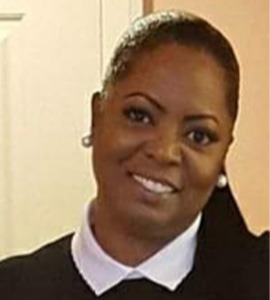
Toni L. Williams    

Sr. Manager, Diversity, Equity & Inclusion 

What three words describe your approach to life?  
Discipline, Introspection, Perseverance  

What advice do you have for your younger self when she encounters tough times?  
Enjoy the journey. Always be fearless and trust your instincts. I live by one of my favorite quotes from Oprah Winfrey – “Where there is no struggle, there is no strength!” 

What goals are you currently pursuing?

I am motivated by seeing the magic that occurs in the world when people feel welcomed, included and like they can show up as their authentic selves. It’s what drives innovation, collaboration and growth, not only for businesses but for each of us as individuals. My goal is to be a continual learner, friend, mentor and partner to my colleagues as we work toward a more inclusive and equitable future.
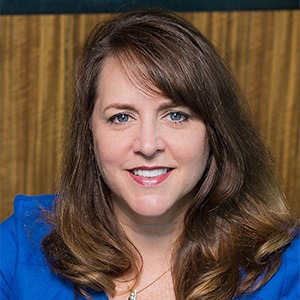
Annette Moody 

SVP, Production Group 

 What three words describe your approach to life?    

Genuine, Industrious, Fun 

 What is the one thing you did that made all the difference in your career?  

I enjoy fixing things. Throughout my career, I have always offered to take on projects or help fix problems, even when they were outside my role. It was fun and, more importantly, it helped me learn and grow. I basically worked my way into every role I have had. It keeps things interesting and challenging. 
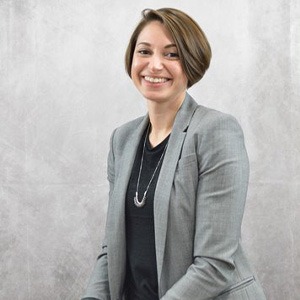
 

Beth Nelson

Regional Sales Director 

 What three words describe your approach to life?   

Mindfulness, Humor, Breath  

 What advice do you have for your younger self when she encounters tough times?   

RELAX and enjoy the ride! Stop worrying about the what ifs and just be authentically you. Sometimes, the moment you’re in can feel like you’re living in a nightmare – but this is an experience that made you better and you will laugh about it later. 
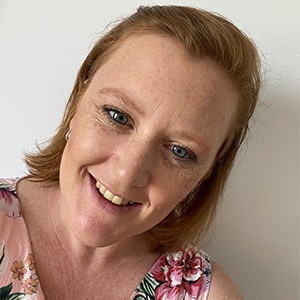
 

Carly Ellis  

Regional Venue Services Manager, ANZPAC

What three words describe your approach to life? 

Enthusiastic, Receptive, Inquisitive 

What advice do you have for your younger self when she encounters tough times? 

Tough times don’t last, tough people do. You couldn’t be with a better team to help you navigate challenges, so buckle up and go along for the ride.  

What is the next goal you are pursuing? 

I’m at a stage in my career where I want to give back to the next generation of leaders. My goal is to impart as much knowledge, guidance and support to those who are new to the business and help guide them on their journey.  
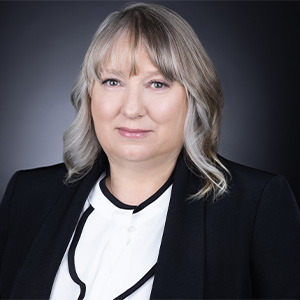
 

Christina Dominguez 

Director, Event Technology

What three words describe your approach to life?

Accountability, Perseverance, Leadership 

 What is the one thing you did that made all the difference in your career?  

Listening. You learn and fail by your ability to utilize the wise advice of those who have already faced the challenges of your profession. Do not discount input from anyone. The best courses of action can be achieved by collective input.  
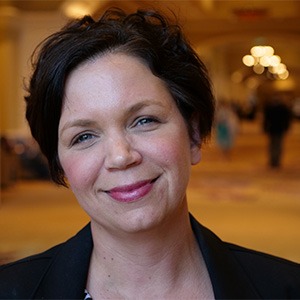


Dawn Montgomery 

Divisional Vice President, Venue Operations

What three words describe your approach to life? 

Curious, Committed, Confident 

How did you arrive at an event tech career?   

I always wanted to work in a TV news control room. I joined the Navy as a Photographer’s Mate, where I was afforded the opportunity to get some video and live broadcast experience. When I left active duty, while looking for an entry-level job in broadcast news that would pay a 23-year-old more than $15,000 a year, I found Presentation Services in the event technology industry. A lot of the equipment and concepts were the same, but the format was different. I got hired as an Event Technician during my interview. I’ve found my home in live events and really enjoy the hospitality culture. 
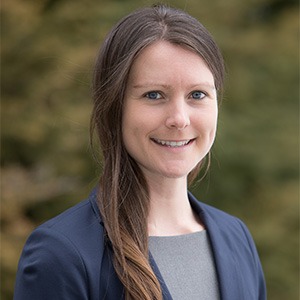
 

Debbie Cook

Regional Sales Manager, Whistler, Canada

What three words describe your approach to life? 

Modesty, Perseverance, Kindness 

What advice do you have for your younger self when she encounters tough times? 

Put your big girl pants on and persevere! The present day is only temporary, and you have a lot more to look forward to. No pain, no gain. Improve your strength and knowledge now so you are better prepared for the future. And be sure to surround yourself with good people who support you. 
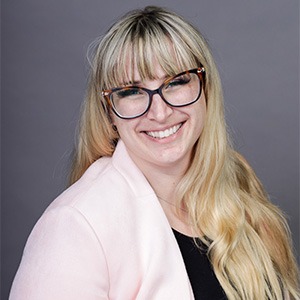


Disa-Marie Cameron 

Sales Account Manager 

What three words describe your approach to life? 
Passionate, Creative, Caring 

What is the next goal you are pursuing? 
I have two goals that I am focused on right now, one personal goal and one professional goal. 

In my spare time, I am an electronic dance music artist who goes by the artist name DRAMADD1CT and I am planning to release my first full-length album in 2023!

For my professional goal, I look forward to applying the new skills obtained from Encore’s LEAD Program to earn a senior-level sales position. 
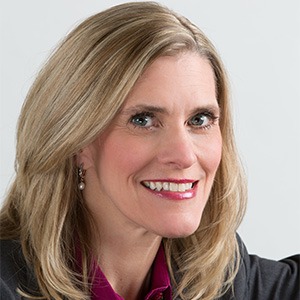
 

Hali Cooper, CMP 

Vice President, Strategic and Venue Partnership Development 

What three words describe your approach to life?

 Support, Discipline, Learning

What is the one thing you did that made all the difference in your career?  

Sometimes in life you take two steps forward and one step back. There were a few times in my career that I chose the more difficult path of giving up salary and title to gain better experience and a more palatable work environment. In doing so, I was able to take advantage of a better situation and that enabled me to grow and thrive much faster. I’ve achieved better success professionally because I took those chances.  

What advice do you have for your younger self when she encounters tough times? 

Don’t be afraid to speak up! Your voice and experience can offer another perspective and is valuable, even to those who you believe have more time and expertise in the field. 
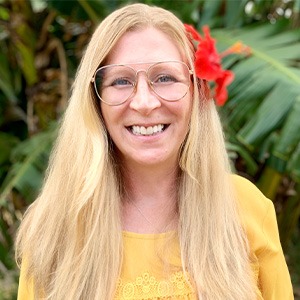
 

Kelly Renwick

Senior Director of Sales, Maui/Kauai 

What three words describe your approach to life? 

Integrity, Enthusiasm, Compassion. 

How did you arrive at an event tech career?   

Being the fourth out of five children, I was the one that took things apart to see how they worked. This was the beginning of my tech career. If you needed the VCR hooked up, I was the one on the job.  As I got older, I knew I had to do something in the tech world. So naturally, I moved away from my small Midwest town and went to a film/video production school in Los Angeles.  I was eventually charmed by the beauty of Hawaii and wanted to live and work in paradise. Luckily, I discovered breathtaking resorts that had a need for in-house audiovisual professionals.  

What advice do you have for your younger self when she encounters tough times?   

My advice to my younger self during tough times is to know this too will pass. It will not always be challenging and patience will guide you through. Above all, don’t take anything personally — bias is a reflection of insecurities.  
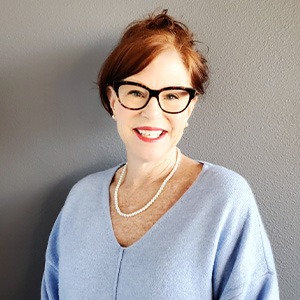
 

Kimberly Mauro                  

Executive Assistant 

What three words describe your approach to life?   

Happy, Flexible, Gracious 

What is the one thing you did that made all the difference in your career?   

So many that I don’t have just one. I really enjoy anticipating the needs and understanding the audience and guest experiences. I pride myself in connecting with people that have common likes and goals. It’s exciting to be part of an organization with that focus. 

What advice do you have for your younger self when she encounters tough times?   

Learn to trust yourself. Change can be very overwhelming, but it is inevitable. You must keep an open mind and embrace these challenges. Staying positive is key. I often reflect on the quote “do not make a permanent decision based on a temporary situation.” 
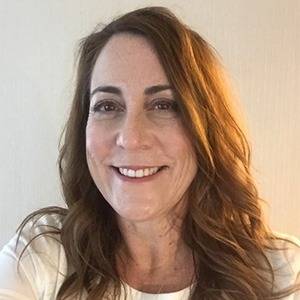
 

Laura Brassington 

Vice President, Human Resources 

What three words describe your approach to life? 

Proactive, Connection, Enthusiasm

What is the one thing you did that made all the difference in your career?  

Being a change agent. Our industry has changed so much over the years, and we have had to grow and adapt to meet the needs of our team members and our customers. We don’t change for the sake of changing. We recognize that we need to be ahead of the curve when it comes to providing an engaging culture for our team members.  

What advice do you have for your younger self when she encounters tough times? 

Trust your knowledge, trust your work and trust your relationships. I have learned that preparation, listening when leading a team and partnering with other leaders is what gets you through difficult times.
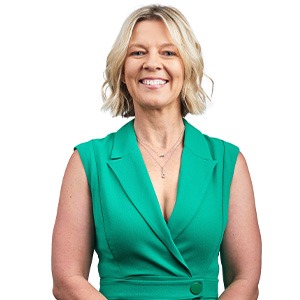


Nicole Russell 

General Manager, Sydney Australia

What three words describe your approach to life?  

Industrious, Diligent, Tenacious.

How did you arrive at an event tech career? 

While pursuing my degree in hospitality management, we did an event management subject, and I thoroughly enjoyed it. This led me to discover a company called Staging Connections, the in-house technology partner at the five-star hotel I was working in at the time. Twenty-one years later, the rest speaks for itself.  

What is the next goal you are pursuing? 

Outside of work, I am always furthering my knowledge of coaching related topics and training.  It’s something I love bringing back to our team and seeing them thrive as we uncover the amazing talents they bring to our organization. This gives me so much joy.


Rachel Sekola 

Director of Operations 

What three words describe your approach to life?

Authentic, Optimistic, Empathetic

How did you arrive at an event tech career? 

I caught the bug for creating live events when I was in high school theatre. I worked on the audio team for plays and musicals, and eventually moved into the production/stage management side.  

What is the next goal you are pursuing? 

Professionally, I want to continue building an excellent team. My team is the reason I get to do what I do each day, and everything that I do is ultimately for them.

Personally, I want to find a better work-life balance. Live events are a 24/7 business and it can be hard to step away or “turn it off” for a break. But you also can’t pour from an empty cup. I haven’t figured out the secrets to balance quite yet, but I’m working on it! 
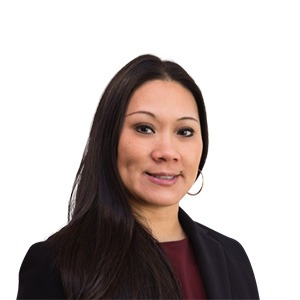
 

Rosalie San Miguel 

Senior Director of Event Technology

What three words describe your approach to life?  

Resilience, Prioritize, Accountability. 

What is the one thing you did that made all the difference in your career?  

I see the good in the future. Having hopeful future expectations, an optimistic attitude and positive views lead to greater thriving. Thriving in the workplace relates to meaningful work. In addition, I also have a proactive personality. I challenge myself. Facing challenges and obstacles exemplifies courage and perseverance. This approach helps you cope with stress and adversity by sticking with activities or tasks rather than quitting or avoiding them. Lastly, I am motivated to grow. Curiosity and love for learning are central to our pursuit of knowledge, ideas and developing new skills. 

What advice do you have for your younger self when she encounters tough times?  

Follow your heart. Don’t allow yourself to be easily influenced by anyone or anything. Think for yourself. Stay true to who you are. You can only be you. 


What the Food Donation Improvement Act Means for Events

A new federal law could make it easier to donate unused food from a conference to those in need. An estimated 40% of the food produced in the U.S. ultimately goes to waste. However, many potential food donors, including event planners, catering services and other industry professionals, have been reluctant to give due to the misconception that they might be held responsible if a recipient were to become ill after consuming donated food.

To further support efforts surrounding reducing, and possibly eliminating food waste, President Joe Biden in early January signed the Food Donation Improvement Act into law with unanimous, bipartisan support in the Senate and House. The bill was built on the 1996 Emerson Good Samaritan Act by expanding civil and criminal liability protection for food donors and could remove any lingering hesitancy around donations.

Socially conscious meeting professionals are not the only ones working toward solutions and finding ways to actively engage in the effort to curb food waste and help those in need. In fact, the multifaceted endeavor is being embraced throughout the hospitality industry at every level.

Planning it Forward

man looking at two containers of potatoes and string beans

Second Serving—Houston’s only perishable food rescue organization with the mission of alleviating hunger while reducing food waste across the city—is setting the standard for food rescue and subsequent distribution to shelters, nonprofits and low-income housing sites.

“We want the food to be handled properly and safely,” says Second Servings founder and President Barbara Bronstein. “Our drivers are food safety-certified so they know how to handle food properly.” Planners hosting in Houston can coordinate with the venue and notify them of their intentions while providing guests with table cards to highlight their efforts. Founded in 2015, Second Serving has since rescued over 10,000,000 pounds of food.

Hilton Americas and Four Seasons are just some of the partners working with Second Serving to curb hunger and food insecurity, “along with other leaders in their category,” she says.

In addition, Bronstein suggests that planners take a proactive approach to identify hospitality partners that are onboard with the effort of food rescue. “I would look into the venue’s sustainability and green meeting information,” she says. The George R. Brown Convention Center, for example, lists the food and beverage program they have with Second Servings to rescue any unserved food from an event.

Confronting Food Insecurity Hands-On

Businesses have coordinated with Second Servings in the past to create events to provide those in need with a dignified shopping experience. “We started a program last year that was geared toward fighting inflation,” Bronstein explains. “It’s called the grocery pop-up store.” Rescued groceries are taken to a community center and are put on display by trained volunteers for individuals to choose from. “People can get healthy food without going to a food bank or be handed a bag of dry goods from a pantry.”

While inflation is an issue that impacts every aspect of the national economy, some have been hit harder than others. “People on fixed incomes such as seniors, veterans and the disabled, they’re being squeezed by every aspect of life,” Bronstein says, pointing to the increased costs in transportation, rent and food. “The cost of a dozen eggs has more than doubled in less than a years’ time,” she says.

The majority of food provided at the pop-ups is collected from supermarkets. “I think it’s a very meaningful community service activity that would help open people’s eyes to not only the need that’s in the community but also the amount of food that goes to waste,” she says. Bronstein mentioned one company that found working at a pop-up to be such a valuable teambuilding exercise that they coordinated with Second Servings to participate and sponsor a pop-up once quarterly. “There are people in need that others don’t realize, who can really use the food and to throw it away would be a shame,” says Bronstein.

A Community Kitchen for Change

Meanwhile in Portland, Oregon, the chefs and staff of the food service nonprofit, Stone Soup PDX, are hard at work providing workforce development and hands-on culinary training for at-risk individuals facing homelessness. Stone Soup works closely with case managers at local social service agencies who actively refer clients to the program and help conduct community outreach.

man making food at stone soup pdx culinary program

The curriculum of becoming a chef comes with a wide set of job skills including crafting resumes and cover letters, working as a team, learning self-care, interview skills, conflict resolution, creating an elevator speech and financial literacy. The 12-week program titled, “Workforce and Interpersonal Skills Education” (WISE), teaches participants about food production skills, which allows them to obtain a Food Handler Certification through classes that are small and provide one-on-one coaching.

“We’re a very small operation,” says Stone Soup Interim Executive Director Aaron Babbie. “We’re reaching out to folks who we would consider to be housing insecure and in need of a fresh start in their careers.”

The culinary training program that launched in 2019 began as a full-service restaurant, which developed into a “workforce development program,” says Babbie, adding that the program was launched with the support of the Seattle-based FareStart that mirrors the mission of Stone Soup in combating food insecurity, providing job training and consulting other organizations in building similar programs.

The initial six weeks consists of foundational training where participants learn the ins and outs of food safety, product training on various food items and categories and other fundamental skills, such as how to properly handle a knife. However, the program also helps participants to successfully enter and maneuver throughout the workforce landscape.

“Everybody’s process and goals are a little different, but we try to give them all a base of training, says Outreach and Workforce Development Manager Connor Braddock.

Past program participants have moved on to careers as culinary professionals employed by big names in the industry including the Hyatt Regency Portland At The Oregon Convention Center and Tartuca Portland—a local favorite specializing in fine Italian dining. “When you look at the employer side,” Babbie says, “hospitality and food service are industries that really need folks.”

Stone Soup PDX also offers pop-up kitchens that can accommodate up to 10 people, making it a great option for larger events that may include smaller breakouts groups of attendees. “We have a catering menu, but we’re also very flexible in being able to expand the offerings,” says Babbie.

Industry Leaders Pitch In

Marriott Hotels recently published its 2025 Sustainability and Social Impact Goals, that outlines the organization’s strategy of reducing waste-to-landfill by 45% and food waste by 50% from the company’s 2016 baseline. Marriott’s program to measure and reduce food waste first took shape in 2021 through a collaboration with World Wildlife Fund (WWF) and other industry partners supporting the finalization and publication of the Hotel Waste Measurement Methodology (HWMM). The program was first implemented in 2022 and included engaging waste consultants to create innovative food waste reduction practices and programs at all the brand’s properties across the globe.

To set the food waste reduction program in motion and ensure that all aspects run smoothly across the organization, Marriott provides company associates with educational resources such as webinars and in-person training sessions . One of Marriott’s first educational programs took place at the Renaissance Cancun Resort & Marina in Cancun, Mexico and focused on demonstrating the progress of strategies and actions that are included in the company’s Waste Management Program. Additionally, the training was used to “introduce proposals to further improve waste collection, compaction, storage and disposal,” according to a report published by Marriott.

In Hong Kong, Marriott partnered with the city’s first organic resources recovery center, O-Park, which specializes in converting food waste into electricity. The collaboration led to diverting roughly 70,000 lbs. of waste from being disposed of in landfills from September to December, 2021. The Chefs with Compassion’s #67000litres Challenge was embraced by 10 Protea Hotels by Marriott in South Africa to raise awareness of the excessive volume of food that’s wasted annually in the region. The challenge calls for businesses and individuals with access to a kitchen to dedicate 67 minutes on Mandela Day to help raise awareness. Protea kitchens  donated over 8,000 liters of soup to communities in need across the country.


ESPA President Jacquelyn Denise Reid on how hospitality can expand the definition of inclusive

jacqueline reid wearing grey blazer and white shirt with pearl necklaceCelebrating the contributions of more than 13% of the U.S. population to the meetings industry and the world is something that needs to be done year-round. We thought a good way to mark the month would be to ask Jacquelyn Denise Reid, area event planning manager with Hyatt Centric French Quarter Hotel and Eliza Jane Hotel; president of Event Service Professionals Association (ESPA) and 2022 Smart Women in Meetings Visionary award winner, how she marks designated Black History Month.

What does Black History Month mean to you?

Black History Month is the defining collective of my professional and personal life as I represent many unheard voices in the struggle who were ignored for generations so that I could have the opportunity of higher education, progressive employment and be a respected event service professional among my industry peers. February brings the once hidden and often ignored accomplishments of my ancestors to a national stage to educate Americans in print and on social media and to open a dialogue that was not too long ago a narrative restricted to one week a year and not even taught in institutions of education.

Black History Month is the time that I contact the local fire department to borrow a gas mask and replica signal light to use as props when I speak to classroom students about the multiple inventions of Garrett Morgan for example. I also use the opportunity to speak to students about the groundbreaking accomplishments of Black people in finance, medicine, technology, science and in hospitality. Black History Month is the welcome opportunity for me to initiate discussions with my colleagues of all nationalities on the importance of recognizing the role of Blacks in American history and continuing the conversation throughout the year. It is my task to educate and keep Black History alive by boldly destroying institutional discrimination established to erase any evidence of our rich legacy.

How have you leveraged your life experiences to help create memorable events? 

In my 30-plus-year journey creating memorable hotel events for stakeholders as an event service professional, my initial conversations with meeting planners all begin with the universal language of travel and music. As an army brat, I initiate client dialogue with some bit of travel trivia to find a commonality with meeting planners while inquiring about their favorite or most recent travel destinations to set the tone for the planning process. 

“It is my task to educate and keep Black History alive by boldly destroying institutional discrimination established to erase any evidence of our rich legacy.”

My passion for international travel has afforded me various opportunities to invite planners to explore events filled with New Orleans’ flavor and culture all while exposing attendees to menu options that they may not have realized meet their budgets. I also suggest sprinkles of live musical entertainment that planners may not have considered had I not used my background as a classically trained soprano to bring a creative flare to social, as well as corporate events, regardless of the preferred musical genre all while elevating the entire experience for the planner and attendees.   

Why is diversity such an important component for events and the hospitality industry?

While DEI actually has roots in the Civil Rights Movement of the ‘60s, it is that same struggle with some improvement that is still prevalent to this day in events and in the hospitality industry where national culinary and executive management representation, as just two examples, is minimal by far. Corporate brands of late are recognizing the importance of a diverse workplace with equal representation to service successful events with staff that are proud to represent various ages, races, genders and socio-economic status reflective of a broader audience.

Read MoreThe Diversity Among Us

Corporate and social events alike basically strive for one common goal and that is to host a most memorable event for stakeholders. Diverse vendors—chefs, decorators, audio-visual technicians and a wealth of other industry talents—bring unique culture to event destinations. It is imperative for our industry to deliberately open doors and invite various extensions of our diverse community to be a part of this journey.

New Orleans, for example, is one of a very select few of premier tourist destinations in North America that have historically and consistently celebrated the diverse cultures that encompass the various flavors of the community at large. It is so uniquely gifted and the hospitality community is a close-knit group of talented professionals who have for many decades gone about the duties of incorporating varieties of Cajun and Creole histories in the tourism story of the Crescent City growing new generations of visitors every day.

How can meetings become more accessible and inclusive?

As the dimensions of accessibility and inclusivity ever evolve, so are meetings required to grow, learn and train within the same spectrum authentically inviting underrepresented communities to the discussion. ESPA has been on the forefront of the services industry to equip professionals with the necessary tools that define what is required to host successful events that are accepting to all stakeholders—to feel a sense of genuine inclusiveness by featuring critical content at annual conference sessions and monthly webinars with educated panel discussions.

Prior to the pandemic, ESPA began creating an invaluable Accessibility Toolkit designed for membership to provide to meeting planners with checklists and key factors to inquire/investigate when scouting an event destination whether for hotel or convention center. This working document is ever-evolving and constantly updated as needs for effectively hosting events that include non-obvious impairments—religious-dietary, visual, sensory, service animals and mobility limitations—become more of a focus in the event service profession.

Professional organizations are initiating the discussions by hosting webinars, in-person trainings and constantly inviting accessible and inclusive topics to their agenda. It is up to event professionals to participate in the discussions as well as listen and learn in order to cultivate an accepting culture within our society. 

How can the industry do more to promote diversity?

Our industry has a requirement and duty to promote diversity, which is a needed fabric to the very survival of meetings that should reflect the essence of what embodies the stakeholders’ touch points. Event professionals are charged to sound the alarm that it is our due diligence to do business with vendors who may not otherwise be considered for certain exclusive events and hire staff from entry level to top-line executives that reflect a welcoming culture.

Read MoreDiversity, Equity and Inclusion Are Good for Your Meetings (and Business)

Thanks to prominent organizations such as Tourism Diversity Matters (TDI) for sounding the alarm and to industry leaders for taking responsibility within each destination to promote diversity on a municipal level. With the recent release of the Events Industry Council’s (EIC) Equity Benchmarketing Study, the foundation for candid conversations and industry improvements is clear. 

What we choose to do with the results and the information that we learn from the study, dictates how the industry grows and sometimes difficult, sobering and informative conversations are necessary. But most importantly, the conversations can never end and must evolve just as vast segments of society evolve culturally, racially and economically.


Do you need to find new monetary sources for conferences, conventions and trade shows? While sponsorships have been prevalent for a long time, further information about the popularity of digital and print options might surprise you.

This blog won’t only address revenue initiatives but also cost-cutting measures.

Research Finds Sponsorships Are Still Relevant

According to a 2019 report from the Center for Exhibition Industry Research (CEIR) of 200 show executives and 728 exhibitors, sponsorships make up roughly 20% of B2B tradeshow revenues. Also, 83% of exhibitors have purchased at least one sponsorship from 2017-19.

Here is a breakdown of what they purchased in the print and digital arenas:

  • 36% bought an ad in the printed program
  • 35% purchased a social media ad
  • 33% sponsored an email blast to the attendee list
  • 32% underwrote printed signage
  • 31% bought an ad that went on the event or organization’s website
  • 23% supported an onsite banner
  • 22% purchased an enhanced directory listing

One of the challenges with multiple logos on printed signage or a banner is that attendees consider it logo soup. “Members tend to walk right by them,” stated Corporate Partnership and Sponsorship Consultant Bruce Rosenthal.

If you want to increase your revenue and need more, please read on.

Eight Out-of-the-box Event Income Ideas

light bulb floating about hand with clouds in background1. Record and sponsor your breakout sessions.
You can put content on a private or public YouTube channel with sponsor content at the beginning or end of the recording. This is a win-win-win; attendees and the public can view the content anytime, sponsors gain additional exposure, and you receive additional revenue.

2. Provide exclusive or a finite number of sponsorship opportunities.
For example, you may allow only one business classification for certain sponsorship levels or sell one or two in selected categories. Scarcity creates an opportunity to close the deal sooner.

3. Give attendees a deal on your next event.
Give attendees a discount code on the last day of the conference that is only good for the next 30 days. Establishing the conference fee, contracting with the venue and locking the dates will require some effort. However, your organization will earn revenue up to one year early!

4. Sell refund protection.
One of the biggest obstacles in selling an event into the future is the possibility the attendee can’t make it. By offering refund insurance at a nominal rate, you can give each person peace of mind that they’ll receive their registration fee back in the case of an emergency.

5. Provide an all-inclusive online shopping cart experience.
One of the easiest ways to kill your upsell opportunities is to make participants visit your website’s multiple locations. In one fell swoop, allow them to:

  • Register for your event
  • Book their hotel room
  • Identify any special food requirements
  • Purchase other items (VIP tour, networking event, clothing, books)
  • Commit to one or more sponsorships

6. Use organic and paid digital marketing tactics.
Ensure your website has recent blogs, videos, and podcasts highlighting your event. Optimize each for SEO. On the paid side, consider using Google Adwords, boosting Facebook and LinkedIn posts, and engaging in retargeting.

Read MoreHow Meeting Profs Can Improve Event Engagement

Yes, it will cost you money. In the end, however, you’ll reach far more prospective attendees who will hopefully become attendees. Start small on your ad spend and increase it slowly. Measure results every month at first and then every week as you get closer to the event.

7. Add a trade show.
It doesn’t have to be large and elaborate. Exhibitions can be a real money maker for your organization because all setup costs can be passed to each exhibitor.

8. Raise your registration fee.
You have 1,000 attendees who pay $500 each to attend your event. Raising your registration fee by 10 percent allows you to generate another $50,000 without doing anything different.

Three Surefire Expense Winners

man working on iPad

You can always reduce expenses to increase your profit line if all else fails. Take your magnifying glass to these ideas:

Cut out the bottom 3-5 costs.
Rank each expense in descending order. Look at the bottom ones and ask yourself a question, “would anyone miss these things?” If the answer is no, get rid of them. If yes, determine how to decrease the overall expenditure by 15-20 percent.

Identify your top expense and cut it by 10%.
Usually, your major budget items are F&B, A/V, and meeting space. For example, consider using a third-party A/V rental provider for your conference as compared to the venue’s more costly in-house service. Identify which is at the top of the heap and find ways to cut it.

Create a zero-waste meeting.
Have no more paper or plastic items. Get rid of swag bags. Posters and banners are gone. Not only will you save money, but you’ll also be doing a lot for sustainability.

Read MoreUBQ Is Turning Garbage into Events

dede mulligan posing for pictureDe-de Mulligan is the President and Chief Content Strategist for Mulligan Management Group. As a former meeting planner who has received Ohio MPI’s Planner of the Year award twice, she brings a unique perspective to these blog posts. You can find her on Twitter @DedeMulligan.