The highlight reel you didn’t have on your bingo card
2025 was anything but event business-as-usual. A whole bevy of “unforeseeable” black swans slammed into the calendar, sending feathers flying and meeting profs scrambling.
The year kicked off with the triggering of a massive Plan B when the Presidential Inauguration had to be brought indoors due to freezing weather. The Joint Congressional Committee on Inaugural Ceremonies had less than 72 hours to pivot from public formalities on the steps of the White House for 220,000 to an exclusive parade and event for 20,000 at Capital One Arena and 2,000 for the swearing-in ceremony and address in the Capitol Rotunda.
It was a move that was probably triggering for every meeting professional who has had to make the call for weather around the world.
After a busy year covering the surprises, delights and obsessions that changed plans almost daily, our editors compared notes to come up with our annual list of the 25 unexpected moments that defined meeting and event production. We also drilled down on what you need to do to thrive in the face of whatever happens over the next 12 months.
Of course, international travel adventures and artificial intelligence advances made the top 5, but there were definitely some scenarios we did not see coming at the beginning of the year.
25. The Expansion Era
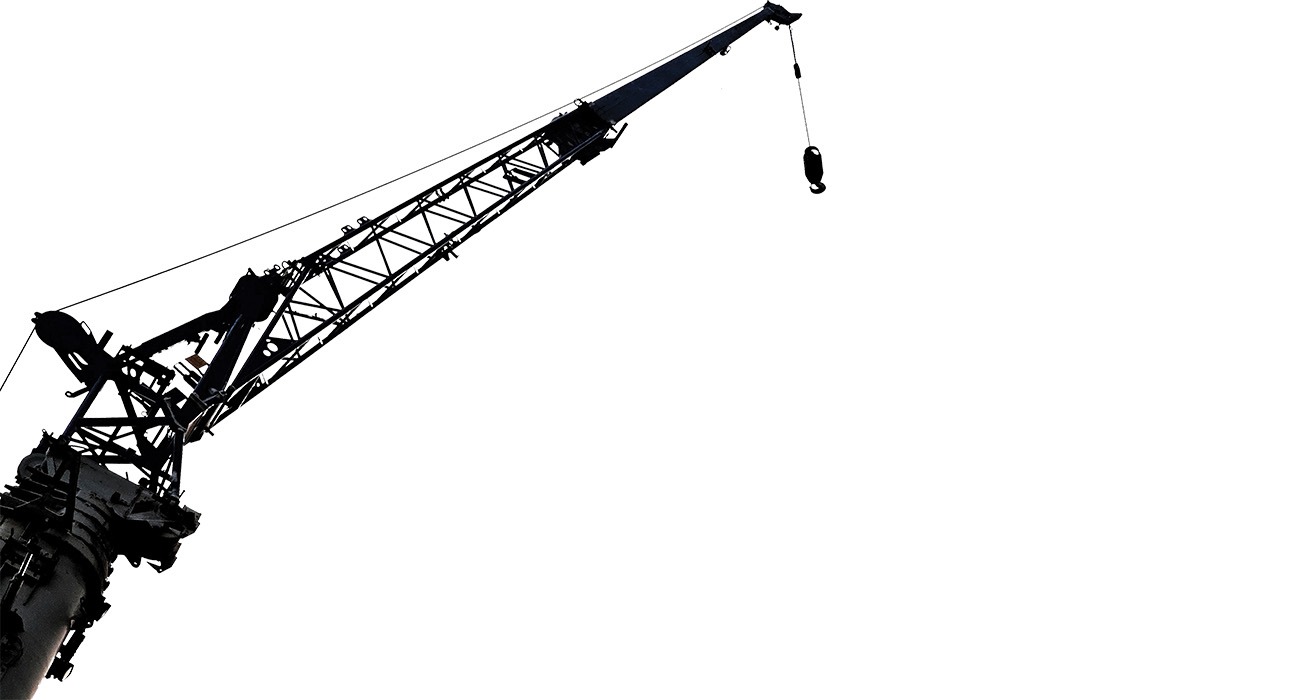
Airports and convention centers across the country have adopted the “more is more” philosophy, with massive expansions planned over the next few years. This year, Las Vegas Convention Center completed a $600 million multi-phase addition and technology enhancement that is proving to be the beginning of a national glow-up. The center of the supersize action seems to be in Texas, where three renovations are underway.
Kay Bailey Hutchison Convention Center in Dallas will shift orientation to connect neighborhoods and transform into a 2.5 million-square-foot facility when it reopens in 2029. Austin Convention Center is also dark as it doubles in size from 365,000 sq. ft. to 620,000 sq. ft. of certified zero-carbon event space opening in 2028. Fort Worth is in the midst of a phased $700 million renovation that will add a new convention center hotel. And George R. Brown Convention Center recently unveiled its reimagining with 2 million sq. ft.
From a $2.6 billion expansion and modernization racing to beat the 2028 Olympics at Los Angeles Convention Center to an $800 million transformation at Duke Energy Convention Center in Cincinnati where a new Marriott Headquarters and Elm Street Plaza are scheduled to reopen at the beginning of 2026, meeting professionals will have new options. Also opening in 2026 is the expansion of Indiana Convention Center in Indianapolis, which will feature a rooftop bar and sky lounge.
Detroit’s Huntington Place Convention Center is adding a 600-room JW Marriott hotel with a Skybridge Connector. Orlando’s already massive Orange County Convention Center will add another 44,000 sq. ft. of meeting space and a 100,000 square-foot ballroom to the North-South Building, with work scheduled to be completed in 2029. And in western Florida, Bradenton Area Convention Center just cut the ribbon on a $53 million renovation that added a ballroom for up to 800 guests with a covered walkway to a new 252-room Palmetto Marriott Resort & Spa.
To Do: Definitely ask what will be open and what won’t during construction, leaving a buffer zone, but plan to start booking your space in these new buildings early, as everyone wants to meet in the shiny new spaces first.
 24. Coorie Up
In an extreme world, “coorie,” the Scottish word for snuggling, may be what our attendees need most. That could mean hot chocolate stations or cozy blanket gifting, a Connecticut winter event or a Coastal California venue that embraces the morning marine layer. The idea is that the destination and the agenda act as a hug comforting attendees.
To Do: Think about the emotional in addition to the physical and business needs of the group. What will reassure and delight them? Do that.
23. Literary Tourism
Sourcing properties and destinations that have been depicted in books (and their television and movie extensions) is a fun way to add storytelling vibes to the agenda. Travel and Tour World reported that global literary tourism could grow to a $3.3 billion category by 2034. That number could be even higher if you can merge literary tourism with “human rewilding,” “noc-tourism” after-dark experiences and “cowboy core” (horse riding and hat wearing in places like Lodge at Blue Sky Auberge Resorts Collection in Park City, Utah; Rancho de Los Caballeros in Wickenburg, Arizona; Alisal Ranch in Solvang, California; or Paws Up Montana in Greenough).
To Do: Capitalize on this cultural quest by booking events in the UNESCO City of Literature, Reykjavik, Iceland; Tokyo’s Book and Bed hostel, where guests sleep among bookshelves; or Dublin’s Bloomsday Festival, which celebrates James Joyce’s Ulysses with theatrical readings and interpretive plays. Moody coastal Scotland has been the setting for countless books from The Rose and the Thistle to Clanlands and is home to cozy luxury properties where attendees can curl up by the library fireplace with a dram of whisky to mull over their character development. Or choose a city favored by authors such as New York, Los Angeles or Paris and bring your own plot twist.
22. Discovery Destinations
Long referred to as second- or third-tier cities, these smaller alternatives to gateway destinations often offer a more approachable room rate while making guests feel special in their smaller venues. The 2025 Incentive Research Foundation Trends Report found that incentive program participants are looking for alternatives to the traditional destinations they have visited in the past.
To Do: Fulfill the desire for open space, fewer crowds and a sense of adventure in cities such as Boise, Idaho; Spokane, Washington; and Branson, Missouri, where a sense of discovery is available in abundance.
21. Luxuriocity
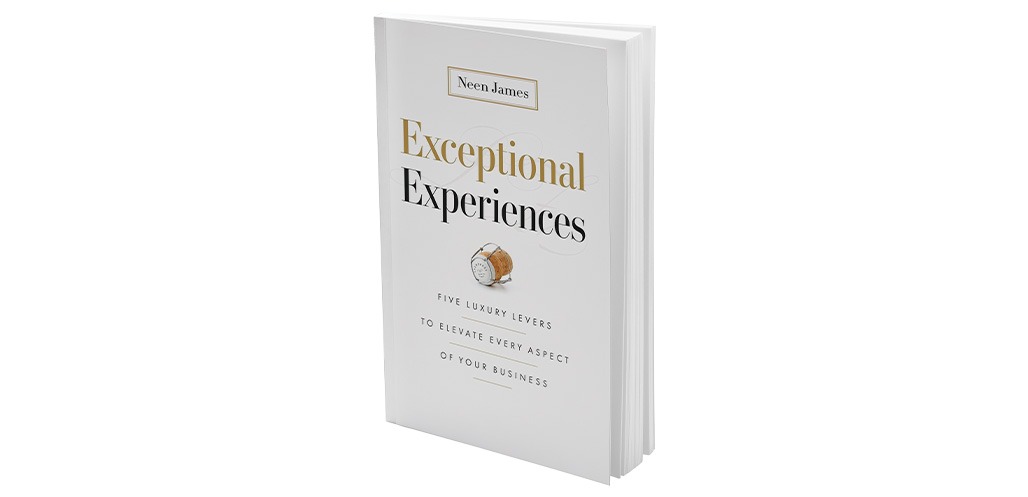
In Exceptional Experiences, Neen James’ new book about applying the luxury mindset to any gathering to stand out, build strong relationships and thrive, she outlines the luxury levers—entice, invite, excite, delight and ignite—things meeting professionals do every day.
To Do: Be intentional about creating emotionally resonating moments in your program to advance the event’s true KPIs.
20. Calmcation

The newest iteration of a wellness trend highlighted by POPSUGAR—also known as “slugxury,” but that doesn’t really flow off the tongue easily—is less about the place and more about the structure. Yes, it usually occurs in a beautiful setting like The Ranch in Malibu or Hudson Valley, Terranea Palos Verdes in Southern California or Kohler in Wisconsin, but the defining feature is the absence of making decisions. By removing obligations and surrounding the guest with good food and luxurious comforts, the organizer triggers the “rest and digest state” and enters what is called the “relaxation response,” where the body can begin healing and the inner voice quiets.
To Do: When you anticipate the needs of attendees and make taking care of themselves effortless, they can begin to do the internal work that will make participating in group activities more effective for all. Simplify the choices, provide breaks in the action and plenty of good, healthy food to start.
19. Yachting Ahoy
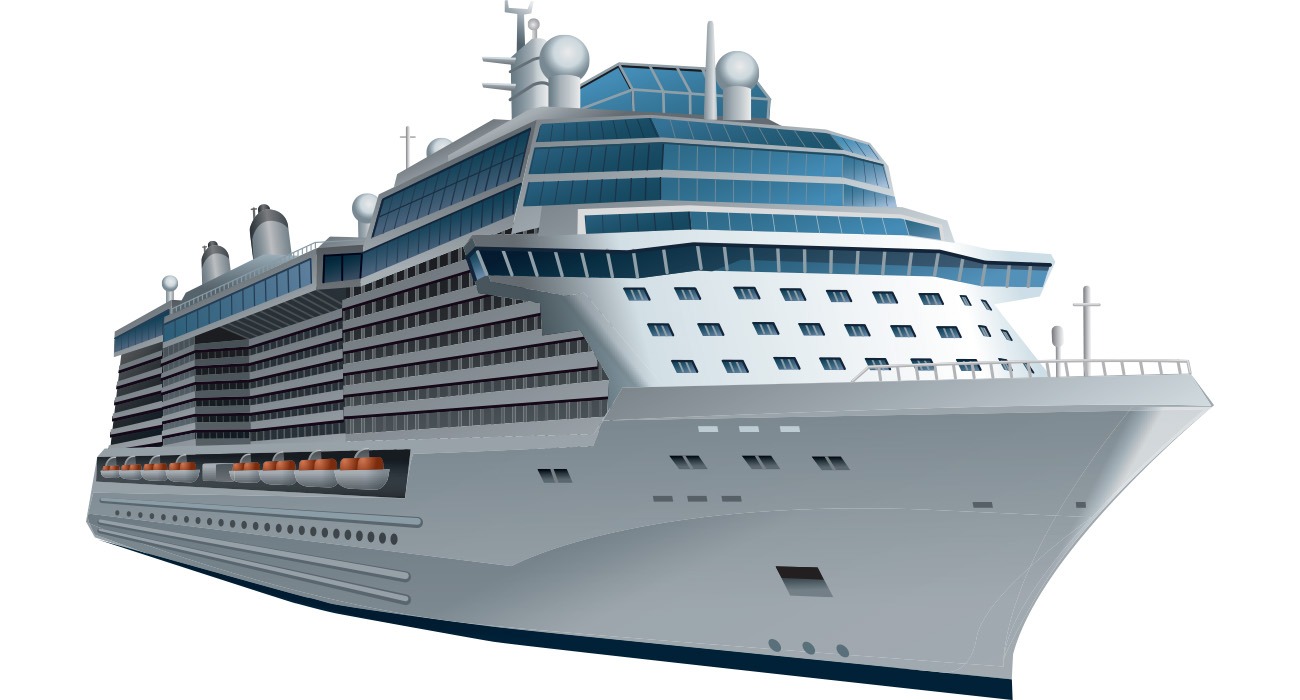
The cruise industry is back stronger than ever, but don’t expect your father’s voyage. The entrance of younger passengers is pushing brands to focus on healthier dining and activation options along with authentic tours and alternatives to popular (read crowded) destinations. Luxury brands such as The Ritz-Carlton, Accor and Four Seasons are launching private yachts for dinners and extended trips. And some larger ships such as Norwegian Cruise Line and Celebrity Cruises offer ship-within-a-ship areas with private pools, dining and amenities for your group.
To Do: CEALS CEO Jerry Vaughn warned that planning one of these excursions is not all fun and games. You are the chief fun officer and chief problem solver. Negotiate everything from cruise fares, port charges, government taxes and fees, and pre-paid gratuities to Wi-Fi charges, drinks packages and transfer fees. For international cruises, you are also the documentation checker.
18. Carbon Positive
When carbon neutral and net zero aren’t enough, find a venue designed to heal the planet by sequestering more carbon than it emits. Populus Denver employs sustainable building materials, on-site food waste biodigesters and off-site treeplanting initiatives to leave the world cleaner
than when your group arrived.
To Do: Early in the process, reach out to the destination marketing organization in your potential cities to ask about policies and resources. Destination DC has mapped a Sustainability District with partners focused on locally sourced catering, recycling and operating.
Read More: How a Consolidated DMC Raised the Roof on Sophisticated Experiences in DC
17. Emergency Contact

War and hurricanes took a toll on humanity again this year and, as usual, hospitality has been on the front lines, stepping in to offer shelter, food and resources. We have been documenting the outreach and ways to help, including The SEARCH Foundation and The Above and Beyond Foundation.
To Do: Work with your local destination to find a local charity that aligns with your group. This will make the event more meaningful and leave the destination better than when you arrived.
16. Synthetic Travel Influencers
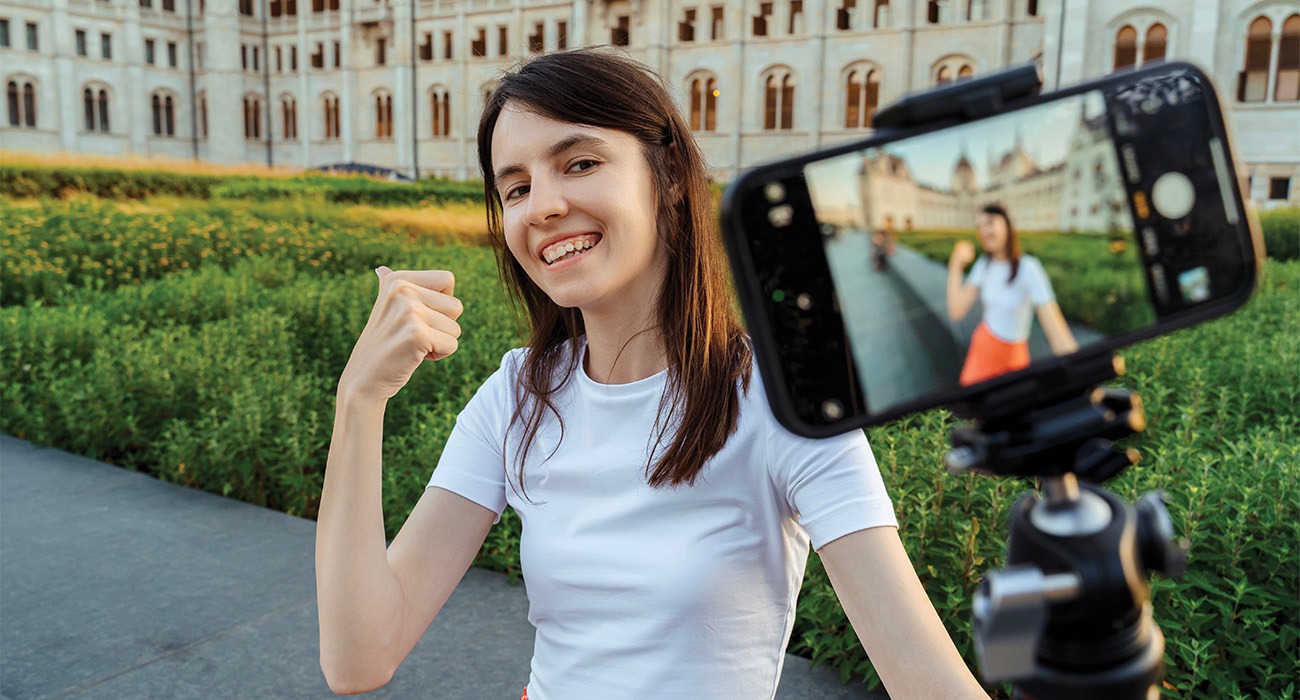
Those beautiful pictures of remote beaches by that funny travel-blogger on Instagram. Neither the crystal-blue water or the influencer may be real. In the age of AI actor Tilly Norwood and AI R&B sensation Xania Monet, how can you trust the images or the “experts”?
To Do: Short of seeing it with your own eyes, asking your peers and reaching out to the local DMO is one way to confirm you are getting the whole story.
15. SEO is Dead; Welcome AIO
All those keywords optimized to attract fickle Google bots are languishing on our websites as AI crawlers scoop up answers wholesale and deliver directly to searchers. How will our future attendees find all the beautiful content ChatGPT wrote for you so they can register for your virtual and in-person events?
To Do: Think like an LLM. Use semantic markup, metadata and clear explanations to deliver the answers people are looking for and hope they “dive deeper” to follow the link to the source.
14. Betting on the Come
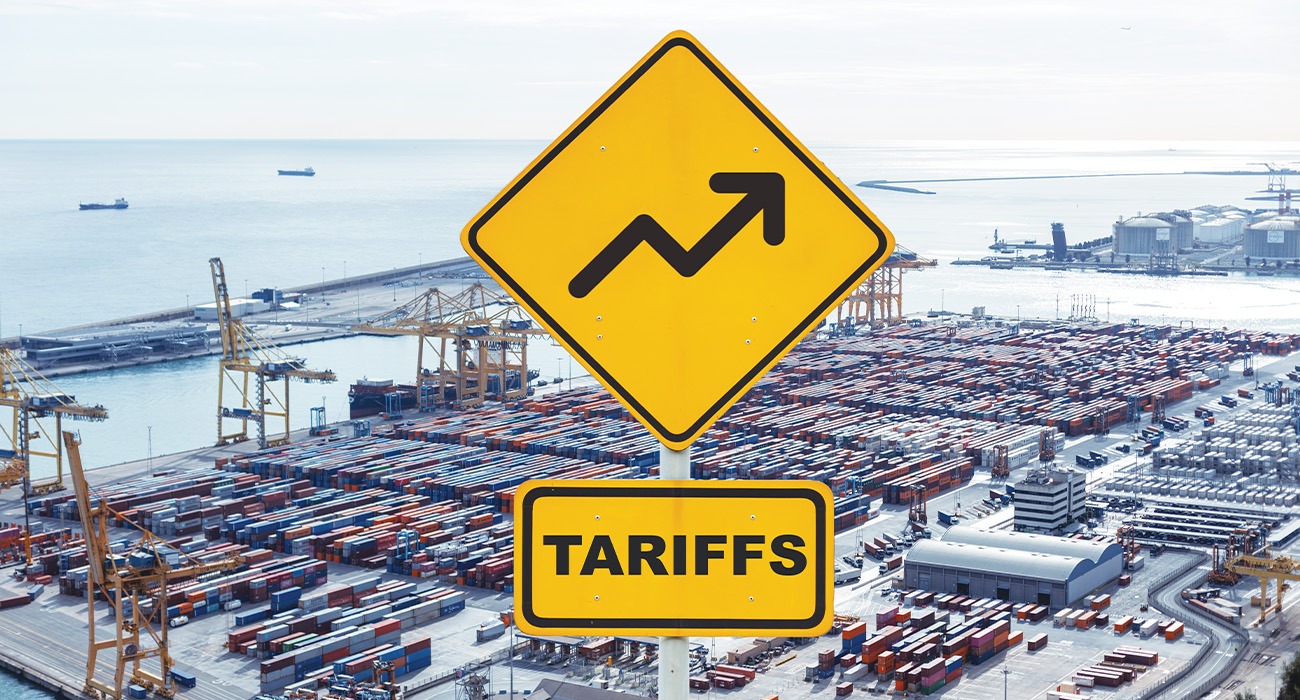
After what CoStar Group National Director of Hospitality Market Analytics Jan Freitag called a “bumpy” year with ADR going negative even as hotels tried to maintain elevated rates to compensate for increasing inflation and tariff-related costs, hoteliers are looking forward to a compressed 2026 as sporting events led by FIFA World Cup come to North America to fill stadiums and hotels from Mexico to Canada and new Jersey to California.
To Do: The work being done to host world-class sports events across the country will be a boon for meeting professionals who will then have access to that enhanced infrastructure and experience, but groups may have to get creative about where and when they meet to avoid competing with football fans of all types.
13. Just-in-Time Meetings
One of the consequences of 2025’s uncertain trajectory is hesitancy by executives to tap the DocuSign. That can lead to last-minute decisions to host an all-staff, sales kickoff or executive
retreat—and fewer options.
To Do: Pyramid Global Hospitality Director of Business Development John MacMullen was optimistic that even a month before the first guest arrives, a solution is possible if your group can be flexible about dates, cities and how you deliver value.
12. Return on Experiential

Positive ROE calls for crafting emotional connections between people and brands—connections that linger long after the event. The litmus test for MAS Chief Experiential Officer Aaron Levinthal is whether attendees still think about the experience days later.
To Do: The trick to creating brain pathways that lead to loyalty is to include the attendee as a participant—and make it meaningful. Moments that move people advance business goals.
11. Bottomlineitis

An epidemic of global proportions is afflicting meeting professionals struggling to deliver on elevated expectations with stagnant or shrinking budgets. A survey by Global DMC Partners found that half of meeting professionals are seeing no change in their budget or facing budget cuts, even as 42% are facing 11% to 20 percent increases in hotel and F&B costs. To be clear, if budgets don’t rise as much as inflation, that is a cut.
To Do: Some strategies suggested by the report include reducing attendee numbers, including more “free time” and contracting early. Another salve to soothe chronic budget irritation is choosing cities where entertainment is built into the destination, such as Washington, DC, where the Smithsonian museums and National Gallery of Art are open to all, or Las Vegas, where sightseeing in opulent lobbies is priceless. Bishop-McCann Account Director Lesley Barnett advised constant vigilance against unanticipated fees being added by the venue. Entire Productions CEO Natasha Miller prescribed canvassing for multiple bids, conducting line-by-line analysis and asking strategic questions.
10. Frictionless Screening

Automated security systems that employ AI and sensors to flag threats without requiring people to stop, empty their pockets and walk through metal detector arches have become common at stadiums and could soon be implemented at more events because they balance safety, comfort and efficiency.
To Do: Talk to the safety team at your venue about possible threats at your event, anything else happening in the area and how they can help establish a secure perimeter for your attendees.
9. Diverse in Deed
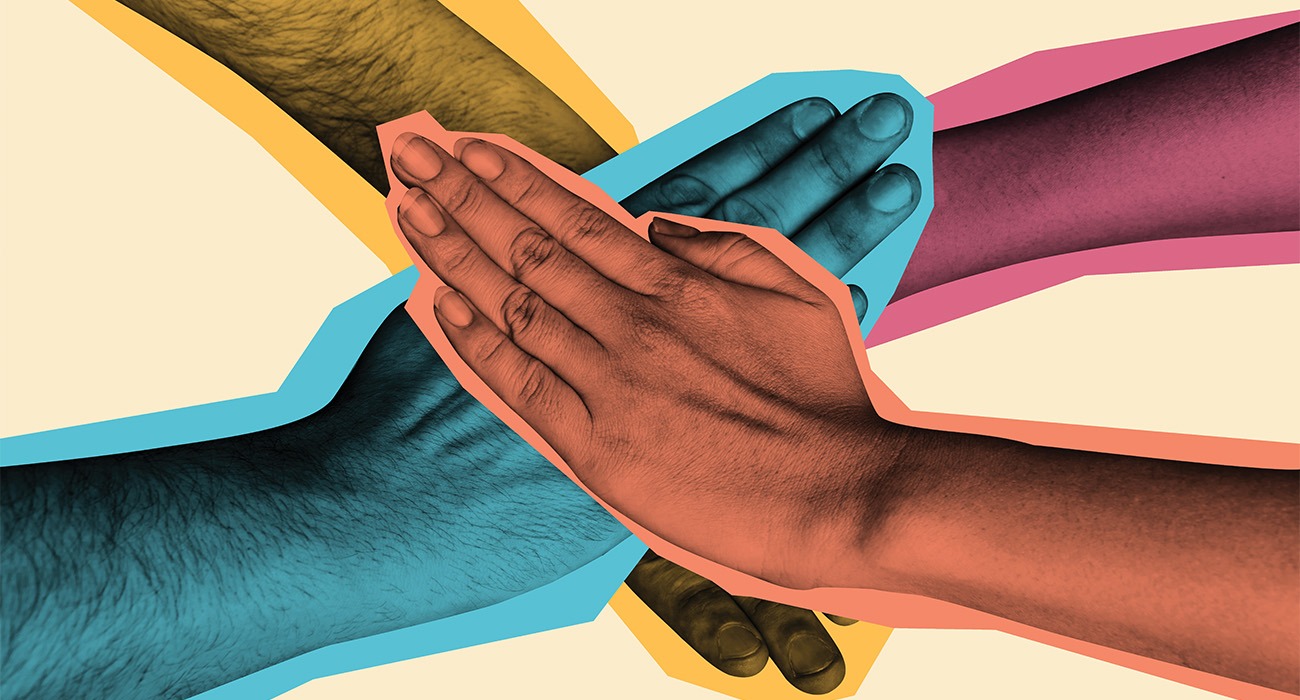
The backlash against diversity, equity and inclusion policies was as much about “diversityscaping” as it was about welcoming everyone to our events. True accessibility has expanded beyond race, gender and physical ability to include neurodiversity, introverts and extroverts, all ages and dietary needs. ASAE CEO Michelle Mason calls “conscious inclusion” the secret to “unlocking the full potential of a diverse workforce and membership” without alienating current attendees. Mentorship that celebrates individual differences as strengths can ensure all voices are heard and valued, as we learned from Smart Ally and Business Events Montreal Director of Sales John Ehlenfeldt.
To Do: Walk more people through the ballroom doors by opening them wider. Feedback surveys, by design, leave out the people who are not attending your events. Use AI to explore who else might attend if some of the details were tweaked to make them less jarring, more personally meaningful to a wider range of people and easier to enter.
8. Coldplay Effect
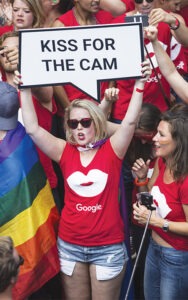
The Kiss Cam viewed around the world at a Coldplay concert at Gillette Stadium in Massachusetts in July was a reminder that public events bring public consequences and had many meeting professionals reconsidering when and where they host team building and VIP events.
To Do: Reminders about standards for behavior are always a good idea regardless of where the event is being held and the role of who is attending, even if it is the CEO and the Chief People Officer.
7. Matter of Fact
It’s time to banish labels for people (detailed descriptions are still good for file folders and storage boxes so you can find what you need quickly). To effectively motivate, manage and attract the incoming workforce, David Allison, founder of Valuegraphics Database, suggests working to understand what core values individuals care about and how that aligns with the job or conference. Claire Lester, senior design strategist with Maritz Design Studio, advised ditching labels, particularly for Gen Z.
To Do: Claire Lester, senior design strategist with Maritz Design Studio, advised ditching labels (Southern greetings such as y’all are in vogue again) and euphemisms (We see you, RIF reduction in force and reboarding messages. Younger attendees are looking for work-life balance and honesty—something everyone can appreciate. If your company is going back to the office or you are asking them to fly across the country for your event, be prepared to explain why a real-life meeting is important for the company and for their interests.
6. Ozempic Impacts
With so many people taking GLP-1 semaglutide medications to manage hunger and weight, demand for everything from bread and desserts to sweet drinks could be dropping as fast as dress sizes. Even those not on medication may be watching their calories and not returning to the buffet as often.
To Do: To cut down on waste, consider focusing on proteins and whole food choices that pack a nutritional punch.
5. Soft Drinks
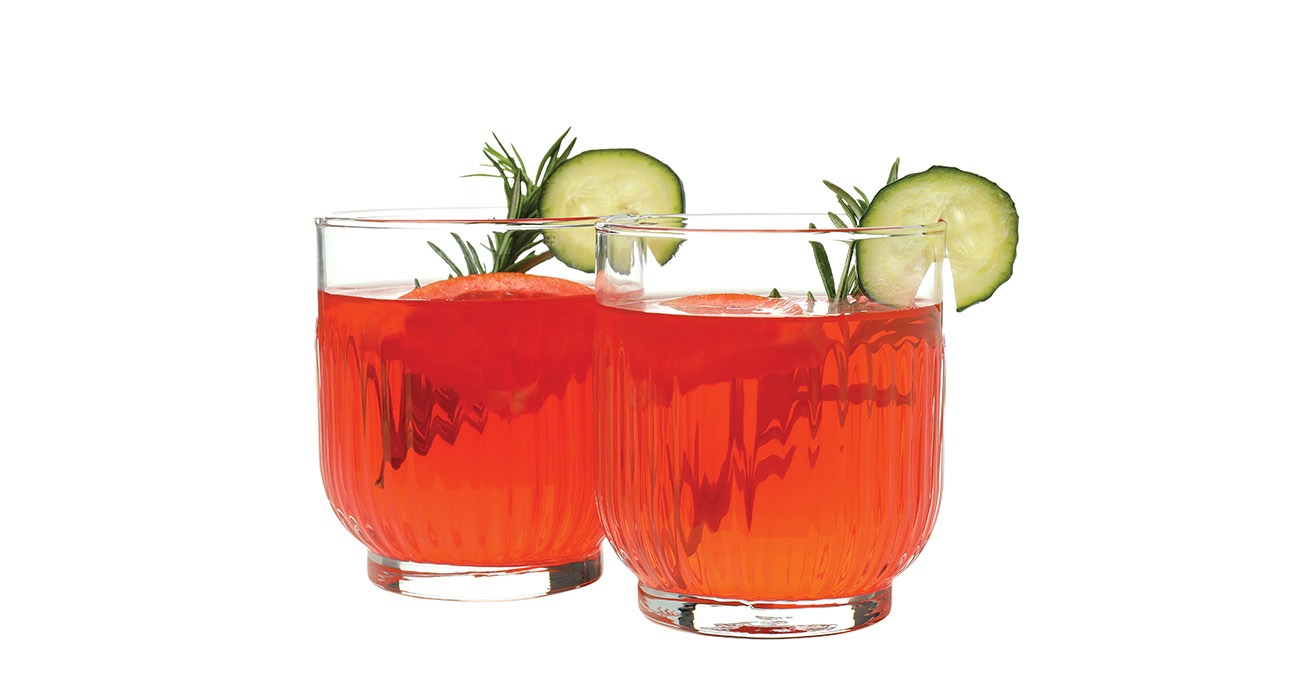
The shift to zero-proof beverages has only intensified over the last year, with 54% of U.S. adults saying they drink alcohol, according to a recent Gallup poll. There has been one literal change. The term “mocktail” is considered by many to be derogatory and simply not accurate since alcohol-alternative beverages include branded water, low ABV wine and beer, kombucha and creative functional cocktails featuring herbs and adaptogens for calming or clarity. Whether you call it an alt-tail, soft cocktail, NA or spirit-free, an alternative to booze is now expected.
To Do: Talk with your catering services manager about specialty beverages that make everyone feel included. Just don’t call them mocktails.
4. Circadian Drivers
A science-driven understanding of how our energy and needs fluctuate throughout the day is informing agenda design at events large and small. This year, IMEX featured a Circadian Cove produced by David T. Stevens’ Olympian Meetings and sponsored by Caesars Entertainment with blue light therapy, energizing breathwork and movement sessions timed to the needs of the humans attending the event.
To Do: Consider natural body rhythms for everything from lighting to activities when designing your next agenda. We authored this handy white paper with “Elite Performance Tips for Managing Attendee Energy” to make it easy.
3. Flight Bingo
From government shutdown fallout in the Air Traffic Control tower and at TSA lines to a passenger stripping down to her underwear during an argument at a gate, news headlines make it sound as if getting everyone to the event may be the hardest part of your job. While most flights take off and land on time (I have even been on a flight that landed early), new rules require automatic refunds for “significantly changed flights” and new technology ensures unmentionables arrive at the same destination as the passenger.
To Do: Include tips in the know-before-you-go and the registration confirmation about airport locations, alternatives and transfers (is there a more beautiful sight than an attendant standing at the door to security with your name on an iPad?), along with options for coming in early or staying late, so fewer attendees try to arrive with only minutes to spare before the opening general session.
2. The Age of Acceleration

Futurist Sam Rad coined the term as the next step in an evolution that could lead to a post-human world. The rapid transformations impacting people and companies as a consequence of AI, extended realities and quantum computing blur the boundaries between human and machine. She should know. She created an avatar of herself that looked like her, sounded like her and even thought like her. Then she went on the road to talk about how to put humanity back in the equation.
To Do: You are actually part of the solution. In an era when everything we see online is suspect, meeting in real life is the most effective way to build trust, the foundation of any relationship or business deal. That means your job is more valuable than ever. Let’s negotiate and act like it.
1. VUCA Time
Volatility, Uncertainty, Complexity and Ambiguity, a military term dating back to the 1990s, ruled this year. Meeting professionals had to play a complex game of balancing international geopolitical forces with human behavior and business imperatives.
To Do: Despite what can feel like defeating daily headlines, the baseline of people attending events almost always bounces back because throughout all of history, gathering to exchange information, meet new people and forge alliances has always been the fastest way to get things done. Keep planning real-life events with these 25 trends in mind.
This article appears in the November/December 2025 issue. You can subscribe to the magazine here.