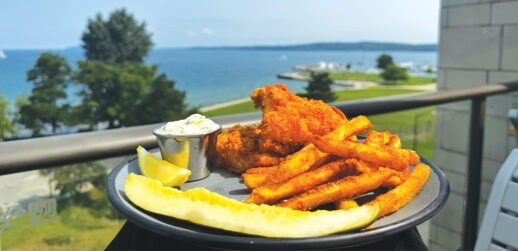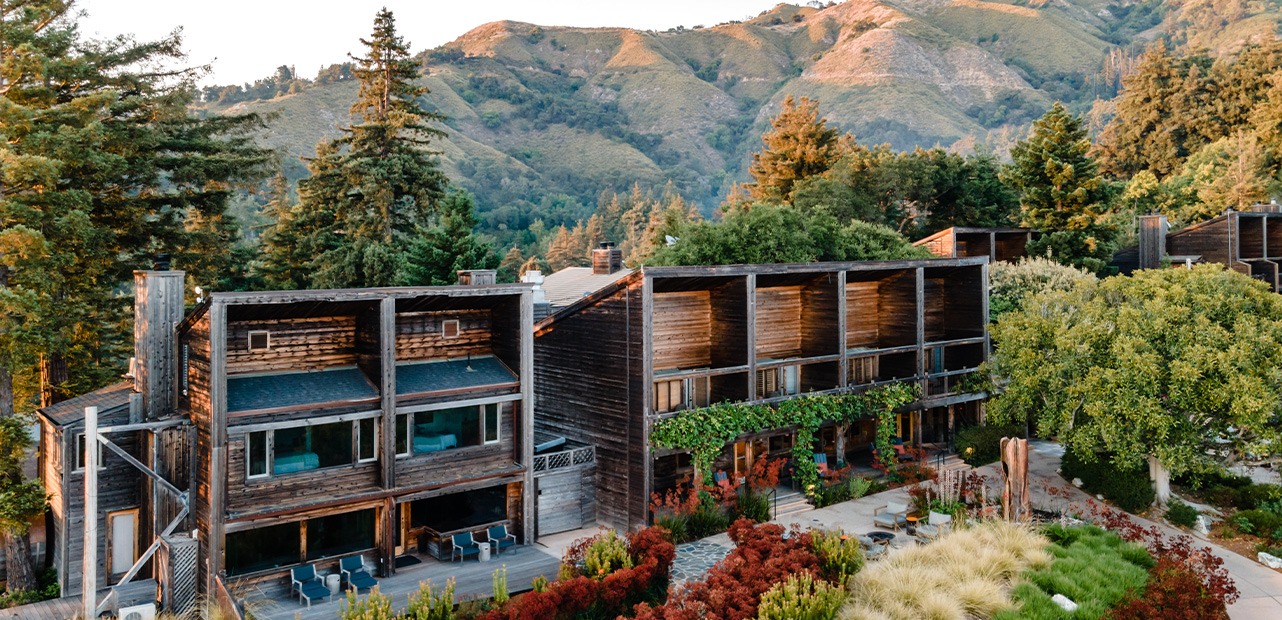
Alila Ventana Big Sur focuses on gatherings that are intimate, blending indoor and outdoor settings with natural light, fireplaces, terraces and curated furnishings that feel more like a private retreat than a corporate event. This same intentionality can be seen in the food at Alila Ventana, as ingredients are local, menus reflect the land and season.
Why intimate meetings are delivering outsized impact
The meetings industry has often equated success with scale. Larger rooms, bigger audiences and more elaborate production were often treated as proof of value. But as organizations rethink how and why they gather, a quieter recalibration is underway. Increasingly, planners and venues are discovering that fewer people, brought together with greater intention, can deliver deeper engagement and more lasting outcomes.
Small meetings are no longer scaled-down versions of larger events. They are purpose-built experiences, shaped by space, environment and flow, where every detail carries weight. With fewer attendees, everything from energy, distractions, comfort and connection becomes amplified. And when done well, the impact can be transformative.
Viewed through both the planner and venue lens, intimate meetings reveal a shared shift in priorities: designing spaces that support presence, building agendas that allow room to breathe and redefining what success looks like when everyone in the room matters.
At Alila Ventana Big Sur, that philosophy begins with rejecting the traditional ballroom altogether.
Designing at Human Scale

Rather than relying on formal conference rooms, Ventana approaches meetings through a residential lens. Spaces are intentionally intimate, blending indoor and outdoor settings with natural light, fireplaces, terraces and curated furnishings that feel more like a private retreat than a corporate event. Spaces are intentionally intimate, blending indoor and outdoor settings with natural light, fireplaces, terraces and curated furnishings that feel more like a private retreat than a corporate event.
“Our meeting spaces are intentionally residential in scale and emotional in feel,” says General Manager Matt Skaletsky. “Rather than traditional ballrooms, we focus on flexible indoor/outdoor venues that encourage conversation, presence and connection.”
That emphasis on emotional scale aligns closely with how planners approach small meetings from a functional standpoint. Edward Perroti, an award-winning designer with over 27 years of experience in event production, says limited group size amplifies every design decision.
Read More: B2B Events Are Getting Smaller and Smarter for Gen Z
“When working with a small group, certain design choices matter more for good collaboration, engagement and productivity,” he says. “Keep the ideas of intimacy and approachability in mind.”
Seating arrangement is one of the most consequential choices. “Arranging seats in a circle or U-shape helps everyone make eye contact, talk openly and take part equally,” Perroti says.
Flexibility is equally critical. “The space should be easy to change so the group can switch between talking, brainstorming or giving presentations as needed,” he adds.
In small rooms, distractions that might fade into the background at larger events quickly become disruptive. “Background noise can be distracting in small groups,” Perroti says. “Good sound design and some privacy help everyone stay focused and comfortable.”
“When working with a small group, certain design choices matter more for good collaboration, engagement and productivity…. Keep the ideas of intimacy and approachability in mind.”
– Edward Perroti
A Natural Agenda
At Ventana, ‘the landscape is not a backdrop. It is the agenda,’ Skaletsky says. ‘Redwoods, coastal trails and open skies influence everything from how sessions are timed to how groups transition between work and reflection.’
Rather than separating work from experience, there is often an organic energy between the two. ‘Meetings flow into guided hikes, mindfulness practices, stargazing and fireside conversations,’ Skaletsky says. ‘Nature becomes both the reset button and the catalyst for deeper thinking.’
the two. ‘Meetings flow into guided hikes, mindfulness practices, stargazing and fireside conversations,’ Skaletsky says. ‘Nature becomes both the reset button and the catalyst for deeper thinking.’
This approach reflects a broader shift in what planners are being asked to deliver. ‘Planners are asking how meetings can support mental well-being, creativity and long-term impact,’ Skaletsky says. ‘They want to know how much downtime is enough, how to reduce overstimulation and how to design programs that feel restorative rather than exhausting.’
Smaller groups make it easier to answer those questions. With fewer participants, planners can adjust pacing, allow conversations to unfold and build in restorative moments without losing cohesion or momentum.
“[Planners] want to know how much downtime is enough, how to reduce overstimulation and how to design programs that feel restorative rather than exhausting.”
– Matt Skaletsky
Engagement-Driving Experience
In intimate settings, experiences do not compete with meeting content-they become part of it.
‘The strongest feedback comes from experiences that feel personal and grounding,’ Skaletsky says. ‘Small group wellness rituals, chef-led culinary moments, storytelling around the fire and shared outdoor challenges consistently resonate.’
According to Skaletsky, these moments often define how attendees remember the meeting. ‘Attendees tell us they leave feeling reconnected to themselves and to each other, which is ultimately what makes the meeting memorable,’ he says.
Perroti sees similar dynamics across the meetings he plans. Smaller groups heighten participation and accountability, making comfort and visibility essential. ‘People still need comfortable chairs and enough space to feel relaxed, even in small groups,’ he says. ‘Make sure everyone in the group can see the whiteboard, flipchart or screen (if you need to use one).’
Food as a Narrative

“Food at Alila Ventana Big Sur is storytelling,” Skaletsky says. “Ingredients are local, menus reflect the land and season, and meals are paced to encourage connection.”
Read More: The New Rules of Inclusive Event Dining
Dining experiences are designed to reinforce purpose and place. “Whether it is a foraging-inspired lunch or a wine pairing under the stars, dining becomes a shared ritual that reinforces purpose and place rather than a break between sessions,” Skaletsky says.
“Whether it is a foraging-inspired lunch or a wine pairing under the stars, dining becomes a shared ritual that reinforces purpose and place rather than a break between sessions,” Skaletsky says.
For planners, these moments often become where alignment deepens and relationships strengthen, particularly in small groups where conversation flows naturally beyond the agenda.
Sourcing Spaces with Intention
As small meetings gain momentum, planners are increasingly open to unexpected venues.
“I love using nontraditional venues, not just for small events but for larger ones too,” Perroti says. “Why settle for a traditional ballroom when there are so many exciting options out there?”
Perroti regularly works with cafés, boutique hotels, art galleries, co-working spaces, private dining rooms, libraries, outdoor gardens and residential-style venues. “Unique spaces can spark creativity, make people feel comfortable and help everyone engage,” he says.
o-working spaces, private dining rooms, libraries, outdoor gardens and residential-style venues. “Unique spaces can spark creativity, make people feel comfortable and help everyone engage,” he says.
Because small meetings magnify everything, alignment between venue and audience becomes critical. Spaces that feel overly formal (or conversely, poorly equipped) are exposed quickly.
Mistakes to Avoid
Despite their scale, small meetings are not inherently simple to execute. Perroti says first-time clients often underestimate the level of planning required.
“Choosing any small room without thinking about the layout, comfort, sound quality or how flexible the space is,” he says, is a common misstep.
Other red flags can derail engagement just as quickly. ‘Poor acoustics, limited layout flexibility, lack of privacy or inadequate technology can easily disrupt how a small group works together,’ Perroti says.
Overcrowding is another frequent issue. “Not giving people enough personal space, which can make the meeting feel crowded and uncomfortable,“ he adds.
There is also a tendency to underplan. “Thinking a small group doesn’t need a plan can lead to meetings that wander off track or don’t get much done,” Perroti says.
At the same time, excessive rigidity can undermine the benefits of intimacy. ‘Making the meeting too strict can take away the relaxed and personal feel that helps small meetings work well,’ he says.
Who Is Leaning In (and Why)
Both planners and venues are seeing growth in small-meeting formats.
“We see strong demand from executive leadership teams, creative agencies, luxury brands, wellnessfocused companies and missiondriven technology organizations,” Skaletsky says. “These groups value depth over scale and are prioritizing alignment, trust building and inspiration over traditional presentations.”
Executive retreats are a particular growth area. “Senior leaders now prefer small, focused offsites to build strategy, trust and open conversation,” Perroti says.
Redefining Success
For both planners and venues, success in small meetings is measured less by spectacle and more by impact.
“A successful meeting is one where attendees leave changed,” Skaletsky says. “Conversations continue long after the agenda ends, ideas feel clearer and relationships feel stronger.”
“From our perspective, success is measured by energy, engagement and the sense that the experience could only have happened here, in this setting, with this level of care,” Skaletsky says.
As organizations continue to seek focus, meaning and connection in how they gather, small meetings offer a compelling answer. Designed with intention and supported by the right environment, they prove that sometimes the most powerful outcomes come from bringing fewer people into the room and giving them space to truly engage.
This article appears in the March 2026 issue. You can subscribe to the magazine here.