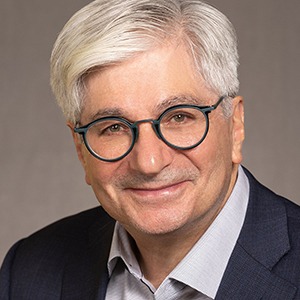
Paul Pomerantz

Paul Pomerantz, managing director of Association Governance Institute at ASAE for Smart Moves
Paul Pomerantz, ASAE

As managing director of ASAE’s Association Governance Institute (AGI), Pomerantz will lead the launch of the new initiative, which is dedicated to promoting excellence in governance practice for Associations. He served as CEO of the American Society of Anesthesiologists for nearly 11 years, where he implemented best practices in association management. In 2016, ASAE presented him with the Key Award, which honors CEOs who demonstrate exceptional leadership and a commitment to voluntary membership associations.

James Wardell
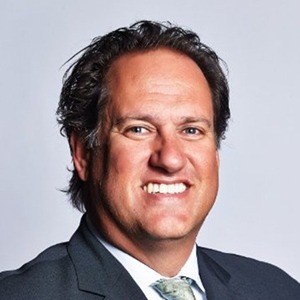
James Wardell, general manager, Canyon Ranch Woodside for Smart Moves
James Wardell, Canyon Ranch Woodside

Wardell takes on the role of general manager at Canyon Ranch Woodside. Throughout his career, he has managed numerous hotel portfolios and successfully led operations in various California hotel communities. In his most recent role as general manager of Calistoga Motor Lodge, he spearheaded a construction project that added 39 rooms, reduced food and beverage costs and skillfully managed finances.

Michael Punchios and Jessica Dringman
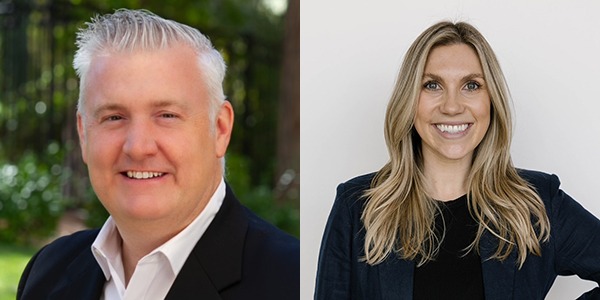
Michael Punchios, director of sales, and Jessica Dringman, director of marketing, Margaritaville Resort Lake Tahoe
Michael Punchios (left) and Jessica Dringman (right), Margaritaville Resort Lake Tahoe

Margaritaville Resort Lake Tahoe expands its executive team with two new leaders.

Punchios takes on the role of director of sales. He brings over a decade of hospitality experience, and most recently served as assistant director of sales at JW Marriott Las Vegas Resort & Spa. He began his hospitality career with the Disney College Program, and later played an important part in launching Disney Cruise Line’s first ship, Disney Magic. Along with expertise in corporate travel events and hotel contracting, he brings a passion for community service.

Dringham enters as director of marketing. She most recently served as director of marketing at Davidson Hospitality Group, where she provided both on-property and task force marketing leadership to numerous properties. Throughout her career, she has held multiple strategic marketing positions. She brings expertise in digital marketing, brand development, social media strategy and analytics tools, which she will use to lead the resort’s marketing initiatives.

Jose de Jesus Angulo
Jose de Jesus Angulo, general manager, Kimpton Palomar South Beach for Smart Moves
Jose de Jesus Angulo, Kimpton Palomar South Beach

Angulo takes on the role of general manager at Kimpton Palomar South Beach. Throughout his 28 years in the hospitality industry, he has represented premier hotel brands from IHG to Hilton, plus various lifestyle hotels. He has received numerous awards, including the Kimpton Shoptalk Team Award in 2015. In 2011, he received both the IHLA Chicago Department Head of the Year Stars of the Industry Award and the Hostmark Hospitality Director of Sales and Marketing of the Year.

Dan McDermott and Michelle Serra

Dan McDermott, general manager, and Michelle Serra, director of sales and marketing, British Colonial
Dan McDermott (left) and Michelle Serra (right), British Colonial

Nassau hotel British Colonial makes two significant appointments.

McDermott fills the role of general manager, with over two decades of luxury hospitality experience. In 2022, he was named HSMAI General Manager of the Year for South Florida. His significant accomplishments include directing the launch of Telluride Mountain Lodge and renovating Nashville’s Union Station. With this experience, he is well-prepared to successfully lead the reopening of British Colonial.

Serra serves as director of sales and marketing. Local to Nassau, she brings over 25 years of industry experience. She is skilled in collaborative marketing and selling of resort lifestyle, luxury rental properties and convention centers. Through her work at a variety of major hotel brands and assets, from Margaritaville Resort Orlando to numerous Hilton locations, she brings diverse experience across sales, catering and events management.

Kristopher White
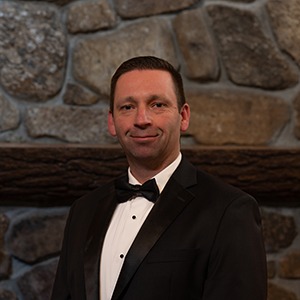
Kristopher White, general manager of The Point Resort
Kristopher White, The Point Resort

The Point Resort welcomes White as general manager. With nearly two decades of hospitality management experience, he will oversee all daily operations, including marketing, food and beverage, rooms, guest experience and customer relations. White is motivated to uphold a continued level of high-quality service and the experiential traditions for which the hotel is known.

Edward Roe

Headshot of Edward Roe, general manager of Claremont Club & Spa, A Fairmont Hotel
Edward Roe, Claremont Club & Spa, A Fairmont Hotel

Iconic Berkeley resort Claremont Club & Spa, A Fairmont Hotel, appoints Roe as general manager. Most recently, he served as general manager of Fairmont Sonoma Mission Inn & Spa. He is an active community member, having served as president and board member of the Sonoma Valley Chamber of Commerce and board chair for Sonoma County Tourism during his former role. He has now taken a post with the Visit Oakland Board.

Christoph Moje
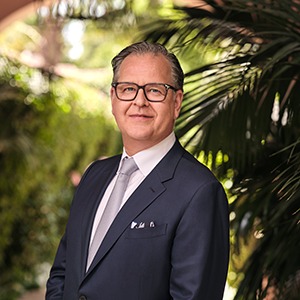
Headshot of Christoph Moje, general manager of Hotel Bel-Air, for Smart Moves
Christoph Moje, Hotel Bel-Air

Hotel Bel-Air promotes Moje to the role of general manager from his earlier role as hotel manager. He began as hotel manager in 2021, and brings nearly 30 years of experience in the luxury hospitality industry. He has held numerous managerial positions within a number of hotel groups, including The Ritz-Carlton Hotel Company and the Langham Hospitality Group.

Steve Grimes
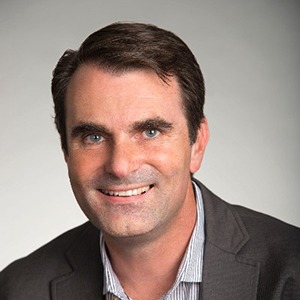
Headshot of Steve Grimes, chief marketing officer for Visit St. Pete/Clearwater
Steve Grimes, Visit St. Pete/Clearwater

Grimes takes on the role of chief marketing officer for Visit St. Pete/Clearwater. He will lead all advertising, promotions, marketing, market intelligence, digital, communications and social media efforts for the organization. Grimes brings over 20 years of marketing experiences and has successfully driven revenue growth through strategic partnerships, leveraging emerging technologies and creating award-winning content.

Benjamin Palmer
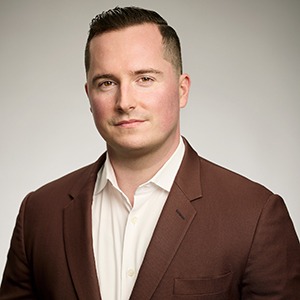
Headshot of Benjamin Palmer, general manager at Kimpton Everly Hollywood for Smart Moves
Benjamin Palmer, Kimpton Everly Hollywood

Kimpton Everly Hollywood appoints Palmer to the role of general manager. He brings extensive experience in luxury lifestyle hospitality, and most recently served as hotel manager at Sunset Tower Hotel. He possesses a proven ability to streamline strategic growth and is deeply committed to employee engagement.

Read More: Smart Moves in Chicago, Atlanta and More
As the importance of wellness offerings in meetings and events continues to rise, so does the expectation from attendees. While many assume that enhancing wellness comes with a hefty price tag, the truth is, there are abundant cost-effective options available that are both fun and creative. By continuing to design meetings with purpose and intentionality, we can discover the many opportunities all around us to elevate wellness in meetings in a new and fresh way.

It’s my hope that by sharing some ideas below that it will spark some ideas of your own to seize the wellness opportunities all around you.

Idea No. 1: Pause & Pen

There have been numerous studies about the positive effects of journaling, and incorporating this into your meeting can be a great opportunity for self-reflection amongst attendees.

For example, you could ask attendees to take two minutes to journal on their notepad or digital device and give them a question, such as: What stood out to you the most in the opening session? What are you grateful for the most? What do you love the most about the industry you work in? What excites you the most about the future?

You can even take it a step further by asking folks to turn to their neighbor to quickly share what they wrote down.

Not only can journaling increase well-being, but it can also increase discussion and engagement throughout your event as a result.

Idea No. 2: ‘Thank You’ Notes

While “thank you” notes may evoke images of Jimmy Fallon’s comedic antics on NBC’s “Tonight Show,” their significance and impact can go far beyond entertainment.

Read More: Top Meeting Profs Share Stories of Gratitude

The University of Texas recently studied the power of thank you notes, and those who wrote letters felt more positive after, and not only that, but they underestimated how positive it would make them feel.

There’s something powerful about hand-writing a note, and it’s even more meaningful to the person receiving that note.

Consider purchasing some blank cards (you can buy 200 of them for $20 online), and distribute them at every seat or leave at a designated area for attendees to pick up. You can  challenge attendees to write a thank you card to someone in their life: a fellow conference attendee, a convention staff member, or a loved one back home.

Not only will their personal wellness be increased, but it will also spread happiness to others, and potentially leading participants to adopt a new habit because of your meeting or event.

Idea No. 3: Fika Break

Recently, I was traveling through Sweden, and a local was telling me about this popular activity that people do called “fika” (pronounced “Fee-kah”). It’s when people leave their desk to grab coffee and a pastry with a co-worker or friend. The person who was sharing this with me said that her job does two fikas a day—one before lunch and one after lunch.

When you factor in that the 2023 World Happiness Report listed the country of Sweden as the No. 6 happiest country in the world, and the Unites States was No. 15, I think there’s something that America can learn from.

What if you created your own fika break within your event, and you randomly paired attendees up with one another to take 20-30 minutes to get coffee, sit at a conference center lounge, share lunch or go on a walk outside?

There are a lot of different ways to implement this into your meeting—you could build in time for everyone to have their fika break at the same time or you can have attendees find the best time for them on their own.

It’s by getting to know strangers, forming new friendships and strengthening existing relationships that our well-being and sense of belonging will be increased in a refreshing way.

Idea No. 4: Gratitude Wall

Nothing increases wellbeing like gratitude. Studies have shown that it can reduce depression, lessen anxiety, support heart health, relieve stress and even improve sleep.

An idea to incorporate gratitude into your event would be to dedicate an area within your meeting blueprint, whether it’s a wall within a meeting room or a networking lounge outside a ballroom, and invite attendees to write on a Post-it Note something they are thankful for.

Not only will this encourage attendees to self-reflect on the good things in their life, but it will also be encouraging for other attendees to read what others have written.

As many problems as there are out there in our world currently, this is an opportunity to remind attendees of the good out there happening all around them.

Idea No. 5: Digital Detox

As our lives become increasingly digital with notifications buzzing all around us on our devices, it can seem nearly impossible to unplug.

What if meeting planners could create a space for people to have a digital detox for five, 10 or 15 (or more) minutes?

Read More: A Wellness Revolution

This can be a room that you’re already paying for but don’t have a full-day’s worth of programming scheduled. For example, an afternoon breakout session could be used as the morning digital detox room.

This room or space could have light instrumental music looping in the background, and it can be a space for people to meditate, close their eyes, sit in silence and/or relax. And of course, all digital devices must be on silent or turned off.

You could even have meditation prompts printed for people to think through at their own pace.

Just like how meetings and events have beverages and snacks for attendees to be well physically, a digital detox room is a way for meeting planners to help provide a quiet and comfortable space for attendees to feel cared for emotionally and spiritually.

Sometimes we all need that quite space to step into from time to time, especially in the fast-paced environment of meetings and events.

Conclusion

There are lots of great opportunities for wellness that are cost-effective, and you can also discover more ideas from a previous Smart Meetings article that I wrote by clicking here. And as always, feel free to reach out to me directly at [email protected] if you have more questions or feedback on how to increase wellness in your meetings!

caesarsBrought to you by Caesars Entertainment

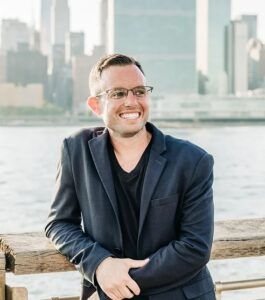
man leaning against fence in front of marinaNolan Nichols is a dynamic Fortune-500 speaker and the founder of an organization called “A Million Dreams,” which guides leaders through building resilient, inspiring and incredible teams.
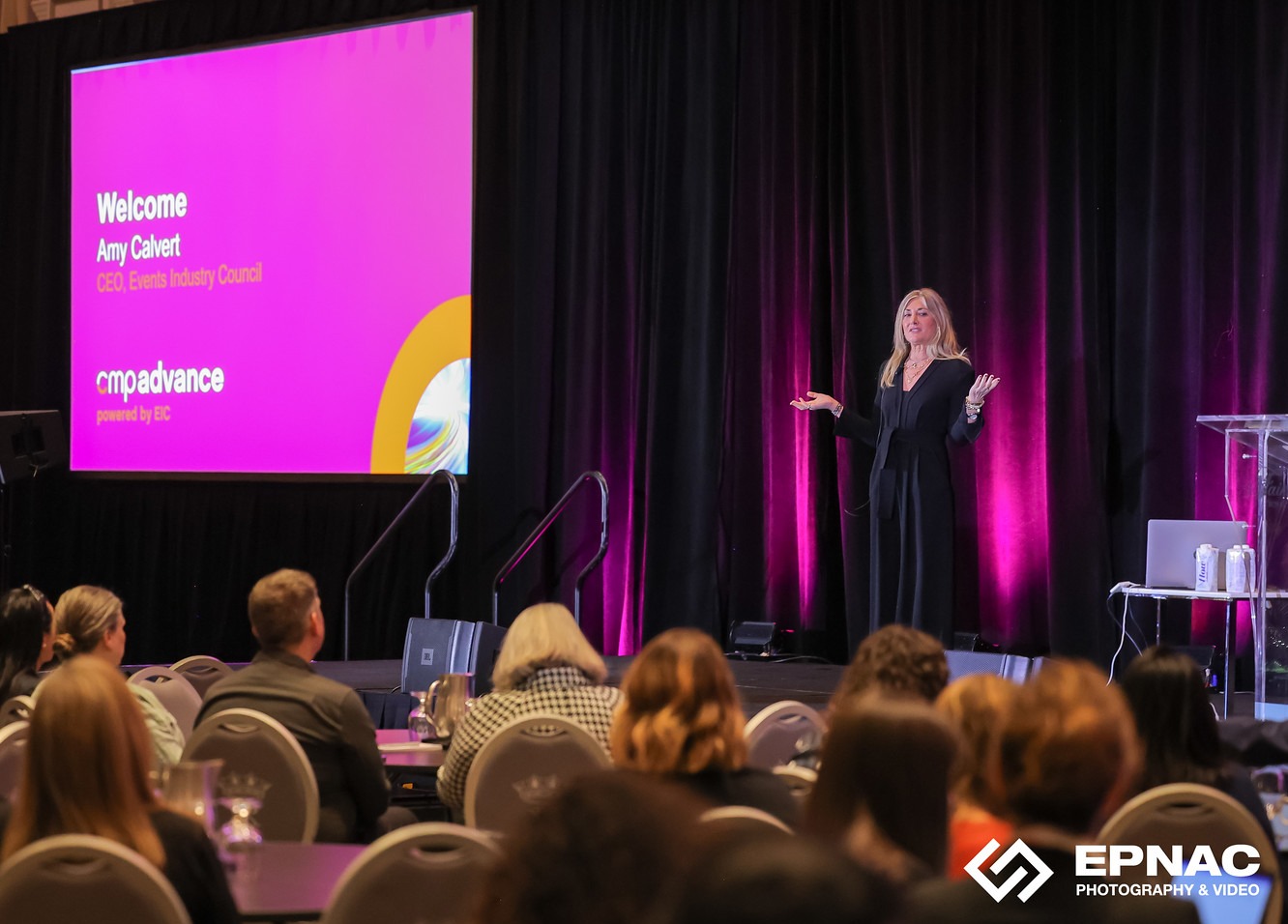
Nolan integrates his award-winning storytelling skills, masters degree in education, personal research of reading 50 books per year, and his extensive leadership skills into a groundbreaking approach to enhance wellbeing, foster a spirit of resilience, enrich company culture and introduce a more effective way to lead and live in today’s workplace environment.

He is a featured speaker in the Caesars Wellness Menu. For more information, visit amilliondreams.info or contact Nolan directly at [email protected].


Force majeure and clauses to keep in your next contract

Watch the full webinar here

Contracts are the life blood of the meeting industry. The sticky details and specific wording make for important safeguards for planners as well as suppliers in ensuring everyone gets what they want out of the partnership.

Smart Meetings sat down with Darryl B. Cohen, a partner at Cohen, Cooper, Estep & Allen LLC, who specializes in entertainment, criminal defense and hospitality law, to chat about what planners should consider adding to their contracts in 2024.

Keep Relationships in the Details

One key aspect that is sometimes overlooked in the contract process is relationships. Cohen believes having good contract clauses will make for good professional relationships. Developing a solid relationship with everyone involved in the contract process means planners will have a wider net of people to contact if an issue were to arise.

“If there’s a problem you need to know who you can go to on the property, not just your initial contact,” says Cohen.

If things go sideways Cohen emphasizes that neither side wants bad press. “You can do great things for them, and they can do great things for you,” he says. “It’s a marriage, it’s not a fight….If we’re both right, we can make it happen. We can make it right.”

Read More: The New Bottom Line

Contract Must-Haves

Cohen offered a list of important aspects planners should consider including in their hospitality contracts, such as:

  • Make sure the deposit, final payment and payment schedule with dollar amounts are mentioned Allow yourself flexibility.
  • How many comp rooms are available?
  • Cost for meeting rooms.
  • Resort fees.
  • Gratuities
  • Minimums for food and beverage.
  • Are amenities and AV included in the cost?
  • Outside vendors or exclusive vendors?
  • Noise restrictions?
  • ADA compliance—do you need accommodations?
  • Damage provisions—are you liable for your guests?

Read More: Top Legal Issues Meeting Profs Should Be Aware of in 2023

What To Leave Out

Cohen has a suggestion for the things you leave on the negotiation room floor of your contract:

  • Your own personal liability for any issues caused by a guest, such as room damage and noise complaints.

Service Charges

When getting into the service charge aspect of the contract, make sure you get into the specifics.

“Make sure [the service charges are] written into the contract. Is a $2 a day for maid service? Is it $20 a day for maid service or is it part of the room charge? That is not written in stone. It depends on your ability to negotiate and how much leverage you have, how much you want the property and how much the property wants you.”

 Force Majeure

Predicting the future of what can go wrong isn’t necessarily something a planner wants to think about. But when crafting your contract, a force majeure clause is an important piece of the puzzle that may save you a lot of time and future agony. Fine tuning your force majeure can help in the chance you or the venue need to cancel or reschedule.

“You need to be able to say, ‘We can re-book at the same rate.’ But if it’s going to be higher make sure you lock that rate in,” Cohen says.

For those who think the likelihood of their event being cancelled is slim, Cohen offered this simple thought, “If it can happen, it will. When it does happen, it’s never good.” He pointed to Covid-19 as an example, “Expect the unexpected and be prepared for it.”

Read More: Strategic Planning for Meetings and Events

 Force Majeure Post-Covid

Following the events of Covid, the issue of force majeure comes with a few specific qualifiers: Is the issue something unrelated to Covid or something that happened before Covid that one would consider an ‘Act of God,’ such as war, riots, floods, earthquakes, volcanic eruptions, hurricanes, blizzards, avalanches or tsunamis.

Make sure to include post-Covid clauses that would touch on the issue of an epidemic, pandemic, disease outbreak and public-health issues.

Clauses should also include catch-all language that describes any cause that is well beyond your control.

Data Privacy

If there are data privacy concerns around your event, Cohen offers a few suggestions:

  • Never broadcast what needs to be private.
  • If it can get out—it will.
  • Use a VPN.
  • Don’t charge your phones with random USB ports.
  • Protect your privacy at all costs.
  • There is no such thing as too much protection.

Where Certified Meeting Professionals gather, connection and innovation flourish

From March 11-13, 2024, events industry professionals who hold the esteemed Certified Meeting Professional (CMP) designation gathered in Toronto at the Fairmont Royal York. Between enlightening presentations, sessions with expert panels and bustling networking receptions, the 200 CMPs in attendance—about 70% of them planners and 30% on the supplier side—left with a treasure trove of knowledge around today’s highest-stakes industry topics, plus a wealth of new connections.

One topic in particular came up again and again: how do we connect, really? And how can we do it better?

After all, if you bring together a group of zealous meeting professionals…for a meeting…what else could be a more on-the-nose topic of conversation?

EIC CEO Amy Calvert at the CMP Advance welcome session
Amy Calvert, EIC CEO, speaking at CMP Advance 2024

Read More: Meeting Professional Continuing Education: CMP Spotlights

How Conscious Connection Transforms Events

Lisa Belanger, Ph.D., EMBA, CSEP-CEP, is an expert in behavioral medicine and exercise physiology and is the CEO of ConsciousWorks, a consulting firm that works to help leaders maximize their mental capacity and performance based on the latest scientific research. In her closing keynote, “Conscious Connection: Unlocking Transformative Potential Collaboration and Community,” she dove into what it means to connect intentionally, both inside and outside the meeting room, and the impact true connection has on our overall well-being.

“What most people don’t realize is that conscious connections are one of the most influential factors for the quality and length of our life,” she said. “Belonging is one of the most basic human needs, a powerful retention tool and the ingredient for epic memories. When we can curate psychologically safe, profound connections, we create more sustainable and meaningful impact.”

The Impact of Connection

Lisa Belanger at CMP Advance Connection keynote
Lisa Belanger speaking at CMP Advance 2024

One statistic she shared early on rose above the rest: according to a range of surveys conducted by organizations ranging from the CDC to Cigna, about 33% of adults say that they feel lonely most or all of the time. Belanger explained that this number is actually down by half since the peak of the pandemic. Still, that’s a third of the population, and there’s no doubt that many people who fall into this group are attending events.

Loneliness is found to be most prevalent among people between the ages of 18 and 34, with around 61% of young adults stating they experience serious loneliness.

Throughout other sessions at CMP Advance, a hot button topic was how the events industry might attract younger professionals. Knowing that this generation might feel lonelier than others, event professionals can look for ways to alleviate this as much as possible within their workplaces and industry, thus further incentivizing young professionals to look towards the meeting industry as a viable—and rewarding—option.

Belanger acknowledged it can be intimidating for many people to walk into a room full of people they’ve never met before—a networking reception, for example. We tend to think of loneliness as isolation, but when people feel lonely in their lives, it’s likely that they will feel lonely even in a crowded room.

Side note: it’s important to distinguish between feeling lonely and having alone time. The latter—especially quality rest—is essential for people to operate at their best.

So, how do planners make it easier for event attendees to feel more comfortable connecting?

Connection in a New Way

Before coming onstage, Belanger was introduced to the crowd with three accomplishments in addition to her educational and professional background. She climbed Mt. Kilimanjaro with her father; she ran the Paris Marathon; and she’s the mother of two children. Onstage, she noted, “There are probably some people in this room who have done the same things or something similar—and they’re immediately going to feel more connected to me because of it.”

She asked attendees, “Raise your hand if you know the people at your table.” The crowd looked around and laughed, acknowledging that, no, most of them did not. Then, she directed each table to make those introductions, without titles or company affiliations. Next, she challenged those at each table to take two minutes to find three things they all had in common. “And no, that thing cannot be that you are all meeting planners.”

One group loved sushi. Another considered themselves “shopaholics.” Another had all planned meetings that, in one way or another, included the use of human cadavers!

The point Belanger wanted to drill home was this: we are all seeking connection and safety. When we let down our professional walls, and get to know one another as real people, we often find shared interests and values that strengthen our bond outside the realm of work. That makes for a more conscious professional connection, which makes for a better meeting, today and down the line.

Read More: Work Smart: The Art of Communication

Luxurious international destinations for incentive travel

From a concrete jungle to a tropical oasis, new and renovated properties open in international locations. Each offers innovative dining, luxurious accommodations, access to one-of-a-kind destination experiences and many more of the factors that add up to make for the incentive of a lifetime.

Gather in Garden City

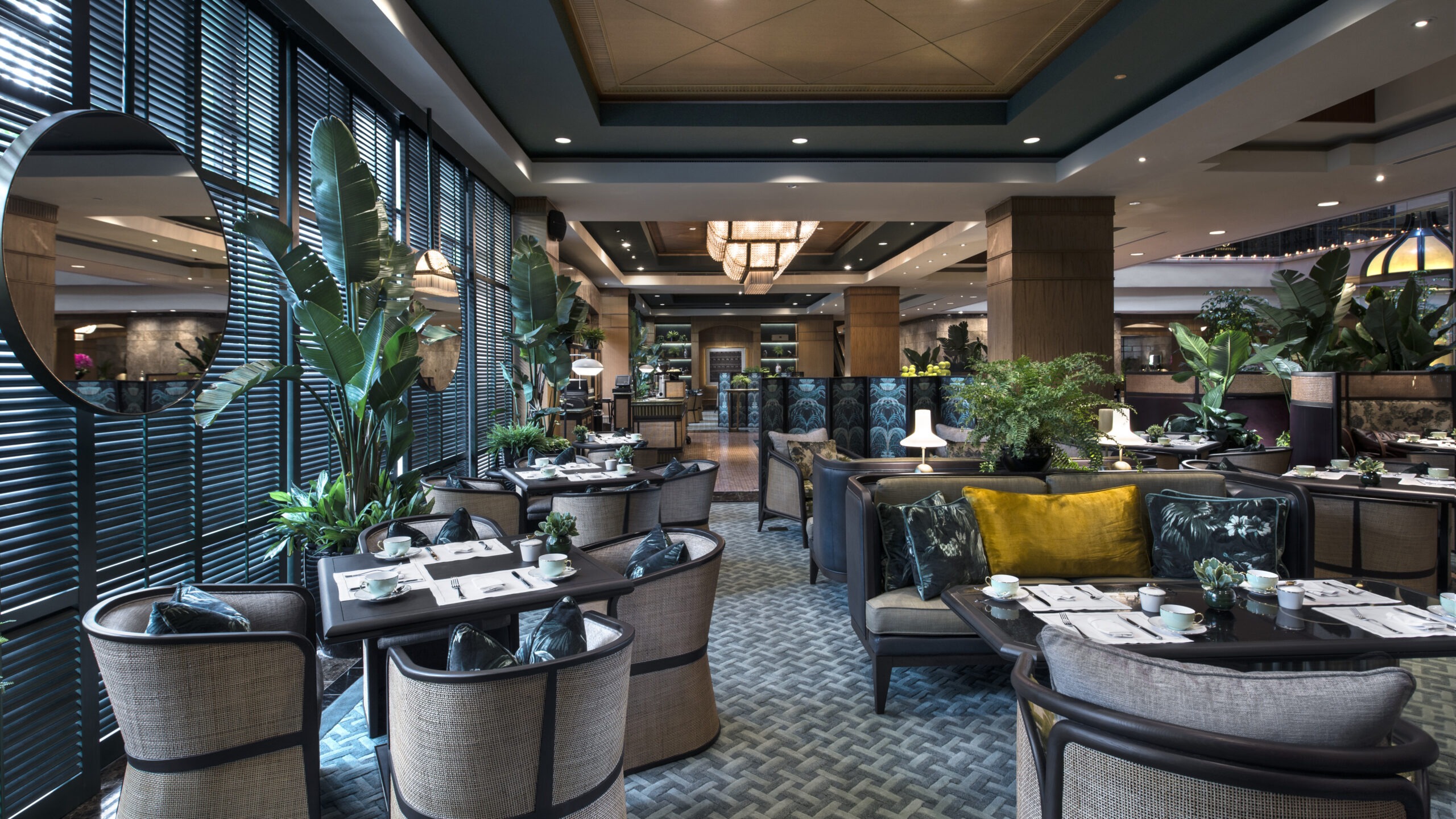
Tea Lounge at Conrad Singapore Orchard for New and Renovated
Tea Lounge at Conrad Singapore Orchard

Hilton opens its second Conrad Hotels & Resorts property in Singapore, Conrad Singapore Orchard. The property’s design celebrates Singapore’s garden city environment, with art and nature infused across all 12 floors: in each meeting space, guest room, restaurant and bar. Architect John Portman led the design, centered around a sky-lit atrium. Contemporary pieces created by local and regional artists decorate each space.

445 guest rooms infuse a botanical design into a refined residential space, with floor-to-ceiling windows, neutral hues and illustrations of native flora prints created by Singaporean artists. Guests will find serene relaxation at the outdoor pool, the fitness center equipped for mindful exercise and an Executive Lounge with balconies. 14 event venues together make for 17,000 sq. ft. of meeting space.

The brand is committed to providing a redefined luxury that centers impactful experiences. At this property, guests can take part in the Edible Garden Walk, where they will follow local arborists and botanists to uncover edible botanicals along the walk from the hotel to the Singapore Botanical Gardens, a UNESCO World Heritage Site. Between this and a number of other experiences, 10 restaurants and bars and fitness and wellness classes, meeting attendees are certain to take part in an international incentive like never before.

Read More: Best Food Cities Across the Globe

Island Oasis

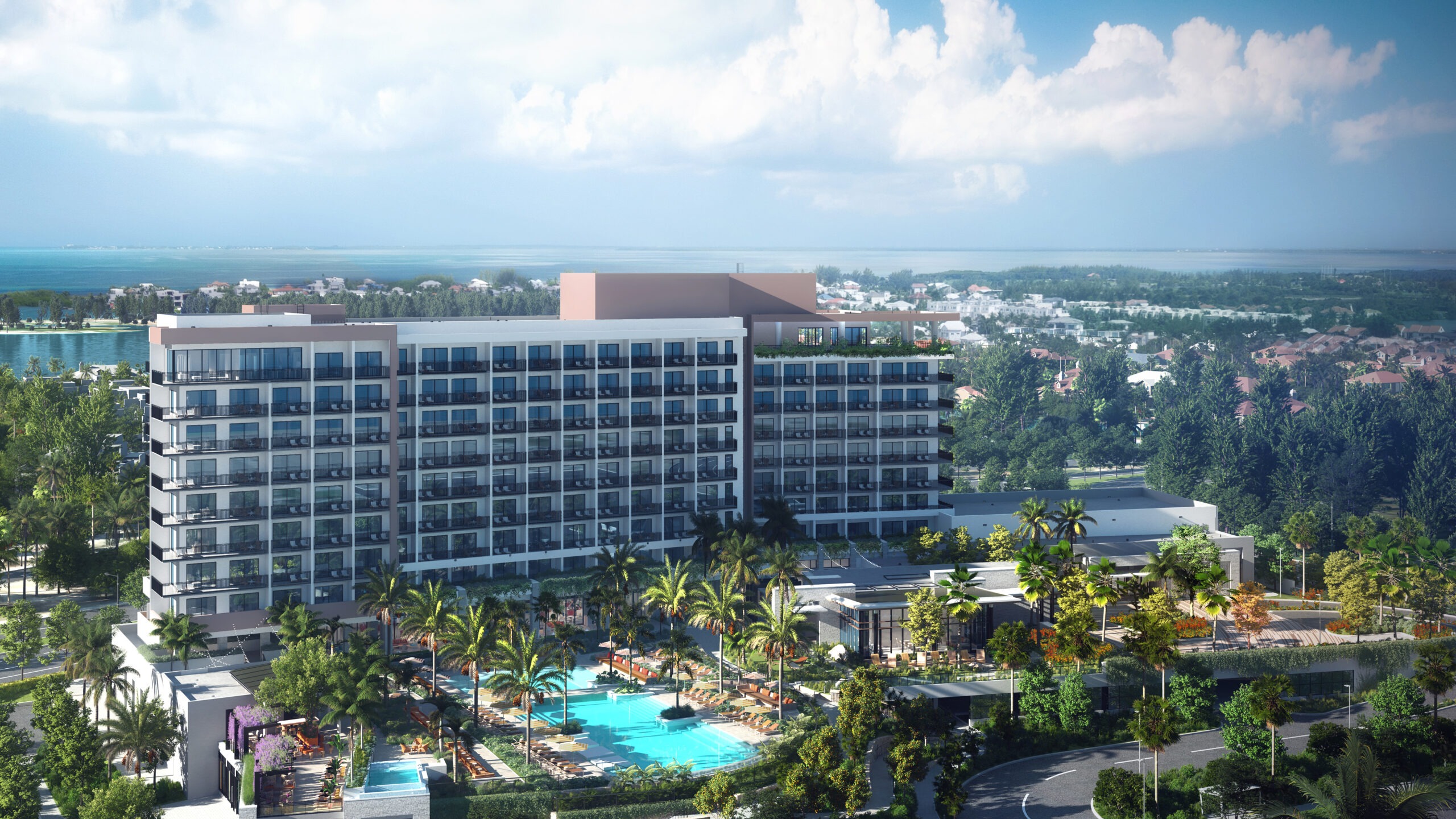
Hotel Indigo Grand Cayman

IHG Hotels & Resorts and Dart Properties unveil Hotel Indigo Grand Cayman on Seven Mile Beach in the Cayman Islands. Perfect for an island incentive, the property design draws inspiration from the surrounding neighborhood. New Orleans-based architecture and interior design firm Farouki Farouki spearheaded the project and infused the island’s lush topography through both warm and cool color palettes. Handmade pottery and curated artwork created by local Caymanian and Caribbean artists make for an expansive art collection decorating the property.

282 guest rooms and suites center a relaxing island spirit. The over 7,500 sq. ft. of meeting and event space includes the island’s first rooftop lounge—which is also the perfect place to enjoy innovative cocktails and Latin-inspired fare. Guests can take part in exciting exclusive experiences, such as a reservation-only, rotating concept exhibition kitchen.

If your group wants to explore the island, complimentary bikes make it easy to do so. The property provides guests with easy access to some of the Cayman Islands’ most popular sites, from Stingray City to Camana Bay’s high-fashion boutiques. The 24-hour onsite fitness center, poolside cabana service and beach chair and umbrella services are just a few of the amenities available for guests to enjoy an immersive island experience at this new luxury property.

The Skyline and the Sea

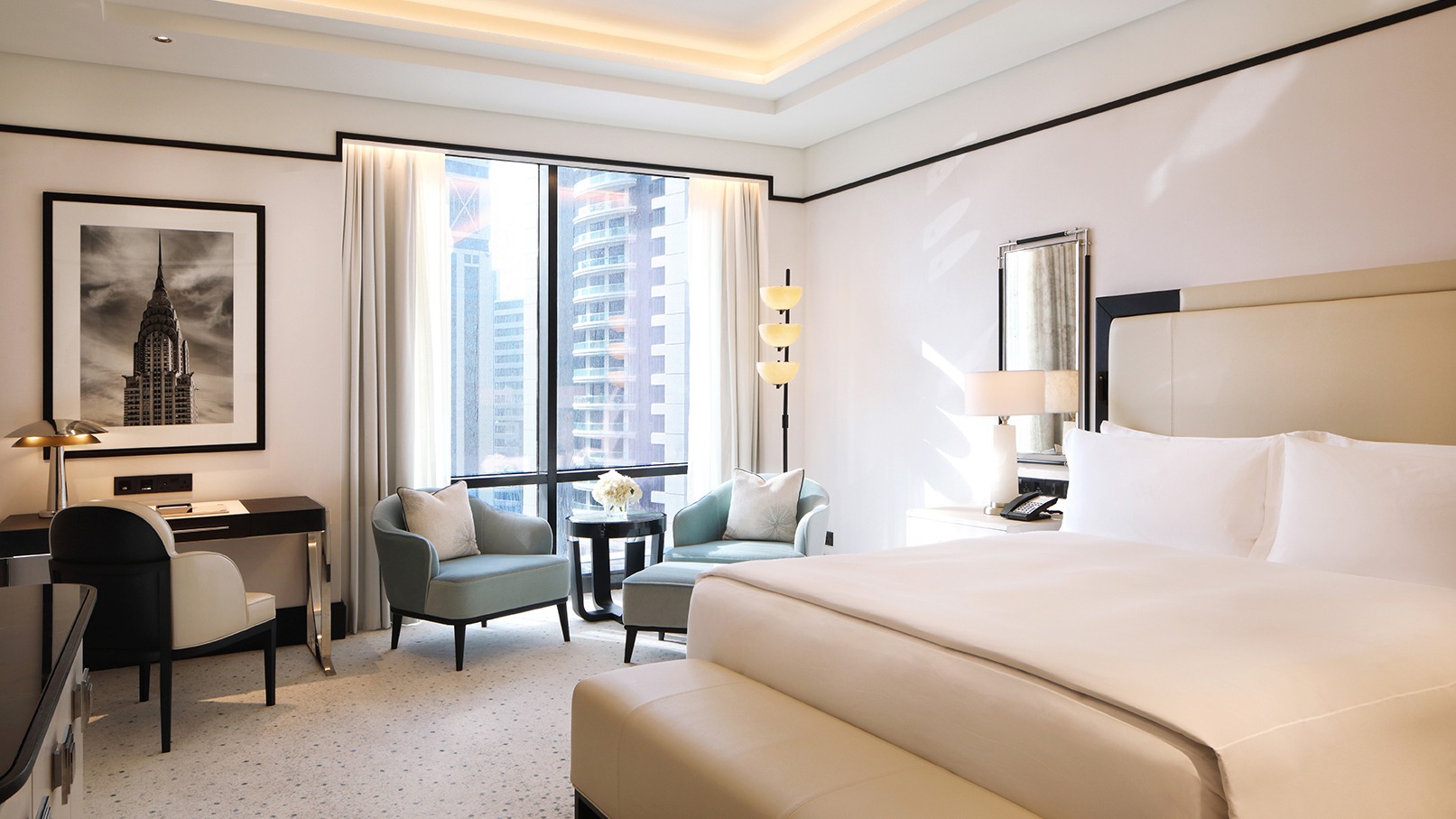
Guest room at Waldorf Astoria Doha West Bay
Guest Room at Waldorf Astoria Doha West Bay

Waldorf Astoria Hotels & Resorts opens Waldorf Astoria Doha West Bay in Doha, Qatar. Its façade and main entrance celebrate the brand’s original property in New York. The brand’s history of grand clocks continues through this location, with a grand Tiffany & Co. clock in the lobby. The bezel, inspired by the tips of a falcon’s feathers, celebrates Qatar’s national animal. Tiffany blue mohair upholstery is spread throughout the property, from the lobby bench to each guest room.

283 rooms and suites, plus 50 luxury apartments, are available at the 44-story property. For an extra touch of luxury, each guest is assigned a personal concierge. 5,726 total sq. ft. of meeting space, all of which features abundant natural daylight, is available onsite, including two ballrooms with room for 500 guests. Two boardrooms and three multi-functional meeting rooms with access to an outdoor patio make for a versatile range of meeting space. Guests can reach all event spaces from a separate meeting entrance.

The onsite spa spans from the 39th to 43rd floor, where, beyond unique wellness experiences, from a sensory rain walk to hydrotherapy pools, guests can enjoy expansive views of Qatar’s skyline. The dedicated fitness floor offers both a mixed and women’s-only Technogym fitness center, meditation studios and juice bars. An eclectic mix of dining venues, offering cuisine from Levantine to New York-inspired classics, ensure there’s always something good to eat, making for an all-around luxury experience.

Read More: Today’s Best Practices for Visas and International Travel

Don’t leave home without these

With the world wide open for business, you may be headed for an international conference or meeting. Of course, that definitely means you need a passport. And quite possibly a visa—perhaps even a business visa.

Let’s get you there with minimum hassle.

In Smart Meeting’s ongoing journey to inspire meeting professionals with the latest tips for elevating the event design process, we worked with the AI app InVideo to bring our content to visual life and allow all viewers to accessibly enjoy content in video form. We hope you enjoy. Please consider following our YouTube channel for more weekly tips and trends for meeting planners.

The Basics

Rule No. 1 is, get started on your investigation of what’s needed as early as possible. To smooth out the process, consider using a visa service (see below). This will cost somewhat more but may be well worth it. Rule No. 2 is, find the most recent information available, as rules and requirements often change. Outdated web resources could mean you miss your meeting.

Don’t neglect the other basics. Do you need immunizations for entry or your personal sense of well-being? What about mobile phone and internet service abroad? Most carriers offer international plans these days, but rates vary according to how much coverage you need. Many travelers swear by communication apps like WhatsApp and Skype, which let you phone home as if you were still in the U.S. Consider international travel insurance, not only for health (especially emergency evacuation services) but also to cover your airline tickets, accommodations and personal belongings.

 Don’t speak the language where you’re going? In major meetings cities, that shouldn’t be much of a problem—English is usually widely spoken in the hospitality sphere. Where it isn’t, phone apps like Google Translate can save the day. The newest Samsung Galaxy phones offer an AI-generated feature called Live Translate, so you can call for a taxi or make a dinner reservation in the local language.

Read More: What is Stopping International Attendees from Returning to U.S. Conferences?

Passport Requirements

The good news is, if you need to renew or apply for your first passport, the miserable backlog of many months that began during the pandemic is now cleared away. Routine passport applications are running 6-8 weeks, and expedited applications can be processed in as little as 2-3 weeks. Even if your current passport is valid, be aware: Many countries require that your passport be valid (unexpired) for up to six months past your arrival date. You may also have to have one or two blank pages left in your passport booklet.

Read More: Atlantis Bahamas: They Call It Paradise for a Reason

Visa Requirements

As of January, U.S. passport holders can travel to 189 countries and territories without a visa, or by obtaining a visa on arrival, typically by standing in line at the airport. But for other major meetings destinations, like India and China, you do need one. The rules can be tricky to navigate—and must be strictly followed.

Take Vietnam, for example. The short-term visa needed by U.S. citizens to enter Vietnam to attend a meeting, conference or do other business is called a Vietnam Business Visa. (Citizens of a few dozen countries, such as the United Kingdom and Germany, are exempt from this requirement for short visits, but holders of U.S. passports are not.) You can apply for this visa in three ways: at a Vietnamese embassy or consulate in the U.S.; on arrival but only at one of the eligible international airports in Vietnam; or online, though a website called the Vietnam Immigration Portal. The requirements for each option, and the time it takes to get your visa, vary.

There may be other considerations as well. Vietnam also requires proof of Vietnam travel health insurance. Some Vietnamese consulates or embassies might also require what’s known as a Letter of Invitation from your Vietnamese host.

Check requirements for the specific country—including immunizations and more—on the U.S. State Department website.

Read More: Lessons Learned from MPI WEC in Mexico

 Visa Services

In practically any country you need to journey to, there are in-country consultants who claim they will usher you effortlessly through the local visa bureaucracy. For a fee, naturally. Yet, in online searches, it’s sometimes hard to know which of these miracle workers is best, or even real. There are other options. CIBTvisas, for example, has been around for decades, boasts a roster of major corporate clients and currently has 60 offices in 29 countries. It describes itself as “the market leader for business and other travel visa and passport services for corporate and individual clients.”

Women are taking the lead in general manager roles

Smart Meetings continues to celebrate Women’s History Month! We are highlighting women who have worked their way up and earned the position of general manager to show our appreciation for their dedication to hospitality, their genuine passion for helping others and for standing strong in an industry where men still dominate the majority of leadership roles. Smart Meetings features only but a few of amazing women who are standing out in the general manager positions at successful hotels and resorts.

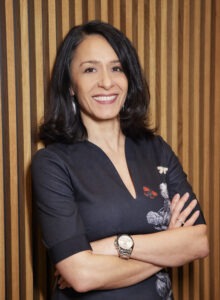
Sherry Abedi, General Manager of Viceroy Washington DC and Hotel Zena

Sherry Abedi, general manager of Viceroy Washington DC and Hotel ZenaQ: What attracted you to the hospitality industry?
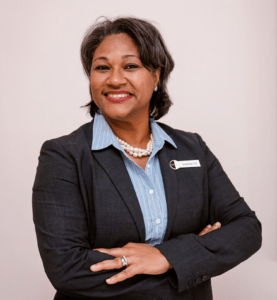
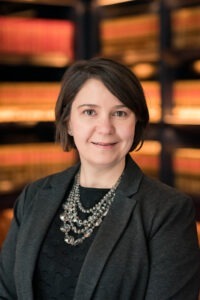
A: The people, the guests and our co-workers. The hospitality industry is beneficial because you have the opportunity to meet and learn about so many different personalities, cultures and viewpoints. It really helps to prepare you to be able to be in any environment and really learn to connect with people on an individual basis.

Q: What three words describe you, professionally or personally?

A:They’re intertwined for me, but I would say driven. I can maintain focus and have a certain level of tenacity. Creative. I just learned I am creative, in that whether it has to do with programming activations or problem solving. Loyal—that bleeds into my personal and professional life.

Q: Do you see progress towards gender equality in the hospitality industry?

A: I definitely see progress in our industry. In this particular role and in the hotel companies I have worked for in the past 10 to 12 years are very focused on providing that opportunity and highlighting the strength of women.

Read More: Smart Moves: Access Appoints Three Female Co-CEOs

Shernette Crichton, General Manager of Half Moon in Montego Bay Jamaica 

Q: What attracted you to the hospitality industry? Shernette Chrichton, general manager of Half Moon Montego Bay, Jamaica

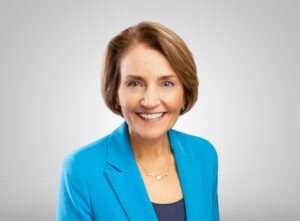
A: My inspiration was truly a love for people, just catering to the needs of others. As a child, I was always planning parties for my parents. I love to entertain, to serve and to connect with people. I thought the hospitality industry was perfect for meeting people and catering to their needs.

Q: What three words describe you, professionally or personally?

A: I am a God-fearing person. I do believe that I can do all things through Christ. I’m also passionate and caring. I look out for the needs of others and giving back to community is very important to me.

Q: What are some of the challenges you face as a female general manager?

A: One of the things I noticed is that there is this subconscious bias. When you introduce yourself as the general manager, you get a pause. There is a subconscious attitude about female capabilities. Are you aggressive and assertive enough to hit your numbers? Also, work/life balance. Being a mother, a wife and juggling the family’s needs as well as work obligations.

Iris Junge, General Manager of The Gwen, a Luxury Collection Hotel, Michigan Avenue Chicago

Iris Junge, general manager of The Gwen, a Luxury Collection Hotel, Michigan Avenue, ChicagoQ: What attracted you to the hospitality industry?
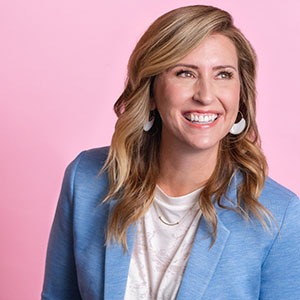
A: Mostly my father, he worked in the industry. I got to experience travel and what it meant to take care of guests to make sure they have a memorable experience. His number one priority was making sure his guests were happy and well taken care of.

Q: What three words describe you, professionally or personally?

A: Passionate, driven and authentic.

Q: What is your next professional goal?

A: I want to continue to make a difference for women in hospitality so that we gain parity even above the general manager level. I want women to get past the fact that men will always have a dominant presence and better chances at a job for whatever reason. I also want the next generation of employees and leaders to understand how amazing this industry is and how many opportunities there are to be successful.

Lindsey Sears, General Manager of Andaz Savannah, a Concept by Hyatt

Q: What attracted you to the hospitality industry?Lindsey Sears, general manager of Andaz Savannah, a concept by Hyatt

A: For me, it really boiled down to this culture of taking care of others. My mom was always the parent to help out with all the neighborhood kids—carpools and taking people here and there. Hospitality was really a way of life. I also went to culinary school and I coupled hospitality with the passion I had for food and beverage. They are closely connected.

Q: What three words describe you, professionally or personally?

A: Intentional is number one, because it bleeds over to both my professional and personal life. It’s being intentional in your actions. Solution oriented, because I’m a results driven person. And committed—breaking the mold, pushing the boundaries and heightening expectations.

Q: What are some of the challenges you face as being a woman in the role of a general manager?

A: I have two different ideas here. As a female general manager, I find myself being more self-aware of needing to be more serious or putting extra work to appear more credible. But I almost feel like this is my own doing, rather than anyone else making me feel this way. I’m sure that’s going to change and evolve!

Read More: The Story Behind the 2024 Smart Women in Meetings Awards

Jacqueline Volkart, General Manager of The Ritz Carlton, South Beach

Jacqueline Volkart, general manager of The Ritz Carlton, South BeachQ: What attracted you to the hospitality industry?

A: Growing up, I observed and assisted my mom. She always invited guests to our home—every table was set to perfection, from the wrinkle free tablecloth to the flowers, to the candles and decorations. I was also in charge of our hometown Youth Center, planning and organizing events. From early on in my life, I loved special events.

Q: What three words describe you, professionally or personally?

A: Positive, engaging and inspiring.

Q: Do you see progress towards gender equality in the hospitality industry?

A: There is huge progress in the hospitality industry. Miami alone has over 120 female general managers. I am thrilled to be in a community that welcomes diversity and inclusion.

Women are making events industry history in leadership roles

Access—the largest privately-held destination management company in the United States, and the only woman-owned and led National DMC—makes history with its appointment of three women as Co-Chief Executive Officers: Jennifer Miller, Danielle Phippen and Heidi Brown. Together, they bring over six decades of experience in DMC-specific backgrounds across sales, creative design, operations and hospitality. Each of them is celebrated in the industry for their proven success in pushing boundaries and exceeding client expectations.

Jennifer Miller

Jennifer Miller headshot, co-CEOs at Access
Jennifer Miller

Miller began working with Access over 25 years ago, first in operations, then in sales. Her involvement in a San Diego business think tank exposed her to some of the largest business owners in San Diego. There, she gained extensive insight into business models, strategy and leadership styles, which she will draw from as she leads the vision and culture for Access alongside her co-CEOs.

She has a particular knack for company values, seeing them as a way to center and support Access as an organization from within, and providing employees with individual and team growth and prosperity.

Danielle Phippen

Danielle Phippen headshot, co-CEOs at Access for Smart Moves
Danielle Phippen

Phippen began her career at an advertising agency in 1999, after earning a degree in business with a specialty in marketing. In this role, she developed a passion for event design, art direction and marketing. Later on, she spent eight years working in the sales and creative departments at a Colorado-based DMC. In 2009, she opened Workshop, a Colorado DMC. It became part of Access in 2015, and afterwards, grew from Colorado to Tennessee. At the same time, she opened rental and design company Max/Livie, which she still owns.

Read More: Women in Leadership: General Managers

In 2020, she was part of the team that started the new Access and saw it grow under their leadership. She finds constant motivation in the Access team’s passion, loyalty and hard work. She believes that, when work feels less like work, and is founded more in passion, creativity and output thrives.

Heidi Brown

Heidi Brown headshot co-CEOs at Access for Smart Moves
Heidi Brown

Brown began her career in the advertising industry, but later moved to Colorado and began working at a 5-star hotel, where she fell in love with the hospitality industry. She developed a deep fascination with the fast-paced environment and the cohesive teamwork across numerous departments with one common goal: to create an incredible guest experience. After working with several leading Colorado DMCs, she met Phippen. Together, they opened and grew the Access Colorado office.

After purchasing the brand, she worked to build Access up to what it is today: one of the largest DMCs in the country. Access, and its community of genuine, loyal people with a shared vision for greatness, continually inspires her, and she hopes to continue to show complete appreciation for the team’s people and culture.

Why Three?

The concept of three co-CEOs, at first, may come as a surprise. But Access has no doubts about it. By appointing these three leaders together, the company benefits from each of their individual strengths and diverse perspectives. Between the three of them, Miller, Phippen and Brown will be able to provide a seamless executive presence and coast-to-coast coverage. Each is deeply familiar with what it takes to operate a successful DMC, and by collaborating, the three of them can ensure success for the company, its 250 full-time employees, its large team of event staff and its operations in over 45 locations.

Miller shared, “We are thrilled to embark on this journey together, continuing to lead Access towards even greater heights. Our combined experience and collaborative spirit enable us to deliver on our promise of creating extraordinary, shared experiences that inspire people.”

Blazing Trails

Though women make up 63% of the event planning workforce, women hold only 37% of CEO positions, according to the 2022 Global Women in Events Report from International Live Events Association (ILEA). But this move shows that things are changing for the better, growing female representation in events industry leadership. Access takes immense pride in this Co-CEO appointment, which serves as a testament to its commitment to diversity and to driving the events industry towards a more equitable future.

Read More: Dear Woman Leaders, Stop Struggling and Start Succeeding

Using the power of events to connect the wider farming community

Since purchasing Indoor Ag-Con in 2018, CEO Brian Sullivan and his team’s goal has been to push for more education about emerging technologies and budding trends around controlled environment agriculture (CEA).

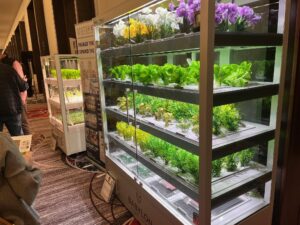
plants in glass walled cabinet
CEA demonstration

“What the event is involved with is a lot of growing technology,” Sullivan says. “There’s watering systems, there’s HVAC systems, there are special seeds being developed for the sector. One of the areas we’re getting into is food safety. We’re doing food safety certification because folks will need to know that you know can’t just grow and send stuff out into a retailer.”

Indoor Ag‘s 11th annual event took place on March 11 and 12. Over the course of these two days, in addition to its expo floor where more than 200 CEA exhibitors showcased their products, the event highlighted four large-scale topics through its breakout sessions (or “tracks”): the grower track, planning and operations track, cultivating possibilities track and cannabis track.

Read More: Event Case Study: Walmart Experience at CES 2024

Each of these tracks feature five breakout sessions, each covering a its own corner of the larger topic. The first three can be considered staples at Indoor Ag:

  • The grower track highlights the ways growers can unlock the full potential of their products.
  • The planning and operations track takes a look at how to make your growing situation better by creating a better environment behind the scenes (think greenhouse building, infrastructure and zoning regulations).
  • The cultivating possibilities track takes a broad look at the future of CEA development, touching on topics such as AI and sustainability.

Contrary to the belief of some (“For a long time, folks would say, ‘Oh, you’re one of those cannabis shows,’ and we’re really not,” Sullivan says) the last one, the cannabis track, is actually a new addition to Indoor Ag’s breakout list.

“We see cannabis as only a sector of agriculture, but we’re addressing a much wider [audience], leafy greens, tomatoes, strawberries, other things that can grow indoors.” Sullivan says one of the reasons they decided to start the cannabis track is because several companies that attend the event are cannabis growers and “looking to spread their wings a little bit.”

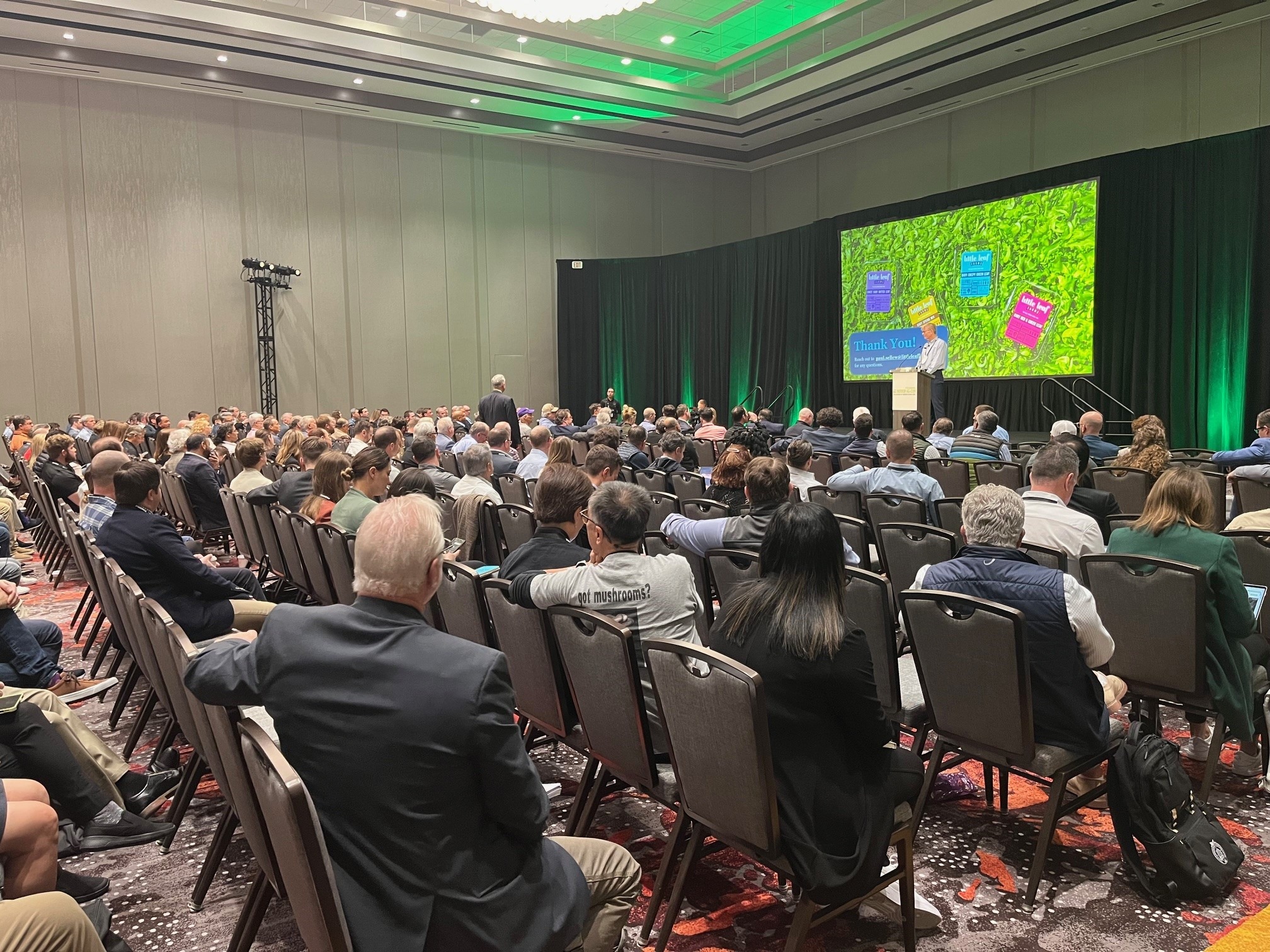
large group of people sitting in ballroom

“If they’re growing cannabis indoors, then migrating them outdoors in other seasons, they might want to grow other things, such as leafy greens,” he adds. “If they’re growing leafy greens, they can double what they’re doing. If there’s too much cannabis being grown in some areas, if there’s an overpopulation of it, they can grow other products. They come to our event and learn different ways to grow.”

Much like those cannabis farmers who may have an interest in growing other produce, Indoor Ag also reaches out to those in outdoor farming, as indoor farming may be an area that traditional farmers may have an interest in. “Fields farmers might have some time during the off-season to try indoor farming, so this is an area to teach them about what to do in the wintertime. They [own] a barn and…might want to turn it into an indoor farm for the winter so they get more revenue.”

Read More: Agriculture and Agritourism in Virginia Beach

In addition to Indoor Ag’s CEA Summit that’s held in the fall in Virginia, from the pandemic sprouted another event. “Like many events, we went online and delivered webinars during the pandemic. We have what we call Indoor Ag Conversations, monthly online sessions that were sometimes even more [frequent]. For free we would have these sessions online that people could attend. We had hundreds of people on them from around the world.”

Also, similar to others, with the return of in-person events, Indoor Ag Conversations don’t happen as frequently as they once did. But, with a 62% increase in attendance in 2023, 60% increase in exhibit floor space and 16% attendance increase this year, and an expanding show floor that sold out last year and this year, the growth of its face-to-face events is apparent.

Experts from around the world share what impacts global travel

California may be the ultimate playground, but the reasons people come from all over the world—or don’t in the numbers they did pre-pandemic in some cases—vary by region. Visit California’s Outlook Forum 2024 at The Westin Rancho Mirage Golf Resort & Spa in Greater Palm Springs last week uncovered the dynamics that appeal to visitors and what is holding some back. In-market managing directors for countries all over the world reported on trends in consumer sentiment, government policies and all-important airlift limitations.

Read More: How to Cultivate a State of Play at Events

Asia

person rowing in boat next to cherry blossom trees
Himeji, Japan, at Himeji Castle

All eyes were on the Asia panel as gateway cities in particular were eager to hear when China visitors would be returning in pre-pandemic numbers.

China: Visit California Global Managing Director in China Michael Merner reported that the biggest growth is in millennials and Gen Z coming to California after the three years of lockdowns finally lifted. The difference is that they are not participating in group tours in as large of numbers. They are renting cars and going off the beaten path, past the gateway cities and they have money to spend so they are looking for four- and five-star hotels.

The luxury China market wants personalized and outdoor, active experiences. The challenge has been that the U.S. Department of Transportation has limited the number of flights into the United State from China. As that eases, it could not only help increase the ability to bring attendees to conferences from China, but other countries as well as Chinese visitors have been rerouting through neighboring destinations to get to their California events.

Japan: Visit California Global Managing Director in Japan Marjorie Dewey reported that when the MLB Dodgers signing pitcher Yoshinobu Yamamoto, it ignited sports fans all over the country and boosted Southern California tourism. There are still challenges with the Japanese economy and young people staying home, but an emphasis on Sister City relationships could help promote visits.

Read More: Well-being, Exciting Food and Natural Beauty: Experiential Incentives in Asia

South Korea: Visit California Global Managing Director in South Korea Irene Lee reported that the market there is fully recovered and airlift is higher than it has ever been to California. Experiential tourism is on the rise and people want to visit the places they see in movies like Barbie and The Beach Boys.

India: Visit California Global Managing Director in India Sheema Vohra shared that India was the first country to recover and is a young nation, digitally savvy with the highest use of social media, a desire to reward themselves and lots of direct flights to the West Coast. They are looking for immersive, unique cultural experiences.

Australia: Visit California Global Managing Director in Australia Jo Palmer predicted that 2024 will be the year of a travel recovery as the country struggles after restricting international flights initially. What flights were in place, were expensive, partly because of Chinese travelers bidding up demand. Pent-up demand and restored airlift will improve numbers. Focus on sporting culture and experiences she suggested to lure them to the U.S.

Europe

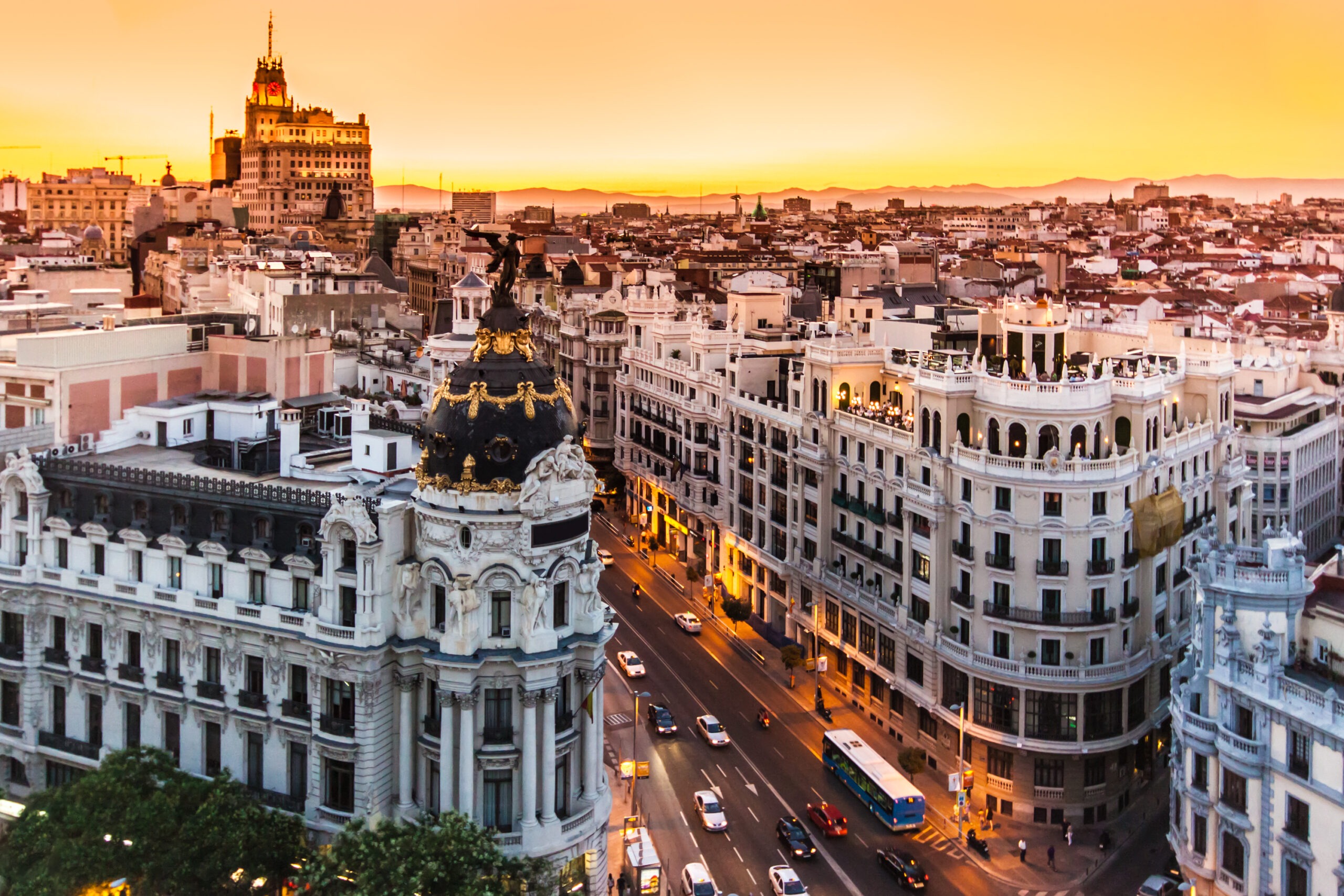
aerial shot of city
Madrid, Spain

European residents are aligned with U.S. destinations around sports and entertainment, but vary in their dream event destination.

United Kingdom: Visit California Global Managing Director Jonah Whitaker named sports as the top tourism driver from England, Scotland, Wales and Northern Ireland with interest in NFL, MLB, NBA and the 2026 FIFA World Cup. Because the country is “enthralled” by American culture, music events and museums in big cities and local communities help make the trip more enticing.

Germany: Visit California Global Managing Director in Germany Martin Walter agreed that sports tourism from NFL games is huge. Authentic encounters, sustainability and premium travel are growing trends. What Germans really want is to be where no one else is. They want to go to remote places, historic sites, local festivals and they are planning trips online based on recommendations from influencers.

Italy: Visit California Global Managing Director in Italy Mia Hezi suggested promoting the culture of freedom and inclusivity, which creates an emotional connection. Personal experiences and storytelling are important to Italian visitors.

Read More: How to Host a Brava Meeting in Italy

Middle East: Visit California Global Managing Director in the Middle East Glenn Johston described a growing bond between United Arab Emirates, a diversified population that includes expatriates and is sponsoring an NBA Cup gave and creating packages so visitors can easily go both directions. In fact, their heavy investments in tourism infrastructure make them a major competitor for European and Asian visitors to the United States. When trying to appeal to possible attendees from these Muslim countries, visual content should avoid people or alcohol. Luxury accommodations and personalized itineraries are preferred. The average stay is 20 nights.

France: Visit California Global Managing Director Blaise Borezee updated the group that sustainable tourism is a major concern in France. New opportunities exist for slow travel and low-impact attractions. The Summer 2024 Olympics in Paris will boost inbound and outbound tourism, he predicted.

Nordic Countries: Visit California Global Managing Director in the Nordics Karin Gert Nielsen shared that independent travel designers are growing in popularity. Airlift expansion in Denmark, Finland, Iceland, Norway and Sweden allows for increased visitation and sustainable travel is also a priority.

North America

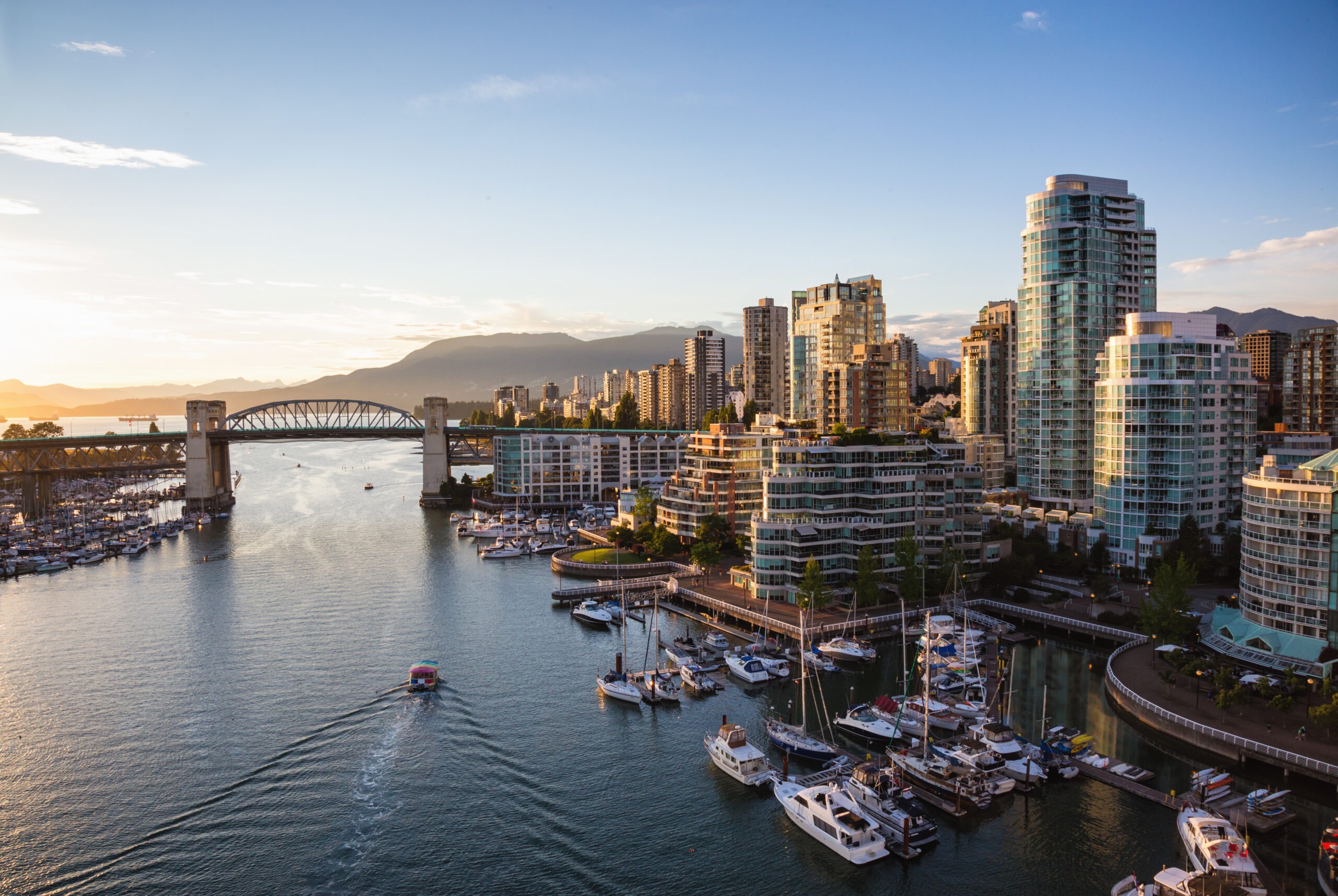
aerial shot of marina
Downtown Vancouver

Mexico: Visit California Global Managing Director in Mexico Alex Pace took credit for being the number one market to the United States and California specifically. He saw an even more aligned year ahead with the peso up against the dollar and more disposable income available from the neighboring country.

Canada: Global Managing Director in Canada Julie Goergas warned that the economic outlook isn’t quite as rosy as Mexico right now because of a weak exchange rate, but it is more optimistic than it was in the fall and the good news is that Canadians are cutting back on little luxuries but they see travel as an essential luxury.

Overall, sports tourism, influencers, premium travel, sustainability and personalized experiences are common trends across markets.