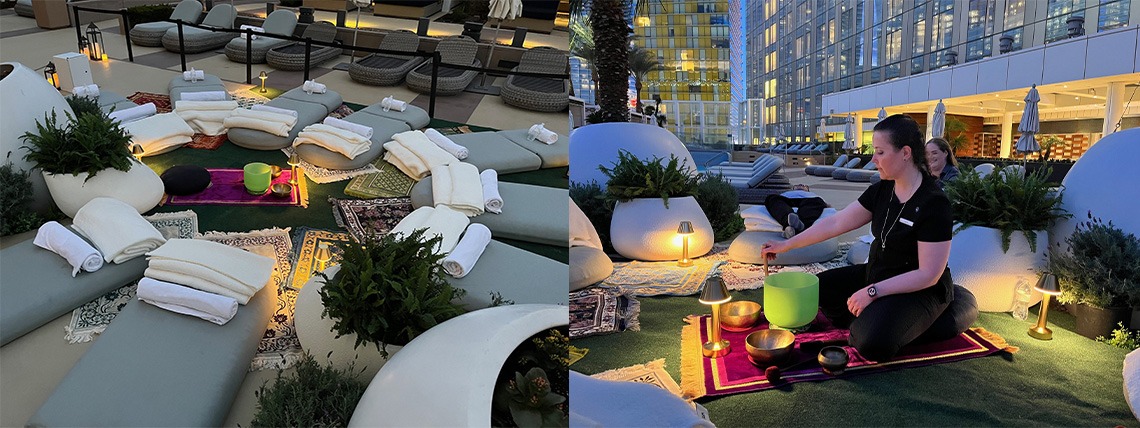
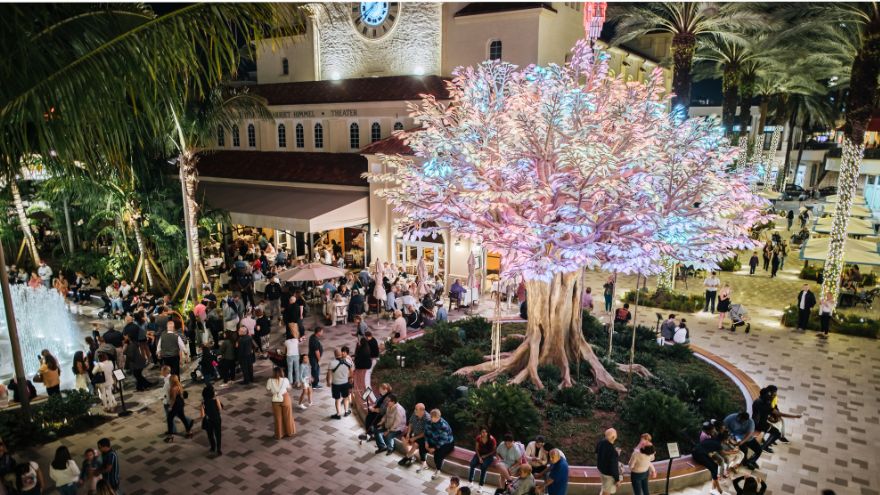
Meeting professionals spend months and sometimes years designing events that are engaging, inspiring and educational. But once the custom tablecloths have gone back to the rental company and the stage deck has been struck, we are often slackers when it comes to deconstructing how it all went so we can improve the next time.
A recent visit to Sedona Mago Center for Well-being for a taste of Body & Brain Wellness experiences in Arizona was a reminder that as meeting professionals, we have to look holistically at how we treat our guests physically, challenge them mentally and support them spiritually. I came back with four essential questions to ask at the end of each program that could aid in making the next one better.
A Desert Wellness Oasis
First, let’s set the scene. At the end of a 10-mile dirt road is a 173-acre campus set in the high desert of the red rocks of Sedona. The word “Mago” means unconditional love and spirit of Mother Earth in Korean and the campus is designed to connect visitors with themselves and their surroundings by offering access to walking trails, meditation sites and multiple labyrinths situated near identified “energy vortexes” and a man-made lake. Founder Ilchi Lee, a Tao master and author of “The Call of Sedona: Journey Of the Heart,” in addition to 40 other titles, discovered the property in 1997 after the previous retreat center went into foreclosure and brought it back to life as a wellness destination.
The property now includes 120 casitas and suites, 10 meeting rooms that can accommodate groups from 20 to 200 and 13 new outdoor team-building structures. Inclusive pricing covers meeting space, all audiovisual equipment and meals in the pescatarian kitchen (no meat, alcohol or tobacco is allowed on the property).
The guides on this journey were part of Body & Brain Wellness, one of the offerings included in the Caesars Entertainment Wellness Menu. The organization is headquartered in Phoenix, runs 80 centers in major U.S. cities and has a global presence in Korea, Japan, France, New Zealand and beyond. Body & Brain offers wellness enhancement programs for conferences in the form of speakers, classes, icebreakers and team-building exercises. That could look like tapping, deep-breathing exercises, guided meditation or DahnMuDo, a Korean version of Tai Chi that translates to “the way of limitless energy.”
“We are bringing stress management and collective awareness training to the corporate world because people spend so much time there. If they learned a better way to interact, it could have a big impact,” said Dami Kim, director of Body & Brain Wellness.
One piece of the group mind-body puzzle was an immersive team-building experience. While the physical challenges built into the scenic landscape looked like many traditional ropes courses, the takeaways went deeper than climbing a pole. Whether navigating a Bungie “spider web”, coordinating a six-person ski walk, climbing a net tied to another person or balancing on a platform, everyone in the group was engaged by Body & Brain Wellness Executive Coach Steve Kim (no relation to Dami Kim).
“The secret is to reassess the team’s strengths and expand their true potential,” he said. Trust building, responsible risk-taking, problem-solving and goal achievement were the priority rather than mere completion. The exercises and immediate debriefs resulted in aha moments and lessons in seeking perspective from everyone.
The first order of business was learning how to ground the body for maximum strength to spot each other during the activities. The open stance, knees bent, one leg back, body square and arms extended worked as a human net in case of a fall and an attitude to catch alternative ideas.
An example of the evaluative approach came early in the day. Even though the group succeeded in getting everyone through a series of openings in a “web,” the post-exercise analysis on the other side revealed the importance of working with each person’s strengths, thinking through the implications of each decision and revealing new strategies for approaching the problem.
Similarly, when trying to balance the group on a platform, the planning process called for designating a leader, dividing people into sections based on size and developing hand signals since talking was not allowed. The reality of the experience was a more instinctual reaction on the part of each individual, not unlike how fish and birds move in unison.
“We often need to think less and feel more,” said Steve Kim. “Balance is not in your mind; it is in your body.”
Having a conversation when everyone is relaxed and comfortable at a cocktail party is a different experience than communicating in the moment when facing a challenge. Less is often more as the brain knows what to do and just needs clear prompting. Nonverbal challenges that rely on body language and shared history can strengthen trust and collaboration in teams better than any written procedures.
“The true source of DEI is empathy, not policymaking,” explained Dami Kim. When people identify with the experiences of those around them, differences become assets rather than blockades.
The message was that everything we need to shine is present in ourselves. We just forget how powerful we are until we focus on being present. When the mind lives in the past and the future, that makes it harder to recognize our own greatness. “The secret is to harness collective awareness and spontaneous harmony to enable behavioral change for peak performance,” Steve Kim said.
4 Post-con Questions
By regrouping everyone involved immediately after an event, you can capture ideas while they are still fresh. Even a successful event can benefit from tweaks and iterations to minimize effort and enhance impact.
What could have been done differently to make it smoother, more efficient or elegant?
Was there another way to approach the event/agenda/goal?
Was all communication clear, short and effective?
Did we leverage the strengths of everyone involved or rely too much on a few skill sets?
Japan has an inexhaustible list of experiences, food and culture. With a little know-how, some organization and a sprinkle of excursion inspiration, all of which you’ll find below, you can put together a meeting or incentive guaranteed to make a lifelong impression on both you and your attendees.
The Japanese Language
Written Japanese is made up of three interlacing writing systems: Kanji, a logographic system (when one symbol represents a word or part of a word), and Hiragana and Katakana, phonetic or syllabic systems (when one symbol represents a syllable, more or less). This can be intimidating for English speakers, who use one alphabetic system.
Romaji refers to the Roman alphabetization of Japanese, through which English speakers can see Japanese words spelled out for them phonetically. Below, you’ll find some words and phrases you’ll absolutely want to know in Romaji.
Words and Phrases to Memorize
Cherry Blossoms in Tokyo
Hello: Konnichiwa (pronounced “koh-nee-chee-wah”)
Good morning: Ohayō (pronounced “oh-hi-yoh”)
Good evening: Konbanwa (pronounced “kohn-ban-wah”)
Konnichiwa generally can be used anytime during the day, usually from mid-morning to late afternoon. Ohayō is generally used before noon, and konbanwa after dark. You can add gozaimasu after ohayō to make it more formal, but konnichiwa and konbanwa are already sufficiently formal.
Thank you: Arigatō (pronounced “ah-ree-gah-tow”)
Thank you so much: Arigatō gozaimasu (pronounced “ah-ree-gah-tow-go-zai-mah-soo”)
You will probably hear arigatō gozaimasu much more often than simply arigatō. It tends to be more polite and show more respect for the person you are speaking to, so it’s best to add on gozaimasu in every situation as a general rule of thumb.
Kudasai is used in the context of “please give me,” so you’ll use it in situations like ordering food or speaking to a shopkeeper. O-negai shimasu is an all-purpose “please,” and you can use it in any situation, from ordering food or simply making a polite request.
You can say sumimasen in pretty much every situation you would in English: when you need to move past someone in a crowd, when you accidentally bump into someone or when you need to get someone’s attention.
Water: Mizu (pronounced “me-zoo”)
Coffee: Kōhī (pronounced “koh-he”)
This: Kore (pronounced “ko-ray”)
During my two-week stay in Japan, I didn’t find it necessary to learn to read Japanese, largely because I had the aid of Google Translate. With the app downloaded on my phone, I was able to take a photo of written Japanese, which would then be translated to English (and here’s a helpful tip: make sure to download the languages you’re using in case you are in a situation where you don’t have Wi-Fi or cell reception—so, in my case, I downloaded English and Japanese).
Bowing is one custom you will see again and again in Japan. It’s not only a sign of respect—it’s a common courtesy. You don’t need to completely bend at the hips; most people just bend slightly and turn down their head. You’ll bow when you say “hello” and “thank you” phrases, as well as when you meet someone.
When you’re paying for something—at a shop, stand or restaurant—you’ll often be offered a tray to place your money on, rather than dropping it into the seller’s hand, as is common in the United States. You should only place the money in someone’s hand when they hold both hands out to you together.
Don’t point. Americans do it a lot, often even unconsciously. But in Japan, it signifies an accusation, rather than showing a direction or making a distinction, and can be considered rude. Instead, hold out a flat palm and gesture subtly, or nod your head in the direction you want to distinguish.
Helpful Resources
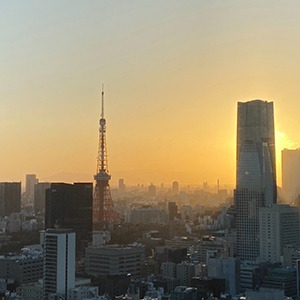
The Tokyo skyline
Going through customs tends to be a bit of a hassle that makes international meetings that much less appealing. But, if you’re meeting in Japan, there’s an easy, quick-to-use service that allows you to fly through customs and avoid any unnecessary hassle.
By heading to Visit Japan Web and inputting your passport information and intended accommodations ahead of time, you can virtually breeze through customs (pun intended). When you approach your customs agent, all you have to do is show them the QR code you’ll receive once you fill out the required information on the site. They’ll scan it and see that you’ve been cleared. This is even the recommended customs method by the Japanese government.
Another helpful resource, as written earlier, is Google Translate, and the ability to download the languages you need. You can also download the areas you’ll be visiting on Google Maps.
Japan is one of those wonderful places in the world where public transport can get you within moments of wherever you want to be, whether you’re taking the metro around the city or a bullet train from one city to another.
Taking the Metro
Like the New York metro system, there are a lot of train lines in the cities, and it can be confusing. Google Maps is an extremely helpful resource that will show you which lines you’ll need to take, and at which stations you’ll transfer lines, to get from point A to point B. It even shows you which platform you’ll need to head to for each train line, and when those trains are scheduled to arrive.
If you’re making your way around without Google Maps, know that each line is color coded. Platforms are clearly labeled, and even in massive train stations you won’t struggle to find a map displaying all the train lines, their routes and the stations at which you can switch to different lines. Trains, in general, arrive about every five to 10 minutes—so you won’t be waiting long.
Another custom you’ll want to make note of: When people are standing on the platform waiting for a train, they line up. Once the train arrives, everyone waits for the people de-boarding before they begin filing in, in the order they are standing in line.
Bullet Trains
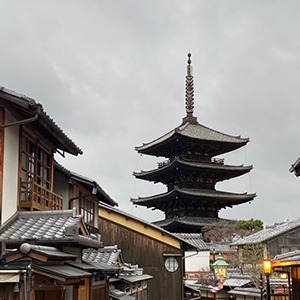
The Sannenzaka Path, Kyoto
If you’re traveling between cities, Japan’s famous bullet trains—shinkansens—are the way to go. You don’t need to book tickets ahead of time. There are designated ticket booths, where you can either book a ticket with a representative or book a ticket yourself using a kiosk, right at the bullet train station, which tends to be located inside the city’s central train station.
On most trains, certain cars are designated for reserved versus unreserved seats. On others, if you haven’t reserved a seat, you can sit anywhere—but if someone getting on the train at a later point reserves the seat you’re sitting in, you’ll see a light come on above your seat and know you’ll have to move soon. It costs a little extra to reserve a seat, but it’s worth saving the potential hassle.
Land of Culinary Delight
Japan’s culinary scene is lauded around the globe. Tokyo takes first place as the city with the most Michelin-starred establishments in the world.
If you’re hoping for a fine dining experience, know that you have an expansive list of options all over the country. It’s important to know, though, that getting reservations takes a lot of planning. Generally, as opposed to booking a reservation as we do in the U.S., you’ll need to request a reservation, noting the time and date you hope to dine and the size of your group. The restaurant will then follow up with you and let you know if they can accommodate.
Many restaurants are small, so if you have a big group, doing your research on where you want to dine and how many seats the restaurant has, or if you can book a private dining room, is essential.
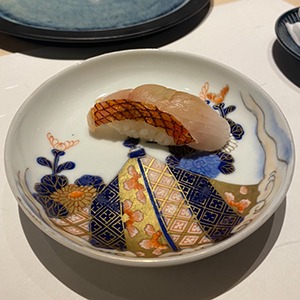
Dining omakase is a sought-after experience, during which diners will enjoy a chef-curated menu or even be face-to-face with the chef, who will design the experience based on your reactions as you go along through the meal. Think of it as a more personal prix fixe, designed specifically for you and your taste buds.
Casual Dining
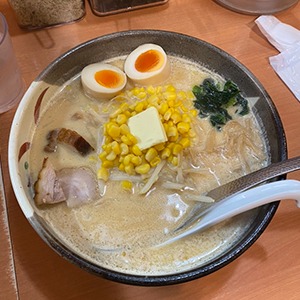
Though getting a taste of the fine dining scene is a must, don’t even think about overlooking more casual dining establishments and street food. Some of the best ramen I had during my travels came from small restaurants. Often, at ramen restaurants, you’ll select your meal on an electronic kiosk outside the restaurant, pay and take a ticket. You’ll then give that ticket to the waiter or kitchen staff, and they will prepare your meal.
Some restaurants, rather than offering a big menu with many different options, will specialize in a category of food or even one dish. When I went to try omurice—fried rice wrapped in a deliciously creamy, thin omelet and topped with ketchup—the Kyoto restaurant I visited served only that, without even a menu. Everyone who sat down inside was served the same meal. And it was clear that the chefs had absolutely perfected the dish.
Street Food
After dark, you’ll find areas like Dotonbori in Osaka, Nishiki Ichiba Market in Kyoto, and Omoide Yokocho and Golden Gai in Tokyo, bustling with life. Tiny restaurants and bars, some with only counter seating, populate these night markets. Warm lights from the restaurants, signs and lanterns spill out into the narrow streets and diners weave in and out of dining establishments, wait in line at street food stands and enjoy a diverse array of small plates, snacks and sweets.
Japanese sweet potatoes—a roasted sweet potato, all on its own—are endlessly popular and seriously delicious. Gyoza, menchi katsu and okonomiyaki were some of my favorites. By tasting around, you’ll be sure to find your own.
With so Much to See and Do, How Do You Choose?
Although Japan covers an area only slightly bigger than California, visitors often underestimate its size. Every area comes with its own rich history, culture, style and personality. There’s unfortunately no way to work every wonderful thing about the country into one meeting, incentive or leisure travel experience, but when you have a sense of what’s available in and around the city or cities you choose to visit, you can put together a vibrant, eclectic experience you and your attendees are sure to remember.
Tokyo
Japan’s capital has a seemingly endless list of things to do and see.
Tokyo is divided into 23 wards, or neighborhoods, and each has its own distinct personality. Marunochi, located between the Imperial Palace and Tokyo Station, is the city’s main business district, but there are event venues and convention spaces all over the city.
Harajuku is an increasingly popular neighborhood, recognized as a pop culture hub. For a bustling all-day street market experience, with a distinctive fashionable and youth culture feel, visit Takeshita Street.
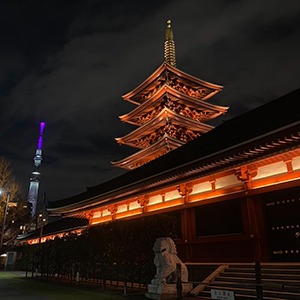
A view of the Tokyo Skytree from Sensō-ji at night
If shopping is on your to-do list, you’ll want your next stop to be Ginza, where, on the main street, you’ll be able to pay a visit to some of Tokyo’s original department stores for high-class products. The backstreets of Ginza offer unbeatable boutique shopping and small luxury dining.
If you’re hoping for a temple experience, the options continue to abound. My personal favorite was Sensō-ji in Asakusa—certainly not only for the views of Tokyo Skytree from the temple, but you’ll be hard-pressed to find so overtly breathtaking a blend of the historic and modern as you will find there. The surrounding streets are filled with mouthwatering street food and eclectic shops. If you’re a cook, the nearby Kappabashi Kitchen Tools Street is the best place in the city to shop for unique kitchenware and world-renowned Japanese kitchen knives.
With so many vibrant cities, you’re certain to have a full experience wherever you go in Japan—but there’s so much more to the country than its cities. Rural Japan and its small towns offer an entirely different side of the country that too many visitors miss out on.
Japanese Countryside and Mountains
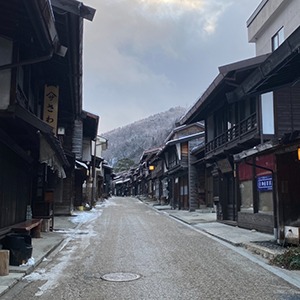
Narai, Japan
For an experience you can’t get anywhere else, look into a post-town excursion. Post towns are small towns and villages situated along the Nakasendo Trail—an Edo period (1603-1868) route that connected Kyoto and modern-day Tokyo. These towns developed along the route to provide accommodations for travelers, and many have a distinctive picturesque atmosphere with low wooden buildings and cobbled streets.
A stay in a ryokan—a traditional Japanese inn with tatami-matted rooms, bathhouses and a unique face-to-face hospitality experience with the innkeepers—will without a doubt leave a lasting impression. Plus, you can opt in for meals at the inn, where you’ll enjoy an impressive spread of foods like sashimi, miso soup, rice, soba, fresh fish, mochi and more for a truly authentic dining experience.
If you’re a skier, you’re in luck. Japan has a number of ski resorts, mostly concentrated in the Northwestern area. If you head to Hakuba, a village in the Japanese Alps, you’ll also have an opportunity to pay a visit to Jigokudani Monkey Park, located at the base of Joshinetsu Kogen National Park, where you can visit with snow monkeys.
Small Cities
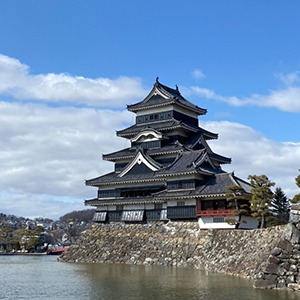
Matsumoto Castle
Smaller cities in Japan are absolutely worth a visit; some are home to cultural experiences you won’t find in the larger cities. Take Matsumoto: home to Matsumoto Castle, famous for its awe-inspiring black exterior. It’s one of Japan’s oldest original castles, the currently standing structure dating to 1594. Plus, considered the gateway to the Japanese Alps, the city offers incredible mountain views. On a clear day, if you take a day trip from Tokyo (which takes a little under three hours, with no transfers, on the Azusa express line), you’re nearly guaranteed to catch multiple outstanding views of Mount Fuji along the way.
If you’re meeting in Kyoto or Osaka, don’t pass up a day trip to Nara. Its most famous site is the Todai-ji Daibutsuden, or Great Buddha Hall, which contains an enormous, 15-meter high bronze Buddha statue, in what was once the largest wooden building in the world, surpassed only by a Japanese stadium built in 1998.
Deer in Nara
Even more charming: Nara is known for its enormous population of deer. All over the city, and especially near the temple, vendors sell bags of crackers that people can feed the deer for only ¥200 (a little over $1). Deer will come right up to people, bow their heads and then wait to be repaid with a cracker. Though completely tame, these deer are known to gently bite people to ask for a cracker, so proceed with caution!
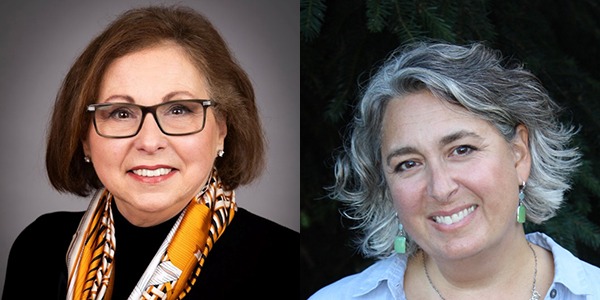
Inge Morascini (left) and Krista Loercher (right), Embrace Whidbey and Camano Islands
Embrace Whidbey and Camano Islands makes two appointments to its creative team. These professionals will lead the county’s approach to regenerative tourism, supporting the local community while providing meaningful experiences for visitors.
Morascini, who has sat on the board of Island County tourism since 2016, takes on the role of marketing and public relations director. She will represent the DMO at the county, state and national levels by acting as spokesperson. She will also lead all marketing efforts and oversee the county’s implementation of its regenerative tourism approach. Morascini brings experience in both corporate and agency marketing and brings with her a passion for writing, art and the environment.
Loercher will fill the role of embrace program manager, in which she will engage the community, businesses, nonprofits and government in the principles of regenerative tourism. She sees park and recreation facilities and programs as a way for people and communities to thrive. As the owner and operator of Whidbey Island Kayaking, she has been supporting people in experiencing the Salish Sea in safe, fun and active ways for almost ten years. She was also recently re-elected to her second term as South Whidbey Park and Recreation District Commissioner.
Brennan Bastyovansky
Brennan Bastyovansky, WTP
Bastyovansky will serve as general manager of sales and marketing for World Travel Protection(WTP). He brings an extensive background in travel risk management, with experience in business growth, strategic development and building lasting relationships with customers and partners. He will lead the team to monitor market trends, to develop sales strategies and campaigns for key market segments and to strengthen client relationships.
Mary Silvester
Mary Silvester, The Islands of Islamorada
The Islands of Islamorada, an oceanfront residential style resort in the upper Florida Keys, appoints Silvester to the newly created coastal concierge role. Through close collaboration with Reef Environmental Education Foundation (REEF), Silvester will create educational ocean experiences and tours tailored to guests’ interests and passions. Her role sets an important precedent for valuable ocean education and immersive marine life exploration excursions designed to prioritize preservation and protection of marine environments around the world.
Bree DiBernardo
Bree DiBernardo, The Gant
The Gant promotes DiBernardo to the position of director of sales. Following her addition to the team as reservations agent in 2020, DiBernardo quickly rose through to the roles of event manager, then sales manager, before her most recent role as senior sales manager. She has spent many years in the luxury resort market, especially at ski and mountain properties. She will now lead the Aspen resort’s sales efforts and strategic initiatives.
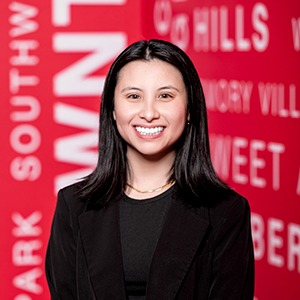
LyLy Nguyen
LyLy Nguyen, ACVB
Atlanta Convention & Visitors Bureau(ACVB) promotes Nguyen to the role of data and analytics manager. She joined ACVB in 2022 as a data and reporting specialist to assist with updating and refreshing reports. She now sees greater responsibility over the coordination and execution of ACVB’s strategies for managing and analyzing data and will work on an expanded range of data sources and analytics tools to share with ACVB’s partners.
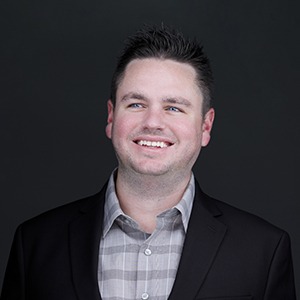
Braeden Beckstrand
Braeden Beckstrand, Visit Salt Lake
Beckstrand joins Visit Salt Lake as national sales manager. He will pursue meetings with 200-2,000 attendees from organizations based in Arizona, New Mexico and the upper Midwest. He spent six years as group sales manager at Hotel Monaco, handling largely corporate, sports and traveling entertainment markets. In recent years, he has served as sales account manager for Topgolf, where he handled up to 25 events per day.
Darrell Stark
Darrell Stark, Noble House Hotels & Resorts
Noble House Hotels & Resorts promotes Stark to the role of vice president of revenue strategy and sales, in which he will use a solutions-driven approach to achieve revenue growth. He brings over three decades of experience, with roles from reservations to hotel management. He has established expertise in revenue strategy, sales, distribution and e-commerce and a skill set encompassing data collection and analysis, owner engagement and team member motivation.
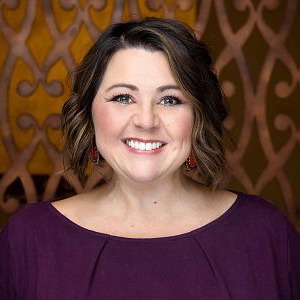
Tammy McCormick
Tammy McCormick, Visit Orlando
McCormick will serve as director of destination experience as Visit Orlando. She brings 22 years of experience in the events services industry, most recently serving as national director of creative for ACCESS Destination Services. She will now lead the Visit Orlando Destination Experience team to elevate engagement with clients and further enhance their customer experience as they plan an execute meetings and conferences in Orlando.
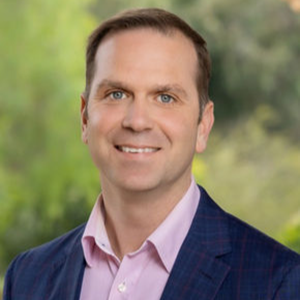
Justin Wilson
Justin Wilson, MacArthur Place Hotel & Spa
Wilson takes on the role of general manager at MacArthur Place Hotel & Spa. He brings over 30 years of experience in the hospitality industry to his new role, in which he will oversee operations, team culture, branding, strategy and community engagement. He has held impactful leadership roles at award-winning hotels, serving as director of operations at Fairmont Sonoma Mission Inn & Spa and as food & beverage director at both Sanctuary Camelback Mountain and Rancho Valencia.
Joern Schwaiger
Joern Schwaiger, The Inn at Mattei’s Tavern, Auberge Resorts Collection
The Inn at Mattei’s Tavern, Auberge Resorts Collection appoints Schwaiger as general manager. He brings over 20 years of luxury hospitality experience to his new role, in which he will oversee all operations for the 6.5 acre property, a historic landmark turned luxury destination. He brings immense passion for hospitality and different cultures, and has worked in the Middle East and Asia in addition to North America.
What does a healthy experience mean to you? For attendees of Smart Meetings Wellness Experience this week at The Wigwam Resort just outside of Phoenix, the program addressed physical and mental health along with the deeper need for human connection.
Healthy meeting strategies demonstrated included gifting, content, team building and F&B operations. For three days, attendees lived the creative strategies from Smart Meetings Magazine so they could take what fit their needs back to their own programs.
Following is a snapshot of ideas you might try at your next conference.
Green Gifting
Smart Meetings continued its Gifting Lounge Experience, allowing guests to choose items that spoke to their heart. They only packed personal treasures to take back to the office.
Choices included Citizen Watch America bamboo chargers, Halo Branded Solutions travel massagers, custom floral arrangements from Wondry and sports towels and custom-blended teas from Dawn of the Earth. A partnership with Fill It Forward water bottles ensured that every time attendees refilled at infused water stations, they could scan the code on the bottle and contribute to a worthy cause while saving CO2 emissions.
Stage Messages
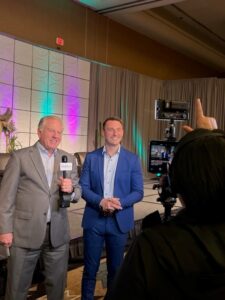
Smart Meetings TV Correspondent Mike Lyons and Alex Weber
The message from on high was a consistent call for embracing all the parts of yourself, your mistakes, unspoken goals and strengths. Alex Weber, American Ninja host and competitor and the author of “Failproof: Be Unstoppable You,” shared his history of falling prey to self-doubt and his secrets for bouncing back when obstacles appeared in his path, including a challenge to become an elite athlete to keep his job.
When the game changes, people aren’t asked if it is a good time to take on a new goal, but they do have a choice. They can give in to self-doubt and quit with a flourish, disengage and quietly become a smaller version of themselves, or step up to be a better version of themselves.
The biggest commitment you must keep is your commitment to yourself—because you are always with you, Weber explained. You know if you gave it your all or backed away and quit. “If there was ever anything to go all in on, ignore the negative voice in your head and go all in on you,” he counseled.
Identify what is really holding you back and connect with the abundant resources in the generous hospitality community that will allow you to overcome those hurdles. In the process of facing your fears, you can unlock gifts, opportunities to deepen relationships and discover new facets of yourself.
“The fullest expression of you is when you show up in a big, bold, beautiful way. Momentum is real. I promise life is going to keep throwing challenges our way, but you will keep overcoming and life will reward you with unexpected gifts,” he concluded. “You are unstoppable when you bravely choose to listen to the voice that loves you.”
Deborah G.
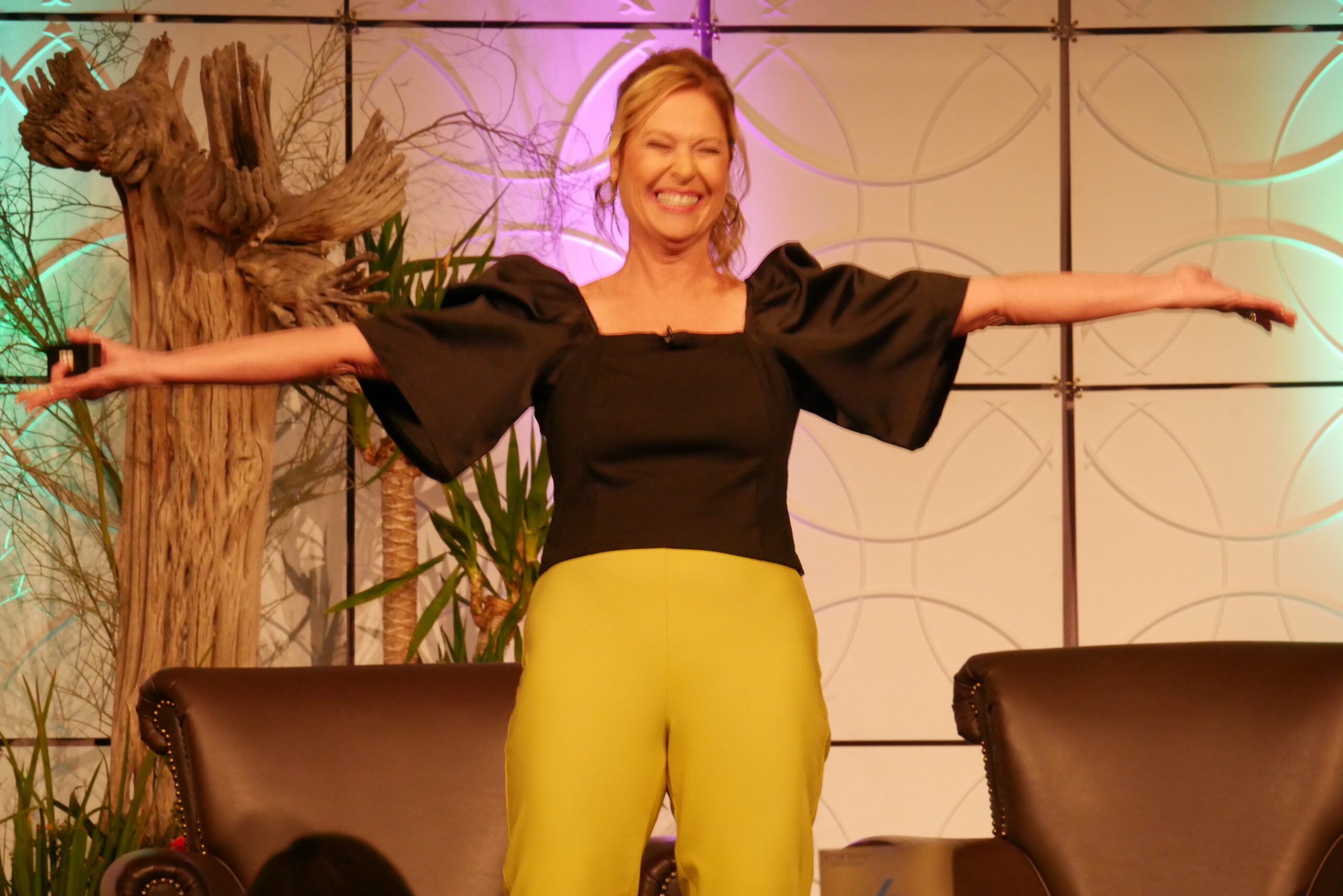
Similarly, Deborah G., Olympic swimming superstar, sports broadcaster and host of “Hospitality Today Live,” shared that in life’s journey, challenges often pave the road to success. “Embracing the struggle cultivates resilience, fortitude, character and strength,” she said.
Rather than fearing difficulties, she suggested embracing them as stepping stones toward goals. “Each hurdle you overcome brings you closer to realizing your dreams. Remember, the struggle is not a sign of weakness but a testament to your determination and capacity for triumph,” she said.
Movement Moments
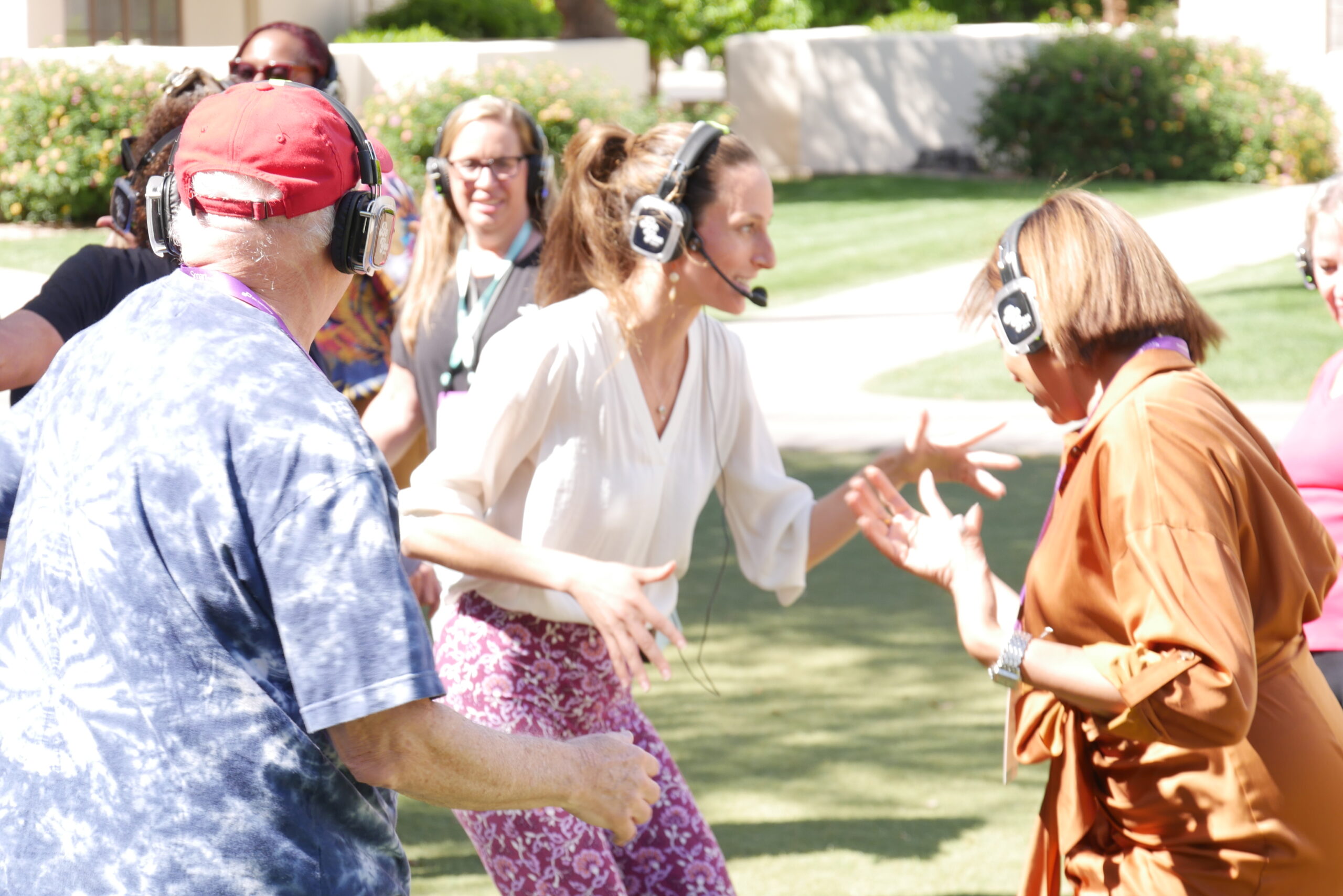
Be You Disco
Since “healthy” means something different to every participant, attendees were given agency to choose their level of intensity during team-building activities.
Whether they joined a Be You Disco experience with a guided dancing exercise to release baggage and inspire trust or a #fit4events bodyweight wellness movement activity with Anca Trifan, the goal was to stimulate mind and muscle together. The shared experience of pushing boundaries brought people together and brought a sense of accomplishment.
In fact, movement was peppered throughout the agenda, including opportunities for yoga, barre and access to a world-class gym on-property.
The final day started with Somatic breathwork from Sepi Eivazi, a member of the Global Wellness Institute, so everyone could approach their one-on-one meetings focused and energized.
Healthy F&B
The catering team at The Wigwam Resort embraced the challenge of offering healthy, locally inspired options that satisfied all dietary requirements.
From barbecued lemon shrimp, buffalo steak tips and lamb chili with all the fixings to sweet endings (have you ever tried chocolate hummus?), the thoughtful presentations and live-action stations matched the luxury surroundings and the recently renovated historic property. Even the coffee service was deluxe with iced, turmeric and flavored options.
Where historic charm and modern quality converge
These three new and renovated hotels and venues debut spaces that both celebrate their heritage and look boldly into the future. When you meet in spaces like these, you’re bound to feel that special balance of nostalgia and inspiration.
Are you looking for a boutique experience? Refined luxury? That perfect epicenter of stylish renown?
Whatever it is, this is the place to find spaces made for innovative achievement alongside the celebration of achievements past.
Curated for a Community Feel
Trilith Guesthouse
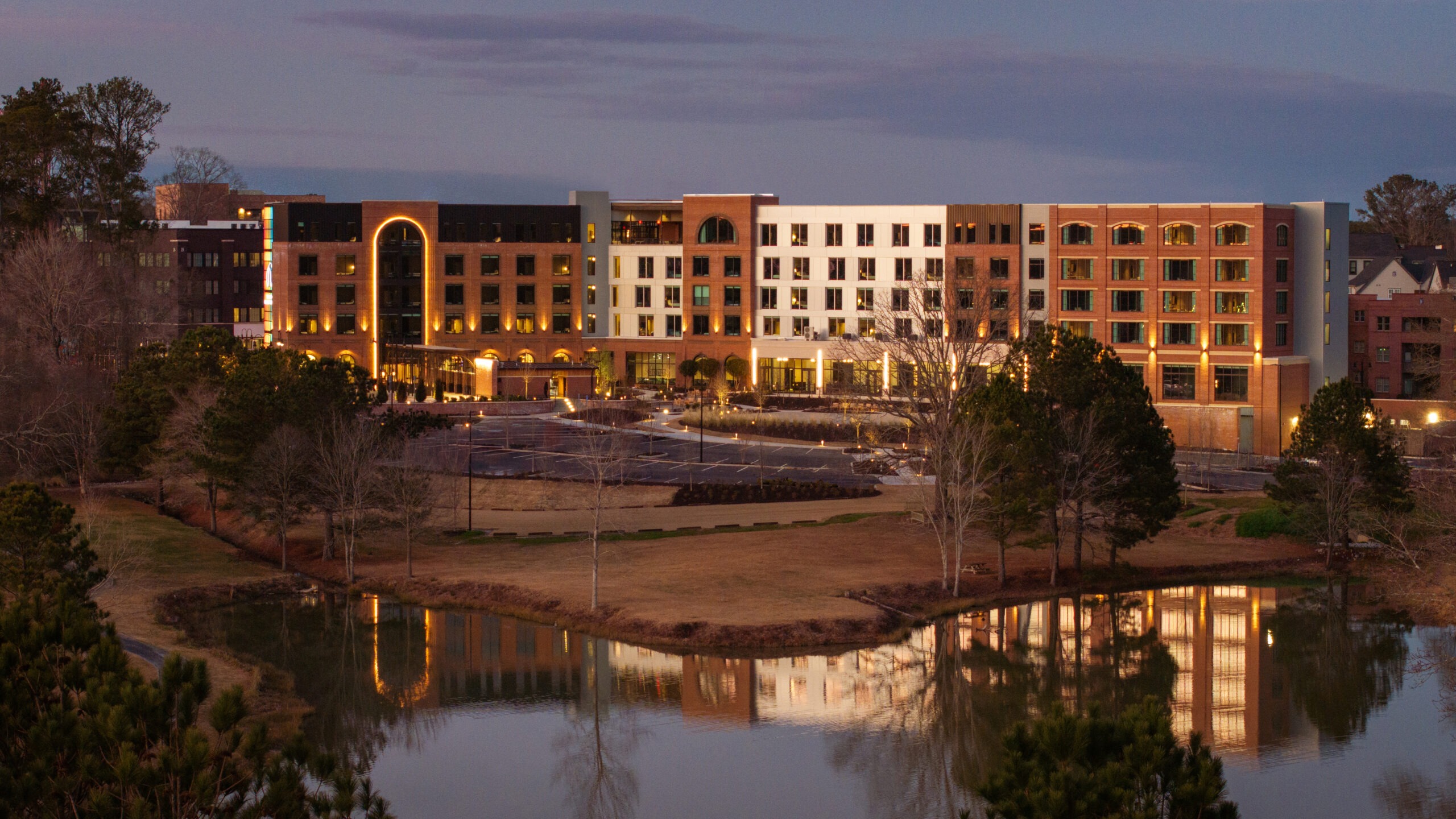
Trilith Guesthouse celebrates its grand opening in Fayetteville, Georgia, bringing a first-of-its-kind boutique hotel experience to the picturesque community. A member of Marriott International’s Tribute Portfolio of independent boutique hotels, the property focuses on immersing guests in creative and collaborative mindsets.
The property stands at the main entrance of the European-inspired Town at Trilith and is adjacent to Trilith Studios, the second largest film and television studio in North America. All 193 guest rooms, including 36 apartment-style studios and one-bedroom suites, feature a custom design and tailor-made furnishings among curated art pieces and warm natural tones. Designated workspaces, artisan pantries and relaxing lounge areas make for a stay with an elevated feel.
Two dining concepts, the street-level Prologue Dining & Drinks and the fifth-floor rooftop Oliver’s Twist Bar & View, offer inventive, thoughtful fare. The property’s interactive culinary studio is an opportunity for an engaging activity blended with delicious dining. The design of all 17,000 sq. ft. of indoor and outdoor meeting and event space encourage spontaneity and inspire curiosity.
An Architectural Mecca
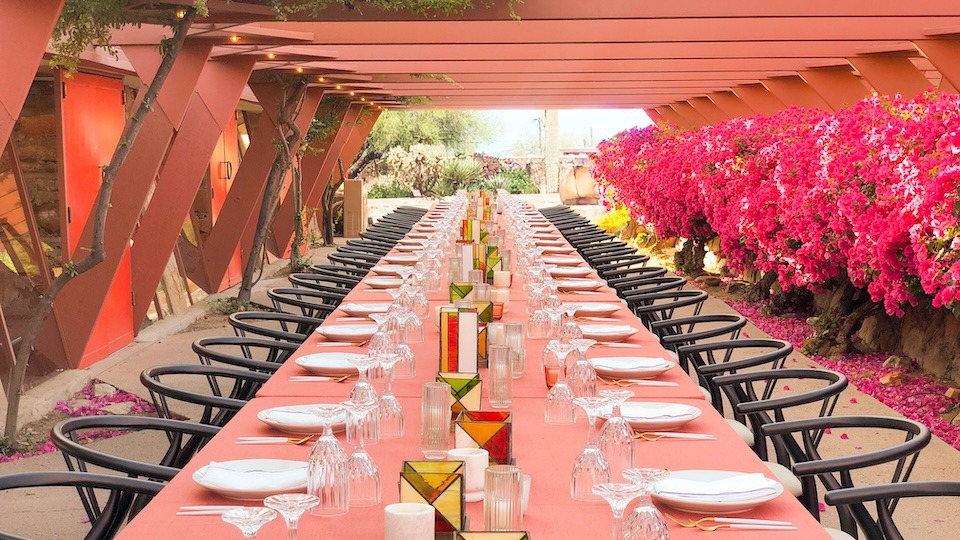
The Pergola at Taliesin West (photo by Brie Flewelling)
National Historic Landmark and World Heritage Site in Arizona’s McDowell Mountains, Taliesin West, was designed and constructed by famed American architect and designer Frank Lloyd Wright over 80 years ago. Now, it debuts impressive renovations to its existing meeting and event venues, plus the addition of a sixth, outdoor venue: The Pergola.
The Pergola originally served as a central passage through the heart of Taliesin West. It is now a versatile outdoor event venue. The narrow space, bordered by the Drafting Room on one side and a bright bougainvillea hedge on the other, leads to the open Garden Squares just beyond. Whether your attendees gather around long, family-style tables or an open concept with bars and high-tops, the atmosphere is perfect for an upscale, intimate event space, with room for 100 guests.
Other event spaces include the Garden Squares, which offer an unmatched look at Wright’s distinctive architecture, plus views of the McDowell Mountains, with room for 350 guests standing and 250 seated. The adaptable Music Pavilion & Pavilion Terrace is known as an ideal space for acoustics, with a series of rearrangeable curtain backdrops, and room for 125 guests standing on stage and 108 guests in tiered theater seating. The Cabaret Theater’s low ceiling and desert masonry walls create an intimate signature atmosphere, with room for 50 guests standing and 40 seated, and The Kiva, one of the first structures built on the property, has served as dining room, film screening room, lounge and library, with room for 20 guests standing and 13 seated.
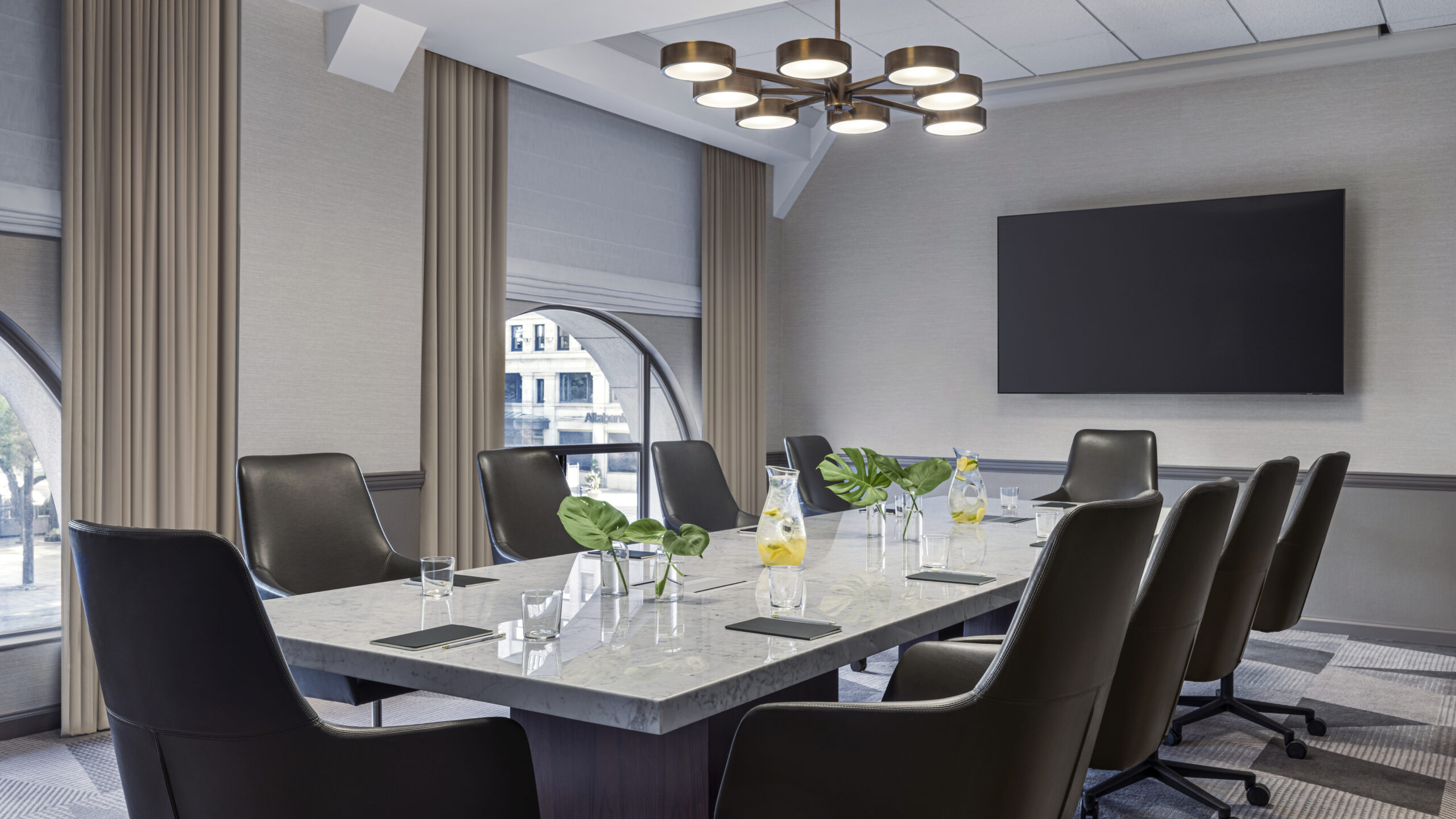
Meeting space at Kimpton Hotel Monaco Salt Lake City
Kimpton Hotel Monaco Salt Lake City wraps up an extensive four-month renovation. The hotel makes the city’s 1928 “Continental Bank” building its home. Its new design blends a clean aesthetic, reflective of modern luxury, alongside a celebration of its historical, geographic and architectural heritage.
Los Angeles-based design firm Beleco led the renovation. A neutral color palette of gray, blue, cream and white, accented by salt crystal-inspired light fixtures and décor, celebrates nearby natural landmark, the Great Salt Lake. Local artwork inspires guests to connect with the region, and rich leathers and plush textures invite relaxation. Two separate food and beverage concepts, the long-celebrated Bambara and brand new lounge area The Vault, offer alternative dining experiences, but both are united in their high-quality service and atmosphere.
The renovation extended through all 228 guest rooms. Over 3,100 sq. ft. of meeting and event space is made up of three flexible meeting rooms, of which the 2,000-square-foot Paris Ballroom can be divided into two separate spaces.
Harry Reid International Airport’s new self-service system will be a litmus test in new airport security operations
Transportation Security Administration (TSA) and Department of Homeland Security (DHS) has begun a self-service screening system at Harry Reid International Airport (LAS) in Las Vegas.
In its current prototype iteration, only TSA PreCheck passengers at TSA’s Innovation Checkpoint will have the ability to use the system, which began earlier this month. TSA PreCheck passengers will be required to abide by the same standards and rules enforced in PreCheck lanes.
Tested initially at TSA Systems Integration Facility in Arlington, Virginia, this official test will likely determine where this self-service system goes from here. Certain questions regarding its purpose and goal become apparent.
Sheldon Jacobson, who has worked in aviation and airport security since the mid ‘90s and has had interactions with TSA, says what they’re hoping to do is add efficiency, although, in the short run, he doesn’t believe it’ll actually be all that much quicker than a normal run through the airport security checkpoint. This slowdown inherent in introducing a new system is partly why only PreCheck passengers will have initial access, Jacobson believes.
“In many ways, it may take you a little longer to go through security, the first several times you go through it, because there’s a learning curve that has to be adapted,” he says. “The transportation security officers (TSOs) guide you through the process, they’re not relying on software systems to do that. Even though they’ve tested it, and they know it works, for travelers who have never used it, it’s a new world for them. But creature travelers are more experienced, they’re more skilled, they’ll be able to adapt pretty quickly.”
The second possibility to consider? Security breaches. But this is also what makes offering the service only to PreCheck passengers a wise decision. “It’s always possible that a little bit of extra risk gets into the air system if the self-service doesn’t operate as expected,” Jacobson says. “Because PreCheck passengers are already such low risk you’re not really putting in the air system any bad situation that would compromise the security for all travelers.
“They’re doing it in a very intelligent, calculated way, which is important. What you see at Harry Reid right now is most likely not the finished product. There’s going to be a lot of change, because it’s a work in process. They’re learning what to do. They know how it works in the lab, under simulated environments, but they don’t know how it’s going to work in the field.”
Given the low risk of PreCheck passenges, Jacobson isn’t convinced this system will ever be moved to non-PreCheck passengers. “When you have unknown travelers…they have a higher baseline of risk. As a result, because of the seepage of risk, will it be warranted to give it to the non-PreCheck traveler?” Jacobson asks. He went on to say he’d argue this may even be an incentive for more people to join PreCheck.
As an example, Jacobson brings up grocery stores and their self-checkout systems. Although touted as a convenient and more quick way to check out, there’s also increased risk, as this makes the grocery store more vulnerable to theft. “They can’t afford to let that happen with people who are not known to them. I don’t think it’s a good idea, at least in its current form, to consider moving into the general population, that would be too risky,” he says.
What to Learn
Jacobson says there’s always going to be a bottleneck—a temporary slowdown in a line caused for one reason or another. “The question is, ‘How significant is the bottleneck in terms of throughput?’” he asks, adding that speed of resolution when that small percentage of passengers encounter a problem is a significant question to consider.
“They’re just starting the process, it’s just being launched,” Jacobson says. “We have to wait and see.”
TSA did not fulfill requests for comment.
The non-gaming property further develops its wellness focus
Waldorf Astoria Las Vegas’ director of sales and marketing is a “spa girly.”
“When I’m on vacation, it’s a big priority for me,” says Ali Murray. “It’s something I’ve always loved and I think that it’s something our city is missing a little bit. You don’t think of Vegas as a health and wellness destination typically. I think we have something really unique and special here.”
Waldorf Astoria Las Vegas places a lot of focus on its spa and wellness offerings and earlier this year Murray and fellow spa girlies Mailani Wendt, senior sales and marketing coordinator, and Michele Wilkos, director of spa and recreation, got together and created something to further solidify its position as a wellness destination on the Las Vegas Strip. The property’s new spa and wellness experience, Holistic Harmony Wellness Retreat, officially launched March 18.
The first week was their way to test the project and develop their proof of concept, Murray says, following up with several questions she and her team are now asking. “Does this work? Are people going to get into it? Can we sell it? Can we grow it for groups? Can we sell it to individuals?”
Wilkos says she was excited when Murray brought the idea to her.
“My favorite thing is putting events together,” Wilkos says. “I love to see the outcome of what we’ve shared with everybody when it comes to health and wellness. It’s [about] taking care of yourself, taking that moment to step away from the day-to-day life and grind…It’s about meeting new people and sharing stories. It’s about feeling good about your body and mind.
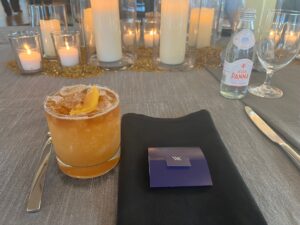
Non-alcoholic beverage and conversation-starter card
“If we could put a sequence of services and treatments, good food, good product and good exercise that brings people together and [they] see a benefit to it, that’s what we’re always looking for…The world is a busy place, so we have to kind of bring it down a couple notches sometimes.”
Holistic Harmony serves as just the setting for attendees to come together and share stories. During dinners on day one and day two, next to the cutlery, glasses of water and non-alcoholic beverages, sat folded cards with handwritten questions in them. The dialogue created by some of the questions encouraged attendees to engage openly with the rest of the group. Attendees sat in front of conversation-starters like:
What are you passionate about right now?
What childhood items do you wish you still had in adulthood?
What is your favorite characteristic about someone in the group?
The group didn’t get to each card, owing to the amount of conversation sparked from just one question. This says much about the power that even one thought-provoking question can have among a group.
Also included in Holistic Harmony’s three-day experience along with those two dinners are two morning wellness activities, sound bathing by moonlight, and a five-hour spa experience that includes three treatments based on the attendee’s needs and a lunch.
Simplifying Spa Booking for Planners
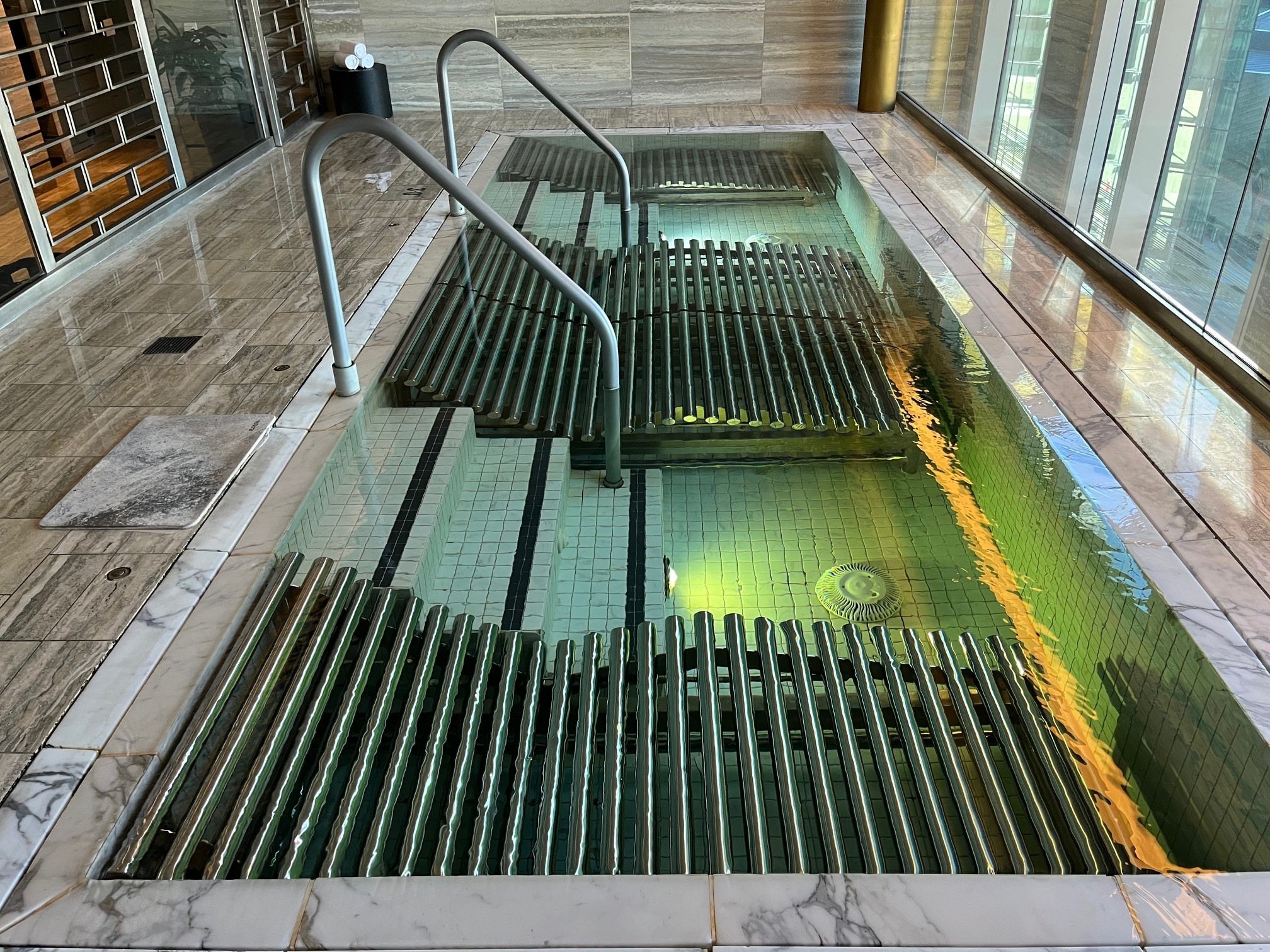
Vitality Pool
As the program is still in its nascent phase, the team is working things out and determining what works best for both planners and leisure guests. Currently, on Waldorf Astoria Las Vegas’ website, there’s only an option to choose for a maximum of two people. Murray says this is still part of developing the program.
“Part of what this is is creating the process and understanding better what we can scale for groups and what we can’t scale for groups,” she says. “Now, we’ll be able to put something clearer together for groups. In the past, anything we’ve done from a group perspective has really been bespoke, like one-off a la carte [programs]. I’d connect the meeting planner with Michelle and they’d create something special for the group. There hasn’t been a menu selection, but that’s something that is going to be created this year.”
Murray says now when her team is selling to a new group, they’ll be able to send a group spa brochure in advance, providing the planner a list of spa treatments to choose from. “That doesn’t mean we still won’t do customized events for certain groups. We will still have that option, but I think a lot of groups don’t know what to ask for. They need us to provide them the brochure of ideas so that they can get their own wheels turning.”
Although many meeting profs often don’t know where to begin, Murray says knowledge of what to ask for in terms of wellness is becoming more common. And given the wide net of personality when it comes to groups and individuals, personalization of the term “wellness,” already somewhat amorphous, becomes even more challenging to get a grip on.
“Every now and again we’ll hear from a planner, ‘We want to incorporate wellness,’ but they don’t know really know what that means,” Murray says. As an example, she referenced a 250-attendee finance group who were in the hotel during the retreat’s first run. “A planner for that might not want to do yoga for 250 finance people, that might not fit their vibe. They may want to do 10 minutes or 15 minutes of meditation. We can provide that for them.”
Personalizing the Experience
Sound bathing
Wilkos says she likes to look at the personalities, physical needs and habits of attendees to understand them better, thus giving them a better experience. “We really want to get into who you are in these types of retreats because this is where it’s personalized,” she says. “This is where you are to be special.”
With Holistic Harmony, the personalization experience starts before attendees even step foot on property. Before arrival, attendees are sent a pre-arrival survey which asks about an attendee’s main focus for the retreat, their intention and areas of concern (lower back or hands, feet and scalp, for example), meant to offer a more personalized experience.
That personalization element is something the team says they see missing from many spas. To increase personalization, Waldorf Astoria Las Vegas staff members are required to build relationships with spa visitors. “It could be a minimal relationship, but they need to know our guests or wherever they’re walking in the facilities. That is the biggest difference that I’ve seen in spas,” Murray says.
Along with personalization, the spa team also makes sure they’re on top of the latest trends in spa and wellness and are always adjusting to guests’ needs. “Continuing to evolve and change is really big because otherwise you get stagnant,” Murray says. “You want people to come back for another new experience. You want that repeat guest. You really only get that if you can provide them something different every time.”
New Spa and Wellness Trends
Much like the events industry, the spa industry is constantly changing and discovering new ways to pamper its visitors. There are several things the team at Waldorf Astoria Las Vegas has been seeing and introducing in their facilities.
Touchless Wellness Services: “That’s big on the market right now,” Wilkos says. She adds that treatments such as infrared sauna or compression-type services provide treatment and health benefits without the need of physical touch.
Co-ed Spaces: Communal spaces in a spa’s wet areas, vitality pools, saunas and steam rooms. Waldorf Astoria Las Vegas features a combined lounge that sits between the women’s and men’s spa changing room and facilities.
Murray says sometimes groups want to come in and take over the spa. “If you buy out the spot for your group, then the whole place becomes Co-ed,” she says. “That’s been a real trend, as people want to be able to hang out with each other.”
Experiencing Wellness Indoors and Out: Murray says, beyond the spa, bringing the experience indoors via grounding exercise, journaling or a meditation right in the meeting room, or taking it outside, in the form of a wellness walk (which is on day two of Holistic Harmony—a 2-mile, early morning walk, with intermittent body exercises along the way, down The Strip) or morning yoga (on day three) by the property’s outdoor pool. Both of these are led by certified Pilates and Yoga Instructor Mary Jane.
Healthier Menus: Ten years ago, planners asking for healthier, more sustainable menus wasn’t a thing, Murray says. “Now, every meeting planner is asking for [it]. Everybody’s coming in with dietary restrictions, and asking, ‘How do we make things more vegan, dairy-free or gluten-free?’”
She says they’re finding the topic becoming more top of mind for planners. “Maybe the evolution of this is starting with food and beverage offerings and now that we’re kind of there, it’s moving further into spa and wellness, and other areas of the property.”
In keeping with the wellness theme, the property offered only non-alcoholic beverages but Wilkos didn’t dismiss a group’s proclivity to “have a good time” during off-hours. In fact, she said they’d probably create some sort of service to combat the effects of the night before.
“If there was a group that came in for a wellness retreat and they wanted to go out…that’s fine. We would probably create some kind of detoxification service first thing in the morning, so it balances everything out. We just make it work, we listen to our customers to find out what the best treatment and best experience will be for them. We want them to enjoy it.”
Where Meetings End Too Soon
This is where meeting spaces of every size boasting the latest technology share the stage with vibrant communities and breathtaking natural beauty. Beyond the insights and connections gained within the boardroom, The Palm Beaches takes care of the rest with inspiring venues, unique opportunities to connect, and Between-The-Sessions experiences that set meetings apart.
Endless Opportunities Between-The-Sessions
Between the sessions, The Palm Beaches’ community partners, local flavor, and breathtaking natural beauty seamlessly become part of the meeting experience. Plan an evening team-building event to play at the world’s largest dedicated croquet facility, schedule a group CSR program at a renowned sea turtle rehabilitation and conservation facility, or treat guests to a local food tour to showcase the flavor of The Palm Beaches.
When you’re here, you can explore 47 miles of golden coastline, improve your swing on one of our 160+ golf courses, or unwind at an award-winning spa. From Jupiter to Boca Raton, our 39 coastal cities and towns offer even more to discover: hundreds of cultural attractions, world-class shopping, and a critically-acclaimed culinary scene.
In vibrant West Palm Beach, the hub for meetings in The Palm Beaches, visitors can walk just steps from Palm Beach County Convention Center (PBCCC) and its connected hotel, Hilton West Palm Beach, to the Kravis Center for the Performing Arts, a bustling shopping and dining scene at The Square and the colorful nightlife on Clematis Avenue.
Venues For Every Group
More than 200 hotels offer 18,000+ total rooms within The Palm Beaches, and 1 million square feet of meeting space allows for groups of every size to gather. In West Palm Beach, PBCCC offers 350,000 sq. ft. of flexible meeting space and is connected to Hilton West Palm Beach, a perfect fit for groups looking for an all-in-one solution. The Palm Beaches have the amenities and offerings to elevate experiences, create engaging moments, and bring successful meetings to a whole new level.
Plan in a destination that knows meetings—and understands how to make yours stand out. Our award-winning team and community partners collaborate with you in planning from day one, while our world-class hotels and meeting venues shine against the backdrop of a destination that’s unmatched in natural beauty. The Palm Beaches’ outdoor spaces, dining and entertainment options, cultural institutions, attractions, and commitment to service will elevate your event and energize attendees.
The Palm Beaches are a hub of bustling industries, including agribusiness, life sciences, finance, and technology. Connect your attendees with innovators and thought leaders who will bring expertise and star power to your event.
Contact the Sales team at The Palm Beaches at [email protected] or 561-233-3062 to plan your next event!
The annual customer gathering and user conference for the largest event tech company on the planet, Cvent CONNECT, is moving to Henry B. Gonzalez Convention Center in San Antonio, Texas, June 10-13. We asked Rachel Andrews, senior director of meetings and events, what 3,500 anticipated attendees can expect in the new location and expanded agenda.
Rachel Andrews
“This is the year I think we spread our wings a little bit and just try something new with a citywide in the middle of the country with a great partner,” said Andrews. “That doesn’t mean we won’t return to Las Vegas, but we wanted to share something new with attendees.”
A Citywide With a Purpose
While the emphasis will be once again on empowering attendees with education about how to manage events more efficiently, it will roll out against the backdrop of a city steeped in deep cultural and historic heritage and a fun San Antonio Riverwalk option for getting out and about.
New this year is a verticalized approach to content, with sessions designed around interests such as pharma/life sciences and third-party planners. The agenda can be sorted to make it easier to find the sessions that fit your interests. There will even be more content designed just for destination marketers. Specialized meetups will enhance peer-to-peer engagement for real-world education.
Day 1 (June 10): Kick off the conference with specialized training camps and partner/leadership summits. Network at the Innovation Pavilion kickoff happy hour in the evening.
Day 2 (June 11): Dive into the agenda with keynotes from Cvent CEO Reggie Aggarwal. The annual Event Marketing and Management Product Roadmap will outline where the company is investing in development for the future. Attend breakout sessions such as “Navigating the Future of Work-linked Wanderlust” and “Secrets to Event Personalization” and network at the conference lunch. The evening event promises Texas-style fun.
Day 3 (June 12): Learn to Lead Through Transitions with Jennifer Morgan, global head of portfolio operations of Blackstone and former CEO of SAP. Check out the largest trade show with over 300 exhibitors. Spend the day meeting vendors and attending sessions. Attendees can also catch breakout sessions on everything from enhancing accessibility to case studies and planning greener events. Network at the closing party that night. The Excellence Awards ceremony celebrates top event organizers in the evening.
Day 4 (June 13): Optional post-conference activities include backstage tours and culinary experiences in the foodie city of San Antonio, including the new Pullman Market. Take in the sights and culture before departing the Alamo City.
Make the most of your Cvent CONNECT experience by planning your schedule in advance using the detailed agenda and attendee guides. Connect with industry peers and come away with valuable lessons.
How planners can safeguard their attendees against hotel room breaches
In 2022, at a private event in Las Vegas during “hacker summer camp,” as the Black Hat and Defcon hacker conferences have come to be known, a group of researchers found a flaw that could put millions of hotel rooms around the world at risk of being breached.
In Smart Meeting’s ongoing journey to inspire meeting professionals with the latest tips for elevating the event design process, we worked with the AI app InVideo to bring our content to visual life and allow all viewers to accessibly enjoy content in video form. We hope you enjoy. Please consider following our YouTube channel for more weekly tips and trends for meeting planners.
Security researcher Lennert Wouters, Seats.aero flight awards search tool founder Ian Carroll and a team of researchers have just recently come out with the news of what they found. The hacking technique is called Unsaflok—and it allows hackers to open several models of Saflok RFID-based keycard locks with just two taps, according to Wired. These Saflok door security systems, sold by Swiss lock maker Dormakaba, have been installed on three million doors inside 13,000 properties in 131 countries.
In the Wired article, Wouters and Carroll demonstrate just how easy it was to open a Saflok keycard lock. After obtaining any old or new keycard from a hotel, hackers can read a specific code from the card with an RFID read-write device and write the code on two keycards of their own. After tapping those two cards on a lock—the first tap rewrites a piece of the lock’s data, the second tap opens the door—the hackers are in.
This puts meeting planners and their attendees, who are often gathered together in the hundreds, if not thousands, at risk. As meeting professionals, having up-to-date knowledge about a hotel’s security locks and software can be the difference between if an attendee’s valuables and important information are stolen or kept safe.
Pre-event Security Check-in
Alan Kleinfeld, senior director of meetings and safety at Arrive Management Group, shared a few tips about what meeting planners can do. It starts off with doing your due diligence with the venue.
“Planners can work with venues,” he says. “Let them know [you] are aware of this room hack issue and ask the hotel what they’re doing to remedy the situation. Planners can also learn what kind of door system the hotel uses and if it’s vulnerable to the hack. If the venue does indeed have a concern, the planner can ask the hotel to do more security sweeps in the hallways while the group is in house.”
While this isn’t exactly a physical security issue, physical security does have a place. Kleinfeld says venues can place uniformed security near entrances and exits and monitor video cameras more often. “A stronger security presence can ward off would-be thieves (and maybe make attendees feel safer). Planners can remind the hotel to secure discarded and returned keycards to prevent them from falling into the wrong hands. Also, the planner can make sure the hotel has updated the software in the locks.”
According to Wired, Dormakaba has been working with hotels to make them aware of their security flaw and has been helping to fix or replace the locks. “For many of the Saflok systems sold in the last eight years, there’s no hardware replacement necessary for each individual lock. Instead, hotels will only need to update or replace the front desk management system and have a technician carry out a relatively quick reprogramming of each lock, door by door,” the article reads.
Preparing Attendees
After working with the hotel, Kleinfeld says, planners can prepare their attendees with “safety travel tips.”
“They don’t necessarily need to announce the problem to attendees unless they feel it’s relevant, but they can remind them: ‘When you leave your hotel room, remember to lock valuables in your hotel safe. Keep backpacks, suitcases, etc. zipped. If they have a locking feature, use it.’ Include safety tips like, ‘When in your room, lock the deadbolt and secure the door chain. Don’t open the door for anyone you don’t know and if someone claims to be from the hotel, call the front desk to confirm it.’” By briefing attendees on the importance of locking valuables in their hotel room’s safe, planners can alleviate anxiety and be sure that attendees’ valuables are further protected with this additional layer of security.
Only a Fraction
Kleinfeld shared a reassuring thought: “It’s worth pointing out that of those 3 million locks, I bet there’s only a fraction in use in U.S. hotels. A quick Google search says there are roughly 5.3 million hotel rooms in the U.S., so in context, I would think only a million or so would be vulnerable.”
Even though Kleinfeld believes only a fifth of U.S. hotels could be at risk, he says, “Still, it’s worth a planner’s time to ask venues about their situation.”
 First, let’s set the scene. At the end of a 10-mile dirt road is a 173-acre campus set in the high desert of the red rocks of Sedona. The word “Mago” means unconditional love and spirit of Mother Earth in Korean and the campus is designed to connect visitors with themselves and their surroundings by offering access to walking trails, meditation sites and multiple labyrinths situated near identified “energy vortexes” and a man-made lake. Founder Ilchi Lee, a Tao master and author of “The Call of Sedona: Journey Of the Heart,” in addition to 40 other titles, discovered the property in 1997 after the previous retreat center went into foreclosure and brought it back to life as a wellness destination.
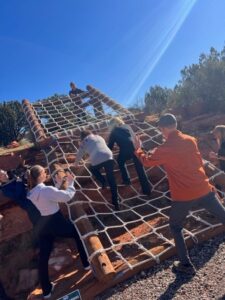 One piece of the group mind-body puzzle was an immersive team-building experience. While the physical challenges built into the scenic landscape looked like many traditional ropes courses, the takeaways went deeper than climbing a pole. Whether navigating a Bungie “spider web”, coordinating a six-person ski walk, climbing a net tied to another person or balancing on a platform, everyone in the group was engaged by Body & Brain Wellness Executive Coach Steve Kim (no relation to Dami Kim).
 If you’re hoping for a fine dining experience, know that you have an expansive list of options all over the country. It’s important to know, though, that getting reservations takes a lot of planning. Generally, as opposed to booking a reservation as we do in the U.S., you’ll need to request a reservation, noting the time and date you hope to dine and the size of your group. The restaurant will then follow up with you and let you know if they can accommodate.
 Though getting a taste of the fine dining scene is a must, don’t even think about overlooking more casual dining establishments and street food. Some of the best ramen I had during my travels came from small restaurants. Often, at ramen restaurants, you’ll select your meal on an electronic kiosk outside the restaurant, pay and take a ticket. You’ll then give that ticket to the waiter or kitchen staff, and they will prepare your meal.