The secret to planning a not-boring virtual event might be to pull a George Costanza. In an infamous Seinfeld episode, the character decides to do the opposite of what his gut tells him to see if his luck changes.
Entrepreneur Jay Schwedelson, who started the wildly popular Guru Media Hub virtual conferences in 2021 to engage with marketers, thinks a similar approach can turn around digital events.
The Constaza spin: His large-scale virtual GURU conferences prioritize fun. Guess what? People want to go.
How to Keep Virtual Attendees Engaged
Jay Schwedelson
What’s fun in a virtual conference for marketers? “Do the opposite of what everybody does. That is our vibe,” Schwedelson said.
In 2023, GURU conference, which runs on the RingCentral platform using integrations, including Kahoot, kept 20,000 people tuning in over two days.
“Where people get it wrong,” Schwedelson added, “is when they try to treat virtual as an in-person event, and they do live streaming as an add-on to check a box. They are treating virtual as an appendage and not even trying to be creative. That is a recipe for absolute failure.”
Schwedelson’s winning formula is give a virtual event the same love and attention as an in-person event. Don’t try to do a cocktail party or an exhibit hall virtually, for example. “That is garbage,” he said. His formula is to start with short, 30-minute presentations from big names in the marketing world and then follow with something fun after every two tactical sessions.
Stania Antoine
That could mean interviewing Martha Stewart, filming a hot chicken wing-eating contest, bringing on TikTok dancers or the cast from “Love is Blind.” He has also worked with DJs and hypnotists and run trivia contests. “Engage people rather than just asking them to sit passively,” he said.
Schwedelson calls his experiential communication activations “edutainment,” with the emphasis on engagement. His goal is to have every attendee leave smiling with actionable tips they can apply the next day in a email marketing campaign.
Stania Antoine, director of events at Guru Media Hub, added, “We have to rethink what people think a virtual event should be like. It doesn’t have to be that you’re just sitting in front of a computer and getting the content monotonously. Don’t be afraid to do something different, break things, keep people interested. That not only keeps them on the platform but keeps them wanting to come back to see what you’re going to do next.”
How to Get Registered Attendees to Show Up
Virtual attendees are notorious for registering with the best of intentions and then not logging in. Schwedelson warned that we may be our own worst enemy when it comes to influencing their behavior. Following are three counterintuitive tips that could result in more real-time engagement and value.
Don’t offer on-demand, not at first. Telling them when they register that an on-demand version will be available if they don’t show up is like inviting them to do something else. “We’ve trained people to ghost us. That makes our job harder and the short rate high,” Schwedelson said.
Don’t be afraid to over-email. These people registered. They are interested. Send a reminder the morning of the event and one 30 minutes before it starts. “You’re better off having a higher show rate and upsetting the applecart a little bit. We have to get out of our shell and not be scared,” Schwedelson advised.
Don’t treat online like a poor stepchild of in-person events. “Have fun and deliver value in ways that will resonate with your audience and get them interacting. The delivery of the content virtually is its own thing and not just a watered-down version of the in-person version,” Schwedelson said.
Haley Kennel
Haley Kennel, The Windsor Court
New Orleans hotel The Windsor Court promotes Kennel to director of catering and conference services. She will oversee all catering and conference planning at the property. Since joining The Windsor Court five years ago as corporate sales/events manager, she has consistently generated new business. Through partnerships with the hotel’s culinary team, she has completely overhauled the property’s banquet menus to achieve highly celebrated offerings.
Carrie Felix
Carrie Felix, Cuthbert House
Felix is appointed to the role of general manager at Cuthbert House. She brings a diverse background, having worked in the realms of hotels, restaurants and events. Her deep commitment to offering exceptional guest experiences will underlie her leadership of the hotel in offering its renowned Southern hospitality.
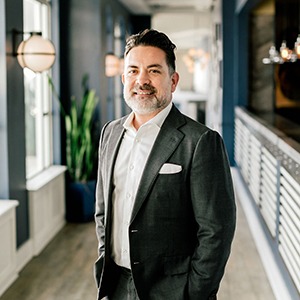
James Winning
James Winning, Pendry Manhattan West
Winning is named director of sales and marketing for Pendry Manhattan West. He brings 19 years of experience to this role, in which he will oversee sales, marketing and public relations efforts for the property. Previously, he served as director of sales and marketing at Pendry Chicago.
Davide Barnes
Davide Barnes, Halekulani
Halekulani Corporation promotes Barnes to serve as general manager of Halekulani. He began as hotel manager in January 2023, and since then been a leader in service excellence consistency. He will continue to direct daily operations and support areas of Halekulani. In addition, he will oversee and support operations and performance of its sister hotel Halepuna Waikiki by Halekulani.
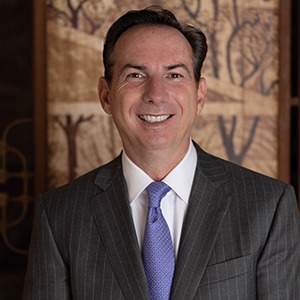
Christian Peterson
Christian Petersen, Visit Dana Point
Peterson takes on the role of director of business development for Visit Dana Point. He brings nearly two decades of marketing and sales experience to his new role, in which he will oversee Visit Dana Point’s expanded efforts in the travel trade sector and work to ensure a strong presence in the group space through fostering the organization’s partnership with Visit California and its California Road Show, organizing familiarization trips and collaborating with the local community.
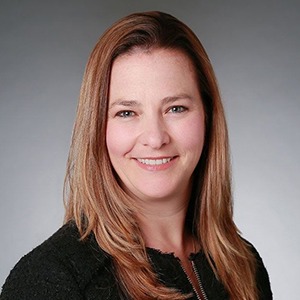
Kristin Hankins
Krisitin Hankins, InterContinental New York Barclay Hotel
InterContinental New York Barclay Hotel appoints Hankins to the role of hotel manager. She brings over two decades of experience. Most recently, she served as director of sales and marketing at the San Francisco Marriott Marquis, where she led the team that produced strong revenue increases throughout its post-pandemic recovery, and has exceeded revenue goals through strategic business leadership throughout her career.
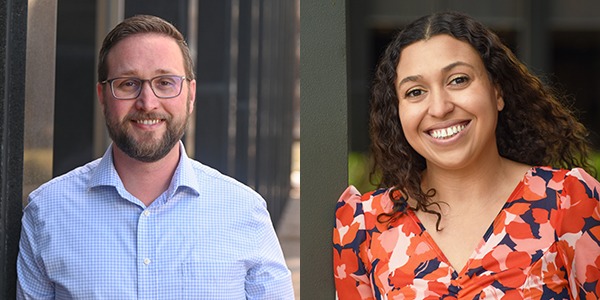
Andrew Carroll and Sara Bell
Andrew Carroll (left) and Sara Bell (right), Louisville Tourism
Louisville Tourism appoints two professionals to its Convention Development department.
Carroll takes on the role of national sales manager and will handle the education, cultural and union market segments that utilize 301 or more hotel rooms on peak event nights. He most recently served as national sales manager at Omni Hotels and Resorts, where he managed national associations and corporate accounts in the Midwest and Southeast, and earlier served as director of sales at White Lodging SpringHill Suites and Fairfield by Marriott.
Bell is appointed to the role of convention sales assistant. She will support several of the department’s sales managers. Most recently, she worked as the assistant taproom manager at West Sixth Brewery, where she led various initiatives, including implementing diversity training, for which she was nominated for the 2023 Louisville Tourism Rose Awards. In an earlier role as event manager at Fourth Street Live, she oversaw event planning for small gatherings to large-scale productions.
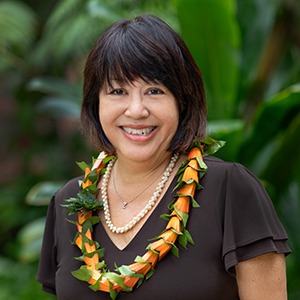
Laurie Ihara
Laurie Ihara, Meet Hawai’i, Hawai’i Visitors and Convention Bureau
Ihara takes on the role of senior director of sales, single property, for the Hawai’i Visitors and Convention Bureau (HVCB). She will be responsible for collaboratively leading and developing strategy for Meet Hawai’i’s single property team. She brings over 25 years of experience working with world-renowned travel and hospitality brands in sales and marketing roles and a successful track record of sales excellence and leadership and business development.
Heriberto Peña
Heriberto Peña, Banyan Tree Veya, Valle de Guadalupe
As spa & gallery manager at Banyan Tree Veya, Valle de Guadalupe, Peña will oversee the property’s wellbeing programming, rooted in Banyan Group’s wellbeing brand, Veya, which encourages a unique, lifelong wellbeing journey for all individuals. Peña brings over a decade of experience in the luxury spa and wellness sector. He has spent time in India and Thailand to study Eastern medicine and philosophy and continues to further his education with certifications in meditation, herbology, sound healing therapy, reiki, crystal healing, yoga and more.
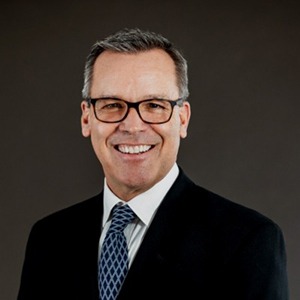
Tony Phillips
Tony Phillips, Bobby Nashville, Bobby Hotels
Bobby Hotels appoints Phillips as general manager of Bobby Nashville. He brings over 25 years of extensive experience in hotel management along with a progressive vision rooted in servant leadership to guide the independent lifestyle hospitality brand and its local-centric approach at the Nashville location. He is known for being a results-focused leader with a passion for people and teambuilding.
Time for a confession. Between 2021 and 2022, I committed the error of typing the phrase “the future is hybrid” not once, but seven times and even titled an early 2023 story “The Future is Hybrid-ish.” Mea culpa.
That was back in the day when the streaming tech neighborhood of IMEX America sprawled across the middle of the show floor, and VCs were throwing money at companies with names like TeeVid, Eventory and ShoFlo. Insights resource Crunchbase estimated that in 2020 and 2021, more than $1.5 billion was invested in virtual and hybrid event companies.
Today, many are running leaner versions of their former selves. Over the last two years, event platform companies Bizzabo and Hubilo each laid off double-digit percentages of staff. Many others were acquired, partnered or otherwise fled the scene.
More than $1 billion of that capital went to Hopin, a company that was largely acquired last year at a fraction of its previous $7 billion valuation by RingCentral, a public cloud-based communications company that put down roots in 1999. This month Bending Spoons, the digital technology company behind Evernote, Meetup and Splice, purchased Hopin’s video engagement bundle, StreamYard.
Now, Cisco’s Webex Events, which purchased Socio, has announced that starting in April 2025, the service will no longer be available outside of Webex Suite Enterprise Agreements, indicating it may be folded into webinar production.
All these companies, of course, have to compete with the familiar and intuitive Zoom and Teams video-event platforms, which have invested in building security and capabilities such as mobile apps, schedulers and multiple screen sharing into their offerings.
Where Does Event Tech Consolidation Leave Virtual Experience Planners?
From the vantage point of 2024, we can all see that the early 2020 predictions were the result of a Covid-hazy crystal ball. A more accurate assessment might be that the future is whatever format engages audiences most effectively. And in many cases that is indeed streaming—but the product could be called webinars, experiential communication or video education.
And it could be planned by the meeting professional, the marketing manager or the executive assistant.
Dahlia El Gazzar, founder of Dahlia+ Agency and host of “Cut The Sh*T. Cue The Genius” podcast, is making her own bold prediction. “I think virtual and blended events will see a surge as travel gets more expensive, time becomes even more crunched and companies consider their carbon footprints.”
Kristen Koenig, RVP of Video Go To Market and business unit leader for events at Ring Central, the new owners of Hopin’s virtual, on-site and hybrid tools, stressed the importance of simplicity. “Don’t make it complex; the simpler the better for attendees and organizers,” she said.
“Where we got it wrong in the past is everything was piecemeal,” she explained. “The attendee experience has to be seamless. You can use different products based on what works for your specific need, but don’t make attendees click from one to the other, and make the experience valuable.”
Simple doesn’t mean a single tool, however. “There is this whole illusion that these tools should be an all-in-one platform,” she said. Many of the products for content and speaker management are now way too complex and expensive to do everything natively.
“Why can’t our industry take a page from the playbooks of Salesforce and HubSpot and open a complementary app store to bring creativity to our customers and life to the internet?” she asked rhetorically. That way organizers could integrate the best-in-breed tools for their specific needs. That could be Kahoot gamification capabilities, Remo scientific poster sessions or Sessionboard speaker management or even custom-built apps.
“Event tech needs to be more like mar tech and fit into the operational tech stack of the marketing ecosystem,” Koenig said. “That’s where experiential communication will go to the next level in five to 10 years.”
Jay Schwedelson
Entrepreneur Jay Schwedelson, founder of Guru Media Hub virtual marketing conferences that run on RingCentral’s platform, predicted that in the future “not every experience will be hybrid, but every event will be an experience in content delivery.”
When event professionals say their event is hybrid, they mean they have a version of the in-person event available to watch online. “This is where things fall apart,” Schwedelson said. “Nobody should have an online component. They should have an online experience that occurs at the same time as the in-person experience. The delivery of the content virtually is its own thing and not just a watered-down version of the in-person version.”
AI Influence on Virtual Platforms
Just as in the rest of the world, AI is transforming virtual event tools.
Live event interaction company StreamAlive recently announced that it is using generative AI to help “streamers” better understand and connect with audiences by employing listening hacks to elicit audience responses. AI generates and recommends a list of polls and open-ended questions that presenters can use as prompts and conversation starters to encourage audience responses and participation. Audience interactions are captured and visualized through the chat functions of Zoom, Google Meet, Microsoft Teams, YouTube Live and Twitch.
Event technology provider Cvent has also expanded its AI solutions by adding AI Writing Assistant to its content suite. It includes user guidelines to generate emails, website content, session descriptions and RFPs that fit with brand tone and voice.
RingCentral sees itself as an AI-first communication platform. Prompts for emails or registration can happen directly in the virtual event marketing and production platform. Similarly, AI production tools can help sort questions for moderators. Tools also help with repurposing content to the community on social by sharing automatically based on how attendees typically respond.
“You can make speakers your biggest advocates by automatically sharing engaging moments,” Koenig enthused. In addition to providing great reporting, analysis can go a level deeper to inform decisions. “It’s taking data and making more of a story.
“We are at the forefront of a massive revolution in terms of technology,” Koenig said. Which parts and pieces of various tools now on the market will work will vary for each event. “I think what’s getting lost in all the glitz and glamour is looking beyond the features and focusing on the value, on who has a strategic partnership arm, whether it’s a mixture of technology stack integrations or embedded tools,” Koenig said.
Spaces built to streamline community-building
New and renovated debuts bring thoughtfully designed spaces that help to make authentic gathering easier than ever. These venues and meeting spaces are committed to being a space that facilitates community-building. All do well to also weave the special flavor of each of their destinations throughout, so your attendees walk away with both a fantastic meeting memory and an outstanding destination experience.
Meet Among the City Streets
Venue 42 by Convene
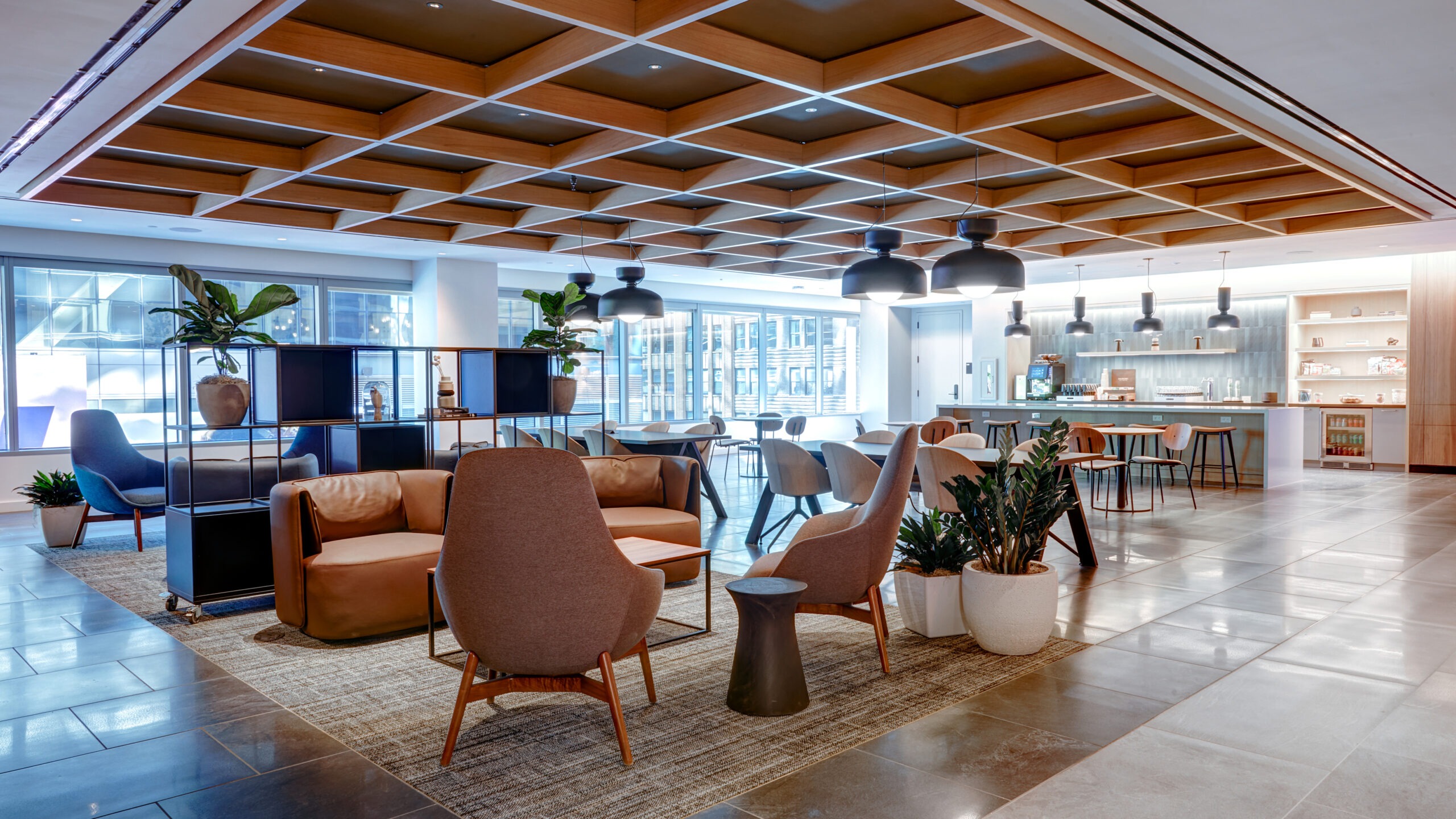
Venue 42 by Convene brings 30,000 sq. ft. of meeting and conference space to the fifth floor of 5 Times Square in Midtown Manhattan. It is made up of nine meeting rooms, each of which are versatile for custom configurations, whether you’re seeking space for a conference, breakout sessions, town halls, classroom-style learning, corporate social events and more. Its largest space accommodates 240 guests.
The space provides full-service event production resources, catering and a dedicated AV team for in-room and hybrid tech support. Its thoughtful design works to maximize collaboration and productivity. Large window panels offer views of the city below, and the space’s warm color palette and natural wood tones aims to celebrate the convergence of culture, art and business of the surrounding area.
Lakeside Lookout
Hotel Champlain
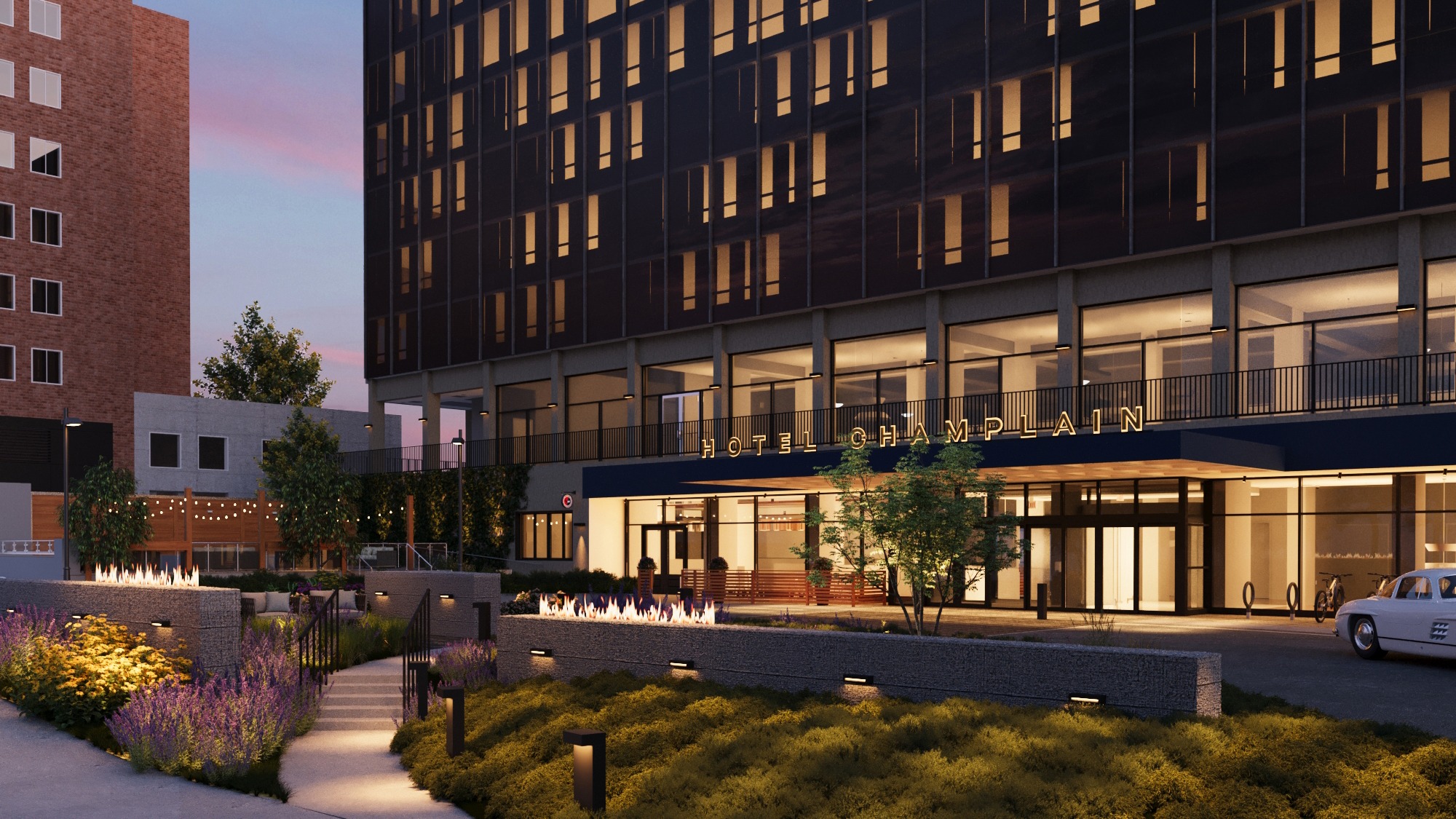
Vermont’s Hotel Champlain, Curio Collection by Hilton debuts a rebranding and renovation, formerly operating as Hilton Burlington Lake Champlain. A newly renovated front drive and gift shop immediately welcome guests into a redefined space that seamlessly blends Lake Champlain’s natural beauty with the modern, lively atmosphere of Burlington.
258 guest rooms offer views of either the lake or city. Nearly 20,000 sq. ft. of event space is made up of eight meeting rooms, plus unique outdoor spaces and even a beer garden. The ballroom offers room for over 600 guests. For captivating views of Lake Champlain, bring your meeting to the mezzanine level. Whether during downtime or networking activations, bring your attendees for s’mores at the fire pit, to take part in lawn games at Clover Lawn or to play a life-size game of chess at Hops & Harvest.
Gather and Build Community
Legacy Hotel
Legacy Hotel is Green Bay, Wisconsin’s newest all-suites boutique hotel. The six-story property brings 83 studio suites, 15 signature suites and three grand penthouse suites to Brett Favre Pass, only steps from Lambeau Field, Resch Expo and the Resch Center. The ground floor features a large atrium that will serve as the hotel’s centerpiece and an extraordinary event space for large groups, at 3,000 sq. ft. Three more meeting rooms—the 1,010-square-foot Rooftop Salon, 540-square-foot executive boardroom and the Heritage Private Room, with space for 12-20 guests—round out the hotel’s meeting space.
The dog-friendly property also includes an in-house fitness studio and the full-service Flow Spa. Regular events, such as jazz music on Thursday evenings, special tastings and cooking demonstrations help to achieve the hotel’s central aim of serving as a community social center. Visitors can dine at the signature restaurant, Heritage Restaurant, for modern approaches to classic traditional Wisconsin dishes, or head to Cardinal’s Crest Rooftop Bar & Grille for authentic Wisconsin fare and sharables among views of Bart Starr Plaza and Lambeau Field.
IACC 2024 in Basking Ridge, New Jersey, was centered around empowering attendees to be seen, heard and respected as they drive their careers forward as leaders in the meetings and events industry. Quinn Conyers was the keynote speaker to kick off the event, driving home her message of self-presentation and “luxury language to be an effective leader.”
Smart Meetings was also privileged to be a judge for IACC Americas Innovations Workshop. The presenters included Capital One, Verizon The Ridge Hotel, Swedish Meetings, FLIK Conference Centers, De Vere Hotels and Thrive Meetings!. All presentations were focused on new and inventive ideas that would attract meeting professionals and attendees to ideas centered around trends such as sustainability, food and beverage diversity, networking and diversity, equity and inclusion (DEI).
Luxury Language
Conyers had a visual of a word cloud to define her idea of “luxury language” to define what it means and how professionals in the meetings and events industry can use this type of lexicon to elevate their careers and establish themselves as successful professionals.
Lots of “E” words were standing out in the word cloud. The largest word was “empower.” Luxury language can be used to establish your worth as you present yourself to potential partners, employers or when you pursue any other personal or professional ventures. The next largest words were “engage” and “elevate.” Conyers expressed the importance of using luxury language to not shy away from powerful words as you are presenting, but to advance your vernacular to develop your business relationship and implement a level of respect for your intent.
The conference discussed some common mistakes meeting professionals can make while navigating their business relationships in the industry.
Don’t let your personal brand or communication style negatively effect your leadership role. Meet your team where they are—they may not have the same communication style as you. You are a part of a team, not leading people who think exactly like you.
Don’t lead with your title—more people are interested in and respect you for your transformation. Talk about your journey, not your accolades.
Don’t shy away from effectively communicating your abilities in your profession. State the reasons why you are the best candidate for the job effectively and articulately with confidence. Don’t shy away from standing behind your knowledge and abilities.
Never use Discount Dialect! When pitching, presenting or speaking to the public, always use luxury language. Be empowered, engaging and elevating the experience
Smart Meeting editor Morgan Saltz was elected to participate as a judge in the IACC Americas Innovations Workshop. The presenters included Capital One, Verizon The Ridge, Swedish Meetings, FLIK Conference Centers, De Vere Hotels and Thrive Meetings!. The criteria categories for judging were:
Impact on the intended stakeholder
Creativity
Well thought out design
Well communicated/presented to stakeholders
Every presenter had an incredible pitch, ranging from monthly mix and mingle event series from Raenell Chapaign from Capital One to effective ways to advance minority employees pitched by Mike Taylor from Verizon The Ridge. Ultimately the winner was TJ Fimmano, general manager of FLIK Hospitality, after delivering a captivating presentation on an innovative plan that incorporates sustainability, team building and experiential tourism into a honeybee-based farm to table program.
The 11th International Association of Exhibitions and Events (IAEE) Women’s Leadership Forum was a wake-up call for event professionals looking to take their careers to the next level while balancing their personal lives. “It was a safe space to come together, be themselves and talk freely without being judged,” said Marsha Flanagan, new president of the organization founded almost 100 years ago.
To level the playing field during the day-long event, name badges did not include titles for the 250 women who gathered in the nation’s capital at Walter E. Washington Convention Center in concert with Business Events Industry Week. Suppliers hosted meeting professionals at intimate tables of five, and everyone had a chance to interact and get to know one another. “It was a holistic approach to being the best you can be at work, at home in your community, as a parent, sister, wife or caretaker.”
An Inclusive Center Stage
Marsha Flanagan
The planning committee for Women’s Leadership Forum was intentional about the mix of speakers and topics based on feedback from previous events and pre-work surveys that pointed to conflicted feelings about self-care as a roadblock for many. “It’s hard to take care of others unless you take care of yourself first,” Flanagan said. “I hope everyone left energized, motivated, with a sense of calmness, knowing they are not alone.”
What could you achieve with improved cognitive flexibility? Four-time cancer survivor Courtney Clark shared tips for reaching even the most ambitious milestones when life doesn’t go as hoped. “Most people are good at setting goals and making plans, but when things change, they are not always good at revising those plans,” she said. “Change isn’t what trips us up. Resistance to change is the problem.” That is where resilience—what she calls “ReVisionary Thinking”—kicks in.
The solution? “Think up” to create space for more brainstorming and creative choices while improving mental flexibility. The more ideas you and your team come up with, the more likely you break through the predictable ones and get to the best, she suggested, during a game based on the television program “Who’s Line is it Anyway.”
Elevate, Transform and Thrive
Dr. Jennifer Keitt
For leaders who find themselves sleeping through aspects of their lives, Dr. Jennifer Keitt’s Executive Life Quest exercise was a wake-up call to lead from the heart, grasp one’s purpose and transform. “To transform my life, I must guide my mind,” she said. “Your mind is the broadcast center of your life. Take control of your programming.”
The former radio broadcaster, professional communicator and transformation coach works to build NextGen Leaders through the Keitt Insitute’s message of discovering and embracing your uniqueness. She worked with Women’s Leadership Forum attendees to create a personal value statement based on their goals and essential skills.
The Success-Energy Equation
Michelle Cederberg
Feeling burnt out? The infinite variables in a meeting prof life can do that to a person. Health and productivity expert Michelle Cederberg had some tips for harnessing your energy and streamlining success. She studied top professionals and came up with routines she says are fail-proof, including clarifying your goals, breaking free of distractions and examining where your energy is being “poured, invested or drained.”
Cederberg, who has a master’s in kinesiology and a bachelor’s in psychology with a specialization in health and exercise psychology, believes in applying science to the design of our lives. That means focusing on conservation of energy. “Make sure that you’re not putting things on your schedule that aren’t high priority. Figure out what you can say ‘no’ to. Figure out what you can delegate. Figure out what you can let go. Sometimes we get caught up in the autopilot of getting shit done, and we forget that we have the power to change our schedule, negotiate it, ask for help,” she advised.
All of us want to feel part of a group bigger than ourselves. Film producer Denise Soler Cox, co-director of the award-winning film “Being Eñye” about the experiences of first-generation Americans whose parents came from Hispanic countries, shared her experiences that led to her “Recipe for Belonging.”
“Belonging matters because it helps us form a unique human bond that signals we are part of a community—a place where we fit in, where we feel welcome and with people we want to be around,” she said.
Emily Laufgraben, Maritz market insights manager, noticed a vacuum in behavioral data about what is driving people from diverse industries to register for events post-Covid. “There’s a lot of survey data measuring people’s attitudes, preferences, beliefs and satisfaction, but we saw an opportunity to dive into where the rubber meets the road, how attendees are making decisions and how to influence that,” she said. The results from 360,000 registrations across 30 trade shows showed that some of the anecdotal and self-reported conclusions were not correct.
The Late Registration Conundrum
Credit: Maritz
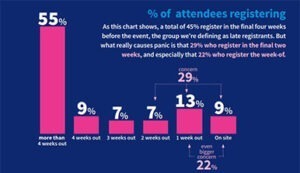
A trend that causes angst for meeting organizers tasked with delivering rooming lists and BEOs a month out is a shift to delaying the commitment to attend. Almost half, 45% of conference-goers register within four weeks of the event date. That makes filling room blocks, estimating space and transportation needs and staffing appropriately difficult. Participants were already going in that direction pre-Covid, according to Maritz research, but the downtime accelerated the swing.
In fact, research showed that the percentage of people waiting until the week before an event to register averages 22%. And almost 10% are not even bothering to register and just showing up on site.
“That gives planners heartburn,” Laufgraben empathized. “There seems to be this real disconnect between the set of rules that we’ve operated under as an industry and how attendees are actually behaving.”
Peer Influencers
Laufgraben reasoned that after getting out of the habit of attending regular conferences, people are carefully evaluating whether any trip will be worth their time investment. She also found that, particularly for younger Gen-Z attendees, the biggest determiner about whether they will be attending is if a colleague, peer or thought leader is going. “In-person networking is seen as the most important factor so first-timers, in particular, want to make sure they know someone.”
Geography also plays a role, according to the data. Local attendees in driving distance, who don’t have to book flights in advance also tend to wait until the last minute to make a decision. “The result is that cities with large driving markets end up having higher-than-average percentages of people who register closer to the date of the event,” Laufgraben said.
In addition to age and geography, industry also plays a role. The report concluded that professions seen as being made up of rule-followers (teachers, doctors and legal or financial professionals) are less likely to register late. For medical conferences, only 29% register within that critical 30-day window. Food and restaurant shows reported 54% of attendees waiting until less than a month out.
Financial Implications
The biggest takeaway from the study, according to Laufgraben, is that discounts for registering months in advance not only don’t work, but they are counter-productive. “The model is outdated,” she concluded.
People who register as soon as the website goes live tend to be event veterans who would pay to go no matter what. They don’t need a discount to motivate them.
One of the more surprising findings is that even when the discounts are factored out, they tend to not spend as much as attendees who buy their ticket later. “Late attendees aren’t bad attendees,” Laufgraben said. In fact, they tend to be more motivated to spend on ancillary offerings such as add-on sessions, on-demand content and social events. They spend about $92 more compared to early birds. “Once they make that decision and pull that trigger, they’re motivated to maximize their investment and that is reflected in their spending patterns,” she said.
The Collaborative Solution
While the industry is figuring out a new model that meets the needs of networking-sensitive attendees and hotels that need to plan in advance to serve them, Laufgraben suggests being more collaborative with all stakeholders. “We tend to want to hold our data close to the vest and not fully share with all suppliers. Our advice is to consider being more transparent about registration data,” she said. “The more of a line of sight you can give to hotels, the more you can have valuable conversations.”
Share Your Experience: Answer a few questions about your registration experience and you could be included in a future story.
When does a headquarters building look more like a hotel? When it is the new nerve center for Marriott International in up-and-coming Bethesda, Maryland. The 21-story glass building on Wisconsin Ave. is one of the tallest in the area and affords views of the green landscape for miles.
Tag along to learn more.
A Strategic HQ
The building dedicated to managing more than 30 hospitality brands and 8,800 properties in 139 countries is filled with physical manifestations of the company’s touchstones. It opened in September 2022 and former CEO Arne Sorenson, who passed away in 2021, played a critical part in plans for the modern office space. One example: a lack of drop ceilings in most rooms, with industrial, painted ductwork to signify that the sky is the limit and everyone is always improving.
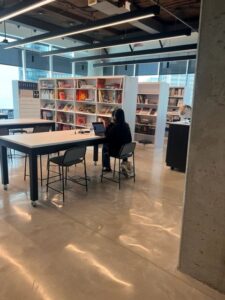
The office building was designed to accommodate 4,000, but about a quarter of that number come in each day as the company has adopted a flexible work policy with lots of open seating and meeting spaces designed for moving around. Banks of lockers keep personal items when team members are not using shared desk pods. Each workstation has a sit-stand desk and views to floor-to-ceiling windows.
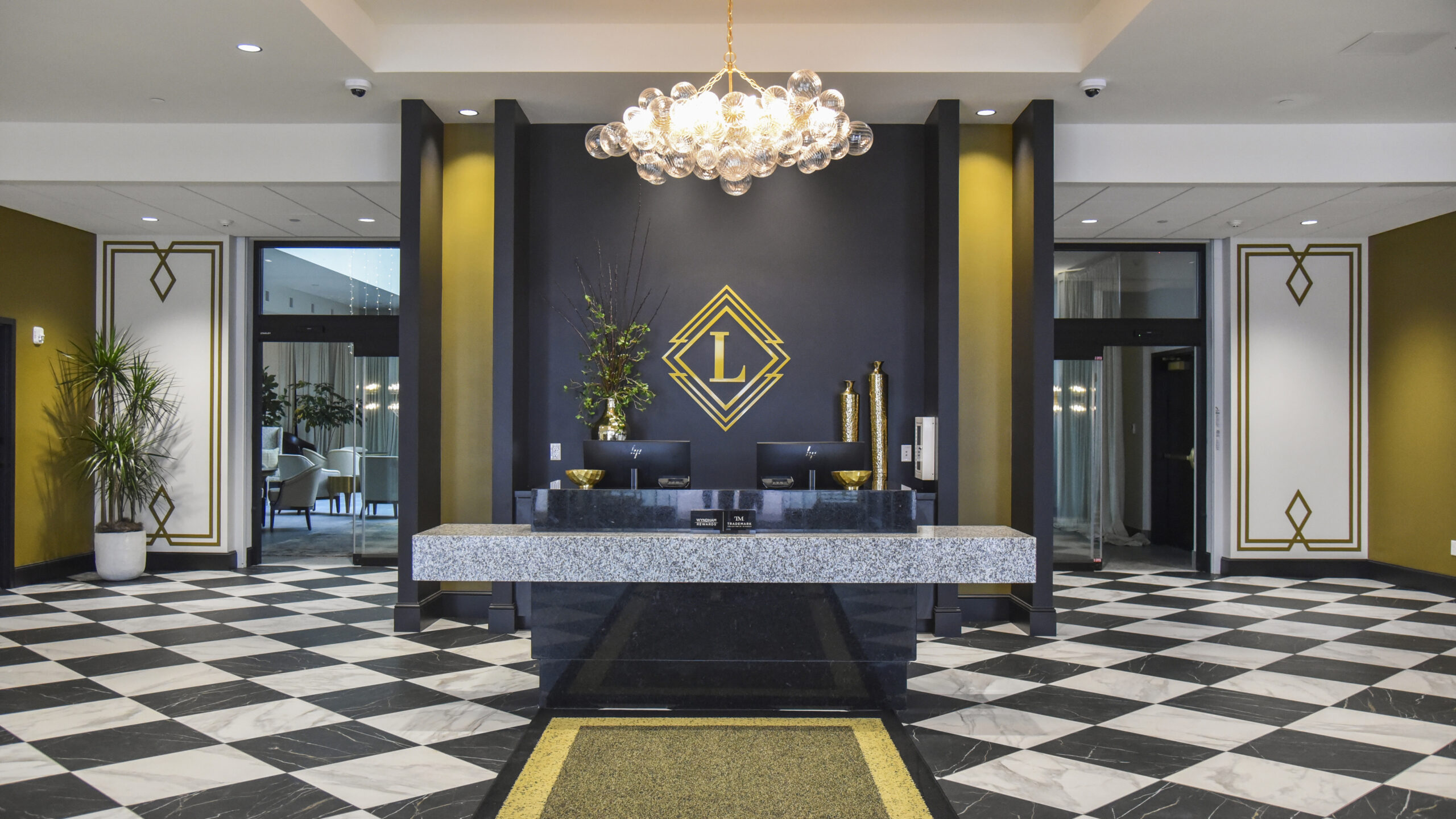
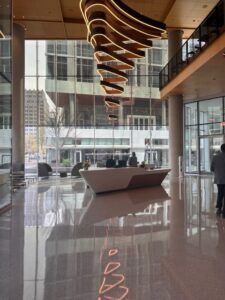
The reception desk is shaped like a ship, fitting for a company that recently launched a fleet of superyachts that cruise the Caribbean, Mediterranean and Northern Europe.
A cafe in the lobby with generous seating could be mistaken for a grab-and-go outlet in any Marriott hotel. The rest of the building except for a handful of meeting spaces, a floating staircase and informal seating on the ground floor requires a keycard for entrance. Warm polished wood, concrete floors and recessed lighting complement the fitted furnishings.
In keeping with the people-first company core value, the top floor—named the J.W. Marriott Jr. Associate Growth Center after the company’s chairman emeritus and son of founder John Willard Marriott—is dedicated to learning centers and training rooms flooded with natural light and equipped with all the audio-visual expected at a company where digital transformation is one of the stated enablers in its “growing forward” strategy. That includes virtual streaming capability, writable surfaces and flexible spaces.
A central pod on one floor is home to what is called the “hot spot,” so employees can drop by with tech problems to get help on the fly or request help through the company network.
Terraces line one side of the building for indoor-outdoor meeting experiences and prefunction space feeds into a large, lobby-looking meeting area with a stone fireplace.
Travel Library
Pantries with sinks, refrigerators, microwaves and snacks on each floor borrow a page from tech company culture. In the main company kitchen, named after Marriott Sr.’s Hot Shoppes restaurants, hot food and salads are available for purchase. In the dining area, which includes a row of foosball tables, a self-serve machine offers cold brew coffee, tea and kombucha.
The Innovation Floor houses locked Room27, an innovation lab with a test kitchen and beverage bar designed to facilitate the development of new Marriott offerings. A Travel Library offers inspirational resources and a live librarian to help find the right materials.
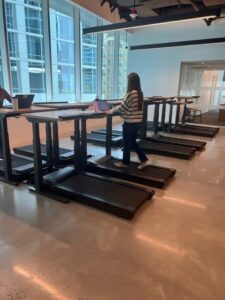
Treadmill desk
The Wellness Floor is home to a 7,500-square-foot fitness center that would put most hotel gyms to shame, a wall map of local hiking trails, treadmill desks and relaxation massage chairs with visuals, heat and piped-in scents. A Wellness Suite with a lactation and meditation rooms are an easy place to get inoculations for international travel and consultations with a wellness coach. This floor is also the home to an 11,000-square-foot child development center for infants through five-year-olds run by Bright Horizons, largest of its kind in the local county.
Green Credentials
The building was designed to meet LEEDv4 Gold standards. Lights automatically turn off via motion sensors if no one is in the room. Window coverings adjust to the position of the sun to cut down on heating and AC use. Recycling and composting initiatives capture waste at the source.
Marriott HQ is filled with live plants, and a ficus tree occupies a space of honor from the ground floor reaching to the higher levels. A total of 7,600 sq. ft. of outdoor garden space is available for employees, and the building features a green roof.
The campus includes Marriott Bethesda Downtown at Marriott HQ hotel, a 245-room property separated from the HQ building by a courtyard. A total of 13 “model rooms” allow guests to stay in prototypes for new brand renovations. It also includes 7,242 sq. ft. of meeting space.
A Nod to the Past
While the building is thoroughly modern, it pays tribute to the company’s 95-year-old roots in the naming of areas such as the kitchen and in memorabilia.
In the executive suite on the 16th floor, Chairman Emeritus Marriott has the only true “window office” and also the only Rolodex in the building; his executive assistant has the only fax and typewriter.
A Cabinet of Curiosities in the public cafe documents the evolution of the brand. An Award of Excellence Wall chronicles the history being made by associates today.
David Marriott, chairman of the board of Marriott International and grandson of J.W. Marriott Sr. said at the unveiling, “This campus honors our storied history and roots in the local community while showcasing Marriott’s exciting next chapter of growth as we remain dedicated to our purpose of connecting people through the power of travel.”
Resources for green meetings; for today, and for the future
Earth Day: it’s not just about spending extra time thinking about what we love about nature. It’s not a day for a green-themed party with leaf-adorned table settings, nor is it a day to hold a short-term campaign that fades into the background over the following weeks.
credit: Shutterstock
Think of it as a “green New Years’,” a day for setting resolutions we mean to keep through this year, and beyond. Its history is grounded in activism; its calls-to-action are resounding. It’s a widespread social movement, a day during which we, as human beings sharing this planet, take a moment to assess the work we’ve done, recognize where we’ve lagged and identify how we can improve our climate impact across the board, from the individual level to the corporate and governmental. It’s a day to launch initiatives, personal and company-wide, that will stay, grow and flourish.
History of Earth Day
In April 1970, U.S. Senator Gaylord Nelson proposed a nation-wide environmental teach-in, hiring activist Denis Hayes to serve as national coordinator. Together, they named the event “Earth Day,” and Hayes’ team expanded the event to include the entire U.S.
In Smart Meeting’s ongoing journey to inspire meeting professionals with the latest tips for elevating the event design process, we worked with the AI app InVideo to bring our content to visual life and allow all viewers to accessibly enjoy content in video form. We hope you enjoy. Please consider following our YouTube channel for more weekly tips and trends for meeting planners.
On this first Earth Day, around 10% of the U.S. population took to the streets to advocate for environmental awareness. Their movement paid off; the next few months saw a wave of environmental legislation and initiatives, including the passage of the Clean Air, Clean Water and Endangered Species Act and the establishment of the Environmental Protection Agency (EPA). Countries around the world soon followed with environmental legislation of their own. 46 years later, the United Nations selected the anniversary as the date to sign the Paris Climate Agreement.
That very first Earth Day is recognized as a driving force of the modern environmental movement, and Earth Day, in its modern form, is recognized as the largest international civic event each year, with over 17,000 partners and organizations in 174 countries and over one billion participants.
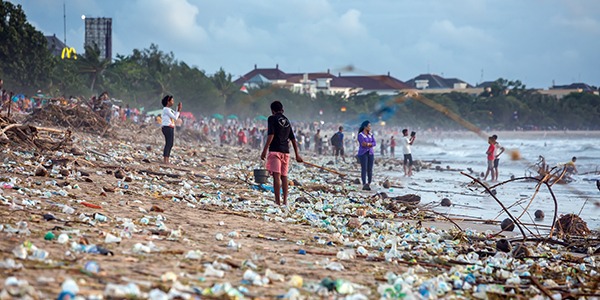
Beach pollution at Kuta beach, Bali. February 2017. credit: Shutterstock
The central goal is for a 60% reduction in the production of plastics by 2040 to lead to the larger goal of a plastic-free future.
Plastics are everywhere; straws are often the scapegoat, but they aren’t the only culprit. Do you have plastic-headed thumbtacks holding up pictures on a corkboard? What about your event badges? How many attendees do you produce those badges for? Wherever you are right now, if you sit back and look around you, you’ll be hard-pressed to find your surroundings completely plastic-free.
So, a plastic-free world is difficult to imagine. But the stakes are enormous.
Background on Plastics and Their Impact
According to EarthDay.org, over 380 million tons of plastic are produced annually around the world, and 95% of all plastics will not be recycled at all. There are different types of plastics, with codes that denote which of seven recycling codes it is. Generally, the higher the number, the more difficult it is to recycle the material.
A waste sorting facility. credit: Shutterstock
But even so, not everything you’ll put into a recycling bin will actually be recycled. It depends on what materials the local municipality considers to be recyclable or not—and even if the object has that classic three-arrow symbol, it takes a little more digging to find out if it can actually be recycled where you are. When a plastic material is not recyclable, in almost every case it’ll be diverted to landfill.
To add to the horror, plastics will never fully decompose. They’ll exist in their disintegrated form, microplastics. Plastic isn’t only an environmental issue; it also impacts human health. When plastics break down into microplastics, they release toxic chemicals that can enter our water sources, food sources and even the air we breathe.
With all of these scary numbers and decomposition processes in mind, you might be thinking, “Well, what in the world can we do?!”
The simplest answer is to reduce our plastic use as much as possible. And, have grace with yourself. Plastic is so engrained in our lives. But just as there are innumerable areas where we use plastic, there are alternatives out there. And when large masses of people reduce their plastic usage across the board, there’s less of a need for as much plastic to be produced. From there, the impact of plastic on the earth can begin to diminish.
Where Do We Go from Here?
Meetings and events, unfortunately, produce a lot of waste. But in recent years, sustainability has grown from a niche topic to a central focus in the industry. More planners than ever are including certain sustainable measures in their RFPs, looking for ways to reduce waste and even carbon accounting—keeping track of the carbon emissions produced throughout their events.
Sustainability is dense, and there are so many layers, so for the purposes of this article, we’ll share past discussions and stories Smart Meetings has held, so you can browse educational materials on sustainability at your leisure. many of our past sustainability articles linked throughout, if you want to learn more about other areas of sustainable planning.
Waste Reduction
credit: Shutterstock
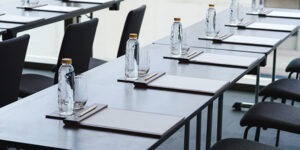
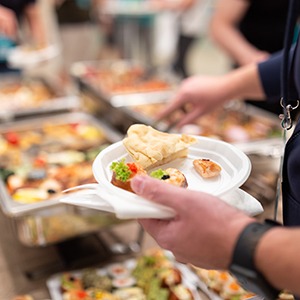
Just as you looked around you, wherever you are right now, to identify the plastic in your vicinity, imagine yourself in your last meeting room. Where was the plastic? Were attendees given plastic water bottles? Were amuse-bouchées passed around on little plastic plates? Plastic cups for drinks at a networking reception? What happened to the décor once you broke your event down? And so on.
Waste comes into nearly every aspect of a meeting and event you can think of. In September 2023, Smart Meetings hosted a webinar, “How to Master the New Green RFP” with Emily Scheiderer, senior director of education, sales and services at Destinations International (DI), Michelle Moore, senior director of meeting sales and services at Experience Kissimmee and Rory G. Archibald, senior business events manager at Visit Scotland. They discussed a wide range of ways planners can incorporate sustainability into their RFPs, with a big focus on how meetings deal with waste. Scheiderer shared a particularly interesting fact when she said that carpet, of all things, has a larger impact on a meetings’ carbon footprint than many people realize. To account for this, planners can reuse or donate carpet, or sacrifice it all together—and the group went on to discuss how that might affect the meeting experience across the board.
credit: Shutterstock
Just a few months earlier, Smart Meetings shared the story You Can Go Net Zero in its January 2023 issue, which addressed both the how-to and the stakes for green RFPs. It includes all kinds of easy-to-understand explanations of where waste comes from in meetings, how planners can keep track and how planners can reduce waste to strive for the ultimate goal of net zero meetings.
A year later, Smart Meetings published another sustainability feature story in January 2024, Your Complete Guide to Sustainability. Here, you’ll discover essential vocab, need-to-know organizations for further resources and how planners can work in sustainable changes that leave attendees feeling happy and inspired, rather than feel like the meeting was lacking when things they’re used to having, like water bottles, are replaced with something like glass carafes and cups.
If you’re interested in learning more about carbon accounting, Smart Meetings spoke to Heather Griffin, vice president of marketing at Impact XM, to learn more about the company’s seven sustainable action areas for planning green meetings.
Don’t Forget to Celebrate the Victories
This Earth Day sees the debut of a wide array of sustainable initiatives within the industry across the board.
At Anaheim Marriott, the team behind nFuse restaurant has debuted a completely carbon-neutral cocktail, La Naturaleza. The straw, a classic culprit of plastic waste, in this cocktail is actually carbon-negative, made with AirCarbon. Traditional synthetic plastic cannot decompose, but these AirCarbon straws, produced by Newlight Technologies, Inc. convert greenhouses gases into a biodegradable plastic replacement that natural microorganisms can consume as compost. Smart Meetings spoke with Henry Martinez, director of event operations, about the cocktail while onsite at the property. Watch the interview to learn more.
Marriott Marquis Washington DC is trailblazing in its own way with the appointment of DC local and sustainability expert Stephanie Miller in a brand new role as sustainability concierge. She will assist guests and meeting planners at the property with adopting sustainable practices throughout their stay as well as answer questions about how to get around the property and surrounding neighborhoods sustainably. And, it’s worth a mention that this property is one of DC’s largest LEED Silver-certified hotels.
credit: Shutterstock
National boutique hotel brand Staypineapple just recently announced that it has replaced all single-use plastic water bottles with complimentary PATH refillable water bottles, which, being aluminum, can be recycled at the end of guests’ stays. Guests can refill at Quench Water Bar refill stations, which offer both still and sparkling water. This change will help to divert nearly 500,000 single-use plastic bottles from landfills annually.
New Haven, Connecticut is home to Hotel Marcel, which not only holds LEED Platinum certification, but is the country’s first 100% electric, solar-powered hotel, operating completely fossil fuel-free. It actually produces more energy than it uses, with over 1,000 solar panels that produce over 575,000 kwhs annually and even an elevator designed to generate power for the hotel when braking. It has found ways to cut energy use, such as with its Power-over-Ethernet Lighting System that reduces lighting energy use by over 30%. Hotel Marcel offers 165 guest rooms and suites and over 9,000 sq. ft. of meeting and event space.
Finally, Ensemble Hospitality has debuted a new eco-friendly tourism program, “Sustainable Travel with Ensemble.” It focuses on reducing Ensemble’s overall carbon footprint and reducing carbon emissions over the course of the coming years at its nine owner-operated hotels. Five key initiatives make up the program: carbon offsetting, through the reduction of energy consumption by 10% per year; reduction of single-use materials, with the elimination of 90% of all single-use plastics like bottles and bags; minimization of waste, with an increase in reduction, reuse and recycling and a 10% waste diversion; reduction of water use, with a decrease in consumption by 5% per year; and a focus on sustainable sourcing for food.
Make your summer meetings meaningful and memorable with these tips and trends
Summer is approaching fast and meeting professionals want to stay up to date on every seasonal trend. This summer is looking at experiential travel—whether that be a relaxing health and wellness retreat, a culturally rich destination or an environmentally conscious and responsible gathering, summer 2024 trends are geared towards progressive practices.
Smart Meetings has curated a list of the hottest trends and destinations meeting planners will want to consider when planning a meeting or conference this summer. With these tips and recommended venues, your summer meeting or event will be memorable, meaningful and even give back to the community.
Sustainable Luxury
Sustainability is a topic constantly at the center of meetings and events industry conversation and it’s evolving as more than a trend to become a revolution of eco-friendly awareness in business standards of practice. Being altruistically eco-conscious, rather than greenwashing (using the trendy distinction for marketing purposes), resorts that are truly dedicated to the cause resonate with meeting professionals and attendees alike.
The Stanford Inn & Resort on the coast of Northern California in Mendocino County partners with John Jeavons’GROW BIOINTENSIVE to open The Field School. Focused on the next generation, The Field School offers training programs to promising youth about living sustainably and holds the hospitality industry to a high standard of environmental responsibility through creating training programs that provide instruction on land-use, farming, building codes, nutritional standards and above all—sustainability. With sustainability as a ubiquitous and immortal topic swirling in the meeting and events industry, meeting professionals are flocking to the most sustainable places available.
Gardening classes at Stanford Inn & Resort in Mendocino, CA
Cultural Experiences
The meaningful and mindful impact of incorporating cultural experiences into your itinerary is not only about creating memories and connections, but also helping the meetings and events industry contribute to humanitarian progression and understanding. Whether it is through learning a skill that is regionally significant to the destination, embarking on a culinary adventure with a menu of traditional cuisine or visiting community-based tourism museums and projects, the meetings and events industry is continuing to expand its interest in cultural experiences.
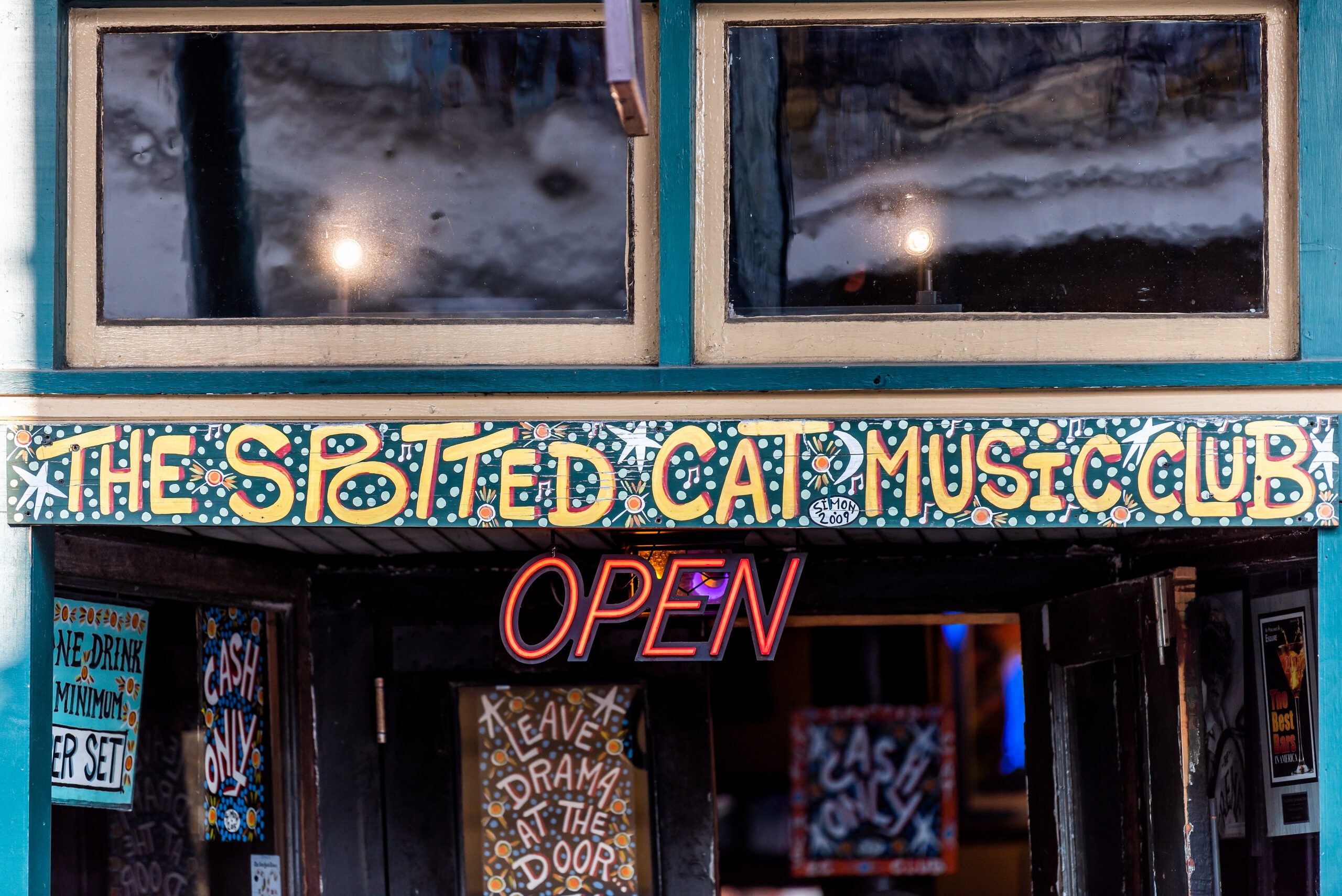
New Orleans is an ideal destination for cultural tourism and visitors will have a difficult time choosing what to eat, see and experience with all of the global influences in the city. The Eliza Jane Hotelsets the tone for visitors to absorb the city’s history and have easy access to its modern excitement. Inspired by 19th-century poet and publisher Eliza Jane Nicholson, this boutique hotel on Magazine Street is only steps away from iconic food and beverage establishments such as Commander’sPalace, and Café du Monde as well as famous music venues like the historic jazz spot TheSpotted Cat Music Club. Between Magazine Street and the famous French Quarter, visitors of New Orleans will be surrounded by exciting options from one of the most culturally rich cities in America.
The Spotted Cat Music Club, New Orleans
The Library Lobby at The Eliza Jane Hotel in New Orleans
Alternative Tourism
More and more professionals are becoming less enthused with open bars or drink tickets and interested in trying more holistic offers at events—a practice now referred to as “alternative tourism.” With 46 states passing varying degrees of decriminalization legislation surrounding marijuana and CBD being legal since 2018, groups are interested in educating themselves about the booming cannabis industry and the hospitality industry is taking notice.
Top destinations for cannabis consumption are no longer confined to the stereotypical overseas one may think of such as Jamaica and Amsterdam. With Denver as a pioneer for alternative tourism, cannabis dispensaries and lounges—its Hotel Teatro was the first to implement a CBD cocktail menu in its in-house restaurant TheNickel—THC/CBD friendly hotels are popping up in major destination cities including Toronto, Seattle, the Bay Area and Las Vegas. But meeting professionals—make sure to check out the cannabis laws of your destination, as they differ amongst different states.
CBD infused non-alcoholic cocktail
Healing Retreats
Mindfulness and work/life balance are becoming increasingly apparent as a necessity for not only individual mental health and wellness but overall productivity within a corporation and its industry. Especially in the summer months, a time associated with finding more relaxation and enjoyment in life, attendees will appreciate a summer meeting or event that has options for healing and wellness between work obligations. While it is true meetings, conferences and work-related events should have attendees focused on the tasks at hand, healing and wellness options in summer 2024 are trending more than ever and meeting professionals who incorporate healing and wellness will be sure to receive rave reviews.
For an oasis in the California desert in the outer Palm Springs area, the newly opened Sensei Porcupine Creek is an ideal destination for an incentive or small executive retreat focused on healing and wellness. With a mentality of three intersecting principles—move, nourish and rest—visitors can take advantage of the expansive options on the campus to fulfill all three modules in the resort motto’s criteria. Whether it is hiking on the trails of Rancho Mirage, stargazing at the Rancho Mirage Library & Observatory or meeting one on one with a Sensei Guide for a fully tailored wellness itinerary, healing and wellness focused destinations and activities for summer 2024 will be a trend that will have attendees returning to your events.








 The building dedicated to managing more than 30 hospitality brands and 8,800 properties in 139 countries is filled with physical manifestations of the company’s touchstones. It opened in September 2022 and former CEO