When it comes to making an event stand out, anything is fair game to bring to the table — including food.

According to a 2019 study, an event’s food options rank as the second-biggest reason attendees choose an event. That same study found that 80 percent of Americans remember a good eating experience at an event, while 56 percent say they won’t return to an event that served bad food.

MoreHow to Accommodate Dietary Restrictions

As budgets shrink and food costs rise, it’s tempting to treat food coordination as just another item to check off your event planning to-do list. Instead, delight your guests with stylish dining options that help enhance the overall experience.

Let Food Fuel Your Event Success

When 41 percent of executives say they consider food and drink as top spending items, that means the menu is an opportunity to shine. To bring the best of both to your event, take the following four approaches:

1. Look to the Latest Trends

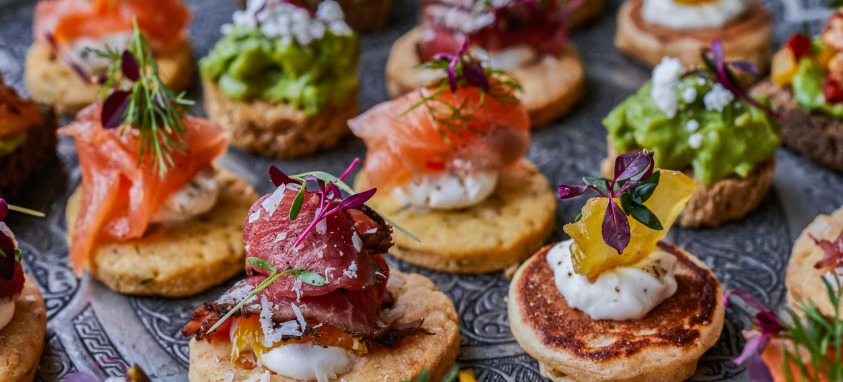
Try offering organic and locavore options or partnering with a local restaurant to offer unique selections. Serve tapas, which are a tasty and economical option.

If you’re hosting a daytime event, provide zero-proof cocktails that look chic and keep everyone sober. Or for an edgier choice, try infusing your food with CBD. As long as you follow federal regulations, it won’t be intoxicating — just intriguing.

2. Before Hiring a Caterer, Consider the Vibe of Your Event

Is this a black-tie event or a casual beach team building? Pick a provider based on where your event falls on the formality spectrum. Read reviews to evaluate how effective a vendor’s wait staff and cleanup crew are.

You also want the flexibility to accommodate special requests. Be specific about what you need, but allow the caterer to get creative. Ask to taste the food so you can experience what your guests will be eating. Do your due diligence before committing.

3. Use Data to Paint a Picture

A Social Bakers survey found that 56 percent of consumers think businesses should have a deeper understanding of what they need. Data is one resource that can help close that gap.

Use Google Analytics, ticketing platforms, Facebook, and your email opt-in list to learn more about your audience and its food preferences. These outlets maintain the kind of data that helps event planners tweak a menu until it’s ready to be unveiled to the audience.

4. Focus Your Ads on Food

Research shows that consumers remember as little as 10 percent of the information they read, but visual elements boost that rate up to 65 percent. Build food photos into your marketing and advertising strategy to highlight your unique menu.

Show your chefs in action or food trucks lined up on the street outside. Using these visual elements as another arm of your marketing approach will distinguish your event from the rest.

Food should be more than just something to keep people from passing out during the keynote—it needs to be an integral part of the event’s experience. Do the appropriate back-end work to develop a menu that appeals to eventgoers and adds to the aura of your gathering.

Ronnie Higgins works at Eventbrite, helping event planners level-up their registration game. Born and raised in New Orleans, he enjoys nothing more than helping people get together—whether it’s for a conference, class, or a citywide party like Mardi Gras.

If you are a hosted buyer, your calendar for the second week of September is probably already pretty full, and the invitations are still pouring in. How do you make the most of the opportunity IMEX America 2019 gives you to talk to as many of the 3,500 buyers as possible at Sands Expo and Convention Center in Las Vegas over three days while still finding time for the valuable education sessions? Smart Meetings asked the experts for tips.

Come Early

Smart Monday, powered by MPI, is Monday, Sept. 9 and packed with everything from artist Phil Hansen’s inspirational keynote on how to “Embrace the Shake: Transforming Limitations into Opportunities” to sessions on best practices for inclusion, AV tech and contract negotiations.

Lori Pugh Marcum, CMP, CMM, HMCC, manager of global education and event production with MPI Academy, advises attendees to prepare for new interactive formats designed to enable social learning. “We will host a mock trial on contracting and an interactive event clue game wherein attendees work in teams to cut costs by creating partnerships and negotiating for extra value,” she said. Find your favorites here.

The theme for IMEX America 2019 is “imagination” and the Discovery Zone will be filled with serendipitous encounters to spark ideas that will continue to inspire after the doors are closed on the trade show floor.

Get in the Imagination Zone

The theme for IMEX America 2019 is “imagination” and the Discovery Zone will be filled with serendipitous encounters to spark ideas that will continue to inspire after the doors are closed on the trade show floor.

  • AE&ES (Amusement, Exhibit & Event Services) will offer Brain Art, which uses electroencephalography (EEG) technology to create a one-of-a-kind artwork using only the minds of participants.
  • EyeJack Events combines art and augmented reality technology to transport audiences into interactive worlds.
  • Champagne Creative Group is inking attendees with“mystery tattoos” for surprise, but temporary, adornment.
  • DAHLIA+ Agency will review and advise on company branding online and showcase the newest technology solutions.
  • From Zuzor’s experiential LED wall that turns movements into art and Freakebana ugly-cool flower arranging to Thinkers Society’s fresh take on brainstorming and floating thought bubbles, the area is designed to spark curiosity and transform the way brands connect with their audiences.

“Our new Discovery Zone provides vivid new experiences that will encourage attendees to stretch themselves—figuratively and imaginatively—testing the theory that experimentation leads to innovation,” said Carina Bauer, CEO of IMEX Group.

Step Up for Women

Marcum says Monday’s focus on women is not to be missed. “I am thrilled that She Means Business is coming to IMEX America for the first time. We have lined up compelling education and networking for women and allies to discuss economic equality, lessons from influential businesswomen and the balance between family and career,” she said. All that great content goes down on Monday from 11:15 a.m. to 4:30 p.m.

Association for Women in Events will host a Celebration of Women in Events Pink Hour,  powered by Freeman, on Wednesday at 4 p.m. at Booth F3666. It will include a toast to the 2019 Women in Events Hall of Fame winners and a statement from Bauer.

Events Industry Sexual Harassment Task Force is collecting signatures as part of #MeetingsToo for an industry-wide pledge with Philip Eidsvold of SITE, Bauer, Paul Van Deventer of MPI, Susan Robertson of ASAE and Kiki Fox of AWE.

Can’t make it to the show? AWE co-founder and Past-President Kiki Fox will be sharing highlights in a live podcast with EventIcons on Wednesday at 2:15 p.m.

Finish strong with a joint PMI Women and AWE Meetup on Thursday at 10:30 a.m. at the MPI Booth. This is your chance to learn about new ways to connect and get involved.

Stretch Yourself

The Be Well Lounge will provide a chance to center yourself and get off your feet for a minute. Lee Papa’s Mindfulness Lounge leads 20-minute refreshes throughout the event.

Or, get your blood going by joining a 5K fun-run sponsored by Italian National Tourist Board, CORT, Hilton and Maritz Global Events on Wednesday morning. It is open to walkers, joggers and the run-curious.

Make all those steps count by participating in Caesars Forum Walking Challenge by Heka Health. Finally, every day at 7 a.m., Jessica Micheletti and Liani Moore will lead Move Your Mind, Body & Soul Live workshops.

Measles contaminations at LAX. Legal, recreational marijuana at events. Homelessness. The ever-present threat of a live shooter. All the tragedies, changes and triumphs we’ve seen in 2019 touch the meetings industry and raise important questions for planners, such as: How do you keep attendees safe? How can hospitality cure homelessness? What do you serve a group of attendees with various dietary restrictions? What happens if someone gets high at your event?

We’ve rounded up the six top problems facing the meetings and hospitality industry at the moment and link them to stories we have done that could help you sleep better at night—wherever you are.

1. Infectious Diseases and How to Avoid Them

With measles outbreaks in the United States and worldwide proliferating recently, health organizations are warning travelers to consider infectious diseases and prevention before they take off. Read to protect yourself and attendees.

2. Live Shooter Threats Require Planners to be Proactive

The threat of public gun violence has changed how and where people gather. Close collaboration among planners, attendees, venues, vendors and hotels is vitally important to ensure the safety and attendee comfort.

3. Homelessness and Hospitality: Can Event Professionals Make a Difference?

Event professionals have started speaking out about the risks to security—as well as the human tragedy—of people living on the streets near venues. Some see the hotel industry as part of the solution. Here are three approaches.

4. Puff, Puff, Plan the Marijuana Policy at Your Events

Are you liable if an attendee gets high at your event? Is recreational marijuana legal in your state? Are you considering offering marijuana products at your next gathering? We’re answering your most pressing pot planner questions to date.

5. Overtourism: When Travel Goes Too Far

When tourism gets out of control, it causes overcrowding in popular locations at peak times, disrupts local infrastructure, increases pollution, raises the cost of living and disturbs the peace. And it will only continue—and get worse—unless actions are taken to reign it in. Here’s how planner play a part of the solution.

6. How to Accommodate Dietary Restrictions

Planning an event menu in a gluten-free, keto and vegan world can be a hassle. Whether an attendee has a food allergy, is health conscious or stands by their personal or religious beliefs on how food should be prepared, these tips will help you create a menu that accommodates everyone.

From Apothecary treatments in Kailua-Kona on Hawaii Island to muscle ease rituals in Bal Harbour, Florida, there are luxury spa treatment options everywhere. We have assembled a list of some of the most luxurious spa tourism options available. Not to mention, they’re in some favorable destinations.

More4 More Extreme(ly) Luxurious Spa Tourism Options

Journey Through the Chakras

Photo Credit: Four Seasons Resort Hualalai

Literally, “chakra” translates to “wheel” or “disk”; but in this context, it’s referring to a spiritual energy in the body. There are actually seven chakras along the spine, through the neck and the crown of your head. Developed in India between 1500 and 500 B.C. in the oldest Sanskrit text, the Vedas, the chakra system corresponds to specific organs, as well as physical, emotional, psychological, emotional and spiritual states of being. They influence all areas of your life and within the chakras is prana, the ultimate healing energy keeping us healthy, happy and vibrant.

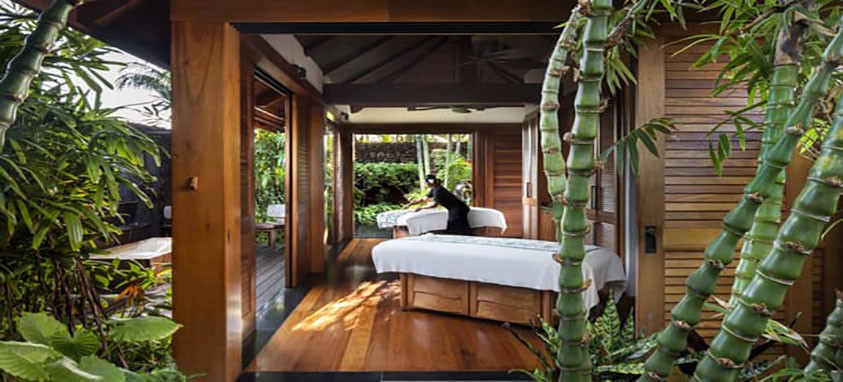
At Four Seasons Resort Hualalai in Kailua-Kona, you can journey through the seven charka colors, paired with seven indigenous Hawaiian sea salts and essences. The Paakai O Ka Kai Apothecary treatment involves exfoliation in each of the chakras with aromatic-colored salt, followed by a lotion application to balance energy. This treatment will be sure to take you on a true sensory journey.

Go Soul-Seeking

Photo Credit: Mii Amo at Enchantment Resort

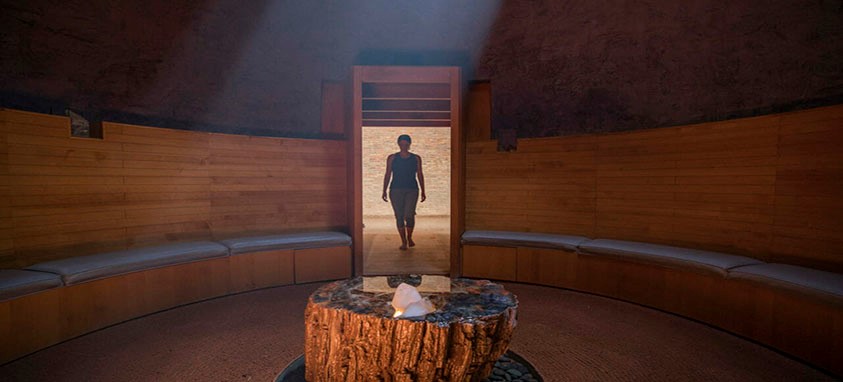
Situated in the red rocks of Sedona, Arizona, Mii Amo at Enchantment Resort offers an experience beyond compare. Find a true connection to nature, deep relaxation, adventure and the feeling of wonder with its many spa treatments—some of which can be experienced in its outdoor wikiups (indigenous lodges). Develop a heighted awareness or new perspective, or reconnect with your inner self with the Soul Seeker treatment. This Native-American inspired treatment is guided by a master therapist who may provide guided imagery, energy soul journeying, emotional release and breath work.

Healing Traditions of Thailand

Photo Credit: The St. Regis Bal Harbour Resort

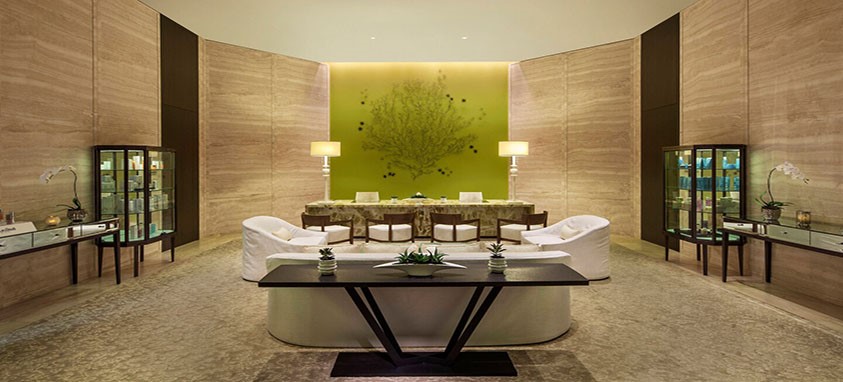
Combining massage, herbalism and meditation, you will find the healing traditions of Thailand at Remede Spa in Florida. From generations of trail-and-error, spiritual beliefs and practices, and cultural influences from abroad, this combination will help you achieve mind-body accord. Herbalism relates to the physical body, massage relates to the energy systems, and meditation or spiritual healing works on the mind and heart.

The Muscle Ease Ritual at Remede Spa at The St. Regis Bal Harbour Resort in Bal Harbour, Florida, was inspired by the healing traditions of Thailand. The ritual is designed to increase energy flow, heighten your sense of emotional well-being and ease muscle tension. For centuries, the combination of Thai Herbal Massage and the Traditional Thai Massage have been used for treating soreness and enhancing relaxation and rejuvenation. To encourage a free flow of energy and a more balanced meditative state, you’ll use pressure points and be guided through a series of yoga-like postures.

Flow Like a Wave

Photo Credit: Encore at Wynn Las Vegas

For those looking for a long, seamless massage that glides from one part of the body to another, look no further than the Nalu Body Massage at Encore in Wynn Las Vegas. Traditional Hawaiian Lomi Lomi techniques are blended together to make this massage “flow like a wave.” The word lomi translates to “knead” or “rub in a gentle manner,” which is exactly what the Nalu Body Massage does. Lengthy, flowing forearm routines run throughout the body and are mixed with calming, gentle compressions to unwind with the sensations of the Hawaiian Islands.

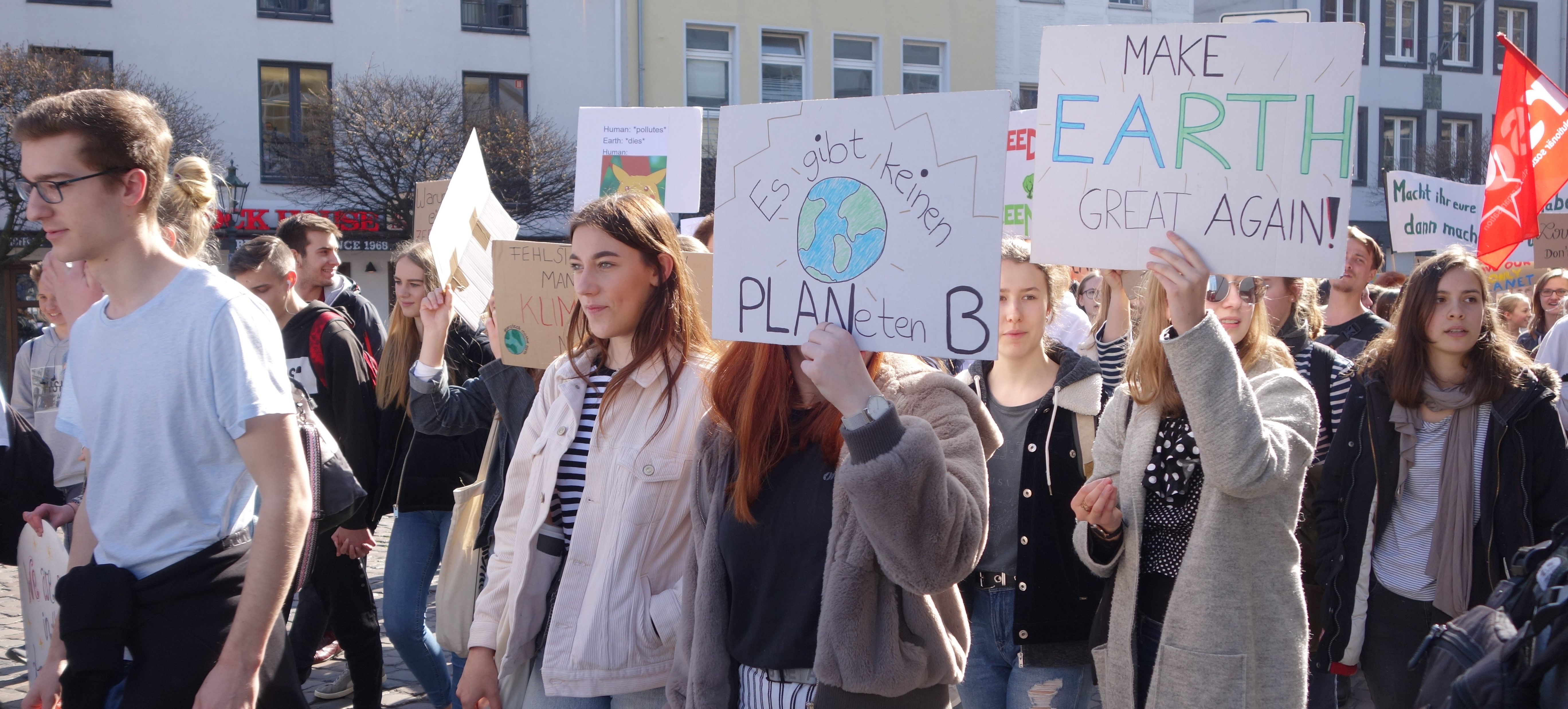
Young Swedish activist Greta Thunberg made headlines yet again earlier this month as she made plans to sail the Atlantic on a zero-emissions yacht in order to speak at the United Nations’ Climate Summit in New York City.

This is just one in a series of protests supported by Thunberg and young climate activists around the world. A worldwide protest, Fridays for Future, was inspired by Thunberg’s personal climate protests outside the Swedish parliament building in 2018. Since then, millions of students have protested for climate reform and Fridays for Future has become a weekly walk-out for many.

More10 Items in Every Eco-Traveler’s Carry-on

To keep the momentum going, Global Week for Future has been scheduled for Sept. 20–27 and is expected to be a grand affair, with millions of activists protesting in more than 100 countries—and the students who started the campaign are calling on adults to join them. Whether you decide to paint a sign and head to your local rally or not, here is everything you need to know about the upcoming Global Climate Strike, which is scheduled for Global Week for Future.

The W’s

  • We will start with when. While Global Week for Future is a week-long event, many cities have organized their big protests on Sept. 20 to kick off the week.
  • Who is involved? Anyone who wants to be! Climate activists encourage everyone and anyone to walk out of their school, place of work or home (or any other location they happen to be in) and join the peaceful protests in their area.
  • Where is this happening? There are strikes in cities all around the world and you can look up where your local event is here. Don’t see an event near you? You can always register for a climate strike at the above link and go that extra mile for Mother Nature.
  • What should I expect? Individual strikes are organized by local activists and NGOs, so the exact format and layout will differ from place to place. However, 350.org, Global Climate Strike and Fridays for Future, which are all affiliated with the event, have made clear that they encourage and expect nothing but peaceful protests. Beyond that, expect signs, some fun chants, some great speakers, and maybe even music and food.
  • Last, but certainly not least, is the why. Many people agree that we need to address climate change, and lots of them (especially these young activists) think that governments are not doing enough in the fight against climate change. The “why” behind the strikes can be aptly summed up with a quote from the Global Climate Strike website: “Our house is on fire—let’s act like it.”

What You Can Do

If you want to join a strike, then just follow the link above to get all the info you need. If you aren’t keen on protests, it is still be good to be aware that your colleagues or employees might want to practice their right to protest on Sept. 20. Additionally, attendees may want to get involved, so ask ahead of time if anyone is planning to strike so you can be prepared.

If you are hosting an event during Global Week for Future, you might want to draw some climate activism into your event to demonstrate corporate social responsibility. A fun breakout could be a roundtable on “How to Make Greta Thunberg Proud” or host an information session on choosing an environmentally conscious businesses to partner with.

According to the CGS 2019 U.S. Consumer Sustainability Survey, 70 percent of consumers now express a preference for “conscious brands.” So, as sustainability awareness and climate activism continue to increase, it is important to stay ahead of the curve and recognize that customers and clients increasingly value social corporate responsibility.

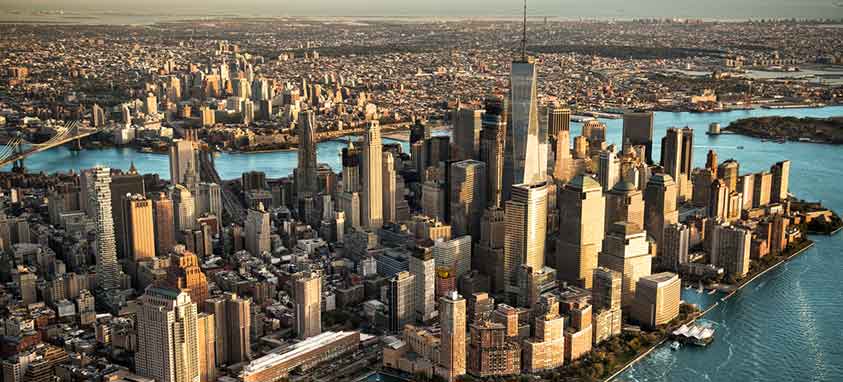
The Hotel Association of New York City (HANYC) announced last week the launch of a new nonprofit foundation that will focus on educational, philanthropic and research initiatives into programs promoting the health and vitality of the hotel industry and its employees.

This will expand the charity activities of HANYC through scholarships, research and education. Scholarships will serve to support the families of employees, while awards will recognize and encourage those in the industry to reach sustainability and corporate responsibility (CSR) goals. Funding research and education will allow the foundation to advance important issues relating to economics, sustainability and CSR. Funding for scholarships will come from the organization’s Red Carpet Hospitality Gala.

Related6 Trending Issues Facing the Hospitality Industry

The Hotel Association of New York City was established in 1878 and represents hundreds of the finest hotels in New York City. It is among the oldest of professional trade associations. New York has a $5 billion industry and the association advocates on behalf of its members, who heavily contribute to that revenue. HANYC sets standards for best practices, advocates for its members in various legislative areas and anticipates the growing needs of hotels in ever-evolving cities.

The foundation’s board of directors includes directors from a variety of top hotels and brands, including Sheraton, Taj Hotels, The Carlyle, Marriott and Hilton. Hermann Elger, general manager at Baccarat Hotel, will serve as chair. Hotel News Resource quoted Elger as saying, “I am thrilled to take on this new role in helping to lead the Hotel Association’s charitable efforts. The foundation’s focus will be building scholarship programs, philanthropic outreach and aligning partnerships to promote initiatives that support and enhance our industry.”

Vijay Dandapani, president and CEO of HANYC, said of the launch, “The foundation will provide us with an important vehicle not only to direct the philanthropic endeavors of our membership, but also for critical growth and research initiatives aimed at strengthening hotels in New York City and beyond.”

The foundation is committed to philanthropy and the advancement of the hotel industry not only within New York City, but also across the country.

If you’re an environmentally conscious traveler, this list is for you. Here are 10 top items all eco-travelers should carry with them.

1. Reef-Safe Sunscreen

If your sunscreen isn’t labeled as “reef-safe,” it could be a factor in coral reefs dying. Most sunscreens contain chemicals that are toxic to coral reefs and destinations such as Hawaii and Key West, Florida, have passed laws stating that all sunscreen sold must be reef-safe by 2021. So, if you want to save the coral reefs (or go swimming in Hawaii or Key West) be on the lookout for reef-safe sunscreen.

2. Refillable Bottles

It’s difficult to resist the free mini-bottles of shampoo, conditioner and soap at your hotel when traveling, but they’re super wasteful. GoToob bottles are made from silicon, are reusable and food safe, and approved as airplane carry-ons. They are also 100 percent BPA-free.

3. Bamboo Toothbrush, Straws and Utensils

Bamboo is highly sustainable, grows fast without fertilizers, grows back from its own roots (it doesn’t need to be replanted) and is biodegradable! Only 6 percent of all plastic can be recycled in the United States, and on top of that, most plastic utensils contain BPA, which is bad for your health and has been linked to cancer. Bamboo is also heat resist and lightweight—making it the perfect travel accessory for an environmentally conscious traveler.

4. DEET-Free Insect Repellent

Although extremely effective at repelling mosquitos, there is a huge debate over how safe DEET is for both people and the environment. Bugs Be Gone by Green Goo and Mosi-Guard Natural Insect Repellant are insect repellents that are DEET-free alternatives. Just remember that natural insect repellents usually work only on the exact areas where they’re applied, so make sure to apply thoroughly.

5. Scrubba Laundry Wash Bag

These eco-friendly wash bags require zero electricity and use much less water than a full load of laundry. Many hotels charge per item for laundry, which can end up costing you more than it did to buy them. Scrubba Wash Bags are fully enclosed and have inner washboards that make washing clothes fast and effective. Did we mention they’re collapsible and only weigh about five ounces?

6. Reusable Makeup Remover Pads

If you wear makeup, you know how many cotton balls and makeup remover pads you use—a lot. Bambaw makes reusable, washable makeup remover pads out of bamboo fibers that feel just like regular cotton pads, and they aren’t as abrasive as a regular washcloth. They include four scrub pads, 12 soft makeup pads and even a washbag.

7. Reusable Water Bottle, Tumbler, Thermos

As convenient as single-use plastic water bottles are, they’re not sustainable. HydroFlask makes an entire line of reusable water bottles, insulated tumblers, coffee thermoses, and beer and wine tumblers. All its products are made with TempShield, its double-wall, vacuum-insulated technology that guards your drinks’ temperature, and pro-grade stainless steel (which is known for its strength and purity). The TempShield keeps drinks icy cold up to 24 hours or steaming hot up to six hours.

MoreSFO Water Bottle Ban to Begin on Tuesday

8. Biodegradable Dental Floss

Dental floss is usually made of plastic and coated with PFCs, which are harmful chemicals that make the floss glide easier. What’s even worse is that PFC’s have been linked to cancer, dementia and thyroid disease. But don’t fret—TreeBird makes a biodegradable, silk dental floss and a refillable glass holder. Its dental floss is not only biodegradable, but also naturally waxed with Candelilla Wax, so you don’t have to worry about those harmful PFC’s.

9. Organic Q-Tips

Organyc Skincare makes organic cotton swabs that are certified organic, biodegradable and compostable, and have a recycled cardboard stem. The swabs and packaging are made with renewable and sustainable raw materials. On top of being environmentally friendly, these swabs are sturdier and better quality than typical cotton swabs.

10. Sustainable Sunglasses

Stylish sunglasses that are also sustainable are all the rage. Sunglasses made of cork, reclaimed wood and bamboo are popping up all over the place and are better for the environment than traditional plastic sunglasses. So, you can travel sustainably and look great.

We all understand how stressful work can be, but for those with anxiety, it can be unbearable. The Anxiety and Depression Association of America reports that anxiety disorders represent the most common mental illnesses in the US, affecting 40 million adults across the country each year. Here is a list of tips from psychologists and experts on how to combat anxiety in the workplace.

1. Ask for Help

When work is frantic, it is far too easy to say “yes” to everything, even if it’s too much for you to handle or you don’t understand how to do it. It might seem unnerving to speak up and ask for help, but it’s worth it to do so. Asking for clarification or help with a project can decrease your overall anxiety; it also shows your superiors that you want to do a good job.

2. Don’t “Triangle”

“Triangling” is the act of bonding with someone by talking about a third person. It’s a very unhealthy way to manage workplace anxiety as it serves to build up stress and tension instead of providing relief. It’s tempting to vent or gossip to a coworker about another person in the workplace, but it just creates a negative air around the office. To reduce your anxiety, try approaching the individual you are venting about or have an issue with and communicate the facts of the situation with them. It might seem difficult but telling them you’d like to find a resolution and want to create an honest workplace will make you feel much better.

3. Learn Everyone’s Name

Knowing everyone’s name helps to avoid “triangling.” Having a solid relationship with people in the workplace makes it easier to address issues with the original individual instead of venting and gossiping to another coworker. Knowing people’s names and what they do at work helps build stronger work relationships. If you forget someone’s name, don’t be embarrassed to ask again.

More: 3 Easy Tips to Jump Start a Wellness Program

4. Make a List

When you’re feeling stressed and overwhelmed, taking the time to make a quick list of things you need to get done can do wonders. Managing one item at a time and getting the satisfaction of crossing each one off a physical list will give you a feeling of control over your anxiety.

More: 8 Exercises You Can Do at Your Desk Every Day

5. Keep Hydrated

It sounds funny but drinking water and staying hydrated often will make you feel better. Keeping hydrated makes it easier to stay focused on whatever task you’re working on. According to The Journal of Nutrition, dehydration can influence mood, concentration and cognitive abilities—so go for a glass of water instead of another cup of coffee.

6. Take a Break

Go outside, take a deep breath and breathe. Getting a change in scenery and slowing down from time to time will help you manage your anxiety. Even a quick five-minute meditation break will give your brain a chance to relax and refocus.

7. Minimize the Caffeine

As mentioned earlier, drink a glass of water instead of a cup of coffee. Caffeine can increase your heart rate and physiological symptoms of anxiety like restlessness, shaking, sweating and difficulty concentrating.

8. Stretch, Stretch, Stretch

A simple stretch can go a long way. Even if you’re unable to move from your desk or have back-to-back meetings, there are a few stretches you can do straight from your chair to ease your anxiety. Back Twists are a good way to relieve tension in your back, just sit in your chair and place your right arm behind your right hip, twist to the right and hold for 10 seconds. Then, repeat with the left side! Shoulder Raises are also a great way to relieve neck tension. Simply raise your shoulders up towards your ears and hold for 10 seconds; then, relax. For a deeper stretch, do each shoulder one at a time, alternating five times each.

9. Take Advantage of Resources

Many workplaces offer counseling through employee assistance programs (EAPs) or are able to connect you to mental health resources right in your own community. It might seem intimidating and scary to speak up, but in doing so you may serve as a role model for others in your workplace experiencing anxiety too.


I’m sorry to say that a trip to the DMV might be in your future. If you haven’t heard of REAL IDs or you haven’t gotten one yet, now is the time. In 2005 the REAL ID Act was passed by Congress on recommendations from the 9/11 Commission that the federal government should, “set standards for the issuance of sources of identification, such as driver licenses,” according to the Department of Homeland Security (DHS). Since then, states have been updating the security on identification cards and driver licenses, and last year new restrictions were passed regarding limitations on what you can do with your traditional driver license or ID.

Why is this Relevant Now?

In 2018 the government cracked down and said those who have IDs from states that are not compliant with REAL ID standards, and did not get an extension will need to show a different form of identification for domestic air travel. Most states have since become compliant and only four—Oregon, Oklahoma, Maine and New Jersey— still have an extension. Beginning October 21, 2020 anyone without a REAL ID or other acceptable form of identification will not be granted access to board domestic flights or access to certain government buildings.

MoreBreeze Through Airport Security—Without the Perks

Do I Need One?

If you plan to travel after October 21, 2020, then yes. As of that date, your old driver license or state-issued ID will not be accepted as adequate identification to fly domestically. Although you can still use a passport for domestic air travel, the DHS highly encourages everyone to get a REAL ID to avoid inconvenience.

How Do I Get One?

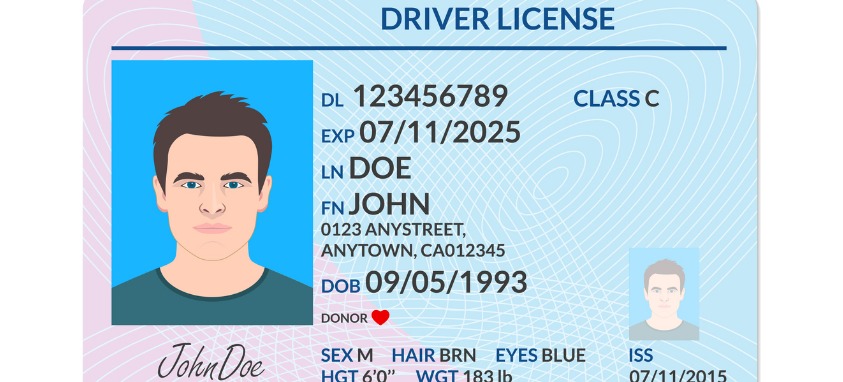
Because identification distribution programs are state-led, how you go about getting a REAL ID differs from state to state. If you have gotten your driver license or ID replaced or renewed since 2018, you probably already have a REAL ID. Check for a star in the upper portion of your card—this is the mark of a REAL ID. If you are still unsure, contact your state’s Department of Motor Vehicles. If you haven’t been to the DMV in a while, you will most likely need to make an appointment to get a REAL ID. The process is similar to renewing your driver license (but with more documents), except you will have to take a new photo (so, maybe don’t book an appointment right after your hot yoga session.) For more information about how to obtain a REAL ID,  check out the DHS website or your state’s DMV website. Don’t miss a flight because you don’t have a REAL ID!

The National Park Service is celebrating its 103rd birthday on Aug. 25, and that means free admission into all 112 fee-charging national parks across the country this weekend. While entry to them is generally pretty affordable, this weekend is an ideal time to take a group on a fun outing to get some fresh air.

MoreThree Reasons to Take Your Meeting Outdoors this Summer

Here are some national parks near popular meeting destinations that are offering free admission.

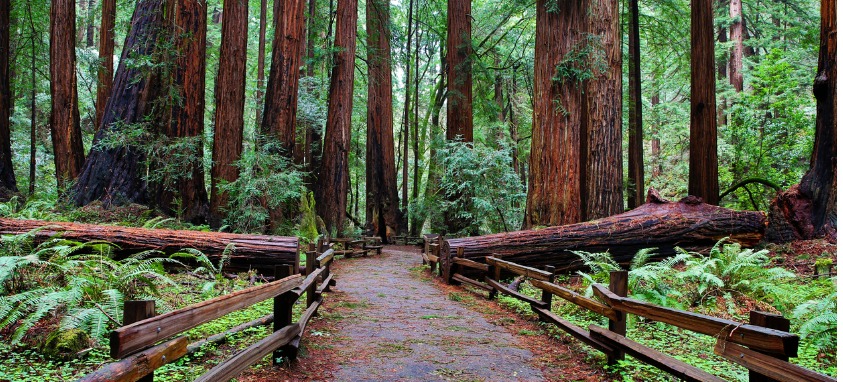
Muir Woods National Monument, Mill Valley, California

If you’re going to be in the San Francisco Bay Area this weekend, check out Muir Woods National Monument. Getting to the monument is fairly easy, but remember to make a parking or shuttle reservation ahead of time. Muir Woods is only 11 miles north of the Golden Gate Bridge, so if you would rather not drive, you can hop on the seasonal service, Muir Woods Shuttle, from Sausalito, Marin City or Pohono Park and Ride.

MoreThe Inside Scoop on Outdoor Meetings

There is no cell phone service, so you can’t call Uber to pick you up. There are 6 miles of trails throughout Muir Woods National Monument and half-hour, one-hour and 1 1/2-hour loops that extend into Mount Tamalpais State Park.  If you’re looking for a day filled with hiking and spectacular views of old-growth coast redwoods, this is your place.

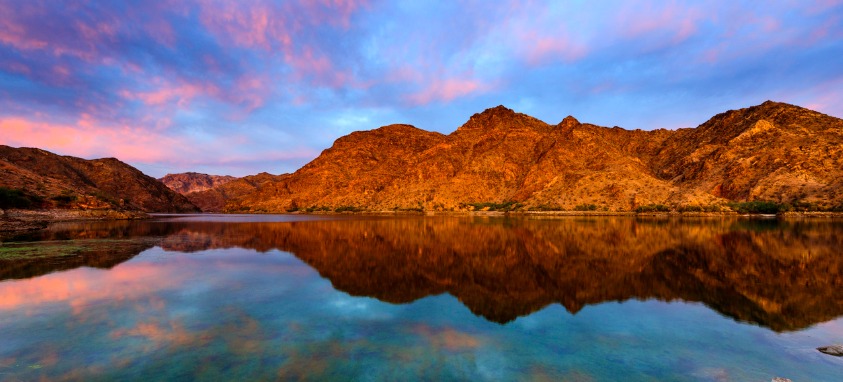
Lake Mead National Recreation Area, Nevada and Arizona

With nine access points, Lake Mead National Recreation Area is very accessible; not to mention it’s only 30 minutes away from Las Vegas. It offers many activities for your group to participate in, such as biking, boating, canoeing, kayaking, fishing, horseback riding, hunting, photography, scuba diving, swimming, picnicking and taking guided tours. If you want to spend the night there, lodging and camping is available, along with a few restaurants. Lake Mead is America’s first and largest national recreation area.

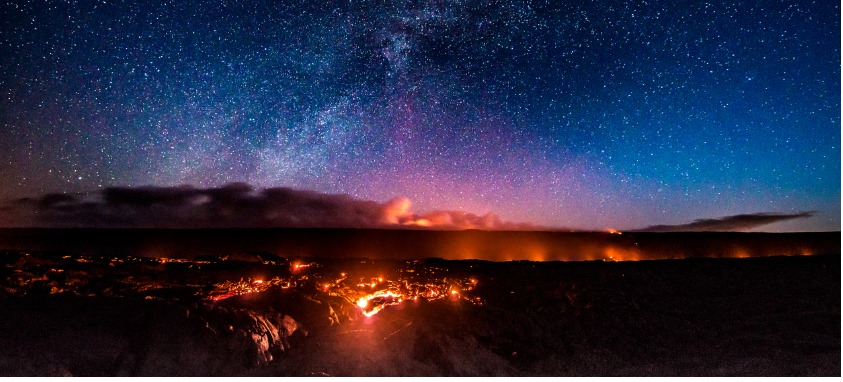
Hawaii Volcanoes National Park, Hawaii Island

Located on Hawaii Island, Hawaii Volcanoes National Park is full of active volcanoes, biological diversity and Hawaiian culture, past and present. The park is a 45-minute drive, 30 miles southwest on Highway 11 from Hilo. It features multiple day hikes, backcountry hiking and the Crater Rim Drive Tour, if you don’t want to hike the park. Your group can also experience camping and lodging among active volcanoes.

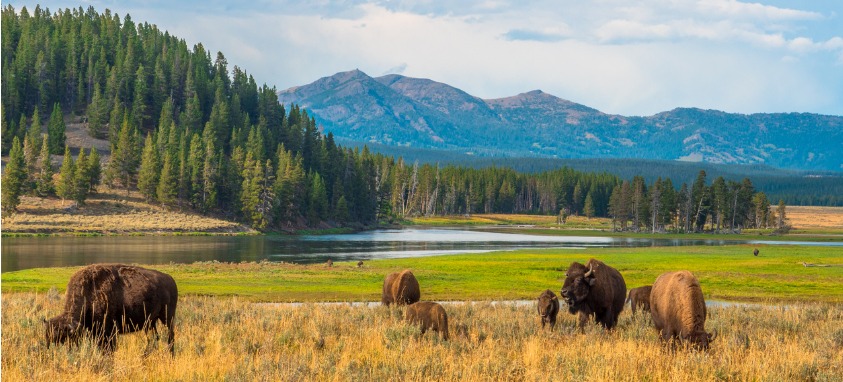
Yellowstone National Park, Montana

Yellowstone National Park was the first national park for all to experience unique hydrothermal wonders, and has become an important sanctuary for the largest mass of wildlife in the lower 48 states. The park covers almost 3,500 square miles in the northeast corner of Wyoming (3 percent of the park is in Montana and 1 percent is in Idaho) and has five entrances.

Driving is your best option to get to the park, although there is bus service from Bozeman, Montana, to West Yellowstone via Highway 191 throughout the year. The park has many activities for your group to enjoy, such as exploring thermal basins, hiking, biking, fishing, photography, camping in the backcountry, horseback riding, boating and taking guided tours.

Florissant Fossil Beds National Monument, Florissant, Colorado

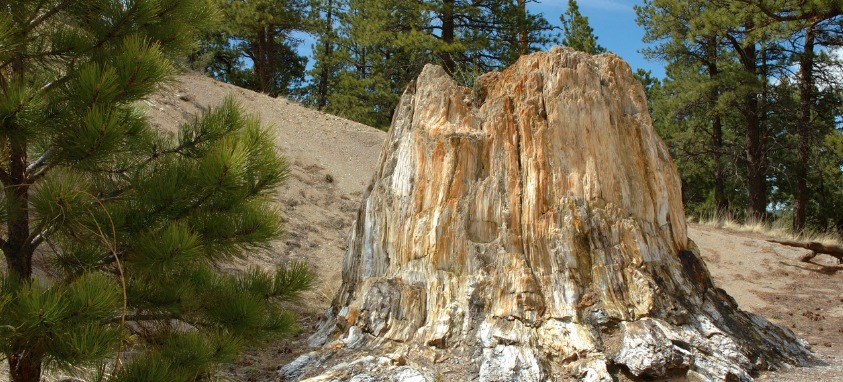
Petrified redwood stumps up to 14 feet wide, and thousands of detailed insect and plant fossils are some of the prehistoric wonders you’ll find in Florissant Fossil Beds National Monument. Driving is the only way to get there, as there’s no public transportation; it’s an hour drive from Colorado Springs.

With 14 miles of hiking trails, two self-guided nature trails and horseback riding, there’s plenty for your group to enjoy. Don’t forget to check out the Night Sky Program, presented nightly by a park ranger.

Sagamore Hill National Historic Site, Oyster Bay, New York

If you want to take your group to a place filled with history, take a trip to Sagamore Hill National Historic Site, home of Theodore Roosevelt from 1885 to 1919. This property was known as Roosevelt’s “Summer White House” while he was in office. You can get to Sagamore Hill National Historic Site by car, rail or by foot (it’s not recommended, but you can hike 3 miles from Oyster Bay railroad station or the marina). It’s located in Long Island and is only a two-hour drive from New York City.

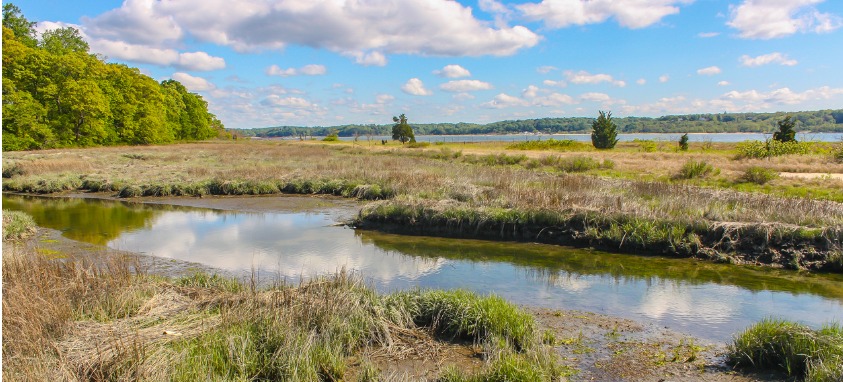
Take a tour of the property or explore the nature surrounding Sagamore Hill, which is located on 83 acres of forested areas, meadows, salt marshes and beaches. There is a picnic area available to use, and there are small snacks and beverages for sale. There are also many restaurants available within 10 to 25 minutes away in nearby towns.

Canaveral National Seashore, Titusville, Florida

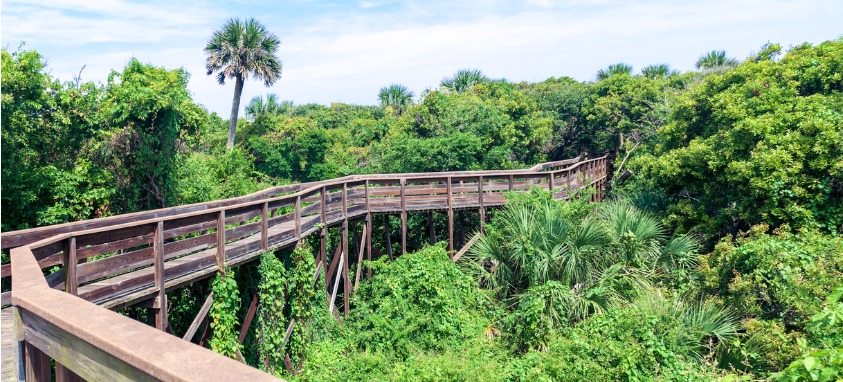
Since ancient times, Canaveral National Seashore has served as a safe haven for threatened and endangered species, such as sea turtles who use its shore for their nests. Take a walk down a wooded trail and take in all the sights. There is no public transportation to the park, but you can drive and park in one of the parking areas. Canaveral National Seashore is accessible via U.S. Highway 1, Interstate 95 and Florida State Route 528 (Beach Line Expressway).

The park is also a 40-minute drive from Orlando and has multiple access points, such as Apollo Beach, Seminole Rest and Playalinda Beach, making it very easy to choose a place for your group to meet. Take your group to explore Mosquito Lagoon on a guided canoe tour or see if there is a scheduled launch from Kennedy Space Center so that you can watch a space shuttle launch in person.