Whether you’re hosting a small-scale networking event, a sprawling fundraising gala or a multi-day professional conference, generating buzz is essential for ensuring your event is well-attended by excited guests ready to engage with your work.
While leveraging planning and hospitality trends can help you give guests a fantastic, relevant experience, don’t forget to cover the basics first.
Let’s walk through four sometimes neglected, but highly effective, tactics for generating more buzz about your next event.
Early-Bird Merchandise
For large-scale or annual events that guests look forward to and plan to attend well in advance, merchandise can actively encourage early engagement. Why not ask early-bird registrants to vote on their favorite t-shirt design? Offer a special deal to registered attendees on the limited-edition logo gear for that year’s conference, allowing guests to purchase or request theirs online in the weeks prior to the event.
Creating more opportunities to engage with your branded event merch can significantly boost its impact. A custom apparel platform can make these early-bird sales easier to manage by moving it all online, giving you a big picture view of sales, processing payments and shipping the items directly to customers.
Venue-Specific Approaches
While it makes for efficient planning, a one-size-fits-all approach can blind your team to great opportunities to make your event unique. For instance, you might be missing the chance to make your event even more exciting for guests by neglecting the bigger picture of your venue.
Professional events hosted on college campuses are a perfect example. Universities tend to have a wide variety of spaces available for use during events, so don’t feel compelled to stick to the ballroom or conference space if the specifics of your event don’t require it.
Which would you be more excited to attend? A standard, mid-sized professional meetup in a conference center or an open-air networking event in a university’s botanical garden? Sharing photos of the unique space in advance can help sell tickets and get people excited.
Mobile Engagement Tools
Event planners of all types have embraced the power of smartphones to boost engagement during events, but these tools and strategies should extend beyond simply creating a mobile-optimized event website.
Make the most of your mobile apps to deliver important information in real time. Allow attendees to customize their session schedules or reach out to other attendees. These simple steps could be game-changers for your guests, getting them more engaged than ever.
For nonprofit fundraising events, particularly annual galas and charity auctions, investing in mobile bidding can increase donation intake, simplify logistics and get more guests excited to attend. If your nonprofit hosts auctions, this comparison of top mobile bidding products by OneCause can help get you started.
Value and Convenience
Don’t let the nitty-gritty details of planning distract you from your real focus: the guests! One way to embrace this mindset is to periodically review your plans and ask yourself two questions:
- Is this event offering value to guests?
- Can it be made more convenient for guests?
Convenient locations, dates and times are essential, but providing smarter options in the registration or online merchandise sales processes can go a long way to improving the guest experience.
Kevin Penney is CMO and co-founder of Bonfire.com, a company that’s reinventing how people create, sell and purchase custom apparel. He has more than 10 years of experience in digital media, design, and technology.

 It’s easy to fall into a 24/7 routine, but you need to create time for yourself to stay on top of your game. Abandoning a social life isn’t healthy, either. Set a few hours aside each day to call friends, take a bath, make dinner or play with your pet. It will keep you from losing your sanity entirely, and you won’t feel as much FOMO (fear of missing out) when you see your friends indulging in bottomless mimosas without you.
 The future is now. Hotels now offer smart toothbrushes, planes give you access to Wi-Fi and the notion of cryptocurrency has taken off. As a meeting planner, it’s important to follow what’s trendy on the tech front. Consider integrating radio-frequency identification (RFID) into your next event or incorporating artificial reality and/or virtual reality into your booth at the next conference. People are drawn to what’s new.
 What worked and what didn’t? Ask your attendees. Post-event, send out surveys to attendees about every aspect, from cleanliness to food, to technology. Each piece of your event is integral to the success of the whole, so don’t leave out anything. If you’re using a scale, take the average and match it with any written responses you receive. You’ll be able to analyze your data thoroughly and visualize what your next event will look like.

 Whether you like it or not, your visual appearance makes a powerful impression on people within only a few seconds of meeting them. The clothes you wear, your hygiene, your hairstyle, your makeup or grooming habits, your jewelry and of course, the “suit you are born in”—your body—the visual picture that you paint influences how people subconsciously begin to make decisions about you.
 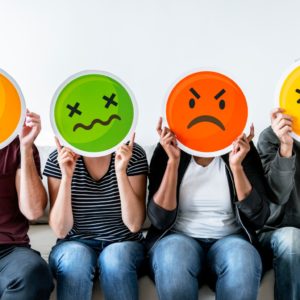 While your appearance will be the first thing they observe, your attitude will introduce you next and long before you speak. Your smile, the eye contact you make, simple gestures and your posture will immediately determine how warm and inviting you are and how comfortable you make them feel. A positive attitude doesn’t mean that you keep your head in the sand and ignore the often stressful situations you encounter as a meeting professional. However, by showcasing an optimistic attitude, you might be able to transform the mindsets of people surrounding you. While some may approach you focused on criticism and complaints during stressful situations, it’s your chance to immediately signal that you care about them by listening to their needs and finding practical solutions. Because …
 Good communication starts with listening. Many think that communication is about talking so they jump right into giving advice, analyzing, arguing or simply talking, talking, talking. But good communication requires good listening. Others might be sharing information about themselves, their company, their hopes and their worries. Only after you’ve paid attention to all of it will you be able to present clear and concise information in a way that is easily understood, organized and well thought out. In addition, you should keep the tone of your voice, the volume of your speech and how fast or slow you talk in mind. On the other hand, you already say so much more before you ever enter the room because…
 Before anyone meets you, they have most likely already done some research online about you, the company you work for or the event you are responsible for. Nowadays, the first impression you make on others rarely starts with a handshake. It happens during the new form of background check—a Google search. Make sure your social media profiles,

 One of the most popular and simplest trends we have noticed is groups getting outdoors to connect with nature. Planners are taking more of their program outside with everything from traditional breaks on a veranda or patio to coordinating group nature walks or guided meditation hikes. By leaving phones and technology behind for a walk outdoors, attendees can truly decompress and relax while spending quality time with their peers. Spending time outside in the fresh air instantly refreshes and energizes people and clears their heads for the next portion of the program.
 If you are looking for fewer distractions during your next event, choose a location that lends itself to that goal. A downtown meeting location is great when it comes to convenience and accessibility, but at the end of the day, a sea of diversions awaits the group right outside the venue’s doorstep. A more tucked-away, “off-the-beaten-track” location can encourage a group to disconnect and be more present.
 Device-free meetings are becoming more and more popular. Some planners have even coordinated incentive programs for those who are willing to give up their phone during the meeting. For example, I’ve seen pop-up phone check stations where attendees can safely store their device throughout the event. In return they receive a coupon for a cocktail or credit to the resort’s food outlets.