How do you know that you’re bringing in somebody to speak to your audience who’s going to do the right job, deliver the right message and offer take-home value? In short, how do you know when you’re working with a seasoned pro?

While there’s no foolproof way to know, here are ten signs that the speaker you’re thinking of retaining will be just fine:

1. Is highly accessible. A professional speaker recognizes the importance of accessibility and thus offers you a direct phone line. Going further, many speakers also offer their home number. If you need to get in touch with someone, these can be essential.

2. Has a speaker agreement form ready. Professional speakers save you time and energy by submitting their speaker agreement form to you, rather than asking for you to concoct a letter or agreement yourself. Such agreements clearly spell out such information as the speaker’s fee, expectations, audio-visual needs, how educational materials will be handled, and how travel arrangements will be completed. The ideal agreement uses large print, simple, straightforward language and can be read and understood by anyone.

While speakers do need to protect themselves as much as you need to protect yourself, watch out for any speaker agreement that goes on for pages and pages, is laced with fine print and legalese, and otherwise causes you undue concern. A speaking agreement is a simple document. You want the speaker to come speak at a certain time and date. The speaker offers to come speak at this time and date. The only real concern is what happens if either party, for whatever reason, cannot perform. Even this information, however, can be spelled out in one simple clause.


Like this content? Check out our feature, “3 Speaker Secrets to Scheduling Aha Moments”

3. Has supporting materials readily available. Undoubtedly, before the event, you’ll need a biography, an introduction, a write-up of the presentation, and perhaps a photo of the speaker. The seasoned pro has these items, and others, readily available. These aren’t things he or she has to go round up; indeed, professional speakers offer such elements online so that you can examine them at will.

4. The speaker’s responsiveness. From the first time you made contact until the time the speaker actually makes the presentation, to the follow-up, is this speaker responsive? You can gauge a speaker’s level of responsiveness best, obviously, prior to the presentation. Are the materials that you requested promptly submitted or readily available? Does the speaker readily return phone calls? Or is the speaker in hiding and generally inaccessible before the presentation? You can gain a sense of this immediately from each interaction after your initial call.

If you sense that the speaker’s level of responsiveness is less than you desire, be wary. This may be a clue as to how the presentation and overall interaction with the audience might go. What was supposed to be a customized program may only be tailored. What was supposed to be tailored may only be a slight modification of off-the-shelf. Responsiveness and attentiveness prior to the big event is the best clue that you’ve chosen the right speaker for the job.

5. Having a pre-speech questionnaire. Does the speaker have a pre-speech questionnaire, which is usually a document of one or two pages that he submits to you far in advance of the presentation? While you might look upon this document as busy work, it’s actually a key tool in ensuring that the presentation comes off as planned.

The professional speaker has taken the time to craft a document that includes questions that will help him or her to better know your audience, your organization, what you’re trying to achieve and what message you want to have delivered. Most importantly, it helps the speaker to understand what participants should know and how you’d like them to feel by the end of the presentation. The professional speaker can send this form to you via e-mail or might have it available online. The speaker should also be prepared to review this form with you on the fly, over the phone. Often, this will be the most convenient way for you to handle this task, and the speaker needs to be accommodating in this area.

6. Professional presentation materials. There is no reason why you have to endure unattractive black and white overheads or slides when the digital world of full color is available. Today’s professional speakers use sophisticated presentation software to craft audio-visual materials that are easy to read and understand, pleasing to look at and right on target for his or her message.

It makes perfect sense to ask to see a speaker’s presentation materials in advance. Thus, you both get to discuss and agree on what your audience will see before the meeting. Most meeting professionals agree that ‘no surprises’ is the best way to go. Why have surprises when it comes to presentation materials?

7. Will arrive well in advance. It might be semi-comforting to retain a speaker who’s very busy. After all, if many other groups are hiring this speaker, he or she must be good, right? Not necessarily. If the speaker doesn’t arrive the night before, or at least two to three hours in advance of the presentation, watch out. The most professional speakers arrive in advance, work out the room logistics, meet with the production and audio-visual personnel, walk the room, give equipment a test run and, in general, make themselves thoroughly familiar with the meeting venue.

No matter how good the speaker may be, if he or she expects to get off a plane, jump into a taxi, and make it to your site with moments to spare, be on guard, for you may get a performance that is not quite up to par or doesn’t fit the needs of your audience.

8. No off-the-shelf programs. Today, every audience requires at least some form of a tailored presentation. There are no more off-the-shelf programs that fit every audience, every time, even when the topic is as generic as management, leadership or stress. The speaker has to take time to know the audience, what they’re specifically facing and their daily challenges.

The true professional speaker will spend more time asking you about your audience than conveying the essence of his or her message, at least at the outset. Be wary of any speaker who claims to have just the right message but who does not ask you a lot of questions.

9. Respects your audience members. There might be some mystery and allure surrounding the speaker who doesn’t interact with audience members prior to the speech. Increasingly, however, attendees want to see the speaker as a fellow professional, certified member of the human race—someone who is accessible. Is your speaker willing to meet with audience members prior to his or her actual presentation? If they’ll be attending your conference or convention, are they willing to rub elbows with members or staff in the hallways, at other meeting events, just prior to going on stage and afterwards, if time permits?

The functionally competent, oratorically stirring speaker who is aloof to your audience before and after presenting does not win over hearts and minds in the way that the fully engaging, personable and accessible speaker does. Ask about this consideration when you’re in the negotiation stage.

10. Instills you with confidence. Finally, the speaker simply engenders within you a sense of confidence that all will turn out well!


Jeff Davidson is “The Work-Life Balance Expert®” and the premier thought leader on work-life balance issues. He works with organizations that want to enhance their productivity by improving the work-life balance of their people. Jeff is the author of 65 books, among them “Breathing Space,” “Dial it Down, Live it Up,” “Simpler Living,” the “60 Second Innovator,” and the “60 Second Organizer.” Visit www.BreathingSpace.com or call 919-932-1996 for more information on Jeff’s keynote speeches and seminars, including:
         * Managing the Pace with Grace®
         * Achieving Work-Life Balance™
         * Managing Information and Communication Overload®

Not every meeting has to revolve around words of wisdom delivered from a keynote speaker behind a podium at the front of a room. Sue Wigston, chief operating officer of Eagle’s Flight, an experiential learning consultancy, says it is time for something new to keep gatherings relevant.

“Meetings have included keynote speakers for the last 20 years, let’s try something new to better engage today’s audiences,” Wigston says. “In a world where people have 8 seconds of attention span, planners need to find something more dynamic to keep people interested. That means more active participating and less passive listening.”

Engagement can take many forms.

Do, Learn, Lead

Experiential learning is growing in popularity because it speaks to how people’s brains are wired. Instead of following along with a speaker outlining a lesson, participants complete projects, often as groups. “Doing creates understanding,” Wigston says. “It can lead to the ‘what’, ‘so what’ and ‘now what’ questions that can improve communication and grow leadership skills.”


Like this content? Check out our feature
3 Speaker Secrets to Scheduling Aha Moments

Doing Good

Another emerging trend is including corporate social responsibility programs in gatherings. Philanthropic projects, such as building backpacks for at-risk children, can add a warm glow to the event. As a bonus, doing things together builds comradery and a shared sense of purpose that can follow a team back to the office.

Do Tell

Off-site meetings can be a productive place to elicit feedback from employees about sensitive issues such as culture and goals. Surveys administered in a neutral environment or questions asked as part of an unrelated exercise can lead to honest feedback. “People feel safer in a game structure than in the workplace talking about interpersonal dynamics,” says Wigston. Discussions can build on a common language and experience that carries on after the event photos have been shared.

These sorts of interactive events can be as simple or as elaborate as you let them be. Wigston recalls one extravaganza that included trucking in enough sand to cover the entire meeting room floor, imported palm trees and camels. “They wanted people to say ‘wow’ and it worked,” she recalls. Some meetings can be pulled off with almost no money out-of-pocket. The key, she says, is to ask a few simple questions first.

Four Key Questions

  1. What is the desired outcome? Is this a fun outing to build camaraderie or are you looking for behavior-changing opportunities? The answer to that can impact the results of the next few questions.
  2. What is the theme? This relates back to the goals and can help focus the planning while generating fun ideas.
  3. What is the budget? Determine the amount of money you want to spend on the extras once the main activity is in place. Is this a no frills event or an elaborately staged production?
  4. Do you have the resources yourself to plan or if you should outsource some of the work? The answer to question number three, along with your experience, size of team and workload, could determine the answer to this question.

Your responses may lead you back to a podium, but considering alternatives might also take your events in a new, engaging direction.

2018 forecast

Andrew Friedman, founder and partner at af&co, delivered a well-received, engaging Smart Meetings webinar on Dec. 5, “2018 Industry Forecast: Strategies & Tips for the Year Ahead.”

The webinar can be viewed here. Smart Meetings followed up with Friedman after the webinar to glean some additional insights into his annual forecasts.

How long have you been forecasting yearly trends? How do you determine trends?

This year marked the 10th edition of our yearly trends report.  The tricky part of predicting trends is determining whether they are really trends and not fads, so it’s a timely process, and lots of delicious research is required. Our main methods for forecasting trends are:

  • Meet and eat (client interactions, industry conversations, conferences and events)
  • Read, read, read (consumer and trade publications)
  • Eat and sleep around (national and international travel)
  • Research (We go out a lot!)

How can meeting planners best make use of your trends forecast?

Keep an open mind, and experiment. It’s time to break the rules and have fun. Be prepared to change with the times. We’re talking breakfast for dinner, rainbow everything, and comforting childhood throwbacks. Embrace technology by planning an interactive element or by playing an app-based icebreaker game. In the age of Instagram, meeting venues are of utmost importance. With people traveling to meetings and events from all over the world, they want to experience the venue in a local, fun, authentic way that doesn’t feel forced.

What do you feel was the main thrust of your 2018 trends forecast, in terms of its applicability to the meetings industry?

The theme of the 2018 trends report is “Change is the New Black,” because change is here to stay, and the trends reflect the industry’s acceptance of this state of flux. Successful meeting planners are using their creative resources to innovate faster than ever to keep up with national economic, political and social shifts, as well as significant cultural changes in the way people dine, socialize and travel.

What were the most significant specific findings?

One of the most significant findings is that people are embracing and utilizing trash in the most creative of ways. People are not afraid to communicate their values through their businesses. We’re no longer selling a meal—we’re selling a lifestyle.  The fast uprising of “fine-casual” cuisine has also been significant. The term was coined by Danny Meyer less than a year ago, and the industry has already accepted and embraced this higher-end version of fast casual cuisine. And vegetables! Vegetables are more important than ever before—both for their superfood properties and photo-friendly colors (purple cauliflower! purple asparagus!). Thanks to Instagram, picture-perfect food and venues are of the utmost importance.

What surprised you about the forecast?

I was surprised—and reminded—about how inventive and resilient this industry is. It might be corny, but people are truly making lemonade out of lemons. As an industry, we are challenged by the world, limited budgets, and out-of-the-box thinking, but we really do rise to the occasion.

Is there anything else you would like to say about the 2018 trends forecast, and what it means for the meetings industry?

For those averse to change, it’s easy to be pessimistic right now. But keep your head up. The creativity and invention that is being embraced right now will only make for more exciting and effective meetings ahead.

Generally speaking, do you see any distinct trends in the trends forecasts over the past few years, such as increased emphasis on sustainability and customization?

Over the past few years, we’ve seen vegetables come into the limelight and truly become mainstream. Long gone are the days of offering one vegetarian entree. Vegetables are at the center of the plate—with entrees such as rotisserie cauliflower, beet steaks and jackfruit tacos becoming standard (even expected) across the country. And yes, for sure—the millennial generation really brought the notion of wanting to experience meetings and events at a much deeper level, and wanting to have everything customized.  Creating unique experiences and allowing for customization are now cultural.

Looking further ahead, what are some things likely to become trends in 2019?

You’ll have to tune into our report next year to find out! But we’ll give you a sneak peek. Looking ahead to 2019, we’re expecting to see more Georgian cuisine for one (the country, not the state). People are embracing cuisines they know little about, and view the process of learning more as part of the authentic experience. We know that more lesser-known cuisines will emerge, and who knows where technology will take us?  It’s all very exciting.

More than 4,500 event professionals converged on Nashville the second week of January with a unified vision. Planners, destination management professionals and suppliers attending Professional Convention Management Association (PCMA)’s annual Convening Leaders event were resolved in their quest to “amplify engagement” and learn new ways to delight attendees. This conference—known for featuring some of the best education sessions in the business, raising money for scholarships to train the next generation of conference magicians and putting on a great party—is growing globally.

It also had lessons for groups planning on making a difference in the coming year.

Look Beyond Borders for Opportunities

PCMA’s acquisition of Singapore-based Incentive, Conference & Event Society Asia Pacific (ICESAP), in July, expanded the group’s reach to more than 15 countries in the growing Asian market. In addition to welcoming new consolidated members to the Music City, PCMA rebroadcast key presentations to new constituents in their prime time. “CL Live delivers our education components when it is more convenient for them,” explained Deborah Sexton, PCMA president and CEO.

Engagement is the New Membership

Even as membership and partnership numbers continue to grow to record levels, PCMA leadership is equally focused on engagement. PCMA sees it as a measure of its relevancy. With fewer planners taking the time to join organizations, more are turning to web resources to get information they need. PCMA’s knowledge exchanges in London and Barcelona were offered as examples of delivering programming where it is needed, and in the format people are demanding. “The member model is changing rapidly,” Sexton said. She advised focusing on how audiences consume information, rather than how groups want to deliver it.

The Future is Now

A popular Future of Face2Face area at Music City Center offered up event technology that is reinventing the meeting for 2018. From virtual reality to a 65-foot-by-18-foot video wall to barista artists, these live demonstrations of innovation at work are no longer for big budget productions. Almost everything on display was scalable as a tool for bringing people together in meaningful ways. “The industry is not moving as quickly as it needs to,” said Sexton, who recently announced she would be leaving her position after 14 years. She stressed the importance of planners developing comprehensive engagement strategies and communicating their impact outside the industry. “We have to talk about what we do beyond our industry, and we need to do it globally,” she said.

A keynote speaker that connects with the audience can be the difference between an event that is memorialized in tweets and snaps for years to come and one that is forgotten before the pen in the swag bag runs out of ink. By locating the right keynote speaker, you’re ensuring an entertaining and informative event. But beyond visiting the web site and reading the testimonials, how do you know if a speaker is the right person for the job? And what can you do to secure them at an affordable price? Jeff Davidson of Breathing Space Institute gave Smart Meetings tips on what traits to look for in a speaker and how to negotiate a win-win once the speaker is secured.

Homework Essential

If you have the opportunity, attend the sessions of potential speakers. Convention and Visitors Bureaus (CVBs) often list speakers and groups that will be coming into town and hosting conferences and conventions near you. By contacting your local CVB, you may be able to attend a portion of relevant events to evaluate keynote speakers.

Fellow meeting planners may have recommendations for speakers that they have used in the past. Similarly, past speakers from your conferences may be able to refer you to their colleagues. These referrals can be extremely helpful and save you time—always a benefit in the planning industry.

Extra Credit

Some speakers will have a pre-program questionnaire on their website. These questionnaires aim to receive information regarding your business and event, thus giving the speaker insight on whether they will be a good fit for your event. A speaker who presents this questionnaire in the beginning of the process demonstrates that they are serious about their work and take both your time and theirs seriously.

You also want a speaker who will research you and your event, as well as your audience. A speaker who understands what they should include in their presentation, your business’s lingo and the core mission behind your meeting is the best candidate.

Make sure your speaker isn’t solely committed to their time slot. Good speakers will be at the meeting prior to their presentation to familiarize themselves with the venue, do a technology run-through and remain on schedule should your event fall behind.

Negotiating 101

Negotiating price is an art based on finding benefits for all parties. Davidson had these suggestions:

1. Pay upfront. Certain speakers will require a security deposit prior to the event. If you are willing to pay the entire fee upfront rather than after the event, you may be able to negotiate a lower price. This is due to minimizing the risk on the speaker’s behalf; they won’t have to worry about delayed payment or taking the time out to send you the invoice.

2. Schedule in slower months. Some months are slower than others, and the speaker will be eager to book during that time frame for a negotiated price.

3. Minimize their travel. If your speaker is close to your destination rather than a coast away, saving hours of time traveling may help you receive a discounted price.

4. Allow product sales. If your speaker is an author or journalist, allow them to pitch their product. Occasionally, your speaker will offer a percentage of their product sales.

5. Offer your product or service. By providing your services and/or products to the speaker, you give yourself room to negotiate.

For more information on how to locate the right speaker and negotiate like a pro, listen to Jeff Davidson’s full webinar on SmartMeetings.com.

If you find yourself needing an extra push to think creatively, work harder and educate yourself further, TED talks may be that dose of inspiration you need to make the most out of your day (and career). We’ve collected five of our favorite TED and TEDx talks for meeting planners looking to learn more about the art, psychology and importance of planning.
Three Ways to (Usefully) Lose Control of Your Brand by Tim Leberecht

Loss of control sounds like a nightmare for a planner whose life revolves around managing any situation. But Leberecht argues that losing control is part of the process when you’re in the public eye, and his talk helps you to prepare for any potential fallouts—and even how to implement creative solutions from loss of control.

How to Make a Splash in Social Media by Alexis Ohanian

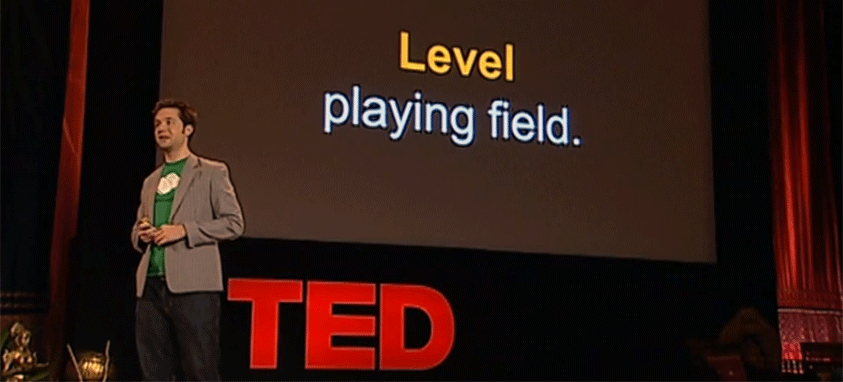
When Greenpeace was fighting Japanese whale hunting, the internet voted to name its micro-chipped whale Mister Splashy Pants. Reddit—the site speaker Alexis Ohanian co-founded—was a leader in the naming movement. How is this relevant to meeting planning? Well, it demonstrates that social media is a level playing field, and anyone who tags along on your campaign can champion it…though it may not be how you envisioned it. And that’s okay.

The Secret to Great Opportunities? The Person You Haven’t Met Yet by Tanya Menon

Networking is crucial. But humans tend to connect with those who are around them regularly, and diversity is not as common as we would like to think. Tanya Menon, a psychologist, explains that we often stick to those we are familiar with rather than branch out, and why we should reach out to others less like us more often in order to experience more opportunities. Life is a train ride—meet your fellow passengers.

Connected, But Alone? by Sherry Turkle

We are connected to our devices almost every moment of every day. We deem it a necessity—but is this constant connection a luxury, or is it deteriorating our ability to have face-to-face conversations? As planners, we interact with people regularly online—but it can simultaneously leave us feeling alone when the technology turns off. Sherry Turkle delves into how robots and artificial intelligence can’t replace the value of in-person connection.

Dare to Disagree by Margaret Heffernan

We hear it all the time: surround yourself with “yes” people. Margaret Heffernan, a former CEO of five businesses, however, believes that it’s important to surround yourself with people who will question your thinking, leading to plenty of creative input to find a solution that works for everyone.

Rosemarie Rossetti

Since June 1998, I have used a wheelchair because of a spinal cord injury that occurred when I was crushed by a 7,000-pound falling tree while riding my bicycle. Returning to the stage as a professional speaker three months later, I had a new perspective from a 4-foot, 2-inch, seated height. I have attended many meetings and am keenly aware of the problems that people using wheelchairs experience.

Meeting professionals need to know what I have learned in order to make venues and events more accommodating for speakers and participants with disabilities. I have experienced being treated as a VIP—as well as being excluded and ignored. Being ignored is frustrating.

What can you do to help people with disabilities feel welcomed?

Collect Information During Registration

Start by creating a way for people who are registering to communicate that they have a disability which could impact their experience. Ask what accommodations you can provide them.

MoreAccessibility Rules: How to Make Everyone Comfortable at Events

For example, does the person:

  • use a mobility aid and need an accessible hotel room? What accessible features are preferred?
  • need a wheelchair accessible vehicle to transport them from the airport to the venue and off-site locations?
  • need a sign language interpreter?
  • need printed materials in braille?

Once you are aware that some of the registrants will need to have certain accommodations, it is a good practice to call each individual. Encourage the person to share what they need and reassure them that you plan to provide top-notch service to accommodate them.

Don’t Miss This: Rosemarie Rossetti, Ph.D., will be delivering her presentation “Accommodating People with Disabilities at Meetings and Events” at MPI World Education Congress in Toronto on June 18, at 4:30 p.m.

The information you receive from this interview will give the planning team direction. Start communicating with all the people who will be providing these accommodations.

Accessible Transportation and Parking

People who use wheelchairs may need accessible transportation to get from the airport to the meeting or event, as well as any off-site locations. Make arrangements with transportation companies that can provide wheelchair-accessible vans.

MoreThe All-Inclusive Meetings Revolution

The parking lots at all the locations where you are holding meetings and events need to be evaluated to ensure there are ample parking spaces for guests with disability placards. Be aware that wheelchair-accessible vans often have ramps or platform lifts that deploy from the side. Van-accessible spaces need to be clearly marked. If you realize there are not enough accessible parking places, make plans to have temporary signs made. Use them to direct your guests to additional parking spaces close to the building entrance that are reserved for them.

Dining Accommodations

Tips to help in your dining room set-up planning:

  • Set the dining room with adequate space for people in wheelchairs to navigate through. When all the guests are seated, provide room to travel between the tables. Guests in wheelchairs should not be told that there is a designated table in the back of the room where they should sit. Inclusion is important. Give them a choice of tables and seats.
  • Guests in wheelchairs may have difficulty seeing empty chairs at the tables and will need a person to help them identify a place to eat. That person can lead the guest to the identified spot at the table. Look for a place that does not have a table leg so there is room for the person’s legs and wheelchair.
  • Ask the person in the wheelchair if they want the chair removed so they can stay seated in their wheelchair at the dining table. Remove the chair if requested.
  • Once the person is positioned at the table, ask if they have enough room. Ask if they need any help during the meal. Make adjustments at the table to provide the space that is needed.

Rosemarie Rossetti, Ph.D., is an internationally known speaker, trainer, author, consultant and president of Rossetti Enterprises Inc. She speaks to and consults with meeting professionals to help them create welcoming inclusive environments, and has earned recognition for her home, the Universal Design Living Laboratory, that is the top-rated universal design home in North America.

Looking for something thought provoking amid the hustle and bustle? Search no further. We’ve compiled six TED and TEDx talks that are worth listening to, touching on topics such as motivation, creativity and being wrong. For meeting planners looking to level up their professional and personal lives, there is plenty to take away.

The Puzzle of Motivation

You’ve heard it before: Money isn’t everything. Career analyst Dan Pink reminds viewers of this several times in his talk that “there’s a mismatch between what science knows and what business does.” The big motivator isn’t more money, but rather, autonomy, mastery and purpose. Pink drives home the concept of autonomy and viewers discover something huge: When you give people freedom in the workplace, their performance will blossom like you’ve never seen.

There’s More to Life Than Being Happy

Planners know that sense of satisfaction of an event well done. Would you call that feeling happiness? A sense of purpose? Writer Emily Esfahani Smith teaches that there are four pillars of meaning: belonging, purpose, transcendence and storytelling. Happiness is fleeting—the real place to be is when you find purpose in what you do.

Related5 TED and TEDx Talks Every Meeting Planner Should Watch This Summer

On Being Wrong

Being wrong is never a good feeling; it can feel like an attack on your very soul. But in Kathryn Schulz’s TED talk, she states that there’s nothing wrong with being wrong; in fact, there’s no way to avoid it. We all see the world differently and this leads—inexorably—to us getting things wrong. Being wrong is simply a part of life; it might as well be embraced. Fallo ergo sum.

Want to be More Creative? Go for a Walk 

Feeling a lack of creativity? Going for a stroll could help with that. Walking—as opposed to sitting down—has been proven to boost brain activity and creativity. In this talk, behavioral and learning scientist Marily Oppezzo, explains how simply going for a walk before your next meeting can positively affect your ability to constructively brainstorm.

Why We Ignore Obvious Problems—and How to Act on Them

In our career and personal lives, sometimes we detect a threat but choose to treat it as if it doesn’t exist—right until it’s too big to ignore, and thus too late to correct. In this talk, policy strategist Michele Wucker makes a case for replacing the myth of the “black swan”—inevitable catastrophes—with the “grey rhino”—those preventable dangers we choose to ignore.

How to Get Better at the Things You Care About

According to Eduardo Bruceno, cofounder and chief executive officer of Mindset Works, the people who are the best at what they do alternate between two zones: the learning zone and the performance zone. Many people spend too much time in the performance zone—which leads to stagnation—and not enough in the learning zone, where analyzation, inquiry and reflection take place and where real growth happens.

Putting the right people on stage and making sure the experience is optimized for your audience is a lot more difficult than swiping right on an agency’s page of headshots.

Smart Meetings asked veteran event professional (and Smart Women in Meetings Award winner) Sharon Bonner her tips for finding, negotiating, marketing and teaming up with thought leaders to deliver messaging to attendees. As CEO and founder of Bright Ideas Events in Vancouver, British Columbia, Canada, Bonner has hired hundreds of speakers over the years, and says it starts with strategy.

Keynote Selection

“Think about what the audience wants to achieve from the investment of time with the speaker,” she advises. Sometimes, the goal is to just make the audience feel good. But usually, people are looking to get something out of it personally or professionally. Bonner likes to see surveys of the audience to find out what they liked—or didn’t like—in the past and what they would like to get out of the presentation.

Then she does her due diligence and talks to planners who have used potential speakers for similar groups to see if they were happy with the experience. If she is managing the presentation for a client, she puts together a short list for them to choose from. “This way, they are all vetted,” she says.

Negotiating

The next step is negotiating. “You can absolutely negotiate with speakers,” Bonner says. Sometimes that means asking for a lower rate. She has gotten a keynote speaker for half the going price because he was going to be in town already for personal reasons. She explains that is easier if she is talking directly to the “talent” rather than going through an agency.

MoreMaster Win-Win Negotiations for Your Contracts

Bonner also negotiates for promotional opportunities. As soon as a speaker is booked, she starts marketing and asks the keynote to help. That could mean a question-and-answer session, promotion on the speaker’s social media accounts, free coaching sessions to give away in a drawing, or VIP lunches and backstage passes on site. “I am not a fan of liquoring up the speakers or dealing with divas, but this is the time to talk about that,” she says.

Preparation

Before the speaker walks in the ballroom doors, Bonner’s job is to make sure they understand the audience, the objectives and their role. It is nice if they can come to a reception the evening before and talk to some of the attendees to drum up excitement, but the discovery process should be complete long before then so they can personalize their presentation.

A dry run on the audiovisual is essential to make sure everything runs smoothly on stage. Every speaker should have a dedicated time before guests arrive to make sure all graphics are working properly.

Speakers also need to understand the time constraints. A lot of event professionals are testing different keynote lengths. For Bonner, the ideal length of time for a presentation depends on how long the meeting goes. It can’t be so short that the audience doesn’t get into energy of speaker and meat of the presentation. But 90 minutes in a morning session may be too long. “It really depends on the setting,” she says.

Formatting

Bonner has engaged some creative presentation methods, including people being lowered onto the stage from above, an off-site speaker whose face was projected from a robot he controlled remotely on stage and a hologram that ended when the speaker actually walked into the room midway through the presentation.

She warns, however, that the format must fit with the goals of the presentation. “We go to events for the human interaction, not just for the content,” she says. “We can get that on the internet. But when we are in person, we are hoping for a more engaging experience.”

Something as simple as giving part of the presentation at the level of the attendees can be a powerful way to connect.

However you deliver the message, people want to know that their time will be well spent. She advises her speakers to tell the audience what they will learn and give an overview of what to expect. If they will be providing the slides or a handout, she requests that they let people know if advance, so they don’t have to take notes or snap pictures of the screen feverishly.

advertisement

Give and Take

Bonner is not a fan of saving all the questions to the end. “By then, people may be on their phone, and you have lost them,” she says. Putting some questions in the middle can mix up the energy and take the “temperature” of the room so the speaker knows where the interest is going.

She warns that using poll technology such as Sli.do is wonderful for getting feedback, but it can be a slippery slope to people checking their email on their phone, so present the exchange carefully.

Follow-up

After the talk, a book signing, a photo opportunity and an option to get a handout or copy of the presentation can make the experience even more memorable. Being able to extend the relationship by offering coaching or some other connection can be a win-win for the speaker and the attendee. “The follow-up probably requires more than an email, because those get lost,” she says.

Bonner gives personal gifts to speakers tailored to their interests. “I put a lot of thought into saying thank you,” she says.

An important part of a conference organizer’s job responsibilities is hiring or recommending speakers for the events they manage. Whether it’s a keynote address, workshop, breakout session or other forum, selecting speakers who match best with the profile and needs of the audience is a critical task. Here are some helpful tips.

MoreKeynote Care and Maintenance: Practical Tips from Speakers

  • Before putting out a call for speakers, conference planners should have a full understanding of the desired outcomes and communicate them clearly to prospective speakers.
  • Think twice about inviting nonprofessional speakers to participate in your conference. “You get what you pay for” is very apropos when it comes to speakers. Trying to save money by bringing in subject experts for free can backfire. Just because they know their stuff doesn’t mean they can convey the message in an impactful, compelling way, supported by impressive visuals.

Many amateur speakers will put an audience to sleep with a talk replete with filler words delivered in a monotone, with boring slides that are hard to read and a poorly designed speech that rambles on and on without a clear storyline.

  • Check references. There is no better way to find out whether a speaker is the right fit for your group than by asking peers who have booked that speaker within the past year. Like many things, what’s advertised on the speaker’s website isn’t always what you get. Hearing from someone who has hired that speaker recently will allow you to determine whether the speaker is a good match for your organization.
  • Be sure to give the speaker as much background information on your organization, its purpose, and the goals of the session as possible. That way, the speaker can customize his or her content accordingly, resulting in a much more engaging and relevant presentation.
  • Schedule at least one conference call with the speaker before the event to review all details and to be sure both the message and logistics are accurate.

Read more about speakers in Michael J. Lyons’ story, “Keynote Care and Maintenance: Top Presenters Describe How Planners Can Help Speakers Deliver for Attendees,” in the July issue of Smart Meetings, which can be accessed here.