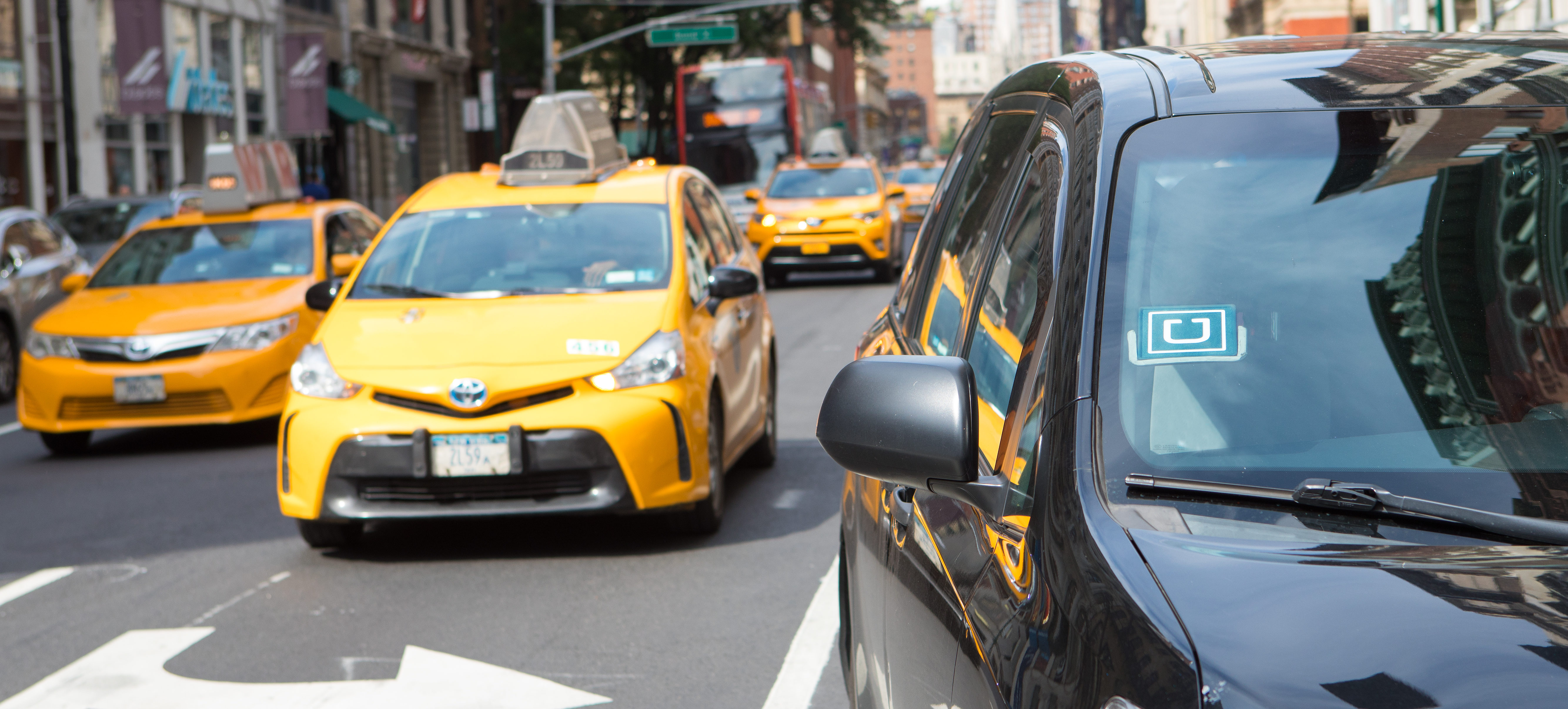
Seventy percent of U.S. business travelers prefer ride-sharing services such as Uber and Lyft over traditional taxis, business travelers in the Americas in general—as well as in Europe and Asia-Pacific—prefer taxis, according to a new survey.

This was among the topics showing the greatest variance in a survey of travelers’ preferences released Tuesday by CWT, a business-to-business travel management platform. Travelers from the three regions participated in the study.

Ride-Sharing or Taxis?

Sixty-three percent of business travelers in the Americas prefer ride-sharing services over taxis, followed by 44 percent in Asia-Pacific and 31 percent in Europe, according to the survey. In the Americas, the United States (70 percent) had the greatest preference for ride-sharing among the countries surveyed, followed by Brazil (66 percent), Mexico (61 percent), Argentina (51 percent) and Canada (43 percent).

In Asia-Pacific, India (58 percent) topped the list, trailed by Singapore (55 percent), China (36 percent), Australia (35 percent) and Japan (15 percent).

The European results were: The Netherlands (65 percent), Sweden (53 percent), United Kingdom (52 percent), France (48 percent), Italy (46 percent), Belgium (44 percent), Spain (42 percent) and Germany (32 percent).

“These findings provide fascinating and sometimes counter-intuitive insights into how global business travelers approach their journeys,” said Niklas Andreen, executive vice president and chief travel experience officer for CWT. “We see significant differences between regions.”

Andreen provided his perspective on the difference between American and European preferences.

“Let’s start with the history before ride-share,” he says. “In Europe, there has been a largely government-financed, developed taxi system in most cities, leading to a stronger tendency to take taxis everywhere. In the U.S., there’s a natural tendency to get a rental car when you land. You often see that when European and American colleagues arrive at the same location, Americans will take the car and Europeans will take a taxi to the meeting and to the hotel, assuming they can walk around. Ride-share has replaced the need to rent a car, but has not heavily influenced Europeans.

Window or Aisle Seat?

Andreen notes that the survey also found disparity among regions over preference for a window or an aisle seat.

Sixty-six percent of all business travelers surveyed prefer window over aisle seats, but the portion ranges from 71 percent in Asia-Pacific to 65 percent in Europe and 59 percent in the Americas. Fifty-one percent of U.S. business travelers prefer aisle seats to window seats—the only country to prefer aisle seats. On the other hand, 83 percent of Brazilian business travelers opt for window seats, the largest portion of any country.

“Many people tend to want to sleep on a flight so that they have something to lean against,” Andreen says. “Also, people prefer to be the ones to ask if they need to get out, rather than have other passengers climbing over them. By having a window seat, you are less exposed to other people walking up and down the corridor, disrupting you with serving carts and elbows.”

Miss a Flight or Get Separated from Luggage?

Survey participants also were asked if they would prefer missing a flight rather than being separated from their luggage. Overall, 52 percent said they would prefer missing a flight—70 percent in Asia-Pacific, 68 percent in Europe and 57 percent in the Americas. The country-by-country results for preferring to miss a flight ranged from The Netherlands (35 percent) to Germany (68 percent).

More than 2,700 business professionals who traveled for business four or more times in the previous 12 months participated in the survey, which was conducted by Artemis Strategy Groups from Jan. 29 to Feb. 9, 2019.

advertisement

Overwhelming Majority Willing to Share Travel Preferences

The CWT survey also examined what portion of business travelers from each of the regions and countries willing to share their travel preferences information with apps and travel industry staff. The overwhelming majority of participants in every country surveyed indicated they are either somewhat willing or extremely willing to share their information.

“The baby boomer generation has grown confident in sharing their information much more than has historically been the case,” Andreen says. “People realize the benefits they get today and how sharing information can provide them a better on-board service and better service while traveling.

“For companies, it’s useful to know travel preferences because it allows us to tailor our offerings to our travelers effectively. On the other hand, if travelers feel their confidence has been betrayed, they will withdraw much quicker than historically.”

The complete results are listed below.

Location Not Willing Somewhat Willing Extremely Willing
Total Americas 10% 44% 47%
United States 11% 45% 44%
Canada 13% 48% 39%
Mexico 6% 42% 52%
Brazil 5% 38% 57%
Argentina 10% 41% 49%
Total Asia Pacific 10% 51% 39%
Japan 9% 60% 31%
China 16% 64% 21%
India 4% 37% 59%
Australia 15% 48% 37%
Singapore 9% 49% 42%
Total Europe 14% 35% 51%
Belgium 24% 21% 55%
The Netherlands 18% 25% 57%
France 14% 36% 50%
Germany 10% 39% 51%
Italy 10% 41% 49%
Sweden 14% 32% 54%
United Kingdom 14% 39% 47%
Spain 8% 47% 45%

Plastic straws, covers and bottles were all that’s hurting the environment; now Styrofoam and even sunscreen are considered major environmental problems.

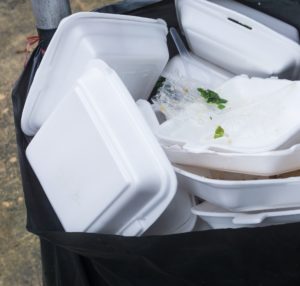
Maine became the first U.S. state to ban single-use containers made of polystyrene, also known as Styrofoam, to reduce plastic waste. Gov. Janet Mills signed a bill on April 30 that prohibits any product entirely or partially made of Styrofoam. The legislation will take effect on January 1, 2021, which gives businesses enough time to look for alternatives and adopt the change.

MoreSave the Planet, One Straw at a Time

This means that restaurants and local shops will no longer use plates, bowls, cups or cartons that contain polystyrene. These containers are widely used because they are lightweight, inexpensive, and keep food hot. Businesses such as hospitals and seafood shippers are exempted from the ban. Also, manufacturers and stores will no longer sell loose Styrofoam peanuts for packaging.

Why Styrofoam?

According to an article by Livestrong.com, a study by Washington University found that Styrofoam takes 500 years to decompose; it cannot be recycled and it easily fractures into small pieces which end up in landfills, where it doesn’t biodegrade.

Although Maine is the first U.S. state to ban Styrofoam, several other cities in the U.S. such as New York City, Seattle, Portland, Miami Beach, San Diego, and San Francisco have already banned the use of Styrofoam food containers.

Sunscreen Ban

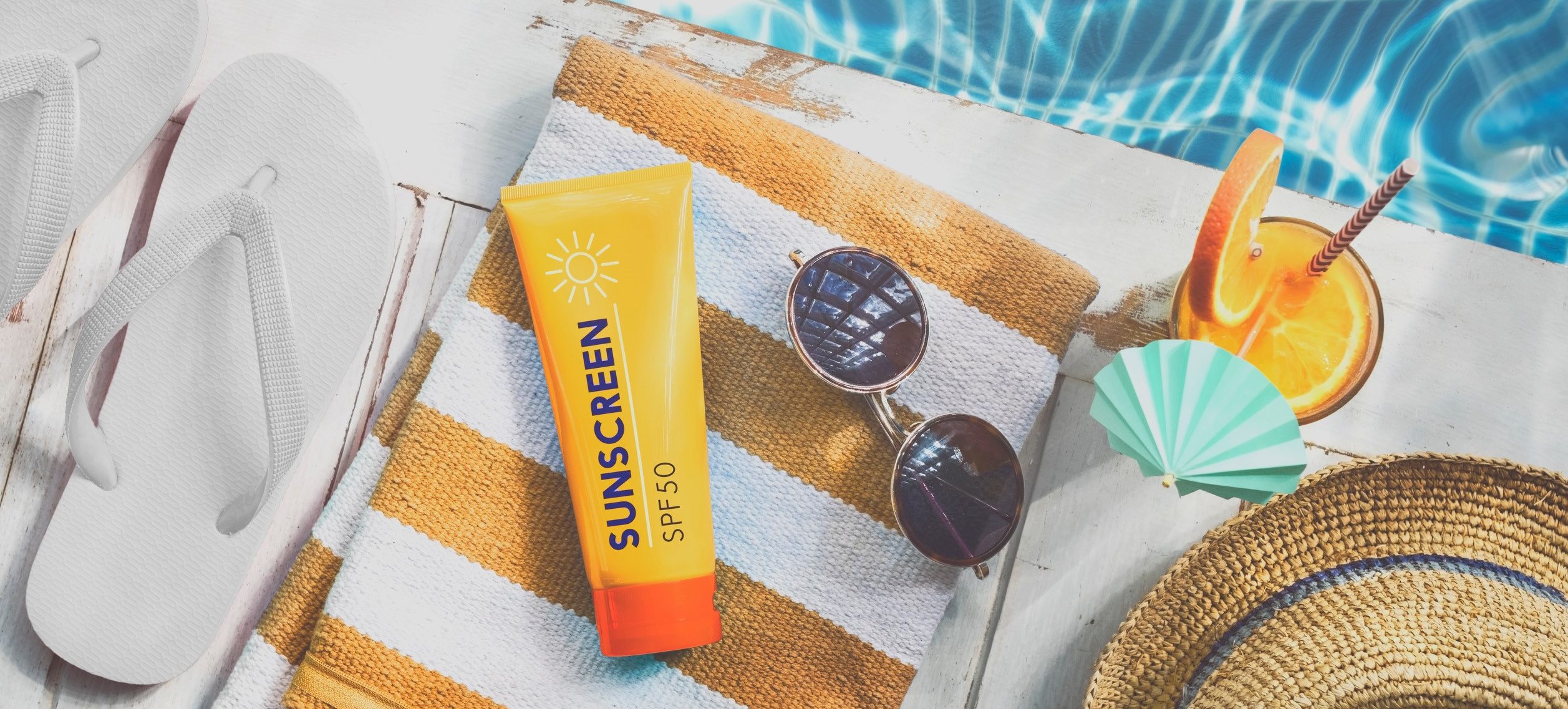
While Styrofoam is making its way to landfills, sunscreens are causing trouble under water. Following Hawaii, Key West, Florida—home of the largest coral reef in the continental United States—is banning non-biodegradable sunscreen. Chemicals like Oxybenzone, Avobenzone and Octinoxate present in sunscreen are found to be harmful to the coral reefs and fishes. The ban will take effect on January 2021, after which stores in Key West will no longer sell sunscreens that contain reef-damaging chemicals.

MoreHow the Hospitality Industry Supports Green Meetings

Across the Globe

Several spots across the globe such as Palau, The Maldives, The Great Barrier Reef, French Polynesia, Riviera Maya, Puerto Princesa and Bonaire have also banned chemical sunscreens. Although Mexican destinations like Xel HaGarrafon Natural Reef Park, Cozumel and Playa del Carmen haven’t formally prohibited the use of sunscreen, they are requesting visitors to use only natural sunscreens before going into the water.

What is the Alternative?

Although these places will no longer sell chemical sunscreens, stores will still have mineral sunscreens on sale. Mineral sunscreen is made from ingredients that dissolve in water and they include two ingredients—​zinc oxide and titanium dioxide that are not harmful to the reefs or marine life. They also have a longer shelf life compared to chemical sunscreens. All you need to keep in mind is your mineral sunscreen should also be at least SPF30 and be “broad spectrum,” which means it will protect you from UVA and UVB rays.

Males and extroverts are best served by the meetings and events industry, while introverts are the worst served, according to a research report issued by Meeting Professionals International (MPI).

The report, The State of Inclusion in Meetings & Events, was a collaborative effort of MPI and New York University’s Jonathan M. Tisch Center of Hospitality, and was based on a review of relevant literature, 16 expert interviews and a survey of 1,087 MPI members. Survey respondents were mostly based in the United States, and were 84 percent female, 15 percent male and 1 percent other/gender nonbinary. They were 68 percent planners, 22 percent suppliers and 10 percent other.

Several demographic groups were studied to determine to what extent event professionals plan for inclusivity and diversity, while exploring how meetings can better accommodate them.

Grading Inclusion

Based on the survey, letter grades (on a scale of A–F) were given to show how well demographic groups are being served by the industry. The results were:

  • B: male, extroverted
  • B-: female, younger, more work experience, food restrictions
  • C+: older, less work experience, LGBTQ, ethnic minorities
  • C: people with disabilities, less comfortable with technology, nondominant relig
    ions
  • C-: introverted

Introverts can be better served by using technology that allows them to ask questions in alternative ways and assigning seats during lunch, said Sam Lippman, president and founder of Lippman Connects, in the report.

MoreHow the Meetings Industry Can Be More Accessible and Inclusive to People of Color

Another key area of the study was an assessment of how much the meetings and events industry is focusing on diversity. Results of the survey, on a scale of 1 (don’t agree) to 5 (agree):

  • 5: There is more focus on diversity and inclusion now than there was 10 years ago.
  • 0: Diversity and inclusion are priorities for my organization.
  • 8: The event industry needs better training and technical tools around diversity and inclusion.
  • 8: The event industry is inclusive and welcomes diversity.
  • 6: If our events are not inclusive, it will impact our bottom line.
  • 2: It is challenging to plan and deliver fully inclusive events.
  • 5: There is too much focus on diversity and inclusion nowadays.
  • 3: Diversity and inclusion initiatives are just about being politically correct.

While these findings suggest that offering greater diversity and inclusion is important to the industry, 40 percent of survey respondents said that they don’t have all the information they need to plan inclusive experiences. Other barriers to providing the experiences were not having the budget for them (20 percent), not having the leadership support (14 percent) not having enough time (13 percent), and other (7 percent). Thirty-nine percent of respondents said they don’t have any barriers to planning inclusive experiences.

Measuring Diversity

Meeting professionals have a built-in method to become better informed about diversity and inclusion: attendee feedback before, during and after a meeting or an event.

“Often, not enough data are collected at events, or the wrong data are collected, or the right data are collected but the organization doesn’t have the analytical capabilities to make use of them,” says John Nawn, founder of The Perfect Meeting, in the report.

At his events, Nawn introduces participatory games that encourage attendees to share information about themselves, their views and their goals. The more information they share, the better planners understand their wants and needs.

MPI has continued to promote diversity and inclusion on many fronts, including the launching of the Inclusive Event Design certificate program in which participants learn the rationale, key principles and strategies, and tactics for promoting inclusion. MPI also has created special interest groups for members to connect with like-minded individuals. These groups include the LGBTQ community, financial and insurance planners, health-care planners and small-business owners. Also, a diversity-inclusion liaison now serves on the MPI Global Board of Trustees, working with the board, Diversity Inclusion Committee and MPI community.

Accommodating Diversity in Event Design

The report examined ways in which meeting professionals accommodate diversity and inclusion in event design. They reported doing the following with differing levels of frequency.

Most of the Time

  • A carefully selected date that does not coincide with religious holidays in different faiths
  • A site visit to assess the accessibility of the destination and the venue
  • A discussion with caterers about your inclusivity goals and needs for the event

Half the Time

  • A discussion with the venue about your inclusivity goals and needs for the event
  • Selection of speakers/presenters that reflect the diversity of the audience you wish to attract
  • Internal planning meetings focused on inclusive event design and planning
  • A discussion with other suppliers about the inclusivity goals and needs for the event

Rarely

  • Event menus that are shared in advance
  • A brief primer related to interacting with diverse participants to all venue staff
  • Event materials in different languages
  • Prayer rooms on site

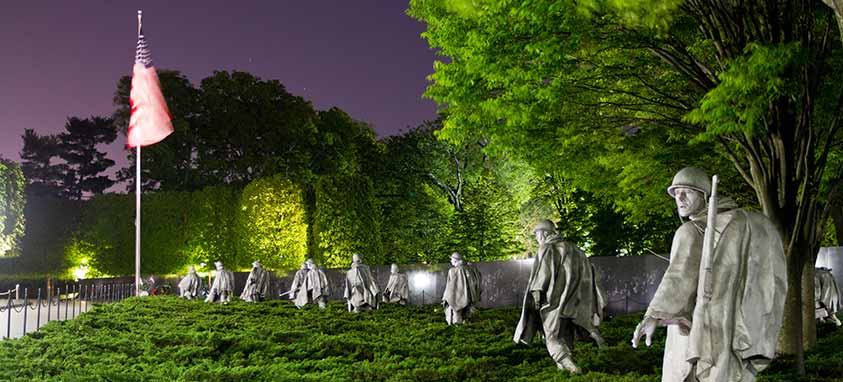
Korean War Veterans Memorial

Plenty of fun activities are on tap again this year for Memorial Day, one of the United States’ main days of remembrance and celebration.

Memorial Day’s roots extend back to 1868, when Gen. John A. Logan, leader of an organization for Northern Civil War veterans, declared May 30 of that year to be Decoration Day, a nationwide day of remembrance of Civil War veterans. President James A. Garfield made a speech at Arlington National Cemetery while 5,000 people decorated soldiers’ graves.

Decoration Day eventually became Memorial Day, and today, people all over the United States remember veterans of all wars by celebrating—as well as relaxing, unwinding and having fun—over the course of the weekend leading up to and including Memorial Day. Here are a few ways to enjoy Memorial Day weekend—Saturday, May 25 to Monday, May 27—in some of the country’s biggest cities from coast to coast.

San Francisco

marriott strike san francisco

San Francisco will be celebrating with its 41st annual Carnaval event in the Mission District. Held annually, Carnival starts on the morning of May 25 and ends with a big, colorful parade on May 26.

If parades aren’t your thing, head to the water on May 26, where Hornblower Cruises will be hosting The Pier Pressure Yacht Party: three bars, three levels and three types of music—hip-hop, house and top 40—for three hours.

For something a bit more patriotic, you can honor U.S. veterans on “floating museum” USS Hornet beginning at 11 a.m. on Memorial Day. Tour the ship and check out a variety of exhibits—including the West Coast’s largest collection of Apollo moon mission artifacts—while you’re there.

Chicago

Chicago’s famous Navy Pier, six blocks of rides, restaurants and fun, is kicking off summer this Memorial Day weekend with several activities, including a Booze Cruise on the night of May 24, fireworks on May 25 starting at 10:15 p.m. and Rock the Yacht party aboard Mystic Blue on Memorial Day.

Chicago goes all out with its festivals, and there will be no shortage of them on Memorial Day weekend. Mole de Mayo will run the entire weekend. Local chefs and restaurants will vie for top Mole honors while festival-goers sample a variety of cuisines, browse vendors, and enjoy music and performers. Of course, you can put on your own (dance) show at Chicago House Music Conference and Festival from May 23 to May 25. Both festivals are free.

Keep it traditional at Chicago’s Memorial Day Parade, one of the largest in the United States, starting at noon on May 25. While you’re paying your respects, Portrait of a Soldier Exhibit at Daley Center is worth a visit. The exhibit will be on display until May 31.

New York City

revised travel ban

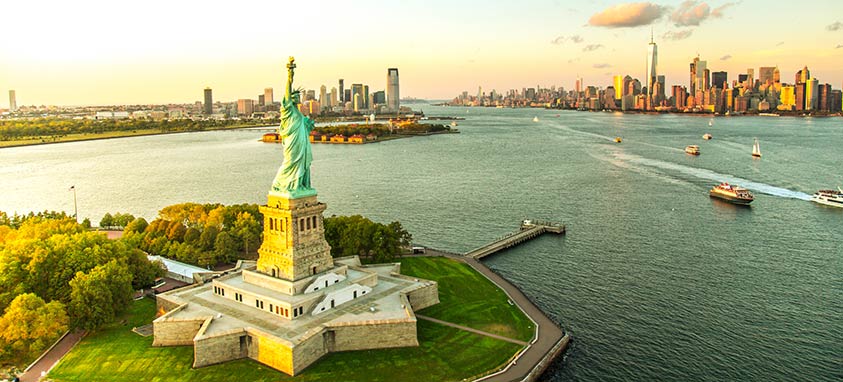
The Big Apple will pay homage to the U.S. Navy, Marine Corps and Coast Guard during Fleet Week. Catch any number of Fleet Week events throughout New York and surrounding areas May 22–28. The highlight of the week is the Memorial Day ceremony, which includes the unfurling of a 100-foot-long American Flag and a military flyover.

In between Fleet Week events, snag a seat at New York Philharmonic Orchestra’s Annual Free Memorial Day Concert. The hourlong concert is free.

With multiple Memorial Day parades throughout New York City, you won’t be able to miss one. Every borough in the city will have a parade, except Manhattan. The largest will be in Queens at 2 p.m. The 152-year-old parade in Brooklyn will start at 10 a.m. and end with a memorial service and a 21-gun salute by the U.S. Army.

Philadelphia

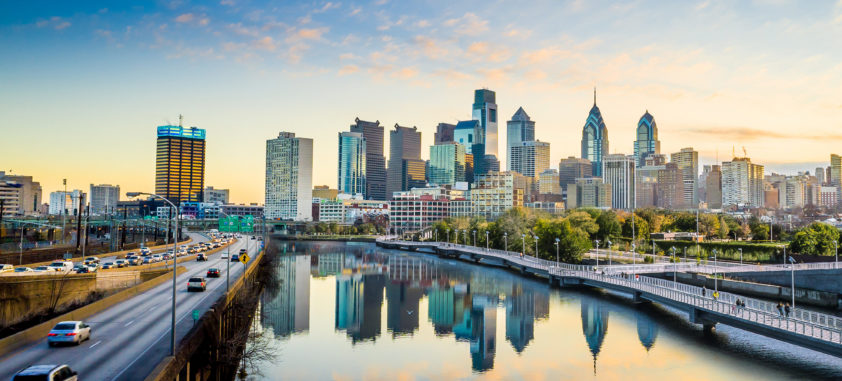
Philadelphia’s Spruce Street Harbor Park will be celebrating Memorial Day weekend with a three-day festival, Unifestival. In addition to the usual hammocks, bocce ball courts, choice cuisine and drinks, boardwalk and floating gardens, the festival will feature live music, crafts and a fireworks show on May 25.

You can also catch fireworks at The Independence Seaport Museum after touring the museum and the historic ships, Cruiser Olympia and Submarine Becuna all day On May 25.  The fireworks will start at 9:30 p.m. on Delaware River Waterfront.

One of the city’s favorite Memorial Day weekend events,  Sail Philadelphia, will take place May 24–28. Eleven tall wooden ships will drop anchor in Penn’s Landing for the event, which will start with the Parade of Sail. Tour the ships and enjoy sailing excursions, live music and entertainment, food from a variety of vendors and brews from three beer gardens.

Washington, D.C.

Korean War Veterans Memorial

A can’t-miss for Memorial Day weekend in the nation’s capital, the National Memorial Day Parade features hundreds of veterans from World War II through Operation Iraqi Freedom.

The Memorial Day Concert is a popular national tradition. Held on the West Lawn of the Capitol Building, it features a variety of all-star acts, tributes to U.S. military service people, military music events and The Armed Forces Color Guard and Service Color Team. Don’t want to fight the crowd? The concert will be shown on PBS and streamed on YouTube. This will mark the event’s 30th year.

Of course, Washington, D.C., has no shortage of monuments and memorials to visit this Memorial Day weekend. The Navy Memorial will have a wreath-laying ceremony featuring the Navy Band and Ceremonial Guard on Memorial Day. On May 25, you can see how President Abraham Lincoln arrived in Washington during a two-hour walking tour of his life and death in D.C. And you can remember fallen World War II soldiers on Memorial Day at a ceremony hosted at the World War II memorial, starting at 9 a.m.

Epic news: Star Wars: Galaxy’s Edge attractions are set to open ahead of schedule on May 31 at Disneyland Resort in Southern California and August 29 at Walt Disney World Resort in Florida. Both experiences are designed to make visitors feel as if they have walked into the enormously popular movie franchise.

The addition to the parks could prove popular with incentive groups and their families and Disney has pledged to look at how to assist groups in planning their visit to the new land following the opening year. While it is exciting to hold events at theme parks, it could be more difficult that shooting womp rats to get tickets for your group in the first few months. In the meantime, here are some tips on how you can incorporate a Star Wars theme into your meetings so that attendees can experience the feeling of a galaxy far, far away—even outside the theme park.

MoreWalt Disney World Swan and Dolphin Resort to Add Hotel Designed for Groups

Surprise Performance

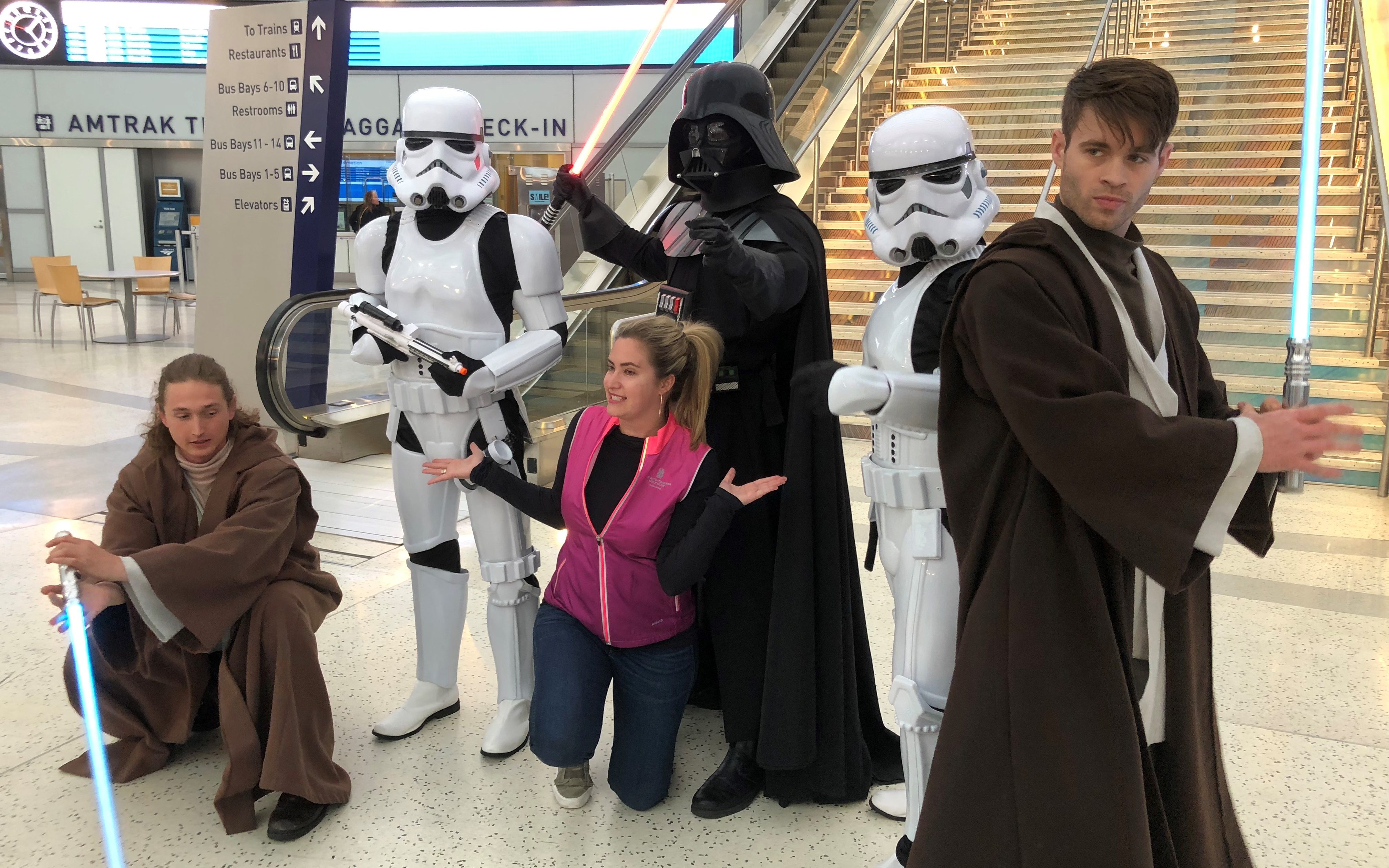
Impress your attendees the moment they arrive with a surprise performance that ties Star Wars with the theme and tone of your event. You know the saying: a first impression is the best impression. Take advantage of that and excite your guests with a grand Star Wars entrance by hiring actors to stage a light saber battle with storm troopers and Jedi Knights. Nothing says interactive experience like being kidnapped by a Wookiee.

Costume Event

Another way to leverage the force is to ask attendees to dress as their favorite character. From Han Solo to Darth Maul and Obi-Wan Kenobi, your attendees can opt out of formal clothing and focus on fun. Think of the conversations about where to find the best deal on C-3PO costumes.

Keynote Speaker

How cool would it be to have an actor or special effects expert that worked on one of the movies talk to your group about lessons from the franchise—leadership, teamwork, commitment, overcoming obstacles? As Han Solo says, “Never tell me the odds.” Plus, you might get some behind the scenes stories.

Themed Food

You could also stage a Mos Eisley bar where diverse characters show up and play the theme music. Add some F&B straight from the film made to look like paddy frogs eaten by Jabba the Hutt in Sar Wars: Return of the Jedi or naboo fruit from Star Wars: Attack of the Clones and you have a meal.

Whatever approach you decide to take, remember: “Do. Or do not. There is no try.”

Stay at Disneyland Resort Hotels

disneyland-hotel-2

If you are looking to guarantee a reservation to Star Wars: Galaxy’s Edge, you can do so by staying at any of the Disneyland Resort Hotels between May 31 and June 23, 2019. The resort will offer one designated reservation per registered guest to access Star Wars: Galaxy’s Edge during their stay. Each guest is also required to purchase a valid theme park admission.

Tourists getting "married" for a day in Amsterdam.
Photo credit: Untourist Group

Amsterdam Solves Overtourism with “Marriage”

If there is one thing the citizens of Amsterdam are tired of, it’s tourists.

Overtourism has created a mess of the city, resulting not only in the removal of one of its most famous photo ops but also the banning of tours of the famous Red Light District, closing the last of their iconic floating florists and even stopping tourism promotion all together.

With over 19 million tourists a year, it is no wonder the city has created a new way to combat the hoards of tourists. Their answer: marriage, at least for the day.

More: When Travel Goes Too Far

Untourist Guide, creator of the Untourist Movement, is the group behind the “Marry an Amsterdammer for a day” program. Their main mission: combat overcrowding by getting tourists to improve the city rather than wreck it.

“It’s a bit of a pity if everybody just remains in their own world and does the standard tourist thing when we could be meeting each other, connecting with people from other cultures and meeting the challenges of mankind together,” Elena Simons, a leader of the Untourist Movement, told Telegraph Travel.

For 100 euros or $113.26 you can participate in a fun “wedding ceremony” with a local and spend the day together exploring spots around the city that are unknown to mainstream tourism. The price also includes outfits: dresses, tail coats, veils, top hats and flowers, wedding set, speech, a photo and rings to keep as a memento of your “special day.”

After the ceremony, you and your “betrothed” will participate in activities around the city. These include plastic fishing in canals, “feed the Dutch” picnic and “laughing with locals,” which are meetups between visitors and “Amsterdammers.”

Related: 4 Extreme(ly) Luxurious Spa Tourism Options

“Plastic fishing is an alternative to your canal ride,” Simons told the Telegraph. “You get nets, go out on a boat and fish for plastic, which is recycled into furniture. It helps against the build-up of plastic in the oceans and makes our city prettier — at the same time tourists get their canal ride.”

“Marry an Amsterdammer for a day” officially launched on June 5 and has open “wedding dates” though Aug. 31.

The New Rules of Rome

Releasing a series of new rules and regulations, Rome is telling tourists to “do as the Romans do.” From ill-mannered drinking from public fountains to people dragging wheeled luggage down historic steps, Rome is laying down the law on everyday behaviors.

Rome is not alone. From London to Amsterdam and all the way to Dublin, new rules are being implemented to deal with the growing issue of overtoursim.

This surge in regulations are part of an Italian-wide measure to manage overtourism and its strain on their cities. Rome’s new rules and regulations come as an update to existing legislature that dates to 1946. Their objective? To improve the city life for both residents and tourists.

“Rome is, and always will be, welcoming,” Virgina Raggi, mayor of Rome, told The Telegraph, “but that does not mean tolerating bad behavior and damage being done to our city.“

Frist on the list of many imposed rules and regulations, there will now be penalties for those who want to take a dip in or scale Rome’s fountains. Fountains that are affected include: the Trevi Fountain, Piazza di Spagna, Piazza Barberini, Piazza Navona and those in Piazza del Popolo. The penalty? A fine up to 500 euros ($564.70). Ouch.

Now, for tourists who are caught with their mouths touching the metal spout of public water fountains, known as nasoni in Italy, will be issued a fine. Instead, tourists can cup their hands under the spout or direct the stream of water to their mouths using their fingers to get a drink.

Overly-messy eating around historical landmarks is also banned along with the popular tourist tradition of leaving “love padlocks” and men walking around the city bare-chested.

Also, on the list of newly prohibited items: the old Roman tradition of hanging laundry out to dry on clotheslines between adjacent buildings, organized pub crawls, playing instruments, singing or busking (playing music for voluntary donations) on public transportation and advertising of “skip-the-line” tours outside of historical monuments.

Last on the list of regulations, tourists are no longer allowed to bring their wheeled luggage or strollers up and down historic steps, such as the Spanish Steps.

Although not all the new rules and regulations have set imposed fines or penalties at this time, police will now be patrolling historic sights more regularly and those who behave improperly could receive a temporary ban from the area where the offense took place.

the definition of human trafficking

A new campaign for combating exploitation and human trafficking will leverage digital and community promotions to raise awareness with people who can take action to stop abuse. ECPAT-USA’s 20BY20 media initiatives and progress updates will educate events professionals to identify and respond to the commercial sexual exploitation of children.

The goal is to train 20,000 events industry professionals by July 2020. ECPAT-USA and the United Nations’ World Day Against Human Trafficking in Persons joined together to launch this initiative.

“To have the business events industry become a unified part of the fight against this international scourge by championing education is essential to achieving this vision,” says Michelle Guelbart, director of private sector engagement for ECPAT-USA.

More: You Can Help Stop Human Trafficking

Human traffickers use hotels and airlines to transport and exploit their victims; they also take advantage of large-scale events to find customers. To assist in creating a future where human trafficking doesn’t exist, leading organizations are pledging to proactively encourage their partners, staff and members to become part of 20BY20. ECPAT-USA’s founding class of Business Events Champions include: CorpTrav, CWT, IAEE, IMEX Group and PCMA.

ECPAT-USA’s 20BY20 will use their 25-minute training program, Preventing & Responding to Human Trafficking and the Commercial Sexual Exploration of Children, for business events and travel professionals. The program is available in English, Spanish, Portuguese and French; it’s designed to teach professionals what to look for and how to respond to suspected cases of trafficking.

More: MGM Leader Mike Dominguez Named CEO at ALHI

ECPAT-USA is the leading organization in the United States looking to end commercial sexual exploitation of children by promoting awareness, advocacy, policy and legislation. ECPAT International is a network of organizations in over 90 countries worldwide with the same mission of eliminating sexual exploitation of children around the world.

Scope of the Tragedy
o 40 million people are living in slavery worldwide, according to International Labor Organization (ILO)
o ILO found that 1 in 4 victims of modern slavery are children
o 4.8 million victims of modern slavery are sexually exploited, reported the ILO
o Modern slavery is a$150 billion crime, according to the ILO
o Human trafficking has been reported in all 50 states
o Human trafficking is a multibillion-dollar industry worldwide
o January is National Slavery and Human Trafficking Prevention Month

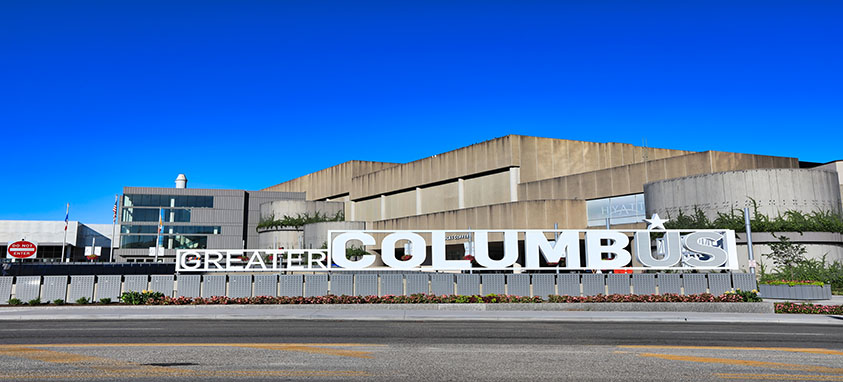
The front of Greater Columbus Convention Center

Greater Columbus Convention Center (GCCC) has become the first convention center in the world to become Certified Sensory Inclusive. To accommodate guests with sensory processing challenges and provide an inclusive and seamless experience, GCCC teamed up with KultureCity to improve the abilities of the property and staff.

KultureCity is a leading non-profit organization that is nationally recognized for its resources to revolutionize the community for those with sensory needs. It was named one of the World’s Most Innovative Companies in 2019 by FastCompany. More than 300 sensory inclusive venues in four countries have been created by KultureCity.

“We are proud to be at the forefront of many innovative programs, and making all of our guests feel welcome, safe and accommodated is at the top of the list,” said GCCC Director of Culture & Training Amy Huggins. “We are especially proud to partner with KultureCity to receive additional training and resources to become a better host to our guests with special sensory needs.”

More: Columbus Announces Surprises for ASAE Attendees

Those who experience sensory sensitives and sensory regulation challenges most often include guests with autism, dementia, Post-Traumatic Stress Disorder (PTSD) and other health concerns affected by noise and overstimulation.

To become certified, GCCC staff were trained by medical professionals on how to recognize guests with sensory needs and handle sensory-overload situations. Those who completed the training and online quizzes successfully were awarded certificates.

In exchange for a valid photo identification card, guests with sensory challenges can borrow a Sensory Bag at one of the GCCC’s Guest Service Centers—in the South Cafe & Marketplace and across from Exhibit Hall A. The Sensory Bags include: special KultureCity VIP identification badges to wear, noise-cancelling headphones, fidget tools, verbal cue cards and weighted lap pads to comfort guests who may feel overwhelmed in a fast-paced environment.  Guests also have access to quiet zones if they need additional comfort.

More: How the Meetings Industry Can Be More Accessible and Inclusive to People of Color

Meeting attendees can prepare for their visit by downloading the KultureCity mobile app. The app provides an overview of the sensory features at GCCC and a social story that offers a preview of what they can expect when they arrive.

“To know that families will be able to attend events at the GCCC with their loved ones with sensory challenges is truly a heartwarming moment,” said Dr. Julian Maha, co-founder of KultureCity. “Our communities are what shape our lives, and to know that the GCCC is willing to go the extra mile to ensure that everyone, no matter their ability, is included in their community is amazing.”

Related7 Smart Moves at Kimpton, Westin and More