As planners navigate the ‘new normal’ of a post-COVID-19 world, we are seeing innovative technologies emerge that promise to help keep event attendees safe. One of these is thermal imaging, used to detect fevers, a common symptom of COVID-19. Many companies have begun to market and sell heat-screening systems to airports, businesses, governments and planners.

Here are the ins and outs of thermal-imaging technology to help you decide if it’s right for your event.

How it Works

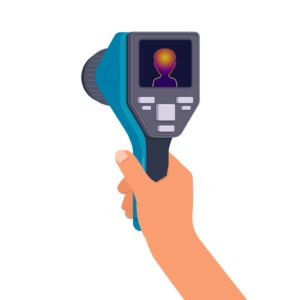
Infrared cameras take heat images and detect body temperature. While exact specifications, including how many people can be scanned at once and how accurate the temperatures are, differ by technology providers, thermal imaging has emerged as the first line of defense to keep those infected with COVID-19 from spreading the virus.

Benefits

Where traditional methods of temperature-taking can bog down entry points, thermal imaging can take the temperature of dozens of people at once. Mass screening also means a noninvasive, noncontact approach to temperature taking.

Some companies offer thermal cameras for sale, which can be set up at the entrances to events, then stored for future use; while others offer rental services and on-site professionals to monitor the technology. Using thermal-imaging technology as opposed to a spot pyrometer, also known as a temperature gun or infrared thermometer, reduces the risk of user error because thermal imaging scans the whole body or head, not just a single point on the face.

Limitations

While efficient, thermal imaging can only detect skin temperature, not basal or internal temperature, which is the real indicator of fever. Surface body temperature can be affected by simple things such as warm weather, walking up a flight of stairs or drinking alcohol, meaning it may not be an accurate indicator. When designing an event, it is important to consider a range of issues concerning this technology, from privacy concerns to effectiveness and lack of FDA approval on some systems.

Some Options

A leader in electrical planning, design and engineering, Faith Technologies has created an automated Thermal Body Temperature Scanner for use at events. It can scan up to 16 people at once and instantly notifies those monitoring body temperatures if anyone has an elevated temperature.

CrowdRX offers both passive and active screening systems, so that efficient passive screening can be followed up with a more accurate active screen, if necessary. The company also has an experienced team to help on location and other medical services, including temporary emergency rooms.

Athena, a start-up that began using imaging technology for gun safety at events in 2018, has expanded into thermal imaging technology this year. Its system scans individuals one by one on the hottest point of the face, near the eyes, and cleverly ignores things like hot coffee or a cell phone that may skew results. The user can also set the max temperature to control for things like hot weather that could lead to false readings.

For an automated artificial intelligence temperature screening system, RichTech touts a user-friendly interface and simple systems setup. It calls temperature screening the “first line of defense against COVID-19 and other infectious diseases.”

Do the widespread Black Lives Matter (BLM) protests calling for an end to racial bias in all its forms leave you wondering how meeting planners can join the struggle against the long history of discrimination? Now is the best time since the epic efforts of the Civil Rights Movement of the 1960s to take action, say industry leaders like Faith Morris, chief marketing and external affairs officer with National Civil Rights Museum in Memphis, Tennessee. Powerful statements from Jason Dunn, chair of National Coalition of Black Meeting Professionals, and Elliot Ferguson, president and CEO of Destination DC, also highlight the need for planners to play a role in the shift to gatherings that are more inclusive, diverse and part of the solution.

Amplify Black Voices

When speaking about racism, race matters. This is the time for black voices to be heard, social commentators say. Meeting professionals have the opportunity to amplify historically marginalized voices by selecting them as speakers for events, and including them and the issues that address minority challenges on panels. Company owners and managers can also be intentional about giving them visible platforms.

Support Black Businesses

Another way to use your professional influence to aid black lives is by supporting black-owned businesses. From venue choice to swag bags and floral arrangements, there are countless opportunities to support black businesses when planning an event.

According to Forbes, minority-owned firms are much less likely to be approved for small business loans than white-owned firms, and if they are granted loans, they are often at higher interest rates. This is just one of the many things that make black-owned businesses more financially vulnerable, which is even more threatening during COVID-19-induced economic troubles that disproportionately affect the black community.

Directories of black-owned businesses based on location or industry can make the search easier.

Educate Yourself

Behaviorial psychologists and other experts say one of the most important steps of antiracism work is the process of unlearning unconscious stereotypes and adopting a mindset that is more open and free of these. By educating yourself on issues of racism through books, social media and conversations with friends and colleagues, you can help move toward a new vision of the industry that is less monochromatic and more vibrant.

Don’t Ignore Race

In a message to Destination DC’s members following BLM protests in Washington, D.C., Elliot Ferguson, president and CEO of Destination DC, said, “As the leader of Destination DC, I recognize that first and foremost it’s all about hospitality and economic development, but as a black man leading an organization that’s truly diverse, this is an opportunity for us all to reflect on what’s right, what’s good and make a difference.”

When industry leaders take the problem seriously and commit to uncomfortable changes where necessary, real change can start to happen.

Chair of National Coalition of Black Meeting Professionals Jason Dunn also spoke up last week. On June 1 he released a video message to NCBMP members on behalf of the association’s board of directors, in which he observed, “History has an unsettling way of repeating itself, particularly if one chooses to turn a blind eye.” Meeting professionals are positioned to start conversations about recognizing racially based behaviors in the workplace, however difficult they may be.

It’s a Marathon, Not a Sprint

Issues of race have an all too common history of entering mainstream media and consciousness for a short period of time before society returns to “normal,” sociologists and other commentators point out. Although the Black Lives Movement has gained significant traction in the last two weeks, if real change is to be found, the conversation about rooting out systemic bias needs to continue.

The Montgomery Bus Boycott, sparked by the arrest of Rosa Parks in 1955, lasted for 381 days. The buses that carried Freedom Riders across the South in 1961 ran for seven months, and the Civil Rights Movement spanned over 15 years. The fight for equality and justice is a marathon, not a sprint. While action is important today, many activists point out it is even more important to continue to fight for diversity in the industry when the buzz of the protests has died down and #blacklivesmatter is no longer trending on social media.

In a Twitter chat hosted jointly by Financial and Insurance Conference Professionals (FICP) and Smart Meetings on Tuesday, participants highlighted the resiliency of meeting professionals and shared how the community is coming together during these tough times. #SmartMeetingsxFICP looked at FICP’s Spring 2020 Pulse Survey Results, and industry professionals shared their tactics for working and planning in 2020.

Here are key takeaways from the #MeetingsChat.

#Community

Smart Meetings’ first question to meeting profs was what they are doing to get back to work stronger than ever. Anh Nguyen, CMP, used that springboard to tweet about building community, making connections and taking the opportunity to meet people she wouldn’t have otherwise. FICP also referenced virtual FICP chats in which industry professionals discussed community-building in the industry. (Read about the most recent chat here.) Nguyen gave a shout-out to the venues she’s been working with: “They have been AMAZING. I can’t even imagine the stress that they’re under to move all these programs, and all of them have been flexible and gracious.”

#COVIDchanges

No one is sure exactly what the events and meetings industry will look like post-COVID-19, but educated guesses are being made. An increase in virtual events and a bigger focus on sanitation have been frequently discussed as two sure bets. To the question, “What is the biggest change you think will happen post-COVID-19?,” Jeanette Paschal, at Sound Meetings & Event Management didn’t focus on technology or safety. Instead, she expressed in 11 words what resilience in the meetings industry is all about: “We will all be more gracious and kind to each other.”

#Coronaviruschallenges

Smart Meetings asked if meeting profs were cancelling, postponing or pivoting to virtual their events planned for Q2. FICP responded with insight into top challenges facing meeting planners attempting to re-schedule events. The biggest hurdle? A lack of availability for desired dates in Q3 and Q4, according to FICP’s Pulse Survey results. However, planners are staying strong: 89 percent are handling cancelled or re-scheduled events on a case-by-case basis, ensuring as much as possible that clients aren’t missing out, despite obvious difficulties. Just another example of the adaptability and durability of meeting professionals.

IMEX Group this morning announced cancellation of IMEX America 2020, originally planned for September 15-17 at Sands Expo in Las Vegas. The globally fueled summit of exhibitions, education and collaboration for all branches of the vast events and meetings industry would have celebrated a landmark tenth anniversary this year, as well as its last year at the Sands venue.

Three Reasons for Cancellation

IMEX leadership explained in a press release that the cancellation became necessary due to three primary issues in preparation and planning.

First, with countries across the globe in vastly different modes of maintenance, from total shutdowns to phased re-openings, IMEX leadership concluded that it could not guarantee return on investment for its exhibitors, which was said to be the foremost priority.

Second was the issue of timing. IMEX said it couldn’t expect the necessary commitments for investment required now—from the industry supply chain to exhibitors—to produce the show in the fall.

Lastly, a third of attendees at the huge gathering are typically from outside the United States. With no way to accurately forecast travel restrictions or the safety of international travel, it could prove impossible for many of the buyers, exhibitors and key industry professionals to commit to participating. Overall attendance would also be unpredictable and perhaps drastically reduced.

“It’s therefore important that we make this decision at a time when we’re still able to reduce the risk and exposure for our exhibitors, partners and suppliers,” said Carina Bauer, CEO of IMEX Group.

Looking Back at IMEX 2019 for Inspiration

IMEX America 2019, which garnered record-breaking attendance, had the theme of imagination in event planning—a focus that rings poignantly in light of the current industry situation.

At last year’s event, Bauer stressed the importance of expanding the can’t-miss, physical draw of live events. “Attendees increasingly look for and remember interesting experiential elements—they make it imperative to be on site at an event, rather than just sitting in front of a computer or watching it virtually from their desks.”

See alsoThe Story Behind the High-Speed Journey to PlanetIMEX

Nonetheless, with the meetings industry almost entirely relegated to sitting in front of glowing rectangles for the time being, IMEX also said it would forge ahead with a virtual presence that heeds Bauer’s call for imagination. “We’ll continue to work on [our] virtual platform [PlanetIMEX], and the industry can expect to see innovations and plenty of fresh activity online during September and beyond,” Bauer said.

And Looking Forward

The theme for 2020—and still, potentially, for 2021—was to be focused on nature. “We’ll be exploring what nature can do for us and what we can do for nature, and we’ll be running this theme over two years to give it the traction it deserves,” said Ray Bloom, chairman of IMEX Group, at last year’s event.

Bloom and Bauer conveyed their confidence in the resilience of the industry, their thanks for the support and understanding of friends and partners, and their passion to ready for IMEX Frankfurt and IMEX America 2021—where, they affirmed, they eagerly await meeting face-to-face again.

In my conversations with meeting planners, many of the concerns I hear around planning live meetings in this new normal are logistical: how will we practice social distancing? Will I need more space for the same size event? How can we handle food and beverages?

Defining Safety

During these conversations, I am reminded of something from the movie “Field of Dreams”, where the protagonist played by Kevin Costner hears a voice imploring him, “If you build it, they will come.” Many of the CDC guidelines and planning conversations talk about managing the physical safety of people. However, physical safety is only part of the equation to entice attendees and speakers to participate. The other, equally important, consideration is psychological safety—the mental well-being of participants. Psychological safety is typically defined in workplaces as the belief that one will not be punished for surfacing ideas, asking questions, raising concerns or making mistakes.

If we extend this definition to include feeling comfortable and engaged while attending meetings, the prospect of ensuring psychological safety—to create a safe and welcoming environment—is another consideration for planners who want to maximize attendance.

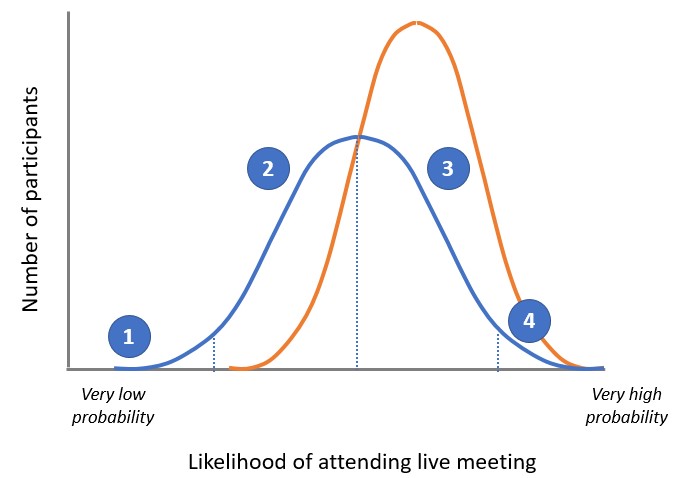
Consider the following graph, which assumes a normal distribution of attendee profile, under two situations: Pre- COVID-19 (orange) and post-COVID-19 (blue).

In both cases, you have a normal distribution of people interested in attending, ranging from those who are very unlikely to attend and those who are very likely to attend. For a meeting before COVID-19, you would have people unlikely to attend perhaps because their interest isn’t enough to overcome the cost, travel time, time out of the office, or other similar barriers. In the post-COVID-19 scenario, the people who are most interested are still likely to attend, but many more people won’t attend than in the past.

Why? To answer that question, consider the profile of attendees in each of the four numbered groups.

Attendee Psychological Profiles

On the far left of the blue chart, Group 1 is what I call “Hypochondriac-lite.” While not intended to be a clinical assessment, these are people who will not attend a live event in the immediate time period after restrictions are lifted because of fear of COVID-19, either while traveling to and from or at the event itself. This group is unlikely to participate regardless of any steps you take.

On the far right, in Group 4, is what I call the “Laissez Faire.” These are the folks that likely believe the coronavirus situation was overblown and are ready (and have been ready for some time) to attend live events. This group—by virtue of their perspective—is likely going to be less concerned with preventative measures and personal protection measures (such as wearing a mask) and is likely the group that would cause hesitation in the people in groups 1 and 2.

Group 3 would want to attend live meetings, but have some moderate concerns with safety. I term them the “Physical Safetyists.” Their concerns can be generally addressed by following or exceeding CDC or local health and safety guidelines. To attract this audience, attendee acquisition should focus both on the content and the physical safety protocols.

Group 2, are the “Psychological Safetyists.” This is the group that would be concerned about attending a live event too soon, with significant concerns about the risk of infection or coming into contact with someone who is infected. While not as extreme as the profile in Group 1, Group 2 attendees don’t yet feel comfortable with live events. Attracting this audience will be difficult, particularly since it is a mindset keeping them away. Someone from Group 3 may be incentivized to join knowing that masks are recommended and available; someone from Group 2 may only join if masks are required at all times.

Move the Curve!

Groups 2 and 3 are critical in the post-COVID situation since, if you are going through the trouble of hosting a live event, you want to maximize attendance. If the aggregate attendees’ profiles do look like a normal distribution, the vast majority of people will fall into Groups 2 and 3. Therefore, taking steps to ensure physical protection and then communicating those protections to potential registrants could help sway people from Group 2 into Group 3.

Earlier, the question I raised was, “Why is psychological safety important?” The answer: if you don’t find ways to engage and involve the “Group 2” profile, you are likely going to attract something in the neighborhood of 60 percent of your previous meeting levels. By thinking through these 4 profile types and planning for them, you can maximize the reach, attendance and impact of your event!

Steve Marley leads ZS’s Meetings + Events practice area, where he works with organizations to think holistically about their meetings programs, includes finding ways to best balance the costs and effectiveness of both in-personal and virtual interactions in a compliant manner.

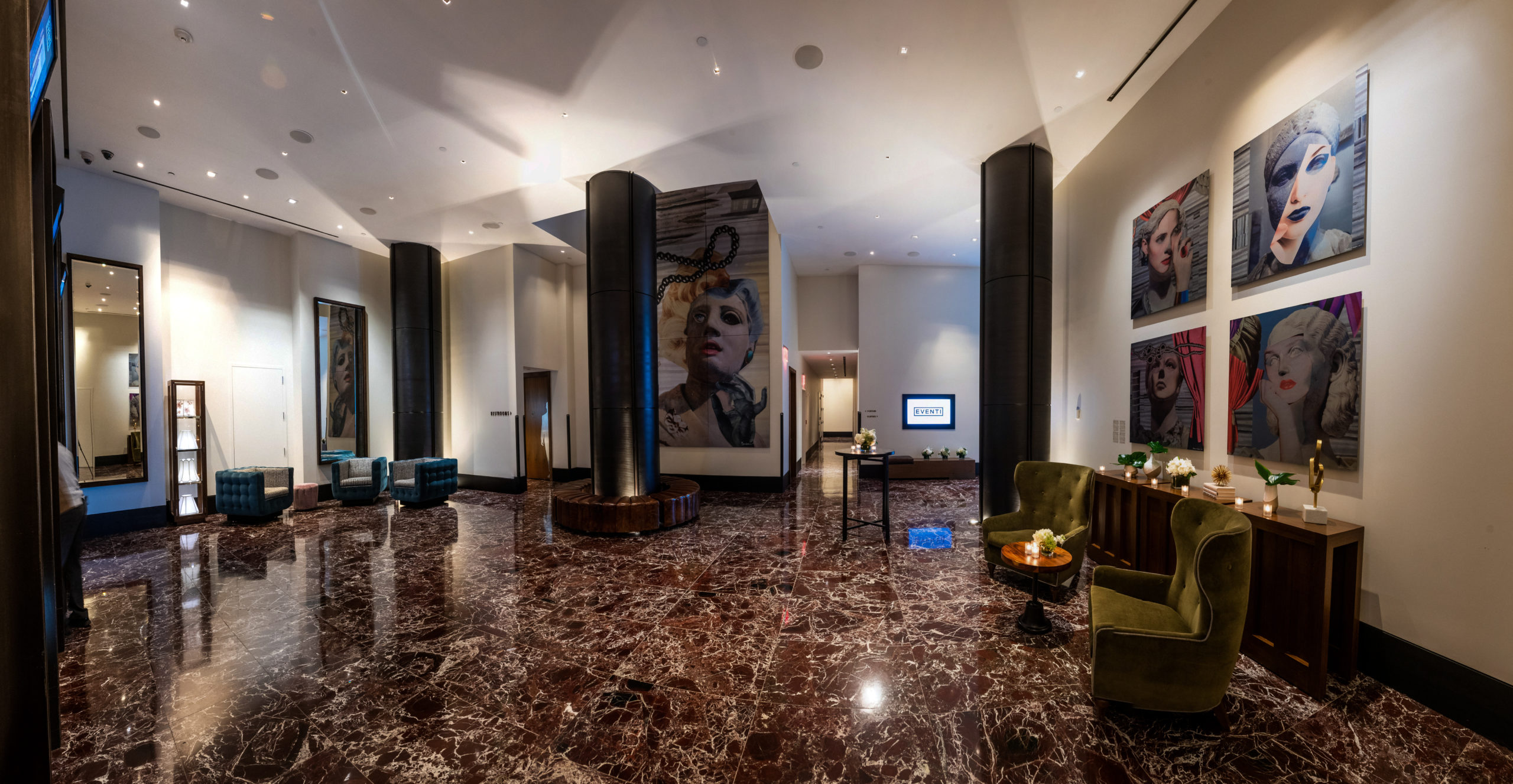
Kimpton Hotel Eventi, New York City

In February this Chelsea hotel revealed major renovations to its 20,000 sq. ft. of meeting space. The revamp debuts bright design upgrades to its third- and fourth-floor meeting spaces with High Line views; there are also two outdoor terraces and a (public, but reservable) 15,000-square-foot, multi-level outdoor plaza with a 30-foot multimedia screen. With a James Beard-nominated chef crafting your catering menus, you may not even feel the need to visit the enlivening living-room lobby restaurant and bar.

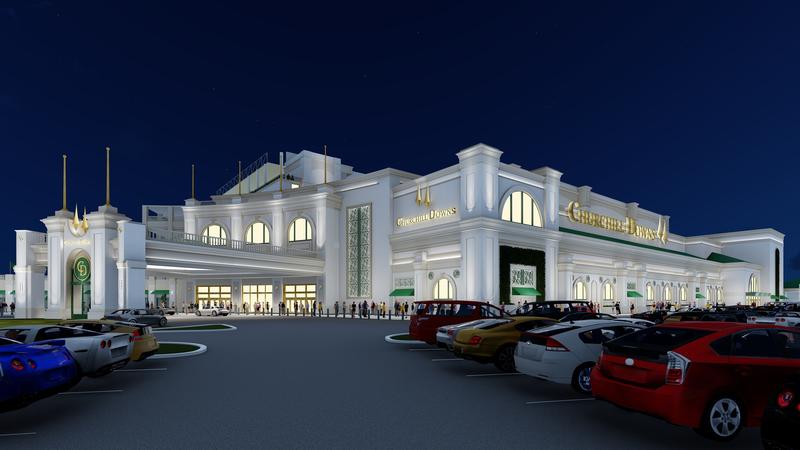
Churchill Downs, Louisville, Kentucky

What makes a better event cap than watching the Kentucky Derby from the comfort of a hotel room, mint julep in hand?  It’ll be possible at the 2022 race, as construction is underway for an as-yet-unnamed, seven-story hotel offering 156 guest rooms—with  96 of them facing the racetrack. The hotel will cater to the historic track event with specialty packages, reserved seating and services during the equestrian affair, but the 27,000-square-foot ballroom will show it winning form for gatherings all year round.

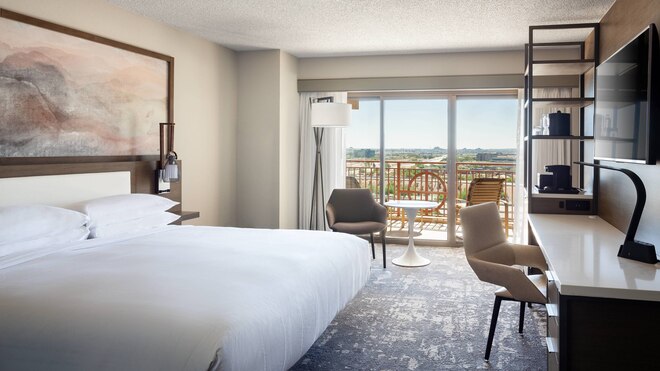
Marriott Phoenix Airport, Arizona

The property has unveiled a full refresh to its 346 guest rooms, meeting spaces and public areas. New design reflects the Sonoran Desert in warm colors and raw textures, inspired by its regenerative namesake, the phoenix. The hotel has 24,000 sq. ft. of meeting space and is a five-minute shuttle ride from Phoenix Sky Harbor International Airport (PHX). Redesign also swept the menus, with elevated catering options from the restaurants to the poolside cabana. Its central location places it an underhand lob from Major League Baseball’s spring training sites, multiple sports stadiums and Phoenix Convention Center.

Le Meridien Dania Beach at Fort Lauderdale Airport, Florida

This brand marries form, function and beauty to lend a European perspective to each of its locations. The newest iteration will be minimal and modern, with 245 guest rooms exemplifying midcentury aesthetic with a special homage to the 1960’s French Riviera. Events can take place in over 25,000 sq. ft. of meeting space, and standout touches such as a signature scent and Bossa Nova tunes in public areas will help attendees fulfill their Eydie Gorme fantasies. Five dining concepts will range from French, Caribbean and South American fare to a dedicated tequila bar.

As the industry celebrates re-openings in some areas of the country, we can’t forget that many hospitality workers and businesses are still in crisis mode. And several hospitality foundations are still raising donations and awarding financial assistance to those in need. Just as important as monetary help is information and advice, from pro bono consulting to localized health and safety measures.

Of course, there is always good news to share in an industry comprised of people whose talent is in providing service to others. So, here’s a roundup of organizations accepting donations as well as those providing resources for hospitality industry workers.

Meetings Industry Fund

The virtual summit Untethered raised $17,500 for Meetings Industry Fund in an inaugural event May 19-21. The three-day event featured several prominent speakers, with breaks for virtual yoga sessions and remotely shared cocktails. The pay-what-you-can event donated all proceeds to MIF, which was set up by event industry leaders in 2015 to provide financial support in crisis situations for meetings and events industry workers. You can still support MIF by making a donation as it continues to give grants to those impacted by the pandemic.

Above and Beyond Foundation

Above and Beyond Foundation’s Helping Hospitality Urgent Aid Grant Program awards $500 virtual VISA cards to hospitality industry workers affected by the COVID-19 crisis to provide immediate relief. To be considered for a grant, industry workers must be nominated by a senior manager where they have worked for at least a year. Above and Beyond Foundation continues to accept donations specifically for its COVID-19 fund, which you can donate to here.

PCMA Foundation Industry Relief Fund

As easily as you can set up text alerts for discounts at your favorite online store, you can also donate through PCMA Foundation Industry Relief Fund. It’s working with Above and Beyond and Search Foundation to distribute donations, which can be made in seconds by texting the number listed on its site with your name and donation amount.

American Hotel & Lodging Foundation

American Hotel & Lodging Foundation (AHLA) responded to the crisis by giving a lift to the next generation of hospitality leaders. It offered free management and training courses for hospitality workers in April and May to further their careers during the shutdowns. Continuing education scholarships are on hold while the foundation raises more money, but furloughed workers can still apply for 2020 professional development scholarships. The site also has a comprehensive list of helpful resources. You can only donate to the educational initiative if you’re an AHLA member.

Another initiative by the foundation can connect hotels looking to aid the front line. Over 17,000 hotels volunteered to work with local governments during the crisis by signing up to be part of AHLA’s Hospitality for Hope Initiative, which offers a searchable database for government officials to find alternate spaces to house those in quarantine or medical personnel.

Another Round, Another Rally

Tackling the challenges with financial help and outreach is Another Round, Another Rally, a nonprofit resource for the hospitality industry with a specific aim to “further the education of underrepresented voices in the community, and supply emergency assistance to those employed in restaurants, bars and hotels who have fallen on unexpected hardship.” Not only is it taking donations and offering grants to hospitality workers across the gamut, but it’s also compiled an easily navigated state-by-state COVID-19 resource page, with links for tracking recorded cases, applications for unemployment and local relief resources.

Timothy S.Y. Lam Foundation

In Las Vegas, epicenter of tourism and hospitality, the Timothy S.Y. Lam Foundation made $200,000 in grants to unemployed Las Vegas hospitality workers over two rounds of funding. Though the second round of grants recently closed, it, too, has a comprehensive resources page with helpful links to everything from health and legal assistance to a list of codes for free trials for video streaming, fitness memberships and even virtual museum tours.

American Society of Association Executives

Last but not least on the information front is American Society of Association Executives, which hosts a resources page on its website with newly published articles on topics like budget planning during COVID-19 and job hunting in a pandemic market. Additionally, a list of on-demand webinars and talks, such as “The Shift to Virtual During and After COVID-19: A Young Professionals Dialogue” and “Preparing Your Office and Employees for Returning to the Workplace” can bring you valuable perspectives to prepare for reopenings across the country.

Today the travel industry mourns the loss of Karolyn Kirchgesler. Kirchgesler was diagnosed with cancer in October 2019 and stepped down from her role as president and CEO of Team San Jose.

Kirchgesler had been with Team San Jose, which includes San Jose McEnery Convention Center, Visit San Jose and the collection of San Jose Theaters, since 2013.

“I had the great privilege of hiring Karolyn, then witnessing her build Team San Jose into a powerhouse. Her style, wit and tenacity served our city in too many ways to count. We’ve lost a great leader and an even better human,” says Michael Mulcahy, board member and former chair of Team San Jose.

Kirchgesler was incredibly active in her community. She served as a board member of The Silicon Valley Organization, Joint Venture Valley Silicon Valley, San Jose Sports Authority and was vice chair of San Jose Police Organization. Outside of her city, she was on the board of U.S. Travel Association, Cal Travel and Destinations International.

MoreKarolyn Kirchgesler on Meetings in San Jose

She also played a hand in making San Jose a premier sports destination through her partnerships with the city of San Jose, San Jose Sports Authority, NFL’s San Francisco 49ers, NHL’s San Jose Sharks and MLS’s San Jose Earthquakes, to host numerous sporting events, including Super Bowl 50, 2019 CFP Championship Game and 2019 NHL All-Star Weekend.

Her hard work led her to be recognized as a Woman of Influence by Silicon Valley Business Journal in 2014 and Businesswoman of the Year by The Silicon Valley Organization in 2019, and to be inducted in the 2020 Destinations International Hall of Fame.

Teaching 101 tells us one of the most effective ways to learn is by doing. Meeting planners also learn by watching others doing. That is why, in this time of repackaging grand destination programs to fit onto confined computer screens, a great way to avoid mistakes is to study how our peers are shape-shifting to meet COVID-era standards.

Smart Meetings asked three meeting planners about their pivot to virtual events and the strategies and tools they used to keep everyone tuned in. Here are their lessons learned.

A Job for a Professional

Some 250 leaders from the enterprise data protection company Veritas Technologies come together once a year from all over the globe to coalesce around a shared plan for the upcoming 12 months. The 2020 Sales Leadership Summit was planned for April 15-17 at Encore Boston Harbor Resort. “That was obviously not possible,” said Jenn Artura, head of global events, incentives and strategic programs for the company. It also wasn’t possible to postpone for six months because the sales team needed the tools to continue working.

That left Artura no choice but to reinvent her plan. “Actually, we pivoted twice,” she said in a breathless phone call after the event concluded. The first shift was to be a hybrid meeting where only the speakers gathered in the company’s Santa Clara headquarters. Then California shut down offices, so she transformed it again less than four weeks before the event.

The biggest challenge? Keeping the energy at an appropriate level. “This is normally an energetic, fun event,” she said. “We needed to keep the energy, but we had to change the tone in light of what was going on in the world. We had to rewrap it.”

The team came up with the theme “Together We Will Win” to express unity, community and being transparent. That was a big departure from “We Are Crushing It,” the original messaging.

The format of the virtual event also needed to reflect that human connection. Gone was the long keynote in favor of 20-minute, TED-style presentations. Without a stage, lighting and applause, the team had to consider how long people would want to stare at a laptop. After many demos, they chose Intrado as the platform and engaged the audience with Q&A sessions, comment feeds and an emcee with plenty of sound effects.

She spread the 1.5-day agenda over three mornings with different sub-themes each day. Presentations were live to make them feel more immediate and intimate. But she also planned quirky, unexpected moments, including a prerecorded deejay during the 25-minute breaks that led to lots of people posting videos of their entire family dancing.

Giving back is a company tradition that makes people feel connected and eager to help. The company selected three nonprofit organizations and primed the pump with a $2,500 donation and a match. In the end, more than $55,000 was raised for COVID-19 relief.

Lesson Learned: Hire a producer. “I woke up in the middle of the night and realized we needed a producer, so I got a professional,” she said with a laugh. “My advice: Don’t do this alone.”

It worked. Eighty-five percent of participants ranked the shorter keynotes excellent and said they kept them engaged. And 94 percent gave thumbs up to the visual elements. Most important, they said they had clear direction and what they needed to move ahead for the year.

“I feel like hybrid may be part of the structure of events after this,” Artura concluded.

Challenge of Living Up to Reputation
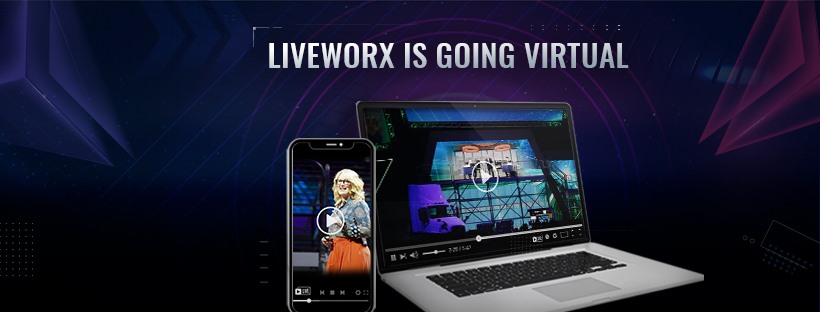
When the stated purpose of your event is “digital transformation,” a switch to virtual can’t be done tentatively. Software company PTC’s annual LiveWorx was planned for the second week of June at Boston Convention & Exhibit Center. It was being designed to top last year’s event, which shut down a whole block and brought in cast members from Game of Thrones to interact with VIPs. This year, tickets were going for $1,000 each, and country star Keith Urban was scheduled to thrill the crowd. Then COVID-19 showed up.

In mid-March, the team made the decision to go virtual.

“This is all an experiment. We are flying the plane and building it at the same time,” said Sarah North, LiveWorx senior event operations and logistics project manager.

The four-day agenda (with 200 breakouts) was slimmed down to a one-day, “complimentary virtual event for the industrial enterprise that helps technologists innovate at scale.” It is now going to offer nine keynotes and 100 breakouts, a mix of prerecorded and live engagements, along with a networking lounge that matches attendees in 1-on-1 or 1-to-many meetings using TurnoutNow’s artificial intelligence (AI). This AI also suggests agendas based on interest, and a bot can suggest possible activities throughout the day.

The whole thing will be hosted on Brightcove’s video cloud because of its size and the fact that it can handle large groups without crashing. “Which would be a nightmare,” said North.

Once the agenda and speakers were set, engagement was the next big challenge. “We need to create a sense of community, especially in times like these,” North said. “We want our attendees to feel like they are part of something special, while creating new professional opportunities and educational growth at the same time.”

“Pack your bag” emails got people excited, icebreaker questions added fun to networking exercises and a virtual scavenger hunt on the mobile app gamified the experience and highlighted sponsors. A new charity tie-in pledged $1 for every attendee interaction in a networking lounge, and for every #LiveWorx hashtag post. DIY mocktail recipes didn’t hurt, either.

Lessons Learned: That plane may be a work in progress, but it is a metaphorical jet. By mid-May, 11,500 people had registered. “Executives began thinking we might have something here,” North reported. The marketing team can monitor every interaction to see what is resonating.

The team is still working on the sponsorship model. Normally, 85 sponsors would be on board at much higher prices. Fifteen had signed up by press time.

“It’s going to be okay. This is unknown territory for all of us, and we need to embrace this change and continue to be there for each other,” North enthused.

Good Event Design Still Matters

Even spiritual leaders need help getting the word out during a pandemic. A New Beginning World Conference approached Nifty Method Marketing & Events the second week of April for help transforming an experience that was intended for 1,000 people in Los Angeles at the end of May to a three-day virtual event. Oh, it still wanted to charge attendees for participation.

The original plan was to charge the same fee as the in-person conference, but organizers got pushback. They cut the price in half, then added a premium for recordings that would remain available for six months.

Lindsay Martin-Bilbrey, CEO of Nifty Method, took the agenda that had been planned and tweaked it to fit two platforms, Bizzabo and Zoom. The virtual livestream was used for keynote sessions and Zoom allowed for the interactivity needed during call-and-repeat breakout training.

Increased interactivity in the form of a moderator interviewing speakers during breaks enticed people to stay at their tablets and laptops rather than moving from room to room. The organizers paid to have coffee delivered to participants’ homes from local companies to preserve that reset feeling.

An event app was created to promote interactivity during and after the conference. “Plus, we were able to get cell phone and physical address information for more targeted SMS pushes and messaging,” she said with a grin.

What Martin-Bilbrey didn’t do was shrink speaker time. Talks were streamed at full length: an hour for keynotes. Breakouts were 30 minutes. “If the conference was already about interactive experiences, you don’t always have to change the schedule that much,” she said.

Lesson Learned: “Good event design matters,” she said. If a coffee break was planned at 2:30, leave it that way, she advised. The same principles apply. People will sit through a full session if it is good information.

The inverse is also true, however. If the content isn’t good, then you will lose audience quickly. “They will turn it off, and there is no open bar later to bring them back. You can’t accept mediocre speakers,” she said.

Her advice? Practice. Even experienced speakers need to be trained on the equipment and taught to speak to a blank screen where they can’t read the room. She sends a “studio in a box” and requires full run-throughs for everyone.
The COVID-19 global pandemic has radically upended the issues and trends that shape the current and future tourism and hospitality industry. We reported on some of these hospitality trends at the end of 2019 and many have simply been amplified by coronavirus disruption while others are brand new. Smart Meetings compiled some of today’s top hospitality trends based on what the Smartie community is telling us so you can navigate a safe path in tumultuous times.

Virtual

pivot covid-19 virtual eventsHybrid is the new black. Perhaps the biggest shift the hospitality industry has seen over the past few months is the “pivot” from in-person events to virtual ones. As many cities and countries begin to open up their economies, events are being re-scheduled for late summer and fall. While most face-to-face events are set to resume when possible, a lasting trend of COVID-19 will be an increasing popularity in hybrid events. When those who can’t attend physically have the option to participate virtually, that results in greater outreach and more attendees at lower costs.

See alsoVirtual Genius Resources

The virtual craze extends beyond the event. VR site inspections and virtual FAMs are reliable options for cases where the a trip isn’t possible. While previously available, now that planners have discovered these tools, they could become a more efficient site selection option for years to come.

Local, Authentic and Smaller

In a 2020 update to an article outlining the top 10 trends impacting the hospitality industry, Smart Meetings found that catering to millennials is still important. Younger travelers spend more and travel more than any other age group. They are also trend-setters. The pre-COVID-19 popularity of local, authentic experiences is even more relevant than ever. This focus on intimate experiences lines up well with head of creative at DesignScene, Neil Cook’s prediction on what the future of events will look like: “more small- and mid-size events structured as a ‘tour’ of a continent (e.g., Europe east to west), country or geographical region.” Cook’s advice to ‘not put all your eggs in one basket’, or to focus on several smaller events instead of one big one, would also allow you to cater to the millennial fancy for small, intimate events.

Wellbeing

Health and wellnesshelp pandemic have been major trends in the hospitality and travel industry for some time now. From an increase in fitness centers to a focus on healthy food options, mindfulness and getting good sleep, health has been an important factor at events for years. COVID-19 amplified this focus on being body-smart. Sanitation practices have become standard, venues are limiting capacity, food is pre-packaged and masks are worn to ensure the health and safety of staff and guests alike. There has also been a surge in mindfulness practices and exercises as people try to cope with the stress and anxiety caused by COVID-19.

MoreFree Meditation Apps for Event Planners on the Go

Sustainability

how to helpTrends in the hospitality industry that were popular before COVID-19 may have taken a backseat recently, but they are not gone for good. Sustainability has been trending as an important issue for years and planners have historically incorporated sustainable practices into almost every meeting. While the need for pre-packaged food, disposable gloves and plastic water bottles may be higher on the checklist right now, the negative environmental impact of single-use plastic is still real. The green focus doesn’t stop at the recycle bin. In addition to sustainable practices, attendees “want to see nature in the ballroom.” Biophilic design helps bring the healing power of nature inside.

Bring on the Creativity!

The current trends in hospitality and tourism are a testament to the creativity of meeting planners and industry leaders as they continue to adapt. Meeting professionals are resilient and resourceful. Innovation in virtual events and creativity in how to move forward with physical events will drive the hospitality industry’s path forward through this crisis.