Plan with Confidence

What does it mean to “meet smart” in a post-Covid-19 world? Responsible event professionals are partnering with destinations and venues that understand attendees today are looking for inspirational experiences that marry thoughtful safety protocols within an exciting destination that fuels engagement beyond what is possible through a computer screen.

The recipe for a can’t-miss meeting starts with easy access and ample meetings and event space. Add a dash of modern, tech-enhanced spaces and a generous helping of exciting dining experiences, sports and entertainment and you have the makings of a must-visit meetings destination.

Read more about how Las Vegas is welcoming the new era of business.

A Trusted Partner

A recent study by the Las Vegas Convention and Visitors Authority (LVCVA) showed that a majority of business travelers (74%) believe Las Vegas will be prepared to safely host in-person conferences, conventions and trade shows by the second half of the year.

The meetings and events pros in Las Vegas have been thinking about how to get everyone together safely for the last year, and they have developed some creative answers. The innovative COVID Trace contact tracing mobile app developed by the Nevada Department of Health and Human Services leverages Google and Apple’s Exposure Notifications System to embed peace of mind in every event. Hospitality workers have been prioritized for vaccinations and venues across the destination have invested in bioprotection and antimicrobial measures, as well as technology for safer registration and F&B experiences.

Recent Global Biorisk Advisory Council (GBAC) STAR certification is more than a stamp of approval; it is a new way of creating a positive framework for meeting responsibly. The expanded Las Vegas Convention Center was the first facility in Nevada to receive certification from ISSA, the worldwide cleaning industry association, and is considered the gold standard for safe facilities. Also certified are Sands Expo Convention Center, McCarran International Airport and the soon to open Resorts World Las Vegas.

Wide Open Spaces

Throughout 2020, Las Vegas added 2 million square feet of new, distinctive and flexible venues with lots of opportunities to get outside for team building and more.

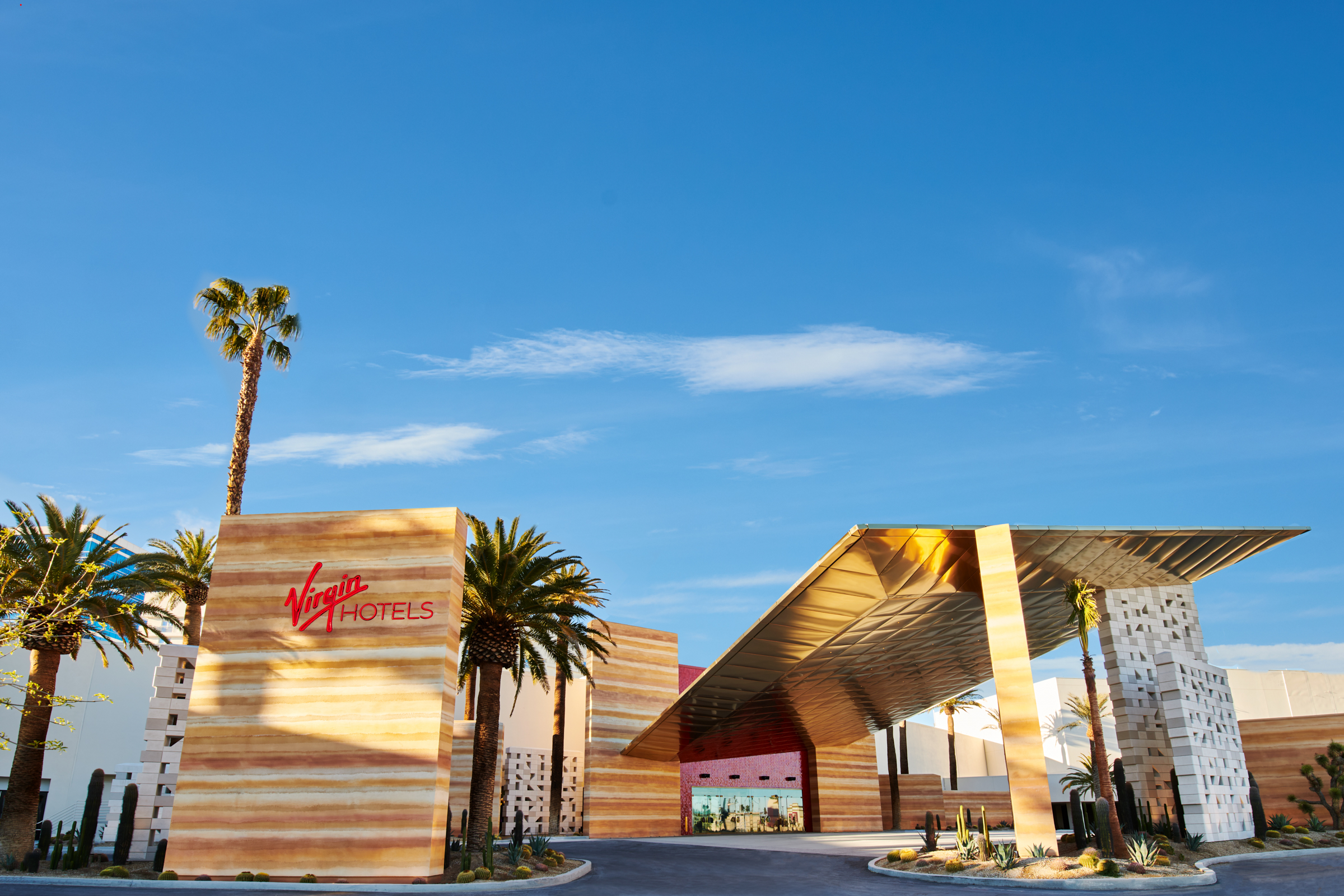
Virgin Hotels Las Vegas and Curio Collection by Hilton recently welcomed the first guests to 1,500 “chambers” off the Vegas Strip, with design inspired by the desert landscape. The completely redesigned former Hard Rock Hotel will eventually include a five-acre desert pool oasis with an event lawn, a live music and entertainment theater with room for 4,500 delegates, 24 meeting rooms, and 12 varied dining concepts.

On June 24, global casino resort developer and operator Genting Group will throw open the doors on Resorts World, three luxury Hilton brands—Conrad Las Vegas, Crockfords Las Vegas and Las Vegas Hilton. The massive new build on the Strip across the street from the Las Vegas Convention Center will include a 100,000-square-foot event center, 40 dining options on site, and an array of immersive LED walls for personalizing the space.

Wynn/Encore Las Vegas debuted its new 439,000 square feet of meeting space in February 2020 and has developed a signature health and safety plan that includes outdoor spaces overlooking Wynn Golf Club’s 18th fairway and waterfall.

SAHARA Las Vegas is focusing on intimate, boutique events that are big on style, sophistication and service. While the recently remodeled venue boasts 80,000 square feet of indoor-outdoor space, including a 9,000-square-foot ballroom, it is known for its 19 distinctive venues.

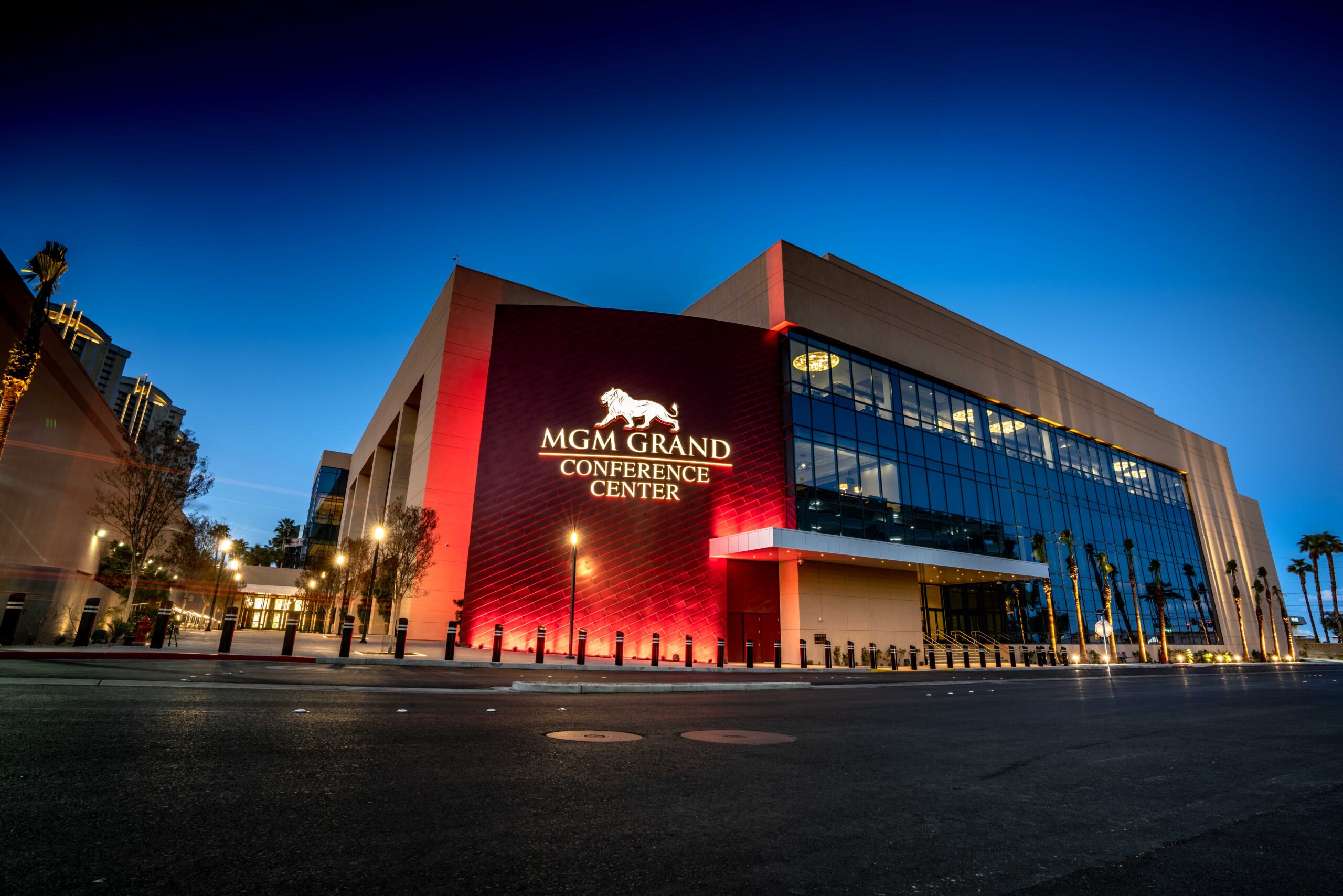
MGM Resorts International, which completed a 250,000-square-foot expansion of MGM Grand Conference Center in 2019, is now focusing on digital innovation to improve the attendee experience with contactless check-in and other pandemic-proofing measures.

All Together Now

These major meeting destinations worked together over the last year to ensure that wherever visitors ventured on the Strip and throughout the destination, they would feel safe and welcome. At a shared panel at the expanded Las Vegas Convention Center West Hall celebrating Global Meetings Industry Day, hospitality representatives shared their optimism for the future of events.

“Now that we have all seen what it feels like to have to do without, we will be stronger,” said Steve Hill, LVCVA president and CEO.

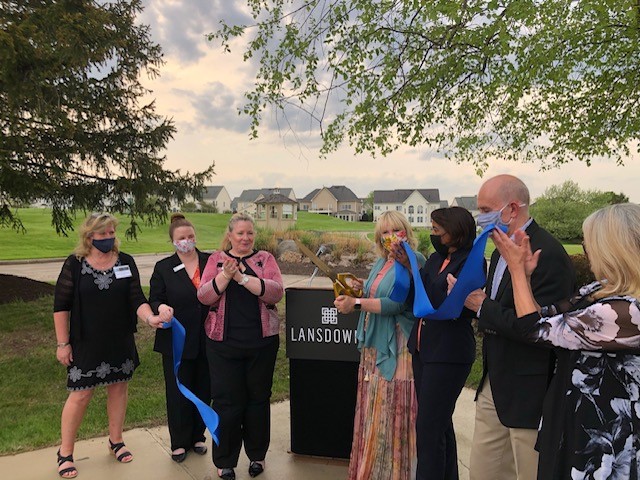
Top meeting professionals and dignitaries met this week at Lansdowne Resort and Spa in Loudoun County, Virginia, to celebrate the return to business at Smart Meetings’ first face-to-face event of 2021, Mid-Atlantic Experience. The energy at the opening reception and ribbon cutting in Lansdowne Pavilion and in the completely redesigned ballroom was one of relief as many discovered that they could feel safe, comfortable and connected at a meeting again.

“It feels so right to be seeing all of you again in person and getting business done safely,” said Marin Bright, CEO of Smart Meetings, before cutting the ribbon on opening up to groups again with the first major meeting in the area since coronavirus precautions shut meetings down.

That responsible return is essential to the economic future of this dynamic county. Commissioner Phyllis Randall explained that the county 45 miles from Washington, D.C., drew thousands to the technology powerhouse in the rolling hills of Virginia that serves as the wine country for the capital. The county boasts 350 miles of bike trails, 85 miles of hiking trails, and for after hours, 40 wineries, 30 breweries and a new distillery. It is also home to the largest concentration of dinosaur footprints in the world.

Ashburn District Supervisor Mike Turner, noted that the region will soon be more accessible than ever as Metrorail is slated to open a 23-mile extension that will streamline bringing some of the top speakers in the world to Loudoun conference rooms. “It makes it easy and even more efficient to recruit the crème de la crème,” he said.

In 2019 alone, meetings brought in $17 million in revenue to the area. To bring life back to meeting rooms at the three jewels in the hospitality crown of Loudoun County—Lansdowne, Salamander Resort and Spa and The National Conference Center—Randall stressed the importance of following CDC guidelines while getting business done.

Carol Smith, director of sales and marketing at Lansdowne, who happened to be first employee hired in 1989 before the 296-room property opened in 1991, returned a few months ago to lead the return to meetings in the 55,000 sq. ft. of meeting space. While Lansdowne never closed because it continued to serve its golf club members outdoors on 45 greens, it took the opportunity during the meeting slowdown to add a fully equipped broadcast studio to the completely remodeled conference and ballroom wing. At the same time, the spa focused on wellness offerings at the noted spa in partnership with Dejia Harmony immune support programs.

Smith noted that nearly 30,000 hotels in the country shut down over the last year and some will not reopen. She pointed to Safe Stay practices from American Hotel and Lodging Association and partnerships like the one with Smart Meetings will help bring properties and employees back. “We are ready and excited,” she said.

Beth Erickson, president and CEO of Visit Loudoun took the moment as an opportunity to toast the upcoming National Travel and Tourism Week and “better days ahead.”

Annie Meehan

Be the Exception

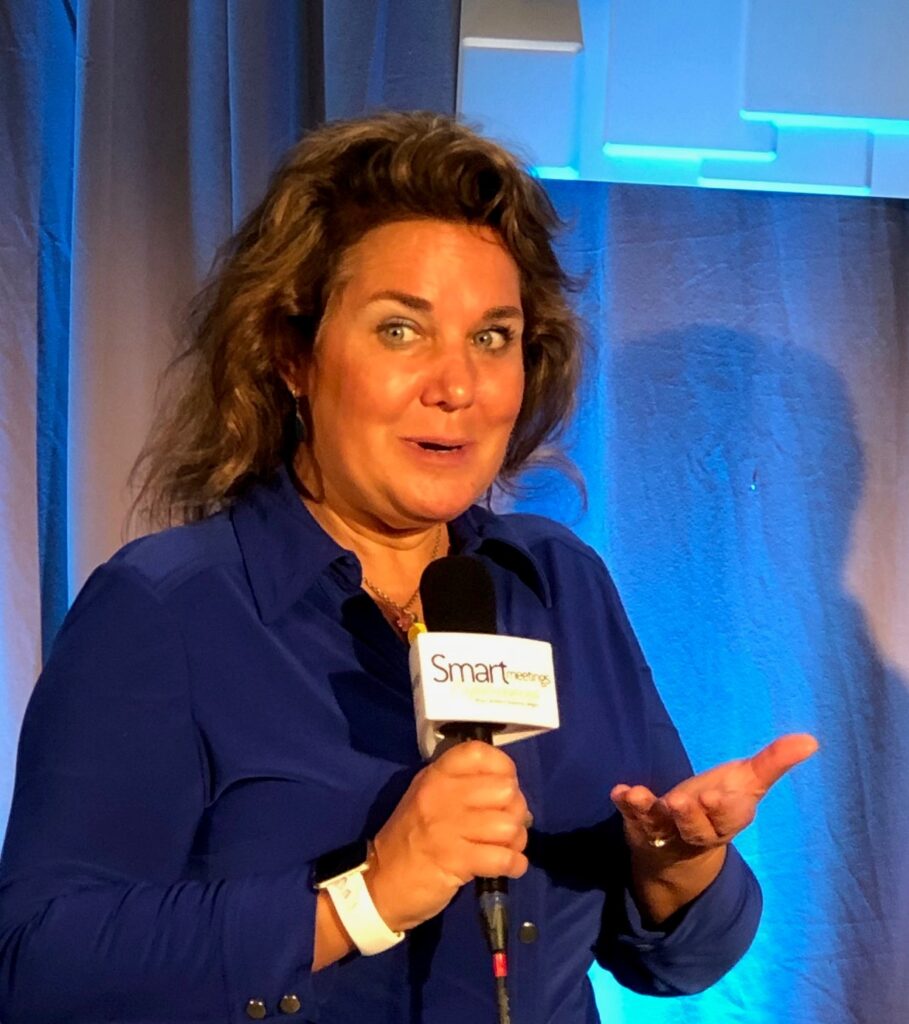
Author, keynote speaker and optimist extraordinaire Annie Meehan, shared tips for living “The Pineapple Poem.”  That means standing up straight (rather than glancing at our phones constantly) and looking people in the eye so they feel valued. Imagine wearing a crown like a pineapple to remind yourself to take care of yourself and honor the crowns on others. Finally, if you are sweet on the inside, that will show up at meetings and through the keyboard. “Let’s spread that,” she said in preparation for a day of one-on-one business meetings before sharing her tips for “living your extraordinary.”

Be honest. We all tell stories that doctor reality a bit, but if we tell it enough, we start to believe it. Too often we tell negative stories about ourselves, our abilities and our prospects. Then we go on to live out those damaging stories. “We have to take care of ourselves, especially if we have the privilege and responsibility of taking care of people,” she said.

Be open. Often mothers and fathers are a child’s first hero, but beyond that, ask “who mentored you?” “Who poured into you” and “who do you pour into?” When you make yourself available to mentor others—and those cross-mentorships can be with three-year-olds through 103-year-olds—we can light the path for others.

Be healthy. That includes physical, spiritual, emotional, mental, cognitive, relational and financial health. “How will you change your life to make all those health areas better?” she asked. Commitment plus consistency over time changes things. “You get to choose how you show up,” she reminded the room.

Be flexible. Leaders are learners. If every day you look for new ways to approach the world, you will go from good to great.

Be grateful. But go the next step and intentionally give something back every day. It can be coffee or a smile or just being willing to listen. “Being generous helps you get beyond yourself,” she explained.

Be authentic. “After the year we have had, acknowledging the journey we have all taken together will bring us together,” said Meehan, before Bright released the group to get business done.


Despite new technological developments in video conferencing, 81 percent of global business travelers have seen their jobs negatively impacted by restrictions to cross-border travel. This, according to Collinson’s global research report, The Return Journey, which surveyed more than 30,000 leisure and business travelers in Europe, the Americas, the Middle East and Asia-Pacific.

The pandemic has tacked on a bit more stress to the traveler experience, according to the research. Prepandemic, 66 percent U.S. respondents expressed concerns about stress, compared to 43 percent globally. A post-pandemic survey found 70 percent of U.S. respondents expressing concerns about stress, slightly more than the 67 percent global average. More than two-thirds (69 percent) of business travelers in the United States have been affected by the lack of cross-border business travel.

“The research shows a tension between the importance of business travel, which employees say allows them to do their job better and makes businesses more productive and caring for them while traveling. In order to make business travelers feel comfortable traveling again, it won’t just be a question of Covid-19 measures such as testing and vaccinations,” says David Evans, joint CEO of Collinson.

Mental health has increasingly become a priority among business travelers, and the study finds, prepandemic, 35 percent of business travelers shared concerns about the impact of business travel on their mental health; nearly a quarter (23 percent) reported increased stress levels as a result. Post-pandemic, these feelings have intensified, with almost 73 percent of worldwide travelers reporting they’ll prioritize their mental well-being when traveling now.

A major factor contributing to well-being is support from your employer. Just over half—51 percent—of business travelers surveyed prepandemic reported their companies provide full support in the area of mental health, expecting them to keep travel in check for the sake of their well-being. More than half—51 percent—had no idea their employers provided any form of travel risk management (TRM) program to assist them during travel; of those who knew of a program’s existence, only one-fifth felt confident enough to use the service.

“Communication is key, and as such, employers, and their medical assistance and TRM service partners need to take a holistic approach regarding traveler well-being,” says Evans. “This can include propositions directly addressing travel stress concerns, such as access to lounges or working together with TRM solutions providers to explain exactly what’s on offer through these programs and how employees can access these services. This is an opportunity for businesses to understand what their employees want from the future of corporate travel and build this into their programs to offer the right support and provide a great experience for employees, partners and clients when taking to the skies again.”

It turns out hiring back thousands of hotel employees, from chefs and bartenders to housekeepers and salespeople, is even harder than doing mass layoffs.

Popular tourist destinations like Las Vegas are finding workforces already stretched thin by the absence of overseas seasonal workers stranded in their home countries due to pandemic restrictions. Now, convention hotels are competing with newly launched properties, Amazon fulfillment centers, alternate careers and full-time parenting duties.

Some properties report busing in part-time workers from Arizona and California to staff all those manned buffets and outdoor gatherings. Billboards advertising job fairs have started popping up on the Las Vegas Beltway. Others are eliminating amenities such as daily housekeeping and room service.

Carl Winston, director at San Diego State University‘s L. Robert Payne School of Hospitality & Tourism Management, says top executives from major brands are calling him to personally interview college students because they are desperate for employees to clean rooms and check people in. He is working with theater and television production students to find candidates to fill the event professional jobs of tomorrow.

“Employers are having trouble finding people with the right skill set,” he says.

New Skills at a Premium

Melanie Velasquez, an account manager with Luxor Staffing, calls the situation an “employee drought” and says the priority is finding weekend crews to give a break to hotel workers putting in seven-day-a-week shifts.

Her company is “doing whatever it takes” to hire hundreds of people each week for hospitality clients. That includes radio, television and billboard ads, job fairs and a partnership with Goodwill Industries. Some properties, she says, are offering incentives or higher pay to get the right candidates.

It is a marathon, not a sprint, as even those who were previously in the hospitality industry must be trained on new sanitation protocols. “It has been a roller coaster ride,” she says.

Amy Calvert, CEO at EIC Events Industry Council, which produced the Workforce and Wellness resource guide as part of APEX COVID-19 Business Recovery Task Force, stresses the importance of supporting front-line workers right now. “They are working incredible hours and struggling with transitioning back while dealing with scheduling challenges at home,” she notes. She suggests that, as an industry, planners need to—metaphorically, it’s still a pandemic—put their arms around their team members, making sure they get the protocol and diversity training they need to come back stronger. “We have to invest in our workforce,” she says.

In order to do that, she thinks it’s time to re-examine how events are funded. “The business model of events is a bit broken,” she says, pointing to reliance on a small set of stakeholder sponsors. “If we are creating valuable experiences people will pay for, that could help to pay for the incredible amount of staff time it takes to put on hybrid events.”

To fill the pipeline with the next generation of meeting professionals, Calvert urges focus on opportunities. “We have to do a better job of helping young people at the university level see that there is a career path,” she says.

Retraining Required

At Caesars Entertainment, Don Ross, vice president of catering, convention and events, says the hundred or so servers hired for the opening of CAESARS FORUM and then furloughed just weeks before the shutdown have largely responded enthusiastically when they heard the company “is getting the band back together.”

He echoes others in the observation that, while some had left town or gone into real estate when the separation became more permanent, most had already been trained on sanitation and just need to be brought up to speed on new protocols—once the county releases them.

“It won’t be business as usual; it is a fresh start for the future,” he says.

Caesars contracted with Albertsons to administer 10,000 Covid vaccination shots at stations in ballrooms at Rio Las Vegas Hotel & Casino, Bally’s Las Vegas Hotel & Casino, Caesars Palace Las Vegas and Flamingo Las Vegas Hotel & Casino. The vaccine wasn’t mandated, but it was incentivized.

Ross predicts that by August the number of people meeting will look as if Covid never happened. “It’s game on when meeting sizes open up in June,” he says.

How will they staff all those catering teams? Ross believes true hospitality professionals enjoy taking care of people and will come back when the time is right. “Our employees are so excited to be back to work, you will be able to see their smiles through their masks.”

A Flexible Solution

Jeff Quade, executive vice president of exhibitions with convention logistics company GES, predicts the return of big meetings will be “a little lumpy,” particularly in some parts of the country, for the rest of this year. An uneven flow of trade shows, with extreme peaks and valleys in a given venue, will make rehiring difficult if employers can’t guarantee steady work after letting long-time employees go last year.

That’s why GES launched Flex Talent Pool in Las Vegas in January to help provide trained, temporary staffing. The first big show the program will be supporting is WasteExpo, which will take over 200,000 sq. ft. of space at Las Vegas Convention Center at the end of June.

In addition to trying to lure back former employees or competitors’ former employees from jobs they may have taken in shipping fulfilment centers or assisted living, he is also tasked with finding talent for new roles, such as health and safety checking, monitoring temperatures and streaming technology.

There may be additional incremental costs,” he warns, even if you are just adding those duties to existing roles. “But those costs are far outweighed by the benefits of holding meetings in person.”

For similar reasons, The American Rental Association recently launched a job board aimed at increasing awareness of careers in equipment and event rental and providing a way for employers and qualified candidates to connect.

Building Back Better

Greg DeShields, executive director with Tourism Diversity Matters, compares the current situation to the firehose effect following the sudden on-switch of leisure demand in some cities. Once the shock has worked its way through the system, and business and group travel starts to return by fall, he hopes the industry will rehire more equitably, with more diverse representation across all job levels.

“Right now, a lot of people are still adapting to managing children at home, and women, in particular, are finding getting back to work logistically challenging,” he says. “And the desperation companies are feeling will make thoughtful human resources practices difficult. But there is hope for the future.”

DeShields’ vision is that students currently studying computer science or health and safety will find the hospitality industry and help to build the pipeline for the next generation of hoteliers. In the meantime, focusing on supplier diversity, cross-training current employees and higher wages and incentives could move the industry in the right direction, he says.

Expect to see fully vaccinated Americans rushing to European borders. In an interview with The New York Times on Sunday, the European Union’s executive body said that fully vaccinated Americans will be able to visit the European Union this summer.

“All 27 member states will accept, unconditionally, all those who are vaccinated.” said Ursula von der Leyen, president of the European Commission. In an interview with The Times, she ensured that Americans will be able to move freely and travel to the European Union granted they use European Medicine Agency-approved (EMA) vaccines, which includes the three vaccines being used in the United States, Moderna, Pfizer/BioNTech and Johnson & Johnson (currently on pause and scheduled to resume Saturday).

Since March 2020, nonessential travel to the European Union has been officially banned, with the exclusion of 7 countries, due to low case numbers, including Australia, New Zealand and Thailand. Greece has already opened its doors to tourists who have been vaccinated and those with negative test results up to three prior to arrival from the EU, United Kingdom, United States, Israel, Serbia and the United Arab Emirates.

In speaking to CNN, Greece’s tourism minister Harry Theoharis said the country “is taking these baby steps, the start of a gradual opening process that will lead to a full opening of tourism in Greece on May 14. During the weeks ahead we will be making adjustments.”

The discussion being had between the EU and U.S. is how to make vaccine certificates from each nation universally readable and accepted so citizens can travel with no restrictions. According to The Times, officials in Brussels say it’s possible that a low-tech solution, where travelers to Europe could get an EU vaccine certificate after showing a certificate issued by their respective government, will be used in the near future, enabling people “to travel freely on the basis of vaccination.”

But according to officials, the goal is to render this process unnecessary by making vaccine certificates readable to European nations no matter the foreign government from which they came, and vice versa.

Von der Leyen did not offer a specific date on which tourist travel will begin but noted that restrictions will change on the basis of vaccination certificates.

Some restrictions have been lifted for those who have been vaccinated, according to new guidance announced today by the Centers for Disease Control and Prevention.

Per CDC, fully vaccinated people are no longer required to wear a mask outdoors and can travel within the United States without getting a Covid-19 test or having to quarantine, although the agency still recommends vaccinated travelers continue to wear a mask in crowds, maintain six feet of distancing and wash their hands frequently. Those who have not been vaccinated should continue to wear a face mask.

The CDC still advises meeting professionals to avoid large gatherings when possible. The organization says planners of in-person events should promote healthy behaviors among attendees and prepare for the possibility of infection.

To date, more than half of U.S. adults—about 140 million—have received at least one dose of vaccine, and more than one-third have been fully vaccinated.

Despite the loosening of restrictions by the CDC, groups are still bound by state and local regulations and the CDC recommends that planners check in with their respective locale’s rules before moving forward.

Several states have already decided to align their mandates with the new rules. California will be following the loosened CDC guidelines, according to a tweet by Gov. Gavin Newsom. New York Gov. Andrew Cuomo said the state will adopt the new CDC guidelines, as well; the state previously required mask wearing when unable to social distance, even when vaccinated.


Ohio Gov. Mike DeWine, after a glance at the updated guidelines prior to a press conference Tuesday, said the “basic principles” appear to be the same as Ohio’s current mandate. DeWine, who recently announced that those who have been fully vaccinated no longer need to quarantine if they’ve been exposed to someone who tested positive, says the state will update its mandate upon closer study if needed to align with the CDC.

Early last month, Gov. DeWine said once the state reports 50 Covid cases per 100,000 people for two consecutive weeks, the mask mandate will be lifted. Last Thursday, the state reported 185.8.

Smart Meetings loves recognizing talented hospitality professionals who will help the industry evolve as we get back to meeting, so when we heard that Destinations International had announced their 2021 30 Under 30 class from convention and visitors bureaus and tourism boards around the world, we wanted to get to know them better. We asked each of the individuals recognized, “What Covid lesson will help you succeed going forward?” We think you will agree that the responses are nothing short of inspirational. From a focus on flexibility to communication and advocacy for the local community, these go-getters grew stronger and wiser.

Thanks to Destinations International Foundation, these young professionals will have access to industry networking and education opportunities over the coming year.

https://www.facebook.com/destintl/videos/vb.74931086911/596507334615156/?type=2&theater

In a statement announcing the names, Don Welsh, president and CEO of Destinations International, shared that “A diverse and inclusive workplace is central to our industry’s ability to attract, develop, and retain the talent it needs to remain competitive, drive innovation and maintain relevance.”

Following, in their own words are their stories of growing more flexible, resilient advocates for their communities who are now armed with an understanding of the importance of communication and humanity. We hope it inspires you as much as it gave us hope.
Alicia Learner, visitor information services manager, Travel Juneau: The ability to pivot and adapt to a constantly changing situation. Honing the ability to be comfortable with the unknowns while continuing to plan and move forward while knowing further changes will likely be necessary was a difficult yet critical lesson to learn.

Bree Nidds, vice president of sales, Discover Lehigh Valley: Advocacy is not something that takes place once a year, or only in the midst of a pandemic. It should be a perpetual pillar in any destination management organization. I have learned that effective advocacy starts with fact-based information, a clear goal, and a measurable plan for executing a communication strategy to local residents, businesses, and government agencies.

Caleb Sullivan, sales and marketing manager, Jackson County Tourism Development Authority: Developing my career during Covid taught me the importance of patience, flexibility, and resilience—three key lessons that will contribute to our future success. Plans are not always set in stone, and I need to continue to adapt to changes in the industry. I’ve learned the importance of keeping local stakeholder’s wellbeing top of mind. As Destination Organizations, we must balance commerce with resident sentiment and find the right way to thread the needle in bringing back visitation.
Chelsea Whitman, meeting sales manager, Visit Anaheim: Over the past year, I have learned that patience will pay off in the end and ultimately that our industry has some of the most resilient people. We are up for the challenge and do not back down easily. These attributes will certainly carry me through my career. Whenever I start to face adversity, I will always remember what we went through and use that to push forward.
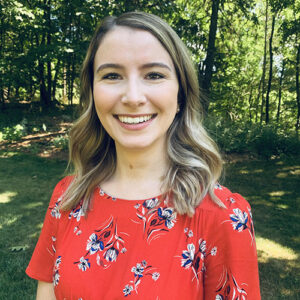
Colleen Dorney, Dutchess Tourism: Over the past year, I have learned the value of adaptability. In March of 2020, my plans for the year shifted and my priorities at work began to change with the onset of the pandemic in New York. As my organization and I adapted to this new reality, this flexibility enabled us to better support our tourism-related businesses and assist residents and visitors during the pandemic. While I will continue to plan ahead, I know that adapting to current situations and trends will help me be successful in the future.

Elizabeth Shanaman, vice president of research and market analysis, Visit York County: The impacts of COVID-19 were a reminder that supporting the employees that deliver the visitor experience is crucial to the sustainable growth of a destination. The primary purpose of attracting visitors is to support the destination’s community. Devoting resources to the health, safety, and prosperity of the employees delivering the visitor experience fulfills that principal directive of a DMO to support the community and contributes to a strong foundation for destination growth.

Emily Zertuche, vice president of marketing, Visit Corpus Christi: The 2020 year has proven to be the most challenging year for the travel and tourism industry. The year allowed us as an organization to start at the core of our mission, to enhance the quality of life for our community. My biggest lesson was the importance of creating a stronger alignment with my community, helping pick each other up in times of hardship, communicate the ongoing challenges to overcome to make our city a top destination, and be more successful, together, for our future.

Jason Letwin, research and performance manager, Explore Edmonton: A lesson I’ve learned over the past year has been to accept the issues that are not within my control. Much of the year was filled with circumstances that I could not influence, be it at work, or in my personal life, and it is easy to become discouraged over this lack of control. However, having learned not to take fault but rather accept those circumstances as arbitrary events; and instead, try to focus only on what I can control has helped me find motivation, both professionally and personally.
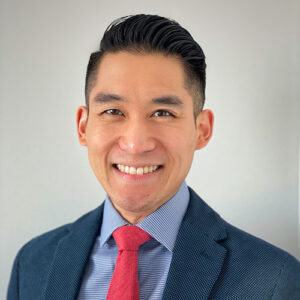
Jeffrey Yau, senior international tourism sales manager, Philadelphia Convention & Visitors Bureau: Disruption can happen in an instant and I have to be ready to pivot and change on the spot. As part of my new strategy, I’m now mapping out multiple scenarios for strategic sales and marketing plans that are aligned with key re-opening indicators, since regulations, policies and restrictions are subject to rapid change. I’ve learned to remain flexible, which ultimately prepares me to be ready for tourism’s big recovery.

Je-Vonna Sampson, manager of borough relations and member programs, NYC & Company: The last year has been full of lessons; the most transformative forced us to abandon the neat, comfortable routines we tend to fall into. Within a few weeks of leaving the office last March, my team and I were not only seamlessly working from home, but we were also producing member programs, launching campaigns, and supporting the industry and small businesses in ways we had always hoped. In accepting the unprecedented nature of the COVID-19 landscape, we adapted, we gave ourselves permission to stray from the model and try new things. In doing so, we surpassed our expectations.

Lacee Rudd, public relations manager, Visit Panama City Beach: Over the years, Panama City Beach has been faced with several setbacks, including hurricanes, oil spills and more recently the pandemic. However, these moments have tested us as an organization, and we have come back stronger every time. A Covid-year lesson that will help me succeed going forward is the knowledge that relationships are paramount to any organization. Relationships with partners, visitors, coworkers and other professional counterparts. These relationships were critically important when sharing information, developing plans and remaining consistent with our messaging during Covid.
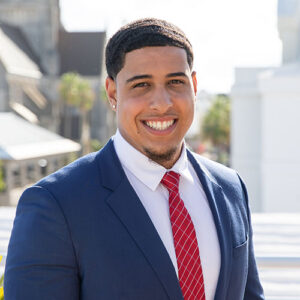
Leonard Williams, experience satisfaction coordinator, Bermuda Tourism Authority: The importance of effective and clear communication, internally and externally. Internally, we have adjusted to virtual spaces for collaboration while working remotely. More text-based communication and less face-to-face interaction provides more room for misinterpretation. Externally, in a time where so many partners and stakeholders are looking to us for answers and direction, we as industry leaders have had to communicate clearly and effectively to ensure the public has accurate information. Understanding the importance of communication will help me succeed in this new norm.
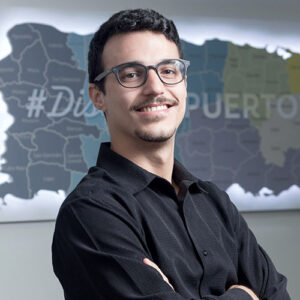
Manuel Pimentel, multimedia coordinator, Discover Puerto Rico: I have learned to be more adaptable, among other things like being resilient and patient during a crisis. By being adaptable during the pandemic, I managed to continue working from my home to be able to keep Puerto Rico top of mind for potential tourists.

Mara Rodas, sales coordinator, Destination Toronto: During this pandemic, I’ve had some time to reflect. One of the most valuable lessons I’ve learned is that life is precious. This isn’t new information, but instead serves as a reminder that we as humans are truly blessed to live and experience life, which is why we have to make every second count. We should grab every opportunity to better ourselves and help those who need help. We must have courage in our hearts to fight and live for our dreams. Now is the time to seize the day and make life worth remembering, for tomorrow is never guaranteed.

Maria Santos, manager of global marketing programs, The Brand USA: After a year of uncertainty, I can say that I’ve gained the tools, the mental strength and the confidence to adapt to life’s unplanned circumstances, to take on new demands at work and to approach change in a flexible manner, even welcoming it. Looking back at the last year, to what seemed like a year that didn’t count professionally or personally, I’m certain that it had a definite impact on how I approach life and plans. Even at a distance, I’m more than ever working close to other people and team members to find ways to achieve goals creatively

Mariah Hickman, Marketing manager, New Orleans & Co.: Adaptability. Before the pandemic, my focus was editorial and site SEO. Budgets were cut, adjustments were made, and I found myself charged with content creation for our social channels. There was a learning curve and hiccups, but a year later I’ve increased engagement over 200 percent using completely organic content. You have to be willing to meet challenges head on, adjust to the needs of the time, and understand your value always.

Nate Swick, communications manager, Visit Indy: Flexibility is imperative. Personal and professional growth are only possible when you adapt to new realities. We’ve been thrown quite a few curveballs this past year and in an ever-changing world, it all comes down to the pivot and how you react in order to come out better prepared and stronger on the other side.

Shannon Lowery, content and social media manager, Visit Savannah: The lesson that we are more than what we do for our jobs is what will serve me most moving forward from the pandemic. Like many, I spent much of 2020 rediscovering and developing a list of passions and hobbies. I also not only allowed but encouraged myself to dream big about the things I want for myself professionally and personally. I began taking steps to make those dreams a reality and encouraged others around me to do the same. My renewed sense of inspiration and passion post-pandemic will help me be a better creative professional and leader.
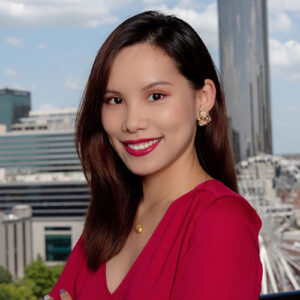
Silei Li, advertising manager, Atlanta Convention & Visitors Bureau: During the pandemic, we have gone through many changes and unknowns, which makes me realize the importance of being proactive to any future challenges. Being proactive needs continuous efforts. Though we cannot always predict exactly what a disaster or a risk will bring, it is essential for us to keep being open-minded, learning and sharing. By proactively accepting new perspectives and knowledge, strengthening our learning ability, and sharing available resources with cohorts, we can respond to challenges along our road to success promptly, effectively and collaboratively.

Zane Harrington, communications manager, VisitDallas: So often our industry is consumed by peak room nights, PIDs, incentive giveaways, ROIs, etc., that we sometimes forget we are actually in the people business. We have a dramatic impact on the livelihoods of thousands of workers. During Covid, sadly, we were reminded of this in an unprecedented way; we saw these faces and heard their heartbreaking stories. For me, the countless layoffs, furloughs and workforce rifts was a push like none other to work harder, smarter and more diligently, because while the metrics are important, it’s the people who make what we do worthwhile.

Zeke Ramsell, manager of convention sales, SF Travel: Cross-collaboration with our member hotels, venues, and other organizations has been crucial for the success of our destination during the pandemic. Our clients and members rely on us more than ever to have answers and information regarding San Francisco and the Bay Area reopening. Staying informed, being the trusty allies for our clients and partners, and continuing to build meaningful relationships will guarantee my future success.

Mary Sayewich, manager of project services, Ottowa Tourism: The past year has taught me that, no matter how well you plan, an organization’s strength lays in its ability to adapt to change, big or small, and the agility of its processes. Although this past year brought an unprecedented amount of change, this lesson will encourage more resilient teams moving forward who continue to embrace change in a positive way.

Derek Byrne, social media manager, Visit KC: For every person who lives in a city, there’s a new perspective on what makes it special and noteworthy to visitors. The last year has been a valuable lesson on looking inward and hearing from those within our own community—for so much of that time, opportunities to reach beyond our immediate area simply weren’t possible. When we work proactively to listen to more of the voices that know our city best, we open the door to representing our destination in fresh ways and invite new people to be invested in our organization’s work.

Lauren Huffer, partnership services manager, Visit Denver: The lesson that has been most impactful to me is the importance of community. Without the commitment of an entire community, change cannot be made. This can be found in the community dedication of an entire country or world that it takes to fight off a deadly pandemic, or creating awareness and buy-in in your local community to launch an upcoming campaign to bring visitors back to your city. When looking to improve a process or make a change, support from the impacted community is crucial to achieving your goal.

DeShawn Hewgley, visitor services manager, Nashville CVC: Every obstacle presents an opportunity. Covid-19 brought us many opportunities to overcome obstacles through innovation and teamwork. Instead of being crippled by the unknowns, I learned to face challenges head on. With an open mind, we were able to innovate how we operate and serve visitors as a team. Challenges and obstacles are inevitable, even in a post-pandemic world. Through teamwork and innovation, we can do our best to serve visitors, whatever obstacle comes our way.

Chase Wharton, business development manager, Visit Tri-Cities: The most powerful COVID lesson for me was the reminder of our duty to be the story tellers of our communities and to constantly advocate on their behalf. Future successes of myself; our organization and our industry are dependent on us finding new ways to connect with, and share authentic stories. Doing so will be the driving force in our communities bouncing back from the damages of Covid and will act as the foundation to my future works; remembering we are here to share the true, honest accounts of our residents.

Jasmine Armstrong, hotel relations manager, Visit Philadelphia: The biggest lesson I’ve learned in the past year is the need for flexibility. Living in these uncertain times, we have had to quickly pivot our marketing plan to fit in this rapidly changing environment. I have also learned the importance of a balanced home and work life. Setting boundaries and prioritizing self-care are essential for being productive and efficient in all areas of our lives.

Rodrigo Carreon, visitor services and marketing coordinator, Visit Lake Norman: Being able to communicate with our local hospitality partners about how our DO has tools to set them up for success will help us moving forward. When collaboration happens during unprecedented challenges, this can create innovative ideas. We are tasked with promoting tourism to our area, but we wouldn’t be able to do that without having our hospitality partners. Enhanced communication efforts geared towards them will only set up our destination for further success.

Also in the class of 2021: Imran, Ansari, vice president, Discover Long Island; Emily Deckert, sales and marketing manager, Explore Waterloo Region
Going hybrid is an experiential process. You try, try and try again until you find the formula for that perfect in-person-virtual concoction. In Smart Meetings’ webinar, “Hybrid How-To: A Step-by-Step Guide to Hosting a Successful Hybrid Event,” Alyssa Peltier, senior event marketing manager for Cvent, shared strategies to get us there with fewer hiccups.

Peltier discussed what makes a hybrid event different, how you can tackle some of those unique differences and some of the capabilities you might need to start exploring to execute a successful hybrid.

Hybrid Models

Attendees will be in multiple locations, and with that, the way they consume content is going to be different.

“Content can certainly be consumed at the same time, but the experience for each of those audience sets is going to need to be optimized for both,” Peltier says.

Virtual attendees are not going to sit through long sessions; they’re going to want more bite-sized content with more dynamic production created for their screen viewership. “Think sports broadcast or late-night talk show. That’s really what you’re aiming for with the virtual audience.” Peltier says.

See also: 4 Shortcuts to Keep Your Audience from Zoning Out

The traditional hybrid model—Peltier calls it Hybrid 1.0—takes a more limited content approach. You take “a sampling of general sessions from the in-person event, the ‘event nucleus’ (a Peltier coining) and then livestream that out to a virtual audience. This was usually done on Facebook Live, YouTube or Instagram Live,” she says.

Before much attention was paid to online viewers, they were treated simply as viewers—not as real attendees in need of as much as engagement the live audience. But then everyone became an online viewer. “Given the disruption we’ve seen in the space over the past year by way of the pandemic, we have seen the emergence of this Hybrid Two model,” Peltier says. “One event with two experiences for in-person and online attendees with inter-two-way connectivity.”

She continues, “This new hybrid model is really fostering a much deeper engagement set between both of those audiences, by way of more evolved event technology and online event platforms. Both of these experiences are done purposefully and neither one takes more or less of a priority.”

The Numbers

“The decision to host a hybrid event comes with some very obvious benefits,” Peltier says. No. 1 is its exponential reach, or what she calls the hybrid multiplier effect. “By going hybrid, one of our customers could see anywhere from three to 10 times the number of in-person-only events,” Peltier reports.

Using data from customers and internal data from her company, Peltier compared attendance from an in-person-only event in 2019 to the same one that went virtual in 2020. She then extrapolated what’s possible when combining the benefits of both to achieve maximum impact.

Peltier went on to explain exactly what attendance numbers can mean for ROI in a real-life scenario. “As we track conversion, we start to acknowledge those who participate [in person] are going to prove more business value at a higher rate than those that elect a virtual experience because of varying levels of engagement,” she says. “We know that the virtual audience is just much more likely to be lesser engaged and therefore convert at a lower rate.”

The Challenges

So now you reach an exponentially larger audience, and even at those lower conversion rates it helps you deliver more of revenue and business value. But all that sweet ROI comes with effort. “Hybrid events present their own set of challenges,” Peltier says.

First is the execution challenge. “We’re talking about the management of logistics, resources, budgeting across the in person, and the virtual life cycle. I think one of the most common questions that we get often is about staffing needs, so it certainly comes with its own set of complexities,” Peltier says.

Second is the engagement challenge. Delivering engaging experiences across both the in-person and online audience is challenging in and of itself; the challenge lies in bridging and making those connections with such disparate audiences.

And third, the data challenge. “This is a challenge with any type of event program. When you’re now responsible for capturing and activating attendee data across in-person and online audiences, that can be quite complex,” she says.

The Solutions

Great challenges are sometimes met with great solutions; that is the case here. Peltier discusses six foundational pillars that will help you overcome the hurdles. She believes it’s within each of these pillars that you’ll find your keys to success.

First, marketing. “We’re talking about designing a single event agenda with distinct programming offerings. That’s going to start with taking an audience-centric approach to marketing, targeting and, ultimately, delivering the right experience to the right audience,” she says. “Your audiences have different drivers for attending your event. It’s by understanding these drivers that you’ll be able to differentiate the programming offered.”

Second, venue. “Making sure we’re partnering with venues to ensure a safe experience, as well as helping you navigate new production and AV needs that are going to be ever more complex as we go into hybrid,” Peltier says. “Technology is also going to allow you to take an adaptable approach to space planning that can keep up with these constant changes in policy and protocol.”

Third, content. “We all got really good at mastering production values for virtual spaces, but what happens when you add back in that in-person environment? This really will come down to becoming a master of content strategy that emphasizes the production experience,” she says.

Fourth, there is the community pillar, as “attendees come to events to connect with content, and they come to connect with each other. Those are the two priorities for every event experience,” Peltier says. “It’s going to be really important that you’re engaging your in-person and virtual audiences individually and acknowledging where they are in space and time. We’ll also give them this sense of shared experiences.”

Then there are your sponsors and exhibitors. “Certainly, a critical element to any event success, but now that we have a virtual and in-person environment, we need to create more diverse sponsor and exhibitor packages,” she says. “Now that your event is hybrid, your sponsors have the opportunity to get in front of your in-person and virtual attendees with traditional in-person events-sponsored exhibitor packages which were once fairly limited to offline tactics.”

Lastly, insights. “We’re talking about combining in-person and virtual insights to get a fuller picture of impact and ROI. You can start to collect tons of data at every touchpoint in the attendee journey. That data is what really helps you build out the big picture profile of each of your attendees and also gives you a full picture of engagement for the community, she says.”

The Meaning of the Word

Peltier closes out by defining what having a “successful” event means, which she believes begins with having a clear understanding of what you are trying to achieve in the first place. “It shouldn’t be a reactive approach. Everything you build towards should harken back to that objective. It starts with knowing your audiences, knowing what they need to get out of it and knowing what you need to get out of it as a business,” she says.

She continues: “Whether that is brand affinity, lead generation, membership growth, or revenue by way of ticket sales, that needs to be established at the start of your event. It’s going to make everything much more clear if you have a strategic vision out of the gate.”

Here’s a harsh truth. People aren’t paying attention to your presentation. I know, I knowwe’ve been talking about engagement numbers dropping through the floor over the course of our pandemic-mandated virtual meetingverse. But the truth is, audiences were tuning out long before we ever started upgrading our work from home setups.

I have witnessed this firsthand, creating presentations for the better part of 25 years. I’ve interviewed enough people to know that corporate presentations are too often bloated, meandering content dumps on our audiences.

Like I said—harsh truth.

There is good news though. Virtual has forced us to think differently about our messaging, and that’s changing the way we present, and more importantly, it’s changing how effective our presentations can be. I often get asked what the fastest fixes are when it comes to building better, more effective presentations. This is the advice I give.

Clarity: Have a reason to present.

We know shorter presentations are more effective, but how do you cut down the CEO’s annual state of the union address from 60 minutes to 15?

You don’t. Instead, you rethink the message to understand what is most effective to educate and activate your audience. Actually think about why you’re presenting and what you want to accomplish before considering what you want to say. This can drastically reduce the amount of time you spend on unnecessary items in your presentation.

📍 Real World Skill

Ask what moves your audience to action and build your presentation around that.

Relevance: It’s about me, me, me.

The fastest way to improve any presentation is to stop making it about you and your content, and start making it about your audience and their needs. I think about presentations as gifts. The best gifts I give are the ones that are special to the recipient, not special to me. When it comes to your presentation, give the gift of meaningful skills, processes and insights. Hand that gift to your audience and make it valuable to them.

📍 Real World Skill

Tell stories about your audience. Use personal pronouns. Describe specific ways they can apply your content to their daily personal and professional lives.

Engagement: Please put down the polls.

If you want your audience to pay attention, don’t be boring. Too many presentations offer long segments of numbers and information, segmented by polling or interactive exercises designed to get the audience re-dialed in.

When you are an engaging speaker throughout your presentation, polling becomes one of many effective tools. Relevance and empathy go a long way to maintaining attention, as are tools like storytelling, analogy, surprise, triggering, questions, associations and visual language like white space and tripwire words. In total, these tools surround the key elements of your presentation to snatch and hold your audience between those moments of interactivity.

📍 Real World Skill

Get great at effective storytelling by thinking of your audience as a bystander in the actual story. Paint a picture, add strong detail, and make them see the moment. The emotional connection you make breaks through the audience mindset. It’s easy to remember, too. Try this—think about a favorite story you were once told and see how much you can recall. You’ll be amazed at the vibrancy of the detail.

Scanability: Give your audience a GPS.

Audiences don’t listen…they scan—then decide how deeply they listen. In a 20-minute presentation, a presenter will deliver in the neighbourhood of 3,500 words. That’s a lot of content to absorb and understand. You can make this easier by embedding scanning and navigational cues throughout. Listicles, repetition, meta cognition and cold opens provide a roadmap to your presentation, and helps your audience know where they should listen hardest.

📍 Real World Skill

For my money, the #1 skill I’d teach anyone in communications is this scanning skill—write epic headlines. Our world is crammed full of headline opportunities these days—from the subject line of an email to the subheads you scanned through in this article. That goes for presentations too, where you can deliver headlines that bring context to what you’re about to present. Create one key headline during your first minute to describe the key point of your presentation, then support that point with headlines that begin each section or chapter.

There is a whole lot more to your presentation than the delivery of content. You have a message that needs delivery and an audience that is distracted, easily bored and hungry for information that is useful to them right now. Take the time to build content that is clear, relevant, engaging and scannable, and you have a block of time that achieves objectives and makes the difference.

Jason Thomson is an events content and creative director who coaches and trains on improving your presentations and communications. He’s covering some of the engagement tools in the article at his latest free Instant Fix Webinar. Register at speakupgetresults.com/instantfix.

Caesars Entertainment, parent company of Caesars Atlantic City, Harrah’s Resort and Tropicana Atlantic City, has announced it will embark on a major upgrade of its Atlantic City casino resorts.

To the tune of $400 million.

The first phase will be unveiled this summer, with $170 million in guest room renovations, beginning with Harrah’s Atrium Tower and Caesars Centurion and Ocean Towers. At Caesars, the aesthetic will be inspired by the Jersey Shore, featuring sand-colored creams and oceanic blues. Harrah’s Resort will be updated with playful, vibrant elements that reflect its upscale Marina district location.

Following phases of the three-year project will include interior redesign and enhanced gaming floor experiences for all three properties, as well as fresh dining concepts with “acclaimed restaurant partners,” as a press release put it.

New Jersey Gov. Phil Murphy highlighted the importance of the project for the city and state, declaring the sizeable investment “supports our focus on growing the economy, continuing to support Atlantic City, and creating jobs in our state, and I applaud Caesars Entertainment for leading the recovery effort.” He further noted that a focus of his administration was to “reestablish Atlantic City as a premier tourist destination in New Jersey.”

Caesars’ commitment to complete updates within the next three years is a continuation of its efforts to help revitalize famed Atlantic City Boardwalk. From 2014 to 2018, Caesars Entertainment invested $250 million in its AC resorts, including construction of the East Coast’s largest event facility, Waterfront Conference Center, and renovating Harrah’s Coastal and Harbour towers.