Is music an overlooked tool in event design?
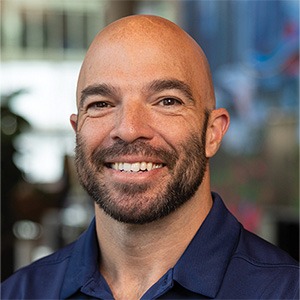
David T. Stevens, co-founder of Olympian Meeting and 6x Fittest #EventProf, champions holistic, sustainable and joyful events that put people first.
At Smart Meetings Wellness Experience in San Antonio, I had the chance to co-present with Amani Roberts on the power and science of music at events. The response was strong, and the feedback said the same thing over and over: It gave people a fresh way to think about something planners use every day.
Because most of us already know music changes a room. We feel it when a walk-in track builds anticipation, when a soundtrack makes a video land harder or when one familiar chorus turns a room full of strangers into a shared moment. But too often, music is still treated as filler instead of strategy.
That is the opportunity.
Read More: Case Study: HSMAI Las Vegas Hosts Wellness-Centered Event
Music is not just entertainment. It changes emotional state, and emotional state affects attention, stress, participation, confidence, memory and connection. Or, as we said in the session, “Music changes your state. State changes performance.”
That idea is backed by growing science. We highlighted how music can help move people “from stress to safety,” with links to lower heart rate, improved heart rate variability, decreased cortisol and improved immune response. We also shared research showing music engages the parts of the brain involved in attention, prediction and memory.
The parts of the brain that matter in meetings, right?
If music can influence how people feel, and how people feel affects how they learn, connect and perform, then music is not just part of the atmosphere. It is part of the outcome.
“Music is not just entertainment. It changes emotional state.”
That is also why our session was interactive by design. We used film clips to show how changing the music changes the meaning of the exact same scene. We brought people into sing-alongs, movement and rhythm to show that participation is not just fun, it is functional. Shared music builds connection. Movement increases engagement. Emotion helps memory stick. Group experience builds belonging and belonging drives ROI.
There is also a solid business case here. We referenced a Mayo Clinic study that showed music-based interventions were tied to reduced opioid use, reduced sedative use, 1.4 fewer days on a ventilator and an ICU cost reduction of $2,333 per patient. That is when music stops being background and starts looking a lot more like strategy.
This is also where planners can start asking better questions. Do you have an AV team that simply runs cues, or do you have a true production partner who understands how sound, lighting, color and environment shape human experience? Are they helping you think through the emotional state you want attendees in when they enter the room, transition between sessions or leave with a lasting impression?
This is not about saying the industry has been doing it wrong. It is about recognizing that there is more value here than many of us were taught to look for.
Music is not decoration. Neither is lighting. Both are part of environmental design. And when used with intention, they shape what attendees remember, how they connect and how they show up.

 —
—
David T. Stevens, co-founder of Olympian Meeting and 6x Fittest #EventProf, champions holistic, sustainable and joyful events that put people first.
This article appears in the May/June 2026 issue. You can subscribe to the magazine here.