Floating a recipe for sustainability
We still look to France as a cradle of cuisine. And so, it’s worth noting that Seaweed for Everyday Cooking by Aurélie and Eric Viard recently received both international recognition and validation from one of France’s most established culinary institutions, winning a Gourmand Cookbook Award, followed by the Prix de l’Académie Nationale de Cuisine in the Cuisine and Well-being category. Voila! Marine vegetables are now an exalted pillar of contemporary cuisine.
As the cookbook authors note in a press release, “This double recognition reflects a broader Western reassessment of seaweed as a sustainable, nutrient-dense alternative to conventional seafood, aligned with evolving food system and climate challenges.”
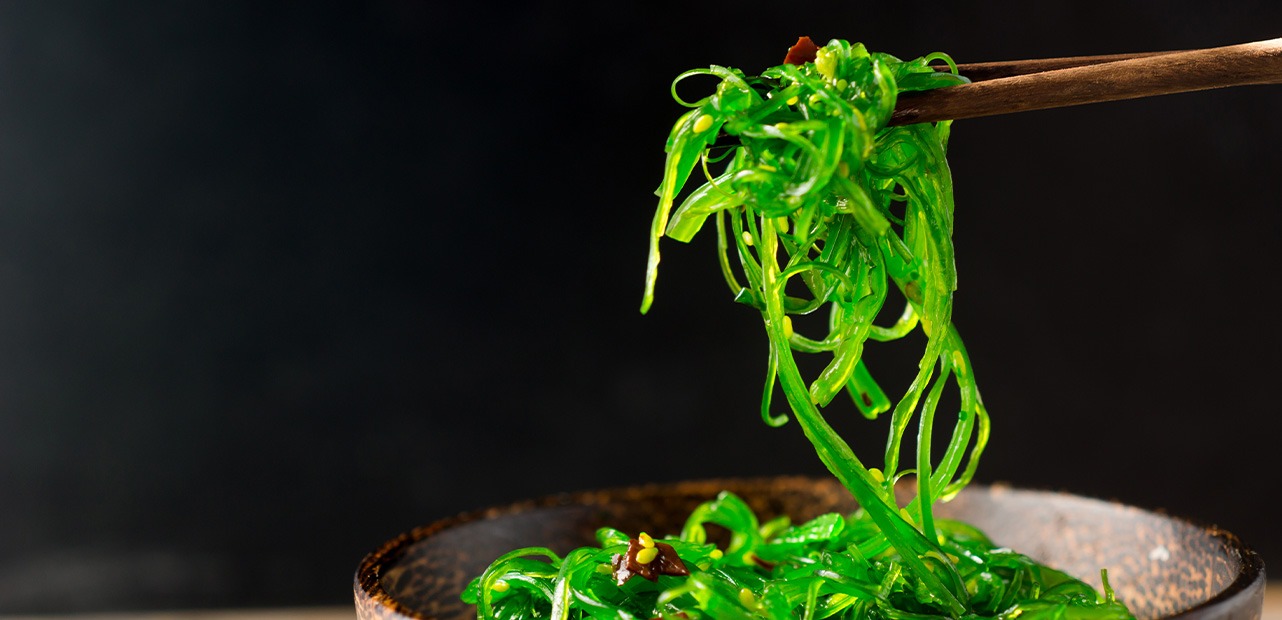
Especially when gathering at coastal venues, incorporating marine vegetables—seaweeds such as kelp, nori, dulse and wakame—into event meal plans is an exciting way to add a wave of wow and an occasion for memorable storytelling.
Read More: Ravish: Flower Power
Reinventing popular favorites by slipping in marine ingredients is an easy way to lure attendees to your ocean veggie table. Suggestions from culinary teams include a “sea-cuterie board” that offers treats such as kelp-infused cheeses, dulse crackers and pickled kelp spears. At salad stations, consider providing a mix of shredded wakame or dulse to add bright color, pleasing crunch and a hit of umami to landlubber greens.
Storytelling can be subtle or splashy. Think menu card descriptions highlighting where the seaweed was sourced (e.g., Pacific Northwest wakame) and its carbon-negative benefits, for example. (Marine veggies have bonafide sustainability cred because they require no fresh water, arable land or fertilizers.) Or a themed coffee or snack break showcasing kelp jerky, nori-dusted popcorn and seaweed-infused energy bars.
Your beverage program can dive right in, too. A bloody mary or margarita takes on a slightly savory nuance with a kelp-salt rim. Morning smoothies can include a delicious green wellness choice with spirulina or kelp powder for an antioxidant boost.
Read More: Making a Tasteful Impression Through a Food and Beverage Program That’s a Cut Above
Fine-dining chefs in this country have already realized the potential of seafood that doesn’t swim. At The Harbor House Inn in Elk, California, the two-Michelin-starred chef, Matthew Kammerer, and his team harvest up to nine different types of sea greens directly from the inn’s private cove on the Mendocino Coast to use as a central base of flavor, umami and salinity in their cooking. At Stages at One Washington in Dover, New Hampshire, James Beard Award-winner Evan Hennessey harvests local sea lettuces, Irish moss and sugar kelp from New England waters to create dishes like one of scallop sauced in “sea truffle Perigord sauce,” fennel and brown butter curd.
Yet the briney bite of the sea isn’t only for pricey prix-fixe dining. Drew Deckman has acclaimed restaurants in Mexico’s Baja wine country and San Diego, but he also runs a much more casual outlet at Petco Park, home of MLB’s San Diego Padres, where he pairs seafood ceviches with “Dulsitos” crackers from Monterey Bay Seaweed Company.
So, try going sea green! One caveat, however: Be certain the kitchen staff is experienced in rehydrating, blanching or crisping marine greens—or have them supplied from elsewhere—and clearly label dishes containing them, as they can sometimes trigger reactions to those with severe shellfish or iodine allergies.
This article appears in the July 2026 issue. You can subscribe to the magazine here.