Sasha Frieze makes the case for elevating meetings from logistics to leadership
For decades, meeting profs have been asked to do more with less. Build community. Drive revenue. Launch products. Strengthen culture. Support sales. Demonstrate ROI. And somehow make it all look effortless.
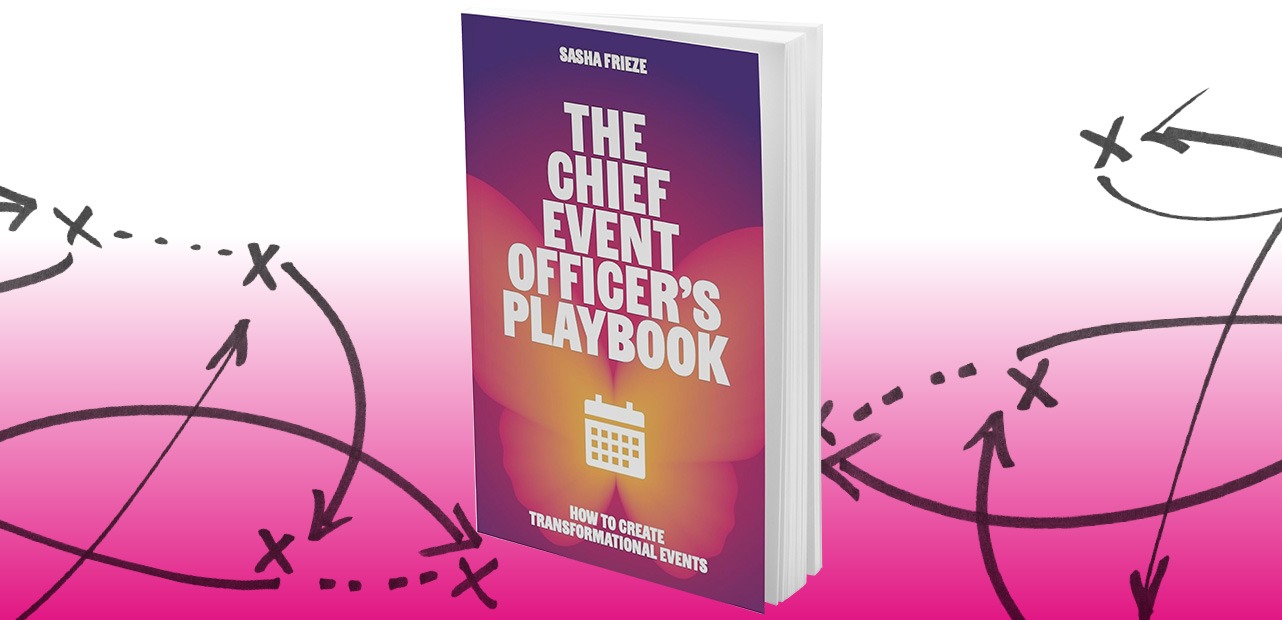
Yet despite the growing expectations placed on meetings and events, many organizations still view event teams primarily through an operational lens. That disconnect is at the heart of The Chief Event Officer’s Playbook by Sasha Frieze.
A Profession in Transition
Rather than focusing on checklists, timelines or production tactics, Frieze explores a bigger question: What happens when organizations recognize events as a strategic business function rather than a support service?
Drawing on more than 30 years of experience in the industry, she argues that events have evolved into one of the most powerful tools organizations have for influencing behavior, creating community and advancing business goals. As a result, she contends that event professionals deserve a more prominent role in strategic decision-making.
Designing for Transformation
One of the book’s strongest themes is the idea of intentional experience design. Frieze encourages readers to think beyond logistics and consider the transformation they want participants to experience. Instead of measuring success solely through attendance numbers or satisfaction scores, she challenges planners to ask whether an event changed perceptions, inspired action or strengthened relationships.
Read More: Chronodiversity: The Next Frontier in Event Design
That perspective will resonate with many meeting profs who have watched attendee expectations evolve in recent years. As audiences become more selective about where they spend their time, creating meaningful experiences has become just as important as delivering flawless execution.
From Planner to Executive
The book also offers a framework for elevating the role of meeting profs within their organizations. Frieze makes the case that planners should be involved earlier in strategic conversations, helping shape objectives rather than simply executing against them. For readers looking to expand their influence, that message may be as valuable as any practical takeaway.
“As audiences become more selective about where they spend their time, creating meaningful experiences has become just as important as delivering flawless execution.”
What makes The Chief Event Officer’s Playbook particularly timely is its optimism about the future of live events. At a moment when technology continues to automate tasks and digital communication dominates daily life, Frieze argues that thoughtfully designed in-person experiences are becoming more important, not less.
For meeting profs who have ever felt that their work deserved a larger voice in organizational decision-making, this book offers both validation and a roadmap. It is less a guide to producing events and more an invitation to rethink what event leadership can become.
This article appears in the July 2026 issue. You can subscribe to the magazine here.