A comprehensive travel survey recognizes this historic day
World Tourism Day takes place each year on September 27. It was established by the United Nations in 1980 to commemorate the same day in 1970 when the UNWTO (United Nations World Tourism Organization) Statues were adopted.
The annual day of recognition seeks to celebrate the tourism industry’s ability to drive economic growth. It is a day to highlight the need for investment in funding gaps to build a more sustainable and resilient tourism sector. It also seeks to promote innovative solutions to bolster economic growth and productivity.
This year, the UN celebrates World Tourism Day under the theme of “tourism and green investment.” They released three ways the tourism industry can contribute to the UN’s Sustainable Development Goals (SDGs). The industry can anticipate the need for investment in education and skills as their workforce looks towards welcoming millions of graduates and adding 800,000 jobs requiring vocational training by 2030. They can also look to investing in sustainable infrastructure. Reducing emissions brings a $24.7 trillion investment opportunity in the green buildings sector by 2030. Finally, innovation, technology and entrepreneurship are vital to upskill the tourism workforce, especially for young people and women. Programs to support and incentivize entrepreneurship to create opportunities for innovation in tourism are well on their way.
According to the UN, tourism employs 10% of the world’s population. The industry can be particularly beneficial for historically disadvantaged groups, such as women, who make up 54% of the tourism workforce.
The Survey Says…
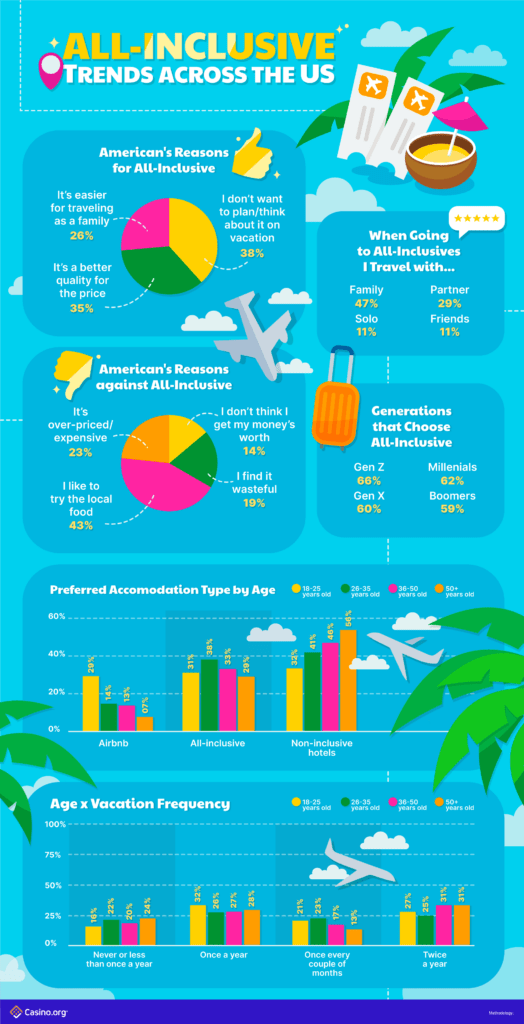
In recognition of World Tourism Day 2023, Casino.org ran a survey of 3,000 U.S. residents between the ages of 18-70 to assess their travel habits.
credit: Casino.org
The results showed that only 28% of Americans take a week-long vacation each year—most opt for long weekend trips instead. Americans vacation 2.27 times per year on average. Washington, D.C., sees the least vacations, with citizens taking only 0.5 vacations per year. This means that some D.C. citizens don’t vacation even once per year. On the alternative, Mississippi citizens take 4.7 vacations per year.
The survey found that millennials, on average, stay in all-inclusive resorts 23% more than any other generation. However, 23% of millennials also reported that they either never travel or travel less than one time per year.
Many respondents said they opt for other forms of lodging. They express concerns about excess waste, a desire to be more engaged with the local culture of the destination they visit, and the feeling that all-inclusive resorts are too expensive.
However, 35% of respondents stated they would choose to stay at all-inclusive resorts to receive quality hospitality for the price they pay. 25% of respondents also stated that they prefer all-inclusive resorts when traveling with family or groups.
The survey found Baby Boomers to be the largest generation to travel alone, making up 16% of solo travelers. They also take long vacations 46% more than any other generation combined.
Meeting planners are no stranger to tourism and the positive benefits it can have on the economies of the destinations we visit. The COVID-19 pandemic hit the tourism industry hard, but as it’s eased in recent years, the industry has seen a healthy resurgence. According to the International Trade Association, in 2023, the U.S. travel and tourism industry generated $1.9 million in economic output. It accounted for 2.9% of U.S. GDP and supported 9.5 million American jobs.
Tourism is a key part of our lives and work. It’s also an uncontested way to get a taste of out-of-the-ordinary experiences as we step away from our day-to-day activities.
The tourism industry is one of the world’s most important economic sectors, providing livelihood to millions. Meeting planners play a special role in this, as they work to bring attendees to the very best destinations for top-of-the-line meetings and events where they experience all a destination has to offer—and support the local economy along the way.
In Smart Meetings’ latest Smart Chat Live webinar, “How to Master the New Green RFP,” attendees learned about how to create a sustainable RFP and prioritize sustainability in every area of their sourcing processes. Spoiler alert: the most overlooked areas are often the most impactful.
Smart Meetings hosted Emily Scheiderer, senior director of education, sales and services at Destinations International (DI), Michelle Moore, senior director of meeting sales and services at Experience Kissimmee and Rory G. Archibald, senior business events manager at Visit Scotland.
Smart Meetings and Destinations International recently conducted a joint survey to assess where meeting professionals include questions about sustainability in their RFPs. Over 60% said they look for venues with detailed programs around ethically sourced ingredients and minimal food waste. Forty-six percent reported they consider whether a building or city is LEED-certified. Seventeen percent reported that they consider carbon offsets.
With these results in mind, the professionals on the Smart Chat began their discussion.
Start with the Sustainable RFP Discussion
Scheiderer explains, “We still have a way to go as it relates to making sure [sustainability is] included upfront, in the RFP conversations.” She acknowledges that these conversations about a sustainable RFP can feel overwhelming. “I have always and always will advocate that that’s why we start with the destination organization…take a step back and think of this in the RFP in three very manageable buckets.”
She goes on to explain the three E’s: Examine, engage and educate. To examine, she recommends reviewing the United Nation’s 17 Sustainable Development Goals (SDGs). Include those goals in the RFP. Archibald agrees that including the SDGs as part of your RFP is monumental.
When it comes to engaging, Scheiderer says, “[Destination organizations] can help point you towards resources that can help you in that measurement conversation, and really help you impact the community as a whole, which is their goal, along with the success of your event.”
To educate, look to post-event reporting. It can uplift individual attendees, sponsors and exhibitors, and even your CEOs and board members. “Everyone gets more comfortable with the financial and the experiential changes that have to take place in order to meet [sustainable goals].”
The Impact of Our Industry
Archibald expresses, “Our industry needs to have a frank conversation about where we are…My personal feeling is that we are still majorly part of the problem. We need to work in partnership with destinations and clients to create the most sustainable events possible.”
He shares an example of an event menu, which, rather than each meal’s calories, displayed the carbon emissions it took to produce each meal. “If that education is there and it’s in your face, then it removes the excuse for being ignorant or not knowing,” he later says.
The most important changes are those that reduce carbon emissions, he says. At the time of the Smart Chat, he was in Copenhagen for an event. “Right now, 600 people are flying in from all over the world for this event. That’s the biggest carbon emission and is one of the massive hurdles where we are still part of the problem.” To reduce their carbon impact, many of them are spending weeks in Europe and doing client visits before attending another event, rather than traveling back multiple times throughout the year.
He also says we need to advocate for biofuels and cleaner air travel. “That’s where Destinations International, the power of PCMA and all these industry associations and their advocacy comes in.”
If we look at the UN SDGs, around 40% relate to reducing inequality, poverty, providing quality education and more. “Those are all elements our industry can help with, either directly or indirectly…You can’t have sustainability without having DEI.”
Creative Ways to Offset Carbon Emissions
Moore describes Experience Kissimmee’s DEI Initiative, IDEAS (Inclusion, Diversity, Equity, Accessibility and Sustainability) and their guiding principle: “We believe that every human being should be able to discover and enjoy the benefits that the destination provides without barrier, and we will work with our partners to reflect the diversity of all communities.”
Their meetings incentive, “It Pays To Meet in Kissimmee,” offers up to $10,000 cash-back based on the number of rooms planners book at a Kissimmee hotel. They recently tacked on a sustainability initiative; Through a partnership with UN-approved organization Trees4Travel, they will reforest developing countries in need of biodiversity to offset carbon emissions produced by travel to Kissimmee. “If a meeting organization booked 500 room nights in Kissimmee through our incentive, we are going to plant 500 trees [on their behalf].”
Those Secret Asks
In another webinar, our Smart Meetings host learned that carpet has a surprisingly large carbon footprint due to its manufacturing, shipping, installation and disposal. Archibald explained that in Glasgow, exhibition floor carpets are usually donated. The group discussed that some amenities we’re used to, such as carpet, may have to be sacrificed. To alleviate potential attendee frustrations about a lack of carpet, Scheiderer says, “It goes back to the fundamental need for education.” Moore explained that notifying participants of this change during pre-registration so they can prepare, displaying signage during the event and following up with participants post-event to share the positive impact of the change are all important steps.
The three speakers agreed that changes to transportation, F&B and built environments (which are then dissembled and disposed of post-event) can make major positive sustainable impacts.
This is only the tip of the iceberg. To go in-depth on this discussion and get a real sense of how you can initiate these positive changes through creating a sustainable RFP, watch the recorded Smart Chat here or on Smart Meetings’ website. See the webinars Smart Meetings has coming up, and register to attend here.
Emily Scheiderer, Senior Director of Education, Sales and Services at Destinations International
“You don’t have to start big, but you do have to start now…I would recommend looking at [the UN SDGs], creating a goal in each category, putting that on your RFP and having that conversation with the destination organization about how you can work together to meet that goal.”
Rory G. Archibald, Senior Business Events Manager at Visit Scotland
“What is a sustainability strategy or CSR policy for your organization? If you don’t have one, create one, and use that as a basis for the questions that you need to ask in an RFP that will help you to achieve your KPIs and your goals as an organization.”
Michelle Moore, Senior Director of Meeting Sales & Services at Experience Kissimmee
“We know that event organizers have power, and a lot of it. You can see how we can really make a difference. When there is consistency in adding these areas to your RFP, I think it’s really going to drive change—the change that we need.”
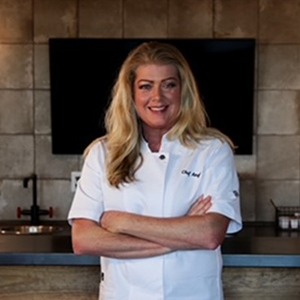
Cotton Court announces a partnership with celebrity chef Angie Ragan as their exclusive catering and banquet chef. She will provide the Texas boutique hotel’s meetings and events with everything from hors d’oeuvres to buffets. Ragan knew she wanted to cook from a young age and spent hours in her grandma’s restaurant. She placed fourth in season one of Chef Gordan Ramsay’s Next Level Chef Fox and has since developed her own style and recipes blending old-school hospitality with luxury.
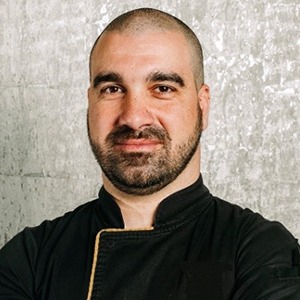
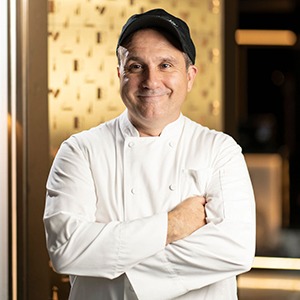
Pedro Almeida
Pedro Almeida
As the new executive chef at The Ritz-Carlton, Portland, Almeida will oversee all aspects of the hotel’s food and beverage program. In his 20 years of global culinary experience, the last 10 of which he spent at Michelin-starred property Penha Longa Resort in Sintra, Portugal. He has also served as head chef of Midori, which earned a Michelin star under his leadership.
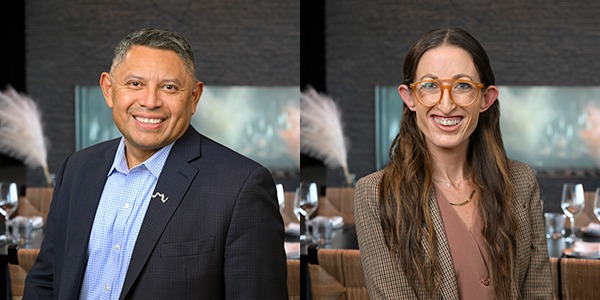
Roque Medina and Brittany Copeland
Roque Medina (left) and Brittany Copeland (right)
Alila Marea Beach Resort in Southern California appoints Medina as director of food and beverage. With the expertise of nearly 30 years of experience in food and beverage within hospitality, he will oversee all culinary outlets at the luxury beachfront resort. Throughout his career, he has opened 18 hotels and 30 restaurants, 16 of which are in the Ritz-Carlton family.
Copeland becomes general manager of VAGA Restaurant & Bar, Alila Marea Beach Resort’s signature dining destination. She grew up working in her family’s restaurant, and most recently served as food and beverage general manager for Kimpton Hotels & Restaurants. In this new role, Copeland will lead daily operations, development and strategic planning to maintain culinary excellence and guest satisfaction at VAGA.
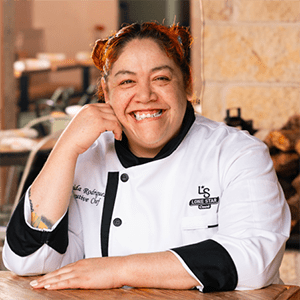
Senaida Rodriguez
Senaida Rodriguez
Rodriguez joins Lone Star Court as executive chef of their authentic Texas restaurant The Water Trough. Born and raised in Texas, Rodriguez has a combined passion for the hospitality and culinary industries, holding degrees in both hospitality management and applied science in culinary arts. She most recently served as sous chef at Cotton Court Hotel, and will now oversee all culinary operations at Lone Star Court.
Chuang Ting Ya
Chuang Ting Ya
The Ritz-Carlton Maldives, Fari Islands sees Ting as director of food and beverage. She began her career as a management trainee at Turnberry, a Luxury Collection Resort in Scotland, and there became a tea sommelier. Since then, she has worked in leadership roles at various properties around the globe. Most recently, as director of food and beverage the W Maldives, she saw business growth and incredible customer satisfaction.
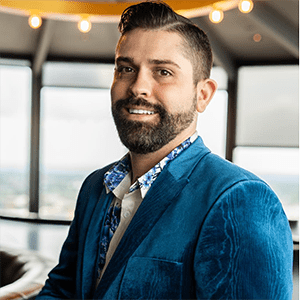
Westley Harris
Westley Harris
Harris returns to Swizzle Dinner & Drinks at The Galt House Hotel in Louisville, Kentucky as general manager. He began his career at 16 as a busboy at local restaurant Rocky’s on the River. Over the next decade of his career, he held positions in various leadership roles across Louisville and has earned accolades in spirits and mixology. He helped open Swizzle and served as its original general manager, and is now back to continue to lead the restaurant in its excellence.
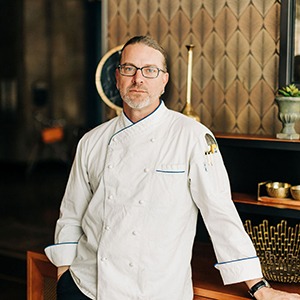
Danny Tippetts
Danny Tippetts
As executive chef at Katharine Brasserie & Bar, in Winston-Salem, North Carolina, Tippetts will lead the team in creating elevated French comfort food. He has been in the hospitality industry for nearly 30 years, beginning at 15 in his first kitchen; by 21, he filled his first role as sous-chef at Wyndham International. He most recently served as executive chef for Great Wolf Resorts, first in Concord, North Carolina then in Manteca, California.
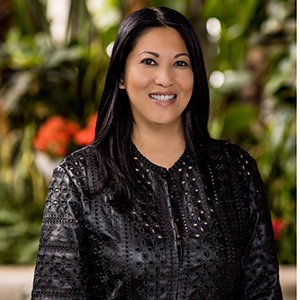
Christine Tran
Christine Tran
Tran will serve as director of food and beverage at Finch & Fork in Santa Barbara, California. During her over 20 years of experience in food and beverage, she has opened her own restaurant and led award-winning programs for LA restaurant groups. She also oversaw restaurant and bar operations at Four Seasons Hotels in Beverly Hills and is an active leader in the LA sommelier community.
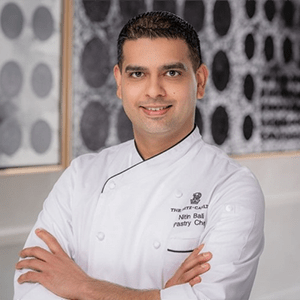
Nitin Bali
Nitin Bali
JW Marriott Clearwater Beach Resort and Spa, in Clearwater Beach, Florida, welcomes Bali as pastry chef. In this role, he will oversee all pastry and dessert operations across the property’s four culinary venues. He has held key positions at high-level establishments, such as The Ritz-Carlton Hotel South Beach in Miami, where he led a seven-person team. He has worked as pastry chef at numerous properties.
Israel Lopez-Albarracin
Israel Lopez-Albarracin
As executive chef at Hotel Washington’s signature restaurant Fireclay, in Washington, D.C., Lopez-Albarracin is leading the open-fire kitchen concept through its summer 2023 opening. He is responsible for leading the restaurant’s dedicated team and developing innovative menu offerings. Most recently, he served as executive chef and assistant general manager at Ben’s Next Door Restaurant.
How to incorporate a sense of belonging into the attendee event experience
The phrase “sense of belonging” is defined as the psychological feeling of connectedness to a social, spatial, cultural, professional or other type of group or community (Hurtado & Carter, 1997).
Jennifer Beindorf
Research over the past two years shows that event attendance continues to increase—from business/industry events to music festivals and sporting events. One of the biggest reasons for this trend is that people desire to share meaningful, unique experiences with others—aka their “tribe.” So, how can we implement innovative ideas and audience-focused design thinking to plan events that create a magnetic communal experience that is personalized to each attendee?
Here are a few tips and ideas to help you rethink your approach to designing events to successfully create a sense of belonging that allows your attendees to connect, be inspired, learn and authentically feel like part of a meaningful community.
1. Get to Know Your Attendees and Their Values
Find opportunities to talk to your event attendees to learn more about them. Be curious and ask them about their priorities and what’s important to them—not only in what they are seeking in their event experiences but also broader marketing and business priorities. For example, if they value the rising focus on sustainability, make sure your event incorporates sustainable practices and promotes/communicates the efforts you’re taking to drive change. If your audience values cause marketing efforts, find ways to tie organizations in through speaking engagements or activities that allow attendees to make a positive impact as a larger event community.
2. Offer Personalization Before, During and After the Event
Engaged attendees are actively involved in designing their event experience. To allow your attendees to personalize their time at your event, as event planners, we need to prioritize understanding the values, needs, and desires of our target audience. How can we give them the opportunity to choose their own journey pre-, on site, and post-event?
Here are a few examples: Allow attendees to select tracks to plan their time on site—from keynotes, and breakout sessions, to networking, food and beverage, and other engaging experiences and activities. Consider matching up first-timers with “veteran event attendees” to help the first timers get the most out of their experience. Or leverage the event app pre-, on site, and post-event to allow attendees to connect with each other and keep the networking going.
3. Plan Fun Community-Building Activities In Between Sessions
Session breaks are often utilized by attendees to go the restroom, take a few calls, and recharge devices. Imagine using this time as an opportunity to have a little fun, connect attendees and create a unique and memorable experience. Design communal spaces and activities like inviting networking lounges that offer more than the usual basic seating and charging stations.
Consider offering curated “brain dates” where attendees can select topics to discuss with others in between structured keynote presentations. Or instead of the typical mid-morning and afternoon food and beverage stations, work with the local hotel or venue to offer unique, fun snacks—like a “donut wall,” a soda mixologist, or other cuisine trends to get people talking, laughing, and connecting.
4. Bring in the Local Flavor
Attendees often travel far and wide to conferences, and while a lot of their time might be spent inside an exhibit hall or hotel ballroom, many attendees want to feel connected and experience the local culture, cuisine, and entertainment. Consider offering a local-themed cuisine night specific to the host city, a hands-on activity that offers a tie-in to a local charity or hire a local entertainer—attendees will appreciate these unique experiences.
5. Spatial Design for the Subconscious Mind
Cookie-cutter conference designs can be mundane and predictable to an attendee. Capturing them by surprise by having an upbeat, open atmosphere can organically encourage dialogue and curiosity, but how do we do this when event design has such a delicate balance between aesthetics and functionality? Subtle details such as guided, warm lighting, mixing unique seating configurations using diverse furniture in the general session room to foster collaboration or scattering multiple Instagram-worthy backdrops throughout the space for fun social posts are all ways to make the environment more inviting. These thoughtful design details offer unique approaches to influence your attendees’ subconscious mind and make them feel welcomed and invited.
In conclusion, as you and your team plan your upcoming events, look for ways to offer inclusivity and show your attendees that you care about them and their values, interests, and needs. Take a step back from your traditional planning process to ideate and explore ways to truly get to know your audiences and seek creative ways to accommodate unique conditions, disabilities, and preferences. By building a strong community where your attendees feel a sense of belonging, the success of your event will shine.
—
Jennifer Beindorf is senior vice president of client services at Impact XM.
Hospitality in Toronto is placing sustainability front and center
“How serious does this city take sustainability?”
This seems to be a question many meeting planners are posing to potential host cities with increasing frequency. Many have answers, in so many words and acronyms: GBAC and LEED certifications, green spaces, no (or at least minimal) plastic usage on property. And while many cities are doing a fine job of it, there are others that go above and beyond.
Toronto, the fourth largest city in North America, is a city deeply focused on sustainability and currently growing at a rapid pace, in its urban and nature-based development. (A brief visit to the city will be met with the construction of incredibly tall condos and hotels to your right, left and everywhere in between.) Toronto is a city rich in biodiversity, having become a Biophilic Cities member in 2020, connecting the city to a network of like-minded cities with the same goal in mind, placing people in contact with nature on a daily basis.
But beyond its immense growth is a city and hospitality industry that treats sustainability as less than something said and more as something done, renovating hotels and venues to make them more sustainable and creating ones that are from the very beginning.
In short, Toronto’s answer: Very.
Bees: The Secret Employee
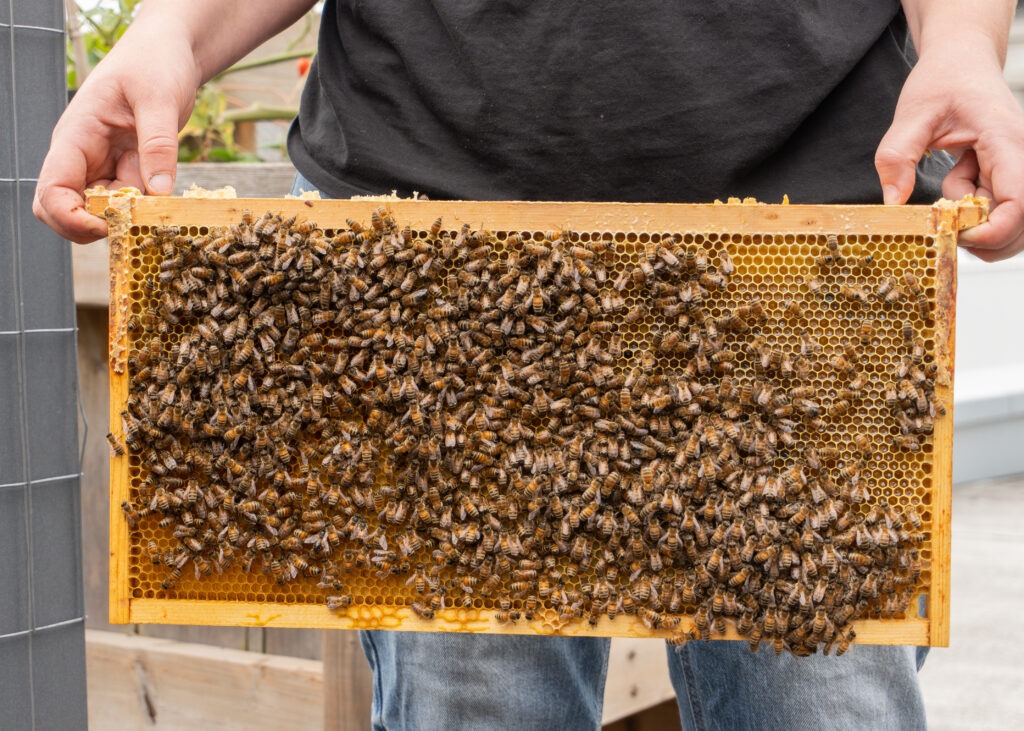
Shelf from beehive at Metro Toronto Convention Centre, Photo: Destination Toronto
Toronto’s hospitality industry has a relationship with bees that works wonders for all involved. A mutually beneficial, symbiotic relationship where bees can do what they do—pollinate, propagate the species, produce honey—while hotels and restaurants provide the hives and flowers for them to pollinate, while using their honey throughout their culinary operations.
Properties and venues like The Westin Harbour Castle (70,000 sq. ft. of meeting space), Metro Toronto Convention Centre (700,000-plus sq. ft. of meeting space) and Exhibition Place’s Enercare Centre (1 million-plus sq. ft. of meeting space) have several rooftop beehives—each of which can be home to up to 50,000 bees—for this purpose.
“It gives our guests and associates a sense of home, they want to come here for lunch,” says Lucy Vu, executive assistant at The Westin Harbour Castle, talking about the property’s rooftop, where they keep beehives, as well as grow herbs and fruits for the hotel’s restaurants. “We love it. We can go and pick up raspberries and blueberries, they’re for the bees but they’re for us too.”
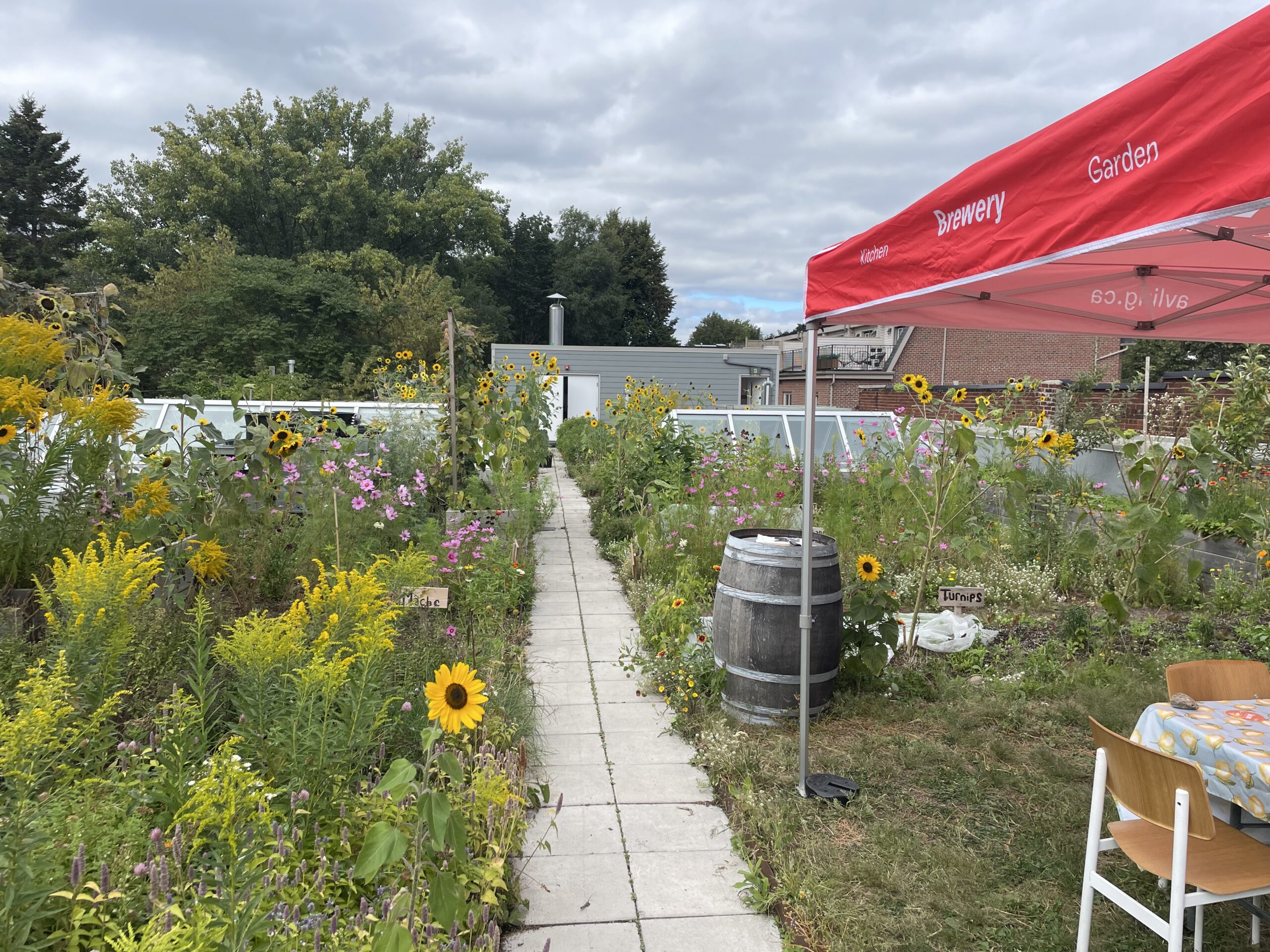
Avling (Norwegian for “crop” or “harvest”), a brewery, restaurant and small farm in Toronto’s Leslieville neighborhood, has bees as well on its roof, in addition to much more. Avling’s 4,000-square-foot rooftop farm is home to more than 50 flowers, fruits and vegetables, including sunflowers, tomatoes, peppers, garlic and carrots that are used in the restaurant’s dishes.
Sustainable Eats
Avling rooftop farm, Photo: Malik Anderson
While Avling’s outdoor space makes for a backdrop pleasing to the eye, the farm can go beyond aesthetics and a source of food for the bees and the restaurant. The private farm also offers workshops for up to 20, with activities like urban farming—making seedlings, seed bombs or seed saving—from May to October. From July to October, they can create floral bouquets and flower-pounded paper or concoct herbal delights using herbs found on the farm.
Avling offers tours of the farm and brewery and the restaurant can be semi- or entirely bought out.
Ration Beverley practices a no-waste philosophy, taking the approach that all ingredients have their place, turning what’s normally thought of as scraps into miso, shoyu, garum and butter. From the food to its back-of-house operations, Ration leaves no ingredient unused.
The majority of Ration’s produce comes from working with local foragers and the meat served comes from farms that “prioritize ethical animal husbandry.” And Ration only serves line-caught fish, as it’s a low-impact fishing method. They do not use any farmed fish or fish caught in large-net fishing.
The bar and the kitchen work as a team as well, using the byproducts of either place to create something special in the other. As an example, the pear and white wine reduction used in one of its salads is used in one of its most popular summer cocktails, named Summertime Wine.
Community Meets
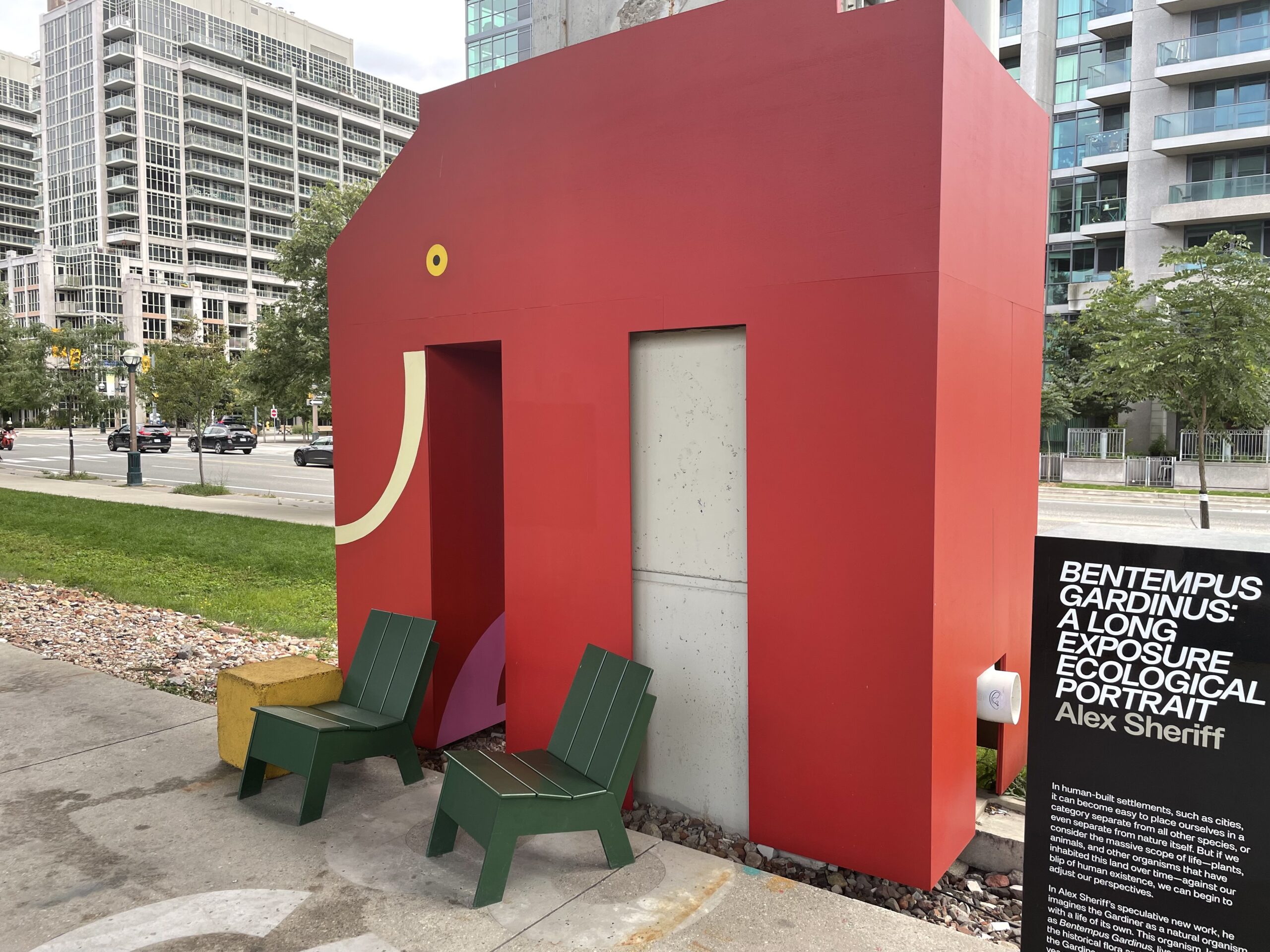
Sculpture from exhibit, “Bentempus Gardinus: A Long-Exposure Ecological Portrait” at The Bentway, Photo: Malik Anderson
The Bentway was created in 2018 as the city’s first urban conversancy. Stationed under the Gardiner Expressway, the area was created as a shared public space for the city’s residents to host public events and create community, with programs like the Communal Table, in collaboration with The Depanneur, an experimental concept created to highlight Toronto’s culinary diversity; and Nuit Blanches, one-night art festivals showcasing the neighborhood’s burgeoning talents.
The Bentway also has a number of temporary outdoor art installations around the facility designed to provoke thought around sustainability and highlight the role humans play on earth, as well as bring attention to the nature that surrounds the city.
Although The Bentway prioritizes open, community-based events and art exhibitions, the conversancy has plenty of outdoor and indoor space for private events. Its main space, located under the Gardiner Expressway, can be used to accommodate thousands of people and The Bentway Studio, which consists of an indoor space and a covered terrace, can be used for smaller gatherings.
Less Paper, Less Plastic
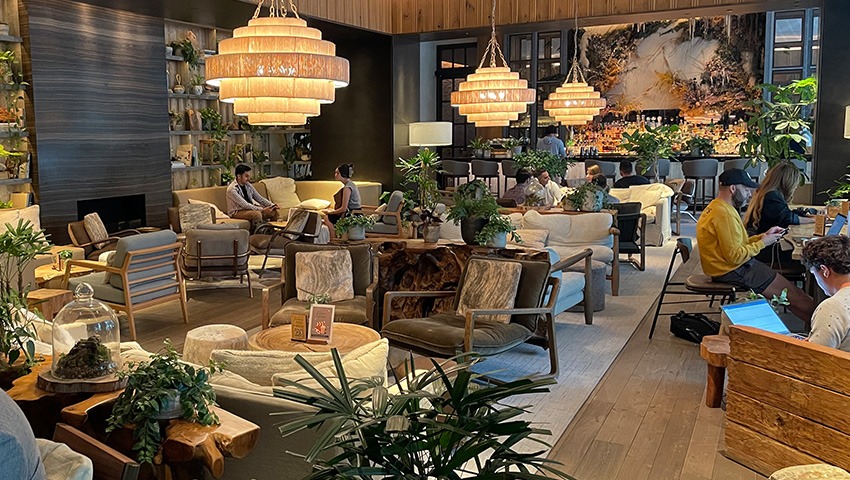
1 Hotel Toronto lounge, Photo: Malik Anderson
Ration has also committed itself to never using plastic in its operations. They even refuse to take plastic bags from groceries (any employee who does, gets bathroom cleaning duty). In the bar, as a replacement for straws, the restaurant uses wheat sheath and rice straws, completely biodegradable products.
The Westin Harbour Castle is renovating its guest rooms and corridors in its South and North Tower. The South Tower will be completed soon and will be followed up with the start of its North Tower guest rooms.
In addition to updated decor, upholstery, lighting and more, the inclusion of a water filter in every guest room will reduce the need for plastic water bottles, normally delivered to guest rooms on a daily basis. “Just by doing that we already reduced more than 50% of our plastic bottle use it in our hotel,” Vu says.
As a replacement for standard plastic bottles, the hotel is partnering with Fill it Forward, sustainability advocates that aim to reduce the use of single-use items. In this case, The Westin Harbour Castle will partner with Fill it Forward to place for-purchase bottles in each guest room. Each time a Fill it Forward bottle is used, you can scan the QR code and Fill it Forward will donate to $.02 to water-related projects around the world.
1 Hotel Toronto is nearly as biophilic as hotels come. Through its partnership with International Landscaping Inc, the property has 3,300 plants inside and surrounding the property, its greenery hits your eyes before you step into the building. Once you are inside, you can’t help but appreciate the nature all around. Plants on shelves, plants on tables made from reclaimed wood, pots of plants on floors. The floor-to-ceiling windows that cover the lobby, Flora Lounge and lobby bar give off an atmosphere of connecting nature outside the nature within the building.
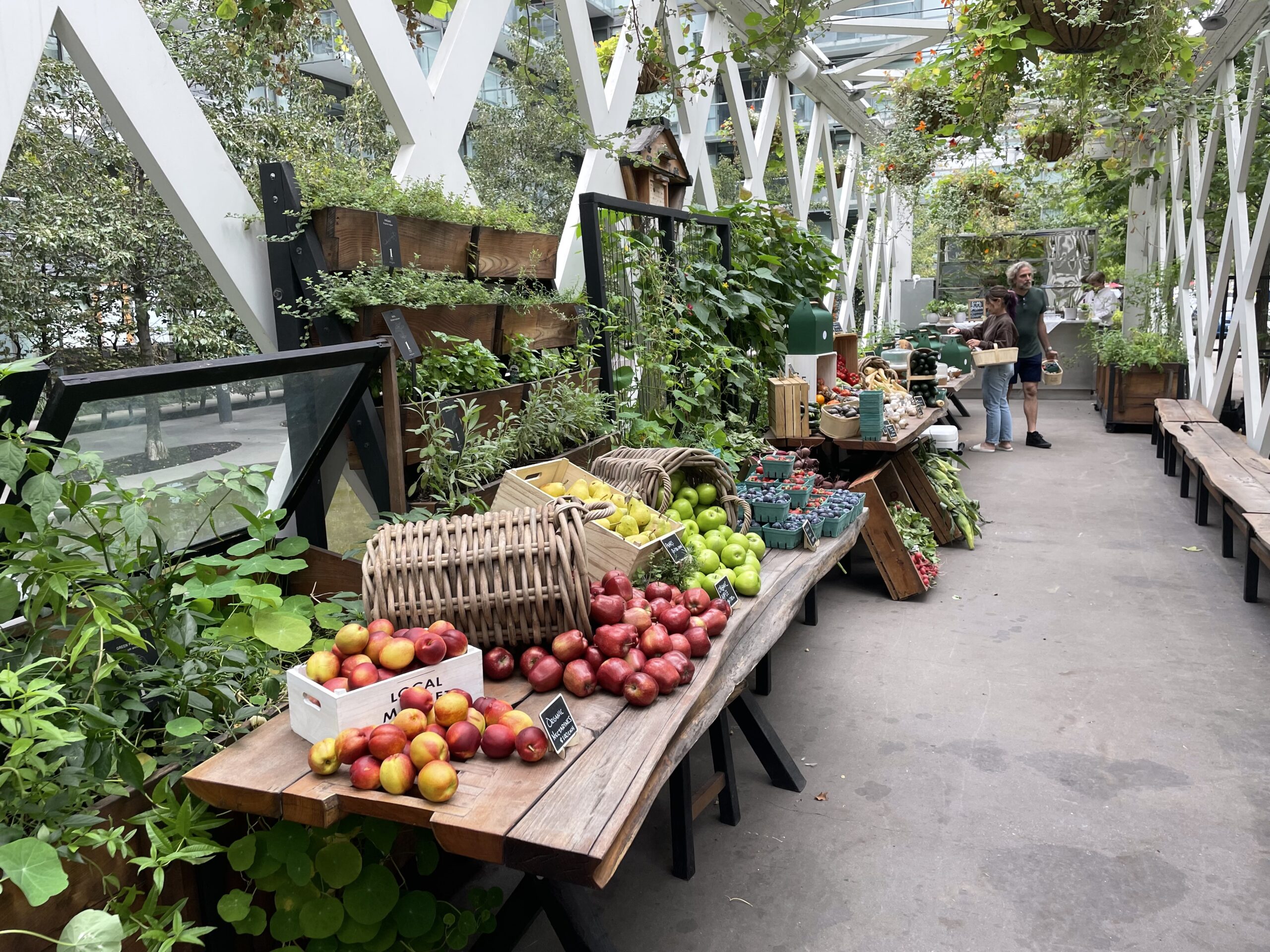
1 Hotel Toronto farmers market, Photo: Malik Anderson
Terracotta trees cut down as a result of Toronto’s rapid expansion and high-rise development have been used to create the property’s bedside tables, TV consoles, charcuterie board, as well as bars for banquets and podiums for events. The team’s original plan was to close for renovation for several months beginning Jan. 1, 2020, and make a few tables around the property but as the hospitality industry later shut down, they had more time to renovate.
Now its guest rooms and more than 20,000 sq. ft. of meeting space—5,000 of dedicated space and 16,000 that consists of its restaurants, bars, lounge, etc.—are filled with elements showcasing the property’s sustainability efforts.
There are several initiatives 1 Hotel Toronto enacts that make the use of paper and plastic unnecessary. As with The Westin Harbour Castle, 1 Hotel Toronto also doesn’t use plastic water bottles in its guest rooms. Instead, cups and carafes made from recycled wine bottles are placed in guest rooms. For guests on the go, 1 Hotels provide refillable and recyclable aluminum Path Water bottles. According to the company, this collaboration has saved more than 2.5 million bottles from going into oceans and landfills.
Room items that tend to be more under-the-radar have been given the sustainability treatment. For example, the hangars are made from recycled materials; and amenities like shower caps are designed to have a second use. In place of your standard paper ‘Do Not Disturb’ sign, 1 Hotel Toronto provides a rock that has engraved on either side ‘Not Right Now’ and ‘Come On In’ that guests can sit outside their room door.
Following a devastating earthquake in Morocco, Marrakesh remains a strong meetings destination
On September 8, 2023, Morocco experienced an earthquake of 6.8 magnitude. It’s epicenter in was the Al Haouz province in the High Atlas Mountain Range, about 45 miles southwest of major tourist destination Marrakesh. Areas as far as Casablanca felt vibrations. The earthquake struck around 11:11 p.m. local time (3:11 p.m. PST) and left 2,946 people dead and 5,674 injured. Approximately 50,000 buildings and houses are fully or partially collapsed.
Morocco is no stranger to earthquakes, but those of this scope are uncommon. The country has recorded nine quakes with a magnitude above five but below six since 1990.
Live from the Ground with KTI Voyages
Gabriella Ribeiro, president and founder of TRUMARKETING, hosted a live chat today featuring Jalil Berrada of KTI Voyages (Kabash Tours International) to discuss the Morocco earthquake. TRUMARKETING is a boutique sales and marketing firm representing tourist boards, destination management companies (DMCs) and hotel partners around the globe in promotional and sales campaigns. KTI Voyages is one of TRUMARKETING’s DMCs in Morocco, with branch offices in every major city.
Berrada was in Casablanca when the quake hit. He rushed to Marrakesh two days afterward to help. There, he witnessed how the luxury hotels in the city cared for the community. Only days after the earthquake, operations in Marrakesh moved as usual. The government’s repair efforts are centered mainly in the Atlas countryside villages which saw the extent of the damage. There, they are working to preserve everything that was lost. With these efforts, they aim to maintain the countryside’s beautiful atmosphere and Morocco as a world destination.
The Earthquake’s Impact in Marrakesh
Ninety percent of the community in Marrakesh retained their homes, and 99% of hotels in Marrakesh are running normally, according to Berrada. The most damage hotels faced were some cracks in the walls, which they repaired rapidly. “Restaurants are open, rooftops in the medina are open, nightlife has picked up, life starts again,” Berrada says. “Marrakesh is a very strong destination. We know that whenever something like this happens in a destination, everything stops, but Marrakesh was well-prepared to pick up normally very quickly.”
Although some major monuments remain closed, many have already reopened. The Moroccan government is continually assessing those that are closed to ensure that they are completely safe to welcome guests. If your plans include visiting one of these monuments that are still closed, Berrada advises considering one of the open options.
All major roads, too, are open and safe for travel. People who are taking tours between cities can expect no disruptions.
The State of Meetings and Events in Morocco
Some of the best news Berrada shared is that the 2023 Annual Meeting of the World Bank Group and the International Monetary Fund are still posed to hold their events in Marrakesh as originally planned. “This is a very good signal to clients that the destination is okay, that Morocco will survive and life will go on,” he says. The city is not seeing any major cancellations.
For those who want to help, says Berrada, trust that Morocco is safe. If you have meetings booked there, keep those bookings. The hotels, venues and restaurants in Morocco need your business now more than ever. Share this news with your network to help support the economic health of these businesses and look to Marrakesh as a destination for future meetings and events.
A dynamic debut, re-conceptualized meeting space and an art-forward transformation
Host your next event in a brand-new event space in St. Paul, Minnesota. Or, meet in the glory of the Colorado Rockies. If you’re headed to Massachusetts, take in the vibrant artistic community of North Adams. Invigorating new spaces and re-designs provide the spaces for the autumn meeting of your dreams.
A Breath of Fresh Air
Three Sixty St. Peter Street
Morrissey Hospitality’s latest opening is a new meeting and event space in St. Paul, Minnesota, Three Sixty St. Peter Street. Now available for bookings, the space spans a total of 5,500 sq. ft. across three casual, contemporary meeting and event spaces. Meetings and events taking place at the venue will be exclusively catered by the nearby St. Paul Hotel with event menus inspired by Chef Thomas Sandborgh.
Their private, comfortable boardroom can fit groups of up to 14 attendees. A high-end lounge with flexible seating can accommodate anywhere from 8 to 64 guests, and a reception space fits 120 guests. Two dual-purpose pods including high-top tables and shuffleboards are available as collaboration spaces and areas for breakout groups.
Rockies Reinvigorated
Gaylord Rockies
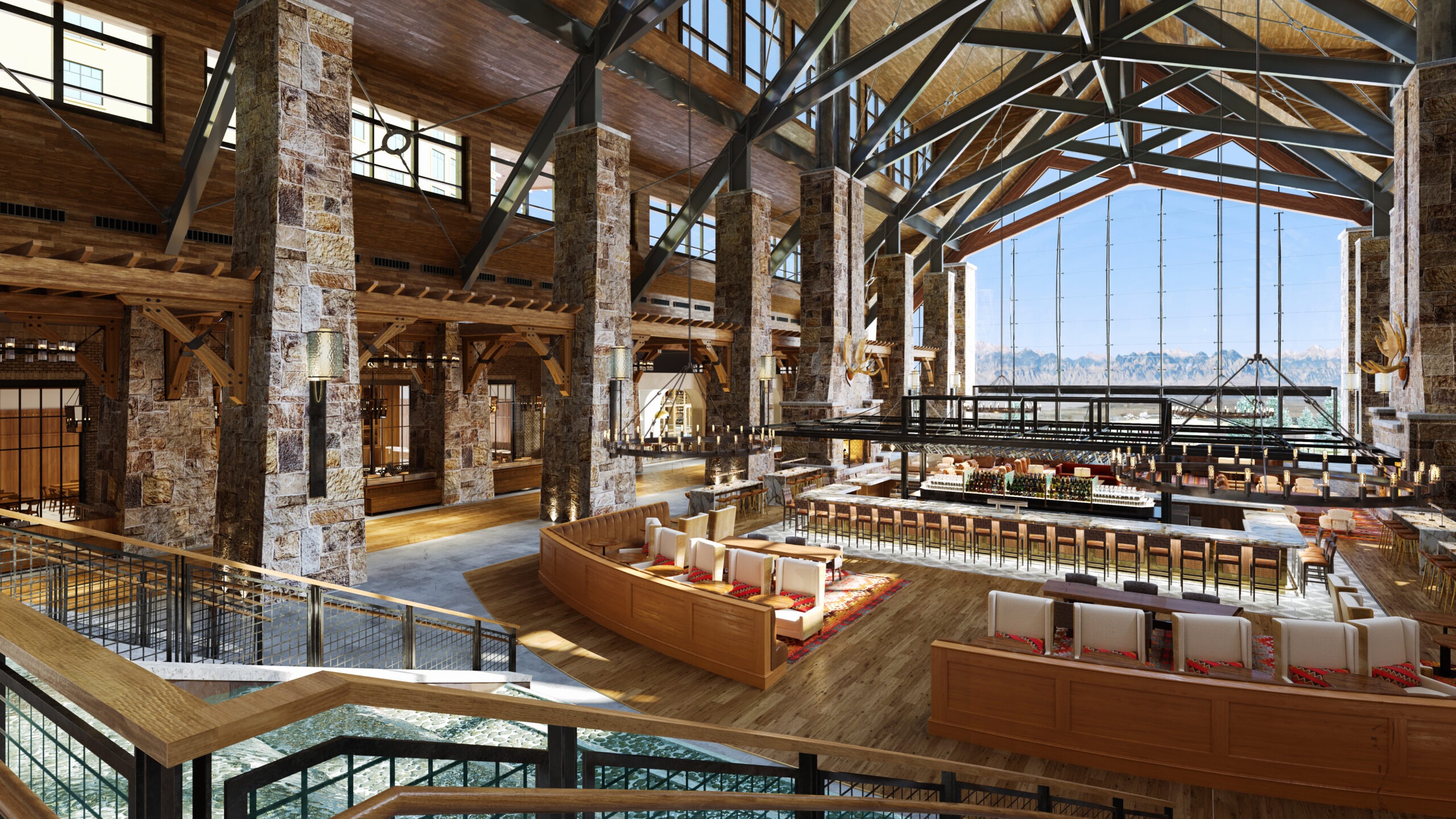
The largest combined resort and convention center in Colorado at Gaylord Rockies has completed Phase Two of an extensive renovation. This sees the debut of three re-conceptualized existing restaurants, a reimagined Grand Lodge and a new event pavilion.
Set to open in the Grand Lodge in spring 2024 is Embers Lodge Bar and The Fortunate Prospector. Later that year, two existing restaurants will debut as Garden & Grain and Copper Table. The new Mountain View Pavilion adds 12,118 sq. ft. of indoor event and pre-function space. It also includes over 14,000 sq. ft. of outdoor terraces and patios and 15,000 sq. ft. of turfed lawn. The interior will see floor to ceiling windows, banquet space, a sky light and feature west-facing mountain views.
With 1,500 guest rooms and already over 50,000 sq. ft. of existing meeting, event and convention space, Gaylord Rockies Resort and Convention Center is just the place for your next Colorado meeting.
Artistic North Adams
Hotel Downstreet
After a transformation headed by Main Street Hospitality, Hotel Downstreet has officially opened in downtown North Adams, Massachusetts. Their 90 guest rooms all include a microwave, mini-fridge and workstations. Guests can enjoy an indoor pool and onsite laundry as well.
The hotel places the dynamic arts community of North Adams at the center of its design, displaying a curated art collection across the property, from public spaces to guest rooms. At The Studios at Downstreet, right next to the lobby, they will host regular, revolving collaborations with artists, galleries and nearby institutions; these spaces can also accommodate creative gatherings and events.
Studio B offers 1,525 sq. ft. of event space. The Richmond Room offers 1,740 sq. ft. and can be separated by a wall divider to create two rooms.
How to apply behavioral triggers to conference programs to increase engagement
If the golden ring everyone is reaching for on the merry-go-round of events is “engagement,” then we had better get real about what causes people to pay attention and interact with the content we work so hard to present at conferences and meetings. A new study titled, “Guiding Principles in Experience Design,” by Marriott International in partnership with PCMA and CEMA that will be presented at IMEX found six truths that draw on the core behavioral urges that drive human beings and teased out strategies to leverage them to help people process and remember.
“We want to help move the industry forward and help meeting professionals explain the relevance of meetings to their CEOs now that everyone is meeting again,” said Julius Robinson, chief sales and marketing officer for the U.S. and Canada with Marriott International.
From identity seeking, a longing for freedom of choice and a sense of belonging to aligning values, emotional understanding and the power of play, this global study boiled down the essence of group motivation from a total of 1,987 unique insights identified from the interviews into lasting concepts that meeting professionals can use to advance their conversations with audiences at each point in the meeting journey from initial awareness through registration to post-even follow-up.
A quiz based on the findings was designed to help participants self-identify their dominant motivational triggers and interactive exercises were built to bring the ideas to life in a portable “lab” that is being featured at Marriott customer events across the country.
The Truth Will Set Ideas Free
Naomi Clare
“People want meaning personally, professionally and in the things we do,” said Naomi Clare, founder and CEO of Storycraft Lab, who helped with the research. “That is why we focused on truths rather than trends.”
Following are the main findings with an emphasis on how these truths impact human interactions in group settings.
1. Exploring Identities
Humans seek the ability to find their own individualized uniqueness but also to find where they overlap with others. These intersections are fundamental to one’s ability to connect and emphasize a need for connection to local communities.
What that means for events: The role of the event designer will be to reimagine networking and create an environment where people feel open enough to stretch their minds and fully participate.
2. Architecting Choice
Audiences desire choice and want to be involved in selecting the various pathways available to them. They also want adequate support and resources to make clear and informed choices. These tools, when leveraged effectively, can help audiences reduce complexity and make confident, informed decisions.
What that means for events: To develop the user experience, event strategists need to understand the problem they’re solving for from the perspective of the audience. Asking the audience why they are coming to an event may be a step in the right direction.
3. Designing for Belonging
A sense of belonging for attendees should be a central mission for the experiences that event strategists create. When all audiences are able to participate as they are and feel included for who they are, they can have more positive and impactful experiences.
What that means for events: Event strategists need to design events for inclusion, considering different abilities and varying needs related to mental health. As part of Marriott International’s commitment to belonging, Marriott has collaborated with the Google Experience Institute (XI) on The Neu Project to enable more neuro-inclusive meetings and events.
4. Value of Values
Audiences search for experiences that provide value beyond the dollar, prioritizing elements like sustainability, inclusion, hybrid channels, community engagement, time and uniqueness. Distinct offerings and value propositions continue to be crucial in meeting audience needs.
What that means for events: For the time-conscious, the virtual-hybrid experience will remain essential to be connected to their communities wherever they are.
5. Emotional Data
Understanding the emotional state of participants is key to driving loyalty and decision making. Event strategists need to discover how to leverage emotional data, measure it consistently and analyze it effectively.
What that means for events Audience segmentation tools use personalization to create dialogue and encourage preference sharing. When used pre-event as a vehicle for experience design, they can demonstrate how the emotional data collected has been used to create better experiences for the audience.
6. Power of Play
The process of playing with something, breaking it apart and putting it back together creates opportunities for ideation and collaboration. Developments in AI are opening new avenues for experimenting and playing with new tech tools that can facilitate connection.
What that means for events: Event designers may want to create play-first spaces that celebrate testing and experimentation to help audiences better understand new ideas and synthesize learnings.
How to Take Baby Steps in Event Design
Just because there are six “truths” doesn’t mean meeting professionals have to rent a ballroom and ship the physical activations of each one to their event in order to realize benefits of the insights. Pick an area that aligns with your messaging and use it as a jumping off point for discussion, Robinson suggested.
To that end, a “Magic Truth Ball” was designed as part of the lab activation of the report to help planners find a starting point for envisioning how they might put these ideas to work in their programs.
And planners aren’t alone in their quest to incorporate these findings into their agendas. “We hope we can help incorporate these exercises into the experiences being designed for our hotel spaces,” he said.
Veteran IMEX America attendees may notice something different as they approach Mandalay Bay Resort and Casino Las Vegas in October. “We tried to walk in people’s shoes and imagine what we wanted them to experience when they enter,” said Oliver “Oli” Bailey, show experience/senior operations manager with IMEX Group. “We choreographed the welcome experience with photo opportunities and lots of immersive experience.”
Oliver “Oli” Bailey
One of those changes is the evolution of the IMEX logo centered around a handshake in the letter M. “It is an understanding that people are at the heart,” Bailey said. He has been managing a transition to the new, bright logo that considers the life cycle of elements that have been used over the 20 years of the company, 10 since it started in the United States.
Some of those experiential elements are team efforts. Last year, IMEX partnered with Encore to create “Break Free: A Journey of Transformation” with the goal of creating experiences that brought attendees through an emotional journey, challenging their belief systems and inspiring them to create organizational, social or environmental change with the events they lead by considering all the senses.
This year, the activation will challenge meeting professionals to change the world with everyday event design decisions. “Break Free: Continuing the Journey” will breathe life into the conversation about designing for belonging and inclusion by leveraging a human-centric design approach to challenge meeting professionals to experience their own events through fresh eyes.
Visit Seattle is sponsoring a multisensory experience and Cort Furnishings is once again elevating the buyer lounge environment.
“We have learned to say, ‘yes.’ We are an event for event people, after all,” he reflected.
Another partnership with Google Xi and Storycraft Labs will create a resilient space for people who might feel overwhelmed by the biggest meetings event show floor in the world. “It can happen to anyone and some people are more sensitive than others,” Bailey said. “That is why it is important to design white spaces so everyone can fully participate.”
The same inclusive approach will be evident in how IMEX is nourishing attendees. “You can design the greatest show in the world, but if someone is left with an empty stomach, that doesn’t mean anything,” Baily observed. “We don’t want any hangry people at the show.” Sustainable, healthy catering that offers tasty options for any dietary needs will be available on the expo floor.
First Look Advice
For someone who might be attending IMEX America for the first time, Baily suggests planning ahead. “There are so many distractions that you can end up doing something quite different than you planned and that is great, but at the end, if You’ve achieved what you wanted and seen the people you wanted to see, that’s brilliant.”
While the goal is that everyone make new friends and find partners they might not have expected to meet, Baily hopes the impact is even deeper. “I would love it if they changed their minds about some belief from a session or a conversation and could have that effect on someone else,” he said.
“It’s a live show. You’re there in person. It’s a two-way street and that is why everyone is there so bring your personality and share your ideas.”
Immersive experiences are easy production hacks
In an age where we’re competing with nearly-addictive, user-generated social media content and experiences like Oppenheimer in IMAX 70mm, many of us are kept up at night wondering how we’re going to earn the audience’s attendance, and keep their attention, at our next event.
In fact, from recent Encore customer research, we’ve learned that an overwhelming 97% of event professionals are excited about technology that creates “wow” moments and more than 80% believe delivering those wow moments facilitates greater attendee engagement and event ROI.
While the buzz about immersive experiences right now leans a little into the future of augmented reality, or even holograms, it’s worth looking at how the quality of your event production, with tools at your fingertips right now, can deliver that immersive wow-factor that gets your attendees talking.
This fascinating field of research shows us that, not only does the presence of color affect our cognition and mood, but certain hues also affect how we internalize information and interact, which is crucial to the success of an event.
Case in point: Pantone’s Color of the Year. Each December the company that sets the global standard for color matching announces a color for the upcoming year meant to represent current trends, social and political events and global attitudes. Viva Magenta has been the Color of 2023. Described by the institute as “bold” and “unapologetic,” this shade was chosen to evoke a sense of confidence and optimism in our post-pandemic landscape.
Back in December, Viva Magenta made sense to us, especially considering unabashed vibrancy in our fully-booked calendars, the growing size and number of events, and the excitement around more engaging, immersive events.
From fashion to marketing, the color of the year is used to forecast trends in branding and design, product development and purchasing decisions. It’s become so influential that the 2024 color of the year has already been selected (Apricot Crush) and is meant to signify an energetic yet refreshing antidote to the uncertainty of next year.
With all that possibility for emotive affect, let’s take a look at the opportunities to infuse color into events to create more captivating experiences for attendees.
Warming Up or Cooling Down Moods
Let’s start with the neurological effects of warm versus cool tones. Bright and warm colors, like red, orange and yellow, stimulate our senses and can evoke feelings of happiness, optimism and energy. Contrastingly, cool and calm tones like blues and greens are typically internalized as soothing.
In fact, prisons have often painted jail cells pink to keep the peace. Taking a note there, how about a warm pink uplighting in a meditation room as a place of respite in a busy conference?
Colors are not just a matter of aesthetics; they can have a profound impact on our mental state. Research in this area has confirmed what we have long suspected: that colors can influence our internal physiology and create unconscious reactions.
Encouraging Networking
Let’s say you’re planning a ballroom luncheon where you want your attendees to interact and socialize. You could incorporate sweeping use of yellow visual content with LED walls because yellow is known to invigorate. The attention-grabbing technology and brilliant hue would serve to encourage these connections and even boost participants’ moods.
Increasing Action and Critical Thinking
If you’re looking to amp up the energy and increase productivity, red light might be the way to go, as it has been known to elevate pulse rates, and even respiratory rates. It’s also known to encourage a more analytical mindset.
Purple has also been known to increase focus. For a small meeting, how about LED lamps at each table set to cast purple tones to keep the small groups focused and engaged.
Setting the Stage
Not every solution is an LED, although it’s a high-powered tool for color psychology.
Scenic elements like spandex soft sets or modular backdrops, like BackDrop Pro, can be illuminated with front or back projection and the addition of gobo lighting for texture as a tool for setting the mood.
Content Designed to Engage
And while the production of your event is vital to success, it always starts with the content. You should be asking your creative and content development team about colors and graphics to influence the room in everything from your keynote presentation, to your sponsor reels during a banquet. It all matters.
—
Annette Moody is senior vice president of production at Encore, where she oversees areas including production, supply chain and the Las Vegas operation.






 Annette Moody is senior vice president of production at Encore, where she oversees areas including production, supply chain and the Las Vegas operation.