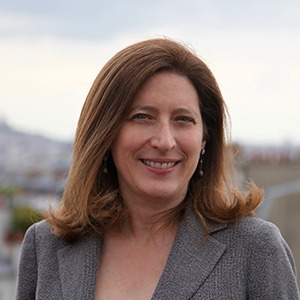
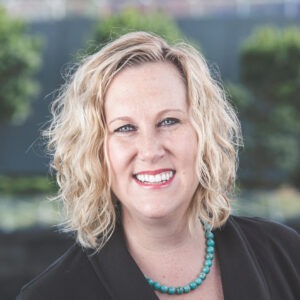
Susan Arts, CMP Fellow, shared her favorite quote: “Begin and end each day with a grateful heart.”
“If I start with gratitude, it makes it easy to continue being thankful throughout the day,” she says. And of course, her career is one of many things to be thankful for—and proud of. When she was eight years old, she told her parents she dreamed of growing up to be a big-rig truck driver. “We traveled every summer to different parts of the U.S., and I thought that would be a perfect job—I could travel around and see beautiful places.”
By the time she graduated college, she still had that travel bug. “I knew I wanted a job that allowed me to travel, and I fell into meeting planning completely by accident. So, my dream really did come true!”
In addition to being a CMP Fellow, Arts also holds an HMCC. She is president and founder of Arts of Meeting LLC.
Discovering the CMP
When she first heard of the CMP, Arts says, there was no looking back. “I was encouraged to pursue my CMP as soon as I was qualified for it.”
The CMP designation is distinct for many reasons, one of which is that with its emergence nearly 40 years ago it provided an opportunity for, as Arts puts it, “meeting planners to get a seat at the table.”
She says, “There were no post-secondary schools with meeting and event planning/management offered; many of us fell into the career without knowing anything about it.” But those planners who fell into the industry, and fell in love with it, needed something to demonstrate their commitment and the importance of their role.
“Having the CMP designation and applying everything I learned in the process has had such a positive and profound impact in my career. I’ve been so many different types of planners (third-party, corporate, association, independent) and that would not have happened without that foundation.”
Earning the CMP
First and foremost, Arts saw the CMP as an emblem of lifelong learning. It is a badge of honor, many CMPs say, but in particular, it is a badge of honor that signals a lasting commitment to learning and growth.
“Education is a continuous process. I have learned so much from every job and position I’ve held and have had many amazing mentors along the way…The learning never stops,” she says.
Another distinctive aspect of the CMP is its nature as an industry designation. Throughout her process of studying for the exam, Arts found, “This is like college—you are learning theory, not necessarily practice. When you are confronted with ‘real life’ problems and challenges [after earning the CMP] your brain is flexible enough to come up with diverse ways to solve them.”
Once a professional has passed the exam and proven their comprehensive understanding of the theory it involves, they are then able to apply that knowledge and depth of understanding to their career to be a more than robust planner. “The CMP and CMP Fellow help to signify to organizations and clients that this is a profession, and we bring more than logistics to the table,” Arts says. “When I’m collaborating with stakeholders, I always start off with CMP 101: What are the goals and objectives of the event?”
From there, she creates moments—whatever they may be—that achieve those goals and objectives, based on a nuanced understanding of meetings and events, how they function and how people function within them, in the many forms meetings and events take.
Going Further
“The CMP was the most comprehensive course, and the designation carries a lot of weight in the industry,” Arts says.
The CMP Fellow is a step beyond. It sets apart not only dedicated industry professionals, but that class of CMPs who have gone to great lengths to demonstrate their immense capability and deep commitment to the industry.
“When I first learned of the CMP Fellow designation, it was the perfect fit for where I was in my career,” she says. She has now been a CMP Fellow for two years, as a member of its inaugural class. “It offered a different path and signified that I had tenure and experience in the industry.”
If you’re qualified, she says, pursue it. “What do you have to lose?”
Looking Forward
There’s no doubt that the meetings and events industry is powerful. Against innumerable challenges in recent years, it has emerged even stronger and more resilient. “Coming through the fire of Covid, being in the meetings and events industry is more inspiring than ever,” Arts says.
“For many years, the industry was concerned about how technology would lead to fewer in-person events. Covid showed that in-person matters. I love seeing passion and drive and can’t wait to see what comes next.”
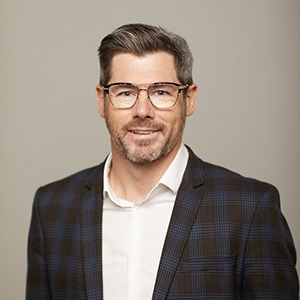
Deer Path Inn welcomes Barnett as general manager and innkeeper. He will oversee all daily operations at the inn at the monumental moment of its 95th anniversary this year. Barnett was born in Australia and began his hospitality career at New South Wales ski resort Thredbo, before moving on to general manager roles in London and Chicago. Most recently, he served as the vice president of hospitality at Bonhomme Hospitality where he oversaw seven locations.
Lizzie Fillo
Lizzie Fillo, Visit Salt Lake (VSL)
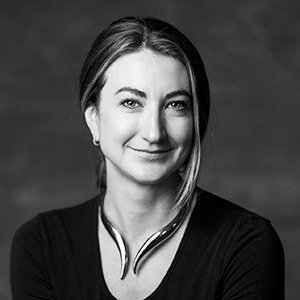
Fillo joins Visit Salt Lake (VSL) as associate vice president of marketing. She will oversee the organization’s core marketing functions and lead strategic initiatives to develop its brand identity and narrative. Fillo earlier served as a senior marketing lead at PepsiCo UK, where she developed marketing campaigns for Walkers snack portfolio. Her work earned her awards, including most effective creative by Ad Week. More recently, she helped develop social strategies for Lyft and Dolby.
Ann Alba
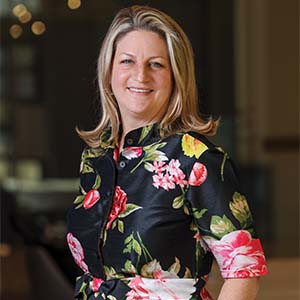
Ann Alba, The Broadmoor
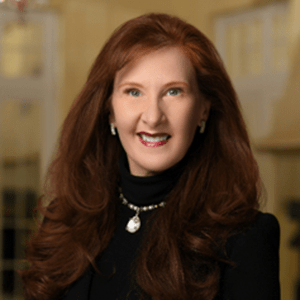
The Broadmoor promotes Alba to the role of vice president and general manager. She has worked at the resort for 37 years, beginning there as a banquet server. Having grown up in her family’s bar and restaurant business, she has always been committed to serving others through hospitality. She is now second-in-command to president and CEO Jack Damioli.
Brett Barenholtz
Brett Barenholtz, National Limousine Association (NLA)
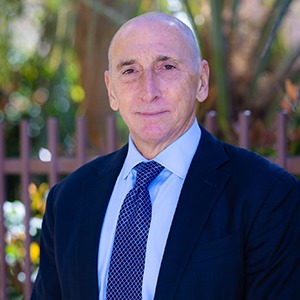
Barenholtz is appointed as president of the National Limousine Association (NLA). Based in Boston, Barenholtz is the CEO of Above All Transportation, Boston Car Service, ETS International and Maine Limousine. He brings nearly 40 years of experience in chauffeured ground transportation and is actively involved in lobbying efforts for the limo space both locally and nationally. He has previously served as secretary of the NLA’s executive committee and is the current co-chair of the Bylaws and Legislative Committees.
Stacey Howlett and Amanda Lane
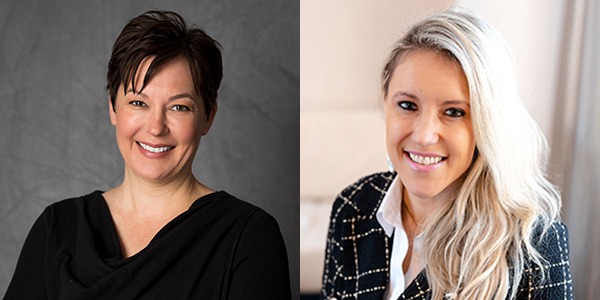
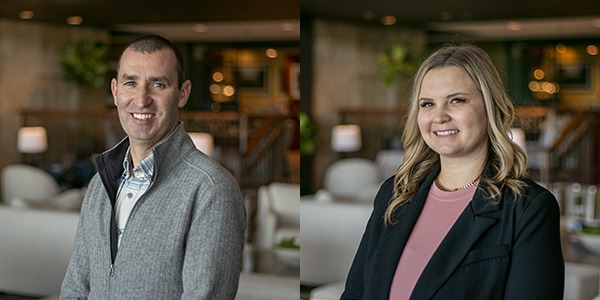
Stacey Howlett (left) and Amanda Lane (right), The Magnolia, St. Louis
Howlett takes on the role of general manager. She brings over 12 years of experience in the hospitality industry and has proven herself incredibly capable of bringing growth and revenue. She has served in numerous general manager roles throughout St. Louis and is known for her successful implementation of innovative marketing strategies, enhancing the guest experience and improving the financial performance of boutique properties.
Lane is appointed director of sales and marketing, and will work to elevate the property’s overnight guest experience and local presence with a focus on curating fun, unique onsite activations that achieve both guest enjoyment and make a positive impact on the surrounding community. She has a proven ability to take on challenging projects and develop strong sales pipelines for group travel.
Julie Byrne
Julie Byrne, Canopy by Hilton Chicago Central Loop & Hilton Garden Inn Chicago Central Loop
Dual-branded hotel complex Canopy by Hilton Chicago Central Loop & Hilton Garden Inn Chicago Central Loop appoints Byrne as complex director of sales for both properties. She brings over 20 years of experience in the hospitality industry and an accompanying expansive knowledge in the ins and outs of the travel and lodging industry. Most recently, she served as director of sales at DoubleTree by Hilton Oak Brook.
Caleb Rice
Caleb Rice, Rancho Bernardo Inn
Rancho Bernardo Inn appoints Rice as director of national accounts. He brings over 15 years of experience in the hospitality sector, beginning the food and beverage department at The Broadmoor, where he eventually transitioned into the role of executive meeting manager, sales manager and most recently director of incentive and insurance sales. With his extensive experience, he will work to enhance Rancho Bernardo Inn’s presence in Canada, the Northeast and Mid-Atlantic regions.
Vincent Billiard
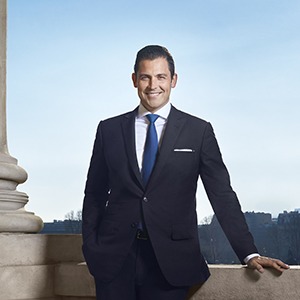
Vincent Billiard, Rosewood Hotels and Resorts, credit: Fabien Breuil
Billiard takes on the role of regional vice president, central and north Europe for Rosewood Hotels & Resorts. This role will come in addition to his present role as managing director of Hôtel de Crillon, a Rosewood Hotel, in Paris. He will now supervise the Paris location as well as hotels in London, Munich, Vienna and two new openings planned for Amsterdam and Shloss Fuschl.
Martin Magdeburg
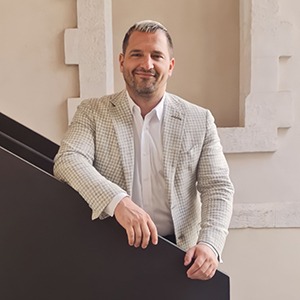
Martin Magdeburg, W Aspen
W Aspen appoints Magdeburg as general manager. He has worked in the hospitality industry for over 20 years and brings global luxury experience, most recently with his work at The Jaffa, A Luxury Collection Hotel in Tel Aviv. Notable accomplishments include supporting the opening team of The Ritz-Carlton Riyadh in Saudi Arabia and later leading the culinary and food and beverage operations at the W Singapore. He will oversee operations of all facets of W Aspen.
Dan Crooker and Julia Ippolito
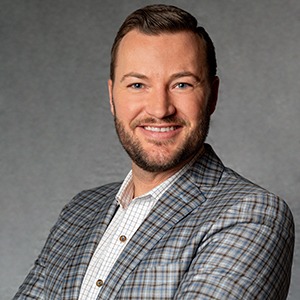
Dan Crooker (left) and Julia Ippolito (right), Grand Geneva Resort & Spa
Crooker takes on the role of executive director of sales. He brings over 18 years of experience in the hospitality industry and will work to further enhance the sales team’s commitment to excellence and innovation. He will lead the team as it leverages strategic programs and sales growth initiative, including the upcoming completion of a full meeting space renovation.
Ippolito takes on the role of director of events. She will oversee event management, food and beverage operations for group events, weddings, hotel programming and entertainment across the resorts 1,300 acres. Ippolito began her career at Levy Restaurants at the STAPLES Center in Los Angeles, supporting high-profile events such as The Grammy Awards. She eventually advanced to assistant director of operations at Levy Restaurants at Fiserv Forum in Milwaukee before joining Grand Geneva.
First impressions can make or break an event. Registration has come a long way, from scribbling a name on a lapel sticker to preprinting a badge and setting it out on a table in alphabetical order, to today’s integrated digital registration solutions. Devices have gotten smaller and internet connections faster. Opportunities to customize the attendee experience while gathering information to improve the conference are more actionable than ever before.
A recent Smart Meetings webinar outlined the questions event professionals need to ask if they are considering stepping up their welcome process.
Shorter Lines, More Interaction
Joe Skiados, senior manager for on-site solutions from Cvent, outlined the benefits of switching to digital registration.
Eliminate long lines (this wastes attendee time and manpower if manually looking up names and locating badges is causing people to queue for more than a few minutes).
Cancel the pre-event badge-printing and stuffing parties (this time can be used more strategically to plan logistics).
Enhance engagement during registration rather than focusing on finding badges stacked on a table (team members can deliver messaging and collateral while attendees check in on an iPad or kiosk).
Arrange for Internet connection redundancy to pull and push data in real time so even if something goes wrong, you will still be able to access information, and no one will know.
Even if the badge-printing process is automated at kiosks similar to the ones people are already comfortable using at airports, make staff available to direct traffic, answer questions and talk about the conference.
Use experience from previous conferences to determine peak flow times, and staff accordingly.
Use a scannable QR code from the app to deliver badges and drive traffic to the app.
Measure success on multiple levels to increase the quality of actionable intelligence collected. (For the planner that could mean speeding up registration, for the speaker it could be tracking who attended a keynote and whether they left early, and for a marketing person it could mean funneling leads from sign-up to arrival, setting up meetings, visiting booths and registering for the following year.)
Consider selling registration sponsorships and including branding on lanyards, badges, registration touchscreens or surrounds, or even tables near the registration desk.
Follow the attendee journey with RFID technology or badge scanning to find who is attending what sessions, and adjust the following year’s program based on how people are engaging.
Use the technology to easily record educational credits.
Use aggregated results to report back to sponsors and potential sponsors about results.
Stephanie Miller, sustainability concierge, will guide hotel guests to their most sustainable visits
The sustainability program is designed to assist guests and meeting planners in developing a deeper understanding of their carbon footprint while traveling. As the property’s sustainability concierge, Miller will provide tips on how these visitors can adopt sustainable practices, as well as answer questions about how to get around the property and surrounding neighborhoods in sustainable ways.
Get to Know Stephanie Miller
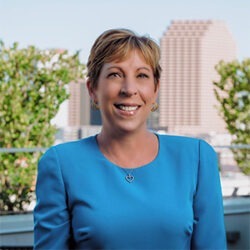
Stephanie Miller, sustainability concierge at Marriott Marquis Washington, DC
Miller worked at the International Finance Corporation (IFC) for 25 years, leading teams in discovering innovative solutions to climate change. In 2011, she began working as director of Climate Business, where she led a growth strategy that increased climate-related business by 50% over the course of three years, and mobilized a team with which she developed the EDGE green buildings brand and platform, now a $5 billion IFC business.
She continued her career engaging in climate advocacy as IFC’s director of Western Europe from 2015-2019, working with European partners to implement renewable energy and energy-efficiency initiatives. She has served as an ardent steward of climate-positive business. Delivering keynote presentations for multiple global events and authoring a white paper, “Tackling Global Warming by Creating markets for Climate Business,” are just a few of her accomplishments.
Assessing Individual Impact
While she has made major impacts on a large scale, Miller is deeply interested in the sustainable impact individuals could make through practical action. With this in mind, she embarked on an experiment to discover if she could live a zero-waste lifestyle, conducting research and advising others throughout.
It was through this process that she developed her 80/20 solution to individual climate impact, that is, “focusing on the things (20%) that can make the biggest (80%) difference,” as she writes on her website.
With her expertise in climate impact on both the individual and business side, personal experience with sustainable living and deep connection to the area as a D.C. local, Miller is now in a position to help leisure and business guests alike achieve their greenest goals and provide them with the necessary education and resources to operate more sustainably wherever they may go.
The word “partnership” gets thrown around a lot in the events world, but when there are too few ballrooms for too many functions being planned, meeting planners and hotel and destination counterparts often find themselves on the losing end of negotiations that could be win-wins. At Showcase during Business Events Industry Week, a diverse group came together to get to the bottom of what the term really means and how to better replicate the collaborative implications.
Incredible Expanding RFPs
According to the Online Etymological Dictionary, “partnership” evolved by the late 14th century from a Latin root to “one who shares power or authority with another.” If corporate planners, third-party consultants, hotels and destinations share power over the execution of event programs, then why is sourcing sometimes such a challenge?
Stephanie Turner
Jamie Murdock, executive sales leadership culture creator with Maritz, tried to get to the bottom of the confusion over the broken Request for Proposals (RFP) process by asking what has changed about RFPs. Melissa Fenwick, senior manager of event sourcing with Meetings & Incentives Worldwide, explained the expanded targeting now being employed. “We are having to add more hotels than in the past because of a lack of availability. We are also looking at tier-two cities, so we have more options to show clients.”
That multiplication in the number of destinations and hotels receiving each RFP, along with the reality that many on all sides are still staffing up and training, is leading to slower-than-ideal response times, according to Stephanie Turner, senior vice president of convention sales and strategies with New Orleans & Company and a 2023 Smart Meetings Catalyst Award winner. “That is why it’s very important for all of us to be able to give a very detailed and thorough response,” she said.
What often isn’t covered in the response to the RFP is the challenge hotels are having with costs rising, ownership interests and shifting leisure demand.
Kirsten Olean
Once the hotel or destination has responded, the wait often begins on the other side of the email thread. Kirsten Olean, director of meetings with Cystic Fibrosis Foundation and a 2022 Smart Women in Meetings winner, said the problem on her end is educating internal stakeholders about how the landscape has shifted. “We are pushing our internal stakeholders to book further out and make quick decisions because the reality is that two or three people may be in line waiting for those dates.”
Then she was blunt. “We are also becoming much more demanding because our internal stakeholders are asking for more. To be good partners, we may have to give a little more and learn to be flexible.”
Murdock agreed that “multithreading,” a term borrowed from computer programming that refers to the need to serve many stakeholders in a company with different needs, was one of the challenges that makes coming to an agreement more challenging.
Educating the executive team about the importance of booking early can be difficult without some hard lessons. Fenwick from Meetings & Incentives Worldwide said as long as the sourcing team keeps making the magic happen, the client will assume they can continue to do so even in a compressed supply environment.
Hope for the Future
Kelly Saling
In a world where time is one of the most valuable resources, Kelly Saling, senior vice president and chief sales officer with Visit Seattle and a 2023 Smart Women in Meetings Award winner, suggested the solution might be levels of response. “When such a wide net is cast, it would be beneficial to start with a Request for Information (RFI) and ask for a response about whether there is hope or no hope for the dates requested. Then you can do a deep dive with a shorter list of destinations and hotels.”
Another counter-intuitive hack is being open about priorities. Fenwick from Meetings & Incentives Worldwide says it doesn’t make sense anymore to hold back cards to reveal during negotiations. “Be upfront about what the dealbreakers are,” she said.
At some point the partnership has to be mutually beneficial, said Visit Seattle’s Saling. “If 100 things are equally important, it’s hard to respond appropriately. And then you start to feel like I love you more than you love me, and this is going to get awkward.”
New Orleans & Company’s Turner reflected that a good conversation can cure what ails the negotiation process. “The best resolutions I’ve seen are when people come together, not on email, but in actual conversation to figure out what will work, because the costs are really on both sides.”
Kirsten Olean with CFF agreed. She said the solution on both sides is overcommunication, including with internal stakeholders. “That way everybody can be prepared. That builds trust.”
Feeling classy? These New and Renovated spaces are for you.
These new and renovated hotels all share one fabulous commonality: rich, luxurious spaces that transport visitors to what feels like a European castle, with jewel-toned hues, plush furnishings and ambient lighting. Whether you’re meeting in Washington’s wine country or lively New Orleans, you’ll find your event brimming with a feel of decadence and elegance.
Iconic, Embellished
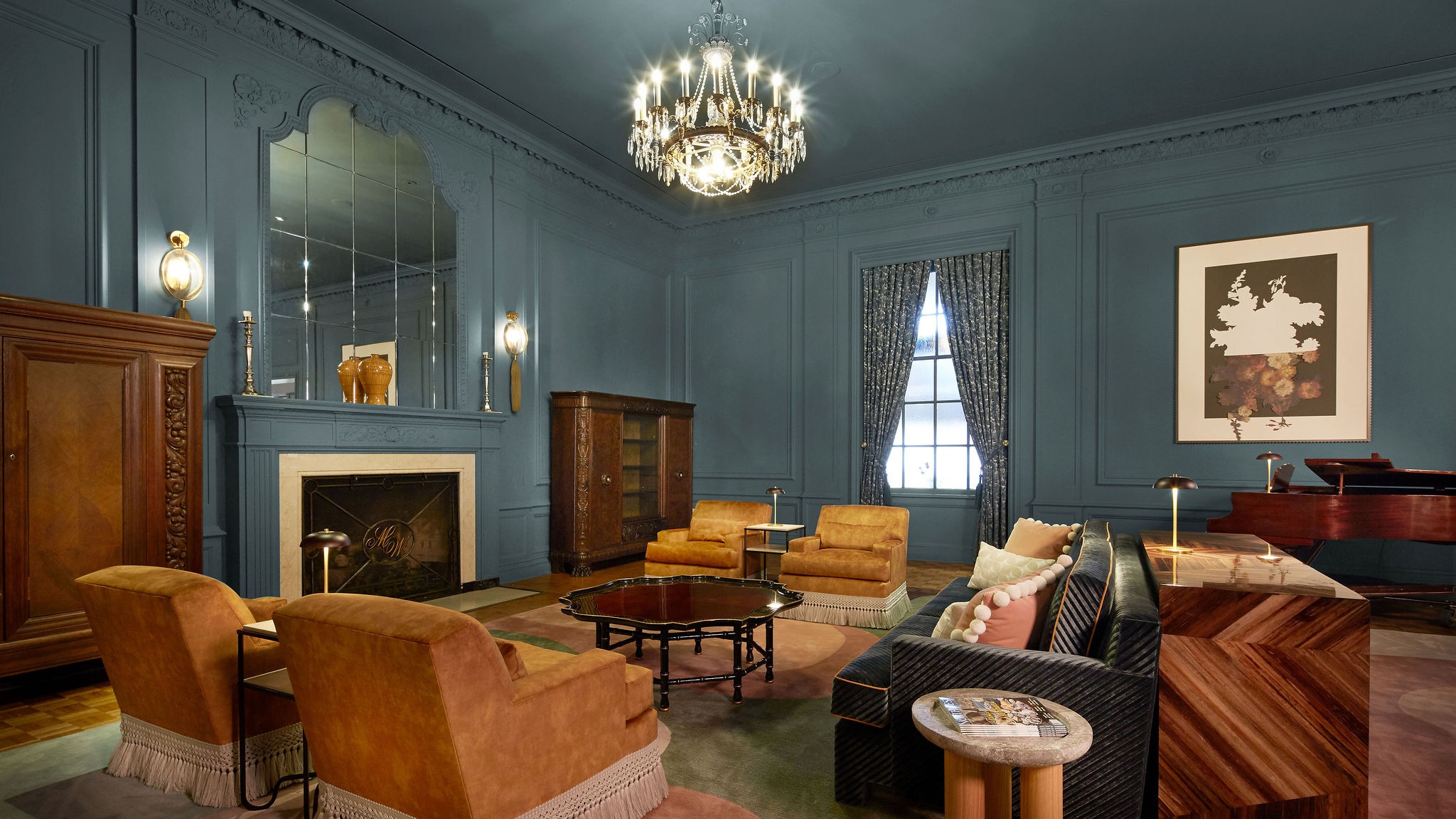
The Marcus Whitman Hotel Lobby
The Marcus Whitman Hotel & Conference Centerin Washington state wine country wraps up a widescale renovation, encompassing guestrooms, the lobby and The Marc restaurant. The iconic, historic exterior, however, remains the same—its Historic Tower is the tallest building in the city of Walla Walla.
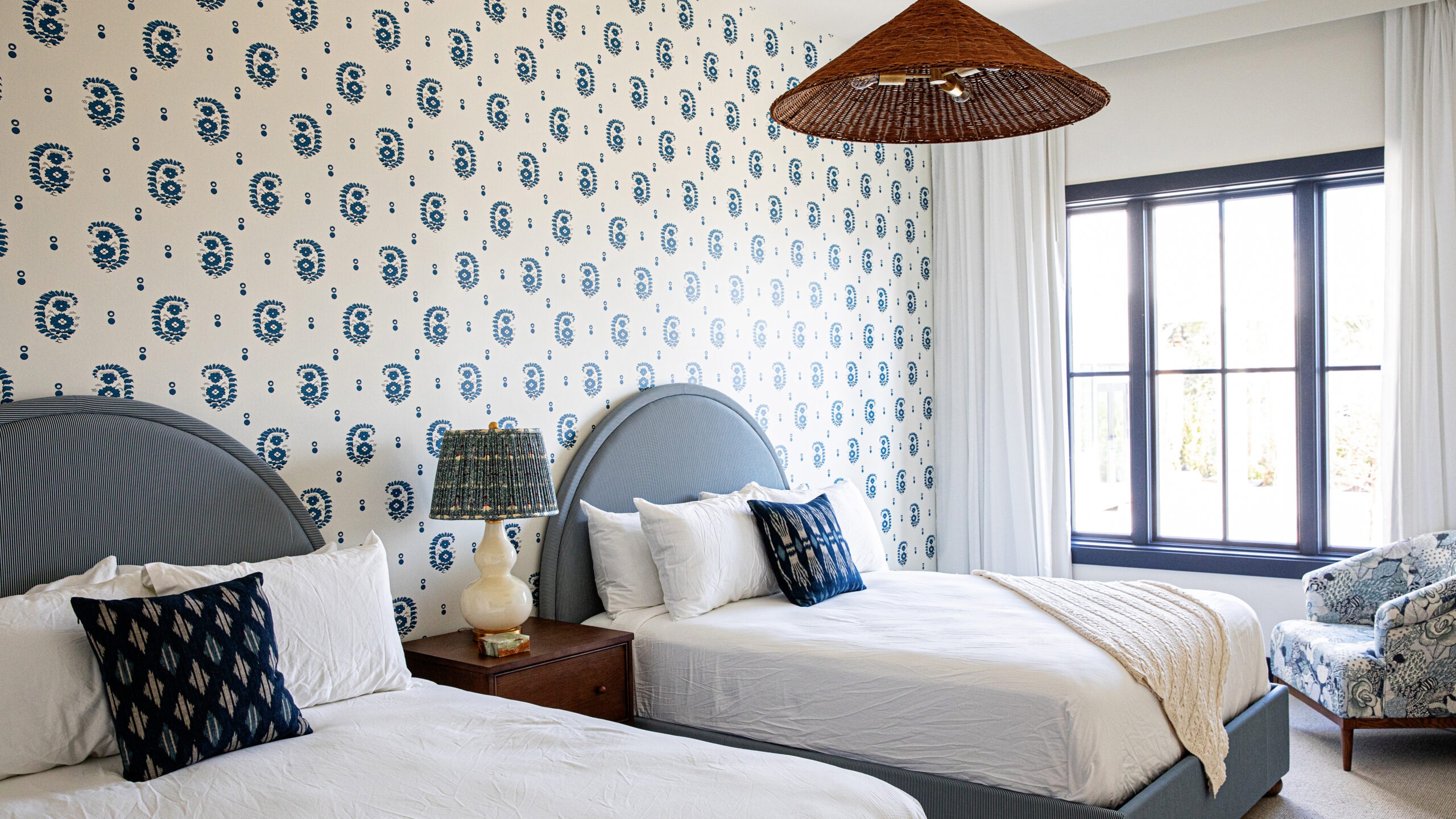
All guestrooms include new paint or wallpaper, lighting, hardware, carpet and furnishings. The lobby maintains its historic woodworking, flooring and chandeliers but now includes new and reupholstered furniture, rugs, paint and lighting. The renovation also includes the addition of the hotel’s new dining concept, The Marc Café, accessible via the lobby. The more formal restaurant, The Marc, debuts a new Inland Northwest theme, built on a vision of cuisine that is sustainable and relevant to the region. It will celebrate and support local farmers, artisans, ranchers, fishermen and tribal purveyors. In addition, the Vineyard Lounge and Chef’s Table will put forward a refreshed look and feel.
The hotel offers over 13,000 sq. ft. of flexible meeting and event space, with grand ballrooms, executive boardrooms and intimate meeting rooms in its state-of-the-art conference center.
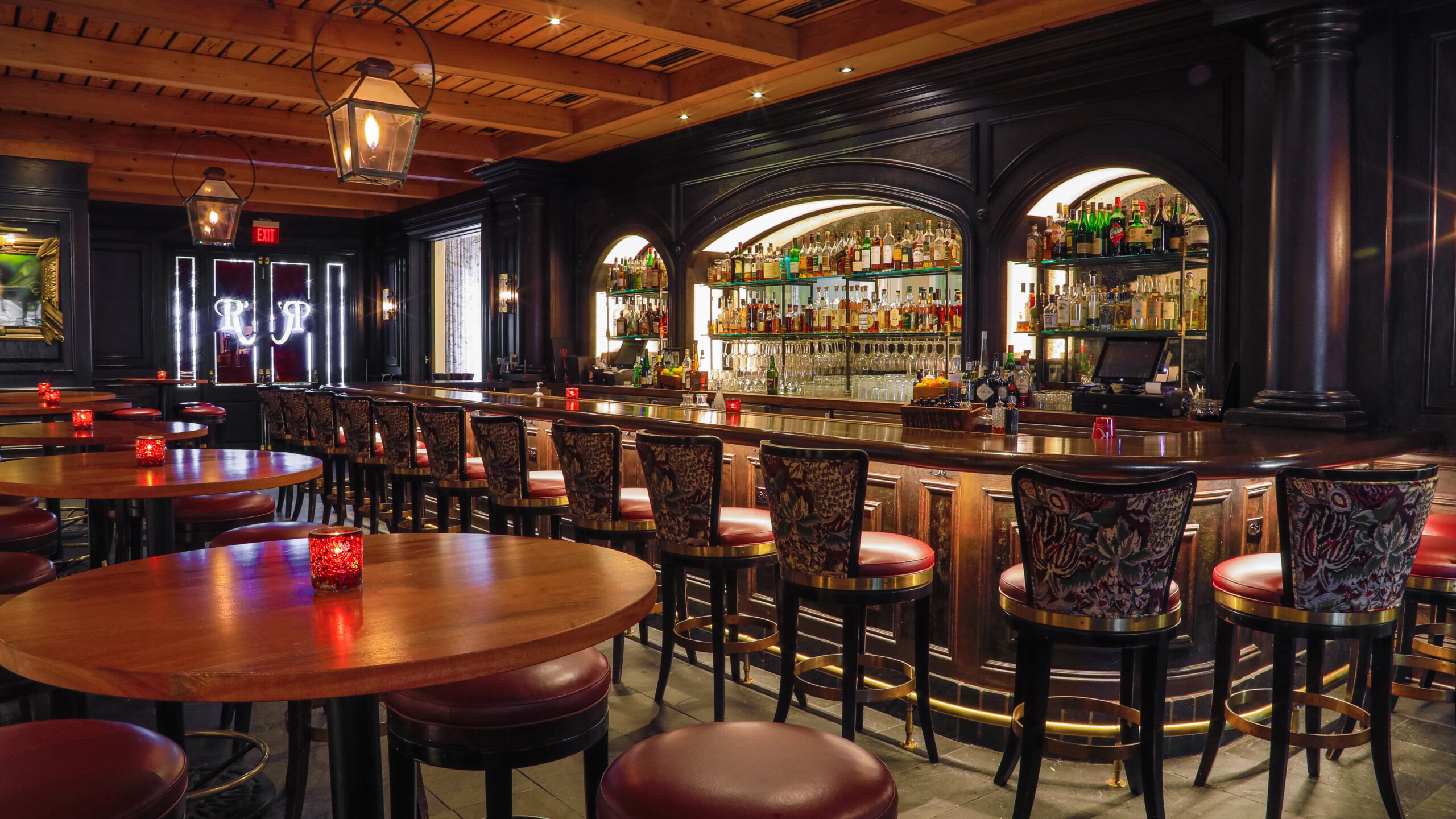
Restaurant R’evolution at The Royal Sonesta New Orleans
In the heart of New Orleans’ French Quarter is The Royal Sonesta New Orleans, which recently debuted a full multimillion dollar refresh of its Restaurant R’evolution. Founded by award-winning Chef John Folse, it serves classic Cajun and Creole cuisine with modern, imaginative twists. From the menu to the physical space, the restaurant celebrates the diverse historic and cultural influences of Louisiana, paying homage to the seven nations of Louisiana, as well as the French, who built New Orleans into a culinary capital.
The renovation incorporates a collection of art from renowned Louisiana artists, like James Michalopoulos, Robert Rucker and Carol Arabie. A bookable private upstairs dining room overlooks the open kitchen and is decorated with Folse family artifacts and items Chef John has collected throughout his world travels. Groups can also book the private wine room, with a separate entrance, for private tastings and meals, while they gather amongst over 10,000 bottles of fine wine.
The hotel itself is an upscale urban escape, with 483 guest rooms and 20,000 sq. ft. of meeting and event space. In addition to Restaurant R’evolution, it houses five other culinary outlets.
A Waterfront Jewel
The George, credit: Andrew Cebulka
Georgetown, South Carolina’s first boutique hotel, The George, is a design-forward, waterfront property that recently celebrated its grand opening. Georgetown is just north of Charleston and is known for its historic working waterfront and picturesque streets of antique shops, boutiques and restaurants. The moss-covered oaks and 18th-century architecture creates a destination rich with charm and character. The George offers prime marina access and includes a port for guests to enjoy excursions on the Winyah Bay.
The hotel includes 56 guestrooms, 46 of which are water-facing, plus a variety of meeting spaces, from a dedicated meeting and event room to an outdoor greenspace and bar and bookable spaces for private and semi-private events in onsite restaurant, The Independent.
Guests will find the charm and character of Georgetown continues throughout the hotel, from the surrounding 18th– and 19th-century architecture and, indoors, a collection of European furnishings and custom pieces, such as the jewel-toned, fabric-skirted front desk. Historic fabrics, mural wallpapers and eclectic paintings and décor created by local artists anchor the property’s design.
A partnership born out of a long-term friendship is how ASAE President and CEO Michelle Mason described the agreement to work together with the association for destinations announced at Destinations International’s Sales and Services Summit in Washington, D.C., during Business Events Industry Week. The plan was to leverage the strengths of two industry associations in the areas of security, and diversity, equity and inclusion (DEI).
Michelle Mason
Mason met Destinations International CEO Don Welsh when he was CEO of Choose Chicago and she was president and CEO of Association Forum a decade ago. All these years later, the two are still learning from each other and hoping their organizations can benefit from seeing the bigger picture when the destination and association planner perspectives are combined.
“I know for a fact I would not have the level of understanding of destinations had it not been for that early mentorship,” Mason said.
Welsh called the influence a mutually beneficial one and pointed to his adoption of the idea of creating a welcoming environment based on conscious inclusion.
As the conversation around diversity, equity and inclusion has evolved, Destinations International’s Chief Diversity Officer Sophia Hyder Hock has now shifted to the title of Chief Social Inclusion Officer to more accurately describe the work she is doing and the department is expanding to include accessibility under that umbrella. “It was a big commitment by the board to do this work,” said Welsh.
“Diversity is really about representation and you can quantify that,” said Mason. “Inclusion is about a sense of belonging, a sense of feeling connected and engaged. That is why intentionality is critical.”
“It is more important than ever before to articulate the business and economic case, the innovations possible when you are inclusive,” said Welsh. “We have to be intentional about what we say and what we mean. We cannot water it down.”
Welsh called accommodating the 20% of the population living with disabilities “the next big opportunity for destinations.” He pointed to progress happening in Europe and is bringing resources such as TravelAbility to members to make it easier for aging populations and others in need of accommodations to participate more fully in local experiences. “That’s the next evolution of what a planner is going to start asking in the RFP process, how inclusive are you for people with any type of disability?”
“It’s an opportunity for associations,” said Mason. “Our members are working to wrap their arms around neurodiverse needs as well. That’s why the partnership is more important to leverage resources.” ASAE is already providing tranquility rooms at their annual conference to support those with hidden disability needs so they don’t get overstimulated. “We’re being more intentional now than ever before,” she said.
Risk Management
The two organizations have also agreed to work together on providing resources to manage risk—and the fallout from decisions aimed at avoiding it at all costs. In a world where perception is reality and executive teams can decide to move a meeting based on a newspaper headline, a little perspective can go a long way toward helping planners make informed decisions and communicate those to attendees and leadership.
In a country where the majority of states have laws that some consider not aligned with their membership, but the cities they are considering might be much more appropriate politically, planners might find they can do more good by bringing a group than by boycotting the entire state. “This is very important to the next generation coming up in the industry,” said Welsh.
He added, “It is so hurtful to jobs in a community when a group decides to pull a meeting. My only hope is that before people make a decision based on media reports, they go in and talk to people to better understand local implications.”
That is exactly what ASAE did in 2021. Destination experts worked with Mason’s board to find a way to update the existing anti-discrimination clause so it wasn’t as punitive to destinations trying to support their diverse communities.
Another risk being addressed intentionally is the impact of artificial intelligence. A coalition of association CEOs is coming together to discuss the ethical implementation of the tool. “We need the association voice at the table when legislation is being drafted,” said Mason.
Mason and Welsh envision a future where even more shared issues are tackled jointly. “It’s critical with limited resources to come together to share on behalf of the community and deliver value,” said Mason.
#TheEventProfessionalsJourney is a laudable one
GMID 2024 successfully closed out its eighth year as an international celebration. This year’s theme, #TheEventProfessionalsJourney, honored the resilience and innovation demonstrated on a daily basis by event professionals.
To drive home just how impactful the meetings and events industry is, in 2023 the industry generated $119 billion in travel spending and supported of nearly 600,000 American jobs. That’s worth a day of celebration.
MPI 12-Hour Marathon Celebration
MPI aired this year’s sixth-annual Global Meetings Industry Day (GMID) 12-hour virtual experience.
An impressive array of event industry experts and keynote speakers spoke about the essential role of meetings and the “how to’s” of successful meeting planning.
Industry titans like MPI President and CEO Paul Van Deventer and IMEX CEO Carina Bauer (and 10 others) shared insights related to the state of the industry; Speaking Design Thinking CEO and Founder John K. Coyle talked about overcoming tests and obstacles, and how to navigate the event professional journey; and keynote speaker Brittany Hodak shared tips for creating an exceptional experience even before the event begins.
#TheEventProfessionalsJourney theme was woven throughout the virtual experience and influenced many of its discussions, from the keynote speakers to the format of the live stream, which portrayed several maps that marked 12 “journey moments” of the planner’s event creation journey.
And there was much more. With an MPI account, a free on-demand version of the 2024 GMID livestream is available here.
How Cities and Organizations Celebrated
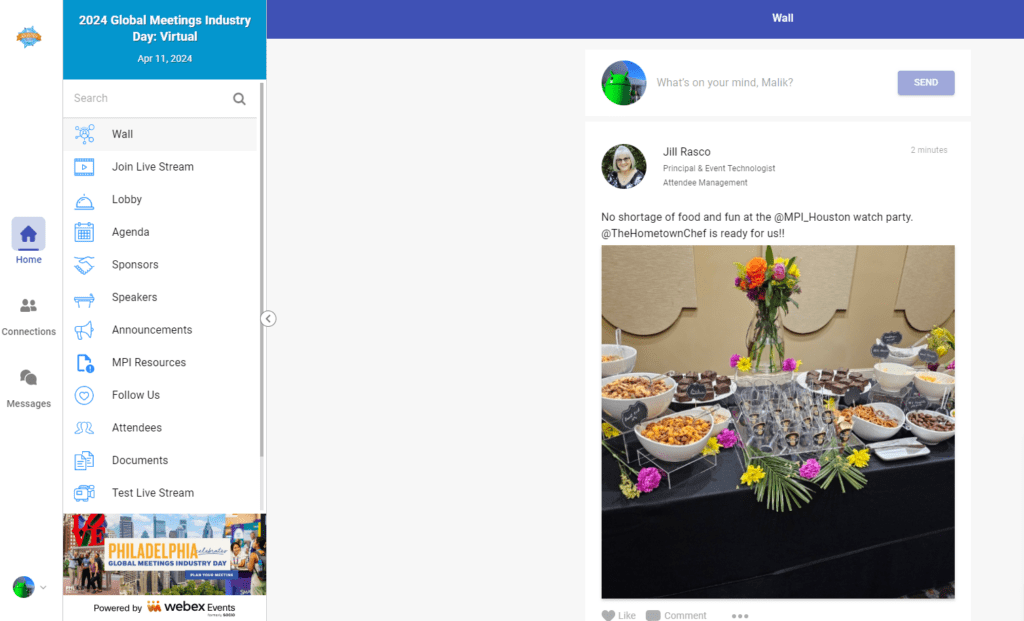
MPI’s GMID Virtual interface
On MPI’s virtual experience Wall tab, attendees posted images and selfies of their watch party experiences. Outside of the virtual experiences, many cities and organizations around the globe celebrated in a similar fashion.
Las Vegas
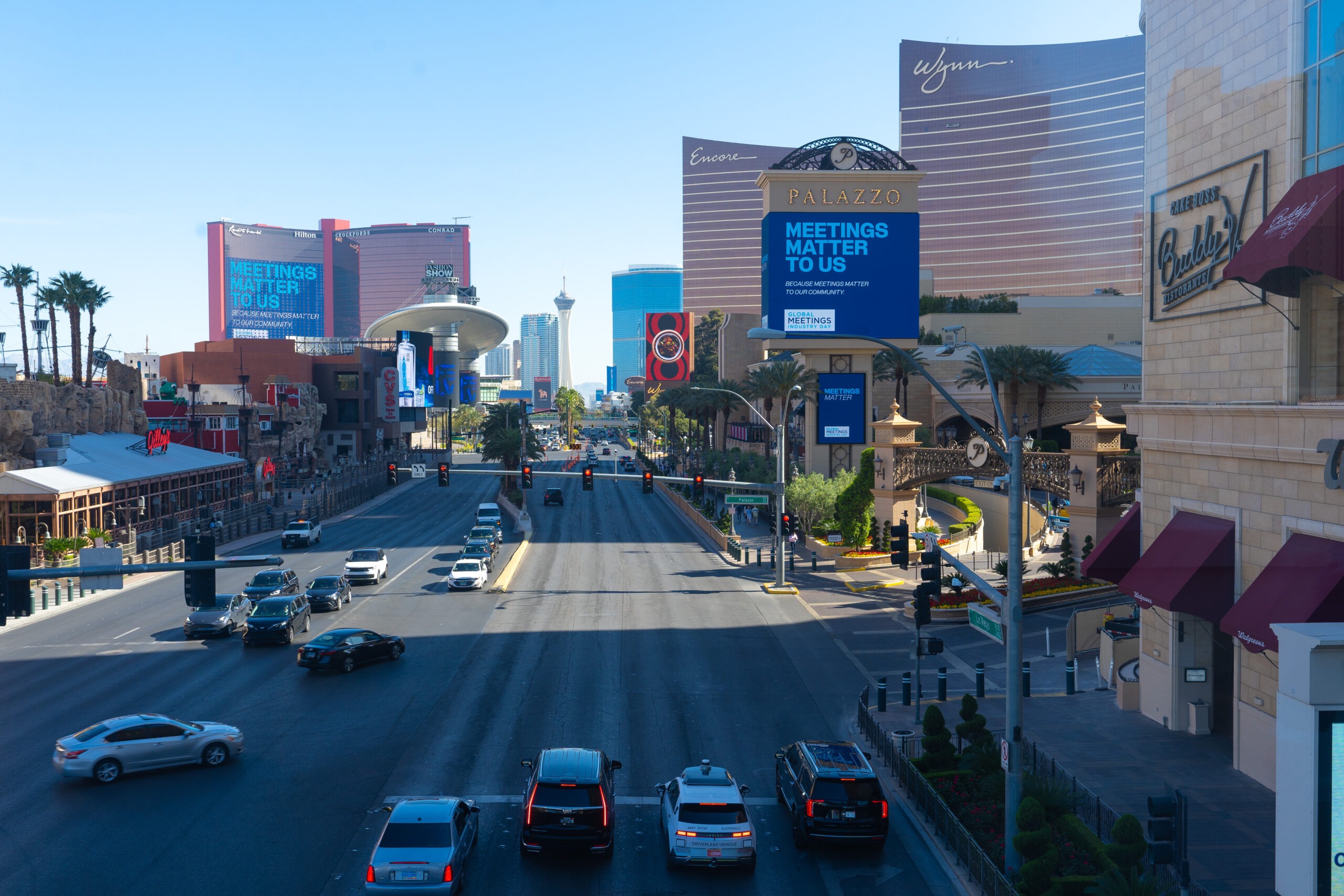
To celebrate GMID, Las Vegas’ meetings community enacted a marquee takeover along The Strip with the campaign hashtag, #meetingsmatter. Las Vegas properties also featured blue lighting on their facades to recognize the initiative. As a display of just how much #meetingsmatter, Las Vegas Convention & Visitors Authority shared that in 2022 convention visitor spending supported more than 38,000 jobs and $7.5 billion in spending.
Visit Orlando collaborated with Orlando Poet Laureate Shawn Welcome to compose a poem about the value of in-person meetings and the positive impact meetings have on communities, local businesses and the economy.
As illustration of the impact one venue can have on a local community, Orlando’s Orange County Convention Center cites these data points:
40,000 pounds of repurposed materials to build homes
32,000 pounds of food donated to those in need
$114,000 in educational scholarships
$60,000 in bicycle donations for foster kids.
Join Us in Bringing the Industry Together
In understanding that meeting professionals play a key role in bringing international groups to the United States, we have compiled international stories in The Savvy Meeting Prof’s Toolkit for Bringing International Conferences Home, replete with international stories which will be refreshed and updated to reflect ongoing developments. We invite you to check back often for the latest!
If you want to contribute further, click here to add your name to the unified call for improving the tools we use to deliver world-changing events. Tell us your reality about how you bring the globe together and what you need to do it more effectively. We will share a summary with policy and decision-makers beyond our industry to advocate for the change we need.
PCMA
PMCA Capital Chapter: PCMA’s Capital Chapter in Washington, D.C., held an in-person event at Walter E. Washington Convention Center, where the agenda included a keynote on the state of the U.S. Congress and the 2024 election and a panel discussion with Events DC Senior Vice President of Facility Operations and Services Hootan Kaboli, Fern Expo Vice President of Marketing and Industry Relations Jim Kelley and Projection National Product Manager Johnathan Wilbert.
The discussion, moderated by American Gear Manufacturers Association Meetings Director Leah Lewis, delved into workforce challenges, labor concerns and other issues impacting the meetings industry.
PHLCVB team
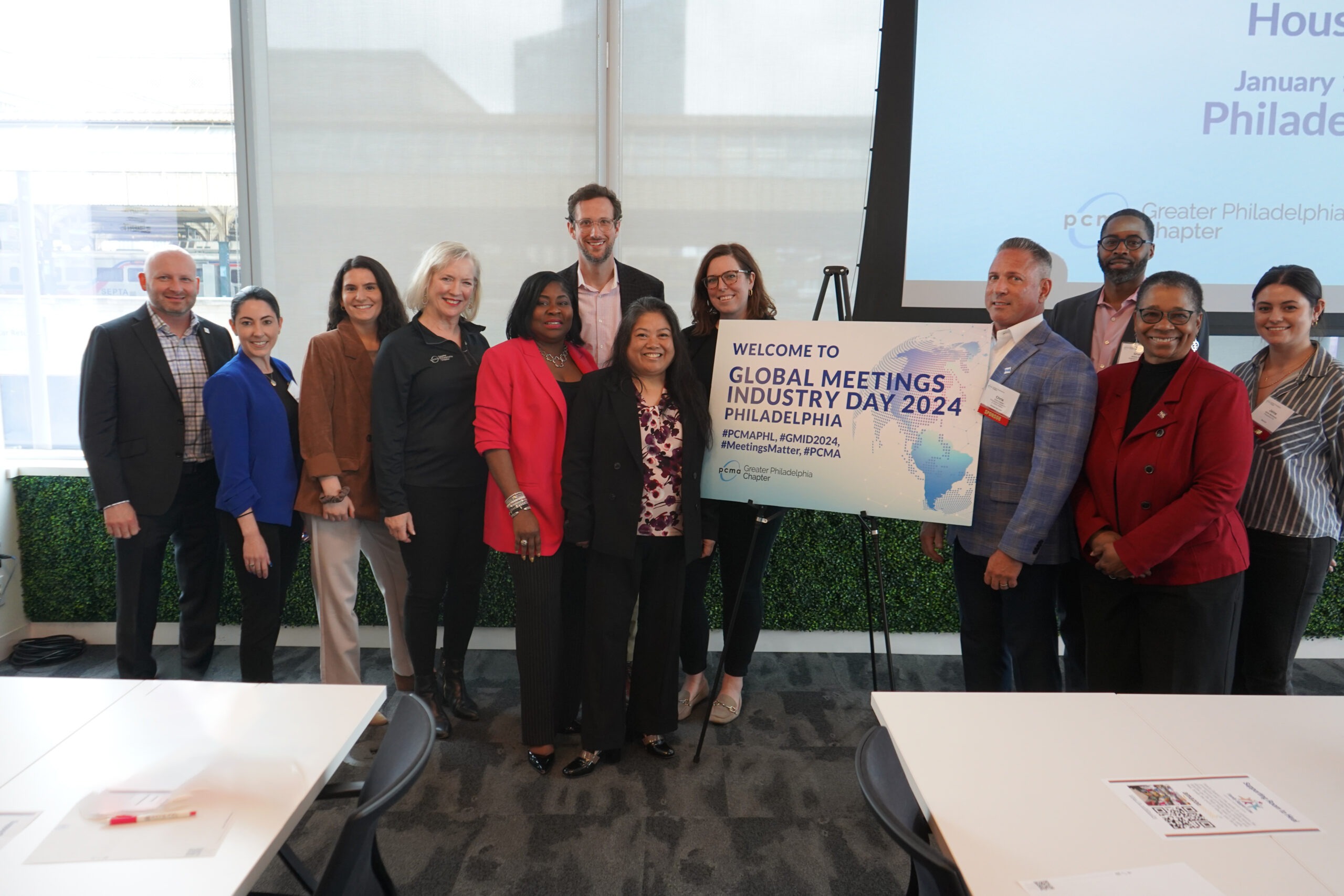
PCMA PHL: More than 150 event profs gather for PCMA Greater Philadelphia Chapter’s GMID celebration at CYTO | PHL. The chapter had an individual theme, Future @ Work—Bridging Gaps and Embracing Differences, which focused on growing the events industry by leveraging the power of the multiple generations that encompass it.
There were seven speakers in attendance who put forth their ideas about how to make this happen:
Bonnie Grant, PCMA PHL President and Executive Director, PHL Life Sciences
Joe Heller, Senior Vice President of Marketing and Communications, Philadelphia Convention and Visitors Bureau
Tim Hines, FCMO, Keynote Speaker, Author, Podcast Show Host, and Consultant
Kyle Bixby, Meetings and Exhibits Coordinator, ASCRS
Theresa Barrett, Deputy Executive Vice President, New Jersey Academy of Family Physicians
Edward Baten, Complex General Manager, W Philadelphia and Element Hotel
Erica Rudy, University Programs Manager, Hyatt
The event also collected donations for Family Support Line, an organization that works to prevent and treatment victims of child sexual abuse. Attendees were expected to bring journals, coloring books, notebooks, crayons and more for its Room to Heal program.
Cabarrus County
Cabarrus County Convention & Visitors Bureau and Charlotte Regional Visitors Authority joined forces at Charlotte Motor Speedway in Concord, North Carolina, to celebrate GMID. In a group that consisted of meeting and event planners, and hospitality and tourism professionals, participants came together to network and engage in educational opportunities. The day included a legislative briefing by North Carolina Travel Industry Association and a companion discussion about AI, airlines, the economic impact of travel and a panel about how to elevate in-person meetings.
“Hospitality is the fourth largest industry sector in the Charlotte region, employing one in nine residents and supporting local businesses and entrepreneurs,” said Steve Bagwell, CEO of Charlotte Regional Visitors Authority. “Meetings and conventions are a vital part of our community’s economic health and vitality. We value the trusted relationships we’ve established with meeting and event planners who bring thousands of attendees to the Queen City, adding to our dynamic visitor economy. That spirit of partnership is a defining characteristic of our region and a major contributor to our success.”
Lessons from GMID 2024
As GMID serves as the perfect opportunity to show appreciation for the events industry, it’s also a moment to reflect on lessons learned. At IAEE Women’s Leadership Forum and PCMA 2024 Foundation Visionary Awards, several presenters and industry executives shared lessons they’ve learned from their time in the industry.
Courtney Clark, “ReVisionary Thinking—The Science and Strategy of Adapting to Change” author and presenter: “Let go, think up and move on. Change may not be what trips us up. Resistance to change will hold us back.”
Dr. Jennifer Keitt, “Elevate, Transform and Thrive—The Executive Life Quest” presenter: “Wake up and get clear. You have little control over the world around you, but full control over the world within you. The path to new heights lies within, within your heart. Elevate by looking inside, for therein lies the key to a fulfilling life.”
Michelle Cederberg, “The Success-Energy Equation” presenter and author: “Success is available to anyone who can get over the idea that it isn’t, but we complicate it by not giving ourselves the time and space to really think about what’s important, and why it matters. Remember, success begins by setting clear, exciting goals, which are a function of the belief you have in yourself regarding those goals, and the discipline you have within you to do the freakin’ work.”
Shawn (Yih-Hsiang) Cheng and Anh Nguyen
PCMA 2024 Foundation Visionary Awards
Doug Bennett, executive vice president of Louisville Tourism and Supplier of the Year winner: “Mentoring is a contact sport. Go make contact. It is so important.”
Shawn (Yih-Hsiang) Cheng, co-founder, #EventProfsBreakShit and Digital Experience Strategist of the Year winner: “Meeting profs and technologists working together help move everyone forward.”
Beth Surmont, vice president of business event strategy and design, 360 Live Media and Groundbreaker Award Finalist for her work on social offset as an alternative to boycotting: “Do your best because your best is very good.”
Stuart Ruff-Lyon, chief events and sales officer, RIMS: “I wake up every day excited to go to work; it is a beautiful industry.”
Greg O’Dell, president, venue management, Oak View Group and Lifetime Achievement Honoree: “Grow by doing things that make you uncomfortable; that is how you become fearless.”
Butch Spyridon, retired CEO, Nashville Convention & Visitors Corp. and Lifetime Achievement Honoree: “We are so frickin’ lucky to have so many great supporters—DMO staff and community, customers and wife. Without that support, there is no lifetime and no award. PCMA, keep it up; let’s go party.”
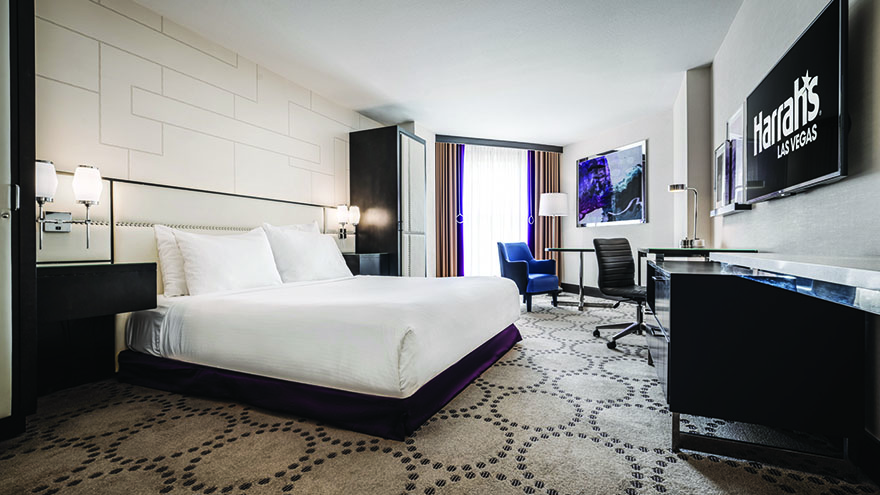
Harrah’s Las Vegas, a well-established landmark on the bustling Las Vegas Strip, has recently undergone a remarkable transformation worth over $200 million. The extensive renovation encompasses 2,442 redesigned guest rooms, a complete overhaul of the lobby and casino floor, as well as the introduction of new dining options and more. Its prime location on The Strip, coupled with these recent updates, positions Harrah’s as an ideal choice for event planners booking in Las Vegas.
Accommodations
The renovated guest rooms showcase vibrant purple and blue tones that harmonize with cream-colored décor, complemented by dark wood accents and modern fixtures. Each room is furnished with contemporary amenities like a spacious backlit vanity and mirror in the bathroom. Moreover, the 200 suites at Harrah’s have been upgraded to feature separate living and dining areas, a wet bar, entertainment space, a luxurious soaking tub, and the option for connecting bedrooms.
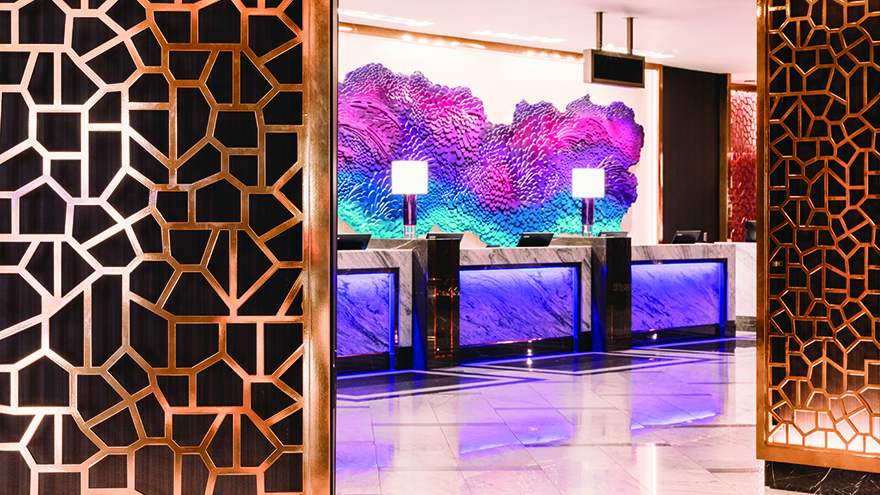
The main lobby has also been revamped with eye-catching features such as an oversized ombré art piece in bold purple and blue shades behind the front desk. Marble flooring and counters, along with sleek bronze columns adorned with wood paneling, further enhance the contemporary ambiance.
Dining
Harrah’s Las Vegas introduces Ramsay’s Kitchen, a new dining concept by the renowned Chef Gordon Ramsay, offering an array of tantalizing dishes inspired by his global culinary adventures. With a striking bi-level design and a theater kitchen, the menu showcases Chef Ramsay’s signature creations like Pan Seared Scallops, Beef Wellington, and Crispy Salmon. Additionally, Harrah’s expands its culinary offerings with new restaurants including Bobby’s Burgers by Bobby Flay, PizzaCake by Buddy Valastro, and Walk-On’s Sports Bistreaux.
Meeting Space
Harrah’s Las Vegas boasts 25,000 sq. ft. of impressive meeting space, featuring the expansive 12,000 sq. ft. Nevada Ballroom which can be partitioned into six individual meeting rooms and is equipped with state-of-the-art audio-visual technology. The venue offers unique event options such as the renowned Improv Comedy Club, the vibrant outdoor Carnaval Court, and various other colorful destinations.
CAESARS FORUM
Harrah’s Las Vegas via a bridge is the latest addition to the Caesars Entertainment portfolio: CAESARS FORUM. This modern conference center offers 550,000 sq. ft. of flexible meeting space, boasting a stunning biophilic design, the two largest pillar-less ballrooms globally, a central location on the Las Vegas Strip, LEED Silver-Certification, and more.
Meeting professionals hold the reigns on an economic engine that drives more than $1 trillion in direct spending globally. It is time to act like it.
In-person events are the single most effective tool for advancing scientific and medical breakthroughs in addition to boosting human understanding and connectivity. We create an outsized GDP and jobs-for-the-investment made in the sector. That is an undeniable value proposition.
In a world that is moving faster than ever, with planning windows in some cases shrinking to weeks even for the largest programs, it is inexcusable that the wait for a visa from top trading partners averages more than 400 days. Visitors from countries such as Mexico, Brazil and India often wait for more than 700 days, making travel to the U.S. for FIFA World Cup matches in 2026 out of reach for those starting the process today.
We are competing for attendees in a world that is motivated and aggressive in courting our audiences. Studies from U.S. Travel show that the U.S. is the most desired destination in the world, but not the most visited because we make travel too difficult. Even if potential attendees can get clearance to come, the Department of Transportation has not given the green light for flights to return to pre-Covid levels, particularly out of Asia. The result is that air lift, if available, may be too expensive for corporate budgets.
How can meeting professionals optimize the power of education, consensus and coalition-building that events do so well if we can’t even get the key players in the country, let alone the room?
We have to stop putting up with the status quo, long lines and inefficiencies. Our customers are being treated as if they are the problem as they navigate a transportation system that is inconsistent at best and in too many cases hostile to the needs of those it serves.
We need to be less tolerant and more vocal about what could be done to improve the experience from door to door. That is the only way we will see change.
In addition to hiring more people to process the backlog of visas, we need a new approach to ensure the twin goals of access and security. U.S. Travel Association Executive Vice President of Public Affairs and Policy Tori Emerson Barnes puts it bluntly. “U.S. Travel urges Congress to consider other critical measures like the Visa Processing Improvement Act (S.2632) to modernize the entire visa process, particularly as the U.S. prepares for a decade of major international events.”
Other countries are leveraging the technology we in the U.S. are developing in facial recognition and AI to roll out the red carpet and make visitors feel welcome without sacrificing security. To continue delivering value in the foreseeable future, we have to wake up our policymakers now about the urgency of streamlining red tape.
The best way we know to do that is to tell stories. Click below to add your name to the unified call for improving the tools we use to deliver world-changing events. Tell us your reality about how you bring the globe together and what you need to do it more effectively. We will share a summary with policy and decision-makers beyond our industry to advocate for the change we need.
Check back at this link as we continue to update this page with the resources you need to be effective, success stories from your peers and analysis of developments that will impact your future domestic and international programs.