Rust-colored leaves, cooler temperatures and cozy beverages are all part of fall’s bountiful event decor inspiration. This season is all about contrasting color patterns and multi-functional table settings. Take a cue from fall fashion by paring different textures and styles together. Or jump on the farm-to-table food wagon with some classic autumnal favorites. These five fall event decor trends are designed to impress and add a touch of elegance.
Choose darker tones at your event to herald the change in seasons. Marsala is a warm wine-colored hue that exudes confidence and sophistication, according to Pantone Color Institute. Midnight blue, olive green and deep aubergine also add a rich, earthy element to table and furniture decor.
Color Combos
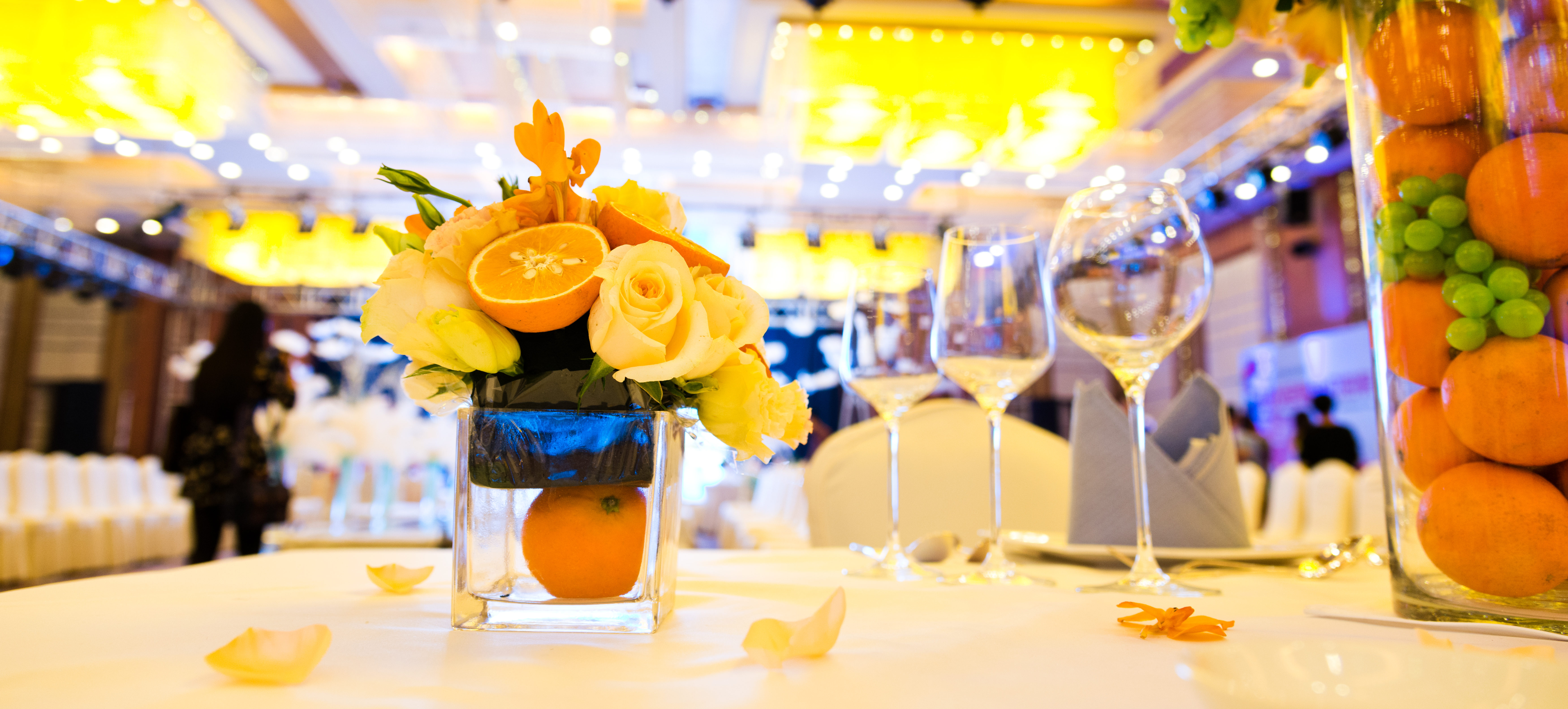
To keep things from looking too drab, perk darker shades up with a pop of color. Choose lighter pastels such as pale blue or mint green, or veer towards the unexpected with a punchy coral or vivid turquoise. Jewel-toned colors also pair well with glamorous metallic shades. Instead of gold and silver, try pewter bronze or copper for a luxe vibe. Metallic can extend to glassware and tableware for some of understated sparkle.
Autumnal Accents
Orange pumpkins and leaves are autumn’s staple offerings. Painted or bejeweled gourds are perfect for table settings. Decorative twigs and pine cones can twine around rustic goblets and votive candles. For an alternative to fresh, spring-like flower arrangements, check out one of the latest design trends: paper flowers. Order cut-out patterns on colored paper for a different floral accent.
Visual Treats
One of the biggest event trends is around farm-to-table food. Decorative, yet edible table displays are all the rage at many venues. At a recent San Francisco event with Visit Santa Barbara, Bacara Resort & Spa created a finger-food setting with local prosciutto, salami, spreadable cheese and figs spread over rustic slabs of wood. It’s a great way to feature the best of what a destination has to offer.
Interactive Displays
Demo stations and interactive tables are a great way to break the ice and get groups to mingle. Attendees can create their own deserts, choose crepe fillings or even play bartender for the evening. One elevated catering option for fall is a DIY pumpkin spice late—it’s a healthier take on everyone’s favorite fall beverage. Designate a table for pumpkin puree, spices, vanilla, espresso, sugar and whip cream. People can make their drinks as strong or sweet as they like—or with extra whip cream.
Las Vegas’ Formula 1 is back, and the packages are exquisite
Formula 1 is coming to the United States for the first time Nov. 21-24, and what better place for an inaugural hosting than Las Vegas, racing around and through The Strip, moving 200-plus mph past well-loved hotels and resorts, and the soon-to-open MSG Sphere behind The Venetian.
To accompany the fast-paced sounds of incredibly aerodynamic vehicles going way too fast, hotels along Las Vegas Boulevard and nearby have partnered with F1 to offer packages that will make the experience that much more exhilarating for groups. Whether a die-hard fan, an “if it’s on, I’ll watch it” type or you prefer to not bother with it at all, the packages offered are marvels in themselves and offer a time well spent among colleagues–and may even create a few F1 converts.
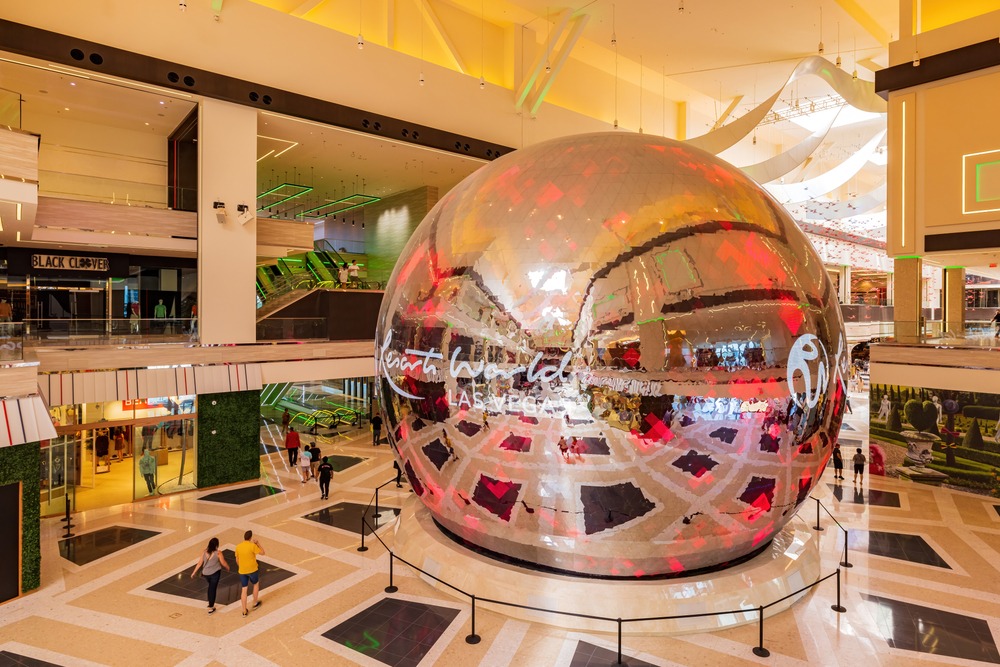
Resorts World’s Back-to-Back Nights Package consists of a two-night stay in a Conrad premium room, expedited VIP entry to Zouk Nightclub, as well as stage access and an exclusive open bar. Zouk will also provide a VIP service nightlife host. The Level Up Your Night is similar to Back-to-Back Nights, but only for one night.
Unwind & Recharge
Unwind & Recharge VIP Package gives attendees $800 of spa credit and their pick from three spa treatments, a 60-minute World of Wellness, two Himalayan Salt Stone Massages or a 60-minute World of Wellness Massage and one Enzyme Renewal Facial or Three Fountain of Youth Passports. The package also includes a recovery kit (Awana Spa Robes, Lavender/Eucalyptus Shower Spray, six Knesko Amethyst Eye Masks), Aromatherapy Associates (Support Breathe Rollerball, two Body Armor Flash IVs and two and Body Armor Sport Water) and a Stretch and Recovery Session, (an active stretch and recovery therapy session for pre or post workouts, personally tailored for individual guests).
Indulge: Race World Edition
At Ayu Dayclub on Nov. 22 and 23, Resorts World will partner with inKind to create a walk-around tasting of restaurant pop-ups, curated by Industry Only. The pop-up selection will include Camphor (French bistro), Chimmelier (Korean chicken) and Ospi (modern Italian). The experience will also feature pop-up bars hosted by Casamigos and Erewhon, a first for the grocer outside of Southern California.
The Venetian
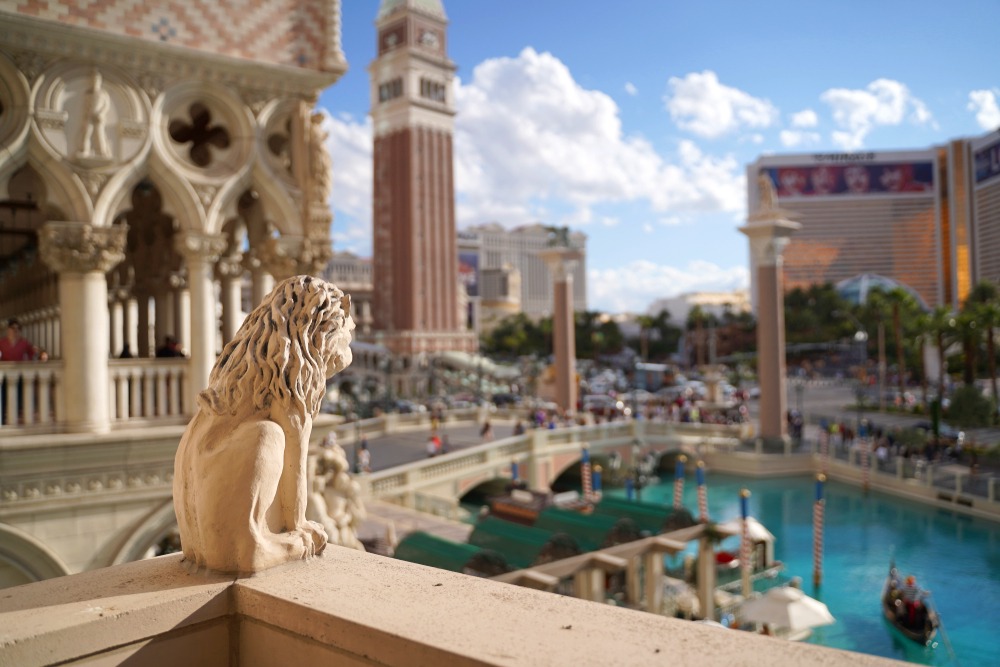
Exterior view of the Venetian Hotel in Las Vegas
Guests who stay at The Venetian or The Palazzo for three nights in either a standard room or suite beginning Nov. 21 will have access to the Grandstands at T-Mobile Zone at Sphere at The Venetian.
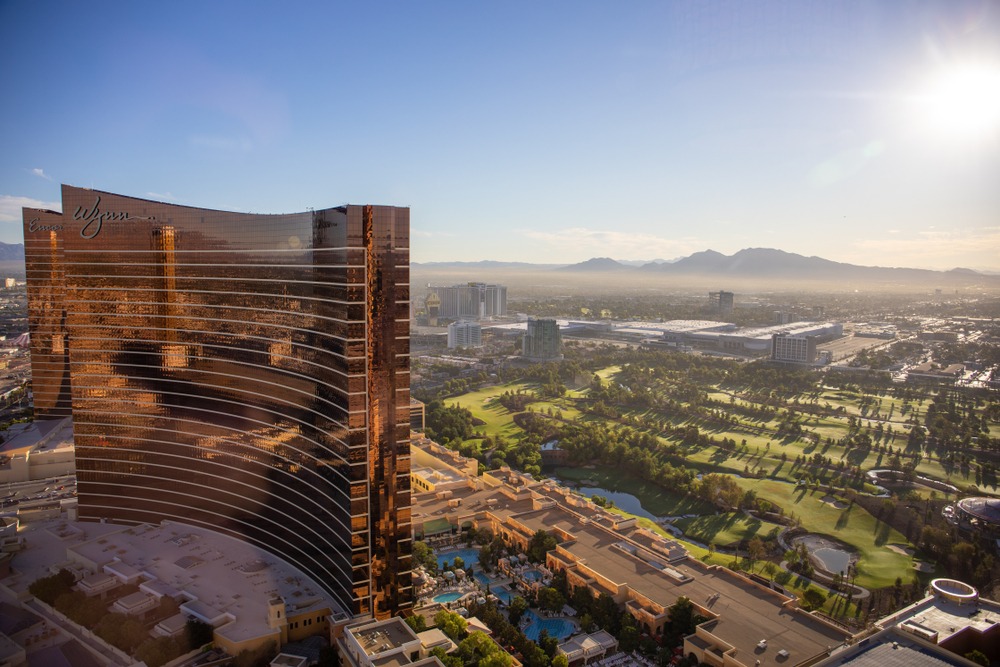
The Venetian’s 720-square-foot Palazzo Suite, just one of the rooms offered, provides a perfect view from above of one of the track’s corners that run past MSG Sphere or down The Strip.
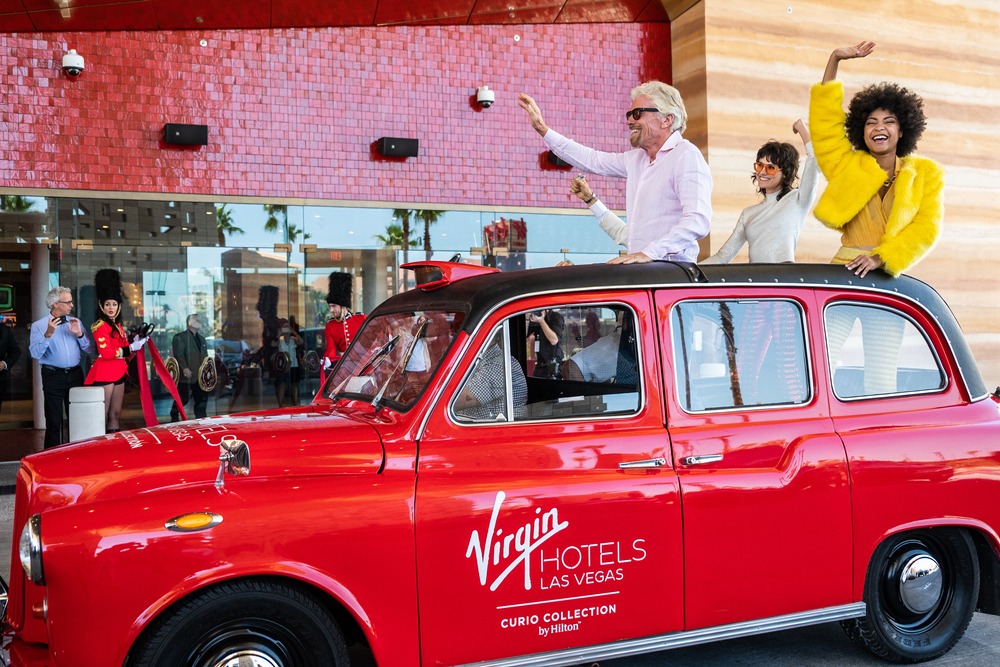
Virgin Hotels Las Vegas offers three tiered packages: the four-night Main Grandstand Package in the East Harmon Zone by Virgin Hotels Las Vegas; the Skybox package; and the Paddock Club package, which sits as the event’s focal point and provides some of the best seats during the event. Virgin has not revealed much more about the details of their collaboration with F1, but if you’d like to learn more, you can reach out to Virgin team here.
Wynn and Encore will also give a grandstand experience for its guests for three nights, with general admission access to the Formula 1’s Grand Stand.
Along with one-, two- or three-bedroom stays at Wynn or Encore, the Paddock Club package will grant access to the F1 Paddock Club, that features gourmet F&B and more.
The Wynn Grid Club Package includes a three-night stay in a Wynn or Encore Tower Suite and two Wynn Grand Club tickets.
Eight-time champion Mercedes-AMG Petronas F1 team will host its pop-up shop to Aria Resort Nov. 8-24. This 24-hour activation will be one of the first to open on The Strip .
The Mercedes F1 pop-up will be in the hotel’s lobby and will offer several attractions, such as:
F1 simulators: Fans can test their driving skills on state-of-the-art simulators.
VIP VR Garage Tour Powered By Snapdragon: A virtual tour of the team’s garage guided by seven-time world champion Lewis Hamilton, two-time Grand Prix winner George Russell and Team Principal Toto Wolff.
Historic memorabilia: Race-worn overalls, boots, gloves and a replica Lewis Hamilton helmet will be on display, a glimpse into the team’s storied history.
Exclusive merchandise: Team merchandise and collaborations will be available for purchase.
The human mind perceives more than you might be aware of seeing. Our environment affects our emotions as images result in messages to our subconscious mind, having a profound effect on our brain function. That is true in the ballroom and in the hotel room.
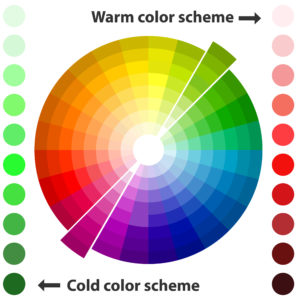
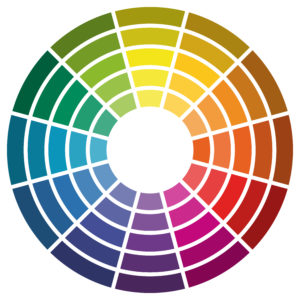
Colors, in particular, are a powerful tool for communication. As an event professional, understanding the psychological impact color can have on your attendees is essential. It can affect their moods and productivity and can also create a positive or negative experience. Your choice of color also contributes to your event’s success. Before you get the color wheel spinning for your next event, here are a few things that can help you strategically choose your theme.
Make sure you have established your event goals. What do you want to achieve at your event? Is it a networking event? Do you want your attendees to participate and engage with you? What emotion do you want to induce? Are you looking to persuade your attendees or is it a formal meeting promoting your business and its brand? Once you have determined your objective, you can focus on the psychology of color that can help set the tone for your meeting.
Know Your Audience
Understand your group before you pick a color. Don’t just implement a color palette into your event because it aligns with your objectives. Different people respond to colors differently. Consider if your attendees are mostly male or female. This can influence your color choice as well.
A study by Hallock reveals that women favor soft colors, such as pink and purple, and men prefer bold colors—blue, red and yellow. While women prefer tints (colors with white added to them), men lean more towards shades (colors with black or grey added to them). However, both genders prefer the color blue.
Colors also mean different things in different cultures. If you are planning your event at an international location, look out for what each color means in that culture. For example, Black in Japan is considered a modern and stylish color, but in India, black represents death. In many parts of the world, green represents serenity and strength, but in China it represents infidelity and in Latin America, it represents danger or death.
Know the Trend
Every year, Pantone releases the color of the year. For 2024, the color is Peach Fuzz, a a velvety gentle pink tone that captures the desire to nurture ourselves and others. This color is based on a study for new color influences that include hues used by the entertainment industry, new artists, fashion runways, popular travel destinations, as well as modern lifestyles.
This doesn’t mean you must incorporate the trending color, but if your event’s objectives align with the emotion associated with the color, then why not?
Monochromatic Color Schemes
Event planners love to use more than one color when deciding on themes. You don’t always have to look for complementing colors. Even monochromatic colors bring out the best emotion. Monochromatic color schemes are derived from a single base hue extended using its shades and tints.
For instance, if you are planning to use yellow as your theme, you can use all the different shades of yellow, with industrial bulbs, sunflowers, golden drapes and more. This lets you concentrate on just one color and you can make it interesting with different patterns, shapes and textures.
If you are choosing more than one color hue for your event decor, employ contrasting colors and not competing colors. While contrasting colors can be soothing, competing colors are simply distracting for an audience. Some competing colors to avoid are:
Yellow on green
Purple on green
Blue on red
Red on purple
Green on red
Red on black
advertisement
Colors, Emotions and Events
Blue and Green: Colors in the blue and green family tend to have a calming effect on the senses. Both of these colors slow audience’s heart rate, body temperature and blood pressure, causing people to feel relaxed and calm. Green particularly promotes balance between the body and mind and relieves stress. It’s the color to reach for when you need to inspire innovation and boost creativity at an event.
Red: If you want to create an attention-grabbing, high energy event, then red is the color. Research shows that red excites the nervous system, increases brain wave activity, increases blood pressure and heart rate. If you want to keep your attendees moving at the event, go red!
Orange: This color promotes energy and excitement. It creates a playful and happy environment and encourages verbal expressions. If your event requires collaboration, working in groups or brainstorming, orange is your color.
Purple: An exotic color that can infer royalty and wisdom. It is most commonly associated with women and has a calming effect on the senses. Purple is also ideal when your event’s goal is a peaceful ambiance.
Yellow: Leads to a cheerful, optimistic and alert audience. Yellow increases metabolism and is also known for its mood-enhancing abilities. If you are planning a lunch event with a goal to increase productivity, it’s yellove!
Black: Known for sophistication and power. Not recommended for business meetings unless it is a black tie, high-end event.
White: The color of purity that creates a sense of space. If you are hosting your event in a smaller venue, white can help make it feel more expansive.
The proliferation of ubiquitous technological tools such as cellphones, tablets and wearables has facilitated and expedited business communications, but they can also leave meeting professionals feeling isolated behind a screen.
In many cases, professionals rarely or never see the people they communicate with, but this doesn’t mean that manners are no longer important. In fact, a new term, techno-etiquette (aka netiquette), has emerged that retains many fundamental aspects of proper business behavior while addressing scenarios posed by modern-day technology. Here are six useful techno-etiquette guidelines.
Language: When sending emails and texts, use professional language and style. Avoid fancy fonts, casual language and anything else that conveys a very relaxed style. Also, be careful not to use offensive language and office humor that could be misunderstood.
Brevity: Don’t be long-winded in online communications; brevity is expected. But don’t be too short in your replies. It’s usually best to write complete sentences: Avoid one-word answers such as “yes,” which can be viewed as curt unless you have established a casual working relationship with the person.
Response time: The nature of the message or email you receive should dictate how soon you respond. In general, it’s best to respond within the same business day, but in some cases this isn’t necessary, and in others a more immediate reply is needed.
Reply all: Be careful when using this function because it’s important to respect the privacy of the sender. Each email needs to be handled sensitively: In many cases, you need to send a reply only to the sender, particularly if your response contains confidential or personal information.
Attachments: It’s best to ask before sending attachments in unsolicited emails, since many companies instruct employees not to open these attachments. Also, ask whether the recipient prefers attachments in one file or separate ones, and (in some cases) how they should be sent.
Out of Office: Before you go away for that big conference, provide messages on your email and phone systems indicating when you will be away, when you will return and who should be contacted in your absence.
About the CMP
Events Industry Council launched the Certified Meeting Professional (CMP) Program in 1985 to provide meeting industry professionals with specialized continuing education. Today, the certification is a globally-recognized distinction. Those who earn it build their industry knowledge, refine their performance, promote their credibility and learn to engage in uniform standards of practice.
A meeting planner earns their designation through a course of study, an exam and a comprehensive professional evaluation. If you’re interested in earning your designation, read on to hear from successful industry pioneers they share their own experiences of earning it.
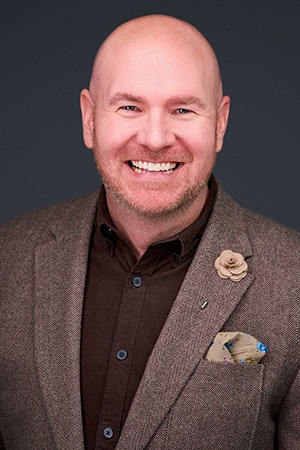
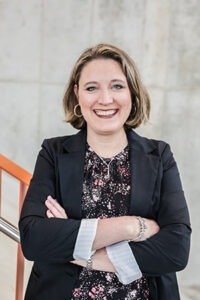
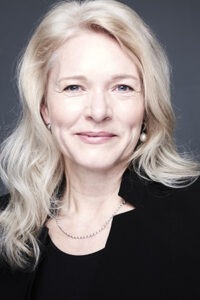
Consultant, Global Meetings and Tourism Specialists LLC; Global General Manager, Maritz
“I understood I needed to speak the business language of the clients and convert myself into a trusted advisor. The best and fastest way to do it was through getting my CMP.”
“Without this designation, it would have been much harder to establish myself and gain the recognition necessary to work in the scientific and academic communities.”
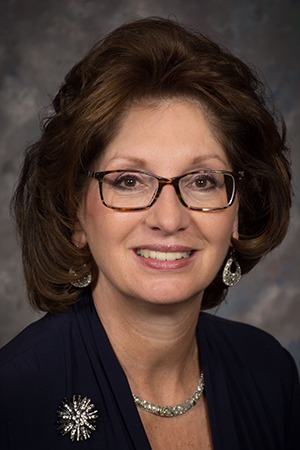
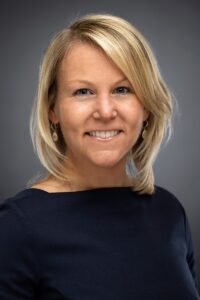
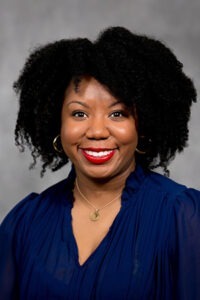
Vice President of Global Accounts, ConferenceDirect
“[The CMP] allows you to connect with other top professionals, exchange knowledge and play an active role in mentoring the next generation of CMPs who will carry our industry forward.”
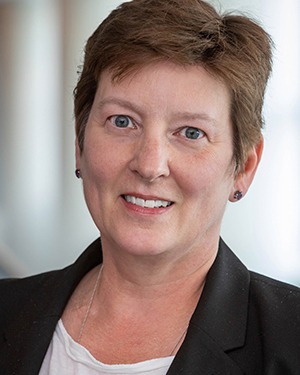
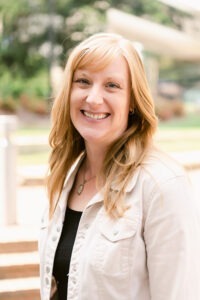
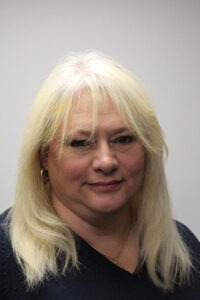
Director of Meetings, Institute for Operations Research and the Management Sciences (INFORMS)
“I did not fully appreciate the impact until I became a director and started leading a team. The CMP gives professionals a shared language and expectations, making collaboration easier. It creates a baseline of knowledge that helps teams perform better together.”
“[The CMP] has always provided me a solid bedrock of knowledge, giving me confidence in making the right decisions for my events…Just as I feel the CMP helps provide standards within the industry as well as a means to elevate the industry, I feel the CMP Fellow Program does much of the same. It was a natural evolution”
“Both the CMP and CMP Fellow designations have been transformative for my career. The CMP certification provided a strong foundation, enhancing my credibility, marketability and confidence. Becoming a CMP Fellow recognized me as a leader, offering mentorship opportunities, advanced roles and personal fulfillment.”
“Being a CMP has always been a source of pride and dedication to my personal career growth. The CMP Fellow designation has solidified my commitment to continued education, to improving my work performance and to my personal goals.”
“Events are where ideas are born, where relationships are forged and where leaders are inspired to make tomorrow a little bit better than today. And I feel so incredibly lucky to be a part of this.”
“People [will] continue to try to gather in person as much as possible. Our challenge is to do this in meaningful ways, providing space and ideas to foster these connections.”
“Having both the CMP and CMP Fellow designations behind my name lend instant recognition and credibility that I take my work seriously, that I’ve put in the time and know a great deal about my craft, and have earned the industry’s leading recognition for meeting professionals.”
“It is a true honor to hold this designation and be part of this important industry; be sure to remain committed to the field, continue learning, and mentor others so that the field is recognized and continues to grow and attract dynamic individuals and leaders. Become a leader and impact the future!”
“Education is a continuous process. I have learned so much from every job and position I’ve held and have had many amazing mentors along the way…The learning never stops.”
Senior Event Manager, National Sales Events, Kaiser Permanente
“We all know we can do the job, and do it well, but having those three little letters after your name shouts it out to the rest of the world, and shows you are committed to your industry and your craft.”
Associate Director of Special Events, UPMC Pinnacle Foundation
“The CMP has been instrumental in taking my expertise to the next level. It serves as a testament to my commitment to excellence and signifies a comprehensive understanding of the complexities in event planning.”
“I believe having those credentials after my name really elevates my reputation within the events industry. The CMP designation brings with it a level of respect, the knowledge that the individual who has earned the CMP designation worked hard to achieve it and takes our industry very seriously (as I do!).”
“I am inspired and motivated because, for me, events are a way I can contribute to the world and leave it a little better than how I found it…When I consider that I get to do this work as a mature, Black, female, independently funded business owner, I hope it sends a clear signal to the next generation that representation matters, and that there is space for all of us in this industry. “
“Having [the CMP designation] shows that you are dedicated to the industry and to professional growth. It has paved the way for many [of my] conversations to start on a higher level. I’ve felt the respect that having the designation provides.”
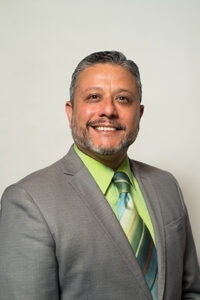
Chief Operating Officer at CCH-Conference Center Hamburg
“This certification is the foundation for everything you can achieve professionally in the meetings industry. You have the know-how—the CMP is a door-opener for the future.”
“Don’t think twice about whether you should or should not put in the time and effort into getting your CMP. All the effort, all the studying, all the experience is definitely worth it.”
Co-Founder of S3 Global Events, President & CEO at Colleyville Chamber of Commerce
“Obtaining my CMP…has helped me meet professionals from across the globe through conclave, groups and communities. It has also opened doors to fantastic friendships, valuable business partnerships and numerous career opportunities.”
It’s that nightmare that we’ve seemingly all had once or twice: You’re 15 years old, and you’ve just arrived in math class to find that there’s an exam waiting on your desk—and you haven’t studied. Except, it’s not a dream; you’re an event planner growing in your career, and the exam is to earn your CMP designation.
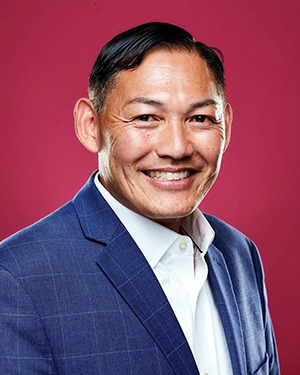
Introducing Marcus Eng
Marcus Eng, now an accomplished CMP Fellow, of course didn’t forget to study for his CMP exam, but he shares, “The day of the exam, I was a nervous wreck.”
Throughout his studying journey, work got busy, and it took over his attention. “My study routines kept falling behind to the point where I had to take PTO two days prior to the exam, check into a hotel, and lock myself in the room to cram for the exam.” While waiting, he noticed a group of fellow test-takers who were part of a study group, whereas he had studied on his own. “Thinking about that, I knew I missed out on meeting new people in the industry and preparing for the exam in a less stressful way,” he says. “I thought it was a miracle I passed!”
Of course, it was no miracle—it was Eng! He passed the test that day, and went on to serve in his current role as director, meeting operations and technology for the American Public Transportation Association (APTA). Later, he would become part of the first ever class of CMP Fellows. One of his proudest moments, he says, was planning APTA’s 2023 Exposition and Annual Meeting. “The meeting was very successful programmatically and financially,” he says, and, being in Florida, he says, “We walked a fine tightrope from the DEI perspective between our members and the venues that followed Florida State Law. We ultimately produced core DEI programming and features that the venues accepted, and the attendees very much appreciated. It was so successful that we were acknowledged with a TSEGold100 Grand Award in DEI Leadership.”
The most gratifying aspect of the gratifying aspects? Eng says it was “knowing I had the confidence to lead the logistics for this meeting for the very first time based on the core knowledge and experience I have accumulated over the years. Being a CMP, of course, was a key building block!”
Becoming a CMP
Eng got involved in the association industry out of college with a job at The American College of Preventative Medicine (ACPM). At that point, his goal was to go into work for the federal government. With a degree in political science, he set his sights on spending a year working as a program coordinator and saving money before moving into politics.
After about two months of working there, the event planner at the time left to start a family; the new event planner hired in their place ended up leaving the company after about another month. With the annual meeting coming up and nobody to lead it, the job fell to Eng—and he never looked back.
He first learned of the CMP in the late 90s, right around the moment when he decided on a career in the business events industry. “I wanted to do as much as I could to learn about the industry and equip myself as best as possible to start moving up the career ladder,” he says. “At the time, I felt the CMP Program helped elevate the profession and provided education to make me a better business events professional.”
After earning his CMP, Eng says, he felt an immediate impact on his job opportunities as increasing numbers of jobs either required or preferred candidates who held the CMP designation. It was a door-opener, and it molded him into the successful professional he is today. He says, “It has always provided me a solid bedrock of knowledge, giving me confidence in making the right decisions for my events.”
The CMP in the Industry
Eng spent the next 30 years of his career honing his skills. “Over time, I was fortunate to be able to take on increasingly larger planning roles with different organizations, learning and experiencing more along the way,” he says.
In addition to spending time on the association side, he spent nearly a decade with a third party. He joined industry organizations such as PCMA and networked with his peers; he saw Martiz evolve from its original name as Conferon, to Experient, to Martiz. “This was a really key period in my career where I really learned how a lot of the hotel and supplier side of the business worked as well as some really sound, fundamental planner skills with room set-ups, food and beverage and audiovisual,” explains Eng.
The CMP Fellow
Eng says, “Just as I feel the CMP helps provide standards within the industry as well as a means to elevate the industry, I feel the CMP Fellow Program does much of the same. It was a natural evolution. I was honored to be selected for the first class, and I feel it’s important to support the new designation as a marker for other business events professionals to aspire to.”
For those CMPs who look forward to earning the CMP Fellow designation down the road, Eng says that he doesn’t believe there is necessarily a specific checklist of things to accomplish before pursuing it. You may not feel ready, but, Eng says, “There are many pathways to this designation. Ultimately, I feel it’s about service to the industry and providing leadership amongst the Events Industry Council and any of its organizational members. I would wholeheartedly encourage anyone who feels they have achieved significant involvement within the industry to apply and help shape the future of the industry.”
Looking Forward
As Eng looks towards the future of the industry, the young professionals who are entering it provide a great sense of inspiration and excitement. “I feel like I’m probably one of the last generations to have ‘accidentally’ fallen into the profession,” he says. “Many emerging professionals consciously chose this industry while in school.”
This new generation has ample resources, education and tools at their disposal, as well as a whole industry full of people like Eng who are willing and enthusiastic about guiding them. “It is a gratifying feeling seeing how much more professional and purposeful the industry has become,” he says. “Knowing all this gives me great hope that the next generation will have all the tools and experience needed to improve the industry for the generation after them.”
Does your conference include cryotherapy sessions, nervous system resets, IV drips, bathroom stall stool identification charts, celebrity neuroscientist podcasters, the fitness star from “The Biggest Loser” and lots of heavy breathing? It could.
To see what that might look like from the perspective of a corporate meeting professional, I spent the weekend in The Palm Beaches, Florida, at the inaugural Eudemonia Summit at Hilton West Palm Beach and Palm Beach County Convention Center.
First, some background from the founder, who also happened to be one of the brains behind the Wanderlust festival movement, Sean Hoess. The conference takes its name from a Greek word meaning “human flourishing.” Hoess believes good health is a basic human right and best pursued in real life with others. His goal was to bring the top wellness thinkers (or as he refers to them, “the best explainers of biological science”) together to combat misinformation and apathy.
That list included popular Stanford School of Medicine neuroscientist and “Huberman Lab” podcast host Andrew Huberman; Columbia University Professor of Medicine, Pulitzer Prize winner, medical AI visionary and oncologist Siddhartha Mukherjee; and influencer and yoga instructor Adriene Mishler.
Healthy Mind and Body Activations
The result was an interactive trade show filled with demonstrations fueled by in-app registration, mini-panels and healthy food choices. In the Treatment Village, Therasage offered cold plunges with bursts of ozone for immersions. The treatment was billed as a way to shock attendees out of their comfort zone into an almost psychedelic state so they can make perspective breakthroughs.
Outside, an army of SoulCycles spun in the tented Sky Room. Breakout sessions included “The Dancer’s Blueprint” with Kiari “Kiki” Kirk; “Unlocking Longevity” with Dr. Gabrielle Lyon, author of “Forever Strong”; “Better in Bed: How to Get the Best Sleep of Your Life” with clinical sleep specialist Michael Breus; and “Microdosing Psychedelics” with Paul Austin. A lot of onstage and hallway conversations focused on biohacking and performance optimization.
Helpfully, the restrooms at Palm Beach County Convention Center were fitted with Bathroom Classroom charts from probiotics company seed.com to help visitors self-diagnose their droppings. The activation was done with a wink and a discount code on products.
Days started with yoga, meditation, standup paddleboarding, breathing and High Intensity Internal Training (HIIT) classes from celebrated instructors. Kula Yoga Project founder Schuyler Grant joined with Mishler, who co-founded a yoga video subscription service called “Find What Feels Good,” for a conversation session on trauma-informed yoga practice. “If you are doing yoga right, it doesn’t just stay on the mat. It informs all of your interactions,” she said.
Healthy Debate
The main attraction upstairs on Day One was “An Unvarnished Debate: Ozempic, Mounjaro & Other GLPs.”
The debate around the medications featured passionate arguments on all sides, from fitness celebrity Jillian Michaels, who argued that people should just eat less and exercise more; UC San Francisco Professor of Physiology Zachary Knight, who presented evidence to show that it was a necessary tool to fight obesity; Tufts University cardiologist and nutrition expert Dr. Dariush Mozaffarian, who advocated for pairing the drug with lifestyle therapy; and certified nutritionist JJ Virgin, who suggested micro-dosing. The full house was left to consider what the personal and health policy implications could be in the future.
Dr. Sharon Horesh Bergquist, host of “The Whole Health Cure” podcast, explained that nutrition is about more than health. “Our gut microbiome affects inflammation, cognitive ability and mood. We have to think about what we eat, who we eat with, how we eat and when we eat.”
Dan Harris, meditation advocate and author of “10% Happier,” struck a realistic note in his discussion about using anxiety to relieve anxiety. He sees meditation as a more holistic pursuit that goes beyond mindfulness to cultivating a warmer connection with the world.
“The goal is not to achieve a Buddha-level thought-free state, but to understand and accept our minds so we don’t act on the things that aren’t healthy. When you treat yourself more compassionately, that can start an upward spiral,” he said. “The number one variable in health is the quality of your relationships.”
What Meeting Professionals Can Learn from Eudemonia
Those health enhancement theories are all well and good for people looking to live to 200, but what wisdom does this inaugural three-day weekend exploration into all things mind and body have for event builders tasked with negotiating contracts and managing the AV team? Here are my takeaways.
1. Focus on doing, not telling. From the treatment village to the HIIT class, people were moving and experiencing it for themselves. Even the expert sessions included interaction and conversations rather than lectures. The theme was “Engage & Emerge,” with a directive to become “the architect of your personal health and wellness.”
2. Partner Up. An event of this magnitude takes a village. Even as a first-time event, the conference drew on partners such as Rivian, which offered free rides around town. VoLoFoundation presented data about biomarkers and funded scholarships for students to attend the $1,499 experience (enhanced access was $4,499 per person and included concierge service, headliner meet and greets, reserved preferred seating and a dinner with organizers).
3. Emphasize the Benefits for Your Target Personas. It’s right there on the home page and in the signage around West Palm Beach. Eudemonia is for “seekers of positive change.” A multitude of options for movement, nourishment, mental optimization, restoration and connection were presented for exploration.
Even keynote neuroscientist Andrew Huberman shared more general advice about getting enough sleep, eating healthy food and introducing more movement as part of a framework for a healthy life.
“You need enough resources to live with a small buffer to calm anxiety: a fit, energetic body; a calm mind; and a home full of love.”
Strong gains indicate a return to pre-pandemic stability
Global business events entity Events Industry Council (EIC) has released its Global Events Barometer for the second quarter of 2024, with results showing positive growth in nearly every region around the world.
The hotel group room nights index rose to 106, showing a return to 2019 levels. The RFP activity index, which measures the number of proposals sent by event planners during the quarter, increased to just shy of 2019 levels as well.
These two key elements indicate significant gains across the worldwide events industry, with hotel group demands particularly notable in the Middle East and Western Europe. The strongest gains were found to be in Africa, Latin America and the Caribbean.
The quarterly report follows EIC’s 2023 Global Economic Significance of Business Events Study and is part of an overall strategy to actively monitor progress. The quarterly Global Events Barometer provides ongoing analysis and better understanding of the recovery of the international events sector following the Covid-19 pandemic, which devastated the industry.
Oxford Economics serves as EIC’s research partner and uses data provided by Amadeus Hospitality, Cvent, the Global Business Travel Association and STR Global. The statistics Oxford Economics has compiled indicate a steady recovery worldwide, though concerns over a possible U.S. recession show the results as tentative. Issues such as inflation can lead to a cautious approach by central banks, a key element that is being closely monitored by EIC. Other findings in the report include:
Global room rates in RFP responses in 2024 Q2 averaged 124% of 2019 levels.
Small event RFPs increased to 97% of 2019 levels.
Geopolitical tension, including conflict in the Middle East and friction between China and Taiwan as well as Russia and NATO, is the top concern of financial stakeholders considering near-term business.
Amy Calvert, EIC president and CEO, pointed to the event industry’s resilience in a statement, saying, “As a sector, we are learning to adapt to the evolving expectations of our constituencies, and the ongoing challenges to support and build our workforce. As a federation, we are united in our commitment to fighting complacency and to using the learning of the past few years as a call to action. We must act now as a reflection of our values and our commitment to lead.”
Becoming a sustainable event planner is a marathon, not a sprint.
As the events industry continues to evolve in its sustainability journey, there are a lot of accomplishments to celebrate. Planners, partners and attendees are more aware and invested than ever. But there’s no denying that sustainability is a very broad topic, and sometimes, you might feel left in the dust.
Smart Meetings’ October webinar, From Checkboxes to Strategy: Implementing and Leading Sustainable Event Practices, breaks it down. Creating more sustainable events is a journey, and it comes down to breaking it up into bite-size bits. As planners learn more about practical best practices and work to implement them in their meetings, before they know it, the scope and scale of sustainability don’t seem nearly so daunting.
If you’re just getting started on your sustainability journey, or you’ve found yourself stuck and aren’t sure where to go next, the experts in this webinar have actionable steps alongside overarching mindset shifts that can help you continue to grow.
The panel was rounded out with Lori Allen, vice president of global event operations at Metlife, who has spent 20 years overseeing and enhancing global event strategies and brings particular expertise in managing complex global programs, consolidations, multi-regional contracts and fostering stakeholder engagement to meet business objectives. She is also an FICP board member.
The discussion began with a broad overview of what sustainability means to each speaker. Over the past few years, the term has become somewhat of a buzzword, and it’s important to remember that “sustainability” refers to many dynamic practices and goals.
Addressing Metlife’s cohesive sustainability strategy, Allen said, “Sustainability can be such a big thing, especially when you’re looking to define it…But sustainability at Metlife really aligns with our corporate purpose, which is always with you building a more confident future. It’s really about protecting the environment, but also improving the places that we live and work, and improving the lives of both our customers, our shareholders and our associates.”
The Building Blocks of Sustainability Strategy
When it comes to the idea of a strategy, how we define sustainability must address many layers. “As far as the definition goes,” said Hurley, “it’s a lot more than being green. If you look at the [United Nation’s] Sustainable Development Goals, and ESG [Environmental, Social and Governance] strategy overall, there’s so much more to it—from corporate responsibility to, basically, sustaining the human race and the earth.”
Eck jumped in to round out the social impact lens of sustainability. She said, “The environmental and cultural impact piece has really been a driver in the last five—maybe not even five—years. Originally, it was just about waste…and when we talk about that social impact, it’s, ‘What is your community doing to give back?’”
Baby Steps for Big Impact
Due to the broad nature of sustainability, it can feel like a massive journey to undertake. “It becomes really overwhelming, too, when you’re thinking about the way to implement event practices in this space, because it does encompass so much,” said Allen.
To deal with this overwhelm, particularly for those at the beginning of their sustainability journey, Hurley said, start small. Choose one sustainable practice to implement—and then, master it. The following year, add something else. “Just don’t let feeling overwhelmed stop you,” she urged. “You don’t have to be perfect your first time around. Make a small step.”
In fact, many are probably already further along than they expect. Allen said, “A lot of what you’re already doing is probably something that’s contributing to your sustainability activity and metrics that you can measure. As an events professional, one of the things we look at is, how are you measuring this? How are you reporting out on this? How are you showing that what you’re doing is making an impact?”
Just as planners gather data to show overall attendee satisfaction, for example, planners can gather data on the sustainability of their meeting, its carbon footprint, the amount of waste produced and the practices that helped offset emissions. “Even choosing a hotel that’s LEED certified is an action that is impacting and contributing to your sustainability measures,” Allen said. “Or maybe you do activities that have more of a volunteerism or community service angle. A lot of what you’re doing already can actually fit into these goals if you’re just a little bit more mindful about it.”
The resources are there for you. Take advantage of them!
DMOs are one of the best resources for planners on this sustainability journey. Eck explained, as a DMO, “[Visit Denver’s] job is to be that data collection and source to provide those opportunities for our clients. We’ve done a lot of data collection, let’s say, from our hotels. And we put that on our website. So, we survey our downtown hotels every two years on what they’re doing in a sustainability realm.”
The data on sustainable hotels in a destination, available on a DMO website, is a prime example of the kinds of resources that enable planners to more easily prioritize sustainability.
“I also think,” Eck added, “from that local standpoint, it helps our other hotel partners to say, ‘Oh, well, they’re doing that; maybe we should do that.’” In this way, not only are DMOs providing access to the information planners need to create more sustainable meetings; they are also inspiring innovation and investment in sustainability throughout businesses in the destination they represent.
Messaging with Purpose
Eck said that one major piece that makes all the difference—but often gets missed—is messaging. When you implement a massive change for the sake of more sustainable meetings, share the story behind it. “I think that is often a missing piece, and it’s often that missing link for attendees,” Eck explained. “If you’re going to make a drastic change to something, tell the why behind it, because then they understand and they can get behind the messaging.”
Communication is everything when it comes to developing a sustainability strategy. Talk to your team and other organizations about what they’re doing; you may just stumble upon an idea you’ve never considered.
Action Plan
With so much to consider, as the speakers addressed, deciding where to get started is the most difficult part. Hurley, Eck and Allen went around and shared some concrete questions planners can ask themselves as they develop a sustainability strategy. And, as they also addressed, if you’re just starting out, just choose one! Make one change; perfect it. Then, next year, tack on another. Before you know it, you’ll be a sustainability superstar.
What’s in your RFP?
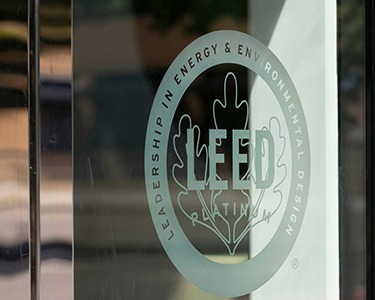
LEED Platinum certification icon at Oregon Convention Center, Portland, Oregon.
RFPs are the very beginning, so by asking questions about a venue or hotel’s sustainability practices, you’re starting strong. Do you ask about food sourcing and waste handling? Do you ask about the location’s carbon impact, such as if it has LEED certification or solar paneling? How walkable is the area?
By asking these questions at the start, planners are also able to report about these topics and how successful they were, post-event.
Sometimes, last-minute changes come up. When you’ve printed your posterboards weeks ago, they may not be accurate. Consider finding a venue that enables you to use video boards, so your information is always up-to-date, and in the process, you’ve eliminated using materials like Styrofoam that have a negative impact on the environment.
Or, if you still want to print out your posterboards, consider alternative materials like cardboard or honeycomb that are more recyclable.
Where are you sourcing?
When you work with suppliers, ask them about their operations. How do they package? Will you receive a box of hundreds of individually plastic-wrapped items? Ask the supplier if they offer environmentally-friendly packaging options.
Another way to reduce waste and carbon impact in this case is to source locally, and therefore eliminate any additional emissions created by shipping materials that you could source from an organization based closer to your event location.
How are you incentivizing attendees to get their heads in the sustainability game?
Gamification is a longstanding champion of getting attendees involved and invested. Set up a program where attendees can get points for different sustainable practices, such as bringing their own reusable water bottles or attending a volunteer event.
How are your attendees getting there?
If the destination is walkable, more attendees are walking to and from the hotel and conference center, which can help to offset the carbon emissions produced through their travel to the destination.
We know that air travel has one of the largest carbon impacts when it comes to events. If your attendees are all localized around one area, it can make a major difference to book a venue that many of them can get to without air travel. Or, look into the kinds of flights available and consider whether most attendees will be able to book a direct flight over one that requires connecting flights.
Take advantage of the resources at your disposal. Consider pursuing a sustainability credential like the SEPC. If you’re earning CEUs, take courses on sustainability. Set aside time to do some research and explore sites focused on sustainability, like the UN’s 17 Sustainable Development Goals and FICP’s sustainability and social impact resources, and for more tips like the ones above, read through the 10 Ways Meeting Professionals Can Consider Sustainability in Event Planning on that page.
And of course, watch the webinar on Smart Meetings’ webinar archive to hear all these insights and more, right from these experts themselves.
Wish you could earn rewards while on an off-the-beaten-path journey in a remote destination? A new travel platform aims to majorly expand your options for racking up points. Live in Central Florida? That Paris trip you’ve been dreaming of is about to become even more enticing. Impressed by the myriads of ways AI is changing professional landscapes?
One country has become the first in the world to employ AI services when building its new nation brand. This week in Smart Travel, we cover all these updates, as well as Hilton’s next global move and a new study that reveals the major benefits of cruise travel to destination economies.
New Travel Rewards Platform Aims to Redefine Travel Loyalty
On Friday, new travel rewards platform Journey launched with a mission to redefine travel loyalty. Journey users are able to earn points and benefits from a curated network of independently operated properties, including both hotels and private rentals, in order to meet consumer demands of flexibility and personalization.
Brian Kelly, founder of The Points Guy, senior advisor and investor at Journey, said in a statement, “Travelers want to earn and redeem points for life changing experiences. Whether that’s a safari or a private vacation rental, many of the best lodging options don’t exist within the current loyalty landscape. That’s where Journey comes in—a game-changing platform that rewards travelers for staying at properties that they traditionally haven’t been able to earn points for. With Journey, travelers will no longer have to sacrifice loyalty when seeking bespoke and boutique travel experiences.”
Air France to Provide Services to Orlando in May 2025
Orlando will become the 18th U.S. destination with Air France service in May of next year, with four direct flights a week on Airbus A350-900 aircraft linking Paris-Charles de Gaulle Airport (CDG) to Orlando (MCO). The French airline will also be adding service to Kilimanjaro, Salvador de Bahia and Manila to its global network in preparation for summer 2025.
On Thursday, Air France was again awarded five stars in the official Airline Passenger Experience Association (APEX) global ranking of the best airlines. The ranking is based on feedback on more than one million flights by passengers who flew on nearly 600 airlines worldwide. This is the third year in a row Air France has received top billing in the survey.
Hilton to Further Mexico Expansion
On Wednesday, Hilton announced a franchise agreement to convert The Sens Cancun Adults Only All-Inclusive Resort into a Tapestry by Hilton property, one of more than 10 new deals Hilton has signed in Mexico in 2024. Mexico is one of Hilton’s fastest-growing international markets, with the brand hosting guests at more than 100 hotels and resorts across the country.
“Our rapid growth in Mexico is driven by a winning combination of strong partnerships with exceptional owners, local market expertise and award-winning brands which enable us to bring to life the hotels travelers demand in the destinations they want to visit,” said Pablo Maturana, vice president, development, Caribbean and Latin America, Hilton. “The signing of The Sens Cancun Adults Only All-Inclusive Resort, Tapestry by Hilton underscores our commitment to leading in Mexico with Hilton’s iconic hospitality and legendary service.”
Costa Rica Becomes First Country Ever to Use AI to Create Nation Brand
Costa Rica’s nation brand, essential COSTA RICA, has laid out its strategy for the next decade, which includes a focus on innovation by becoming the first nation brand in the world to use artificial intelligence to define its 2035 vision. In partnership with Bloom Consulting, an international firm that specializes in nation branding, essential COSTA RICA gathered data from four key areas:
Previous studies on the perception of nation brand as a digital identity and rankings
Strategic documents about Costa Rica, such as decarbonization plans
Global reports on future trends
Interviews with national stakeholders from various public and private sectors
Bloom Consulting and essential COSTA RICA then fed the data to an AI platform, which generated projections on media coverage, strategic global markets, emerging trends and many other top considerations when building a future nation brand. Sustainability was also a main focus; Adriana Acosta, director of essential COSTA RICA, said in a statement, “Costa Rica is already well positioned in climate change and environmental preservation, which is why with Strategy 2035—and thanks to the future scenarios analyzed with the help of AI—we are working to capitalize on what the country has built over decades with specific actions that help enhance its international image and promote the implementation of tactics that reinforce Costa Rica’s leadership in these topics.”
Study Reveals Record Cruise Tourism Expenditures in the Caribbean and Latin America
The Florida-Caribbean Association (FCCA), the trade group representing the mutual interests of the cruise industry and destinations and stakeholders in the Caribbean and Latin America, has announced the results of a new study by Business Research & Economic Advisors (BREA). That data shows that cruise tourism generated $4.27 billion in direct cruise tourism expenditures—about 27 percent higher than the record set by the previous study in 2018—along with over 94,000 jobs paying more than $1.27 billion in wage income in the 33 participating destinations.
“We could not be prouder of these results and what they mean for the lives and livelihoods of so many throughout the Caribbean and Latin America,” said Michele Paige, CEO, FCCA. “In addition to showing what cruise tourism brings to these destinations’ economies, many of the study’s findings will also serve as the foundation [for] building further mutual success between cruise lines and destination stakeholders.”
Key findings also include:
Destinations welcomed 29.4 million onshore visits from cruise passengers, with an average spend of $104.36, generating a total of $3.07 billion.
Destinations also welcomed 3.9 million onshore visits from crew, with an average spend of $58.78, generating a total of $229.5 million.
Cruise lines spent $968.3 million, an average of $29.3 million per destination.
Average per passenger spend increased for 26 of the 31 common destinations, and 14 destinations recorded average spend rates above $100 per passenger (up from 12 in 2018).



 Understand your group before you pick a color. Don’t just implement a color palette into your event because it aligns with your objectives. Different people respond to colors differently. Consider if your attendees are mostly male or female. This can influence your color choice as well.


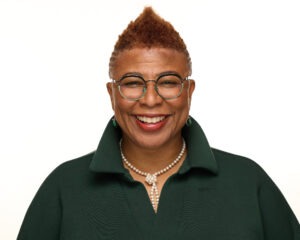
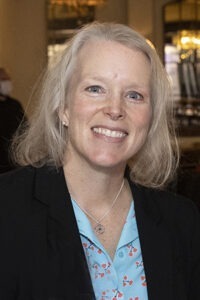
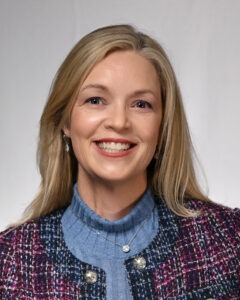 Senior Vice President, Education & Engagement, Financial Services Institute, Inc. (FSI)
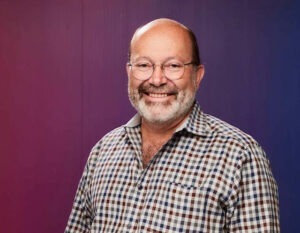 Consultant,
 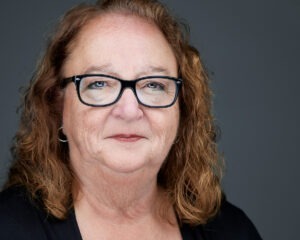 Founder,
  Vice President of Global Accounts,
  Director of Meetings,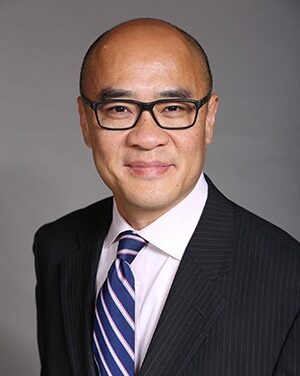
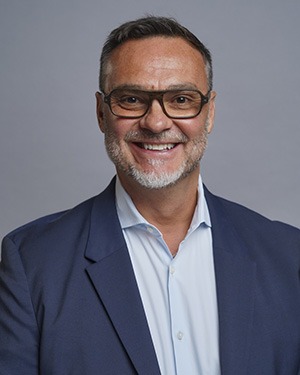
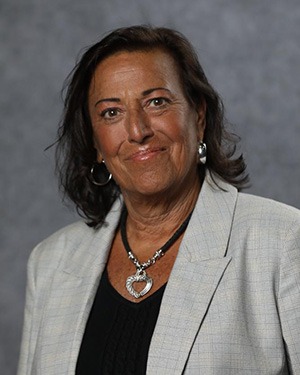
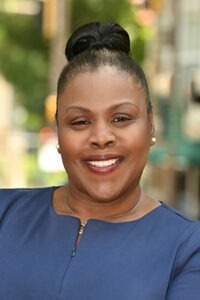








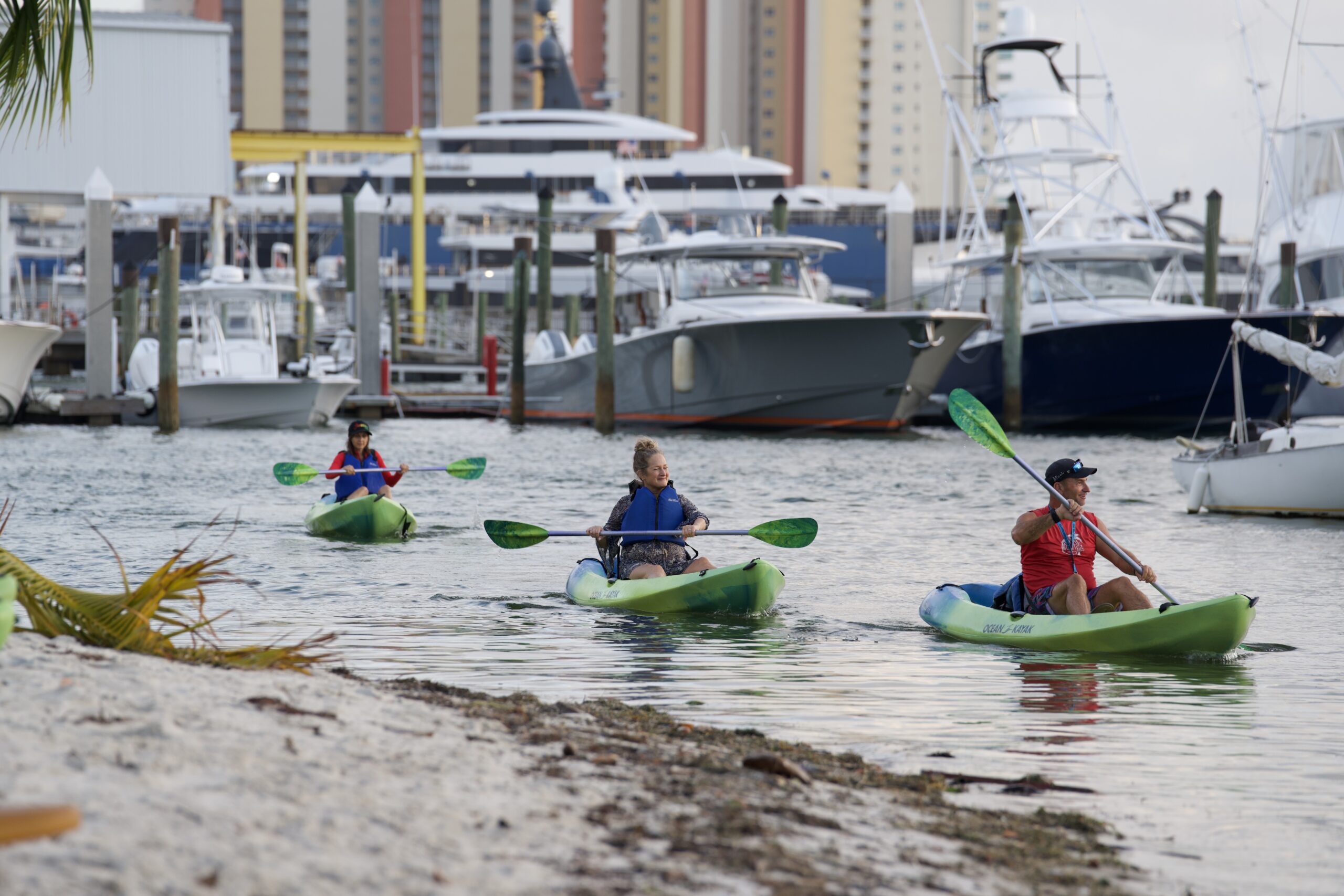
 Those health enhancement theories are all well and good for people looking to live to 200, but what wisdom does this inaugural three-day weekend exploration into all things mind and body have for event builders tasked with negotiating contracts and managing the AV team? Here are my takeaways.
 Smart Meetings’ October webinar,
  In fact, many are probably already further along than they expect. Allen said, “A lot of what you’re already doing is probably something that’s contributing to your sustainability activity and metrics that you can measure. As an events professional, one of the things we look at is, how are you measuring this? How are you reporting out on this? How are you showing that what you’re doing is making an impact?”
 The data on sustainable hotels in a destination, available on a DMO website, is a prime example of the kinds of resources that enable planners to more easily prioritize sustainability.