Designing the Goddard Memorial Dinner

The Dr. Robert H. Goddard Memorial Dinner—known informally among insiders in Washington, D.C., as “Space Prom”—is as much a feat of design and logistics as it is a celebration.

Held at Washington Hilton, the annual event gathers more than 2,000 leaders across government, aerospace and academia to honor innovation at the highest level. But for Encore Decor, the premier D.C. event design firm that has designed the signature event’s celestial inspired decor for the past four years, the challenge isn’t just scale—it’s multiplicity. Working with the National Space Club and the GA Team, Encore Decor was well versed in what to expect.

“This isn’t just one large event,” says Sara Rose Harmon, president and creative director of Encore Decor, “It’s multiple experiences happening at once.”

Owning the Hallway

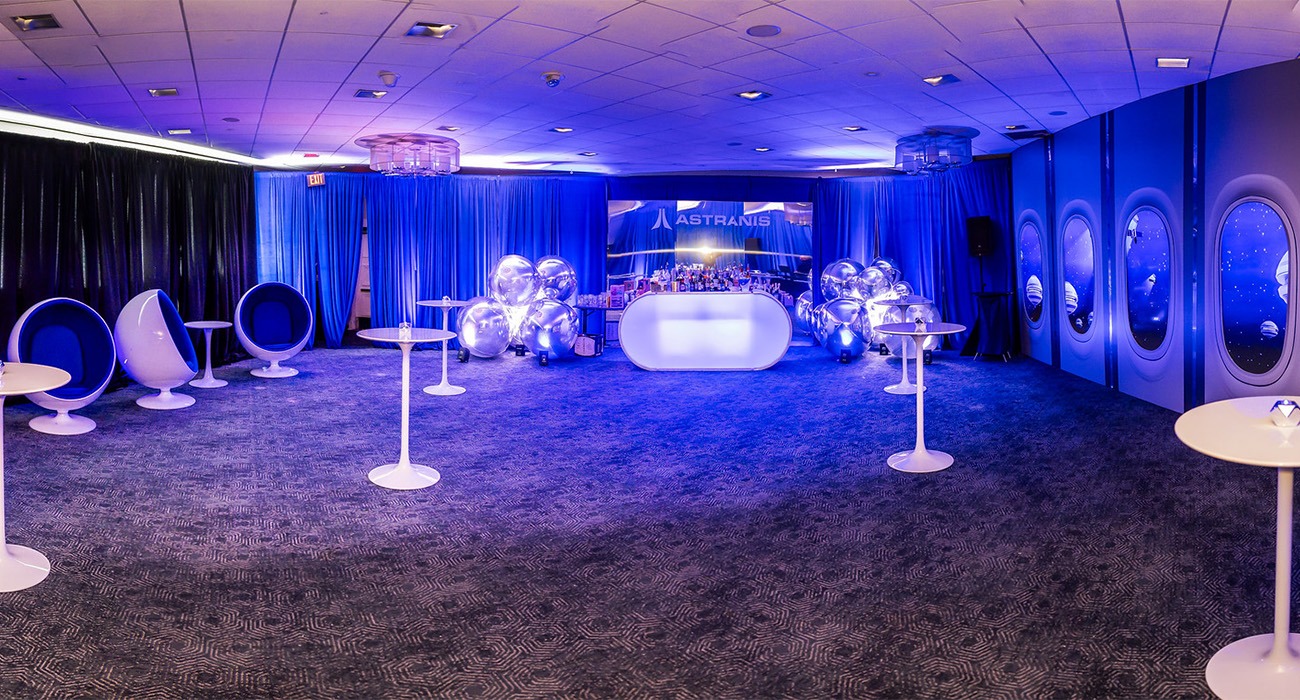
Before the guests convened in the hotel’s iconic football shaped ballroom for a lavish dinner and awards program, they mingle over cocktails in reception spaces hosted by major aerospace companies. With eight receptions in smaller meeting rooms along the Hilton’s winding concourse level and three more on the upper level for the event’s signature Red Carpet reception, each space functions as an immersive brand environment—open before and after the awards ceremony, and constantly in motion.

“It becomes a kind of live showcase,” Harmon notes. “Guests flow from room to room, and there’s a natural curiosity. Guests are interested in who did something unexpected, who created the most unique brand experience.”

Rather than over-furnishing with lounge seating, Harmon has learned to design for flow first. High-impact vertical branding ensures logo visibility even when rooms get crowded, while perimeter decor, lighting and sculptural food displays create impact while preserving coveted standing space.

“People think comfort means more chairs to sit,” she adds. “But at this scale, comfort is movement.”

“Guests need moments to reset, have a conversation and actually connect,” Harmon says. “That balance between spectacle and space is where the event succeeds.”

Designing at Scale

Goddard dinner

With over a dozen subcontracted vendors to manage, a tight install schedule and multiple environments opening simultaneously, execution required precision. A rare early access window granted the day before allowed Harmon to bring in teams for installation in the ballroom and suites in tandem, layering decor piece by piece until each space came together.

Even then, adaptability was key. When an LED wall installation fell short of venue constraints, Harmon’s team made changes in real time by redressing and refining onsite without compromising the overall design.

“In the live events industry, on-site surprises and challenges are inevitable,” Harmon says. “The trick is how quickly you adapt and find a solution for your client and their guests.”

A Ballroom That Grounds the Experience

While the hospitality suites invited exploration, the ballroom anchored the evening.

This year’s design marked a notable shift. Encore Decor upgraded the organization’s traditional fiber optic backdrop to a dazzling black sequin drape. A custom six-foot National Space Club medallion became a focal point, designed with both visibility and photography in mind.

Four illuminated cherry blossom trees extended the vertical plane of the stage, subtly referencing both the season and the 100-year legacy of Dr. Goddard. Silver sheer drapery softened the stage’s existing gold drape, adding a visual frame.

At the table level, the look remained restrained but layered: six different floral designs graced the table with three linen patterns used throughout the ballroom. Florals were concentrated in white hydrangea, Phalaenopsis orchids and cala lilies with pops of red roses. The intention behind the design colors and soaring shapes was a suggestion of the celestial.

For Encore Decor, the Goddard Dinner reinforced a core philosophy: the most engaging events are deeply layered.

“When you give people multiple environments,” Harmon says, “They’re not just attending. They’re discovering.”

And in a room full of people shaping the future of space, that sense of discovery feels exactly right.

Event Credits

Planning: GA Planning

Design and Floral: Encore Décor

AV: Encore Global and Keynote Event Services

Venue, Food & Beverage: Washington Hilton

Photographer: EPNAC

It’s been a bumpy week in travel. Due to the ongoing war in Iran and the Middle East, crude oil prices continue to rise, translating into higher airfares, while the ongoing partial government shutdown is affecting security line wait times, serving a double whammy for the majority of travelers. (The Smart Meetings staff is lucky that we often fly out of San Francisco International Airport (SFO), which hires private contractors to operate TSA services, so the shutdown does not affect security there.)

But it’s not all bad news. Hilton, this week, announced its bringing groovy hotel brand Yotel into its econosphere in a novel way that’s a real benefit to travelers.

War Rattles Global Fuel Prices

In the past three weeks, the war in the Middle East has pushed jet‑fuel and oil prices sharply higher and—already—produced targeted fare increases and fuel surcharges on many international/long‑haul routes. The Argus Jet Fuel Index, which tracks the average cost of a gallon of fuel on a daily basis, shows that on February 27, the day before military operations started, the average price for a gallon of fuel was $2.50. Now that price has jumped to $4.26 per gallon—a 41% increase. Wider, sustained base‑fare increases for U.S. domestic travel have mostly not yet happened, but analysts say they’re likely if the conflict and high fuel prices persist. Some airlines have long-term contracts to hedge against fluctuating fuel prices, but the majority are exposed to higher prices, meaning their fares are more directly affected by the sticker shock.

Major U.S. airlines have said strong demand is absorbing some higher fuel costs and have generally not yet rolled out separate fuel surcharges (they typically fold fuel into base fares), but executives warned fare increases could follow quickly if the price spike continues.

If you’re a nerd like I am, you might enjoy this interview with oil analyst Rory Johnston published in the Harvard Business Review. It’s a deep dive into how the war is affecting fuel prices across regions.

Security Line Wait Times Grow

Travelers increasingly rely on apps and websites to check Transportation Security Administration (TSA) wait times before heading to the airport—especially now that TSA has gone unfunded and its employees unpaid for a month due to a partial government shutdown over how parts of the Department of Homeland Security (DHS) operate. (TSA falls under the auspices of DHS, as does immigration and border patrol.)

Official sources like the MyTSA site and many airport apps publish real-time and historical averages drawn from checkpoint reports, sensors, and turnstile counts. Third-party tools such as FLIO and On Air Parking combine those official feeds with crowd-sourced user reports and historical patterns. Google uses anonymized location data to infer crowding, and some airlines surface partner or airport-supplied estimates.

The aptly named Misery Map by Flight Aware shows domestic airport wait times. These services differ by coverage and method—official feeds tend to be most accurate, crowd-sourced inputs add granularity, and predictive models smooth short-term fluctuations. For a really good rundown, the travel experts at Frommers.com published a comprehensive list of wait time apps and sites earlier this week.

While we all wait for wait times to return to normal, it’s a good idea to enroll in TSA PreCheck, which lets you move through security lines faster and reach your gate sooner. Global Reentry allows passengers to move through Customs lines when returning from international travel.

Hilton Brings Yotel into the Fold with a New Branding Scheme

Hilton has launched Select by Hilton, a new branding initiative that brings high-quality independent and lifestyle hotels into Hilton’s distribution and loyalty ecosystem while preserving their distinct identities. The first partner, YOTEL, will join the Select by Hilton family under an exclusive agreement announced March 19, 2026, expanding travelers’ access to YOTEL’s tech-forward, space-efficient properties in urban centers.

For guests, Select by Hilton delivers three clear benefits: more choice, consistent perks, and easier booking. Independent brands retain their design and service, giving travelers fresh, locally flavored options beyond traditional Hilton properties. At the same time, these hotels gain connectivity to Hilton Honors, meaning members can earn and redeem points, enjoy instant benefits, and use Hilton’s contactless mobile tools across participating Select properties.

Integration into Hilton’s global distribution also increases availability and visibility of unique lifestyle hotels, simplifying comparisons and reservations on a familiar platform. For planners, this creates a broader network of bookable stays with predictable standards and loyalty rewards. Hilton’s asset-light expansion model aims to scale Select quickly, promising more locations soon.

Overall, Select by Hilton makes it easier for meeting profs to discover and book distinctive hotels without sacrificing the confidence, convenience, and rewards that come with Hilton.

From the Oscars to the Olympics, The Town is having a moment

After Olympic gold medalist Alysa Liu, Academy Award-winning filmmaker Ryan Coogler and Grammy-winning R&B artist Kehlani brought national attention to their hometown, Oakland, California, is once again in the spotlight, highlighting the creativity, culinary talent and cultural energy that define the Bay Area city affectionately known as The Town.

Smart Meetings sat down with Visit Oakland President and CEO Peter Gamez to talk about the international buzz surrounding the city and what makes Oakland an appealing destination for meeting planners.

Alysa Liu at Milano Speed Skating Arena during Olympic Winter games
Alysa Liu at Milano Speed Skating Arena during Olympic Winter games, photo: Ranjith_july / Shutterstock.com

Smart Meetings Oakland has been getting a lot of attention lately, especially with Alysa Liu, Ryan Coogler and other hometown figures making headlines. How does that kind of visibility affect interest in Oakland as a destination for meetings and events?

Peter Gamez It has been quite a week of celebration in The Town. We had close to 10,000 people in downtown Oakland welcoming our hometown hero Alysa Liu, and she has brought so much light to Oakland, definitely putting us on the global stage.

What I love about this, especially for the meetings world, is that she represents what Oakland has always been about—persistence, multiculturalism and soulfulness. When planners are looking for that kind of energy for their meeting, they can find it here in Oakland.

Ryan Coogler at the 78th Directors Guild Awards at the Beverly Hilton Hotel
Ryan Coogler at the 78th Directors Guild Awards at the Beverly Hilton Hotel, photo: Featureflash Photo Agency / Shutterstock.com

And it is not just Alysa. When Ryan Coogler received an Academy Award and said he was from Oakland, that meant a lot. Then you add Kehlani winning Grammys. In sports, film and music, Oaklanders are putting our city on the global stage, and that positive storytelling is creating a new narrative for us.

Read More: Oakland: A City Rooted in Community

SM For planners who are not from the Bay Area, what do you think they are seeing right now as Oakland gets this kind of national and global attention?

PG What we are seeing is curiosity. People are reaching out from all over the world asking about Oakland, from Asia, Australia, South America and Mexico. That opens the door for dialogue.

Some people may have heard about Oakland in the past in a negative light, and that can happen with any urban destination. But now they are seeing something different. They are seeing our culture, our food scene and our arts community.

We have been named the number one food city in America two years in a row by Condé Nast, and that reflects the diversity of Oakland. We have more than 125 languages spoken here. That diversity shows up in our food, in our neighborhoods and in our people, and planners are starting to notice that.

SM What kinds of questions are you hearing from planners right now?

PG A lot of planners are asking how they can incorporate the local culture into their meetings. They are reading about our food scene, so they want to know how to bring that into their event.

They are also asking about sports and entertainment experiences. For example, people have asked about the ice rink where Alysa Liu trained. That is not a question we used to get, but now planners want to know how they can create an outing around that.

We also talk about our local sports teams like the Oakland Roots, Oakland Soul and the Oakland Ballers. These grassroots teams are a big part of our story, and planners like the idea of giving attendees an authentic local experience.

Read More: Oakland Sports Remain Strong Despite Exodus of Major Sports Teams

SM With so much attention right now, what do you hope this moment leads to for Oakland?

PG Our biggest asset in Oakland is our people. When meetings come here, they impact the people who live and work here, the cooks, the housekeepers, the teachers and the families who raised people like Alysa Liu and Ryan Coogler.

We always say we are not just marketing a destination. We are creating economic impact for our community. When a convention comes to Oakland, it supports the people of Oakland, and that is what matters most to us.

So, my hope is that this positive storytelling leads to more meetings, more events and more opportunities for our community.

SM How do you keep that momentum going after the headlines fade?

PG That is where our team comes in. Our marketing, PR and sales teams work every day to keep telling Oakland’s story.

Read More: Case Study: Oakland Style Steers the Narrative

A few years ago we focused on culinary, and that led to national recognition for our food scene. Now we can build on what is happening in sports, film and music.

We have the World Cup coming, we have a strong arts community, we have historic theaters like the Fox and the Paramount, and we have outdoor experiences you cannot find in most urban destinations. Our job is to keep connecting those stories to the meetings world.

SM Are there new or renovated venues planners should know about?

PG One exciting space is the Henry J. Kaiser Center for the Arts near Lake Merritt. It has a lot of history and has recently been renovated, and it is becoming very popular for events.

We also have the Rotunda in downtown Oakland, which is a beautiful restored historic space that works well for receptions and special events.

And beyond venues, Oakland has many unique spaces, restaurants, outdoor locations and historic theaters that planners can use to create something different.

SM For planners considering Oakland for the first time, what would you want them to know?

PG I would tell them to be curious and come see it for themselves.

Oakland has incredible culture, amazing food, beautiful outdoor spaces and a creative community that makes every meeting feel different. The best way to understand Oakland is to experience it.

And when planners bring their events here, they are not just choosing a destination; they are supporting the people who make Oakland what it is.

Editor’s note: This summary of the webinar transcript was created with the assistance of artificial intelligence.

The meetings industry has always rewarded agility, but the last few years have demanded something deeper than speed. Planners are navigating workforce transitions, client uncertainty, new technology and rising expectations for inclusive, human-centered experiences. In a recent Knowledge Exchange webinar, three 2026 Smart Women in Meetings Award winners (Annette Gregg, CEO of Society for Incentive Travel Excellence (SITE); Hilina Ajakaiye, chief strategy officer with National Coalition of Black Meeting Professionals; and Pamela Brunson, president of Wolfgang Puck Catering) offered grounded advice drawn from real moments of reinvention, rapid growth and organizational change. You can watch the full webinar on demand.

What emerged was not a list of trendy leadership ideas, but a practical playbook for meeting professionals who want to build trust, develop people and stay resilient through whatever comes next.

Read More: Presenting the 2026 Smart Women in Meetings Award Winners

1. Build a personal business card so your identity is not tied to a job title.

Annette Gregg, CEO of SITE talks about incentive leadership
Annette Gregg

Gregg shared a story many planners will recognize: the destabilizing moment when the job disappears and confidence takes a hit. After being laid off in 2016, she felt how quickly identity can become tangled with a role, a title or even something as simple as the ability to hand someone a business card.

“I realized the power of a business card,” Gregg said. “We don’t use them so much anymore, but it was a tangible thing where if you don’t have a business card anymore, you really feel like you’re not valued.”

Her response was to reframe the concept entirely. Instead of a company-issued identity, she asked people to imagine a personal business card that could never be taken away, a statement of core value that remains true regardless of employer, relationship status or career stage.

“If you had to make your own business card, a card that is yours no matter what,” she said, “there is a core to who we are as humans, and that should be our business card, our personal business card.”

For meeting planners, this matters because our industry is built on projects, seasons and shifting client needs. When you know your own throughline, whether it is building community, creating clarity, solving problems or driving outcomes, you lead with steadiness even when circumstances change.

2. Show up for people in transition, especially when you do not need anything from them.

Community is not a nice-to-have. It is a leadership strategy. Gregg described how supporting others during her own transition helped her rebuild momentum and confidence. Checking in on friends as they reinvent themselves.

Hilina Ajakaiye
Hilina Ajakaiye

“We live in a world where it’s a combination of deposits and withdrawals,” Ajakaiye said. “We have to deposit in people before we need to withdraw from them. Emotional, psychological and physical safety has never been more important.”

For planners, the application is immediate. Our work is relationship-driven, and our teams often include freelancers, contractors and partners whose careers are in motion. The most meaningful leadership move is often the simplest one, reaching out early, listening with purpose and offering support without an agenda. That kind of investment creates loyalty, stability and trust that carries into the next event, the next crisis and the next opportunity.

3. Ask questions, because curiosity is a career accelerant.

Brunson’s advice cut straight to the daily reality of planning and leading. In a profession where success depends on anticipating needs and aligning stakeholders, she argued that the fastest way to grow is to become more curious, not more certain.

“Ask questions,” Brunson said. “Asking often draws out things you wouldn’t have expected.”

She also spoke to the networking side of curiosity, the way questions open doors to mentorship, insight and unexpected career paths.

“Reach out and connect with people and ask them questions about their career,” she suggested. “I have yet to meet anyone who’s reluctant to share about themselves.”

Curiosity signals respect. It tells a client you are listening for what matters, not just what is standard. It tells a teammate their perspective is worth hearing. Over time, that habit builds stronger events and stronger leaders.

4. Create psychological safety with feedback loops that improve the team experience, not just the attendee experience.

Image of Wolfgang Puck Catering, Pamela Brunson.
Pamela Brunson, photo: Oscar Antonio Photography

Post-event reporting is a familiar discipline for meeting professionals, but Brunson offered a useful shift in emphasis. Debriefs are not only about what the guest saw. They are also about what the team endured, what they learned and what would make the work healthier next time.

“I’m a bully for feedback a little bit,” Brunson said. “It is so important.

She described implementing consistent debrief practices after openings or complex events, with an eye toward surfacing perspectives that might otherwise stay hidden.

Curiosity only works when people feel safe enough to tell the truth. Ajakaiye reinforced that safety is not abstract; it is emotional, psychological and physical. It is essential to sustained performance. For planners managing high-pressure timelines, tight budgets and intense client expectations, building a feedback culture is one of the most concrete ways to reduce burnout and increase excellence.

Read More: Meetings MBA: Building a Safer Experience

5. Do not shrink to fit, stay in the room and bring others with you.

Ajakaiye delivered one of the most direct messages of the webinar, especially for professionals who have ever questioned whether they belong in a room, at a table or in a leadership conversation. Her point was not only about confidence, but about impact. When you shrink, your team, your clients and your industry lose what you could have contributed.

“Remember that we don’t have to shrink in order to fit in,” she said. “Your voice matters, your vision matters and your leadership matters. Stay in the room when it’s the hardest thing to do,” she urged.

Ajakaiye also reminded attendees that belonging is a shared responsibility. Leaders do not just hold the room for themselves, they make space for others, too.

“If you see someone in the corner of the room, go get them, talk to them, tell them they matter,” she said.

Planners shape environments. We influence who connects, who is welcomed and who is heard. Choosing to stay present, speak up and pull others in represents both personal courage and professional craft.

Editor’s note: This summary of the webinar transcript was created with the assistance of artificial intelligence.

Win-win contracts are documents that still work when everything in the world changes. That was the central theme of Smart Meetings’ Knowledge Exchange webinar on negotiating venue agreements for 2026 and beyond. The interactive workshop featured Tyra Warner, JD, CMP, PhD, an associate professor and department chair of Hospitality and Tourism Management at the College of Coastal Georgia and Ginny Davito, founder and chief experience officer of Hotel Contracting Hub and founder of the venue sourcing and contract negotiation company Thallo.  You can view the full webinar on demand.

Ginny Davito
Ginny Davito

In the conversation with JT Long, vice president and content director at Smart Meetings, the negotiation experts agreed that win-win doesn’t mean one side gets everything. It means both parties can deliver a successful event without being exposed to avoidable risk. As Davito put it, “My philosophy is that a good contract isn’t one that works when everything goes right. It’s one that still works when everything changes.”

With uncertainty shaping attendance, travel, budgets and staffing, the conversation repeatedly returned to four clauses that can make or break a meeting: attrition, cancellation, force majeure and indemnification.

Warner called these “the big four,” explaining, “Those have the biggest financial risks associated with them.”

Here’s what planners should look for in each clause, why it matters and how to negotiate in a way that protects clients while setting hotels up for success.

Attrition: The Clause That Punishes Forecasting Errors—Unless You Negotiate It

Attrition is where real-world volatility hits the contract. Even the best registration strategy can’t prevent layoffs, visa delays, travel disruptions or shifting corporate priorities from reducing pickup. Attrition is one of the most common sources of unexpected post-event costs, and the biggest danger is not just the penalty—it’s ambiguity in how damages are calculated. Davito cautioned that hotels are “leaning more towards calculating attrition based on room revenue versus room nights.” That shift matters because revenue-based attrition can drive damages higher, particularly if the hotel assumes a rate higher than what attendees would have paid.

Read More: Ask the Negotiator: The Clauses That Bind

A win-win attrition clause starts with clarity. Davito emphasized reducing surprises by spelling out the math: “I like writing everything out so there aren’t any surprises, and writing out the calculations as an example in an attrition clause.” If damages are based on lost revenue, planners can push to define which room rate applies and how it will be determined, rather than leaving it to the hotel’s discretion after the fact. It’s also where planners can negotiate operational realities—like late travel approvals—into the contract so the hotel can still capture the business.

Davito described a scenario in which a group of government attendees booked just 14 days out due to approval processes.By explaining the challenge and showing the data, she was able to negotiate a later cutoff and helped the hotel keep pickup in-house.

Cancellation: The Clause That Defines What You Owe When Plans Change

Cancellation is often viewed as a worst-case scenario, but in practice it’s a risk-management tool. If the event must be canceled, the contract should outline a fair remedy—one that acknowledges the hotel’s legitimate lost opportunity while preventing punitive damages that exceed actual loss.

Without proper scrutiny, cancellation liability can dwarf the savings negotiated elsewhere, and it’s often the clause that gets accepted under time pressure.

Davito warned against rushed contracting and one-sided deadlines, pushing back on “sign it now or lose it” tactics and advised planners to protect the review process. “I resist being pressured into signing something before it’s thoroughly reviewed or isn’t transparent in fees and conditions,” she said. “And I’ll encourage a client to walk away if I feel that they’re too exposed.”

A win-win cancellation clause balances the hotel’s need for committed business with the planner’s need for a realistic off-ramp if circumstances shift. That can mean tying damages to a reasonable measure of loss, building in rebooking terms that allow fees to be applied to future dates, and aligning timelines with decision-making reality. Warner recommended setting expectations early—starting with the RFP—about how long the review will take and who must approve. Make it clear how much time you need to review the contract, when your decision will be made and by whom it will be made. “Set reasonable expectations with the other party,” she said.

Force Majeure: The Most Misunderstood Clause—and The Most Fought Over

Force majeure is often treated as a catch-all escape hatch, but Warner emphasized that it isn’t designed to cover every disruption. “Force majeure is about apportioning risk. The hotel can’t take all of it,” she said, adding that it’s meant to protect parties when something makes it “impossible, illegal or commercially impracticable” to hold the meeting.

That nuance is exactly why planners need to pay attention. Force majeure determines whether a group can exit or adjust performance obligations when extraordinary events occur without paying damages. But it’s also where hotels push back hardest, especially after years of geopolitical conflict, severe weather, protests and other disruptions that have made broad clauses feel untenable.

Can’t-Miss Contract Tips

Davito’s approach is to draft with specificity because hotels often reject sweeping language. Rather than relying only on broad standards, she negotiates triggers that match how meetings actually fail in the real world, such as “curtailment of transportation”, preventing a specific percent of the group from arriving. When a hotel won’t agree to full cancellation rights for travel disruption, planners can still negotiate partial solutions that reduce attrition or performance damages.. Warner cautioned planners not to turn force majeure into a “panacea” because overreaching can stall negotiations and undermine the shared-risk purpose of the clause. In a win-win contract, force majeure is defensible, balanced and realistic enough that both sides can sign it.

Indemnification: The Clause Many Planners ‘Check Off’—and Later Regret

Tyra Warner
Tyra Warner

Indemnification is often buried in boilerplate, but it can create enormous exposure if it is not reciprocal or imposes a higher standard on one party than the other. Warner flagged this as a frequent mistake: “Too many planners look at [indemnification] and just sort of check off and say, ‘Yes, there’s one in there. It must be okay.’” Indemnification matters because this is where legal and financial responsibility gets assigned when something goes wrong such as an attendee injury, property damage or an incident caused by a third party. If the clause is imbalanced, the group can end up paying for risks it didn’t create or couldn’t control.

The win-win goal is reciprocity and proportionality. Each party should be responsible for its own negligence and misconduct, and the standard should be consistent on both sides. Planners also benefit from making sure indemnification aligns with insurance requirements and with how vendors are managed onsite, particularly when AV, decorators or exhibitors introduce additional risk. Warner’s core point is that indemnification can’t be treated as a checkbox; it has to be read as carefully as the clauses with visible dollar signs attached because it can become the most expensive clause in the contract.

The Win-Win Mindset: Reduce Risk, Increase Clarity, Be Ready to Walk Away

Both speakers framed successful negotiation as clarity and partnership, not combat.

Davito summarized her approach: “My goal isn’t to win against a hotel, it’s to structure an agreement that allows both sides to succeed if circumstances change.”

Warner echoed the importance of defining priorities: “I see a win when you get all of your must-haves. There are always things you’ve got to concede to the other side.”

In practice, the most powerful negotiating tool may be the willingness to walk away. Davito shared how leverage shifts when a hotel believes the business is truly in play. After another property accepted her client’s must-have addendum, the first hotel reversed course within 24 hours and agreed to the terms it had resisted for weeks. The takeaway is simple: options create leverage, time creates options and transparency creates trust.

ASID Gather 2025 stayed on script thanks to a strong team

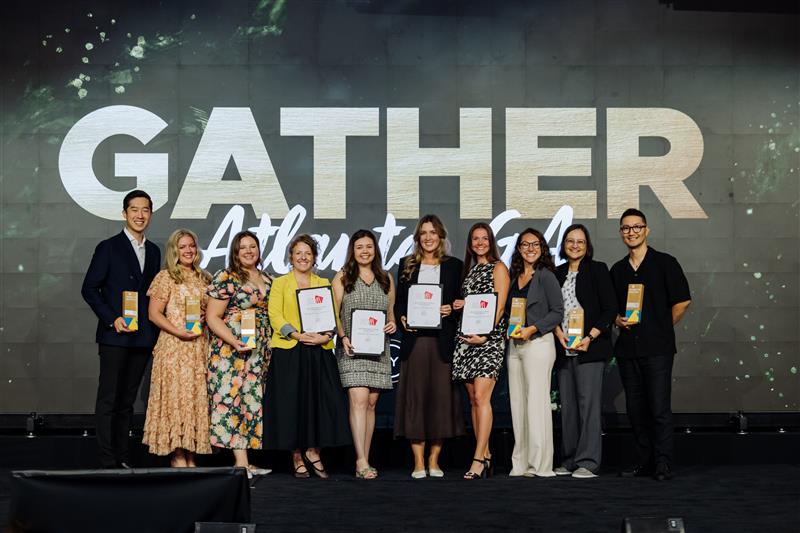
The mission was to celebrate the milestone of a half century of American Society of Interior Designers (ASID) by bringing together the community from students to the most experienced professionals. The plan was to welcome 800 to Gather 2025 at Signia by Hilton, Atlanta Georgia World Congress Center in August of 2025 for an event billed as a celebration of 50 years of interior design excellence: honoring our past, designing the future. The highlight was seeing retired and active leaders coming together to celebrate the organization.

“We plan our events like our designers approach projects,” said Valerie O’Keefe, Hon. FASID, senior director of engagement with ASID. “They never do the same kitchen design twice and we mix the agenda up a little to keep people on their toes,” she explained.

Smart Meetings asked her to break down the elements that created this once in five decades experience, complete with a breathtaking moment that required some fast footwork.

Read More: Spectacular Spaces: Event Design with Ed Libby

A Storied Location

The ASID conference moves from city to city each year based on where concentrations of members live. Miami, Los Angeles and Denver have hosted in the recent past and the group’s Catalyst 2026 national leadership conference will be in Dallas this September to coincide with ARCHLight and Dallas Design Week.

For the 50th anniversary, the team was looking for a meaningful location. Some deep research in the archives revealed that the organization’s first board meeting was in Atlanta. “It was a nice little nod to where everything started,” said O’Keefe.

Red Carpet Treatment

To set the stage, Gather kicked off with a glamorous awards celebration. The ASID 50 recognized 50 individuals who embody the essence of the organization as nominated and voted on by participants and announced on-site.

Usually, the awards element of the program wraps up the conference, but by scheduling the gala with some historic honors on opening night, attendees were cued in to congratulate the special guests throughout the conference. “It helped drive new connections and conversations throughout the event,” said O’Keefe.

The evening was couched in a 1970s disco vibe and the creatives in attendance embraced the theme. “Our members showed up and brought the experience to life,” said O’Keefe. The outfits encouraged storytelling as attendees shared their thrift store and family hand-me-down stories.

A disaster-averted moment during the honorifics that O’Keefe can look back on now and laugh about was that in the middle of the awards, when the hotel was asked to close down the bars in the expo hall closest to the stage, they took it to mean move everything out and one of the bar tenders accidentally pulled the plug on the AV just as a commercial was about to play for the biggest sponsor and the volunteer honorees were lined up on stage. The only light was the glimmering of the disco ball from the ceiling and a collective gasp could be heard in the room.

“In my corner of my eye, I see the AV team running faster than I’ve ever seen anyone run and everything was back up within a minute, running flawlessly just as we had rehearsed it,” O’Keefe said.

The next night a curated tour of home, decor and outdoor furnishings at AmericasMart Atlanta was perfectly aligned with the interests of the group.

A yearbook-singing party was another thread woven into the agenda to make the anniversary event a little bit more special.

And a Golden Soiree at Georgia Aquarium’s Oceans Ballroom closed out the festivities without a hitch.

Back to the Future

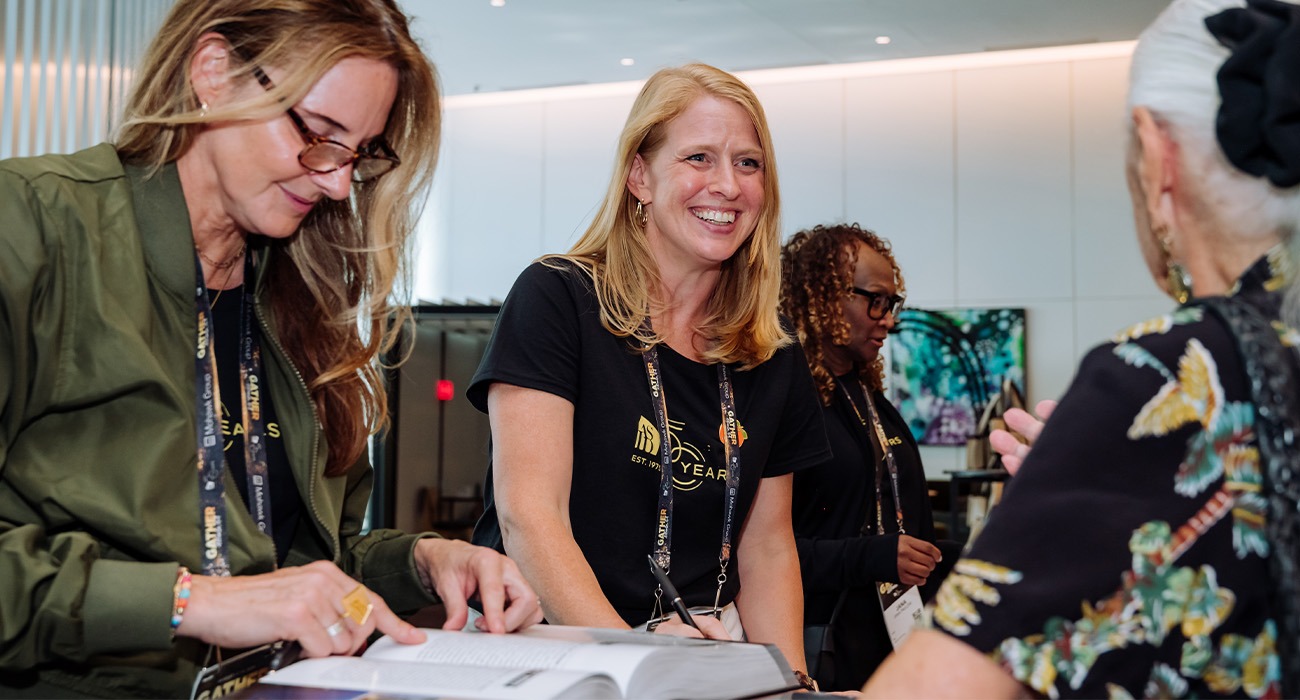
Women talking

One of the reasons O’Keefe thinks the recovery was so fast the first night was that the team had embraced AV more than in previous years by working closely with White Tie Productions out of Phoenix and Script Elephant as the run-of-show software. What was previously a PowerPoint deck produced by the marketing team had morphed into an interactive, immersive experience that was still poised and ready to go once power was restored.

“It’s all about the team you build around you that can pivot and make the best of a situation and fix it whatever happens. By working together year-after-year, we have built camaraderie, trust and respect for each other. You just never know whether you’re going to need someone to have your back,” she said.

O’Keefe, who considered herself a non-production person, has been experimenting with the production tool for three years. “The day I get access to Script Elephant is one of my favorite planning days because I get to see the work that individual teams have built to create the brand story and script. That is when it all comes alive in the platform with music and transitions,” she said.

Surprise and Sprinkles

F&B can be one of the more logistically challenging aspects of feeding 800 people, but O’Keefe sees it as an opportunity to add joy to the day. All-day coffee service in the expo hall drives traffic and serendipitous connections with sponsors. By offering ice cream Snickers bars as an afternoon snack on a warm day, she brought nostalgic delight the grown-up professionals who were not expecting it. They ate it up—literally. “When you introduce something people aren’t expecting, they get very excited,” said O’Keefe.

Read More: Essential F&B: Culinary Afterthoughts

ASID Gather 2025 Event Credits

Venues: Signia by Hilton, Atlanta Georgia World Congress Center, AmericasMart Atlanta, Georgia Aquarium

AV Production Team: White Tie Productions

Event Production Software: Script Elephant

L.A. Live and Sega of America have announced a partnership between the two organizations to highlight the gaming and entertainment company in a city and venue known as one of the premier locations for entertainment.

“Partnering with Sega of America was a natural fit for us,” says Brenda Cruz, senior director of global partnerships out of home (OOH) at AEG. “While AEG/L.A. LIVE is renowned as the mecca of sports and entertainment, we’re also a hub for broader pop culture experiences, including gaming. Hosting events like The Game Awards at Peacock Theatre every December shows how we bring the gaming world together with high-impact activations and real-life fan engagement.”

L.A. Live is a 4 million-square-foot entertainment district next to Crypto.com Arena, Los Angeles Convention Center, the 7,100-seat Peacock Theater and several hotels, such as The Ritz-Carlton, Los Angeles, JW Marriott Los Angeles, Courtyard Los Angeles L.A. Live, Residence Inn Los Angeles L.A. Live and The Ritz-Carlton Residences, all of which share space in the 54-story headquarters tower.

Read More: Greater Los Angeles: Built for Greatness

L.A. Live’s digital OOH network features 11 LED displays throughout the area, including the 40,000-square-foot open-air Peacock Place, pedestrian corridors and entry points leading into JW Marriott L.A. Live Hotel and Los Angeles Convention Center.

“Through this partnership, AEG aims to showcase L.A. LIVE as the ultimate platform for gaming IPs [intellectual property] to come to life,” says Cruz. “We want to help SEGA create immersive, real-world fan experiences that bring the excitement of their games off the screen and into the community—building meaningful engagement and connecting fans in unforgettable ways.”

SEGA seems to be increasing its physical footprint in California, having opened its headquarters in Irvine, nearly an hour south of Los Angeles, in 2022; this partnership further solidifies that footprint. “Sega provided the perfect opportunity to create a dynamic partnership that connects their IP to our diverse audience. This collaboration not only amplifies SEGA’s story but also reinforces L.A. LIVE as the ultimate destination where fans from all worlds—sports, music and gaming—come together to celebrate and engage,” Cruz says.

In Los Angeles, AEG has seen increased interest in gaming through brands hosting events at several of its venues, such as The Game Awards previously mentioned, as well as Anime Expo, Comic-Con and KPOP concerts. “While expanding in gaming wasn’t the initial goal, we’ve seen tremendous interest from gaming brands following key events,” says Cruz. “With gaming rapidly growing, AEG is excited to provide the ultimate fan engagement experiences, creating meaningful connections between fans and their favorite gaming worlds.”

There may be nothing more to announce from AEG just yet, but Cruz says the company is seeing significant interest from brands beyond Sega. “We anticipate that once this partnership launches in July, inquiries will only continue to grow, highlighting the excitement and opportunity across L.A. LIVE and AEG venues,” she says.

We have good news and bad news this week. Returning from that international conference could be easier now that Global Entry doors have reopened, even if fewer TSA officers are showing up for their shifts during the partial shutdown. Normal travel is also returning to large swaths of Mexico. But those trips may be more expensive as increasing gas prices caused by the conflict in the Middle East make their way to booking sites. If your group is looking for a more grounded experience, get your kicks on the road that was honored in verse and prose—Route 66—with a Deep Drive Webinar Series from Brand USA.

Global Entry Returns

International travelers will see some relief as Customs and Border Protection reopened Global Entry services on Wednesday after a 17-day suspension due to a funding impasse in Congress that still has not been resolved. The lack of an agreement to fund The Department of Homeland Security—and therefore pay Transportation Security Administration staff—could still result in limited staffing at some airports. The decreased capacity and increased demand during prime Spring Break months could impact business travelers.

U.S. Travel Association President and CEO Geoff welcomed what he called the affirmation of the value of Trusted Traveler Programs. “Over the last two weeks, the travel industry has been clear about the role programs like Global Entry and TSA PreCheck play in both security and efficiency. Through outreach to members of Congress and administration officials, collaboration across the travel sector and strong public engagement, we highlighted a simple reality: Trusted Traveler Programs enhance security while keeping travel moving,” he said.

He urged Congress to support the transportation security officers who keep the aviation system functioning. “These essential employees continue to report to work without pay during the partial government shutdown and they deserve to be compensated without delay,” he said.

Prepare for Drastic Flight Increases as Fallout from Middle East Conflict

Jet fuel prices are increasing even faster than crude prices with the Argus U.S. Jet Fuel Index up 72% over the last month. That increase resulted in more than doubling of average cross-country ticket prices, according to calculations by Business Insider.

An LAX to IAD flight that was listed as $150 on Feb. 27 is now going for $502 for the same 21-day window. Transcontinental airline tickets are up 40% to 177% with volatility showing week over week.

The Points Guy website is advising travelers to lock in rates for summer flights now as the bottleneck limiting oil supplies through the Strait of Hormuz is lot likely to ease anytime soon and prices were already rising in January.

Travel Returns to Large Parts of Mexico

The U.S. State Department lifted shelter-in-place alerts for American citizens three days after violent incidents in parts of Mexico made headlines around the world following the death of a cartel leader Feb. 24. Air travel quickly resumed to Guadalajara and Puerto Vallarta and cruise ships are in operation as the popular tourist destinations are excluded from the warning. This week, the U.S. State Department’s Travel Advisories Map showed wide swaths of Level 2 (Exercise Increased Caution) designations in place of Level 3 and 4 warnings. That includes Baja California, Nayarit (including Punta de Mita), Oaxaca and Veracruz.

The Jalisco Secretariat of Tourism confirmed the full restoration of its main tourist destinations and reports that the state shows sustained progress in consolidating its tourism activity, with positive indicators in air connectivity, mobility, destination operations and event agendas.

The U.S. Embassy also updated its communication noting the regular operation of the Guadalajara and Puerto Vallarta airports, the availability of their services and the absence of reports of road closures ordered by local authorities.

Route 66 Celebrations Rev Up

Brand USA hits the gas pedal this month on commemorating the 100th anniversary of the naming of The Mother Road, Route 66 with a virtual series highlighting American Dream stories that happened on the coastal byway.

Although the highway was officially decommissioned in the 1980s, you can still trace much of Route 66 today, including this EV-friendly itinerary and a classic Route 66 road trip from Visit California.


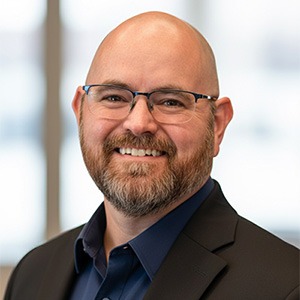
Brandt Krueger

Brandt Krueger

Event management software provider EventMobi has appointed 30-year industry veteran Brandt Krueger as its new director of industry relations and partnerships.

In this newly created role, Krueger will spearhead EventMobi’s thought leadership and content strategy to provide authentic, human-curated education amidst the rise of AI. He will also deepen strategic partnerships with major industry associations such as MPI and PCMA, helping event professionals worldwide navigate the rapidly evolving event technology landscape.

Karen Paulon

Karen Paulon

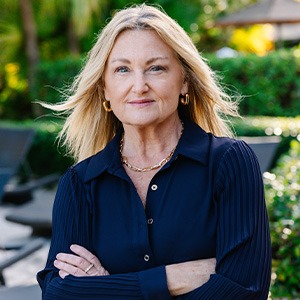
Remington Hospitality has appointed seasoned hospitality leader Karen Roche Paulon as area director of sales and marketing for its two iconic Key West properties: La Concha Key West and Pier House Resort & Spa.

Bringing over 30 years of global brand experience, Paulon will oversee all sales and marketing operations. She will focus on leading revenue strategies, generating new business and maximizing hotel performance through dynamic pricing and compelling island storytelling.

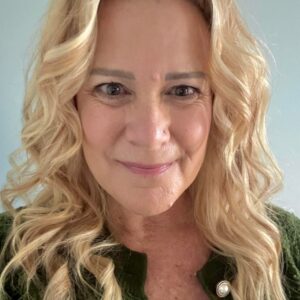
Christina Poole

Christina Poole

Trade show exhibit design and fabrication company 760 Display has appointed Christina Poole as its new director of account management.

Bringing over 17 years of experience in account strategy and client success, Poole will oversee strategic client partnerships, account growth and service delivery across the company’s national portfolio. In this executive role, she will focus on strengthening client relationships, driving account expansion and improving internal coordination across design, fabrication and show-site execution.

Drew Carter

Drew Carter

Motivation science-driven performance solutions leader One10 LLC has named Drew Carter as its new president and CEO. The appointment is part of a leadership evolution aligned with the company’s long-term growth strategy, with longtime CEO Bob Miller transitioning to vice chairman of the board.

Bringing extensive industry experience, Carter previously served as president of performance solutions at One10 and was the founder and CEO of Whistle Systems, which One10 acquired in 2025. In his new role, he will focus on driving continued innovation, organic growth and delivering measurable performance outcomes for clients.

Crystal Robinson-Wesley

Crystal Wesley

Palms Casino Resort in Las Vegas has announced the promotion of Crystal Robinson-Wesley to vice president of marketing and entertainment.

Formerly the resort’s Vice President of Entertainment and Activations, Robinson-Wesley will now oversee its full marketing, entertainment and activations portfolio. Bringing extensive prior leadership experience from MGM Resorts International and Caesars Entertainment, her expanded role includes managing casino marketing, loyalty programs, brand strategy, public relations and all entertainment programming.

Clare McNulty

Clare Mcnulty

Opus Agency has appointed Clare McNulty as head of event management and operations, Europe, Middle East and Africa, based in its London hub. Her appointment coincides with rapid regional momentum for the agency, which has seen its EMEA team double in size year over year.

Bringing over 15 years of industry experience, McNulty will oversee event management strategy and operational delivery across a growing portfolio of global brand experiences. Throughout her career, she has managed multidisciplinary teams and complex B2B, B2C and B2E programs across multiple continents for major brands, including Amazon, Google, IBM and Meta.

Leslie Johnson, Laura Nelson, Bryan Kubel and Devric Hitchcock

Leslie Johnson (first), Laura Nelson (second), Bryan Kubel (third) and Devric Hitchcock (fourth)

Following a record-breaking 2025 with over 328,000 room nights booked, Visit Milwaukee has announced a series of leadership promotions across its sales, partnerships and sports tourism teams to build on the city’s growing national visibility.

Leslie Johnson has been elevated to chief sales officer to oversee strategic sales initiatives and expand the city’s presence in key markets, following her recent receipt of the 2025 IAEE Outstanding Marketing & Sales Award. Laura Nelson, recently recognized as a Smart Women in Meetings Industry Leader by Smart Meetings, steps into the role of director of group sales.

Additionally, Bryan Kubel has been promoted to director of partnership and business development to strengthen community collaborations, while Devric Hitchcock becomes the Sports Milwaukee Retention Specialist, focusing on retaining annual sporting events and growing the commission’s digital footprint.

Tess Vismale’s path to receiving her CMP Fellow designation this year is less a straight line than a seasoned event professional’s braided rope—threaded with on-the-ground grit, formal learning, mentorship and a persistent focus on execution.

Today, she is the founder and CEO of iSocialExecution, Inc. (iSocialX), a co-founder of Pull Up With Us and Event Tech Atlas, and a co-host of the Event Tech Pull Up podcast. Her credentials—CMP Fellow, Digital Event Strategist (DES), Certified Golf Tournament Planner (CGTP)—tell one part of the story; the rest lives in the backstage moments she’s spent transforming plans into experiences.

Growing up between Chicago and Atlanta, Vismale’s first exposure to the events world was visceral and immersive. As a child she traveled with her sister, a master cosmetologist who designed trade show experiences. Vismale was often backstage, watching model rotations, AV crews, and the show’s choreography. “Something clicked,” she says—not a formal job title, but a feeling that this chaotic, creative environment was where she belonged. That early backstage education led to her first professional steps at Macy’s Special Events, where she coordinated fashion shows and learned the interplay between logistics and creativity. Those lessons—how to write a run-of-show, manage a frantic backstage and keep a live program on track—became the foundation of a career centered on execution.

Her formal education complements those formative experiences. She earned a BA in Psychology and Organizational Management from Spelman College, a degree she credits with teaching her how to “read a room” and understand group dynamics—skills essential to on-site decision making.

She augmented that with a Project Management Certificate (PMC) from Georgia Tech, a Conference and Meeting Management Certificate (CMMC) from the University of Georgia and the CMP in 2012, followed by a DES in 2013, as part of PCMA’s inaugural certification class. But she is clear—the most impactful instruction happened in the field. Managing campus events at Spelman, running sessions at the Atlanta Botanical Garden and overseeing a conference center for Atlanta Technical College provided a living curriculum of unpredictable problems and creative solutions that no classroom could fully replicate.

Her decision to pursue the CMP was pragmatic and strategic. Deep into managing events, Vismale kept hearing the credential discussed in rooms where she wanted to belong. “The CMP kept coming up as the standard,” she reflects. The appeal was its comprehensiveness, not just logistics, but the full spectrum of strategic planning, financial management, risk assessment and stakeholder relations. For Vismale—a Black woman running a business and working with corporate and association clients—the credential was also a credibility lever. It signaled seriousness and offered a smoother path into conversations that her work alone might not immediately open.

Test Prep Tips

Preparation for the CMP exam was deliberately communal and practical. Vismale credits an MPI-CMP study group with making the difference. “What I needed was to see the information, hear the information and be around people who were interpreting it in real time,” she says.

Study techniques were pragmatic, breaking the body of knowledge into domains, using flashcards for terms and formulas, translating concepts into real event-floor scenarios and allowing for scheduled breaks to avoid burnout. Vismale’s advice to those studying now is to start early, respect the breadth of the material and study with others.

“The conversations you have while studying, debating scenarios and talking through concepts are often more valuable than solo review,” she says.

CMP Fellow

Earning the CMP in 2012 validated years of hands-on work; becoming a CMP Fellow later expanded that validation into recognition of contribution. Vismale didn’t set out to pursue the Fellow designation—a mentor urged her to consider it.

As she compiled her application, the extent of her contributions became clear: speaking at industry conferences; teaching in UNC Charlotte’s Meeting & Event Planning Program; serving on boards, including National Coalition of Black Meeting Professionals (NCBMP); mentoring professionals nationwide; co-founding Event Tech Atlas to improve transparency in event tech evaluation and advocating for underrepresented voices. Those cumulative actions—not longevity alone—are what the Fellow designation honors.

“When you look at all of that together, the Fellow designation is the right container for what you’ve built,” Vismale notes. Her mentor’s nudge and the mirror it offered were decisive.

Central to Vismale’s professional ethos is a conviction that execution is strategic work. Early in her career she noticed a persistent gap: event education and recognition tended to emphasize planning, while day-of execution and real-time problem-solving were treated as afterthoughts. She built iSocialX to close that chasm. For Vismale, the on-site work—the last-mile delivery of an event—is where strategy meets attendees. Rescuing clients, solving last-minute tech crises and ensuring event integrity under pressure are not cleanup tasks but the heart of what makes a meeting successful.

That orientation toward execution shaped her response to some of the most challenging moments of her career. NCBMP’s early pandemic virtual program stands out. Tasked with producing five separate virtual events from five cultural institutions on just four days’ notice, Vismale and her team had to assess vastly different presenter tech setups—from high-end cameras to phones on hardline connections—and meet each presenter where they were.

Using the PINE platform and RegMatch for registration, they delivered cohesive, mission-driven virtual sessions despite limited institutional support and immense uncertainty. The project exemplifies Vismale’s practical approach: adaptability, technology mastery and an unwavering focus on attendee experience.

“Pulling off five distinct virtual events simultaneously, under a four-day clock, during one of the most uncertain moments our industry has ever faced, and delivering a high-quality, uplifting experience for that audience, that’s the one that stays with me,” she says.

Her work with Event Tech Atlas grew from a different frustration: tech decisions being driven by marketing dollars rather than product merit. Co-founded through Pull Up With Us, Event Tech Atlas is an independent decision-support platform designed to bring accountability and peer-led insight to event tech purchasing. This initiative reflects Vismale’s broader industry concerns about elevating execution and ensuring honest, useful resources for professionals making consequential buying decisions.

The CMP and the Fellow designation have shaped Vismale’s career in layered ways. The CMP accelerated trust in her expertise, opening doors for business development, speaking and client proposals. The Fellow designation shifted how peers perceived her work as a signal of sustained service and a mandate to give back. Both credentials deepened her ties to the profession’s network, exposing her to mentors, collaborators and students she now coaches and trains.

Her advice to others pursuing credentialing is practical: document your contributions consistently, study broadly, engage with the CMP community early and pursue Fellow status because you want to advance the profession, not merely to embellish a resume.

Vismale also emphasizes self-care—a philosophy she learned to respect after long event days. Her favorite fuel? A morning smoothie, steady access to protein and the sacred protection of meal time. After an event, she chooses restoration over fanfare, opting for a massage, time outdoors and a team debrief before she returns to work.

The Future

Looking forward, Vismale is encouraged by two interlocking trends: the growing recognition that execution is strategic and a maturing market for accountable event technology. She’s also energized by the next generation—tech-native, diverse and ready to challenge old habits. As an instructor, entrepreneur and Fellow, Vismale frames her role as preparing those hands to inherit the profession with rigor and integrity.

If there’s a throughline in her journey to CMP Fellow, it’s this: credentials matter because they create entry points; real mastery comes from lived experience; and contribution, when sustained and documented, becomes the currency of professional legacy.

“Caring for myself is not self-indulgence. It is self-preservation, and that is an act of political warfare,” she quotes Audre Lorde—a reminder that sustaining a career in service of others requires intentional care.

For Vismale, that care fuels a practice devoted to ensuring that plans don’t just exist on paper but land, beautifully and reliably, in the hands of real people.