DEI advocates see a path forward that supports real human connection
On the closing night of the annual National Coalition of Black Meeting Professionals (NCBMP), James Jessie, chief sales officer of Travel Portland, declared on stage, “We will double down before we go back.” The statement received a fiery response from attendees.
Jessie’s declaration comes on the heels of a year in which the current U.S. administration has pulled back on diversity, equity and inclusion initiatives.
This includes the executive order “Ending Illegal Discrimination and Restoring Merit-Based Opportunity,” as well as guidance directing federal agencies and contractors to end DEI programs now viewed as discriminatory.
Despite this and many DEI rollbacks throughout the country, the sentiment among planners and suppliers was clear: Going back is not an option.
To get a better sense of the state of DEI among its advocates, Smart Meetings interviewed Shari Dunn, the keynote speaker at NCBMP and author of Qualified: How Competency Checking and Race Collide at Work, as well as Alexis Braly James, CEO and founder of Construct the Present, which specializes in DEI consulting.
Listen to the podcast with Dunn: Smart Start Radio—Reframing Equity in a Changing Workplace
Where It All Began
In her early years, Dunn grew up in a working-class family in Milwaukee. Her parents were both union members, which instilled an early awareness of class and race dynamics.
“Over the course of my life, I have seen different standards being applied,” Dunn said. Because of her family’s union membership, she quickly became immersed in topics of solidarity, fairness and structural inequality. Those experiences, combined with her own sense of being “marginalized, pushed back and overpoliced,” became the foundation for Qualified, which gives language to workplace patterns many people feel but struggle to name.
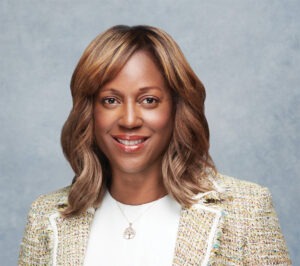 “I’ve never felt like an imposter. What I have felt is marginalized, pushed back and overpoliced.”
— Shari Dunn
James, on the other hand, navigated two starkly contrasting worlds.
“I grew up going back and forth between my mom’s predominantly white and rural family and my dad’s predominantly Black and urban family,” James said. She explained that the cultural differences between the two sides of her family, including how birthdays were celebrated, clued her into broader disparities. “That’s when I realized I was living in two very different worlds.”
Read More: DEI at a Crossroads
Upon entering the workforce, James observed similar themes among organizations struggling with the fundamental building blocks of communication. To help address the issue, she designed a three-part model that includes strategic implementation, training programs and equity audits. Her work ultimately focuses not only on preventing harm, but also on repairing what may have broken within the organization.
The State of DEI
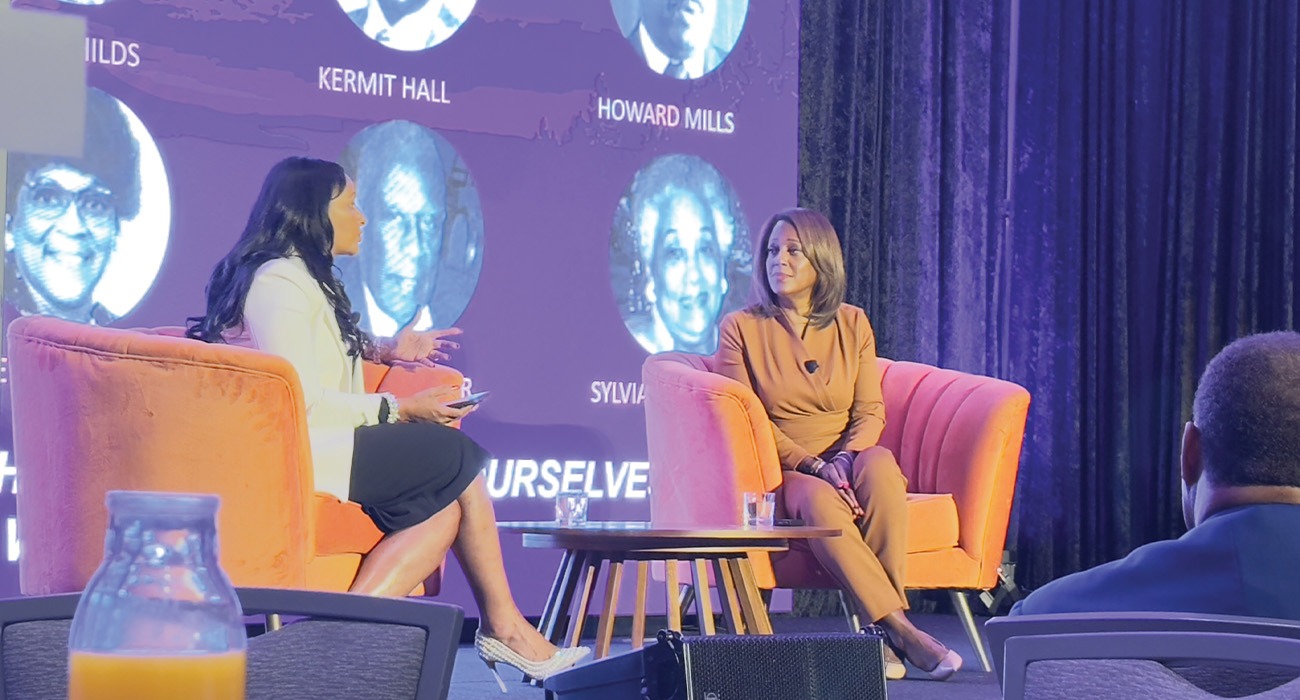
The actions of the Trump administration had an immediate impact on DEI advocates, such as James.
“In March, my business went quiet. Clients pulled back services focused on DEI,” James said, forcing her organization to reframe its process. “We’ve shifted from identity conversations to umbrella topics like navigating culture, inclusive leadership and integrating AI.”
Dunn acknowledged the fear circulating among practitioners but said the work must continue. “Fear has swept across the land.… People are afraid to speak, afraid to talk about the reality of data,” she said. “This hysteria doesn’t have to be.… There’s nothing that says people can’t talk about this.”
James saw similar patterns emerge. “People needed a different kind of entry point,” she said. “They were too scared to talk about identity, but they still wanted to talk about culture. Most organizations are not dealing with identity. They’re dealing with conflict, and no one has the skills to navigate it.”
Dunn also noted the emotional stakes of DEI conversations. “People are filled with pain, and nobody is getting at it,” she said.
The state of DEI is not simply a political issue but also an emotional one. Individuals are navigating fear, fatigue and uncertainty, questioning whether they can enter a space safely while feeling seen and acknowledged. For planners, it is essential to remember that the landscape of meetings and events is meant to be an inclusive space; planners need to be aware of the emotional weight attendees may bring with them and how best to support them.
As organizations reassess their public commitments to DEI, practitioners like Dunn and James emphasize that the work itself is not disappearing—it is evolving. The need for clarity, emotional intelligence and long-term cultural strategy has only grown, despite the volatile political backdrop.
Finding the Patterns
In Qualified, Dunn focuses on competency checking, a persistent barrier for many people of color. The concept refers to marginalized employees being asked to prove their expertise or explain how they learned to do their jobs, even when their performance demonstrates proficiency.
“There’s an instinct in our culture to question the competency of outgroups,” Dunn said.
During her keynote speech at NCBMP, Dunn spoke about impostor syndrome and its link to competency checking. When asked during her interview if she ever experienced impostor syndrome, she replied, “I’ve never felt like an imposter. What I have felt is marginalized, pushed back and overpoliced.”
While some organizations may default to removal as an initial response to conflict, James’ organization centers on repair.
“Repair shouldn’t be something that is done to someone; it should be co-created with the people who were harmed and the person who did the harm,” she said. “We ask: What does accountability look like for you, what does it look like for them and what does it look like for the community?”
The process of repair within a professional space requires clarity, communication and shared responsibility.
What It Means for Planners
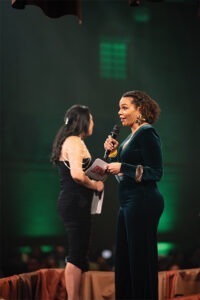
When booking speakers, it is essential to build a lineup that reflects the diversity of attendees and avoids limiting people to identity-based roles.
“Advocate for diverse speakers and stop pigeonholing Black speakers as race-only experts,” Dunn said. “I don’t feel like it should just be your job to fix what other people are doing.”
Event spaces operate as environments for connection, growth and personal evolution, which means planners must consider not just the agenda but the culture they create.
“Events are one of the only places where people still gather in person. That means the culture you create in that room really matters,” James said. “The laws may be shifting, but people still want connection. They’re hungry for conversations that feel real.”
Planners are uniquely positioned to influence that culture in ways that reverberate far beyond the event itself. From how discussions are facilitated to how harm is addressed, they can model the kind of workplaces attendees want to return to.
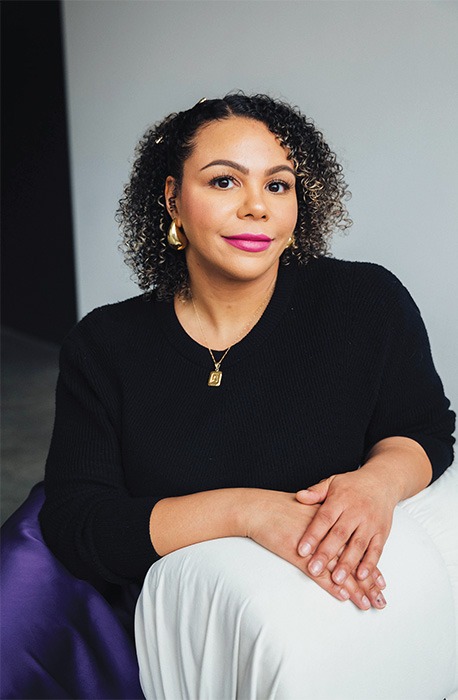 “Events are one of the only places where people still gather in person. That means the culture you create in that room really matters.”
— Alexis Braly James
James noted that event culture extends far beyond the stage. Room design, facilitation styles and conflict-response strategies all shape whether attendees feel included or excluded. Planners have an opportunity to create environments rooted in curiosity rather than fear, elevating connection in a broader sense.
Despite the uncertainty surrounding DEI nationwide, practitioners like Dunn and James continue working to keep the voices of marginalized communities present within their respective spaces.
“My work is about helping people stay in a relationship,” James said, “even when it gets hard.”
This article appears in the January/February 2026 issue. You can subscribe to the magazine here.