generate event buzz

Whether you’re hosting a small-scale networking event, a sprawling fundraising gala or a multi-day professional conference, generating buzz is essential for ensuring your event is well-attended by excited guests ready to engage with your work.

While leveraging planning and hospitality trends can help you give guests a fantastic, relevant experience, don’t forget to cover the basics first.

Let’s walk through four sometimes neglected, but highly effective, tactics for generating more buzz about your next event.

Early-Bird Merchandise

For large-scale or annual events that guests look forward to and plan to attend well in advance, merchandise can actively encourage early engagement. Why not ask early-bird registrants to vote on their favorite t-shirt design? Offer a special deal to registered attendees on the limited-edition logo gear for that year’s conference, allowing guests to purchase or request theirs online in the weeks prior to the event.

Creating more opportunities to engage with your branded event merch can significantly boost its impact. A custom apparel platform can make these early-bird sales easier to manage by moving it all online, giving you a big picture view of sales, processing payments and shipping the items directly to customers.

Venue-Specific Approaches

While it makes for efficient planning, a one-size-fits-all approach can blind your team to great opportunities to make your event unique. For instance, you might be missing the chance to make your event even more exciting for guests by neglecting the bigger picture of your venue.

Professional events hosted on college campuses are a perfect example. Universities tend to have a wide variety of spaces available for use during events, so don’t feel compelled to stick to the ballroom or conference space if the specifics of your event don’t require it.

Which would you be more excited to attend? A standard, mid-sized professional meetup in a conference center or an open-air networking event in a university’s botanical garden? Sharing photos of the unique space in advance can help sell tickets and get people excited.

Mobile Engagement Tools

Event planners of all types have embraced the power of smartphones to boost engagement during events, but these tools and strategies should extend beyond simply creating a mobile-optimized event website.

Make the most of your mobile apps to deliver important information in real time. Allow attendees to customize their session schedules or reach out to other attendees. These simple steps could be game-changers for your guests, getting them more engaged than ever.

For nonprofit fundraising events, particularly annual galas and charity auctions, investing in mobile bidding can increase donation intake, simplify logistics and get more guests excited to attend. If your nonprofit hosts auctions, this comparison of top mobile bidding products by OneCause can help get you started.

Value and Convenience

Don’t let the nitty-gritty details of planning distract you from your real focus: the guests! One way to embrace this mindset is to periodically review your plans and ask yourself two questions:

  • Is this event offering value to guests?
  • Can it be made more convenient for guests?

Convenient locations, dates and times are essential, but providing smarter options in the registration or online merchandise sales processes can go a long way to improving the guest experience.

Kevin Penney is CMO and co-founder of Bonfire.com, a company that’s reinventing how people create, sell and purchase custom apparel. He has more than 10 years of experience in digital media, design, and technology.
2019 strategic planning one thing

Social Darwinism argues that progress is a result of conflicts in which the fittest or best-adapted individuals or societies prevail. The event industry is in the midst of such a conflict and you need to decide which path you want to take; do the work to adapt and evolve or do nothing and at best languish; at worst, get left behind or replaced.

Despite the armies of talented event professionals who buoy our industry, meeting planning is still viewed as a profession that requires little to no formal training. Part of the blame for that misconception lies with us. For as good as most of us are at what we do, we’re going about it the wrong way. The result of our misguided efforts is ubiquitous; long hours, inadequate budgets, salaries that, if calculated hourly, would make a job at the local fast food joint more cost-effective, and a general sense of not being considered an equal by the executive team.

Here’s the simple math: employees are judged through two lenses—those who make money for the company and those who do not. Fall into the former and you are recognized, celebrated, heard and respected. Fall into the latter and, well, see the paragraph above. Change that paradigm and everything else follows.

MoreHow to Build Better Attendee Evaluations to Determine Event ROI

So how do you shift your events so that they are seen as investments rather than expenditures? Strategic planning. By harnessing the untapped power of events and turning them into tools that shorten sales cycles and bring marketing messages to life, they become the quintessential vehicle to add to the bottom line.

The difference is in your approach. Put the ‘to do’ list aside—important though it may be—and instead focus on the strategic goals that your executives must hit. Those priorities trickle down throughout the organization, including events. That is why it is critical that you make sure your events bring the organization closer to achieving those goals. The process is complex, yet simple. Understanding what specific goals an event is designed to achieve leads you to discovering what your target audience needs. Give them what they need, and their actions will support the achievement of the organization’s goals. When you know what your audience needs, deliver it and keep delivering it throughout the year so the message is reinforced, the learning process continues.

From there, it’s all about monitoring and measuring. What content was the most valuable and how is it being applied? What didn’t stick and needs reinforcement? What’s changing as a result of the content that was created for and presented at the meeting?

It all comes down to a five step Strategic Planning Process:

  1. Host a master discovery session
  2. Host a discovery session for each meeting
  3. Conduct data discovery
  4. Plan strategic content creation
  5. Measure and monitor

These steps, when followed correctly, will take you from the ballroom to the boardroom in a year’s time. The view from the top is worth the effort. Join me. It’s great up here!

Christy is the founder of and Master Strategist at Strategic Meetings & Events, an international, award-winning strategic planning firm.  A lifelong learner, intellectual philanthropist and author, she taught college-level strategic planning for 10 years which helped inspire her book, “The Strategic Planning Guide for Event Professionals.” Christy is deeply committed to giving back to everyone she meets and strives to contribute as much positive energy and effort as she can to the world. She would love to hear your story and find a way to help you achieve your goals.

citywide planning guidelines

Citywide meetings may be a challenge to plan, but they also represent an opportunity for meeting planners to spread their wings and take advantage of all the great resources that a destination has to offer. We reached out to experienced citywide planners, tourism officials and planners from an array of cities for tips on how planners can make the most of their citywide meetings.

MorePlanning a Great Citywide is Easier Than You Think

1. Invest time in building strong relationships with local partners. Do it Best, a co-op hardware company that has been holding its biannual trade show in Indianapolis for several decades, works closely with Visit Indy, the city’s CVB, as well as other partners.

“The importance of finding the right partners and developing those relationships can’t be stressed enough,” says Vince Slack, meeting and market planning manager for Do it Best Corp. “Whether it’s the AV or the in-house caterer, it’s about building those relationships and utilizing them to accomplish what we need to do.”

2. Create opportunities for communities to gather. The annual trade show of National Association of Music Merchants welcomes more than 100,000 attendees from around the world, but the planners use a variety of different spaces—including hotels and indoor and outdoor areas—to create opportunities for segments of attendees to cluster.

“Make the event as intimate as possible, and as user-friendly as possible for people to be able to connect with the people they want to connect with,” says Junior Tauvaa, senior vice president of sales and services for Visit Anaheim.

3. Tap the CVB for publicity. Local tourism officials can be helpful resources for helping drum up excitement about your event.

“We’re more than happy to come right into their office or board meeting to do a presentation and show them what Pittsburgh has going on,” says Karl Pietrzak, vice president of convention sales for Visit Pittsburgh. “We’ll also do an attendance-builder and send someone to the prior year’s meeting to talk about Pittsburgh, show a video and set up a booth with information where people can make hotel reservations.”

4. Think local. Remember that citywide gatherings are an opportunity to build meaningful connections with the local community. For example, consider organizing a charitable or community-focused activity, and purchase from local vendors whenever possible.

“Look at doing something that will uplift the community,” advises Rhanee Palma, vice president of sales and services for Visit Oakland. “Using the local people will really be helpful for your entire conference to be successful.”

Read Chuck Kapelke’s story, “The Art of Planning a Citywide: Hot Tips for Creating Big Impact in the December 2018 issue of Smart Meetings.

new year's resolutions planners

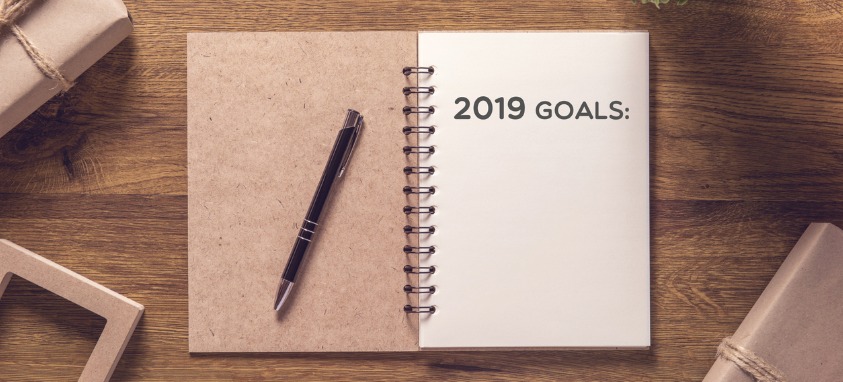
Did you make any New Year’s resolutions? While you can form new habits at any time of the year, accomplishing resolutions you created at such a significant time can feel like a rite of passage.

Not sure where to start? Here are four resolutions that we recommend for 2019.

1. Create a Healthy Work/Life Balance

It’s easy to fall into a 24/7 routine, but you need to create time for yourself to stay on top of your game. Abandoning a social life isn’t healthy, either. Set a few hours aside each day to call friends, take a bath, make dinner or play with your pet. It will keep you from losing your sanity entirely, and you won’t feel as much FOMO (fear of missing out) when you see your friends indulging in bottomless mimosas without you.

MoreThis January, Resolve to Boost Your EQ

2. Stay Up to Date on New Technology

The future is now. Hotels now offer smart toothbrushes, planes give you access to Wi-Fi and the notion of cryptocurrency has taken off. As a meeting planner, it’s important to follow what’s trendy on the tech front. Consider integrating radio-frequency identification (RFID) into your next event or incorporating artificial reality and/or virtual reality into your booth at the next conference. People are drawn to what’s new.

3. Follow Up on Post-Event Data

Event Maturity and DataWhat worked and what didn’t? Ask your attendees. Post-event, send out surveys to attendees about every aspect, from cleanliness to food, to technology. Each piece of your event is integral to the success of the whole, so don’t leave out anything. If you’re using a scale, take the average and match it with any written responses you receive. You’ll be able to analyze your data thoroughly and visualize what your next event will look like.



4. Learn How to Use Social Media

technology apps

It cannot be said enough: Social media is crucial when it comes to events nowadays. So, it’s of the utmost importance to learn how to utilize all forms of social media. See how your followers respond on different platforms and find ways to engage with them. If you truly don’t have time to dedicate to learning it, consider hiring a social media manager.

first impression

While the featured speaker at your conference may only be on stage for 40, 60 or 90 minutes, as a meeting professional, you are most likely “on stage” throughout the entire conference. From corporate clients to team members, venue partners to service providers and conference chairs to attendees—the variety and number of people you are in contact with seems to be endless. Making a stellar first impression on them should always be at the forefront of your mind. This is because once one an opinion has been formed, it can be hard to change and will dominate someone’s view of you regardless of how often it is contradicted by new experiences. Therefore, your “stage performance” prior, during and after a conference should be a top priority for you and its success will depend on four basic elements.

A for your Appearance

Whether you like it or not, your visual appearance makes a powerful impression on people within only a few seconds of meeting them. The clothes you wear, your hygiene, your hairstyle, your makeup or grooming habits, your jewelry and of course, the “suit you are born in”—your body—the visual picture that you paint influences how people subconsciously begin to make decisions about you. Are you healthy? Do you take care of yourself? Are you dressed appropriately for the occasion and the audience you are welcoming? Can they trust you or not? As uncomfortable as it may be, people subconsciously put you under a microscope prior, during and after an event. However, to be very clear: looking good is great, but not enough. Because…

B for Behavior

While your appearance will be the first thing they observe, your attitude will introduce you next and long before you speak. Your smile, the eye contact you make, simple gestures and your posture will immediately determine how warm and inviting you are and how comfortable you make them feel. A positive attitude doesn’t mean that you keep your head in the sand and ignore the often stressful situations you encounter as a meeting professional. However, by showcasing an optimistic attitude, you might be able to transform the mindsets of people surrounding you. While some may approach you focused on criticism and complaints during stressful situations, it’s your chance to immediately signal that you care about them by listening to their needs and finding practical solutions. Because …

C for Communication

Good communication starts with listening. Many think that communication is about talking so they jump right into giving advice, analyzing, arguing or simply talking, talking, talking. But good communication requires good listening. Others might be sharing information about themselves, their company, their hopes and their worries. Only after you’ve paid attention to all of it will you be able to present clear and concise information in a way that is easily understood, organized and well thought out. In addition, you should keep the tone of your voice, the volume of your speech and how fast or slow you talk in mind. On the other hand, you already say so much more before you ever enter the room because…

D for Digital Footprint

Before anyone meets you, they have most likely already done some research online about you, the company you work for or the event you are responsible for. Nowadays, the first impression you make on others rarely starts with a handshake. It happens during the new form of background check—a Google search. Make sure your social media profiles, including LinkedIn, Facebook, Twitter, Instagram and any business sites you have are up to date. Monitoring what is being said about you, your company and your events online should therefore become part of your daily routine.

The most important thing though to remember when it comes to your first and lasting impression is to trust yourself. Putting yourself out there and being “on stage” as a meeting professional can be hard, exhausting and cause anxiety in some. But trusting yourself and being confident about who you are and what you have to offer is crucial throughout this process. Confidence is your best designer. It makes all the difference.

Keynote speaker and corporate trainer Sylvie di Giusto, CSP takes audiences around the world on an entertaining and engaging journey that reveals how others perceive them and thus perceive the value of their abilities, their services or their company.

honest event surveys

Honest feedback is the secret to planning a successful event. While you can follow trends in events, there’s nothing quite like getting information directly from the source—your attendees. Well-designed surveys are crucial to improving your product. Only attendees can provide you with real insight. So, consider incorporating surveys throughout the event timeline.

In the Beginning

You don’t have to guess what your attendees want—they’ll be more than happy to tell you. If this is your first event, send out emails to attendees with a list of questions. Ask about dietary restrictions, entertainment preferences and amount of time they’d like to spend in meetings. Do they prefer panels over breakout sessions? What matters most: time to network or breaks? These questions will help you form your agenda for the event.

MoreFrom Distraction to Engagement Supercharger: Putting Your Audiences’ Phones to Use

If this is an event you’ve thrown before, ask new attendees the above questions. For returning attendees, send out a survey with questions regarding their thoughts about the previous event. What did they feel missed the mark last time? What would they like to see this time that they felt was lacking before? What were the top three aspects that they liked? By asking both new and old attendees, you’ll be able to find compromise and cater to both groups.

During the Event

Social media allows for real time polling and Q&A. Use your Instagram stories and Twitter as a way to get feedback. If you’re posting about lunch, ask whether the chicken or the steak is reigning supreme. Take a picture of the DJ and ask what songs guests want to hear. As you prepare for a panel, use Slido to ask attendees what burning questions they have and add a few to the list. Not only is social media feedback important, it’s fun for attendees and makes them feel that they have a say in the event, too.

Don’t Forget to Follow Up

Post-event surveys are a must—they let you know what worked, what didn’t, whether attendees will come again and more. So, make the post-event survey your most thorough questionnaire.

More5 Ways to Keep the Post-Event Conversation Going

Ask everything about every aspect, from food to location and venue to guest speakers to cocktail hours. This is especially important for recurring events—you want to make sure your attendees feel heard. This way, they’re more likely to come to your event next time.

Send out post-event surveys soon after the event, but not immediately. Attendees may need time to rest and catch up on work, and filling out a long survey might miss their to-do lists. Wait a couple of days before filling their inbox. Attendees will feel less overwhelmed by it when they’re back in their rhythm.

There’s more than meets the eye when it comes to convention sponsorship. For many years, it involved brands shelling out dollars for exposure at conventions that catered to their target audiences. Now, with data and technology bringing advertisers closer to their audiences, brands expect to see clear and conclusive evidence that sponsorships yield sufficient return on investment.

The good news is that sponsorship spending is forecast to surpass other forms of marketing and advertising in 2019, according to an IEG report. But with increased spend, there will be that much more pressure on convention organizers to make sure their events are appealing to brands.

Organizers on the hunt for sponsors must show direct ROI in order to build fruitful partnerships with brands. You need to prove that you’re able to develop and nurture sponsorship relationships and build stronger, longer-lasting connections with your attendees than other advertising channels.

These three strategies to get the most out of a sponsor partnership:

1. Don’t Lead with Email

Resist the urge to begin a sponsor relationship by flooding email inboxes with your initial proposal. Start your dialogue with decision makers through more personal communication, either at networking events or via social media. Nurture those relationships with one-on-one discussions to get to the heart of what the sponsor wants.

MoreHow to Use Social Media to Improve Your 2019 Events

Once a proposal is requested, use email to present a tailored pitch that addresses everything you’ve discussed. Make it responsive to the conversations you’ve had. This tactic ensures that your sponsor proposal stands out from the crowd and can make your event one that decision makers remember.

2. Use Customized Packages Instead of One-Size-Fits-All Proposals

Loading up sponsorship tiers with assets sponsors don’t actually need or request is an outdated approach. Instead, build packages that target the sponsors’ specific potential necessity (branding, on-site exposure, experiential, etc.).

Then, present these options to your contacts so they can choose the tier that provides them the best ROI for their needs. Tailor the package to reflect the organization’s goals to immediately demonstrate value to sponsors and to begin building the foundation of a lasting partnership.

3. Maintain the Momentum Afterward

An Eventbrite study found that 40 percent of event creators say evaluating sponsorship ROI is one of the two biggest challenges they face. If you want your sponsorship opportunities to have a lasting impact, continue to remind partners of the value and ROI your event provides even after it concludes.

More6 Ways to Drive Success with ROI Technology

Collect feedback and keep the lines of communication open about what did or didn’t work at the event. These follow-ups let you relay results to the sponsor and ask pointed questions that yield the answers you need for future opportunities. You can then take that information and integrate it into your overall strategy to show sponsors you value the relationship and want to continue growing it.

The best results will come only if you’re willing to put in the relational work to make sponsorships truly meaningful for your partners. Offer a comprehensive and long-lasting sponsorship program to give your event its best bet to maximize its impact.

Ronnie Higgins works at Eventbrite, helping event planners level-up their registration game. Born and raised in New Orleans, he enjoys nothing more than helping people get together—whether it’s for a conference, class, or a citywide party like Mardi Gras.

In a world filled with endless distraction and instant connectivity, planners today are looking for ways to capture attendee attention and keep them fully engaged during long days of meetings.

From phone check stations and interactive presentations to choosing a specific destination to disconnect from technology and reconnect with nature, planners can streamline a program in order to make the most impactful experience for attendees.

MoreThe All-Inclusive Meetings Revolution

Below are some of my top tips for cutting down on distractions during an event.

Get Into the Great Outdoors

One of the most popular and simplest trends we have noticed is groups getting outdoors to connect with nature. Planners are taking more of their program outside with everything from traditional breaks on a veranda or patio to coordinating group nature walks or guided meditation hikes. By leaving phones and technology behind for a walk outdoors, attendees can truly decompress and relax while spending quality time with their peers. Spending time outside in the fresh air instantly refreshes and energizes people and clears their heads for the next portion of the program.

Keep the Agenda Concise

It can be very easy for planners to jam-pack a schedule to squeeze the most amount of information possible in the allotted time. However, an overly busy schedule can have the adverse effect of creating more distractions. Instead, keep presentations short with more breaks to allow time to stretch, grab a snack and get some fresh air in between sessions. A streamlined agenda makes it more likely that attendees will stay engaged and interested throughout the event.

Location is Key

If you are looking for fewer distractions during your next event, choose a location that lends itself to that goal. A downtown meeting location is great when it comes to convenience and accessibility, but at the end of the day, a sea of diversions awaits the group right outside the venue’s doorstep. A more tucked-away, “off-the-beaten-track” location can encourage a group to disconnect and be more present.

For example, while Hyatt Regency Tamaya is only 20 minutes from downtown Albuquerque, once groups arrive on property, they feel like they are in an oasis a thousand miles away from anywhere. The peacefulness and tranquility of our location helps to create an environment perfectly suited for attendees to focus on the meeting at hand.

Make Sessions as Interactive as Possible

In order to motivate attendees to put down their devices and pay attention, make sessions as interactive and fun as possible. Speakers who simply read what everyone can already see on the presentation slides are guaranteed to lose the audience’s attention. Choose speakers who actively involve attendees and encourage participation in the dialogue.

MoreQ&A with Adrian Segar on Crowdsourcing

Planners can help speakers tailor presentations to the specific group’s interests or leverage the location of the event by adding in “fun facts” about the company or meeting destination to pepper in throughout their time.

Ditching Devices

Device-free meetings are becoming more and more popular. Some planners have even coordinated incentive programs for those who are willing to give up their phone during the meeting. For example, I’ve seen pop-up phone check stations where attendees can safely store their device throughout the event. In return they receive a coupon for a cocktail or credit to the resort’s food outlets.
Chrisie Smith is director of sales, marketing, and events at Hyatt Regency Tamaya Resort & Spa, based on the Santa Ana Pueblo in New Mexico. With more than 21 years working in the meeting and event industry, she has helped to plan countless meetings, events, corporate retreats, and conventions.

Conference planning is a complex and intense task, with a whole host of ways in which things can go wrong. It’s pretty likely that your focus will rest largely on the big things: booking venues, hiring staff, confirming speakers and attendees. However, one area that is often neglected, but can make a big difference to the experience of the attendees: your descriptions. Attending a conference can prove to be quite disorienting and complicated and a lot of that has to do with specific event descriptions. An event description has to be effective at enticing audience members, but also clear so that people know what is happening, where and when. It can be very challenging to get right, so, without further ado, here are five tips for putting together effective session descriptions at your conference.

More8 Essential Email Writing Tips

1. Get Your Title Right

It will likely be a matter of a few words, but the session title is an area in which a whole lot of things can go wrong for you, and, when done well, a whole lot can go right. “Titling an event is a limited window in which you are able to share something eye-catching and intriguing. You have to emphasize keywords and an economy of language to find the greatest success,” suggests Fabian Hallstad, event manager at BigAssignments and OxEssays. Aim to pique interest and don’t worry about stuffing in all the details; that’s for the description itself. Just make it noticeable.

2. Introduce Some Excitement

One of the biggest crimes committed by session descriptions is being boring. A boring description sends a message that the session itself is going to be a waste of time. You also run the risk that anyone reading the description is too uninterested to even finish reading, in which case you might as well have left the description blank. In fact, if you find yourself with a scintillating title and only boring things for the description, it really is better to simply abandon the description altogether. The best way to inject some excitement is to write as if you were trying to convince yourself to go. Focus on keywords, talk about what will be gained and build hype around the speaker or session leader. Just, avoid boredom at all costs.

More7 Ways to Increase Your Open Rate with Intriguing Subject Lines

3. Nail Down Your Learner Objectives

These are meta descriptions, usually following the actual description itself with a series of objectives, which ought to describe what an attendee can expect to get out of attending a session. There is a delicate balance with these. On the one hand, you have to show a lot of value comes with attendance. You really want to sell the potential attendees a future version of themselves, post-attendance with all their new knowledge and skills. But, on the other hand, you can’t mislead people with your description, and you can’t risk putting anything that an attendee can then come back to you on and find yourself doling out refunds or incurring the wrath of spectators. For example, saying that attending an SEO conference will guarantee an improvement in their site’s ranking is a bad idea. But saying that the session will teach the top 5 ways to manage site SEO for best possible ranking is a good idea.

4. Attendance Guide

Another compelling approach is to advise people on who should attend what session. The counter-intuitive part of this is that it might seem like you are running into issues with potentially turning away attendees based on experience. In fact, being more specific and giving details of who you think ought to attend is a great way to get more people to come to a session. People appreciate feeling ‘qualified’ for a talk and are likely to feel privileged when given the chance to attend.

5. Edit Well, Format Well and Proofread Well

All are crucial parts to putting out an intelligent and professional session description. It’s hard to do this with the degree of accuracy and consistency needed, so here are some helpful tools for writing well: Grammarly, Study Demic and Academ Advisor.

Conclusion

So, in spite of appearing minor in the scheme of a complex conference plan, the session descriptions can have a huge influence on the way that your events pan out. It’s a difficult skill and, in among the general business, is easily forgotten. Use these tips to get it right.

Nora Mork is a business and marketing journalist at Ukwritings and Boomessays. She shares her experience by speaking at public events and writing posts for magazines and blogs, such as Essay Roo.

As we watch news on TV or online, our brains hear things that scare us. If it’s not the upcoming weather forecast or flood warning, then it’s the scare of contaminated food, causing illnesses. For meeting professionals, these nerve-pulsating newscasts could be creating extra stressors, as those items might also influence our conferences, such as weather that grounds planes or sicknesses that prevent travel.

There is a bright side, however. We, as planners, can prepare for when bad things happen. As a matter of fact, we even have the power to prevent or mitigate some of them. Starting with our site selection, we can begin the process of helping to keep our attendees safer.

Here are a few simple things to do during your next hotel or venue inspection. 

Include Safety at the Walk-Through

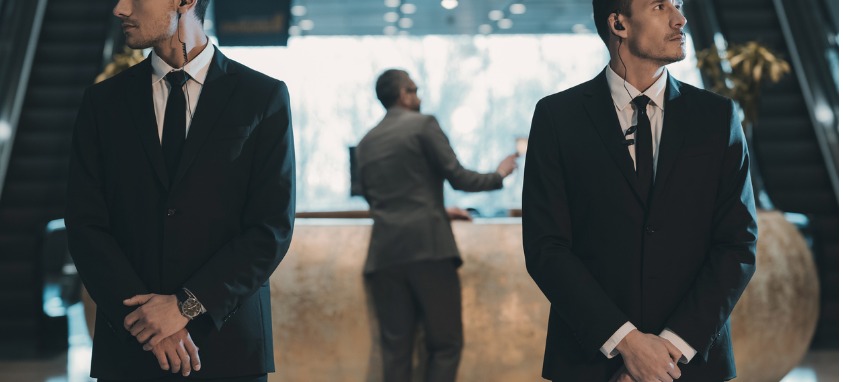
Planners are used to being guided around a property by sales staff, banquet folks and conference serves managers. Next time, request someone from hotel security to go along for the stroll. It is a great time for the venue to point out emergency exits and fire extinguishers, describe how the hotel meets local and state codes and regulations, and even talk about the venue’s emergency action plans.

MoreThe Essential Emergency Plan Checklist

Ask About First Responders

As you’re checking out the meeting space and the guest rooms, ask which hospital is nearest, what police agency has jurisdiction and where the hotel’s access points are for fire trucks, ambulances and other first responders. You want these areas to be free of charter busses, delivery trucks and the like. The time is also ripe to ask about future building and road construction, which could block easy in-and-out access.

Keep Bad People Out

The site visit is a great opportunity to check out the venue’s security system. Ask about security cameras and security staffing. (How are they identified? Do they go through background checks and training?) See if lighting is adequate in parking garages, outdoor function space and other places your attendees might visit after nightfall. See what parts of the venue are only accessible with keys and what areas get locked up at night.

MoreYour All-Encompassing, Need-to-Know Security Guide

Ask About Back of House

Although some venues might not let you have access to view back-of-house areas, it doesn’t hurt to ask. Make sure they provide clear hallways free of clutter and items that might hinder an emergency exit or provide a hiding place to unauthorized people. If the food service or kitchens must meet certain local health codes or regulations, confirm that they do, either by visual inspection or written certification.

Don’t forget to include ADA compliance in your walk-through and confirm the venue is prepared to assist with any attendees that might have special needs during an evacuation.

These few tips will get your started—and you might organically begin to ask other questions to make sure you’ve chosen a site that’s both safe and secure.

Alan Kleinfeld, MTA, CMM, CMP, LEO, has more than 25 years of experience in meeting management and more than 15 years in public safety. He’s a seasoned speaker, writer and educator and offers safety tips on topics including site selection, emergency operations and event safety.

Read more about security issues affecting the meetings industry in Dan Johnson’s story, “Call to Action: Security Threats Require Planners to be Proactive” in the April issue of Smart Meetings.