event-entertainment

Entertainment not only provides an enjoyable interlude, but also can have a positive impact on the overall success of meetings and events by stimulating and inspiring attendees. A great variety of entertainment options are available, and it’s important for planners to pick those that best suit participants.

The group’s size, age range, gender makeup and tastes are among the things that need to be carefully taken into account as planners work to keep costs within the allotted budget.

First, it’s important to determine what attendees want. Millennials and baby boomers, for instance, have some different tastes, although they overlap somewhat. Jeremy Driesen, president of Ray Bloch Productions in New York City, finds that younger people like many older musical artists, but older crowds don’t necessarily like younger acts.

On the other hand, he says that people generally prefer the music they liked when they were 15 to 25 years old, so planners should figure out the average age of their attendees and book accordingly. If the age range is very large and mixed, it’s sometimes helpful to arrange for two performers to make everyone happy.

Major stars sometimes perform at large gatherings, but they almost invariably are very expensive. Planners with smaller budgets can often find similar, less expensive performers. One option is to hire tribute bands, many of which are very talented—some of them, such as Hollywood U2, have developed quite a following. Another is to seek out highly talented local artists that are under the radar.

Many other types of entertainment are relatively inexpensive, and can be included in gatherings of any size. Interactive acts such as magicians, handwriting analysts and sketch artists almost always liven up an event.

A recent trend is functional entertainment, in which people entertain while doing regular jobs (stilted servers and wine bicyclists, for example). Especially at crowded gatherings, this kind of entertainment often is preferable to those types that serve no practical function and require fixed attention.

things meeting planners should have

It’s event day, and you’re ready to tackle every problem that comes your way! You’re sure you have every tool necessary, until you reach in your bag and discover you’re missing the one thing you need right now. Sound familiar? Every planner has been there.

Just about anything can happen at a meeting—a broken shoe heel, contract confusion, a sudden headache or the dreaded dead phone battery. It’s hard to know which items are necessities and which will just weigh down your bag. To help, we’ve created a handy list of things meeting planners should find useful.

Until scientists invent a tool that can predict the future, the best way to prepare yourself for any situation is by keeping these nine items on hand.

hand-sanitizer

1. Hand sanitizer

If you’ve ever heard the term “con flu,“ you’ll understand why this item is absolutely essential. Large groups of conference and convention attendees from many different places congregating in confined spaces for hours on end means they are exposed to many potentially harmful germs.

During an event, you’re likely rushing from one thing to the next, which doesn’t leave much time to run to the bathroom to wash your hands. With hand sanitizer, you won’t need to. A tiny travel-size bottle can fit perfectly in your purse and it’s easy to pull out whenever you have a spare moment.

laser-pointer

2. Laser pointer

Don’t be caught unprepared if your speaker’s laser pointer malfunctions or was forgotten at home. Bring a spare laser pointer so you can make sure every keynote, educational session, brainstorming exercise or team-building activity goes off without a hitch.

aspirin

3. Aspirin

Demanding attendees, last-minute changes, jet lag and long nights spent preparing for the event are just a few of the countless factors that can cause an event-day headache for a planner. Stop that headache in its tracks with an aspirin or Advil. You’ll be in top form in no time.

swiss-army-knife

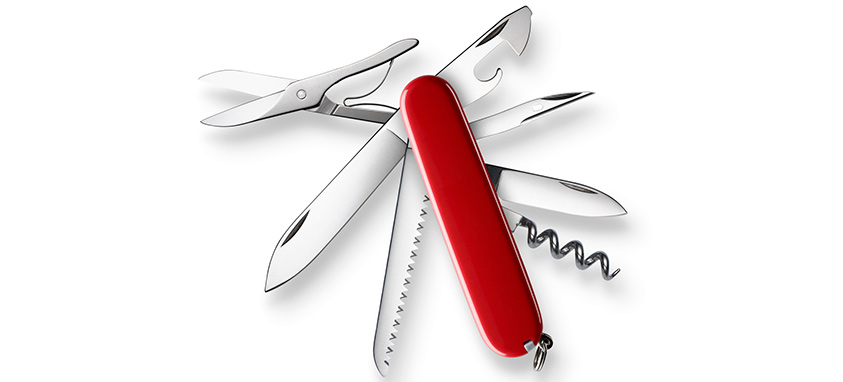
4 and 5. A Swiss Army knife and duct tape

During the 1980s, MacGyver taught us one very important lesson: There are few problems that can’t be solved with a Swiss Army knife and duct tape. Fortunately, that lesson applies not only to secret agents, but also to planners. Whether you have a box of programs that needs to be opened or a booth display that just keeps falling apart, these two essentials will save the day.

flipslips1

6. Foldable flats

For many women, the mental debate between high-heeled shoes and flats is never ending. Lots of women like the look of heels but can’t stand the discomfort. Instead of having to choose between the two, you can buy foldable flats. These lightweight shoes can easily fit in your purse so that you can easily switch from heels to flats.

tide-to-go

7. Tide to Go stain remover pen

If you’ve ever felt the despair of looking down only to realize you’ve been walking around with an unsightly stain on your shirt, this tip is for you. This pen isn’t magic, but it might as well be. It makes stains disappear so you can always look your best.

battery-charger

8. Spare phone battery

In this era of constant connectivity, it sometimes feels like we might not be able to live without our smartphones. For meeting and event planners, mobile devices are becoming increasingly important tools for getting the job done. Being able to fully utilize social media and access event apps, online check-in tools and cloud-based event management software is just one of the reasons you might want to have a spare battery or charging pack in your purse.

magnifying-glass

9. Magnifying glass

Need to find a specific detail buried in the fine print of a hotel contract? It might be a little difficult to do a last-minute read of a contract in a crowded, noisy and dimly lit ballroom. In case of a contract emergency, it’s good to have a magnifying glass handy.

tricks-to-stimulate-creativityMeeting planners are known for their amazing energy and creativity, but even they at times find that their well runs dry. Rather than simply accept these situations, they can take steps to not only effectively work through them, but also to produce some of their best work.

Here are a few tricks that can help meeting planners.

Start with something fun: Before beginning a challenging day, do something enjoyable to ease yourself into work. This can be an activity before work or a task that you enjoy at your job. Or, you might want to do simple, routine tasks to get in the groove. In terms of organizing the remainder of the work day, people have a variety of preferences. Some people like to do most of their challenging work in the morning because they are alert and energized, while others build up momentum throughout the day, and are at their best later. Still others like to alternate easy and challenging tasks during the course of the day. The important thing is to find what routine works best for you.

Dive in: Meeting professionals—perfectionists, in particular—often have a problem getting started on a project because they want to make sure they have a clear, creative plan and that everything is in place. While it’s important to plan and organize, this can go on forever. Dive in, even if many uncertainties remain. In most cases, projects change as they develop, anyway, so excessive planning wastes time. And once you begin working, you’ll find that the project will come into a clearer focus. Breaking projects into stages or steps—and feeling the satisfaction of completion of each one—is also important to maintain your enthusiasm.

Go quiet: It’s sometimes necessary to intently focus on projects without interruptions. Closing office doors, silencing phones and communicating to co-workers your need for privacy can help. Some professionals also use SelfControl, a free and open-source application for Mac OS X that lets you block your own access to distracting websites, your mail servers and anything else on the internet for a specific period of time. You are unable to access those sites, even if you restart your computer or delete the application.

Don’t think about work: When your creative juices aren’t flowing, totally reorient yourself during your lunch break by not thinking one iota about your work. Read a book, go for a swim, talk with co-workers, go for a drive—but don’t think about work. You will return with a fresh, open mind, and might come up with ideas and solutions that are outside the box you were thinking in.

Move: If you’re tired or in a rut, take a walk. Movement is energizing and can stimulate thinking and creativity. Even a 15-to-20-minute walk can help to refresh and reorient you. It’s also important to take brief breaks by getting up and walking to the bathroom, checking in with co-workers, getting some water or coffee, etc.

Reflect: If you feel unmotivated and unproductive, pause to reflect on the bigger picture—on what is really important to you about what you are doing, and even about your life in general. Remind yourself of what you are accomplishing and how it contributes to your own personal ambitions and those of your company. By realizing the importance of the end results, you’ll feel invigorated to tackle even the most mundane means to achieve them.

best-event-planning-resources

To be an event professional is to wear many hats. One must know the proper dining etiquette, become an expert problem solver and always prepare for the worst-case scenario. That’s on top of staying abreast of the latest industry trends and current events that can affect the outcome of your next meeting or event. Smart Meetings has rounded up the best event planning resources of this year, in order to help planners face challenges in 2017.

books-for-meeting-planners

1. 7 Books Every Meeting Planner Should Read

From books that take an irreverent approach to meeting planning to comprehensive guides on everything from meeting design to green events, this reading list has everything the modern meeting planner needs for a relaxing day of poolside reading.

planning-points

2.  Planners Confess Their Biggest Mistakes (and Lessons Learned)

Planner Points is a video series about topical issues and trends in the meetings and events industry. In this video, take a cue from six meeting planners who share their biggest mistakes and how they attempted to solve them, so you don’t have to make the same ones yourself.

meeting-planner-toolkit

3. 9 Things Every Meeting Planner Should Carry in Their Toolkit

After months of preparation, its finally the big day. Are you prepared? Keep these nine essential tools in your purse in case of the unexpected mini emergencies that are bound to crop up throughout the day. A few handy tips and tricks up your sleeve are sure to get you out of a pickle and focused on the next task.

Questions Successful Meeting Planners

4. 7 Key Questions Successful Meeting Planners Ask

Being inquisitive is the mark of someone in search of constant improvement. It’s important for an event professional to question current practices in place in order to determine if they truly behoove your attendees, your clients and your budget. Read on learn what other key questions should be asked during the event planning process.

customer-satisfaction

5. How to Switch Off an Irate Attendee

It’s easy to get flustered or upset when you’re confronted with an angry attendee; and, if you don’t know how to respond, you can easily make the situation worse. John Tschohl, an international service strategist and speaker, explains step-by-step how planners can respond calmly with empathy to diffuse the situation, and come up with a solution that serves all.

dining-etiquette-tips-for-event-professionals

6. 21 Dining Etiquette Tips for Event Professionals

When conducting business outside of the office, whether it is at the dinner table in a restaurant or at a banquet inside a hotel ballroom, it helps to know the proper dining etiquette. In order to avoid making an unsightly faux pas, Kindsay Kolowhich has compiled a list of top tips to ensure a positive impression is made at your next business function.

brexit1

1. Brexit Will Not Stop Innovative Meetings in London

Brexit will, eventually, have a substantial impact on European travel, but that’s not to say it will halt meetings there. In fact, London is more equipped than ever to handle high-tech meetings, marketing itself as the Silicon Valley of Europe.

Forty percent of the world’s top companies have headquartered operations in London, including many financial institutions and technology hubs. Though the news had an effect on the value of the pound, it had little to no effect on the rate at which groups plan to book to travel to the city.

Further reading:
London Travel Exec Responds to Brexit Vote
Case Study: Inside London’s Post-Brexit Travel Campaign
las-vegas-convention-center-2

2. Las Vegas Will Always be a Meetings Mecca and Will Always Be Reinventing

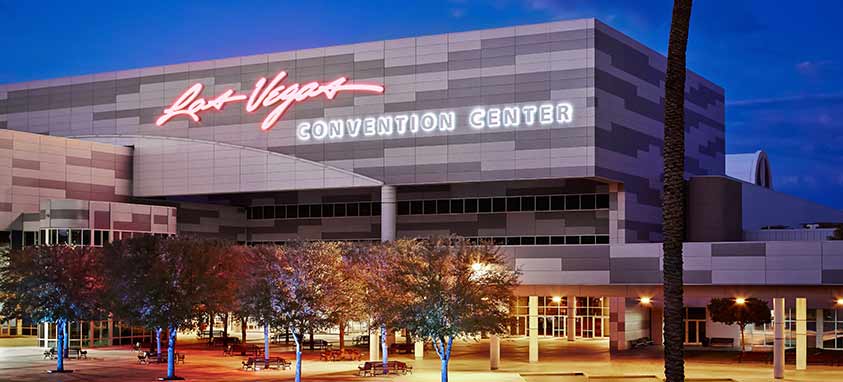
Countless trade shows, association events, corporate events, and even retreats and incentive trips happen every year in Las Vegas, and so many of those groups are returning customers, because you can never visit the same Las Vegas twice. The destination listens to its customers, knows what’s needed, and responds.

Las Vegas headlines graced our homepage many times this year, to announce things such as the planned expansion of the Las Vegas Convention Center, the opening of The Park, an outdoor dining and entertainment district, the new T-Mobile Area and the addition of Topgolf.

Through May 2016, more than three million visitors traveled to Las Vegas to attend a meeting or convention, a 12.1 percent increase over the same time last year.

Delivering on a long-term promise of expanding non-gaming attractions, the city also announced over the summer its plans to add a new National Hockey League (NHL) franchise for the 2017-18 season.

Further reading:
Major Expansion for Las Vegas Convention Center

Las Vegas No. 1 Among Most Fun Cities
Record-Breaking Year for Las Vegas Trade Shows

NHL is Gambling on Hockey in Las Vegas
Green Park Comes to Life in Las Vegas
imex-buyers-marketplace

3. It’s a Planner’s World, and Hotels are Happy to Oblige

2016 was a buyer’s market, and more hotels and resorts focused their attention on the meetings industry, repurposing spaces to accommodate groups and their needs.

Larger brands such as Marriott and Hyatt offer the Convention Resort Network and Convention Alliance, respectively, which allow groups to book multiyear meetings at multiple resorts while keeping the same point of contact for consistent quality and streamlined planning.

Hyatt took it a step further with the introduction of Event Planning Manager, a program that embeds a national planning manager into a client’s events to better understand the group’s ongoing needs and preferences.

Hilton recently launched WowMakers and the Museum of Wow, which identify meeting planners who have executed exceptional events to give them the credit they deserve but rarely receive.

Further reading:
Hyatt Eases Multiple-Booking Process
Hilton Shines Spotlight on Wow-Worthy Planners
5 Meeting Solutions from Marriott Convention & Resort Network

millennials-travel-trends

4. Millennials are Changing the Travel World (and That’s a Good Thing)

There is a new article every day about millennials and their effect on the modern world. One day they’re revolutionary, the next day they’re destroying life as we know it, etc. But there are two unchanging things we know for sure: Millennials are a group too large to put in a box. Their habits and preferences are not universal, the same as every generation before and after it. And second, the generation that’s starting their careers in the travel industry are pushing for certain changes that benefit everyone.

  • Technology in hotels and guest rooms is improving guest experience and allowing for individual, catered experiences.
  • Healthy food, fitness classes and spiritual healing options are being the norm at many properties that didn’t previously prioritize health.
  • They prioritize price over airline loyalty, making airlines rethink their tactics and pricing strategies.
  • They’ve pushed for changes in hotel rooms such as losing daily maid services, large closets, bellhops, front desks and business centers, which allow hotels to employ greener practices and repurpose budgets to deliver unique guest experiences travelers will actually use.

Further reading:
Top 5 Emerging Trends Affecting the Hospitality Industry
15 Items Hotels Could Eliminate
Death of the Hotel Business Center
Study: How Meeting Preferences Vary by Age, Industry, Location
Study: How Age Impacts Wellness Travel Preferences
Millennials Disrupt Traditional Travel Models
How 6 Creative Hotels Are Appeasing Young Travelers
Millennials Call for New Wellness Options

sharing-economy-for-business-travel

5. Planners Must Enforce a Policy for Business Use of the Sharing Economy

As with any significant change, the sharing economy is seeing its fair share of growing pains, which come with negative headlines. Uber, Lyft and Airbnb aren’t perfect, and there will continue to be flaws in the system, but that won’t stop them from being utilized in personal and business travel.

The biggest lesson planners can take away from this year’s sharing economy stories is to implement a very specific policy for the use of each platform. Leave no question unanswered and be sure that your employees understand the specifics of each policy.

Further reading:
Best Practices of Using Sharing Economy for Business Travel

marriott-purchases-starwood

6. Mergers Mean More Opportunity

Acquisitions are a part of life, as companies such as Starwood, Marriott, Virgin America, Alaska Airlines, Lanyon and Cvent can all attest to. Your first question may be, ‘What does this mean for my loyalty points?’ but your second question should be ‘How does this benefit me?’

In the case of Marriott and Starwood, the conglomerate now offers the largest array of hotel brands in the world, meaning planners have a one-stop shop for sourcing boutique hotels, convention hotels and everything in between. Marriott reportedly allowed users to link Marriott reward accounts and SPG reward accounts on day one of the merger close, and receive matching status across brands, quelling any fears that the merger would bring disadvantages to its loyal members.

The merging of Lanyon and Cvent, two event technology companies, provided an all-encompassing solution to its combined 28,000 customers.

Further reading:
Marriott Exec Talks Trends, Starwood Merger & More
Marriott-Starwood Deal Receives Final Approval
Cvent and Lanyon Merger Announced
Alaska Air Finalizes Acquisition of Virgin America
the-westin-denver-international-airport

7. Airport Hotels Aren’t What They Used to Be

Airport hotels no longer serve the singular purpose of hosting the victims of layovers and delayed flights and guests popping into town for a quick meeting.

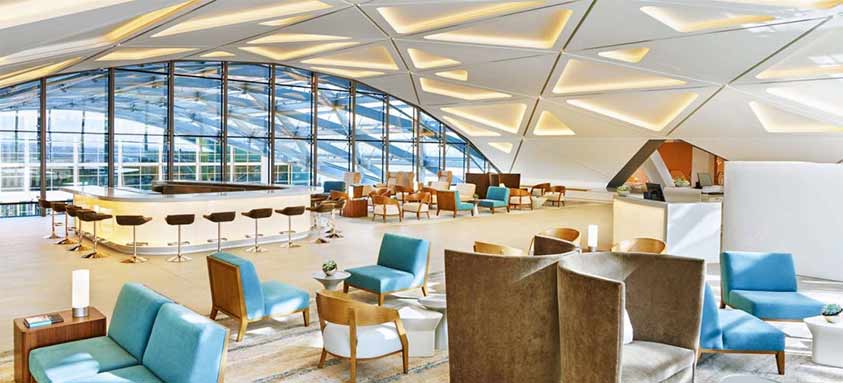
With the soundproofing technology of today’s hotels, they’re becoming beautiful, peaceful destinations with a hugely convenient location. Take The Westin Denver International Airport, for example. The urban-designed hotel offers 519 soundproof guest rooms, gorgeous downtown views (unlike the runway views you’d expect from an airport hotel) and incredible meeting space, including 82,000 sq. ft. outdoors.

Similarly, Hyatt Regency San Francisco Airport recently underwent a multimillion dollar makeover that enhanced meeting and networking spaces, significantly elevating the SFO-area property.  Hyatt Regency LAX followed suit with its own major renovation.

Further reading:
Hyatt Regency Bolsters SFO Hotel Corridor
The Westin Denver International Airport Redefines Airport Hotels

csr-team-building

8. CSR is a Trend That isn’t Going Anywhere

Attendees asked for more corporate social responsibility (CSR) opportunities, so planners asked for more CSR opportunities, and now hotels are even seeking them out themselves.  This is one trend we’re thrilled to see pick up speed.

The benefits are obvious: co-workers reveal their individual strengths, work together, and the community reaps the benefits. Activities like beach clean-ups have been around for some time, but planners are getting more creative today, with activities like building care packages for families and pets in need, building solar-powered vehicles, and even make beehive frames for women to use in underserved countries to sell beauty products and candles.

Further reading:
Top 5 Outcomes of Philanthropic Team Building
What is your ROE with CSR Events?

Collaborating for a Cause: 6 Hotels That Give Back
5 CSR Activities That Boost Team Building
Caesars Entertainment Expands Corporate Social Responsibility


meeting planner tips

There’s no question that the meetings industry is constantly changing. In recent years, business travel has been impacted by everything from the sharing economy and lifestyle hotels to rising security concerns and the evolving needs of attendees in the digital age. Smart Meetings has identified some of the most important tips, tricks and trends from this year, in order to help meeting planners become better prepared for 2017.

1. 15 Items Hotels Could Eliminate

Today’s hotel room has cut back on some of the traditionally offered amenities. To remain competitive in the hospitality industry, a growing number of hotels have eliminated items such as bibles and bed scarves. Read on to find out what else hotels are removing.

2. 20 Event Industry Trends Shaping the Meetings Landscape

During MPI’s 2016 World Education Congress, industry experts discussed the future of meetings and events, offering up several trends for the near and far future. Dan Berger, CEO of Social Tables, shared 20 predictions based on technology, the economy and the evolution of live events.

3. The Evolving Role of Speakers

Keynote speakers often deal with unexpected challenges during their presentations, but also before and after. Social media, content creation and event marketing are weaving their way into the speaker role. Meeting planners also face challenges trying to arrange top speakers for their events.

4. Survey Pinpoints Trends Among Modern Meeting Planners

Social Tables surveyed 350 event professionals to find out what it takes to be a meeting planner. Of course, Social Tables was also interested in what technology modern meeting planners use to stay on top of dozens of events at the same time.

5. 4 Lessons Event Planners Can Take from 2016 Rio Olympics

The 2016 Summer Olympics in Rio de Janeiro, Brazil, regularly made headlines for the many problems that plagued the games. People watching around the world wondered if Rio was up to the task of hosting the international sporting event. However, it also  presented a number of takeaways for meeting planners who organize international events and citywide conferences.

6. What Meeting Groups Can Learn From Pokemon Go

One of the biggest phenomena of the year was the insane popularity of Pokemon Go. The Japanese franchise’s revival came in the form of a mobile augmented reality game. The app took gamification outside four walls and into the real world, providing inspiration for technology-enabled networking and destination exploration via augmented reality.

new-years-resolutions-for-meeting-planners

As we start the new year, let’s take a moment to make sure it will be a great one. By making a few resolutions and taking these simple steps, meeting planners can be sure 2017 will be a great year for fabulous events and stellar career progression.

1. Learn something new

For meeting and event planners, continuous learning is simply a part of the job. Not only are planners expected to complete continuing education credits and certifications, but they must also keep up with the industry’s latest trends and newest technologies. Being able to pinpoint what’s popular among attendees or navigate cutting-edge event management software makes meetings easier to plan and more engaging for guests.

Learning new skills can often be challenging and confusing; it is almost always easier to stay in your comfort zone and continue using tried and true methods. But in this fast-paced industry, strategies and ideas that worked well yesterday may not be as effective tomorrow.

In 2017, do yourself a favor by making learning a priority. Read books about meeting planning and career advice, subscribe to e-newsletters and listen to free podcasts for planners. Take a few minutes to enroll in free event planning webinars that can teach you the finer points of contract negotiation, event technology and more.

2. Delegate

We know it can be hard to let go—to trust employees and colleagues with crucial aspects of your event. But planning an event requires so much attention to detail (and so many details!) that in most cases it’s impossible to do everything yourself—and do it well.

You’ve got a great team backing you up, so let them show you what they can do. Delegate some of your many planning tasks, while leaving the most crucial decision-making responsibilities on your plate.

At first, your employees may struggle with learning new tasks and facing unforeseen challenges, but you should fight the urge to jump in and take over. As they learn from their mistakes, they’ll become better planners, feel a sense of accomplishment and become even more valuable team members.

3. Try something different

In the meetings and events industry, it’s all about what’s new. Groups love trying new things, so successful planners must always keep their pulse on the latest industry trends. Virtual reality, live video, data-powered event analytics, flexible indoor-outdoor event spaces and experimental food and beverage options are all trends that planners should keep an eye on.

Don’t plan meetings that feel like every meeting that’s come before. This year, make it your goal to hold a meeting attendees will remember. Try breaking out of the boardroom, holding a unique offsite or planning an unconference-style agenda. Keeping things fresh and trying something different will help get attendees engaged and excited about your events.

4. Network smarter

Take your career to the next level by taking every opportunity to network. Make valuable connections by joining your local chapter of PCMA, attending the nearest trade shows and taking advantage of hosted buyer events such as Smart Meetings’ own Smart Events. You might do some great business, make new friends and rub elbows with industry influencers.

In addition to making connections in person, keep your social network profiles updated and optimized, especially for professional networks such as LinkedIn. Your LinkedIn photo should be clear and recent. Your profile should mention industry keywords to make it easier for recruiters to find you.

5. Strive for work-life balance

Corporate meeting planners have notoriously stressful jobs with long hours and travel. Although a successful event or praise from your company’s executives can make all the stress worth it, dealing with angry attendees and disagreeable vendors can wear down any event professional.

Don’t let yourself get burned out from a career you love. This year, try to do everything you can to achieve work-life balance. Squeeze in some time for exercise during trips, find a place to meditate while on the road, and make some time for yourself. Taking breaks throughout the workday can be a big help, as studies indicate that the most productive employees take regular breaks. There are many strategies planners can use to find that elusive balance.

Third-party planners and in-house planners have often been thought of as being on opposite ends of the meeting planner spectrum. Some people incorrectly assume that an independent planner or planning company is not as experienced or effective as an in-house corporate meeting planner. Others fear that the rise of third-party planners could threaten the success of in-house planners. However, this could not be further from the truth. In fact, when third-party and in-house planners work together, they can create truly amazing events.

To learn more about the ways in-house and third-party planners can work together to create amazing events, we sat down with Anna Monogarova, field marketing manager at ON24, and Chrissy Devenny, event producer at Dynamo Events, who are working together to plan ON24 Webinar World, a user conference for webinar marketing.

By combining their efforts, the two have helped each other:

Maintain focus

Every corporate event must meet certain goals to achieve a good return on investment. ROI is important to justify the time and money spent on events. Collaborating with Devenny gives Monogarova more time to focus on those all-important internal goals.

“Working with a third-party planner allows me to focus my attention on internal priorities such as driving registration and creating powerful content, instead of external priorities such as logistics and vendor management,” says Monogarova. “Of course, all of these facets of the event ultimately work together. But Chrissy’s help enables me to dedicate more energy to making sure we get the right attendees to the event, and that the content and agenda really speaks to their needs and interests.”

Boost communication

Third-party meeting planners are amazing resources of industry expertise, and they can be even more effective if they have a liaison or inside contact to communicate—and translate—the company’s needs. Every corporate event has a variety of stakeholders, each with their own goals, so getting clear feedback is “vitally important” to crafting successful events, says Devenny.

“Anna is the eyes and ears on the ground with the host company. She gets face-time with everyone at her organization and is able the translate the various needs of different teams,” Devenny explains. “This is key, as there are a lot of stakeholders impacted by this event, from marketing to sales to product development to customer success. Having a constant feedback loop is vitally important to making this conference a success across the board.”

Foster a productive working relationship

This mutually beneficial work partnership didn’t happen by chance. Devenny and Monogarova have clearly divided tasks, weekly meetings and, most importantly, open communication.

“Expectation-setting and communication are the two biggest factors that have helped us establish a positive, flowing relationship. From the beginning, we’ve had a project timeline and clear ownership of different aspects of planning, which have given us great direction,” says Devenny. “Of course, things are constantly changing in the lead-up to an event, so the second key element is communication. In addition to our weekly one-on-one and team meetings, we have an open communication line to avoid bottlenecks and keep the planning process moving forward.”

measure event ROI event success

Every year, event planning is rated as one of the most stressful jobs in America. With so much stress involved with event planning, evaluating success is easy to overlook. This assessment is crucial—it should help dictate all future events.

To do this, key performance indicators (KPI) need to be identified. At least four or five measures should be used. Measuring experiences and return on investment (ROI) is tricky, but combining some of these measures will build a clear picture.

1. Registration Numbers

Record the number of registrations as well as that of actual attendees. The difference between those numbers will reveal patterns, especially for recurring events.

2. Social Mentions and Brand Awareness

Social media reach is always significant. Nearly every brand participates in social media outreach and marketing.

For social media, tracking visitor, follower and engagement numbers is fundamental. EventsTag can help by monitoring several social media pages, such as Twitter, Facebook and Instagram, at once. The service captures activity regarding a specific event by seeking out its set hashtag. Be sure to interact with users when they mention or tag you on social media, as well as request additional information from feedback.

EventBrite, an event management and ticketing technology company, offers a service with clear standards for quantifying earned digital media. Also, since social media mentions can potentially drive traffic, display ad prices can be compared when assigning a value. An online CPM estimator can provide further estimates.

Although social media is crucial for your event marketing strategy, don’t disregard coverage on TV, radio, print and various websites. As evidenced by $5 million-dollar Super Bowl ads, traditional media outlets are still incredibly impactful resources for brand awareness.

3. Reinforced Relationships

Feedback from customers, sponsors, influencers and partners is vital. This group should not only be pleased with the event but with your company as well. Take note of whether future collaboration is possible or even suggested. Lasting connections are more worthwhile than single or open prospects.

4. Opened Opportunities

Creating new opportunities is often a main goal of holding meetings. Each prospect is assigned a specific value which depends on three factors:

Average marketing cost of landing a new lead
Frequency of leads becoming closed contracts or proposals
The value of a contract

5. Monetary Gains

Typically, events aim to increase sales or raise money. Sales should be monitored for several weeks after the event. Both the number of sales and clients are key. For customers, identify amounts of first-time and returning customers. Did first-timers attend the event or hear about it? If they are returning, how long has it been since they last made a purchase?

Consider some comparisons when assessing monetary outcomes. Compare projected cost with actual cost, anticipated revenue with final revenue and actual cost with actual revenue.

6. Attendee Feedback

Feedback can be collected digitally by emailing or posting a survey. To optimize response rates, send or post it immediately after the event, when attendees are most engaged. Make the survey straightforward and limit the number of questions.

To make results tangible, assign a value to each response. All positive responses above neutral should be added together and divided by the event cost—forming a cost per satisfied attendee. Subtract the number from other events. Is it positive or negative?

national park venues for events

A national park adventure doesn’t always require an epic trek. There are a number of options within easy driving distance of major meeting cities. Wow your group by using America’s backyard as an awe-inspiring backdrop for your next meeting or offsite event.

Shenandoah National Park

Billed as ‘an eastern park in the western tradition,’ Virginia’s Shenandoah National Park lies approximately 75 miles from Washington, D.C., and is also easily accessible from Baltimore, Maryland, and Arlington and Charlottesville, Virginia. Skyline Drive, the only public road through the park, travels 105 miles along the spine of the Blue Ridge Mountains. Turnouts along the route provide spectacular views any time of year. Seasonal highlights include rushing waterfalls in spring, the mountain laurel bloom in early summer and fall foliage season. Skyland Resort operates a full-service dining room.

Biscayne National Park

A short distance south of Miami, a group of undeveloped islands offers a Florida Keys experience devoid of souvenir shops and tourist trappings. Biscayne National Park protects 173,000 acres of marine habitat, islands and coral reefs. Boca Chita Lighthouse, built in the 1930s as a beacon for beauty rather than a navigational aid, is the main draw on Boca Chita Key, the park’s northernmost island. Before you go, take note: This park is rich in scenery and wildlife, but lacking in facilities.

Cuyahoga Valley National Park

Located 20 miles south of Cleveland, Ohio, Cuyahoga Valley National Park chronicles the history and culture of the surrounding region. Historic buildings preserve vestiges of local mill towns and family farms. Visitors can walk or bike the Ohio & Erie Canal Towpath Trail, which follows the route natural resources from the interior traveled to reach eastern markets. Cascades such as 65-foot Brandywine Falls and dramatic rock formations prove that there’s more to this park than history.

Great Smoky Mountains National Park

Great Smoky Mountains National Park consistently ranks among the country’s most-visited national parks. Asheville, North Carolina, and Greenville, South Carolina, are nearby, and the Southern population centers of Charlotte, Atlanta and Nashville are reachable within 2.5 to 4 hours. Even for out-of-towners, this park is worth the trip. Its namesake mountains, stacked on top of each other and often enveloped in a bluish mist, offer iconic views and a wealth of recreational opportunities.

Hot Springs National Park

The thermal features in Yellowstone National Park are more famous, but they’re not the only natural hot springs on National Park Service lands. Hot Springs National Park in Arkansas, approximately 1 hour from Little Rock, surrounds the town of Hot Springs, which owes its existence to the 19th-century crowds drawn to the healing waters. Modern-day visitors can test the hot springs’ restorative properties in historic tubs or opt for a modern spa experience. Groups can explore Bathhouse Row and the Grand Promenade in the historic landmark district offer space or hike 26 miles of trails punctuated by wildflowers, rock formations and picturesque scenery.

Rocky Mountain National Park

From Denver, the mountains are visible yet out of reach. But travel just 80 miles northwest to Rocky Mountain National Park and arrive in an alpine wonderland of staggering proportions. With options including scenic drives, wilderness hikes and wildlife viewing, groups are sure to find an ideal activity here. Stunning photo opportunities abound, especially at the park’s mountain lakes, so don’t miss the chance for a group photo. Even if the shot isn’t timed to catch the alpenglow, it’s guaranteed to be a keepsake.

Grand Teton National Park

The jagged Teton Range dominates the landscape of Grand Teton National Park, outside Jackson, Wyoming. Abundant standout features include the Snake River, alpine lakes, miles of hiking trails, historic buildings left behind by Mormon homesteaders, the rustic luxury of Jenny Lake Lodge, and sightings of North American megafauna including bison, moose, elk and bears. Grand Teton is much smaller and easier to navigate than neighboring Yellowstone National Park. From a planner’s perspective, that’s a good thing.

Saguaro National Park

Saguaro National Park bookends the city of Tucson, Arizona, to the east and west, and provides a protected habitat for its namesake cacti. These slow-growing desert sentinels, the largest cacti native to the United States, serve as iconic symbols of the American West. Visitation peaks between November and March, thanks to mild temperatures, and the annual saguaro bloom begins in late April. To avoid the desert’s daytime heat, time a visit for sunset, when the waning rays sets the forest of spiny giants aglow.